
32 Curly Butterfly Cut Ideas for Women in 2026
32 Curly Butterfly Cut Ideas That Let Your Curls Do the Talking
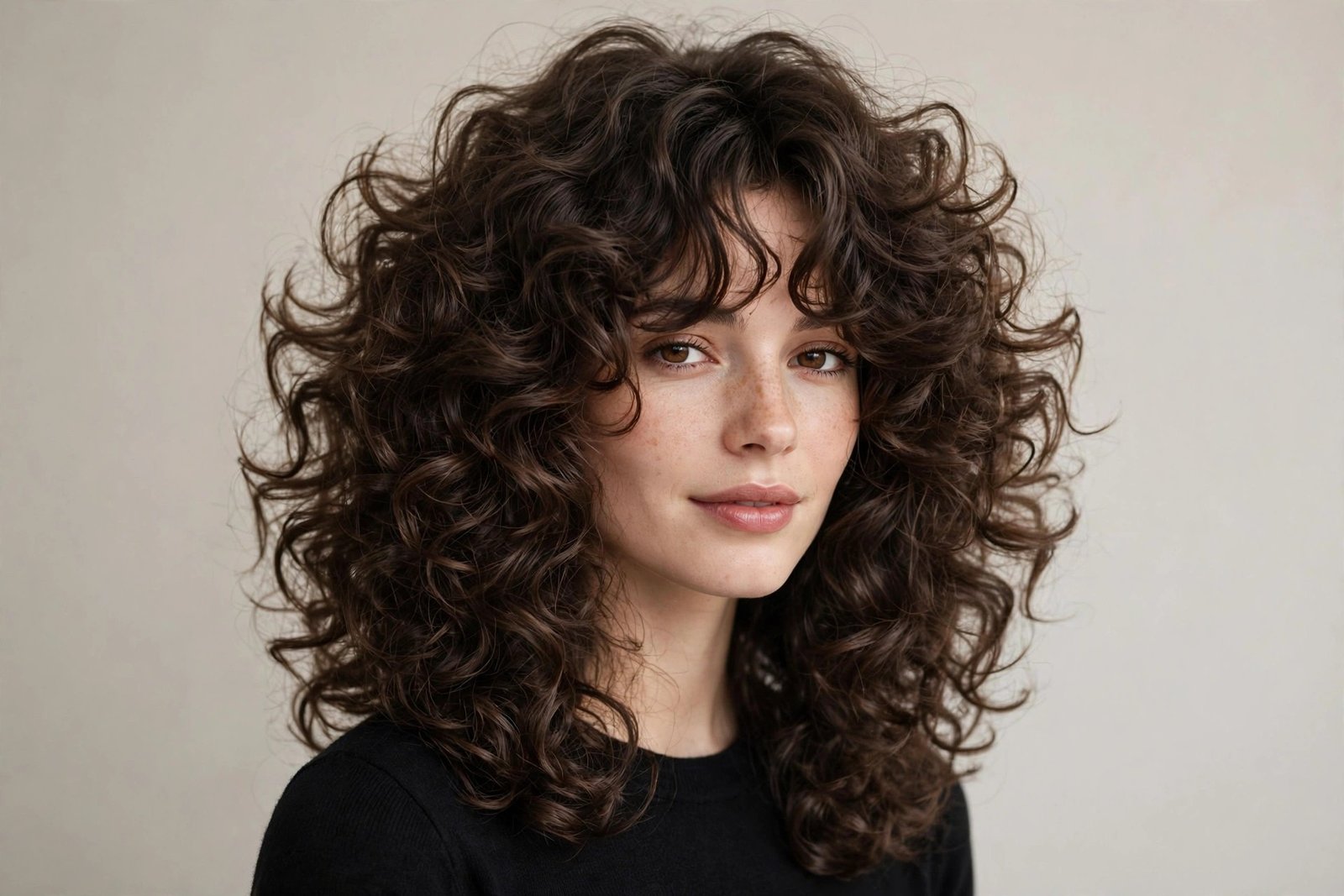
Let me say this straight away, because it matters more than anything else in this article: a curly butterfly cut women are searching for in 2026 is not the same haircut as the famous butterfly haircut you have seen all over social media. The classic butterfly haircut, the one with those long, feathered, blow-dried layers that flip and flutter like wings, was designed for straight hair and a round brush. It looks gorgeous on the person it was made for. But if you have natural curls and you walk into a salon asking for that exact cut, cut wet and styled straight, you will walk out with a shape that fights your hair every single morning. Your curls will shrink up unevenly, the layers will sit in odd places, and within a week you will wonder why a haircut with millions of views looks wrong on you. The curly butterfly cut fixes that problem at the root, quite literally. It takes the butterfly idea, short face-framing layers on top and longer layers falling below, and rebuilds it for curl texture, cut dry or curl-aware, so your curls spring up into their natural pattern instead of being weighed down or stretched out.
Pinterest’s 2026 beauty trend report shows searches for curly butterfly cuts up 464 percent, and honestly, I am not surprised at all. Curly-haired women have spent years either straightening their hair to fit trendy cuts or settling for one-length shapes that turn into a heavy triangle by day two. The curly butterfly cut is the first viral cut in a long time that actually starts from curls and works outward. The top layers are kept short enough to frame your face and give lift at the crown, while the bottom layers keep the length that makes you feel like yourself. Because the weight is removed from the right places, your curls bounce instead of drooping, your face opens up, and the cut still looks intentional when you wake up, scrunch in a little product, and walk out the door. It is low-drama hair that photographs like high-drama hair, and that combination is exactly why it exploded.
There is also a second distinction worth making before you book anything, and it is the one that will save you from a salon disaster: the curly butterfly cut is not a wolf cut either. A wolf cut leans hard into choppy, disconnected layers and a shaggy, almost mullet-like silhouette, with lots of texture cut in through the crown and a wilder finish. The curly butterfly cut is softer, rounder, and more polished. Its layers blend into each other, the outline stays full and feminine, and the goal is bouncy, healthy-looking curls with movement, not deliberate messiness. If your stylist starts talking about heavy razoring and a disconnected crown, that is wolf-cut language, and you should steer the conversation back. What you want is a stylist who looks at your dry curls, sees where they naturally fall, and cuts the butterfly shape into the hair you actually have, not the hair they wish you had.
Across this article I have put together 32 curly butterfly cut ideas for every curl type, length, face shape, and lifestyle I could think of, from soft wavy versions to tight-coil showstoppers, from low-maintenance wash-and-go shapes to glossy salon finishes. Every idea comes with honest advice on who it suits, what to ask your stylist for, and what the upkeep really looks like, because a haircut you cannot live with is not a good haircut no matter how pretty the photo is. I will be honest with you about frizz, about grow-out, about the cuts that need a diffuser and the ones that genuinely do not. By the end you should know exactly which version to screenshot, exactly what to say in the chair, and exactly how to style it on a Tuesday morning when you have ten minutes and zero patience.
Table of Contents
- 32 Curly Butterfly Cut Ideas That Let Your Curls Do the Talking
- Why the Curly Butterfly Cut Is Everywhere in 2026
- 32 Curly Butterfly Cut Ideas for 2026
- Styling Routine and Care Guide for Your Curly Butterfly Cut
- Frequently Asked Questions
- Conclusion
What Makes a Curly Butterfly Cut Different
The heart of the curly butterfly cut is a simple bit of physics. Curls are springs, and springs need room to coil. When curly hair is cut all one length, the weight of the hair pulls the top flat while the ends puff out, which is how you end up with that dreaded triangle shape. The butterfly cut breaks that weight up by stacking shorter layers around the face and crown over longer layers underneath. The short layers lift and curl freely, the long layers anchor the shape and keep your length, and the whole thing moves like one piece instead of two separate ideas fighting each other. A good stylist will cut your curls dry, curl by curl, so they can see exactly where each one springs to, because a curl cut wet can shrink up by several inches once it dries, and that is how layers end up shockingly short.
Another thing that sets this cut apart is that it respects your curl pattern instead of trying to redesign it. If you have loose waves, your butterfly layers will be longer and softer. If you have tight coils, your layers will be placed to give each coil room to form without frizzing into its neighbours. The stylist is not forcing a template onto your head; they are reading your hair and placing layers where your hair asks for them. That is why two women can both have a curly butterfly cut and look completely different, and why the cut photographs so well on so many people. It is a framework, not a stencil, and the best versions are always a little bit custom. When you sit in the chair, bring photos of curls that look like yours, not just photos of the cut, because curl type changes everything about how the layers behave.
Why the Curly Butterfly Cut Is Everywhere in 2026
The 464 percent jump in searches did not come out of nowhere. For years, curly-haired women watched trend after trend pass them by because every viral cut assumed straight hair, a blow-dry, and a round brush. Then a few curly creators started posting their own butterfly versions, cut dry, styled with a diffuser, and the response was instant. Suddenly there was a trendy, face-framing, layered cut that did not require straightening, did not demand an hour of styling, and actually looked better with natural texture. The algorithm did the rest, and salons started getting requests by name. Once a cut proves it can survive real life, real humidity, and real second-day hair, it stops being a trend and starts being a staple, and that is where the curly butterfly cut is heading.
There is a bigger shift behind it too. More women are done with fighting their hair into submission every morning, and the beauty world is finally catching up to that. Products got better, diffusers got better, and stylists got better training in curl cutting, all at the same time. The curly butterfly cut sits right at the meeting point of all three: it needs a stylist who understands curls, products that define rather than weigh down, and a styling routine that takes minutes rather than an hour. It also flatters a huge range of ages and face shapes, which is rare for a single cut. A teenager, a new mum, and a woman in her sixties can all wear a version of it and all look like themselves, just a bit more polished. That kind of range is why it keeps showing up on feeds month after month instead of burning out.
Who Suits It Best
Almost everyone with waves or curls can wear a curly butterfly cut, but a few details decide which version will love you back. If your hair is fine and curly, you want longer layers and less layering overall, so you keep your density and your curls clump together instead of separating into wisps. If your hair is thick, you can handle more layers and shorter face-framing pieces, because removing weight is exactly what your hair needs to move. If your curls are loose, the butterfly shape gives you body you never thought you had. If your curls are tight, it gives you shape and lift without sacrificing length. The cut is forgiving, but the layer placement is not one-size-fits-all, and that conversation with your stylist matters more than the name of the cut itself.
Face shape plays a part too, and I will flag it under each idea below, but here is the short version. Round faces do best when the shortest layer starts at or below the cheekbone, so the eye travels down rather than stopping at the widest point. Oval faces can wear almost any version, so pick based on your lifestyle instead. Heart-shaped faces love layers that add fullness around the jaw to balance a narrower chin. Square faces soften beautifully with curved, face-framing layers that round off a strong jawline. And if you wear glasses, tell your stylist, because the shortest layer should sit either above or below your frames, never right on top of them where it will poke and frizz all day. Small details like that are the difference between a cut you love and a cut you tolerate.
32 Curly Butterfly Cut Ideas for 2026
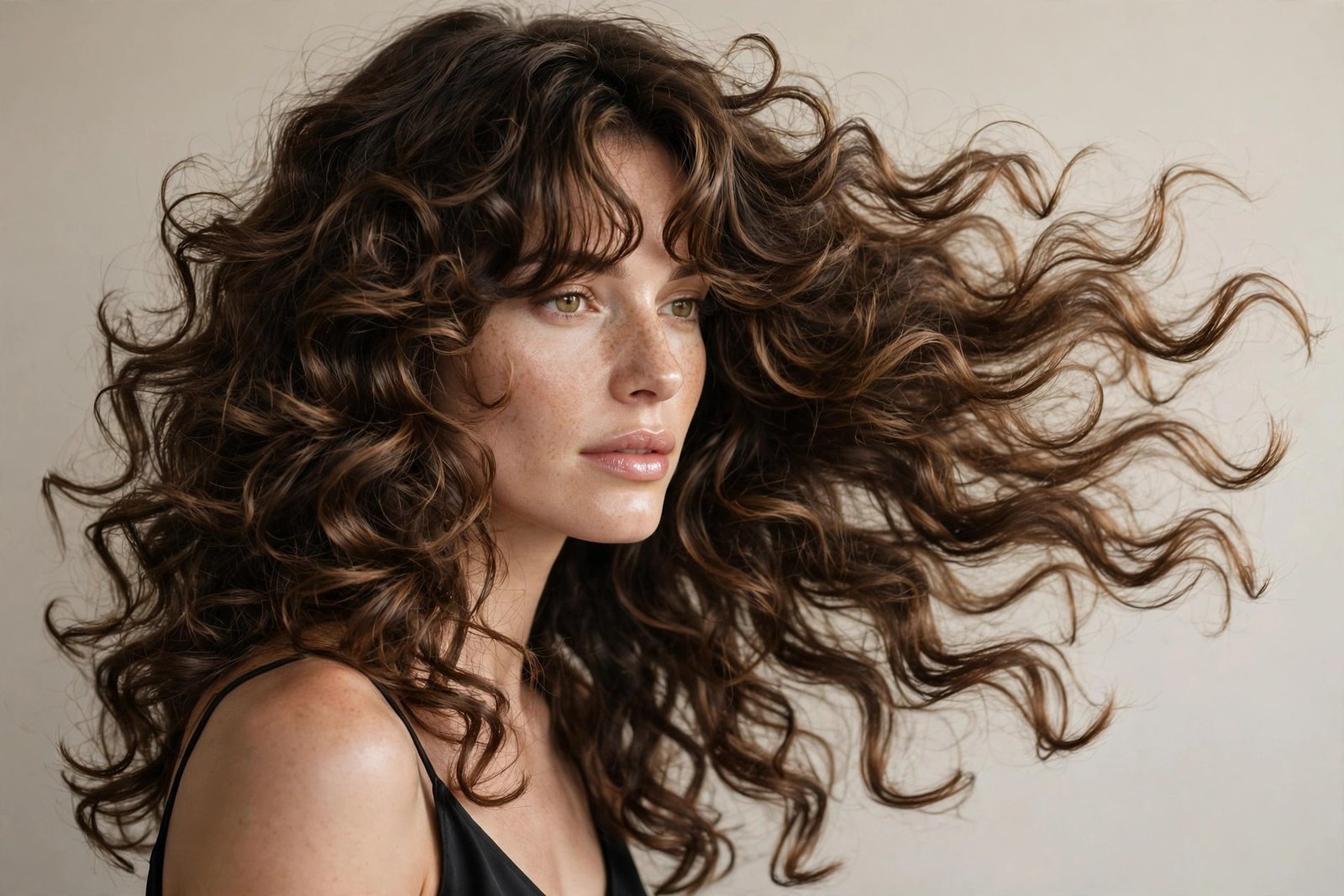
Here they are, all 32 of them, grouped so you can jump to what fits your curl type, your length, or your patience level in the morning. Read the honest downsides as carefully as the pretty parts. A cut that suits your life is worth ten cuts that only suit a photo shoot.
1. The Classic Curly Butterfly
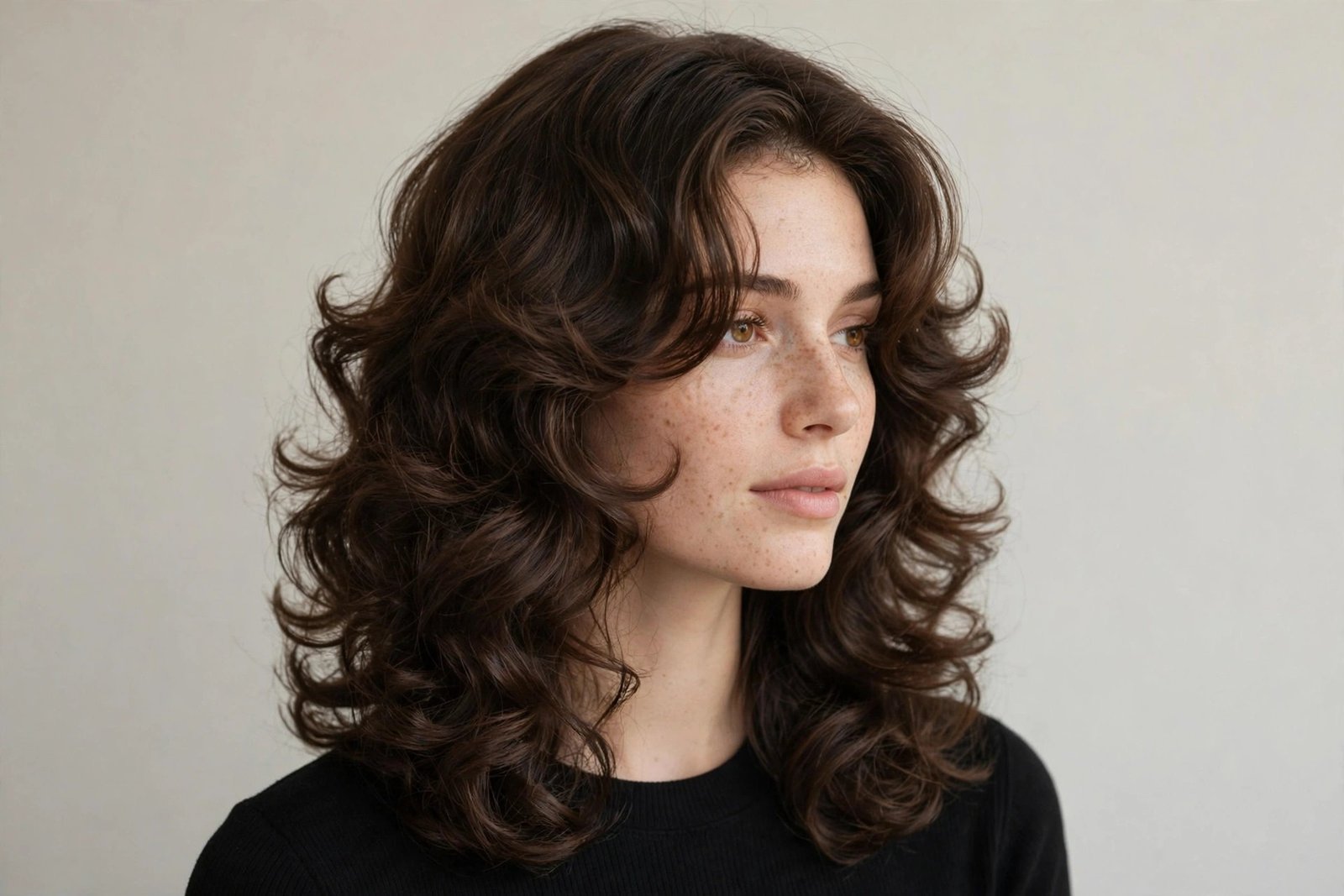
This is the version that started it all, and it is still the one I recommend first to anyone trying the cut for the first time. The shortest layer sits around the cheekbone, the layers graduate down through the shoulders, and the overall outline stays full and rounded rather than wispy. On 2C to 3B curls it creates that perfect butterfly silhouette, lift at the crown, movement around the face, and length that still swings when you turn your head. Ask your stylist to cut it dry, curl by curl, and to keep the layers blended rather than choppy, because the classic version works precisely because it looks soft. Style it by scrunching curl cream into soaking wet hair, diffusing on low heat until about eighty percent dry, and then leaving it alone, because touching it while it dries is how frizz starts. Maintenance is refreshingly simple: a trim every ten to twelve weeks, a weekly deep-conditioning mask, and a silk pillowcase if you want your second-day curls to behave.
The honest downside is that the classic version is not the most dramatic choice, and if you are someone who wants a big visible change, it can feel a little safe at first. Give it a week before you judge it, because curly cuts settle as your curls learn their new shape, and what looks subtle on day one often looks completely different by day five. It suits oval, round, and heart-shaped faces especially well, and it works on medium to thick hair best, though fine curls can wear it with longer layers. Variations are easy: add curtain bangs for more face framing, or ask for a slightly shorter crown layer if you want extra height on top. Barbers and stylists will sometimes try to thin this cut out with shears, and you should stop them, because density is what makes the butterfly shape read as full and healthy. Keep the weight, lose the bulk through layering alone, and this cut will carry you through every season.
2. Shoulder-Length Springy Butterfly
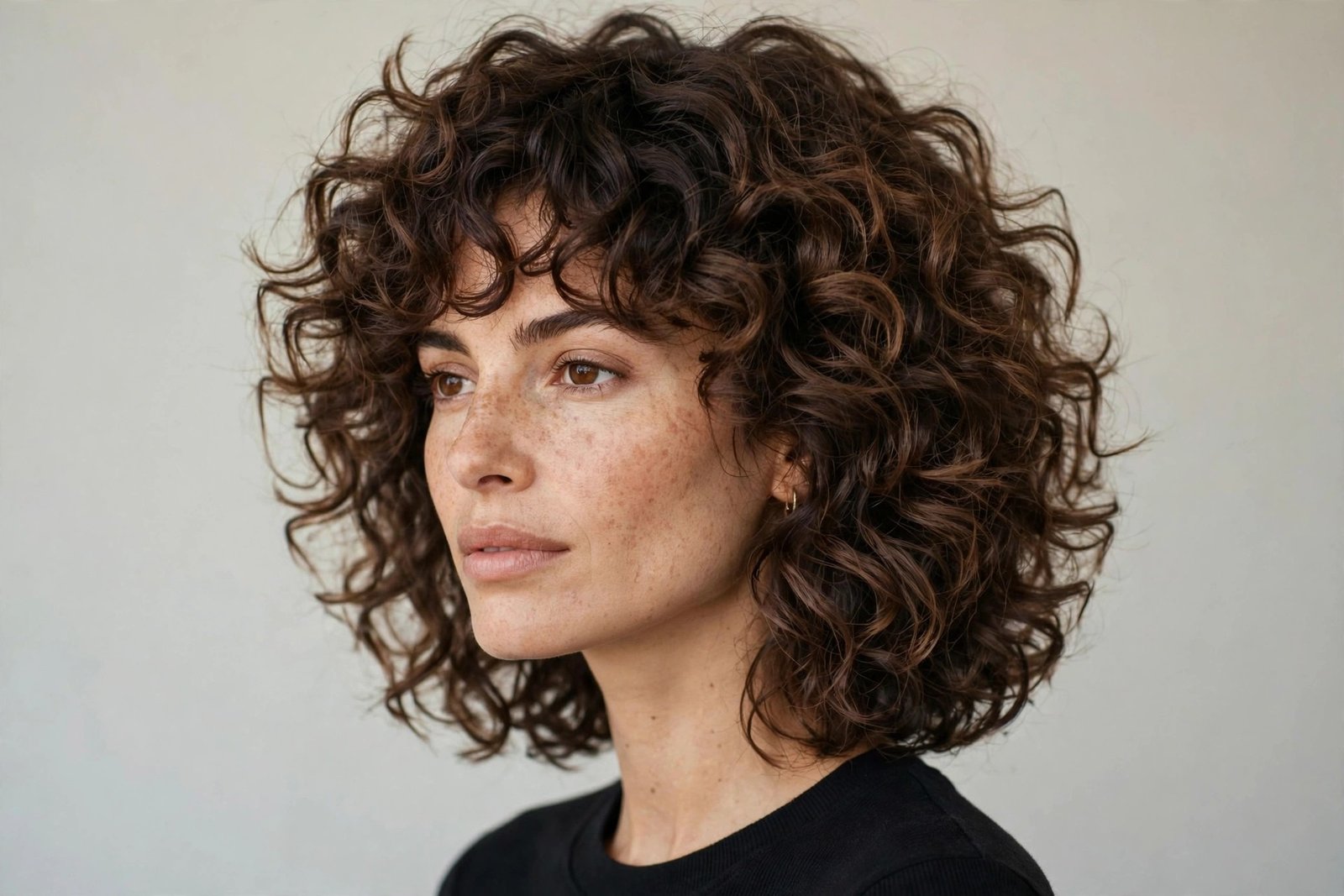
If you love the idea of a butterfly cut but you are not ready to commit to long hair maintenance, the shoulder-length version is your sweet spot. Everything sits at or just above the shoulders, which means your curls spring up more dramatically, because there is less length pulling them down, and the whole cut feels lighter, bouncier, and frankly more fun. The face-framing layers start high, around the temples or cheekbones, and the shape is rounder and more compact than the classic version. This is a brilliant choice for women with 3A to 3C curls who want volume without the weight, and for anyone who works out, swims, or just hates hair sticking to their neck in summer. Styling is fast: wash, scrunch, diffuse for ten minutes, and you are done, because shorter curls dry faster and hold their shape better than long ones do.
What to watch out for is shrinkage, which is real and sometimes shocking at this length. If your curls shrink by thirty percent or more, a shoulder-length cut when wet can sit well above the shoulders when dry, and that is a surprise nobody wants. Always have it cut dry, and be very clear with your stylist about where you want it to sit when fully dry, not when wet. The upside of the shorter length is that grow-out is graceful: it just becomes a longer butterfly cut over a few months, so you are never stuck in an awkward stage. It suits round and square faces beautifully, because the volume at the sides softens angles, and it is one of the easiest butterfly versions to refresh with a quick trim. If you have ever thought your curls looked better short, this is the version that proves you right.
3. Long Layered Curly Butterfly
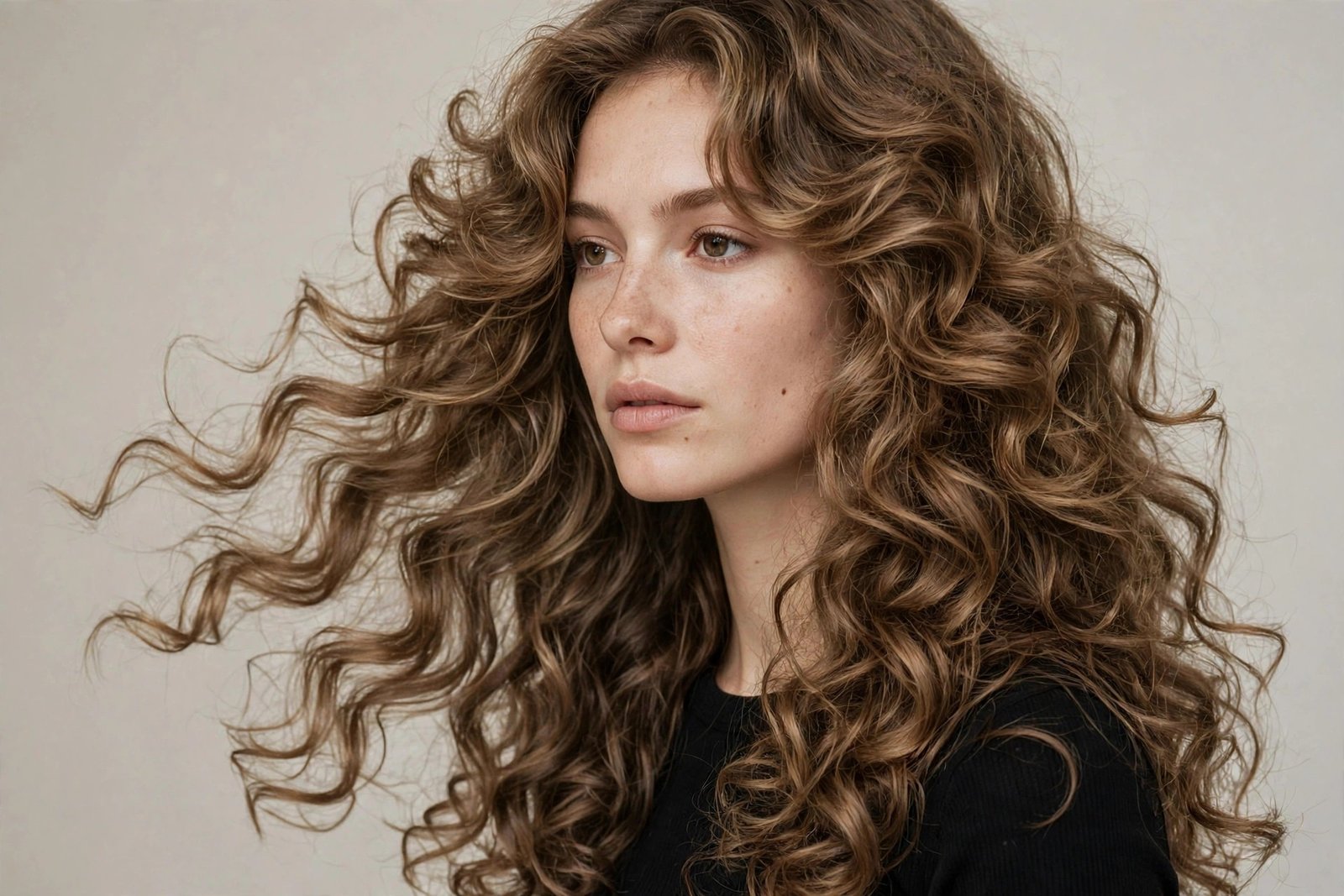
For the women who have spent years growing their curls and refuse to give up a single inch, the long layered butterfly is the answer. The layers start at the cheekbone and cascade all the way down past the shoulders, sometimes to the mid-back, so you keep every bit of your length while gaining movement that one-length long hair simply cannot offer. Long curly hair has a habit of going flat on top and heavy at the bottom, and this cut fixes both problems at once: the top layers lift, the bottom layers swing, and the whole thing moves when you move instead of hanging like a curtain. It is especially gorgeous on 2B to 3B curls, where the waves and curls catch the light differently at every layer, giving you dimension that no colour treatment can fake. Ask for long, blended layers rather than short choppy ones, because at this length, choppy layers can look messy instead of intentional.
The trade-off is honest and worth knowing: long curly hair takes longer to wash, longer to dry, and longer to detangle, and no haircut changes that. You will need a good detangling routine, probably in the shower with conditioner and a wide-tooth comb, and a diffuser session that takes closer to twenty minutes than ten. On the plus side, this version is incredibly versatile. You can wear it down, half-up, in a loose braid, or clipped back, and the layers make every style look more interesting than it would on one-length hair. It suits oval and oblong faces particularly well, because the length balances the face, and it is a wonderful choice if you are growing your hair out, since trims just refresh the layers without touching your length goals. If length is part of your identity, this cut lets you keep it and still feel like you had a real change.
4. Bouncy Mid-Length Butterfly
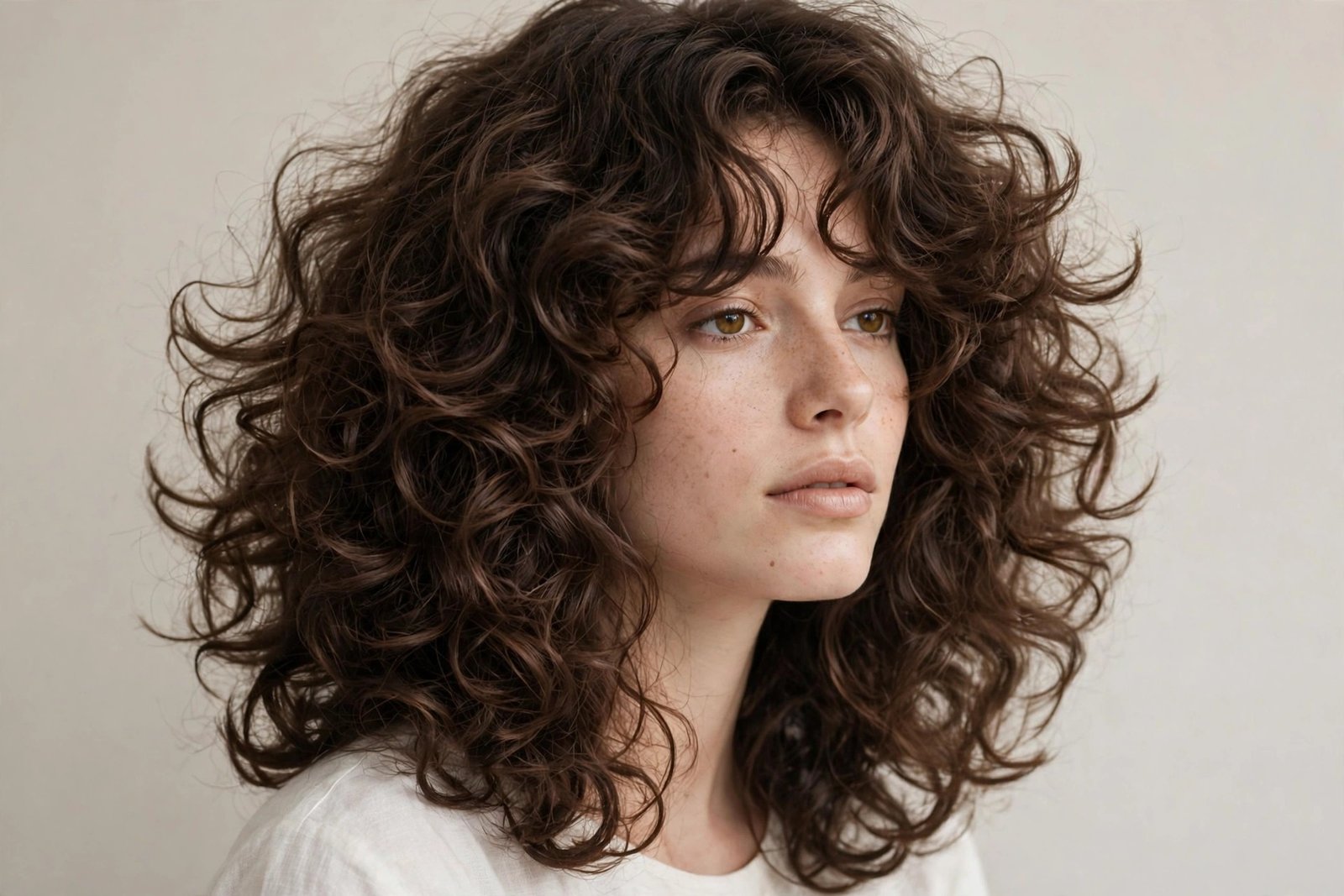
Mid-length is the Goldilocks zone of curly hair, and the bouncy butterfly version is why so many stylists quietly recommend it above all others. Sitting between the shoulders and the collarbone when dry, it is long enough to feel feminine and versatile, short enough to dry in reasonable time, and the curls have enough room to spring without so much weight that they droop. The layers here are a little more pronounced than in the classic version, with a shorter crown layer that gives real lift, so the cut has visible bounce even on days when you do almost nothing to it. This is the version I point to when someone says they want their hair to look like they just left a salon, every day, with minimal effort. A good curl cream, a diffuser, and a little root clipping while it dries will get you there.
It works across a huge range of curl types, from 2C waves to 3C curls, which is part of its appeal, and it flatters most face shapes because the length hits at a universally kind spot. The main thing to be careful about is the crown layer: if it is cut too short, you can end up with a pouf on top that looks separate from the rest of the hair, so ask your stylist to keep the shortest layer connected to the layers below it. Maintenance is straightforward, with trims every ten weeks and a refresh routine of water, a little leave-in, and scrunching on non-wash days. If you are torn between short and long, start here. You can always grow it longer or cut it shorter later, and mid-length butterfly hair photographs beautifully from every angle, which is a nice bonus in a world where everyone has a camera.
5. Face-Framing Curtain Butterfly
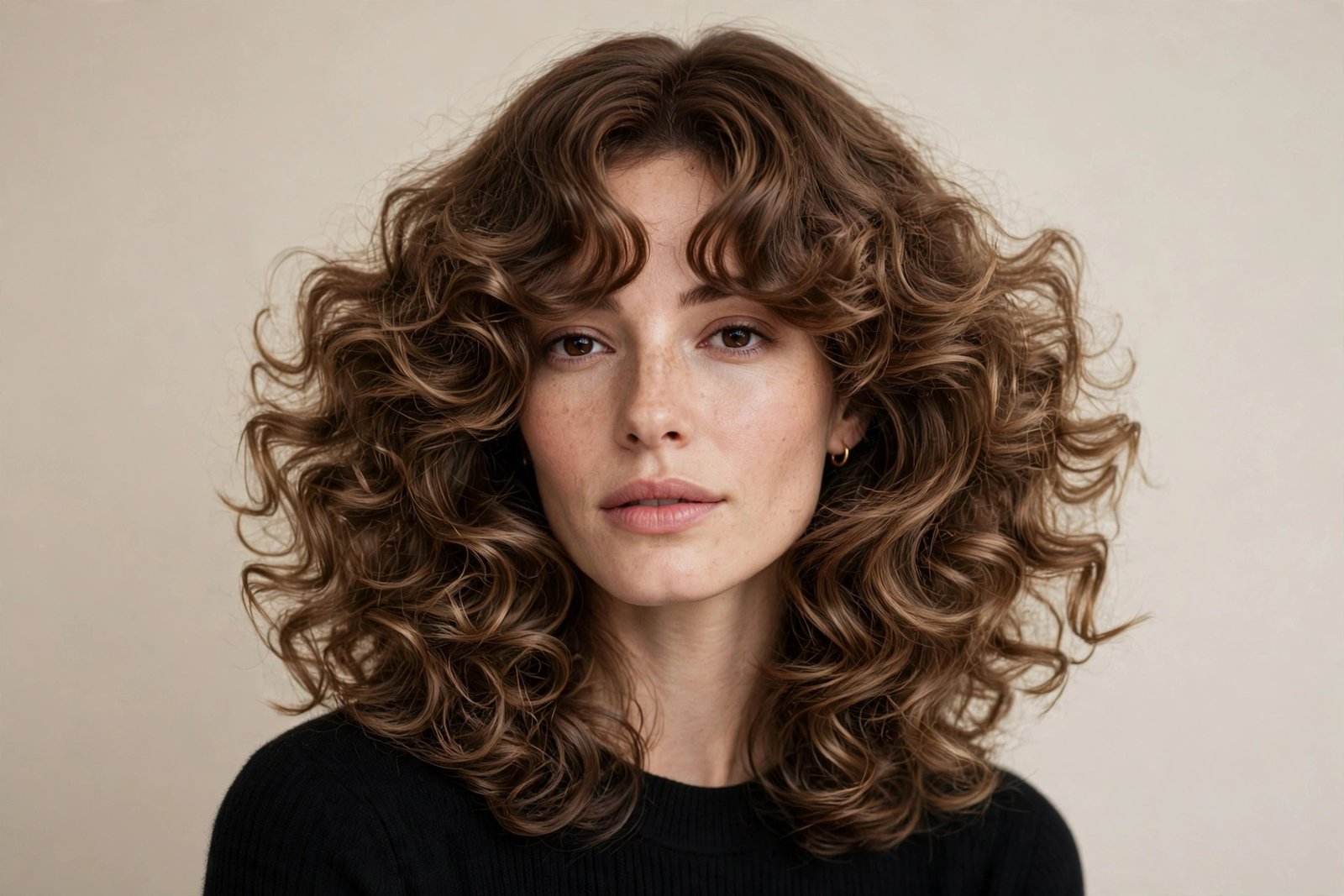
This version leans all the way into the face-framing promise of the butterfly cut, with curtain-style layers that open around the face like a frame. The shortest pieces sit at the temples and cheekbones and curve gently away from the face, so your features are highlighted without any harsh lines. On curly hair this looks softer than the straight-hair curtain cut, because the curls round off the edges naturally, and the result is romantic, flattering, and very photogenic. It is a wonderful choice if you have a strong jawline or a high forehead you want to soften, and it works beautifully on 2B to 3B curls. Tell your stylist you want the curtain pieces to be cut dry and to fall naturally, not blown out straight, because the whole point is that they curl and move with the rest of your hair.
The catch is that face-framing pieces are the first thing to misbehave in humidity or after a night of sleep, since they are short and right where you touch your face most. A tiny bit of curl cream smoothed over just those pieces on refresh days will tame them, and a silk scarf or bonnet at night keeps them from frizzing into a halo. If you wear your hair up a lot, this version is a gift, because the curtain pieces fall out softly around your face and make a simple ponytail look styled rather than scraped back. It suits heart-shaped and oval faces especially well, and it pairs beautifully with the rest of the butterfly layers behind it. Think of it as the butterfly cut with the volume turned up around your face, and if framing your features is your priority, nothing else on this list does it better.
6. Voluminous 3B Butterfly
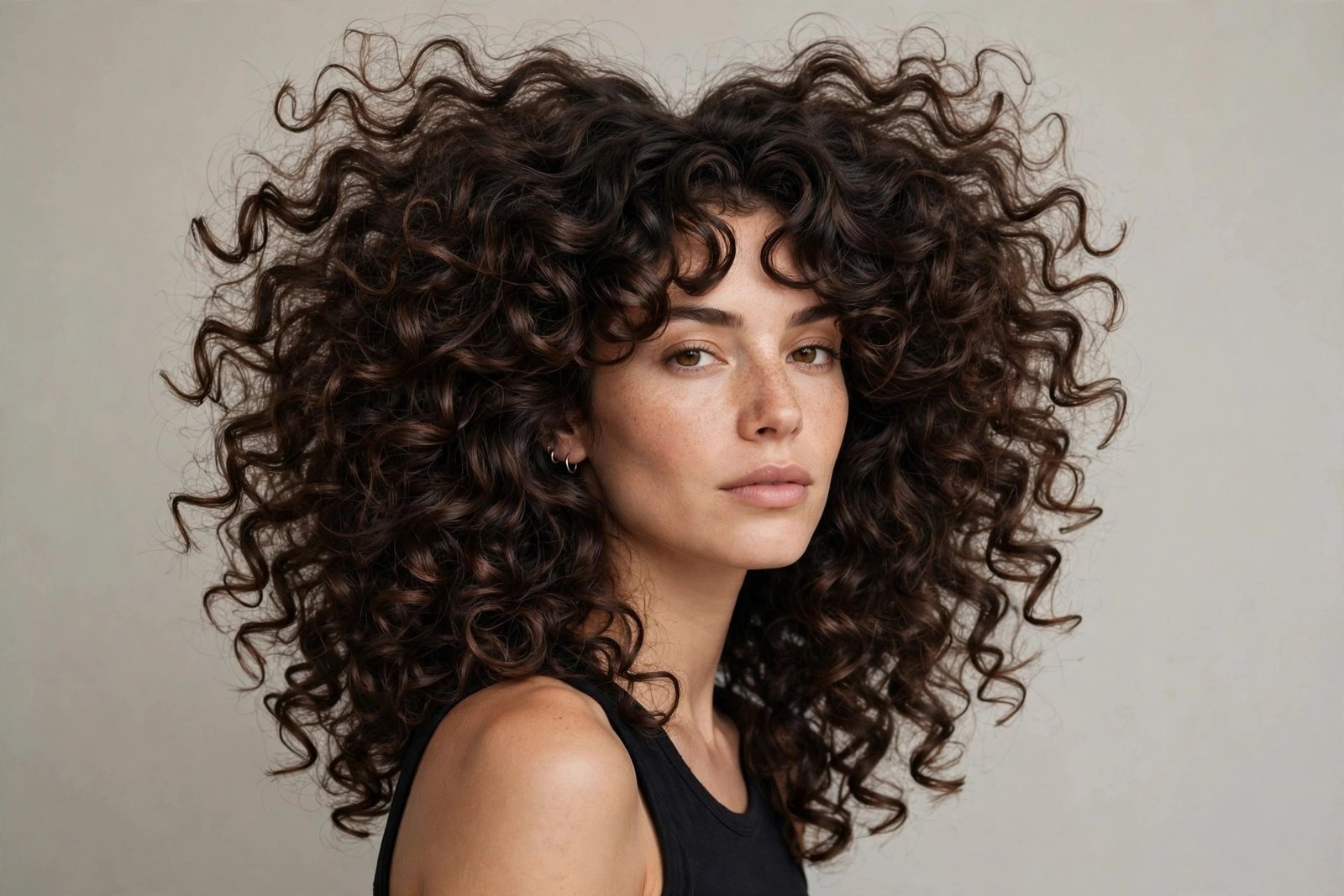
Type 3B curls, those springy, well-defined ringlets with real volume, were practically made for the butterfly cut, and this version is built to show them off. The layers are placed to let each ringlet form fully without being squashed by the hair above it, which means the cut looks fuller, not thinner, after layering. That surprises a lot of women, who assume layers mean less volume, but with 3B curls the opposite is true: removing weight lets the springs do their job, and the result is a halo of defined, bouncy curls with a beautiful rounded silhouette. Ask for dry cutting, and ask your stylist to cut curl by curl rather than in straight sections, because 3B curls clump in families and cutting across a clump can break it apart. A curl cream followed by a light gel, scrunched in and diffused, gives definition that lasts for days.
Maintenance for 3B butterfly hair is mostly about moisture. These curls drink conditioner, and a weekly deep-conditioning treatment is not optional if you want them to stay soft rather than crunchy or frizzy. Refresh days are easy: mist with water, smooth a little leave-in over the canopy, scrunch, and go. The downside is that 3B hair can get big, and if you live somewhere humid or you prefer a sleeker silhouette, the volume might feel like a lot at first. You can manage it with longer layers and a slightly heavier cream, but do not fight the volume entirely, because it is the whole point. This version suits round, oval, and heart-shaped faces, and it is the one that gets the most compliments in my experience, simply because healthy 3B curls in a butterfly shape are genuinely hard to look away from.
7. Soft 2C Wave Butterfly
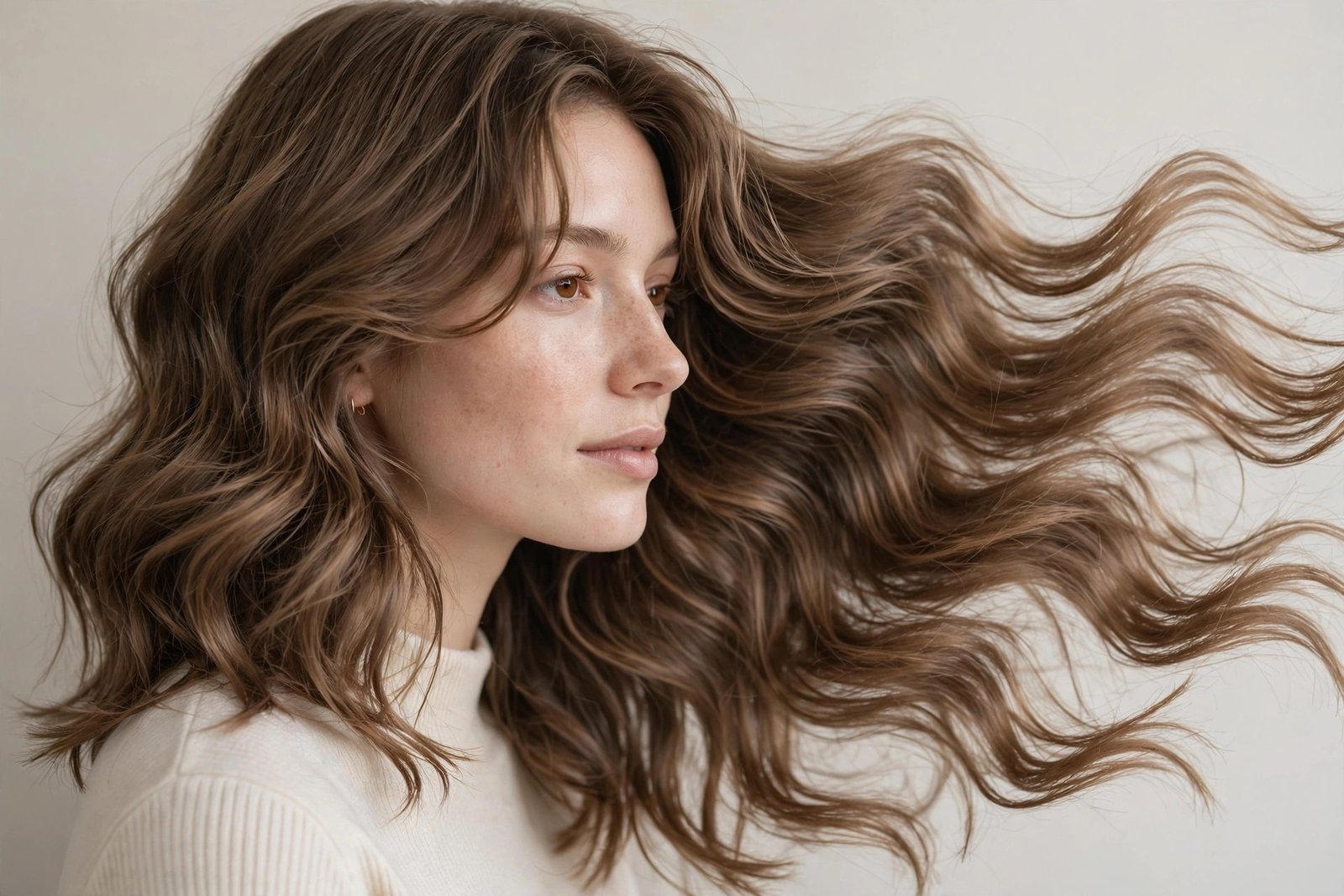
Wavy-haired women sometimes worry the butterfly cut is only for tight curls, and this version proves otherwise. Type 2C waves, those defined S-shaped waves that border on curls, take beautifully to butterfly layering, but the layers need to be longer and softer than they would be for tighter curls. Short layers on wavy hair can flip out and look disconnected, so the trick is gentle graduation: the shortest layer around the cheekbone, then long flowing layers below, so the waves stack into each other and build body. The result is that effortless, beachy-but-polished look that wavy hair does better than any other texture. Style it with a light mousse scrunched into damp hair, diffuse briefly or even air-dry, and let the waves do what they already want to do.
The honest truth about wavy butterfly cuts is that they are lower maintenance than curly ones in some ways and higher in others. You will not need as much product or as much diffusing time, but your waves can fall flat by day two if you sleep on them wrong, so a loose pineapple or a silk scrunchie at night helps a lot. This version suits women who want movement without committing to a full curl routine, and it is a great first step if you are still deciding on a true curly cut. It flatters oval, oblong, and square faces, and it grows out gracefully into longer layers. If your waves have always felt a bit shapeless, this cut gives them a shape to follow, and that structure makes every day a little easier. Pair it with the beach waves approach to styling on days when you want extra texture, and you will never be bored with it.
8. Tight Coil Butterfly
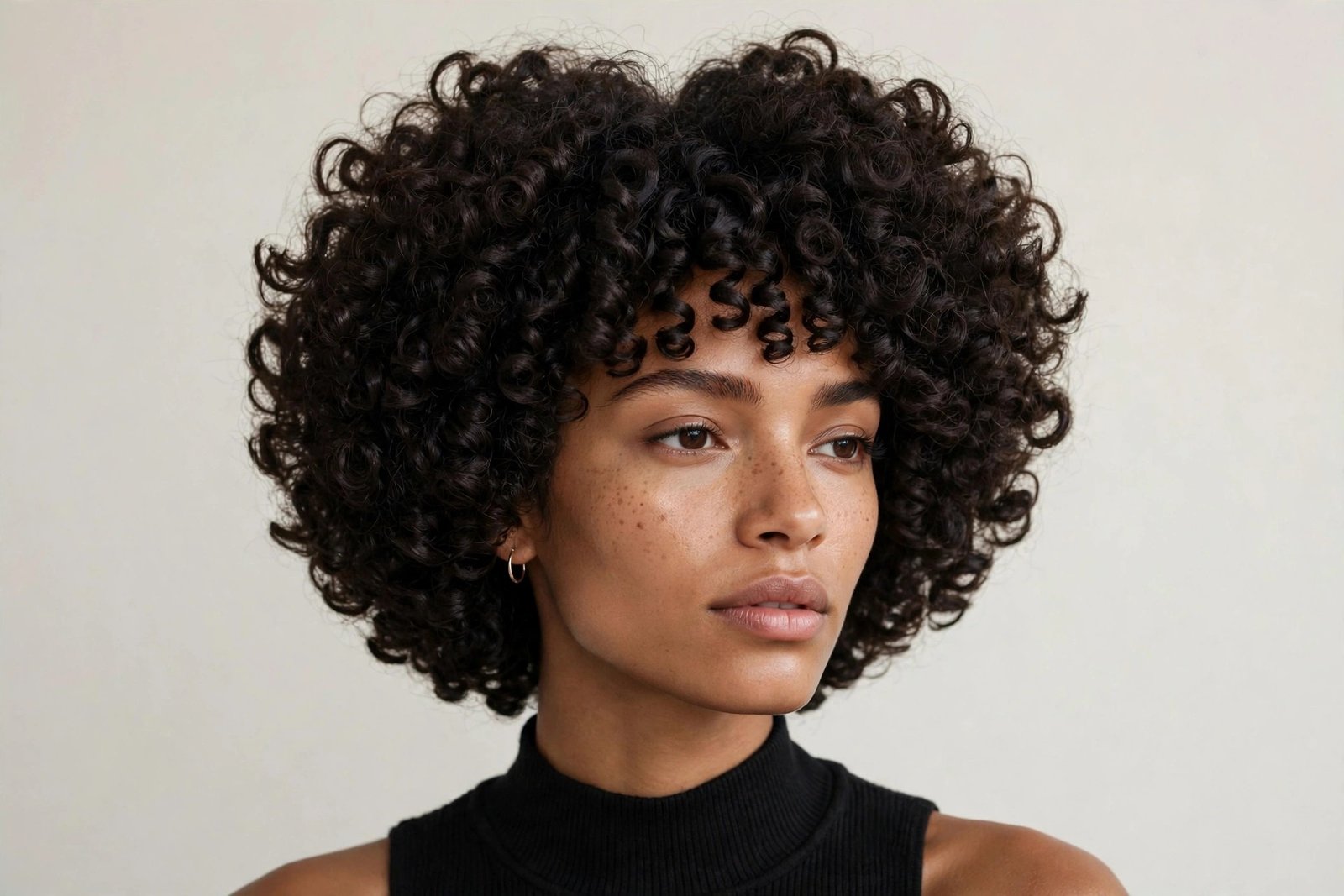
Tight coils, types 4A and 4B, deserve a butterfly cut that respects how much shrinkage and density they carry, and this version is designed exactly for that. The layers are cut with shrinkage in mind, often on stretched or dry hair, so the finished shape is rounded, full, and beautifully balanced rather than a triangle. The face-framing layers open up the face, the crown layers give height, and the longer layers underneath keep the silhouette generous. Because coily hair is naturally voluminous, the butterfly shape reads as a gorgeous, sculpted halo, and it is one of the most striking versions on this list. Moisture is everything here: a leave-in conditioner, a butter or cream to seal, and regular deep conditioning will keep your coils defined and soft, while dry hair will frizz and break no matter how good the cut is.
Finding the right stylist matters more for this version than for almost any other, so look for someone with real experience cutting coily hair dry or on stretched hair, and be wary of anyone who wants to blow it straight first and cut it like straight hair. That approach ignores shrinkage entirely and the layers will land in the wrong places once your coils spring back. The upkeep is a weekly wash-and-condition routine, protective styling at night with a satin bonnet, and trims every ten to twelve weeks to keep the ends healthy. It suits every face shape, because the volume and framing can be adjusted so easily, and it is a powerful choice if you want a cut that celebrates your coils instead of taming them. This is not a cut that apologises for texture. It builds a whole shape around it, and the result is unforgettable.
9. Butterfly with Curtain Bangs
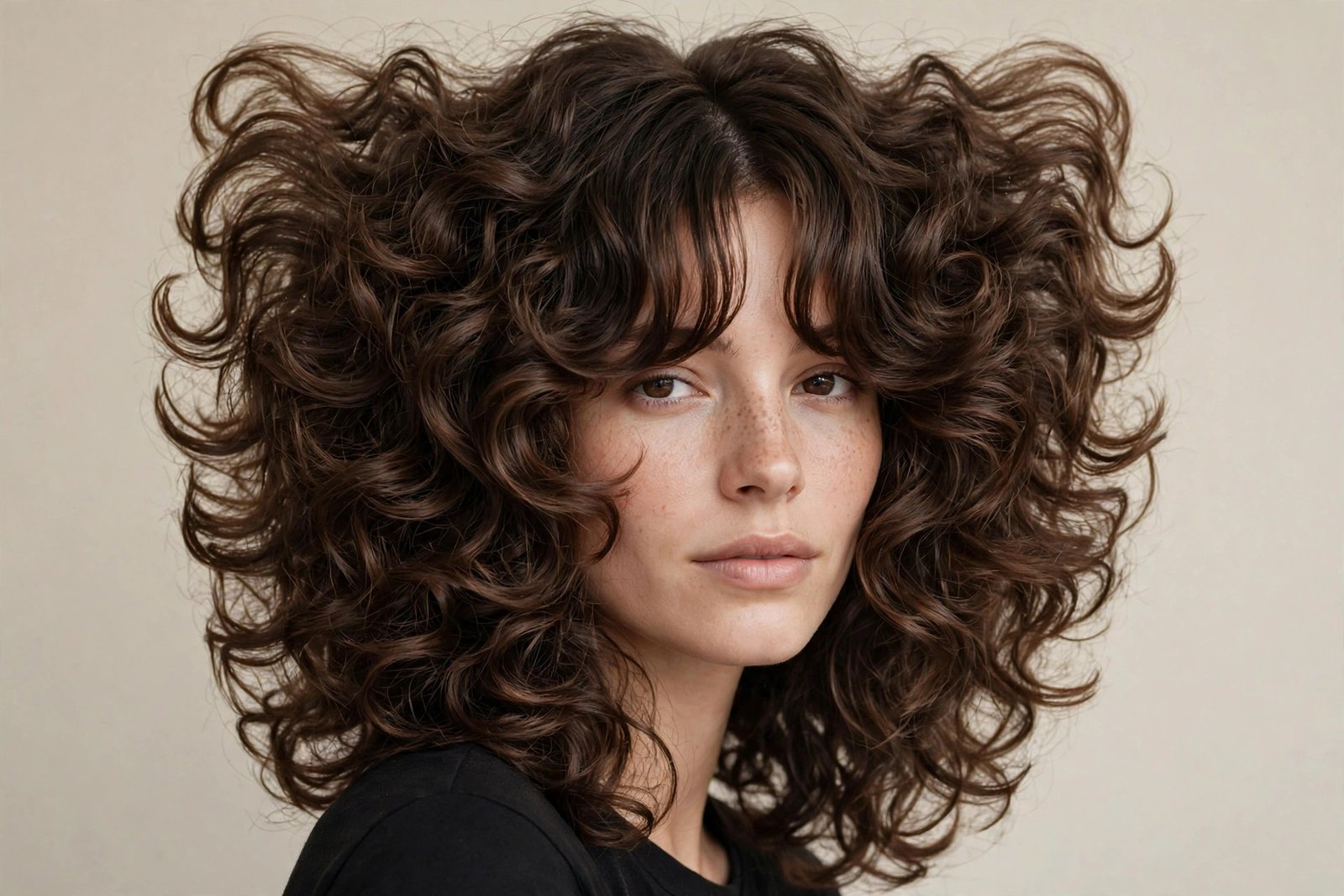
Adding curtain bangs to a butterfly cut is like adding a frame to a painting you already love: it draws the eye exactly where you want it. The bangs are cut as part of the shortest face-framing layer, parting softly in the middle and curving away from the face, so they blend into the layers instead of sitting apart from them like a separate fringe. On curly hair this works best when the bangs are kept a little longer than you think you want them, because curls spring up and a bang that looks perfect wet can become a wisp above your eyebrows when dry. Ask your stylist to cut the bangs dry, at the length you want them to sit when fully curled, and to keep them connected to the face-framing layers so the whole front flows as one piece. Style them by scrunching a tiny amount of curl cream into the bang section and diffusing gently, or just letting them air-dry while the rest of your hair diffuses.
The commitment here is small but real: curtain bangs on curly hair need a little attention on refresh days, because they sit right on your forehead and show frizz before the rest of your hair does. A quick mist of water and a dab of cream will reset them in under a minute, so it is hardly a burden, but it is a daily habit. The payoff is huge for women with high foreheads, long faces, or anyone who wants their eyes to be the first thing people notice. It suits oval, oblong, and heart-shaped faces beautifully, and it makes the whole butterfly cut look more intentional and styled, even on days when you have done nothing else. If you have ever been told curly hair cannot have bangs, this version is the proof that it absolutely can, as long as the bangs are cut for curls and not against them.
10. Side-Part Curly Butterfly
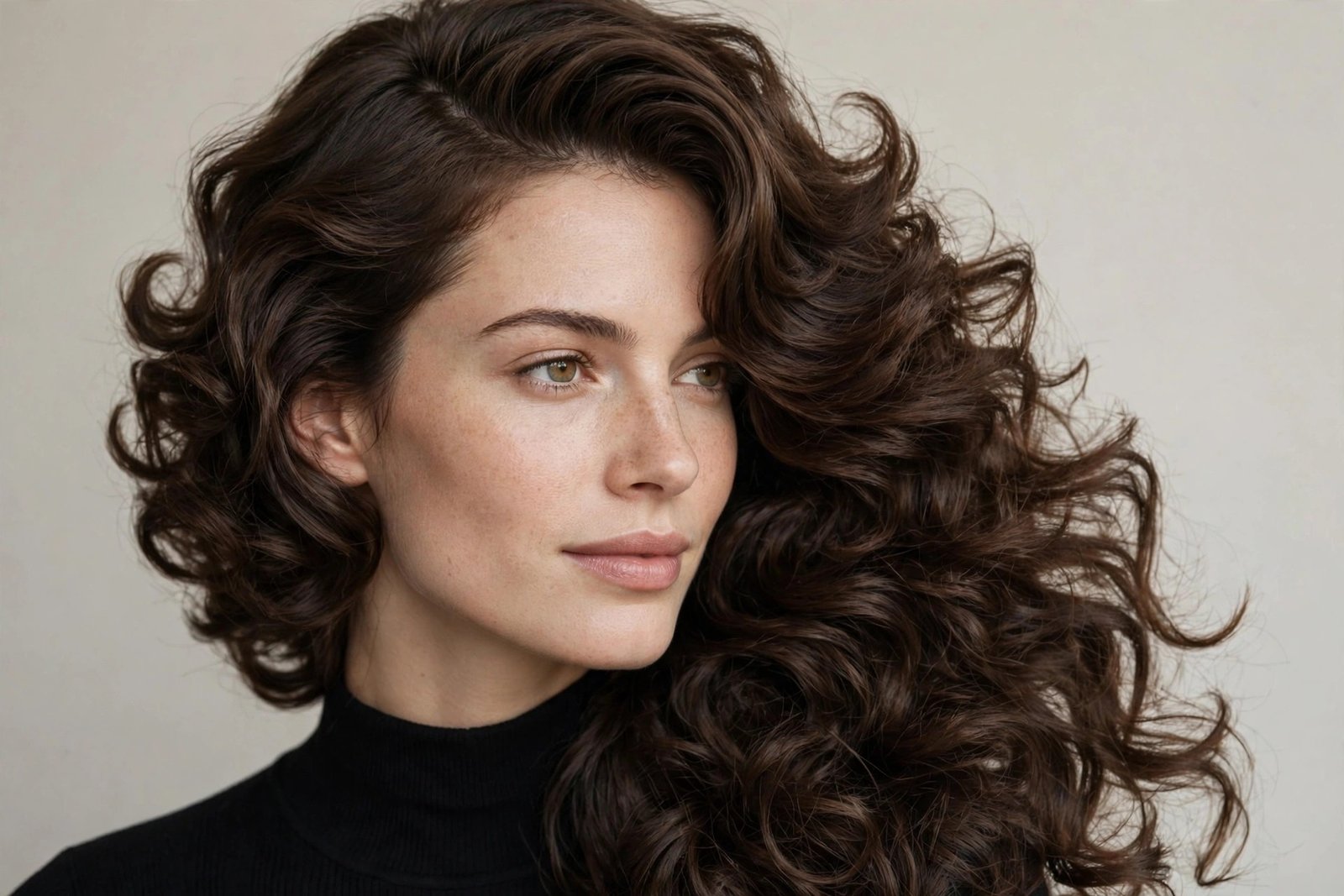
A deep side part changes a butterfly cut more than most people expect, and it does it in the best way. Sweeping most of your curls to one side instantly creates asymmetry, volume on one side, and a glamorous, almost old-Hollywood feeling that a middle part never quite delivers. The butterfly layers work brilliantly with a side part because the shorter layers on the heavy side fall forward and frame the face, while the lighter side stays tucked and neat behind the ear. This is a wonderful choice for special occasions, for women with a cowlick or a natural part that refuses to sit in the middle, and for anyone whose face feels a little too symmetrical and could use some drama. Ask your stylist to cut the layers with your side part in place, because layers cut for a middle part will not fall the same way when you flip everything over.
One thing to know is that a side part can make one side of your hair look heavier, so if your hair is very thick, ask for a little extra layering on the heavy side to keep it balanced. Styling is simple: part your hair deeply while it is wet, scrunch in your products, and diffuse with your head tilted so the roots on the heavy side get lift. The side-part butterfly suits round and square faces especially well, because the diagonal line across the forehead breaks up width and softens angles. It also hides a multitude of sins on days when your curls are not cooperating, because flipping your part is the fastest refresh trick in existence. If you want a butterfly cut that feels a little more grown-up and a little more glamorous, start with the part. It costs nothing and changes everything.
11. Middle-Part Curly Butterfly
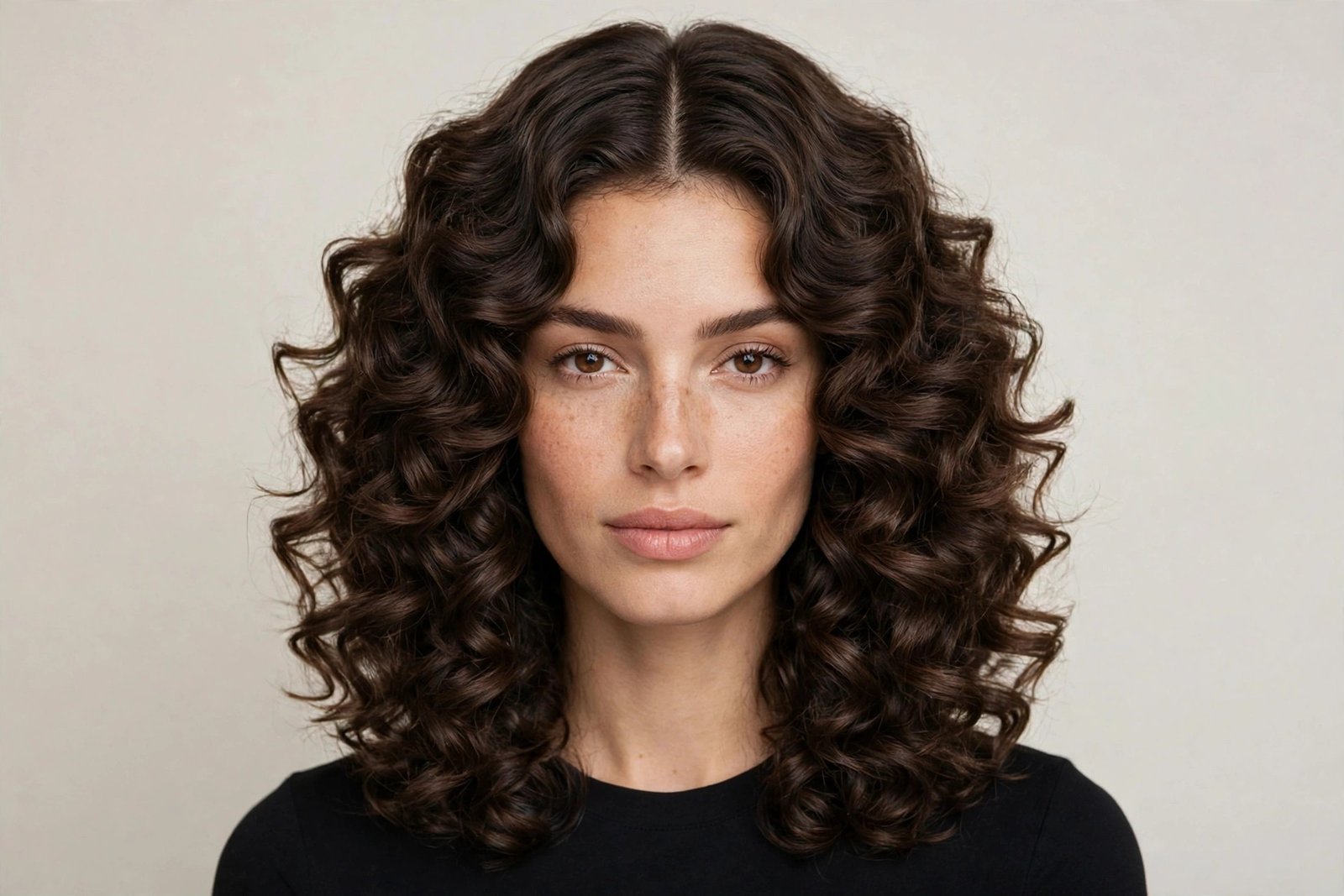
The middle part is the classic butterfly pairing, and on curly hair it gives you symmetry, balance, and a clean frame for your whole face. With the hair falling evenly on both sides, the butterfly layers mirror each other, the face-framing pieces open like curtains, and the overall shape is calm, polished, and very flattering. This version is ideal if you like a neat, put-together look, if you have a symmetrical face you want to show off, or if you simply part your hair in the middle out of habit and never think about it. The layers should be cut with the middle part in place, and the shortest layer should sit at the cheekbone or just below, so the face opens up rather than closing in. A middle part also makes it easy to check that your layers are even, which is a useful check when you leave the salon.
The only real risk with a middle part is flatness at the crown, because the hair is pulled evenly to both sides and there is no natural lift from a flip. Fix it with root clipping while your hair dries, or by diffusing upside down for the first few minutes, which gives the roots volume that lasts all day. This version suits oval and heart-shaped faces best, though it works on most face shapes as long as the layers are placed well. It is also the easiest butterfly version to style consistently, because there is no decision to make in the morning: part, scrunch, diffuse, done. If you love routine and you love symmetry, the middle-part butterfly is your cut, and it is the version that looks most like the butterfly cuts you see in photos, just made for curls instead of straight hair.
12. Butterfly with Blonde Balayage
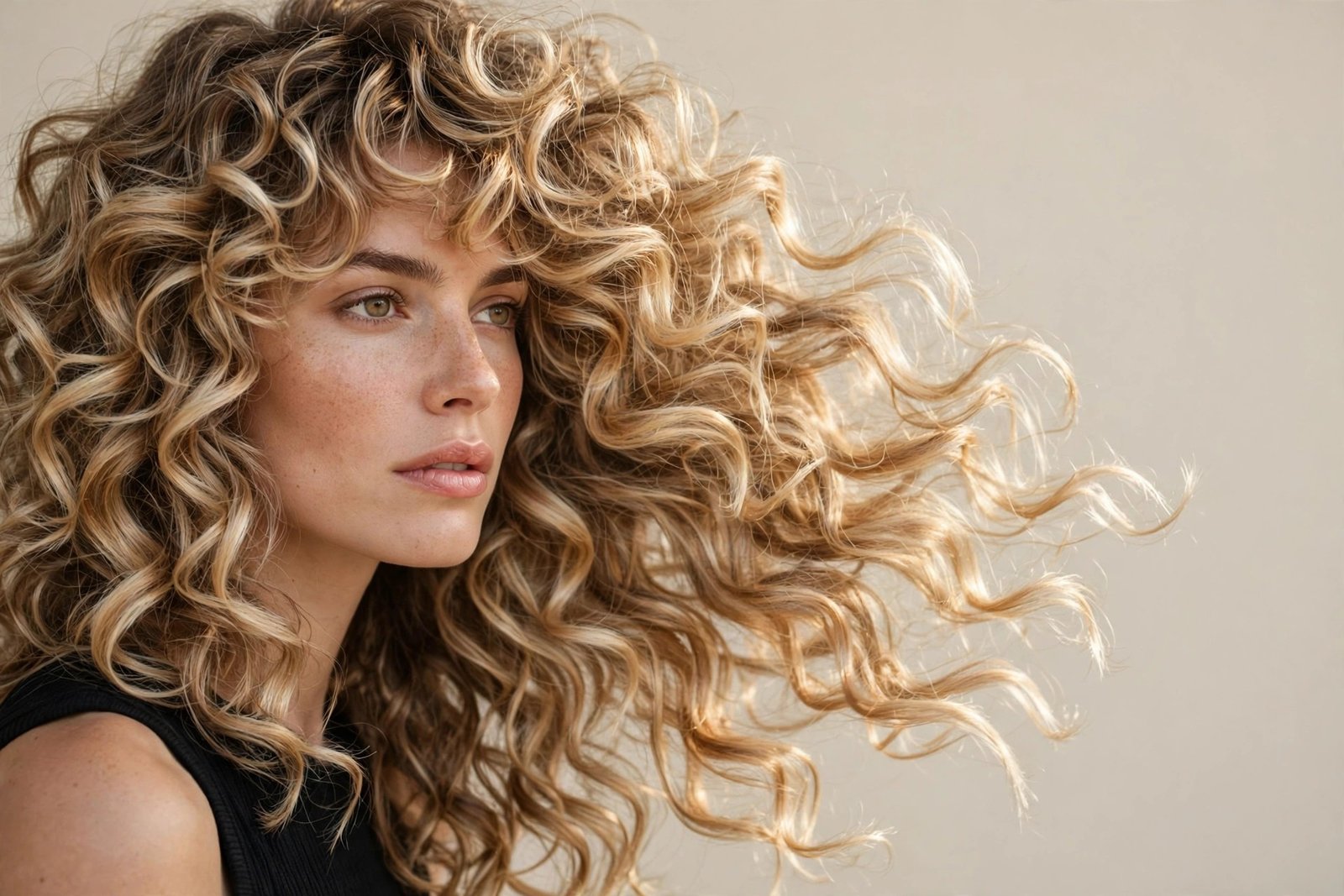
Colour and cut are partners, and blonde balayage on a curly butterfly cut is one of the happiest partnerships in hair. Because the layers sit at different lengths, the balayage catches the light at every level, so your curls look dimensional and sun-kissed even indoors. The lighter pieces are usually painted onto the face-framing layers and the ends, which means the butterfly shape itself gets highlighted: the short layers glow around your face, the long layers carry ribbons of blonde through the length, and the whole cut looks more expensive than it is. This is a gorgeous choice on medium to dark brown bases, where the contrast is visible but not harsh, and it works on 2C to 3B curls where the curl pattern shows the colour off. Ask your colourist for a soft, blended balayage rather than harsh highlights, because curly hair shows lines more obviously than straight hair does.
The honest cost here is maintenance and hair health. Balayage on curly hair needs toning every six to eight weeks to keep it from going brassy, and lightened curls need extra moisture, so a deep-conditioning mask becomes non-negotiable rather than nice-to-have. If your curls are already dry or damaged, get them healthy first and add colour second, because bleached dry curls will frizz no matter how good the cut is. Done well, though, this combination is stunning, and it suits warm and neutral skin tones beautifully. It also makes the butterfly layers easier to see in photos, which matters if you love documenting your hair. Think of the balayage as lighting for the cut: the shape does the work, the colour just makes sure everyone notices.
13. Chocolate Brunette Butterfly
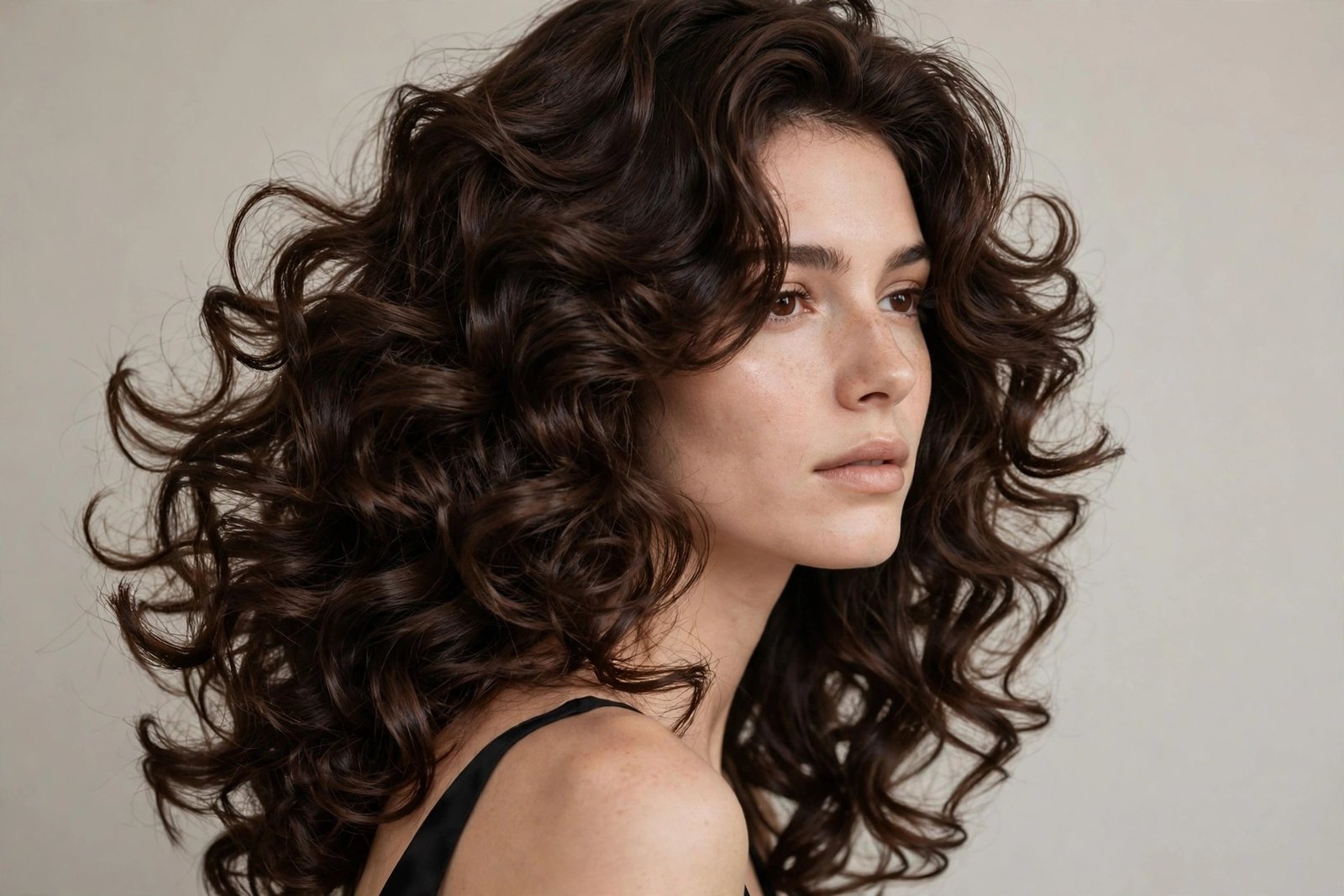
Not every statement needs colour, and the chocolate brunette butterfly proves that rich, glossy, single-tone hair can be just as striking as any balayage. Deep chocolate brown gives curly hair a luxurious depth that lighter colours sometimes lose, because the curls catch the light and create natural dimension through shadow and shine rather than through dye. The butterfly layers look especially polished in this shade, with the face-framing pieces framing the face in a soft dark frame and the longer layers falling like silk. This is a wonderful choice if you have naturally dark hair and you want to enhance it rather than change it, or if you are growing out colour and want a healthy, low-maintenance shade. A gloss treatment every few months will keep the chocolate rich and shiny without any real upkeep.
The maintenance story here is the best on this list, which is part of the appeal. No toning appointments, no brassiness, no root regrowth line to panic about, just a great cut and healthy hair. The cut itself needs the same care as any butterfly version, with trims every ten to twelve weeks and good moisture, but the colour asks almost nothing of you. It suits every skin tone, because chocolate brown is one of those rare shades that flatters warm, cool, and neutral undertones alike, and it suits every face shape because the cut does the shaping, not the colour. If you have ever felt pressure to lighten your hair to be on trend, this version is your permission slip to skip it. Rich, dark, healthy curls in a butterfly shape are timeless, and they photograph like a dream.
14. Copper Curly Butterfly
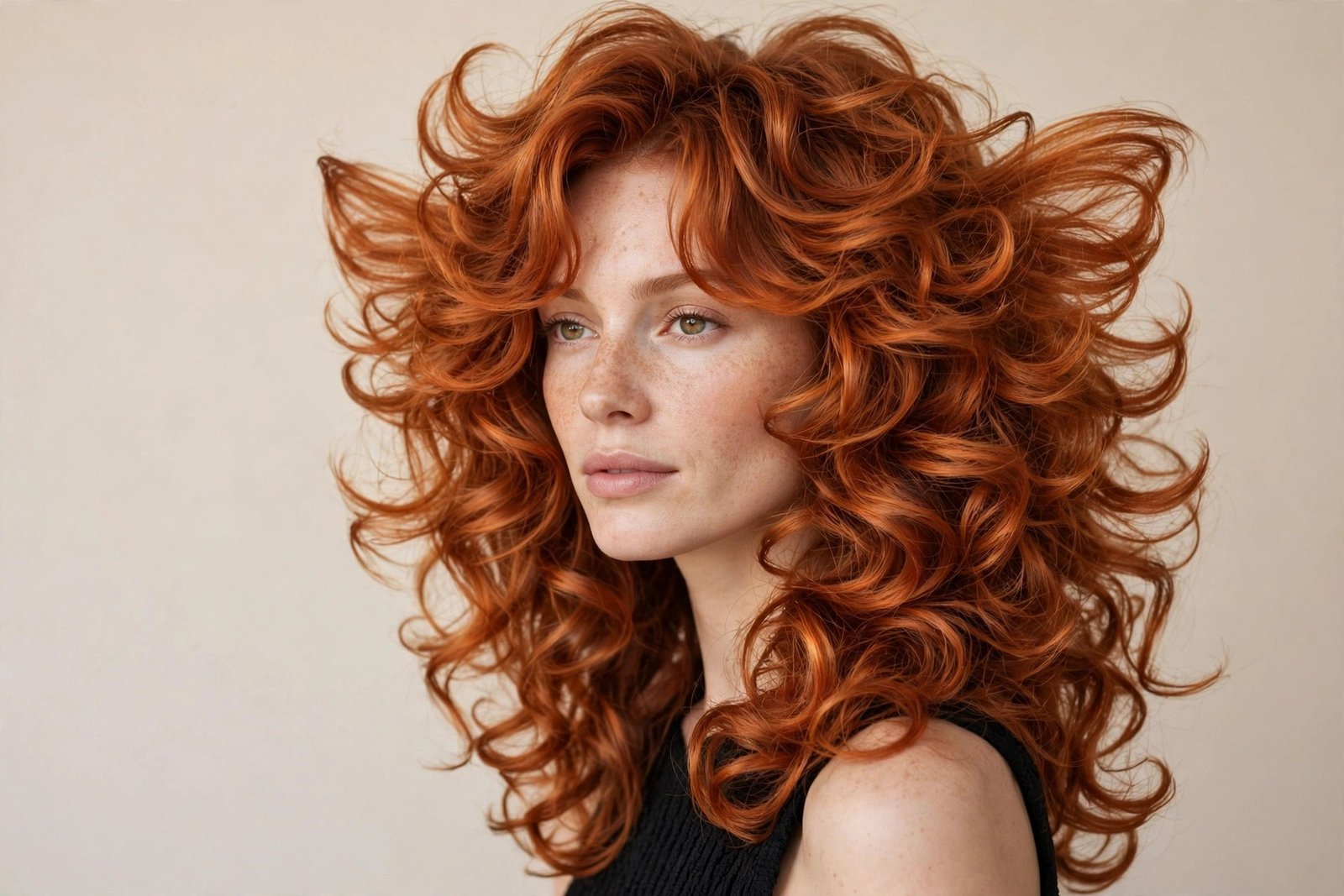
Copper is having a real moment, and on a curly butterfly cut it looks like it was invented for the combination. The warm, fiery tones catch the light in every curl, so the layers read as even more dimensional, and the whole cut glows in a way that cooler shades never quite manage. Copper works on a huge range of bases, from a soft copper gloss over brown hair to a vivid copper that turns heads from across the street, so you can go as bold or as subtle as your life allows. The butterfly shape is ideal for copper because the face-framing layers put the warmest tones right around your face, where they brighten your skin and make your eyes pop. Ask your colourist about a copper gloss first if you are nervous, because a gloss gives you the warmth without the commitment of permanent colour.
Fair warning, and I will not sugarcoat it: copper fades faster than almost any other shade, because the molecules are large and wash out quickly. You will need colour-safe shampoo, cool water washes, and a copper-depositing conditioner or a gloss refresh every four to six weeks to keep it vivid. If that sounds like too much upkeep, a deeper, more muted copper will last longer and fade more gracefully. It suits fair to medium skin tones with warm undertones best, though a deep copper can be gorgeous on deeper skin too. The cut underneath needs the usual butterfly care, but the colour is the star here, and it is worth the effort if you love warm tones. Copper curls in a butterfly shape are not quiet hair, and that is exactly the point.
15. Honey Highlight Butterfly
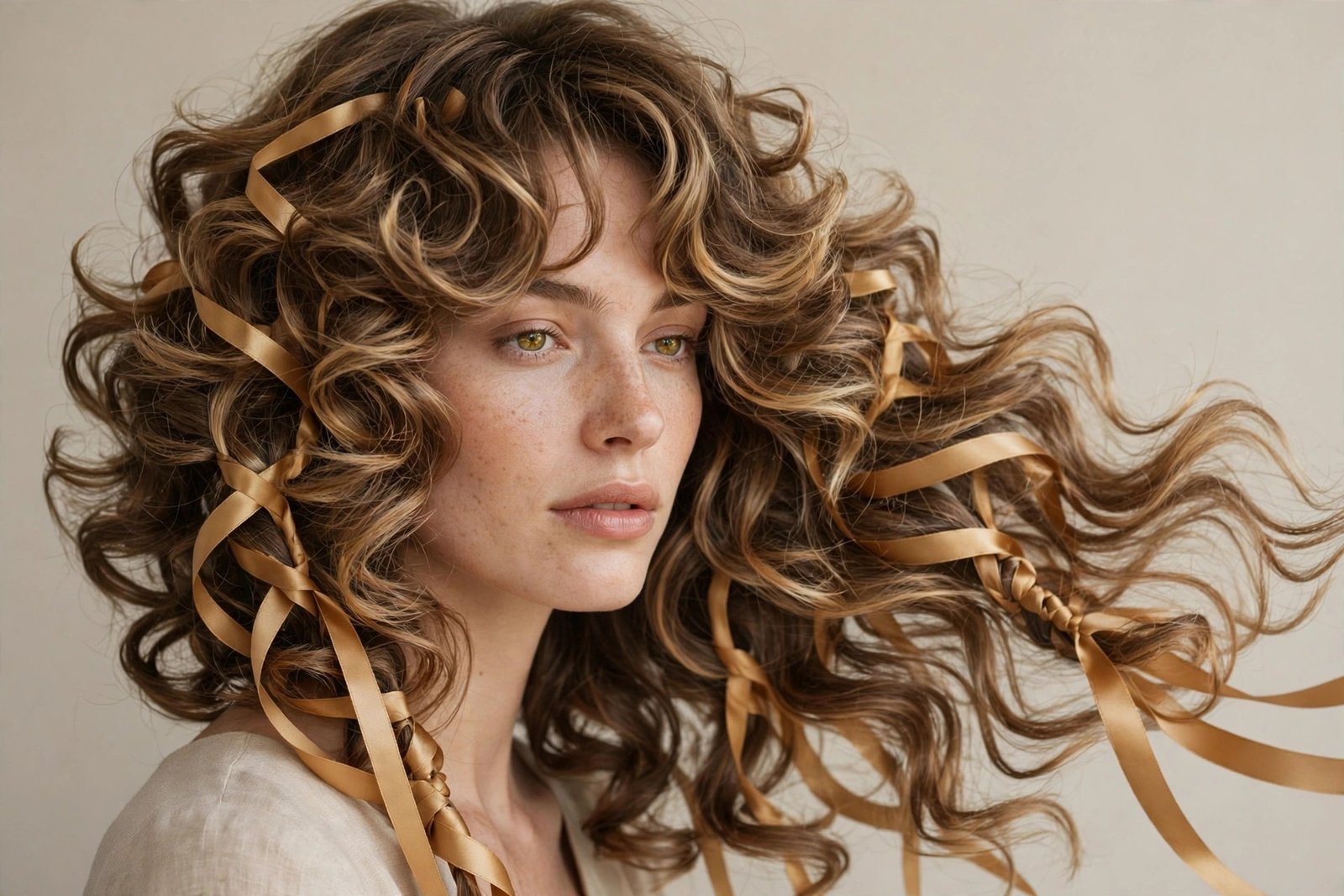
Honey highlights are the gentle middle ground between all-over colour and natural hair, and they are perfect for a butterfly cut because they follow the layers so naturally. Thin ribbons of warm honey blonde are woven through the face-framing layers and the ends, so when your curls move, the highlights move with them, creating a shimmering, dimensional effect that looks like sunlight rather than dye. This is a lovely choice if you want to brighten your hair without a dramatic change, if you are trying colour for the first time, or if you want a look that grows out so gracefully you barely notice it. It works beautifully on light to medium brown bases and on 2B to 3B curls, where the curl pattern shows the highlights off without needing a lot of them.
Maintenance is moderate: a toning appointment every eight to ten weeks, colour-safe products, and a good mask to keep highlighted curls moisturised. The grow-out is the real selling point, because honey highlights blend into most brown bases as they grow, so you will not have a harsh line or an emergency salon visit. It suits warm and neutral skin tones, and it suits every face shape, because the highlights are placed to frame the face regardless of its shape. If you love the idea of dimension but you hate high-maintenance colour, honey highlights on a butterfly cut are the compromise that does not feel like a compromise. Your curls will look sun-kissed, your layers will look intentional, and your salon visits will stay refreshingly infrequent.
16. Butterfly for Thick Hair
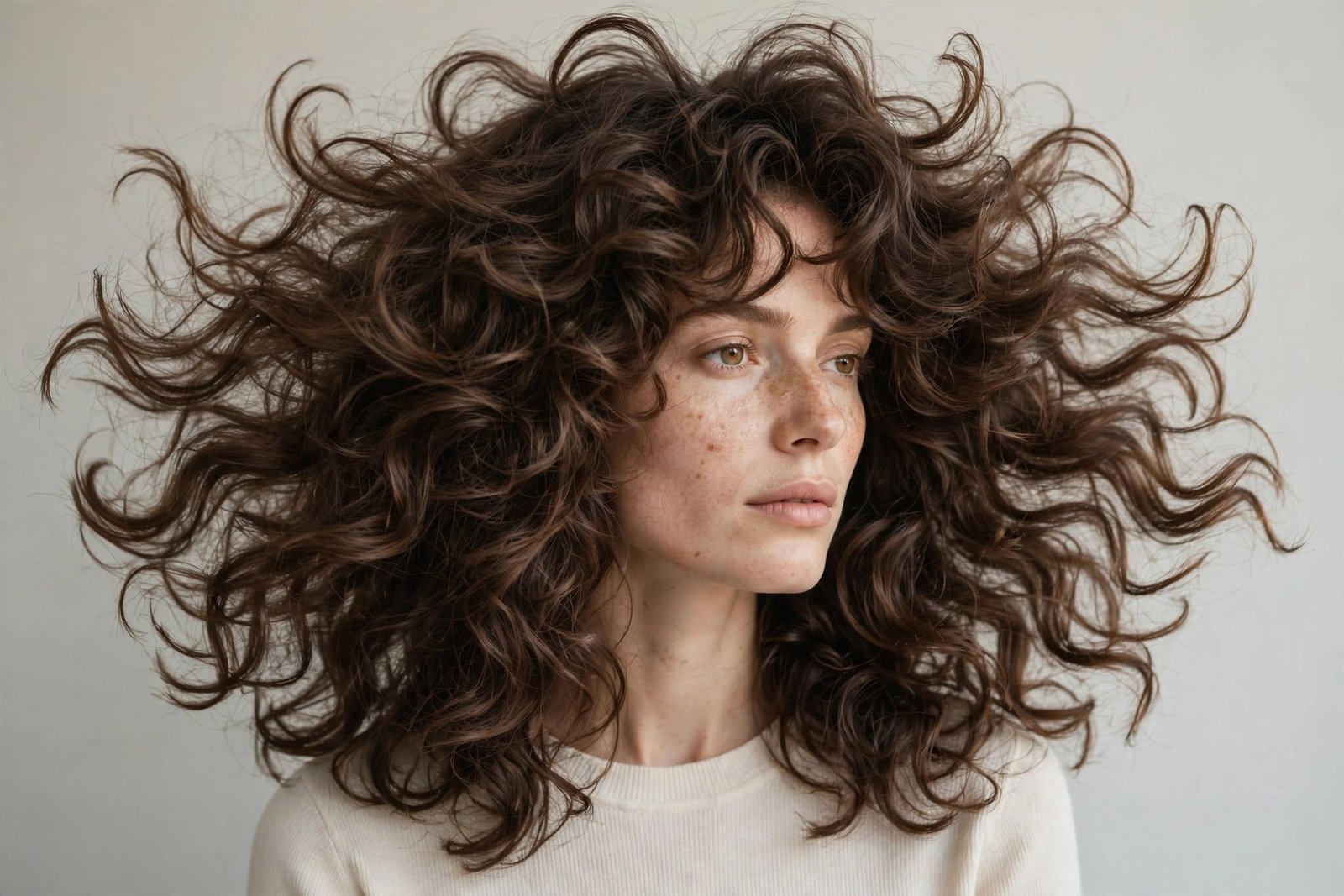
Thick curly hair is a blessing and a workout, and the butterfly cut is one of the few cuts that genuinely makes it easier to live with. The whole point of layering thick hair is to remove weight from the inside of the shape without removing the density that makes it look lush, and a skilled stylist does this by cutting layers that let the curls stack and spring rather than squash each other. The result is hair that dries faster, moves more freely, and holds a shape instead of collapsing into a heavy mass by lunchtime. Ask for internal layering and longer graduation, and be very clear that you do not want thinning shears used all over, because over-thinning thick curls creates frizz and wispy ends that look worse than the weight ever did. The right butterfly cut keeps your thickness and just gives it a shape to live in.
Styling thick butterfly hair takes a little more product than fine hair, because there is simply more hair to cover, so work your curl cream and gel through in sections rather than trying to scrunch it all in at once. Diffusing takes longer too, but the payoff is hair that actually holds its shape for days, because thick curls have natural staying power once they are shaped well. This version suits every face shape, since the layers can be adjusted to frame any face, and it is especially good for women who have always felt their hair was too much. It is not too much. It just needed a shape, and the butterfly cut is that shape. Regular trims matter more for thick hair than for fine hair, because split ends travel faster through dense hair, so keep your ten-week appointments even when the cut still looks fine.
17. Butterfly for Fine Curls
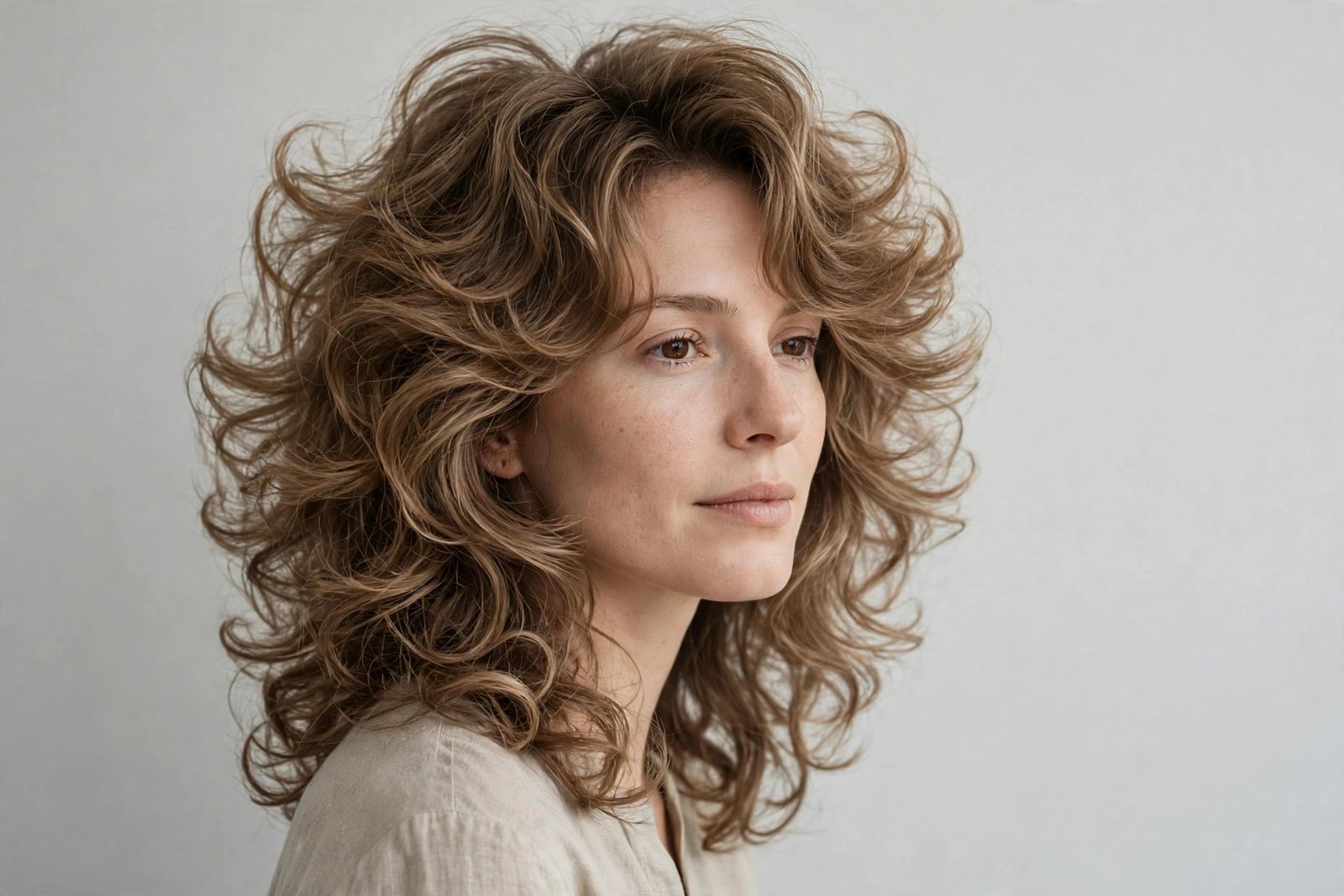
Fine curly hair needs a gentler hand than thick hair, and the butterfly cut for fine curls is all about restraint. Fewer layers, longer graduation, and no thinning at all, because every strand counts when your hair is fine, and over-layering is how fine curls end up looking wispy and sparse. The layers here are placed strategically: a soft face-framing layer to open the face, a couple of long layers through the length to create movement, and the bulk of the hair left intact so the ends look full rather than see-through. Done right, this version makes fine curls look thicker, because the layers create the illusion of volume and the curls clump together instead of separating. Ask your stylist to cut it dry and to show you the layers as they go, so you can stop them before they take too much.
Product choice matters enormously for fine curls. Heavy creams and butters will weigh your hair down and make it look greasy by midday, so reach for light mousses, light leave-ins, and a gel with a soft hold rather than a crunchy one. Diffuse on low heat and avoid touching your hair while it dries, because fine curls frizz at the slightest provocation. The honest downside is that fine butterfly hair will not hold volume as long as thick hair does, so you may need a refresh on day two, but a quick mist and scrunch will bring it back. This version suits oval, heart-shaped, and oblong faces, and it is a kind choice if you have ever left a salon feeling like your hair looked thinner than when you walked in. With the right layers, fine curls can absolutely wear a butterfly cut, and wear it beautifully.
18. Short Curly Butterfly Bob
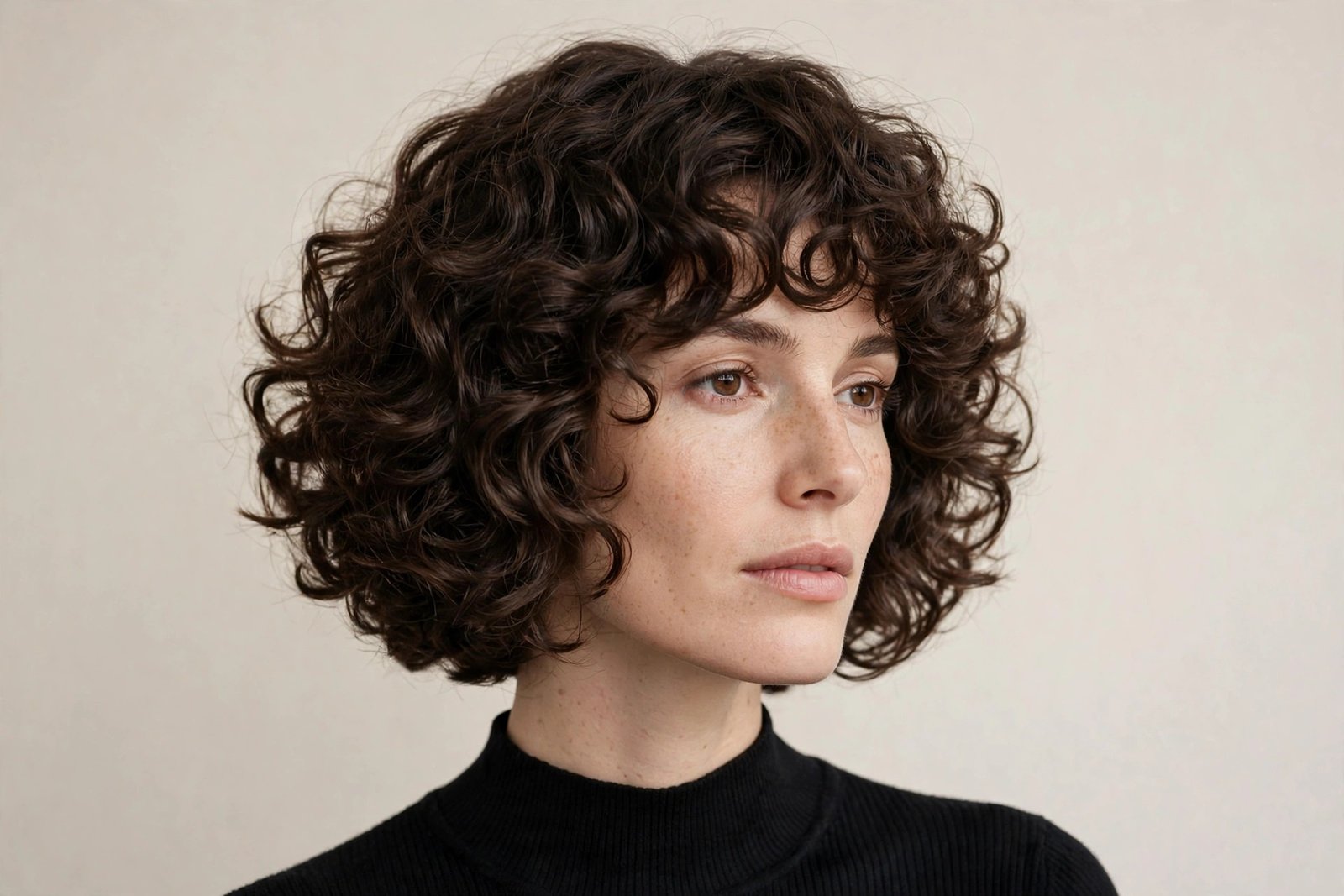
Take the butterfly idea, shrink it to bob length, and you get one of the chicest short curly cuts around. The short butterfly bob sits around the jaw or just below, with face-framing layers that open the face and a rounded, bouncy silhouette that looks intentional rather than accidental. This is a bold choice, because short curly hair shows every layer and every curl, but that honesty is also its charm: there is nowhere for a bad cut to hide, and a good one looks spectacular. It suits women who love short hair, who are tired of long-hair maintenance, or who want a dramatic change that still feels feminine and soft. Ask for it cut dry, and be prepared for shrinkage to be a major factor at this length, because a bob cut wet can spring up several inches when dry.
Styling a short butterfly bob is delightfully fast: wash, scrunch, diffuse for five to ten minutes, and you are out the door. The trade-off is that short curly hair needs more frequent trims, every six to eight weeks, to keep its shape, because grow-out shows quickly at this length. It suits oval, heart-shaped, and square faces, and it is a wonderful choice if you have a long neck or love statement earrings, because the short length puts your features front and centre. If you have always worn your hair long out of habit rather than love, this version might be the change that reminds you how much fun short curly hair can be. It is confident, it is chic, and it is far easier to live with than most people expect.
19. Butterfly with Diffused Volume
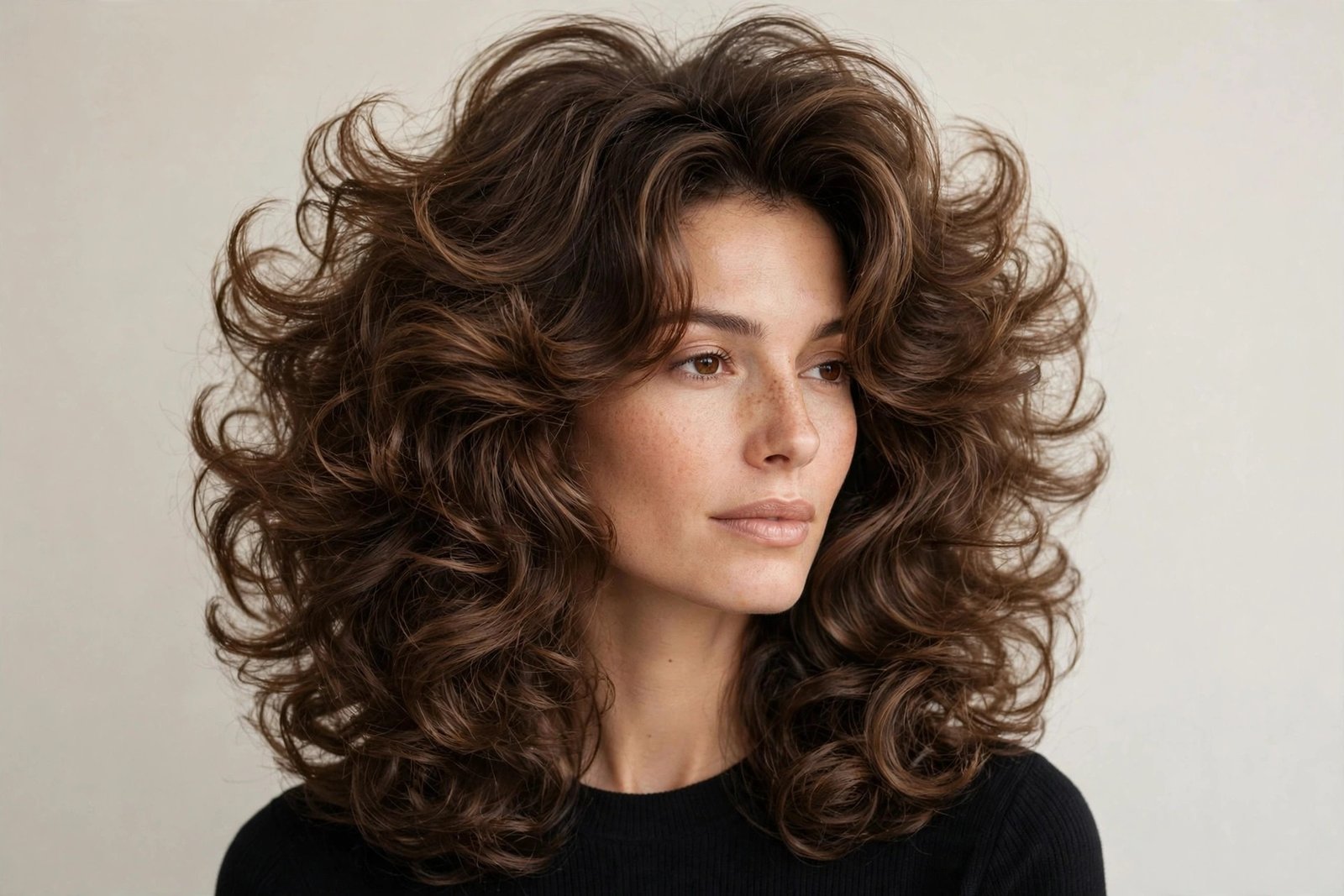
Some butterfly cuts are about definition, and this one is about volume, pure and simple. The diffused-volume butterfly is cut and styled to be as big as your curls will allow, with layers that encourage lift at the roots and fullness through the lengths. The styling technique matters as much as the cut here: diffuse upside down, use root clips while your hair dries, and once it is fully dry, gently shake the roots and fluff the canopy to break up any cast and release the volume. A light mousse at the roots and a curl cream through the lengths gives you hold without weight, and the result is hair that looks like it has its own weather system, in the best possible way. This version is for women who love big hair, who are done apologising for volume, and who want their butterfly cut to make an entrance.
The thing to be honest about is that big hair takes a little more time and a little more product, and it will not stay neat all day, because volume and neatness are opposites. If you need your hair to look sleek for work, this is not your everyday version, but for weekends, events, and days when you want to feel like yourself at full volume, it is unbeatable. It suits round and heart-shaped faces, where the volume balances the face, and it works on 2C to 4A curls, as long as you have enough density to support the fullness. Humidity will make it bigger, so embrace that rather than fighting it, and keep a small bottle of water and leave-in in your bag for quick refreshes. Big butterfly hair is a mood, and it is a very good one.
20. Wet-Look Curly Butterfly
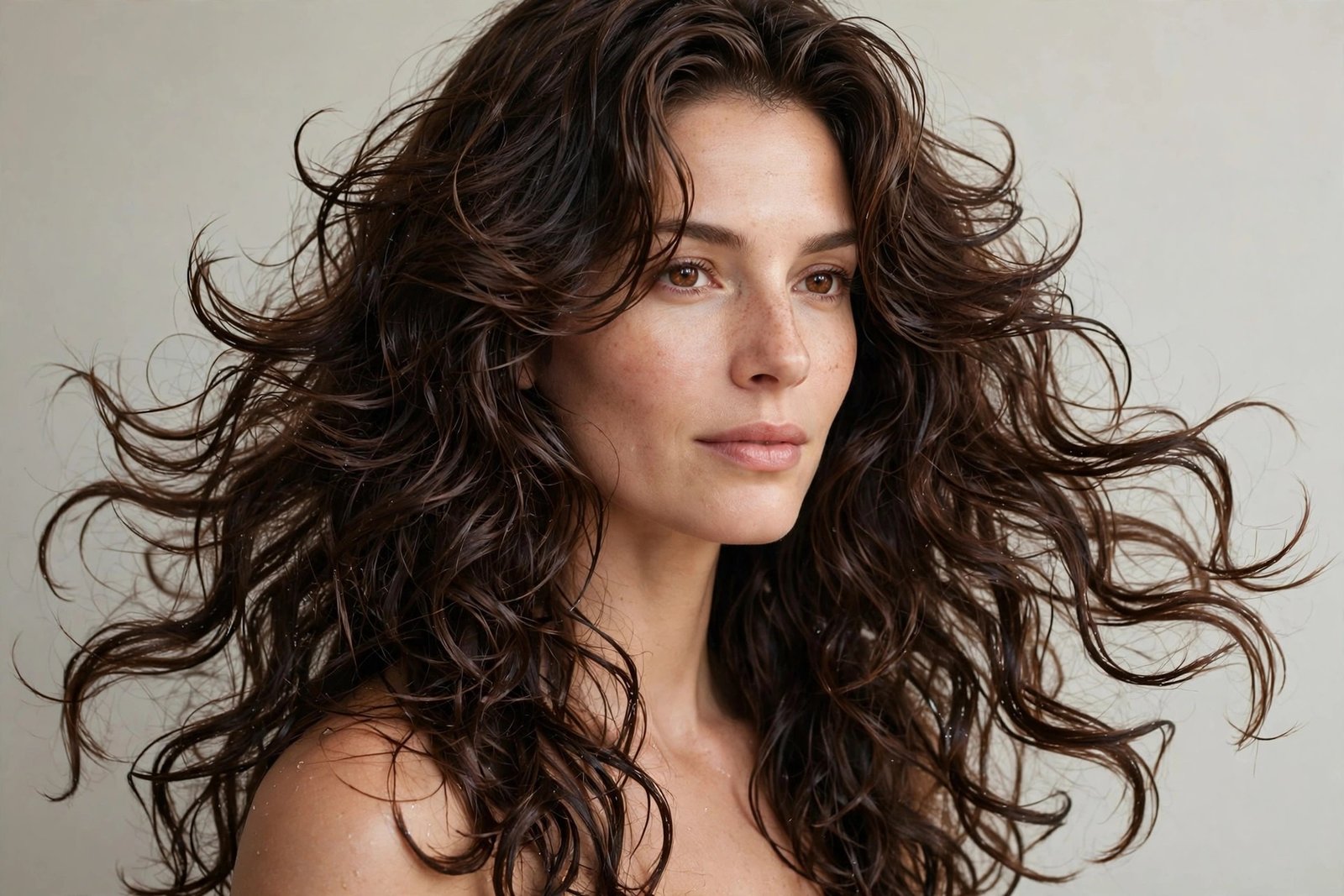
The wet look has moved from the red carpet into everyday hair, and on a butterfly cut it is surprisingly wearable. The idea is simple: use a gel with a strong hold and a little shine serum to keep your curls looking freshly washed, defined, and glossy all day, as if you just stepped out of the shower and decided to stay that way. The butterfly layers help enormously here, because the different lengths catch the light differently and the wet finish makes each layer visible, so the cut looks sculpted rather than just damp. Apply gel to soaking wet hair in sections, scrunch gently, and either diffuse on low heat or let it air-dry without touching it, because touching wet-look hair breaks the cast and turns glossy into frizzy. Once it is dry, do not scrunch out the crunch completely, because that crunch is what keeps the wet look alive.
This version is best as an occasional style rather than an everyday one, because the amount of gel involved can build up and dry your curls out if you use it daily. Wash it out properly, deep-condition after a wet-look day, and give your hair a break with a lighter routine the next day. It suits every face shape, because the finish is about shine and definition rather than shape, and it is a fantastic choice for evenings, events, and photos, where the glossy definition reads beautifully on camera. If you have ever wanted to try the wet look but worried it would look costume-like, the butterfly cut grounds it in a real, wearable shape. It is glamorous without being fussy, and it is a fun way to get a completely different look from the same haircut.
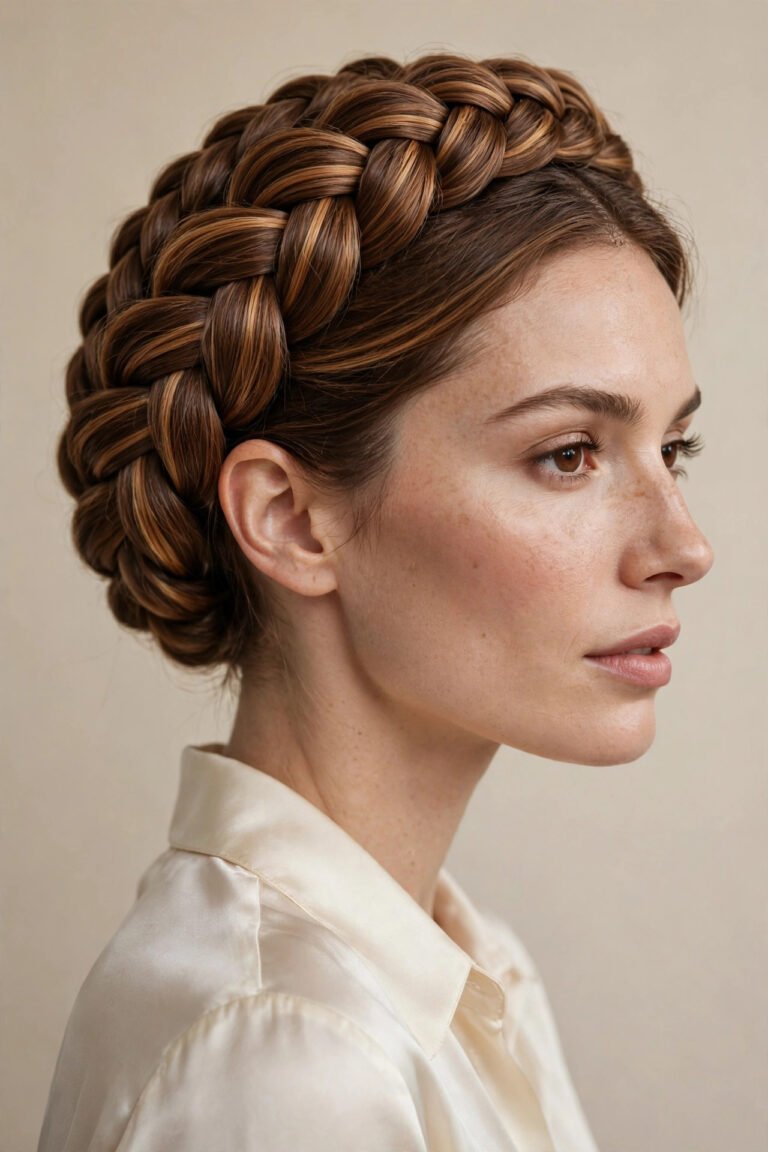
21. Butterfly with Braided Crown
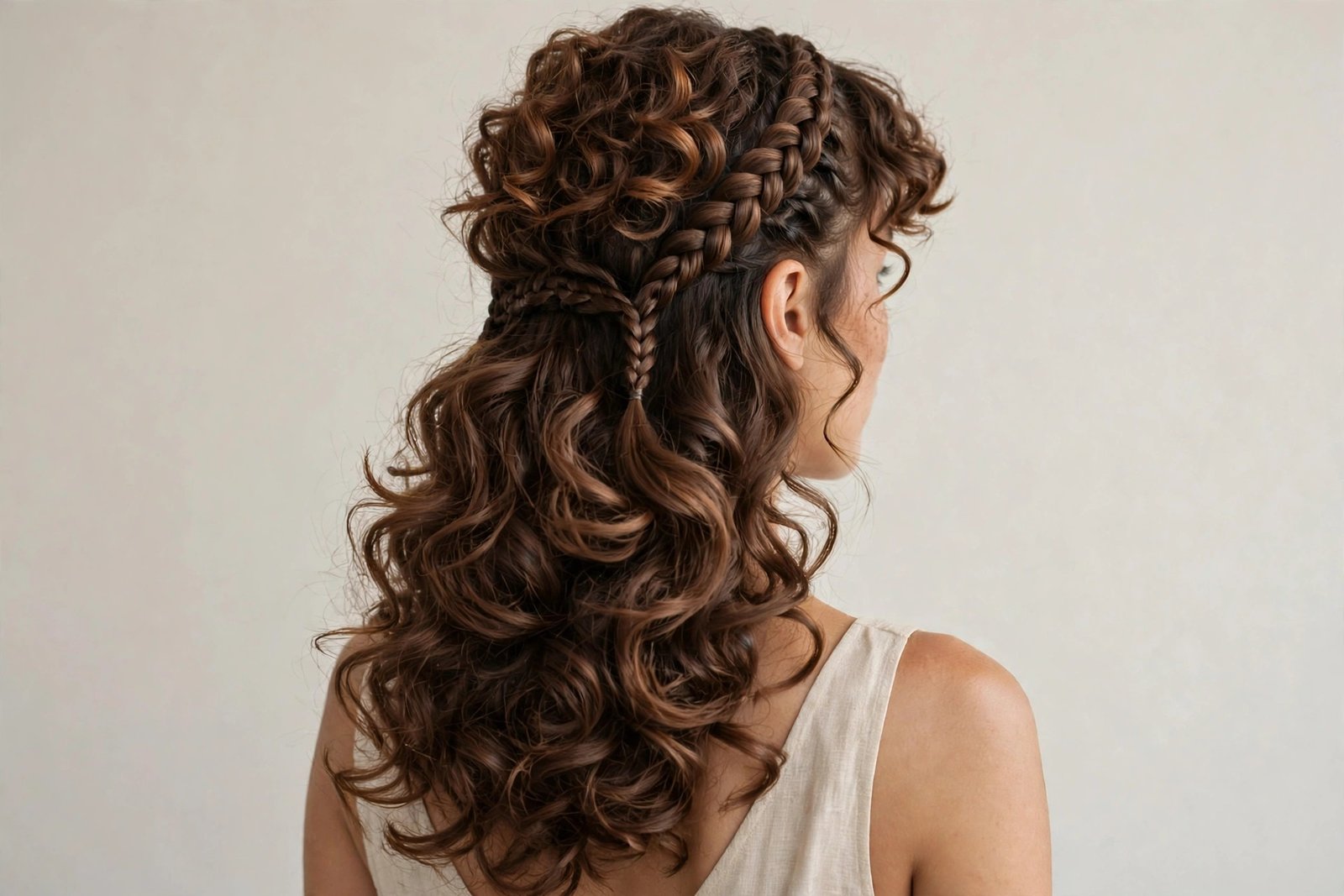
Some days you want your curls down, and some days you want them out of your face without losing the beauty of the butterfly cut, and the braided crown solves both problems at once. Two small braids, one from each side of your part, meet at the back and are pinned into a crown, while the rest of your butterfly layers fall free underneath. The face-framing layers soften the front, the braids add structure and interest, and the whole style looks like you spent far longer on it than you did. It takes about ten minutes once you have practised it, and it works on 2B to 4A curls, as long as your hair is long enough to braid the front sections. The butterfly cut is ideal for this style because the layers mean the braids do not have to fight one-length hair, and the loose curls underneath look intentionally layered rather than messy.
The practical benefit is real too: a braided crown keeps your hair off your face on hot days, during workouts, and at work, without the scraped-back feeling of a tight ponytail. It also protects your face-framing layers from frizz, because they are braided rather than loose, so it is a good style for second or third-day hair. It suits every face shape, and it is especially lovely for weddings, festivals, and any occasion where you want to look polished but still like yourself. If braiding feels intimidating, start with simple two-strand twists instead of three-strand braids, because twists are faster, easier, and look just as beautiful on curly hair. The braided crown butterfly is proof that a great cut makes styling easier, not harder, and it is one of my favourite ways to wear this haircut.
22. Half-Up Curly Butterfly
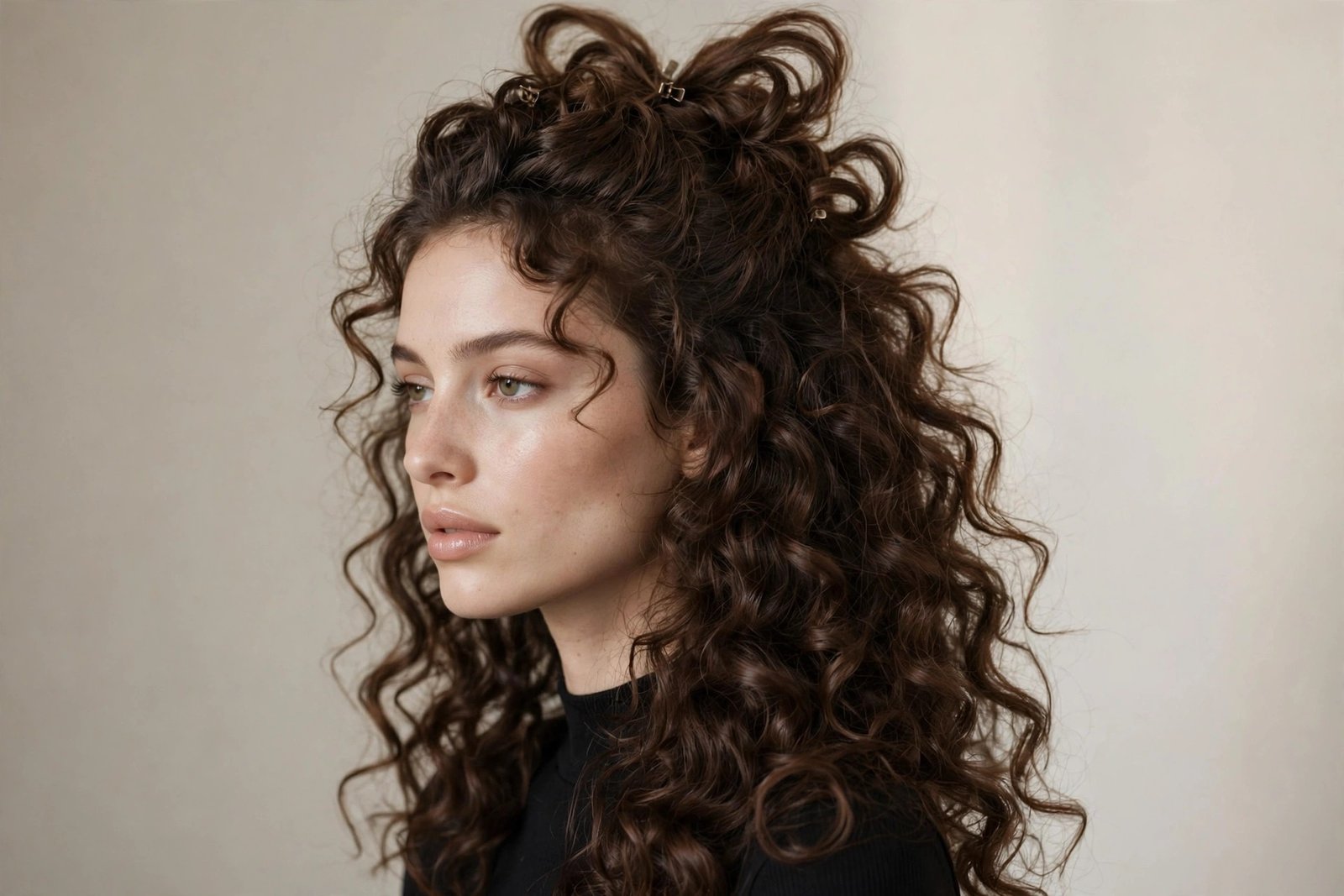
The half-up style is the unsung hero of curly hair, and the butterfly cut makes it even better. Pulling the top section up and back, whether with a clip, a scrunchie, or a few pins, shows off the crown layers and the face-framing pieces, while the longer layers fall free underneath and keep the look soft and full. It is the perfect compromise for days when you want your hair out of your face but you do not want to lose the length and movement you love. The butterfly layers are what make this style work so well, because the top section has enough layering to look interesting rather than flat, and the bottom layers have enough length to look lush rather than thin. It takes two minutes, it works on every curl type, and it flatters every face shape, which is a rare combination.
There are endless variations to play with: a small top knot, a twisted half-up section, a claw clip holding the crown, or a half-up ponytail with the face-framing pieces left loose. Each one gives you a different feeling from the same cut, which is why the half-up butterfly is such a good everyday choice. The only thing to watch is tension: do not pull the top section too tight, because curly hair breaks easily at the hairline and tight styles can cause thinning over time. Keep it loose, keep it soft, and let a few curls fall free around your face. That looseness is what makes the style look effortless rather than severe. If you only learn one styling trick for your butterfly cut, make it this one, because you will use it more than any other.
23. Butterfly with Soft Bangs
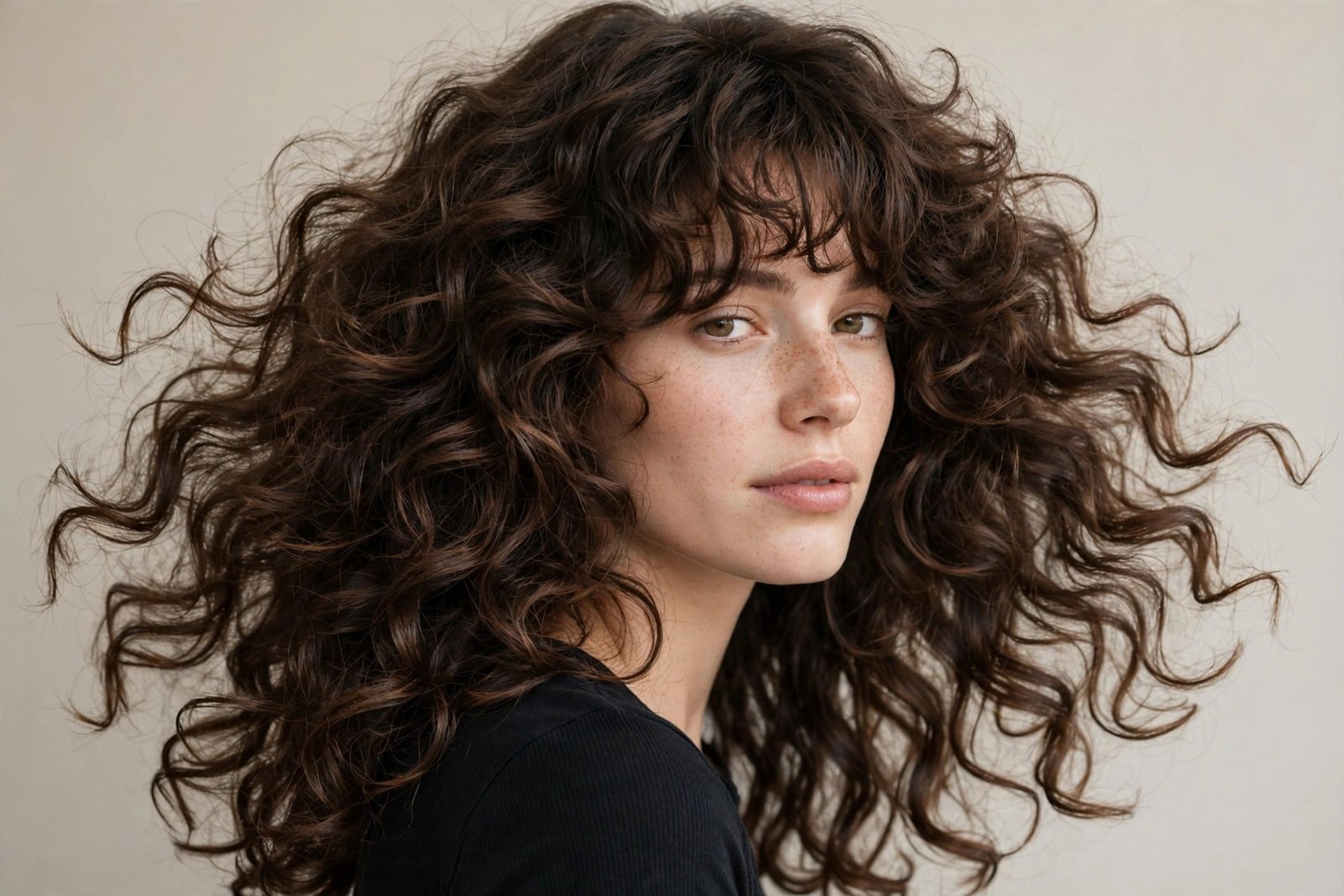
Soft bangs on curly hair are a different animal from curtain bangs, and they deserve their own spot on this list. Where curtain bangs part in the middle and sweep away, soft bangs fall more fully across the forehead, but in a loose, curly, textured way rather than a blunt straight line. They are cut longer than straight bangs would be, because curls spring up, and they are textured so they blend into the face-framing layers instead of sitting apart from them. The result is sweet, youthful, and surprisingly flattering, especially on women with high foreheads or long faces who want to shorten the forehead visually. Style them by scrunching a little curl cream into the bang section and letting them dry naturally, and resist the urge to straighten them, because the curl is the whole point.
The maintenance is the honest part: soft curly bangs need attention most mornings, because they are the first thing to frizz, flatten, or go rogue overnight. A quick mist, a dab of cream, and a minute of scrunching will usually reset them, but if you hate doing anything to your hair in the morning, this version will frustrate you. It suits oval, oblong, and heart-shaped faces, and it is a lovely choice if you want a change that feels fresh without changing your length. Pair it with the rest of the butterfly layers and you get a cut that feels complete from every angle, with the bangs as the finishing touch. If you have ever dreamed of bangs but been told curly hair cannot do them, soft bangs on a butterfly cut are the answer you were waiting for.
24. Layered Butterfly for Round Faces
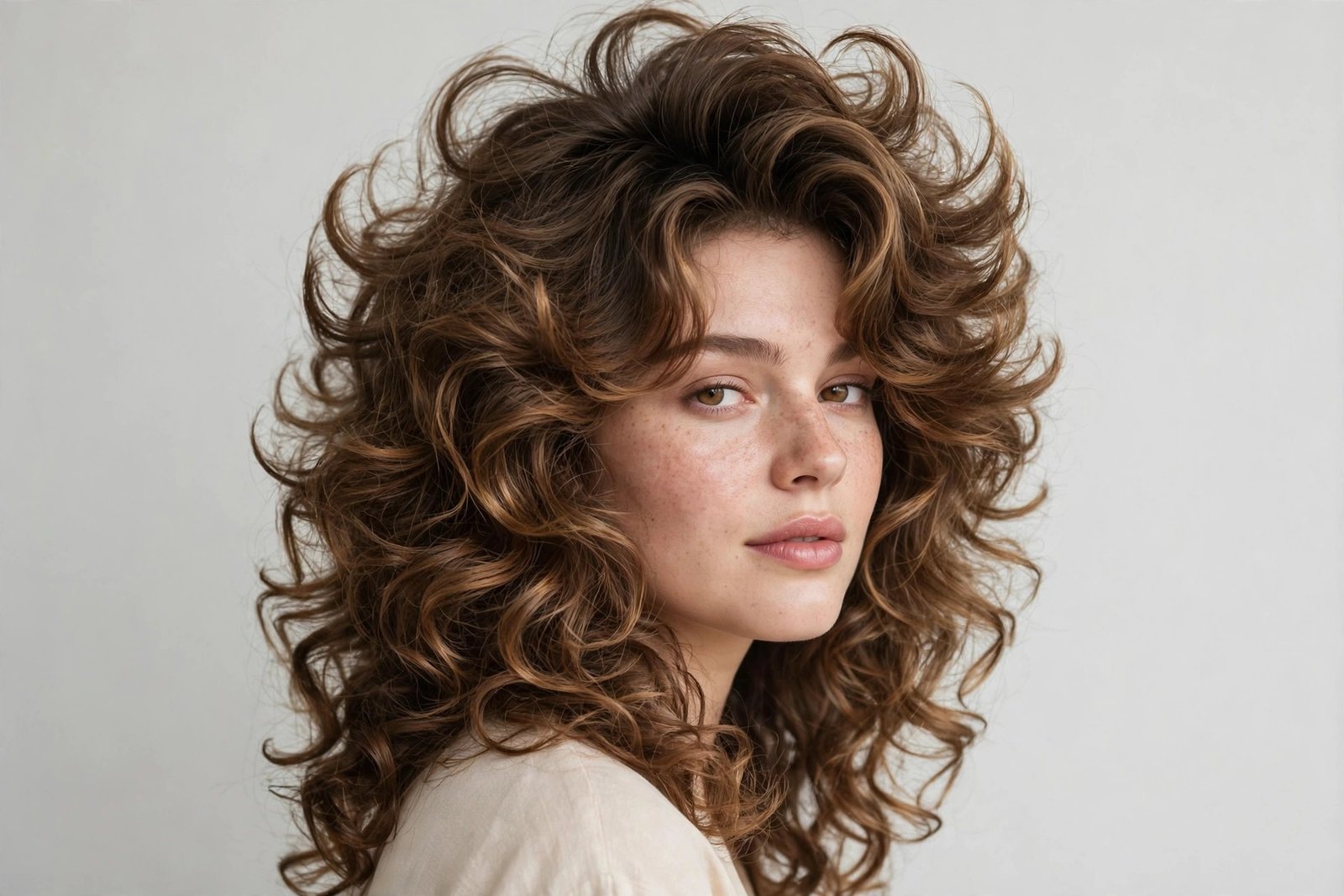
Round faces and curly hair are a beautiful combination, but the layer placement needs a little thought to get the most flattering result. The key is length and vertical movement: the shortest layer should start at or below the cheekbone, never above it, so the eye travels downward rather than stopping at the widest part of the face. Longer layers through the length, volume at the crown, and a little length past the shoulders all help to elongate the face visually, while the curls themselves provide softness that stops the cut from looking severe. This version is not about hiding a round face, because round faces are lovely, but about balancing it so the hair and the face complement each other instead of competing. A side part or a deep side sweep can help too, because the diagonal line breaks up the roundness in a flattering way.
What to avoid is a very short, very round butterfly cut with a lot of width at cheek level, because that combination can emphasise width rather than balance it. If you love short hair, go for a version with height at the crown and length around the face, rather than width at the sides, and you will get the short cut you want with a shape that flatters you. This version works on every curl type, from waves to coils, because the principle is about placement, not texture, and it pairs beautifully with face-framing curtain pieces that start below the cheekbone. It is also a forgiving cut to grow out, because the longer layers just get longer and the shape stays balanced. If you have a round face and you have ever worried that curly layers would make it look rounder, this version is the reassurance you need, with the layer map to prove it.
25. Butterfly for Oval Faces
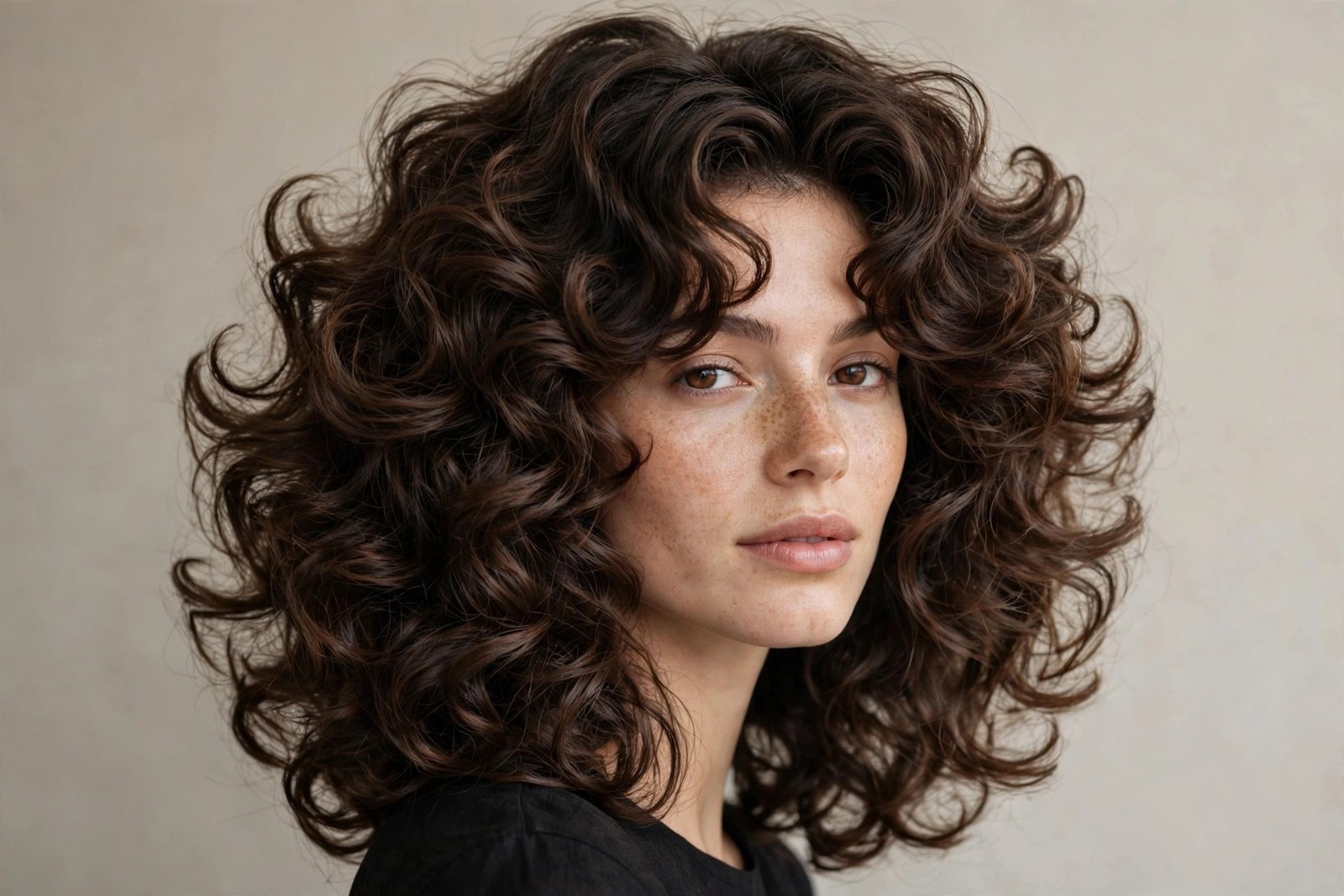
Oval faces have the luxury of suiting almost every version of the butterfly cut, so the question here is not what works, but what you love most. The classic butterfly is a natural fit, because the balanced proportions of an oval face mirror the balanced layers of the cut, and the result is harmonious without trying. You can wear the shortest layer higher, at the temples, without worrying about width, you can try bangs, curtain pieces, or a short bob version, and you can play with parts, because a middle part, a side part, and a deep side sweep all flatter an oval face. My advice for oval-faced women is to choose based on lifestyle rather than face shape: pick the length you can maintain, the styling time you actually have, and the version that makes you feel like yourself. The face will take care of itself.
The only real caution is not to hide an oval face behind too much hair, because one of the loveliest things about an oval face is its natural balance, and a very heavy, very long butterfly cut can cover it up. Face-framing layers that open the face, rather than falling across it, will show off your features while still giving you the movement you want. This version works on every curl type, and it is the one I recommend as a starting point if you are overwhelmed by choice, because you genuinely cannot go wrong. Try the classic first, live with it for a month, and then adjust: shorter layers, bangs, colour, or a different part. The butterfly cut is a framework you can customise over time, and an oval face gives you the freedom to customise it in any direction you like.
26. Butterfly for Heart-Shaped Faces
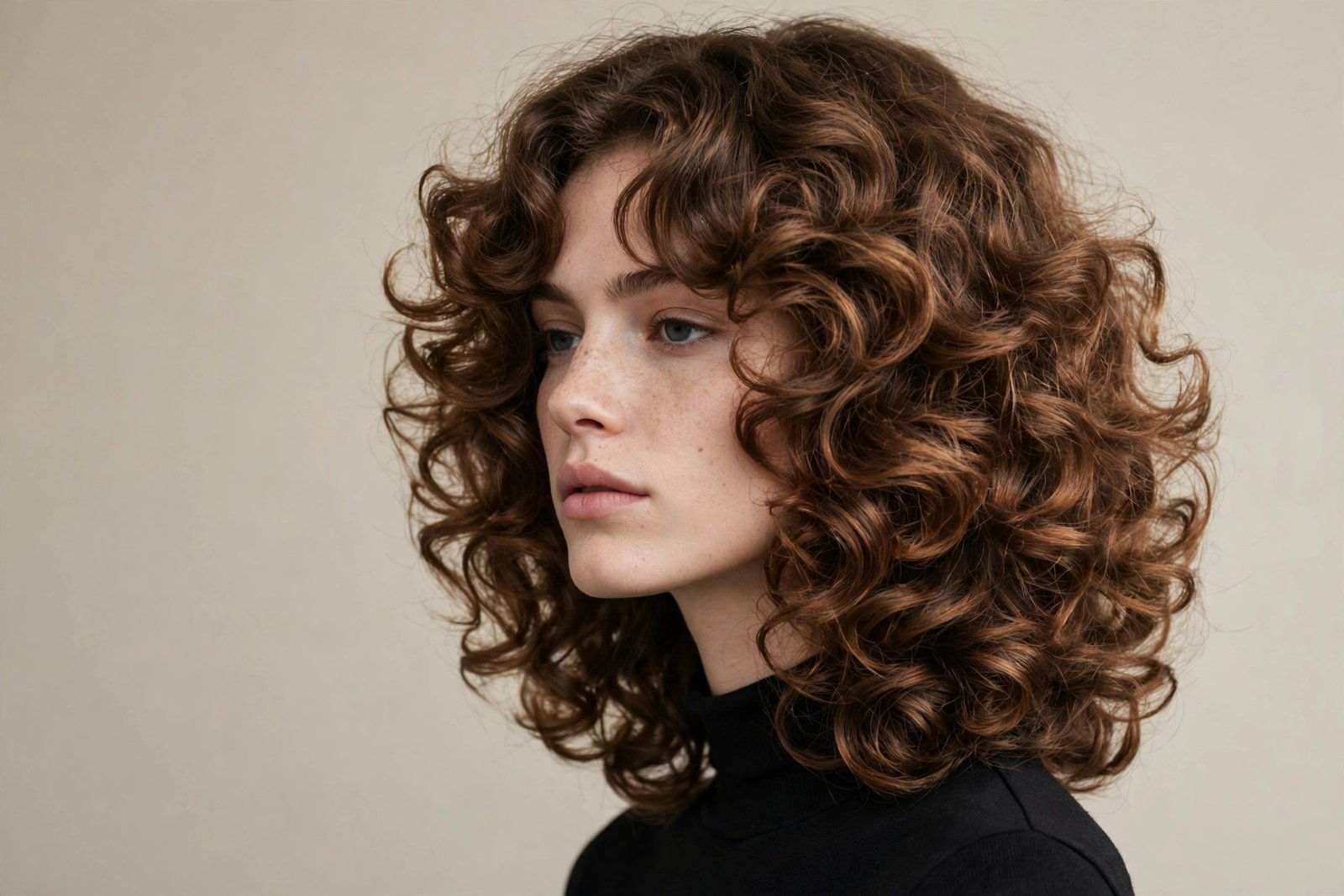
Heart-shaped faces, with a wider forehead and a narrower chin, benefit from a butterfly cut that adds fullness around the jaw and chin to balance the forehead. The trick is to keep the layers around the face soft and full at jaw level, rather than cutting everything short at the temples, which would emphasise the forehead. Longer face-framing layers that fall past the chin, combined with volume through the lower lengths, create a beautiful balance that makes the whole face look harmonious. A side part can help too, because it breaks up the forehead width, and soft curtain pieces that start at the cheekbone will frame the eyes without adding width at the top. This version is flattering, forgiving, and very easy to wear, because the balance it creates looks natural rather than engineered.
Avoid very short, very voluminous layers at the crown if you have a heart-shaped face, because extra height and width at the top can make the forehead look wider and the chin look narrower by comparison. Instead, let the fullness live in the lower half of the cut, where it balances the face. This version works on 2A to 4A curls, and it pairs beautifully with soft bangs or curtain bangs, which also help to balance a wider forehead. The maintenance is the same as any butterfly cut, with trims every ten to twelve weeks and a good moisture routine, but the layer placement is what makes it special. If you have a heart-shaped face and you have ever felt your hair emphasised your forehead, this version is the fix, and it is a fix that looks completely effortless.
27. Low-Maintenance Wash-and-Go Butterfly
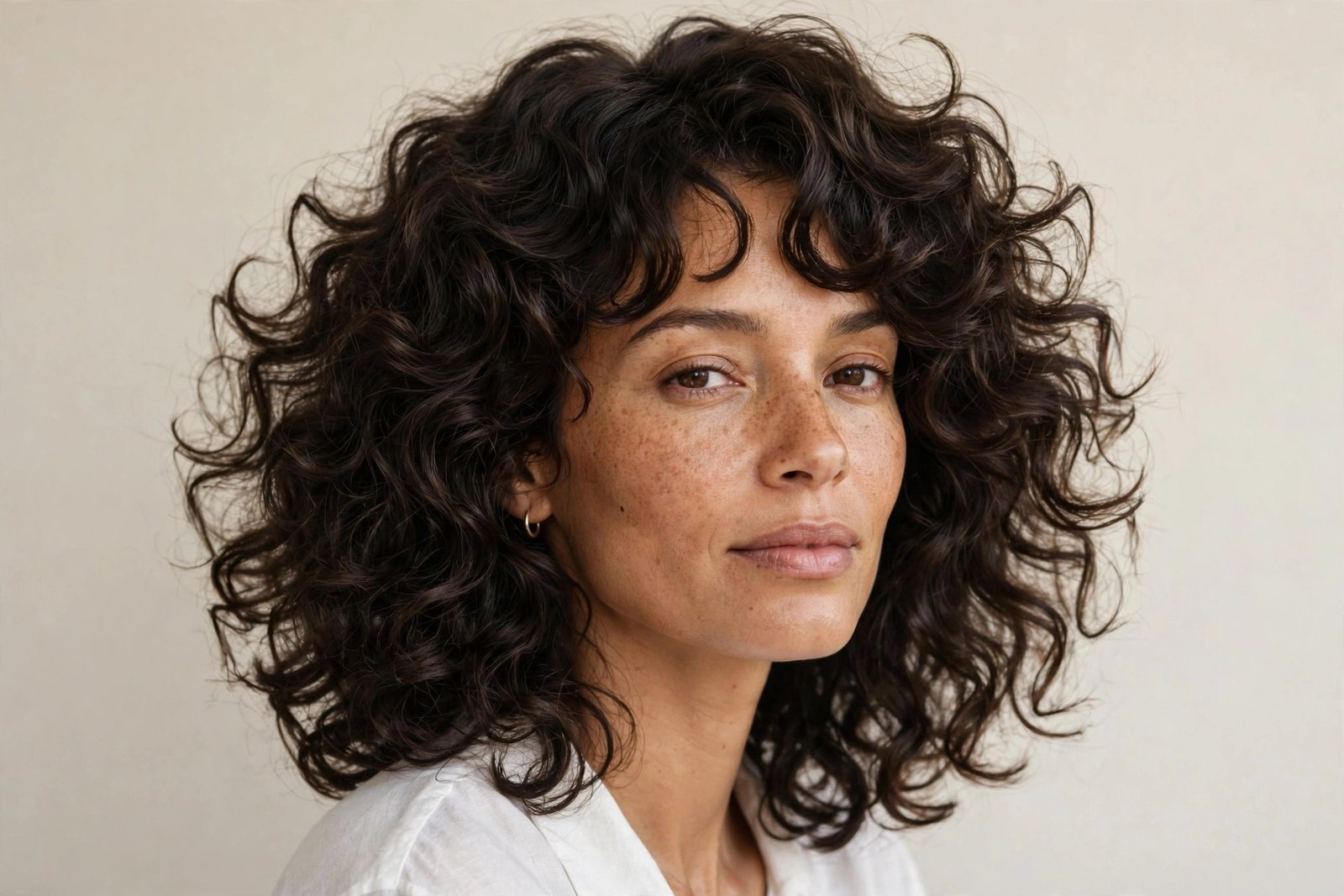
Not everyone wants a hair routine, and this version is for the women who want to wash their hair, scrunch in one product, and walk out the door. The low-maintenance wash-and-go butterfly uses longer, softer layers that do not require precise styling to look good, because the shape is built into the cut rather than created by diffusing. The layers are placed so your curls fall into their natural pattern with minimal help, which means you can air-dry, you can skip the diffuser on busy days, and you can refresh with just water and a little leave-in. This is the butterfly cut for busy mums, for women who swim or work out daily, for anyone who has better things to do than spend twenty minutes on their hair. It is also a wonderful choice if you are new to curly hair care and you want a cut that forgives imperfect technique.
The trade-off is that wash-and-go hair will not look as polished as diffused hair, and on very humid days it can get frizzy, but a good curl cream and a silk pillowcase will handle most of that. The cut itself needs the same trims as any butterfly version, but the daily effort is close to zero, which is a rare and precious thing in hair. It suits every face shape, because the layers can be placed to flatter any face, and it works on 2C to 4A curls, as long as your curls have enough natural definition to hold a shape on their own. If you have ever looked at a complicated curl routine and thought, absolutely not, this version is for you. It proves that a great cut does most of the work, and your job is just to let it. For more ideas in this spirit, see the wash-and-go mid-length haircuts that pair so well with this approach.
28. Butterfly with Defined Ringlets
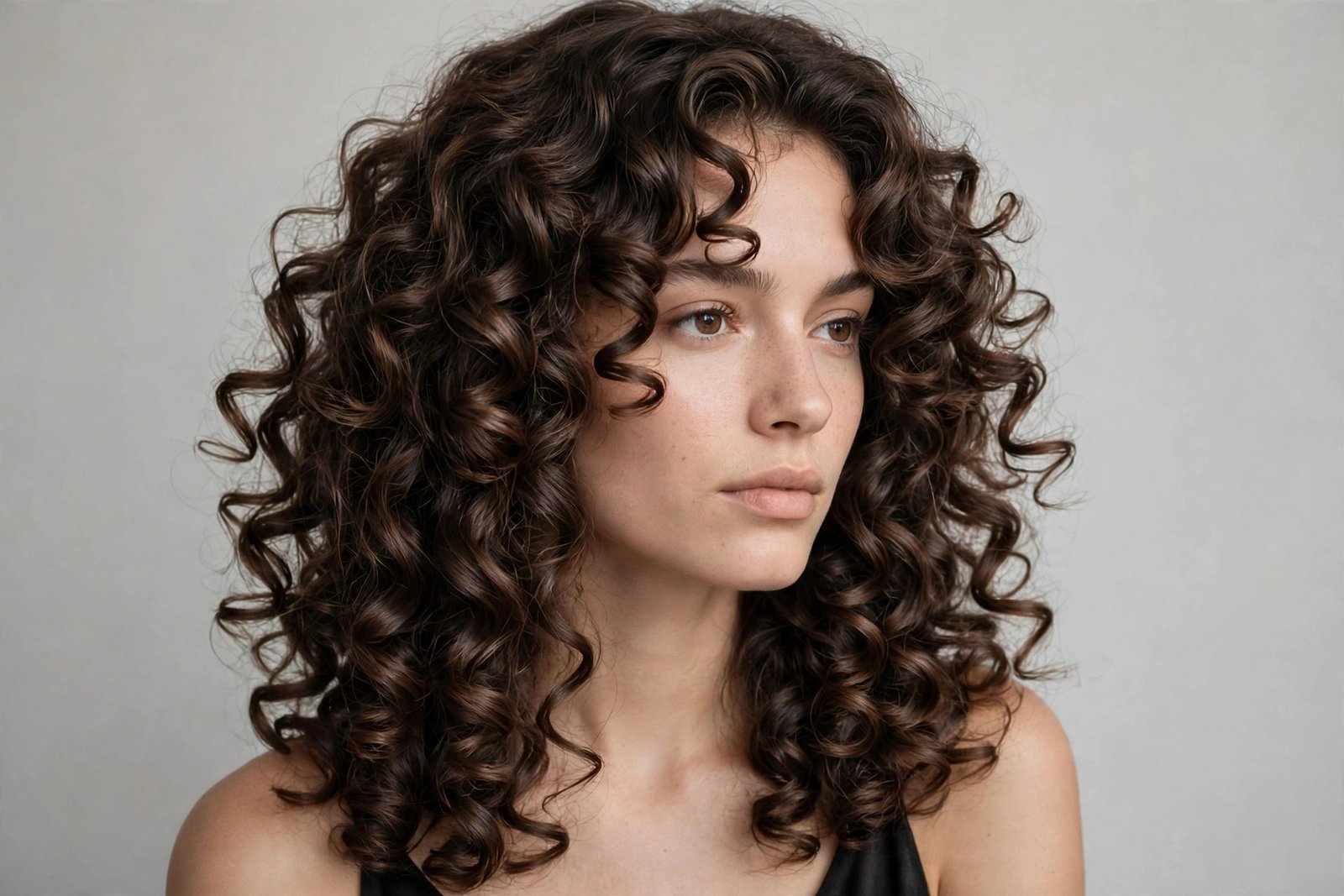
Defined ringlets are the showpiece version of the butterfly cut, where every curl is separated, shaped, and polished into a perfect spiral. The cut underneath is a classic butterfly, but the styling is what makes it special: curl cream and gel applied in sections, each curl clump finger-coiled or gently twirled into shape while wet, and diffused on low heat until fully dry. The result is hair that looks like it was styled by a professional, with ringlets that hold their shape for days and a butterfly silhouette that is visible from across the room. This version is ideal for events, photos, and days when you want your hair to be the main event, and it works best on 3A to 3C curls, where the natural ringlet pattern is already strong. The butterfly layers give each ringlet room to form without crowding its neighbours, which is why the definition reads so clearly.
Be honest with yourself about the time involved, because finger-coiling takes patience, especially on thick hair, and this is not a ten-minute style. It is a weekend style, an event style, a style you do when you have time to enjoy the process. The payoff is hair that lasts for days with minimal refreshing, because well-defined ringlets hold their shape better than loosely styled curls. Pineapple your hair at night, refresh with a little water and cream in the morning, and your ringlets will carry you through the week. It suits oval, round, and heart-shaped faces, and it is the version that gets the most attention, simply because defined ringlets in a butterfly shape are genuinely beautiful. If you love your ringlets and you want a cut that shows them off properly, this is the one.
29. Frizz-Friendly Butterfly
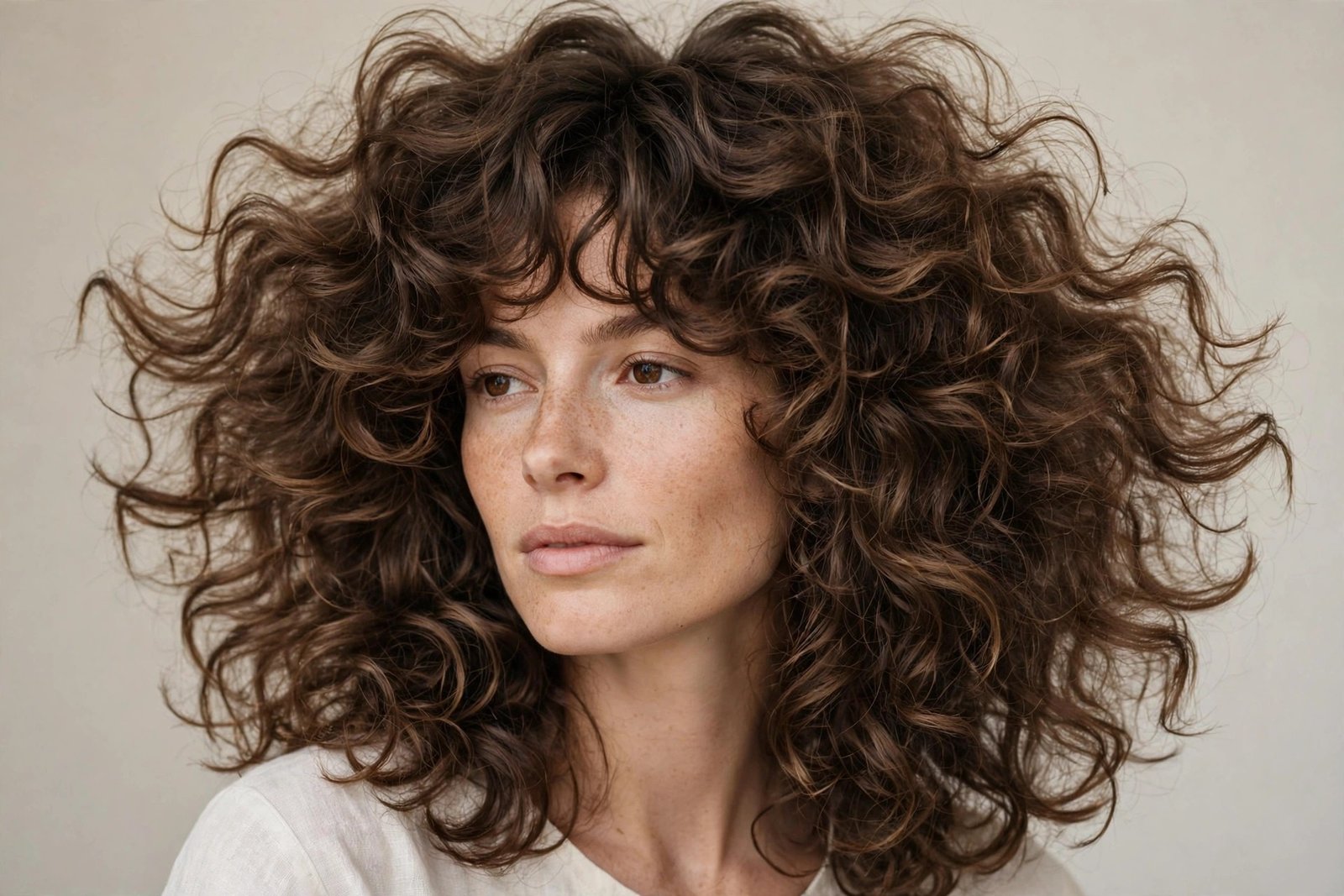
Here is a radical idea: instead of fighting frizz, build a cut that looks good with it. The frizz-friendly butterfly uses softer, longer layers and a rounder silhouette, so when humidity hits or your hair has a mind of its own, the frizz reads as volume and texture rather than as a mistake. This is not about giving up on your hair, but about choosing a shape that works with reality instead of against it. The layers are blended and forgiving, the ends are kept healthy so frizz does not turn into breakage, and the overall shape is full and soft rather than sleek and precise. If you live somewhere humid, if your hair frizzes no matter what you do, or if you are simply tired of chasing a smooth finish that never lasts, this version will change your relationship with your hair. A little curl cream, a little gel for hold, and a willingness to let your hair be big are all you need.
The mindset shift is the real benefit here. So many curly-haired women spend years feeling like their hair is misbehaving, when actually their hair is just being curly, and a cut that embraces that takes a weight off your shoulders. The frizz-friendly butterfly still needs moisture, still needs trims, and still benefits from a silk pillowcase, but it does not demand perfection, and that freedom is worth a lot. It suits every face shape and every curl type, because the principle is universal: a soft, rounded, layered shape looks good even when it is not perfectly defined. If frizz has ever made you cancel plans or hide your hair, try this version and see how it feels to have a cut that is on your side. Your hair is not the problem. The cut you had before was.
30. Butterfly with Caramel Ribbons
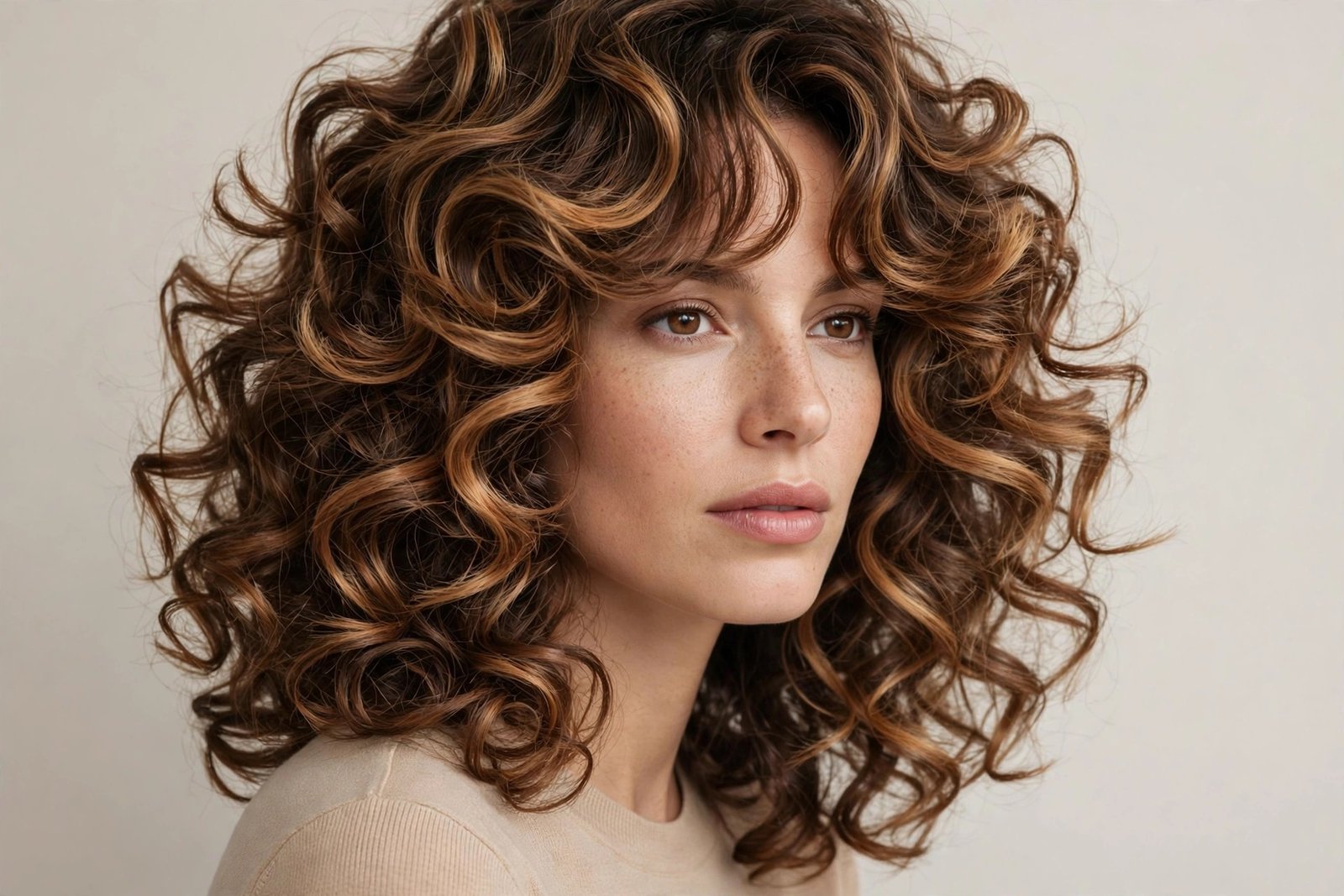
Caramel ribbons are a softer, warmer cousin of blonde balayage, and they are gorgeous on a butterfly cut because they follow the layers like ribbons through a gift. Thin strands of warm caramel are painted through the mid-lengths and ends, with a few pieces around the face, so the colour moves with your curls and catches the light at every layer. On dark brown or black hair, caramel ribbons add warmth and dimension without the commitment or the damage of full blonde, and they grow out so gracefully that you can go months between appointments. The butterfly shape is ideal for this colour technique, because the different layer lengths mean the ribbons sit at different levels, creating depth that one-length hair cannot match. Ask your colourist for a soft, blended application rather than chunky highlights, because the beauty of caramel ribbons is in their subtlety.
Maintenance is refreshingly light: a gloss refresh every eight to twelve weeks, colour-safe shampoo, and a good mask to keep coloured curls moisturised. The colour will fade gradually rather than dramatically, so there is no emergency regrowth line or brassy crisis, just a slow softening that still looks intentional. It suits warm and neutral skin tones, and it suits every face shape, because the ribbons are placed to frame the face and highlight the layers regardless of shape. If you want colour that feels like an enhancement rather than a transformation, caramel ribbons on a butterfly cut are the perfect choice. Your curls will look warmer, your layers will look deeper, and your salon visits will stay pleasantly infrequent.
31. Glossy Salon Butterfly
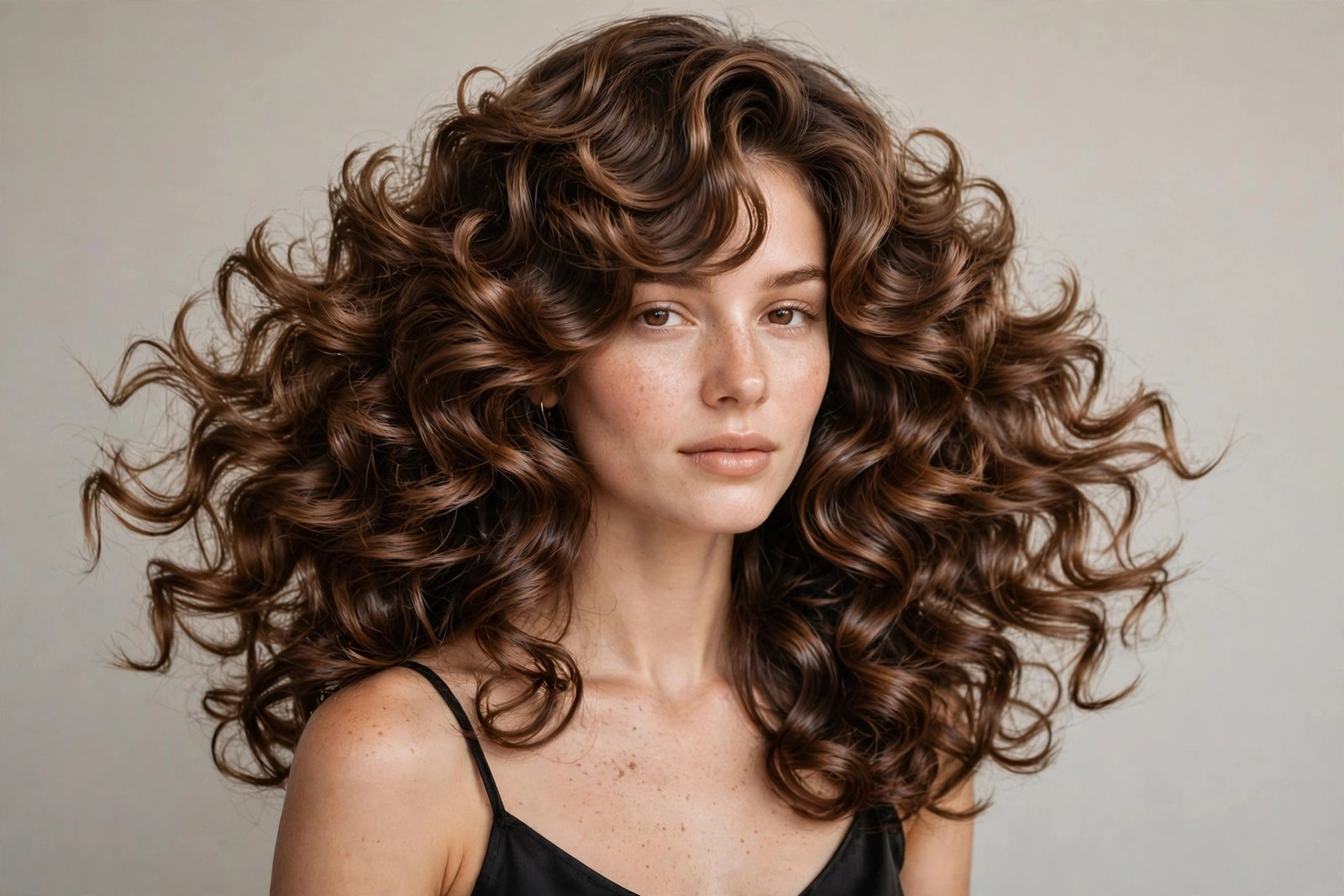
The glossy salon butterfly is the version you get when you want your hair to look like you just walked out of a high-end salon, even on a regular Tuesday. The cut is a classic butterfly, but the finish is everything: a gloss treatment to add shine, a smoothing curl cream to define without frizz, and a careful diffusing technique that keeps the curls polished rather than fluffy. The result is hair that shines, moves, and looks expensive, with layers that are visible and defined rather than blended into a soft cloud. This version is ideal for events, for work, for anyone who loves a polished look, and for women whose curls tend to look dull or dry without a little extra help. A gloss treatment every six to eight weeks will keep the shine going, and a shine serum on the ends will maintain it between appointments.
The effort level is moderate, because a polished finish takes a little more time than a wash-and-go, but it is not extreme, and the result lasts for days if you protect your hair at night with a silk bonnet or pillowcase. It suits every face shape, because the cut does the shaping and the gloss does the shining, and it works on 2B to 3C curls where the shine shows most clearly. If your curls have ever looked dry or lacklustre, a gloss treatment on a butterfly cut is one of the fastest ways to transform them, because shine makes healthy hair look even healthier. Think of this version as the butterfly cut dressed up for a special occasion, and keep it in your back pocket for days when you want to feel particularly polished. It never fails.
32. The Grown-Out Butterfly
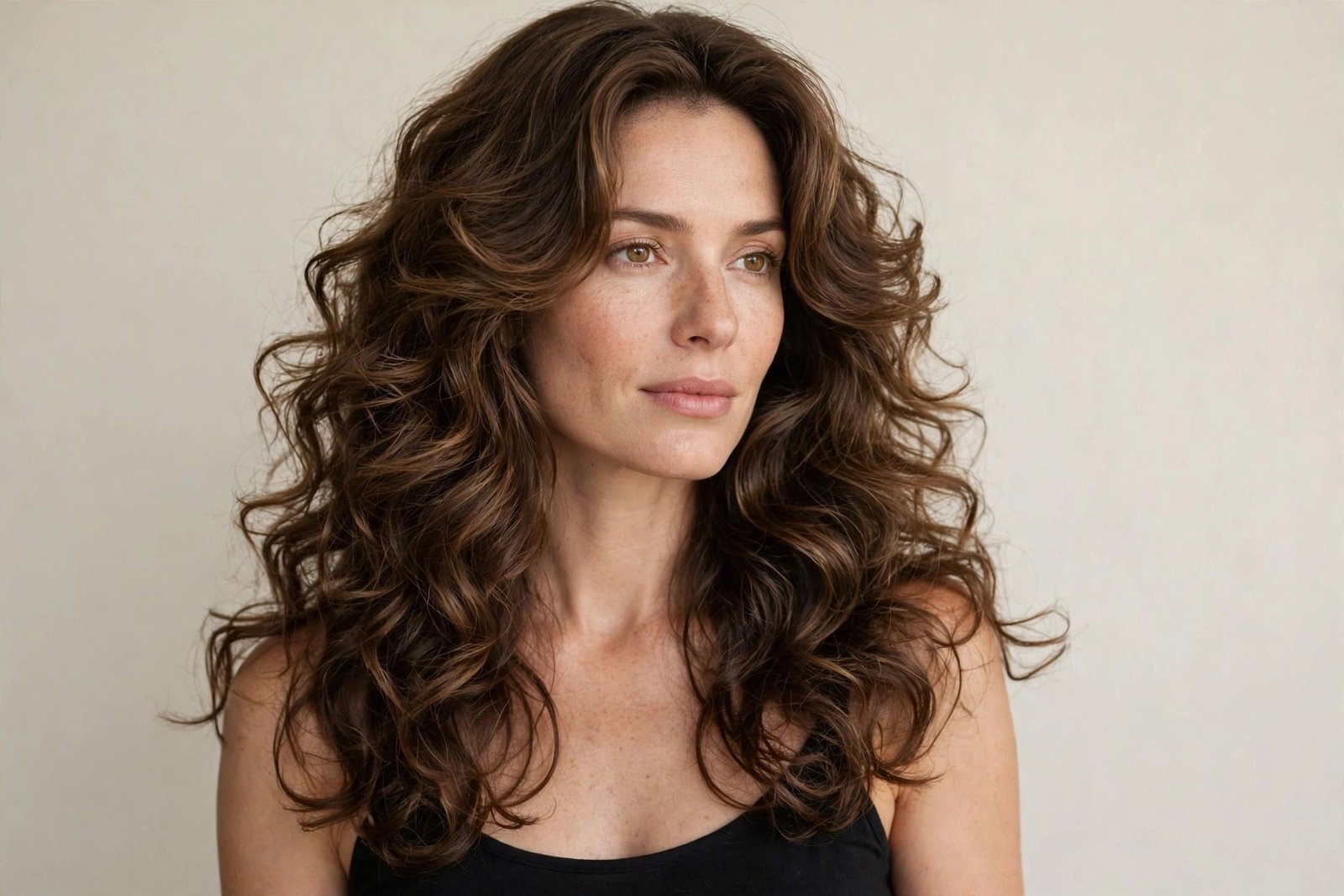
Every great haircut has to grow out well, or it is not really a great haircut, and the grown-out butterfly is proof that this one passes the test. After three or four months without a trim, the layers soften, the face-framing pieces lengthen, and the cut settles into a longer, looser version of itself that still has shape, movement, and intention. The top layers blend into the lengths, the overall silhouette stays rounded rather than triangular, and the hair looks like a long layered cut rather than an overgrown mistake. This is the version you live with between appointments, and it is also a deliberate choice for women who prefer longer hair and do not want to visit the salon every six weeks. A dusting trim every three to four months is enough to keep it healthy, and the shape will carry you gracefully through the whole grow-out period.
The lesson here is reassuring: you do not need to panic if you miss a trim, because the butterfly cut is designed to grow out well. The layers are placed so they lengthen evenly, rather than one layer suddenly sticking out, and the curls themselves hide regrowth better than straight hair does. This version suits every face shape and every curl type, because grow-out is universal, and it is especially kind to women who are growing their hair out to a longer length, since the butterfly shape gives you a beautiful style to live in while you wait. If you have ever avoided a layered cut because you feared the grow-out, let the grown-out butterfly put that fear to rest. A good cut does not expire after six weeks. It evolves, and this evolution is one of the prettiest stages of all.
Styling Routine and Care Guide for Your Curly Butterfly Cut
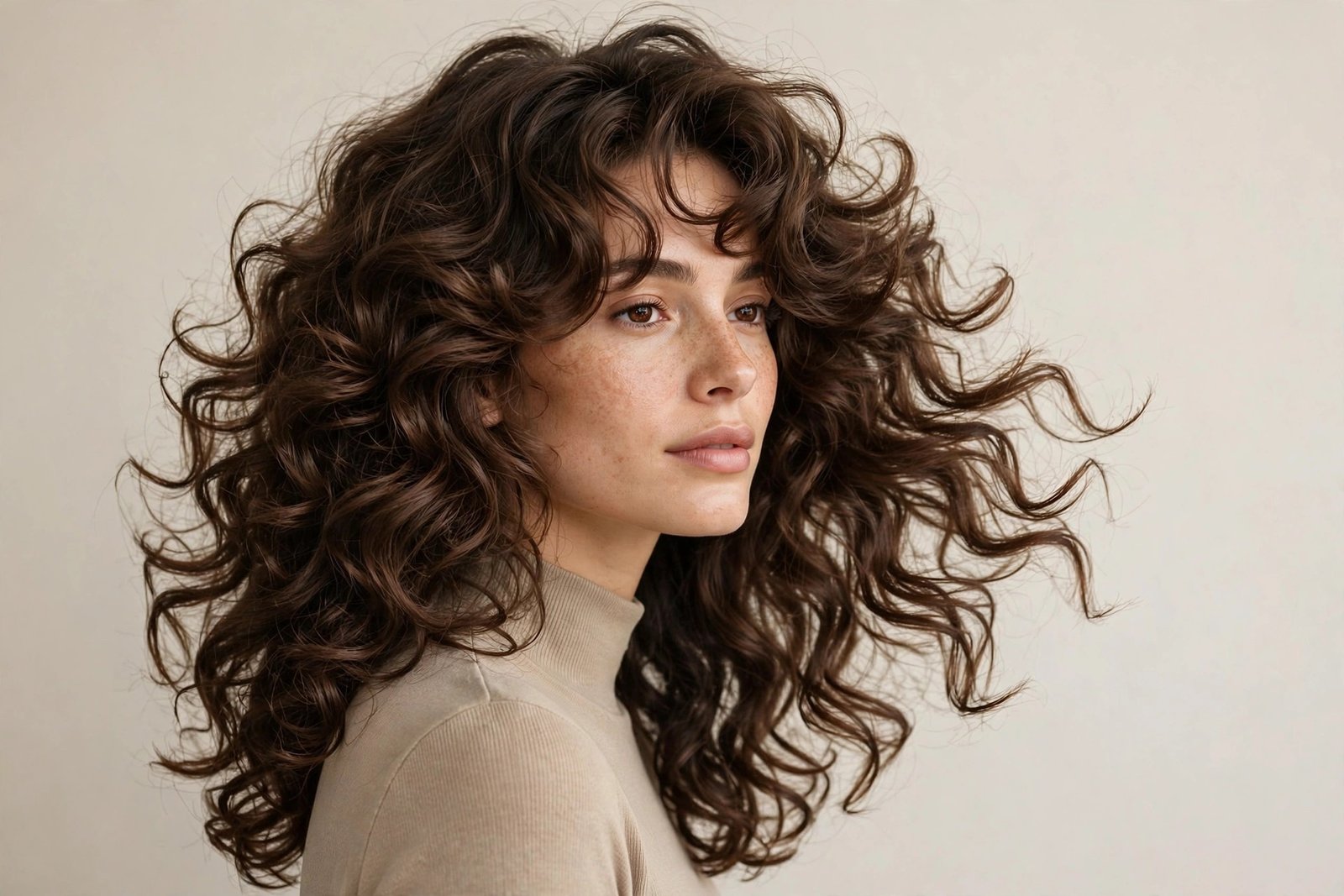
A great butterfly cut deserves a routine that supports it, and the good news is that the routine is simpler than most people expect. The whole philosophy is this: work with your curls while they are wet, leave them alone while they dry, and protect them while you sleep. If you follow those three rules, most of the rest takes care of itself. The butterfly layers do a lot of the shaping work for you, so your job is mostly to keep your hair moisturised, defined, and free from friction. Below is the routine I recommend, broken into wash day, styling, refresh days, and long-term care, so you can pick the parts that fit your life and skip the parts that do not.
Wash Day the Right Way
Wash day starts in the shower, and the most important step happens before you even reach for shampoo: detangle gently while your hair is soaked in conditioner. Use a wide-tooth comb or your fingers, work from the ends upward, and never drag a brush through dry curls, because that is how you break hair and create frizz in one stroke. Shampoo your scalp, not your lengths, because the lengths get clean enough from the rinse and shampooing them directly strips the moisture your curls need. Follow with a rich conditioner, leave it in for a few minutes while you do the rest of your shower routine, and rinse with cool water if you can bear it, because cool water helps seal the cuticle and reduce frizz. If your hair is very dry, try co-washing between shampoo days, which means washing with conditioner only, to keep moisture levels up without stripping your curls.
How often you wash depends on your hair and your life, but most curly butterfly cuts do best with washing every two to four days, rather than daily. Daily washing strips natural oils and dries curls out, while going too long between washes can lead to build-up and an itchy scalp. Find your rhythm by paying attention to your scalp: if it feels itchy or your roots look oily, wash. If your curls still look good and your scalp feels fine, you can stretch another day. A clarifying shampoo once a month will remove product build-up and reset your hair, which is especially useful if you use a lot of gel or styling cream. Think of wash day as the foundation of everything else: get it right, and styling becomes easy. Get it wrong, and no amount of product will save the week.
Styling for Definition and Bounce
Styling starts the moment you step out of the shower, while your hair is still soaking wet, because curly hair sets its pattern as it dries and trying to style it after it is half-dry is a losing battle. Apply a leave-in conditioner first, then a curl cream, working through your hair in sections so every curl gets covered, and finish with a gel or mousse for hold, scrunching upward to encourage the curl pattern. The order matters: leave-in for moisture, cream for definition, gel for hold, and each layer should be scrunched in rather than raked through, because raking breaks up curl clumps and creates frizz. If you want extra volume, flip your head upside down while you scrunch, which lifts the roots and gives the butterfly layers room to spring. For a deeper understanding of how hair structure affects styling, the hair guide on Wikipedia explains the science in plain terms, and it is worth a read if you like knowing why your routine works.
Diffusing is the step that makes the biggest difference to a butterfly cut, and it is worth learning properly. Use a diffuser attachment on low heat and low speed, cup sections of your curls into the diffuser bowl, and hold them there for thirty seconds before moving on, rather than waving the dryer around like a fan. Start with your head upside down for root volume, then switch to upright for the lengths, and stop when your hair is about eighty to ninety percent dry, because the last bit of drying happens naturally and over-drying creates frizz. Once your hair is fully dry, scrunch out any gel cast gently, using a tiny bit of oil on your hands if you like, and then stop touching it. Seriously, stop. Every touch after drying breaks up curls and invites frizz, and the hardest part of curly hair care is learning to leave it alone. Your butterfly layers will reward that patience with bounce that lasts for days.
Refresh Days Without Rewashing
Refresh days are where a butterfly cut really earns its keep, because the layers hold their shape so well that you rarely need to start from scratch. The basic refresh is simple: mist your hair lightly with water, smooth a small amount of leave-in conditioner or curl cream over the canopy, scrunch the curls back into shape, and let them air-dry for a few minutes. Focus on the face-framing layers and the canopy, because those are the parts that show frizz first, and leave the underneath layers alone, because they usually hold their shape better. If your roots feel flat, flip your head upside down and shake gently at the roots, or use a little dry shampoo on the scalp, but do not overdo it, because dry shampoo build-up can dull your curls. A silk scrunchie or a loose pineapple at night will preserve your curls far better than a tight ponytail, and it is the single easiest change you can make to your routine.
On day three or four, when refreshes start to lose their magic, you have options that do not involve a full wash. A half-up style, a braided crown, or a claw clip will disguise tired curls beautifully, and the butterfly layers make every one of those styles look intentional rather than desperate. You can also do a partial refresh, wetting just the front sections and restyling those, while leaving the back alone, which takes five minutes and makes a surprising difference. The goal of refresh days is not perfection, but presentability, and the butterfly cut is forgiving enough that presentability is easy to achieve. If your hair genuinely will not cooperate, wash it and start fresh, because forcing a refresh on hair that needs washing will frustrate you more than a quick wash ever will. Listen to your hair, not to a schedule.
Long-Term Care and Trims
Long-term care for a butterfly cut is mostly about two things: moisture and trims, and both are simpler than they sound. Moisture means a weekly deep-conditioning mask, left on for twenty to thirty minutes under a shower cap or a warm towel, which keeps your curls soft, elastic, and resistant to breakage. It also means protecting your hair from heat, so if you straighten your hair occasionally, use a heat protectant every single time and keep the temperature as low as you can, because heat damage changes your curl pattern and no haircut can fix that. Sleeping on a silk or satin pillowcase, or wearing a satin bonnet, reduces friction overnight and preserves your curls for the next day, and it is one of the highest-impact changes you can make for almost no money. For more styling inspiration from a trusted beauty authority, Byrdie regularly covers curly hair care with advice from real stylists, and it is a good place to check when you want a second opinion.
Trims are the other half of long-term care, and they matter more for a layered cut than for a one-length cut, because layers lose their shape as they grow. Book a trim every ten to twelve weeks, and ask for a dusting rather than a full cut if you are growing your hair out, because a dusting removes split ends and refreshes the layers without losing length. Between trims, watch for signs that your hair needs attention: ends that tangle easily, curls that will not clump, or a shape that looks heavier at the bottom than it used to. Those are your signals to book an appointment, not to wait another month. A butterfly cut that is well maintained will look good for its entire life, from the fresh-cut bounce of week one to the soft, grown-out beauty of month three. Take care of it, and it will take care of you, which is a fair trade by any measure. If you are still exploring curly cuts in general, the curly hair cuts collection is a good next stop, and if you want to compare this cut with its straight-hair cousin, the classic butterfly haircut shows exactly how different the two approaches are.
Frequently Asked Questions
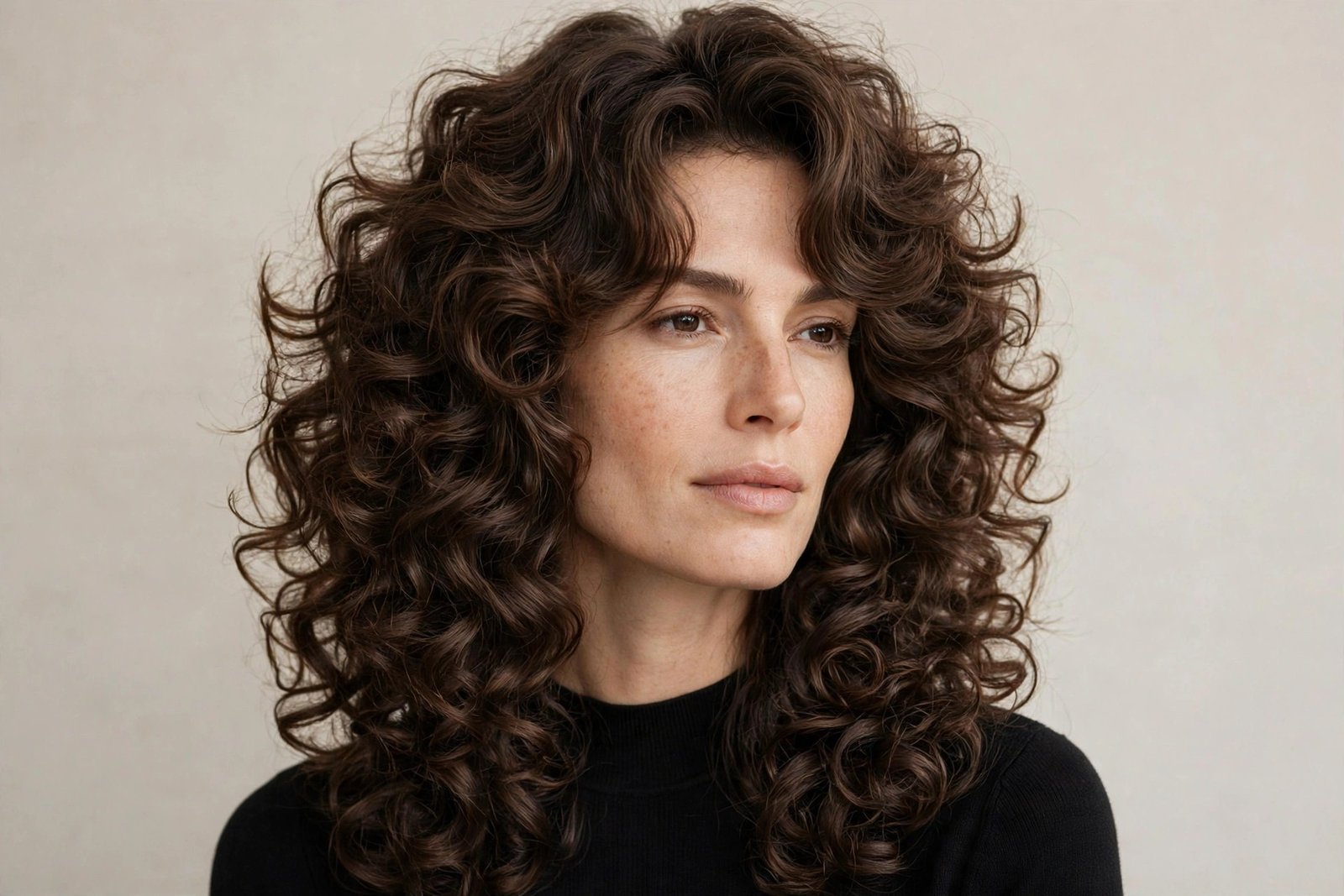
These are the questions I hear most often about the curly butterfly cut, answered honestly and without any salon jargon. If your question is not here, bring it to your stylist, because a good stylist will always rather answer a question than fix a misunderstanding.
Is the curly butterfly cut good for natural curls?
Yes, it is one of the best layered cuts for natural curls because the shorter face-framing layers on top remove weight where curls get dragged down, while the longer layers underneath keep length and fullness. Cut dry or curl-aware, it lets each curl spring up into its natural shape instead of being stretched flat. The result is movement, bounce and a shape that still looks good on day two and day three.
How is the curly butterfly cut different from the classic butterfly haircut?
The classic butterfly haircut is built for straight or blow-dried hair, with long feathered layers that are styled smooth and flipped out. The curly butterfly cut is built for texture: it is cut to work with your curl pattern, not against it, and it is styled to enhance curls with diffusing and curl cream rather than straightening them. Same butterfly idea, completely different cutting and styling logic.
Will a butterfly cut make my curly hair look thinner?
A good curly butterfly cut should never thin your hair out. The layers are placed to remove bulk and weight in the right spots, which actually makes curls look fuller because they can spring up. If a stylist reaches for thinning shears all over, stop them and ask for layering that keeps your density. Tell your stylist you want shape, not thinning.
How often should I trim a curly butterfly cut?
Most curly butterfly cuts hold their shape for ten to twelve weeks, which is longer than many straight cuts because curls hide regrowth so well. Book a trim when the face-framing layers start falling into your eyes or the ends feel dry and tangled. Small dusting trims keep the shape fresh without losing the length you worked hard to grow.
Can I get a curly butterfly cut with wavy 2A or 2B hair?
Yes, wavy hair takes beautifully to a butterfly cut, though your version will lean softer and more beachy than a tight curl version. Ask for longer face-framing layers so the waves do not flip out too short, and style with a light mousse scrunched in while damp. You will get that same airy, layered movement with less daily effort than tighter curl types need.
What products do I need for a curly butterfly cut?
You need four things: a sulfate-free shampoo, a rich conditioner, a curl cream or leave-in for definition, and a gel or mousse for hold. A diffuser attachment for your dryer is the one tool worth buying. You do not need a shelf full of products. Two or three that suit your curl type, used consistently, will beat ten random bottles every time.
Does the curly butterfly cut work for round faces?
Yes, and it is actually a lovely choice for round faces because the face-framing layers and the volume at the crown draw the eye upward and lengthen the look of the face. Ask your stylist to start the shortest layer at or below your cheekbone rather than at your chin, and keep some length past your shoulders. That balance gives you softness without adding width at the cheeks.
Conclusion
The curly butterfly cut earned its 464 percent search surge the honest way, by actually working for the women it was made for. It takes the butterfly idea that everyone loved and rebuilds it for curls, with layers that lift instead of weigh down, a shape that moves instead of sitting still, and a grow-out that stays beautiful for months. Pick the classic version, a short bob, a long layered waterfall, or a low-maintenance wash-and-go — you are choosing a cut that respects your texture and makes your daily routine easier, not harder. That is a rare combination, and it is why this cut is not going anywhere.
So screenshot the version that made you stop scrolling, book a stylist who cuts curls dry, and go in with clear language about your curl type, your shrinkage, and where you want your shortest layer to sit. Bring photos of curls like yours, ask for blended layers and no thinning shears, and give the cut a full week to settle before you judge it. Your curls have waited long enough for a trendy cut that was actually designed for them. The curly butterfly cut is that cut, and 2026 is a very good year to finally try it.
2 Comments