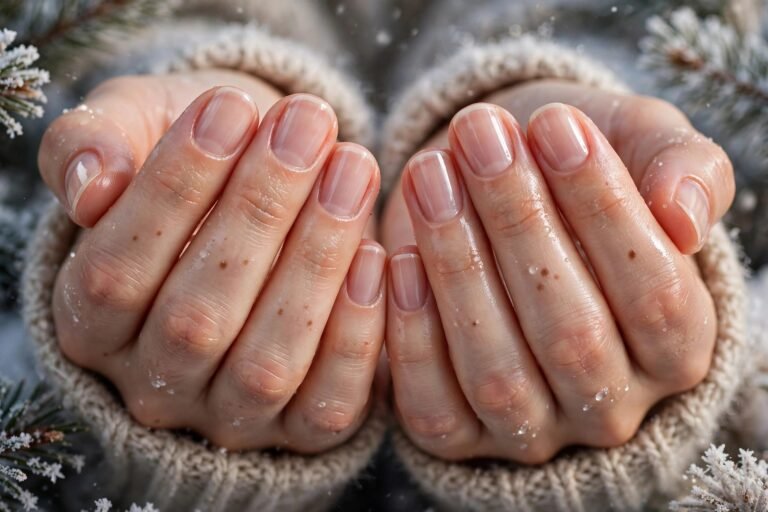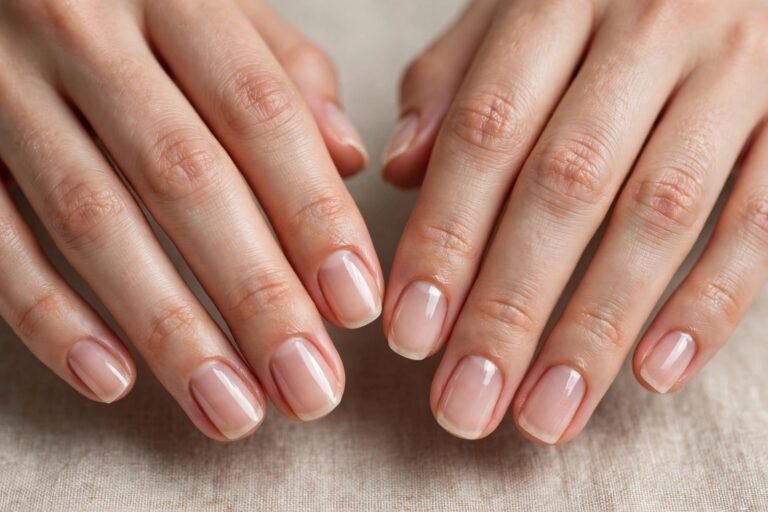
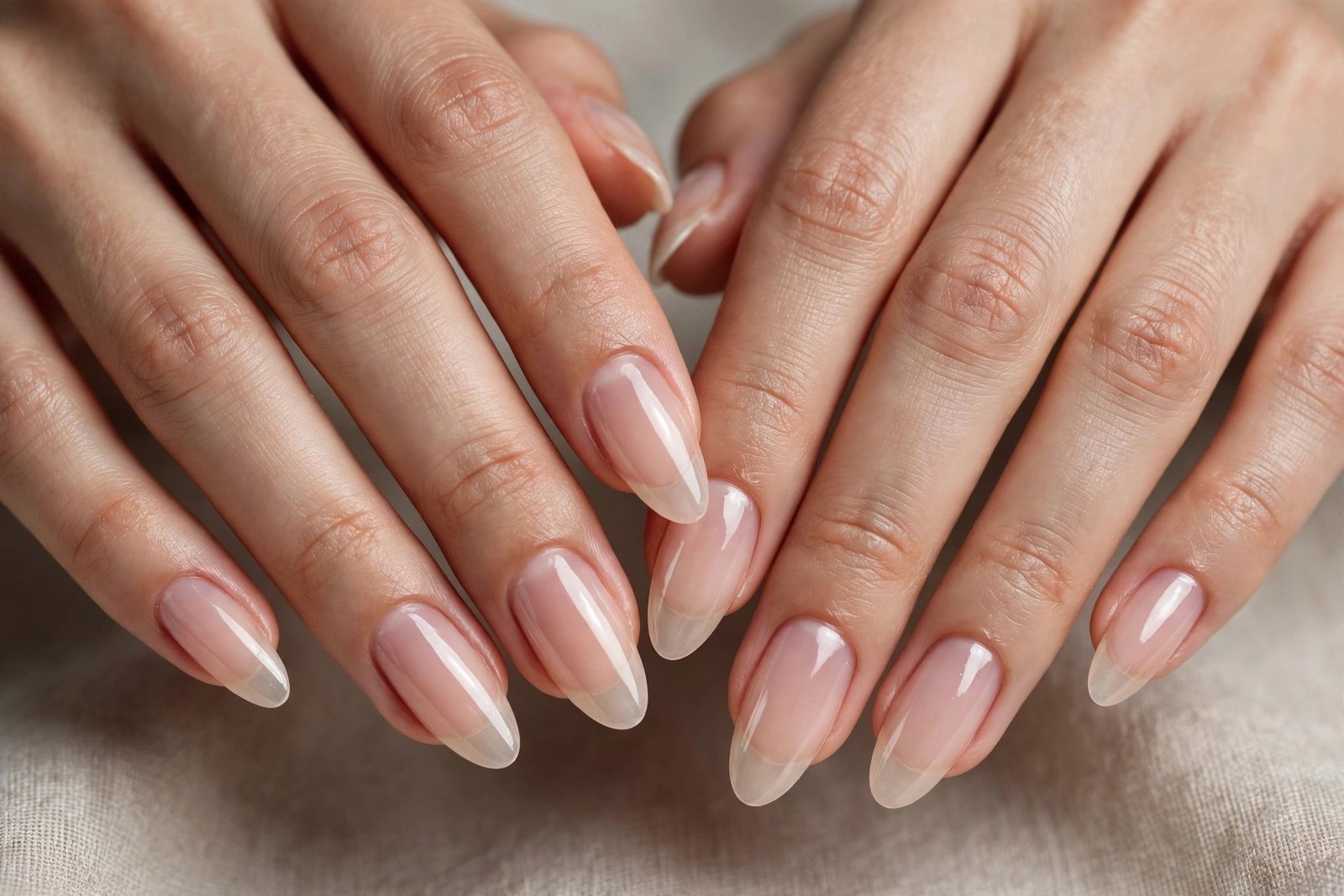
Grow Nails Fast 2026: 32 Ways to Grow Longer, Stronger Nails
If you want to grow nails fast, the honest starting point is understanding what your nails can actually do in 2026. Fingernails grow roughly three to three and a half millimetres a month, and a full nail replaces itself over about six months, so dramatic overnight length is a myth but steady, visible progress in a few weeks is completely realistic. The women with the longest, strongest nails are rarely doing anything exotic; they protect the nail plate, feed the matrix underneath, and stop the small daily habits that snap length away. This guide collects thirty-two practical methods that work together, from cuticle oil and filing technique to biotin, protein, gloves, and sleep, so you can build a routine that fits real life and finally keep the length you grow.
Growing nails is less about one miracle product and more about removing the friction that keeps breaking them. Every time you peel gel, bite a corner, scrub without gloves, or file back and forth like a saw, you undo weeks of slow growth. The good news is that the fixes are simple, cheap, and mostly take under two minutes a day. In the sections below you will learn how fast nails really grow, why length matters more than ever in 2026, and then thirty-two distinct methods you can mix and match, followed by a simple at-home routine and answers to the questions readers ask most. Pick five methods to start this week, add a few more each week, and photograph your nails monthly so you can see the progress your mirror misses.
How Fast Do Nails Grow
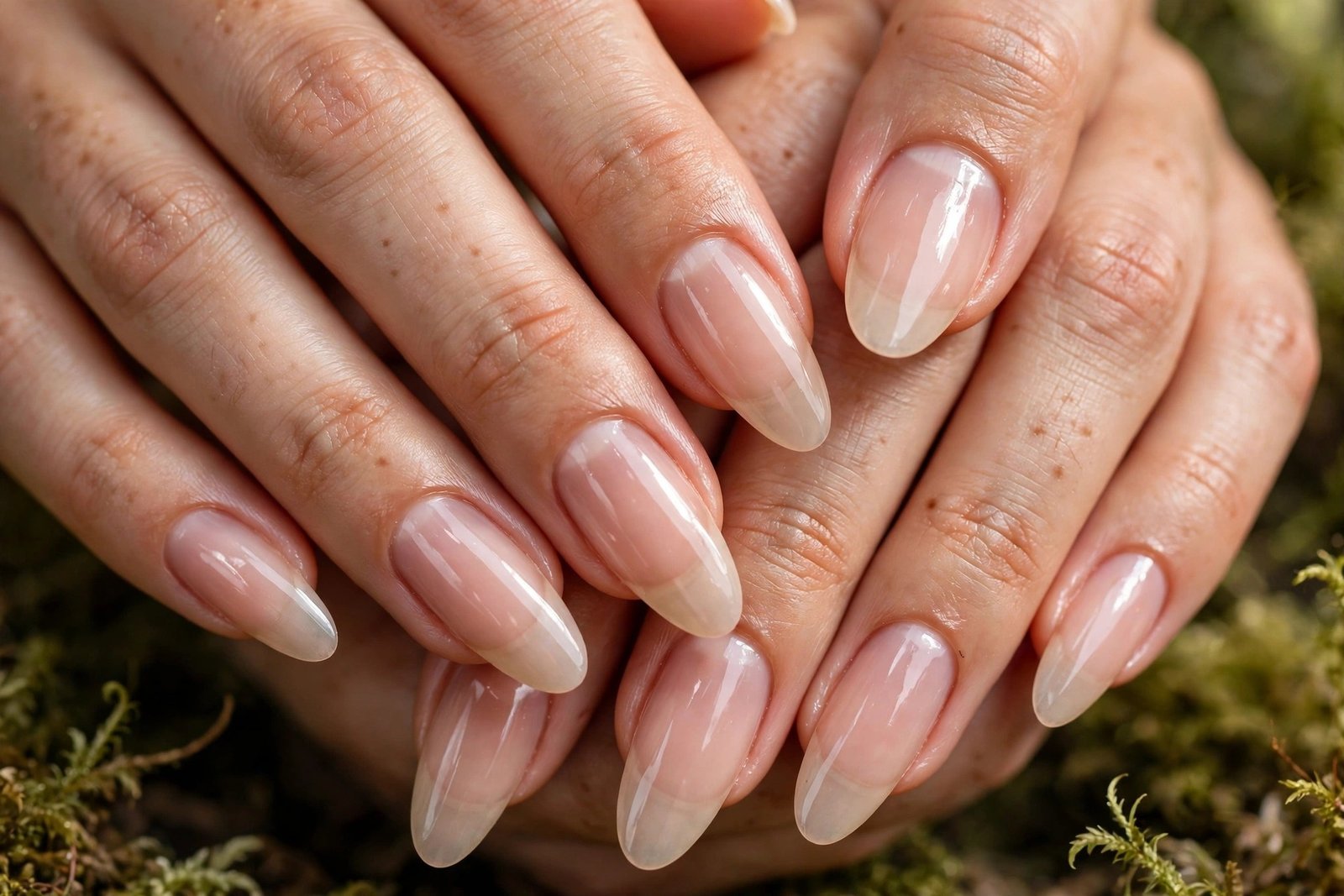
Fingernails grow at an average rate of about three to three and a half millimetres per month, which means roughly a tenth of a millimetre a day, and a whole fingernail takes around six months to replace itself completely from cuticle to free edge. Toenails are far slower, closer to one millimetre a month, which is why a damaged toenail can take a year or more to look normal again. Growth is fastest on your dominant hand, on the middle finger, and in warm weather, and it slows with age, illness, and poor circulation. Knowing this pace matters because it sets honest expectations: you can add visible length in four to six weeks, but a full transformation is a six-month project, not a weekend one.
The nail grows from the matrix, the living tissue hidden under the cuticle, so everything that helps you grow nails fast is really about protecting that matrix and keeping the new nail strong as it emerges. Trauma to the cuticle, aggressive pushing, biting, picking at gel, and harsh acetone soaks all damage the matrix and show up weeks later as ridges, splits, or weak spots. By contrast, gentle handling, daily moisture, and a balanced diet give the matrix the raw material it needs. Dermatologists at the American Academy of Dermatology advise filing in one direction, moisturising cuticles daily, and wearing gloves for wet work, and you can read the same practical advice in this GoodRx guide to growing stronger nails that explains the science in plain language.
Several everyday factors quietly decide whether your nails grow at their full speed or stall. Dehydration makes the nail plate brittle, low protein starves the keratin the nail is built from, and iron or vitamin D deficiency can show up as spoon-shaped or peeling nails long before a blood test is ordered. Cold weather, frequent hand washing, and constant sanitiser use dry the plate out, while biting and picking reset your length to zero in seconds. The encouraging part is that most of these factors are within your control, and small corrections compound: a month of gloves, oil, and gentle filing can turn a cycle of breakage into steady growth, especially when you also pay attention to the strong nails habits that keep length from snapping once it finally appears.
Why Growing Nails Fast Matters in 2026
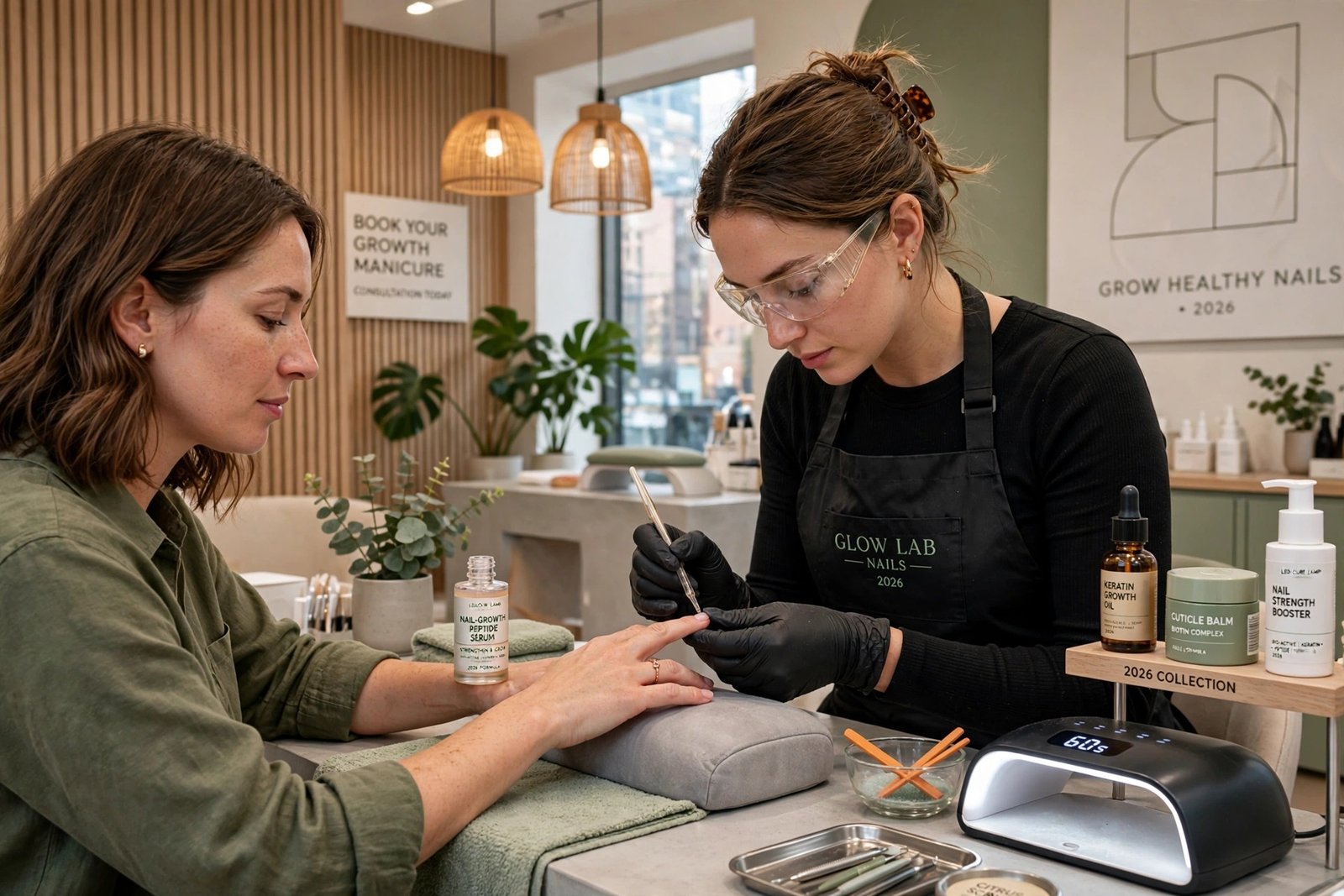
In 2026 long natural nails are having a genuine moment, and that is why learning to grow nails fast matters beyond vanity. Clean, almond and soft-square lengths dominate salon requests, and the look depends on healthy natural nails rather than extensions that hide damage underneath. Social media has made nail health visible in a way it never was before: close-up photos show every ridge, peel, and break, so strong nails have become part of a polished personal image in the same way good skin is. Growing your own length, rather than covering weak nails with acrylic, also saves money, saves salon time, and lets you change colour and shape freely without a removal appointment. Healthy natural length also photographs beautifully, which matters when every close-up is shared online.
The second reason 2026 is the year to fix nail growth is that the advice has finally become practical and evidence-based. A decade ago nail tips were mostly old wives’ tales, but today dermatologists, nutritionists, and nail technicians largely agree on the same short list: moisturise, protect, file gently, eat enough protein, and consider biotin at around two and a half milligrams a day if your diet is short. That consensus makes it easier to build a routine you can trust, and the results are easier to track with monthly photos. A simple daily habit, repeated for six months, beats any expensive serum used for a week, and a good daily nail care routine for 2026 turns that consensus into something you actually do every morning and night.
Finally, growing nails fast in 2026 matters because your nails are an early warning system for your wider health, and paying attention to them pays off elsewhere. Brittle, ridged, or slow-growing nails can be the first visible sign of dehydration, low iron, thyroid trouble, or a diet that is too low in protein, and fixing those things improves energy, skin, and hair at the same time. When your nails grow well, it usually means your body has what it needs, your hands are protected, and your habits are gentle. That is why this guide treats nail growth as a whole-body project, not a bottle of polish, and why the thirty-two methods below cover food, sleep, stress, and protection alongside oils and files.
1. Moisturise Your Cuticles Daily
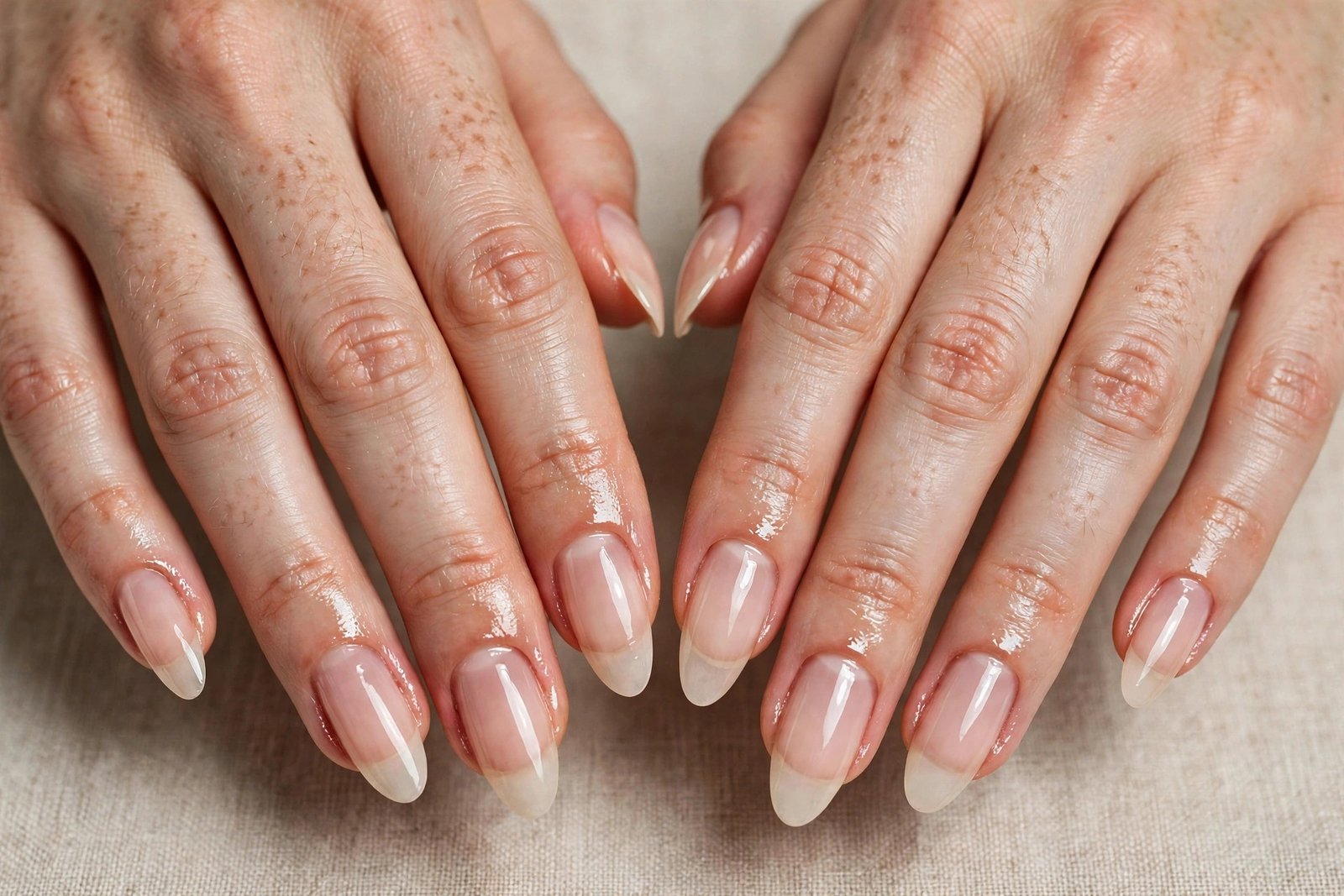
Cuticle oil is the single highest-impact habit in this whole guide, because dry cuticles crack, hangnails tear, and the exposed matrix underneath grows weaker nails. A drop of jojoba or sweet almond oil massaged into each cuticle morning and night keeps the skin supple and seals moisture into the nail plate itself. Jojoba is ideal because its molecules closely mimic your skin’s own sebum, so it absorbs quickly without a greasy film.
Spend thirty seconds per hand, pressing softly around each cuticle and along the sides of the nail, and you will notice the skin looking smoother within a week. If you wear polish, oil still works: apply it over the polish and around the edges, and it will keep the plate flexible underneath. Consistency beats quantity here, so a tiny daily drop outperforms a weekly flood that you forget to repeat.
Choose a simple oil with few ingredients and no heavy fragrance, and avoid cuticle removers that dissolve living skin and leave the matrix unprotected. If your cuticles are very dry, layer a thick hand cream over the oil at night and wear thin cotton gloves to lock it in while you sleep. Within two weeks the ragged edges soften, hangnails become rare, and new growth emerges smoother and less prone to peeling.
2. File in One Direction Only
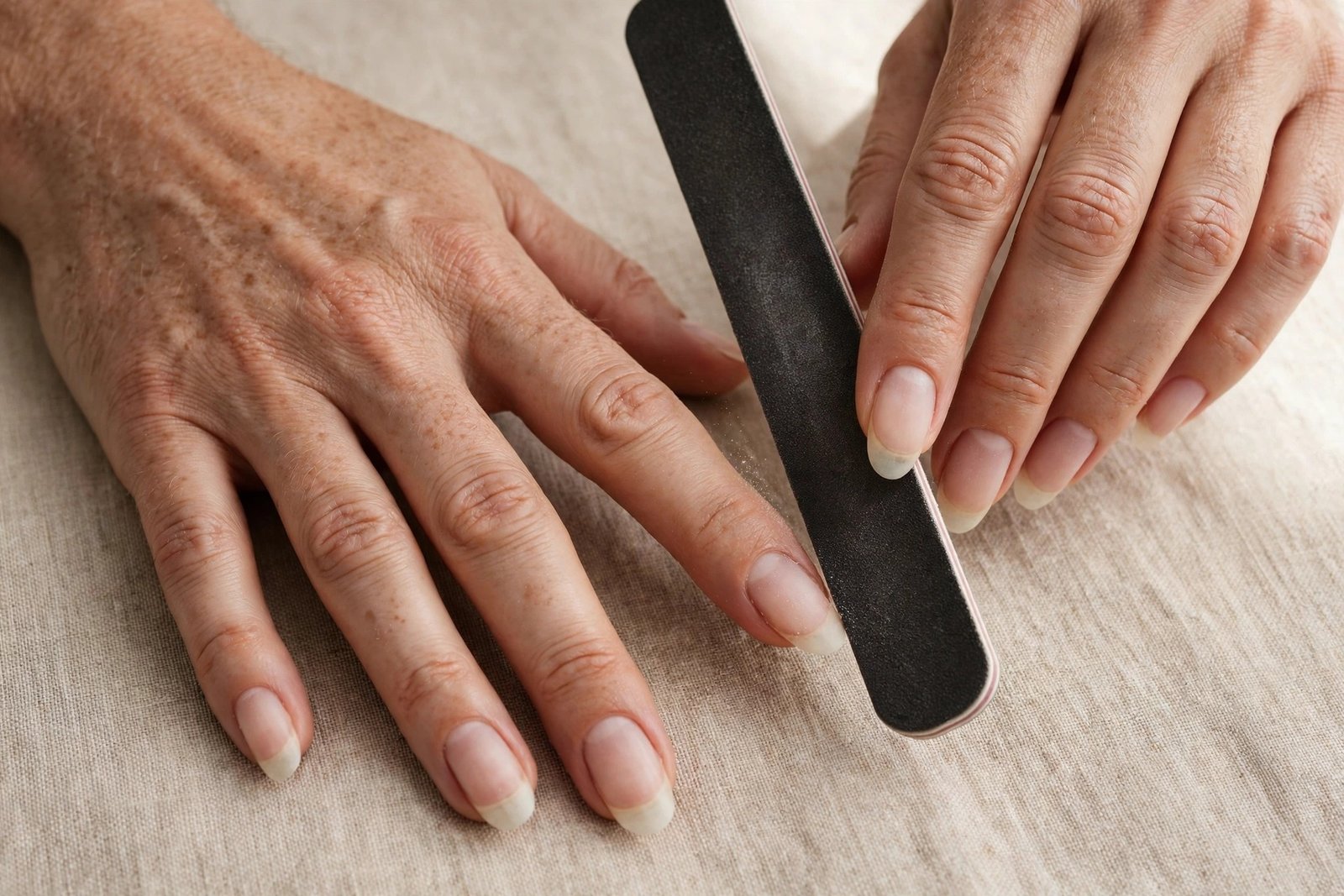
Filing back and forth like a saw is one of the fastest ways to split a nail, because the seesaw motion frays the keratin layers at the free edge and creates tiny cracks that travel upward. Dermatologists recommend filing in one direction only, using light, smooth strokes from the outer edge toward the centre. A fine-grit glass or crystal file is gentler than a coarse emery board and seals the edge as it shapes.
If you love a square look, soften the corners slightly so they do not snag on fabric and tear. File when nails are dry, since wet nails are softer and more likely to peel under the file. Keep a glass file in your bag for emergency snag repairs, and smooth a tiny chip immediately instead of letting it catch and rip halfway down the nail the next day.
Never use a metal file aggressively, and never file the top surface of the nail plate to make it smooth, because thinning the plate weakens everything you are trying to grow. If you visit a salon, ask the technician to file in one direction and speak up if you see sawing motions. At home, replace worn emery boards regularly, since a blunt file forces you to press harder and causes more damage.
3. Wear Gloves for Wet Work
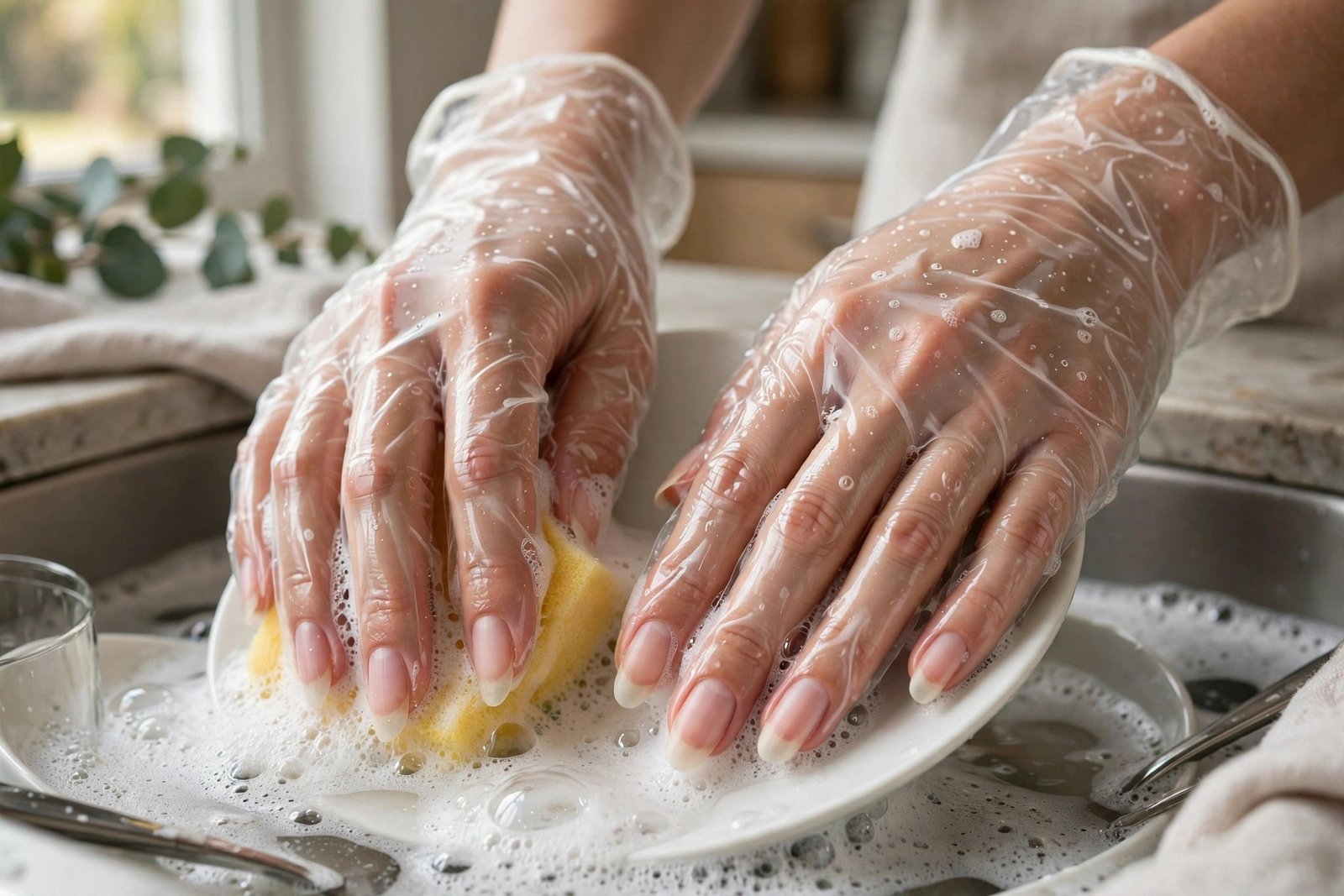
Water is surprisingly damaging to nails, because the plate absorbs water, swells, and then shrinks as it dries, and that repeated swelling weakens the keratin bonds until the nail peels in layers. Dishwashing, mopping, laundry, and long baths all count, and hot water plus detergent makes the damage far worse. Wearing rubber gloves for every wet job is the simplest protection available, and cotton-lined gloves are best if your hands sweat.
Gloves also shield nails from cleaning chemicals, bleach, and solvents that strip natural oils and leave the plate dry, brittle, and stained. Even gardening counts as wet work when soil stays damp against the nail, so wear garden gloves outdoors too. If your job involves frequent hand washing, such as healthcare, childcare, or food service, apply hand cream and cuticle oil before your shift and reapply at every break.
Within a month you should see less peeling at the tips, fewer white spots, and length that survives ordinary chores instead of breaking on the first sinkful of dishes. If gloves feel awkward at first, try a thinner, well-fitting pair, and remember that a few seconds of inconvenience is cheaper than losing six weeks of growth to one afternoon of cleaning. Protection is growth, because every break prevented is length kept.
4. Take Biotin at Around 2.5 mg a Day
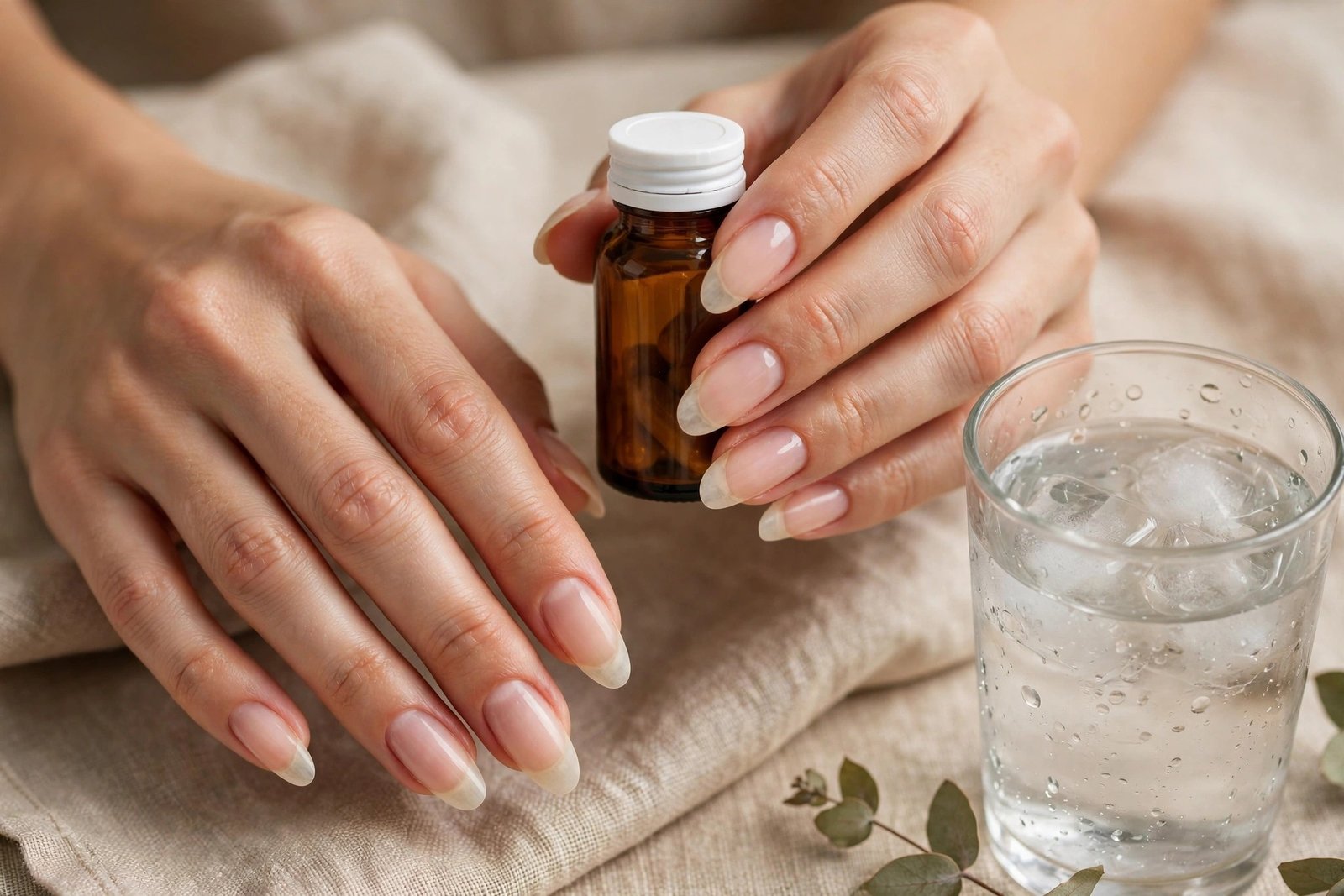
Biotin, also called vitamin B7, is the supplement with the most consistent evidence for nail strength, and studies commonly use around two and a half milligrams a day. It supports keratin production, the protein your nails are made of, and many people notice less splitting and faster-looking growth within two to three months. Food sources include eggs, nuts, seeds, salmon, and sweet potatoes, but reaching the studied dose from food alone is difficult.
What it does is improve the quality of the new nail emerging from the matrix, so the benefit shows gradually as the stronger nail grows out over months. Take it at the same time each day, with food if your stomach is sensitive, and give it at least twelve weeks before judging it. Photograph your nails on day one and again at week twelve, because slow daily change is easy to miss in the mirror.
If biotin alone does not help after three months, the cause may be iron, protein, or thyroid-related rather than a biotin gap, and a doctor can check those. Pair biotin with the other habits in this guide rather than treating it as a substitute for them: oil, gloves, gentle filing, and good food do the daily work, while biotin quietly strengthens the new growth underneath. Together they are far stronger than either alone.
5. Eat Enough Protein Every Day
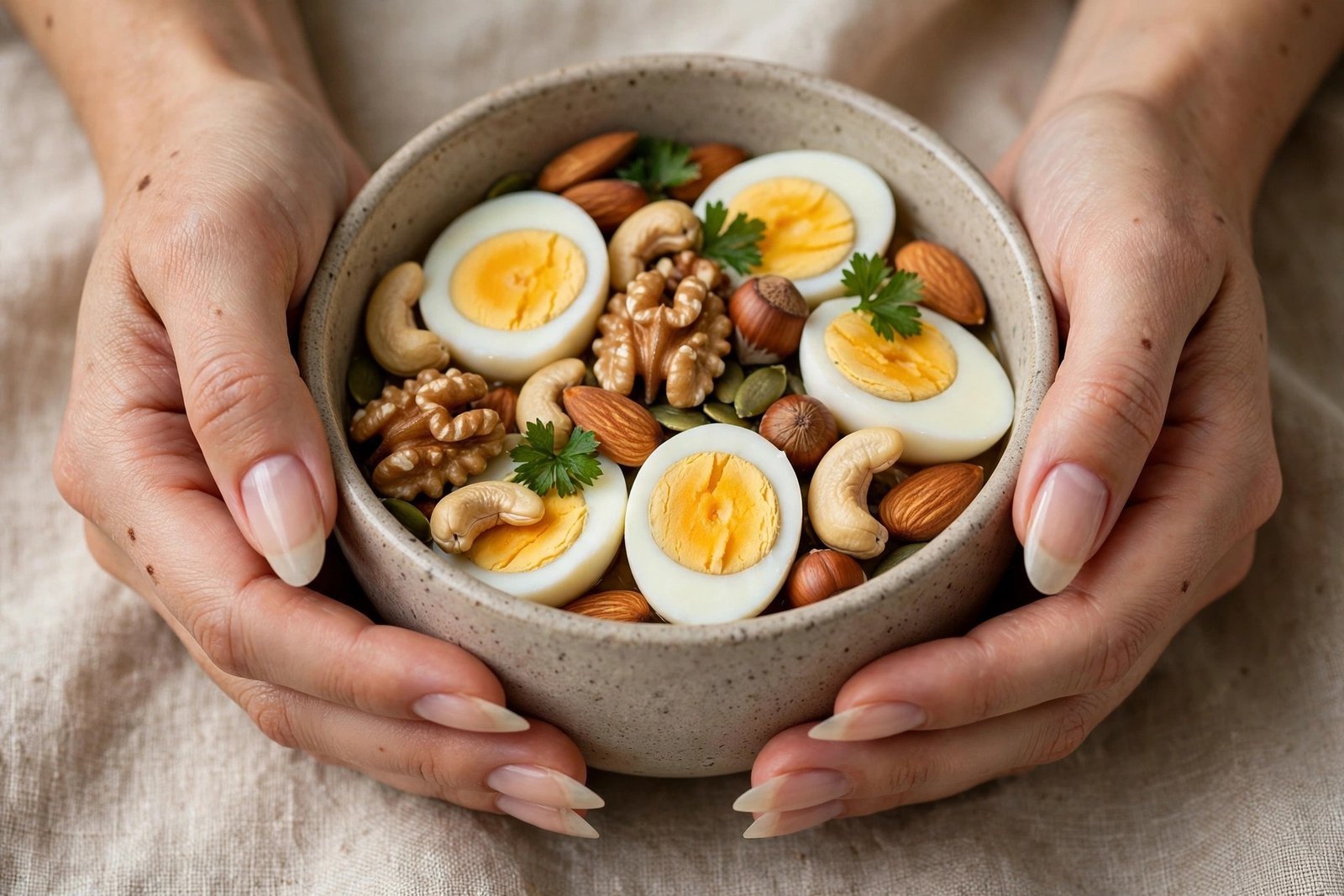
Most adults need roughly one gram of protein per kilogram of body weight a day, spread across meals rather than loaded into one sitting. Eggs, chicken, fish, lentils, beans, Greek yoghurt, and nuts are all excellent sources, and vegetarians can combine lentils, chickpeas, and whole grains to cover the amino acids nails need. If your nails are thin, ridged, or constantly breaking, look honestly at your protein intake before buying another serum.
Vitamin C helps you absorb iron from plant foods, zinc supports cell growth in the matrix, and healthy fats keep the nail plate flexible. A breakfast with eggs and fruit, a lunch with lentils or chicken, and a dinner with fish or beans covers most of this without any special shopping. Drink water with meals too, because hydration helps nutrients reach the fingertips where nails are built.
Crash diets deprive the matrix first, since the body prioritises vital organs over nails, and the damage shows weeks later as weak, slow growth. Aim for steady, adequate nutrition rather than restriction, and if you follow a vegan or restrictive diet, consider a dietitian’s advice on protein and B12. Strong nails are built at the table, not just at the vanity, and food is the cheapest nail treatment you will ever buy.
6. Stay Hydrated Inside and Out
Drinking enough water through the day keeps the matrix supplied and the nail plate supple, and most adults need around six to eight glasses, more in hot weather or after exercise. Carry a bottle, sip steadily rather than gulping litres at once, and eat water-rich foods like cucumber, oranges, and yoghurt. If your nails look dull, ridged, or peel at the tips, dehydration is one of the first causes to check before blaming products.
External moisture matters just as much, because hand washing and sanitiser strip oils from the plate many times a day. Apply hand cream after every wash, and use a richer cream at night when your hands can absorb it undisturbed. Look for creams with glycerin, shea butter, or ceramides, which hold water in the skin and nail rather than just sitting on top.
In winter, when cold air and indoor heating dry everything out, step up both water intake and cream use, and consider a humidifier at night if your home is very dry. The combination of internal hydration and external moisturising keeps the nail plate bendable rather than breakable, and bendable nails survive daily life long enough to grow visibly longer. Hydration is quiet, unglamorous, and genuinely effective.
7. Remove Polish Gently Without Picking
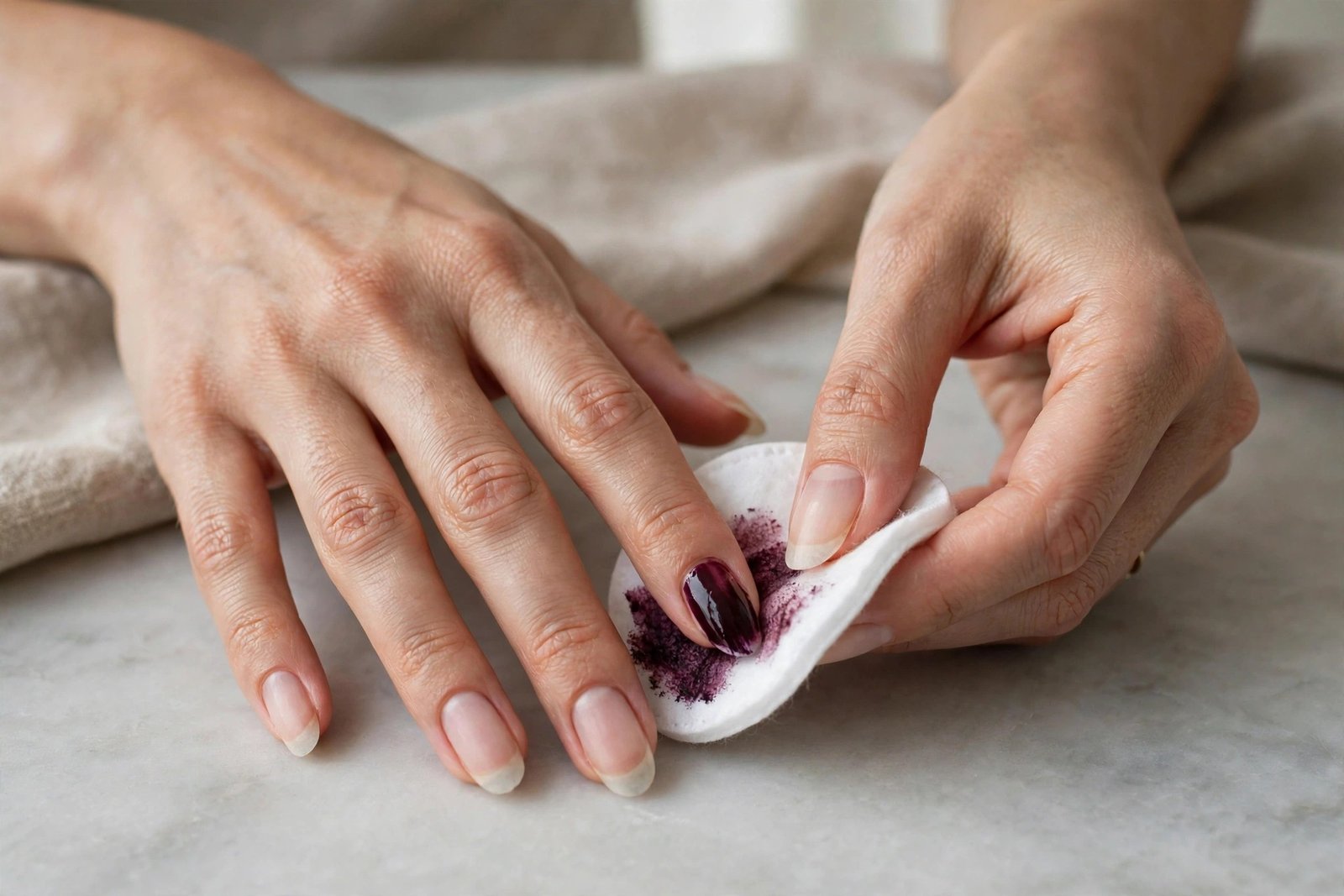
Peeling polish off by hand is one of the most destructive habits in nail care, because the polish takes the top layers of the nail plate with it and leaves the nail thin, weak, and peeling for weeks. Always remove polish with a gentle, acetone-free remover or a low-acetone formula, soaking a cotton pad and holding it on the nail for ten seconds before wiping in one smooth motion.
Give your nails regular polish-free breaks, ideally a few days between manicures, so the plate can rehydrate and breathe. During the break, apply cuticle oil twice a day and a strengthening base coat if you like the look of bare nails with a shine. Avoid buffing the surface aggressively to remove leftover polish, and never use your nails as tools to scrape or pry things open.
If you love gel, keep the wear period reasonable and always have it removed professionally or with a full soak at home. The minutes you save by peeling are never worth the weeks of weak growth that follow, and gentle removal is what lets you enjoy polish and length at the same time. Treat removal as part of the manicure, not an afterthought, and your nails will thank you with strength.
8. Stop Biting and Picking for Good
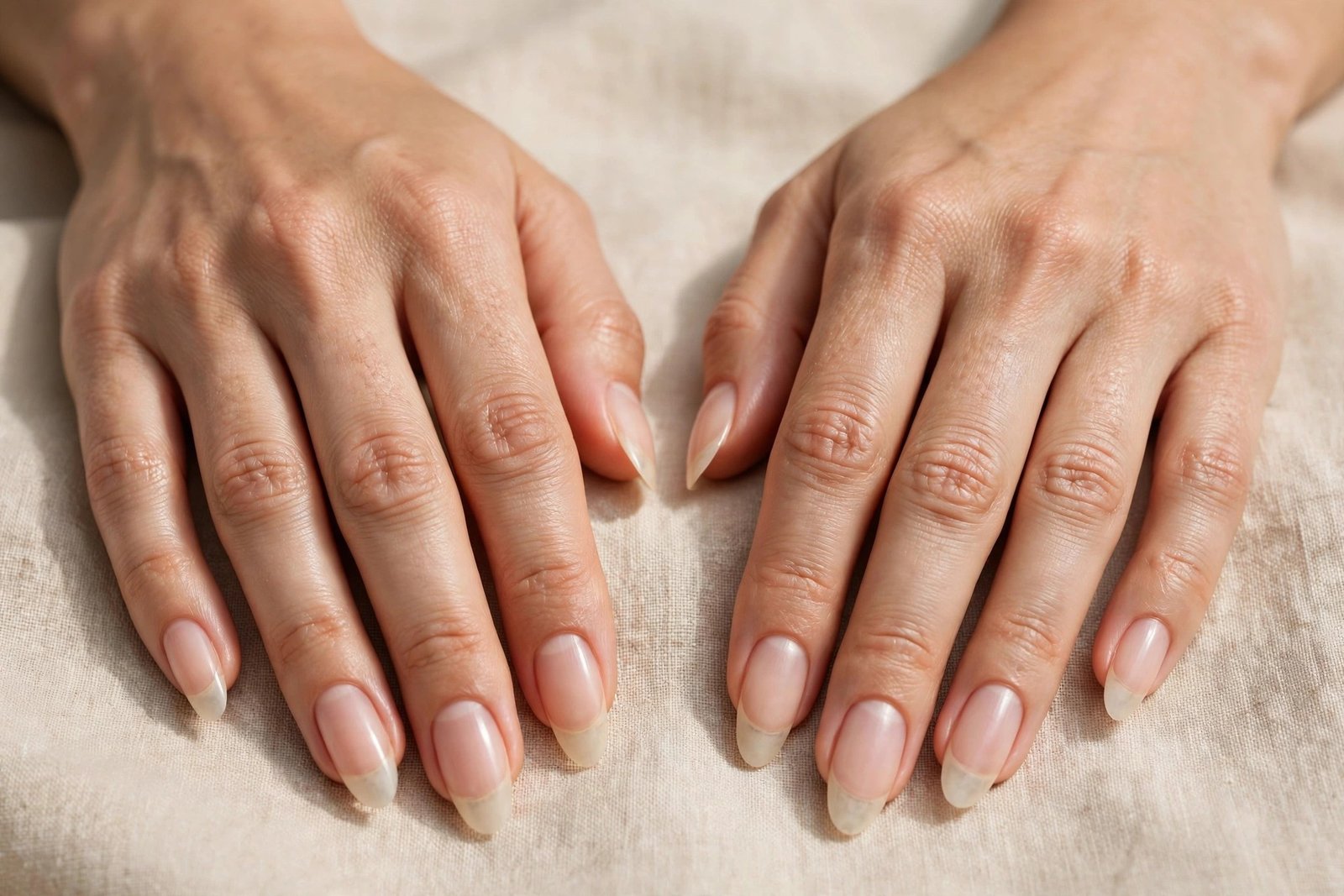
Biting and picking are the single biggest reason many people never see long nails, because one anxious moment can erase six weeks of growth in seconds. The habit usually runs on autopilot, so the fix starts with awareness: notice when you bite, whether it is stress, boredom, or a rough edge that invites picking, and interrupt the pattern. Bitter-tasting polish can help, but it works best alongside a plan, not instead of one.
A short, neat manicure can actually help you stop biting, because polished, tidy nails feel too nice to ruin and give you a visible reason to pause. Set small goals, such as one bite-free week, then two, and photograph your progress so the growing length itself becomes the reward. Tell a friend or family member what you are doing so they can gently remind you when they notice the habit.
When you slip, do not give up and bite the rest in frustration; repair the one damaged nail, file it smooth, and keep going. Recovery is fast once the habit breaks, because the matrix was healthy all along and simply needed a chance to grow undisturbed. Within two months of stopping, most former biters see real length for the first time in years, and the change is often dramatic enough to keep them motivated.
9. Use a Nail Strengthener Wisely
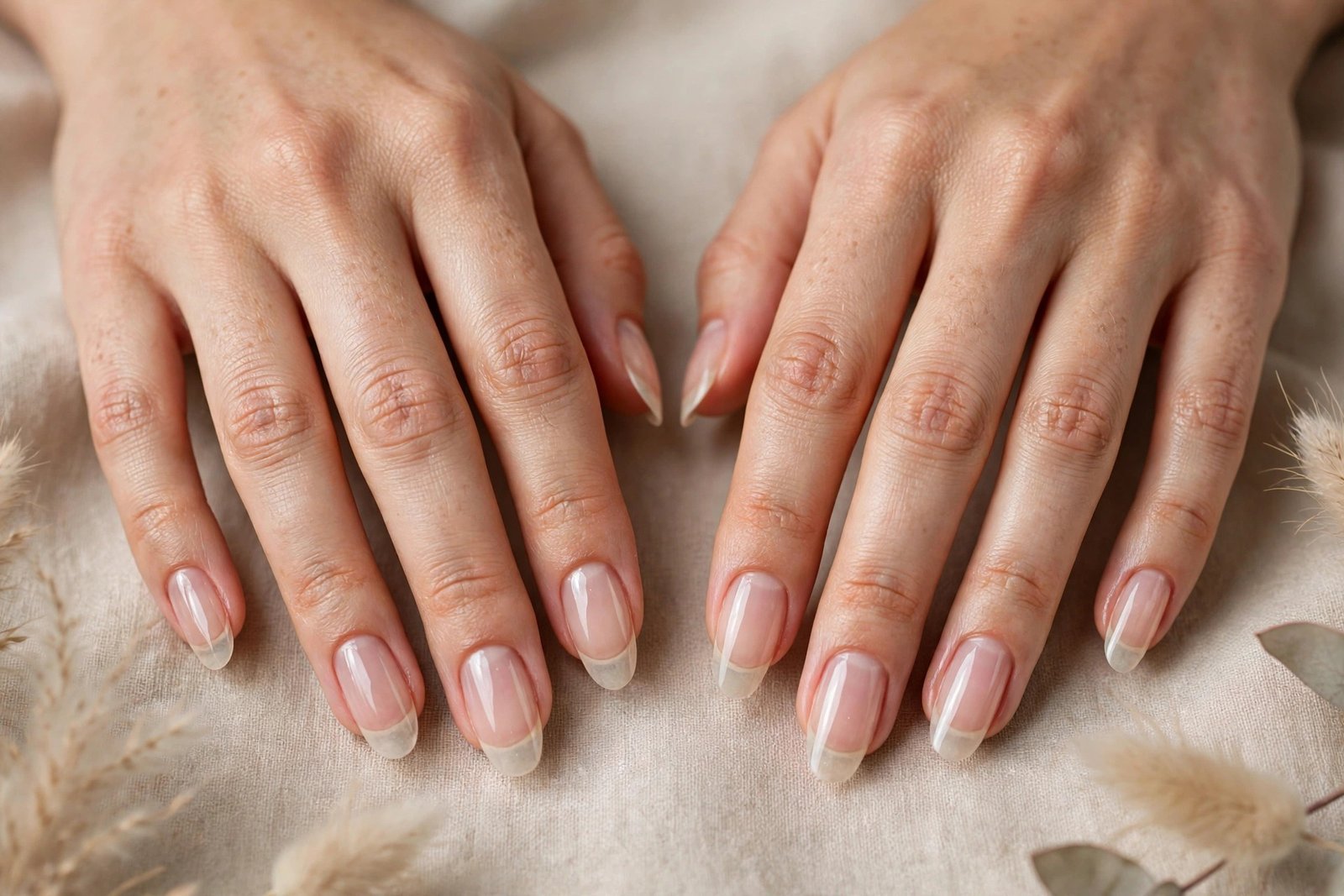
A good nail strengthener can help weak nails survive long enough to grow, but it works best as a temporary support rather than a permanent crutch. Look for formulas with keratin, calcium, or nylon fibres, and apply a thin coat as a base under polish or alone for a natural shine. Avoid formaldehyde-heavy hardeners used daily, because they can make nails rigid and more likely to snap instead of flexing.
Application technique matters: apply thin, even coats and let each layer dry fully, and remove the strengthener gently with a mild remover rather than peeling it off. Do not layer coat after coat for weeks without removal, because the build-up can dry the plate and hide damage underneath. If your nails feel worse after using a strengthener, stop and focus on oil and moisture instead, since some nails respond better to flexibility than to hardness.
Pair the strengthener with cuticle oil, because a hard top layer without moisture underneath creates a brittle sandwich that breaks easily. Think of the strengthener as scaffolding while the new, healthier nail grows out from the matrix, and plan to phase it out as your natural nail improves. Keep the routine simple: one coat, twice a week, removed gently, with oil every day.
10. Massage Jojoba Oil Into the Matrix
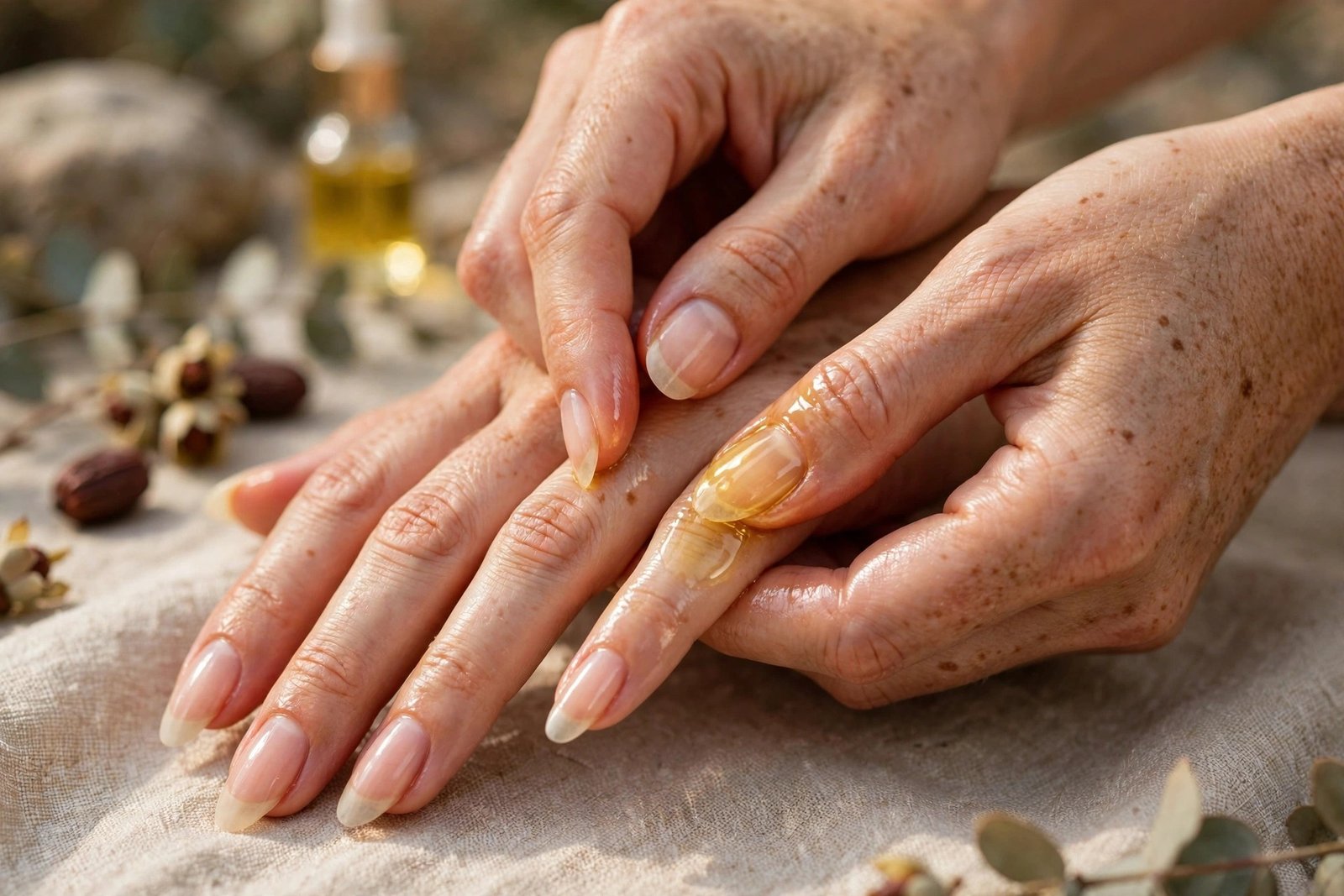
A single drop massaged into the skin just behind each cuticle, where the matrix lies underneath, delivers moisture and vitamin E directly to the growing nail. Do this twice a day, morning and night, and spend a few extra seconds on any nail that looks ridged or slow. The oil also softens the cuticle so it can be gently pushed back without tearing, which protects the matrix from injury.
Keep jojoba oil pure and simple, without added fragrance or essential oils that can irritate sensitive skin around the nail. A small rollerball bottle makes application effortless and keeps the habit going when you are busy, and a bottle lasts months because you need so little each time. If you wear nail polish, apply the oil around the cuticle and under the free edge, where it can still reach the skin.
This deep soak is especially helpful in winter or after gel removal, when the plate is at its driest. Do not expect jojoba to work miracles on its own, because no oil can replace protein, gloves, or gentle filing, but as part of a daily routine it is one of the most reliable ways to improve nail quality. Small, consistent, targeted care is exactly how you grow nails fast without expensive products.
11. Apply Hand Cream After Every Wash
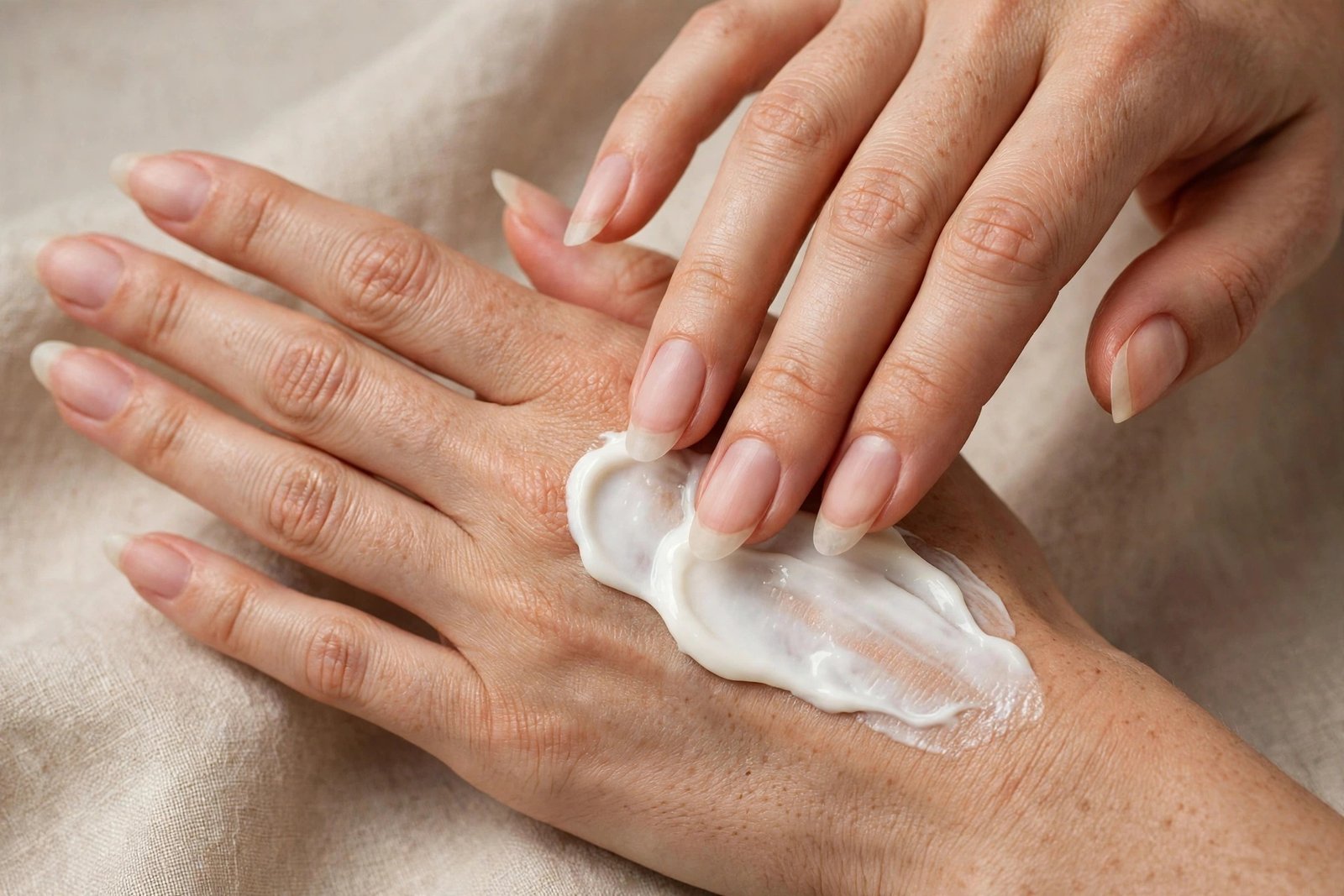
Every hand wash strips natural oils from the skin and nails, and if you wash ten times a day without replacing that moisture, the plate becomes dry, rigid, and prone to cracking. The fix is simple and takes seconds: apply a rich hand cream after every wash, massaging it into the backs of the hands, the palms, and around each cuticle.
At night, upgrade to a thicker cream or a balm and wear thin cotton gloves to lock the moisture in while you sleep. This overnight treatment is especially powerful after a day of frequent washing, cleaning, or cold weather, and you will notice softer cuticles and more flexible nails within a week. Avoid heavily fragranced lotions if your skin is sensitive, since irritation around the cuticle can lead to picking and damage.
Make hand cream part of the same routine as washing itself, so it becomes automatic rather than something you remember only when your hands feel sore. If you work in a job with constant washing, talk to colleagues about keeping a shared tube at the sink, and reapply during breaks as well. The payoff is cumulative: moisturised nails bend instead of breaking, cuticles stay intact, and length survives the ordinary friction of daily life.
12. Trim on a Regular Schedule
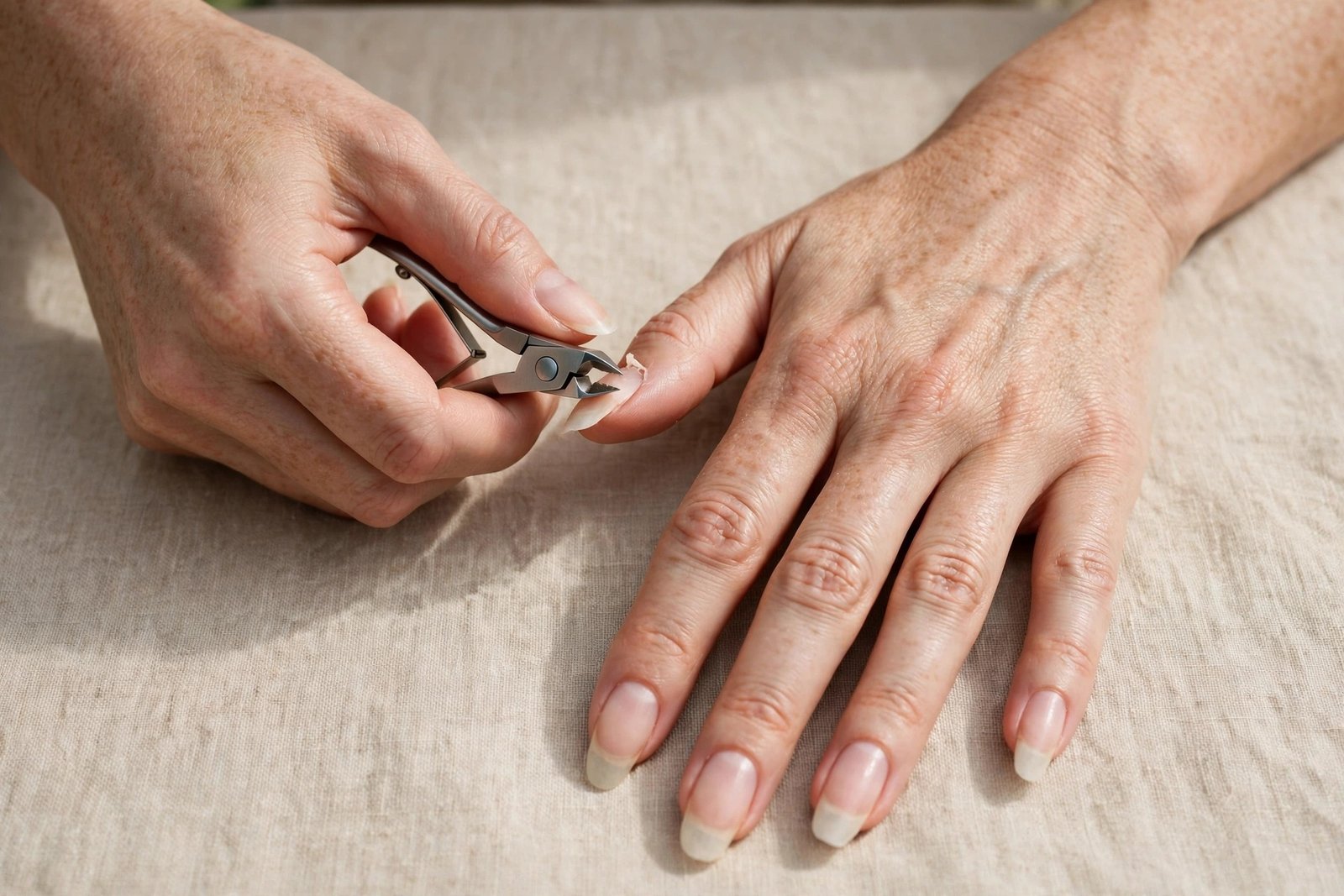
Regular trimming sounds like the opposite of growing nails, but a small, scheduled trim keeps the free edge strong and prevents a tiny split from travelling down the whole nail. Trim every two to three weeks, taking off only a millimetre or two and shaping the edge with a file afterwards, and you will keep the length while removing the weakest part.
Address those small issues immediately with oil and a gentle file, rather than waiting until they become a break that costs you weeks of growth. If one nail breaks shorter than the rest, trim the others to match rather than letting a single long nail snag and tear. Uniform length looks better, feels more comfortable, and protects the whole set from uneven stress.
Trim when nails are dry, since wet nails are softer and more likely to tear, and file in one direction after trimming to seal the edge. This method is about maintenance, not shortening: you are removing the fragile tip so the strong nail behind it can keep growing. Think of it as pruning a plant, where a small cut now leads to healthier growth later.
13. Avoid Harsh Chemicals and Acetone Soaks
Harsh chemicals are silent nail killers, because acetone, bleach, solvents, and strong detergents strip the natural oils from the plate and leave it dry, thin, and brittle. Pure acetone soaks, often used to remove gel or acrylic, are especially damaging when done frequently, so limit them and always follow with oil and a rich cream. Choose acetone-free or low-acetone removers for regular polish, and wear gloves whenever you handle cleaning products at home.
Read labels before you buy nail products, and avoid removers and polishes loaded with formaldehyde, toluene, and dibutyl phthalate when gentler options exist. If you work with chemicals professionally, such as in cleaning, hairdressing, or healthcare, gloves are non-negotiable, and a barrier cream under the gloves adds extra protection. After any chemical exposure, wash with lukewarm water and mild soap, then apply cuticle oil immediately to replace the lost moisture.
If your nails feel sore, thin, or papery after a salon visit, that is a sign the removal was too harsh, and you should change salons or methods. Healthy natural nails can handle occasional polish and even gel, but they cannot handle constant chemical assault without a recovery period. Protect the plate from chemicals and it will repay you with steady, strong growth.
14. Get Enough Vitamin D and Sunshine
Many people are low in vitamin D, especially in winter or if they spend most of their time indoors, and a simple blood test can confirm it. Safe sun exposure, a few minutes a day on your hands and face, helps your body make vitamin D naturally, while oily fish, eggs, and fortified foods add dietary sources. If your levels are low, a doctor may suggest a supplement at a dose suited to you.
A short, sensible dose of morning light is enough, and a supplement is a safer way to correct a true deficiency. Vitamin D works alongside calcium, protein, and iron, so it is part of a team rather than a solo fix, and correcting a deficiency often improves energy, mood, and hair as well as nails. The change in nails is gradual, showing as stronger new growth over months.
If you live in a cloudy climate or work nights, pay extra attention to vitamin D, and ask your doctor to check it alongside iron and thyroid levels if your nails are persistently weak. Keep a note of when you start supplementing so you can judge the effect honestly after three months, and photograph your nails to track the change.
15. Check Your Iron Levels
Low iron is one of the most common hidden causes of slow, brittle, or spoon-shaped nails, and it is especially common in women, vegetarians, and anyone with heavy periods. Iron carries oxygen to the matrix, and without enough of it the nail grows thin, pale, and weak, sometimes developing a concave shape called koilonychia. If your nails are persistently brittle despite good care, ask your doctor for a ferritin test rather than guessing.
Do not take iron supplements without a test, because too much iron is harmful and the dose depends on your actual levels. If you are deficient, your doctor will recommend a dose and a timeframe, and nail improvement usually follows within two to three months as the stronger nail grows out. Pair iron-rich meals with citrus fruit or peppers, and avoid tea or coffee with those meals, since tannins reduce iron absorption.
If several of these appear together, a blood test is well worth it, and fixing iron often improves energy and hair at the same time as nails. Keep in mind that nail recovery is slow: the weak nail already grown will not suddenly strengthen, but the new nail emerging from a well-supplied matrix will be visibly better. Iron is a foundation nutrient, and getting it right supports every other method in this guide.
16. Sleep Well for Overnight Nail Repair
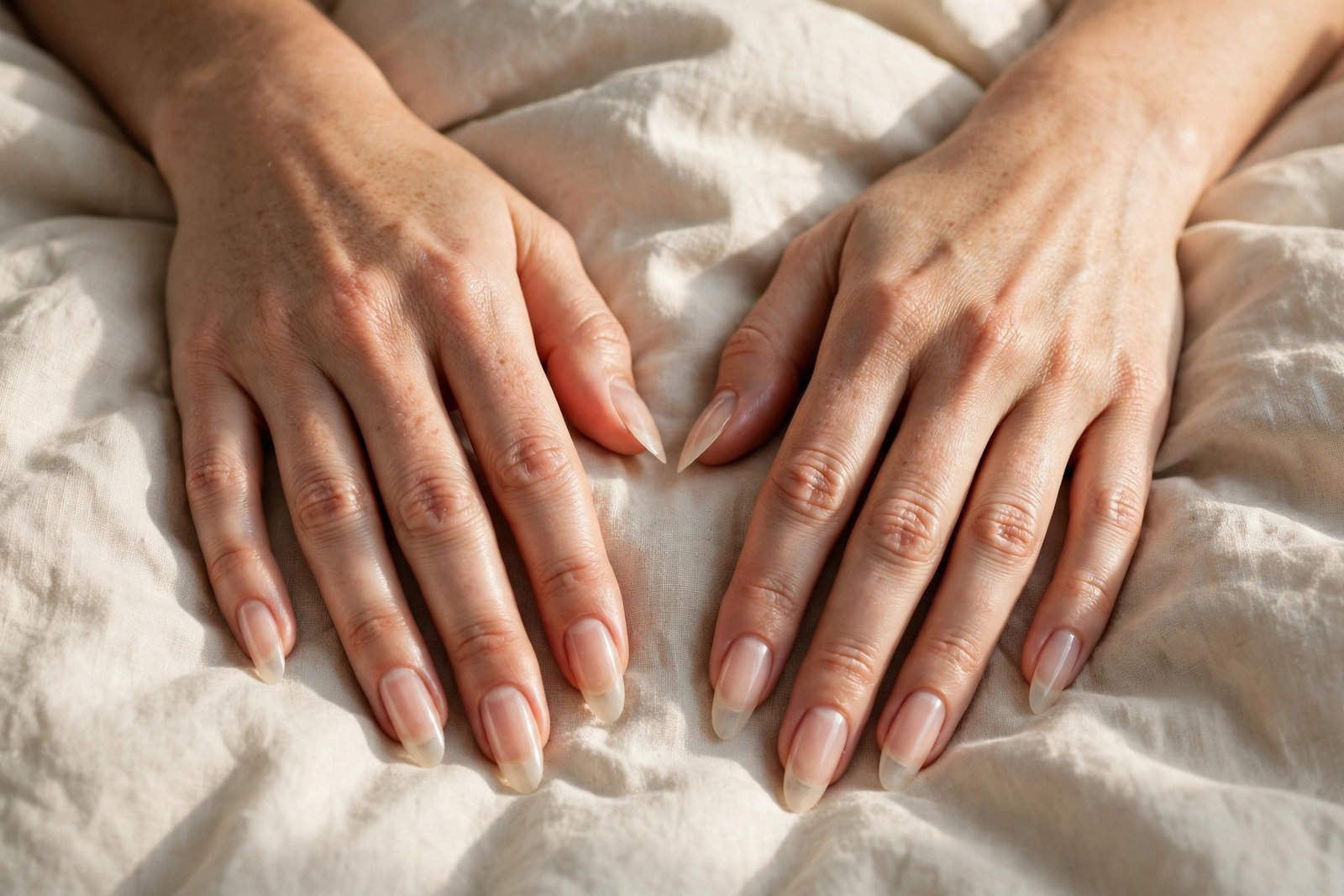
Sleep is when your body repairs itself, and nails are no exception, because cell growth and protein synthesis peak during deep sleep. Adults who regularly sleep less than seven hours often notice slower nail growth, weaker hair, and duller skin, all signs that repair is being short-changed. Aim for seven to nine hours, keep a regular bedtime, and make your bedroom dark, cool, and quiet so sleep is deep rather than broken.
Night is also the best time for intensive nail care, because oils and creams can absorb undisturbed for hours while you sleep. Avoid picking or biting in bed, a common habit when the mind is restless, and keep a file and oil on the bedside table so a rough edge gets fixed properly instead of torn. The combination of real rest and overnight moisture is a powerful growth aid.
Poor sleep is often linked to stress, which raises cortisol and can disrupt nail growth directly, so improving sleep also helps on that front. Limit screens and caffeine in the evening, get daylight in the morning to set your body clock, and wind down with a calm routine that signals bedtime. If you snore heavily or wake unrefreshed despite enough hours, talk to a doctor, since sleep apnoea and other disorders undermine repair.
17. Lower Stress to Protect Growth
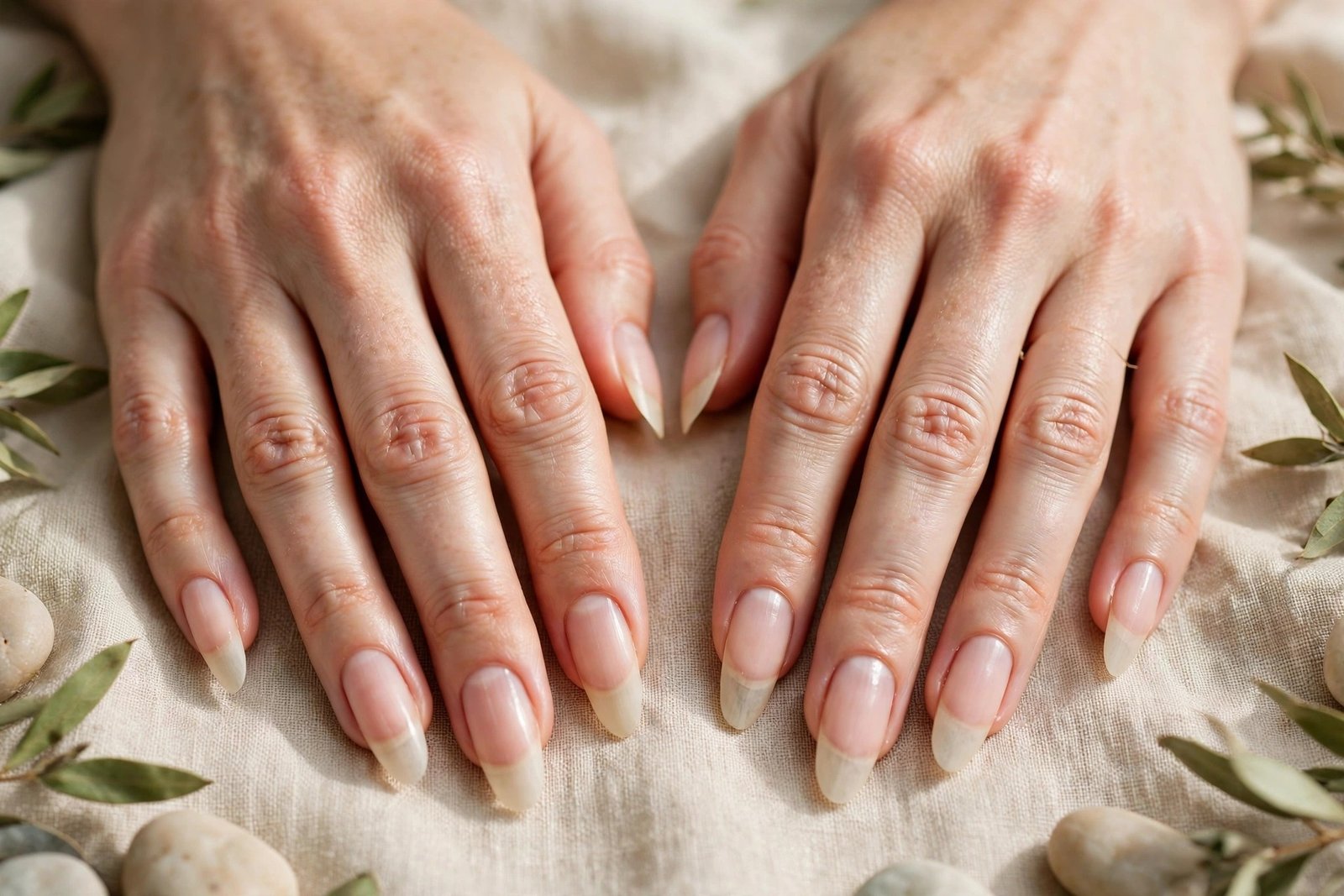
Stress affects nails more than most people realise, because high cortisol can disrupt the growth cycle, trigger biting and picking, and even cause temporary shedding or ridges across the nail. Many people bite or pick most when they are anxious, bored, or under pressure, so the habit and the hormone reinforce each other. Simple stress tools, such as a short walk, deep breathing, journaling, or a hobby that keeps hands busy, can break that loop.
Watch for stress habits beyond biting, such as rubbing the cuticle raw, pushing it back aggressively, or peeling polish when nervous, because these all damage the matrix in the same way. Replace the habit with a harmless alternative, like squeezing a stress ball, applying cuticle oil, or filing a rough edge properly, so the nervous energy has somewhere safe to go.
Build small calm moments into your day rather than waiting for a holiday to relax, and protect your sleep, since tired minds bite more and repair less. A morning stretch, a lunchtime walk, and an evening wind-down are enough to shift the pattern for many people, and the nail benefits follow within weeks. Photograph your nails monthly, because seeing length survive is itself a stress reducer and a motivator to keep the calmer habits going.
18. Keep Nails Short Square While Growing
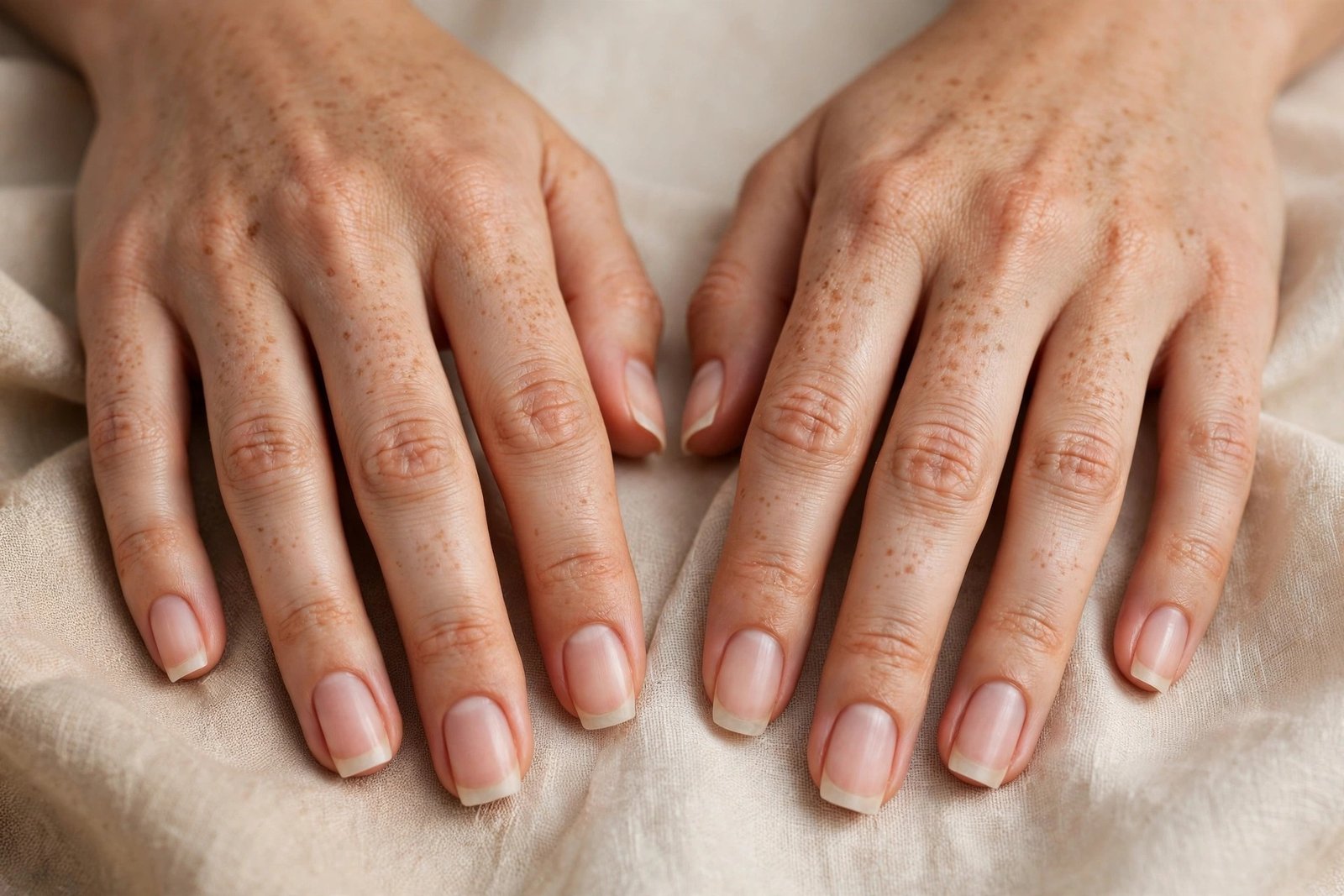
A short square shape is a smart growing-out strategy, because it gives you a tidy, intentional look while the nail is still gaining strength, and the straight edge distributes pressure more evenly than a pointed tip. Many people grow nails out in a soft square, then reshape to almond or oval once the length is secure, and that staged approach prevents the snapping that ruins a long, pointed nail.
Short square nails suit daily life, typing, cooking, and childcare, so you are less likely to break a nail and give up growing. Think of the square as a training phase that builds a strong foundation, switching to almond or oval only when the nail feels thick and flexible. Find shape inspiration in this short square nails guide for 2026, which shows how elegant shorter length looks when healthy.
If one nail grows faster or breaks shorter, trim the set to match rather than letting uneven lengths create stress points. The short square phase usually lasts six to eight weeks, after which the nail is strong enough to hold a longer almond or oval shape without splitting. Patience with shape is patience with growth, and the nails you keep are the nails that eventually get long.
19. Use a Base Coat Every Time
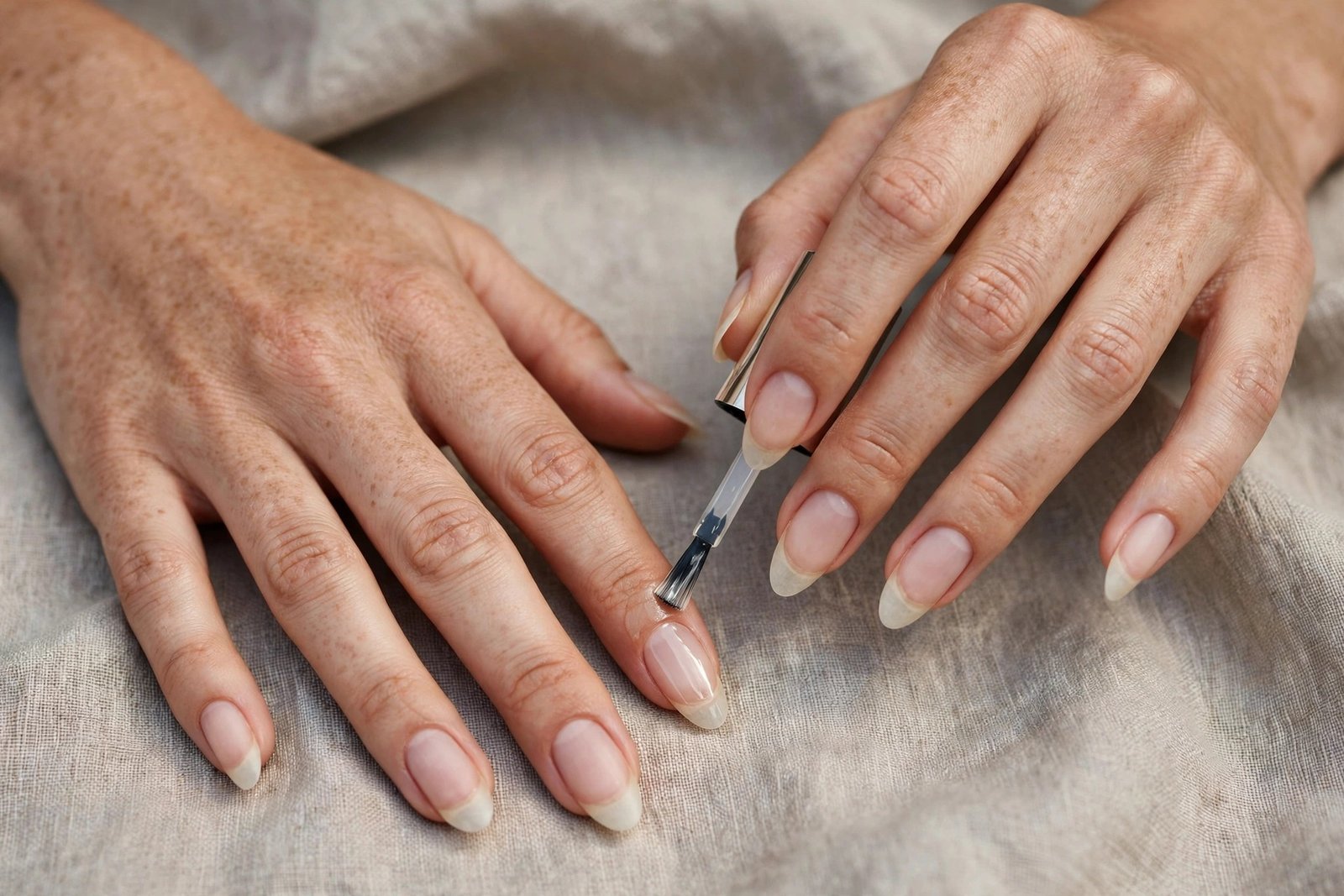
A good base coat fills tiny ridges, gives polish something to grip, and prevents pigments from soaking into the plate and weakening it. Apply one thin coat, let it dry fully, and then apply colour, and your manicure will last longer with less chipping, which means less removal and less damage. Choose a base coat with strengthening ingredients if your nails are weak, or a ridge-filling formula if the surface is uneven.
Base coat also makes removal easier, because polish lifts off the smooth base layer rather than clinging directly to the nail, so you need less rubbing and less remover. That gentler removal preserves the top layers of the plate, which is exactly what keeps nails strong enough to grow. Reapply base coat with every manicure, and do not reuse an old, thickened bottle that goes on lumpy and traps air bubbles.
Wear it for a few days, remove it gently, apply oil, and reapply, so the nail is never left completely bare and exposed to water and chemicals. Some base coats include keratin or calcium for extra support, though oil and diet matter more than any single product. The habit is simple: no colour without a base, no bare nail without protection, and your length will survive far longer.
20. Protect Nails in Cold Weather
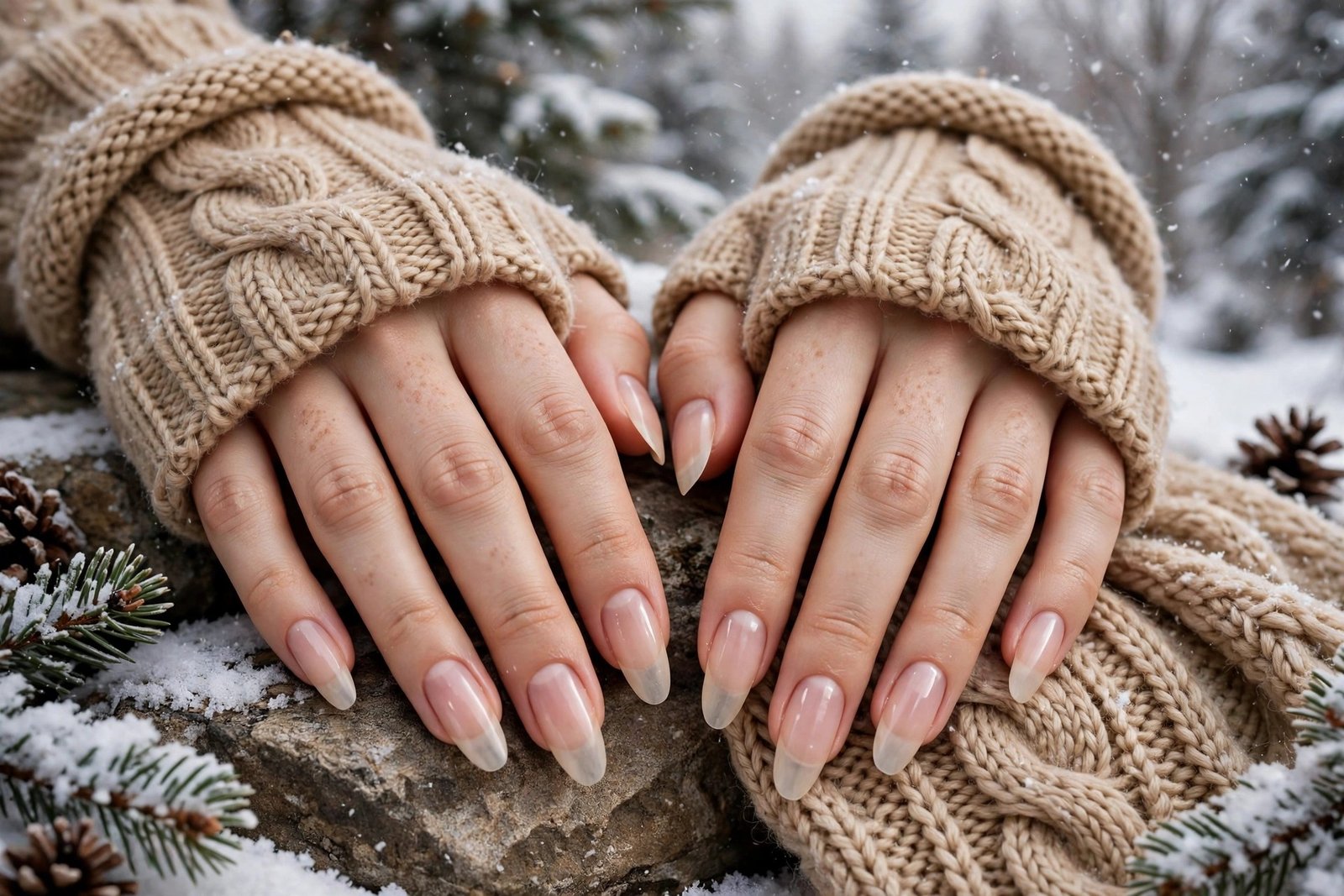
Cold weather is brutal on nails, because low humidity, icy wind, and indoor heating dry the plate and cuticles until they crack, peel, and split. Winter is when many people lose months of growth in a few weeks, and the fix is mostly about moisture and warmth. Wear warm gloves outdoors, apply a rich hand cream before going out, and use cuticle oil more often in winter than in summer.
Winter nail care also means gentler washing, so use lukewarm water and moisturise immediately afterwards, and avoid long, very hot showers that strip oils faster in cold months. Wear rubber gloves for dishwashing without exception in winter, and if nails turn very brittle, shorten them slightly until spring. For more seasonal advice, see this winter nail care guide for 2026 that covers cold-weather routines in detail.
Pay attention to your cuticles in winter, because cracked cuticles invite infection and damage the matrix, so oil them twice a day and never cut them. If a hangnail appears, trim it cleanly with disinfected nippers rather than tearing it, and apply oil and cream afterwards. Drink enough water even when you feel less thirsty in the cold, since indoor heating dehydrates you quietly.
21. Do Not Use Nails as Tools
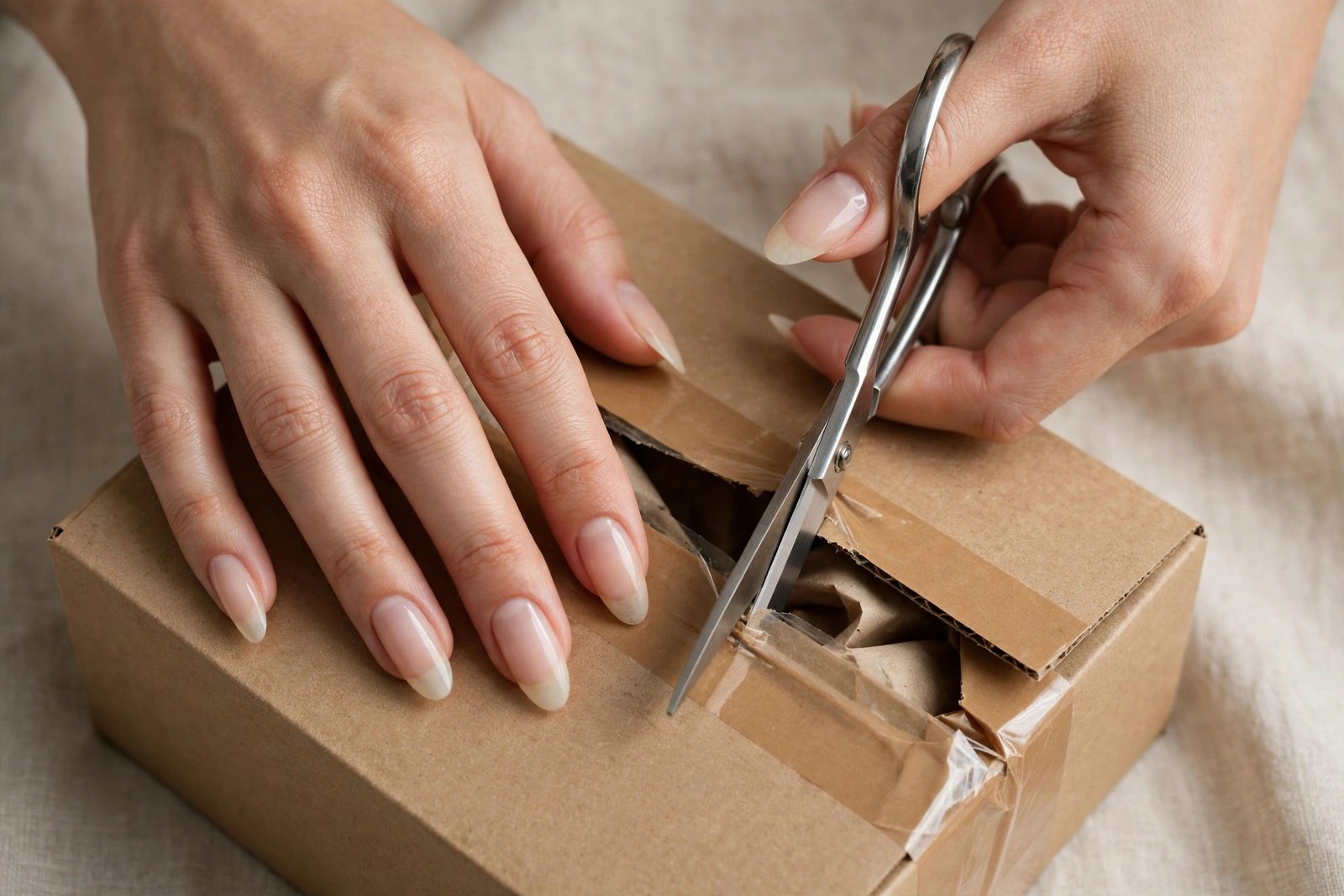
Using nails to open cans, scrape labels, pry lids, or pick at stickers is a fast way to break them, because the nail is designed to protect the fingertip, not to act as a screwdriver. Every time you lever something with a nail, the force concentrates at the weakest point, usually the side or tip, and a split or break follows.
Be especially careful with tasks that seem harmless, such as peeling a sticker, opening a tight jar, or scratching off a label, because these put sideways pressure on the nail that it is not built to handle. If you catch yourself using a nail as a tool, stop, find the right tool, and repair any rough edge with a file before it catches and tears further.
This rule applies to toenails too, though fingernails take the most abuse, and it is one of the easiest wins in this guide because it costs nothing and requires no product. Teach children the same habit early, since young nails are soft and easily damaged by picking and prying. Once you stop using nails as tools, you will be surprised how much longer they survive, and how many breaks were self-inflicted rather than bad luck.
22. Soak in Warm Olive Oil Weekly
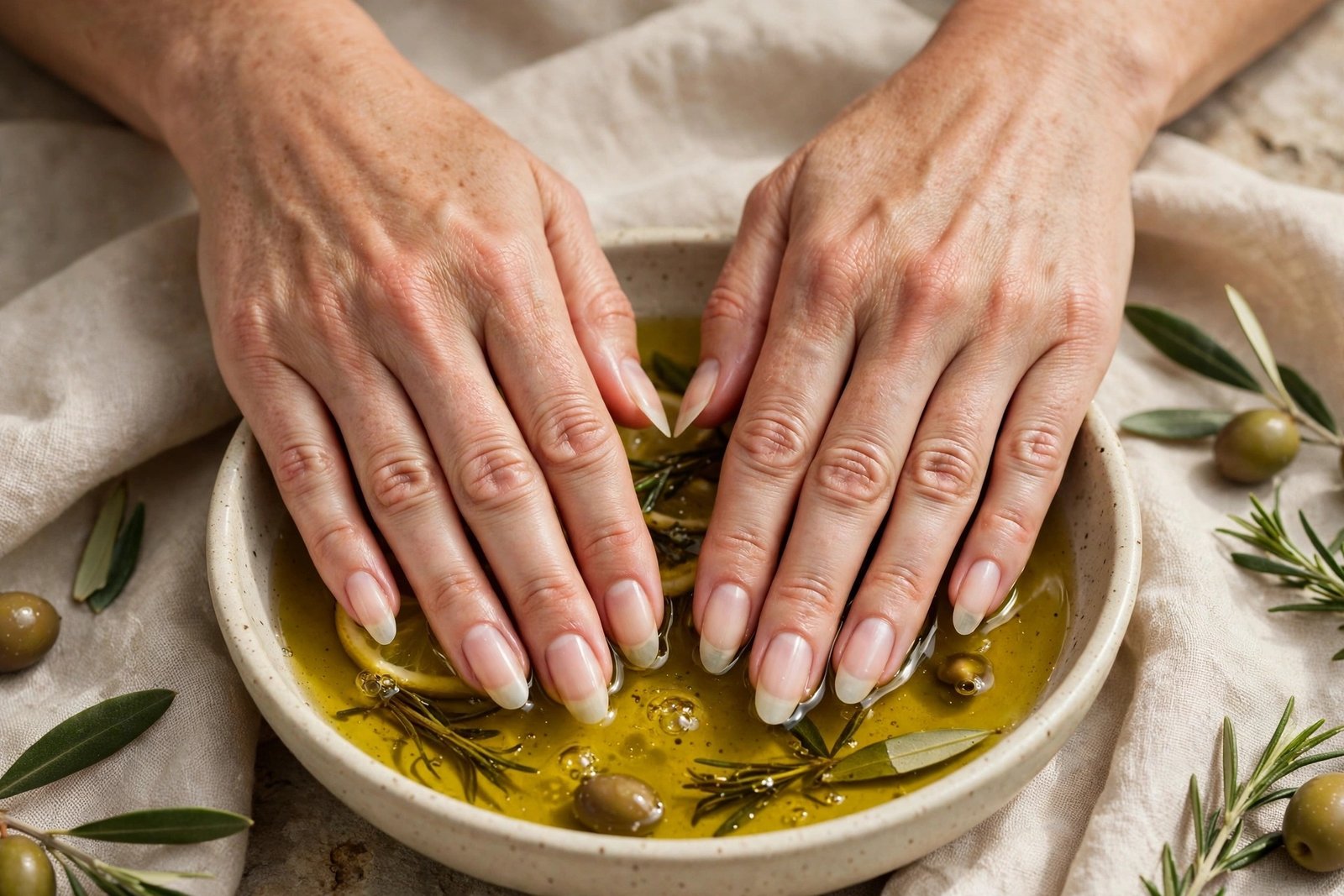
A weekly warm olive oil soak is a simple, old-fashioned treatment that genuinely helps dry, brittle nails become more flexible and less likely to snap. Warm a small bowl of extra virgin olive oil until it is comfortably warm, never hot, and soak your fingertips for ten to fifteen minutes while you relax. The oil penetrates the plate and cuticle, replacing lost moisture and adding vitamin E, and the warmth boosts circulation to the matrix.
Olive oil is affordable, widely available, and gentle enough for sensitive skin, though jojoba oil can be substituted if you prefer a lighter feel. Avoid adding lemon juice or other acidic ingredients to the soak, since they can dry and irritate the skin around the nail. The soak is a treat, not a cure, so pair it with daily oil, gloves, and good food for the best results.
If your nails are very dry after gel removal or winter weather, increase the soak to twice a week for a short period, then return to weekly maintenance. Keep the routine enjoyable, perhaps while watching a show or listening to music, so it becomes a habit you look forward to rather than a chore. A weekly soak is a small investment of time that pays off in nails that bend instead of breaking.
23. Push Cuticles Back Gently, Never Cut Them
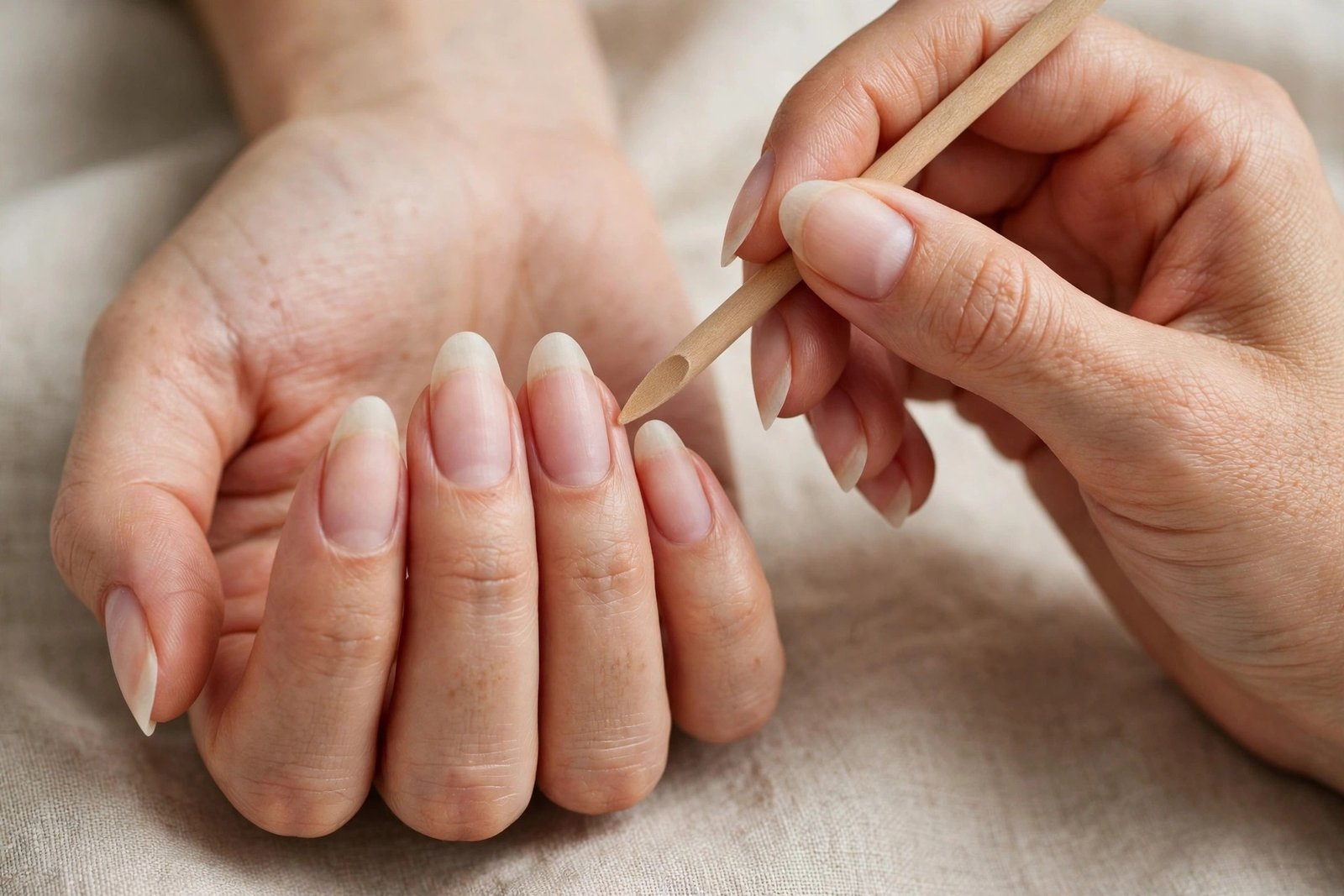
Cuticles exist to protect the matrix from infection, and cutting them removes that seal and invites bacteria, swelling, and damage that can slow growth for weeks. Instead of cutting, soften the cuticle with oil or warm water, then gently push it back with a wooden orange stick or a soft rubber pusher, using light pressure and stopping if it hurts.
If your cuticles are overgrown, be patient and push them back a little more each week rather than forcing them in one session, and moisturise daily so they become supple enough to move easily. If you visit a salon, ask the technician not to cut your cuticles, and choose a salon that respects that request. Many nail problems blamed on weak nails actually start with cuticle damage from cutting.
If a cuticle becomes red, swollen, or painful, treat it gently, keep it clean, and see a doctor if it does not improve, since infection near the matrix can affect growth. Gentle cuticle care is one of the quietest habits in this guide, but it protects the very tissue that builds your nail, and that protection is what allows steady, healthy length to emerge month after month.
24. Choose Gel Breaks and Safer Manicures
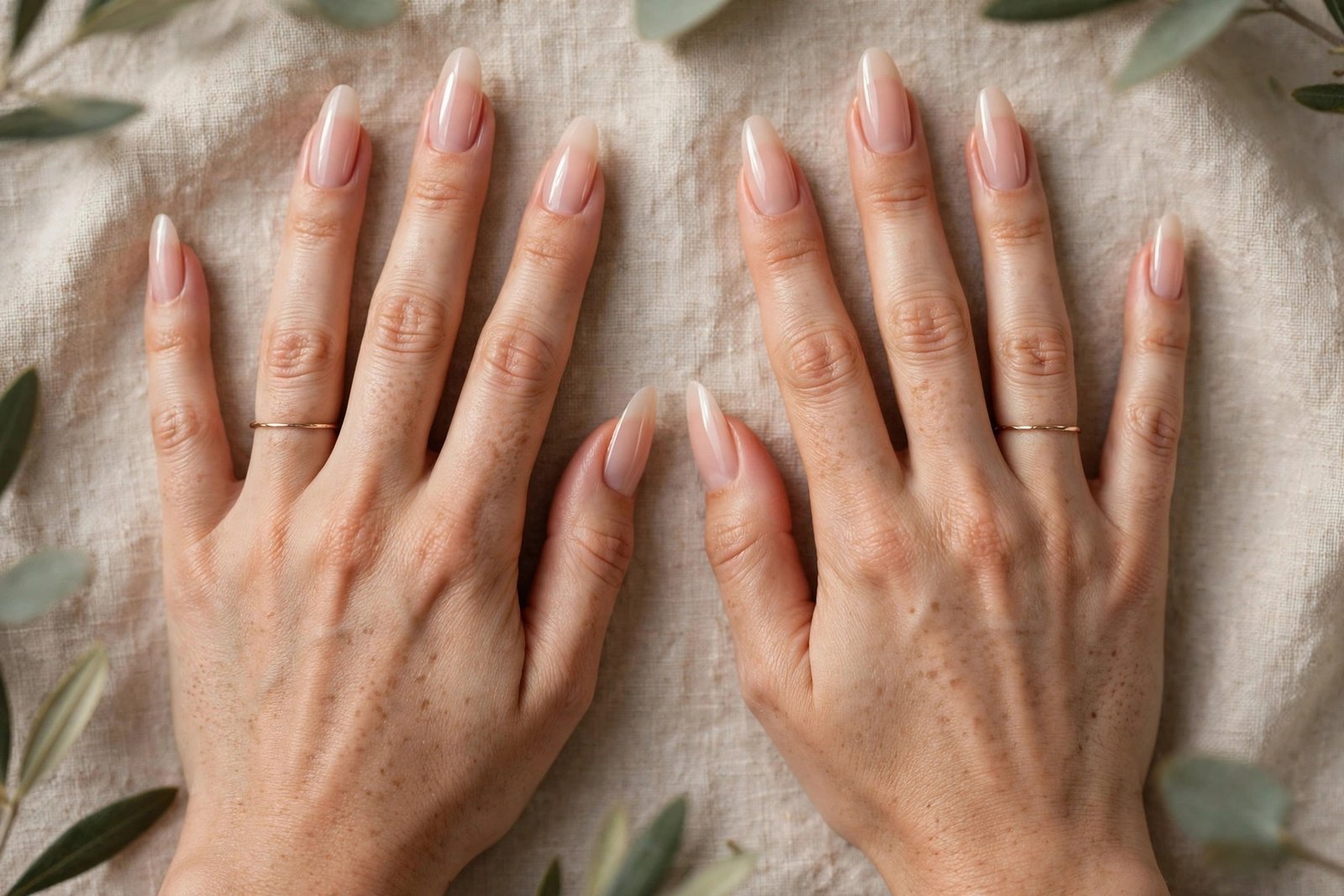
Gel and acrylic manicures look beautiful, but frequent wear without breaks can thin the nail plate, especially if removal involves aggressive filing or long acetone soaks. If you love gel, schedule regular breaks, ideally a week or two of bare, oiled nails between sets, so the plate can rehydrate and recover. Choose a reputable salon that soaks gel off gently rather than prying it away, and speak up if removal hurts or feels forced.
Between gel sets, use the break to rebuild strength with daily cuticle oil, a strengthening base coat, and a rich hand cream, and avoid immediately reapplying another full set. If your nails feel thin, sore, or papery after gel, extend the break until they feel normal again, and consider switching to regular polish or a gentler system for a while.
Safer manicure choices include regular polish with a base coat, breathable formulas, and shorter wear periods that allow the nail to rest. If you want length without damage, a well-fitted overlay applied and removed correctly is safer than repeated acrylic fills on a weakened plate. Ask your technician about their removal method before you book, and choose salons that prioritise nail health over speed.
25. Add Zinc-Rich Foods to Your Diet
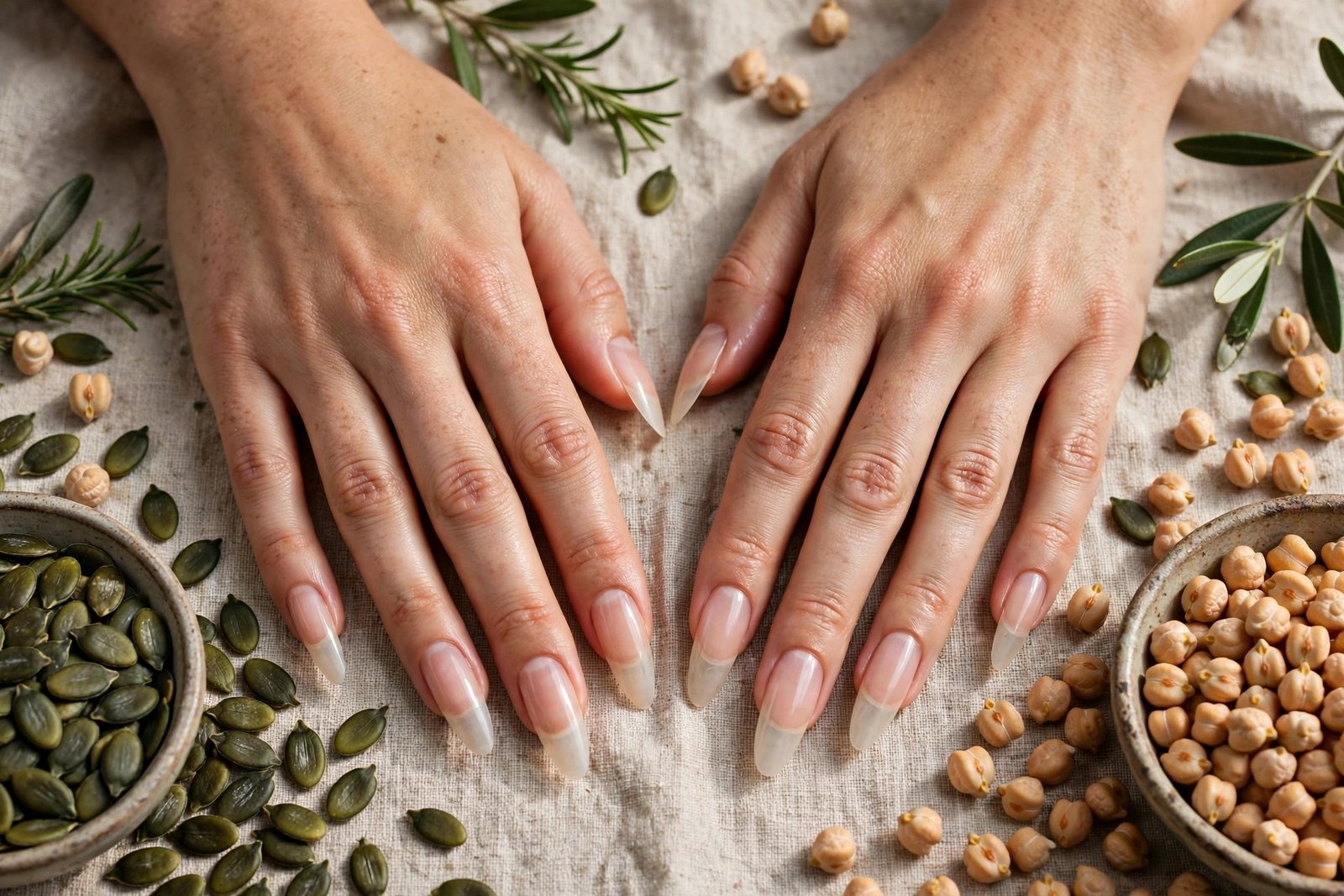
Zinc supports cell division and protein synthesis in the matrix, and a shortage can show up as white spots, slow growth, and nails that break easily. Good sources include pumpkin seeds, chickpeas, lentils, cashews, yoghurt, and lean meat, and a varied diet usually covers the need without supplements. Add a handful of seeds to breakfast or a lentil dish to lunch, and you will cover much of your daily need without thinking about it.
Zinc works alongside protein, iron, and vitamin A, so it is best viewed as part of a balanced diet rather than a magic single nutrient. Avoid taking high-dose zinc supplements without medical advice, because excess zinc can interfere with copper absorption and cause nausea or other problems. Food-first is the safest approach, and a dietitian can help if you have dietary restrictions that make zinc harder to obtain.
If white spots are frequent and your diet is poor, improving zinc and protein intake is a sensible first step before reaching for supplements. Keep a simple food diary for a week to see whether you are actually eating zinc-rich foods regularly, and adjust with small, tasty additions rather than a complete diet overhaul. Small dietary upgrades compound into visibly stronger nails over a few months.
26. Keep a Nail Growth Diary and Photos
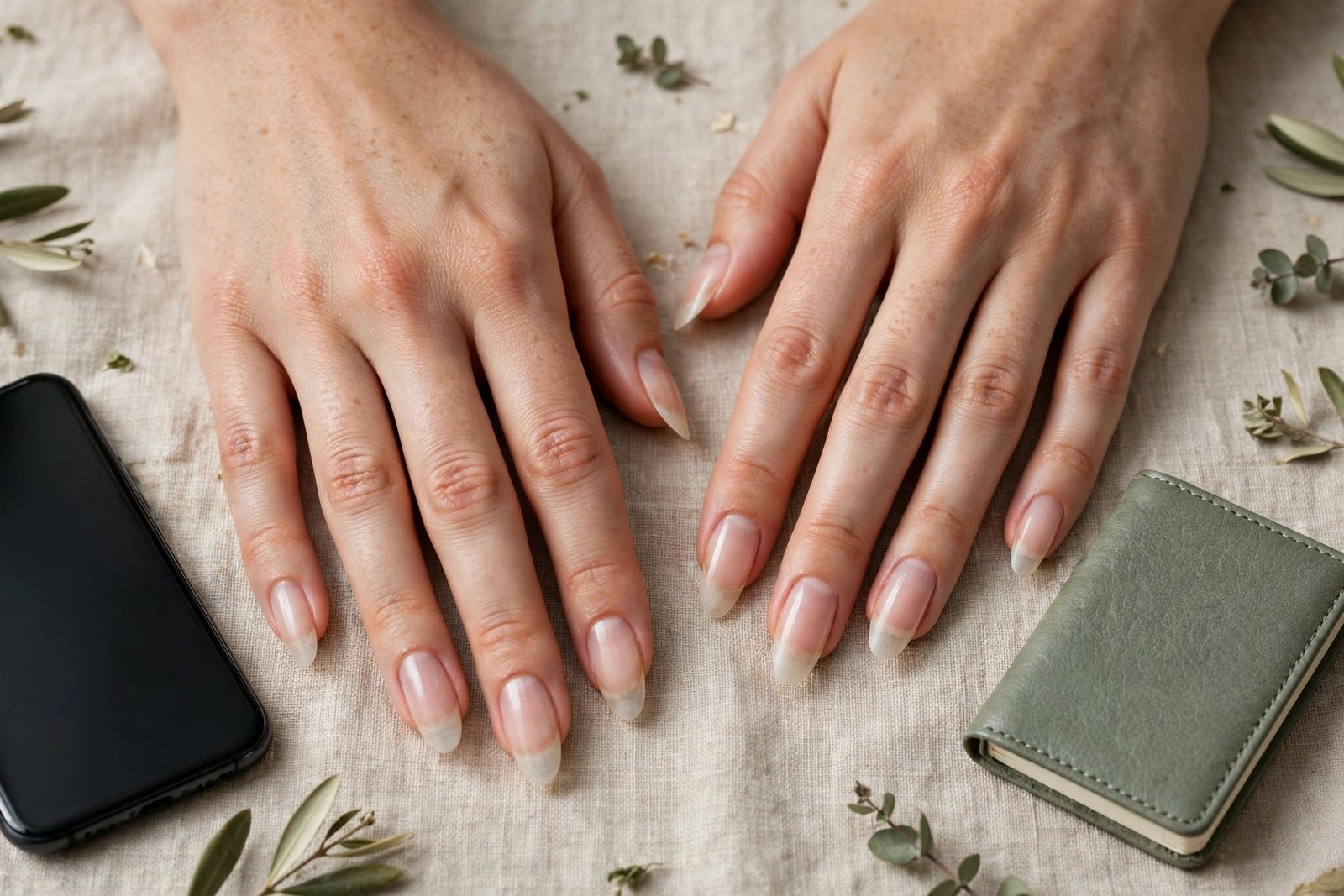
Tracking your nails with monthly photos and a short diary is surprisingly motivating, because growth of three millimetres a month is almost invisible day to day but obvious when you compare photos eight weeks apart. Take a photo in the same light, against the same background, on the first of each month, and note what you changed, such as starting biotin, wearing gloves, or stopping biting.
A diary helps you spot patterns, such as nails breaking after a cleaning weekend without gloves, or improving after a month of daily oil, and those patterns are more useful than any single tip. Share your progress with a friend who is also growing their nails, since mutual encouragement makes the slow months easier to endure. The diary turns a vague hope into a project with evidence, and evidence keeps you going.
Do not obsess over daily measurements, because nails grow slowly and daily checking only creates frustration, but a monthly review is perfect. Celebrate small wins, such as a full month without a break, or the first time your nails pass your fingertips, and reward yourself with a new polish or a salon treat. If progress stalls for two months despite good habits, the diary gives your doctor useful information about diet, stress, and care routines.
27. Use Cotton Gloves Overnight for Deep Repair
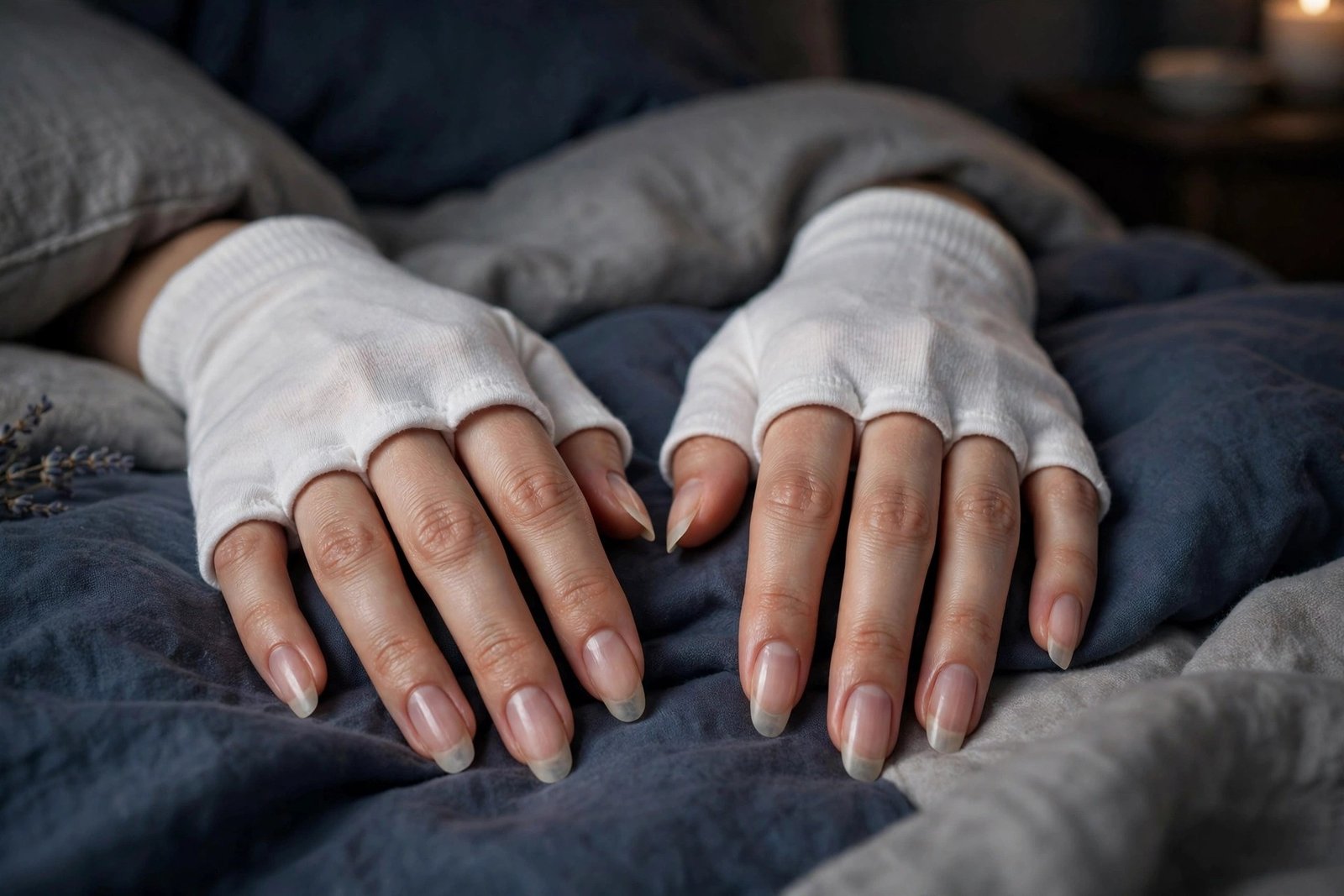
Before bed, massage cuticle oil into each nail, apply a thick hand cream, and slip on thin, breathable cotton gloves. You will wake up with noticeably softer cuticles, smoother skin, and more flexible nails, especially in winter or after gel removal when the plate is at its driest. The gloves are cheap, washable, and comfortable once you get used to them.
Choose gloves that fit well and are made from pure cotton, not synthetic material that makes hands sweat, and wash them regularly so they stay clean. If gloves feel strange at first, wear them for an hour in the evening while you relax, and build up to a full night gradually. The method is especially helpful for people whose hands are exposed to water, chemicals, or cold all day.
Do not apply strong treatments or acids under gloves, since occlusion can increase irritation, and stick to gentle oils and creams for overnight use. If your skin becomes itchy or red, stop and check whether a product is the cause, and switch to a fragrance-free cream. Overnight gloves are a simple, old-fashioned trick that still works, because nails repair best when they are warm, moisturised, and undisturbed for hours.
28. Switch to a Gentle Soap and Sanitiser
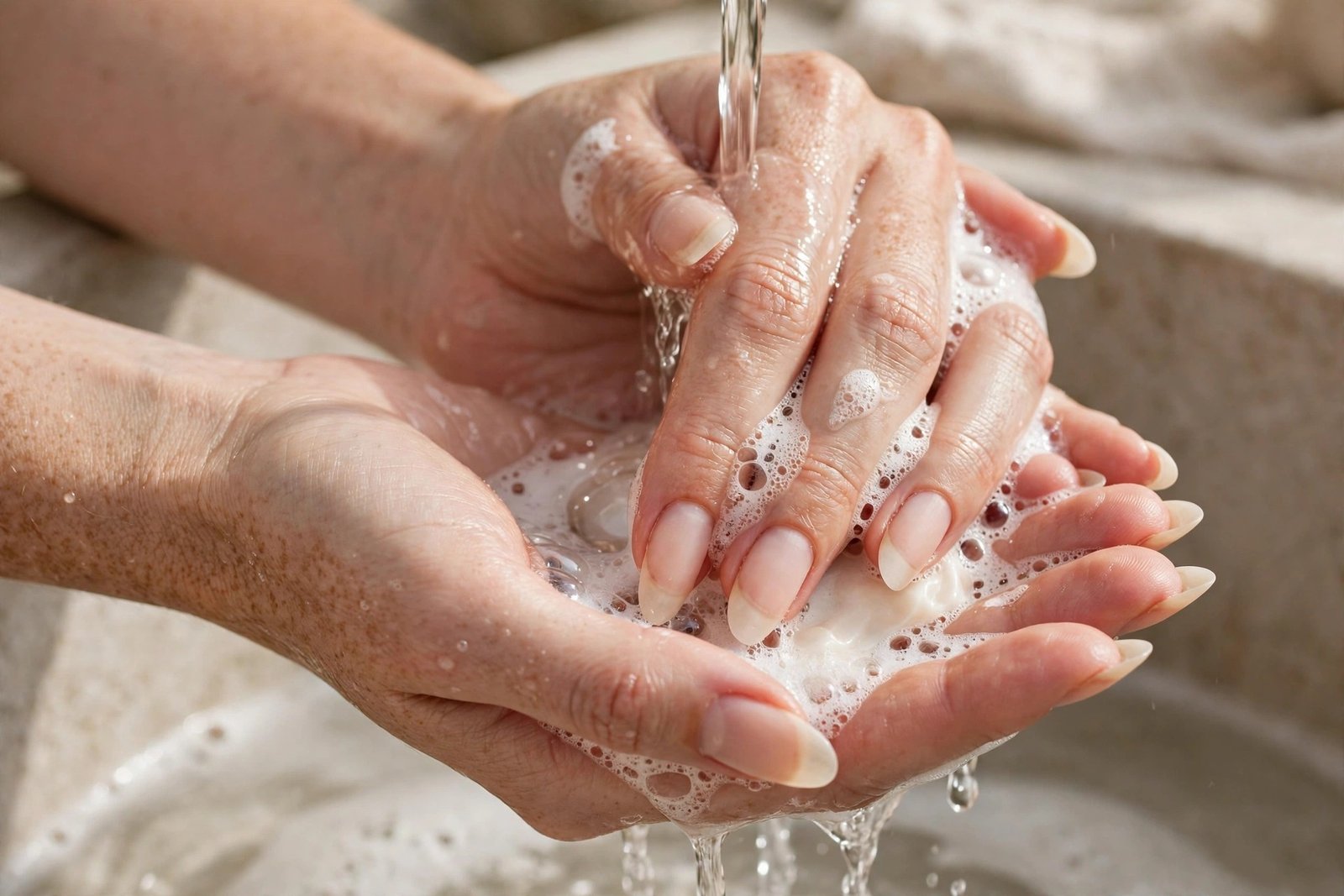
Harsh antibacterial soaps and alcohol-heavy sanitisers strip the natural oils from nails and cuticles many times a day, and the cumulative drying effect is a major cause of brittleness. Switch to a gentle, fragrance-free soap with moisturising ingredients, and use lukewarm water rather than very hot water, which strips oils faster. When you need sanitiser, choose a formula with added moisturisers, and apply hand cream once it has dried.
At work, if you must wash frequently, keep a tube of hand cream at the sink and apply it after every wash, and use cuticle oil at least twice a day to replace the moisture that washing removes. Avoid harsh dish soaps and cleaning products on bare hands, and wear gloves for those tasks as well. Gentle products are a quiet investment in nail strength.
Check the ingredients on your soap and sanitiser, and avoid products with strong fragrances, dyes, or harsh surfactants if your skin is sensitive. A simple, mild soap is often cheaper than a fancy antibacterial one and far kinder to your nails, so there is no downside to switching. Over a month, gentler washing should show as less peeling at the tips, fewer hangnails, and cuticles that stay intact instead of cracking.
29. Try a Weekly Nail Mask at Home
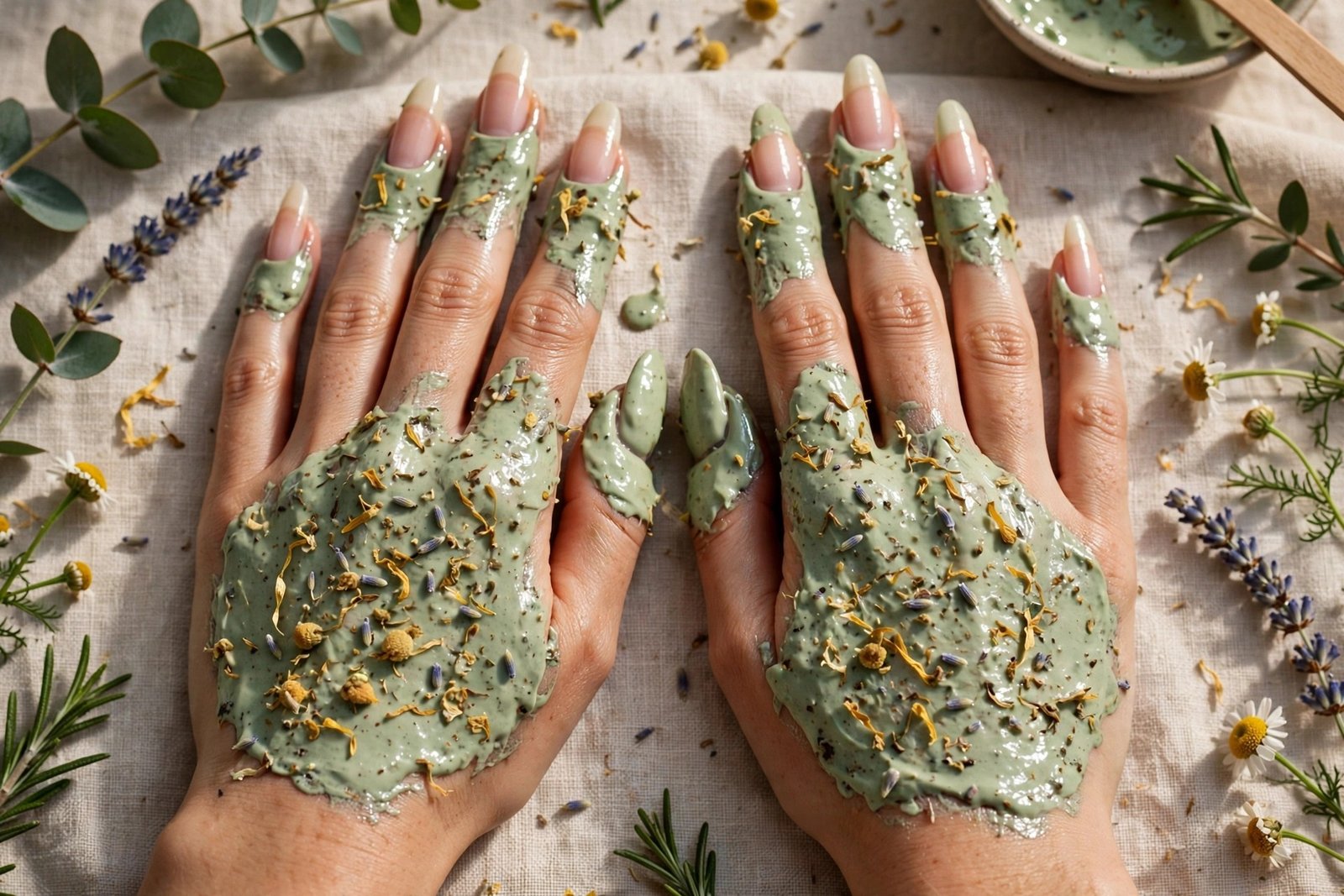
A weekly nail mask is a focused fifteen-minute treatment that floods the plate and cuticle with moisture and nutrients, and it is easy to make at home. Mix a teaspoon of olive oil with a drop of jojoba oil and a little honey, warm it slightly, and massage it into each nail and cuticle, then wrap your hands in a warm towel for ten minutes.
You can vary the mask with ingredients you already have, such as mashed avocado for healthy fats, or a little shea butter melted and massaged in, but keep it simple and avoid acidic or irritating additions like lemon juice or vinegar. Do the mask on the same day each week, perhaps Sunday evening, so it becomes a ritual that marks the start of your nail care week.
A mask will not replace daily oil and gloves, but it adds a weekly boost that helps nails recover from a hard week of washing, cleaning, or cold weather. After a month of weekly masks, nails should feel smoother, look shinier, and split less at the tips, especially if you combine the mask with the other habits in this guide.
30. Protect Nails When Typing and Working

Typing, texting, and manual work put constant pressure on the free edge of the nail, and long nails that tap hard on a keyboard or phone screen are far more likely to break. Type with the pads of your fingers rather than the tips of your nails, keep nails at a length that lets you type comfortably, and use a light touch on touchscreens.
If you play an instrument, garden, or do crafts, protect the nails with gloves or tape on the most exposed fingers, and file any rough edge immediately before it catches and tears. Keep a glass file at your desk so a tiny chip can be smoothed in seconds rather than becoming a break by lunchtime. The goal is not to avoid using your hands, but to use them in a way that respects the nails.
Pay attention to how you open packages, press buttons, and handle your phone, since these everyday actions are where most breaks happen. Use a knuckle or fingertip for buttons, a tool for packages, and a stylus if touchscreen tapping is rough on your nails. Over a few weeks these micro-habits become automatic, and your nails will survive the working week instead of breaking every Monday.
31. Eat Vitamin C for Collagen Support
Citrus fruits, strawberries, peppers, broccoli, and kiwi are all excellent sources, and eating them fresh preserves more vitamin C than long cooking. A diet rich in vitamin C also helps your body absorb iron from plant foods, which is doubly useful for nail health, since iron deficiency is a common cause of brittle nails. Aim for a source of vitamin C at most meals rather than relying on a single supplement.
A glass of orange juice, a handful of berries, or a pepper in a salad each day covers the need for most people, and the benefit shows gradually as new nail grows out stronger. Supplements can help if your diet is poor, but food-first is safer and brings fibre and other nutrients along with the vitamin. If you smoke, you need more vitamin C than average, since smoking depletes it faster.
Do not expect vitamin C alone to transform your nails, because it works as part of a team with protein, iron, zinc, and biotin, and the biggest gains come from fixing the whole diet rather than one nutrient. If your nails are weak and your diet is low in fruit and vegetables, adding vitamin C-rich foods is a sensible, tasty first step that improves skin and immunity at the same time.
32. Give Nails a Polish-Free Rest Week
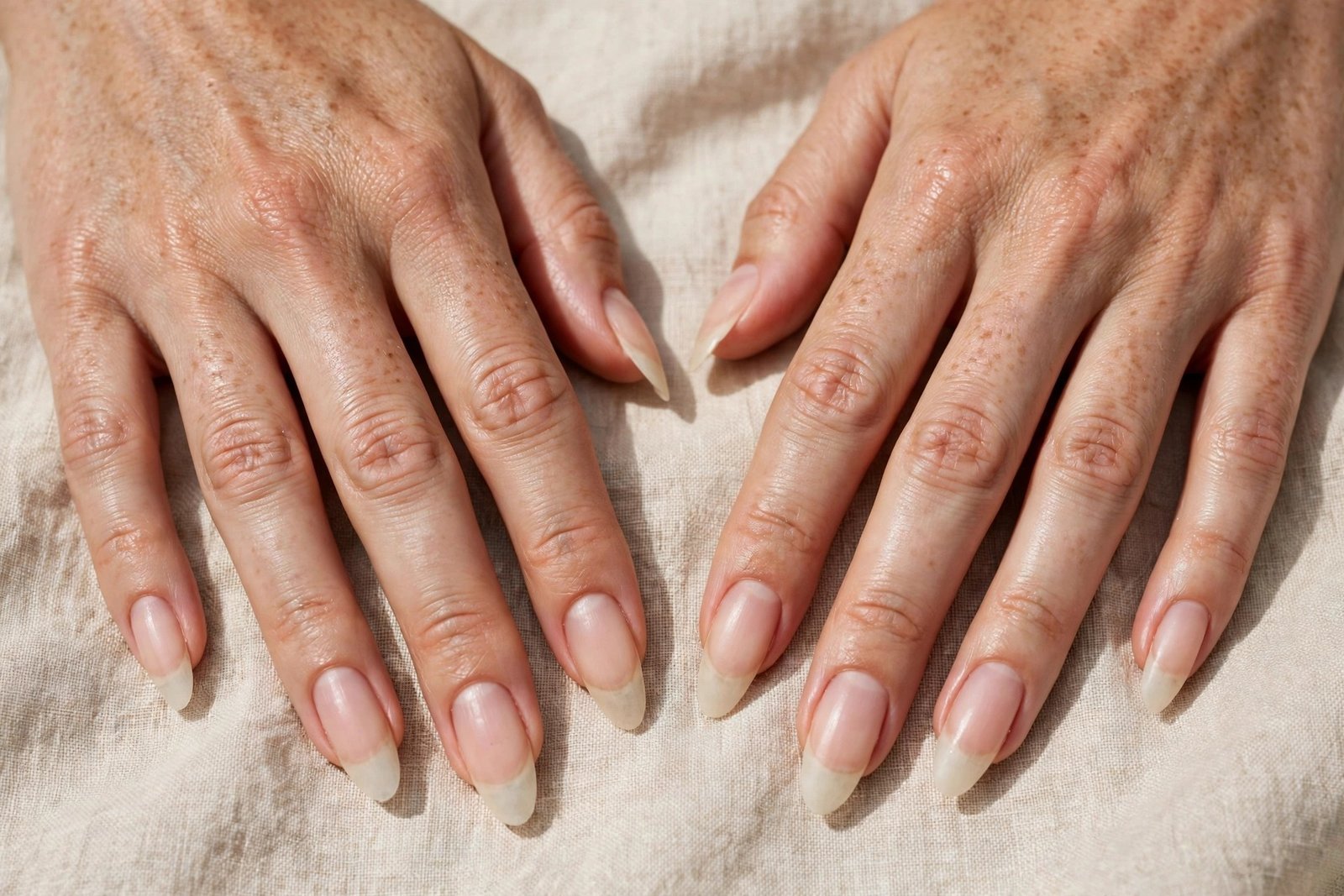
A polish-free rest week lets the nail plate rehydrate, recover from remover exposure, and show its true condition without colour hiding the signs. You may notice the nails looking paler or slightly dry at first, which is normal after polish removal, and the oil will restore their shine within a few days. A rest week every month is a good rhythm for regular polish wearers, and longer if you have had gel or acrylic.
Use the rest week to inspect each nail honestly and catch problems early, such as peeling layers, white spots, or ridges that polish was hiding. Treat any issues with oil, gentle filing, and a trim if needed, rather than covering them up with another coat. If you find the bare look difficult, try a sheer nude base coat or a nail treatment polish that nourishes while it shines.
Plan rest weeks around your calendar, perhaps when you are not attending an event, and tell your salon you want a break so they can recommend a treatment rather than another full set. After a few rest weeks, many people find their nails feel stronger, look healthier, and hold polish better when they do wear it. The habit is simple, costs nothing, and respects the nail as a living structure that needs recovery time.
How to Build a Nail-Growth Routine at Home
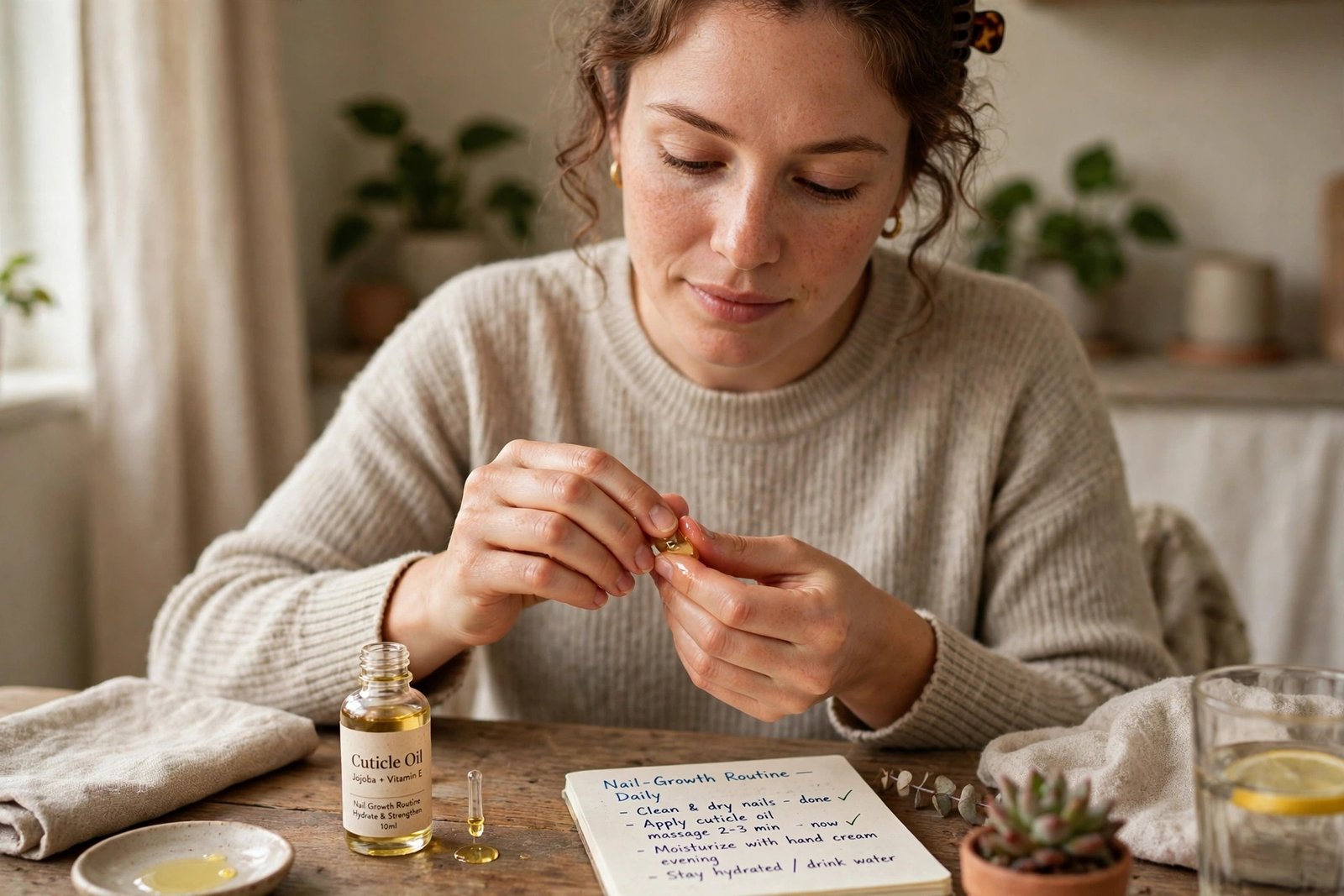
Building a nail-growth routine at home starts with a simple morning habit that takes under two minutes and sets the tone for the day. After washing your hands, apply cuticle oil to each nail, massage it in for thirty seconds per hand, and follow with hand cream, paying attention to the cuticles and the skin around the nail. Put on gloves before any wet work, and keep a glass file in your bag for emergency repairs. This morning trio of oil, cream, and protection is the foundation everything else builds on, and doing it daily matters far more than doing it perfectly. If you want a structured starting point, this LifeMD guide to helping nails grow faster lays out the same core habits in a clear, practical order you can follow from day one.
Your daytime routine is mostly about protection, because most nail damage happens during ordinary chores, typing, and cleaning rather than during a manicure. Wear rubber gloves for dishes and cleaning, use your fingertips rather than your nails to open things, and reapply hand cream after every wash. Keep your nails at a shape that suits your life, such as a soft square while they are still gaining strength, and file in one direction only when you need to smooth an edge. If you bite or pick, carry a file and oil so a rough edge gets fixed properly instead of torn, and keep your hands busy when stress strikes. These small daytime choices are what let the morning’s oil and cream actually work.
Evenings are for repair, and a short nightly ritual makes the biggest difference to growth over months. Before bed, remove any polish gently if it is chipped, apply cuticle oil generously, and follow with a thick hand cream, wearing cotton gloves two or three nights a week for an intensive treatment. Take your biotin supplement at the same time each day, ideally with dinner, so it becomes part of the evening routine rather than something you forget. Avoid biting or picking in bed, and keep the bedroom cool, dark, and quiet so sleep is deep enough for real repair. A calm evening routine supports both your nails and your wider health. Keep a small bottle of cuticle oil on the bedside table so the nightly step is always within reach.
Weekly care keeps the routine from drifting, and a Sunday session of fifteen minutes is enough to maintain everything. Once a week, soak your nails in warm olive oil, gently push cuticles back with a wooden stick, trim and file the shape, and apply a fresh base coat or a polish-free treatment. Use the weekly session to inspect each nail, photograph your progress monthly, and note any changes in your diary, such as a new supplement, a different shape, or a break and how it happened. If you wear gel, schedule your breaks and removals around this weekly check so damage is caught early. Winter needs extra attention, so follow seasonal winter nail care advice when the weather turns cold and dry.
Food and lifestyle support the routine from the inside, and no amount of oil can replace a diet short on protein, iron, and vitamins. Eat protein at every meal, add vitamin C-rich fruit and vegetables, drink enough water, and consider biotin at around two and a half milligrams a day if your diet is short. Aim for seven to nine hours of sleep, manage stress with walks and breathing, and check iron and vitamin D levels if your nails stay weak despite good care. Be patient and consistent, because nails grow about three millimetres a month and a full transformation takes six months, but the routine above makes that time pass with visible, steady progress you can be proud of.
Frequently Asked Questions
How fast do nails grow, and how long until I see longer nails?
Fingernails grow about three to three and a half millimetres a month, so you should see visible length in four to six weeks and a real transformation in three to six months. A full nail takes around six months to replace itself, so patience is essential. Growth is fastest on your dominant hand and in warm weather, and it slows with age, illness, and poor circulation. Monthly photos help you see progress that is invisible day to day, and consistent oil, gloves, and gentle filing make the growth you do get survive long enough to be seen.
Is biotin safe, and how much should I take for nail growth?
Biotin at around two and a half milligrams a day is the dose most commonly studied for nail strength, and it is generally considered safe for healthy adults. It supports keratin production and many people notice less splitting within two to three months. Check with a doctor first if you take medication or have thyroid testing planned, since biotin can interfere with some lab results. Do not megadose, give it at least twelve weeks, and pair it with good food, oil, and protection rather than treating it as a substitute for those habits.
Why do my nails keep breaking when they get a little long?
Nails usually break when they are dry, thin, or damaged by filing, peeling polish, biting, or chemical exposure, and the free edge is the weakest part. Dryness makes the plate rigid so it snaps instead of flexing, while peeling polish removes layers and thins the nail. Fix the causes with daily cuticle oil, hand cream after every wash, gloves for wet work, and filing in one direction only. A short square shape and a base coat also help, and a small trim every few weeks removes the weakest tip before it splits.
Does nail polish stop nails from growing?
Polish itself does not stop growth, because growth happens in the matrix under the cuticle, not in the painted tip, but harsh removers, peeling polish off, and constant gel wear can damage the plate and make length break away. Use a base coat every time, remove polish gently with a mild remover, and give nails a polish-free rest week each month. Avoid peeling gel or polish by hand, and choose gentler formulas when you can. With careful application and removal, you can enjoy polish and grow long nails at the same time.
What foods help nails grow faster?
Protein is the most important food for nail growth, since nails are made of keratin, so include eggs, chicken, fish, lentils, beans, or Greek yoghurt at most meals. Iron from red meat, lentils, and spinach carries oxygen to the matrix, while vitamin C from citrus and peppers helps you absorb that iron. Zinc from seeds and chickpeas, biotin from eggs and nuts, and healthy fats from olive oil and avocado all support stronger growth. Drink enough water too, because dehydration makes nails brittle and slow to grow.
Should I cut my cuticles?
No, you should not cut your cuticles, because they seal and protect the matrix from infection, and cutting them invites bacteria, swelling, and damage that can slow growth. Instead, soften cuticles with oil or warm water and gently push them back with a wooden stick once a week, using light pressure. Moisturise daily so they stay supple, and trim only a dead hangnail with clean nippers. If a salon offers to cut your cuticles, ask them not to, and choose a salon that respects that request.
How do I stop biting my nails?
Stopping biting starts with awareness of when you bite, whether from stress, boredom, or a rough edge, and then interrupting the pattern. Keep nails neatly filed so there is no snag to pick at, carry a file and cuticle oil to fix rough edges properly, and keep hands busy with a stress ball or craft. A tidy manicure gives you a reason to pause, and small goals like one bite-free week build momentum. If stress drives the habit, address it with walks, breathing, or professional support, and forgive slips rather than giving up entirely.
Do nail strengtheners really work?
A good strengthener can help weak nails survive long enough to grow, especially formulas with keratin or calcium, but it works best as temporary support while you fix the underlying causes. Use a thin coat for two to three weeks, remove it gently, and pair it with daily cuticle oil, since a hard layer without moisture can make nails brittle. Avoid formaldehyde-heavy hardeners used daily, and stop if nails feel worse. The real growth comes from oil, gloves, gentle filing, and good nutrition, with the strengthener acting as scaffolding in the meantime.
Can I grow long nails if I wash my hands a lot?
Yes, but frequent washing makes it harder, because water and soap strip oils and cause the nail plate to swell and shrink repeatedly, which leads to peeling. Wear gloves for cleaning and dishwashing, use a gentle fragrance-free soap with lukewarm water, and apply hand cream after every wash. Use cuticle oil twice a day and wear cotton gloves overnight a few times a week for deep repair. With that protection, even people in healthcare, childcare, or food service can grow long, strong nails over time.
When should I see a doctor about slow nail growth?
See a doctor if your nails are persistently brittle, ridged, spoon-shaped, or slow to grow despite months of good care, or if you notice colour changes, swelling, pain, or nails lifting from the bed. These can signal low iron, thyroid trouble, vitamin D deficiency, or another health issue that needs testing. A doctor can check ferritin, thyroid, and vitamin D levels and advise on supplements. Do not take high-dose iron or other supplements without testing, and seek prompt care if a cuticle becomes red, swollen, or infected.
Conclusion
Growing nails fast in 2026 is not about a single miracle product, but about a set of small, consistent habits that protect the matrix, feed the nail with good food, and stop the daily damage that erases length. Cuticle oil, gentle one-direction filing, gloves for wet work, protein and biotin, hydration, sleep, and stress control all work together, and each one alone is modest while the combination is genuinely powerful. Start with five methods this week, add a few more each week, and photograph your nails monthly so you can see the slow, steady progress that daily mirrors hide. Six months from now, the nails you grow will be the proof that patience and care beat quick fixes every time.
Your next step is simple: pick your starting five, set up your oil, file, gloves, and hand cream where you will actually use them, and commit to the routine for twelve weeks before judging it. Keep your nails at a shape that suits your life while they strengthen, give them a polish-free rest week each month, and treat every break as a lesson rather than a failure. Long, strong, healthy nails are within reach for almost everyone, and the journey starts with the next wash, the next file, and the next drop of oil. Begin today, stay consistent, and enjoy watching your nails grow longer and stronger week by week. Share your progress with a friend, celebrate each month without a break, and let the growing length motivate you to keep going.