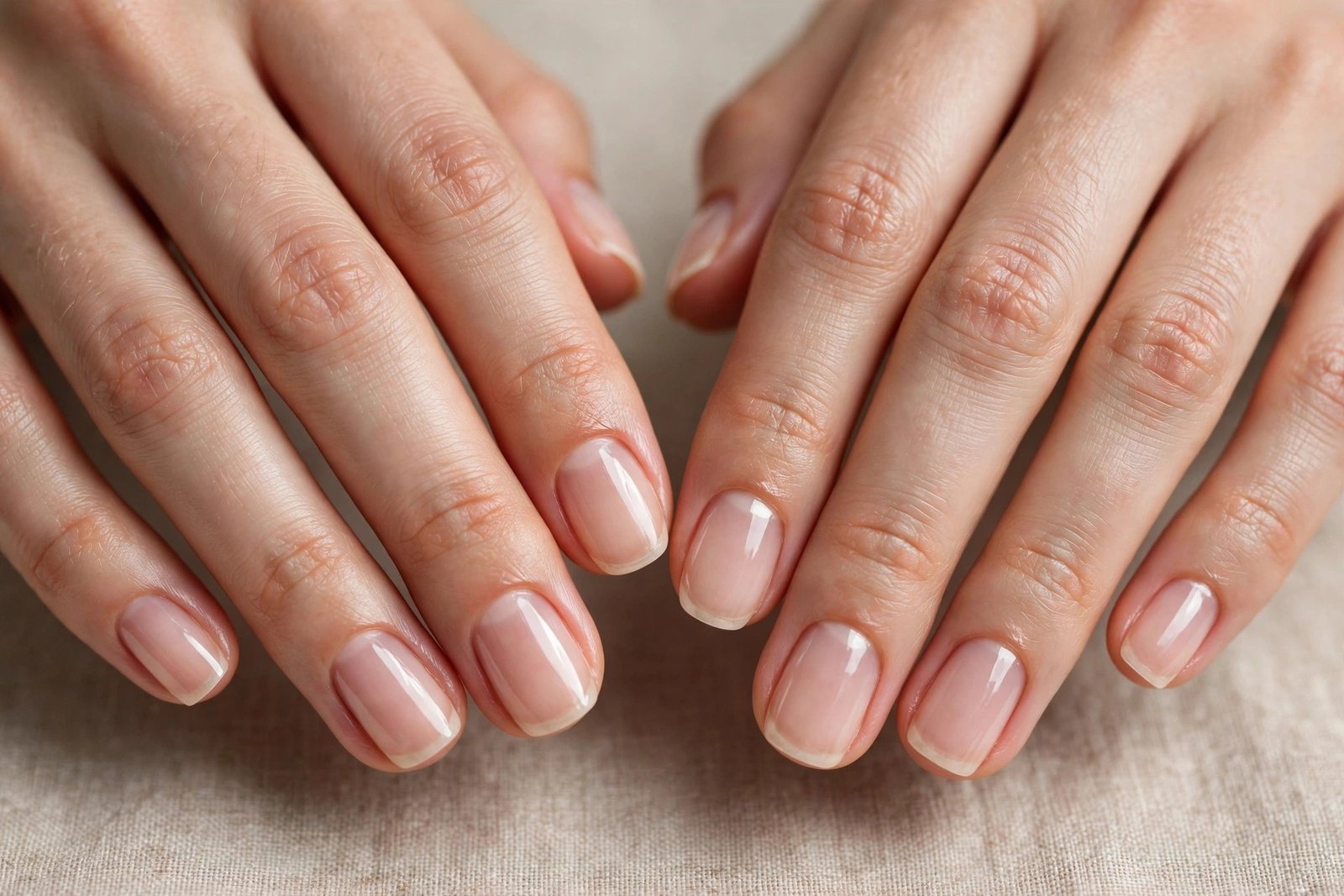
Strong Nails 2026: 32 Ways to Grow Healthier, Harder Nails
Strong nails are not a matter of luck or good genes alone; they are the result of small, steady habits that protect the nail plate and feed it from the inside out. If your nails split, peel, bend or snap the moment they grow past your fingertips, this guide is for you. Here you will find thirty-two practical methods that really work, from daily cuticle care and gentle filing to the foods and supplements that support keratin production. Every tip is simple, affordable and easy to start today, so you can stop hiding your hands and start growing nails that look healthy, feel hard and last.
The truth is that nails grow slowly, roughly three to four millimetres a month, so real change takes patience and consistency rather than one miracle product. That is why this article gives you a complete system instead of a single trick: morning and evening routines, weekly treatments, smart polish habits and honest food advice. Follow the steps in order, give the routine at least six to eight weeks, and you will notice your nails becoming less bendy, less flaky and far more resistant to everyday knocks. Strong nails begin with understanding what weakens them, and end with habits you can keep for life.
What Makes Nails Strong
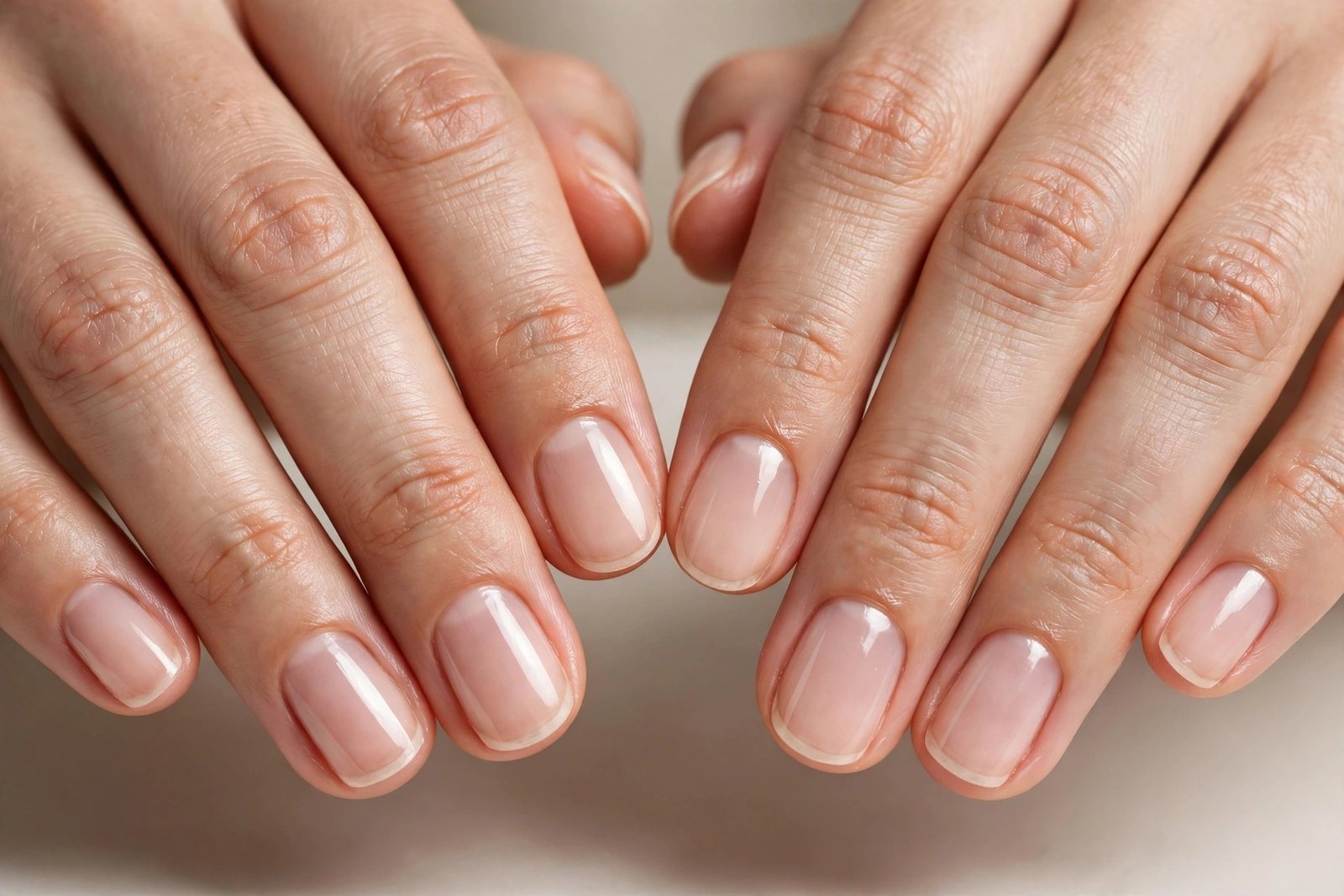
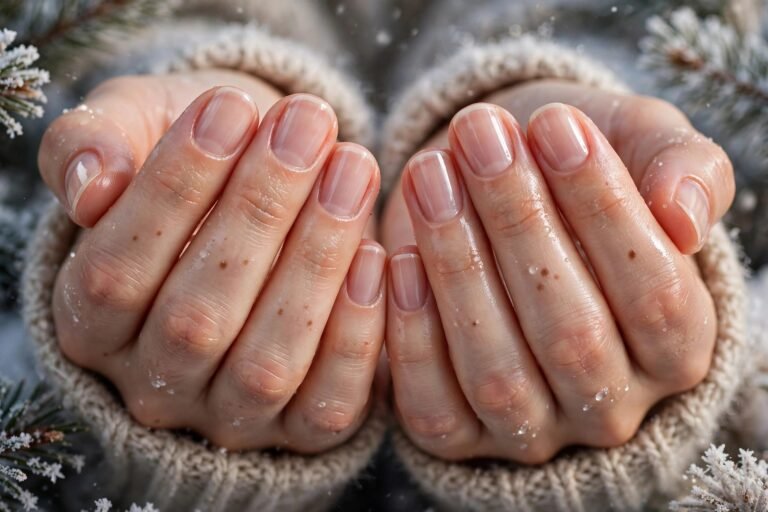
What makes nails strong is a healthy nail plate, a well-moisturised nail bed and a cuticle that seals out water and germs. The nail plate is made mostly of keratin, a tough protein, and it stays hard when it holds the right balance of moisture and natural oils. When nails are constantly soaked in water, scrubbed with harsh detergents or stripped by acetone, that balance breaks down and the plate becomes soft, thin and likely to peel in layers. Gentle handling, regular oiling and protection from chemicals are therefore the real foundations of strength, far more than any single polish or serum. A good winter nail care routine follows the same principle.
Strength also depends on what happens below the surface, where the nail matrix under the cuticle grows new nail cells. Anything that damages the matrix, such as picking at the cuticle, cutting it aggressively or peeling off gel polish, shows up weeks later as ridges, weak spots or splits. Healthy habits protect this growth zone: push cuticles back gently instead of cutting them, never use your nails as tools, and keep the skin around them soft with oil or cream. Diet matters here too, since the body builds keratin from protein and needs vitamins and minerals to do it well. Strong nails are grown, not painted on, and the matrix deserves the same care as the visible nail.
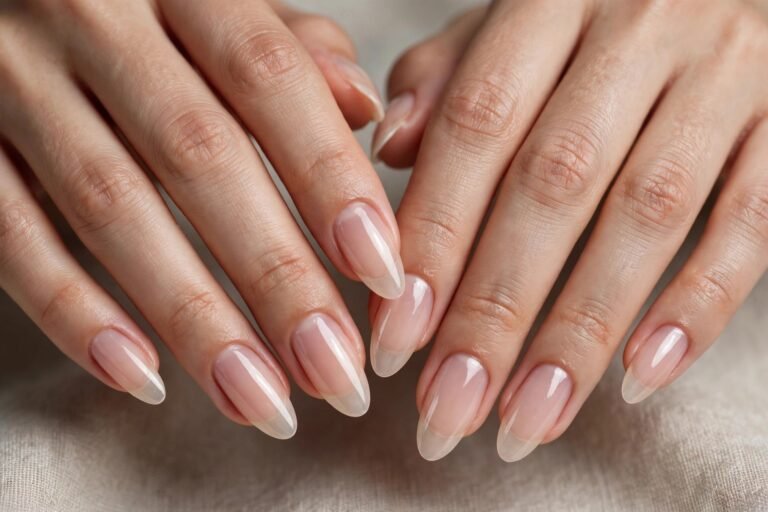
Finally, strong nails need the right shape and length for your lifestyle. Very long nails with square corners catch on everything and snap, while a shorter rounded squoval shape spreads pressure evenly and survives daily life. Filing in one direction with a fine file, rather than sawing back and forth, stops tiny cracks from forming at the free edge. A strengthening base coat adds a thin protective layer, and regular polish breaks let the nail breathe and recover its natural moisture. For a deeper look at daily habits that protect the nail plate, this healthy nail care routine guide explains how gentle filing, regular moisture and safe polish removal work together to keep nails resilient year round.
Why Strong Nails Matter in 2026
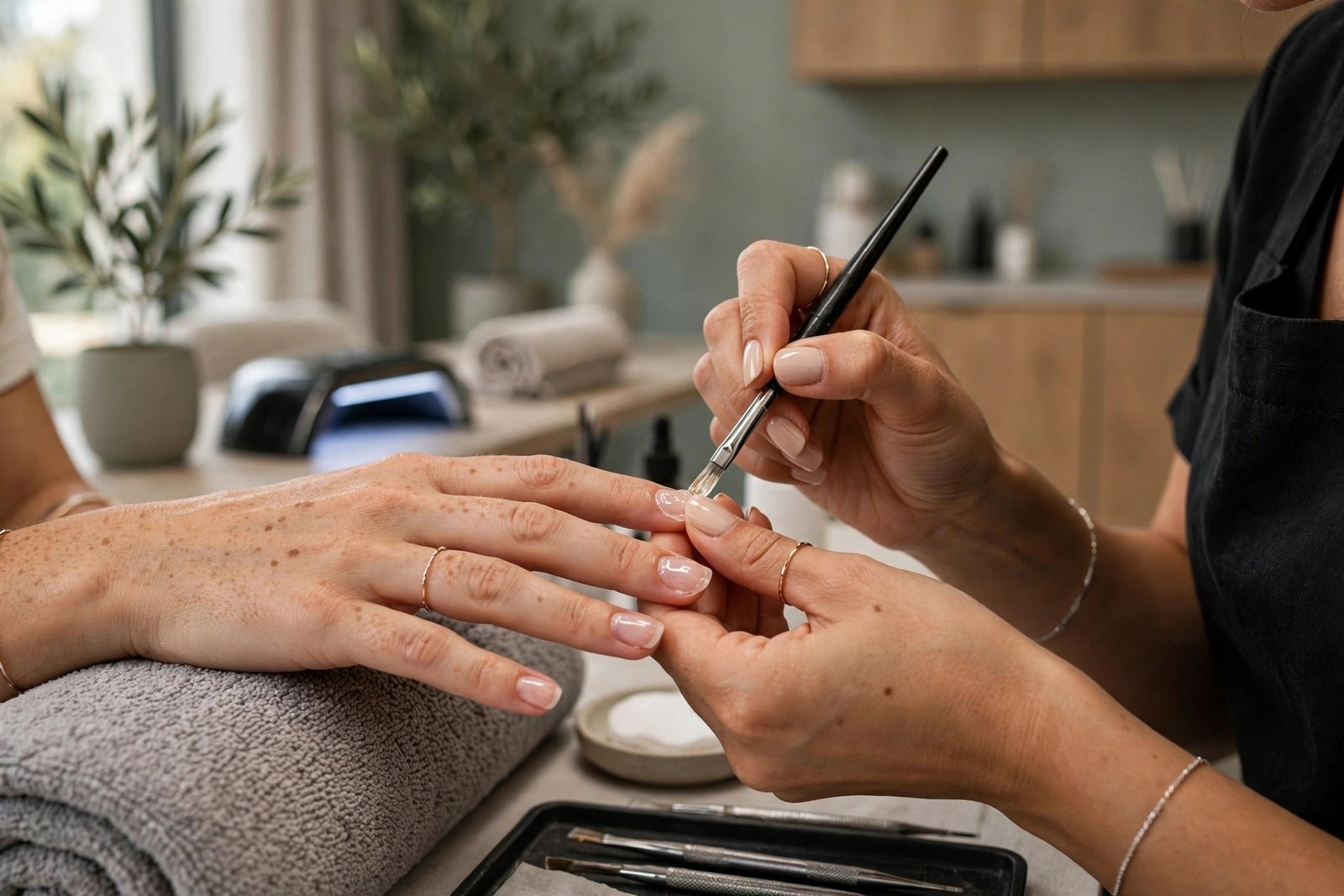
Strong nails matter in 2026 because hands are more visible than ever, in video calls, social photos and everyday work, and chipped, peeling nails are noticed instantly. Beyond looks, weak nails are also a daily frustration: they snag on clothes, tear painfully, and make simple tasks like typing or opening a tin feel awkward. Healthy nail care is built on gentle filing, regular moisture and safe polish removal, three habits that cost almost nothing yet prevent most breakage. When your nails are strong, you can wear any colour or style with confidence, and you spend less time and money fixing damage.
There is also a health angle that makes strong nails worth the effort. Nails grow roughly three to four millimetres a month, so a single nail replaces itself over about six months, which means the habits you start today shape the nails you will see next spring. Protein and keratin, biotin, zinc and omega-3 all support nail strength, so a diet rich in eggs, fish, nuts and leafy greens genuinely shows up at your fingertips. Weak, ridged or discoloured nails can also signal that the body needs more iron, calcium or rest, so paying attention to them is a simple form of self-care. For more everyday advice, see these practical nail care tips for healthy hands and nails.
In 2026 the nail world is moving toward healthier, lower-damage routines, with soak-off gels, breathable polishes and nail-friendly removers becoming the norm rather than the exception. That shift makes this the perfect year to rebuild your nails properly, because the products and knowledge are better than they have ever been. Strong nails also last longer between salon visits, hold polish without chipping, and let you try the season’s elegant looks, from soft velvet finishes to clean chrome, without fear of breakage. A little patience now pays off for months, and the routine in this article is designed to fit real life, not a spa schedule. A velvet nails look is a beautiful reward once your nails feel strong.
1. Daily Cuticle Oil Massage
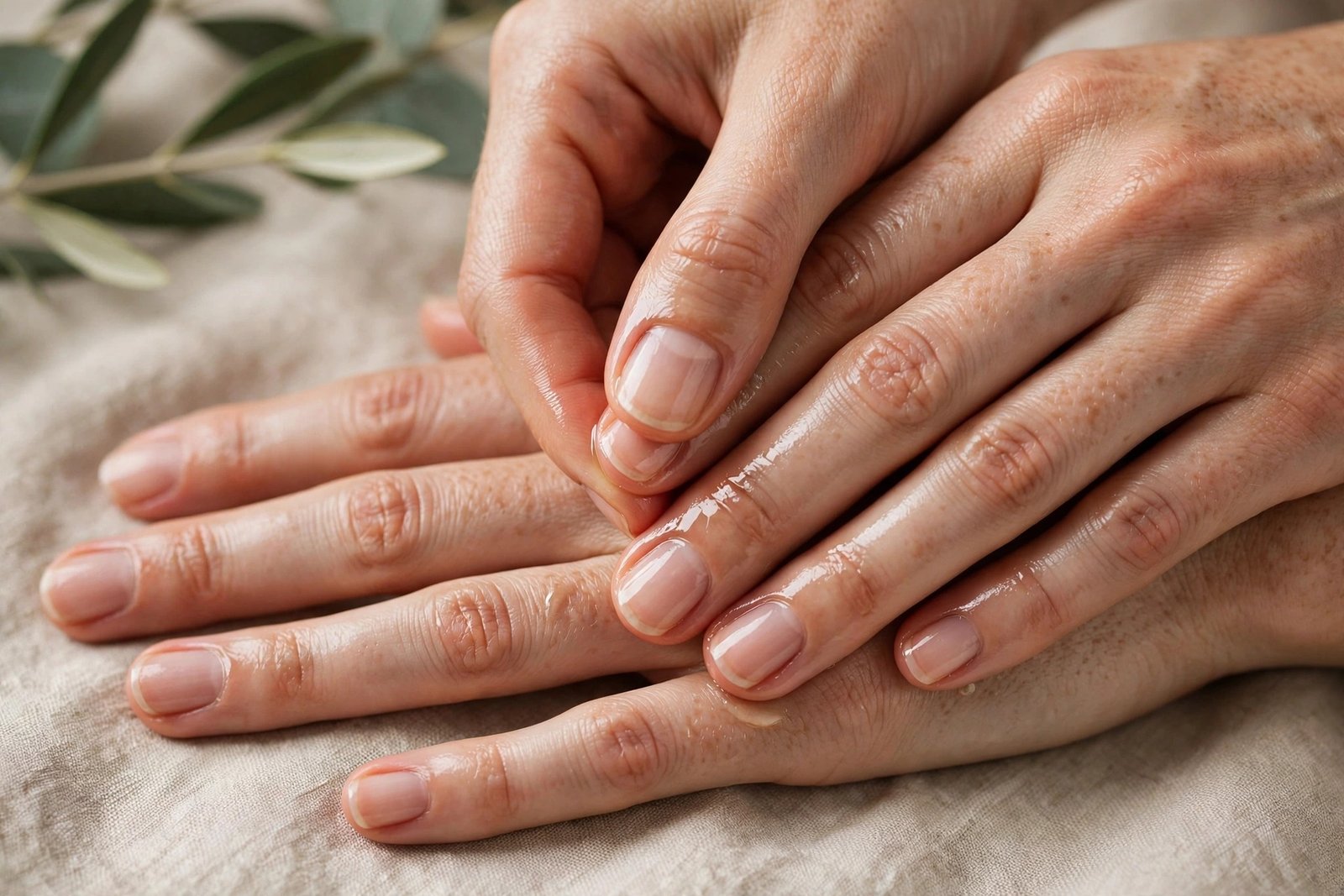
A daily cuticle oil massage is the simplest habit in this whole guide, and it is also one of the most effective. Cuticle oil, usually made from jojoba, almond or vitamin E oil, sinks into the skin around the nail and keeps the cuticle soft, flexible and able to seal moisture into the nail plate. Dry cuticles crack, hang and invite infection, while oiled cuticles stay smooth and protect the growing nail underneath.
This method suits everyone, especially people whose nails peel, whose cuticles tear, or whose hands are washed many times a day. It is ideal for office workers, parents, cooks and healthcare workers, anyone whose hands spend long hours in water or sanitiser. It also helps people growing out gel or acrylic damage, because the oil feeds the new nail as it emerges.
Keep a small bottle of cuticle oil on your desk, in your bag or beside your bed so you never forget it. Put one drop at the base of each nail, then massage it in with small circles for about ten seconds per nail, pushing the cuticle gently back as you go. Do it once in the morning and once before bed, and always after washing your hands.
2. Weekly Hand Cream Ritual
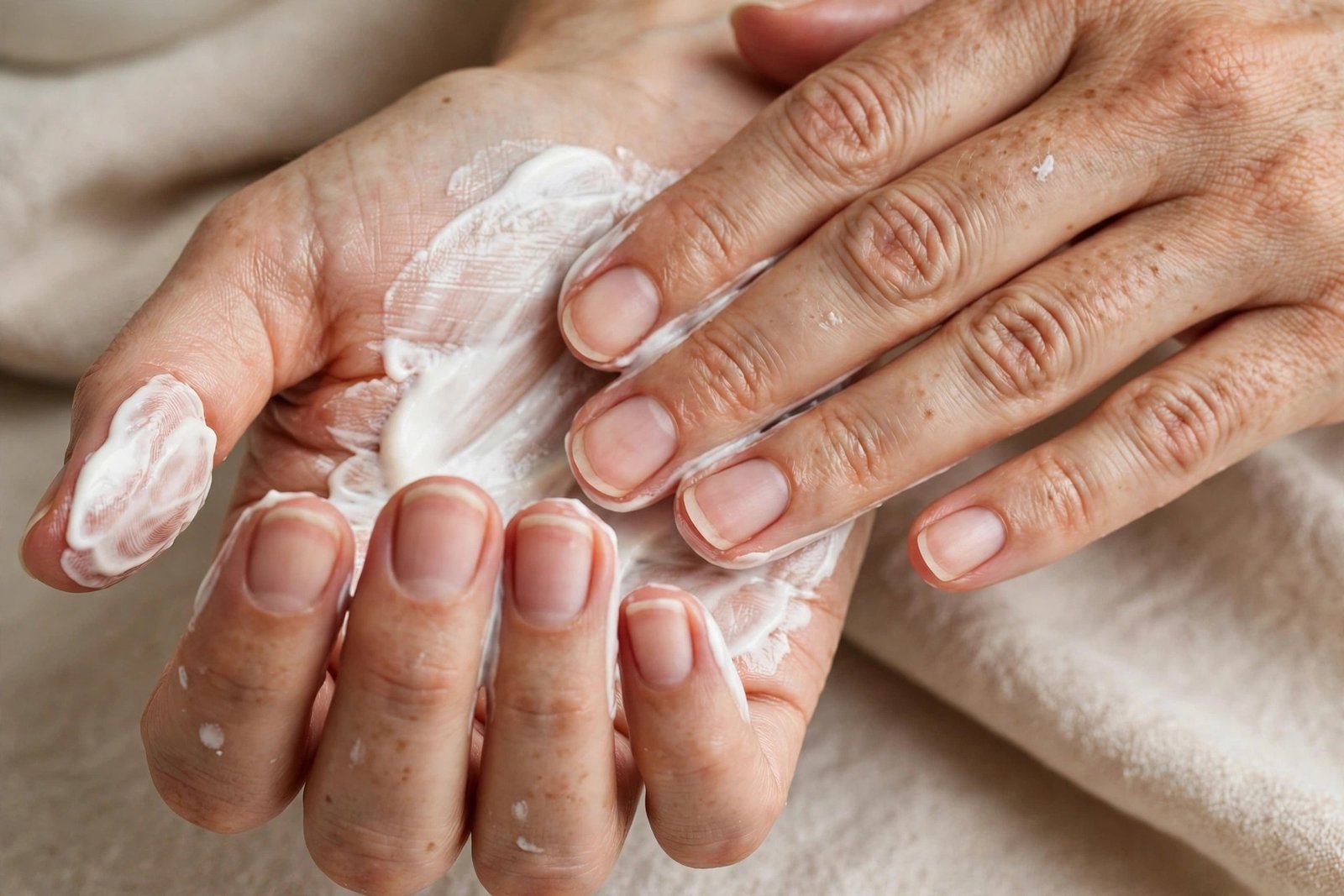
A weekly hand cream ritual is a dedicated moment to flood your hands and nails with moisture, rather than the quick dab most people manage during the day. Choose a thick cream with shea butter, glycerine or ceramides, and massage it slowly over the backs of your hands, between your fingers and over every nail and cuticle. The cream forms a protective barrier that stops water loss.
This ritual suits anyone with dry hands, cold-weather damage or nails that split at the tips. It is especially helpful in winter, after gardening or cleaning, and for people who wash their hands constantly. If your hands look older than they should, or your nails feel rough and dull, a proper weekly cream ritual will soften both skin and nails noticeably within a month.
Pick one evening a week, perhaps Sunday, and make it your hand care night. Wash your hands with lukewarm water, pat them dry, then warm a generous amount of cream between your palms. For an intensive version, apply a thick layer, wrap your hands in cling film or cotton gloves, and leave it for twenty minutes before removing the excess.
3. Gentle One-Direction Filing
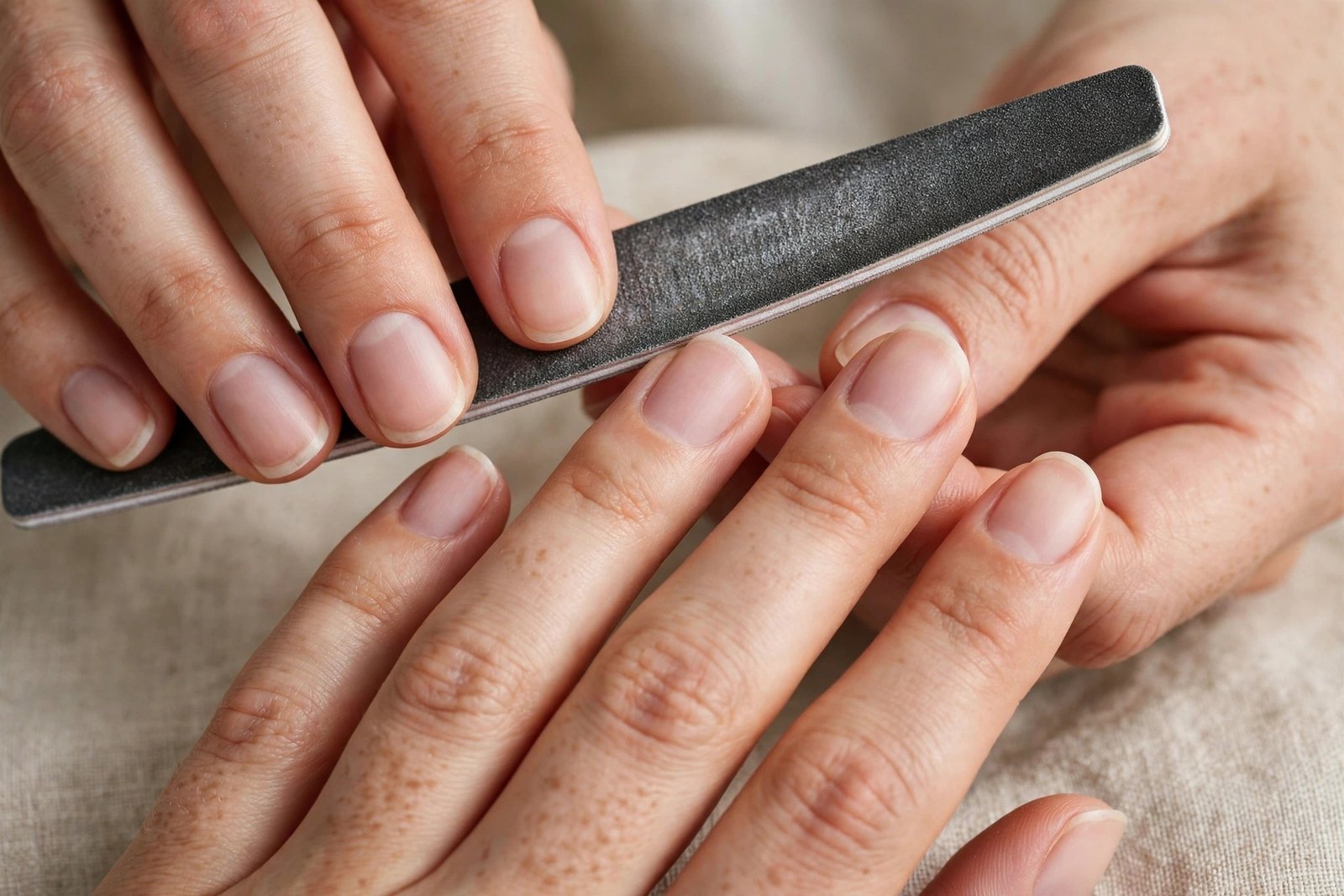
Gentle one-direction filing means shaping the nail with smooth strokes in a single direction, from the outer edge toward the centre, instead of sawing the file back and forth. The sawing motion creates tiny invisible splits at the free edge, and those splits grow into peeling layers and painful breaks. Filing in one direction leaves a clean, sealed edge that resists snagging and splitting.
This technique suits every nail type, but it matters most for thin, peeling or bendy nails that seem to split no matter what you do. It is essential for people growing their nails longer, since a damaged edge will keep breaking before it reaches the length they want. It also helps anyone who files their nails often, including regular polish wearers and salon clients.
Start with clean, dry nails, since wet nails are softer and tear more easily. Hold the file at a slight angle under the free edge and make light strokes from the side toward the centre, lifting the file after each stroke instead of dragging it back. Finish by smoothing the edge with the finest side of the file, and follow with a drop of cuticle oil to seal the edge.
4. Trimming Straight Across
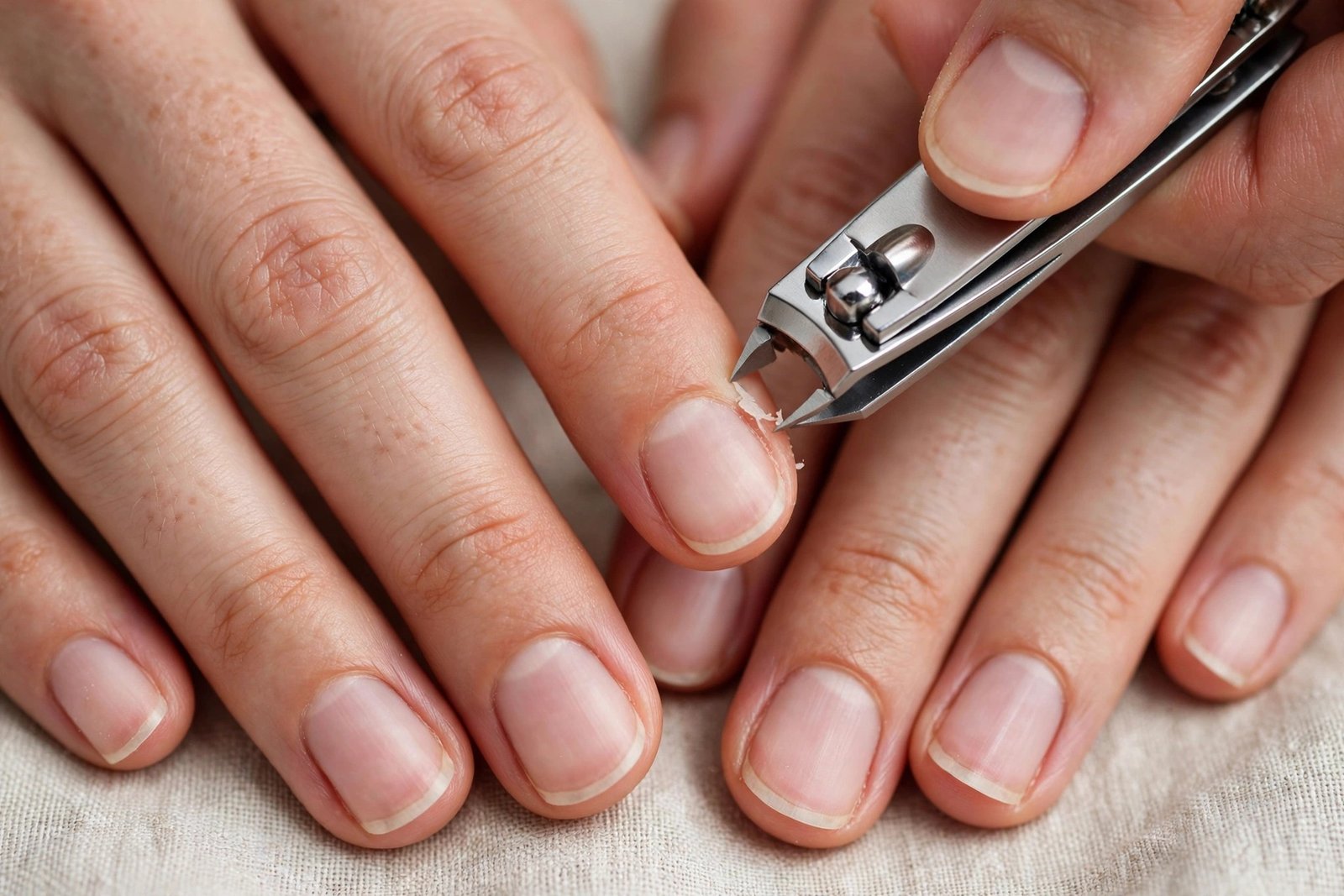
Trimming straight across means cutting the nail in a straight line with sharp clippers, then rounding the corners very slightly, instead of cutting deep curves into the sides. This keeps the nail plate strong across its full width and stops the corners from digging into the skin and causing painful ingrown nails. Straight trimming also gives the nail a clean, even edge that files smoothly and holds polish well.
This method suits anyone who keeps their nails short to medium, people with nails that curve or grow unevenly, and anyone prone to ingrown nails or sore corners. It is ideal for active people, gardeners, musicians and anyone who works with their hands, since a straight edge is far less likely to catch and tear. It also helps people recovering from a bad break, because it lets them reset the nail to a strong.
Use sharp, clean nail clippers and trim after a shower or hand soak, when nails are slightly softer. Cut straight across in two or three small snips rather than one big bite, leaving a little length so you can file to your final shape. Never cut into the sides or trim below the fingertip, and clean your clippers with alcohol after each use.
5. Wearing Gloves for Cleaning
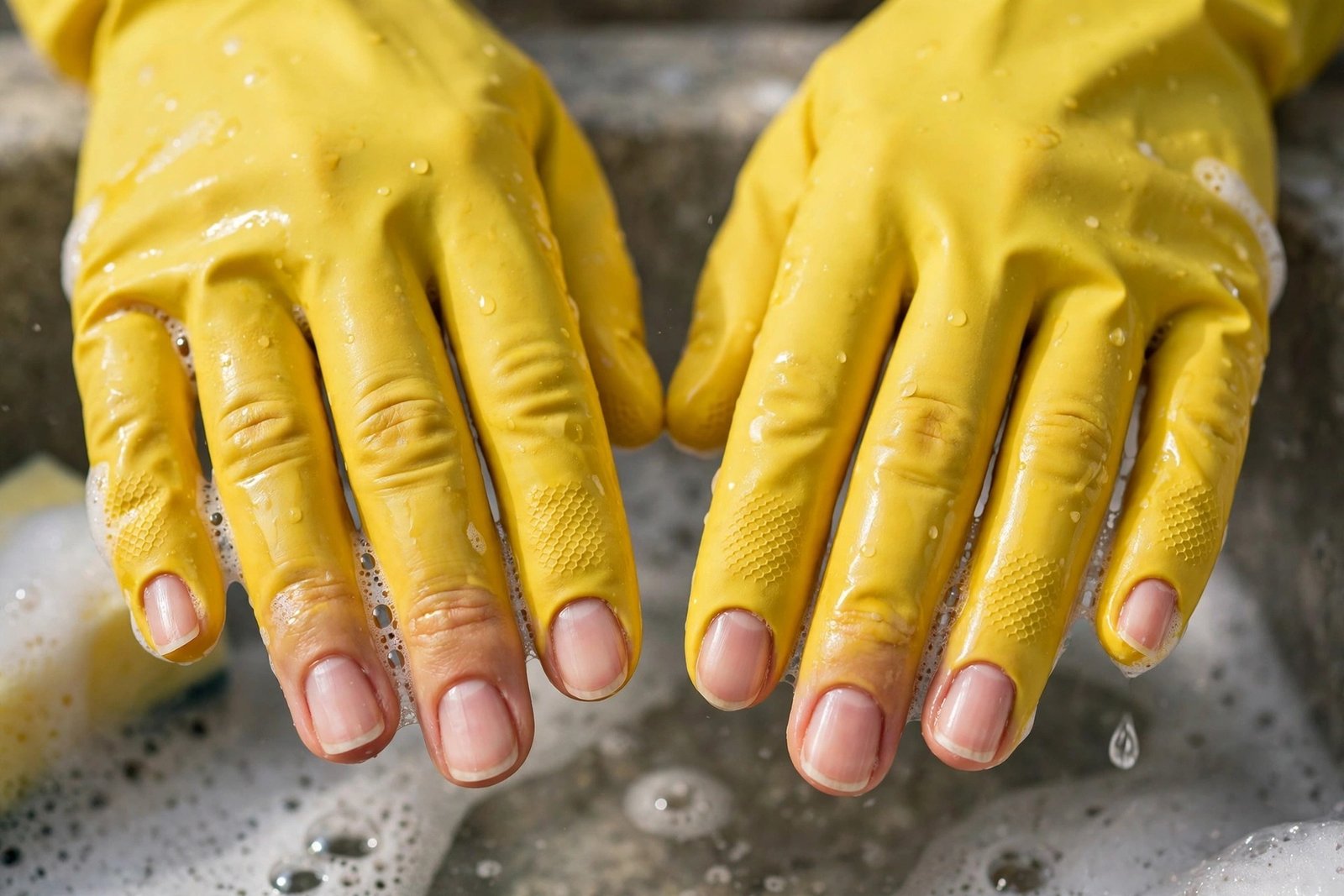
Wearing gloves for cleaning is one of the easiest ways to protect strong nails, because household cleaners, dish soap and bleach strip natural oils from the nail plate and leave it soft, swollen and weak. Water alone does the same thing when hands are soaked for long periods, since the nail absorbs water, swells, then shrinks as it dries, weakening the layers each time.
This habit suits everyone, but it is vital for people who clean daily, wash dishes by hand, mop floors or work with detergents and disinfectants. It is especially important for anyone with peeling or splitting nails, since repeated soaking is often the hidden cause. It also helps people with eczema or sensitive skin around the nails, and anyone growing out damaged nails after gel or acrylic removal.
Buy two pairs of comfortable rubber gloves, one for the kitchen and one for the bathroom, and store them where you can reach them easily. Put them on before you touch water, soap or any cleaning product, and take them off as soon as you finish. Rinse the gloves inside and out after use and hang them to dry so they stay fresh.
6. Keeping Nails Dry After Washing
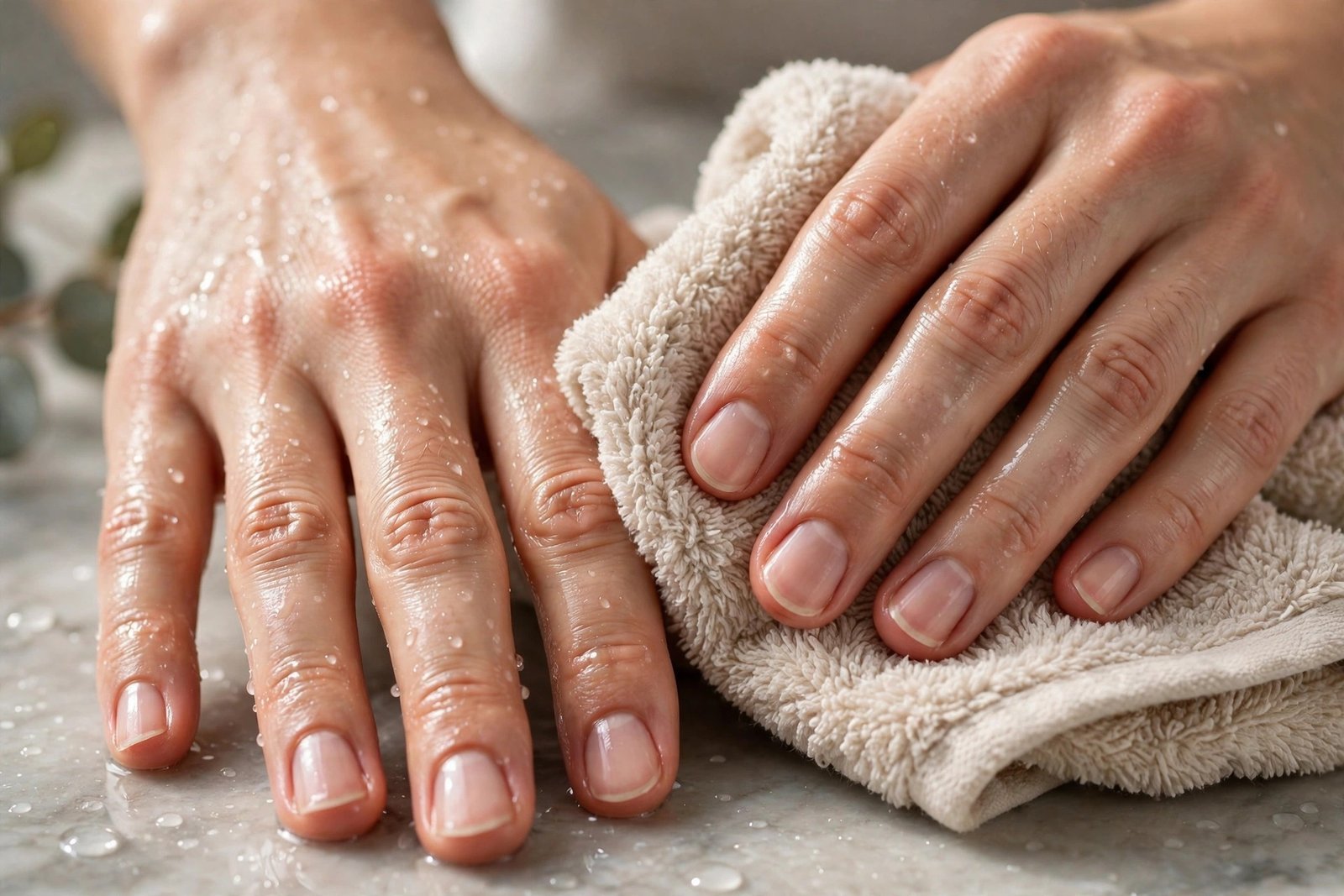
Keeping nails dry after washing sounds too simple to matter, but it makes a real difference to nail strength. Nails absorb water quickly and can swell by as much as a fifth of their thickness, then shrink again as they dry, and this constant swelling and shrinking loosens the layers of the nail plate. Over time the layers separate, the nail peels, and the free edge becomes thin and fragile.
This habit suits everyone, and it matters most for people who wash their hands twenty or thirty times a day, including parents, cooks, cleaners and healthcare workers. It is essential for anyone with peeling nails, since trapped moisture is a leading cause of layer separation. It also helps people who swim often or work in wet conditions, and anyone whose nails feel soft and rubbery after a shower.
After every wash, pat your hands dry with a soft towel, paying attention to the fingertips and the skin under the free edge, where water hides. Do not rub hard, since wet nails are at their softest and most likely to tear. Apply a drop of cuticle oil or a little hand cream once your hands are dry to lock in moisture where it belongs.
7. Nail Strengthener Base Coat
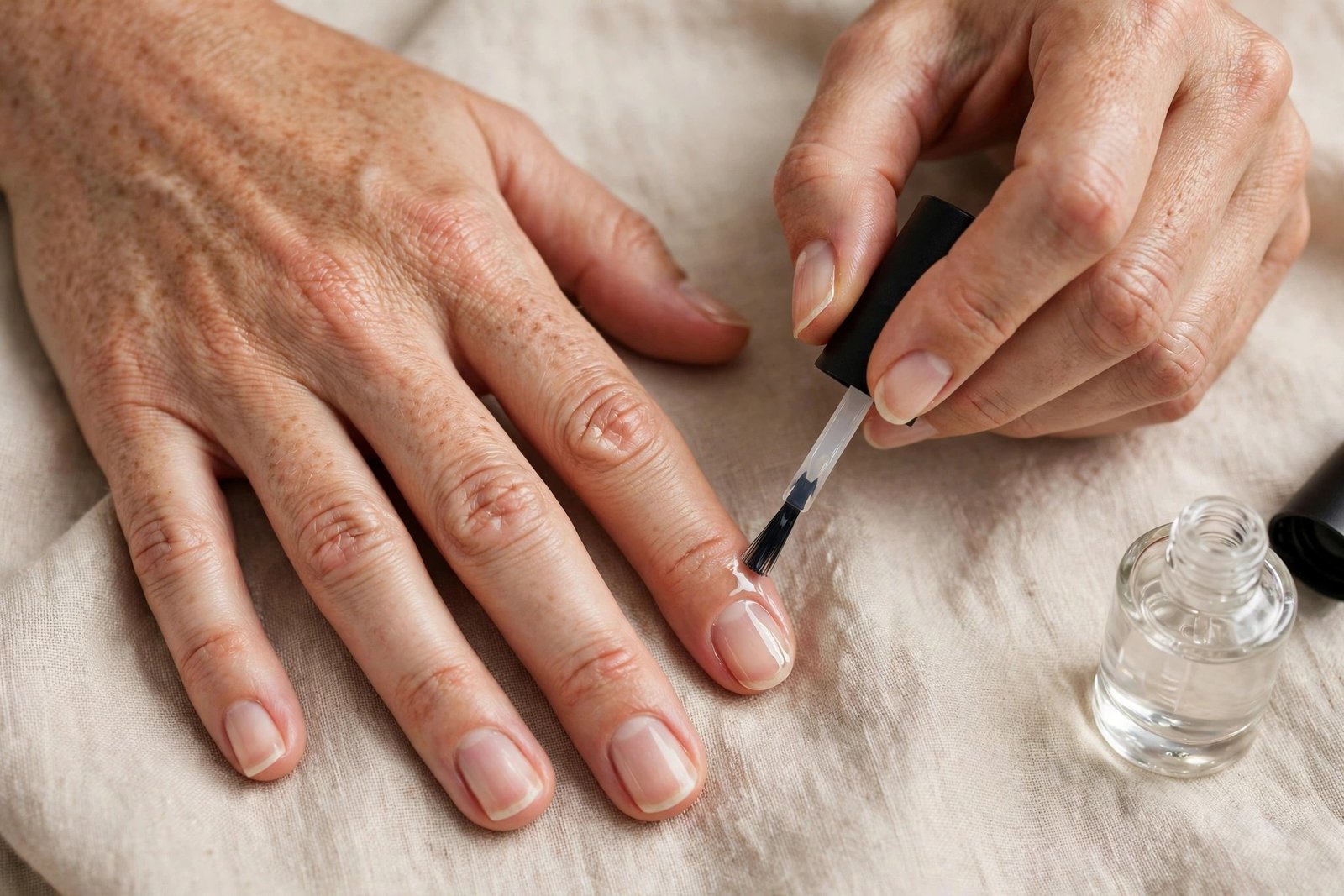
A nail strengthener base coat is a clear treatment polish, often containing keratin, calcium or nylon fibres, that is brushed onto bare nails to add a thin, hard protective layer. It fills tiny ridges, seals the free edge and stops the nail from bending and peeling during daily wear. Unlike ordinary base coats, strengtheners are designed to bond with the nail plate and reinforce it.
This treatment suits people with soft, bendy or thin nails, anyone growing out damage from gels or acrylics, and people whose nails split at the tips. It is ideal as a first step for anyone starting a nail-strengthening routine, because it gives instant protection while slower habits like diet and oiling take effect. It also helps regular polish wearers, since it stops colour from staining the nail.
Start with clean, dry, polish-free nails and wipe each nail with a little remover to take off any oil. Brush on one thin coat, let it dry completely, then add a second thin coat and let it dry again. Reapply every two to three days, removing and starting fresh once a week, and always follow with cuticle oil so the nail does not become too dry or brittle.
8. Biotin-Rich Diet
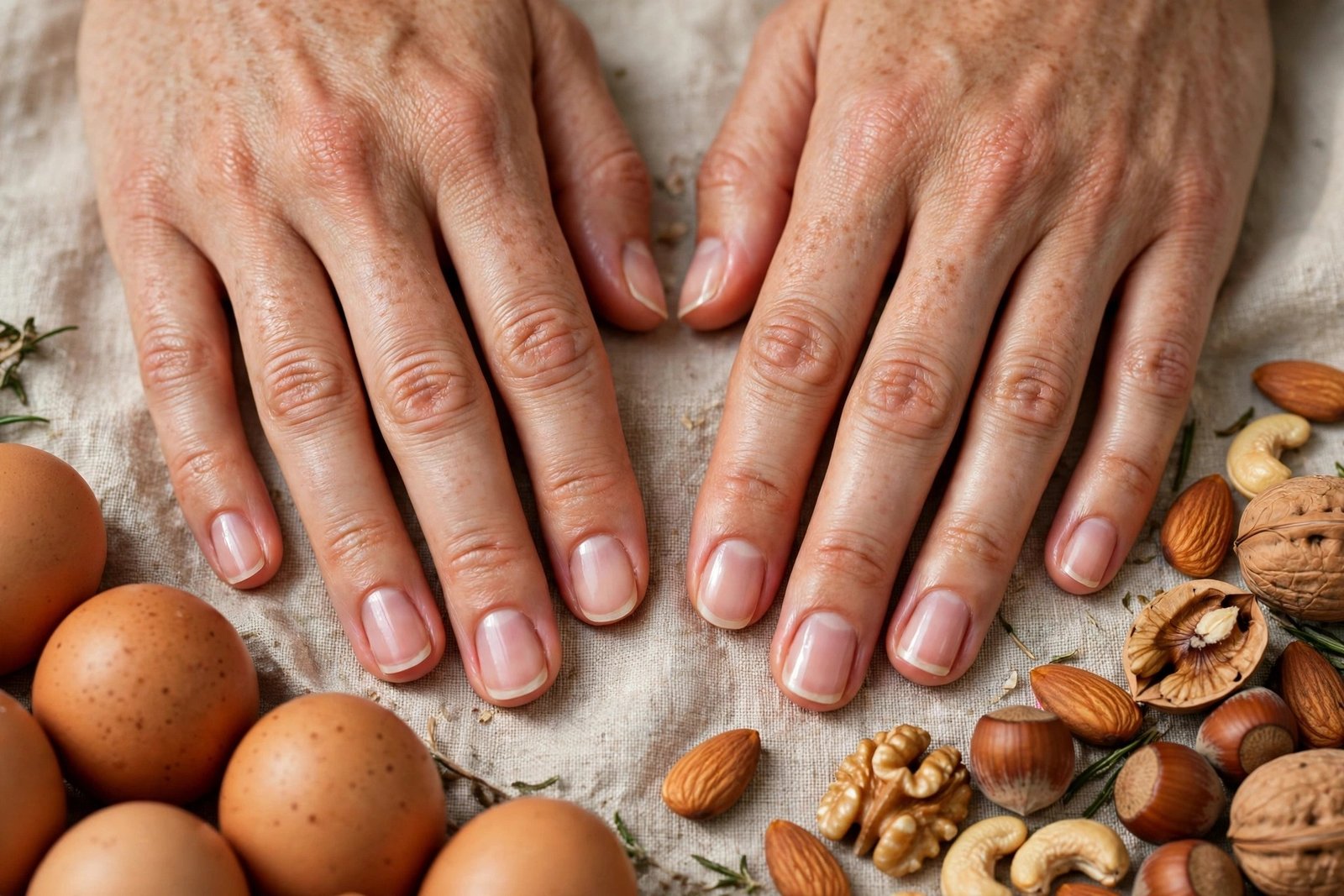
A biotin-rich diet means eating foods naturally high in biotin, a B vitamin that supports keratin production, the protein that makes up most of the nail plate. Eggs, especially the yolk, salmon, sweet potatoes, almonds, walnuts and cauliflower are all good sources, and eating them regularly gives the nail matrix the raw material it needs to grow thicker, harder nails.
This approach suits anyone whose nails are thin, brittle or slow-growing despite good external care, and people who have noticed their nails weaken after dieting or illness. It is ideal for vegetarians and vegans who may get less biotin from animal foods, and for anyone who prefers food over supplements. It also helps people with thinning hair, since biotin supports keratin in both nails and hair.
Add one biotin-rich food to each meal, such as an egg at breakfast, a handful of almonds as a snack, and salmon or sweet potato at dinner. Cook eggs fully, since raw egg white can block biotin absorption, and vary your sources so you get a wide range of nutrients. Keep it up for at least three months, because that is roughly how long it takes for a new.
9. Protein and Keratin Foods
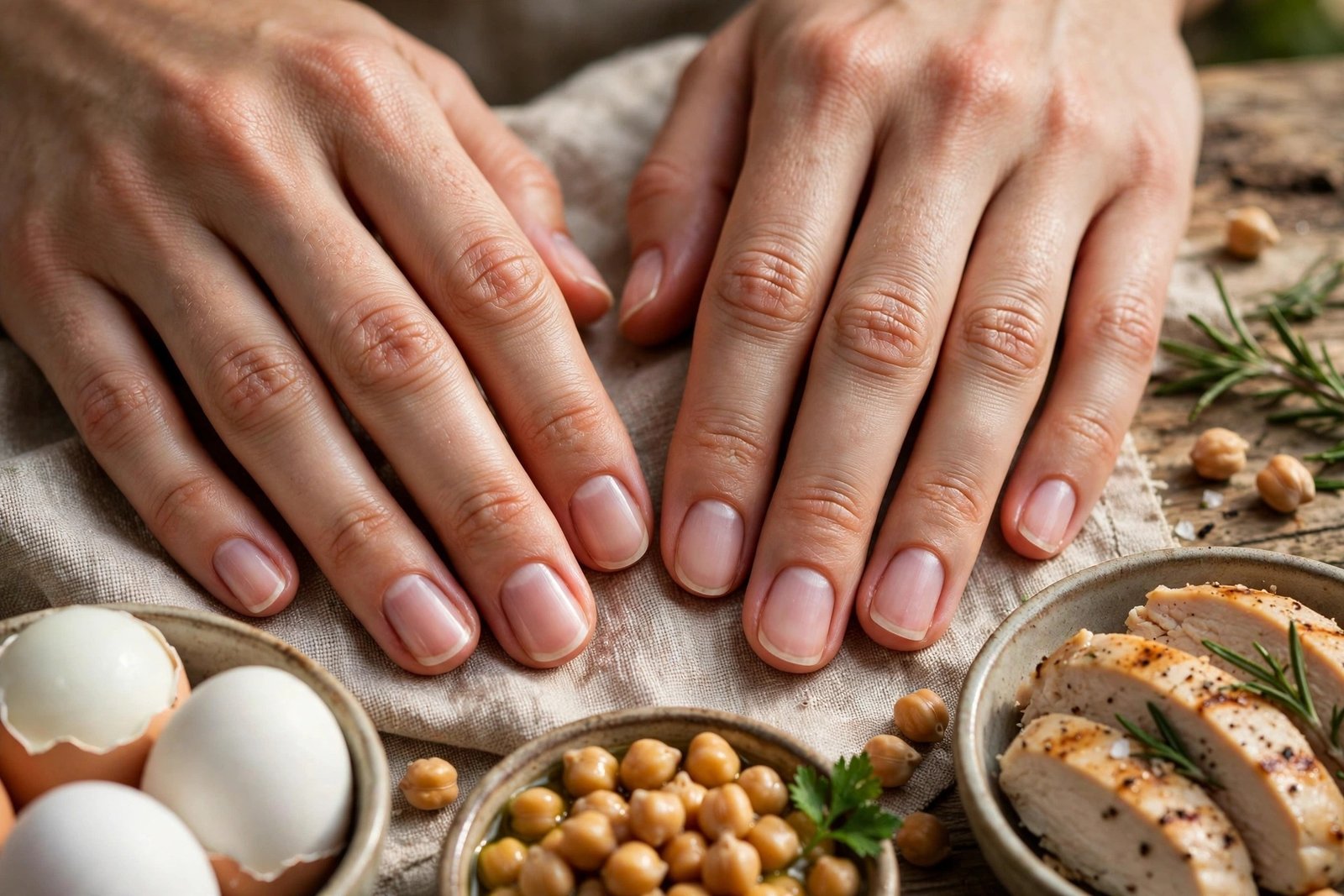
Protein and keratin foods give your body the building blocks it needs to grow a strong nail plate, since nails are made almost entirely of keratin, a tough structural protein. When protein intake is low, the body prioritises vital organs over nails, and the nail matrix produces thinner, weaker cells that split and break easily. Eating enough protein from eggs, chicken, fish, lentils, beans and yoghurt ensures the matrix has a steady supply.
This approach suits everyone, but it matters most for people on low-protein diets, crash diets, or anyone who has noticed their nails weaken after losing weight. It is essential for vegetarians and vegans, who need to combine plant proteins carefully, and for older adults, whose protein needs rise with age. It also helps athletes and busy people who often skip meals.
Aim to include a palm-sized portion of protein at every meal, such as eggs or yoghurt at breakfast, chicken, fish or lentils at lunch, and beans or cheese at dinner. Snack on nuts or a boiled egg instead of biscuits, and drink water rather than sugary drinks. Keep a simple food note for two weeks to check you are hitting your protein target daily.
10. Zinc and Omega-3 Foods
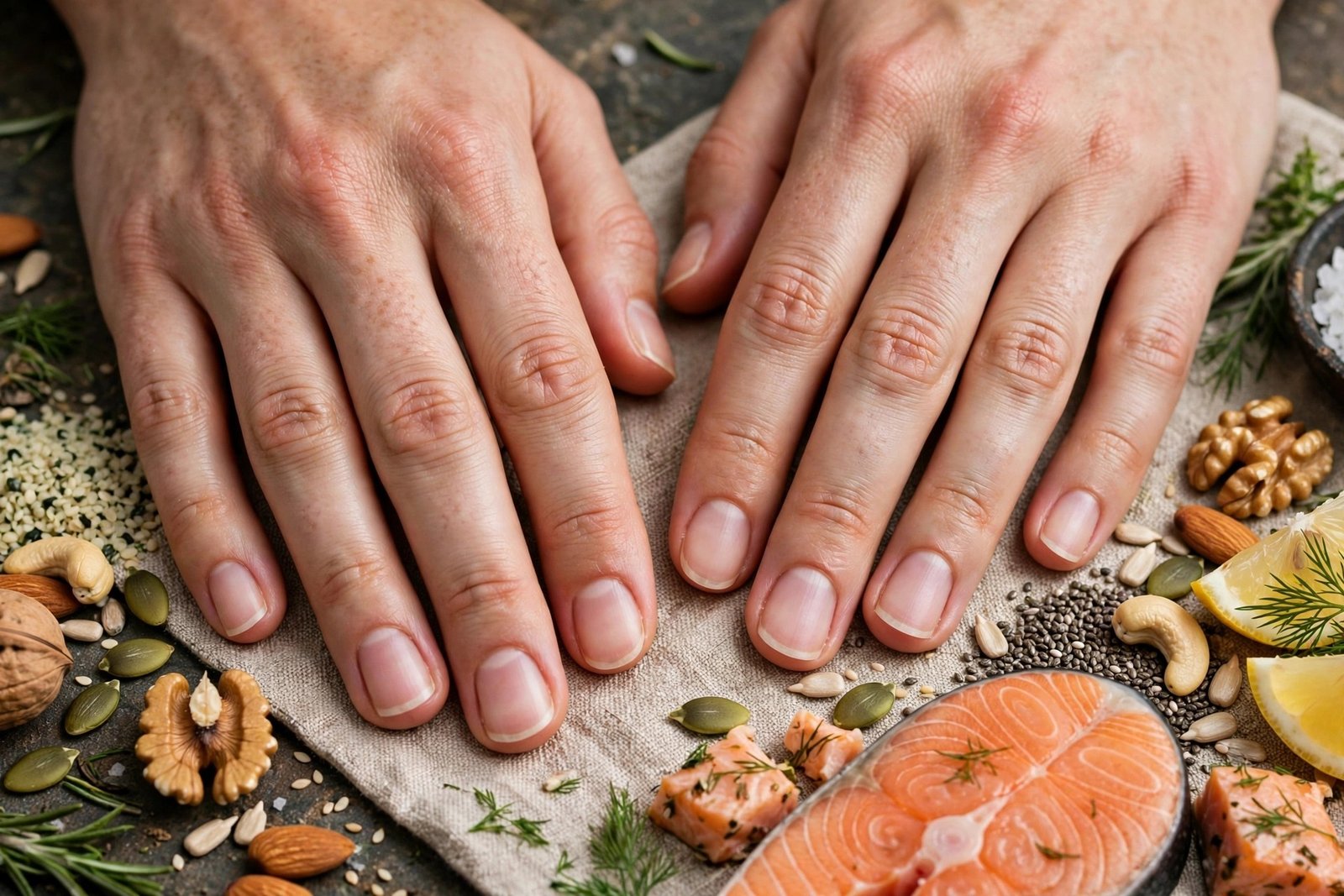
Zinc and omega-3 foods support nail strength in two different ways: zinc helps the body build and repair keratin, while omega-3 fatty acids keep the nail bed and surrounding skin moisturised from the inside. Oysters, pumpkin seeds, chickpeas and beef are rich in zinc, while oily fish, flaxseed, chia seeds and walnuts supply omega-3. Together they reduce white spots, brittleness and dry, flaky cuticles, and they help nails grow at a healthy, steady rate.
This approach suits people with white spots on their nails, dry cuticles that never seem to heal, or nails that break despite good external care. It is ideal for anyone who rarely eats fish or seeds, and for people with dry skin generally, since omega-3 helps the whole body stay moisturised. It also supports people recovering from illness or stress, when nutrient stores run low.
Eat oily fish such as salmon or sardines twice a week, and add a tablespoon of ground flaxseed or chia seeds to breakfast yoghurt or porridge daily. Snack on pumpkin seeds or walnuts, and include chickpeas or lentils in at least three meals a week. If you do not eat fish, a good-quality fish oil or algae supplement can help, but check with a pharmacist first.
11. Drinking Enough Water
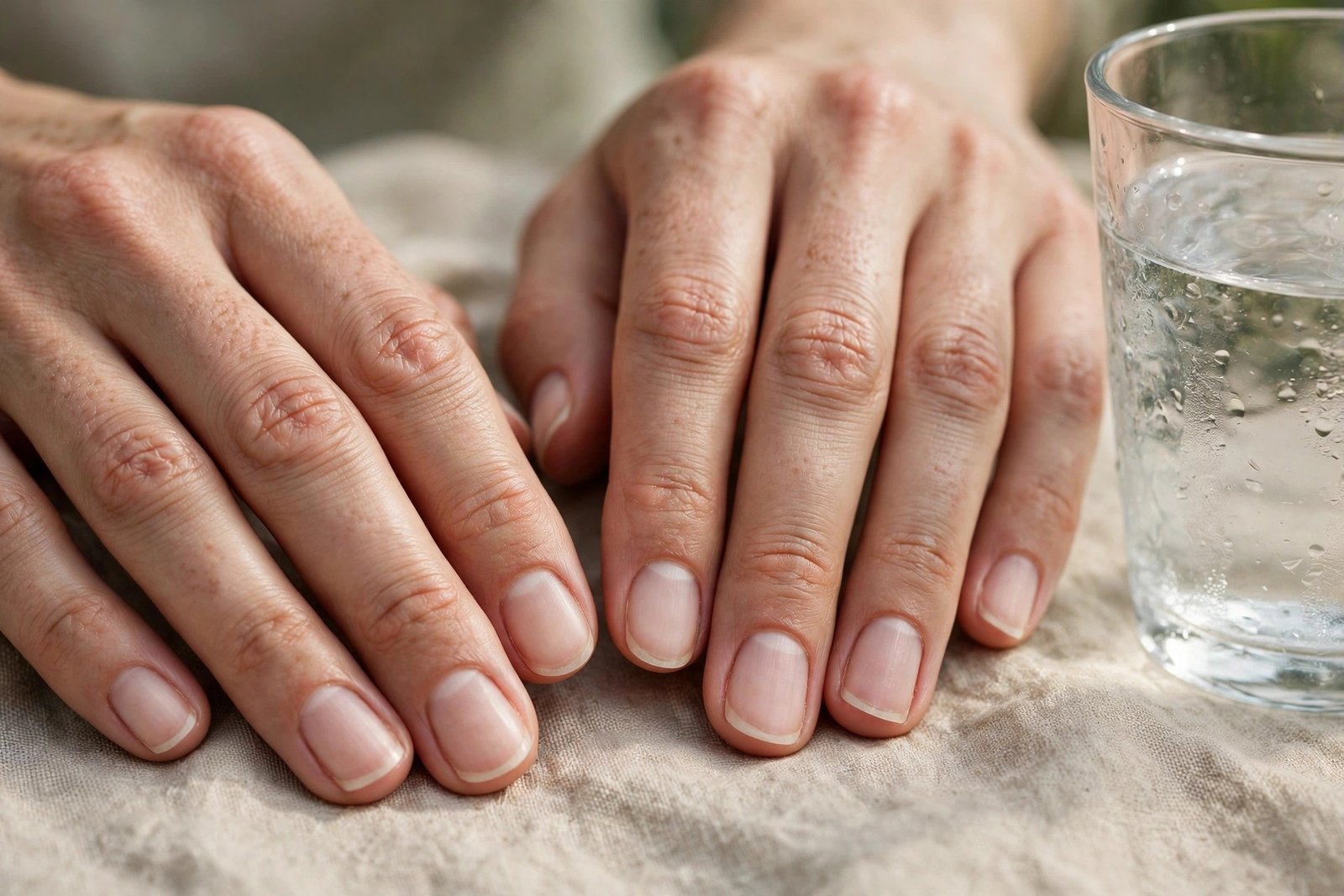
Drinking enough water keeps nails hydrated from the inside, which sounds odd until you remember that the nail plate needs a careful balance of moisture to stay flexible and strong. Dehydrated nails become dry, brittle and likely to crack, while well-hydrated nails bend slightly under pressure instead of snapping. Water also helps the body deliver nutrients to the nail matrix, so the new nail grows healthy and thick.
This habit suits everyone, and it matters most for people who drink a lot of coffee or tea, work in air-conditioned offices, or live in hot, dry climates. It is essential for anyone whose nails feel dry and papery, or whose cuticles crack easily. If your nails are brittle and your skin feels tight and dry, increasing your water intake is one of the cheapest and simplest fixes available.
Keep a reusable water bottle on your desk or in your bag and sip from it through the day rather than drinking large amounts at once. Aim for a glass with each meal and one between meals, and eat water-rich foods such as cucumber, melon and oranges too. If you forget to drink, set a gentle reminder on your phone every two hours.
12. Giving Nails a Polish Break
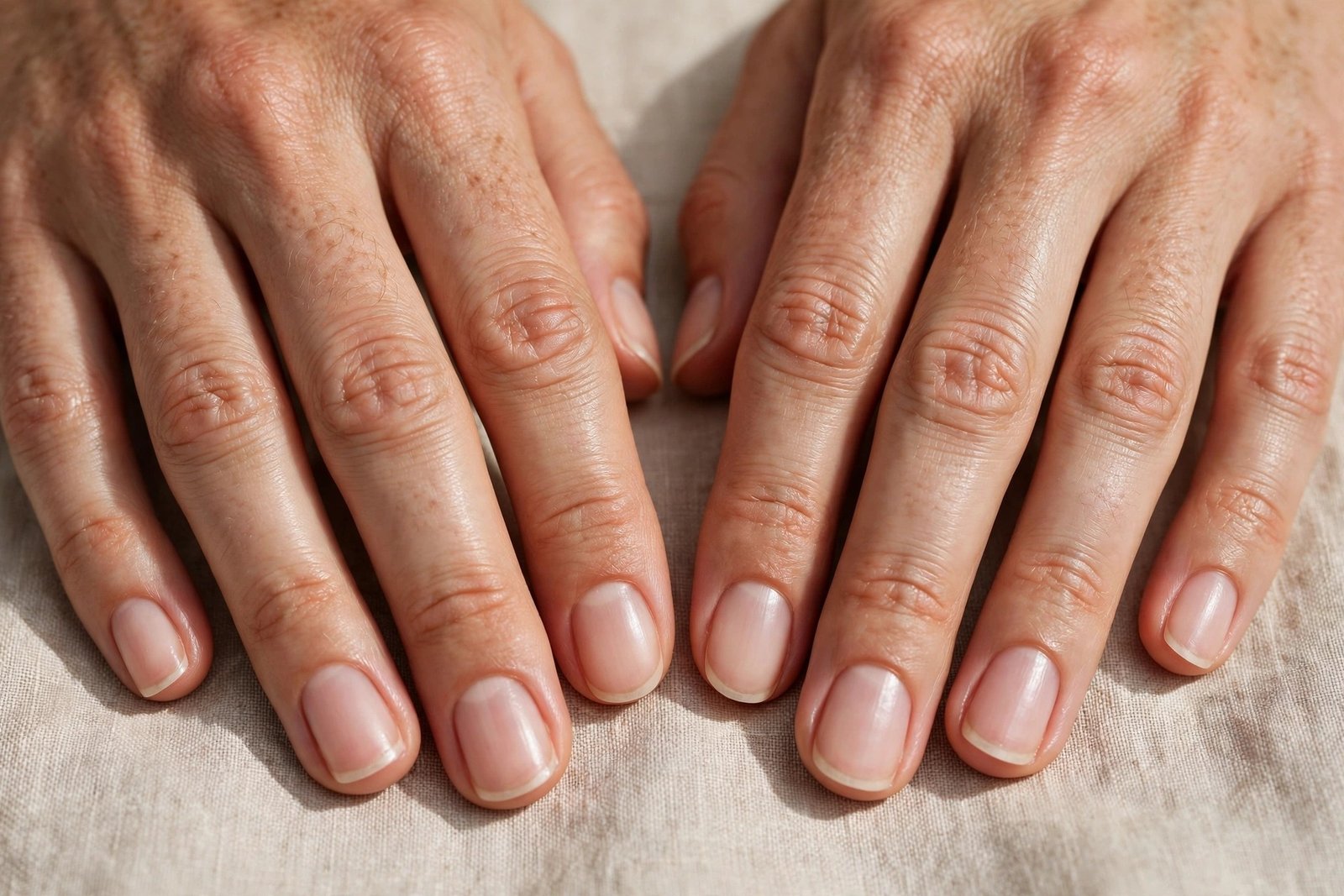
Giving nails a polish break means leaving them completely bare for a week or two between manicures, so the nail plate can recover its natural moisture and breathe. Constant polish, especially with strong removers, dries the nail and can leave it yellowed, thin and dehydrated. A break lets the nail rehydrate, lets you spot any damage or discolouration early, and gives cuticle oil and creams direct access to the plate.
This habit suits regular polish wearers, gel and acrylic users, and anyone whose nails look yellow, dry or ridged after removing colour. It is essential after a long stretch of back-to-back manicures, and for people whose nails peel every time they take polish off. If your nails feel weak and you cannot remember the last time they were bare, a polish break is long overdue.
Remove your polish gently with an acetone-free remover, then leave the nails bare for seven to fourteen days. During the break, apply cuticle oil twice a day and a strengthening base coat if you want a little protection. When you return to polish, use a good base coat and choose gentler formulas, and plan a short break after every two or three manicures.
13. Safe Gel Removal Without Peeling
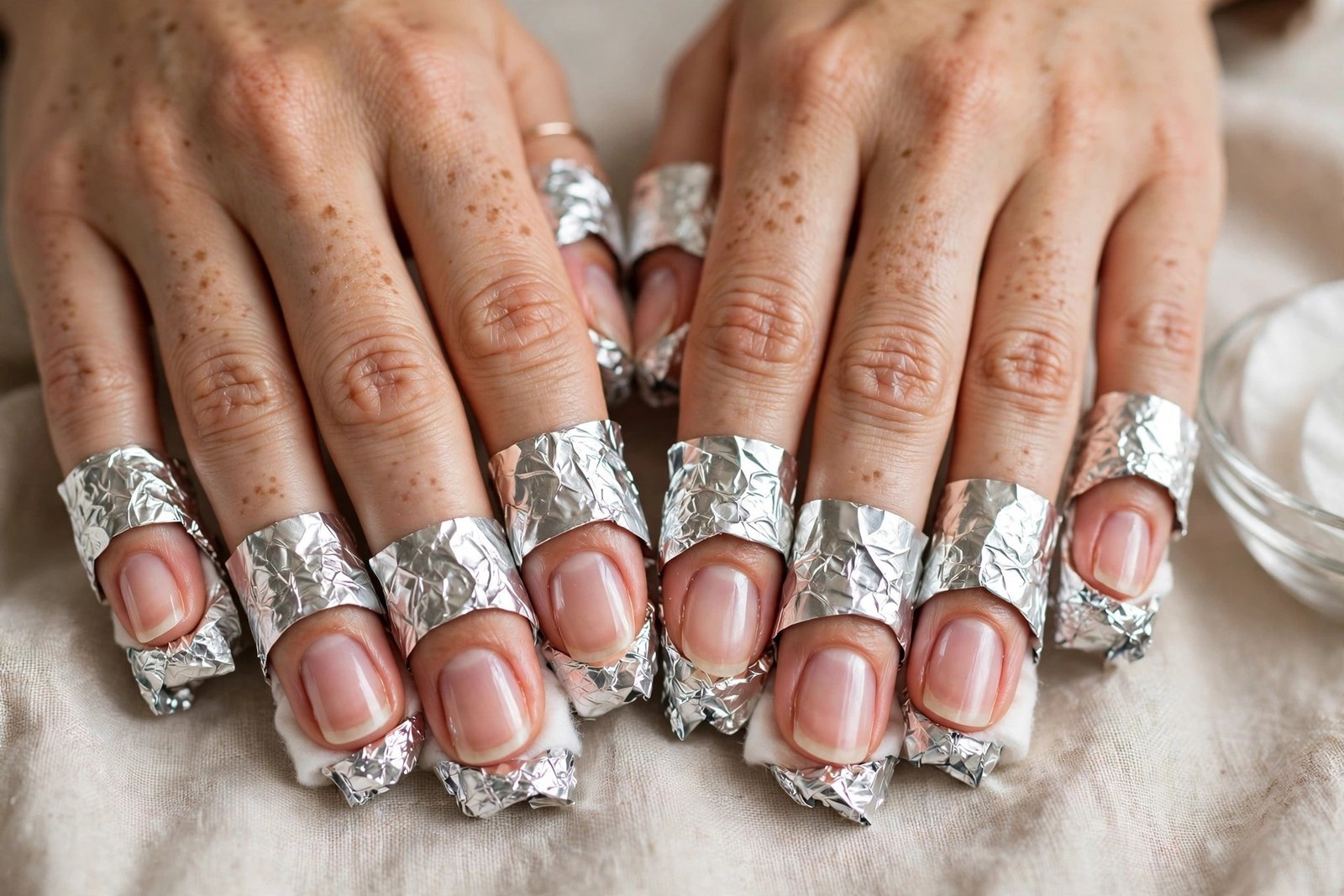
Safe gel removal without peeling means soaking gel polish off properly instead of picking or peeling it away, which is one of the most damaging things you can do to nails. Peeling gel lifts off the top layers of the nail plate along with it, leaving the nail thin, rough and weak for months. Proper removal uses acetone-soaked cotton, foil wraps and gentle scraping with a wooden stick.
This method suits everyone who wears gel polish, whether at a salon or at home, and it is vital for people whose nails feel paper-thin after gel removal. It is essential for anyone who has ever peeled gel off in a moment of impatience, and for people with already weak or peeling nails. It also helps regular gel wearers keep their natural nails strong enough to support the next set.
File the shiny top coat lightly to break the seal, then soak cotton pads in acetone, place one on each nail and wrap the fingertip in foil. Wait fifteen to twenty minutes, then gently push the softened gel away with an orangewood stick, never forcing it. If some gel remains, rewrap for five more minutes. Wash your hands, apply cuticle oil generously, and leave the nails bare or use a strengthener for a few days.
14. Acetone-Free Remover
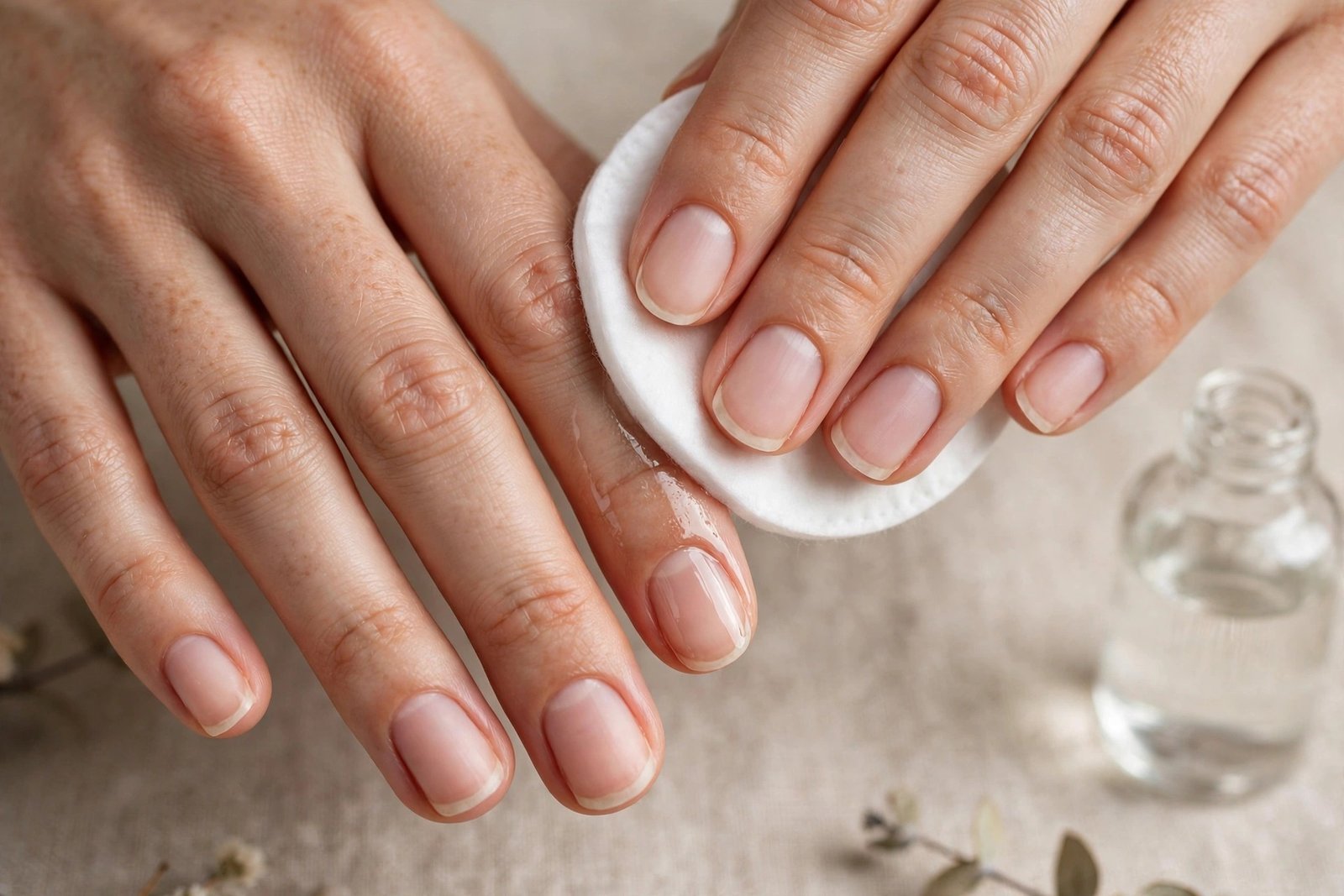
An acetone-free remover takes polish off using gentler solvents, usually ethyl acetate or plant-based alternatives, instead of pure acetone, which strips natural oils and leaves nails chalky, dry and brittle. Acetone works fast, but it dehydrates the nail plate and the skin around it, and frequent use is a common cause of peeling and splitting. Acetone-free formulas take a little longer to work, yet they leave the nail feeling smoother and more flexible.
This product suits anyone who removes polish often, people with dry or peeling nails, and anyone whose skin stings or turns red after using regular remover. It is ideal for children and teenagers, for people with eczema around the nails, and for anyone taking a polish break who wants the gentlest possible removal. It also helps gel and acrylic wearers between sets, when the natural nail needs to recover.
Choose a remover labelled acetone-free and keep cotton pads and a small bowl ready. Soak a pad, press it onto the nail for ten to fifteen seconds to let the solvents soften the polish, then wipe firmly toward the tip. For glitter or dark colours, hold the soaked pad on the nail for thirty seconds first. Wash your hands afterwards, pat them dry, and massage in cuticle oil to replace any moisture lost.
15. Short Rounded Squoval Shape
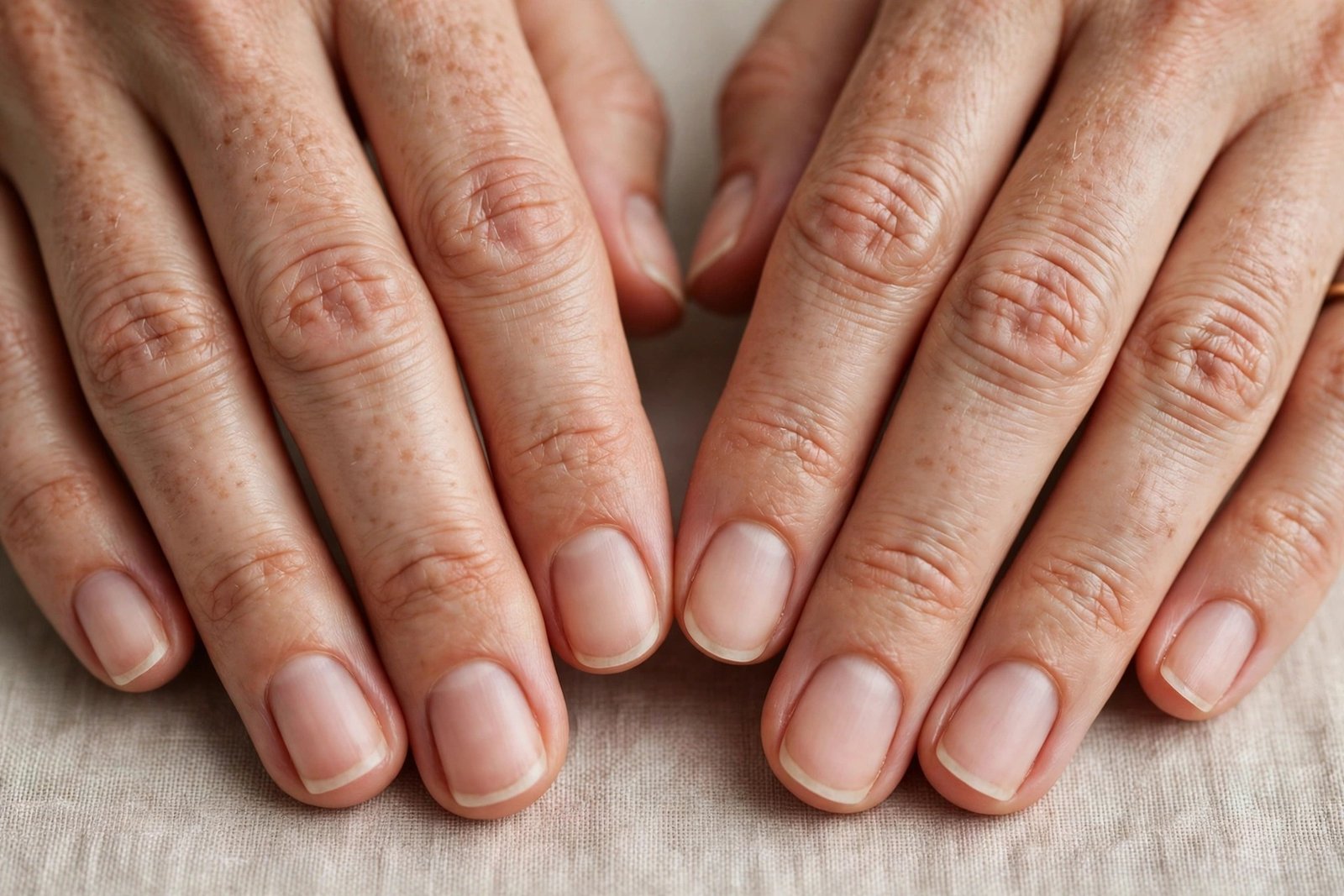
A short rounded squoval shape, square with softly rounded corners, is the strongest practical nail shape because it spreads pressure evenly across the whole free edge. Long stiletto or sharp square nails concentrate force on a small point or corner, so they catch, bend and snap at the slightest knock. A squoval at a short to medium length survives typing, cooking, cleaning and everyday life, while still looking neat, modern and elegant.
This shape suits anyone with weak, thin or brittle nails, people who work with their hands, and anyone tired of breaking nails just as they grow out. It is ideal for first-time nail growers, for people recovering from damage, and for anyone who wants a low-maintenance look that still suits polish. It also works beautifully on wide or short nail beds, since it makes fingers look longer without adding fragile length.
Trim or file your nails to just past the fingertip, keeping the top edge straight. Round each corner gently with a fine file, using one-direction strokes, until the corners feel smooth and the shape looks balanced. Check both hands side by side and adjust until they match. Finish with a strengthening base coat and cuticle oil, and maintain the shape with a quick file once a week rather than letting the corners grow sharp again.
16. Avoiding Nails as Tools
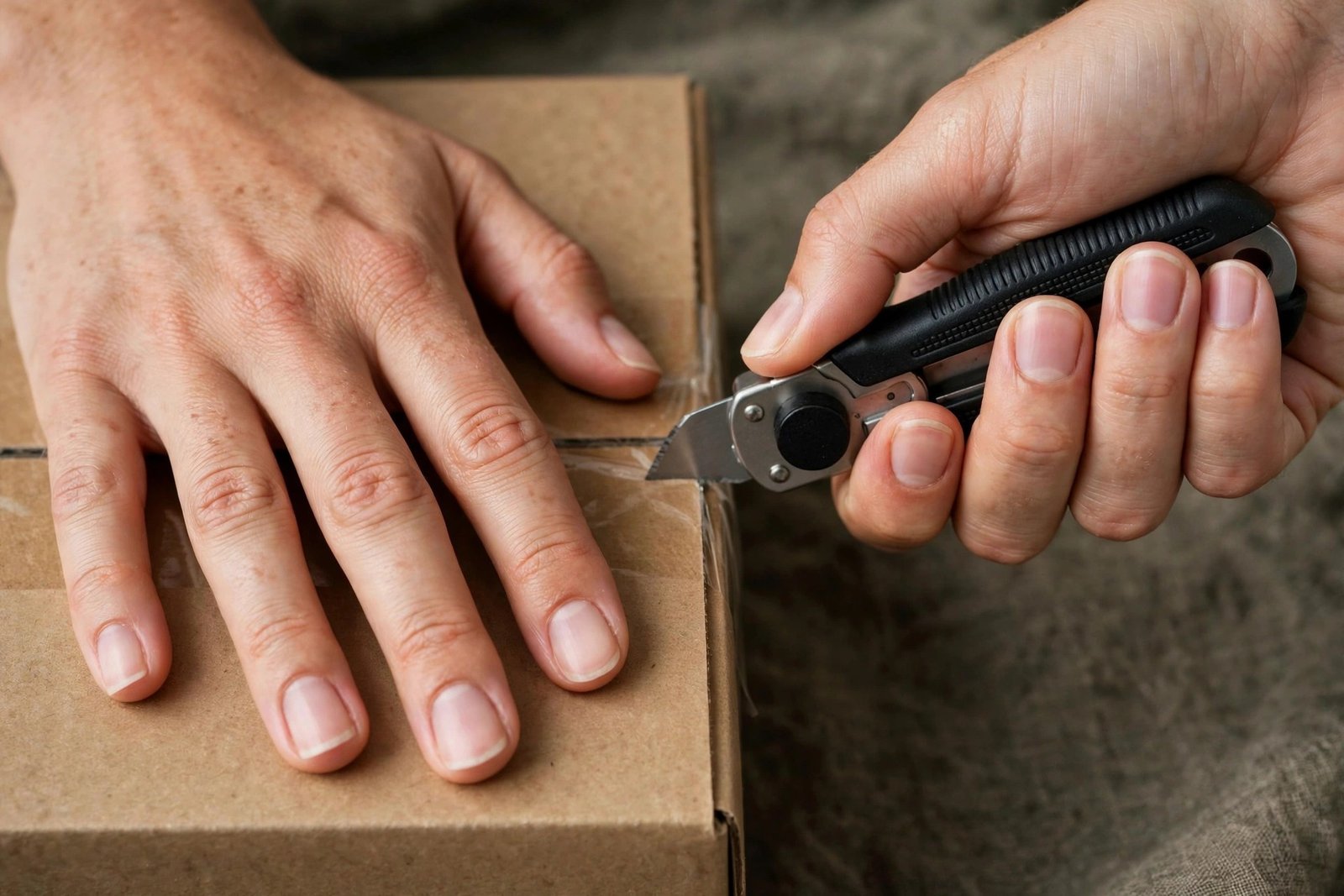
Avoiding nails as tools means never using your fingertips to open tins, peel stickers, scrape labels, pick at packaging or pry things apart, because each of these actions bends the nail backwards and lifts the free edge away from the nail bed. Nails are designed for light touch and protection, not for leverage, and treating them gently is one of the fastest ways to stop breakage.
This habit suits everyone, but it matters most for people with long nails, thin nails, or nails that always seem to break on one side. It is essential for office workers who open parcels, parents who open packaging daily, and anyone who picks at labels or stickers without thinking. It also helps people growing their nails for a special occasion, since one careless pry can ruin weeks of growth.
Place a small pair of scissors, a letter opener or a coin in the spots where you usually open things, such as your desk, kitchen drawer and handbag. When you catch yourself reaching with a nail, stop and fetch the tool instead. Within a few weeks of this habit, you will notice far fewer chips and breaks, and your nails will finally grow past the length they always snapped at.
17. Stopping Biting and Picking
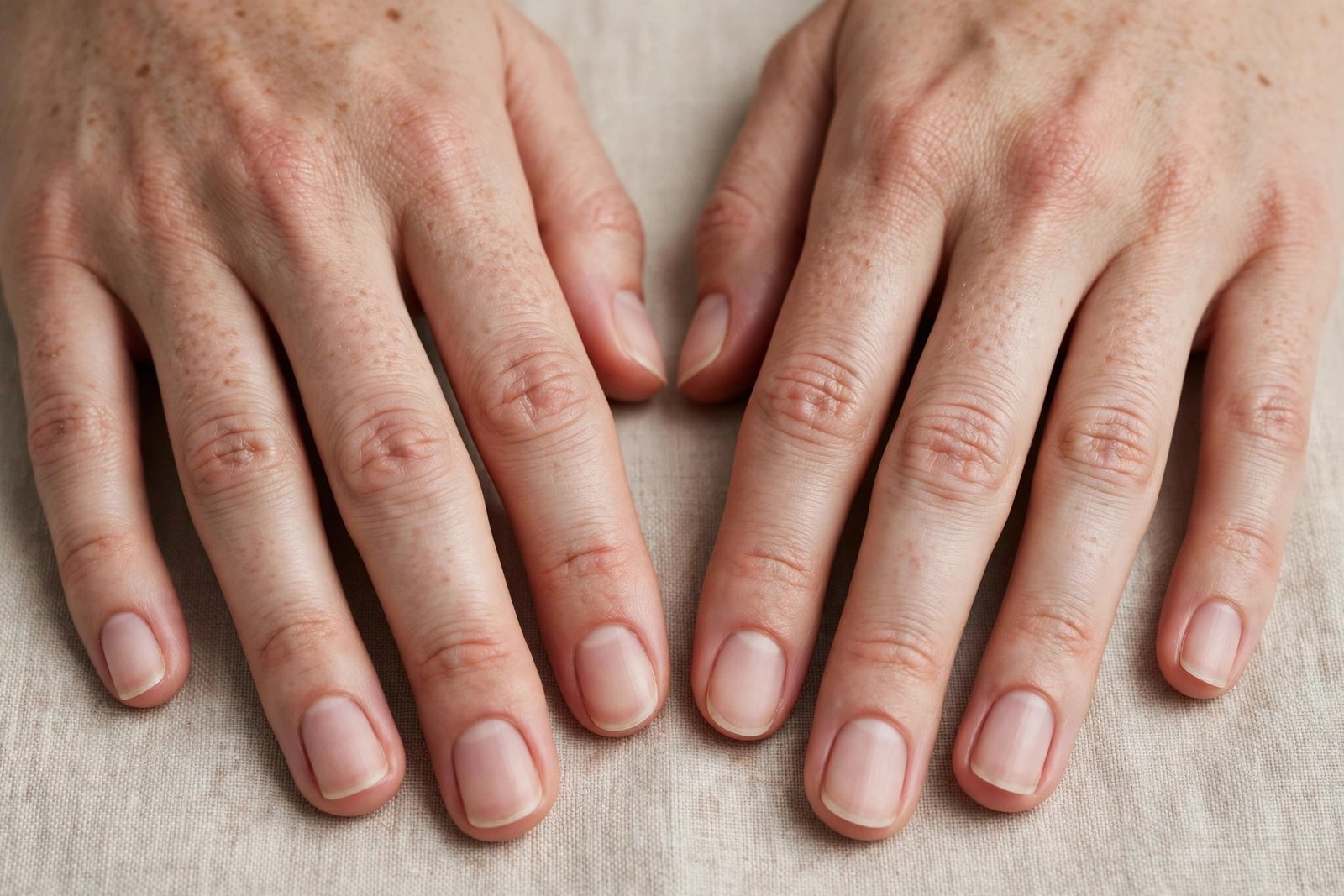
Stopping biting and picking is often the hardest step in this guide, but it is also the most transformative, because bitten nails cannot grow strong. Biting tears the nail plate, damages the cuticle and the matrix beneath it, and invites infection through tiny wounds around the nail. Picking at polish, gel or hangnails does the same damage in a different way, stripping layers and leaving the nail thin and sore.
This method suits anyone who bites their nails when stressed, bored or anxious, and anyone who picks at cuticles or polish without realising it. It is ideal for students, office workers and anyone whose hands are idle during screen time, when biting happens automatically. It also helps people who have tried to grow their nails many times and always failed at the same short length.
Keep your nails short, filed smooth and coated with a bitter-tasting polish or a strengthening base coat, so there is nothing tempting to bite. Carry cuticle oil and a file, and use them whenever your hands feel restless instead of biting. Notice your triggers, such as stress or boredom, and keep your hands busy with a stress ball, a pen or a fidget tool.
18. Jojoba Oil Soak
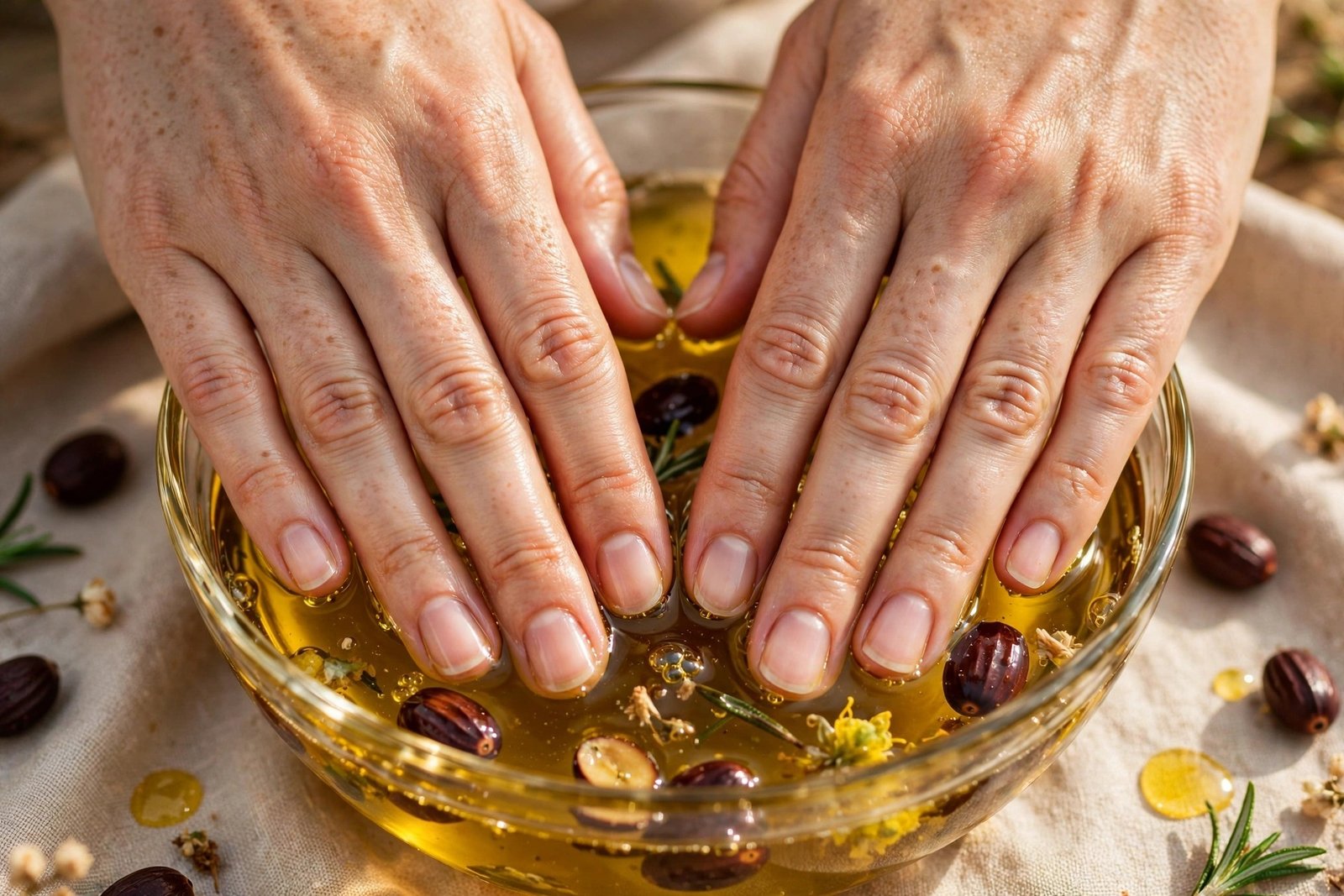
A jojoba oil soak is a warm, deep treatment in which the fingertips rest in pure jojoba oil for ten to fifteen minutes, letting the oil sink into the nail plate and the skin around it. Jojoba oil is special because its structure closely matches the skin’s own natural oils, so it absorbs easily instead of sitting on the surface. It softens cuticles, restores flexibility to dry nails and leaves the hands feeling silky.
This treatment suits people with very dry nails, cracked cuticles, or nails that have been damaged by gels, acrylics or harsh removers. It is ideal in winter, after frequent handwashing, or before a special occasion when you want your hands to look their best. It also helps older adults, whose nails naturally become drier with age, and anyone whose nails feel like they might snap at any moment.
Warm a small bowl of pure jojoba oil in a larger bowl of hot water until it feels pleasantly warm, never hot. Soak your fingertips for ten to fifteen minutes, massaging the oil into each nail and cuticle as you go. Do this once a week, ideally in the evening, and follow with hand cream and cotton gloves for an overnight treatment.
19. Vitamin E Oil Treatment
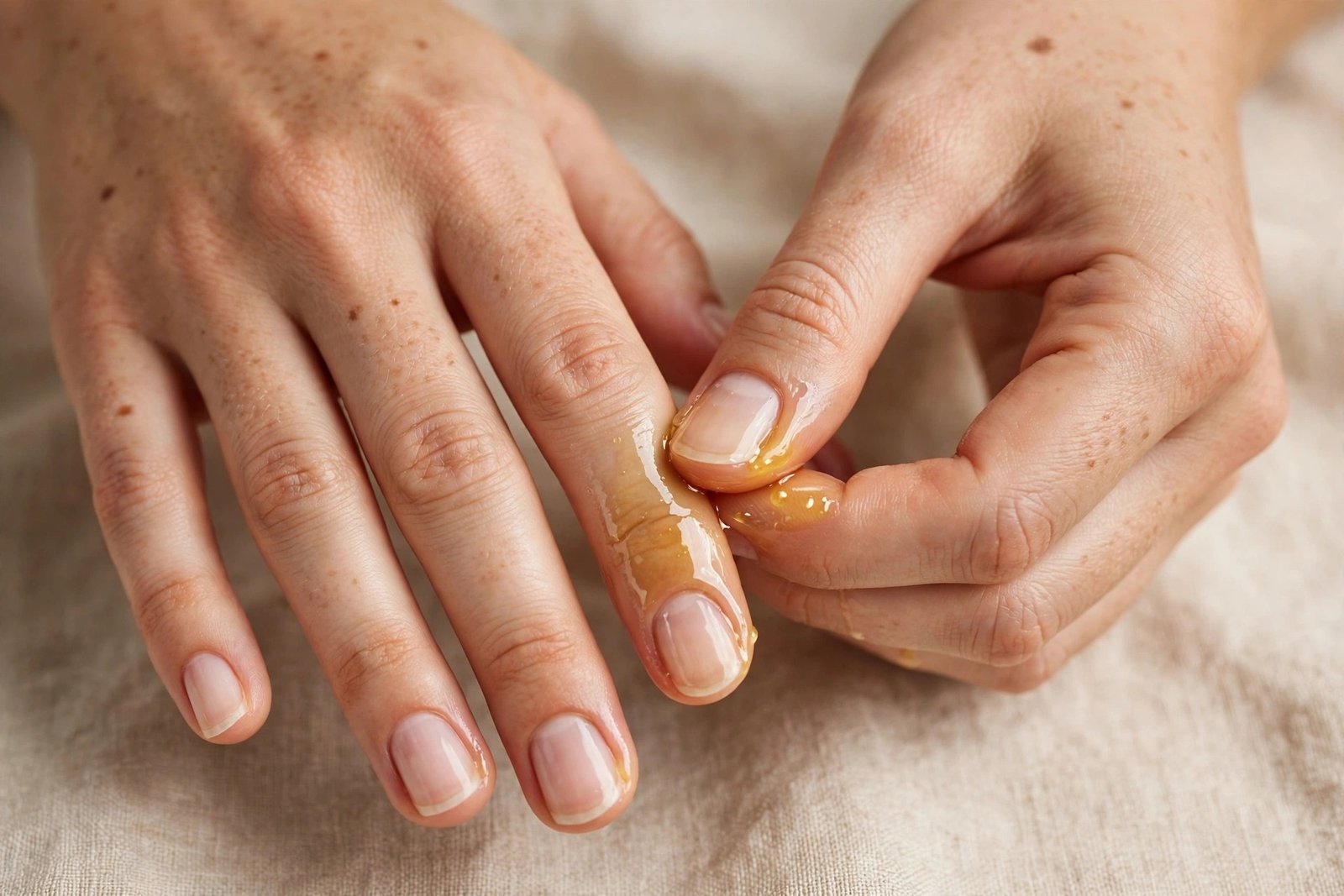
A vitamin E oil treatment uses the rich, golden oil from vitamin E capsules, or a bottled version, massaged directly into the nails and cuticles to nourish and protect them. Vitamin E is a powerful antioxidant that helps repair damaged skin, softens rough cuticles and supports healthy cell growth around the nail matrix. Its thick texture forms a protective layer that locks moisture in, so nails stay flexible rather than drying out and cracking.
This treatment suits people with dry, damaged or slow-growing nails, and anyone with rough, cracked cuticles that never seem to heal. It is ideal after gel or acrylic removal, when the nail plate needs intensive repair, and for people who work outdoors or wash their hands often. It also helps older adults and anyone whose nails have become thin with age.
Pierce a vitamin E capsule with a clean pin, or pour a few drops of bottled oil onto each nail. Massage the oil into the nail plate and cuticle with small circles for about a minute per hand, pushing the cuticle back gently as you go. Use it every evening before bed, and for a deeper treatment, apply a generous layer and wear cotton gloves overnight.
20. Keratin Treatment
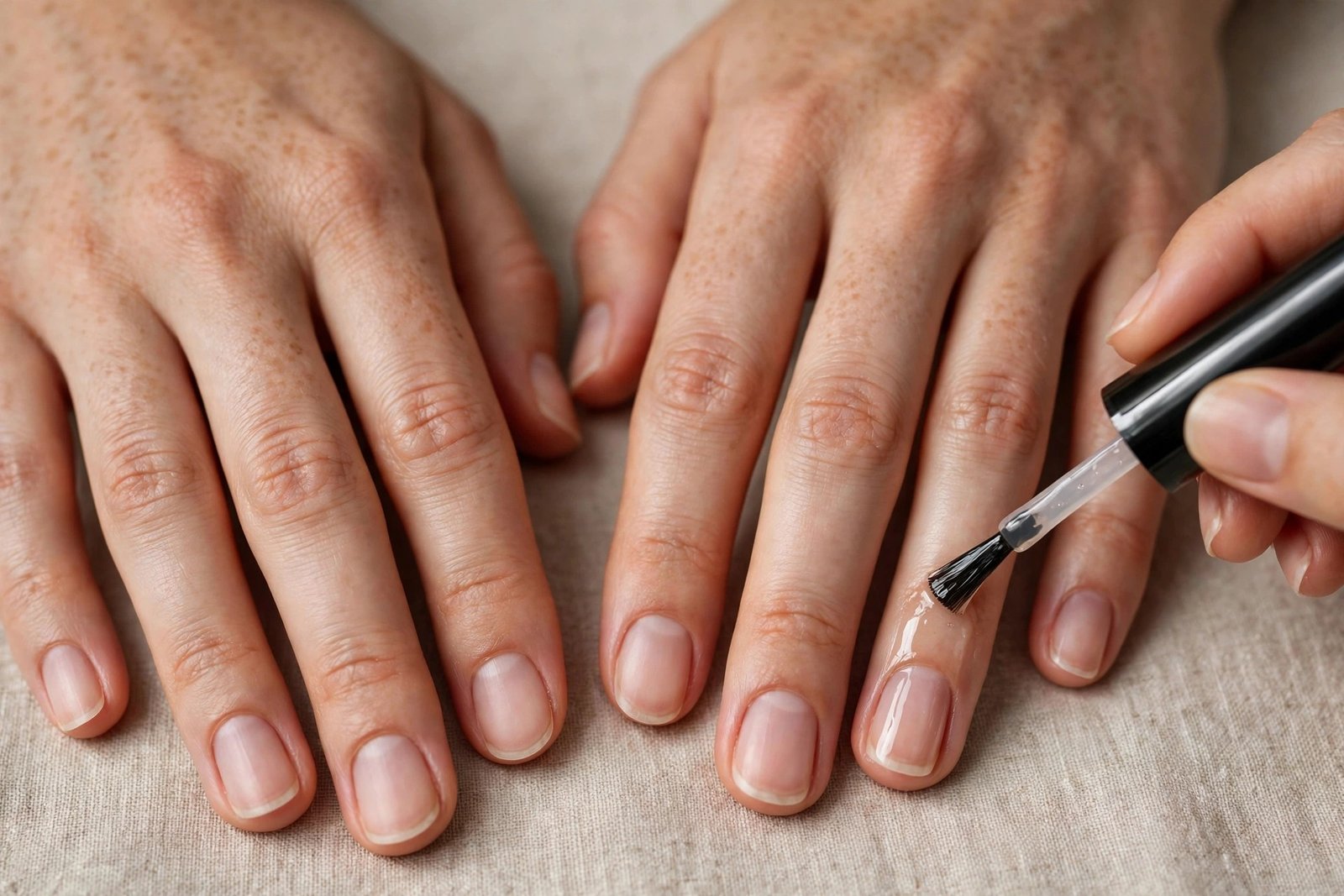
A keratin treatment for nails is a professional or at-home product that deposits keratin, the same protein nails are made of, onto and into the nail plate to fill gaps, smooth ridges and add strength. It works like a protein filler for weak spots, bonding to the nail surface and making it feel harder and more resilient within a few applications.
This treatment suits people with thin, peeling or damaged nails, especially after removing enhancements, and anyone whose nails feel soft and bendy despite good care. It is ideal before a special event, when you want stronger nails quickly, and for people who have tried oils and strengtheners without enough improvement. It also helps those with naturally thin nails who want a little extra support.
Choose a reputable keratin nail treatment and apply it to clean, dry, polish-free nails, following the product instructions carefully. Brush on a thin coat, let it dry, and repeat daily for a week, then maintain it two or three times a week. Do not overuse it, since too much protein can make nails stiff and brittle, and always pair it with cuticle oil to keep the nail balanced.
21. Silk Wrap Repair
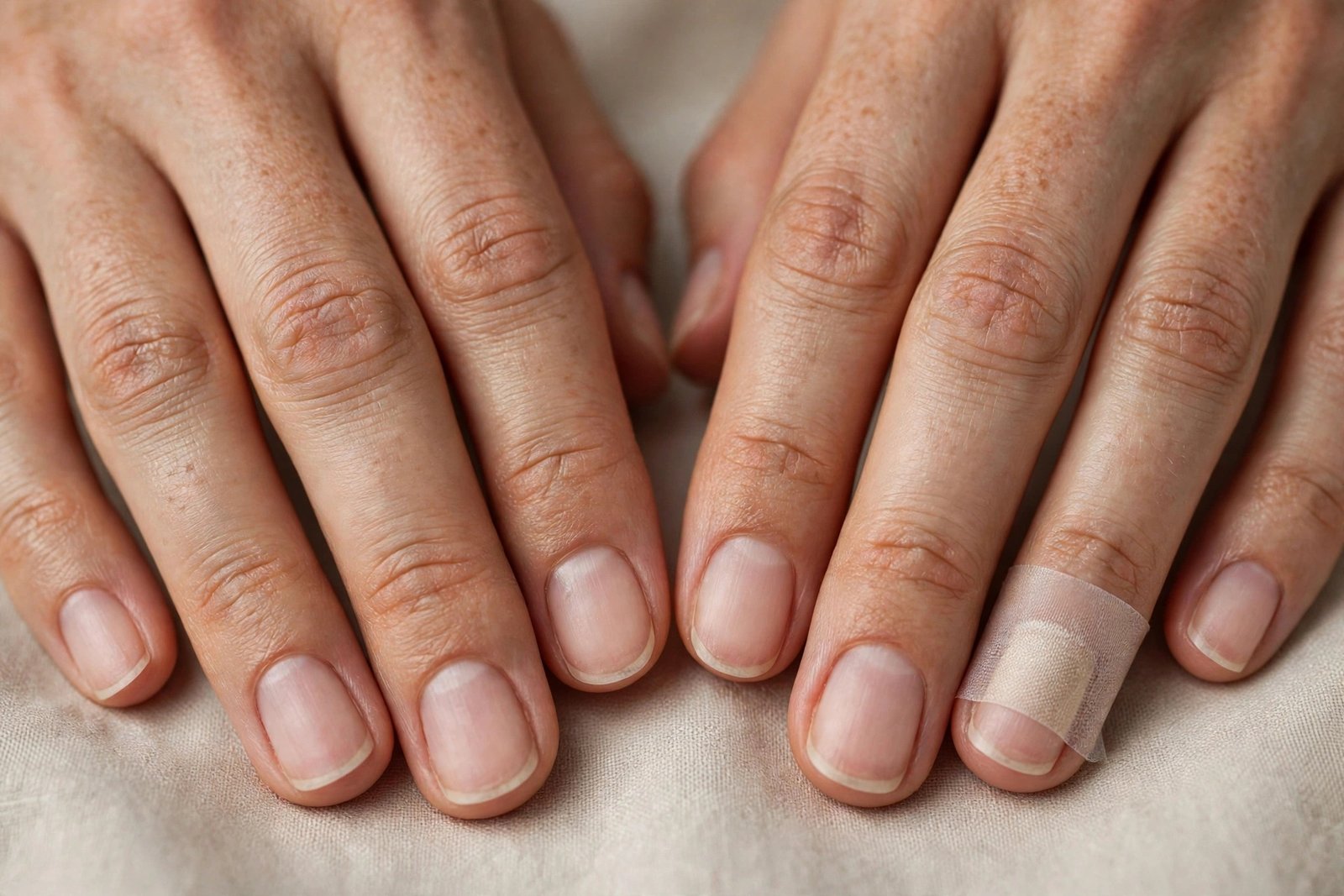
A silk wrap repair is a classic nail technique in which a tiny piece of fine silk fabric is glued over a crack or split, then sealed with resin, to hold the nail together while it grows out. The silk acts like a bandage and a splint at once, stopping the crack from spreading and letting you keep the length you worked so hard to grow.
This repair suits anyone with a single cracked or split nail they do not want to cut short, and people whose nails split in the same place again and again. It is ideal before a holiday or event, when losing length would ruin a manicure, and for people growing their nails who hit one stubborn weak spot. It also helps those with thin nails that split at the sides.
Clean the nail and gently file the cracked area smooth, then cut a piece of silk wrap to cover the crack with a small margin. Apply a thin layer of nail glue, press the silk into place, and let it dry. Add a second layer of glue or resin over the top, let it dry completely, then buff the surface smooth with a fine buffer.
22. Nail Hardener Polish
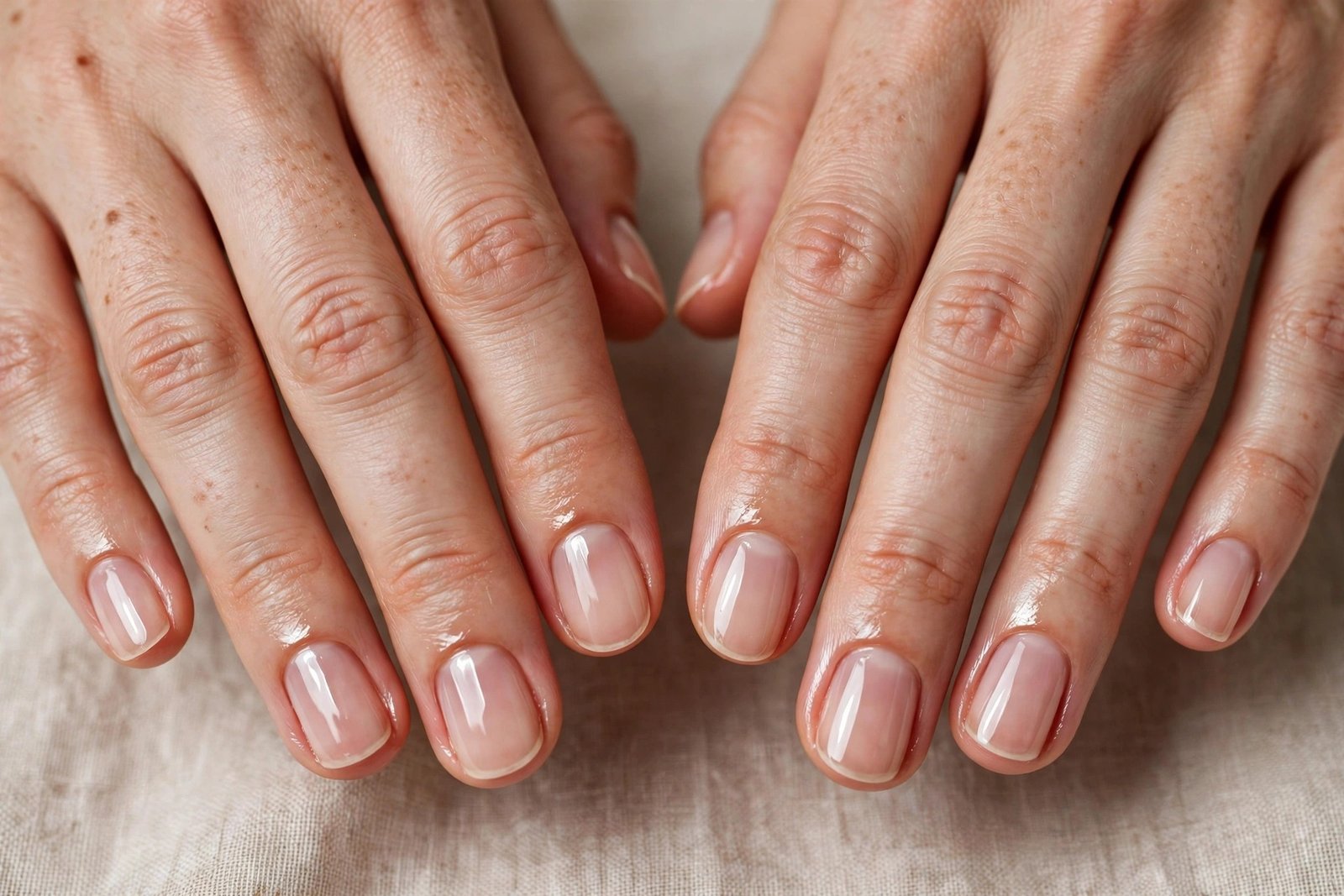
Nail hardener polish is a treatment coat, often containing formaldehyde-free strengthening agents or nylon fibres, that dries into a tough, glossy shield over the natural nail. It protects the plate from water, knocks and everyday wear, and it stops the free edge from bending and peeling. Unlike a simple base coat, a hardener is designed to be worn as a standalone treatment, and many people use it as their everyday nail look.
This polish suits people with soft, flexible nails that bend instead of holding their shape, and anyone whose nails chip or peel within days of a manicure. It is ideal for people who prefer a natural look but want protection, and for those growing out damage who need a shield while the new nail emerges. It also helps active people and anyone who works with their hands.
Apply the hardener to clean, dry, bare nails in two thin coats, letting each coat dry fully before adding the next. Wear it alone for a natural shine, or under coloured polish as a protective base. Reapply a fresh coat every two to three days, and remove it completely once a week to let the nail rest and to apply cuticle oil.
23. Ridge Filler Base Coat
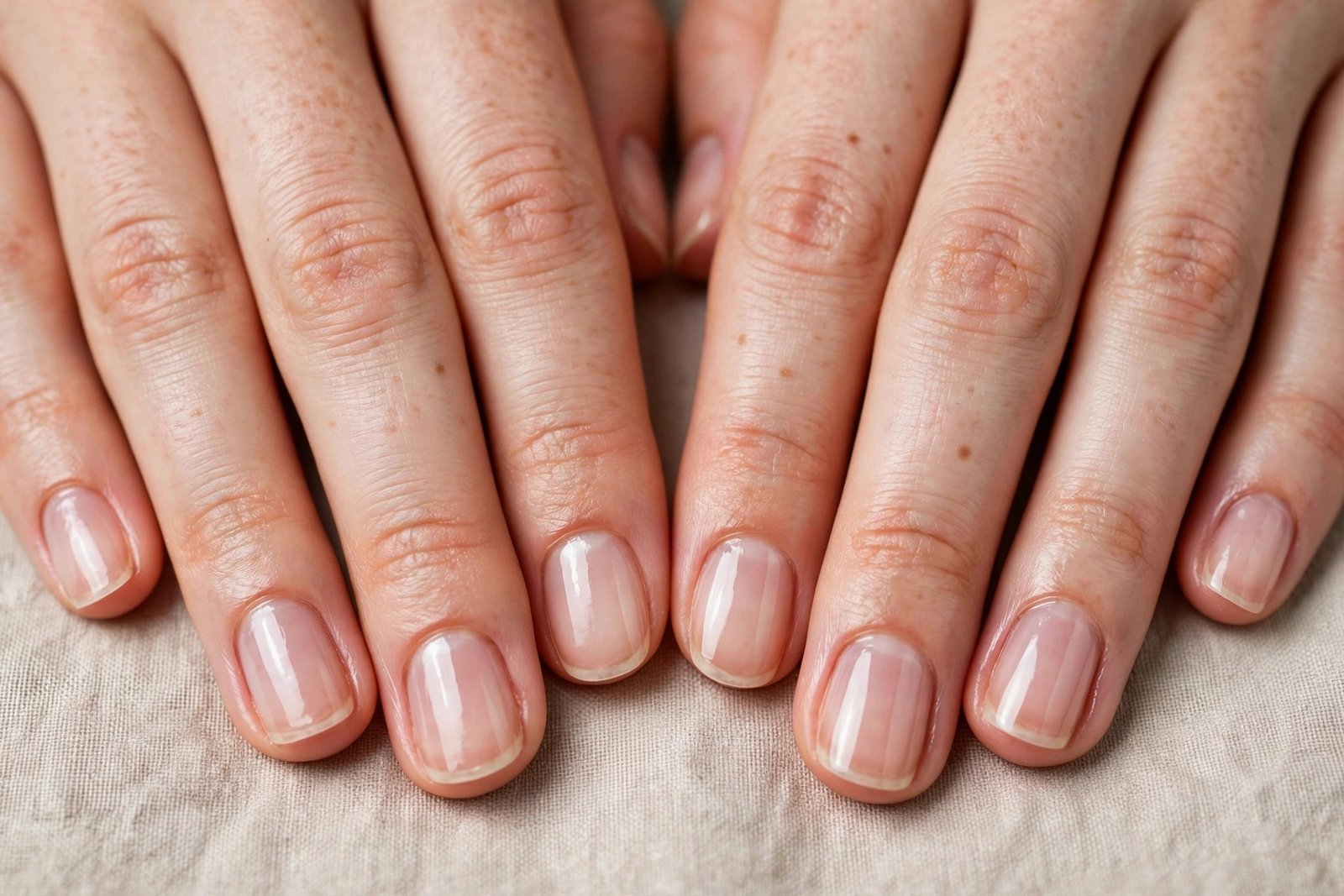
A ridge filler base coat is a slightly thicker, milky base coat that fills in the fine vertical ridges many people have on their nails, leaving a smooth, even surface for polish. Ridges are usually a normal sign of ageing or dryness, but they catch the light, make polish look uneven and can weaken the nail where the grooves are deepest.
This product suits anyone with visible vertical ridges, uneven nail surfaces, or nails that look dull and rough even after buffing. It is ideal for older adults, whose ridges deepen with age, and for people whose nails have been damaged by over-buffing or harsh removal. It also helps anyone who loves dark or metallic polish, since those shades show every ridge.
Start with clean, dry nails and apply one thin coat of ridge filler, brushing from the cuticle to the free edge. Let it dry fully, then add a second thin coat if the ridges are deep, and let that dry too. Follow with your coloured polish or wear the filler alone for a smooth, natural look. Remove it gently with acetone-free remover after a few days, and always moisturise the nails and cuticles after removal.
24. Moisturising After Handwashing
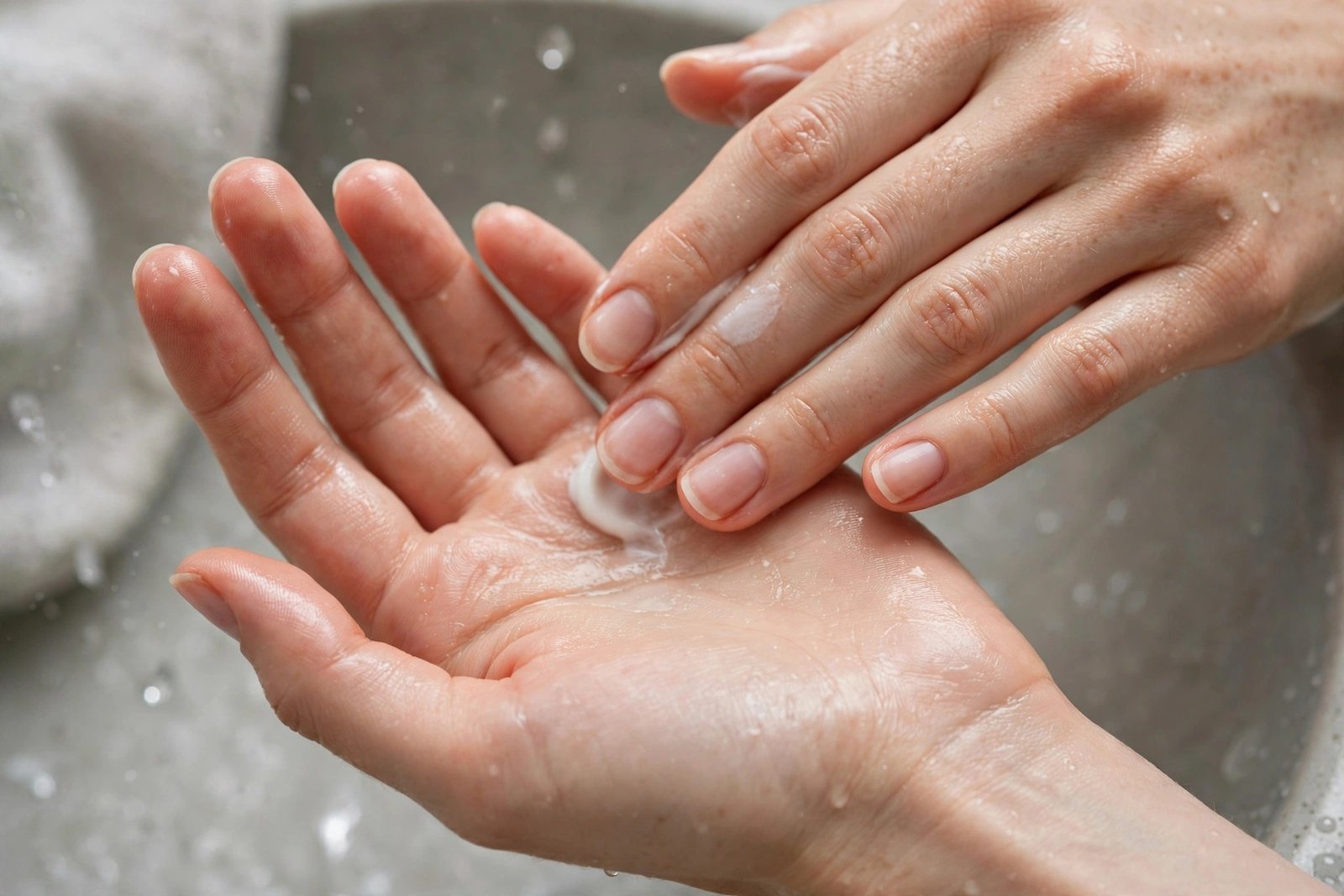
Moisturising after handwashing means applying hand cream or cuticle oil every single time you wash your hands, while the skin is still slightly damp, to trap moisture in before it evaporates. Soap strips natural oils from the skin and nails, and if you skip the cream, the hands dry out, the cuticles crack and the nail plate loses flexibility. A quick dab of cream takes ten seconds and breaks the cycle of wash, dry out.
This habit suits everyone, and it is vital for people who wash their hands many times a day, including parents, cooks, cleaners and healthcare workers. It is essential in winter, when cold air dries hands even faster, and for anyone with eczema or cracked skin around the nails. It also helps people whose nails peel despite using good products, since the damage often comes from repeated washing without moisturising.
Keep a small tube of hand cream beside every sink, at your desk and in your bag, so it is always within reach. After washing, pat your hands dry, then smooth a pea-sized amount of cream over your hands, nails and cuticles while the skin is still slightly damp. Choose a cream with glycerine, shea butter or ceramides for the best results.
25. Overnight Hand Mask
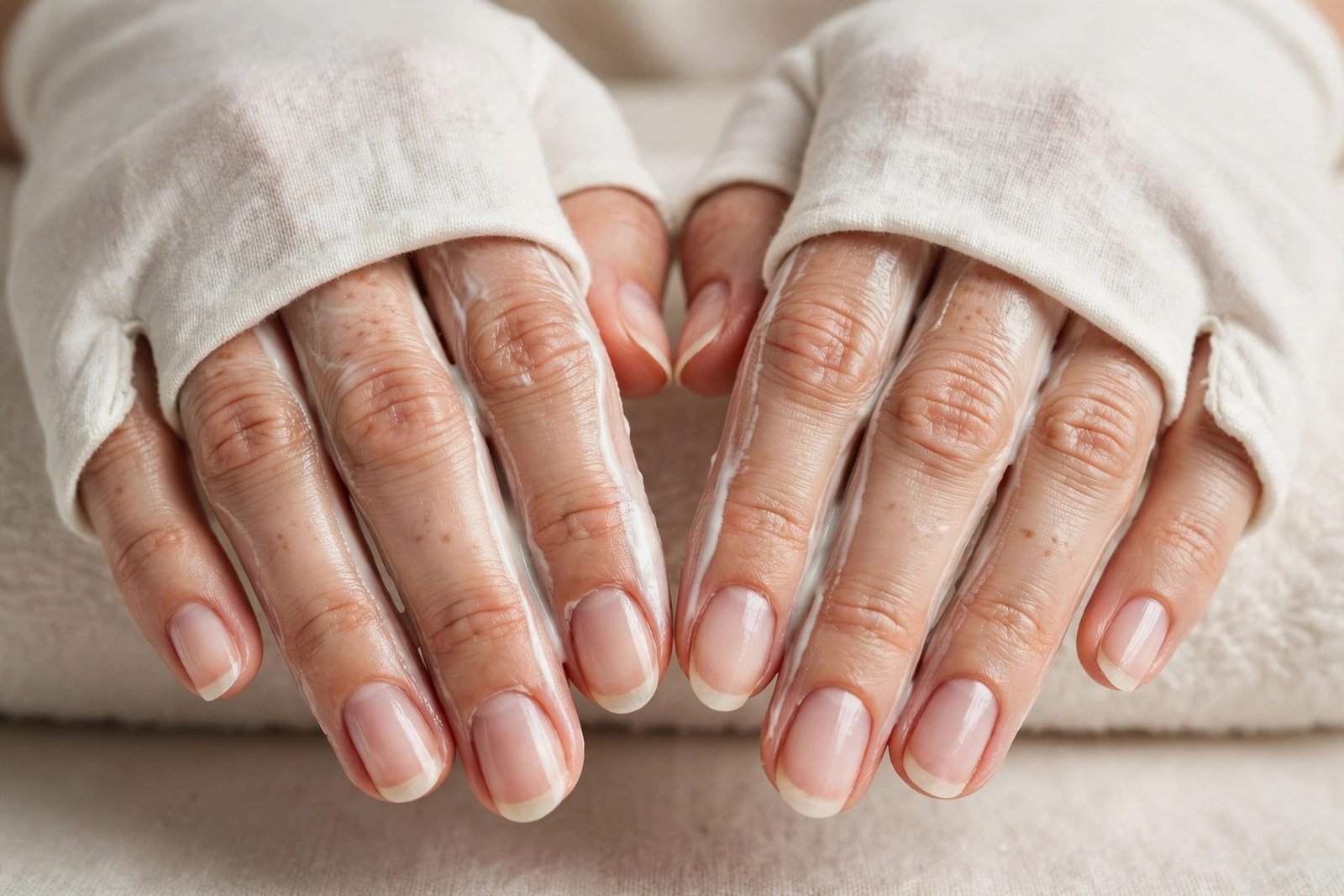
An overnight hand mask is an intensive treatment in which a thick layer of cream, oil or a dedicated hand mask is applied before bed and left to work for seven or eight hours under cotton gloves. The long, warm, sealed contact lets moisture and nutrients sink deep into the skin and nail plate, far more than a daytime cream ever could.
This mask suits people with very dry hands, cracked cuticles, or nails that feel brittle no matter how much daytime cream they use. It is ideal in winter, after a long week of housework, or before a special occasion when your hands need to look their best. It also helps older adults and anyone recovering from gel or acrylic damage.
Before bed, wash your hands with lukewarm water and pat them dry. Massage a generous layer of thick hand cream or a mix of cream and cuticle oil over your hands, nails and cuticles. Slip on clean cotton gloves, and if you want extra intensity, add a layer of petroleum jelly first. Sleep in the gloves, then remove them in the morning and massage in any remaining product. Repeat once or twice a week.
26. Cuticle Pushing Without Cutting
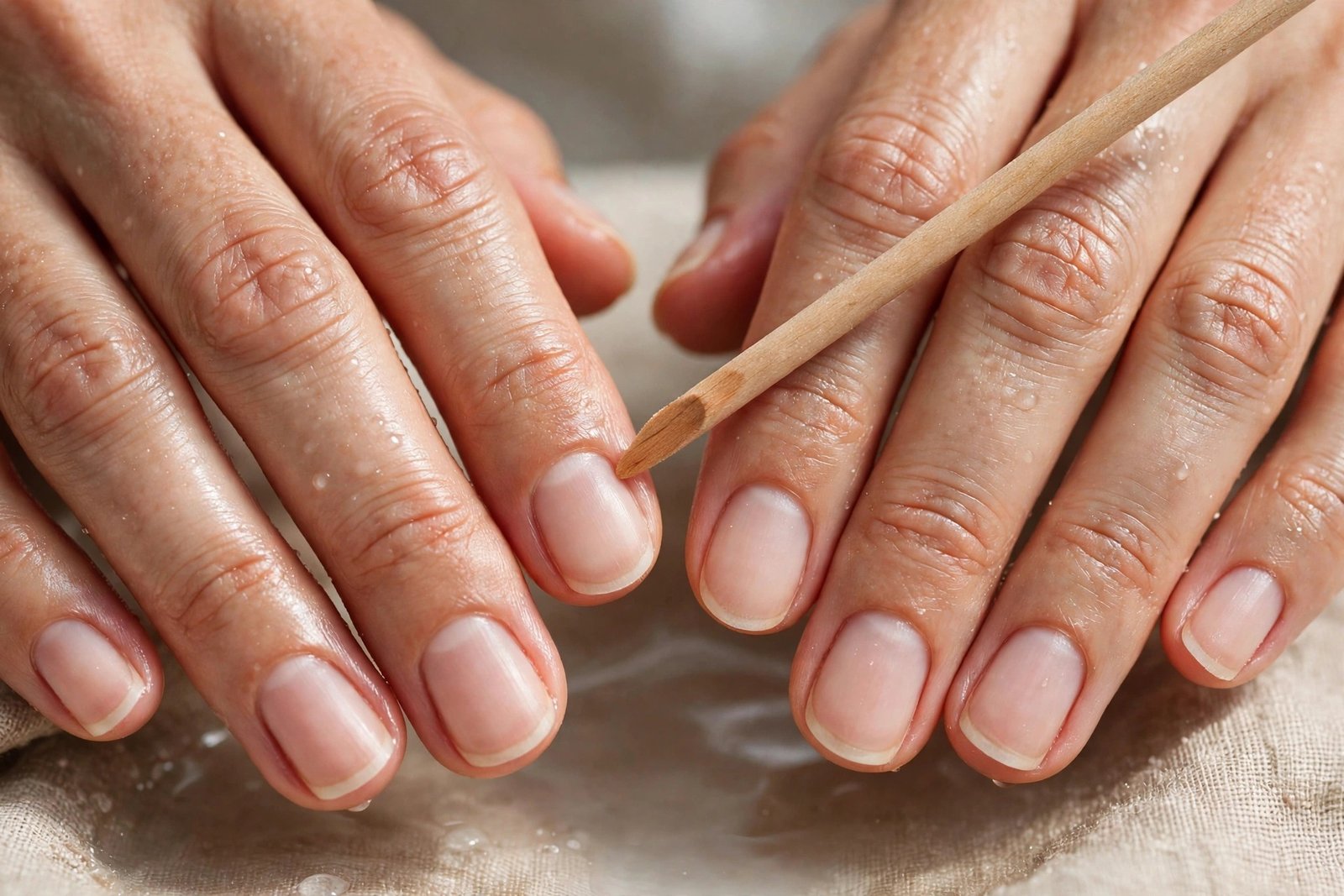
Cuticle pushing without cutting means gently easing the cuticle back with a wooden orangewood stick or a soft rubber pusher, instead of trimming it away with nippers. The cuticle is a living seal that protects the nail matrix from water and germs, and cutting it opens the door to infection, ragged regrowth and damage to the growing nail. Pushing it back after a shower, when the skin is soft.
This method suits everyone, but it matters most for people who have cut their cuticles for years and now suffer from ragged, sore or infected skin around the nails. It is ideal for anyone prone to hangnails, and for people whose nails grow with ridges or weak spots that trace back to cuticle damage. It also helps anyone who wants a longer-looking nail bed without risking their nail health.
After a warm shower or hand soak, apply a drop of cuticle oil and let it soften the skin for a minute. Use the flat end of an orangewood stick to gently push the cuticle back toward the finger, using light pressure and small movements. Never force it, never scrape the nail plate, and never push hard enough to hurt. Wipe away any loose dead skin, apply more oil, and repeat once a week.
27. Calcium-Rich Foods
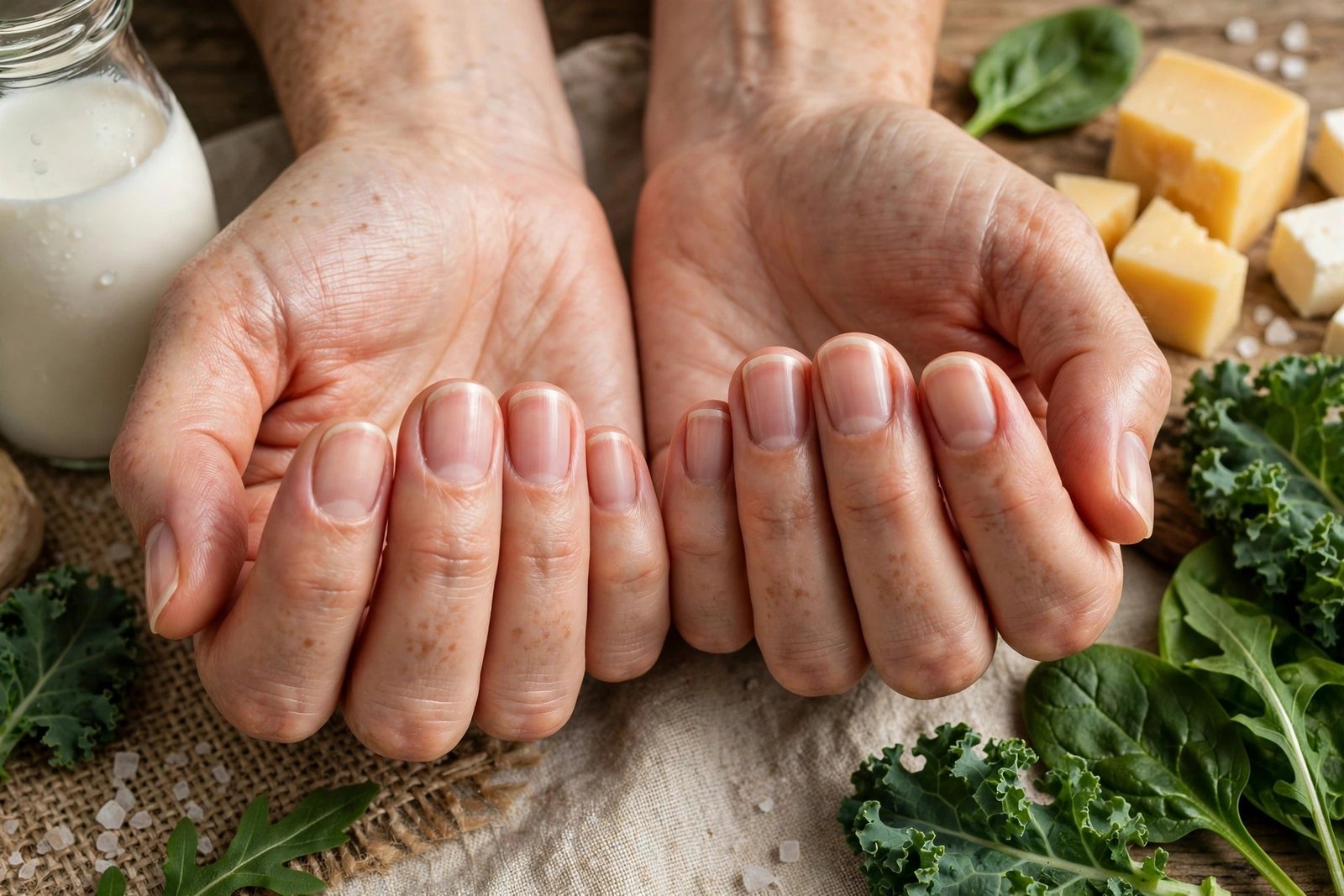
Calcium-rich foods support nail strength because calcium helps build and maintain the hard, mineralised structure of the nail plate and the skin around it. While nails are mostly keratin, the small amount of calcium they contain contributes to their hardness and resistance to bending. Milk, yoghurt, cheese, leafy greens, almonds and fortified plant milks are all good sources, and eating them regularly helps the body keep nails and bones strong together.
This approach suits people who rarely eat dairy, vegans who need plant-based calcium, and older adults, whose calcium needs rise with age. It is ideal for teenagers, whose nails and bones are still growing, and for anyone who has noticed their nails become softer over time. If your nails bend like paper and your diet is light on dairy or greens, adding calcium-rich foods is a sensible, simple step.
Include a calcium-rich food at each meal, such as yoghurt or milk at breakfast, cheese or leafy greens at lunch, and almonds or fortified milk at dinner. Pair calcium foods with vitamin D, from sunlight or fortified foods, since vitamin D helps the body absorb calcium properly. If you avoid dairy, choose fortified oat or soy milk and eat plenty of kale, broccoli and sesame seeds.
28. Iron-Rich Foods
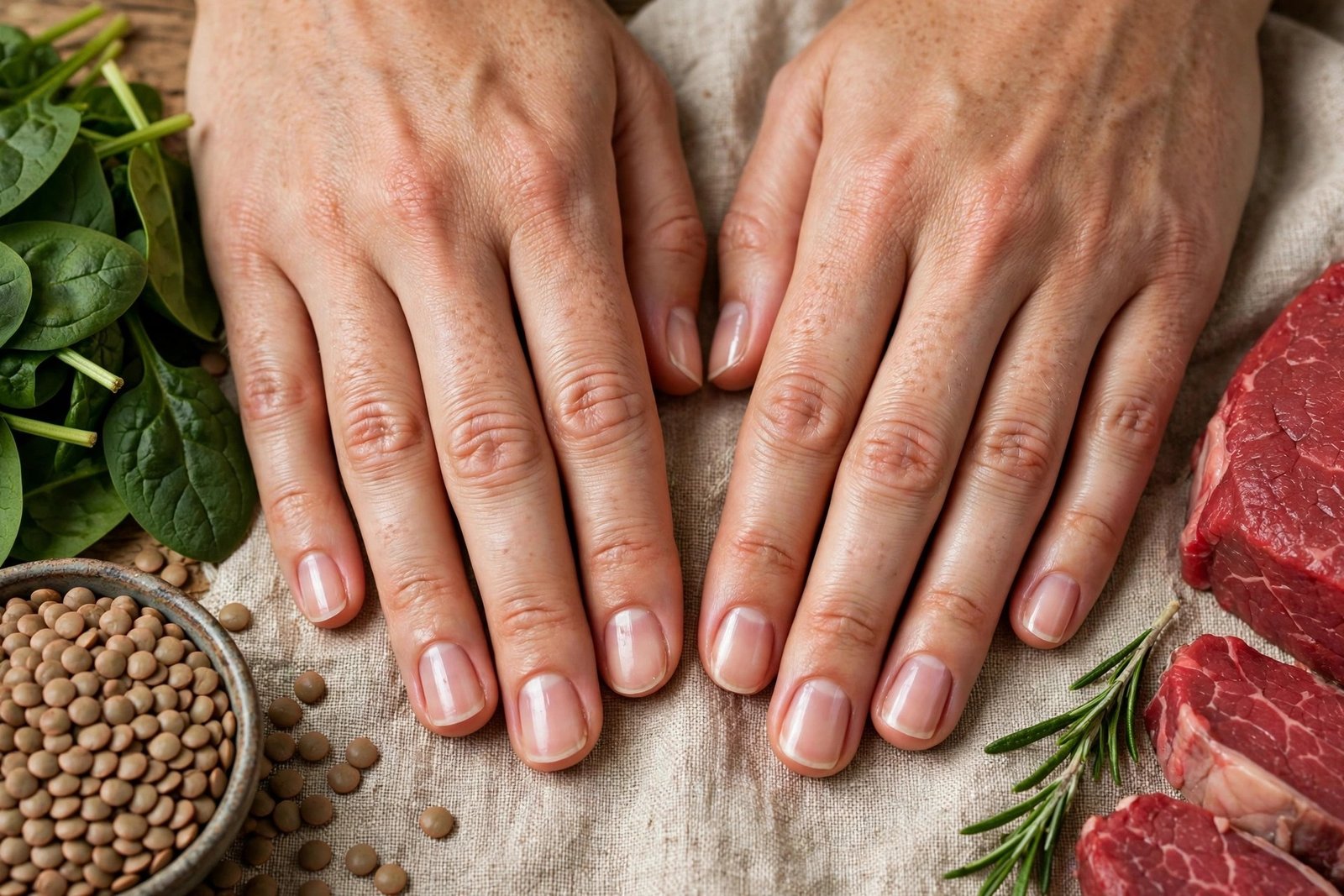
Iron-rich foods matter for strong nails because iron carries oxygen in the blood, and the nail matrix needs a steady supply of oxygen to grow healthy new cells. When iron is low, nails often become thin, pale and spoon-shaped, a condition called koilonychia, and they break far more easily than normal. Red meat, lentils, spinach, beans and fortified cereals are all good sources.
This approach suits people who feel tired often, women with heavy periods, vegetarians and vegans, and anyone whose nails are pale, thin or spoon-shaped. It is ideal for people who have been told they are low in iron, and for anyone whose nails weakened after illness or a restricted diet. It also helps athletes and teenagers, who have higher iron needs.
Eat an iron-rich food every day, such as lentils or spinach at lunch and red meat, beans or fortified cereal at dinner. Pair plant iron with vitamin C, for example lentils with tomatoes or spinach with lemon juice, to boost absorption. Avoid drinking tea or coffee with iron-rich meals, since they block absorption. If a blood test confirms low iron, follow your doctor’s advice on supplements rather than guessing the dose yourself.
29. Limiting Hot Water Exposure
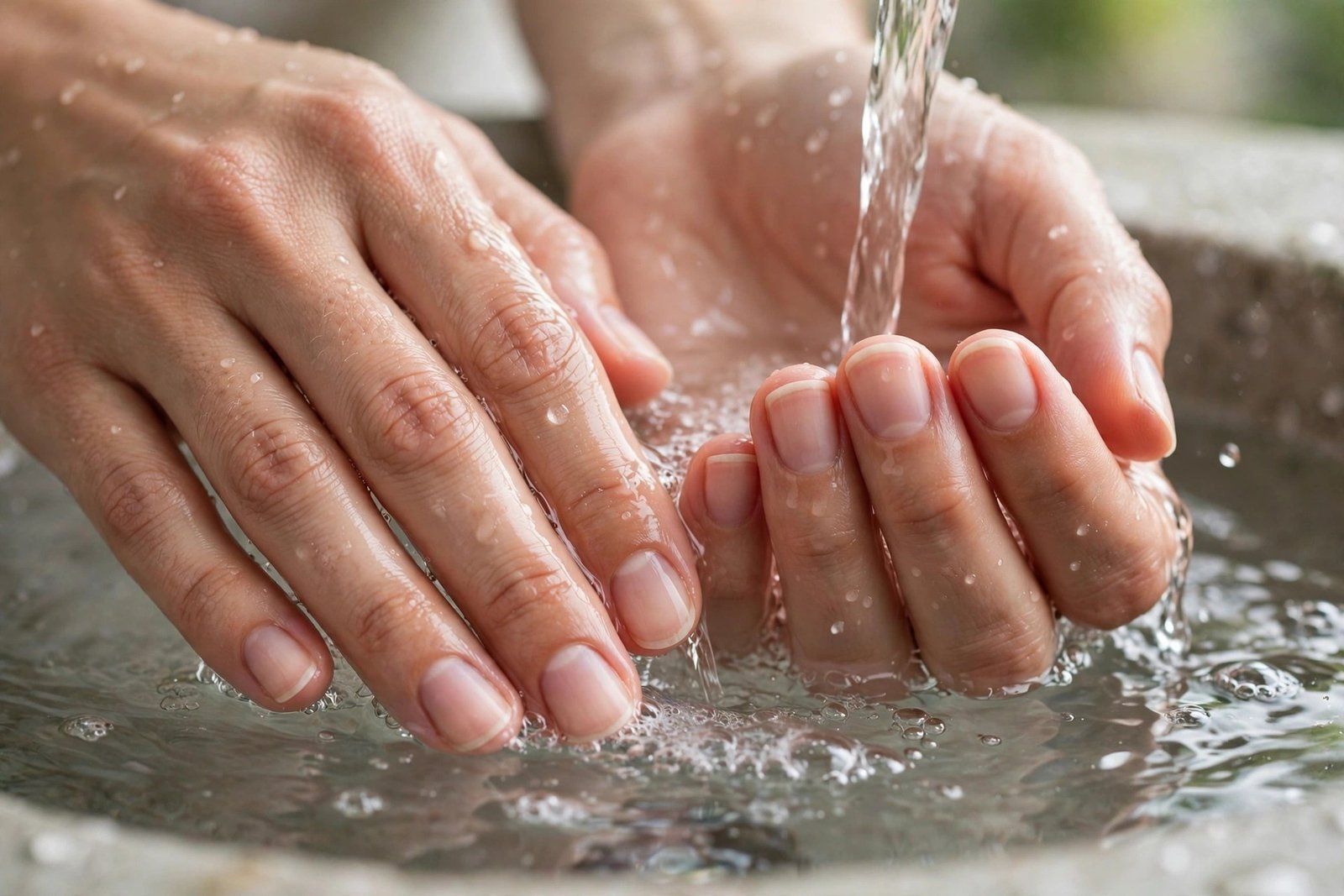
Limiting hot water exposure protects nails because hot water strips natural oils from the nail plate faster than lukewarm water, and it makes the nail swell more, which weakens the layers as it dries. Long hot showers, hot dishwater and frequent handwashing in very hot water all leave nails soft, swollen and prone to peeling. Using lukewarm water instead keeps the nail stable, preserves its natural oils and still cleans perfectly well.
This habit suits everyone, and it matters most for people who take long hot showers, wash dishes by hand in hot water, or work in kitchens and cleaning jobs. It is essential for anyone with peeling, splitting or soft nails, since heat and water together are a leading cause of layer separation. It also helps people with dry skin or eczema around the nails.
Turn the tap down to lukewarm before washing your hands or doing the dishes, and keep showers warm rather than scalding. Wear gloves for dishwashing and cleaning, even if the water feels comfortable, since long soaking is damaging at any temperature. After washing, pat your hands dry and apply cream or oil straight away. If you love hot baths, keep your hands out of the water as much as possible, and moisturise well afterwards.
30. Using a Glass Nail File
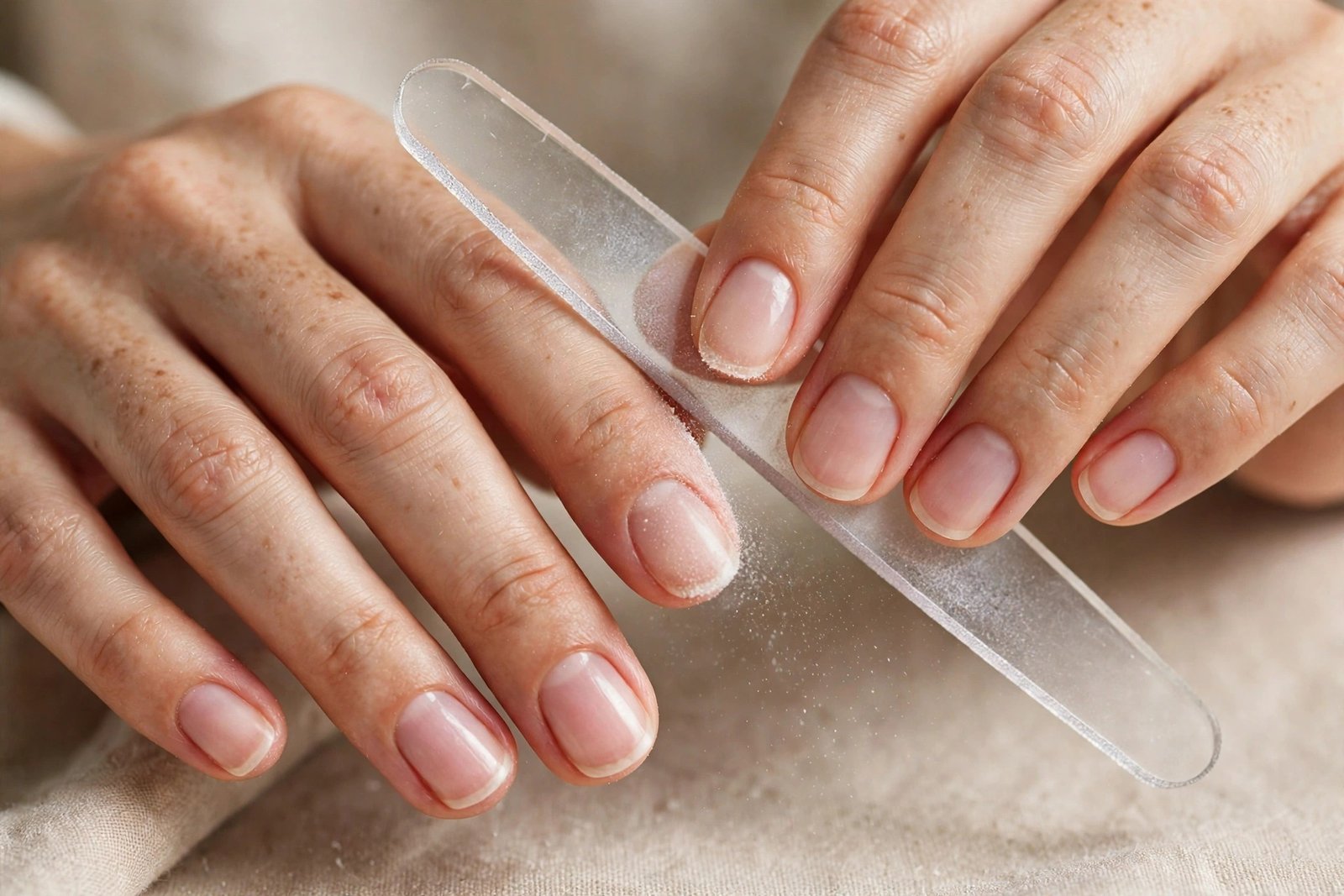
Using a glass nail file means shaping your nails with a smooth, finely etched glass file instead of a rough emery board, and it is gentler on the nail edge in every way. Glass files have a very fine, even grit that seals the free edge as it files, leaving it smooth and far less likely to peel or split.
This tool suits everyone, but it matters most for people with thin, peeling or fragile nails that split after every filing. It is ideal for anyone growing their nails longer, since a sealed edge is essential for length, and for people who file often. It also helps those with sensitive skin, since glass files are hygienic and easy to clean.
Choose a good-quality glass file and keep it in its protective case so it does not chip. File dry nails in one direction, from the side toward the centre, using light, even strokes, and lift the file after each stroke. Check the edge by running your fingertip across it, and smooth any rough spots with the finest part of the file.
31. Regular Professional Manicures
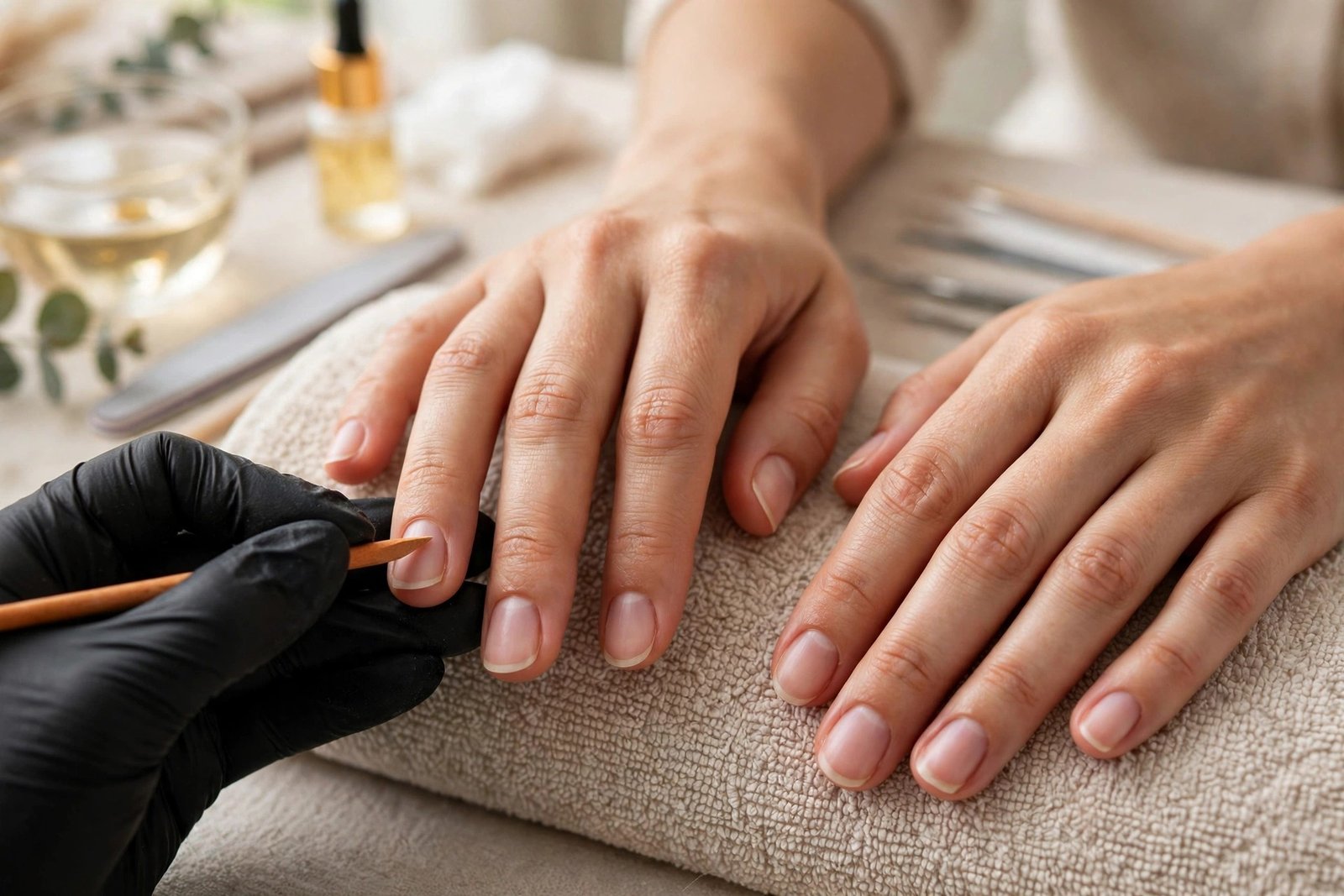
Regular professional manicures give your nails expert care that is hard to match at home, because a trained technician can shape, clean and treat your nails safely and spot problems early. A good manicure includes gentle filing, careful cuticle care, a nourishing massage and a protective base coat, all done with clean, professional tools. It also gives you a regular check-in, so damage, infection or changes in the nail are noticed before they become serious.
This treatment suits anyone who wants healthier nails but struggles to keep up a home routine, people with damaged nails that need expert shaping, and anyone who finds cuticle care difficult or painful to do themselves. It is ideal before weddings, holidays or job interviews, and for people who love polished nails but want them applied safely. It also helps older adults and anyone with limited hand mobility.
Book a reputable salon with clean tools and a good hygiene record, and go every three to four weeks. Tell the technician about your nail concerns, such as peeling or splitting, and ask them to push cuticles back rather than cut them. Between visits, keep up your oil, cream and filing routine, so each manicure builds on the last instead of starting from scratch.
32. Nail Growth Serum Routine
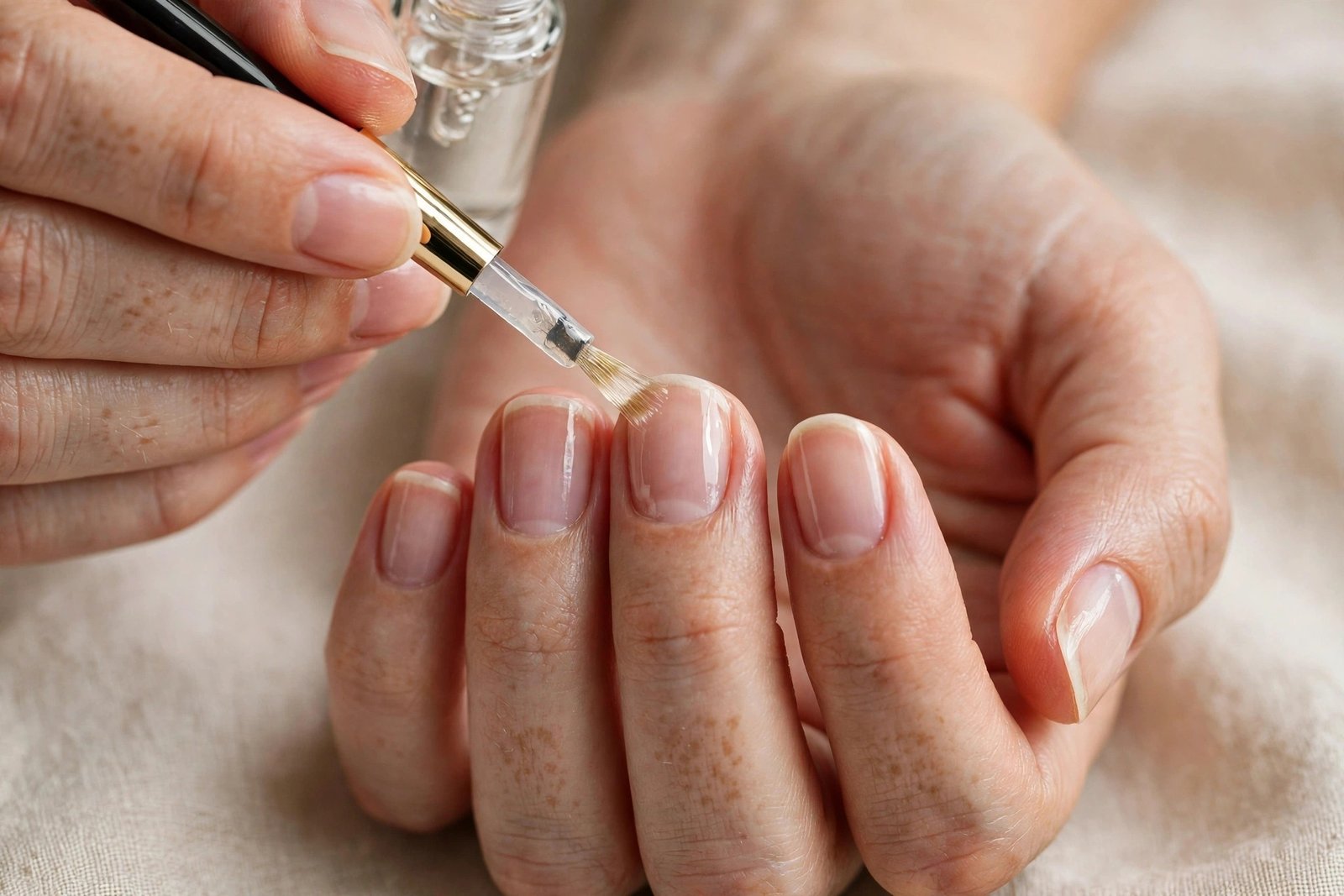
A nail growth serum routine means applying a dedicated serum, usually a blend of peptides, vitamins, plant extracts and moisturising oils, to the nails and cuticles once or twice a day to support faster, stronger growth. Serums are lighter than oils and absorb quickly, delivering active ingredients directly to the nail matrix and the skin around it. They help the nail grow thicker and more resilient, reduce breakage at the free edge.
This routine suits people who want to grow their nails longer, anyone with slow-growing or thin nails, and people recovering from gel or acrylic damage. It is ideal for those who find oils too heavy or greasy, since serums sink in fast and leave no residue. It also helps regular polish wearers, who can apply serum to the cuticle even when polish is on.
Choose a serum with peptides, biotin, vitamin E or keratin, and apply it to clean nails and cuticles morning and night. Brush or drop a small amount onto each nail, massage it in for a few seconds, and let it absorb before applying hand cream. Keep the bottle beside your toothbrush or on your bedside table so you never forget it.
How to Build Strong Nails at Home
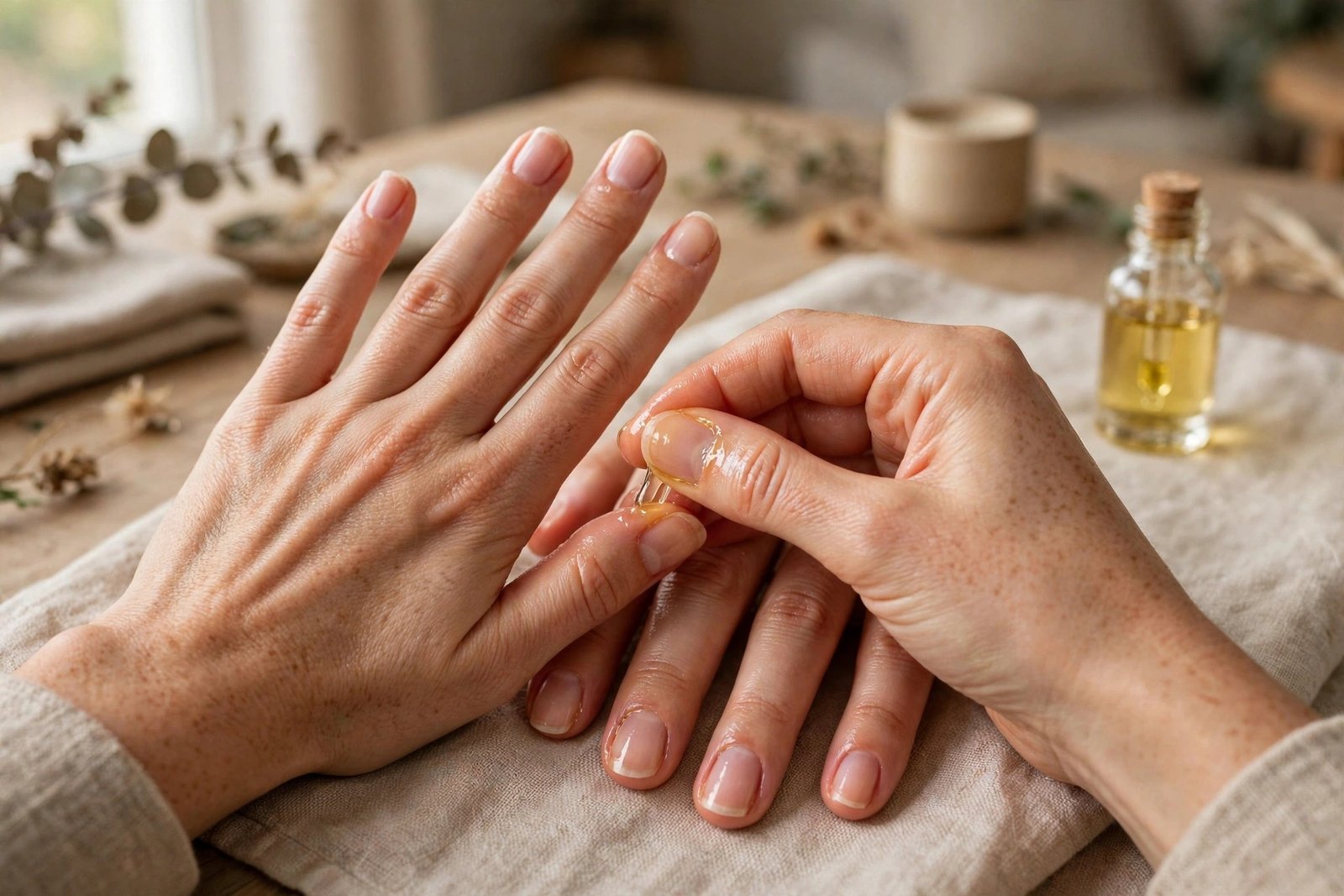
Start your morning by looking after your nails before the day gets busy. Wash your hands with lukewarm water and a gentle soap, pat them dry, then massage one drop of cuticle oil into each nail. Follow with a thin coat of nail strengthener if your nails are bare, or a moisturising hand cream if you wear polish. This takes less than two minutes, yet it seals in moisture, protects the nail plate and sets your nails up to survive the day. Keep the oil and cream on your bathroom shelf so the routine becomes as automatic as brushing your teeth.
During the day, protect your nails from the two things that damage them most: water and misuse. Wear gloves for washing up and cleaning, use tools instead of your nails to open things, and reapply hand cream after every wash, while your hands are still slightly damp. If you type all day, keep your nails short and shaped into a soft squoval so they do not catch on keys. A quick look at your nails at lunchtime is enough to catch a snag early, file it smooth, and stop a small chip becoming a painful break. A chrome nails finish is a low-damage choice once nails feel strong.
At night, give your nails a proper chance to recover while you sleep. Remove any polish gently with an acetone-free remover if it is chipped or a week old, then wash your hands and pat them dry. Massage in vitamin E oil or a nail serum, push the cuticles back very gently with an orangewood stick, and finish with a thick layer of hand cream. Once or twice a week, add an overnight mask with cotton gloves for a deeper treatment. Your nails do their growing and repairing overnight, so this evening routine is the most valuable part of the whole day.
Once a week, set aside fifteen minutes for a proper maintenance session. Trim your nails straight across if they need shortening, then file them in one direction with a glass file into a neat squoval shape. Soak your fingertips in warm jojoba oil for ten minutes, push the cuticles back gently, and apply a ridge filler or strengthener if you like a smooth finish. This weekly session keeps the shape even, the edges sealed and the cuticles tidy, so daily care stays easy. It is also the perfect time to check for any damage, discolouration or changes worth watching.
Finally, support the whole routine from the inside by eating and drinking well every day. Include protein at every meal, add biotin, zinc and omega-3 foods through the week, and drink six to eight glasses of water. Give your nails a polish break for a week every month, remove gel safely by soaking rather than peeling, and book a professional manicure every three to four weeks if you can. Track your progress with a monthly photo, and remember that nails grow slowly, so judge the routine after three months, not three days, and enjoy watching your nails grow stronger week by week.
Frequently Asked Questions
How long does it take to get stronger nails?
It usually takes six to eight weeks to notice a real improvement, and three to six months for a nail to fully replace itself. Nails grow roughly three to four millimetres a month, so the stronger nail you grow today will only reach the fingertip after several months. You may feel a difference sooner, with less bending and peeling within a few weeks of oiling, filing gently and protecting your hands, but the full transformation takes patience. Keep a monthly photo to track progress, and judge the routine after three months of consistent care, not after a few days.
Can weak nails be fixed?
Yes, weak nails can almost always be improved, and often fixed completely, with the right routine. Most weakness comes from habits that damage the nail plate, such as peeling off gel, over-filing, constant soaking or using nails as tools, and changing those habits lets the nail grow back strong. Oils, strengtheners and a good diet support the new growth, while gloves and gentle filing protect it. If your nails stay weak despite three months of careful routine, or they look discoloured, ridged or painful, see a doctor or dermatologist to check for an underlying cause.
Do supplements help nails grow stronger?
Supplements can help if your diet is low in the nutrients nails need, especially biotin, zinc, iron or vitamin D, but they are not a magic fix on their own. Food is usually the better first step, since eggs, fish, nuts, seeds and leafy greens provide these nutrients in a form the body absorbs well. Biotin supplements have the most evidence for brittle nails, but results take three to six months and very high doses are not necessary. Always check with a doctor or pharmacist before starting a supplement, especially if you take other medicines.
When should I see a professional about my nails?
See a professional if your nails are painful, swollen, bleeding or infected, if they separate from the nail bed, or if they change colour, shape or thickness suddenly. A dermatologist can check for fungal infection, psoriasis, thyroid problems or low iron, all of which can affect nails. A nail technician can help with shaping, silk wrap repairs and safe gel removal, but they cannot diagnose medical problems. If home care has not improved your nails after three months, or you notice dark streaks, persistent pain or nails that lift away, book an appointment promptly.
Why do my nails keep peeling?
Nails peel when the layers of the nail plate separate, and the most common causes are repeated soaking in water, harsh removers, peeling off polish or gel, and filing back and forth instead of in one direction. Hot water and detergents make it worse by swelling the nail and stripping its natural oils. To stop peeling, wear gloves for cleaning, dry your hands straight after washing, use an acetone-free remover, file gently in one direction, and oil your nails daily. Keeping the nails short while they recover also helps, since a shorter free edge peels less.
Is it better to keep nails short while they recover?
Yes, keeping nails short while they recover is usually the smartest choice, because a shorter nail has less leverage to bend, catch and break. A short squoval shape spreads pressure evenly and lets the damaged part grow out without constant snapping. Once the new, stronger nail has grown past the fingertip, you can let the length increase gradually, a millimetre or two at a time. Think of it as a reset: a few weeks of short nails now buys you months of strong, longer nails later, and a neat short manicure still looks polished and elegant.
How often should I use cuticle oil?
Cuticle oil works best when used twice a day, once in the morning and once before bed, and after every handwash if your hands are washed often. A single drop per nail, massaged in for a few seconds, is enough to keep the cuticle soft and the nail plate moisturised. If your nails are very dry or damaged, use it three or four times a day for the first few weeks, and add an overnight treatment with cotton gloves once a week. Consistency matters more than quantity, so keep the bottle somewhere visible and make it part of your daily routine.
Does gel polish damage nails?
Gel polish itself does not have to damage nails, but poor application and especially poor removal often do. Peeling gel off lifts layers of the nail plate and leaves it thin and weak, while proper soaking removes it safely. Wearing gel continuously without breaks also dries the nail and hides damage underneath. To keep gel safe, choose a reputable salon, take a polish break of a week every month or two, remove gel only by soaking, and oil your nails daily. A clean, healthy natural nail is the best base for any gel manicure.
What foods make nails stronger?
The best foods for strong nails are those rich in protein, biotin, zinc, iron and omega-3, since these nutrients build keratin and keep the nail matrix healthy. Eggs, salmon, chicken, lentils, spinach, almonds, walnuts, pumpkin seeds and sweet potatoes are all excellent choices. Calcium-rich foods such as yoghurt, cheese and leafy greens add hardness, and drinking enough water keeps the nail flexible. A varied diet with protein at every meal will do more for your nails than any single superfood, so focus on balance and consistency rather than one magic ingredient.
Can I wear polish while growing stronger nails?
Yes, you can wear polish while growing stronger nails, as long as you use it kindly. Always start with a strengthening or ridge filler base coat, choose gentler formulas, and remove polish with an acetone-free remover rather than harsh acetone. Give your nails a bare break for a week every month, oil the cuticles daily even when polish is on, and avoid peeling polish off, which strips the top layer of the nail. A short, neat shape such as a short square nails style holds polish beautifully and is strong enough to survive daily life while your nails recover.
Conclusion
Strong nails are not built in a day, but they are built by days, one small habit at a time. The thirty-two methods in this guide work together as a complete system: gentle filing and safe removal protect the nail you have, daily oil and cream keep it flexible, and protein, biotin, zinc and omega-3 feed the nail you are growing. None of these steps is difficult or expensive on its own, yet together they transform nails that split and peel into nails that feel hard, look healthy and hold polish beautifully. Start with the easiest habits today, add a new one each week, and let consistency do the work.
Give yourself three months, take a photo at the start, and watch your nails change week by week as the stronger nail grows from the cuticle to the tip. Keep your nails at a practical length while they recover, protect them with gloves, and enjoy the small daily ritual of caring for your hands. When your nails finally feel strong enough to grow long, try the season’s elegant looks with confidence, knowing the beauty is built on genuinely healthy nails underneath. Strong nails are a habit, not a hope, and your hands deserve that care every single day.