Baroque Bob 2026: The Opulent Voluminous Haircut Taking Over (+10 Ideas)
What Is the Baroque Bob? 2026’s Most Dramatic Haircut Explained
Every few years, a haircut arrives that doesn’t just trend — it takes over. In 2026, that haircut is the Baroque Bob. Imagine the restraint of a classic bob thrown gloriously out the window and replaced with everything the Baroque era stood for: drama, volume, ornament, and unapologetic grandeur. This is not a quiet haircut. It is hair as architecture, hair as theater, hair as a statement that you have arrived.
The Baroque Bob takes the familiar jaw-to-shoulder silhouette and rebuilds it with sculpted volume, cascading movement, and rich, touchable texture. Think big, bouncy shapes that catch the light. Think curls with intention — not beachy and undone, but polished and deliberate, the way 17th-century portrait painters rendered silk and velvet. Stylists describe it as the love child of the Italian bob’s fullness and old-Hollywood glamour’s precision, finished with a distinctly 2026 sensibility: wearable, modern, and surprisingly versatile.
What makes it genuinely different from the bobs that came before it is the philosophy. The lob was about ease. The French bob was about nonchalance. The Baroque Bob is about presence. It is for the woman who wants her hair to enter the room half a second before she does — and honestly, who hasn’t felt like that at least once this year?
Search interest tells the story better than any editorial could. Queries for “baroque bob” have surged through 2026 as salon clients bring in screenshots and stylists report it as their most-requested “big change” cut of the season. It photographs beautifully, which matters in an era when your haircut debuts on camera before it debuts in person. But unlike many viral cuts, this one has real staying power, because underneath the drama there is genuine craftsmanship: clever layering, strategic weight distribution, and a shape that grows out gracefully.
Why the Baroque Bob Is Exploding in 2026
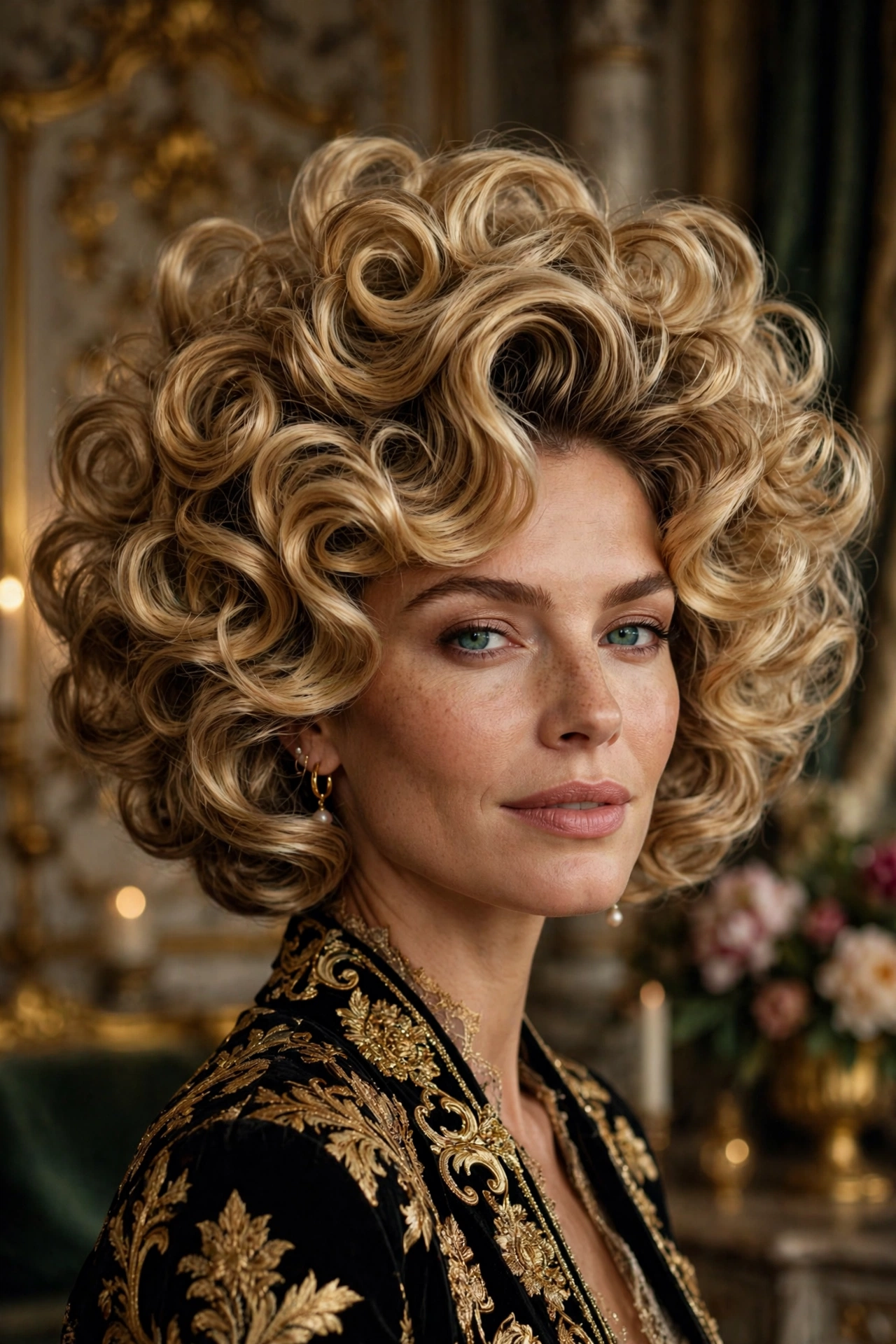
Hair trends never happen in a vacuum — they are always a reaction to what came before. For the better part of a decade, the dominant mood in hair was minimalism: glass hair, the sleek lob, lived-in color, “your hair but better.” It was beautiful, but it was also, after a while, a little bit boring. The Baroque Bob is the pendulum swinging back with force.
Culturally, we are living through a maximalist moment. Fashion runways are full of corsetry, brocade, and ornate detailing. Interiors have moved from stark Scandinavian white to rich, layered, collected spaces. Beauty has embraced bolder blush, deeper lips, and more deliberate glamour. Hair was always going to follow — and the Baroque Bob is hair’s answer to the maximalist mood, a cut that matches the richness everywhere else.
There is also a practical engine behind the trend. The generation that grew up with flat irons and keratin-smooth everything is rediscovering their natural texture, and the Baroque Bob is one of the few statement cuts that actually rewards texture instead of fighting it. Curly and wavy hair, long treated as something to tame before a bob could work, becomes the star of the show here. Stylists love it because it gives them something sculptural to do; clients love it because it looks expensive.
And then there is the confidence factor, which you should never underestimate. A haircut this bold changes how you carry yourself. Women report feeling more polished with less effort — the cut does so much of the work that makeup and outfits can stay simple. In 2026, that equation (maximum impact, manageable effort) is exactly what people are searching for, and the search data proves it.
The Baroque DNA: 5 Things That Make It Different From Every Other Bob
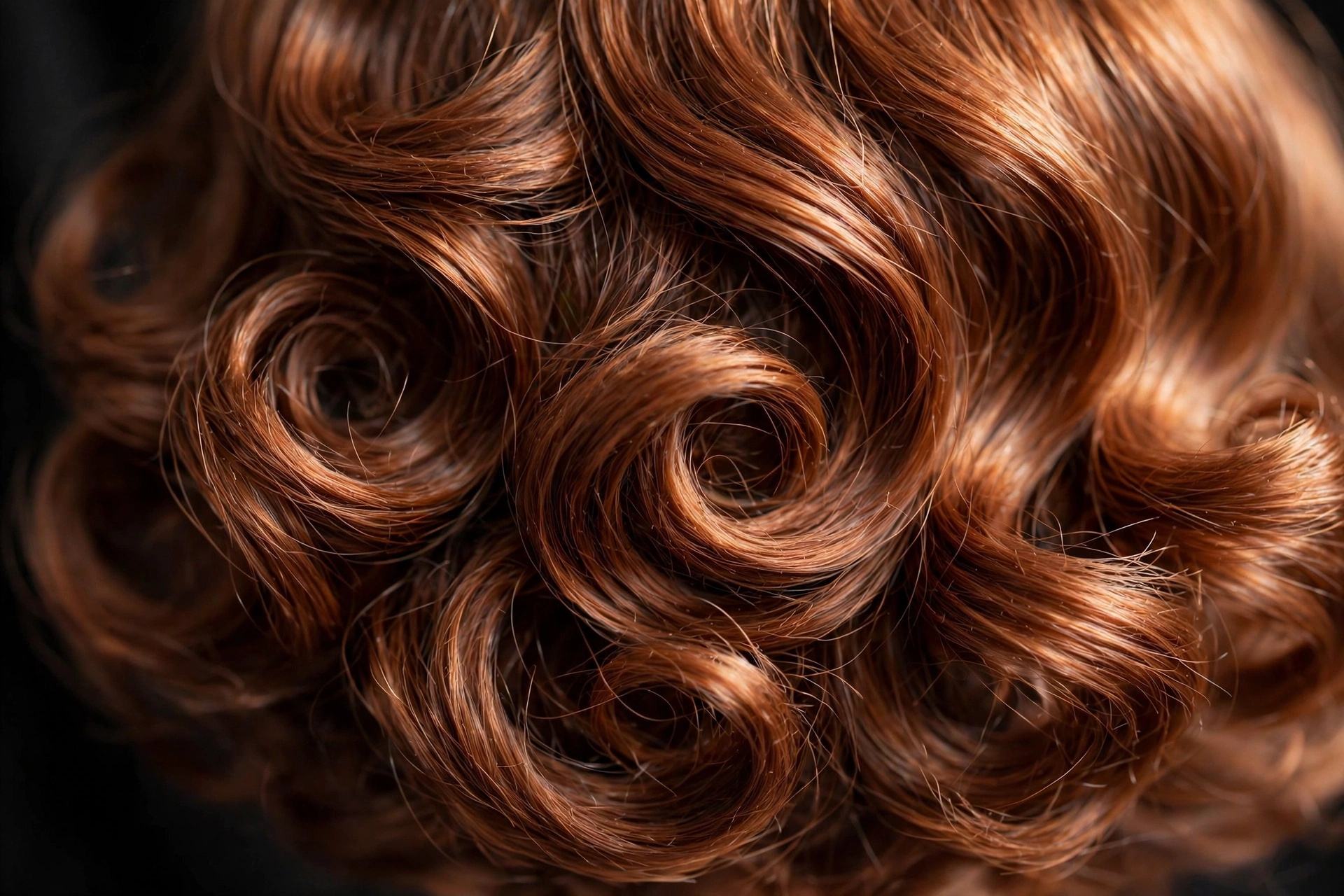
Before we get into the variations, it helps to understand the anatomy. Not every full bob qualifies as a Baroque Bob. Here are the five signatures stylists look for:
1. Sculpted volume at the crown and sides. This is the non-negotiable. A Baroque Bob has deliberate, built-in fullness — achieved through layering, not just teasing. The silhouette should read as lush from every angle, with the widest point typically sitting around the cheekbones or just below.
2. Polished, intentional texture. Where a shag is piecey and a beach bob is undone, Baroque texture is refined. Curls and waves are defined and glossy, more “painting in a gilded frame” than “weekend at the coast.” Shine is part of the brief.
3. A strong, architectural perimeter. Underneath all that opulence, the baseline of the cut is clean and decisive. That strong edge is what keeps the volume from reading as messy — it is the difference between dramatic and disheveled.
4. Rich, dimensional color. The classic Baroque Bob pairs with color that has depth: expensive brunettes, gilded blondes, copper with dimension. Flat, one-process color fights the cut; multi-tonal color amplifies every curve.
5. Ornament-friendly styling. This is the fun one. The Baroque Bob is designed to take accessories — pearl pins, gold cuffs, silk scarves, jeweled clips. The volume gives ornaments something to sit in, and the polished finish makes them look intentional rather than fussy.
Hold those five signatures in your mind as you browse the variations below. Every version interprets them differently, which is exactly why this trend has legs: there is a Baroque Bob for nearly every hair type, face shape, and comfort level with drama.
10 Baroque Bob Variations Taking Over Salons in 2026
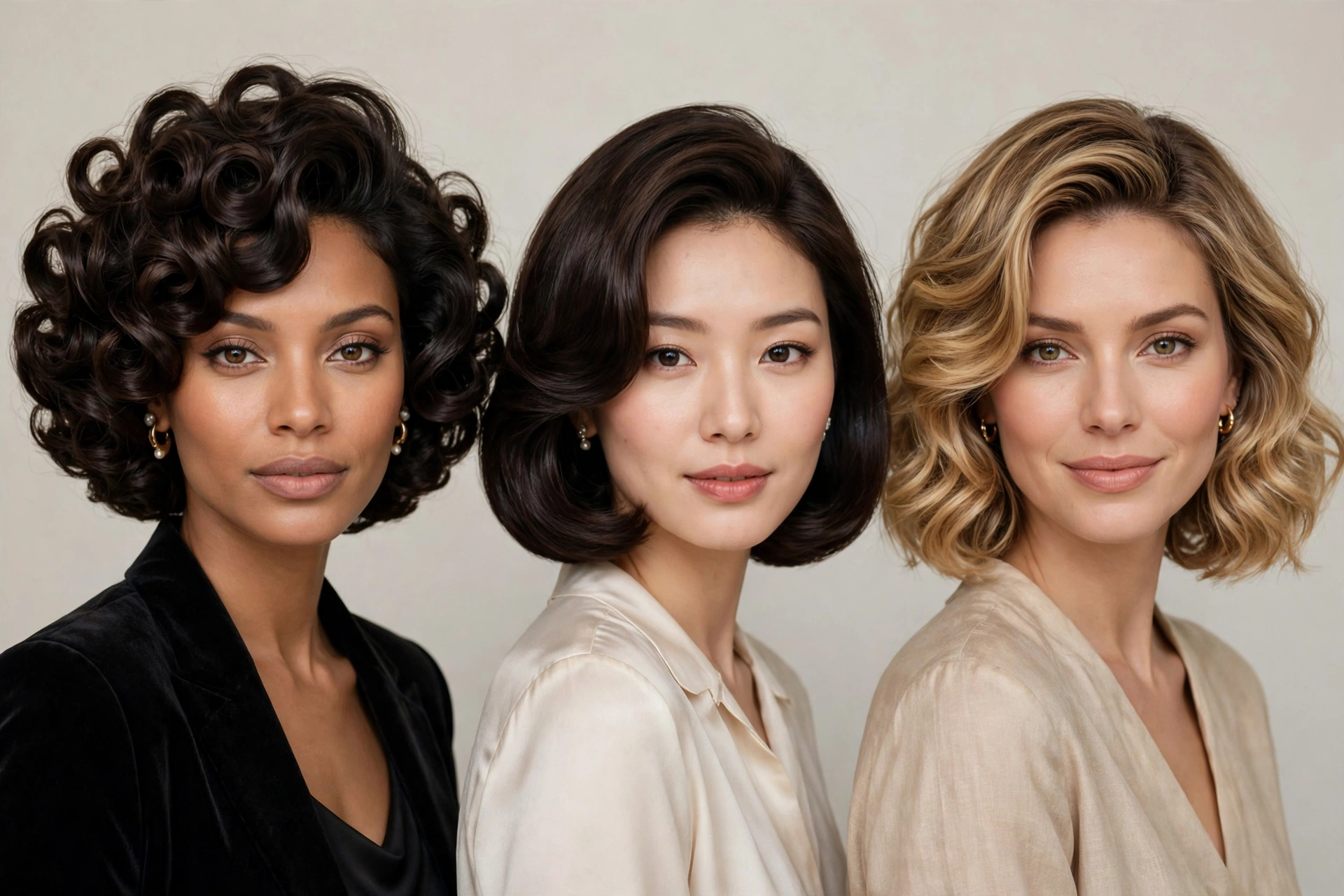
Here is the part you came for: the definitive lineup of Baroque Bob interpretations dominating salons and feeds this year. Save the ones that speak to you — your stylist will thank you for the references.
A quick note on choosing: there is no single “correct” Baroque Bob, only the right one for your hair texture, your face shape, and your appetite for morning styling. Read through all ten with your own hair in mind — the best choice is usually the variation that works with what you already have rather than against it. Women with natural curl should start at number two; sleek-haired minimalists will feel most at home at number six.
1. The Classic Opulent Baroque Bob
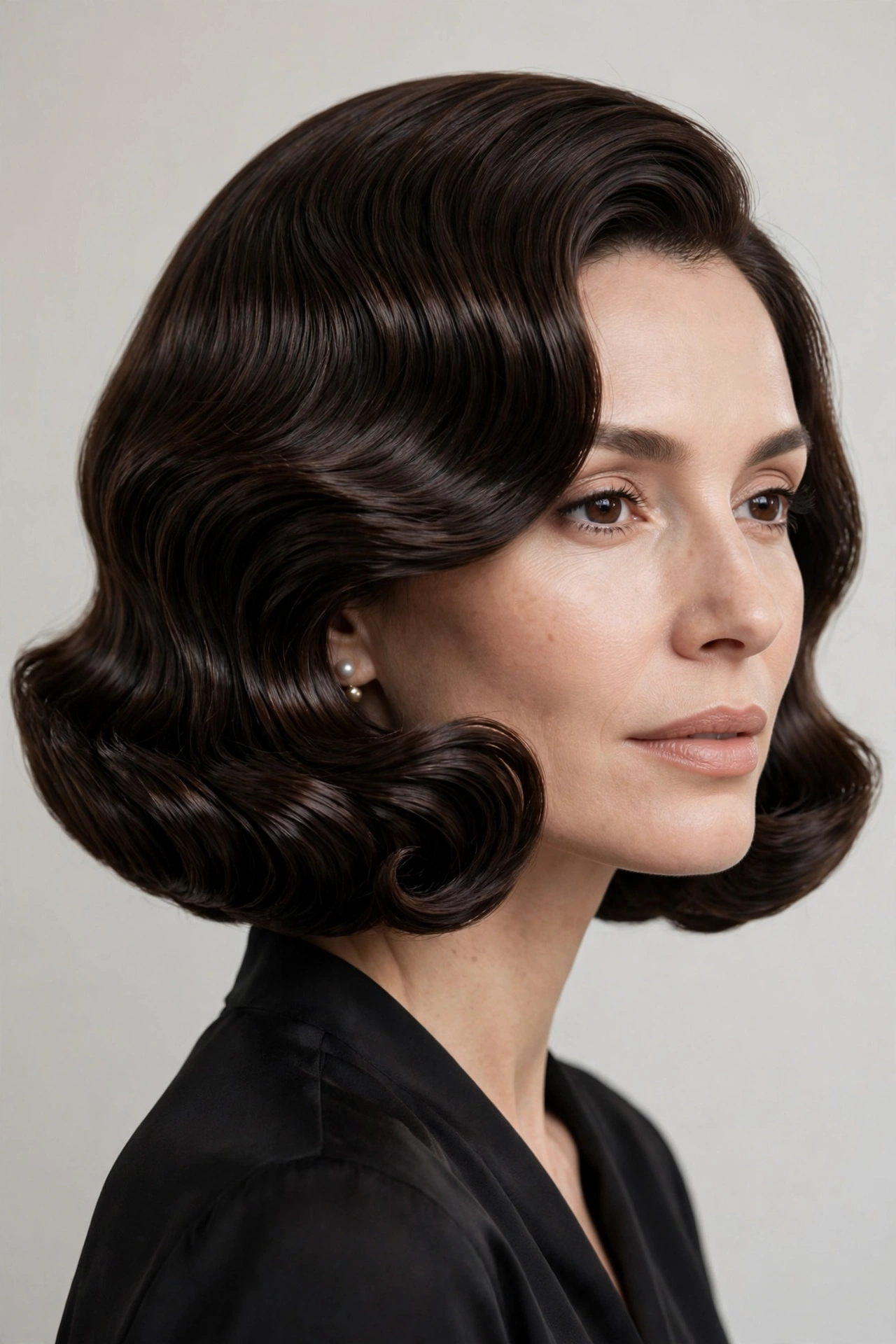
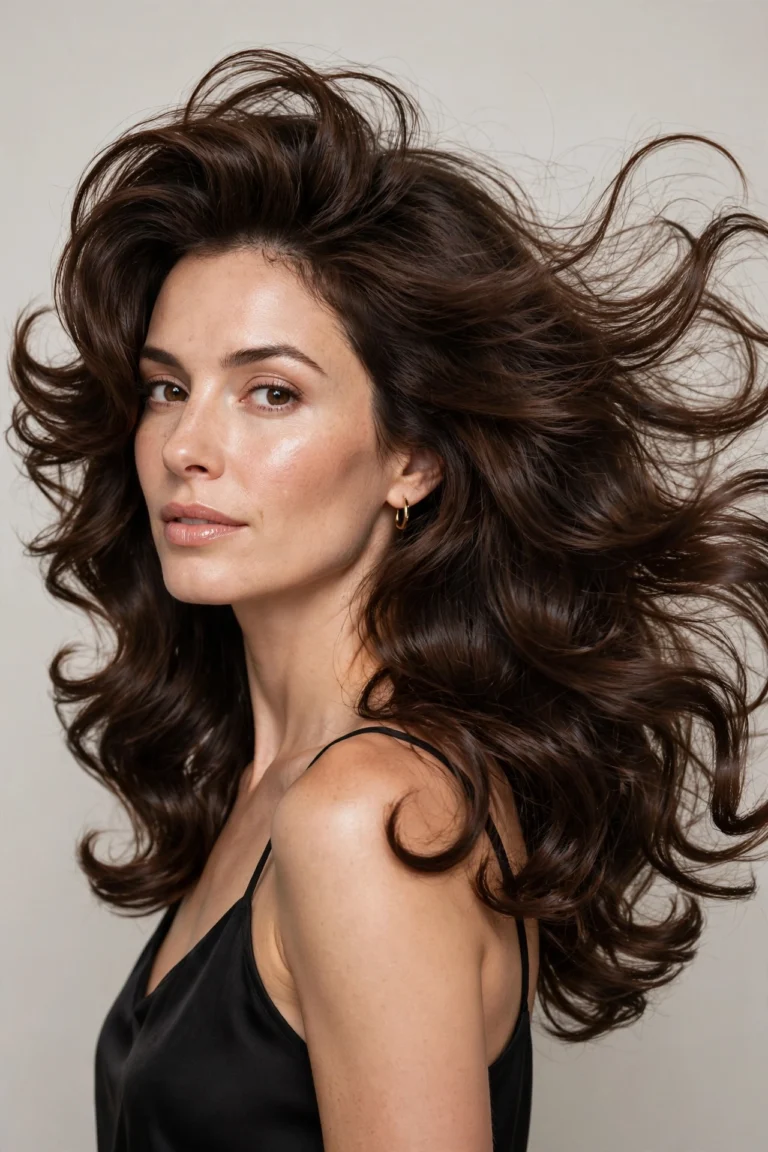
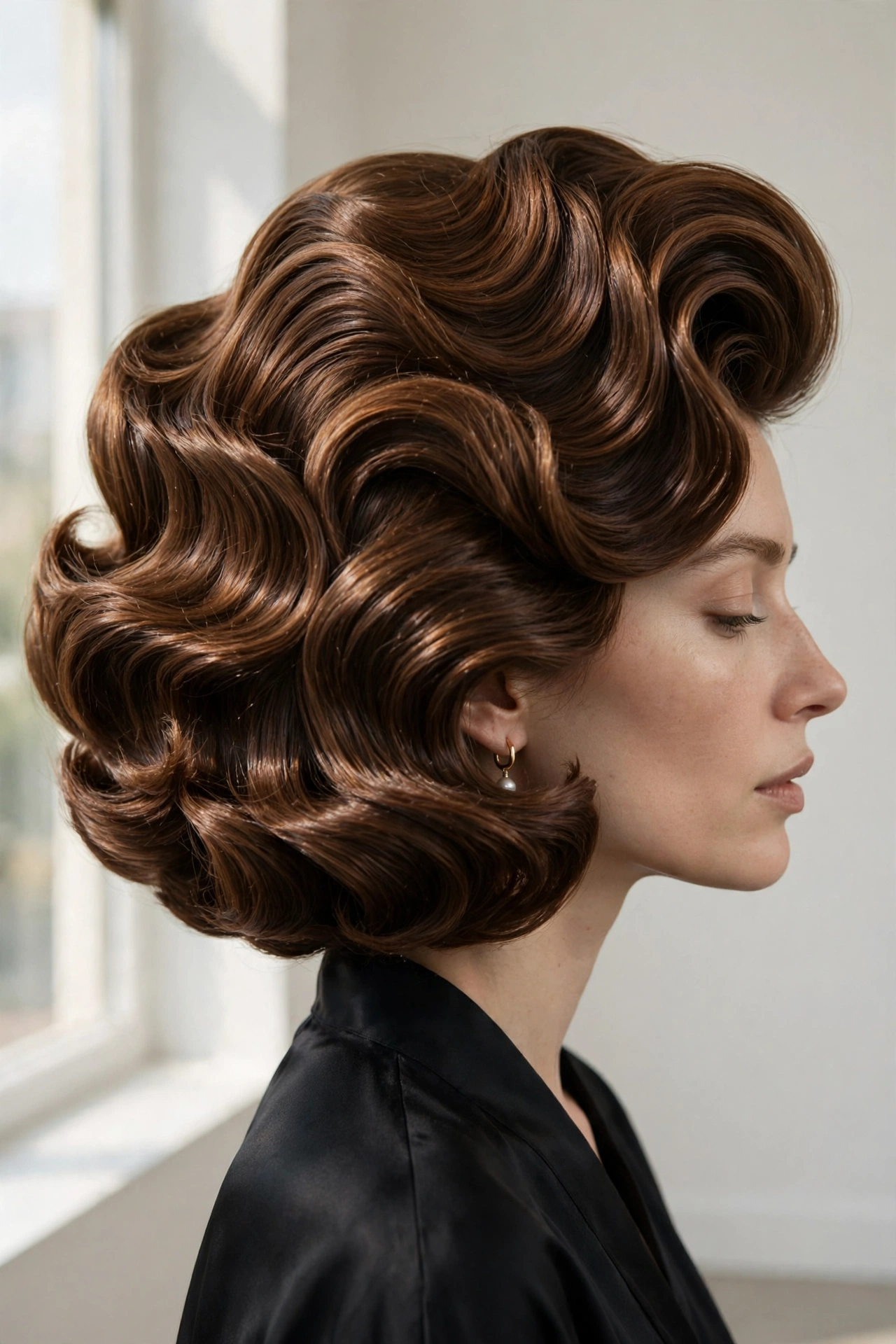
This is the archetype, the one that launched a thousand screenshots. Chin-to-neck length, a full rounded silhouette, and curls sculpted into glossy, uniform waves that move as one luxurious mass. The ends kick with intention rather than flipping by accident, and the crown carries enough height to give the whole shape its unmistakable grandeur.
What makes it work is the balance of precision and softness. Your stylist will likely cut it with a strong baseline and then build interior layers that create the volume without thinning the perimeter — the density at the bottom is what reads as “expensive.” Styling takes a large-barrel curling iron or hot rollers, a boar-bristle brush for polish, and a shine spray to finish. It is the most high-maintenance of the variations, but also the most show-stopping.
Best for: medium to thick hair with natural wave or curl; oval, heart, and square face shapes. Fine hair can absolutely wear it, but expect to lean on volumizing products and possibly extensions for the full effect.
2. Baroque Bob with Sculpted Curls
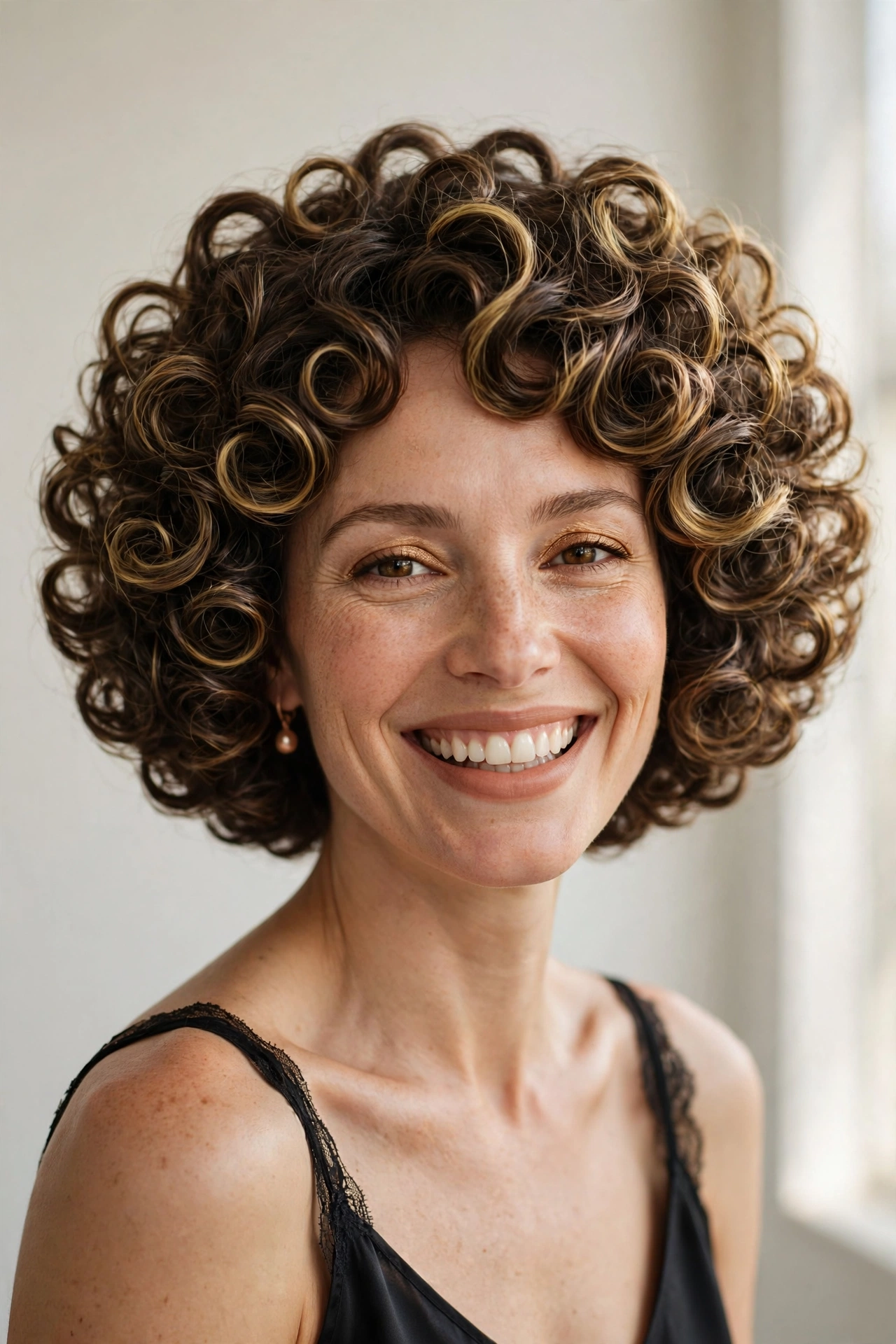
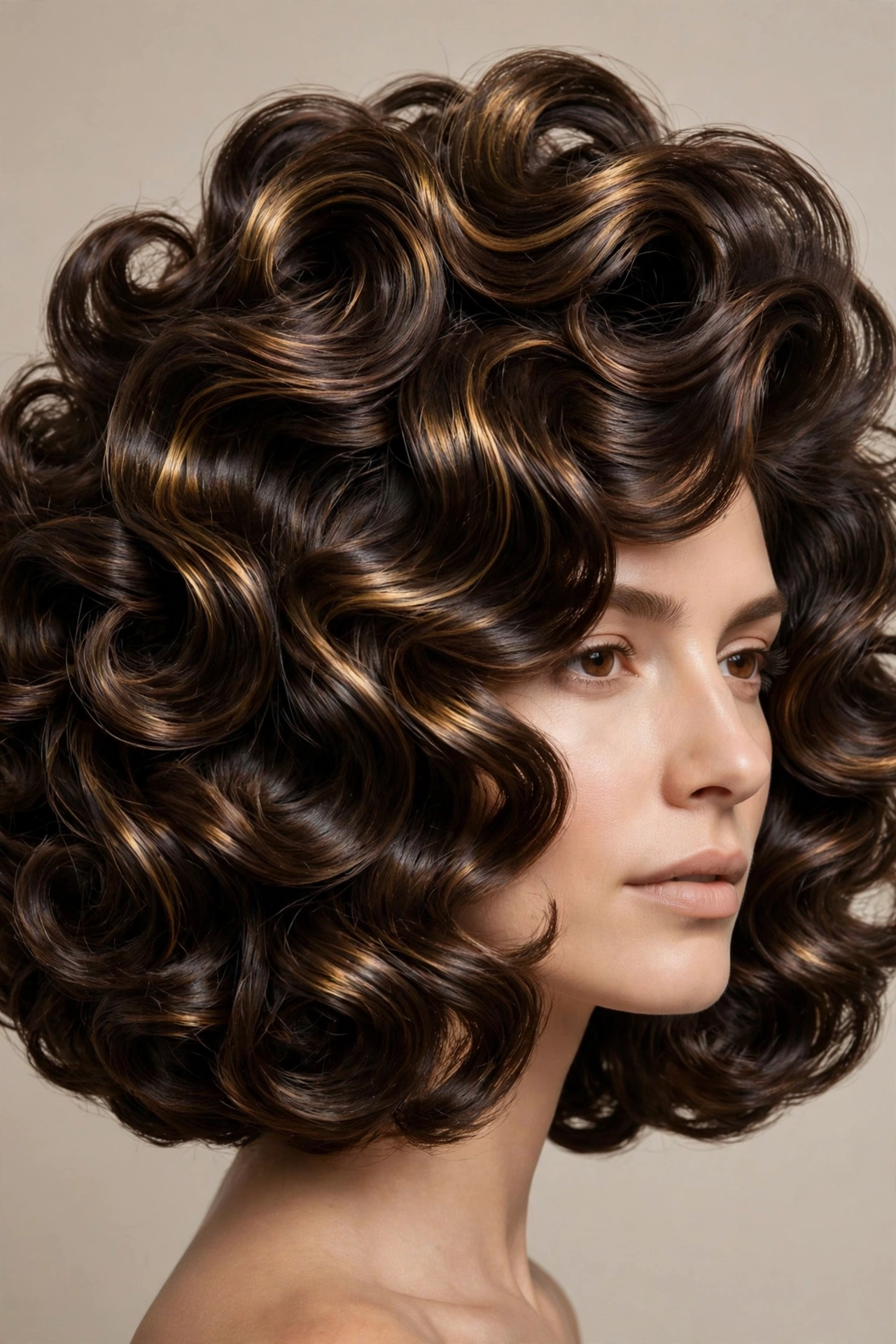
If your hair is naturally curly, congratulations — you were born ready for this trend. The sculpted-curl Baroque Bob is cut dry, curl by curl, so each coil sits exactly where it creates the most beautiful shape. The result is a halo of defined, bouncy curls with a silhouette that looks carved rather than grown.
The key technique here is strategic layering that removes bulk from underneath while preserving length on top, which lets the curls stack into that coveted rounded shape instead of pyramiding outward. A diffuser becomes your best friend, and the wash-and-go potential is genuinely excellent — this is one of the lowest-effort ways to wear the trend if your texture cooperates.
Best for: type 2C to 3C curls; anyone who wants maximum drama with minimum daily styling. Ask your stylist specifically for a dry curl-by-curl cut — it makes all the difference.
3. The Gilded Baroque Lob
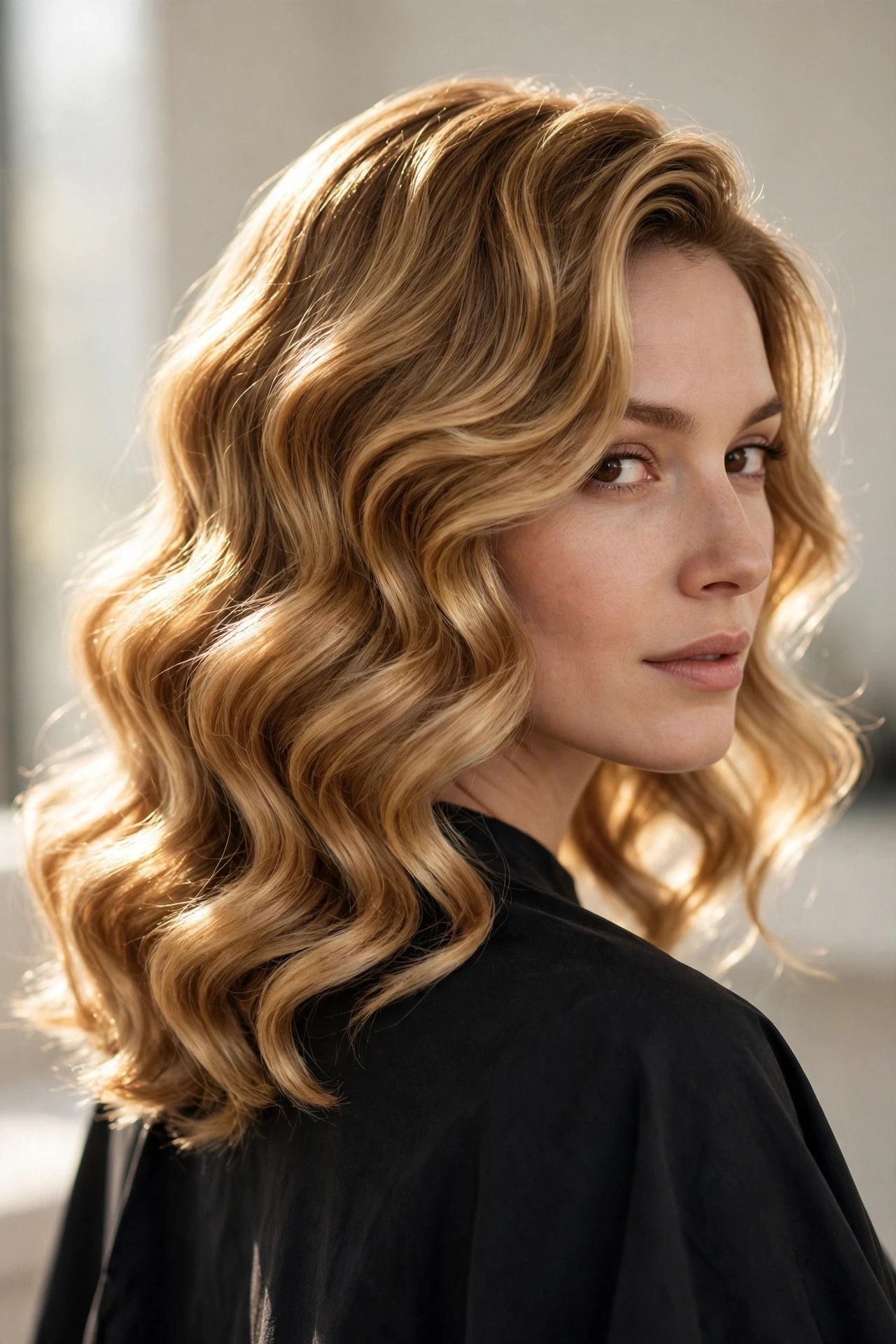
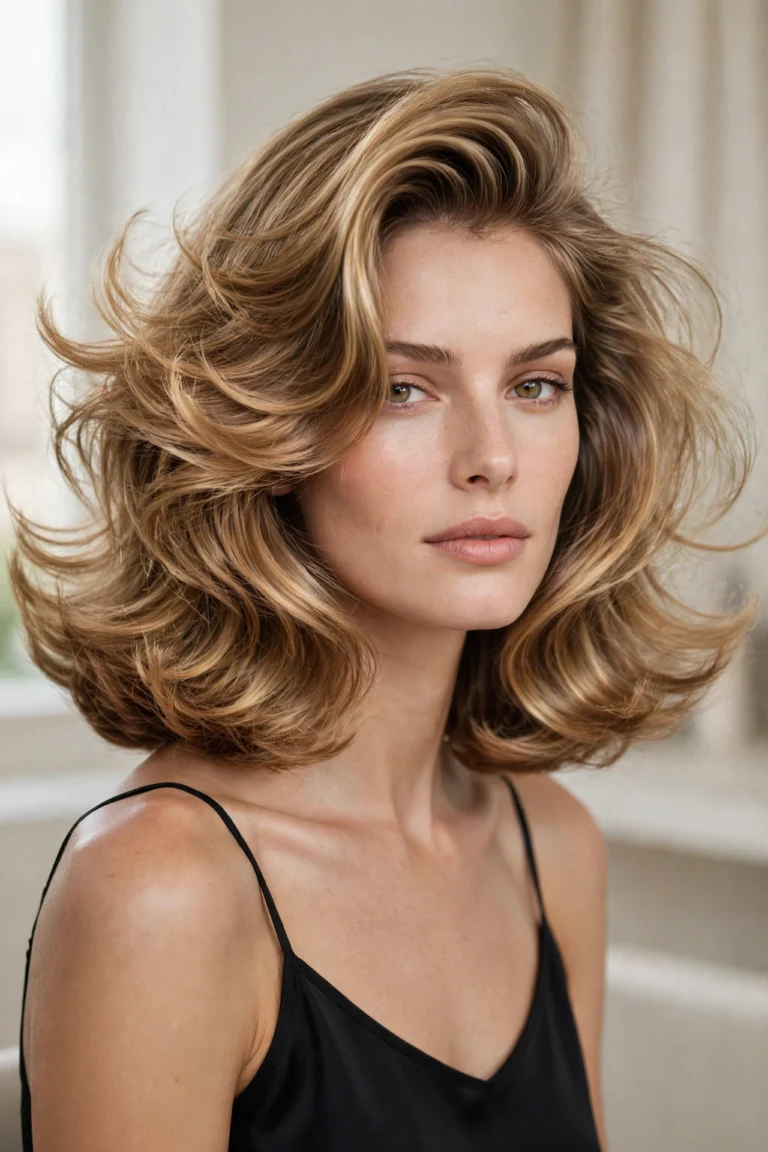
Not ready to go full chin-length? The gilded lob version keeps the Baroque spirit at a longer, more forgiving length — collarbone-grazing, with the same sculpted volume and polished waves. “Gilded” refers to the color story: warm, golden, light-catching tones that make every wave look like it is illuminated from within.
This is the gateway Baroque Bob, and stylists report it as the most-booked variation among first-timers. The extra length means more styling versatility (it still pulls into a low chignon or a half-up style for formal events) and a softer grow-out. The volume is concentrated through the mid-lengths and ends rather than at the crown, which keeps it wearable for everyday life.
Best for: commitment-phobes, long-hair converts, and anyone whose workplace leans conservative but whose heart wants drama after hours.
4. Baroque Bob with Curtain Bangs
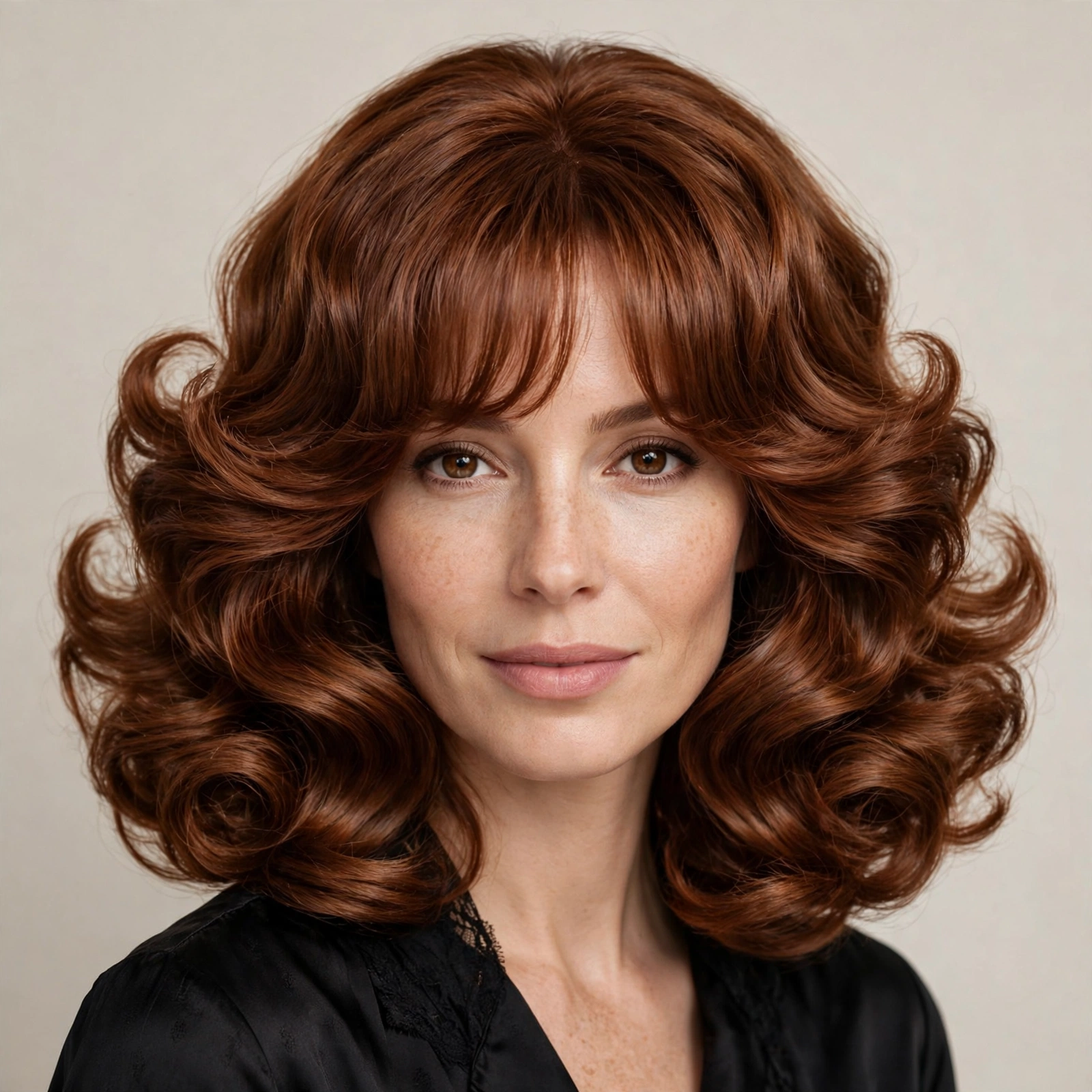
Curtain bangs and the Baroque Bob were made for each other. The face-framing sweep of a curtain fringe melts into the voluminous sides of the cut, creating one continuous, flowing shape that feels straight out of a period drama — in the best possible way.
The bangs should be cut long enough to blend, typically parting in the center and curving outward to meet the cheekbones, where the bob’s fullest point picks up the line and carries it down. Styled with a round brush, the fringe gets that signature swoop; air-dried, it softens into something more romantic. Either way, it adds a face-framing softness that makes the overall drama feel approachable.
Best for: longer foreheads, anyone wanting to soften a strong jawline, and people who like their statement haircut with a romantic edge.
5. Dramatic Deep Side-Part Baroque Bob
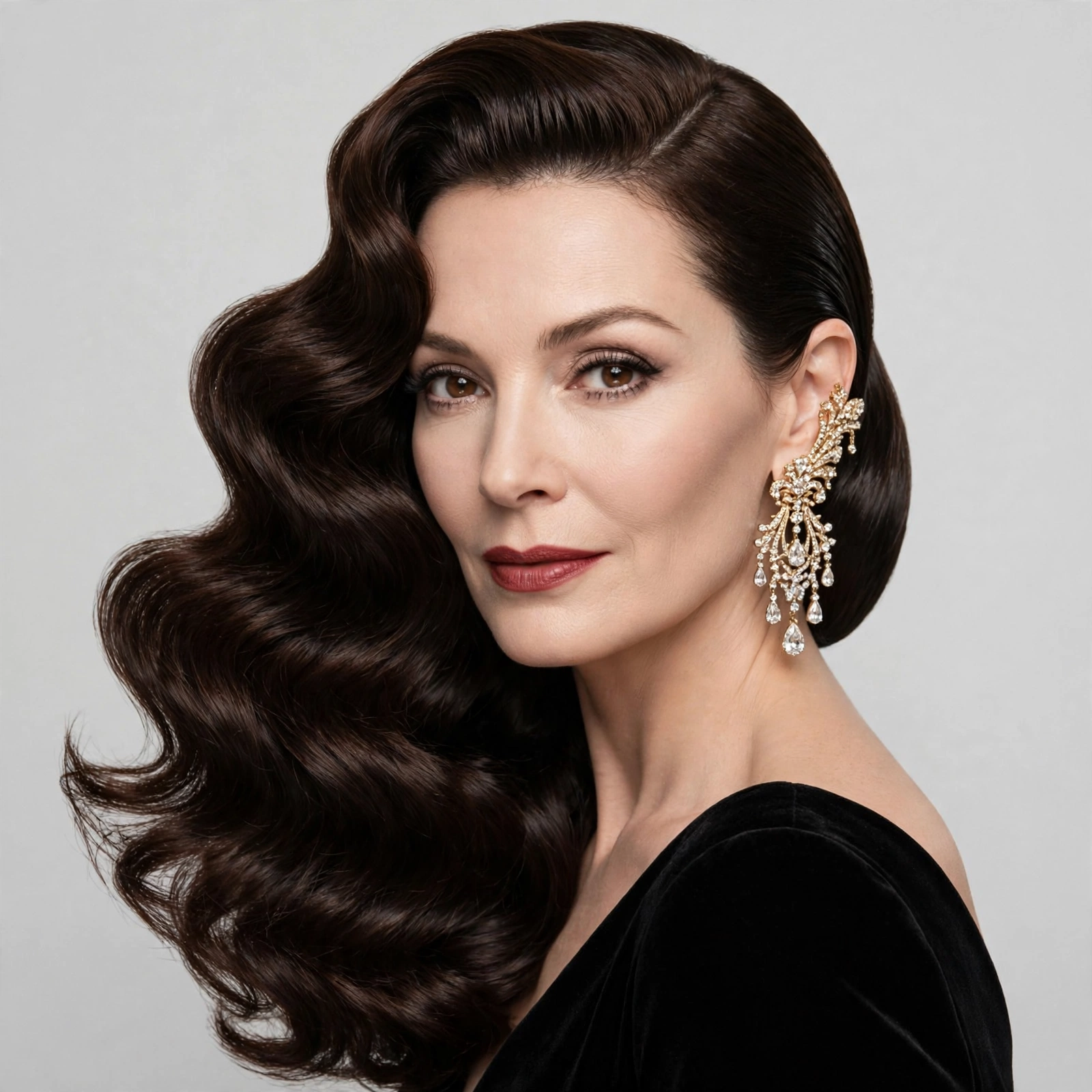
Sometimes the boldest move is also the simplest. Take a classic Baroque Bob and flip it into a deep, dramatic side part, and the entire architecture changes: one side becomes a sweeping curtain of volume while the other tucks sleekly behind the ear, creating an asymmetry that is pure old-Hollywood glamour.
This variation is a favorite for events because it is essentially two hairstyles in one — the voluminous side photographs like a dream, and the tucked side shows off earrings and necklines. It works beautifully with the strong perimeter of the cut, since the baseline stays crisp even as the top goes full drama. A little root-lift spray at the part and a smoothing serum on the tucked side is all it takes.
Best for: formal occasions, photo-heavy events, and anyone with a great pair of statement earrings waiting for their moment.
6. The Velvet Baroque Bob
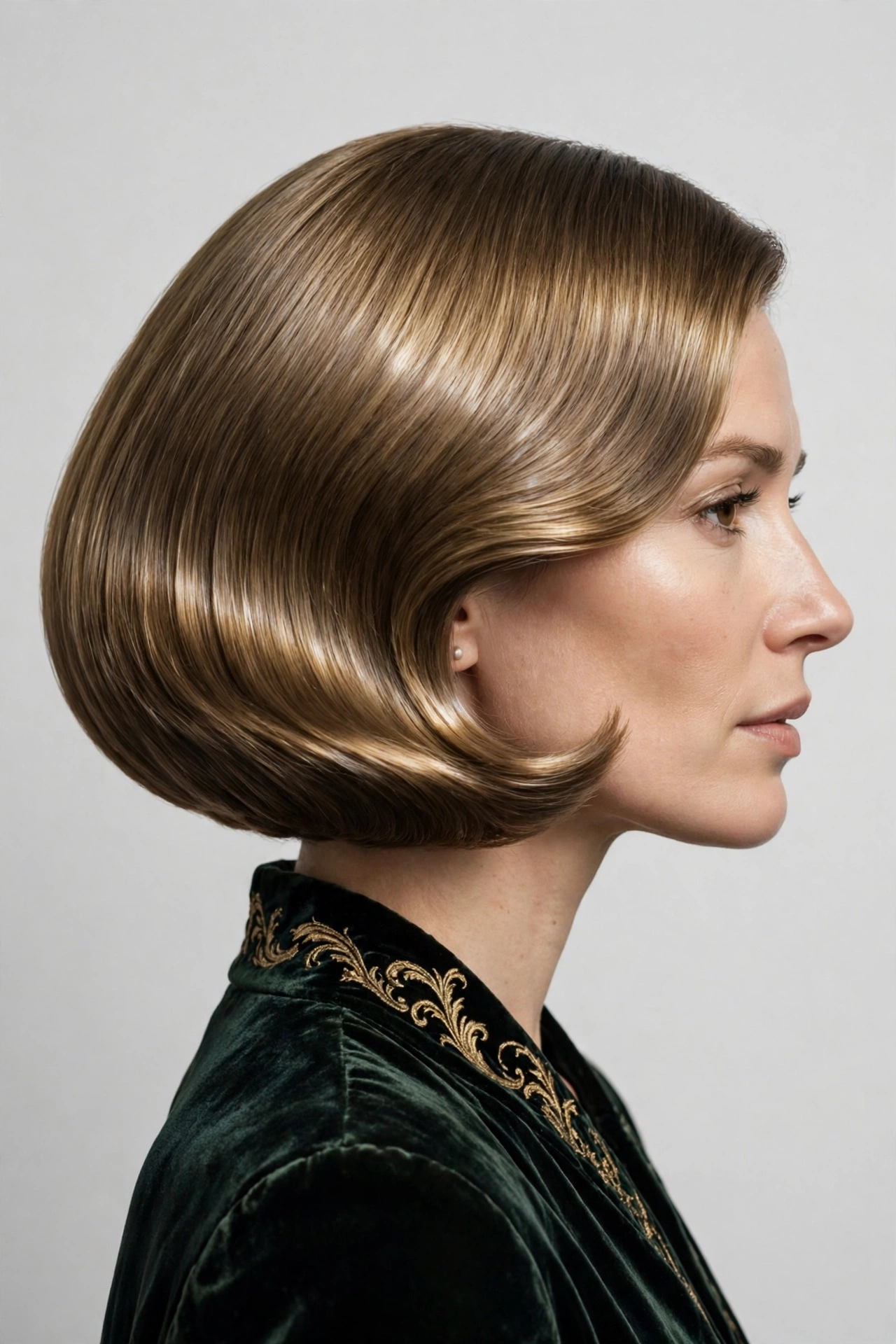
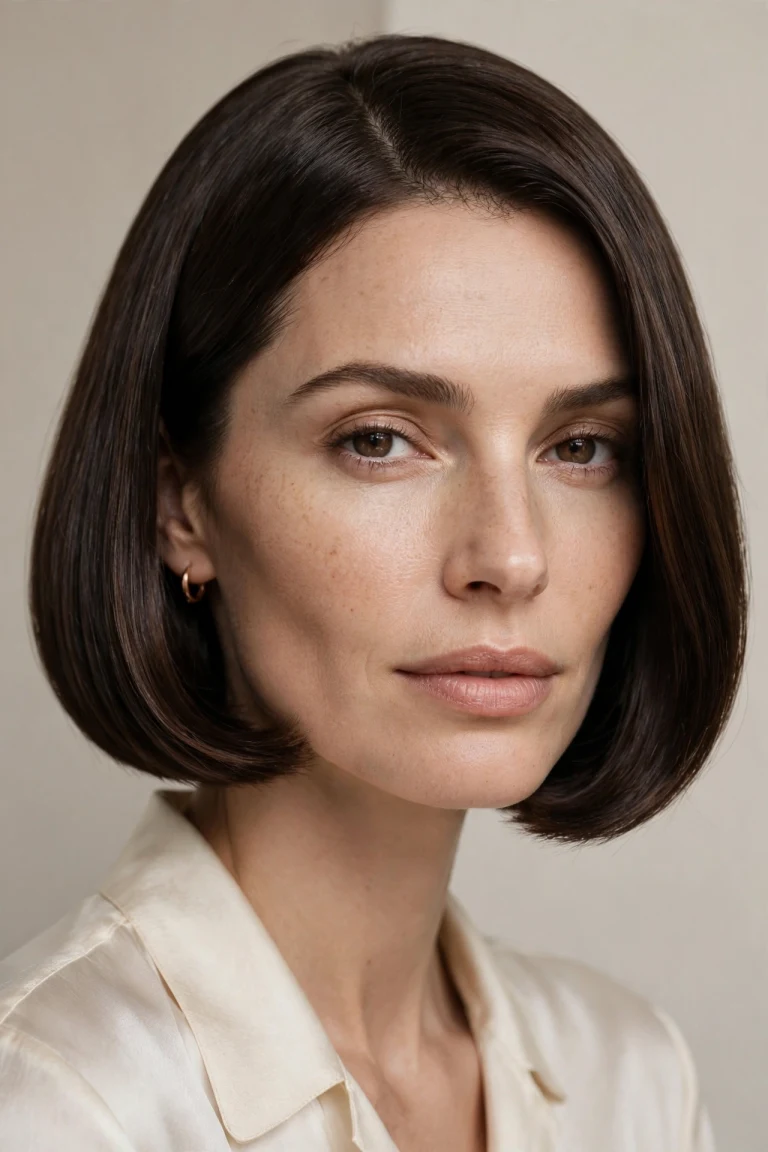
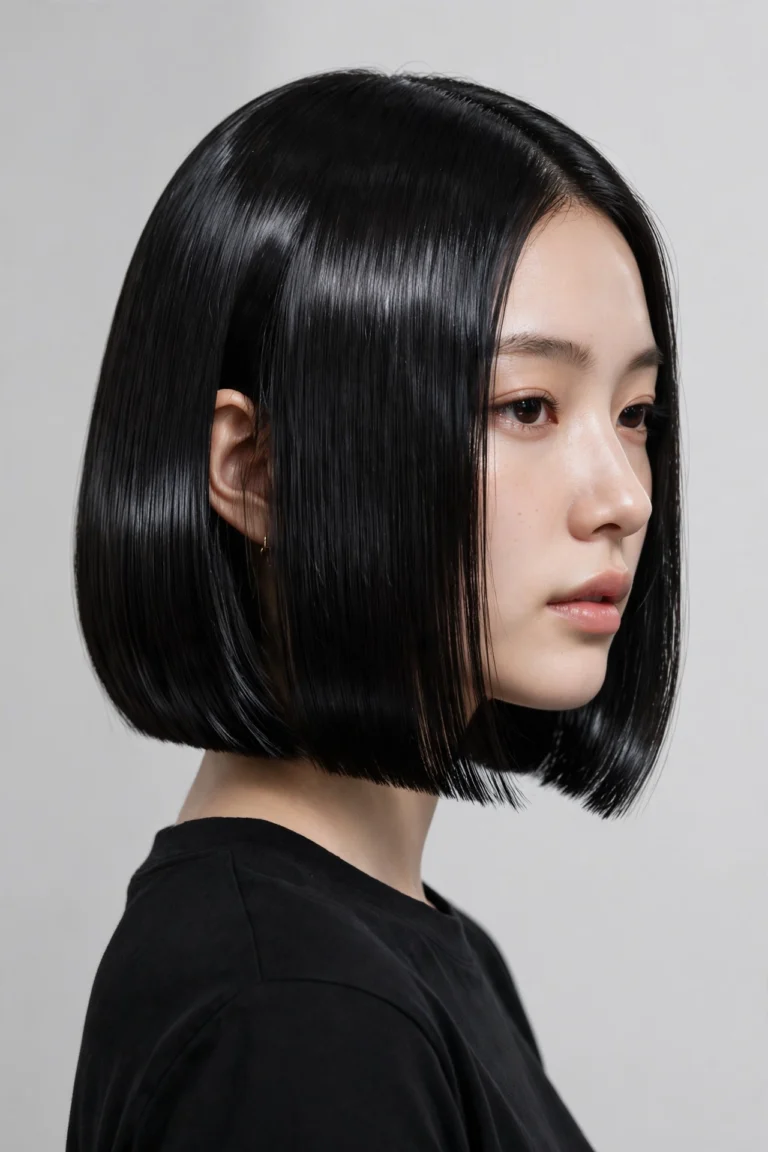
Where the classic version is all about defined curl, the velvet variation is about smoothness with body — think of the difference between brocade and velvet. The hair is blow-dried into a smooth, swollen shape with rounded ends and a liquid, light-reflecting finish. There are no visible curls, just pure, touchable fullness.
Achieving it is all in the blowout: a large round brush, tension at the roots, and ends rolled under to create that signature bevel. A smoothing cream keeps frizz away without flattening the volume, and the result is the most office-friendly of the Baroque family — dramatic in silhouette, polished in texture. It is also the kindest option for hair that is fine or prone to frizz, since the smoothing technique does half the work.
Best for: straight to wavy hair types, professional settings, and anyone who loves volume but not visible curl.
7. Baroque Bob with Pearl and Gold Accessories
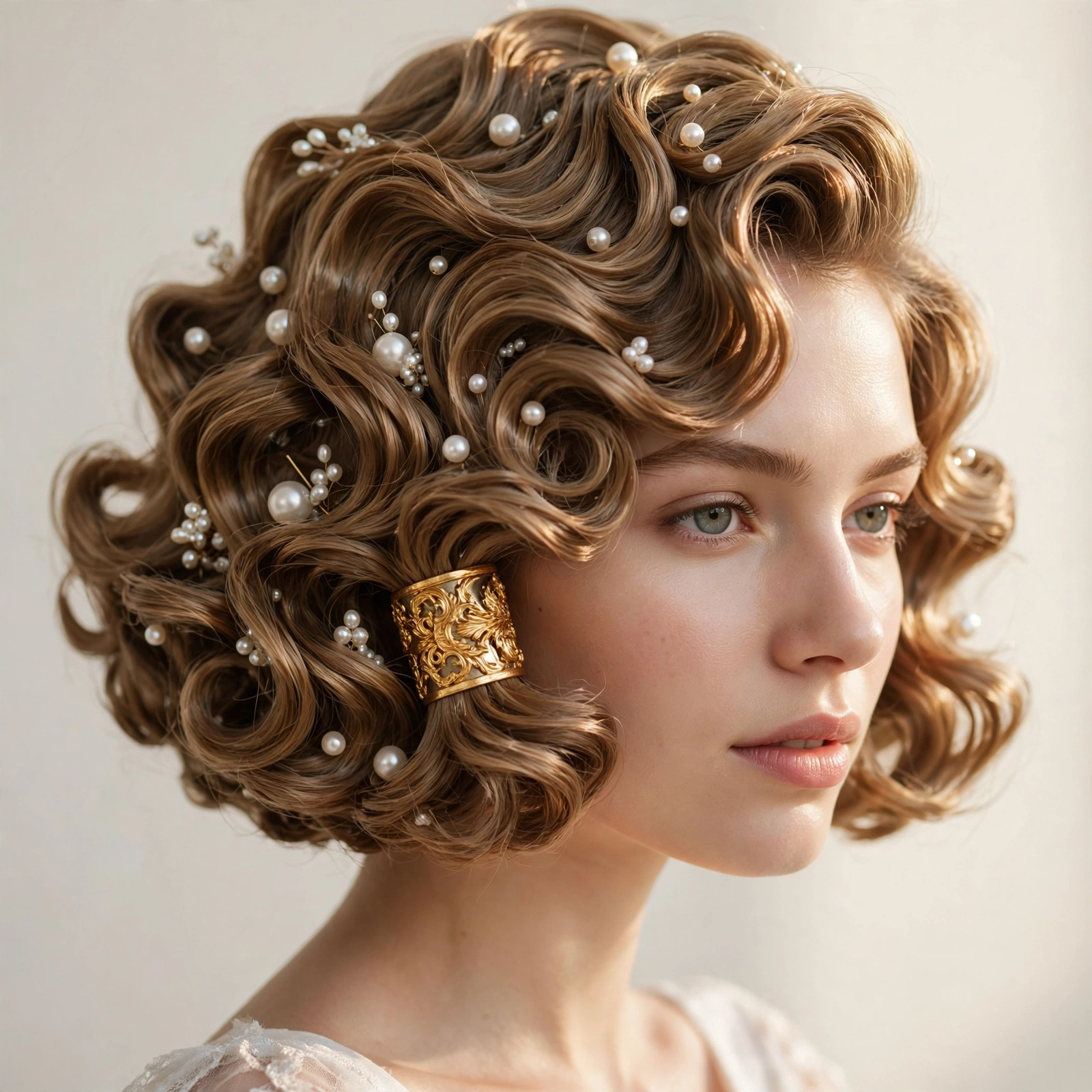
This is where the trend fully embraces its name. The Baroque era was obsessed with ornament — pearls, gold, intricate metalwork — and this variation brings that spirit into 2026 with strategically placed hair jewelry. Pearl pins scattered through the volume, a gold cuff on a twisted section, a jeweled clip anchoring one side.
The trick is restraint within the opulence: two or three ornaments, placed asymmetrically, look editorial; ten scattered everywhere looks like a costume. The volume of the cut is what makes accessories work here — they nestle into the fullness instead of sliding off flat hair. This is the variation dominating wedding and gala content, and it is easy to see why: it turns an already dramatic haircut into a complete look.
Best for: brides, formal events, and maximalists who believe more is more (within reason).
8. The Short Baroque Pixie-Bob
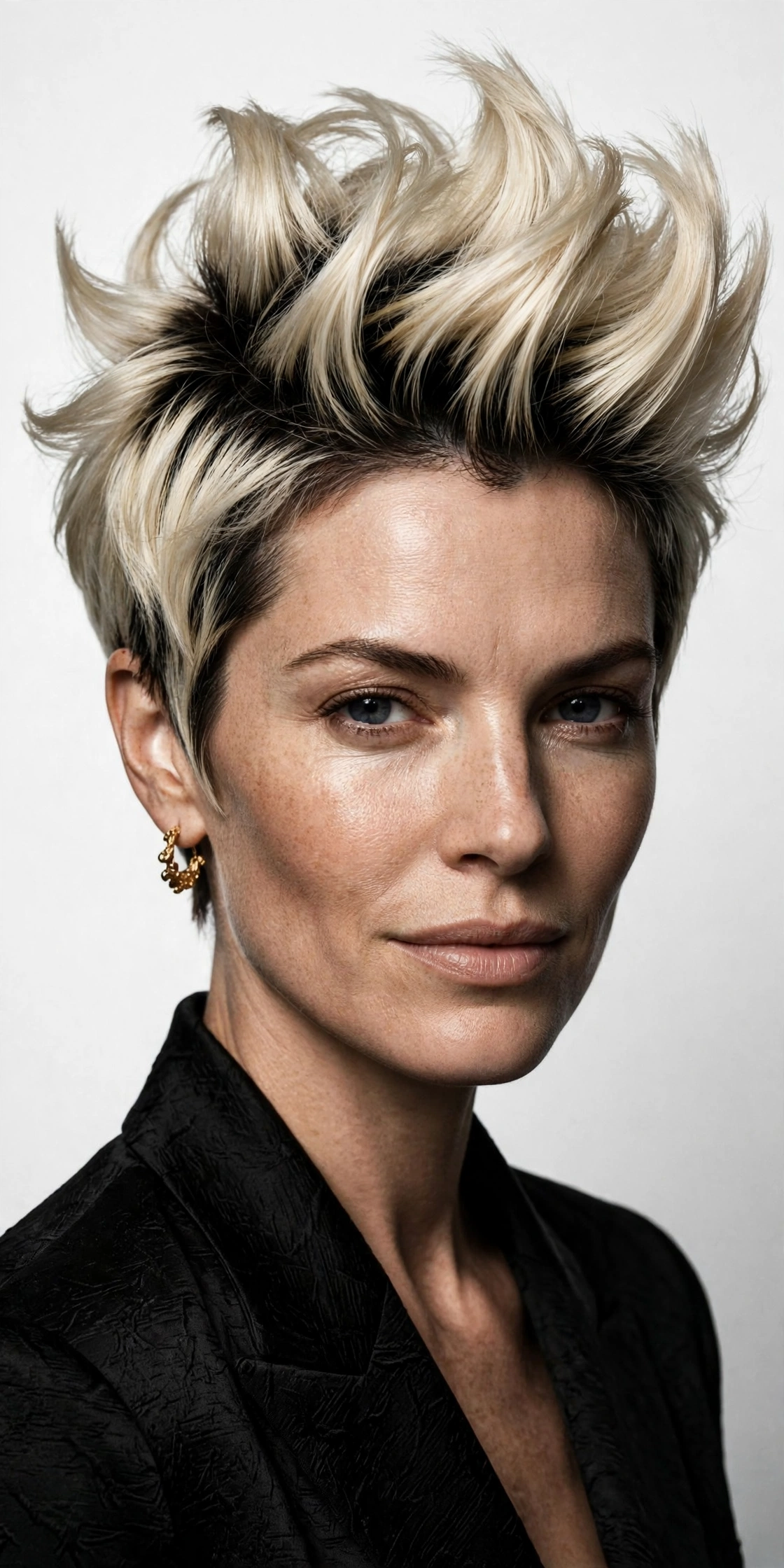
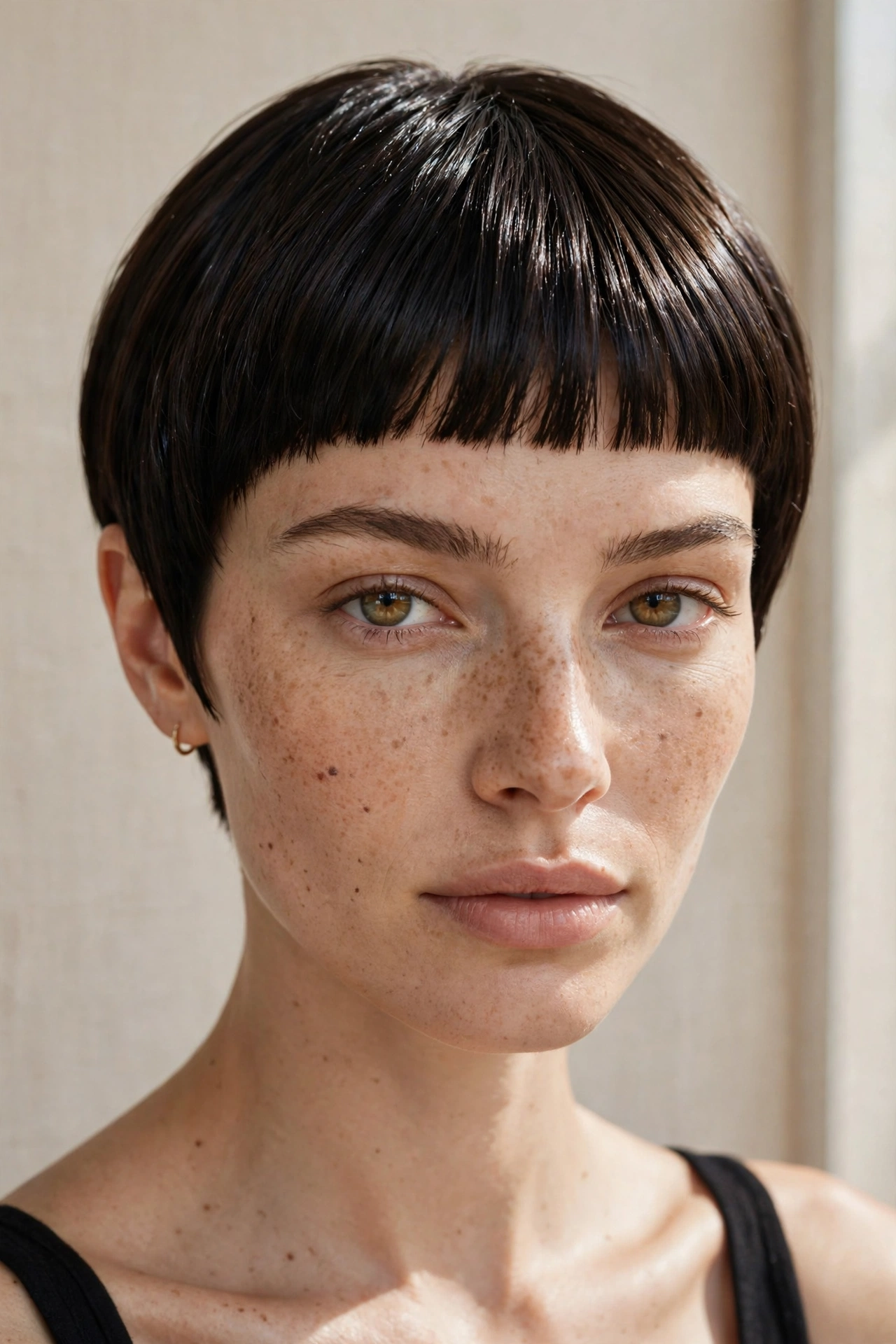
For the truly bold, the pixie-bob hybrid takes Baroque volume up to ear and cheekbone length. It is sculptural, architectural, and unapologetically fashion-forward — the kind of cut that gets you stopped on the street. The crown carries major height, the sides hug close, and the texture is piecey-polished rather than curly.
Do not mistake short for low-maintenance: this cut lives or dies on styling. A matte pomade or wax defines the pieces, root powder maintains the lift, and regular trims (every 3–4 weeks) keep the architecture sharp. But the payoff is enormous — it is the most editorial, most distinctive version of the trend, and it flatters strong bone structure like nothing else.
Best for: confident cutters, defined cheekbones and jawlines, and anyone who has always wanted to try short hair with a safety net of volume.
9. Baroque Bob with Dimensional Balayage
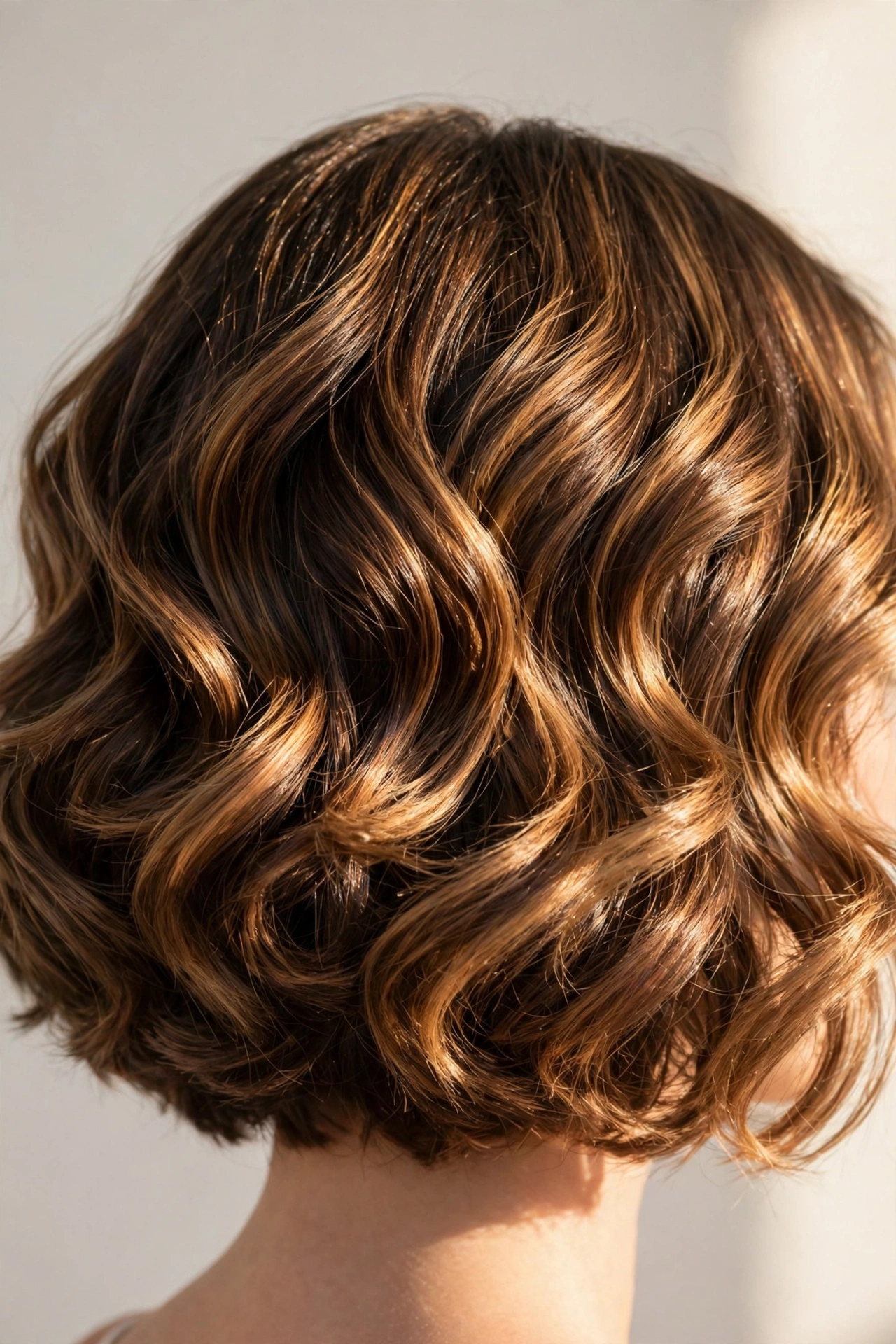
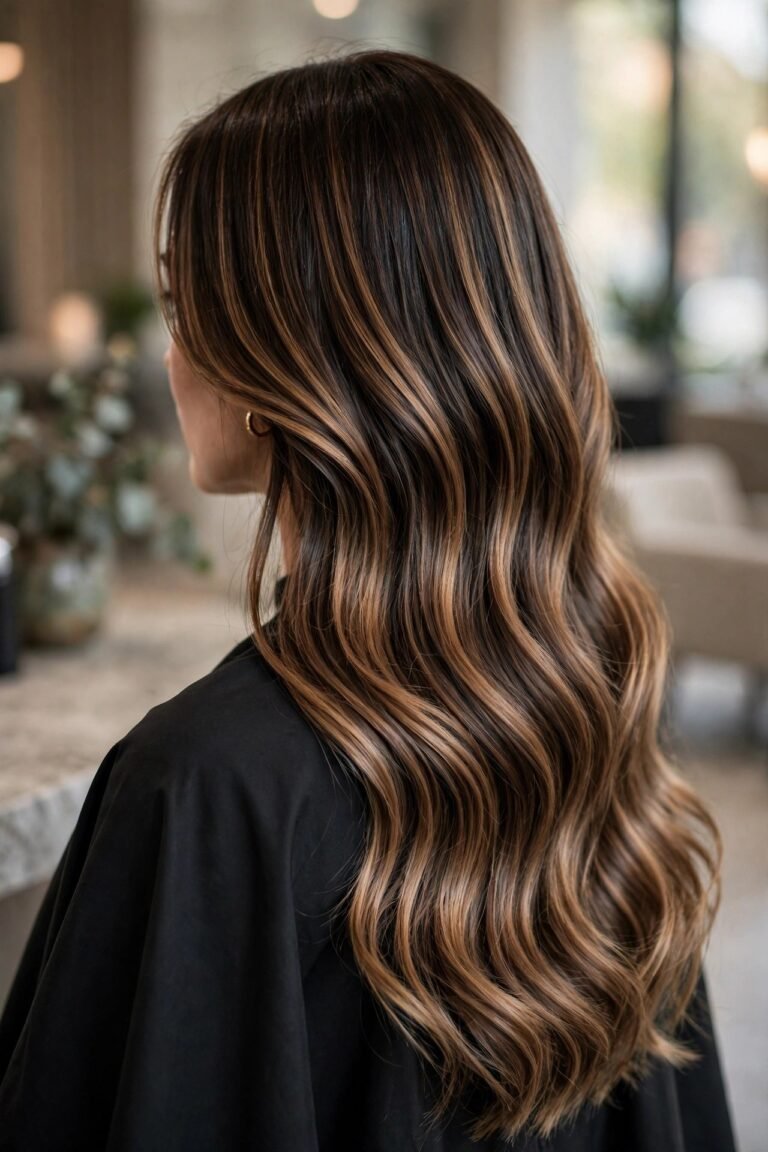
Color can make or break a Baroque Bob, and dimensional balayage is the pairing stylists reach for most. Hand-painted lightness woven through the mid-lengths and ends catches the light as the waves move, which visually amplifies every curve and makes the volume look even more abundant than it is.
The placement matters enormously: brightness concentrated around the face and through the fullest part of the silhouette, with depth kept at the roots for contrast and grow-out forgiveness. Warm tones — honey, caramel, gilded blonde, copper — suit the Baroque mood best, but cool-toned dimension works beautifully on the velvet variation. This is a color service to invest in; cheap, flat highlights will fight the cut’s richness.
Best for: anyone coloring their Baroque Bob (which is to say, nearly everyone), and hair that needs visual help looking thicker.
10. The Bridal Baroque Bob
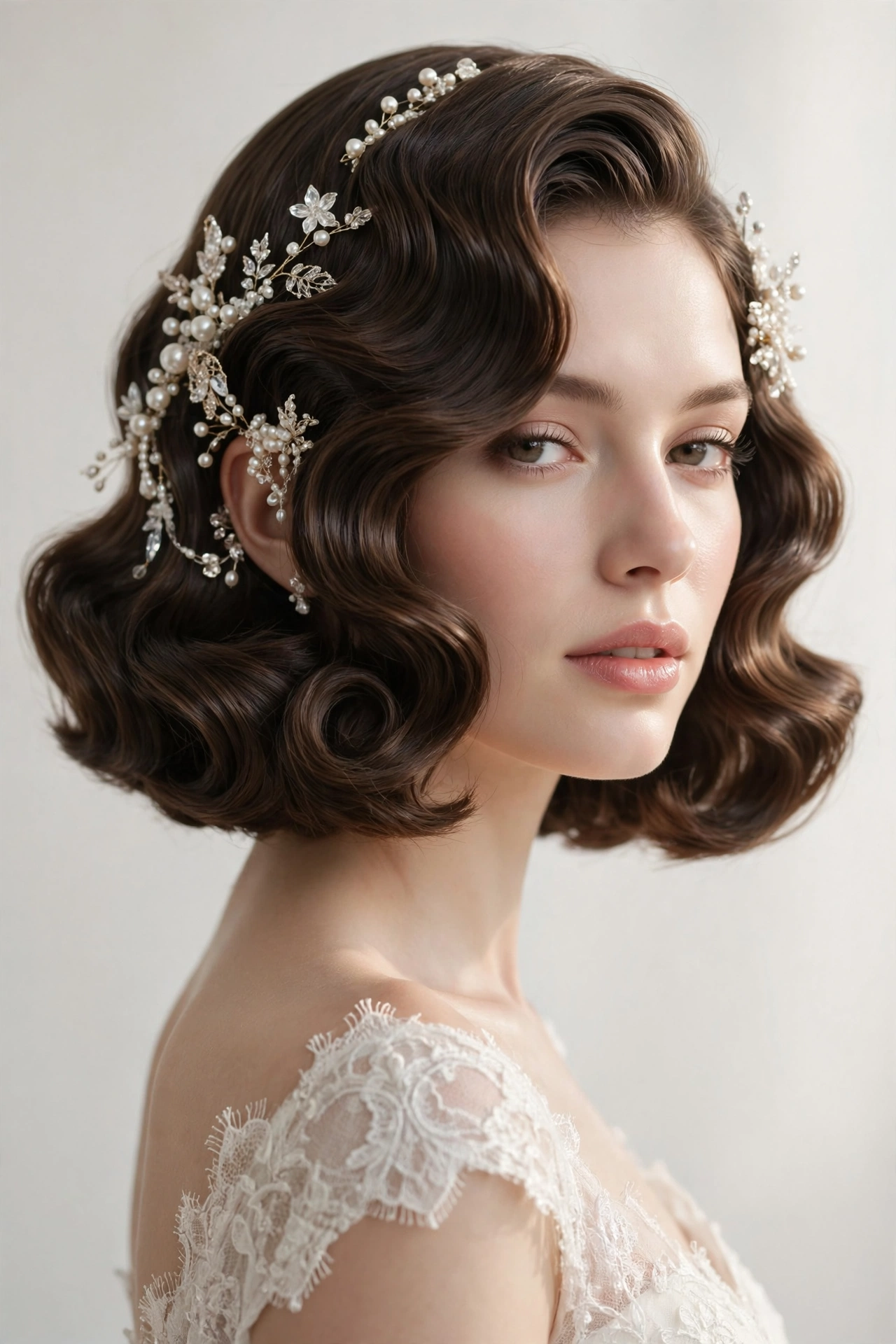
Wedding hair has been dominated by long, loose waves for a decade, and the bridal Baroque Bob is the chic rebellion. Shorter hair styled into sculpted, everlasting waves, finished with pearl or crystal accessories and a veil-friendly shape — it is romantic, regal, and refreshingly different in a sea of identical bridal waves.
The practical advantages are real: shorter hair holds curl longer through a full wedding day, it will not wilt in humidity the way waist-length waves do, and it looks as good at midnight as it did at the ceremony. Trials are essential — book one 6–8 weeks out, bring your accessories, and photograph the style in different lights. Many brides report this as the detail guests complimented most.
Best for: brides (obviously), but also wedding guests and anyone attending a black-tie event who wants hair that lasts the night.
How to Ask Your Stylist for a Baroque Bob (Without the Awkwardness)
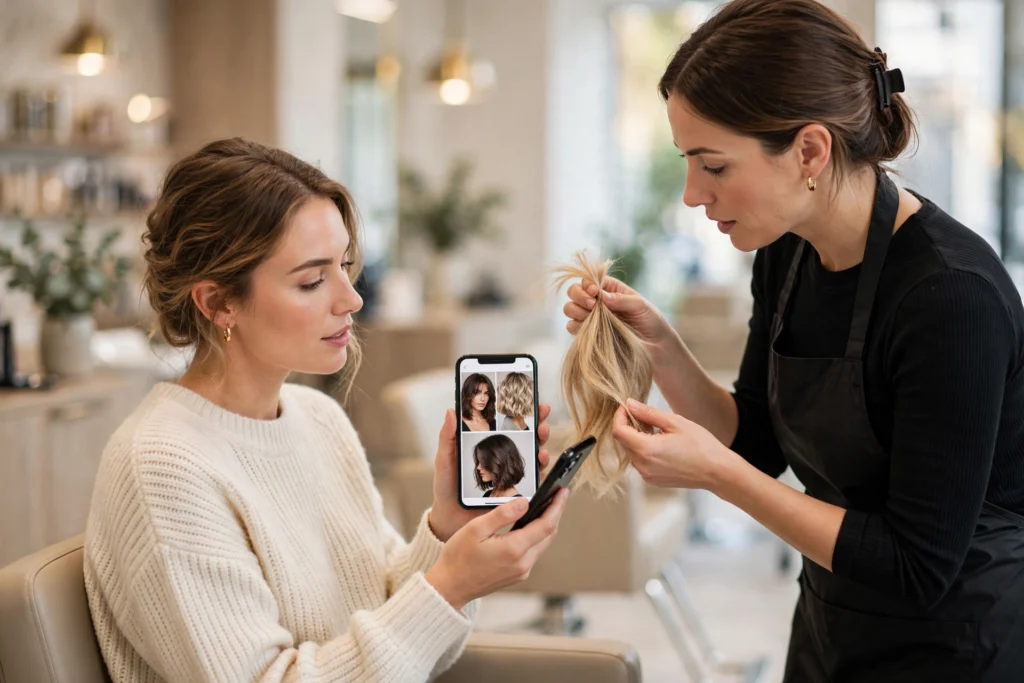
Walking into a salon with a trend name and a prayer is how haircut disappointments happen. Here is how to walk in prepared.
Bring 3–5 reference photos — and make them specific. Do not just save “baroque bob” generically; save the exact variation you want (the sculpted curls? the velvet blowout?) on hair with a texture similar to yours. Photos of the cut on your hair type are worth ten photos of it on someone else’s.
Use the language stylists use. Instead of “I want it big and dramatic,” try: “I’d like a jaw-to-neck-length bob with a strong perimeter, interior layers for volume, and a rounded silhouette — I’m going for that sculpted, opulent Baroque look.” Mention which variation from this guide you are after. A good stylist will then translate that into what your specific hair needs.
Talk honestly about your styling routine. This is the conversation people skip, and it matters more than anything. If you air-dry and go, say so — your stylist will steer you toward the sculpted-curl or velvet versions and cut accordingly. If you love a hot-tools ritual, the classic opulent version is yours to claim. The cut should be designed around your real life, not your aspirational one.
Discuss the grow-out plan. Ask how the cut will look in 6, 10, and 14 weeks. A well-cut Baroque Bob grows into a beautiful lob; a poorly planned one grows into a triangle. Your stylist should be able to describe the grow-out shape before picking up the scissors.
How to Style a Baroque Bob at Home: The Full Routine
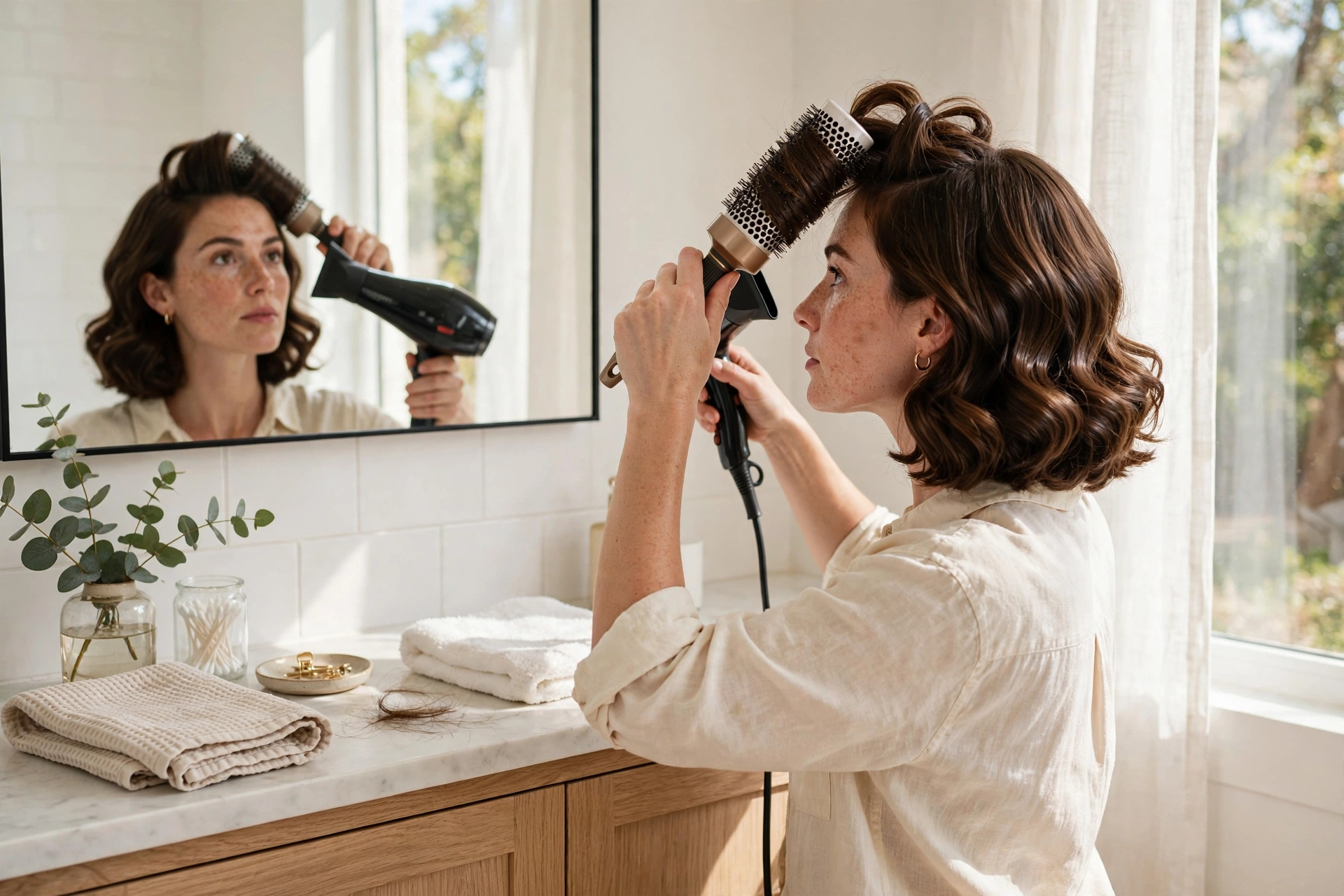
The salon finish is only half the story — here is how to recreate the drama on your own bathroom counter.
Start with the right foundation. Wash with a volumizing shampoo, focusing on the roots, and keep conditioner to the mid-lengths and ends only. Heavy roots are the enemy of Baroque volume. Towel-dry gently — rough towel-drying creates frizz that fights the polished finish.
Build volume at the roots first. Apply a root-lifting mousse or spray to damp hair, then blow-dry upside down until roots are 80% dry. Flip back over and finish with a large round brush, lifting each section straight up from the scalp. This root work is what separates a Baroque Bob from a bob that just… sits there.
Create the sculpted texture. For the classic version, wrap 1.5-inch sections around a large-barrel curling iron, always curling away from the face at the front. Let each curl cool completely before touching it — this is the step impatient people skip, and it is the entire secret to curls that last. Once cool, brush through with a boar-bristle brush to meld the curls into those glossy, unified waves.
For the velvet version, skip the iron entirely: blow-dry smooth with the round brush, rolling ends under, then run a flat iron lightly over the surface only — never clamping hard enough to flatten the body you just built.
Finish like you mean it. A light mist of flexible-hold hairspray, then a shine spray or a drop of hair oil smoothed over the surface. Step back, admire the architecture, and try not to touch it for the rest of the day (touching collapses volume faster than anything).
Best Products for Baroque-Level Volume
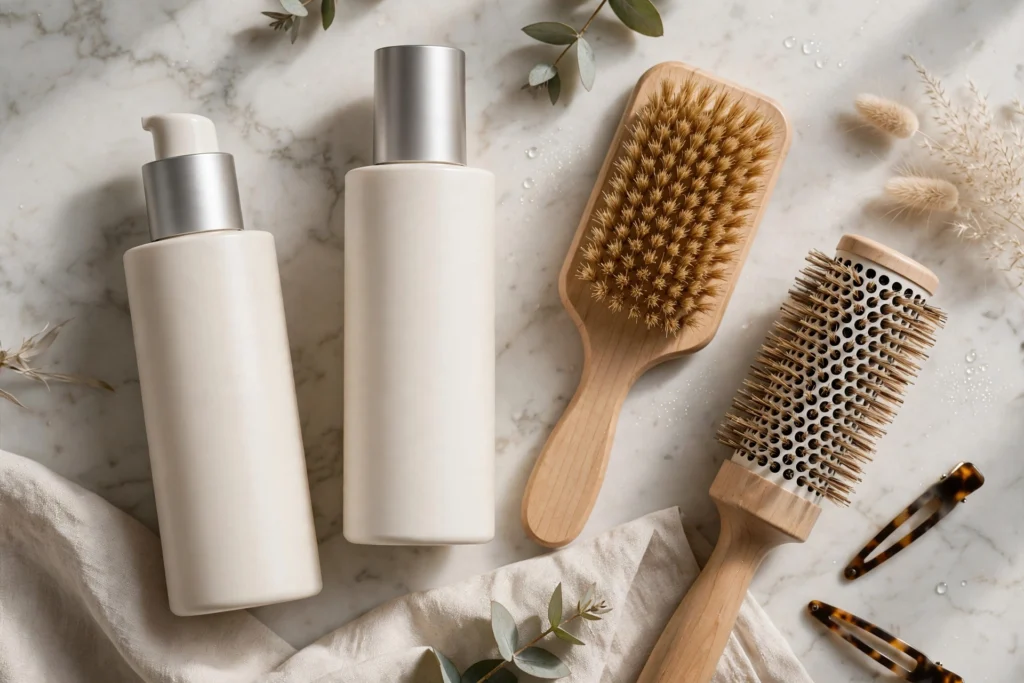
You do not need a hundred products — you need the right five. Here is the kit that actually matters:
A volumizing mousse applied to damp roots is the single highest-impact product for this cut. It gives fine hair the grip to hold lift and gives thick hair the structure to stay sculpted rather than collapsing.
A heat protectant is non-negotiable, because this style involves heat nearly every time. Choose a lightweight spray formula that will not weigh down the volume you are working so hard to build.
A texturizing spray (used sparingly) adds grit and separation to the waves, keeping them from merging into one solid helmet. Mist from arm’s length, then scrunch lightly.
A boar-bristle brush is the tool that creates the Baroque finish — it smooths the cuticle and distributes natural oils, which is what produces that expensive, glossy uniformity.
A flexible-hold hairspray plus a shine spray round out the kit: hold for the architecture, shine for the opulence. Apply hold first, shine last, and never the reverse.
One more thing worth knowing: product order matters as much as product choice. Layer from lightest to heaviest — heat protectant on damp hair first, then mousse at the roots, then styling, then texturizing spray, then hairspray, then shine as the final veil. Reversing that order (heavy products under light ones) is the most common reason home styling falls flat while salon styling soars. Get the sequence right and even drugstore products can outperform prestige ones applied in the wrong order.
Maintenance: Keeping the Drama Alive Between Appointments
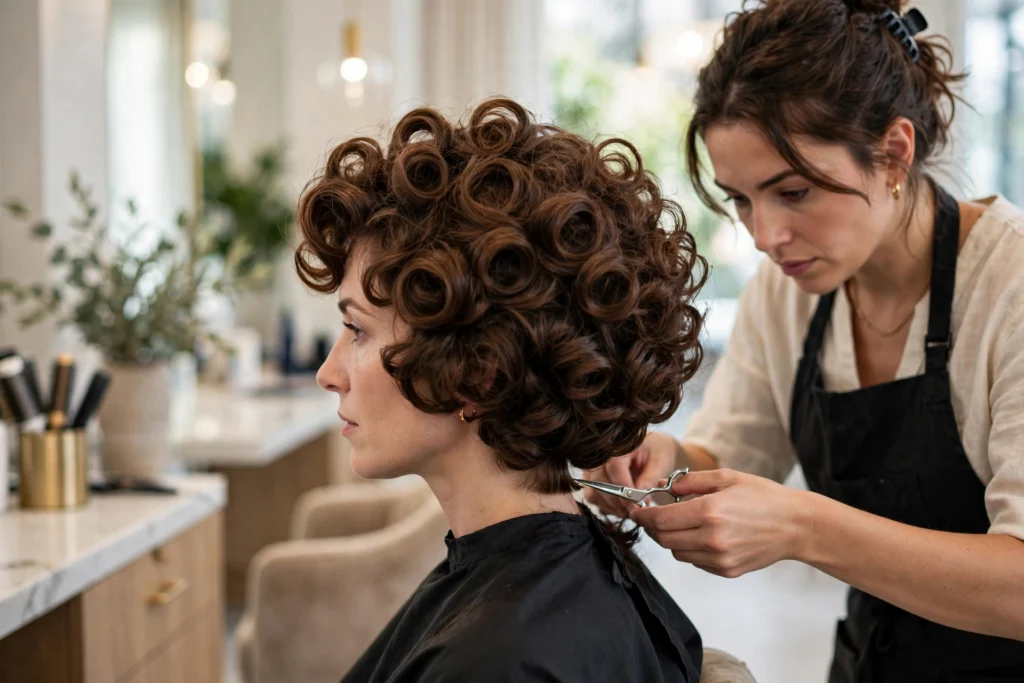
A Baroque Bob is not a cut you can ignore for four months — but it is also not as demanding as it looks, provided you respect the schedule.
Trims every 6–8 weeks keep the perimeter strong and the layers performing. Push past ten weeks and the weight distribution shifts: the bottom gets heavy, the crown goes flat, and the whole thing starts reading “grown out” instead of “opulent.” The short pixie-bob variation needs trims every 3–4 weeks — there is simply less hair to hide behind.
Nighttime matters more than you think. Sleep on a silk or satin pillowcase to preserve the smoothness, and consider loosely pinning the crown volume up in a soft scrunchie (never a tight elastic) to protect the root lift. In the morning, revive with a spritz of water at the roots, a quick upside-down blast with the dryer, and a touch of texturizing spray — a proper second-day refresh takes five minutes, not a full restyle.
Clarify regularly. All those volumizing and texturizing products build up, and buildup is the silent killer of volume. A clarifying shampoo once a week (or every 8–10 washes) resets the canvas. Follow it with a deep-conditioning mask on the ends only — the Baroque Bob needs moisture at the perimeter and lift at the roots, and those two needs require different products in different zones.
Plan the grow-out. One of this cut’s quiet virtues is how well it grows. At 3–4 months it becomes a beautiful voluminous lob with minimal awkwardness, especially if your stylist planned the layers for it. Many wearers simply let it evolve and get it reshaped into the gilded lob variation rather than cutting it all off again.
Baroque Bob FAQ: Everything You’re Still Wondering
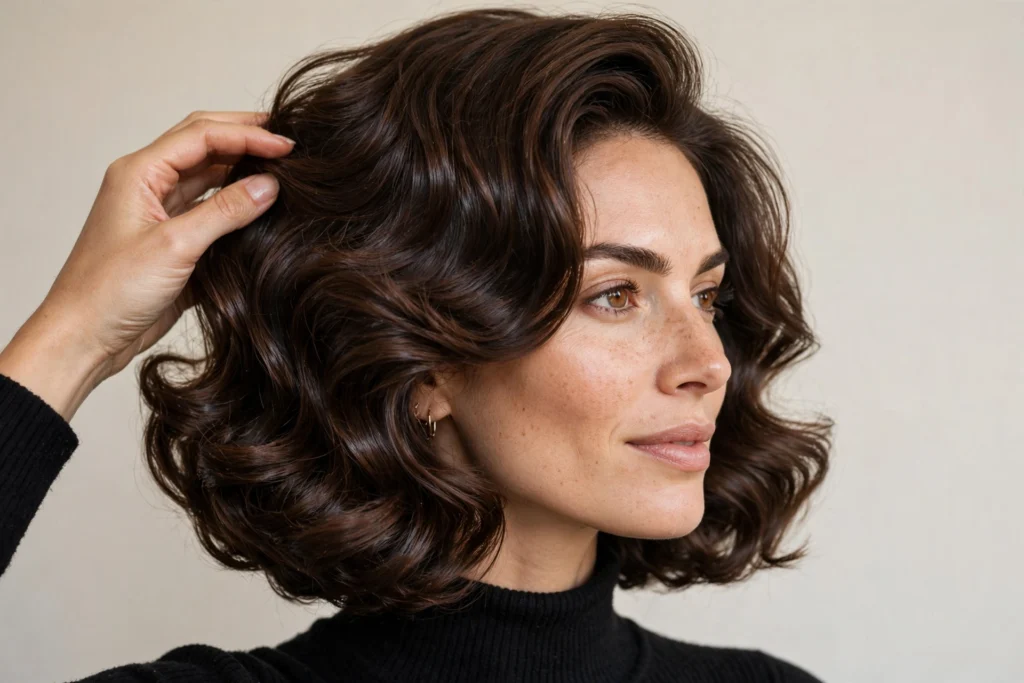
Does the Baroque Bob work on thin or fine hair? Yes — with the right approach. Fine hair actually takes the velvet variation beautifully, and volumizing products plus strategic layering can create genuine fullness. What fine hair cannot do as easily is the heaviest classic version without help; be open to your stylist’s suggestions about extensions or filler pieces for special occasions.
What face shapes suit the Baroque Bob? Nearly all of them, because the volume is adjustable. Round faces benefit from crown height and a slightly longer length; long faces suit the chin-length versions with fullness at the sides; heart shapes love the curtain-bang variation; square jaws are softened by the rounded silhouette. Bring your face shape into the consultation conversation explicitly.
How long does styling take each morning? Honestly: 15–25 minutes for the full sculpted version, 10 minutes for the velvet blowout, and under 5 for a second-day refresh. It is more than a wash-and-go lob and less than most people fear. The first two weeks are the learning curve; after that it becomes muscle memory.
Is the Baroque Bob professional enough for work? The velvet and gilded lob variations are completely office-appropriate — they read as polished and intentional. The most dramatic sculpted versions can be toned down for the office by smoothing the texture and skipping accessories. It is a versatile cut wearing a dramatic costume; the drama is adjustable.
Will it damage my hair? The cut itself involves no chemical damage. The styling does involve regular heat, so heat protectant every single time is mandatory, and weekly deep conditioning keeps the ends healthy. If your hair is already fragile, discuss the velvet variation with your stylist — it uses the least heat of the family.
How is it different from the Italian bob? The Italian bob is the Baroque Bob’s restrained cousin: full and bouncy, but natural-looking and undone. The Baroque Bob takes that fullness and polishes, sculpts, and amplifies it — more shine, more definition, more deliberate shape, and the whole ornamental spirit. Think of it as the Italian bob dressed for the opera.
Final Thoughts: Is the Baroque Bob Your 2026 Haircut?
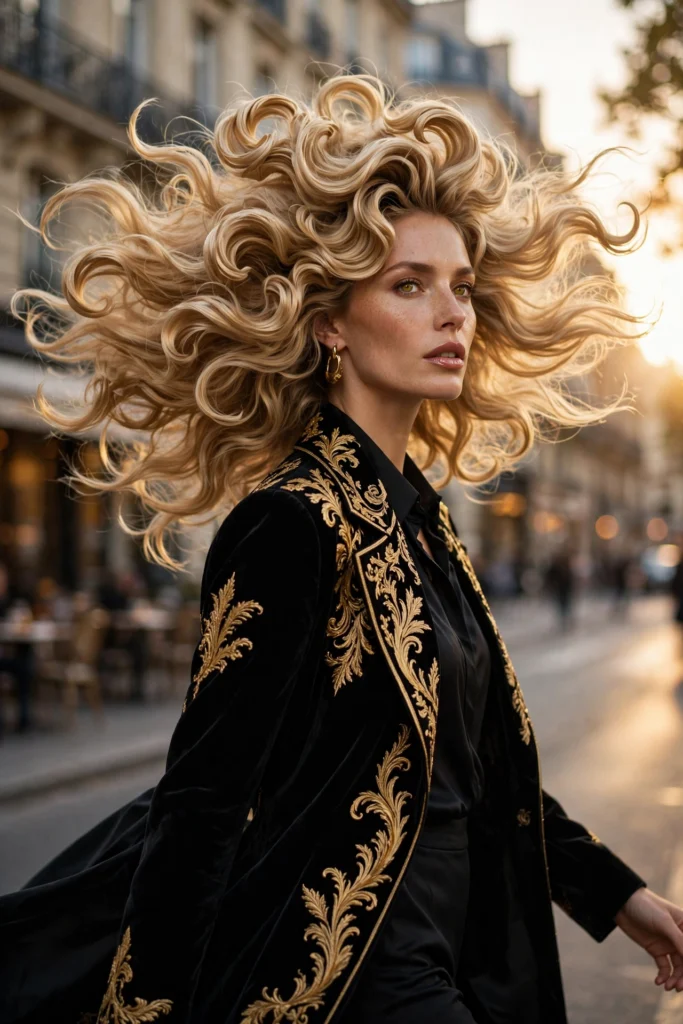
Here is the truth about trend haircuts: the best one is not the most viral, it is the one that makes you feel like the most deliberate version of yourself. The Baroque Bob happens to be both right now — the search data, the salon demand, and the sheer photographic power of the cut all say this is 2026’s defining bob.
It suits the maximalist moment without being a costume. It rewards texture instead of punishing it. It grows out gracefully, photographs beautifully, and adjusts from office to opera with a change of styling. If you have been waiting for a sign to do something bold with your hair, this is it — book the consultation, save your reference photos from the variations above, and let your hair have its Baroque moment.
After all, life is too short for boring hair. And in 2026, boring is officially over.
Conclusion
The baroque bob is 2026’s most opulent haircut — a voluminous, sculpted bob with old-world grandeur. Think dramatic volume, rich movement, and unapologetic drama from every angle. It suits women who want their hair to make an entrance, flattering oval and long faces with its glorious width.
Build the volume with a round brush and blow dryer, then set it with velcro rollers for lasting grandeur. A shine spray adds the final luxe touch. In 2026, the baroque bob is maximalism done right — more is more.