
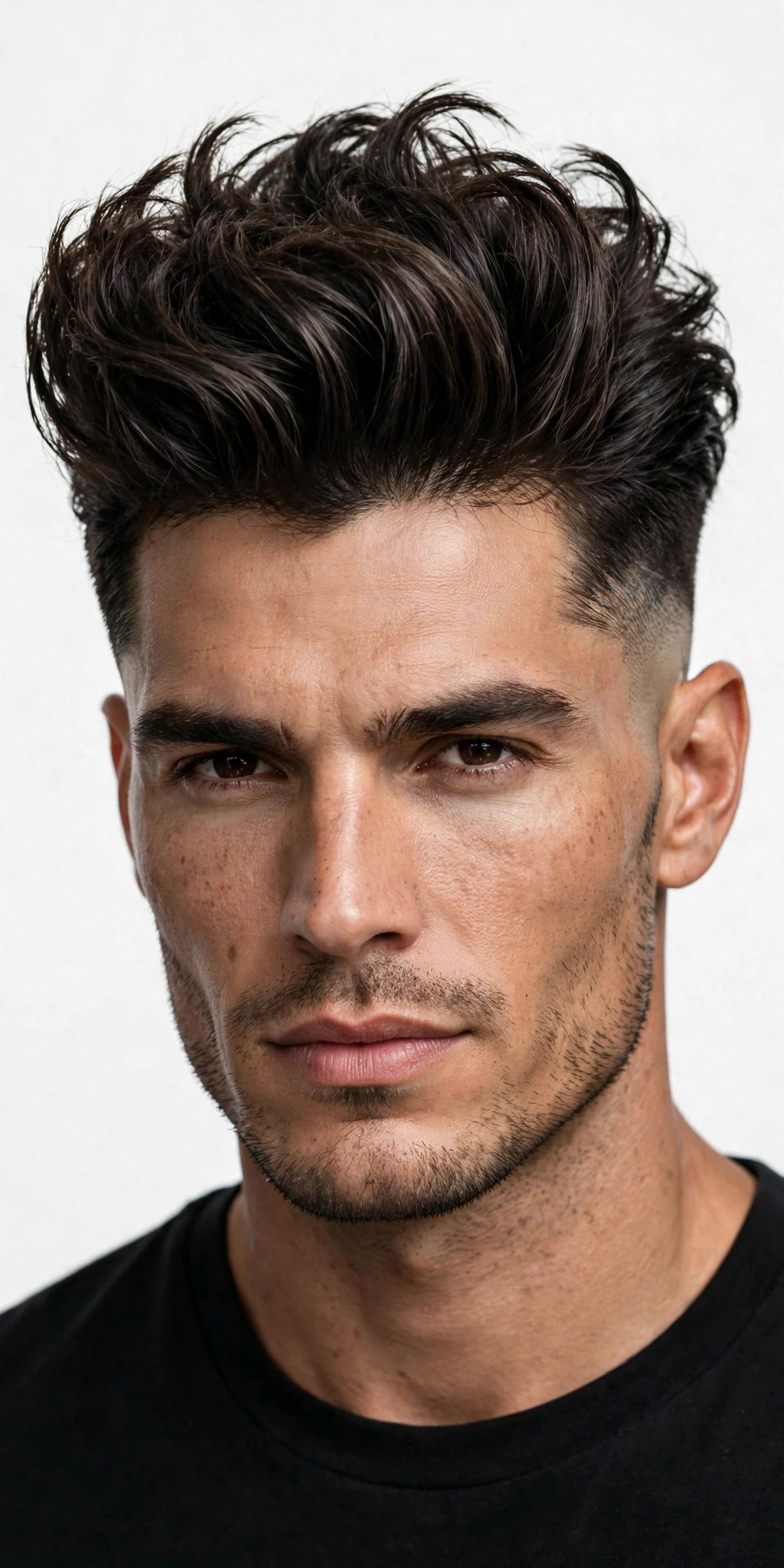
10 Messy Quiff Hairstyles for Men: Effortless Daily Styling Tips for 2026
Some haircuts look like they took an hour to style. The messy quiff looks like it took five minutes — because it basically did. Messy quiff hairstyles have become the go-to move for men who want a cut that looks deliberately tousled and confident without signing up for a complicated morning routine. Unlike a sharp, structured pompadour, the whole idea here is controlled imperfection: enough height and texture to look styled, but loose enough to feel easy. Whether your hair is thick, fine, curly, or straight, this shape can be tweaked to suit almost any texture and face shape.
In this guide to messy quiff hairstyles, you’ll find ten variations worth screenshotting for your barber, plus honest daily styling routines, the products actually worth buying, the mistakes that ruin the look, and exactly what to say in the chair so you walk out with the right length and texture every time.
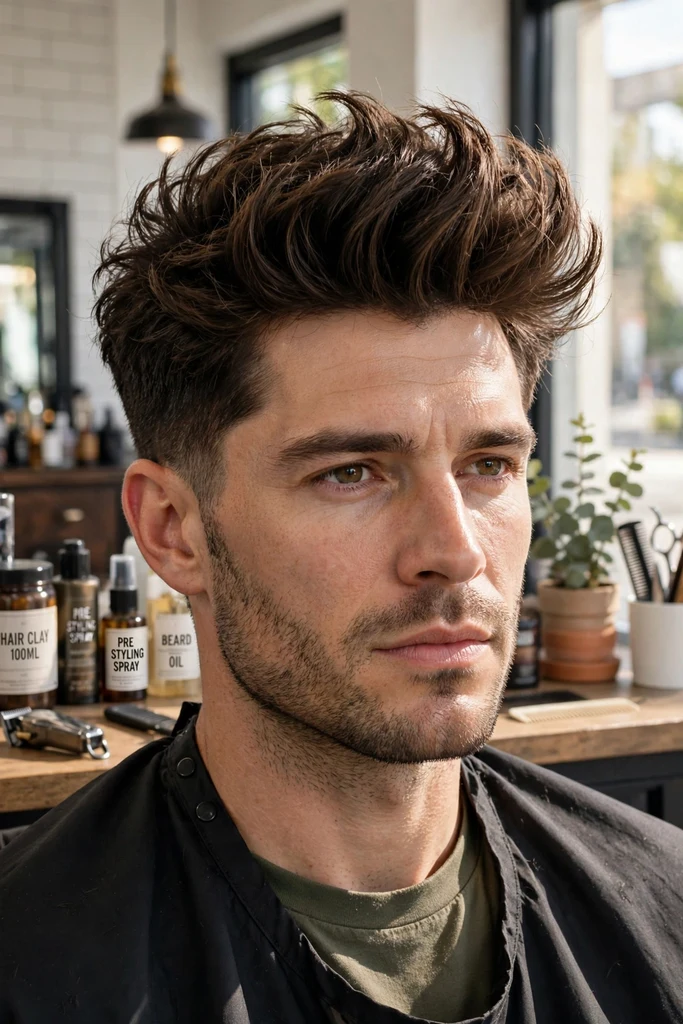
1. Classic Messy Quiff
This is where it all starts. The classic version is the foundation of messy quiff hairstyles, pairing a swept-up front with loose, piece-y texture through the rest — no smooth, polished finish in sight. Think of it as the blueprint every other version on this list is built from.
Why You’ll Love It: It lands right in the sweet spot between put-together and relaxed. You get real height and structure up front without looking like you tried too hard.
Best For: Oval and round faces get the most out of this one — the lift at the front adds length exactly where you want it.
Best Hair Type: Straight to wavy hair with medium-to-thick density holds the shape with the least fuss.
Daily Styling Routine: Towel-dry to about 80 percent, work a small amount of matte paste through with your fingers, and push the front section up and slightly back. Leave a few pieces loose and separated — that’s the whole point.
Common Mistake to Avoid: Going overboard with product. Too much paste turns texture into grease, so start with less than you think you need and build up from there.
Maintenance: See your barber every 4 to 6 weeks to keep the top proportional to the shorter sides.
Ask Your Barber For: A quiff with enough length on top to sweep upward, tapered shorter through the sides for contrast.

2. Messy Quiff with Fade
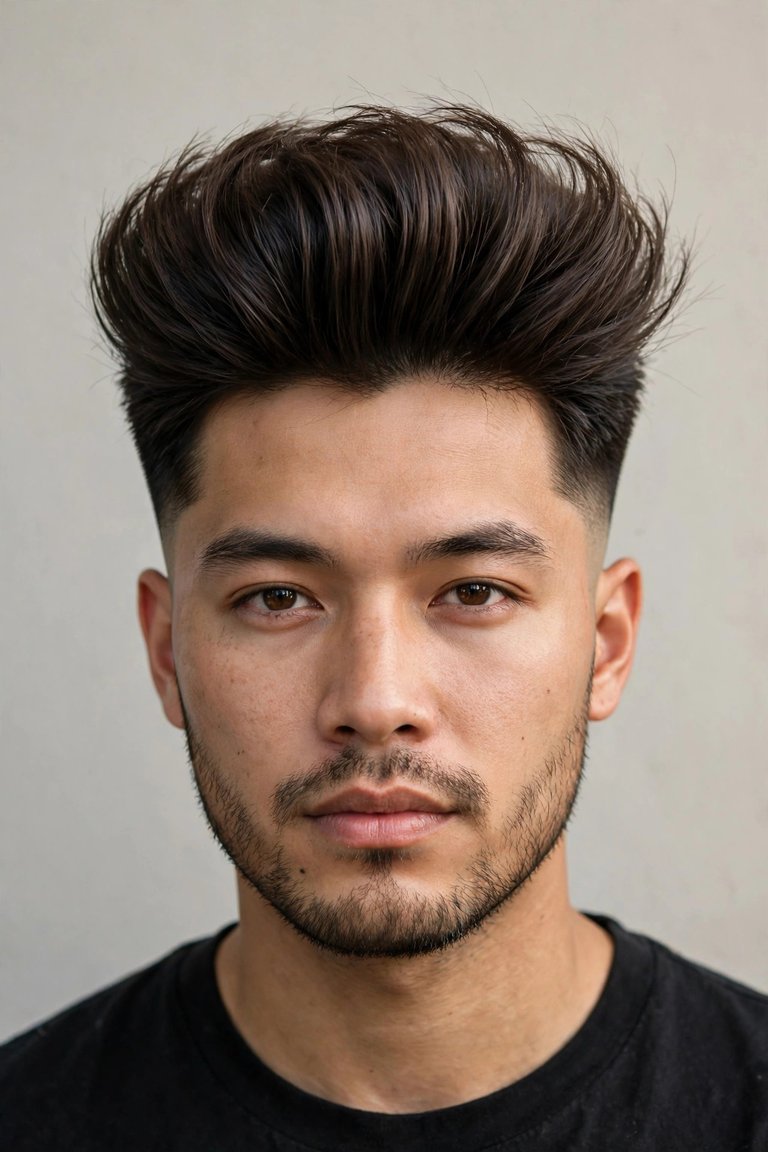
Among messy quiff hairstyles, this is one of the most requested combinations in barbershops right now. Sweep the top up, fade the sides down — the clean fade underneath gives the loose, textured top something sharp to play against.
Why You’ll Love It: The fade keeps the silhouette looking clean and intentional, which stops the messy top from reading as just unkempt.
Best For: Oval and square faces wear this contrast especially well — faded sides against a voluminous top.
Best Hair Type: Straight to wavy hair with medium density blends cleanest into the fade transition.
Daily Styling Routine: Mist a little sea salt spray through damp hair for grit, then push the top up and back with your fingers. Let a few pieces fall forward for that lived-in finish.
Common Mistake to Avoid: Letting the fade grow out. A grown-out fade blurs the line between the sides and the top, and the whole haircut loses its edge.
Maintenance: Book the fade every 2 to 3 weeks, with a full trim on top every 6 weeks.
Ask Your Barber For: A messy quiff on top with a mid-level fade tapering cleanly into the sides.

3. Messy Quiff with Beard
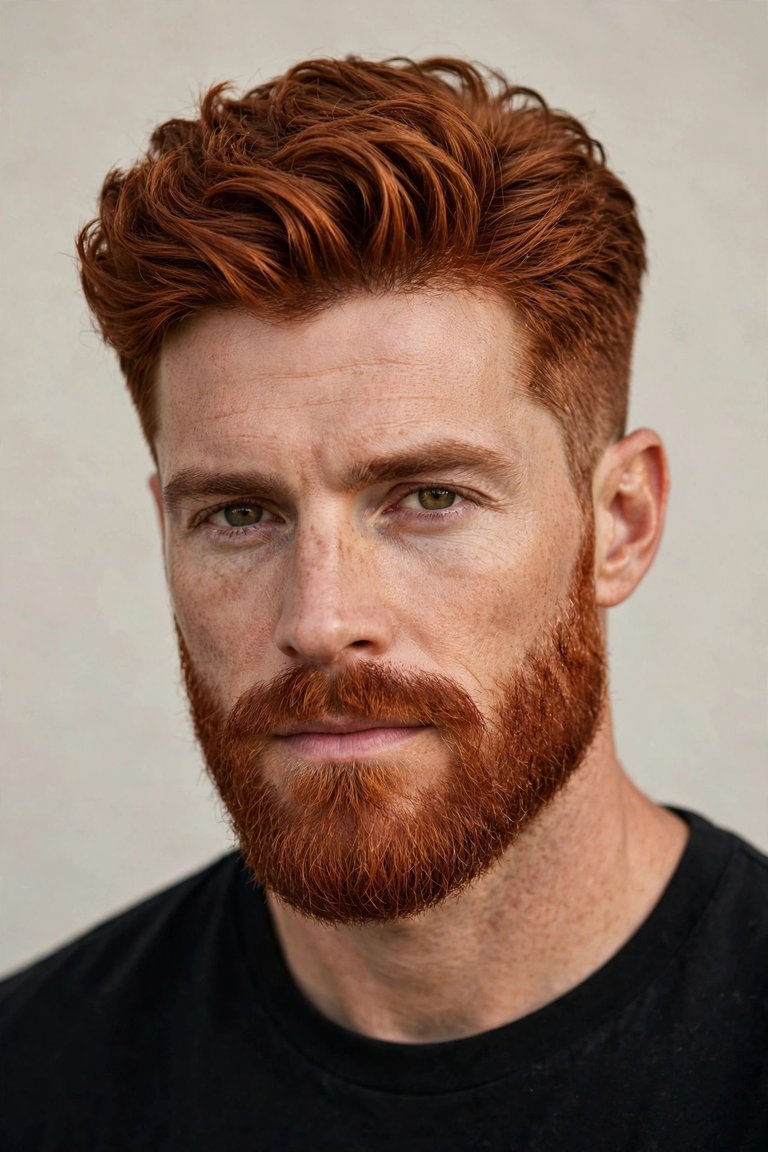
Take the relaxed, textured energy of the quiff and run it all the way down into a beard, and you get a fuller, more rugged version of the look — masculine without feeling over-groomed.
Why You’ll Love It: The beard adds weight to the lower half of your face, which balances the height and volume happening up top. The proportions just work.
Best For: Pretty much every face shape — beard length and shape can be dialled in to suit your own jawline.
Best Hair Type: Any hair type works up top. The beard itself needs enough length and density to look intentional rather than patchy.
Daily Styling Routine: Style the hair as usual with a matte paste or clay, then run a drop or two of beard oil through the facial hair to keep it soft and defined.
Common Mistake to Avoid: Letting the beard go completely wild. Unshaped growth crosses the line from effortlessly rugged to simply neglected.
Maintenance: Hair every 4 weeks, with beard trims and edging every 2 to 3 weeks to hold the shape.
Ask Your Barber For: A messy quiff with a full but shaped beard, cleaned up along the cheek and neckline.

4. Textured Quiff for Thick Hair
If you’ve got thick hair, congratulations — your hair basically does the styling for you. This version leans into natural density for maximum volume with minimum product.
Why You’ll Love It: Thick hair holds texture and height on its own, so you can pull off a genuinely dramatic silhouette with barely any daily effort.
Best For: Oval, round, and square faces all suit the extra height and volume this cut brings.
Best Hair Type: Naturally thick, straight-to-wavy hair gives you the fullest version of this look.
Daily Styling Routine: Work a small amount of matte clay through damp hair, comb the front roughly upward and back, then tousle with your fingers for separation.
Common Mistake to Avoid: Piling on product. Thick hair plus heavy product equals flat hair — which defeats the entire purpose of this cut.
Maintenance: Every 5 to 6 weeks. Thick hair holds its shape a little longer than finer textures, so you can stretch the time between visits.
Ask Your Barber For: A quiff with plenty of length left on top to make the most of your hair’s natural thickness and volume.
5. Messy Quiff with Undercut
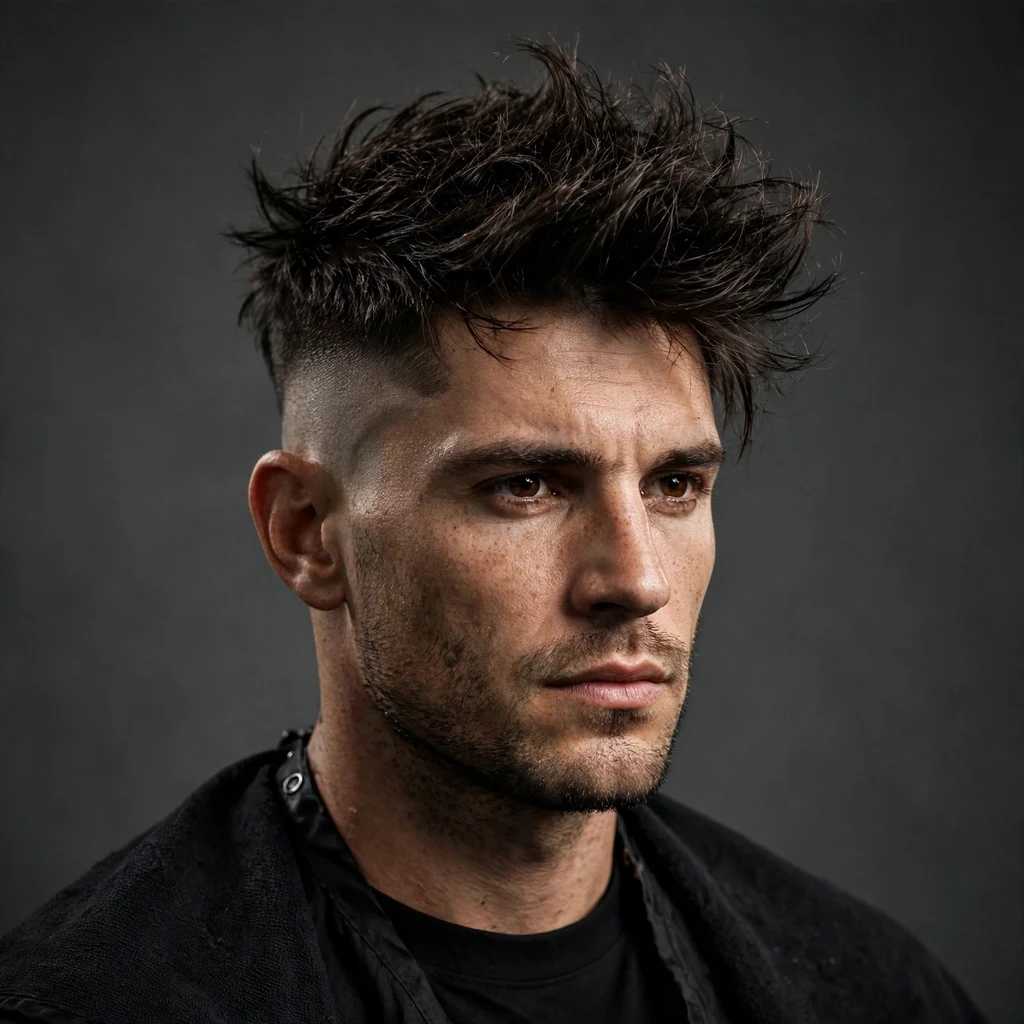
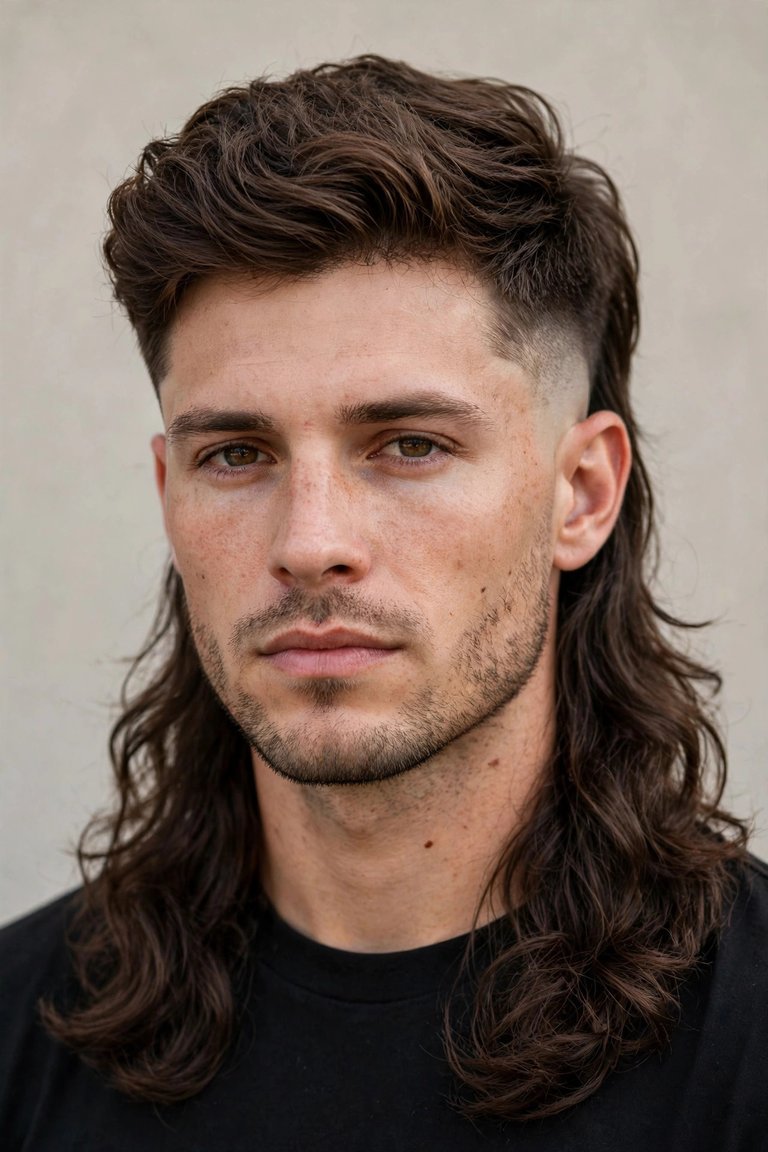
This is the boldest of the messy quiff hairstyles on this list. A disconnected undercut — sides clipped short with no blend — sits underneath the loose, textured top for maximum contrast.
Why You’ll Love It: The sharp length difference makes the top look even more voluminous by comparison, and the undercut itself needs almost zero daily maintenance.
Best For: Oval and square faces handle the strong contrast of this combination best.
Best Hair Type: Straight, wavy, or curly — the undercut is clipped uniformly short no matter your texture.
Daily Styling Routine: Apply a strong-hold paste or wax to damp hair, work the top section upward and slightly forward, and leave natural separation between the pieces.
Common Mistake to Avoid: Going too short on the sides relative to a long top. The disconnect should look deliberate, not accidental.
Maintenance: Every 2 to 3 weeks to keep the undercut sharp, with a full trim on top every 6 to 8 weeks.
Ask Your Barber For: A messy quiff with a disconnected undercut at the sides for maximum contrast.
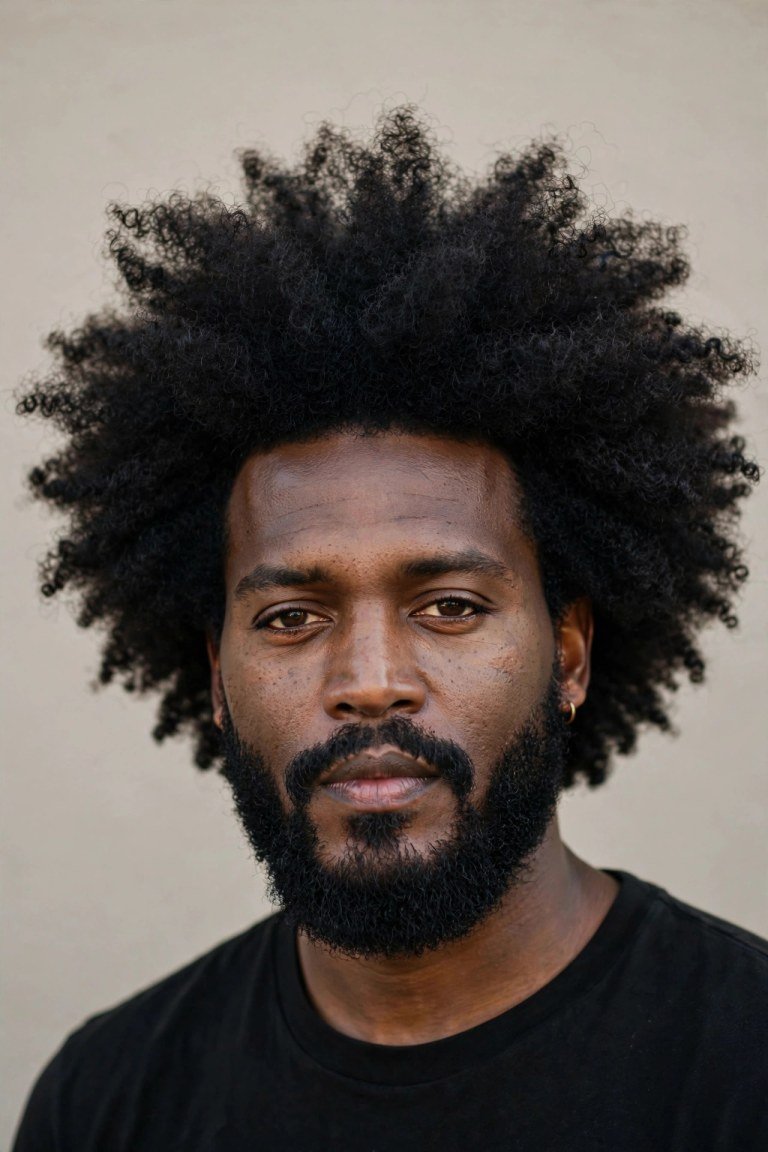
6. Curly Messy Quiff
Curly hair and the messy quiff are a natural match. Instead of fighting your curl pattern into something smooth, this version lets curls fall forward and to the sides — texture included, free of charge.
Why You’ll Love It: You’re working with your curls instead of against them, which means less heat, less product, and less time than a straight-hair version of the same cut.
Best For: Oval, round, and heart-shaped faces suit the natural volume that curly hair brings to this style.
Best Hair Type: Naturally curly or wavy hair — roughly types 2B through 3C — gets the fullest, most textured result.
Daily Styling Routine: Scrunch a lightweight curl cream into damp hair, push the front section upward, and let it air-dry or diffuse for natural definition.
Common Mistake to Avoid: Heavy, greasy products. They weigh curls down and pull out the very texture this style is built on.
Maintenance: Every 6 to 8 weeks — and ask for it cut dry, so your barber can see exactly how your curls actually fall.
Ask Your Barber For: A curly quiff, cut dry, with enough length on top to let your natural curl pattern show through.

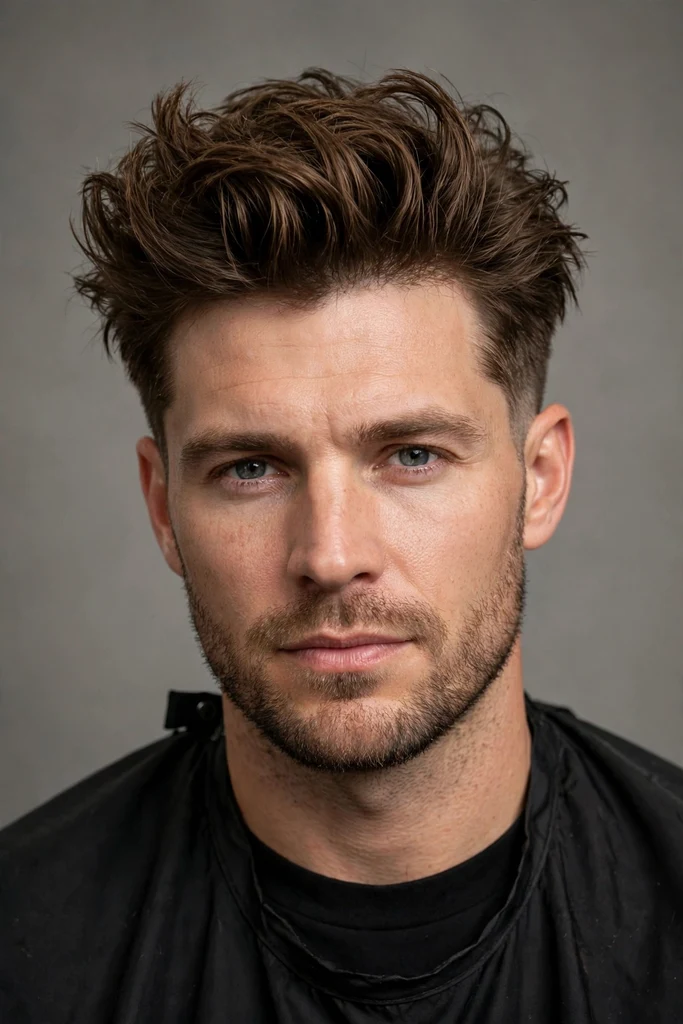
7. Messy Quiff with Side Part
A soft side part tucked under the textured top adds just a whisper of structure — enough to wear this to the office without losing the relaxed, tousled feel.
Why You’ll Love It: The part gives the style definition and direction while the top stays loose and undone. Polished, but not stiff.
Best For: Oval and heart-shaped faces suit the asymmetry of a side part.
Best Hair Type: Straight to wavy hair with medium density holds a soft part most naturally.
Daily Styling Routine: Use your fingers — not a fine-tooth comb — to create a loose part in damp hair. Add matte paste, then tousle the top for texture.
Common Mistake to Avoid: Combing the part too precisely. A razor-sharp part fights the whole undone vibe this style is going for.
Maintenance: Every 5 to 6 weeks to keep the top proportional and the part area tidy.
Ask Your Barber For: A messy quiff with a soft, natural side part — not a hard, combed line.

8. Short Messy Quiff
Same idea, less commitment. The short messy quiff keeps the top cropped closer than a traditional quiff — all the tousled texture, minus the dramatic height.
Why You’ll Love It: Styling takes about a minute, and you still get that intentional, piece-y texture that defines the whole category.
Best For: Every face shape can pull off this shorter, more understated version.
Best Hair Type: Straight, wavy, or curly hair with fine-to-medium density.
Daily Styling Routine: Work a small amount of matte paste into damp hair and push the front slightly upward with your fingers. That’s genuinely it.
Common Mistake to Avoid: Going too short on top. Without enough length, there’s nothing to create texture with — and it just becomes a basic crop.
Maintenance: Every 4 weeks to keep the shorter length looking crisp and deliberate.
Ask Your Barber For: A short quiff with just enough length on top for subtle height and texture.

9. Messy Quiff with Pompadour Blend
This hybrid borrows the height and sweep of a traditional pompadour but keeps the top loose and textured — so it works for a wedding and a lazy Sunday alike.
Why You’ll Love It: You get the visual impact of a pompadour without the daily precision styling it usually demands.
Best For: Oval and round faces benefit most from the added height and length of this hybrid style.
Best Hair Type: Straight to wavy hair with medium-to-thick density holds the swept-back shape best.
Daily Styling Routine: Blow-dry the top back and slightly up with a round brush, add matte paste, then tousle lightly with your fingers to break up anything too smooth.
Common Mistake to Avoid: Over-brushing. Smooth out all the texture and you’ve accidentally styled a full pompadour.
Maintenance: Every 5 to 6 weeks to keep enough length for the swept-back shape.
Ask Your Barber For: A quiff-pompadour hybrid with enough length to sweep back — textured and undone, not sleek.
10. Messy Quiff for Thinning Hair
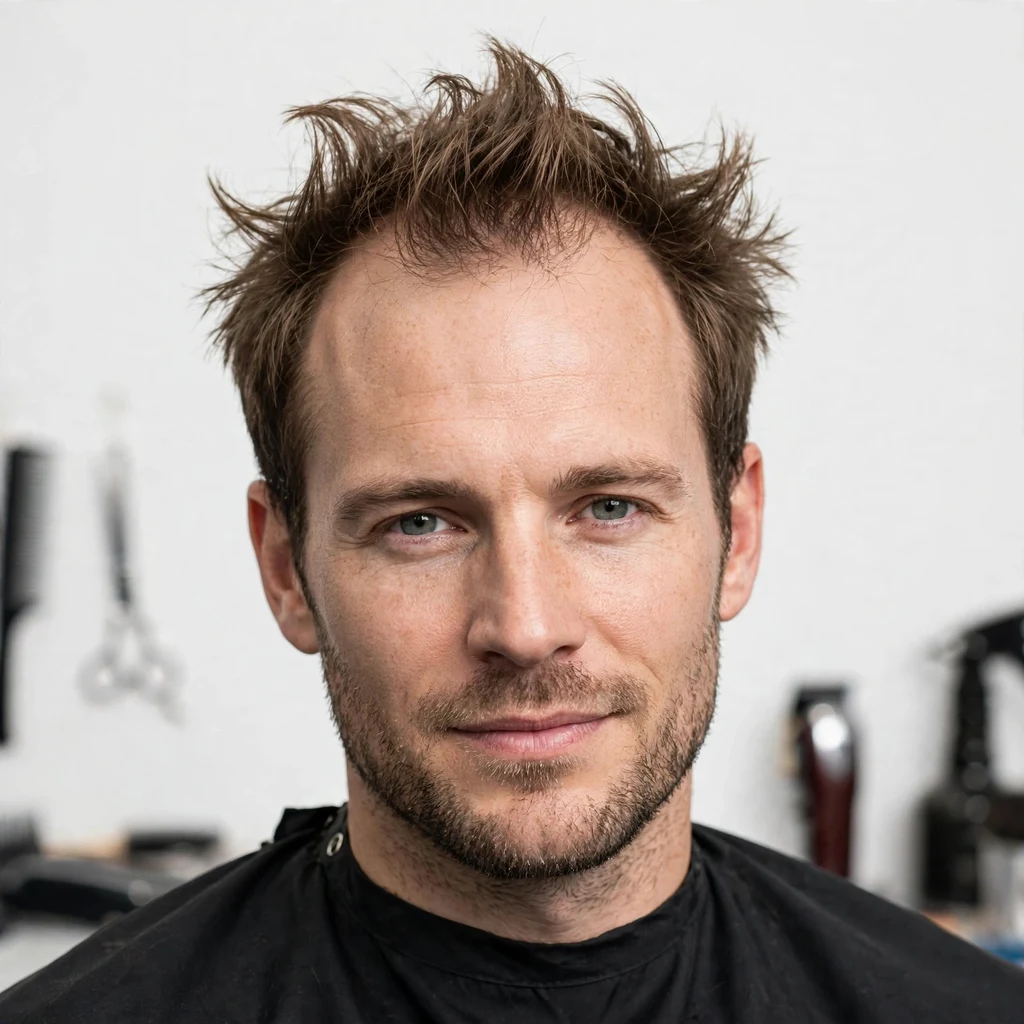
Thinning hair doesn’t rule out messy quiff hairstyles. With the right cut and lightweight products, this version creates the illusion of real volume and texture — no dense head of hair required.
Why You’ll Love It: Smart layering and volumizing products can make fine hair look significantly thicker than it is.
Best For: Oval and round faces that can carry a little extra height up front.
Best Hair Type: Fine or thinning hair — this cutting and styling approach is built for it.
Daily Styling Routine: Dust a lightweight volumizing powder or spray at the roots first, then use a small amount of paste to lift the front and add texture. Keep it light — heavy product is the enemy here.
Common Mistake to Avoid: Heavy waxes and pomades. On thinning hair they do the opposite of what you want: flat, greasy, and thinner-looking.
Maintenance: Every 4 to 5 weeks. A fresh shape is half the battle when it comes to looking fuller.
Ask Your Barber For: A quiff cut and layered specifically to maximize volume and thickness for fine or thinning hair.
If you’re weighing this look against other popular men’s styles, our guides on modern undone pompadour ideas and celebrity-inspired quiff haircuts have plenty more inspiration in a similar lane. And if you’re pairing the cut with a fade, our roundups of sharp buzz cut with line up ideas and best burst fade haircuts cover the side and back detailing worth considering.
Why Messy Quiff Hairstyles Continue to Trend
The staying power of the messy quiff comes down to a simple trade-off: it looks like effort, but it isn’t much. A sharp pompadour needs precise blow-drying and setting every morning; a well-cut messy quiff looks intentional with a fraction of that work, because controlled imperfection is the entire point. Barbers keep recommending it for good reason — it photographs well, moves easily between casual and dressed-up settings, and genuinely works across a wide range of hair types and densities.
How to Choose the Right Version for Your Hair Type
Choosing between messy quiff hairstyles mostly comes down to three things: your natural texture, your density, and how much time you actually want to spend in front of the mirror. Thick, wavy hair handles the dramatic, high-volume versions with ease. Fine or thinning hair does better with lighter products and a slightly shorter top so it doesn’t fall flat. Curly hair usually looks best left close to its natural state — minimal heat, minimal fuss, and the same tousled payoff that straight hair needs product to fake. If your hair is on the finer side, our guide on low taper fade for thin hair covers cutting details that pair well with several of the styles above.
Daily Products That Make a Difference
You don’t need a shelf full of products to maintain messy quiff hairstyles — four staples cover just about everything. A matte clay or paste gives hold without shine, which is what keeps the finish textured instead of slick. A light sea salt spray adds grit to damp hair before styling, a lifesaver for straight or fine hair that struggles to hold its shape. Curl creams or lightweight gels define natural texture for wavy and curly types without the weight of a traditional paste. Keep a small rotation on hand and adjust based on what your hair is doing that morning — more hold, more texture, or just a quick refresh.
Common Styling Mistakes to Avoid Across the Board
Beyond the per-style mistakes above, three habits wreck messy quiff hairstyles no matter which version you’re wearing. First: too much product. Even a little extra turns texture into something wet, heavy, or greasy instead of tousled. Second: skipping trims. A style built on messiness still needs a well-proportioned cut underneath, or it stops looking intentional and starts looking overgrown. Third: applying product to bone-dry hair. Damp hair distributes product evenly; dry hair gives you patchy, unnatural-looking results.
Frequently Asked Questions
What makes a quiff “messy” instead of a traditional pompadour?
A traditional pompadour is smooth, structured, and precisely shaped. Messy quiff hairstyles keep the height but trade the polish for loose, separated texture and an undone finish on top.
How much length do I need on top?
Most versions need at least two to four inches up top — enough to sweep upward and create real texture. The exact amount depends on how much height you want.
Can messy quiff hairstyles work with curly hair?
Absolutely — curly hair might be the best candidate of all. Natural texture does half the styling for you, so you need less product and no heat to get the tousled effect.
How often should I visit the barber?
Most messy quiff hairstyles need a trim every 4 to 6 weeks to keep the top-to-sides proportions looking deliberate rather than overgrown. Fades and undercuts need touching up every 2 to 3 weeks.
What products work best?
Matte clay, texturizing paste, and sea salt spray are the big three for messy quiff hairstyles — they add hold and grit without leaving hair greasy or shiny.
Is this style suitable for thinning or fine hair?
Yes. The right layering plus lightweight, volumizing products can make fine hair look noticeably fuller. Just steer clear of heavy waxes and pomades.
Can I pair this style with a beard?
One of the most popular combinations out there. A well-groomed beard balances the volume up top and adds weight to the lower face.
How long does daily styling take?
Once you’ve dialled in your product and technique, most guys are done in under five minutes.
Final Thoughts
Messy quiff hairstyles stay popular for one reason: they reward imperfection instead of punishing it. Whether you’re drawn to the dramatic pompadour blend, the low-maintenance short version, or the natural curly take, there’s a version here that fits your hair type, your face shape, and your morning routine. Screenshot your favourite, show your barber, and enjoy a haircut that looks effortlessly sharp with just a few minutes of work each day.
Conclusion
The messy quiff is 2026’s answer for men who want volume and attitude without the stiffness of a classic quiff. By keeping texture tousled and natural, it delivers height and style that looks effortless. It suits most face shapes, particularly round and square, and works best on medium-length hair with natural wave or texture.
Blow-dry upward with a vent brush, then work matte paste through with your fingers — never a comb — for that perfectly imperfect finish. In 2026, the messy quiff proves that the best hairstyles look like you did not try too hard, even when you did.
8 Comments