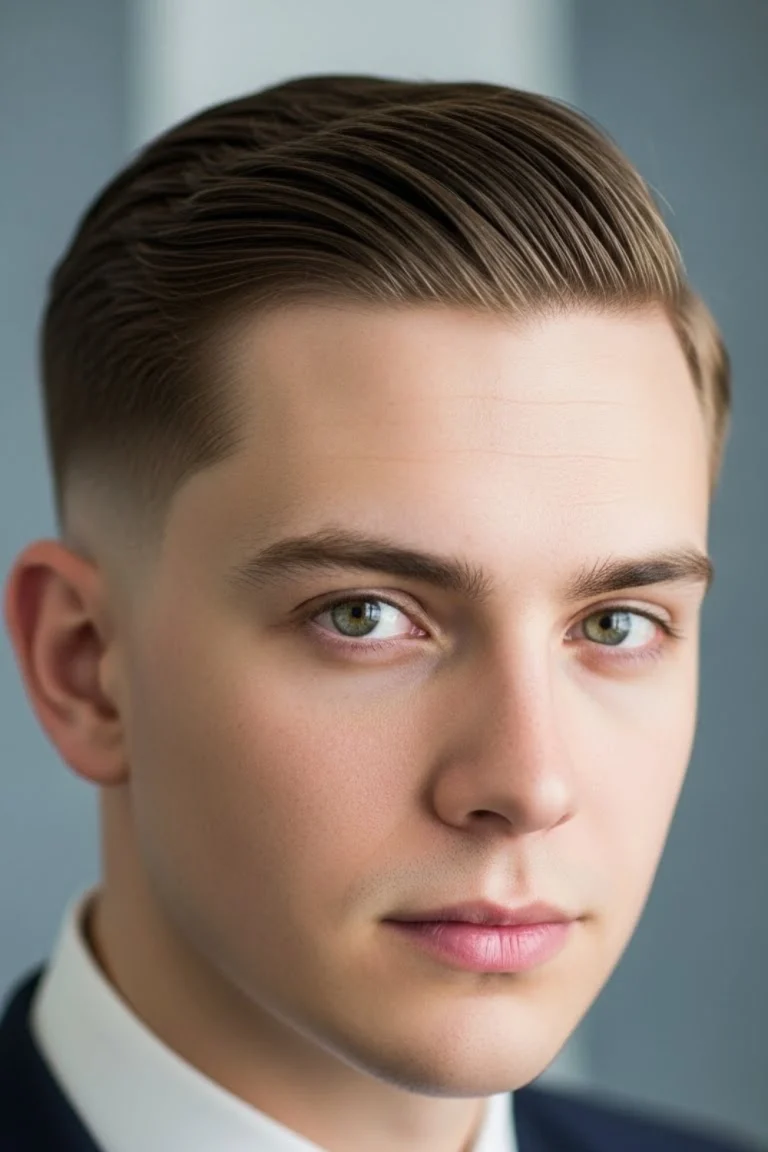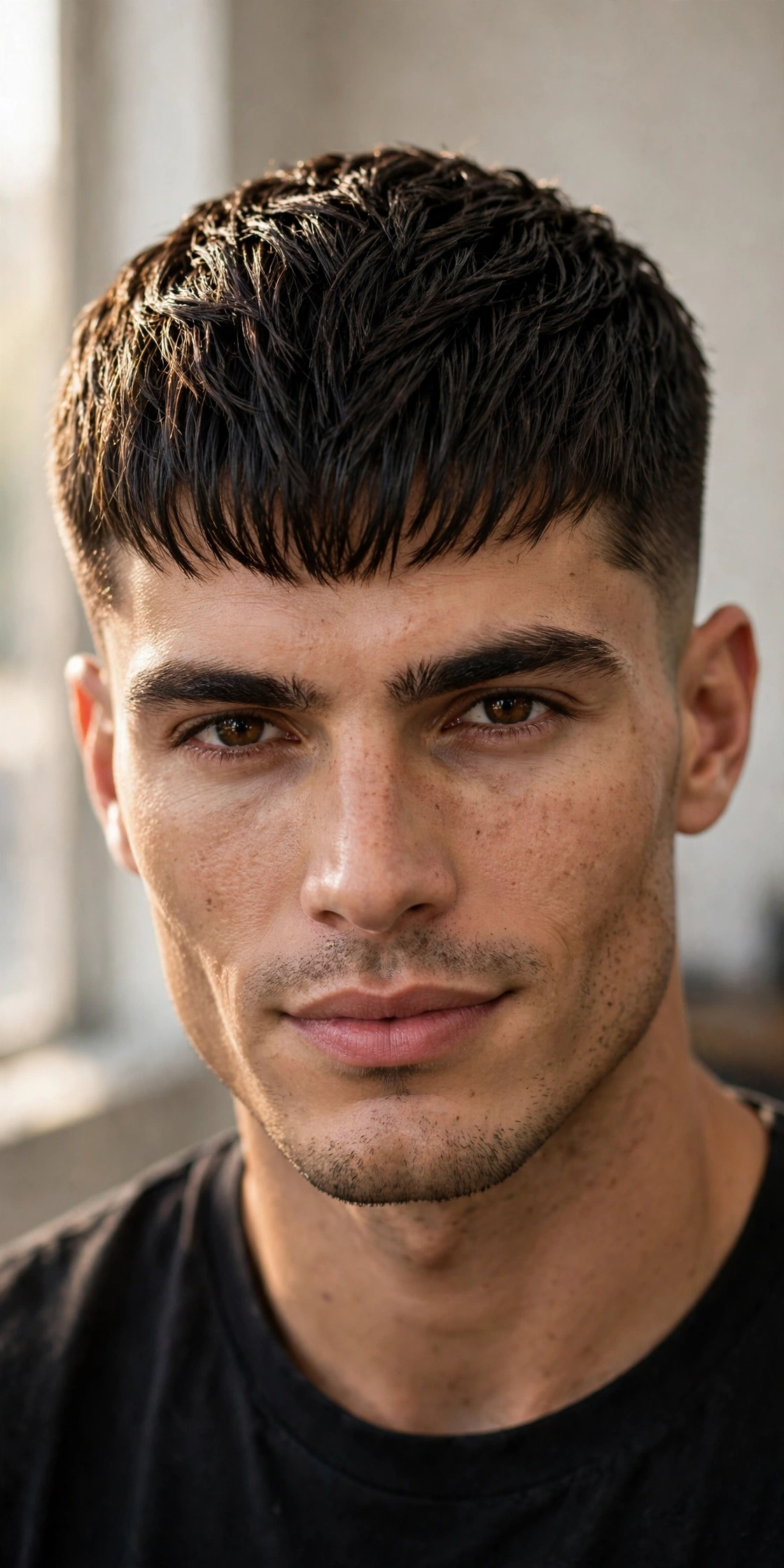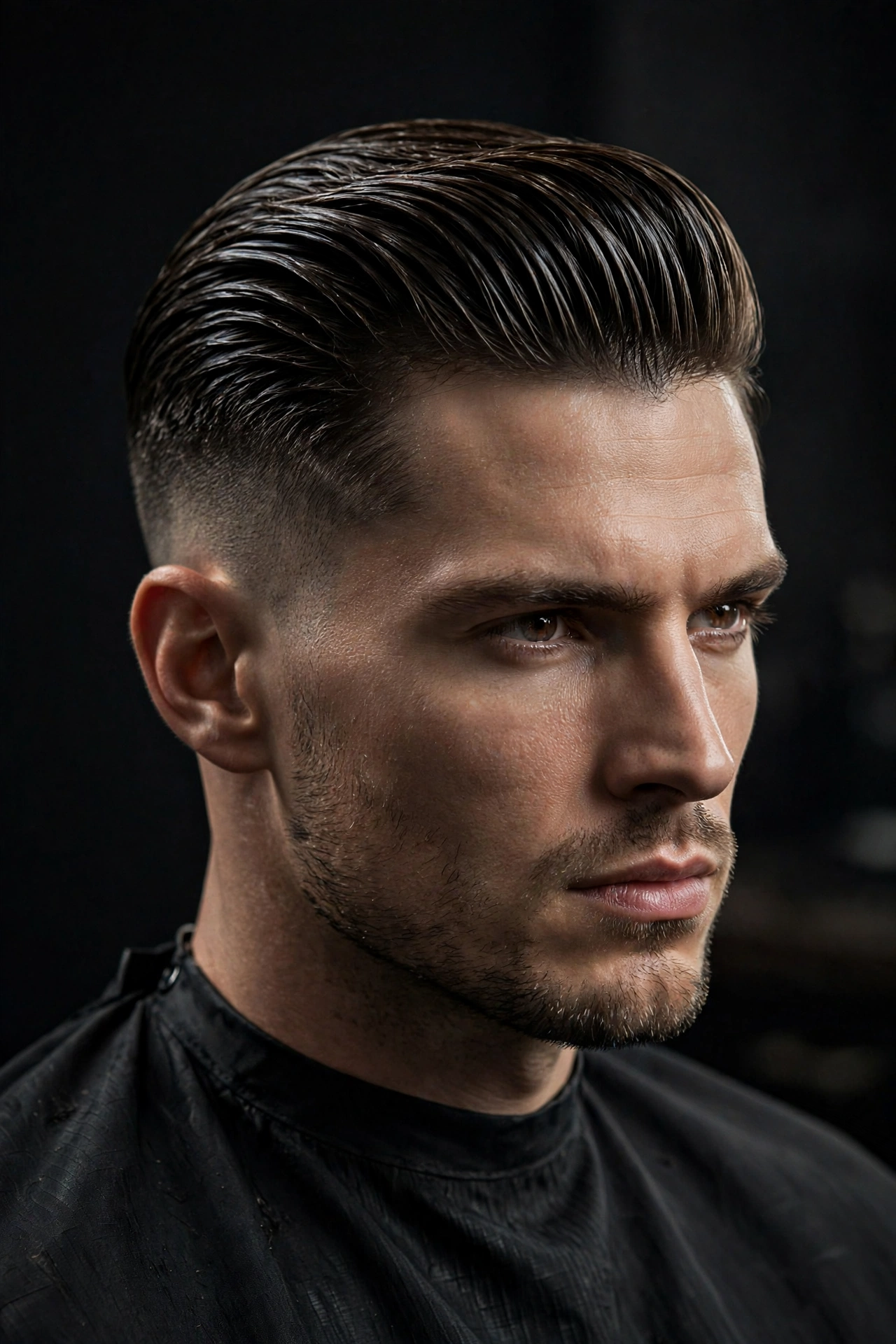
Slick Back Undercut for Men 2026
Some haircuts whisper. The slick back undercut walks into the room and introduces itself. It’s the rare style that works as well in a boardroom as it does on a motorbike — polished on top, rebellious on the sides — and in 2026 it’s having a genuine moment again, refined and more wearable than ever.
But here’s the thing — a great slick back undercut for men is about contrast done right. Too little difference between the top and sides and it just looks like a regular haircut; too much and it can look costume-y. The 2026 versions nail the balance: cleaner blends, smarter product choices, and lengths that actually suit real life. Here are the nine variations worth your attention this year.
1. The Classic Slick Back Undercut
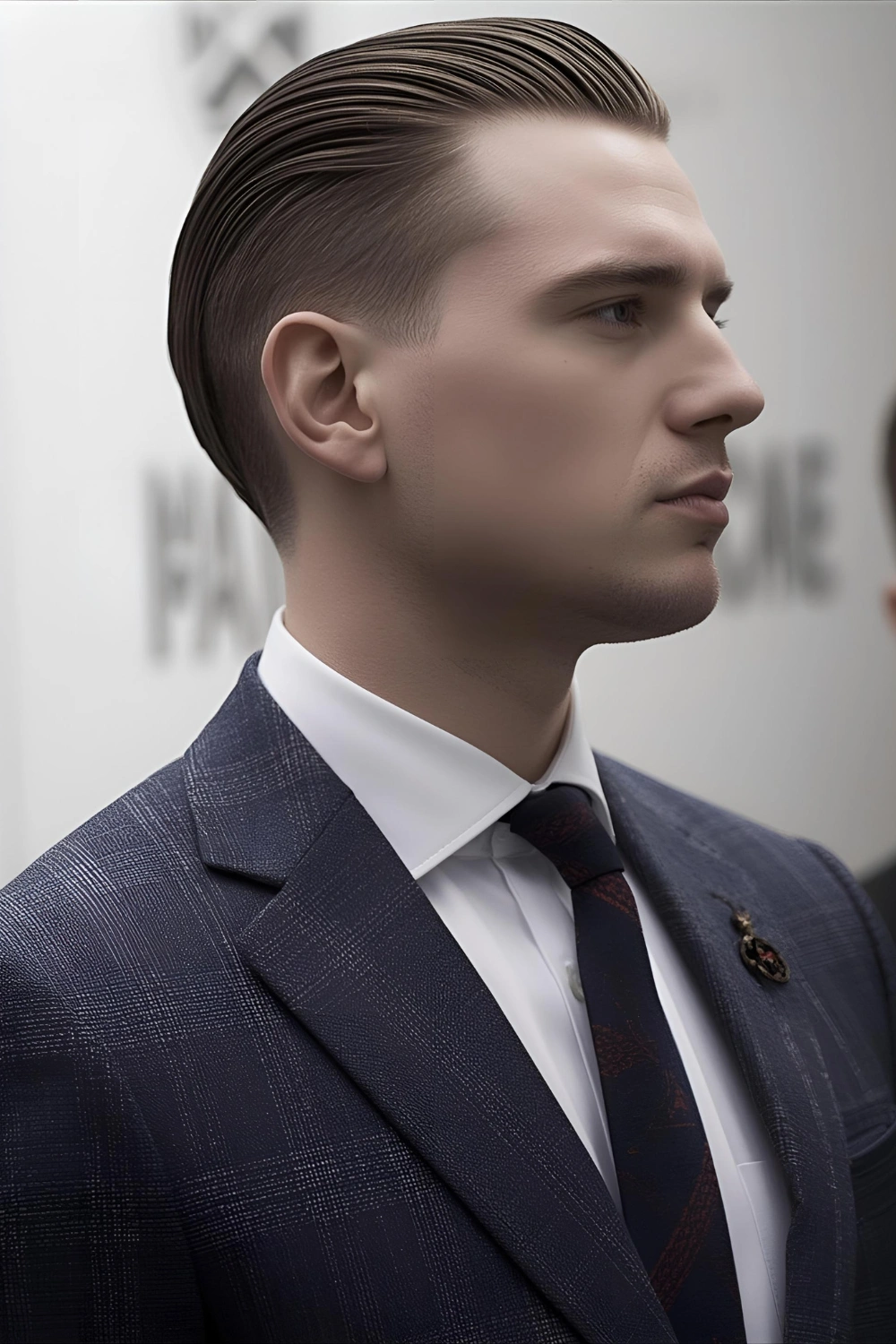
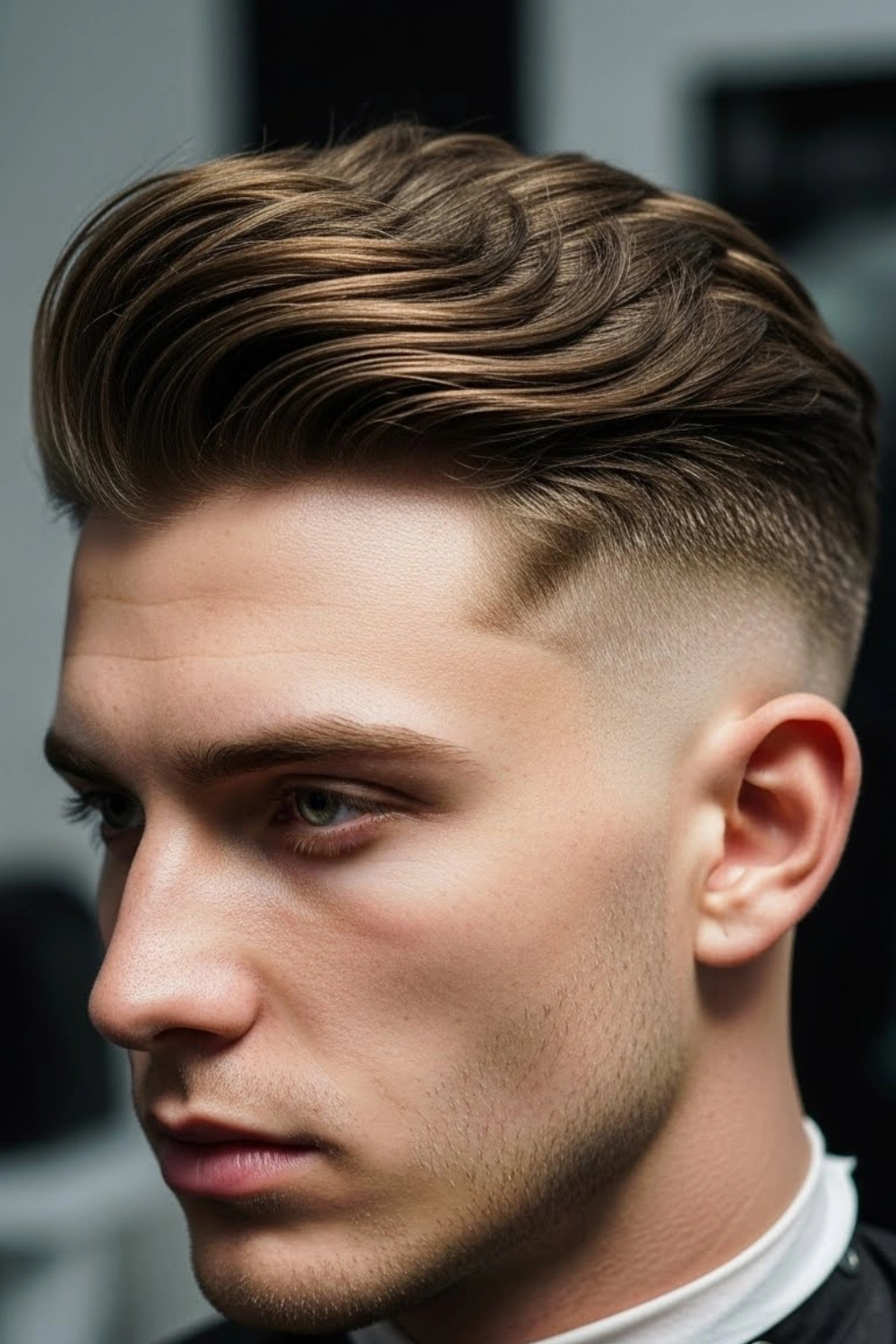
Let’s start where it all began. The classic slick back undercut for men keeps the sides and back clipped short and uniform — traditionally one length, no fade — while the top stays long enough to sweep straight back. That stark contrast between the tight sides and the flowing top is the whole point, and it’s what gives the style its unmistakable silhouette.
In 2026, the classic is being worn with a bit more length on top than the slicked-down versions of the 2010s — think four to six inches, which gives the hair movement instead of gluing it to the scalp. A medium-hold pomade with a natural shine is the traditional choice. Comb it back when damp, let it set, and you’re done. It’s the undercut in its purest form, and honestly, it still turns heads.
2. The Disconnected Slick Back Undercut
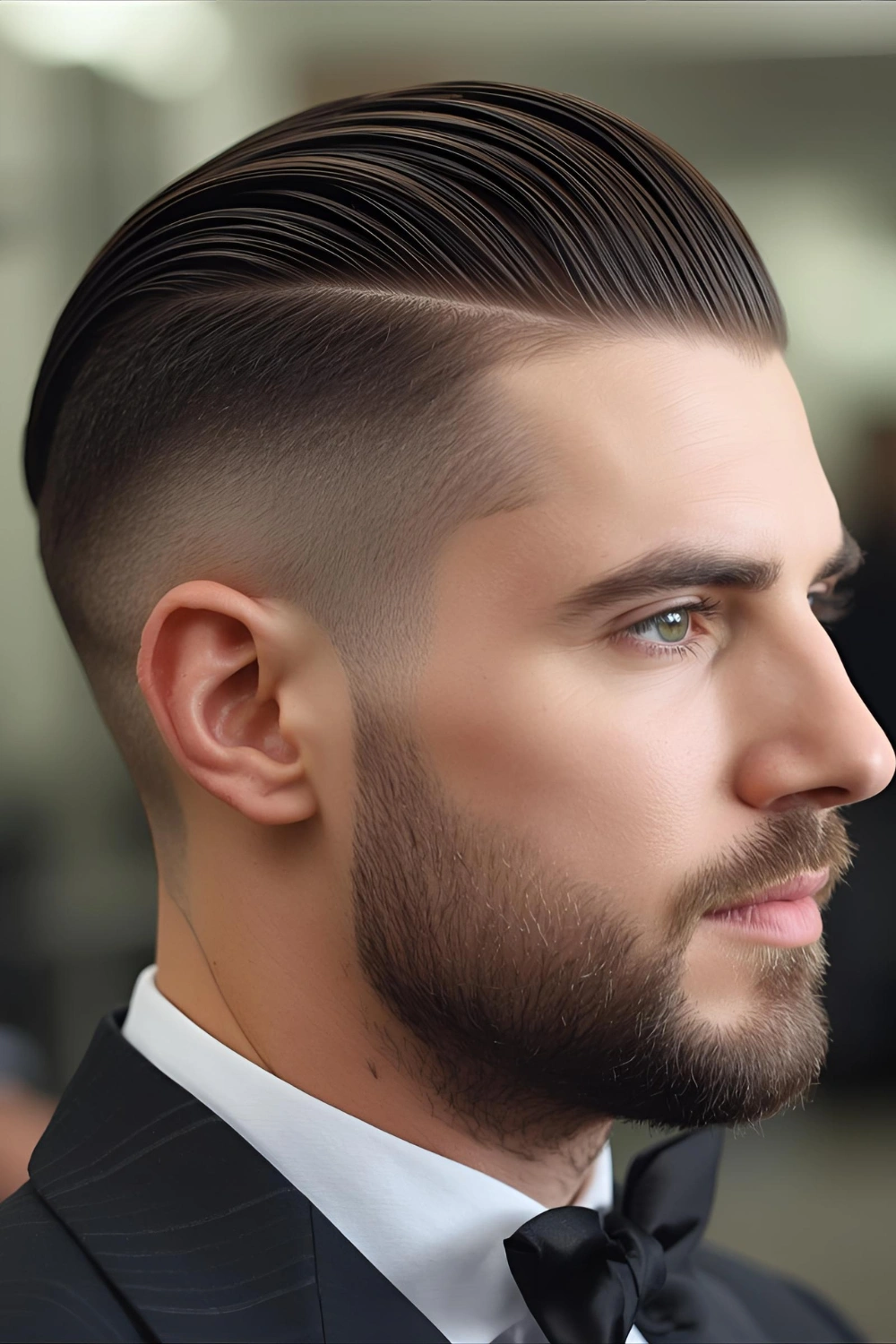
The disconnected version takes the contrast to eleven. Instead of any blending between the top and sides, there’s a visible line where the long top meets the short sides — no fade, no taper, just a deliberate drop-off. It sounds extreme, but when it’s done well it looks incredibly sharp and fashion-forward.
This is the slick back undercut for men who want the style to be noticed. It works best with thick, straight hair that can hold the dramatic line, and it demands confidence — there’s no hiding with this cut. Keep the top long (five inches plus) so the disconnection reads as intentional rather than accidental. Fair warning: growing this out is awkward, so commit to regular trims every three to four weeks.
3. Slick Back Undercut with Hard Part
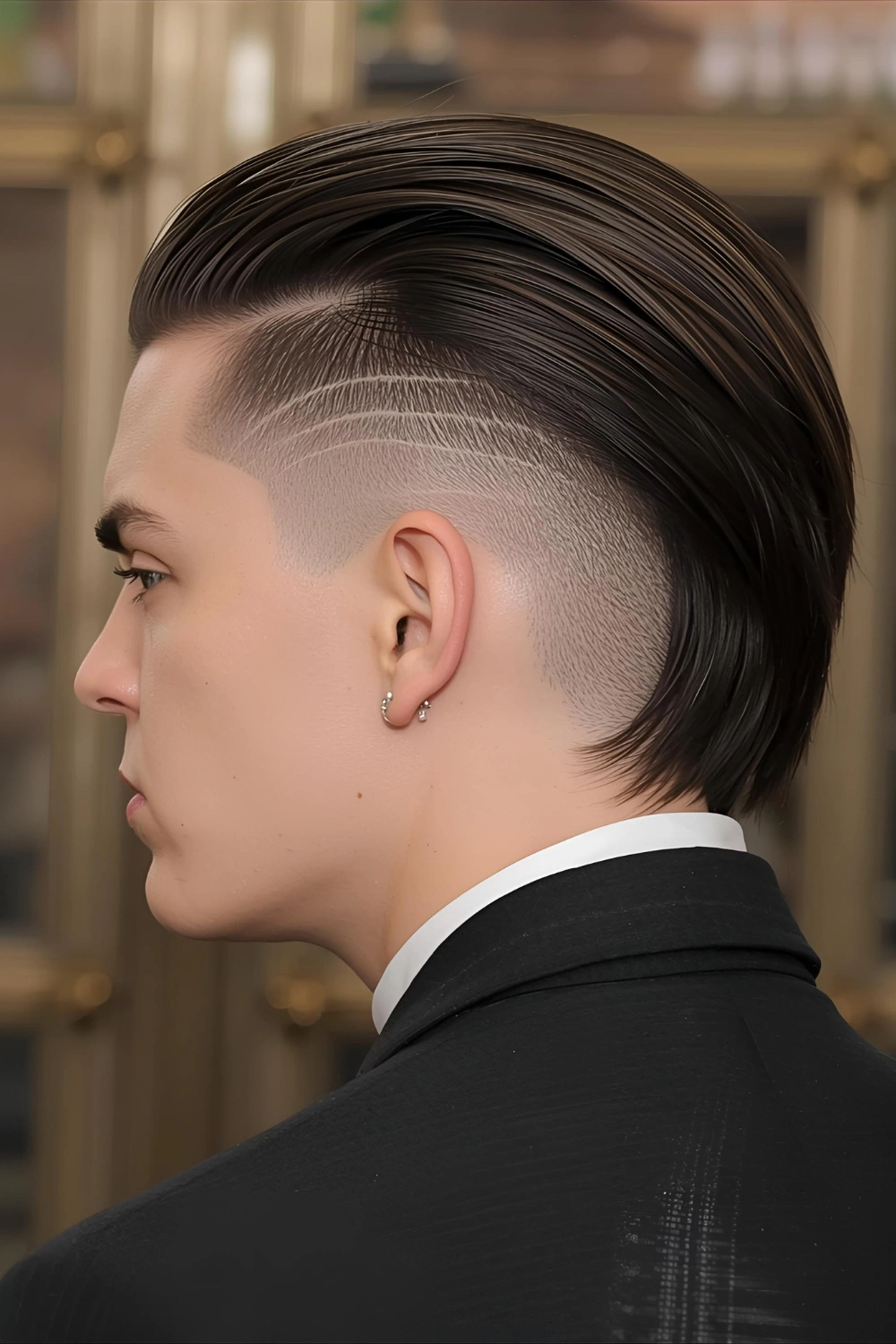
Add a shaved hard part and the slick back undercut goes from stylish to surgical. The hard part — a razor-cut line, usually on one side — gives the eye somewhere to land and makes the whole cut look precise and deliberate. It’s a small detail with an outsized impact.
In 2026, the hard part is being worn slightly softer than the razor-sharp versions of a few years ago — still defined, but blended a touch at the edges so it doesn’t look painted on. Pair it with a medium shine pomade and comb everything away from the part. This version of the slick back undercut is brilliant for formal occasions; there’s something about a hard part that just reads as “put together.” Just know you’ll need it re-cut every two weeks to keep the line crisp.
4. Textured Slick Back Undercut
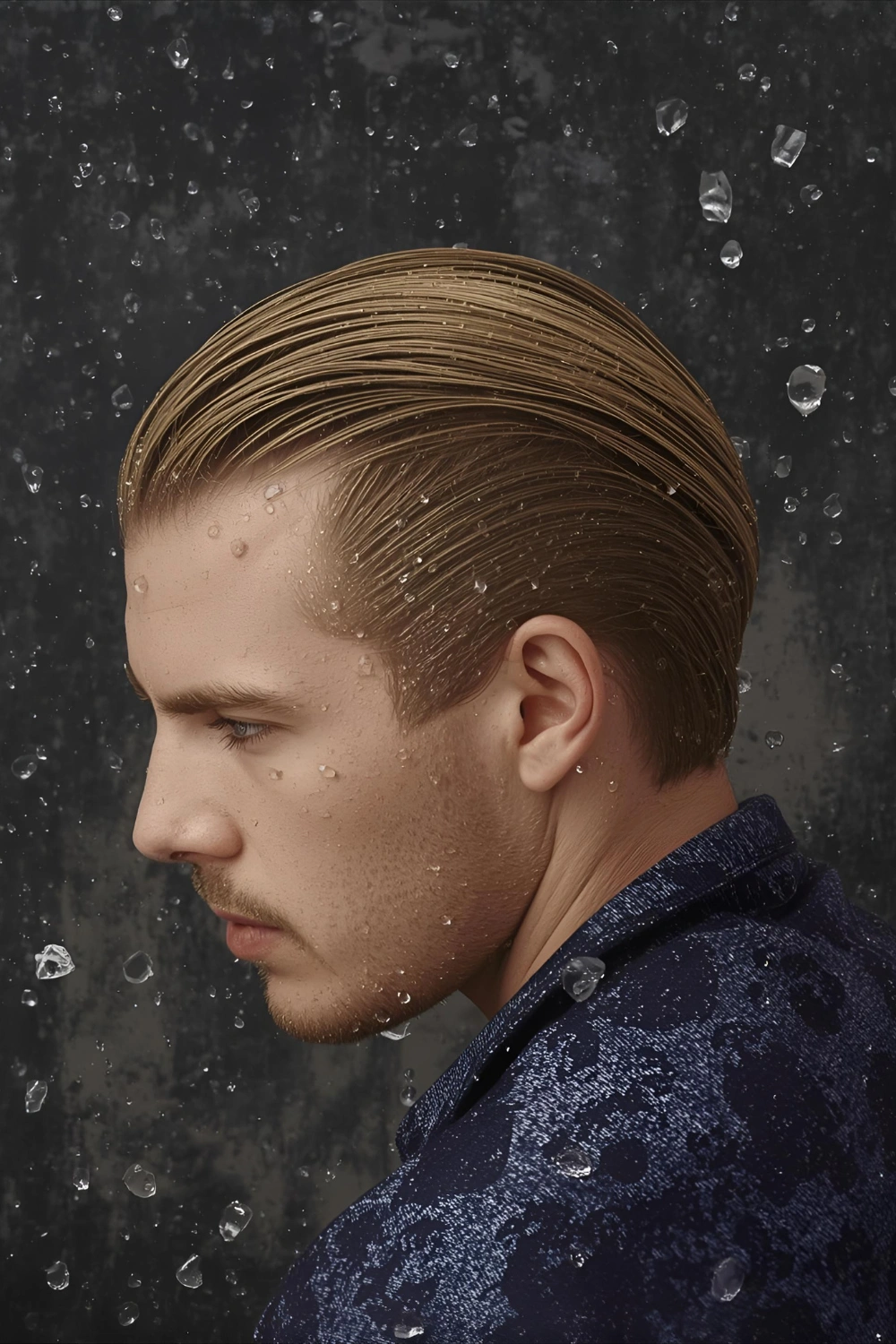
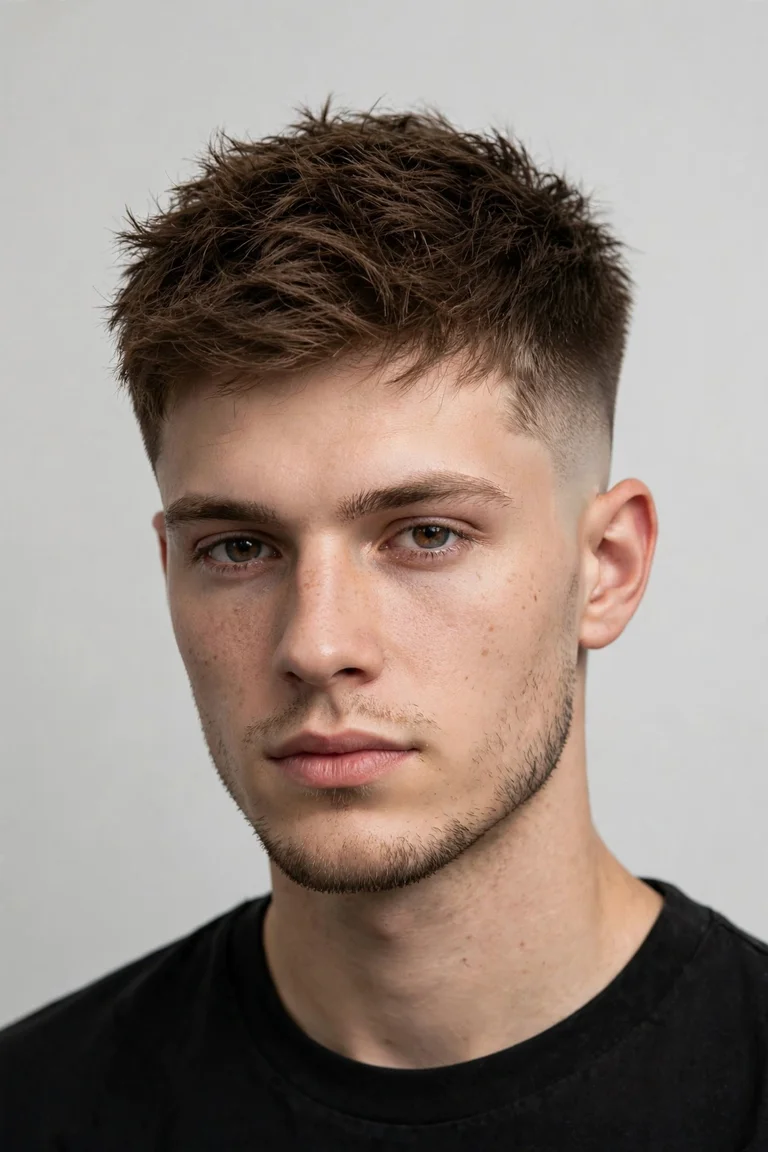
Not everyone wants the wet, glossy look — and that’s where the textured version comes in. Instead of pomade, this slick back undercut for men uses a matte clay or paste, and the top is cut with layers so it sweeps back with piece-y separation rather than a uniform sheet. The result is modern, touchable, and far less “done.”
If you’ve got wavy hair or a textured fringe growing out, this is your version — it works with natural movement instead of fighting it. Apply product to dry hair for maximum texture, and don’t over-comb; fingers give a better finish than a comb here. It’s also the most forgiving version as it grows out, since the texture disguises the in-between stages.
5. Wet Look Slick Back Undercut
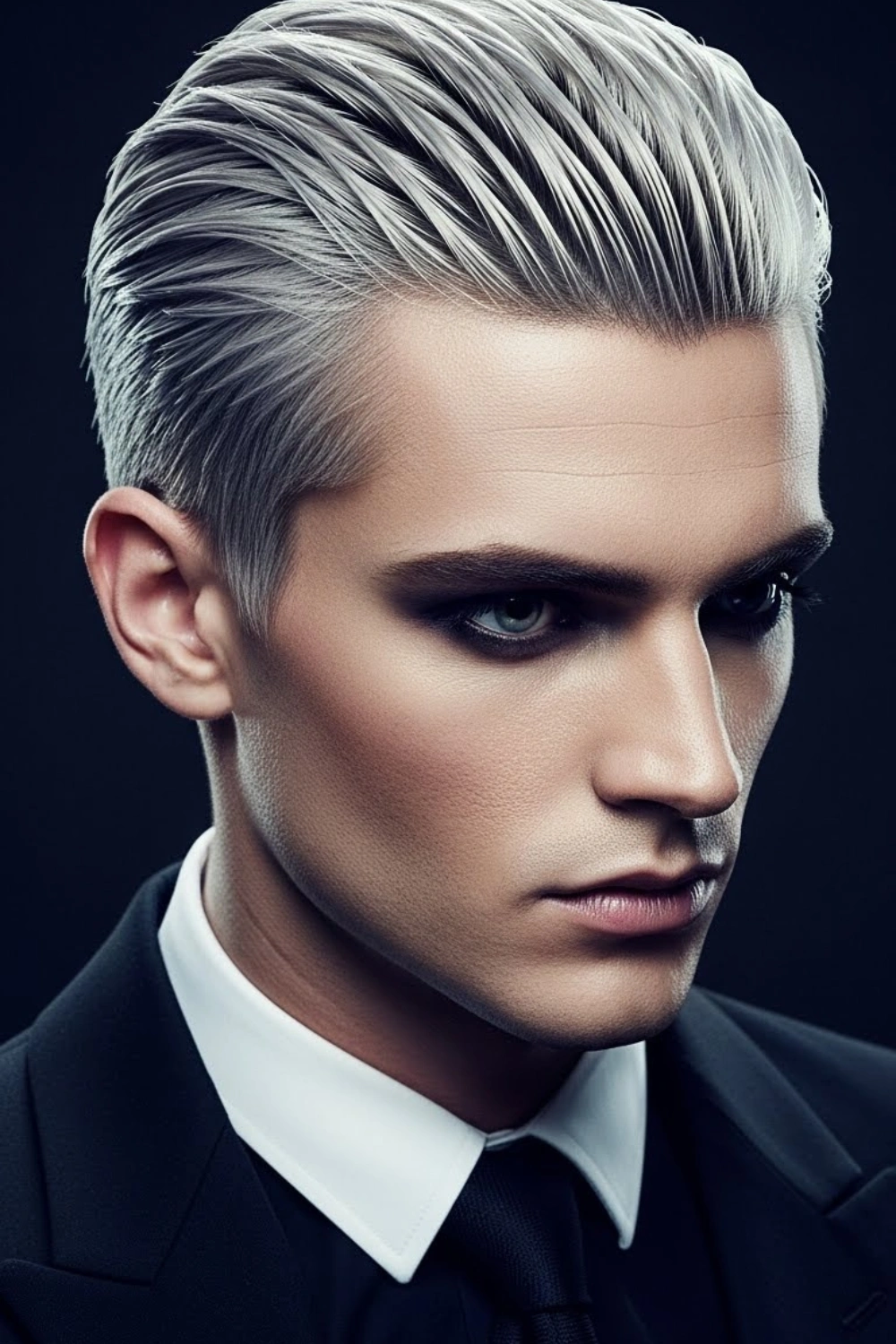
The wet look is pure drama — high-shine gel or pomade, hair swept straight back, looking like you just stepped out of the ocean (in the best way). It’s bold, it’s glossy, and in 2026 it’s back on red carpets and runways, worn with the kind of confidence that says you know exactly how good you look.
Here’s the practical advice: less product than you think, applied to damp — not soaking — hair. A strong-hold gel gives the wettest finish; a high-shine pomade gives you more flexibility to restyle. The undercut sides keep the look from becoming too “80s Wall Street” — the contrast modernises it. This isn’t an everyday look for most guys, but for evenings out? Unbeatable.
6. Slick Back Undercut with Drop Fade
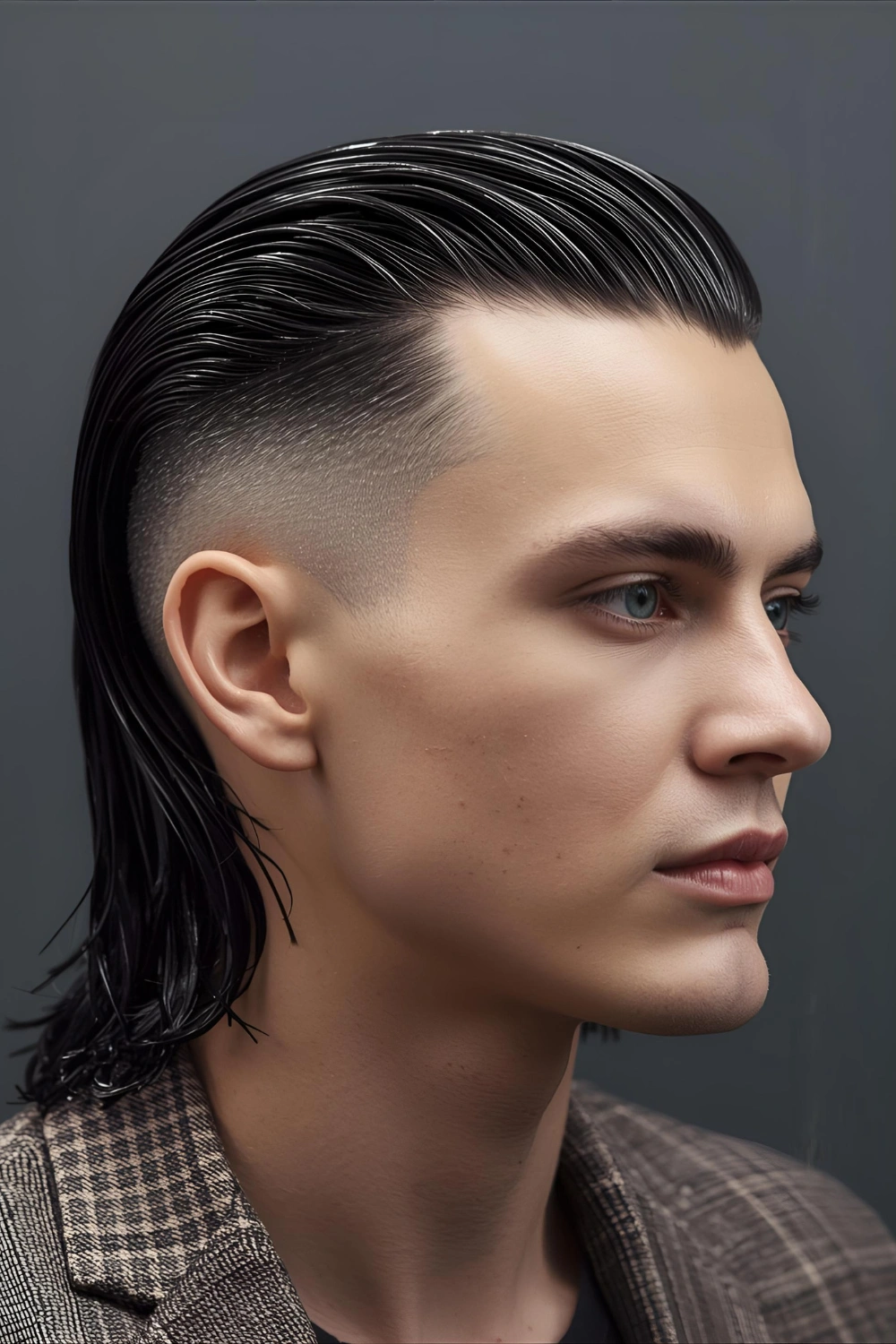
What happens when you combine the undercut’s contrast with a fade’s smooth gradient? The drop fade slick back — sides that fade down and “drop” lower at the back of the head, following the natural curve of the skull. It’s the best of both worlds: the undercut’s boldness with the fade’s polish.
This is arguably the most barber-friendly version on the list, because the fade gives your barber room to customise the blend to your head shape. Ask for the fade to drop behind the ear rather than cutting straight across — it looks more natural and grows out better. In 2026, we’re seeing this slick back undercut paired with a slightly longer, more voluminous top, which keeps the whole thing feeling current rather than retro.
7. Curly Slick Back Undercut
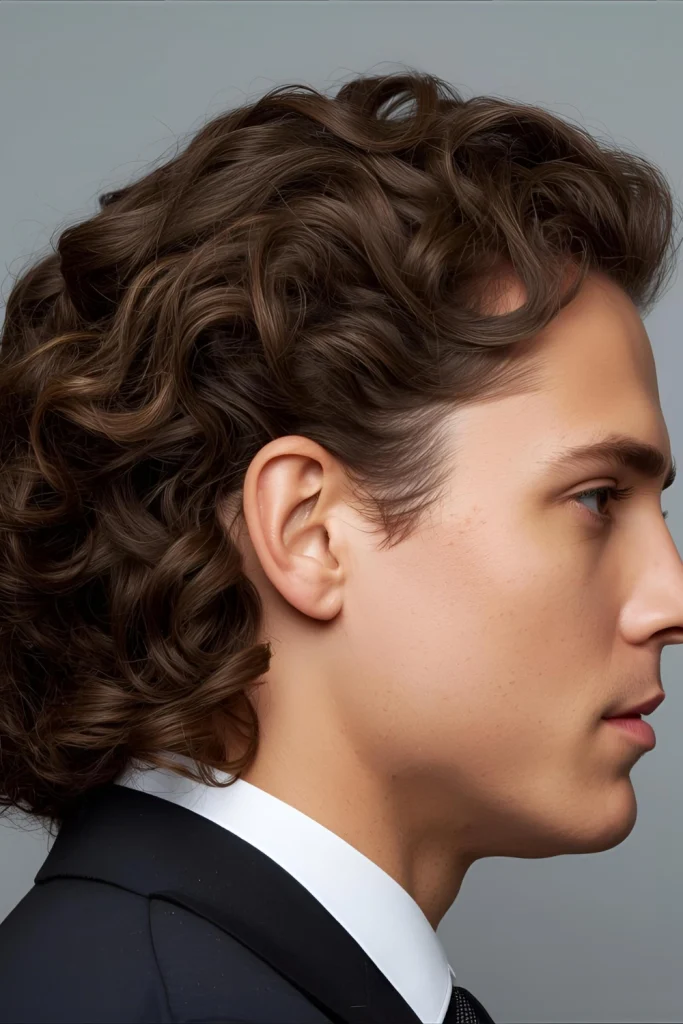
Curly-haired guys, this one’s for you. The curly slick back undercut keeps the sides tight while the curls on top are swept back with a curl cream or light gel — defined, glossy, and full of personality. It’s proof that “slicked back” doesn’t have to mean straight.
The key is working with your curl pattern, not against it. Use a curl-defining cream on damp hair, then gently smooth the top back — don’t rake it flat or you’ll create frizz. A diffuser on low heat can set the style without disturbing the curls. This version has been quietly gaining steam, and in 2026 it’s one of the freshest takes on the slick back undercut for men. Your texture is the feature here — show it off.
8. Long Slick Back Undercut with Pompadour Volume
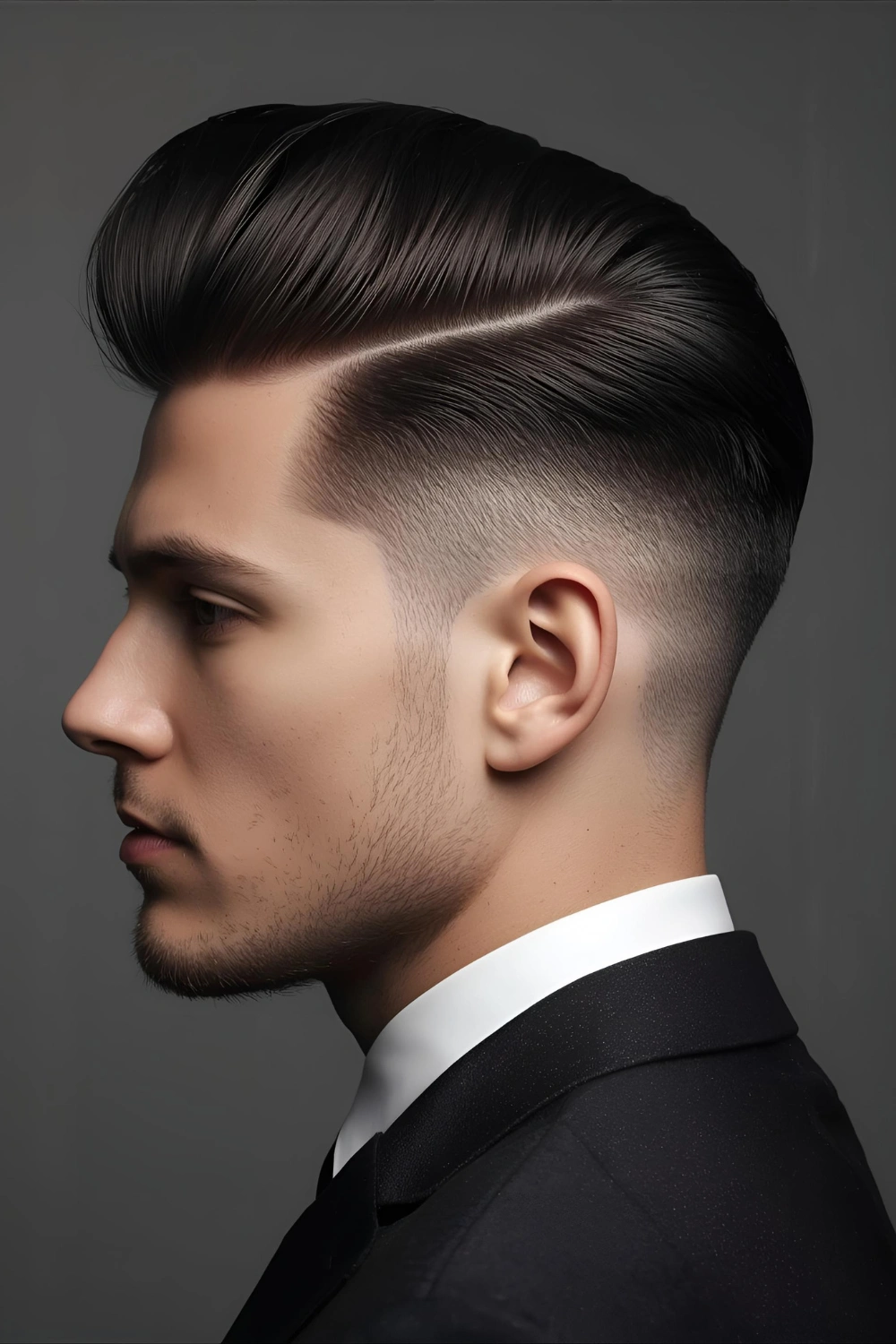
For maximum impact, grow the top long — six inches or more — and sweep it back with serious volume at the front, almost a pompadour. The undercut sides keep all that length from overwhelming your face, and the result is part classic Hollywood, part rock star. It’s the most dramatic slick back undercut on this list.
You’ll need a blow dryer for this one — there’s no way around it. Dry the top up and back with a round brush to build volume, then lock it in with a strong-hold pomade. It takes ten minutes, but the payoff is enormous. And if the full pomp feels like too much, a grown-out messy quiff gives you a similar vibe with less effort. This is a commitment cut, but it’s unforgettable.
9. Short Slick Back Undercut
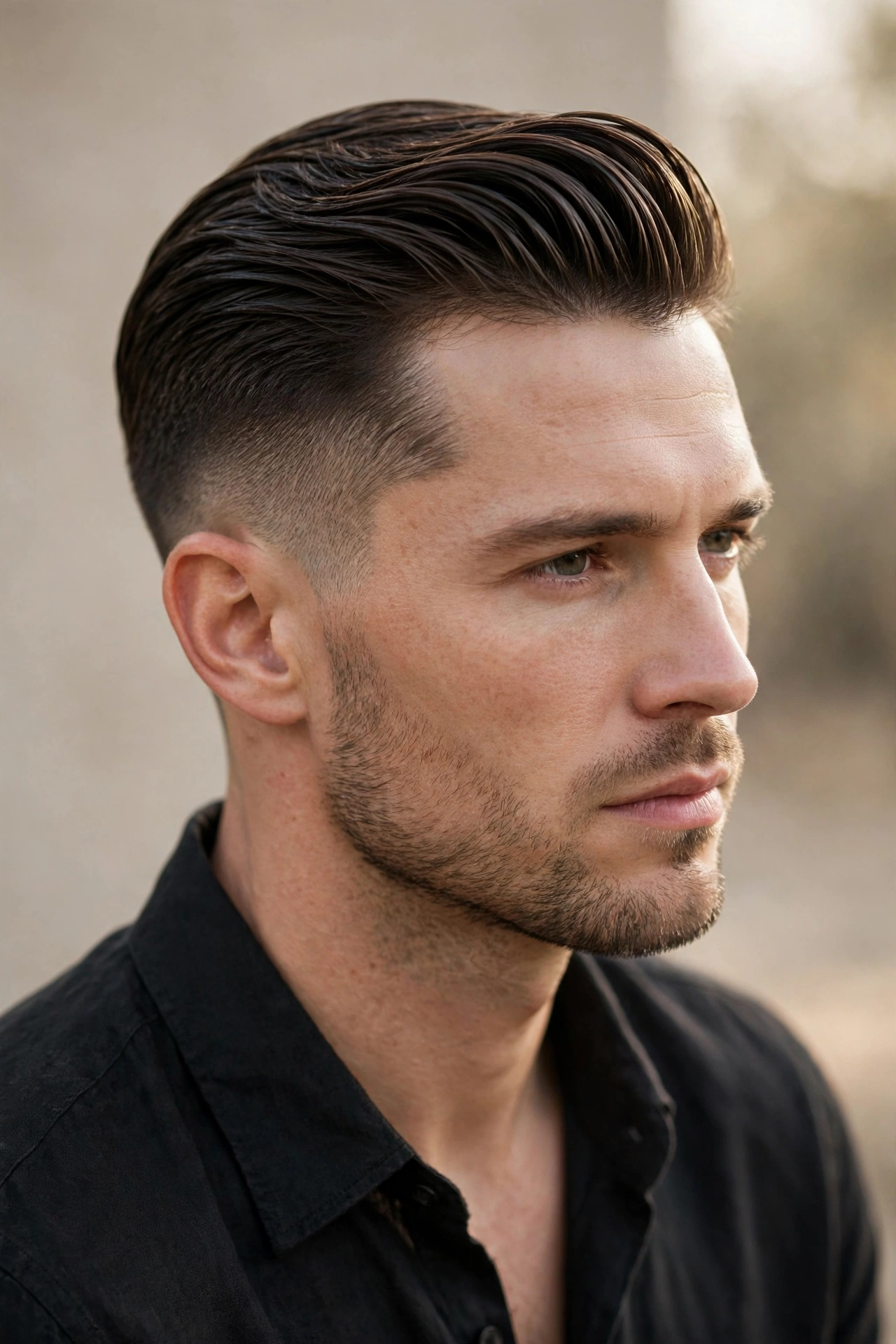
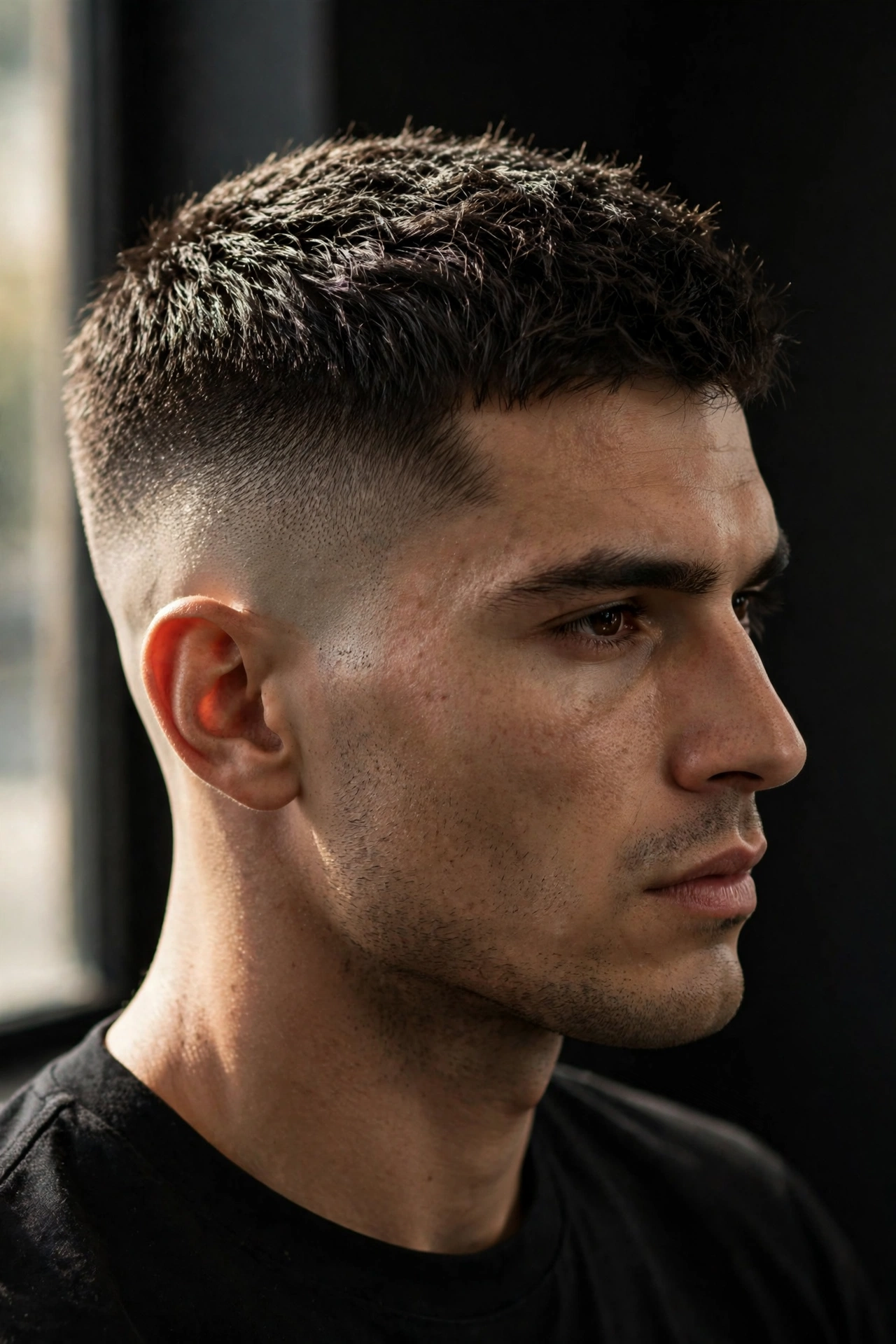
Short on top doesn’t mean short on style. The short slick back undercut keeps just two to three inches on top — enough to sweep back with product — with the classic tight sides. It’s the most practical, office-friendly version, and it’s perfect if you’re trying the style for the first time.
Honestly, this might be the smartest entry point into the slick back undercut for men. Less length means less styling time (we’re talking two minutes), less product, and an easier grow-out if you change your mind. Use a strong-hold, low-shine product so the short top doesn’t look greasy. And here’s a bonus: short tops make the undercut contrast look even sharper.
10. The Side-Part Slick Back Undercut
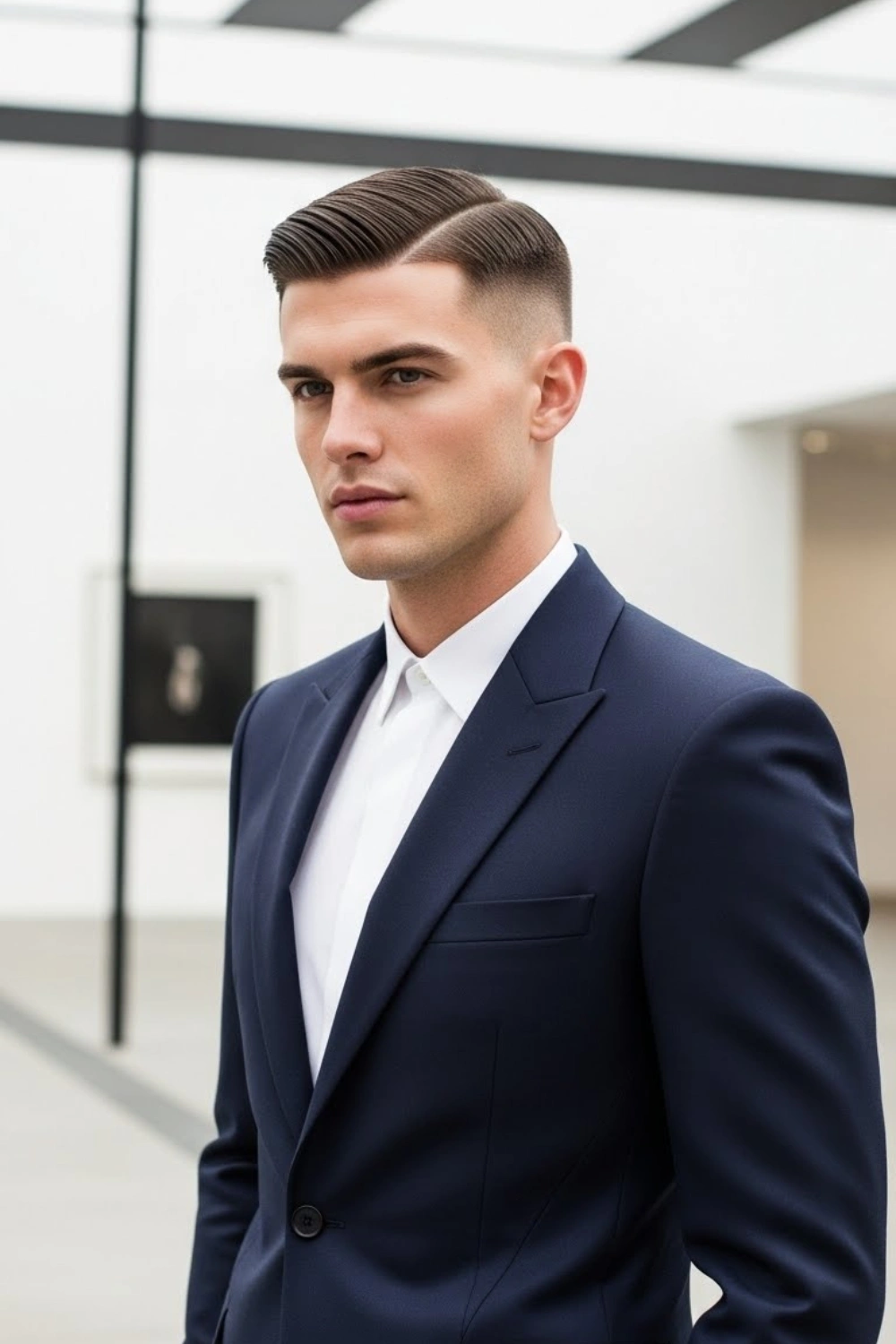
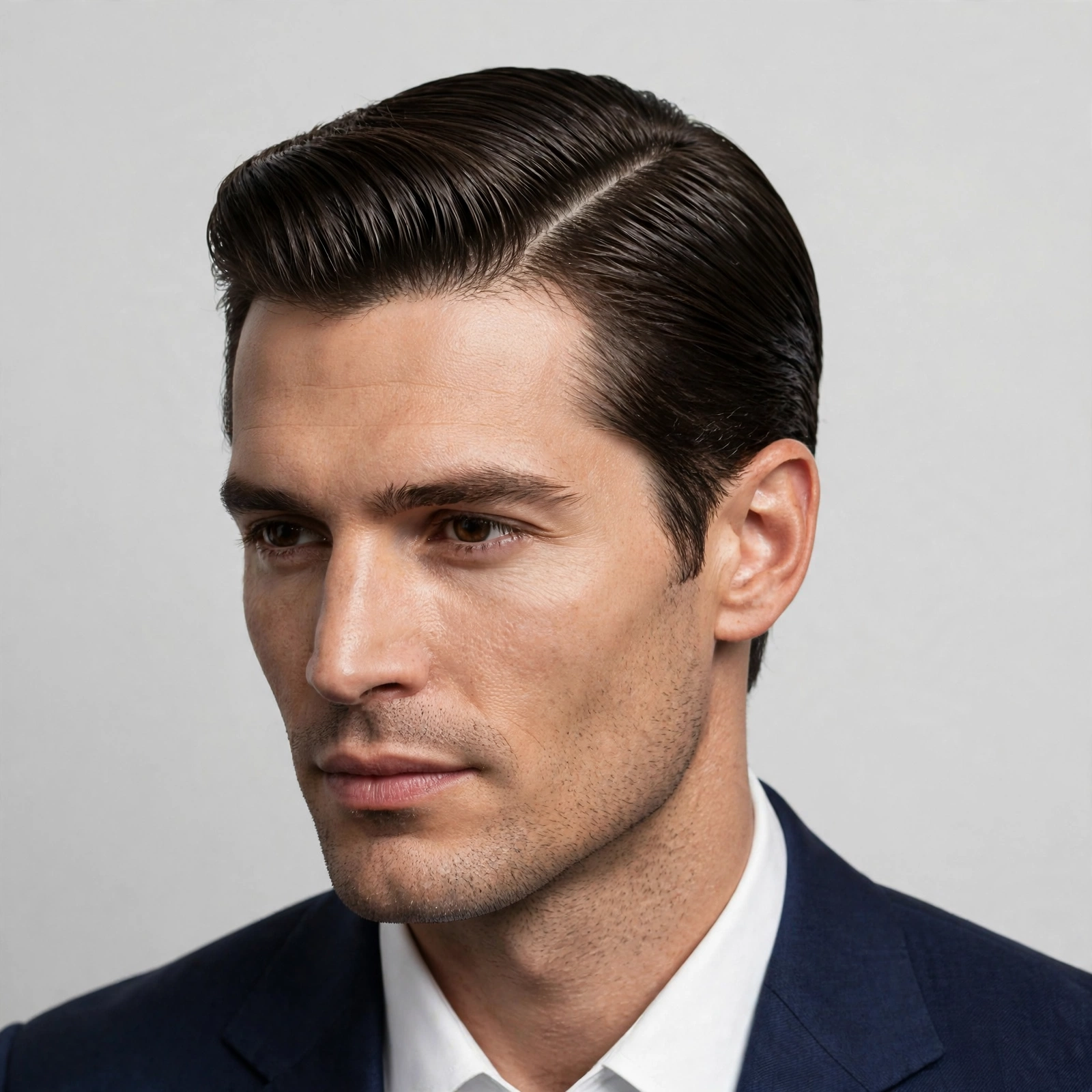
Not every slick back has to go straight back — the side-part variation combs the top diagonally, creating a classic, almost old-Hollywood line that feels more refined than the full slick. It is the slick back undercut for men who want polish without drama, and in 2026 it is the quiet favourite of guys who need their haircut to work as hard in the boardroom as it does on the weekend.
The technique is simple: after applying product to damp hair, create a part (your natural part is usually the right choice — do not fight it) and comb the top up and over, letting it fall diagonally back. The undercut sides keep the look modern and prevent it from reading as a 1950s throwback. A medium-hold pomade with natural shine gives you the classic finish; a matte clay makes it more contemporary. The side part adds structure that the straight-back version does not have, which is flattering on rounder faces.
This is arguably the most versatile slick back undercut on this list. It works with suits, it works with streetwear, and it grows out better than the disconnected version because the part gives the growing hair direction. If you are trying the slick back for the first time and the full sweep feels like too much, start here. It is the gateway — and honestly, a lot of guys never move past it because it just works.
Maintenance is straightforward: trim the sides every three to four weeks, and let your barber clean up the part if you wear a defined one. The top can go six to eight weeks between cuts if you are growing it longer. In the morning, it is a two-minute style — product, comb, done. For 2026, the side-part slick back undercut is proof that sometimes the most impactful choice is the most understated one.
11. Slick Back Undercut with Beard
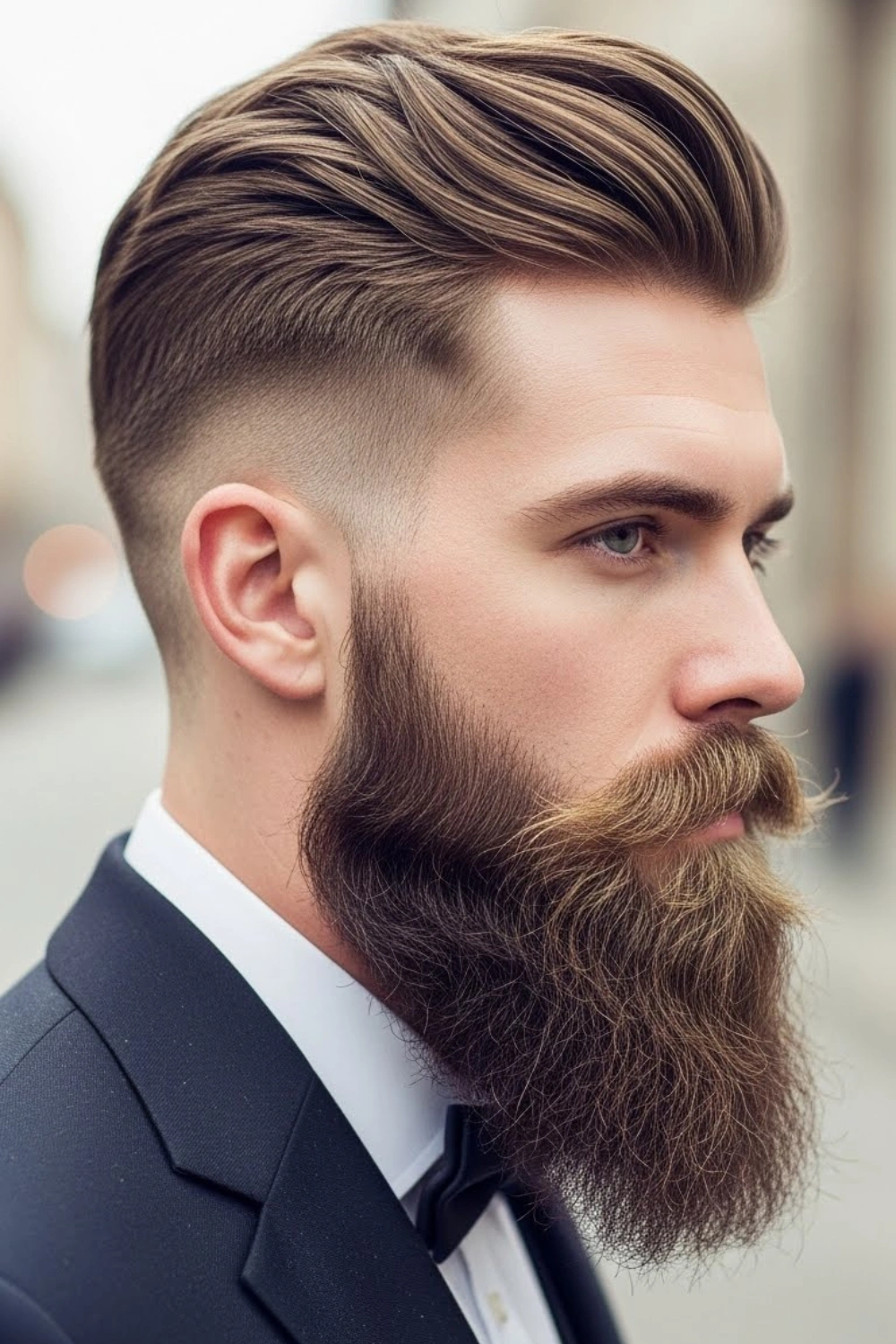
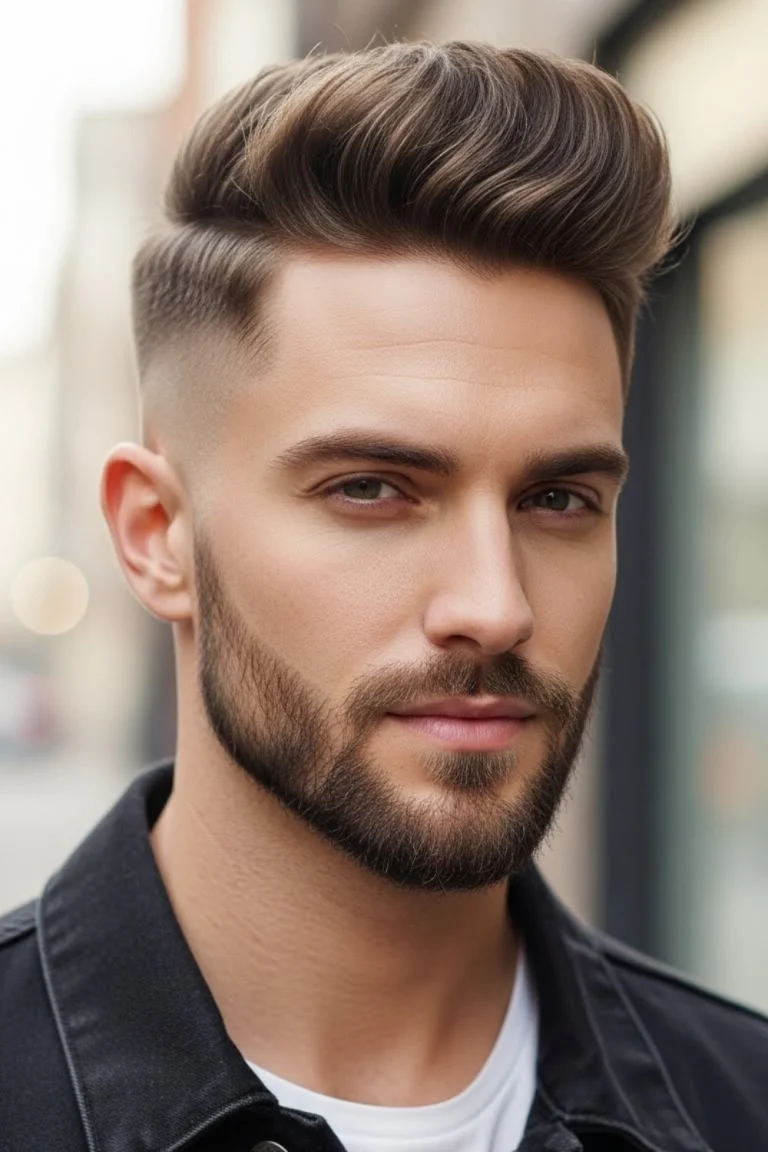
The slick back undercut is already a statement; add a beard and it becomes a full aesthetic. The combination is pure masculine contrast: polished, controlled hair on top, rugged texture on the bottom. In 2026, this pairing is everywhere from creative agencies to motorcycle clubs, because it balances refinement with edge in a way few other combinations manage.
The key is proportion. A slick back undercut has a lot of visual weight on top — the height, the shine, the deliberate styling. Your beard needs to hold its own without overwhelming the cut. For most guys, a medium-length beard (1-2 inches) with clean lines is the sweet spot. Too short and the beard disappears against the drama of the slick back; too long and the look becomes bottom-heavy. The ducktail shape — fuller on the chin, tighter on the cheeks — complements the vertical lines of the slick back beautifully.
Grooming discipline matters more here than with either style alone. The slick back requires daily styling; the beard requires regular trimming, oiling and shaping. When both are maintained, the result is striking. When one is neglected, the whole look falls apart — a perfect slick back with a scraggly beard just looks confused. Commit to the routine: style the hair every morning, tidy the beard every few days, and get both trimmed on a regular schedule.
Styling tip: the finish of your hair product should complement your beard. If you are going for a high-shine wet look on top, keep the beard conditioned and glossy to match. If you prefer the matte, textured slick back, a more natural, matte beard works better. Cohesion is what makes this combination look intentional rather than accidental. In 2026, the slick back undercut with beard is not just a haircut — it is a grooming lifestyle.
12. Product Guide: Pomade vs Clay vs Gel (and How to Style It)
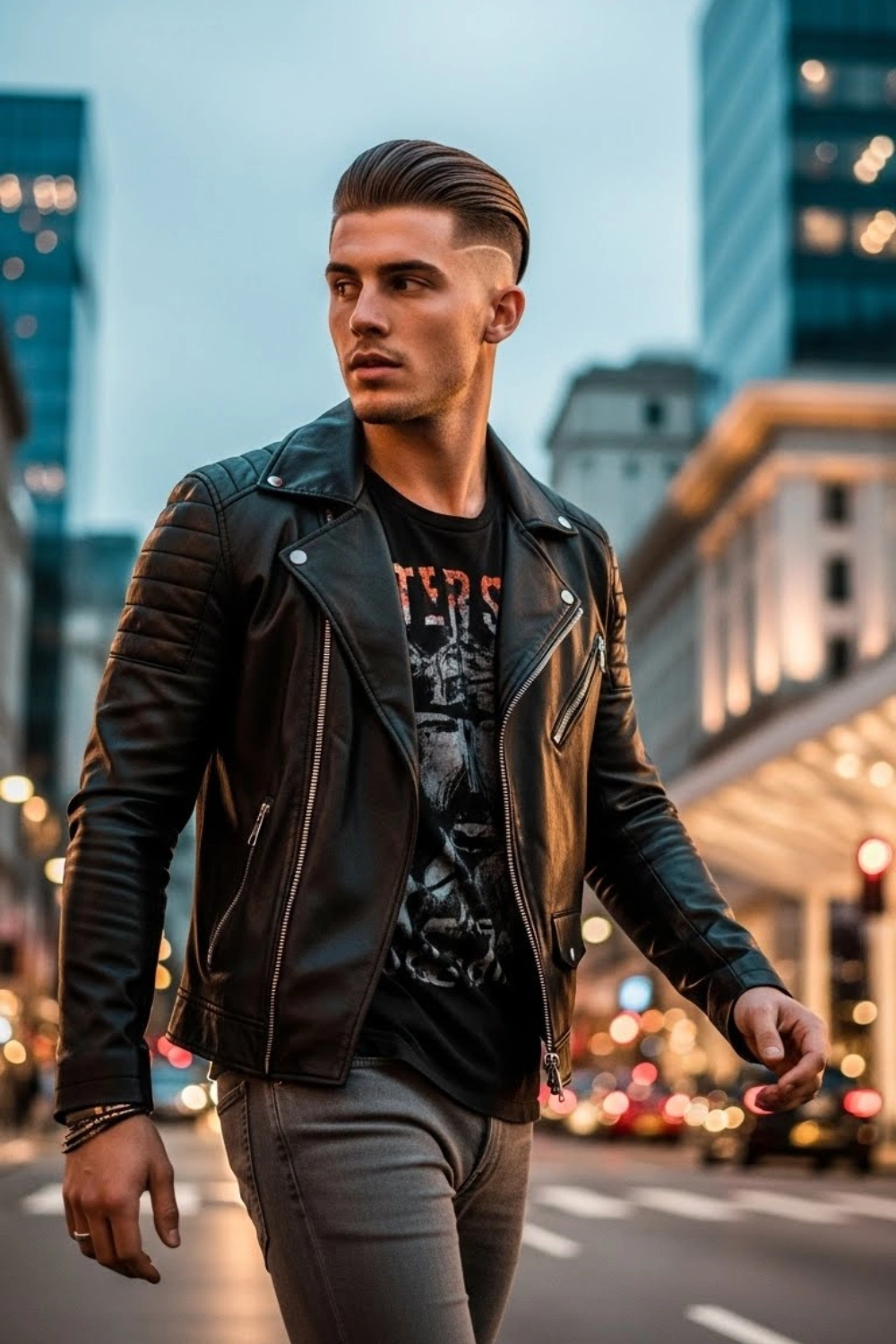
The product makes the slick back — choose wrong and even a great cut falls flat. Here is the honest breakdown. Pomade (oil-based) gives maximum shine and a classic, controlled finish that lasts all day; it is harder to wash out but nothing beats it for the traditional glossy slick back. Pomade (water-based) offers similar control with easier washing — the best all-rounder for most guys in 2026. Clay gives a matte, textured finish with strong hold; it is the choice for the modern, touchable slick back. Gel gives the wettest, highest-shine finish but can look crunchy if overdone — use it for the dramatic wet look, not daily wear.
The styling routine matters as much as the product. Start with clean, towel-dried hair — damp, not dripping. Scoop a fingernail-sized amount of product (you can always add more), warm it between your palms until it is invisible, then work it through the top from roots to ends. Comb straight back with a fine-tooth comb for the classic finish, or use your fingers for texture. If you want volume at the front, blow-dry the top up and back before applying product — this one step transforms the result.
Common mistakes: using too much product (the number one error — start with less than you think), applying to soaking wet hair (dilutes the hold), and choosing the wrong finish for your hair type. Fine hair does better with clay or light pomade; thick hair can handle heavier oil-based pomades. And here is a 2026 pro tip: cocktail your products. A little clay for texture at the roots plus a touch of pomade for shine on top gives you the best of both worlds.
For the undercut sides, you do not need product — the short length stays in place. But if you want the sides extra sharp, a tiny amount of matte clay slicks down any flyaways. At night, a silk pillowcase reduces friction and helps the style last into day two. And wash product out properly: oil-based pomades may need a clarifying shampoo or an oil pre-wash to remove fully. In 2026, the guys with the best slick backs are not using the most product — they are using the right product, correctly.
13. Slick Back Undercut for Fine or Thinning Hair
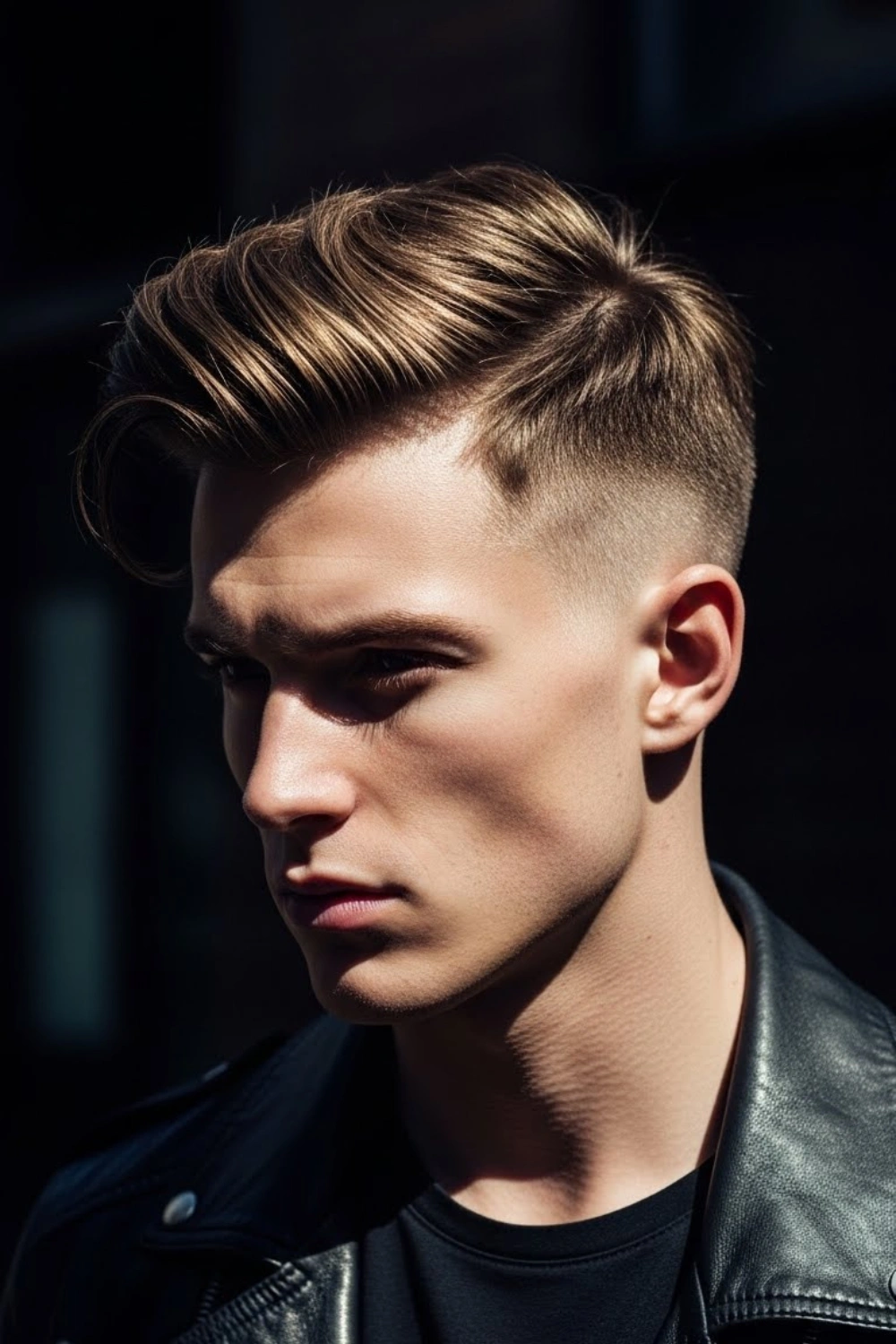
Can you wear a slick back undercut with fine or thinning hair? Yes — with the right approach. The undercut actually helps, because the short sides remove bulk and make the top look fuller by contrast. The key is choosing the textured version over the sleek version, and being strategic about length and product.
First, the cut: ask your barber for point-cutting or texturising through the top, which creates the illusion of density. Keep the top at a medium length (3-4 inches) — too long and fine hair lies flat and separates, revealing the scalp; too short and you lose the slick back effect. The textured slick back (section 4) is your best friend here. Avoid the wet look, which clumps fine hair together and makes thinning more visible.
Product choice is critical. Use a matte clay or volumising powder — these add grit and thickness. Apply a volumising mousse or thickening spray to damp hair before blow-drying; heat creates lift at the roots that fine hair cannot achieve on its own. Blow-dry the top up and back (not flat) to maximise volume, then apply clay with your fingers for piece-y texture. The goal is separation and airiness, not a flat sheet.
Be honest with your barber about your hair density — a good one will adjust the cut accordingly and tell you if the style will work for you. And if thinning is progressive, the textured slick back buys you time while looking intentional. In 2026, there is no shame in working with what you have; the most stylish guys are the ones who understand their hair and choose cuts that flatter it, not fight it.
14. Growing Out an Undercut Gracefully
The undercut’s biggest weakness is the grow-out — that awkward phase where the sides are too long to be sharp but too short to blend. But with a strategy, you can transition out of an undercut without ever looking unkempt. The secret is controlled growth: you are not abandoning the cut, you are evolving it.
Phase one (weeks 1-4): keep the sides trimmed but slightly longer each time. Ask your barber for a taper instead of a hard undercut — this softens the disconnect while the top gains length. Phase two (months 2-3): the sides are now long enough to blend. Switch to a scissor cut on the sides, textured to match the top. You are essentially growing into a textured crop or a modern quiff. Phase three (month 4+): you have a completely new haircut, and nobody saw the awkward middle.
Product helps during the transition. When the sides are at that in-between length, a little matte clay keeps them lying flat instead of puffing out. Hats are also your friend — a beanie or cap on lazy days is not giving up, it is strategic. And communicate with your barber: tell them you are growing out the undercut, and they will shape the cut to make each stage look intentional.
The alternative? Lean into it. A grown-out undercut with longer, messier top is essentially the modern textured crop that is huge in 2026. Many guys start growing out their undercut and realise they prefer the softer, more versatile result. The undercut was the gateway; the textured crop is the destination. Either way, growing out does not have to mean looking scruffy — it just means having a plan.
FAQs About the Slick Back Undercut
How long does my hair need to be for a slick back undercut?
You need at least three to four inches on top for a proper slick back — enough hair to actually sweep backward and stay there. The sides are clipped short regardless (usually a #1 or #2). If your top is shorter than that, grow it out first or start with the short version while it grows. Patience pays off here.
What product should I use for a slick back undercut?
It depends on the finish you want. Classic glossy: a medium-hold pomade (oil-based for maximum shine, water-based for easier washing). Modern textured: a matte clay or paste. Wet look: a strong-hold gel. Start with less than you think — you can always add more, but too much product is the number one mistake guys make with this style.
What’s the difference between an undercut and a fade?
An undercut keeps the sides one uniform short length with a stark contrast to the longer top — no blending. A fade gradually transitions from short to shorter down the sides. The slick back undercut traditionally uses the true undercut, but 2026’s most popular versions often blend the two with a drop fade. Neither is wrong; it’s a matter of how bold you want the contrast.
Does a slick back undercut suit thin hair?
It can, with the right approach. The textured version is your best friend — matte product and layered cutting create the illusion of fullness. Avoid the wet look, which can make thin hair look thinner, and don’t grow the top too long or it’ll lie flat. A skilled barber can also point-cut the top to add visual thickness. Confidence matters more than density.
How do I ask my barber for a slick back undercut?
Be specific: “undercut on the sides and back” (state the guard — #1 or #2 is standard), “leave the top long” (state the length in inches), and “I want to slick it back.” Bring a photo — ideally two or three showing the exact contrast and finish you want. And mention your styling routine honestly; a good barber will adjust the cut to match the effort you’re willing to put in.
What is the daily styling routine for a slick back undercut?
It takes five minutes once you have the routine down. Start with clean, towel-dried hair. Work a fingernail-sized amount of product through the top from roots to ends — less than you think. Comb straight back for the classic look, or use fingers for texture. If you want volume, blow-dry the top up and back before applying product. The sides need nothing. Done. The key is consistency: the same routine every morning trains your hair to fall the right way, and after a week it becomes muscle memory.
Can I wear a slick back undercut without product?
Honestly? Not really — at least not the polished version. Without product, the top will fall forward or puff out, and you lose the sleek contrast that defines the style. That said, the textured version (section 4) is more forgiving; with the right cut, you can get away with just a little sea salt spray or even nothing on casual days. But if you want the true slick back look, product is non-negotiable. Think of it like shaving: you could do it without cream, but why would you?
How often do the sides need trimming?
Every three to four weeks for the classic undercut, every two weeks if you have a fade or hard part. The sides grow out faster than you think, and once they lose their sharpness, the whole cut looks messy rather than intentional. The top can go six to eight weeks between trims if you are maintaining the length. Pro tip: book your next appointment before you leave the barbershop — the guys with the sharpest undercuts are the ones on a regular schedule, not the ones who wait until it looks bad.
Is a slick back undercut appropriate for a job interview?
Yes — if you choose the right version. The short slick back (section 9), the side-part (section 10), or the textured version (section 4) all read as polished and professional. Avoid the disconnected version with shaved designs, the wet look, or anything too extreme for conservative industries. The key is grooming: clean sides, neat top, no flyaways. A well-executed slick back undercut actually signals confidence and attention to detail — qualities interviewers like. When in doubt, go more conservative than you think you need to; you can always show more personality after you get the job.
Final Thoughts
The slick back undercut for men endures because it’s built on contrast — and contrast is timeless. Whether you go classic, textured, or full pompadour volume, the formula is the same: tight sides, deliberate top, and product applied with intention. In 2026, the style feels less like a trend and more like a modern classic.
My advice? Start with the short or textured version if you’re new, and work your way up to the dramatic lengths once you’re hooked — because you probably will be. Which of these nine are you showing your barber?
Conclusion
The slick back undercut is 2026’s answer for men who want sharp contrast with classic polish. The disconnected undercut keeps sides clean and edgy while the longer top sweeps back for a powerful, confident silhouette. It suits straight to wavy hair and flatters oval, square, and diamond face shapes particularly well.
Achieve the look with a strong-hold pomade on towel-dried hair, combing straight back for maximum sleekness. Regular fades every 3-4 weeks keep the contrast crisp. For modern men in 2026, few haircuts balance rebellion and refinement quite like the slick back undercut.