Cherry Cola Hair Color Women 2026: 15 Rich Red-Brown Shades
Cherry Cola Hair Color Women 2026: 15 Rich Red-Brown Shades
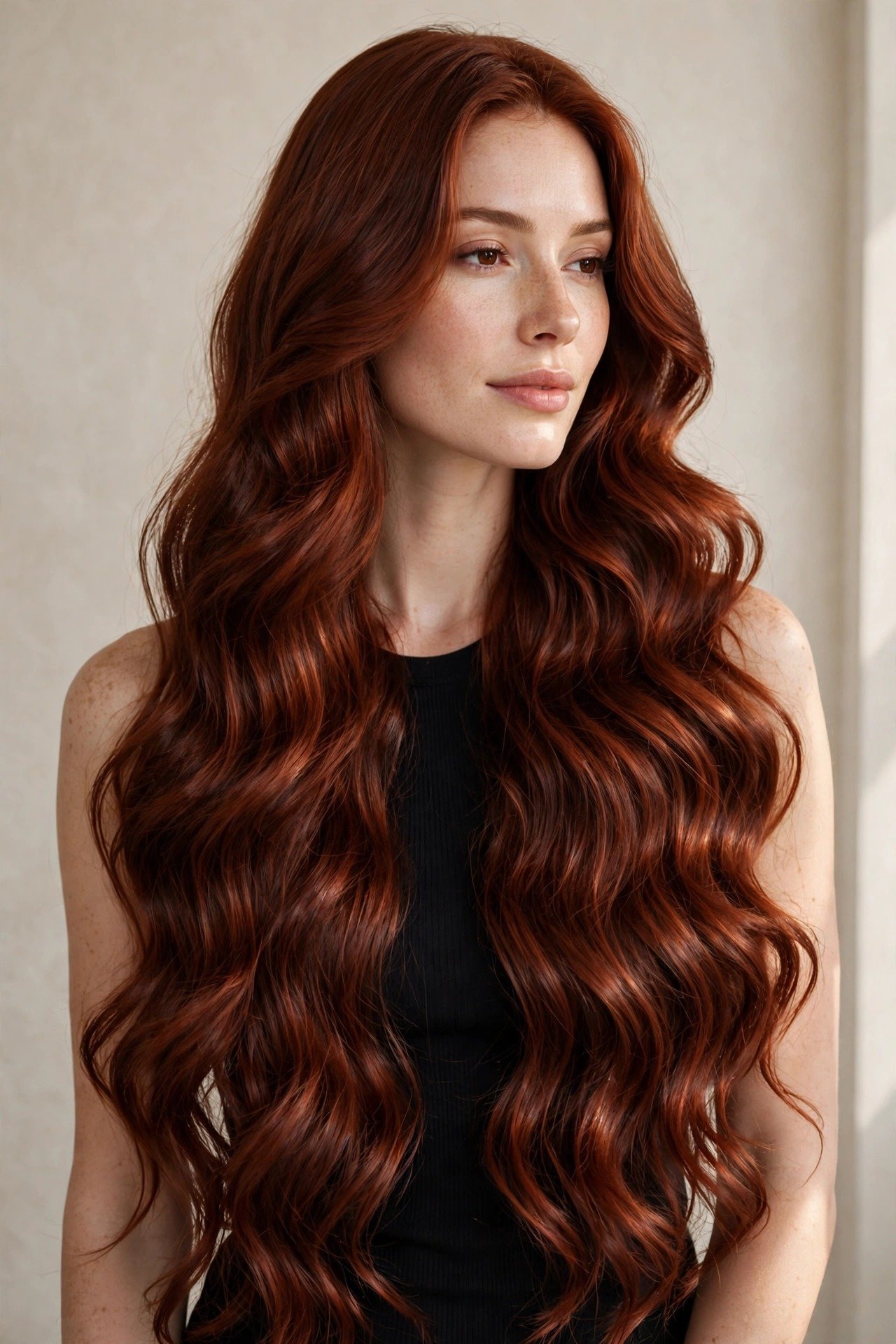
Cherry cola hair is the color that made every other red-brown shade nervous. Picture the deep, fizzy red-brown of a glass of cherry cola held up to the light — dark and mysterious in shadow, glowing cherry-red where the light hits. That is exactly what this color does on hair, and it is the reason cherry cola hair has become one of 2026’s most requested color services.
I have formulated this color on dozens of clients, and here is what I tell every one of them: cherry cola hair is not a single shade. It is a family — a spectrum from near-black cherry to bright, vibrant red-brown — and the version that looks incredible on you depends on your base color, your skin tone, and how much maintenance you will honestly do. Reds fade faster than any other color family, and cherry cola is no exception. Go in with realistic expectations and you will love it.
This guide covers all of it. You will learn what cherry cola hair actually is (and how it differs from burgundy, auburn, and cowboy copper), why it exploded in 2026, which of the 15 shades in this article suits your skin tone and base color, exactly what to ask your colorist, whether you can DIY it, and how to keep it from fading to sad brown in three weeks.
One honest note before we start: if you wash your hair daily in hot water and you will not switch to color-safe products, every red — including this one — will disappoint you. Cherry cola hair rewards the women who baby it. If that is you, keep reading. This might be your color.
What this guide will not do: it will not show you the same five Pinterest photos everyone else uses, and it will not pretend every shade suits every person. Fifteen shades means fifteen genuinely different colors, each with its own base requirement, skin-tone match, and maintenance reality. I have formulated or corrected every type of cherry cola in this article, and I will tell you which ones are worth your money and which ones are beautiful in photos and miserable in real life.
By the end, you will know your perfect cherry cola shade, your maintenance plan, and whether to book the salon or the box dye — and you will have seen fifteen beautiful ways to wear it.
What Is Cherry Cola Hair Color?
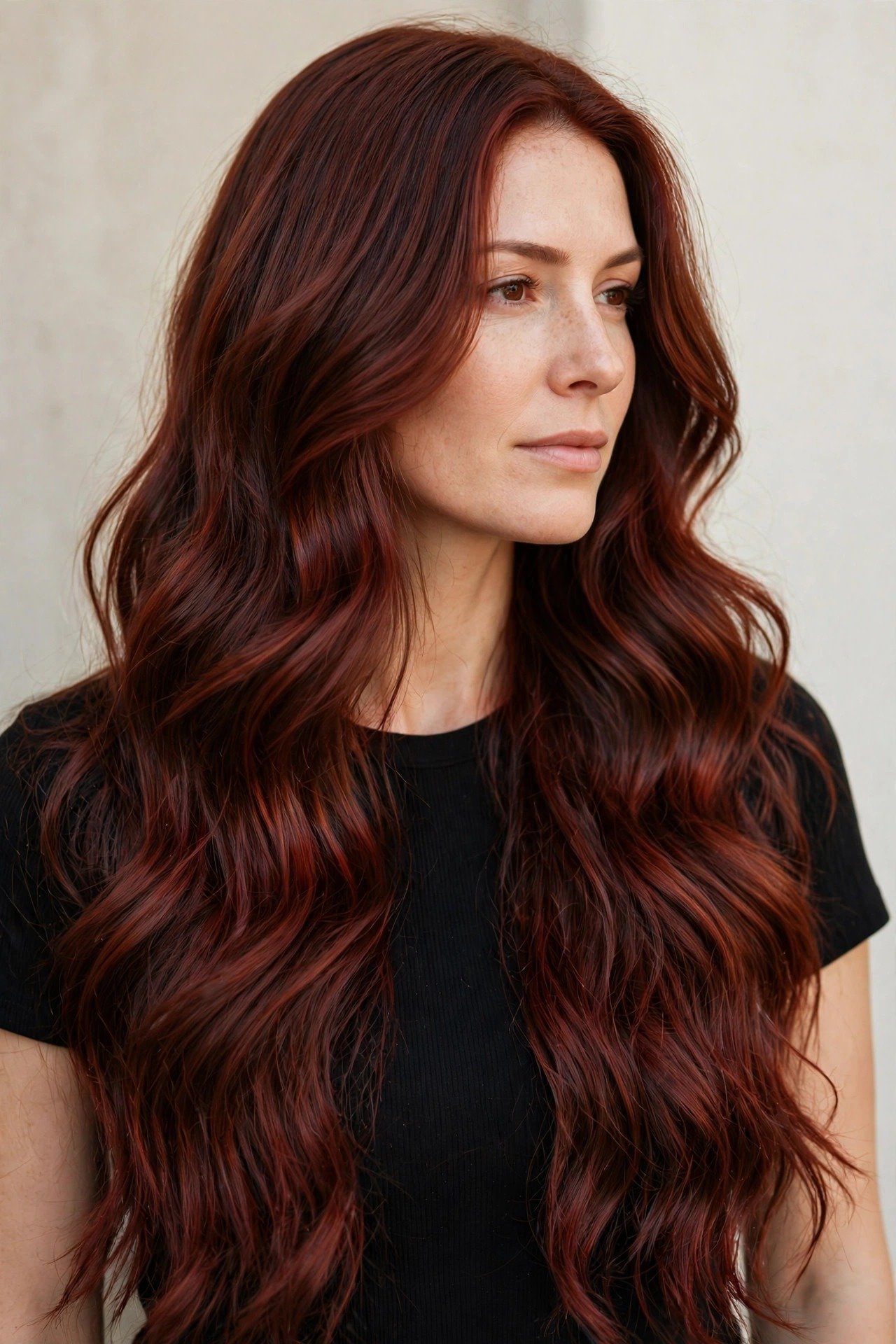
Cherry cola hair is a deep red-brown hair color with a distinctive cherry-red reflect — dark like cola, glowing like cherries. The base sits in the level 3 to 5 range (dark brown to medium brown), saturated with red and violet-red tones that create dimension. In indoor lighting it reads as a rich, dark brunette; in sunlight, the cherry tones ignite and the hair glows red. That dual personality is the whole appeal.
Shade 1: Classic Cherry Cola. The definitive version — a level 4 base with equal parts red and brown, plus a violet-red reflect that gives it that cola depth. It is dark enough for conservative workplaces, red enough to turn heads in sunlight. This is the shade to ask for if you want the iconic cherry cola hair look without going extreme in either direction. On virgin medium-brown hair, it is achievable in a single process with 20-volume developer.
The “cola” part of the name is doing real descriptive work. Think about actual cherry cola: it is not bright red, it is not brown — it is a dark, complex, almost-black liquid with red glowing through it. The hair color works the same way. A good cherry cola formula has depth (the dark base), warmth (the red), and a cool violet undertone (the cola darkness) all at once. When any one of those is missing, it is just red-brown hair — pretty, but not cherry cola.
Formulation-wise, colorists typically build cherry cola on a natural level 4–5 base using a permanent or demi-permanent red-brown with violet reflect — something in the 4RV or 5RRV family depending on the line. The violet is critical: without it, the red goes flat and brassy within two weeks. With it, the color holds its depth and fades gracefully instead of turning orange. If your colorist does not mention violet or cool red tones when formulating, ask why.
Here is what nobody tells you: cherry cola hair looks different on everyone because the final result depends enormously on your starting level. The same formula on level 3 hair versus level 6 hair produces two visibly different colors. That is why the “what to ask your colorist” section later in this guide matters so much — the consultation, where your colorist sees your actual base, is where the real formulation happens.
The chemistry behind the fade is worth understanding because it explains every maintenance rule. Red dye molecules are physically larger than brown or blonde molecules, so they sit closer to the hair’s surface instead of penetrating deeply — which means every wash, every hot shower, and every UV exposure dislodges them faster. This is not a flaw in the product; it is physics. All the maintenance advice in this guide — cool water, sulfate-free shampoo, infrequent washing — is really just applied physics: keep the cuticle closed and the big red molecules stay put longer.
Why Cherry Cola Hair Is the Color of 2026
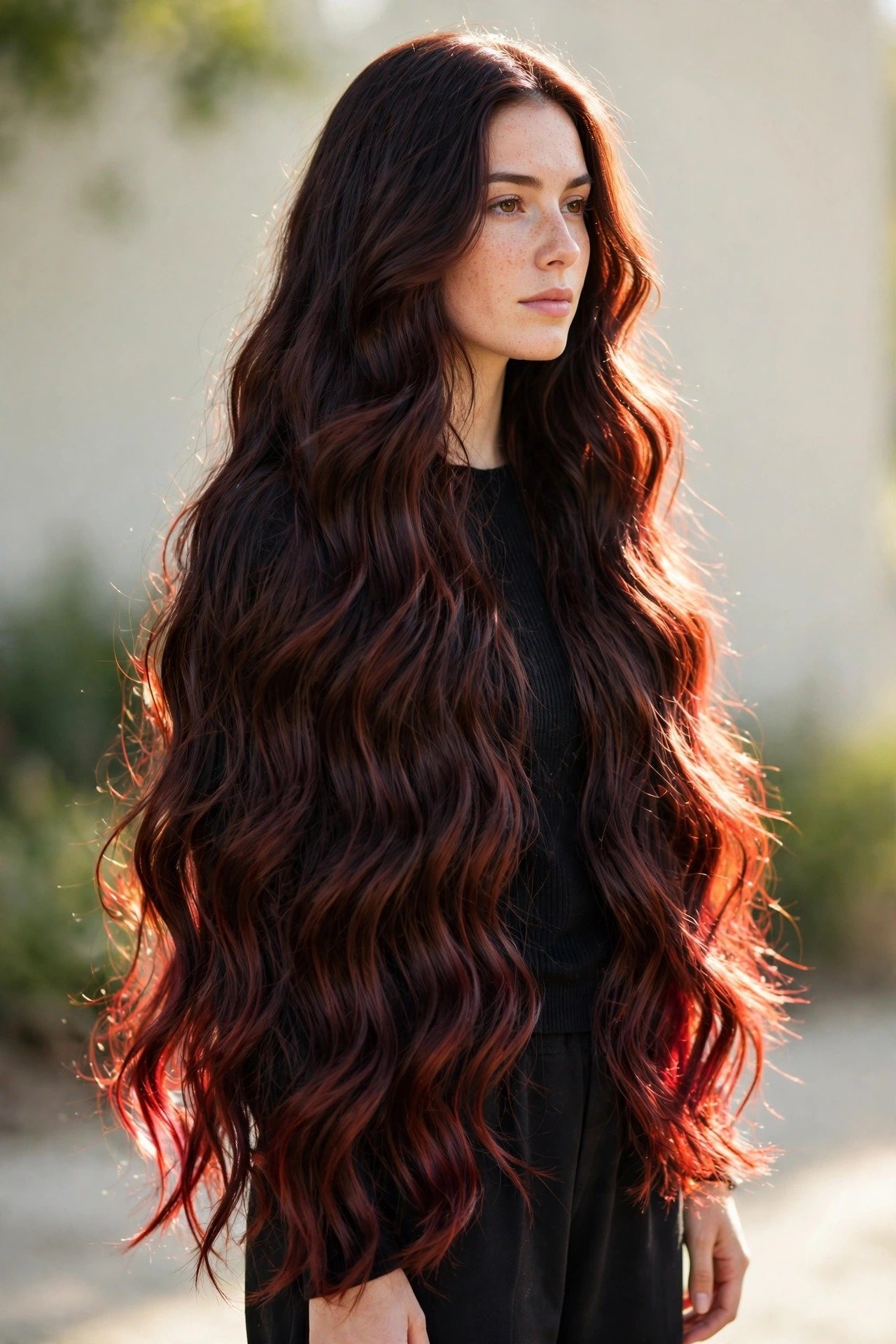
Color trends move in cycles, and 2026 belongs to what I call “expensive darkness” — rich, deep, dimensional color after years of bright blondes and high-contrast balayage dominating. Cherry cola hair is the redhead’s answer to the expensive-brunette movement: dark, glossy, sophisticated, but with a secret — that cherry glow that only shows in the light. It is restrained and dramatic at the same time, which is a hard trick to pull off.
Shade 2: Dark Cherry Cola. The moodiest version — a level 3 base that reads as near-black indoors with just a whisper of cherry in direct light. This is the shade for women who want the cherry cola idea at maximum subtlety: coworkers see dark, glossy brunette; sunlight reveals the secret. It is also the lowest-maintenance version, because dark bases show fading the least and regrowth blends invisibly.
The trend has real staying power behind it, not just social media hype. Deep reds flatter an enormous range of skin tones — more than blonde or fashion colors ever will — which means the trend has a genuinely broad audience. It works on warm, cool, and neutral undertones with small adjustments. A trend that suits almost everyone does not burn out in a season; it becomes a staple. I expect cherry cola variants to be requested well into 2027.
There is also a practical driver: low-lighting. The last few years trained everyone to photograph hair in ring lights and golden hour, and cherry cola hair was practically designed for cameras. The dimension — dark base, red mid-tones, cherry highlights — gives photos a richness that flat single-process color cannot match. In an era where your hair color has to perform on camera, dimension wins.
My honest take: of all the 2026 color trends, cherry cola is the one I recommend most freely. It is flattering, it is versatile, it grows out gracefully, and it does not require bleaching for most women. It is that rare trend that is both exciting and sensible — the color equivalent of a really good decision.
Celebrity influence deserves an honest mention here. When high-profile women started wearing deep cherry reds on red carpets, the search volume followed within days — I watched it happen in my own booking calendar. But here is the thing I tell clients who bring celebrity photos: that color was formulated for that person’s skin, lighting team, and professional maintenance schedule. Use the photo as direction, not as a promise. Your cherry cola will be yours, not theirs — and that is better.
Cherry Cola vs. Other Red-Browns: Know the Difference
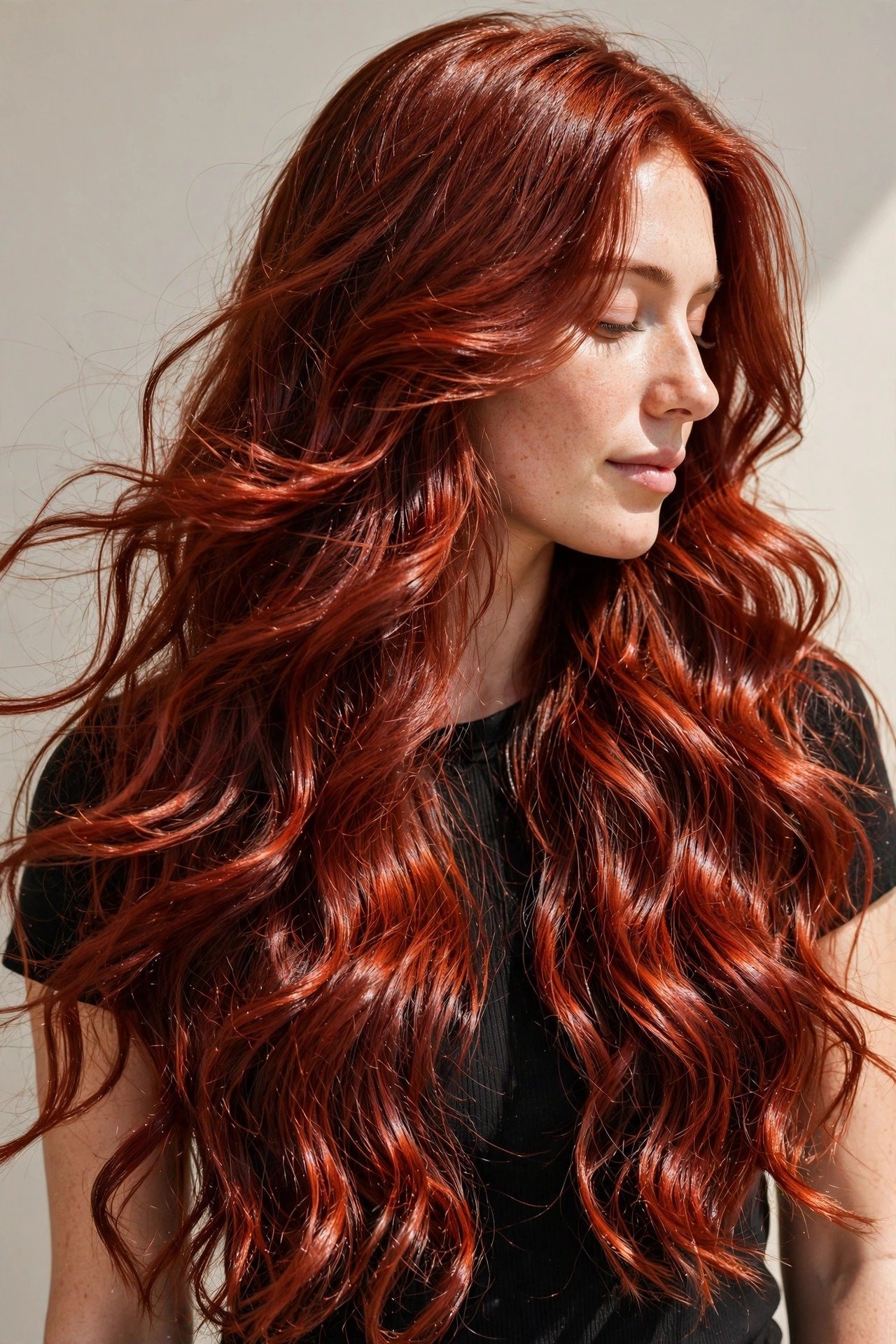
The red-brown family is crowded, so let me draw the boundaries clearly. Cherry cola sits between burgundy and auburn, with its own distinct character. Burgundy leans purple — it is red-violet, wine-like, cooler. Auburn leans orange-brown — it is warm, coppery, autumnal. Cherry cola is the middle child with attitude: redder than auburn, browner than burgundy, with that dark cola depth neither of them has.
Shade 3: Bright Cherry Cola. The most vibrant version — a level 5 base pushed toward true cherry red, with the brown acting as depth rather than the dominant tone. This is cherry cola at maximum saturation: unmistakably red in every lighting, glowing in sunlight, impossible to ignore. It needs the most maintenance of the family (bright reds fade fastest), but the payoff is a color with genuine presence.
Shade 4: Deep Burgundy Cherry Cola. Where the two families meet — cherry cola depth with a stronger violet-wine reflect. If you love burgundy but find it too purple, or love cherry cola but want more drama, this hybrid is your answer. It is the most evening-ready shade in this guide: under warm restaurant lighting, it looks impossibly rich. Cool skin tones wear this version best.
Then there is cowboy copper, which confuses people because it is also a trending red-brown. The difference: cowboy copper is warm — dusty, leathery, orange-brown warmth. Cherry cola is cool-dark — the violet undertone pulls it away from warmth. They are opposite ends of the red-brown spectrum. Warm skin tones often suit cowboy copper better; cool and neutral tones often suit cherry cola better. (Neutral tones can wear both, lucky them.)
Why does this taxonomy matter? Because “red-brown” at the salon can mean five different things, and you need to know which one you are asking for. Saying “cherry cola” specifically — and showing a photo — gets you the dark-with-cherry-glow version, not the coppery or wine versions. Precision in the consultation is everything with reds.
Undertone test you can do at home in two minutes: look at the veins on the inside of your wrist in natural daylight. Blue or purple veins suggest cool undertones — lean toward the burgundy-leaning cherry cola. Green veins suggest warm undertones — the classic or copper-toned version is your match. Blue-green or hard to tell means neutral, and neutrals can wear the entire cherry cola family. It is not a perfect science, but it is a better guide than guessing, and it gives your colorist useful information at the consultation.
Best Skin Tones for Cherry Cola Hair
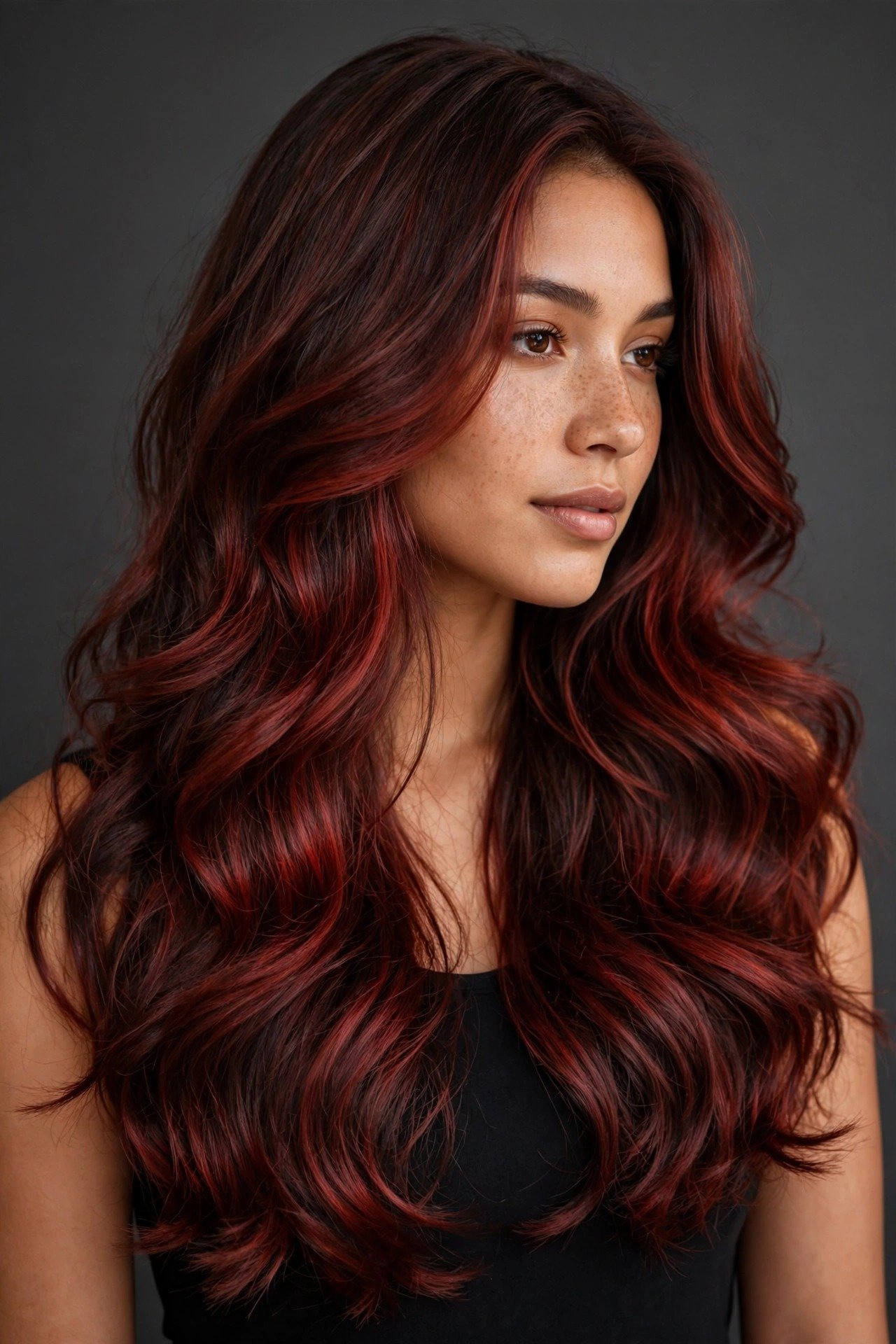
Here is the good news: cherry cola is one of the most universally flattering reds ever formulated. The reason is the balance — the dark base keeps it from overwhelming pale skin, the red warmth flatters warm undertones, and the violet depth keeps it from clashing with cool undertones. Most women can wear some version of cherry cola. The question is which version.
Shade 5: Cherry Cola on a Dark Brown Base. The most natural-looking version — your dark brown hair, deepened and saturated with cherry tones. Because the base stays close to natural, the grow-out is invisible and the maintenance is minimal. This is the version I recommend to cherry cola beginners: all of the richness, none of the commitment anxiety. Warm and neutral skin tones glow against it; the red brings out golden undertones beautifully.
Fair and light skin: cherry cola is stunning against pale skin — the contrast is striking without being harsh, because the dark base anchors it. Think of the classic Snow White contrast, but wearable. Stick to the classic or dark versions; the brightest cherry can overwhelm very fair skin unless that is the dramatic effect you want (and sometimes it is — own it if so).
Medium and olive skin: this is cherry cola’s sweet spot. The red tones harmonize with golden and olive undertones instead of fighting them, and the depth of the color makes the skin look luminous. Olive skin in particular — which can look washed out by ash blondes — comes alive against cherry cola. If you have olive skin and have never gone red, this is your sign.
Deep skin tones: cherry cola is magnificent on deep skin — the richness of the color echoes the richness of the skin, and the cherry glow reads as pure luxury. Go for the classic or bright versions rather than the darkest; you want the red to show, not disappear into the depth. The contrast between deep skin and glowing cherry-red hair is one of the most beautiful combinations in color.
Seasonal timing is a genuinely useful consideration most guides skip. Getting cherry cola in autumn or winter is the smart play: you are indoors more (less UV fading), you wash less often in cold weather anyway, and the rich color harmonizes with fall and winter wardrobes. Summer cherry cola is beautiful but fights sun, pools, and sweat — it is doable, just higher-maintenance. If you are planning your first cherry cola, aim for October through February and thank yourself later.
Cherry Cola on Different Base Colors
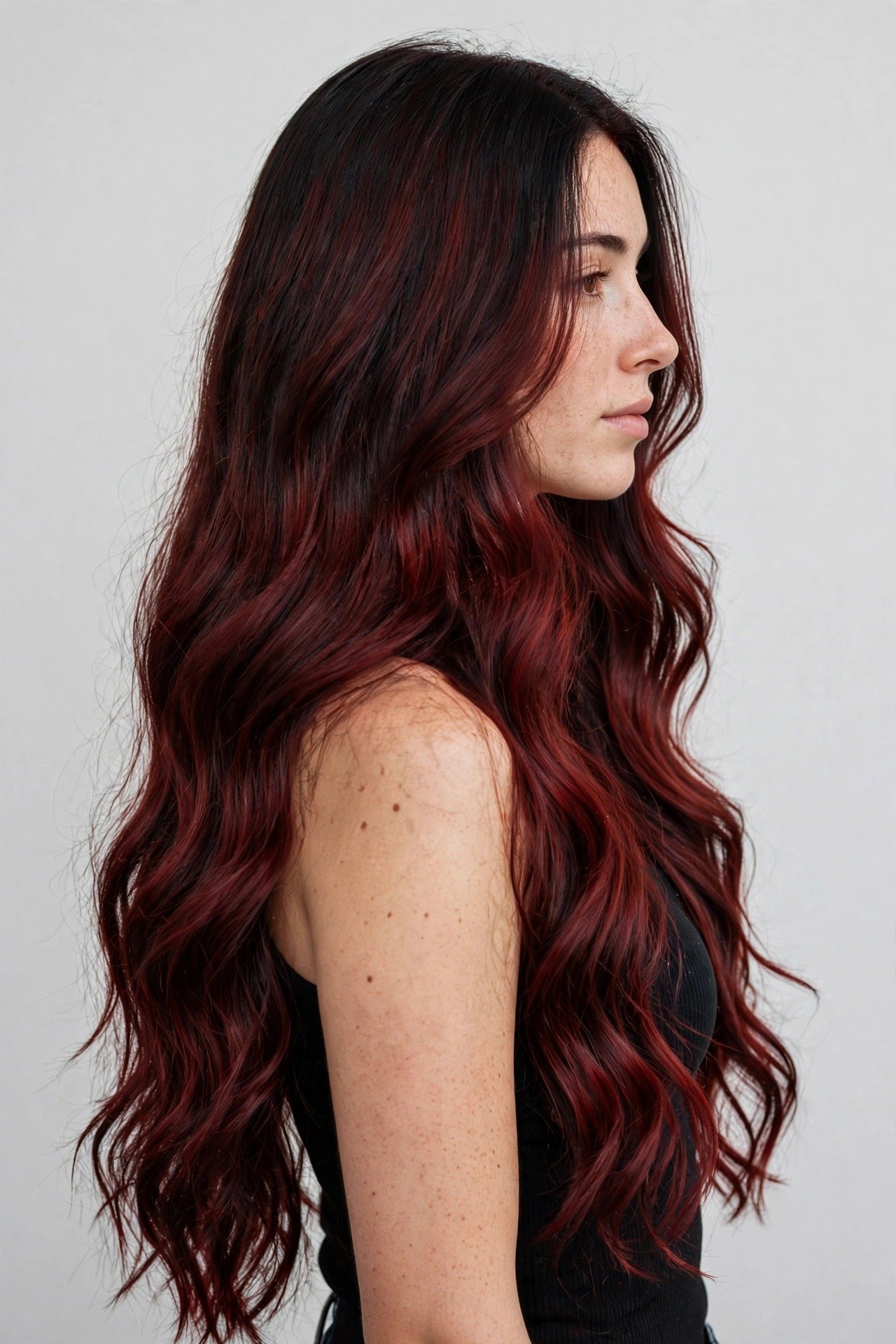
Your starting level determines your path to cherry cola, so let us map it honestly. Virgin hair at level 4–6 (medium brown to dark blonde) is the easiest canvas — a single process with 20-volume developer deposits the cherry tones directly, no bleach needed, minimal damage. This is the best-case scenario and it describes a lot of women.
Shade 6: Cherry Cola on Black Hair. Starting from level 1–2 (natural black), the colorist lifts to a level 4 with 30-volume developer — or uses a high-lift red-brown formulated for dark bases — then deposits the cherry tones. It is very achievable, but it is a two-step process in one appointment, which means more time (plan for three hours) and more stress on the hair. A bond builder is non-negotiable here. The result is worth it: cherry cola on black hair has incredible depth.
Shade 7: Cherry Cola with Copper Undertones. For women whose natural warmth pulls everything orange — you know who you are — this version leans into it deliberately. Instead of fighting the warmth with violet, the formula adds copper reflect alongside the cherry, creating a warmer, more autumnal cherry cola. It is the right call for very warm skin tones and natural redheads going deeper. Fighting your natural warmth is a losing battle; working with it is strategy.
Previously colored hair is the wildcard. Box-dyed black, old highlights, faded fashion colors — all of these affect how cherry cola takes. Dark box dye may need a color remover before the cherry will show; old bleach highlights will grab the red aggressively and go brighter than the rest. A strand test is not optional here — it is the difference between an even result and a patchy one. Any honest colorist will insist on one.
Gray coverage note: cherry cola covers gray beautifully — reds are opaque and the dark base gives full coverage. But gray hair grabs red tones intensely and can go brighter than the surrounding hair, so the formula usually needs adjusting (slightly deeper base on the gray areas). Tell your colorist your gray percentage upfront; it changes the formulation.
One more base-color scenario that comes up constantly: previously highlighted or balayaged blonde hair going cherry cola. The bleached pieces will grab the red much more intensely than the natural base, creating an unintentional two-tone effect — bright cherry on the old highlights, deeper cherry on the base. Some women love this and keep it deliberately. If you do not want it, your colorist needs to “fill” the bleached sections first (a protein filler evens the porosity), then apply the cherry. It adds a step and cost, but it is the difference between intentional dimension and patchy regret.
Henna users, this paragraph is for you: if you have henna or metallic-salt “natural” dyes on your hair, cherry cola chemistry gets complicated. Henna coats the hair shaft and can react unpredictably with conventional color — sometimes blocking it entirely, sometimes producing strange greenish or muddy results when lightener is involved. Tell your colorist about henna upfront, even if it was months ago; it does not wash out, it grows out. A strand test is absolutely mandatory here. Some colorists will decline to color over henna, and honestly, that caution is a sign of professionalism, not laziness.
Application Techniques: Balayage, Ombré and More
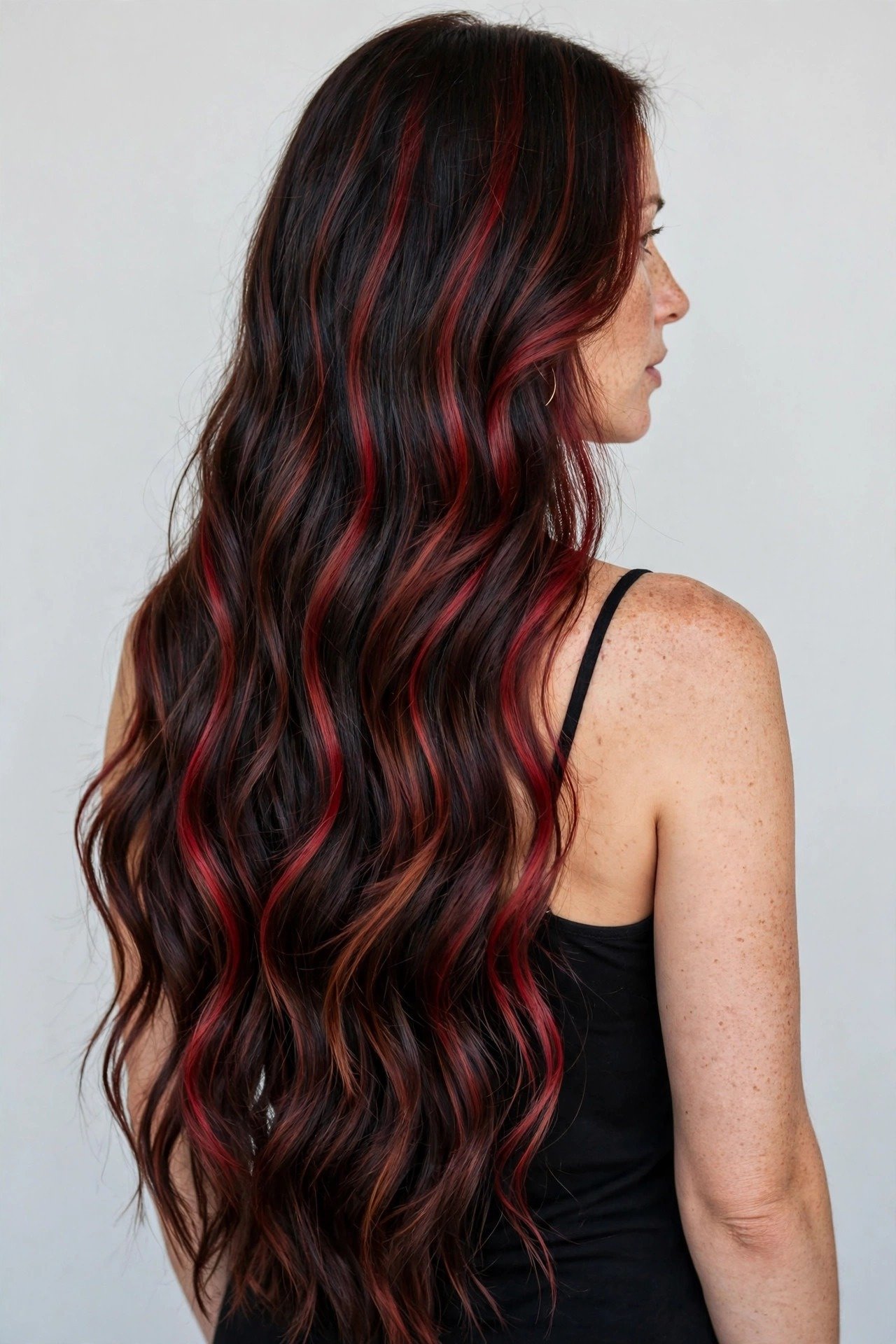
Cherry cola is not just an all-over color — it is a palette that works in every modern application technique. The technique you choose determines the maintenance level, the grow-out, and the overall effect as much as the shade itself. Let us walk through the options honestly.
Shade 8: Cherry Cola Balayage. Hand-painted cherry and red-brown ribbons through a dark base — the dimension is unreal. The colorist paints the cherry tones where light naturally hits: around the face, through the mid-lengths, at the ends. Grow-out is graceful because there is no harsh line. This is the lowest-maintenance way to wear cherry cola with real dimension, and it photographs like an absolute dream. Touch-ups every 10–12 weeks.
Shade 9: Cherry Cola Ombré. Dark roots melting into cherry-red ends — the gradient version. The top stays deep (your natural or a level 3–4), and the cherry intensifies toward the ends. It is dramatic, modern, and practical: the roots need almost no maintenance since they are dark, and only the ends need red refreshing. When the red fades, the ombré still looks intentional. This is the smart choice for commitment-phobes who want maximum impact.
All-over single process is the classic and still the most striking — one even cherry cola shade from roots to ends. Maximum impact, maximum maintenance: roots every 4–6 weeks, full refresh when the red fades. It is the right choice if you want the pure, iconic cherry cola look and you are willing to maintain it. Nothing else looks quite like it.
Foil highlights in cherry tones through a dark base give you controlled brightness — more structured than balayage, with cleaner ribbons of color. It suits women who want visible dimension rather than a soft melt. The maintenance is moderate: highlight touch-ups every 8–10 weeks, with a gloss refresh in between to keep the red vivid.
My recommendation hierarchy for maintenance: ombré (easiest) → balayage → foils → all-over (most demanding). Choose based on your honest maintenance tolerance, not on which photo you liked most. The prettiest technique is the one you will actually maintain.
Time and cost honesty for each technique, because salons quote these differently: all-over single process runs 2–3 hours; balayage runs 3–4 hours (the hand-painting is slow, careful work); ombré runs 2.5–3.5 hours; foils run 2.5–3 hours. Price follows time, roughly. Do not choose balayage to save money — it is the most expensive technique on this list. Choose it for the grow-out and the dimension. And always confirm whether toner, bond builder, and the blowout are included in the quote or added on top; the “extras” can add 30% to the bill.
Asking Your Colorist for Cherry Cola: The Consultation Script
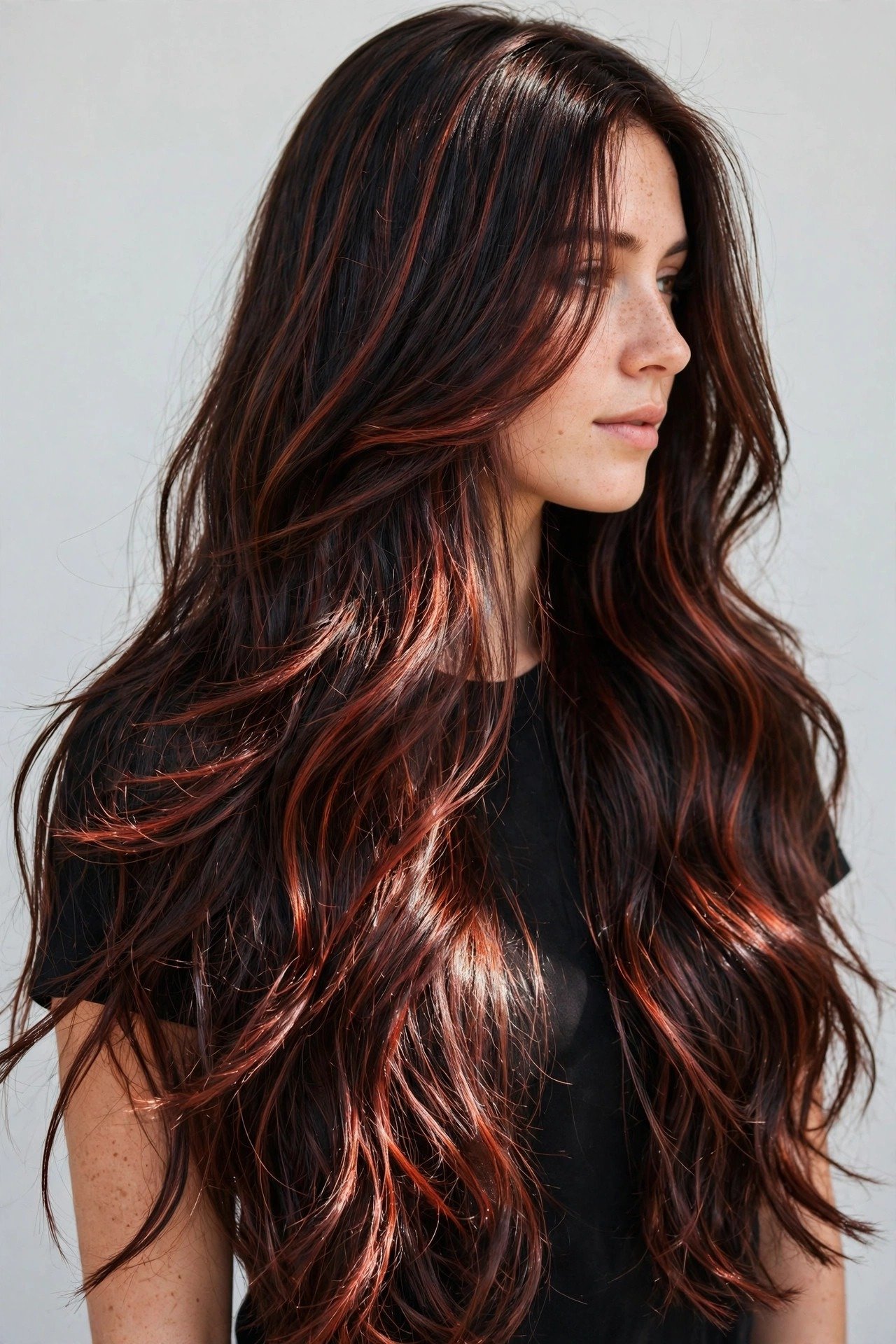
Bring photos — three to five, showing the color in different lighting if possible. Cherry cola looks dramatically different indoors versus sunlight, and your colorist needs to see which version you are falling in love with. A photo in sunlight shows the cherry glow; a photo indoors shows the depth. Bring both.
Shade 10: Cherry Cola Highlights. If full cherry cola feels like too much, highlights are the gateway: cherry-red ribbons woven through your natural dark base. You get the glow and dimension with a fraction of the commitment — grow-out is invisible, touch-ups are every 8–12 weeks, and if you hate it, the highlights grow out without drama. Many of my clients start here and go full cherry cola within six months. Consider yourself warned.
Shade 11: The Cherry Cola Money Piece. Two face-framing panels of bright cherry against a dark cherry cola base — the money piece technique applied to the red family. It draws light to the face, makes the eyes pop, and gives you a taste of brightness without committing the whole head. It is also the fastest service on this list: a money piece refresh takes under an hour. Maximum face-flattery per minute in the chair.
Here is what to say: “I want cherry cola — a deep red-brown with cherry-red reflect and violet depth, around a level [4/5]. My natural base is [level], and I [have / don’t have] previous color. I want [all-over / balayage / ombré], and my maintenance tolerance is [roots every 4 weeks / low maintenance].” The maintenance sentence is the one clients always skip and colorists always need. Say it.
Ask these three questions before the color goes on: (1) “Will you need to pre-lighten my base, and if so, are you using a bond builder?” (2) “Is this permanent or demi-permanent, and how will it fade?” (3) “What should I use at home to maintain the red?” A colorist who answers all three clearly is a colorist you can trust. One who waves them off is a colorist to reconsider.
A word on colorist red flags, because a bad red is worse than no red: be cautious if your colorist cannot explain the difference between permanent and demi-permanent for your situation, if they skip the strand test on previously colored hair, or if they promise the color “won’t fade” — every red fades, and a colorist who says otherwise is either inexperienced or dishonest. Good signs: they ask about your washing habits, they discuss the fade plan upfront, and they recommend the gloss maintenance schedule without being asked. The consultation tells you everything about the colorist.
DIY Cherry Cola vs. Salon: An Honest Breakdown
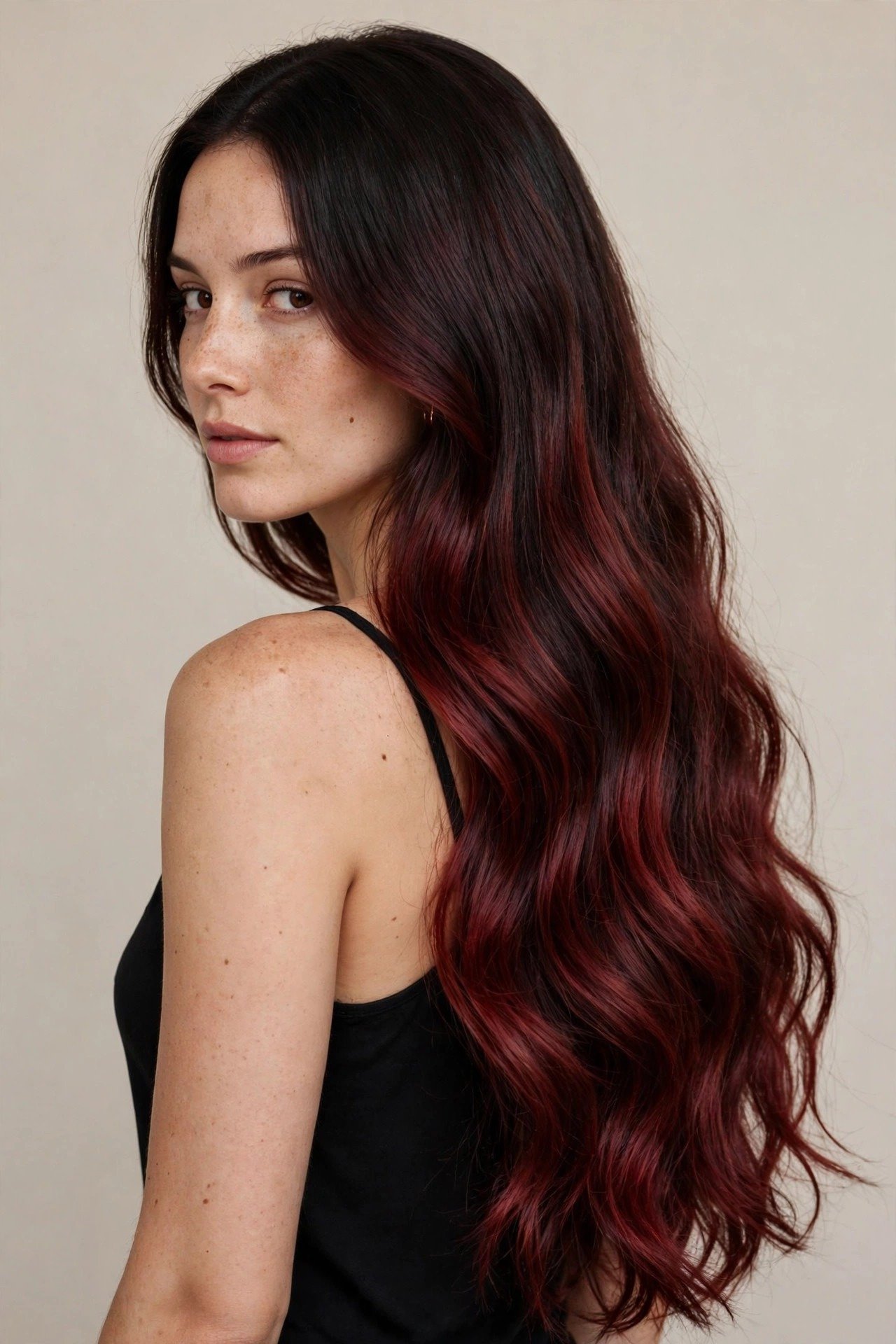
Can you do cherry cola at home? Sometimes. Let me give you the real answer instead of the salon-protectionist one. If your hair is virgin, within two levels of your target, and you want an all-over application — yes, a quality box dye or professional tube color with 20-volume developer can get you there. Cherry cola is a deposit-heavy color, not a lift-heavy one, which makes it one of the more DIY-friendly reds.
Shade 12: The Cherry Cola Melt. The root-melt technique — dark roots seamlessly melted into cherry lengths — is actually achievable at home by brave DIYers, because the root area stays dark (forgiving) and only the lengths need the red. Apply the dark base at the roots, the cherry through the mid-lengths and ends, and blend where they meet with your fingers. It will not be salon-perfect, but the technique is inherently forgiving. This is the DIY version I worry about least.
When to absolutely go to a salon: previously box-dyed black hair (needs professional color removal), hair with old bleach or highlights (will grab red unevenly), going lighter than two levels (needs controlled lifting), gray coverage over 50% (formulation gets tricky), or any balayage/ombré technique (freehand painting is a trained skill — your bathroom mirror is not the place to learn it). These are the situations where DIY goes wrong expensively.
If you DIY, buy professional tube color and developer separately rather than a box kit — the color selection is better and you control the volume. For cherry cola on virgin medium-brown hair: a 4RV or 5RR permanent color with 20-volume developer, processed 35–45 minutes. Do a strand test first, always — behind the ear, 24 hours before, checking both the color and any reaction. This is not optional advice; it is the difference between a good result and a color correction bill.
The true cost comparison: DIY runs $15–30 per application every 4–6 weeks, plus the risk cost. Salon cherry cola runs $120–250 for the initial service and $80–150 for root touch-ups. Over a year, the salon costs roughly ten times more. But one professional color correction after a DIY disaster costs $200–400 and hours of your life. Be honest about your skill level — the math only favors DIY if the result is actually good.
The patch test and strand test are different things and you need both — people confuse them constantly. The patch test (a dab of color behind your ear, 48 hours before) checks for allergic reaction. The strand test (color applied to a small hidden section of hair, processed fully) shows you the actual result on your hair. The patch test protects your health; the strand test protects your appearance. Skipping either one to save time is the kind of shortcut that creates the horror stories.
Maintaining Cherry Cola Hair: The Anti-Fade Playbook
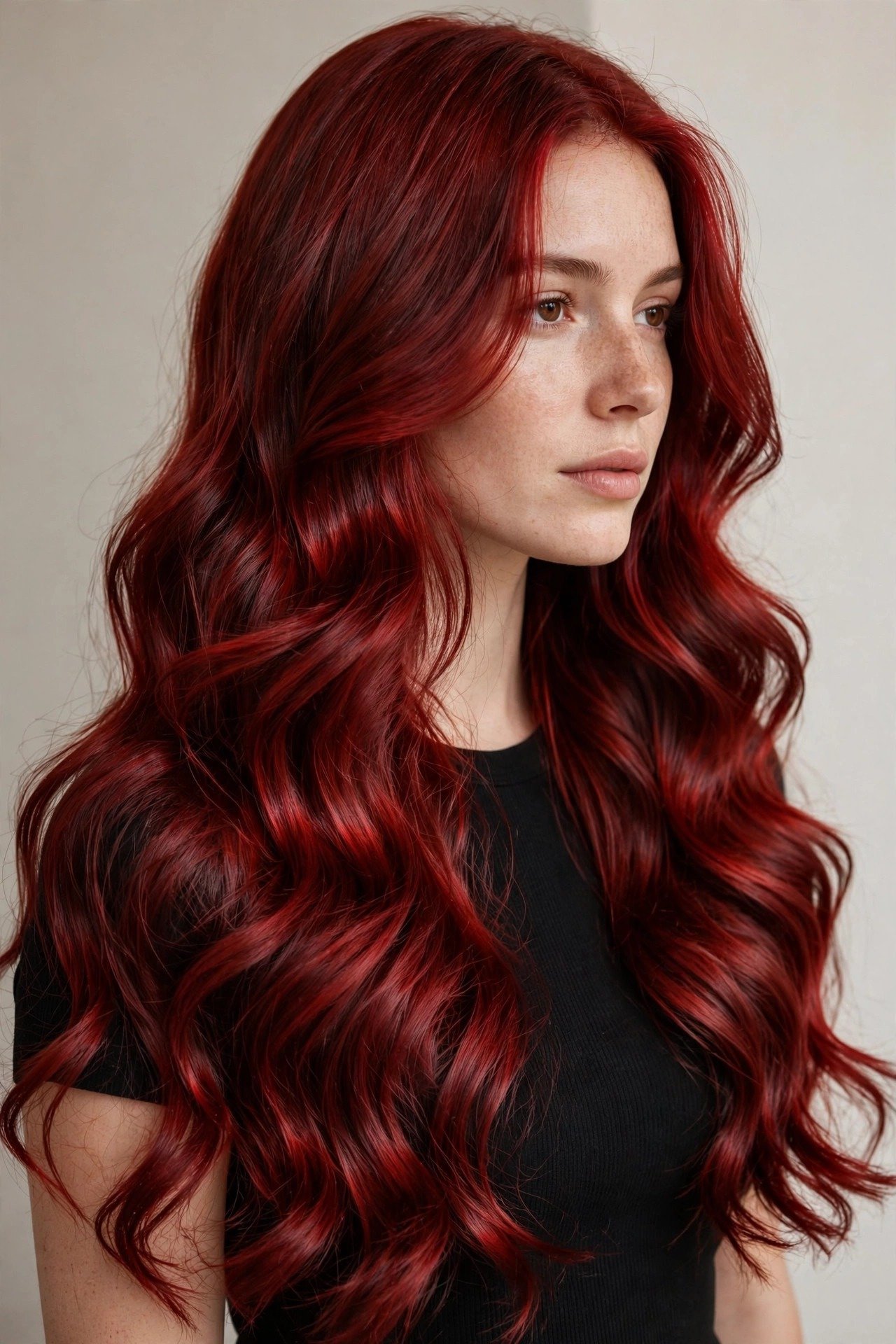
Red molecules are the largest color molecules and they escape the hair shaft faster than any other color — this is chemistry, not opinion. Cherry cola will fade. Your job is to slow it down as much as possible. Everything in this section is about keeping those cherry tones locked in.
Shade 13: Vivid Cherry Cola. The most saturated version in this guide — maximum cherry, minimum brown — and the one that demands the most disciplined maintenance. If you choose vivid, you are signing up for: color-safe sulfate-free shampoo, washing in cool water, washing no more than twice a week, a red color-depositing conditioner weekly, and a salon gloss refresh every 3–4 weeks. It is a lifestyle. The women who maintain vivid cherry cola beautifully are the ones who enjoy the ritual — if that sounds exhausting, choose the classic instead.
The non-negotiable rules for all cherry cola shades: wash in the coolest water you can stand (hot water opens the cuticle and dumps color down the drain — you can literally see red in the rinse water with hot washes), use sulfate-free color-safe shampoo, wash as infrequently as your scalp allows (dry shampoo is your friend), and always use a heat protectant (heat fades red fast). These four habits matter more than any product.
Color-depositing conditioners and masks are the secret weapon. A red or “cherry” color-depositing conditioner used once a week puts red molecules back into the hair as they fade out — it is like a mini color refresh in the shower. Leave it on 5–10 minutes. This single product can double the time between salon refreshes. Every cherry cola wearer should own one.
Sun protection is the forgotten factor. UV breaks down red tones aggressively — a week at the beach can fade cherry cola to dull brown. Wear a hat, use a UV-protectant hair spray, or both. Chlorine and salt water are equally brutal: wet your hair with clean water and apply conditioner before swimming (saturated hair absorbs less pool water), and rinse immediately after. Vacation fading is the number one cause of emergency salon visits in summer.
Water quality is the invisible variable nobody accounts for. Hard water — high in minerals — strips and dulls red color faster than soft water, and it can shift cherry tones brassy over time. If your color fades shockingly fast despite perfect aftercare, your water might be the culprit. A shower filter costs $30–60 and makes a measurable difference for redheads; it is the cheapest color insurance you can buy. Well water is the worst offender — if you are on a well, the filter is not optional.
Fading, Touch-Ups and the Refresh Schedule
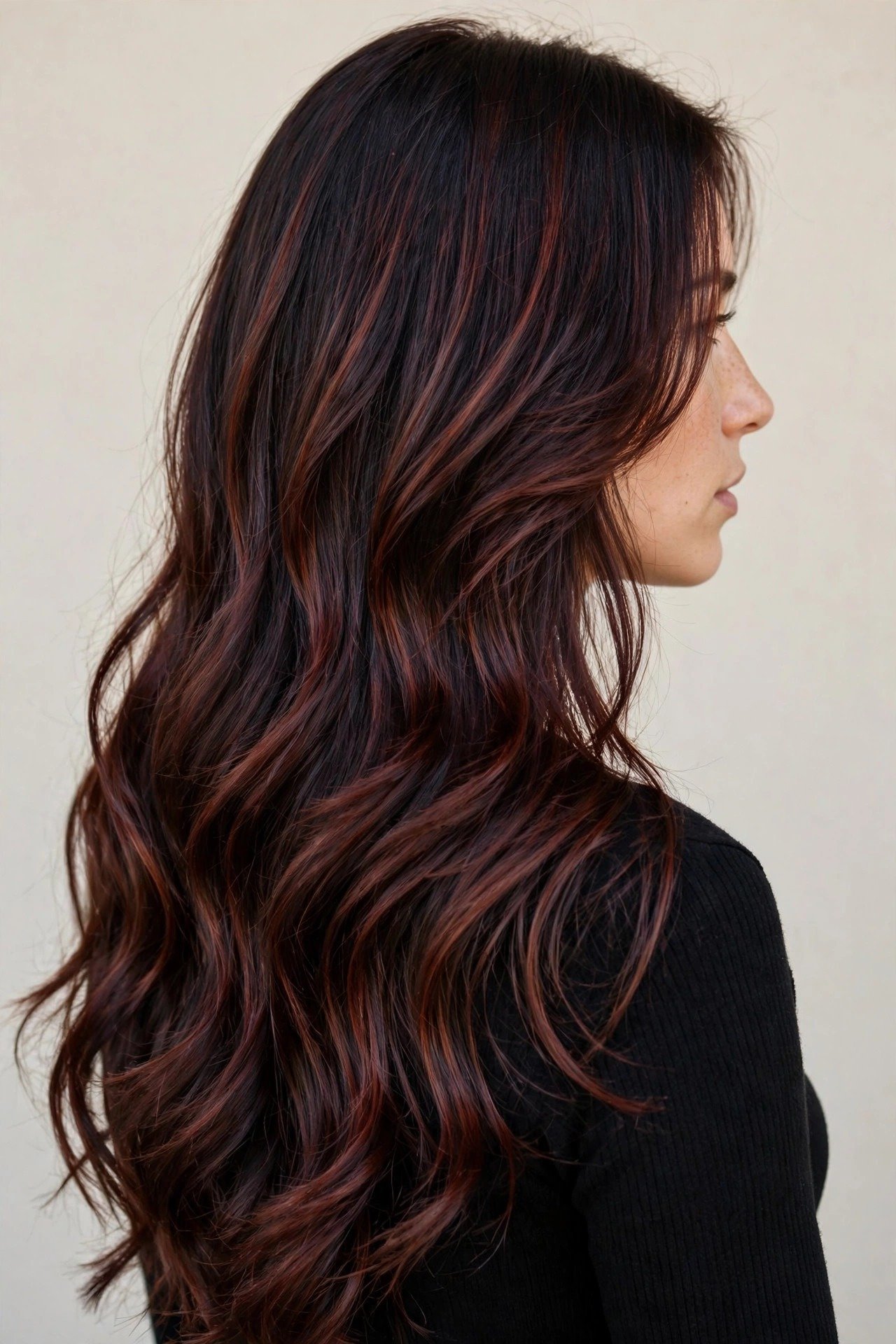
Let us normalize this: your cherry cola will fade, and that is not failure — it is the nature of red. A good cherry cola fades gracefully through stages: vivid cherry → rich red-brown → warm brown with red tones → soft warm brown. The violet depth in a proper formulation keeps it from going brassy-orange, which is the ugly fade. If your cherry cola is fading orange, the formulation was missing violet — mention it at your next appointment.
Shade 14: The Subtle Cherry Cola Tint. The sheerest version — a demi-permanent wash of cherry over your natural base that reads as “your hair, but richer.” It is the lowest-commitment entry in this guide: it fades completely in 4–6 weeks with no line of demarcation, it needs no root touch-ups, and it is the perfect way to test whether you like yourself as a redhead before committing to permanent color. Think of it as cherry cola with training wheels.
The realistic refresh schedule: roots (if all-over permanent) every 4–6 weeks; gloss or toner refresh every 3–4 weeks for vivid shades, every 6–8 for classic shades; full color re-application when the red has faded beyond what depositing conditioner can revive — typically 8–12 weeks. Balayage and ombré versions stretch to 10–16 weeks between major services. Put these in your calendar at the color appointment; “I will book when it fades” turns into three months of sad color.
Between appointments, the color-depositing conditioner is doing the heavy lifting (as discussed), but a salon gloss is the professional reset. A demi-permanent red gloss takes 20 minutes, costs a fraction of a full color, and brings cherry cola back to day-one richness. Many of my clients alternate: full color, then gloss, then full color. It keeps the color consistently beautiful at a lower annual cost than full services every time.
When to do a full re-color versus a gloss: if the color has faded more than two levels from the original, or if the ends have gone brassy, you need full color. If it is just lost vibrancy but the tone is still right, a gloss is enough. Your colorist can tell at a glance — send a photo in natural light if you are unsure whether to book a gloss or a full service.
Here is a scheduling trick my long-term red clients swear by: book your next gloss appointment at the end of every color appointment, before you leave the salon. Standing appointments every 4–6 weeks mean you never hit the “sad fade” phase, because the refresh always arrives before the color gives up. Clients who book standing appointments maintain consistently better color than clients who wait until it looks bad — by the time it looks bad, you are doing a correction, not a refresh. Prevention beats repair in color, every time.
Sleep protection sounds fussy until you see the difference it makes for reds. Cotton pillowcases create friction that roughs up the cuticle overnight — and a roughed-up cuticle leaks red molecules. A silk or satin pillowcase (or a loose silk scarf/bonnet) keeps the cuticle smooth while you sleep, which measurably slows fading. It also prevents the morning frizz that tempts you into a hot, damaging restyle. For the price of one gloss appointment, a silk pillowcase pays for itself in color longevity within two months.
Styling Ideas for Cherry Cola Hair
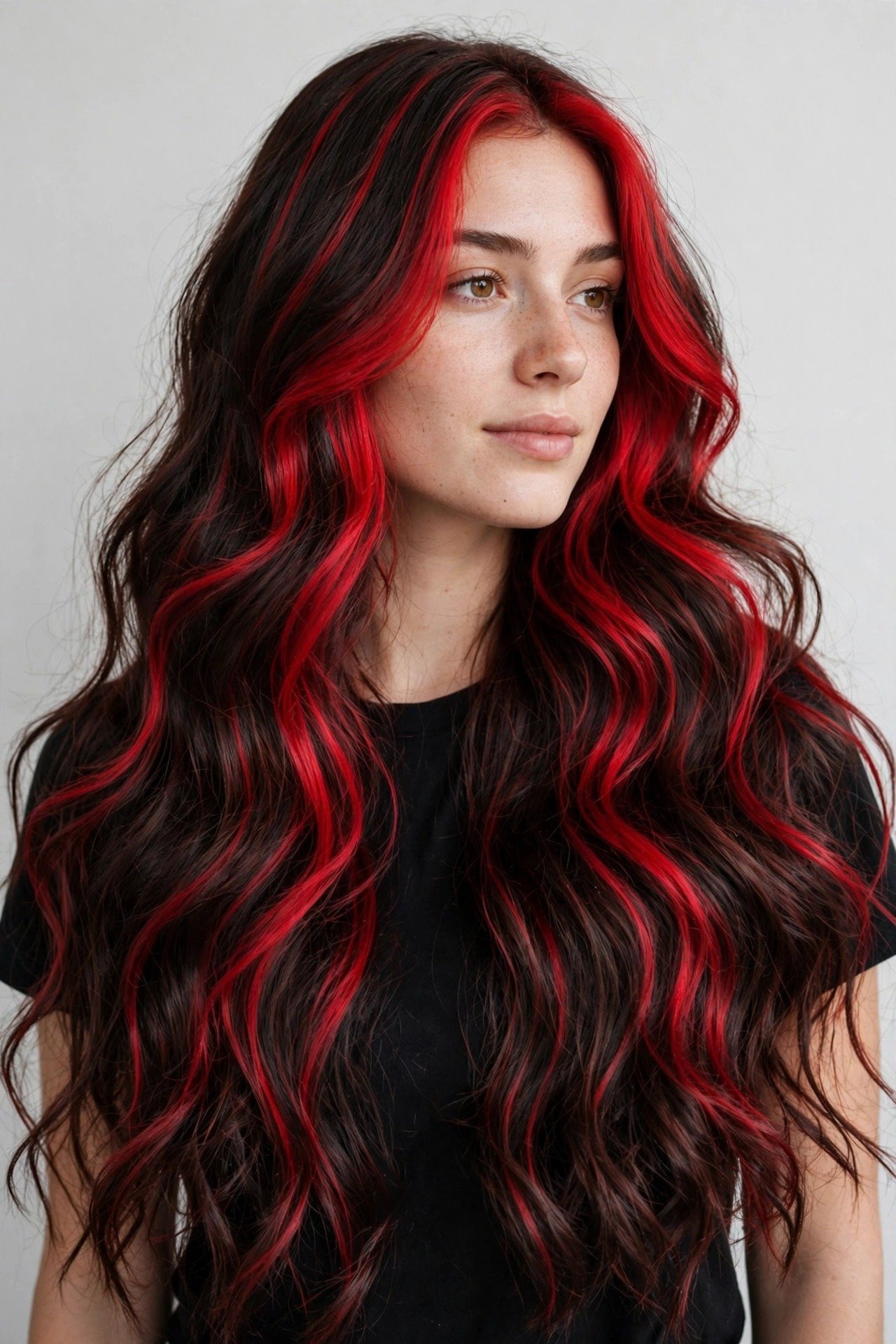
Cherry cola hair styles itself, honestly — the color does half the work. But certain styles show it off better than others, because dimension needs movement and light to reveal itself. Stick-straight, flat-ironed hair shows the depth; waves and curls show the cherry glow. Both are beautiful; they just emphasize different parts of the color.
Shade 15: Cherry Cola with Face-Framing Brightness. The final shade concept: an all-over cherry cola base with the face-framing pieces lifted one level brighter — not blonde, just a brighter, more vivid cherry around the face. It lights up the complexion, photographs beautifully, and gives the color a custom, expensive look. It is a subtle detail that makes people unable to pinpoint why your color looks so good — which is exactly the point.
Waves are cherry cola’s best friend. Loose waves — from a large-barrel curling iron, heatless overnight braids, or a waver — create the movement that lets light play across the red tones. Every turn of the head shows a different facet of the color. If you wear cherry cola straight every day, try waves once and watch the compliments multiply. The color was made for movement.
Updos concentrate the color and show off the depth — a sleek bun or a twisted chignon turns cherry cola into a single rich mass that glows at the edges. Braids are even better: every crossover in a braid catches light differently, so a simple three-strand braid becomes a showcase for the dimension. If you have long cherry cola hair, braids are not just a style — they are a display case.
One styling caution: heat tools fade red, so every heat style should start with heat protectant — no exceptions. And if you flat-iron daily, consider that the cumulative heat is quietly draining your color; switching some days to heatless styles genuinely extends the time between refreshes. Your color investment deserves protection.
Accessories deserve a mention because they interact with this color beautifully. Gold jewelry against cherry cola hair is a combination that never misses — the warm metal echoes the red tones and the whole look glows. Tortoiseshell hair accessories, deep green scarves, cream knitwear — all of these harmonize with the color’s richness. Silver can work too, but it creates contrast rather than harmony; choose based on whether you want the look to glow (gold) or pop (silver). Small choices, big difference in the mirror.
Cherry Cola Mistakes to Avoid
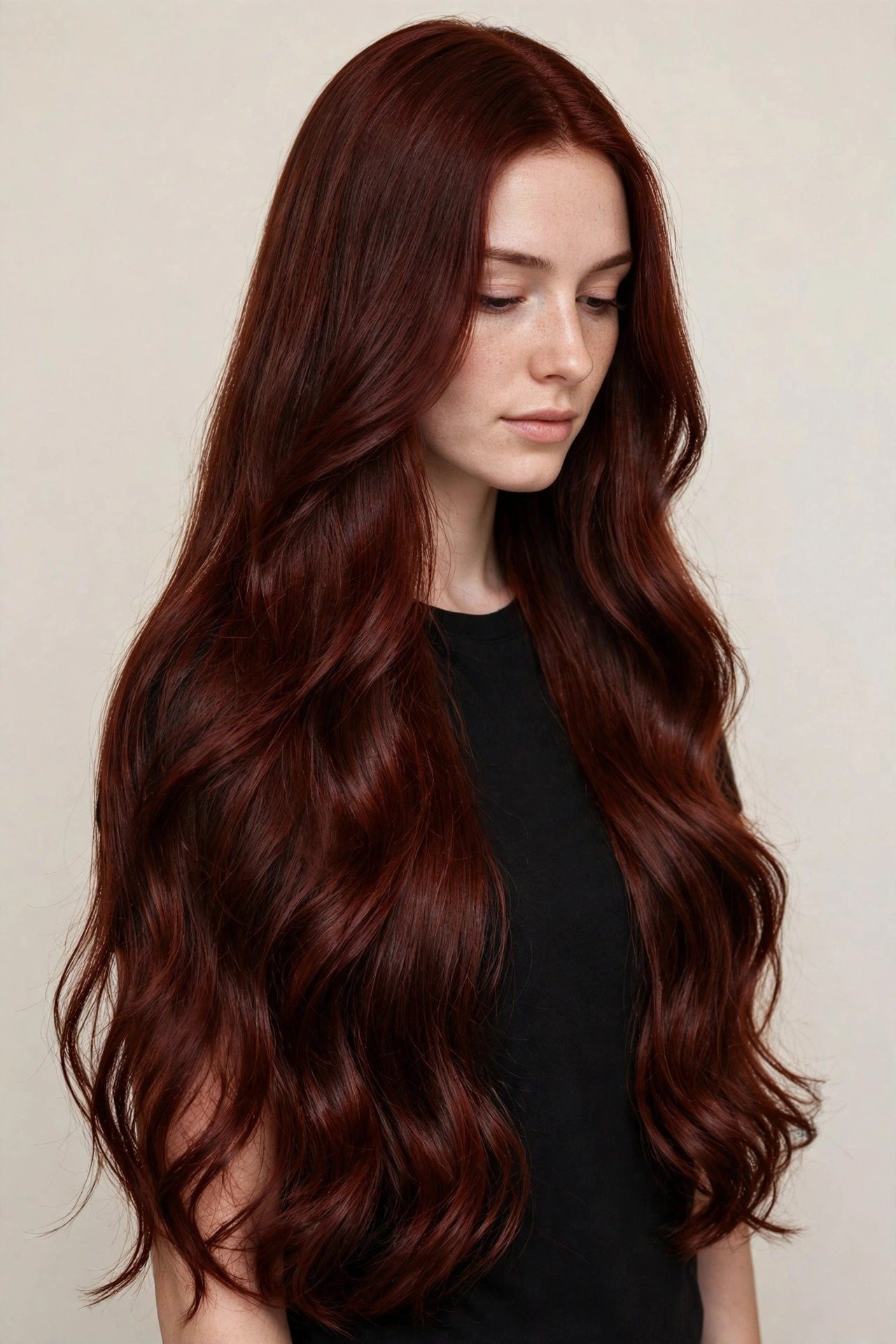
The most expensive mistake: going too bright on the first appointment. Women see vivid cherry cola photos, ask for maximum saturation, and discover two weeks later that the maintenance is a second job. Start with the classic or dark version. You can always go brighter at the next appointment — going brighter is easy. Growing out or toning down a too-vivid red you resent is the hard direction. The color ladder only goes comfortably in one direction.
Mistake number two: washing it like normal hair. Hot water, daily washing, regular shampoo — this routine strips cherry cola in two weeks flat. I have watched clients spend $200 on beautiful color and destroy it with $8 shampoo and scalding showers. The aftercare is part of the color service, not optional extras. If you will not change your washing habits, do not get a red — any red, not just cherry cola.
Mistake number three: skipping the strand test, especially on previously colored hair. Box-dyed black plus cherry cola ambition equals green-brown disaster without proper color removal. Old highlights plus cherry red equals hot roots and uneven saturation. The strand test takes 30 minutes and prevents every one of these outcomes. There is no good reason to skip it and several expensive reasons not to.
Mistake number four: choosing the shade from a photo without considering the lighting. That glowing cherry photo was taken in direct sunlight; indoors, the same head of hair reads much darker. If you fall in love with the sunlight version, understand you are buying the indoor version 90% of the time. Ask your colorist to show you the formula’s result in indoor lighting — honest salons have these photos. Love the indoor version first; the sunlight version is a bonus.
Mistake number five: letting it fade to nothing before refreshing. Cherry cola has a graceful fade, but “graceful” has limits — past eight weeks without a gloss, most reds have faded to flat brown with sad undertones. The refresh schedule in this guide exists for a reason. A $60 gloss every month beats a $200 correction every season, in both money and hair health.
Mistake number six, the sneaky one: using purple shampoo on cherry cola. Purple shampoo is for blondes — it deposits violet to cancel yellow, and on cherry cola it mutes the red and drags the color toward dull brown-purple. I see this constantly: a client with fading cherry cola reaches for the purple shampoo thinking “color care is color care,” and wonders why the red disappeared faster. Red hair needs red-depositing products, not purple ones. Keep the purple bottle far away from this color.
Is Cherry Cola Right for You? The Decision Guide
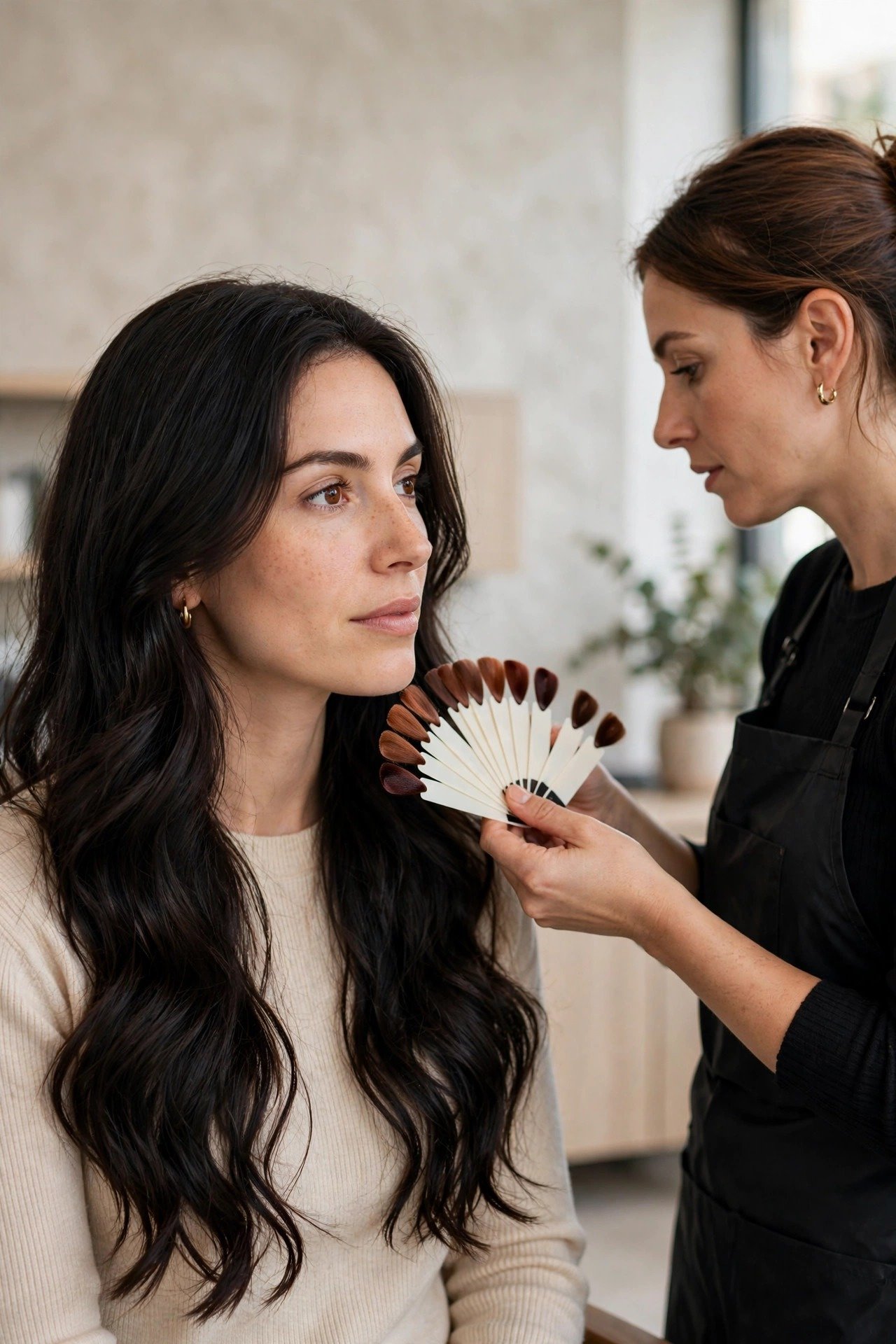
Let us make this simple with a straight decision framework. Get cherry cola if: you want red without the full commitment of bright copper or vivid fashion red; your skin tone is warm, neutral, cool, or deep (it genuinely suits nearly everyone); you are willing to wash less often, in cooler water, with color-safe products; and you can commit to a gloss refresh every 4–8 weeks. If all four are true, book the appointment — this is your color.
Reconsider if: you swim daily in chlorinated pools (the maintenance war is unwinnable), you wash your hair every single day in hot water and will not change, you need zero-maintenance color for the next six months, or your workplace bans visible red tones (the dark version usually passes, but check). These are not judgments — they are practical filters. The wrong color at the wrong time helps nobody.
The middle path exists and it is excellent: start with the subtle tint (Shade 14) or the highlights (Shade 10). Both give you the cherry cola experience with minimal commitment — the tint washes out in weeks, the highlights grow out invisibly. If you love it, go deeper next time. If you do not, you have lost nothing. There is no rule that says your first red has to be all-in.
Consider your wardrobe, too — an underrated factor. Cherry cola harmonizes with black, cream, olive, navy, burgundy, and gold beautifully. It fights with neon brights and can clash with very cool pastels. If your closet is full of colors that argue with red, you will feel the friction daily. Most women’s wardrobes work fine with it, but it is worth a glance at your closet before you commit your head.
Finally, trust the consultation over the internet — including this article. A good colorist looking at your actual hair, skin, and eyes in person will formulate better than any guide can. Use this article to walk in educated, with photos and the right vocabulary. Then let the professional do their job. The best color results come from informed clients and trusted colorists working together.
One last decision factor that surprises people: your natural root color and how fast your hair grows. Fast growers (more than half an inch a month) will see a root line sooner on all-over permanent cherry cola, which pushes you toward the balayage, ombré, or melt techniques where regrowth is invisible. Slow growers can wear all-over color with touch-ups every 6–8 weeks instead of 4. Know your growth rate — it is written in how often you need haircuts — and let it guide the technique choice. The right technique for your growth rate is the difference between effortless and annoying.
Cherry Cola Hair FAQ
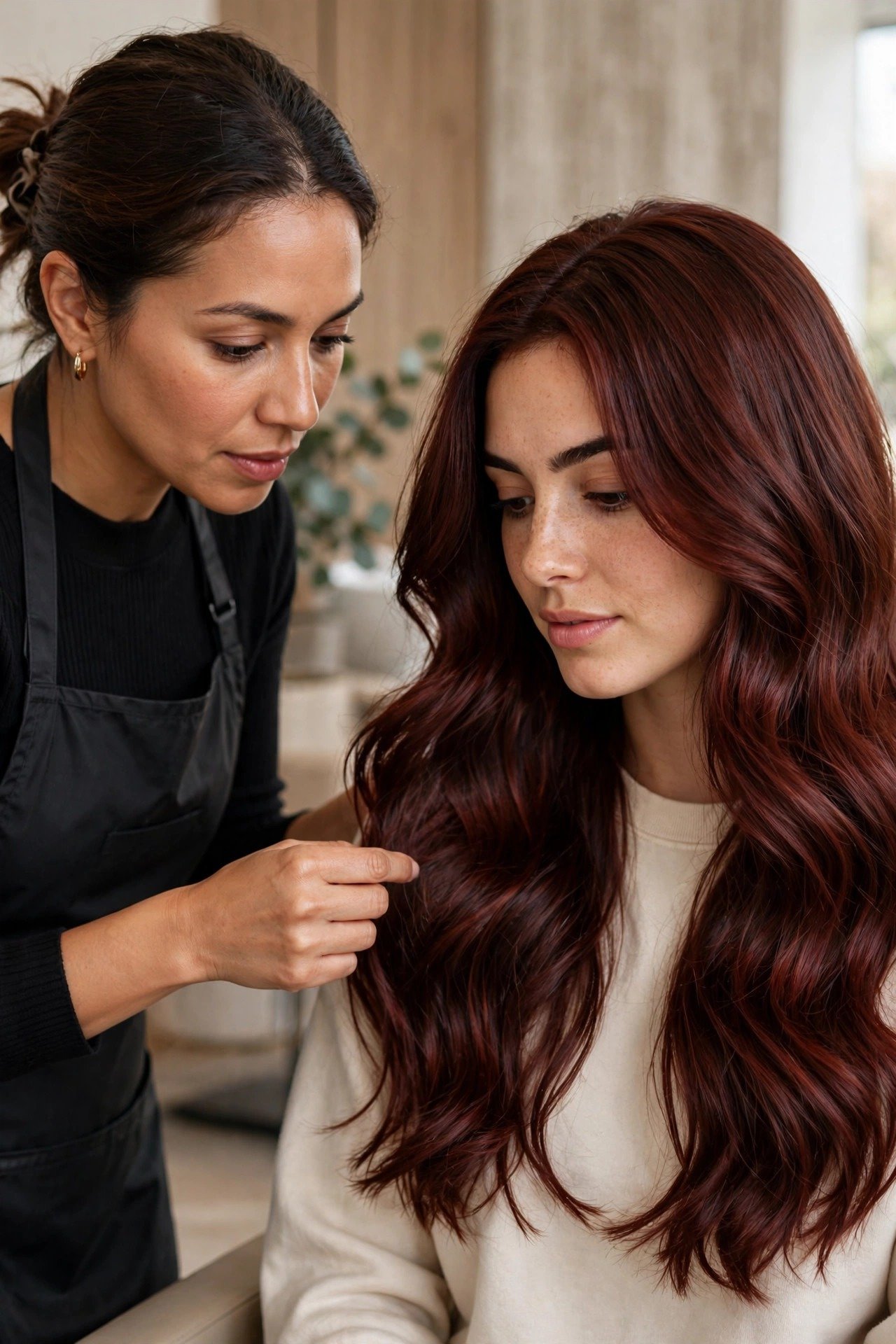
How long does cherry cola hair color last? The red tones start fading noticeably at 3–4 weeks with normal washing; with proper aftercare (cool water, sulfate-free shampoo, infrequent washing), the color stays rich for 6–8 weeks. A weekly color-depositing conditioner and a salon gloss every month can keep it vibrant indefinitely. Permanent cherry cola needs root touch-ups every 4–6 weeks. The single biggest factor is your washing routine — women who wash twice a week in cool water get nearly double the longevity of daily hot-water washers, regardless of products used.
Does cherry cola hair require bleaching? For most women, no. If your natural base is level 4–6 (medium brown to dark blonde), the cherry tones deposit directly with 20-volume developer and no bleach. Very dark (level 1–2) hair needs lifting to level 4 first, which means lightener — but not a full bleach-out. Previously box-dyed black hair may need color remover, which is a different process. Whenever lightener is involved, insist on a bond builder in the formula; it protects the hair’s internal structure during lifting and is the difference between healthy color and compromised hair.
Will cherry cola suit my skin tone? Almost certainly yes — it is one of the most universally flattering reds. Fair skin gets striking contrast, olive and medium skin get luminous warmth, deep skin gets luxurious richness. The shade matters more than the decision: fair skin suits classic and dark versions, warm/olive skin suits the classic and copper-toned versions, cool skin suits the burgundy-leaning version.
How is cherry cola different from burgundy? Burgundy leans purple and wine-like; cherry cola is redder and browner, with a dark cola depth. Indoors, burgundy reads purple-red while cherry cola reads dark brunette with red glow. Cherry cola is also generally more wearable day-to-day — burgundy is the more dramatic, evening-leaning of the two.
Can I go back to brown after cherry cola? Yes, and it is easier than removing most reds. Because cherry cola has a dark brown base built in, going back is usually a single process: a demi-permanent brown over the faded red neutralizes it. Wait until the red has faded substantially (4–6 weeks) for the easiest transition — coloring over fresh vivid red needs a green-based neutralizer first, which is a more complex formulation. Going blonde after cherry cola is the hard direction — red molecules resist lifting and often need multiple sessions — so be sure about blonde before you go red.
Is cherry cola high maintenance? Medium-high for all-over vivid versions, low-medium for balayage, ombré, and dark versions. The maintenance is mostly about washing habits (cool water, infrequent, color-safe products) rather than salon frequency. If you adapt your routine, the salon visits are no worse than any other color. If you will not adapt, every red will feel high-maintenance.
Conclusion
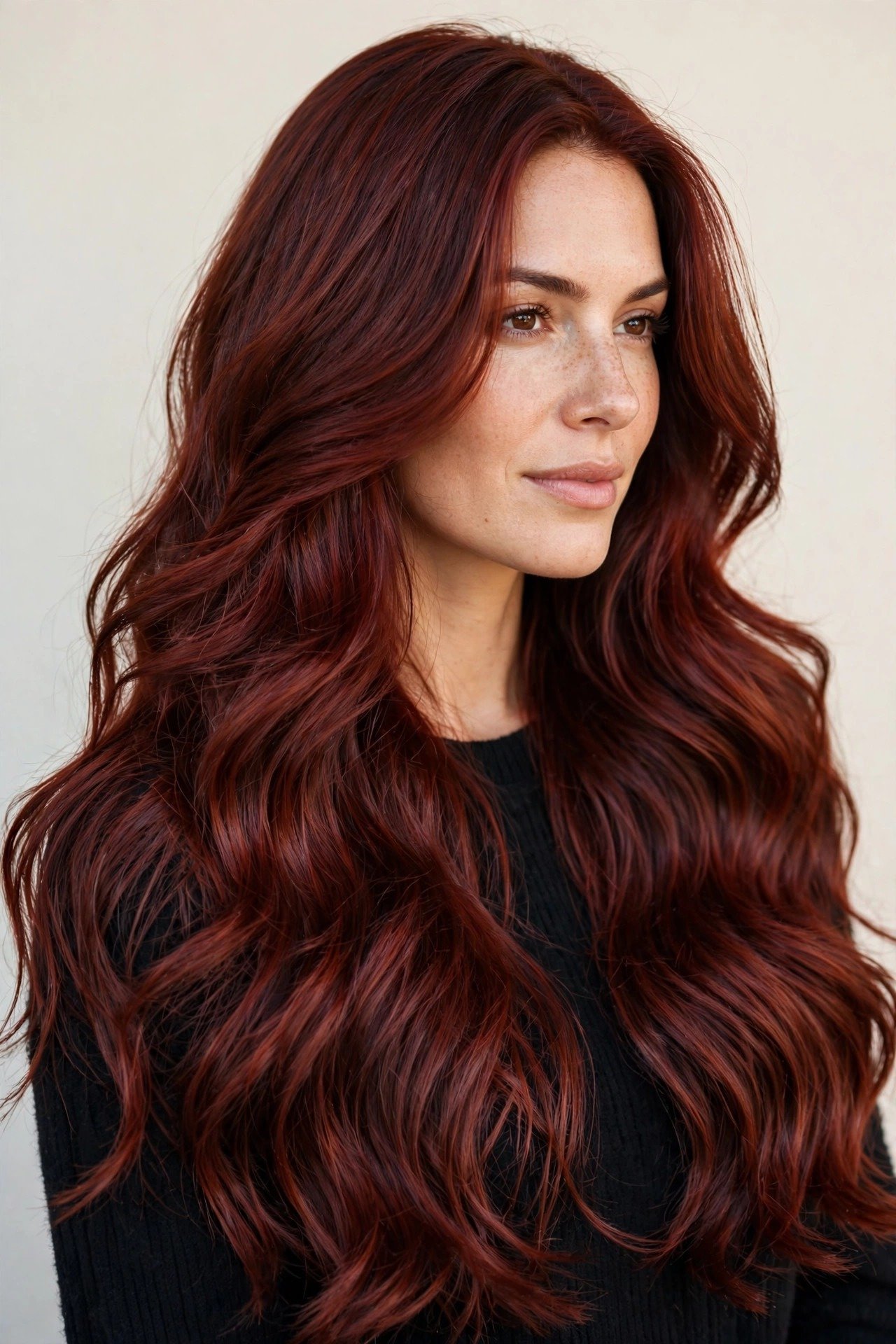
Fifteen shades, one verdict: cherry cola hair earns its place as 2026’s defining color. It is the rare trend that is simultaneously dramatic and sensible — head-turning in sunlight, professional indoors, flattering on nearly every skin tone, and achievable without destroying your hair. I do not recommend trends lightly, but I recommend this one freely, to almost everyone who sits in my chair.
If you take one thing from this guide, let it be this: the consultation matters more than the inspiration photo. Walk in with photos, with the vocabulary (violet depth, cherry reflect, your maintenance tolerance), and with honesty about your habits. A colorist who hears all of that will give you a better result than any photo alone could produce.
Start where your commitment level honestly is — the subtle tint if you are curious, the highlights if you are cautious, the all-over classic if you are ready. There is no wrong entry point, only the wrong expectation. Cherry cola rewards the women who understand what they are signing up for, and now you do.
Book the appointment. Baby the color. And the first time you catch your reflection in sunlight and see that cherry glow ignite — you will know exactly why this color took over 2026, and why it is not giving it back.