
French Curl Braids for Women 2026: 15 Stunning Braid Ideas
What Are French Curl Braids?
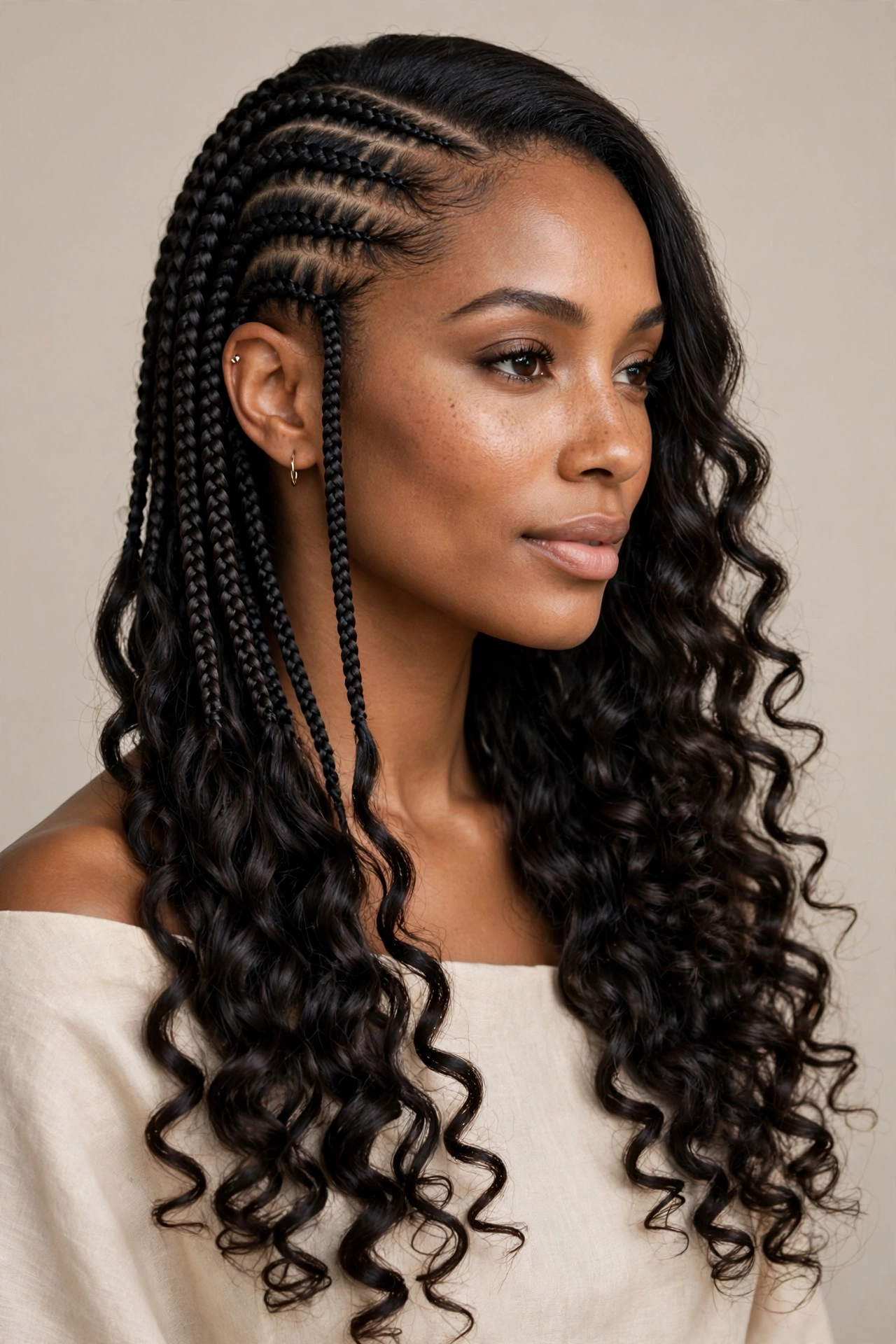
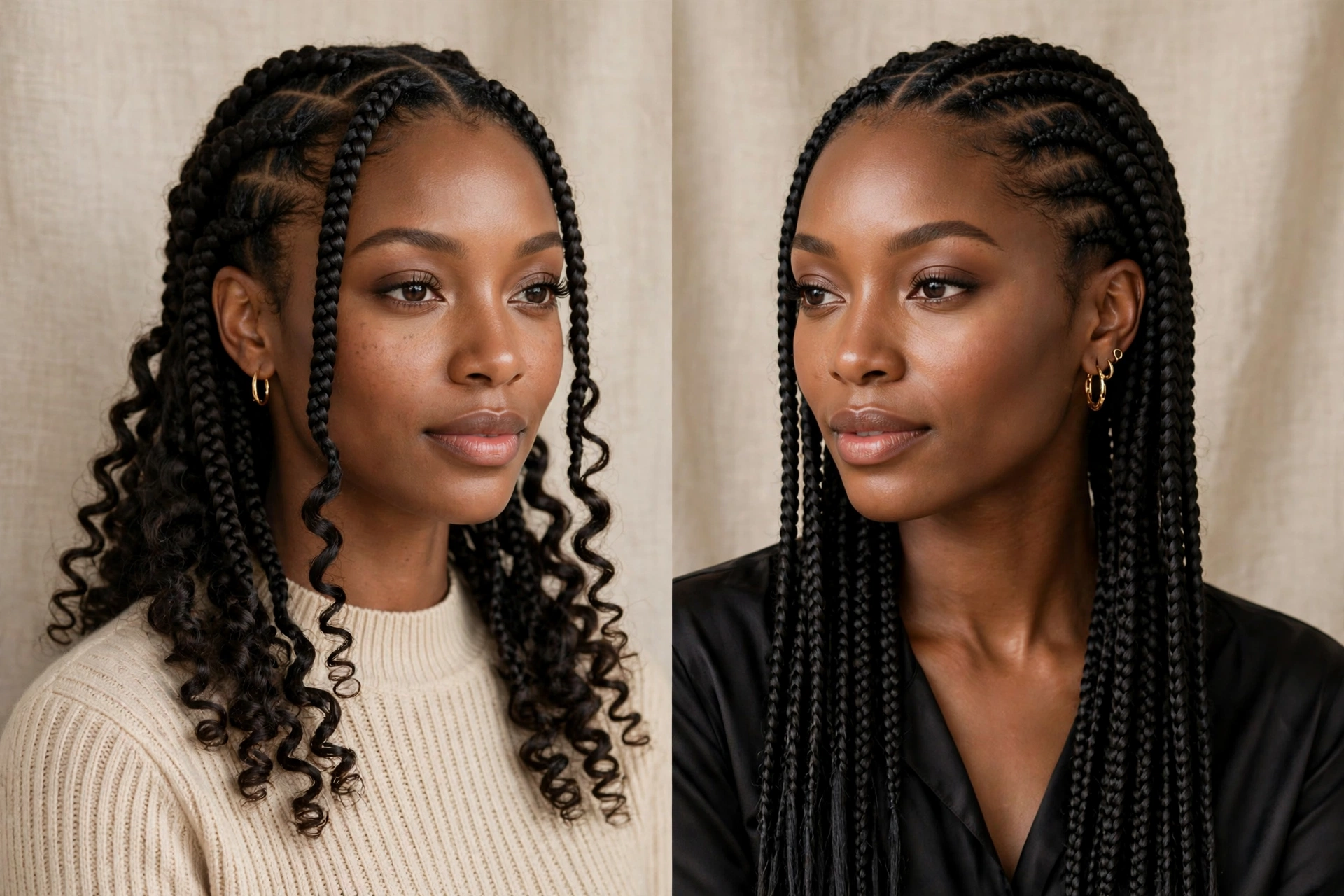
French curl braids are the romantic, effortlessly elegant protective style taking over Pinterest in 2026 — with searches up 210% and climbing. But what exactly are they? Despite the name, French curl braids aren’t a single specific braid pattern. Rather, they describe a family of braided styles that incorporate loose, curly ends or curly hair extensions, creating a beautiful contrast between the sleek braided base and the free-flowing curls.
The most common version starts with knotless box braids or feed-in cornrows at the scalp, then transitions into loose curls at the ends. The braids provide structure and longevity (typically 4-6 weeks), while the curly ends add softness, movement, and a distinctly feminine touch. It’s the best of both worlds: the practicality of braids with the romance of curls.
The “French” in the name refers to the curl pattern — loose, soft, romantic curls reminiscent of French girl aesthetic — rather than French braiding technique. Though some versions do incorporate French braid patterns at the base, the defining feature is always those beautiful curly ends that move and bounce.
What sets French curl braids apart from regular box braids is the texture play. Traditional box braids have a uniform texture from root to tip. French curl braids deliberately break that uniformity, creating visual interest through contrast. The sleek braids at the top draw the eye upward, while the voluminous curls at the bottom create fullness and movement. It’s a dynamic style that looks different from every angle.
In 2026, French curl braids have become the go-to protective style for women who want versatility. They can be worn up, down, half-up, in buns, in ponytails — the curly ends make every style look softer and more romantic than traditional braids. They work for casual days, professional settings, and formal events. That adaptability, combined with the low daily maintenance, explains the 210% surge in interest.
The style is particularly popular among women with natural hair who want a protective style that doesn’t sacrifice femininity. But it’s also embraced by women of all hair types who love the look — the braids can be done with extensions on any hair texture. It’s inclusive, versatile, and undeniably beautiful.
Why French Curl Braids Are Trending (+210% on Pinterest)
A 210% increase in Pinterest searches signals more than a passing fad. French curl braids are tapping into several powerful beauty trends converging in 2026.
First, there’s the protective style renaissance. More women are embracing protective styles not just for hair health but as fashion statements. French curl braids elevate the protective style from purely practical to genuinely glamorous. They prove that protective doesn’t mean boring.
Second, the “soft girl” aesthetic continues to dominate. After years of sleek, sharp beauty trends, there’s a collective yearning for softness — soft curls, soft makeup, soft styling. French curl braids deliver that softness while maintaining the structure of braids. They’re romantic without being fussy.
Third, versatility is queen in 2026. Women want styles that work for multiple occasions without restyling. French curl braids can go from gym to office to date night with minimal effort. The curly ends dress up the braids, making them appropriate for settings where traditional box braids might feel too casual.
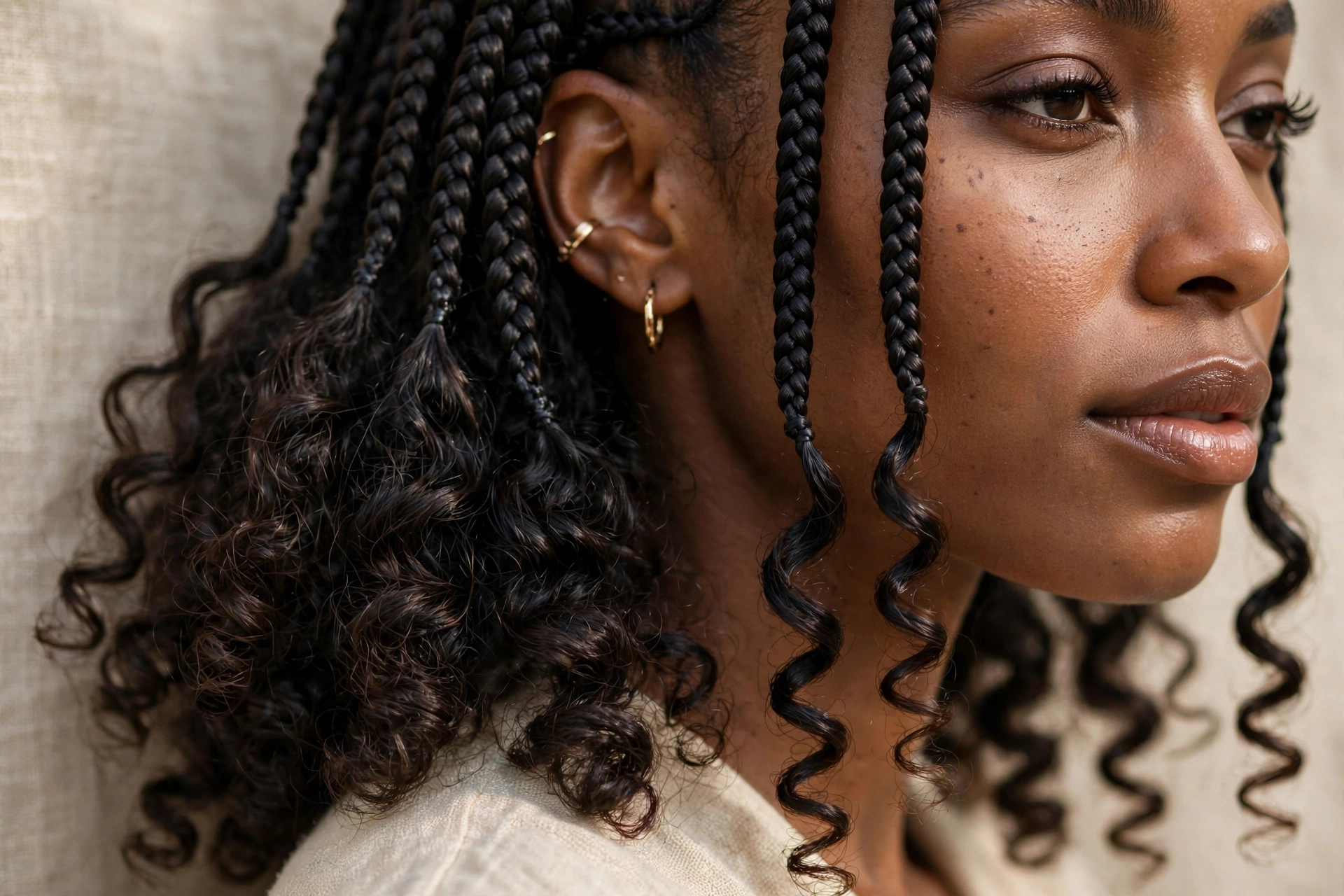
Fourth, the style photographs beautifully. The contrast between sleek braids and voluminous curls creates dimension that translates to photos. The curls catch light and create movement. In a Pinterest-driven world where the image is everything, photogenic hair wins.
Fifth, there’s a cultural celebration happening. Braided styles have deep roots in Black culture, and the mainstream embrace of French curl braids represents appreciation for that heritage. The style honors traditional braiding techniques while adding a modern, romantic twist. It’s cultural pride expressed through beauty.
Finally, French curl braids solve a common complaint about traditional braids: the ends. Many women find the straight, blunt ends of box braids less flattering than they’d like. The curly ends of French curl braids eliminate that issue, creating a softer, more feminine finish that many prefer.
15 French Curl Braid Styles to Try in 2026
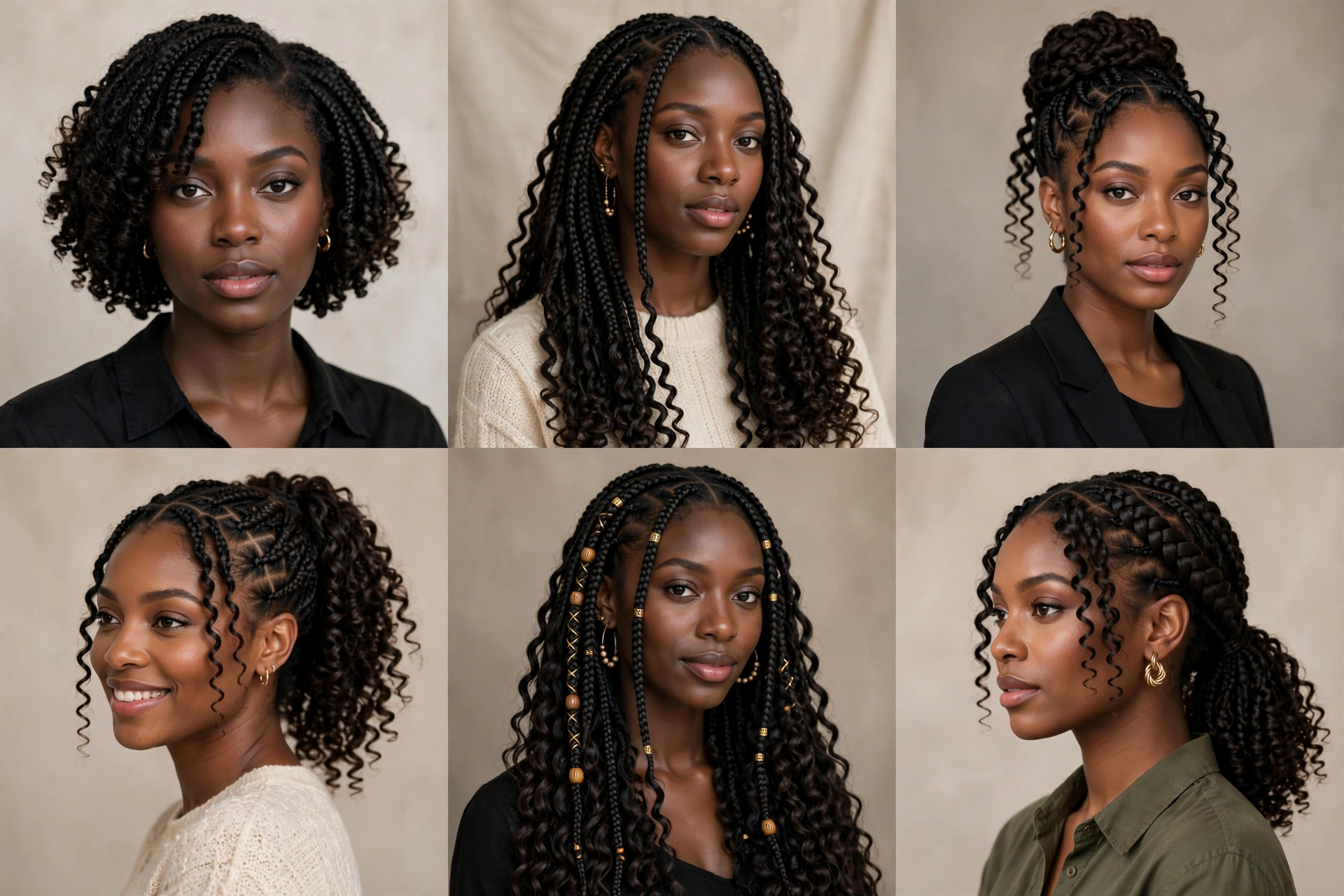
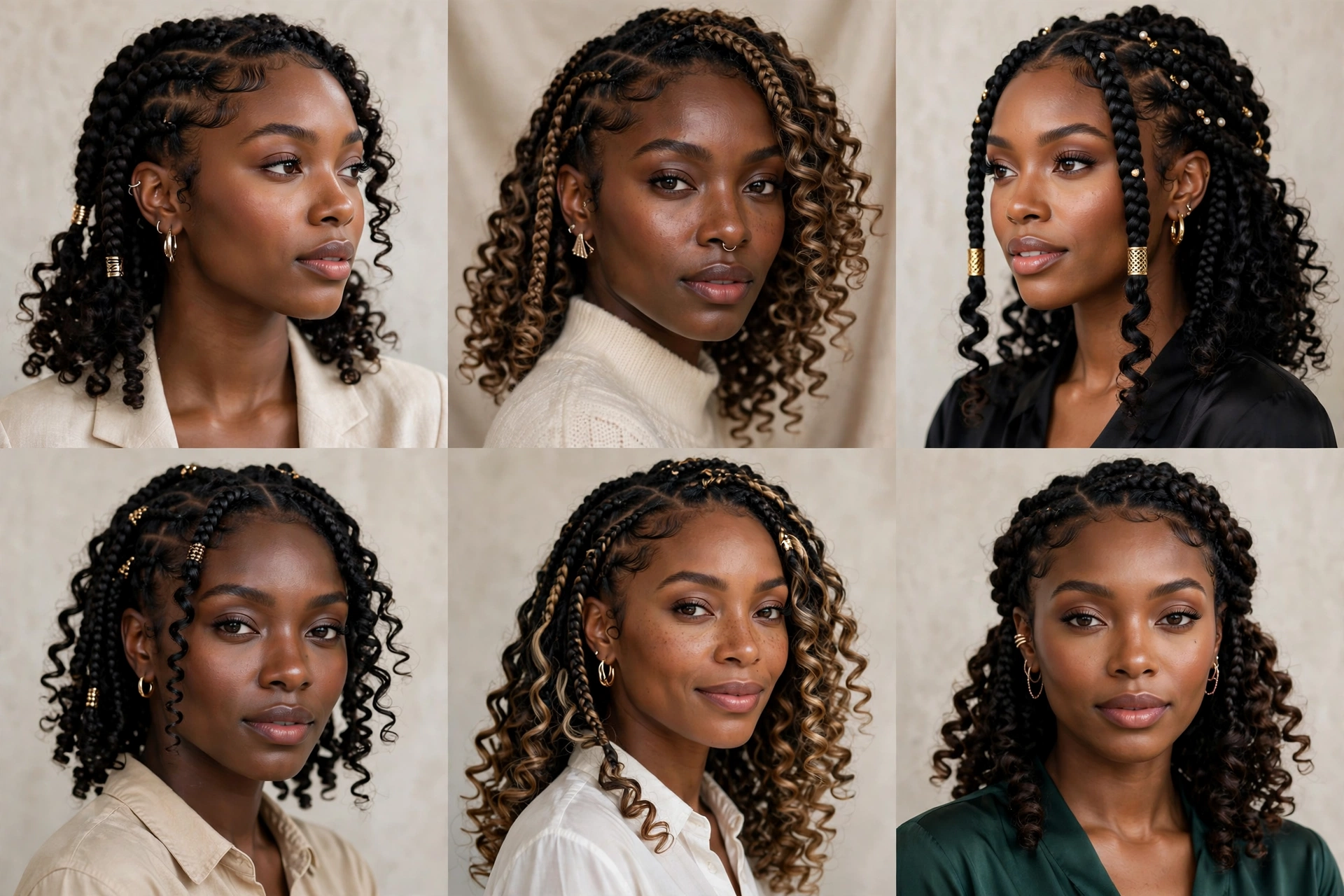
From classic to creative, here are 15 stunning French curl braid variations. Each offers a different take on the braids-to-curls concept.
1. Classic Knotless French Curl Braids
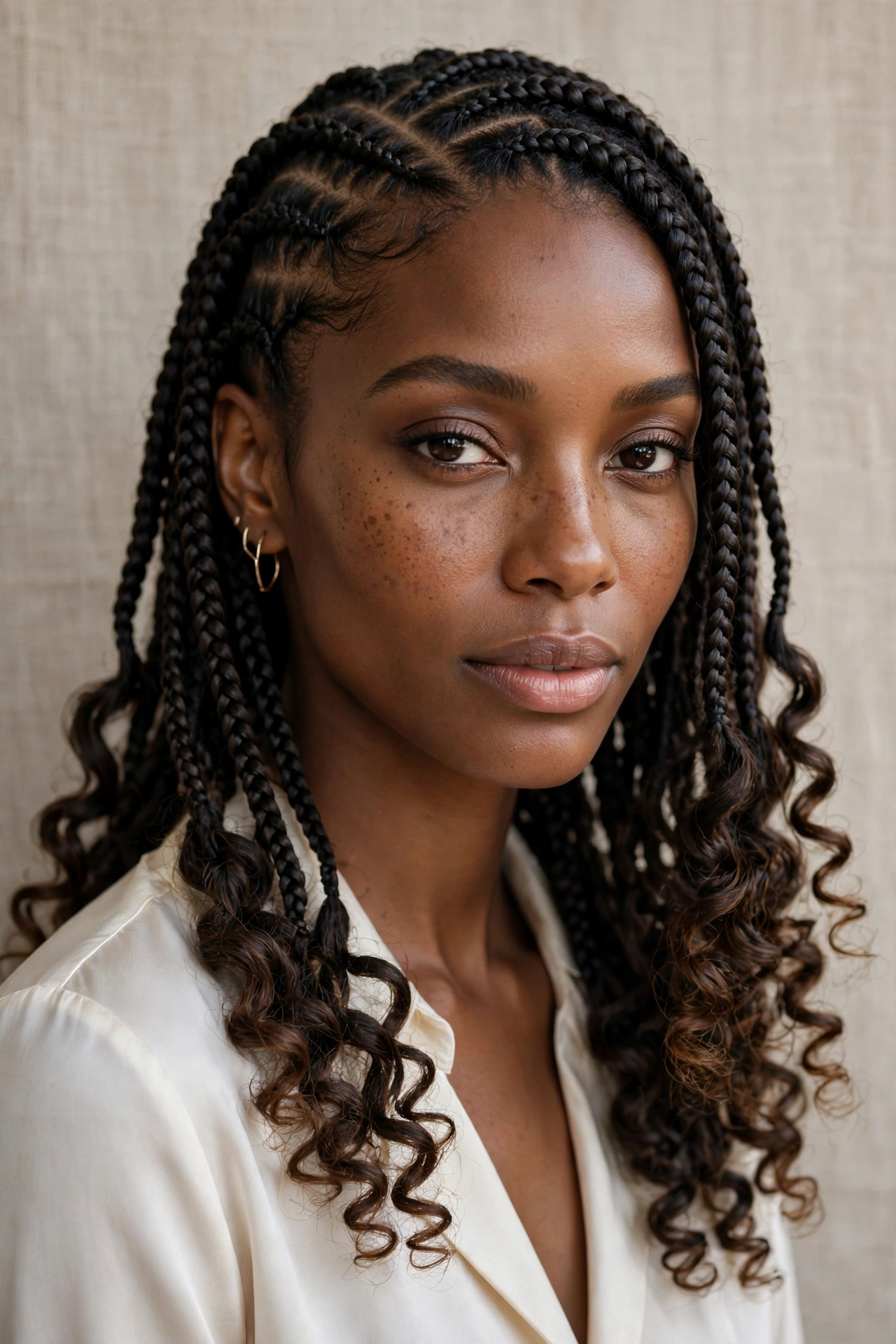
The foundation: knotless box braids (medium size) that transition into loose curls at the ends. The knotless technique means less tension on the scalp and a more natural-looking base. The braids should be about 18-22 inches total length, with the last 6-8 inches left as curls. This is the most popular version and suits everyone. The knotless base is comfortable for sleeping and the curls add gorgeous movement. Ask your braider for “medium knotless with French curl ends.” Expect 4-6 hours for installation and 4-6 weeks of wear.
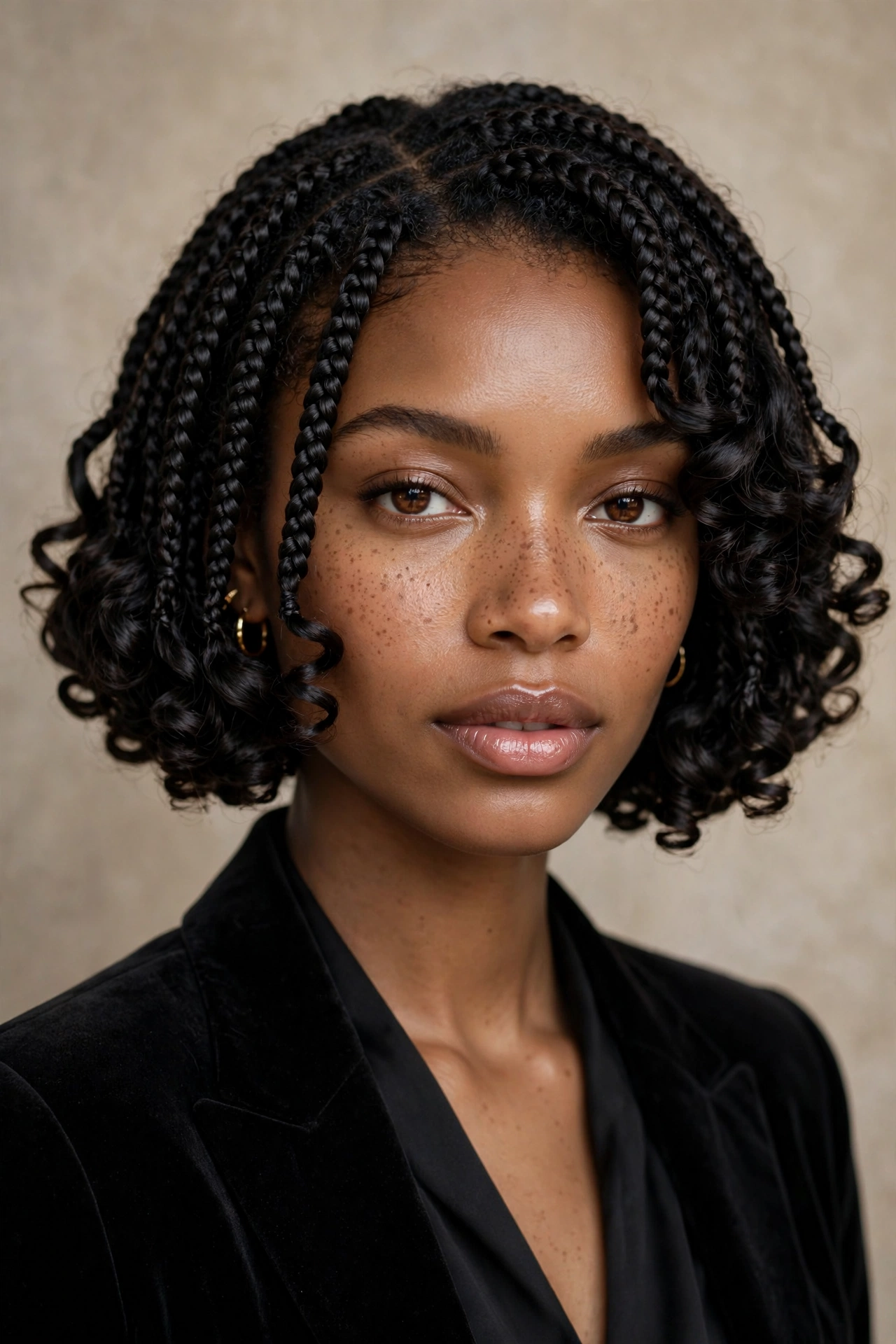
2. Short Bob French Curl Braids
Keep it chic with a bob-length version. The braids stop at chin or shoulder length, with curly ends creating a bouncy bob shape. This is fresh, modern, and surprisingly versatile. It works beautifully for professional settings where very long braids might feel impractical. The shorter length also means faster installation (3-4 hours) and lighter weight. Perfect for first-timers or anyone who prefers shorter styles.
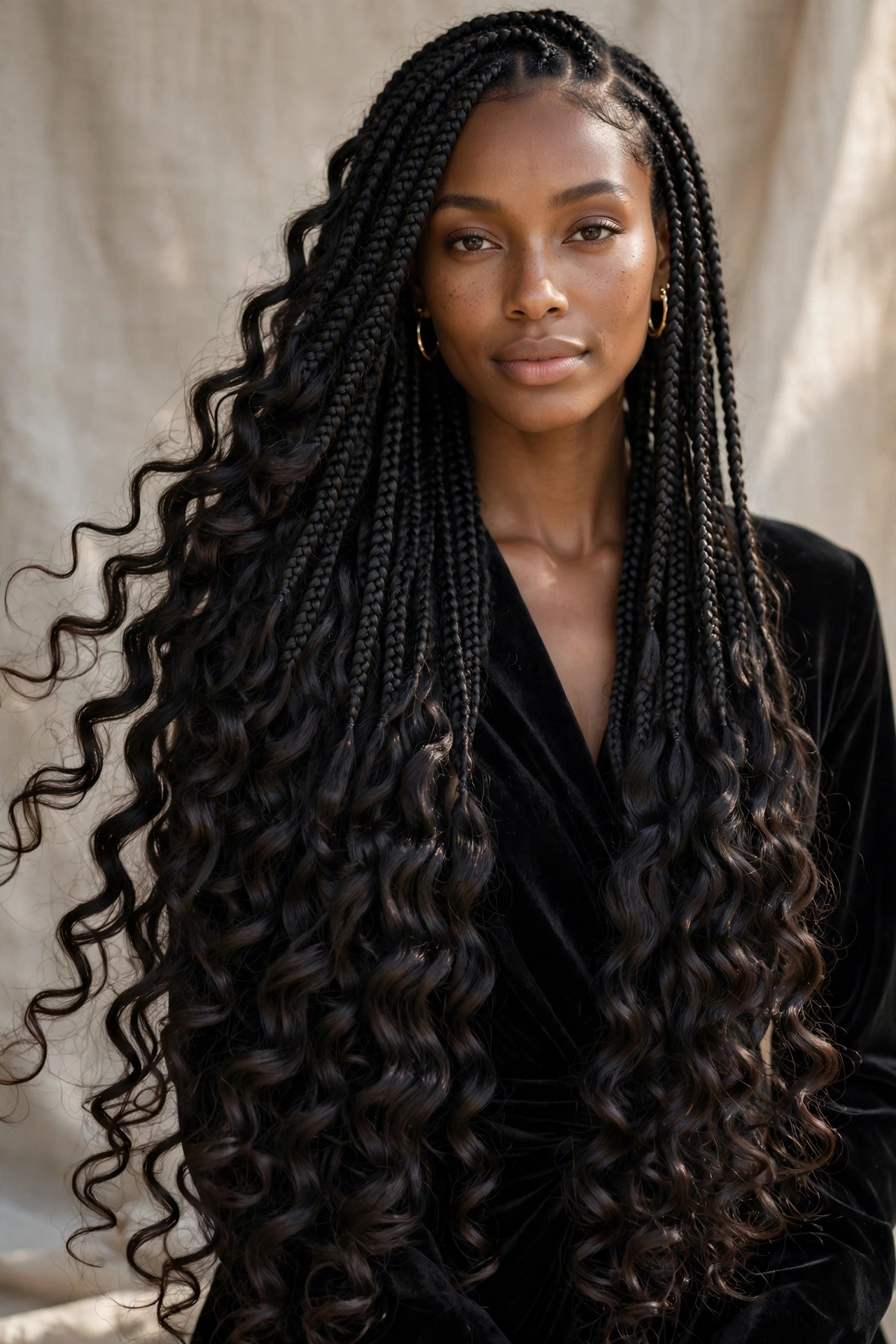
3. Waist-Length French Curl Braids
Go dramatic with extra-long braids extending past the waist. The long curly ends create incredible movement and presence. This is a statement style that turns heads. Be prepared for longer installation (6-8 hours) and more maintenance — long braids are heavier and require more care. But the impact is undeniable. This is red-carpet-level braids.
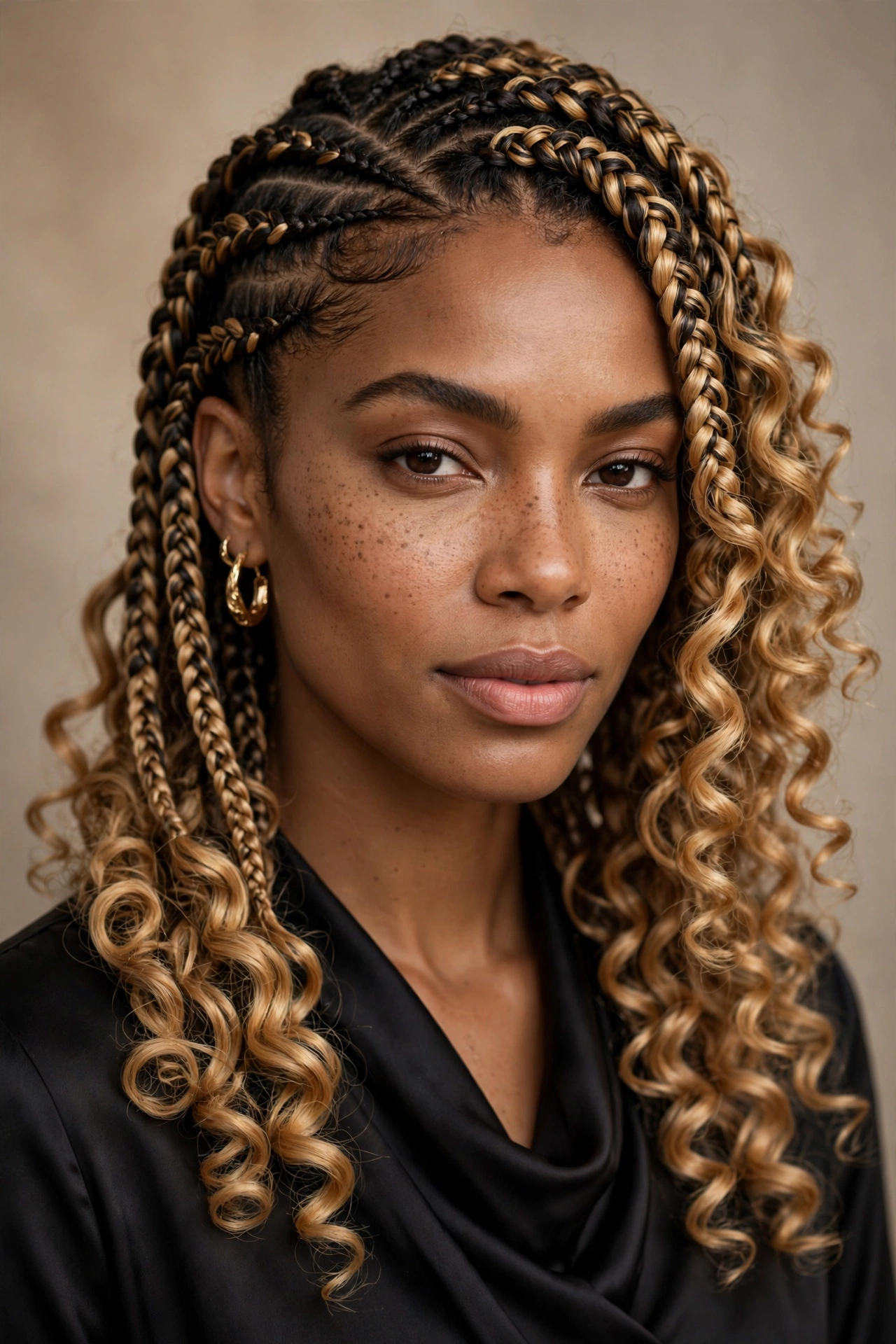
4. French Curl Braids with Color
Add dimension with colored extensions. Popular choices include honey blonde highlights, burgundy tints, or subtle ombre from dark roots to lighter curls. The color emphasizes the texture contrast between braids and curls. You can go bold (vibrant red curls) or subtle (caramel highlights). Color adds personality and makes the style uniquely yours.
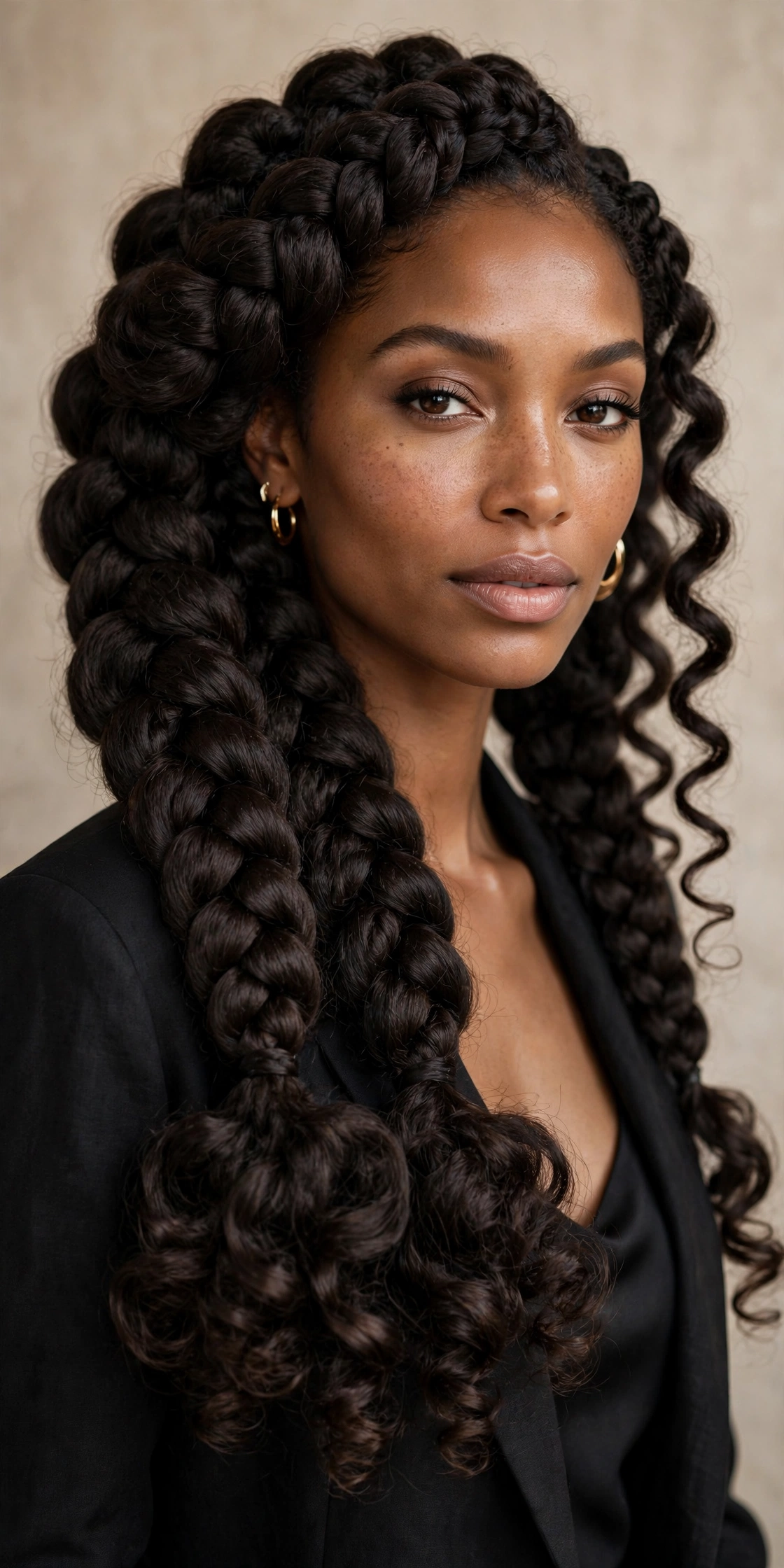
5. Jumbo French Curl Braids
Use larger braid sections for a bolder, chunkier look. Jumbo braids mean faster installation (3-4 hours) and a more dramatic aesthetic. The larger curls at the ends create major volume. This version makes a strong statement and works well for women who love big hair. The trade-off is less versatility for updos (thicker braids are harder to style up).
6. Small/Micro French Curl Braids
Go delicate with small, fine braids. This version takes longer to install (8-10 hours) but offers the most styling versatility and a more refined look. The small curls at the ends are intricate and beautiful. This is the most time-intensive option but also the longest-lasting (6-8 weeks). For women who want a polished, detailed style.
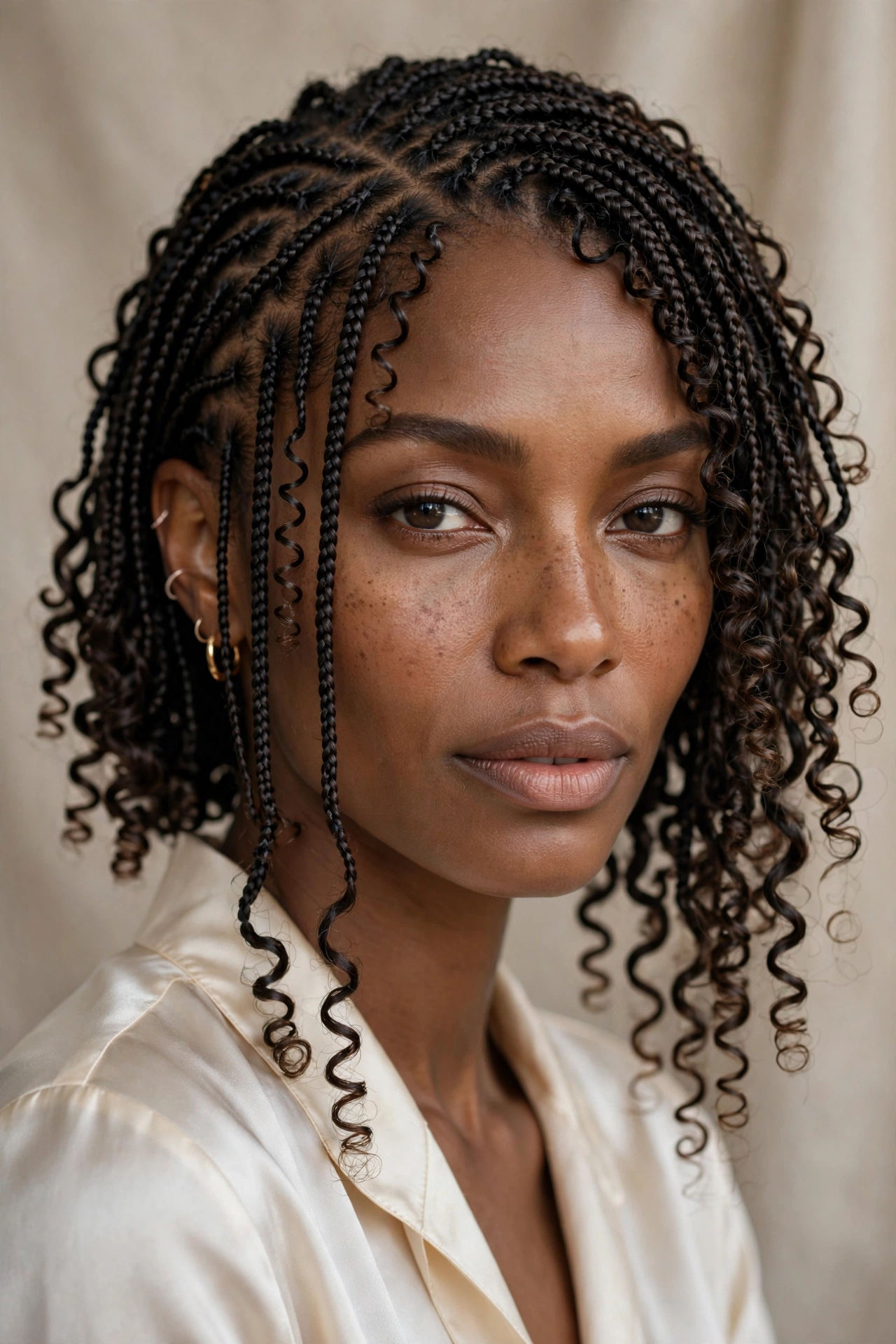
7. French Curl Braids in a High Bun
Style your French curl braids in a high bun with the curly ends cascading out. This is elegant and practical — perfect for formal events or hot weather. The curls soften the bun, making it romantic rather than severe. Leave a few curly tendrils out to frame the face. This style showcases the versatility of French curl braids.
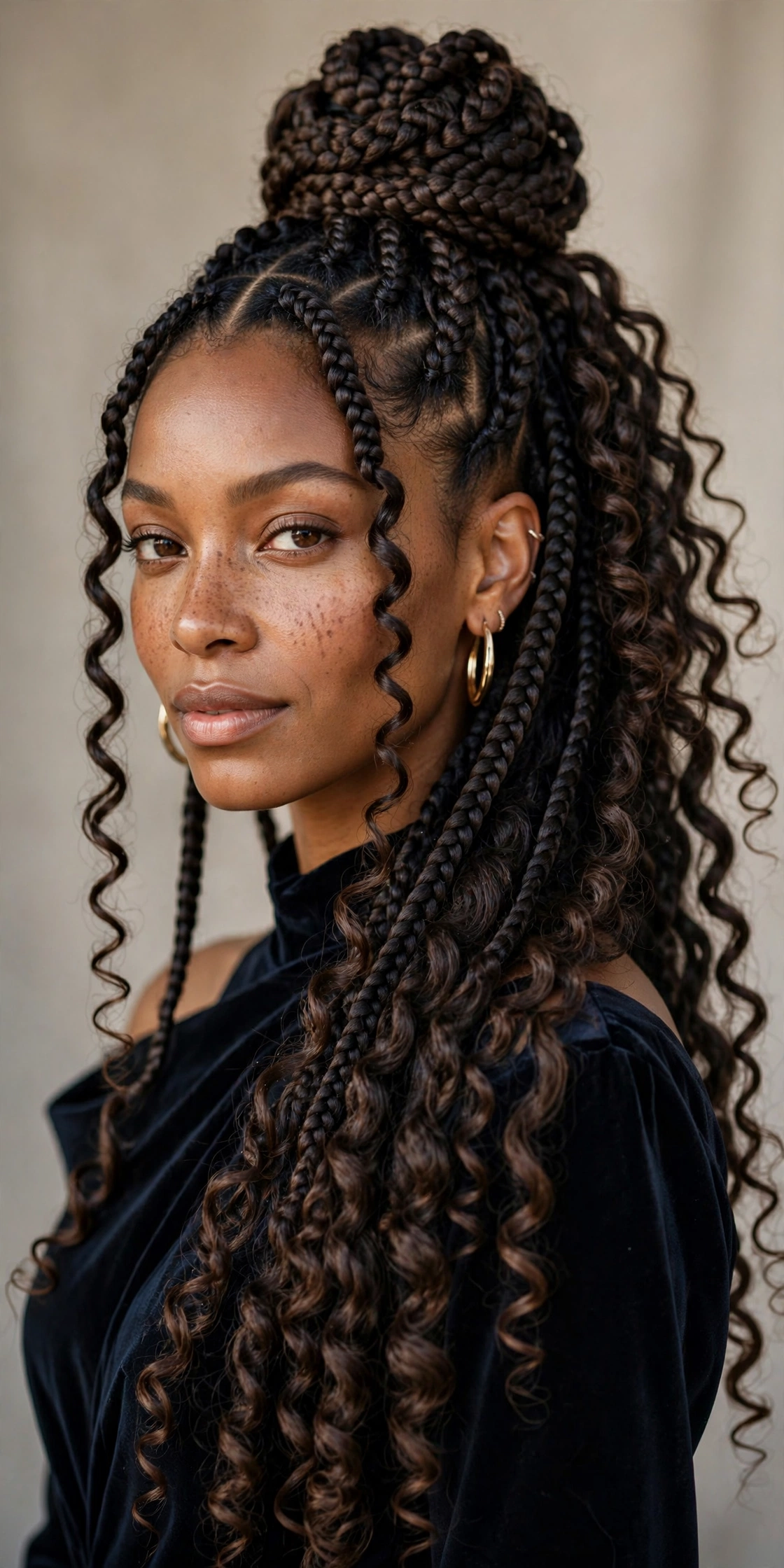
8. Half-Up French Curl Braids
Pull the top half into a bun or ponytail while leaving the bottom half down. The curly ends create beautiful volume in both sections. This is the perfect casual-elegant style — polished on top, romantic on the bottom. It works for everything from brunch to weddings. Easy to do and always looks intentional.
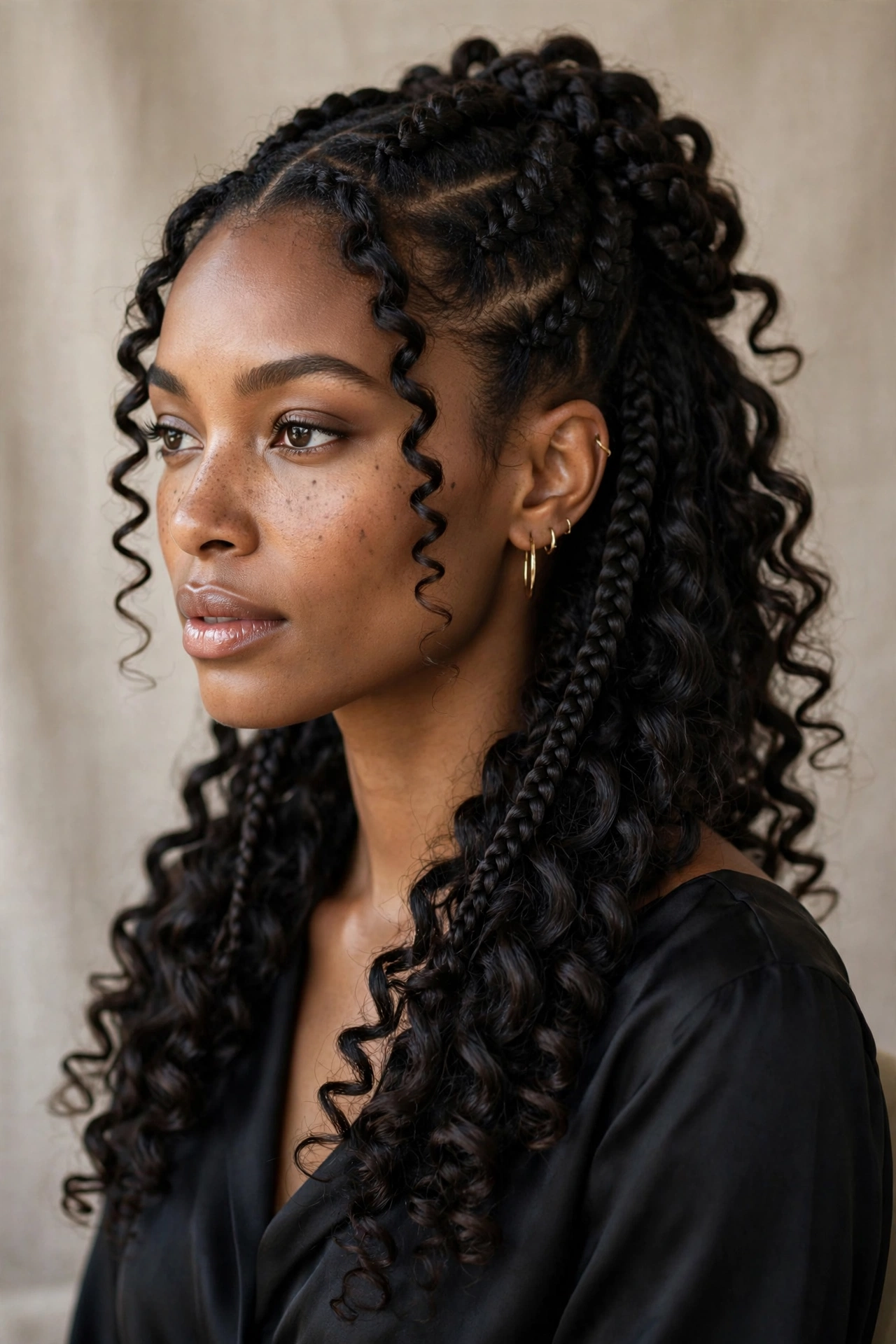
9. French Curl Braids with Beads
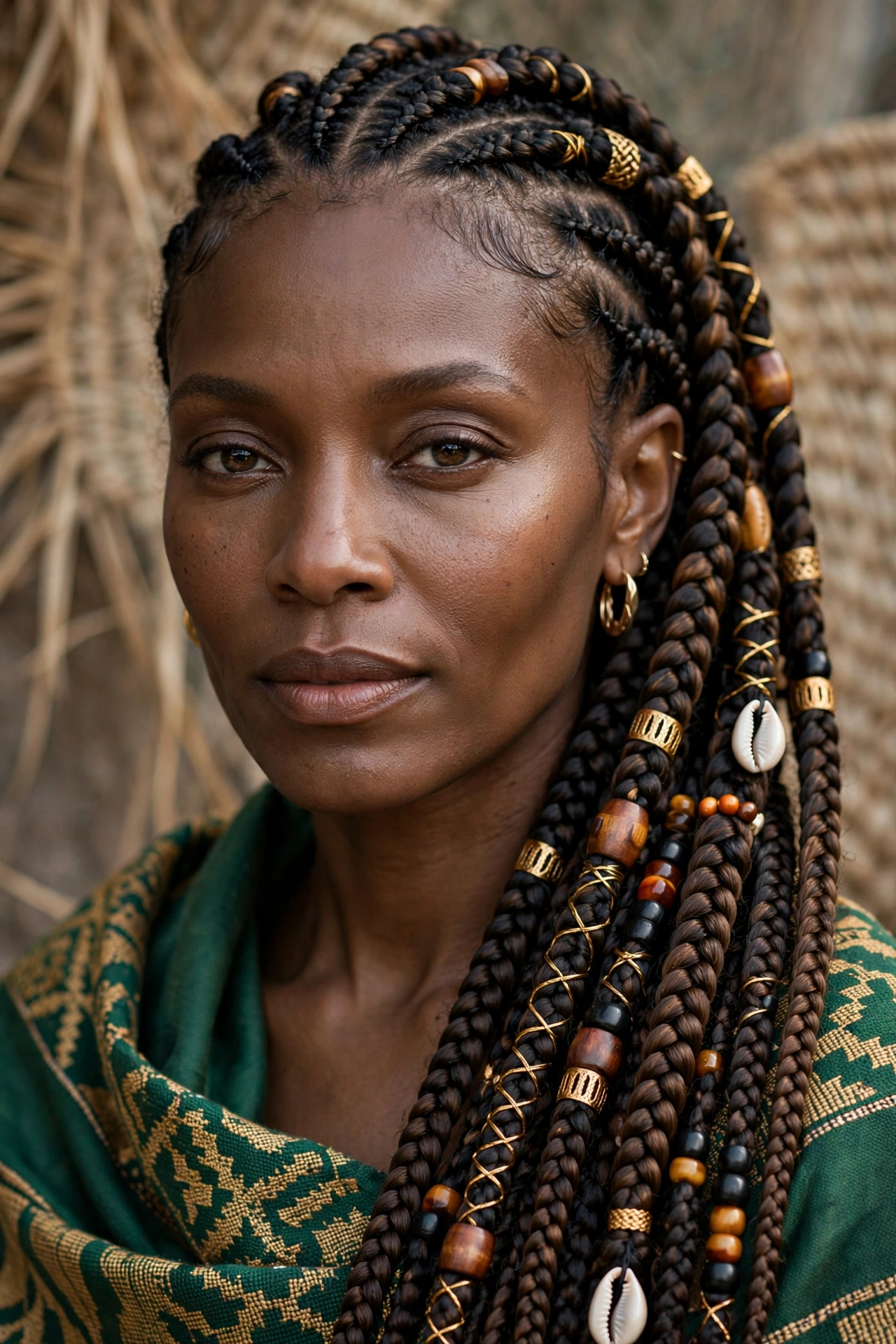
Add beads, cuffs, or other accessories to the braids. Gold cuffs at the transition point (where braids become curls) are particularly stunning. Beads add cultural richness and personal expression. This is a beautiful way to customize your braids and honor braiding traditions. The accessories catch light and add visual interest.
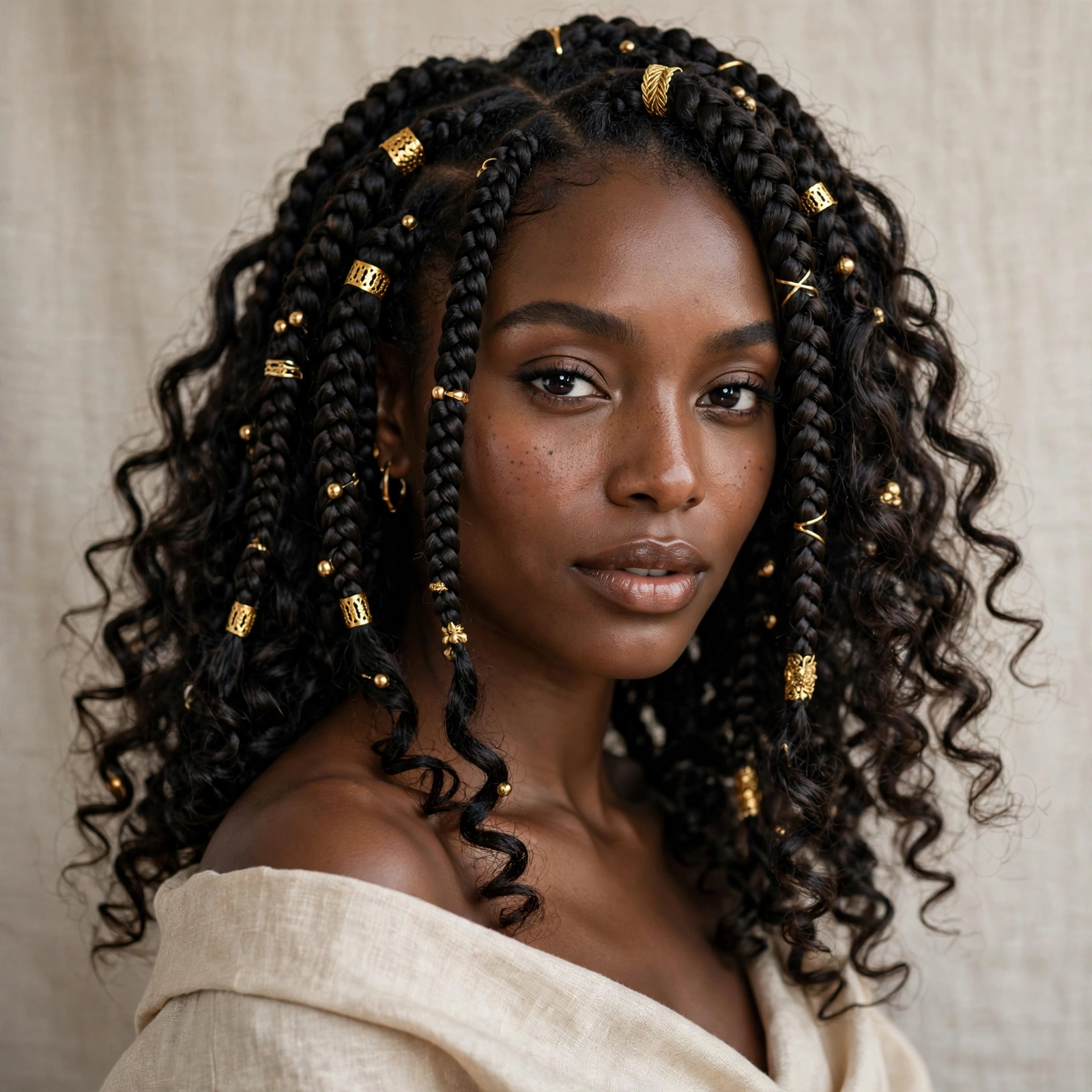
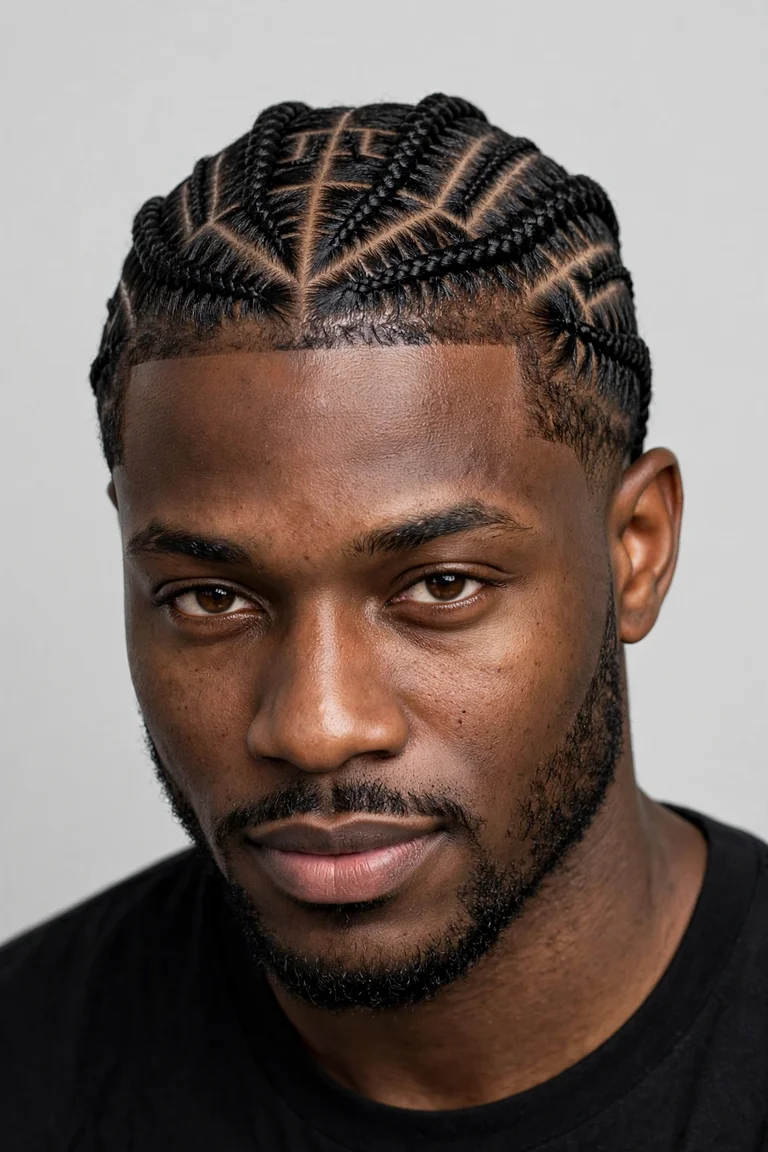
10. Cornrow French Curl Braids
Start with feed-in cornrows at the scalp instead of box braids. The cornrows can be straight back, curved, or in intricate patterns. They transition into loose curls at the ends. This version lies flatter against the scalp, making it more comfortable for sleeping and better for wearing under wigs or hats. The cornrow base also offers more design possibilities.
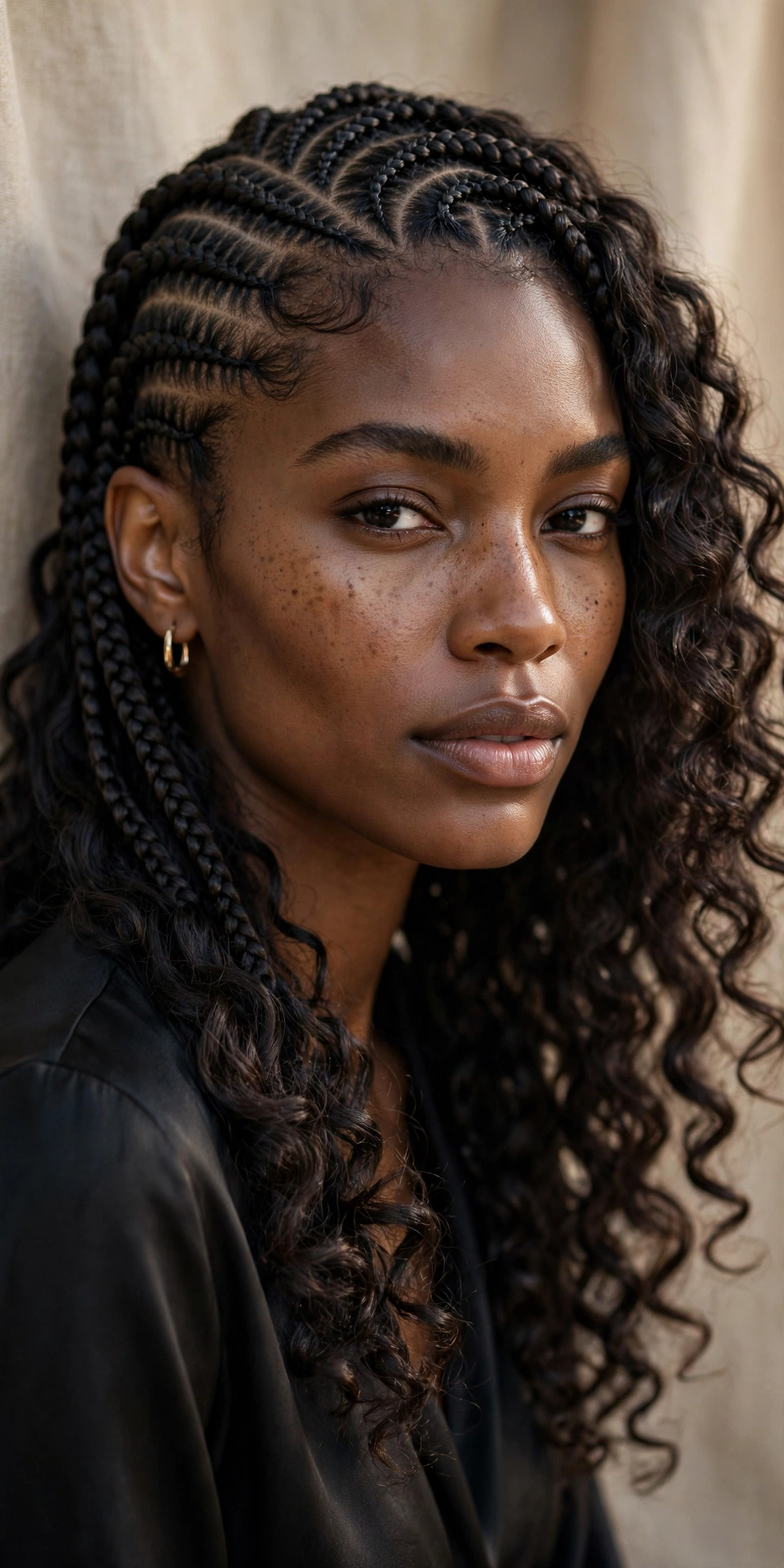
11. French Curl Braids Ponytail
Gather all braids into a high or low ponytail. The curly ends create a voluminous, bouncy ponytail that’s far more interesting than a standard braided pony. This is perfect for workouts, hot days, or when you want your hair off your neck. The curls prevent the ponytail from looking severe.
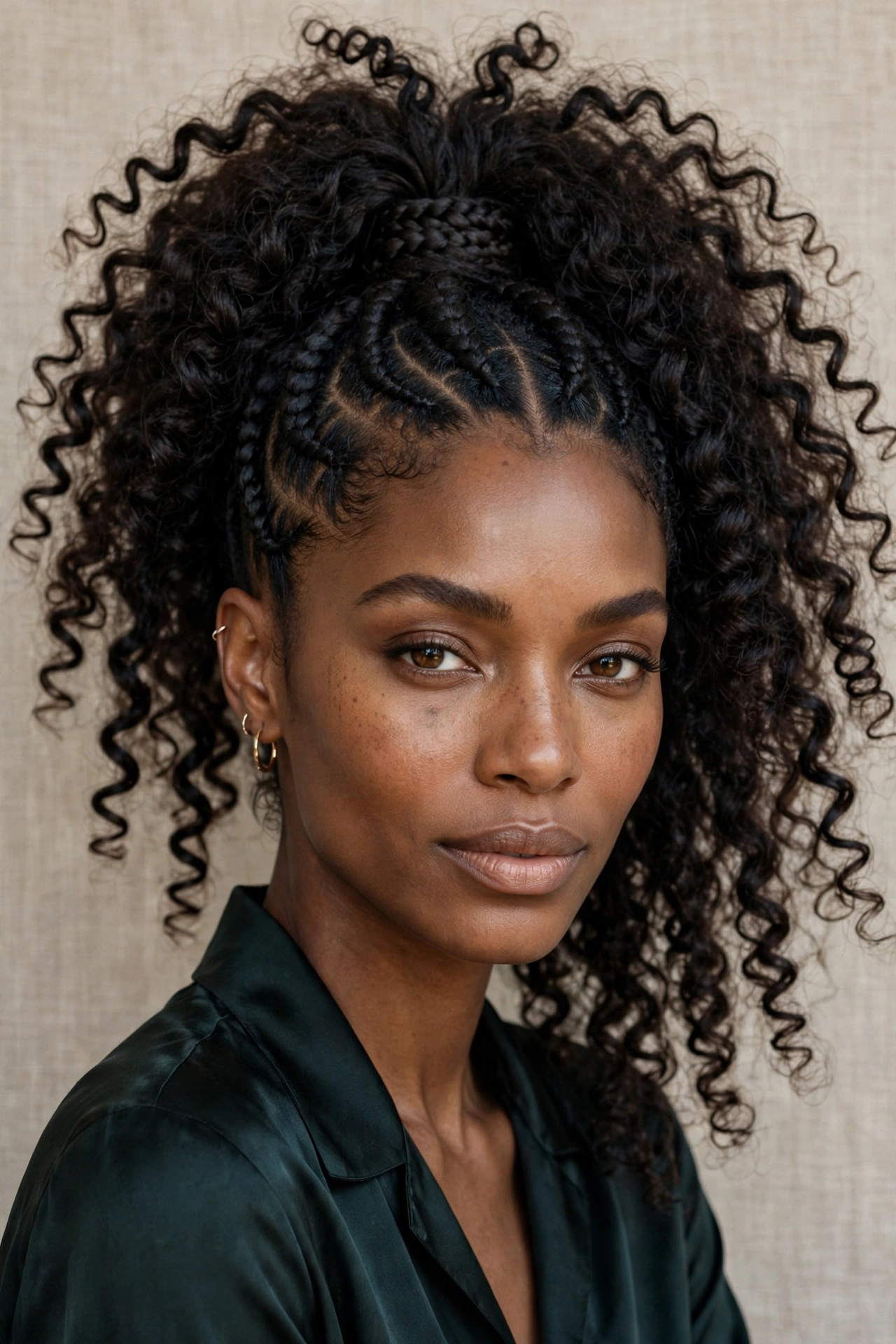
12. Boho French Curl Braids
Embrace a free-spirited vibe with messier, more organic styling. Leave some curls looser, add wraps or strings, and don’t aim for perfection. The boho version celebrates imperfection and individuality. Perfect for festivals, vacations, or anyone with a relaxed aesthetic. Effortlessly cool.
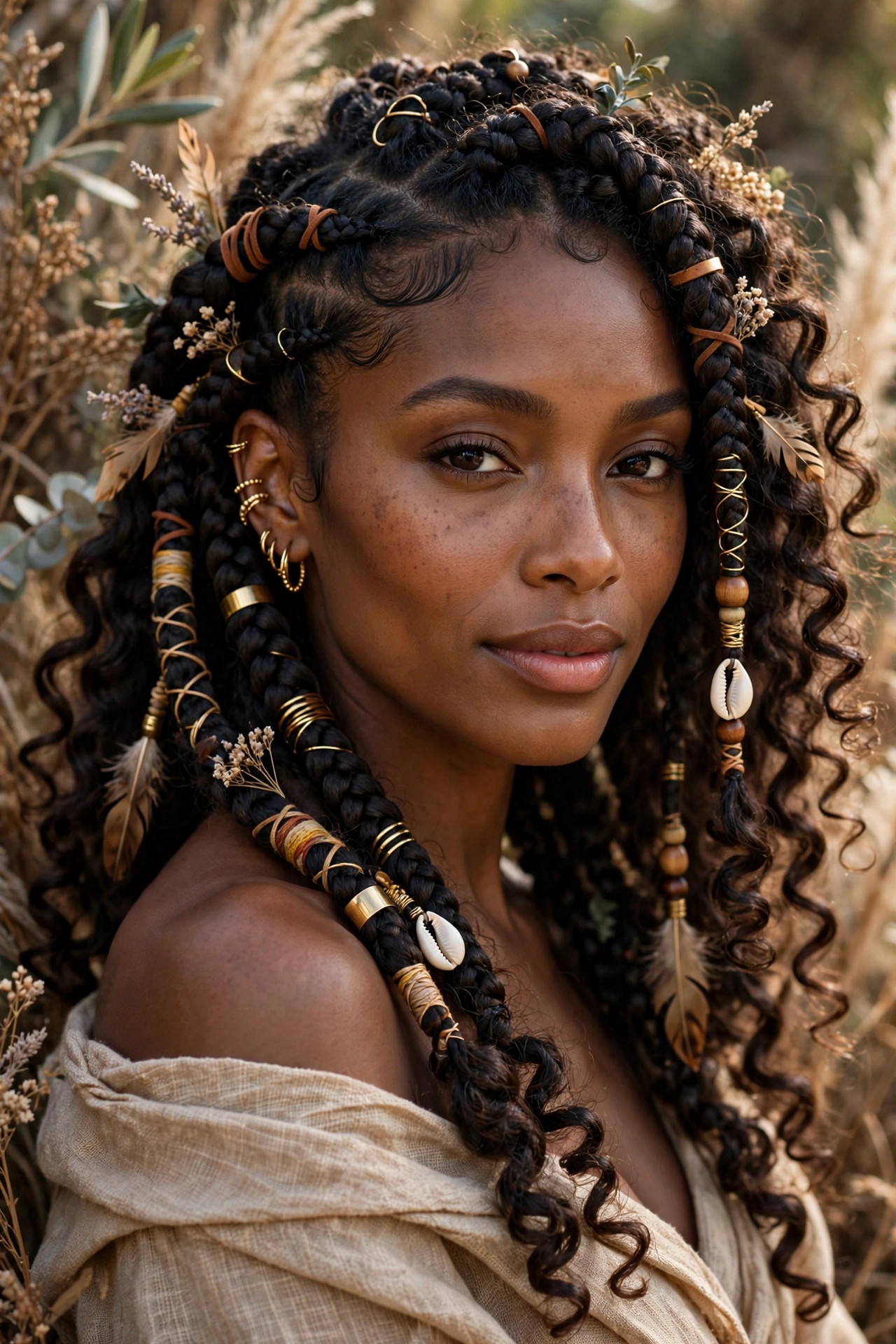
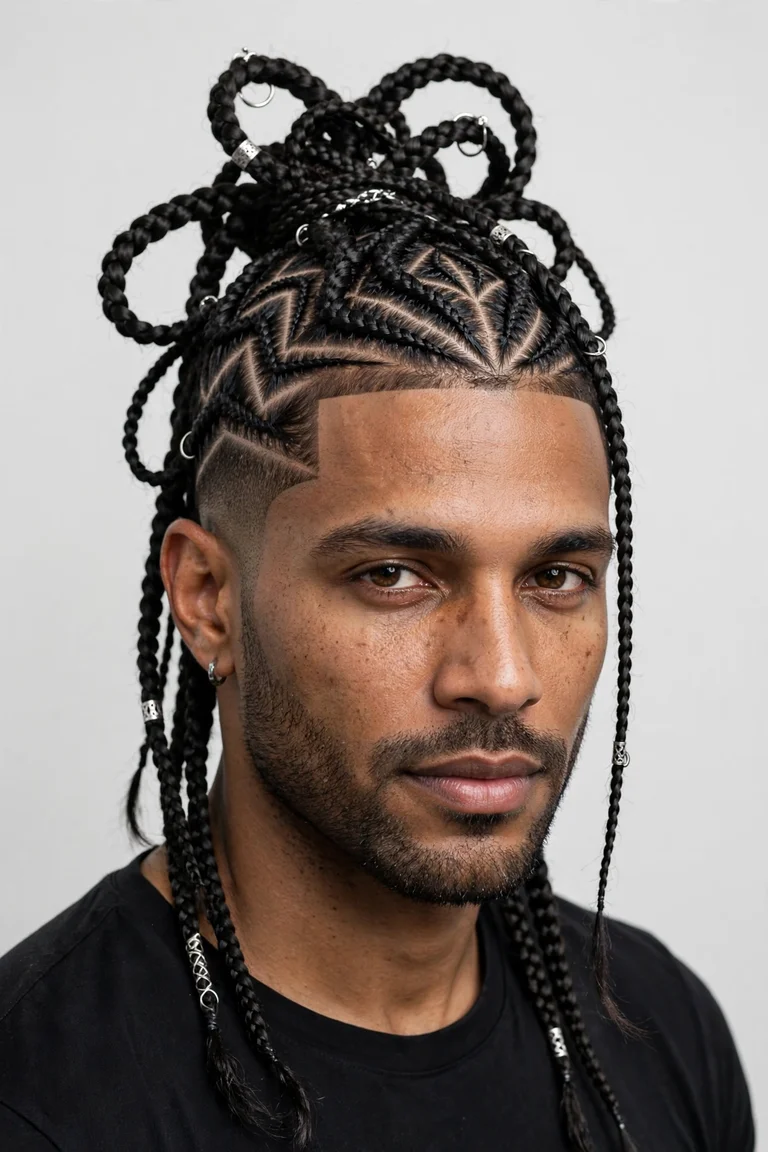
13. French Curl Braids with Shaved Sides
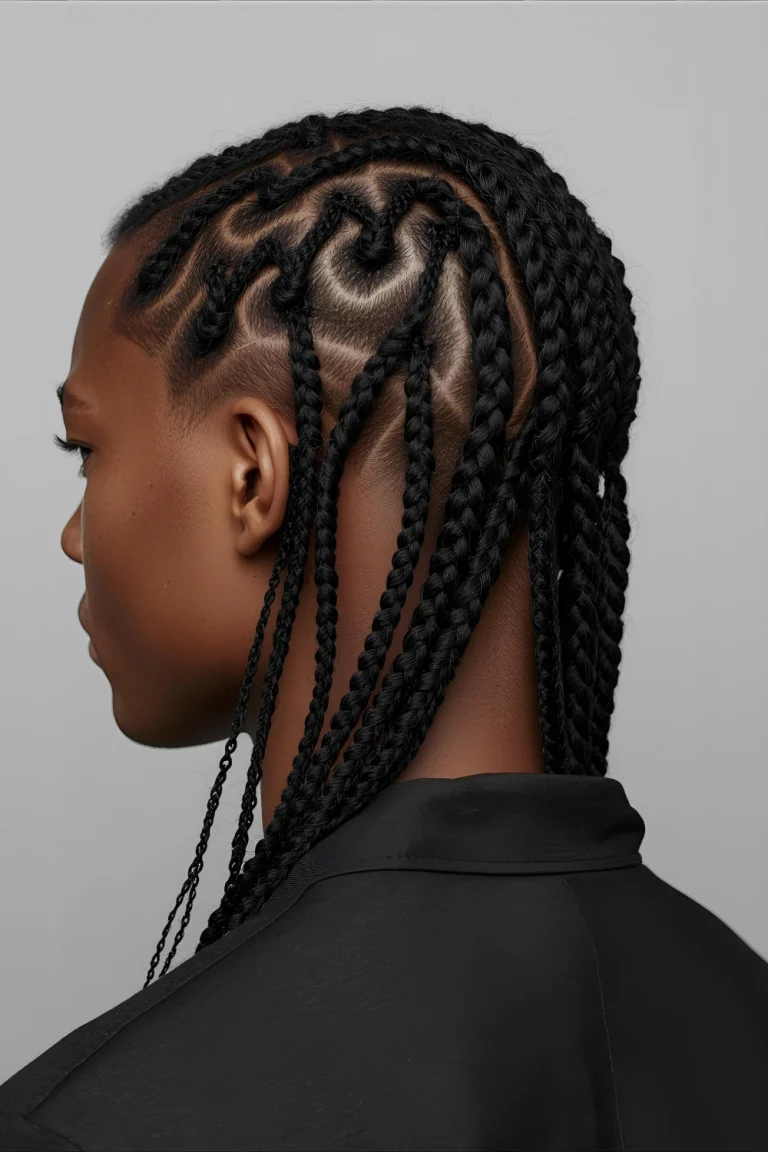
For the bold: pair French curl braids on top with shaved or faded sides. This creates dramatic contrast and an edgy, modern look. The feminine curls balance the masculine shaved sides. This is a fashion-forward choice that’s not for everyone, but it’s unforgettable. Make sure you’re committed — growing out shaved sides takes time.
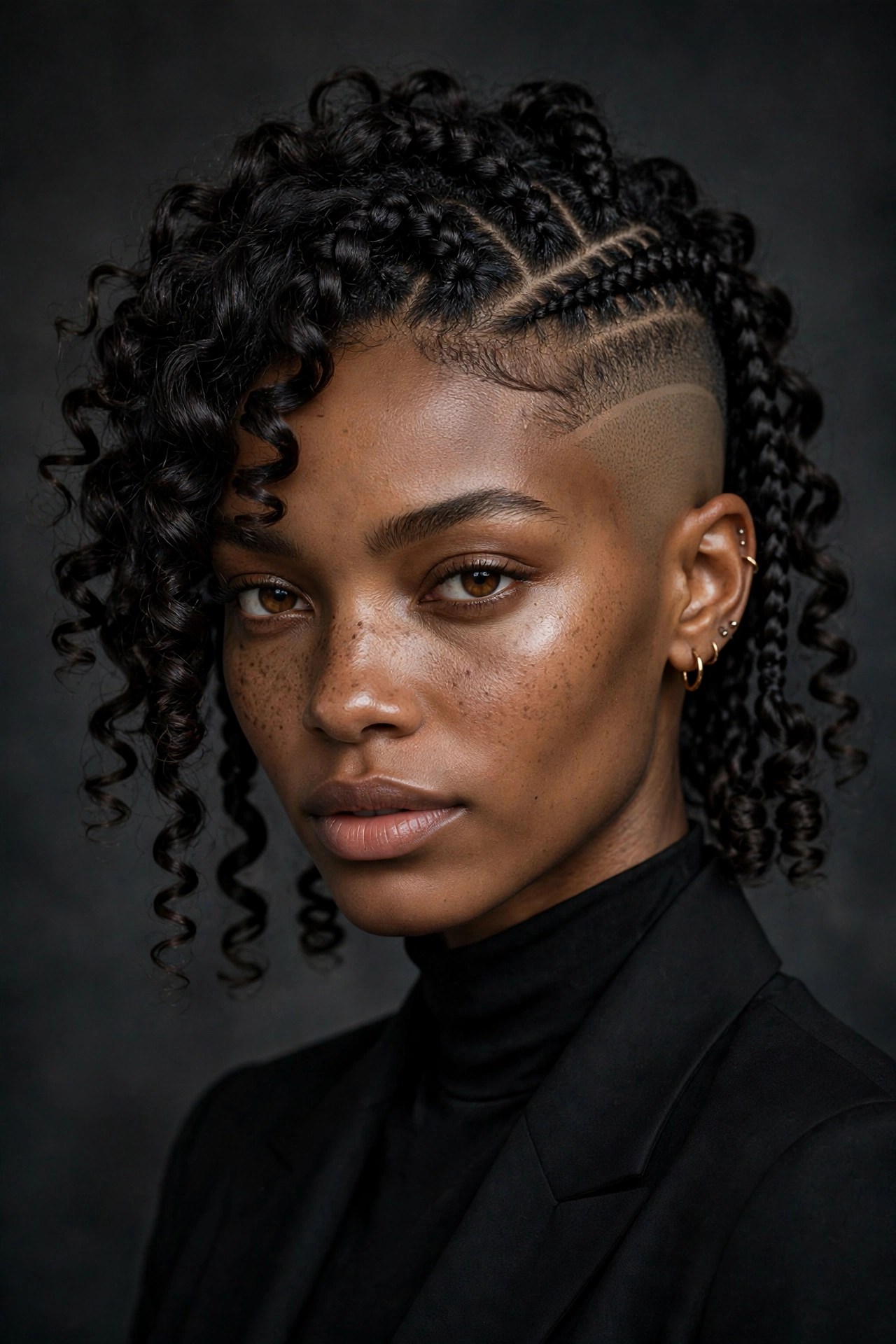
14. Goddess French Curl Braids
The “goddess” version features extra-voluminous curls and often incorporates wavy (not just curly) ends for a softer effect. The braids are typically medium to large, and the overall look is lush and romantic. This is the most glamorous version — think red carpet, weddings, special occasions. Maximum volume, maximum impact.
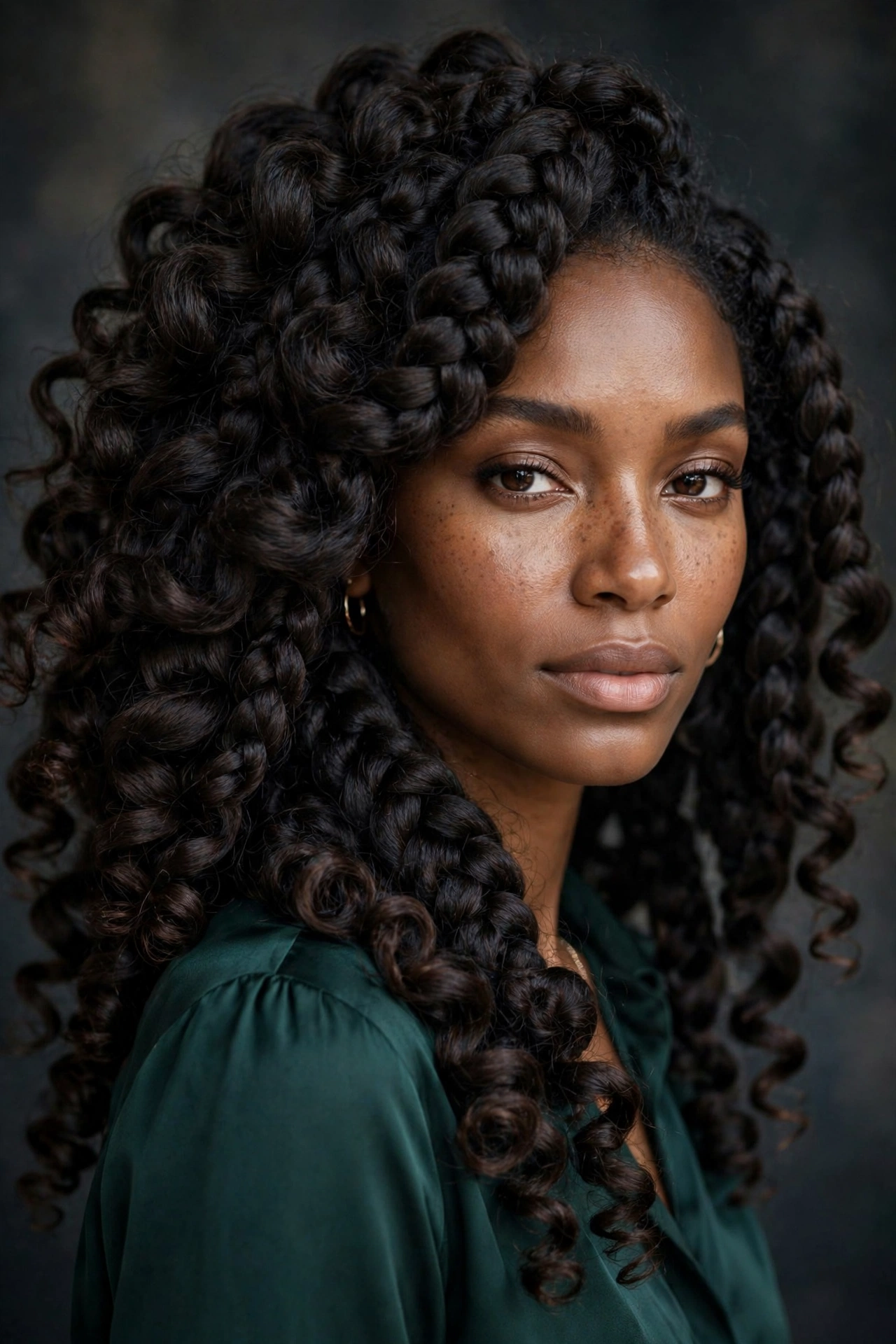
15. French Curl Braids with Bangs
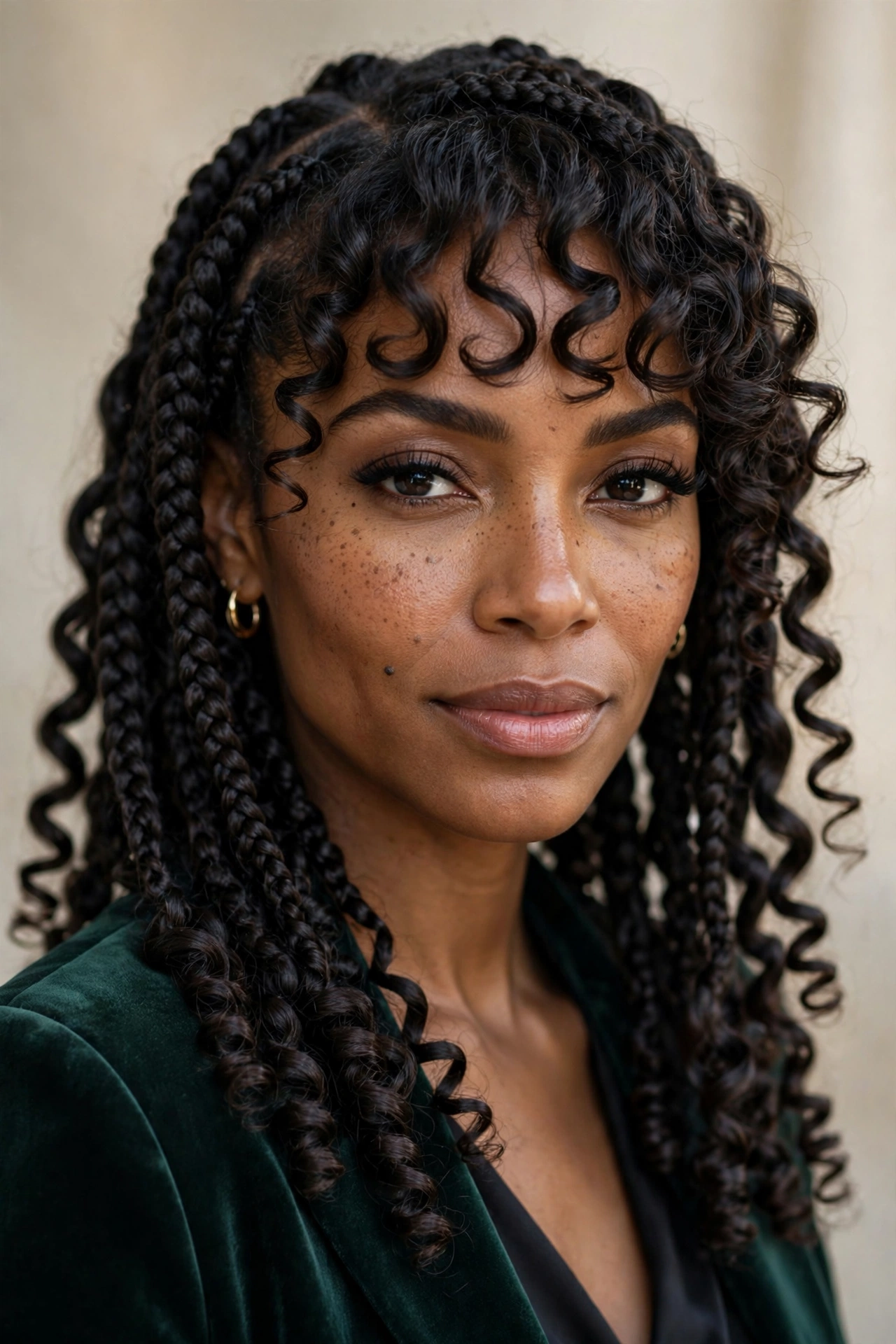
Add braided bangs or leave curly bangs out in front. This frames the face beautifully and adds a unique touch. The bangs can be braided (cornrow bangs) or left as curls. This customization makes the style more personal and face-flattering. It’s a small detail that makes a big difference.
How to Prepare Your Hair for French Curl Braids
Proper preparation ensures your braids look great and your natural hair stays healthy. Don’t skip these steps.
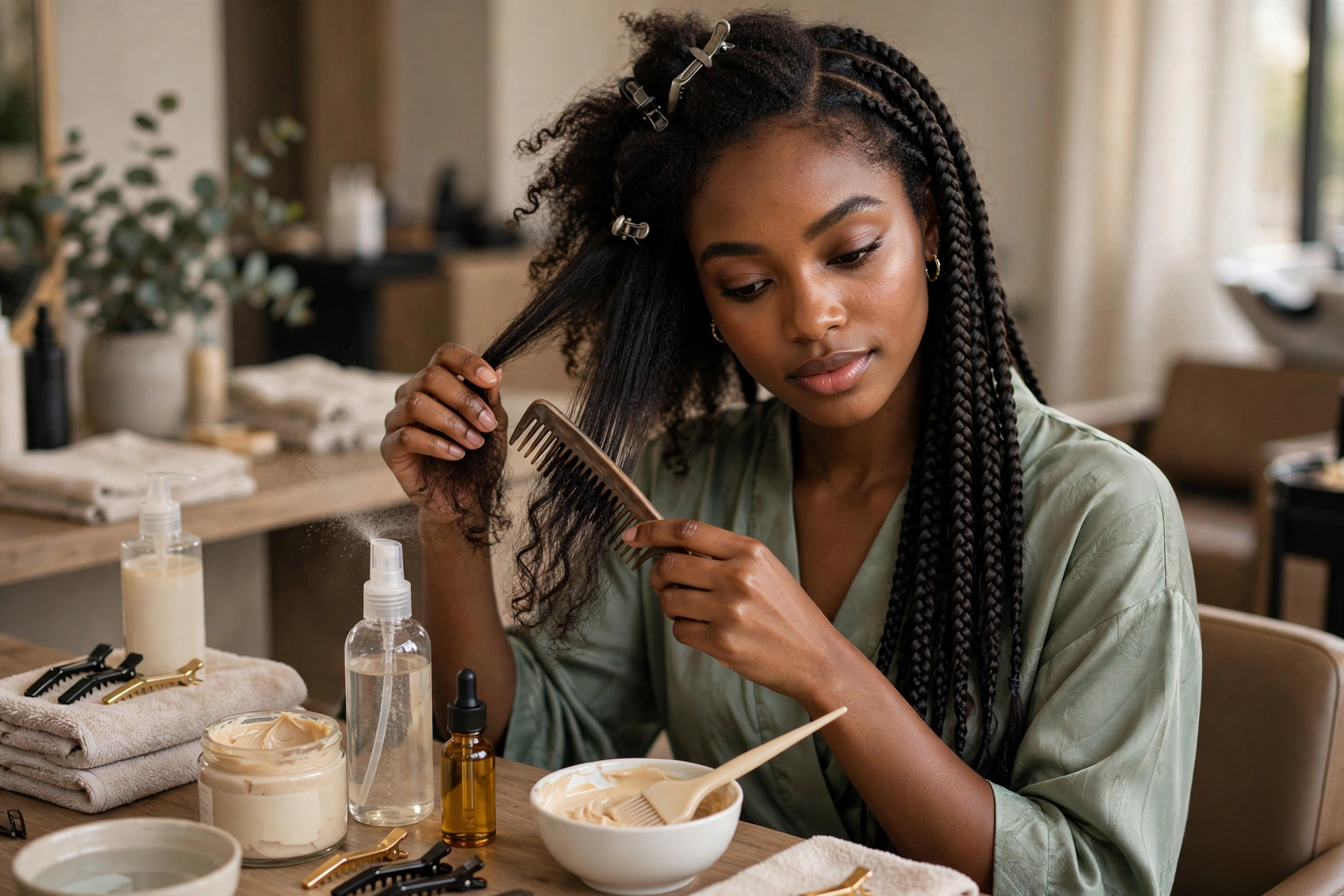
Start with clean, deep-conditioned hair. Wash with a clarifying shampoo to remove buildup, then follow with a deep conditioning treatment. Your hair will be in braids for weeks, so it needs to start in the best condition possible. Consider a protein treatment if your hair is damaged.
Detangle thoroughly. Braiding tangled hair leads to breakage and pain. Use a wide-tooth comb and work in sections, starting from the ends and working up to the roots. Apply leave-in conditioner to make detangling easier.
Stretch your hair if it’s very curly. Blow-drying on low heat with a comb attachment stretches the hair, making braiding easier and neater. This isn’t about straightening — just elongating the curls enough to braid smoothly. Alternatively, do African threading the night before.
Moisturize. Apply a leave-in conditioner and light oil to your hair before braiding. This provides a moisture foundation that will sustain your hair during the weeks in braids. Focus on the ends, which are the oldest and driest part.
Choose your hair. For French curl braids, you’ll need braiding hair for the base and curly hair for the ends. Many braiders use pre-curled crochet hair or separate the braiding hair and curl the ends manually. Discuss options with your braider — the curl type (loose wave, deep wave, etc.) affects the final look.
Plan your time. Installation takes 4-8 hours depending on size and length. Bring snacks, entertainment, and patience. Don’t rush your braider — quality installation prevents problems later.
Maintaining Your French Curl Braids
French curl braids require more maintenance than traditional box braids because of the curly ends. Here’s how to keep them looking fresh for 4-6 weeks.
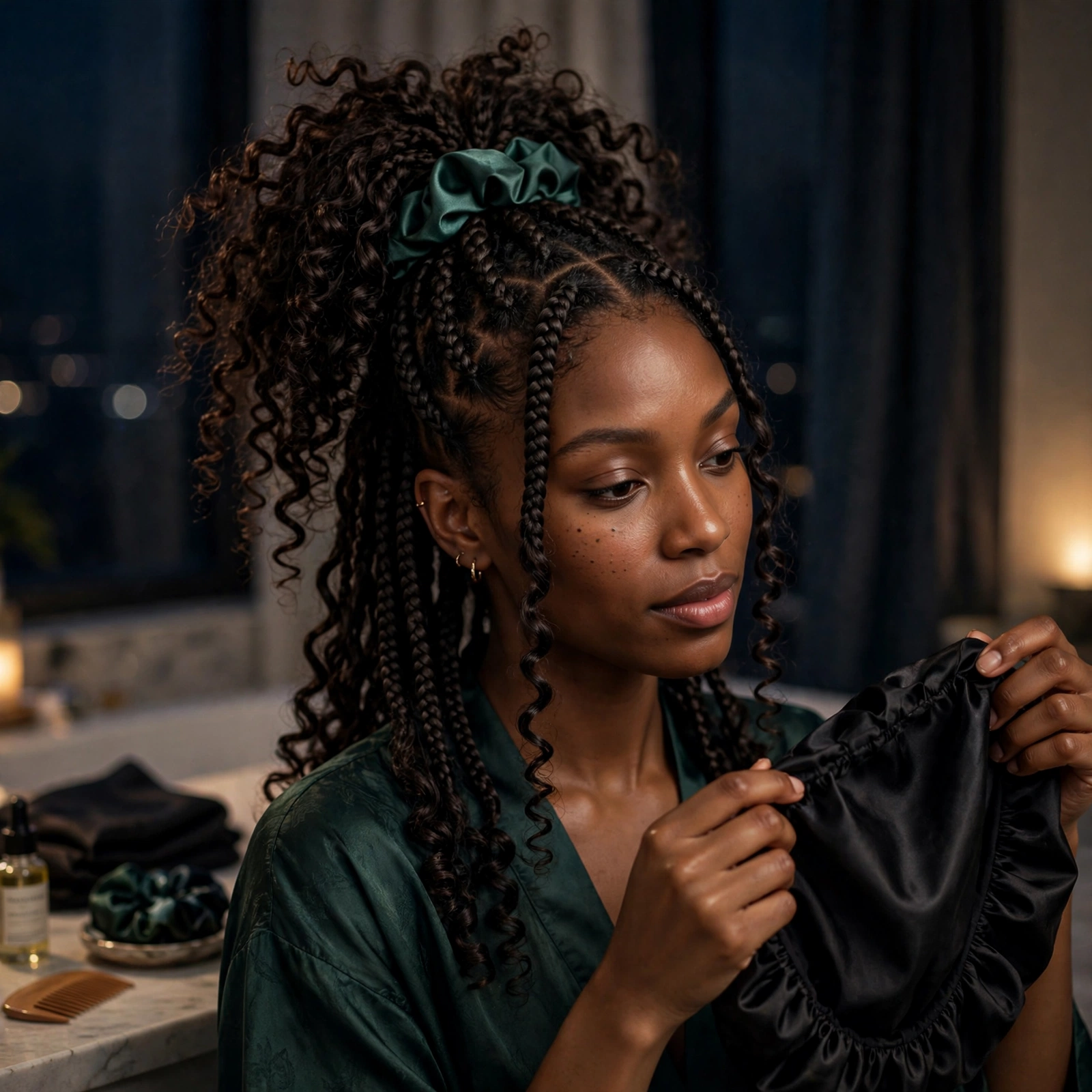
Protect the curls at night. This is crucial. Pineapple your hair (gather the curls loosely on top of your head) and cover with a satin bonnet or scarf. The curls will tangle and frizz if left loose overnight. Some women braid the curly ends loosely before bed for extra protection.
Moisturize the scalp. Use a light oil or scalp spray 2-3 times weekly. Apply with a nozzle bottle to reach the scalp between braids. Don’t overdo it — too much oil causes buildup. Focus on any itchy or dry areas.
Refresh the curls. The curly ends will lose definition over time. Revive them by misting with water mixed with leave-in conditioner, then scrunching. You can also use curl-defining foam. Avoid heavy products that weigh curls down. Some women re-curl the ends with flexi-rods every 1-2 weeks.
Wash carefully. You can wash French curl braids, but be gentle. Dilute shampoo with water in an applicator bottle and focus on the scalp. Don’t scrub the curly ends — just let the suds run through. Rinse thoroughly. Washing every 2-3 weeks is sufficient; more frequent washing dries out the curls.
Control frizz. As weeks pass, frizz is inevitable. Use anti-frizz serum on the curly ends. If frizz becomes excessive, it’s a sign the style is reaching the end of its life. Don’t push braids past 6-8 weeks — the new growth and frizz will damage your natural hair.
Know when to remove. If you experience excessive itching, bumps, or pain, remove the braids immediately. These are signs of too much tension or allergic reaction. Healthy hair is more important than a hairstyle. Most French curl braids last 4-6 weeks; pushing beyond 8 weeks risks breakage.
French Curl Braids vs Traditional Box Braids
Understanding the differences helps you choose the right style for your needs.
Appearance: French curl braids have a softer, more romantic look due to the curly ends. Traditional box braids are sleeker and more uniform. French curls photograph with more dimension; box braids look more polished.
Maintenance: French curl braids require more daily attention (protecting curls at night, refreshing curl definition). Box braids are more “install and forget.” If you want truly low-maintenance, traditional box braids win.
Versatility: French curl braids offer more styling variety — the curls make updos look softer and more interesting. Box braids are more versatile for sleek, professional styles. It depends on your aesthetic.
Longevity: Traditional box braids typically last longer (6-8 weeks) because there are no curls to frizz. French curl braids last 4-6 weeks before the curls lose definition. If longevity is priority, choose box braids.
Cost: French curl braids often cost more due to the additional hair (curly ends) and extra time to create the curls. Expect to pay 20-30% more than traditional box braids.
Hair health: Both are protective when installed properly. French curl braids may cause slightly more tangling at the transition point (where braids meet curls), so be gentle when detangling during removal.
Best Hair Types for French Curl Braids
French curl braids work on various hair types, but some considerations apply.
Natural/coily hair (Type 4): Ideal. Your hair’s texture grips the extensions well, and the protective style gives your natural hair a break. This is the primary audience for French curl braids.
Curly hair (Type 3): Works well. Your natural curl pattern blends with the curly ends. You may need less added hair since your texture already provides volume.
Wavy hair (Type 2): Can work, but the braids may slip more without the grip of coily texture. Your braider may need to use different techniques or products to secure the base. The curly ends will add volume your natural hair lacks.
Straight hair (Type 1): Possible but challenging. Straight hair doesn’t grip braiding hair as well, so the style may not last as long. You’ll need an experienced braider. The contrast between your straight natural hair and the curly ends can look striking.
Relaxed/chemically treated hair: Works, but ensure your hair is healthy before braiding. Damaged hair shouldn’t go into long-term protective styles. Do a protein treatment first and be honest with your braider about your hair’s condition.
Cost and Time Investment
Let’s talk practicalities: what will French curl braids cost, and how much time do you need?
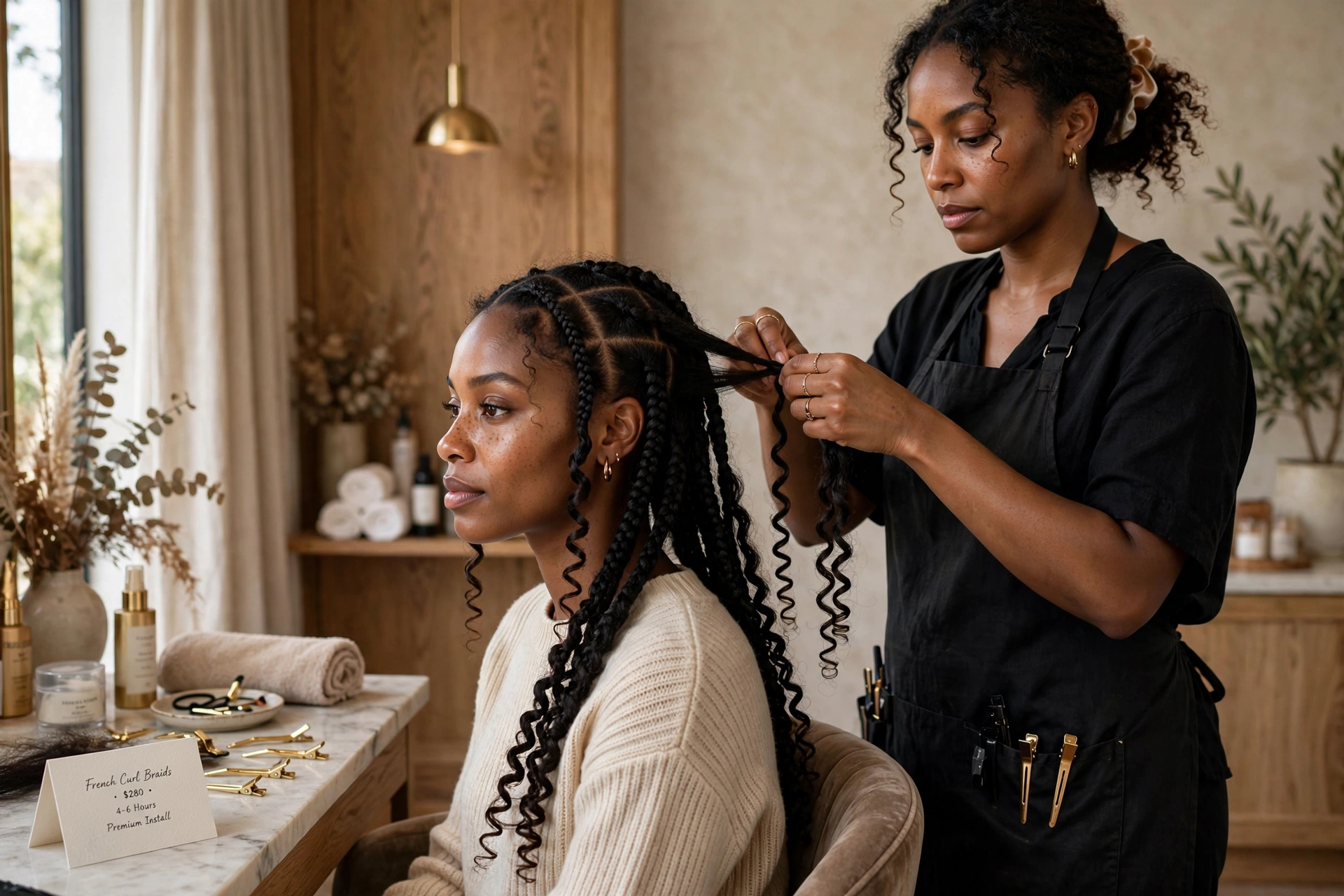
Cost varies by location, braider experience, and style complexity. In major US cities, expect $200-$400 for medium knotless French curl braids. Smaller braids or waist length can reach $400-$600. In smaller cities or with less experienced braiders, $150-$250 is common. The hair itself (braiding hair + curly hair) costs $30-$80 depending on quality and amount.
Time investment: Installation takes 4-8 hours. Medium braids (most popular) take 5-6 hours. Don’t schedule anything after your appointment — you’ll be tired. Bring food, water, and entertainment.
Maintenance time: 10-15 minutes nightly (pineappling and bonnet). 20 minutes weekly (scalp moisturizing and curl refreshing). That’s it — far less than daily styling of unbraided hair.
Removal: 2-4 hours to carefully take down. Don’t rush — rushing causes breakage. Detangle thoroughly after removal and do a deep conditioning treatment. Give your hair 1-2 weeks of rest before reinstalling.
Is it worth it? For 4-6 weeks of low-manipulation, versatile styling, most women say absolutely yes. The upfront time and cost pay off in daily convenience.
Frequently Asked Questions
How long do French curl braids last?
Typically 4-6 weeks. The braided base lasts longer, but the curly ends lose definition after 4-6 weeks. Pushing beyond 8 weeks risks matting and damage.
Can I wash them?
Yes, but gently. Dilute shampoo, focus on scalp, don’t scrub the curls. Wash every 2-3 weeks max. More frequent washing dries out the curly ends.
Do they work on short natural hair?
Your natural hair needs to be at least 2-3 inches to grip the extensions. Shorter than that, the braids may slip. Consult your braider — they can assess if your hair is long enough.
Will they damage my hair?
Not if installed and maintained properly. Ensure the braids aren’t too tight (you shouldn’t have headaches or bumps). Moisturize your scalp. Don’t keep them in too long. Remove carefully.
Can I do them myself?
It’s extremely difficult to do quality French curl braids on yourself, especially the back. The curl transition requires skill. This is a style best left to professional braiders.
What’s the difference between French curl and goddess braids?
They’re similar but goddess braids typically have wavy (not curly) ends and the waves start higher up. French curl braids have more defined curls concentrated at the ends. The terms are sometimes used interchangeably.
Final Thoughts
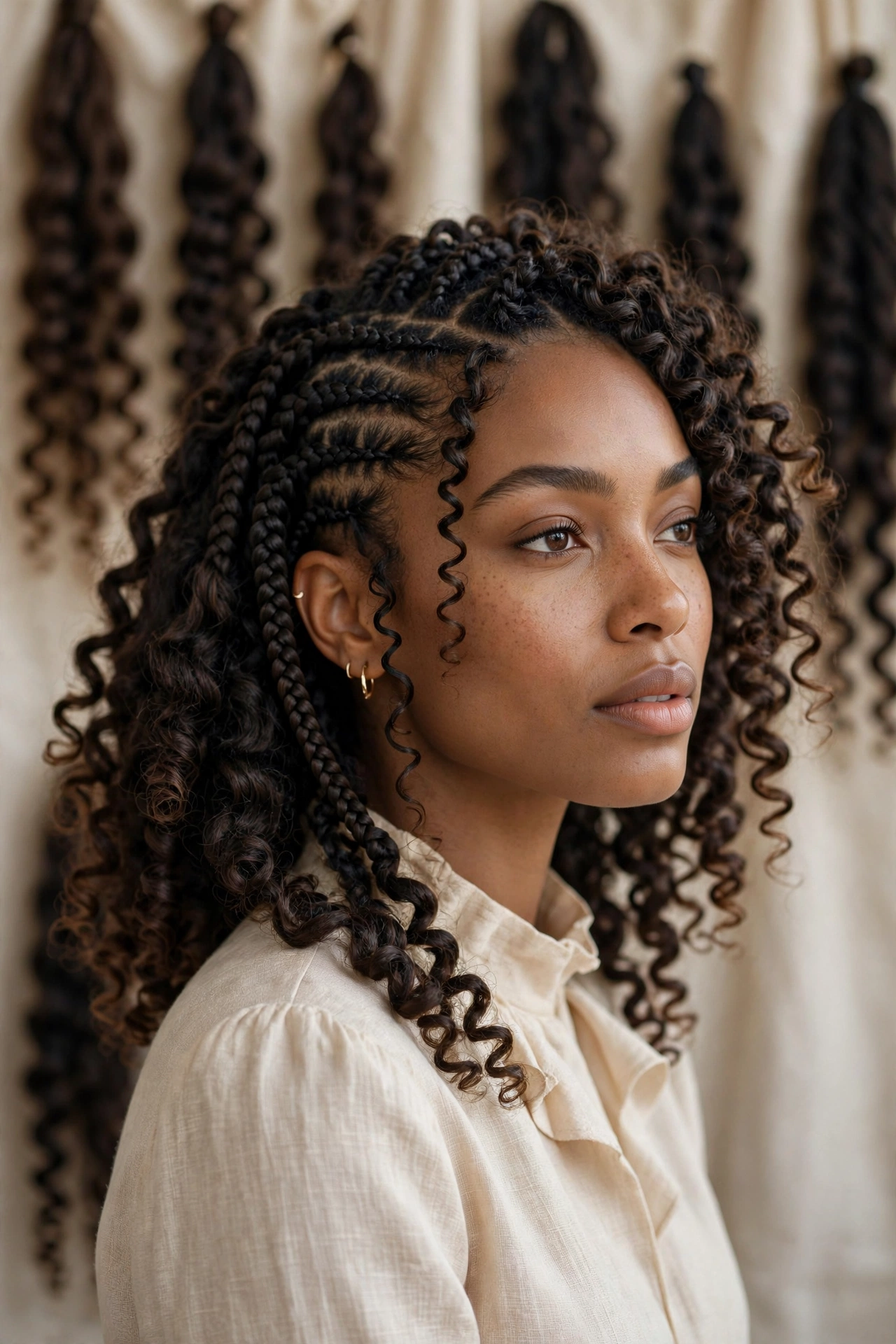
French curl braids represent the best of modern protective styling — they protect your natural hair while making you feel beautiful every day. The 210% surge on Pinterest isn’t just a number; it’s thousands of women discovering a style that works for their lives.
Whether you’re new to braids or a seasoned veteran, French curl braids offer something fresh. The romantic curls soften the practical braids. The versatility suits any lifestyle. The protective benefits support healthy hair growth.
If you’ve been considering a new protective style, French curl braids deserve your attention. Find an experienced braider (check their portfolio for French curl work specifically). Invest in quality hair. Follow the maintenance routine. And enjoy 4-6 weeks of gorgeous, low-effort hair.
Your curls are waiting.
French Curl Braids for Different Occasions
One of the best things about French curl braids is how they adapt to any occasion. Here’s your styling guide.
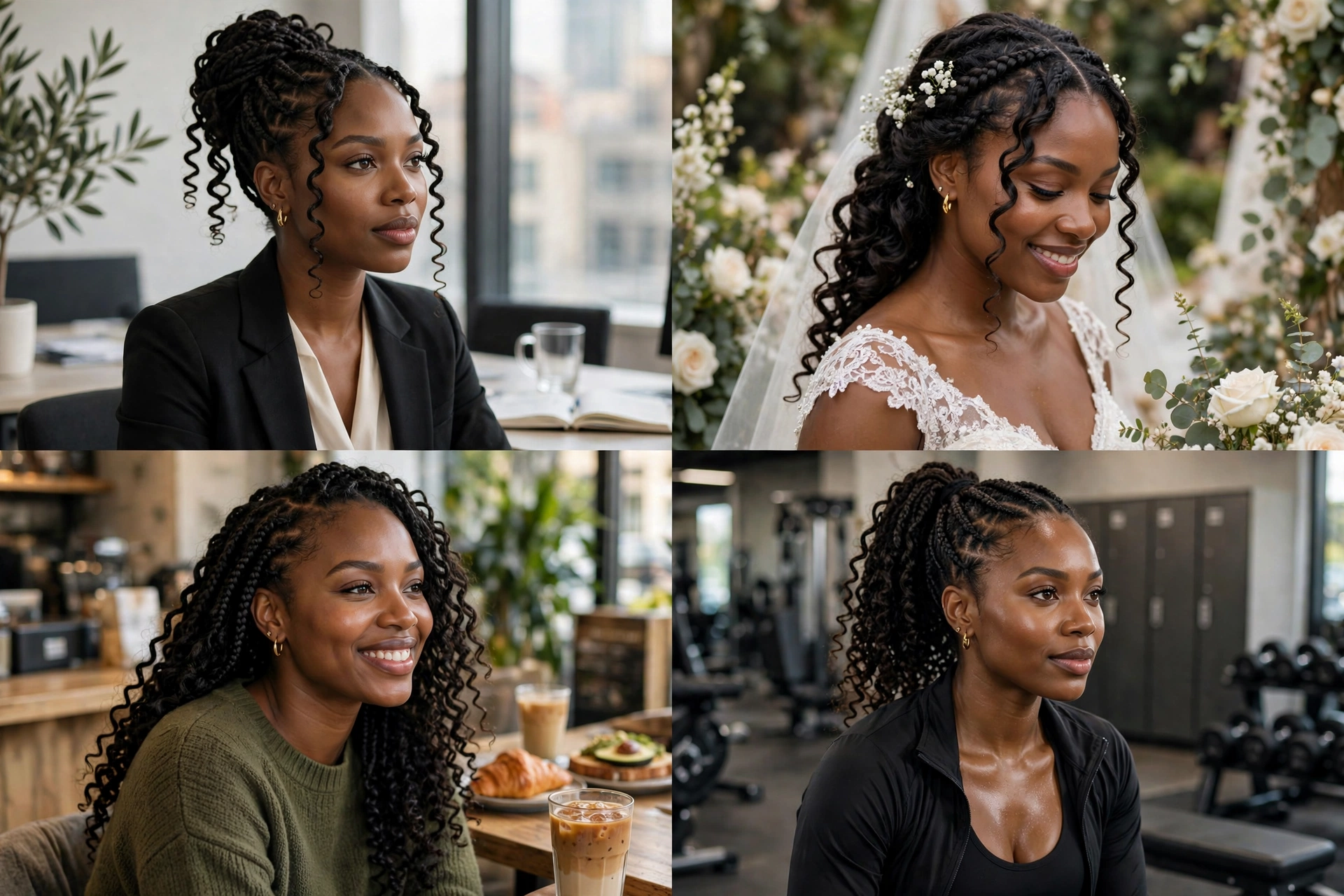
For work: Keep it professional with a low bun or sleek ponytail. The curly ends soften the look, making it office-appropriate while still stylish. If your workplace is conservative, opt for smaller braids and a neat bun. The key is controlled elegance — show that braids can be professional.
For weddings (as guest or bridal party): French curl braids are wedding-perfect. The romantic curls photograph beautifully. Try a half-up style with the curls cascading, or an elegant low bun with curly tendrils framing your face. Add delicate hair accessories like pearl pins or gold cuffs for extra glamour. This style holds up through dancing and lasts all night.
For casual days: Wear them down and let the curls do their thing. The effortless beauty of French curl braids shines in casual settings. No styling needed — just fluff the curls in the morning and go. Perfect for errands, brunch, or relaxed weekends.
For the gym: Pull into a high ponytail or bun. The braids stay secure during workouts, and the curly ends add style even when you’re sweating. Use a sweat-wicking headband to protect your edges. After working out, refresh the scalp with dry shampoo.
For date night: The romantic curls are inherently date-night ready. Wear them down with volume, or try a side-swept style that shows off the curls. The softness of the curls creates a feminine, alluring look. Add a touch of shine spray for extra glow.
For vacations: French curl braids are the ultimate vacation hair. They’re low-maintenance, handle humidity well (the curls actually look better with some moisture), and work for beach, pool, and sightseeing. Just protect from excessive sun and chlorine. Bring a satin bonnet for nights.
Troubleshooting Common French Curl Braid Issues
Even with the best installation, issues can arise. Here’s how to handle them.
Frizzing curls: The most common issue. As weeks pass, the curly ends lose definition and frizz. Solution: Refresh with water + leave-in conditioner mix, scrunch gently. Use curl-defining foam. If frizz is severe, re-curl sections with flexi-rods overnight. Accept that some frizz is normal after week 3 — it’s a sign to start planning removal.
Itchy scalp: Common in the first week as your scalp adjusts. Solution: Use an anti-itch scalp spray or diluted tea tree oil. Don’t scratch with nails — use the pads of your fingers. If itching is severe or accompanied by bumps, the braids may be too tight — see your braider for loosening or consider removal.
Tangling at the transition: Where braids meet curls, tangling can occur. Solution: Be gentle when styling. Use a wide-tooth comb on the curly sections only. Apply leave-in conditioner to the transition area. Don’t brush the braided portion — it causes frizz.
Slipping braids: If braids loosen at the roots, it’s usually due to new growth or improper installation. Solution: For minor slipping, use edge control to smooth. For major slipping, see your braider for touch-ups. Don’t try to re-braid yourself — you’ll likely make it worse.
Dry scalp: Braids can dry out your scalp. Solution: Moisturize 2-3 times weekly with light oil. Don’t overdo it — buildup causes more problems. If flaking occurs, use an anti-dandruff scalp treatment.
French Curl Braids: Cultural Significance and Appreciation
It’s important to acknowledge the cultural roots of braided styles. Braiding has deep significance in Black culture, dating back thousands of years in Africa. Braids were — and are — more than hairstyles; they’re art, identity, and heritage.
French curl braids build on this rich tradition. The braiding techniques (cornrows, box braids, knotless) originate from African hair culture. The addition of curly ends is a modern evolution, but the foundation is traditional.
As this style gains mainstream popularity (evidenced by the 210% Pinterest surge), it’s crucial to appreciate rather than appropriate. This means: acknowledging the cultural origins, supporting Black braiders and businesses, and understanding the significance beyond aesthetics.
If you’re wearing French curl braids, take time to learn about their history. Appreciate the skill of your braider. And recognize that for many Black women, braids are not just a trend — they’re a connection to heritage and a practical solution for hair health.
Beauty is most beautiful when it’s respectful. Wear French curl braids with appreciation for the culture that created them.
French curl braids are more than a hairstyle — they’re a celebration of texture, culture, and feminine beauty. Embrace them with pride and joy.
Your beautiful braids await. Book that appointment today.
You won’t regret it.
Conclusion
French curl braids are 2026’s most romantic protective style — the perfect marriage of braids and flowing curls. With braided roots melting into bouncy curly ends, you get the longevity of braids with the softness of loose hair. It’s stunning on all face shapes and ideal for vacations, weddings, and everyday glamour.
Keep the curly ends moisturized and detangled to prevent matting, and sleep in a satin bonnet. Most installs last four to six weeks. In 2026, French curl braids prove protective styling can be utterly luxurious.
One Comment