
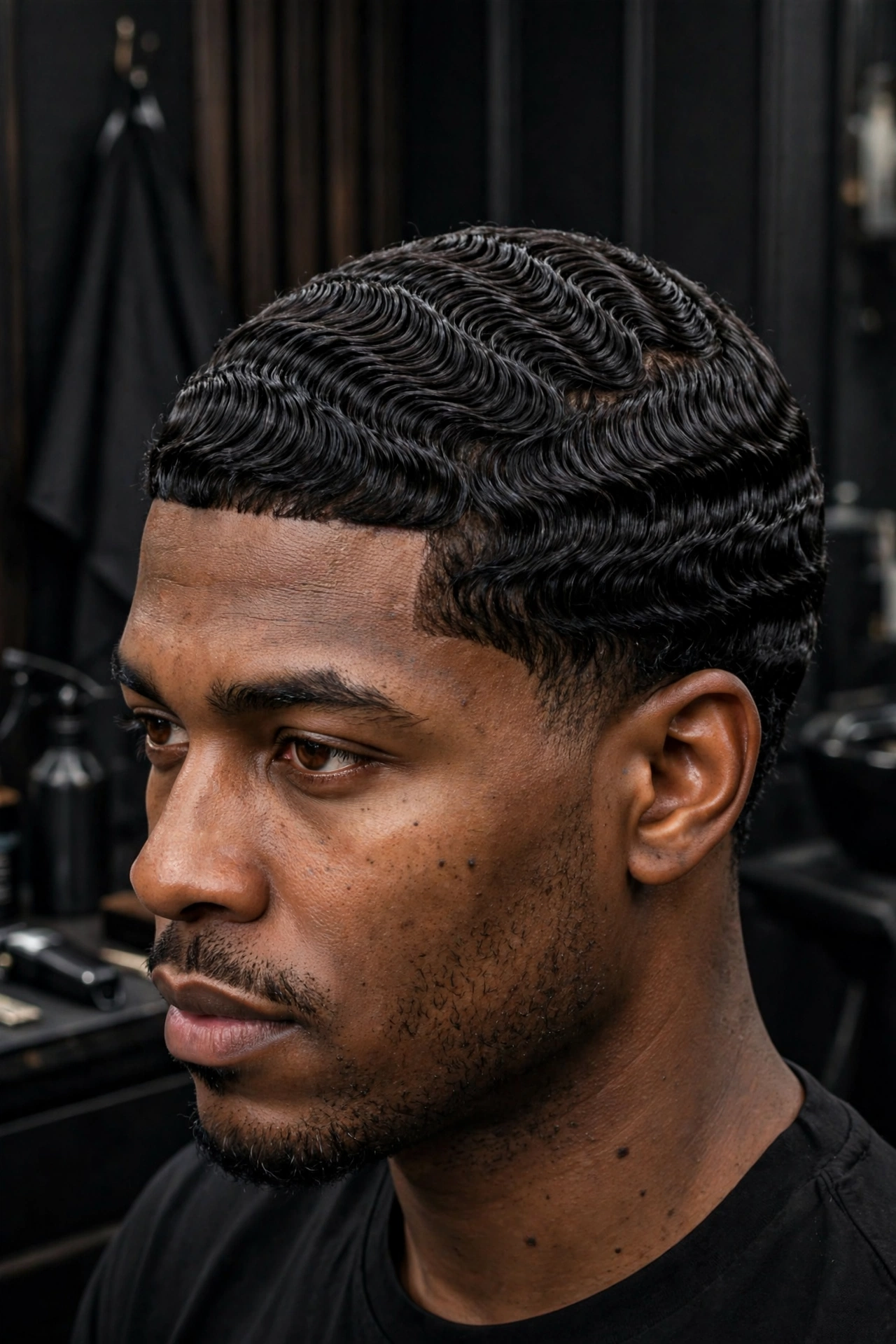
360 Waves Men 2026: 20 Deep Ripple Styles & How to Get Them
360 Waves Men 2026: 20 Deep Ripple Styles & How to Get Them
Let me tell you something about 360 waves men keep asking me about. They look simple. Just ripples in the hair, right? Wrong. Behind every set of deep, glassy waves there’s a guy who brushed his hair for weeks, slept in a durag through the sweatiest nights of summer, and probably argued with his barber at least once. Waves are earned, and that’s exactly why they carry so much respect.
I’ve watched guys go from a fresh fade to full spinning waves in about eight weeks, and I’ve watched other guys quit after ten days because the brushing felt like a second job. The difference was never the hair type. It was always the routine. So if you’re sitting there with a brush in one hand and your phone in the other, wondering whether it’s worth it, this guide is for you.
Here’s what we’re covering: what 360 waves actually are, why they’re trending harder than ever in 2026, twenty distinct styles to pick from, the exact brushing routine and durag method, the fades that pair best with waves, what to tell your barber word for word, and the products that genuinely work versus the ones that are just marketing. Let’s get into it.
What Are 360 Waves?
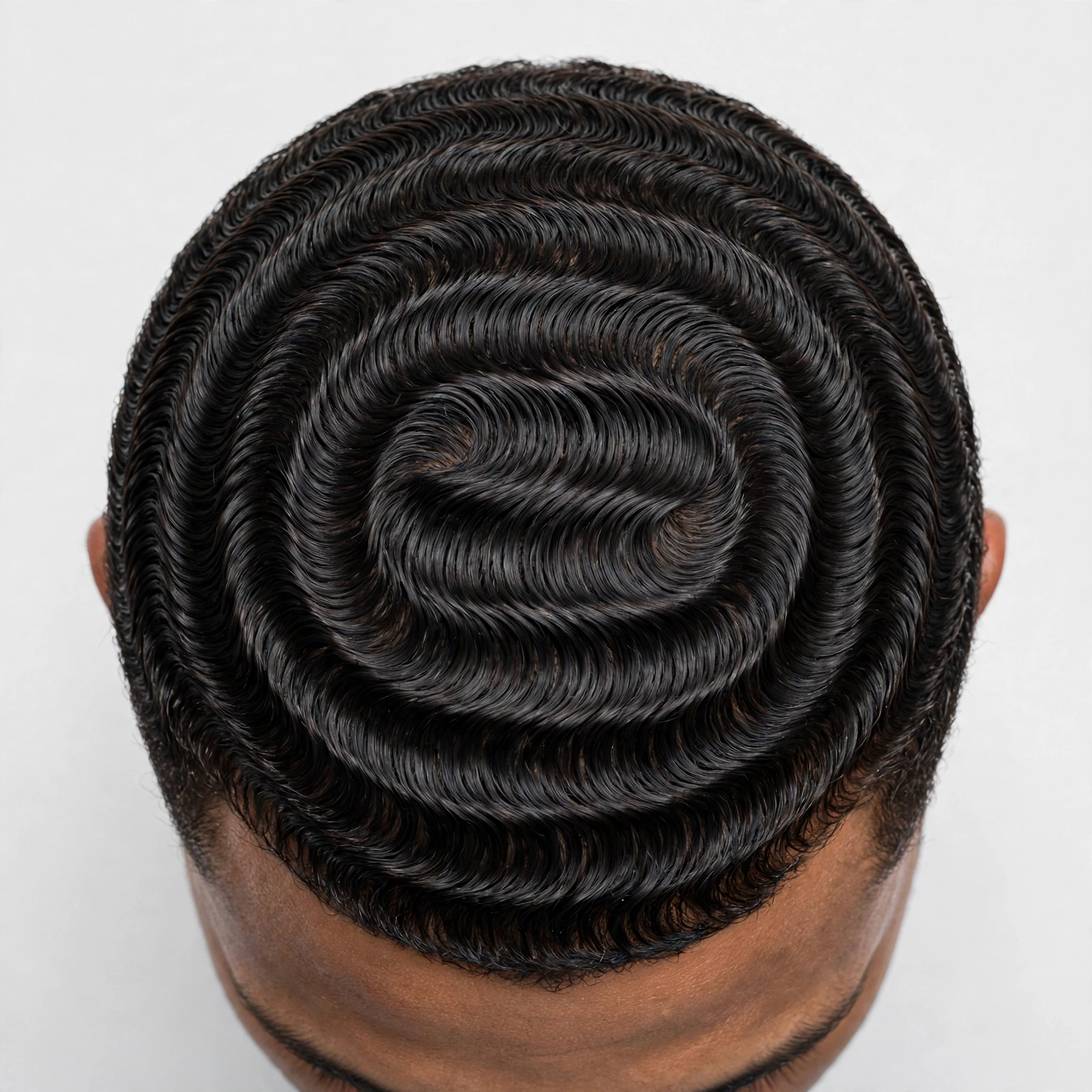
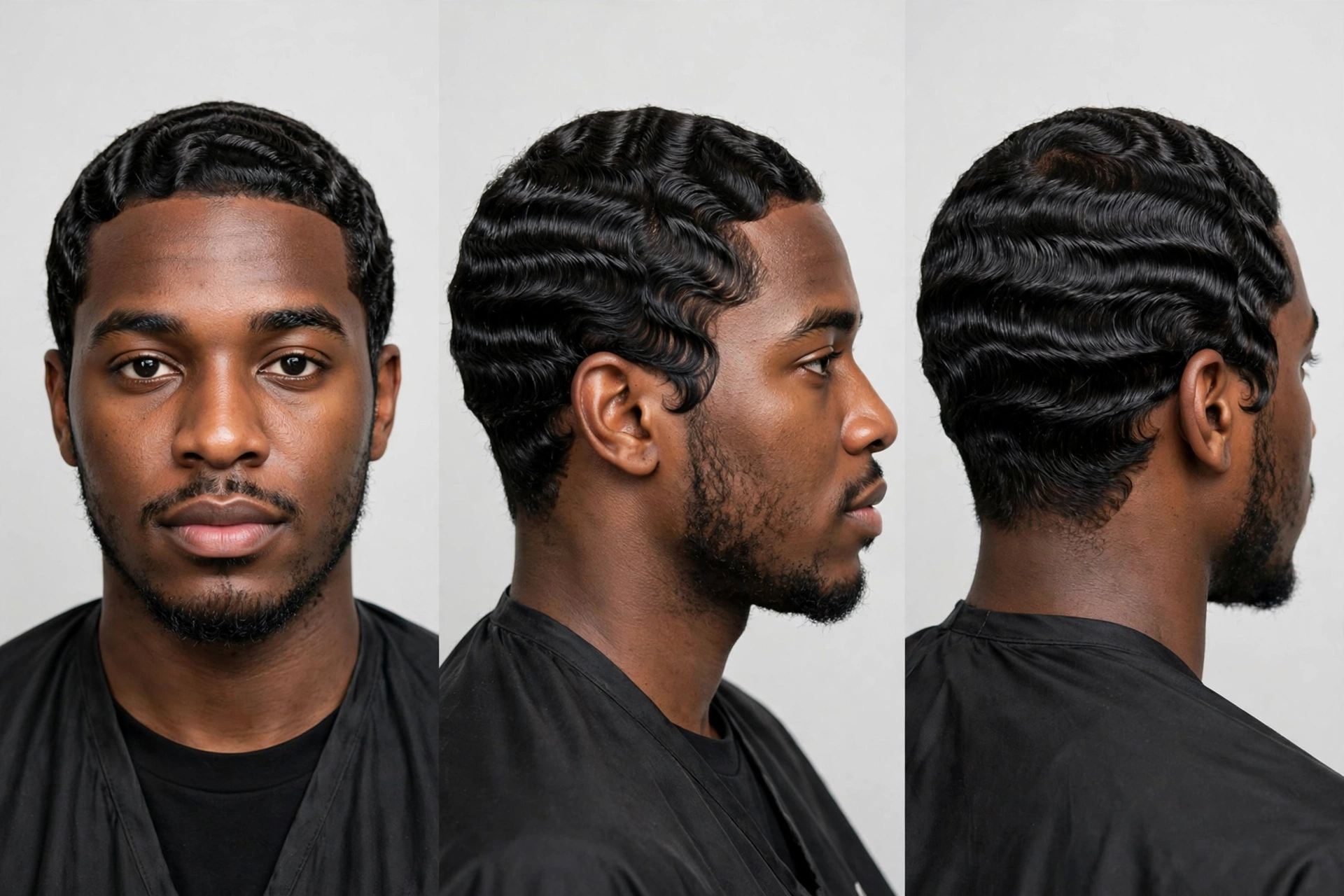
360 waves are a hairstyle for men with coily or curly hair where the hair is trained to lay down in a circular ripple pattern that flows outward from the crown, all the way around the head. When you look down at a guy with real 360s, the waves circle the entire head like rings in water. That full-circle motion is where the name comes from, and it’s what separates them from 180 waves (front only) or 720 waves (the advanced level where the ripple direction shifts mid-pattern and the waves fork like a whirlpool).
How do they form? It’s all about direction training. Hair grows out of your scalp at an angle, and with consistent brushing in the pattern’s direction plus compression (a durag), you’re basically retraining the hair’s memory over weeks. The brushing flattens the curl into ripple shapes instead of letting it coil up. My barber told me years ago that waves are just curls that were never allowed to do what they wanted. I still think about that every time I see a fresh set.
One thing people get wrong: you don’t need super long hair. Most wavers start brushing at a number 2 or 3 guard length (roughly 6 to 10 millimeters). That sweet spot gives the hair enough length to lay down and ripple without standing up or tangling. And no, waves aren’t exclusive to one hair type. They’re traditionally associated with Black men with type 3 and 4 hair, and yes, that hair texture takes to the pattern fastest. But plenty of guys with wavy or loose-curly hair have pulled off 360s with the same technique. If your hair can be brushed flat and has any curl to it, you’re in the game.
Why 360 Waves Are Trending in 2026
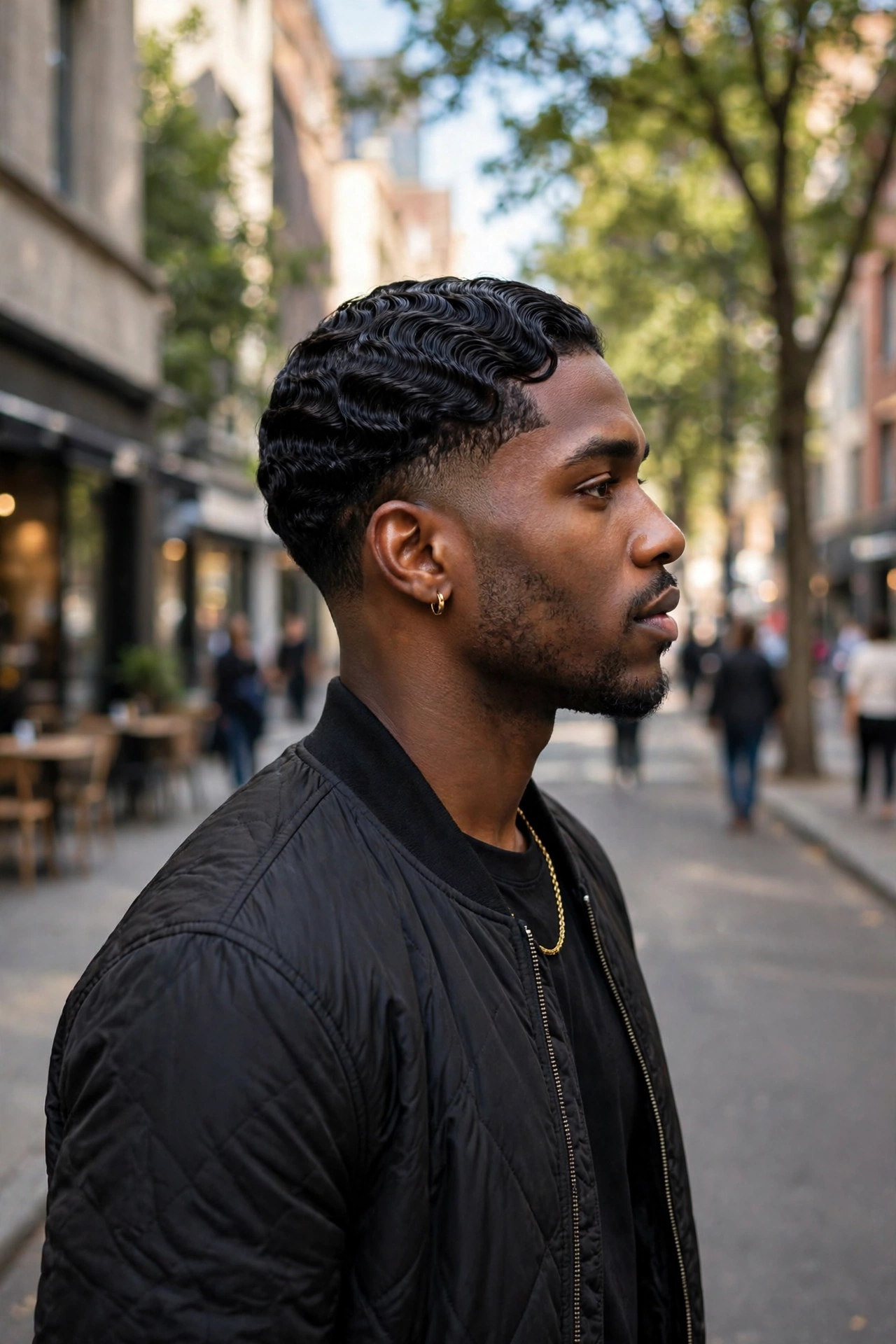
Every few years waves have a moment, and 2026 is one of the biggest. Part of it is the celebrity effect. Drake has kept his wave game tight for years, A$AP Ferg practically made spinning 360s part of his stage uniform, and Michael B. Jordan’s waves in his recent appearances had barbershops getting requests by the dozen. When guys like that keep showing up with glassy ripples, the rest of us take notes.
But there’s more to it than famous heads. The low taper fade has been the fade of the decade, and waves plus a low taper is a combination that just refuses to die. It photographs well, it looks sharp in person, and the maintenance routine has become a whole culture — wave check videos, brushing routines on social media, durag unboxings. There’s a community aspect now. Guys compare their progress week by week. It’s less a haircut and more a hobby.
Honestly, I think waves hit different in 2026 because grooming culture has swung back toward skill-based styles. Anyone can walk into a shop and ask for a textured fringe. Waves say you put in work for two months straight. They say you own a brush collection and you’re not embarrassed about it. In an era of overnight everything, a hairstyle that can’t be rushed has real appeal.
20 360 Waves Styles to Try in 2026
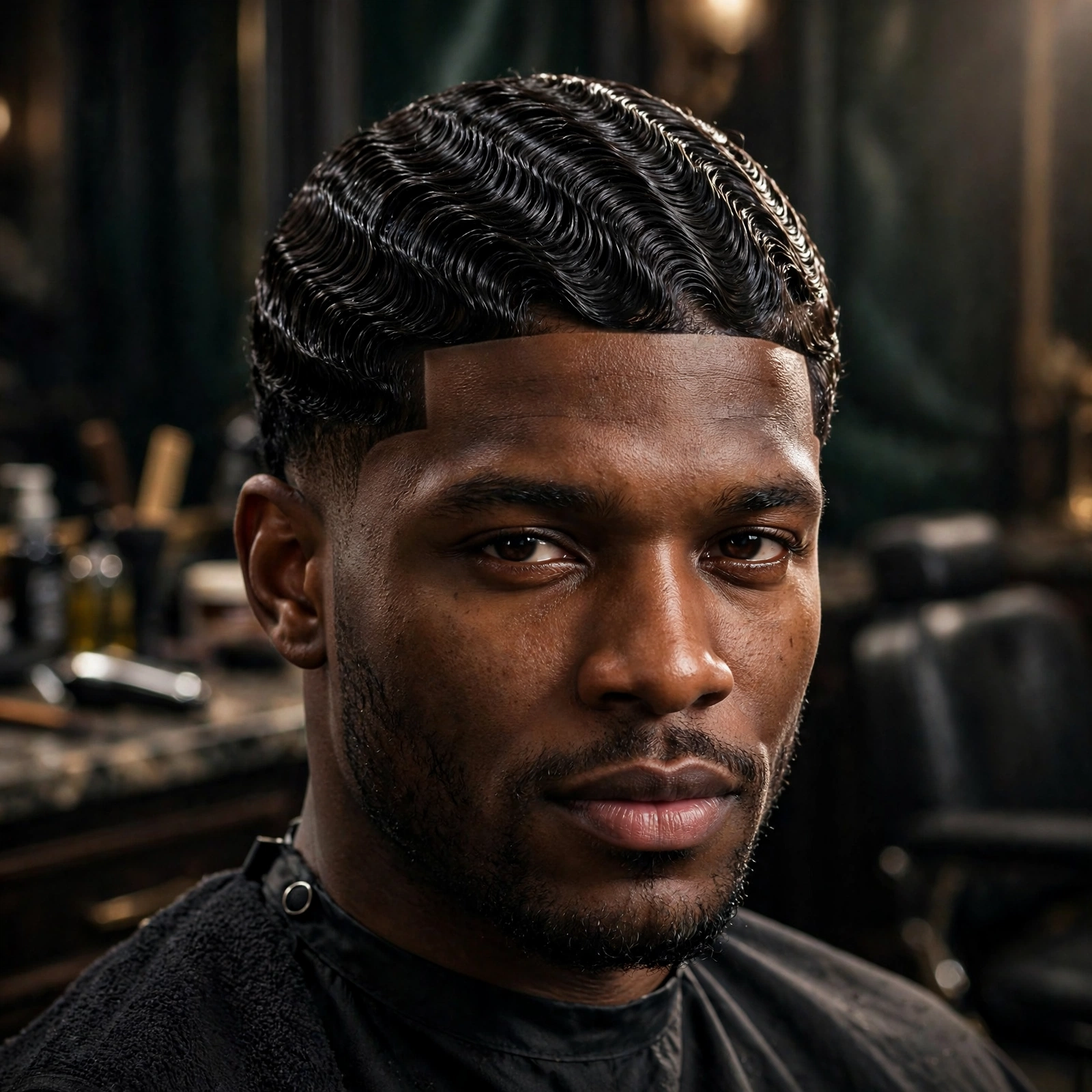
Not all waves are the same. The ripple pattern is the foundation, but what you do around it — the fade, the lineup, the beard, the design — changes the whole personality of the cut. Below are twenty styles ranked from timeless classics to the experimental stuff guys are trying this year. Find the one that fits your head shape, your lifestyle, and how much maintenance you’re honestly willing to do.
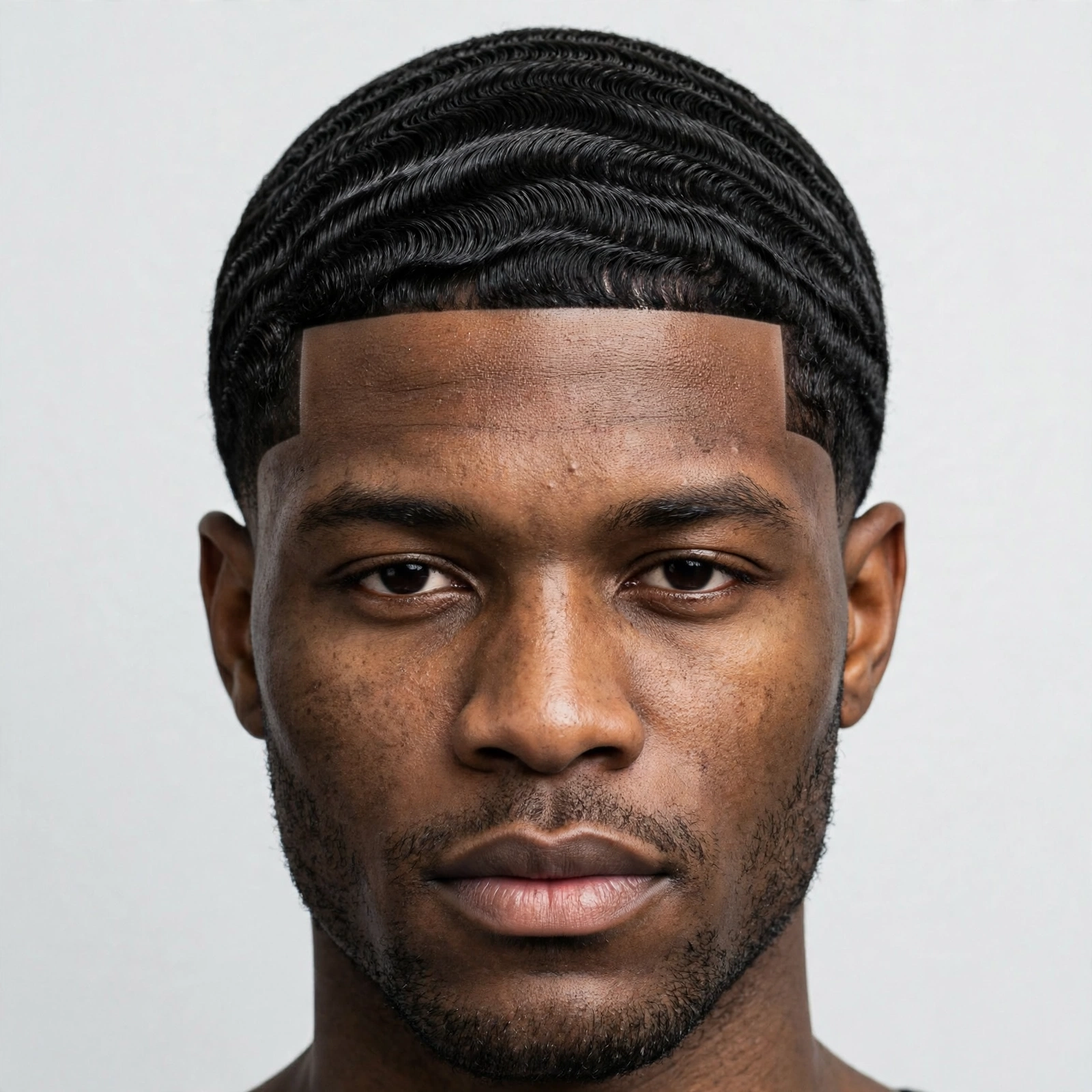
1. Classic 360 Waves with Box Lineup
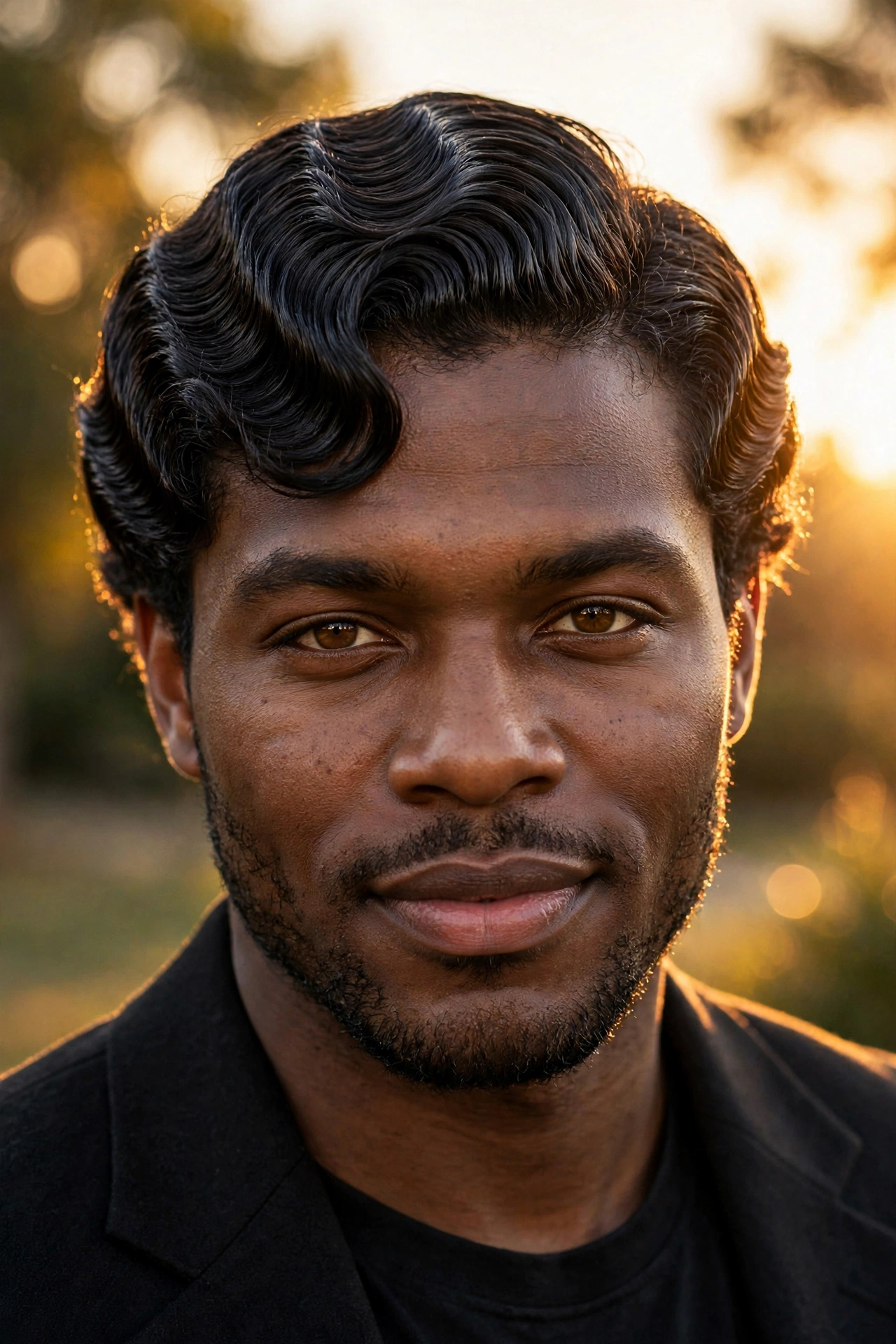
The original. Full 360 ripple pattern with a sharp, squared lineup across the forehead and temples. This is the style that built the wave legacy — clean, symmetrical, and unmistakable from across the room. To get it right you need your barber to cut the lineup straight, not rounded, with crisp corners at the temples. The waves themselves should be medium-depth, brushed with the grain, and laid with a light pomade or wave butter so they shine without looking greasy.
This style works on basically every head shape because the box lineup adds structure and the waves add texture everywhere else. Maintenance-wise it’s middle of the road: brush twice a day, durag at night, lineup touch-up every two weeks. My barber told me this is still the most requested wave style in his chair, and honestly, there’s a reason. When the lineup is fresh and the waves are spinning, nothing else looks this clean.
2. Low Taper 360 Waves
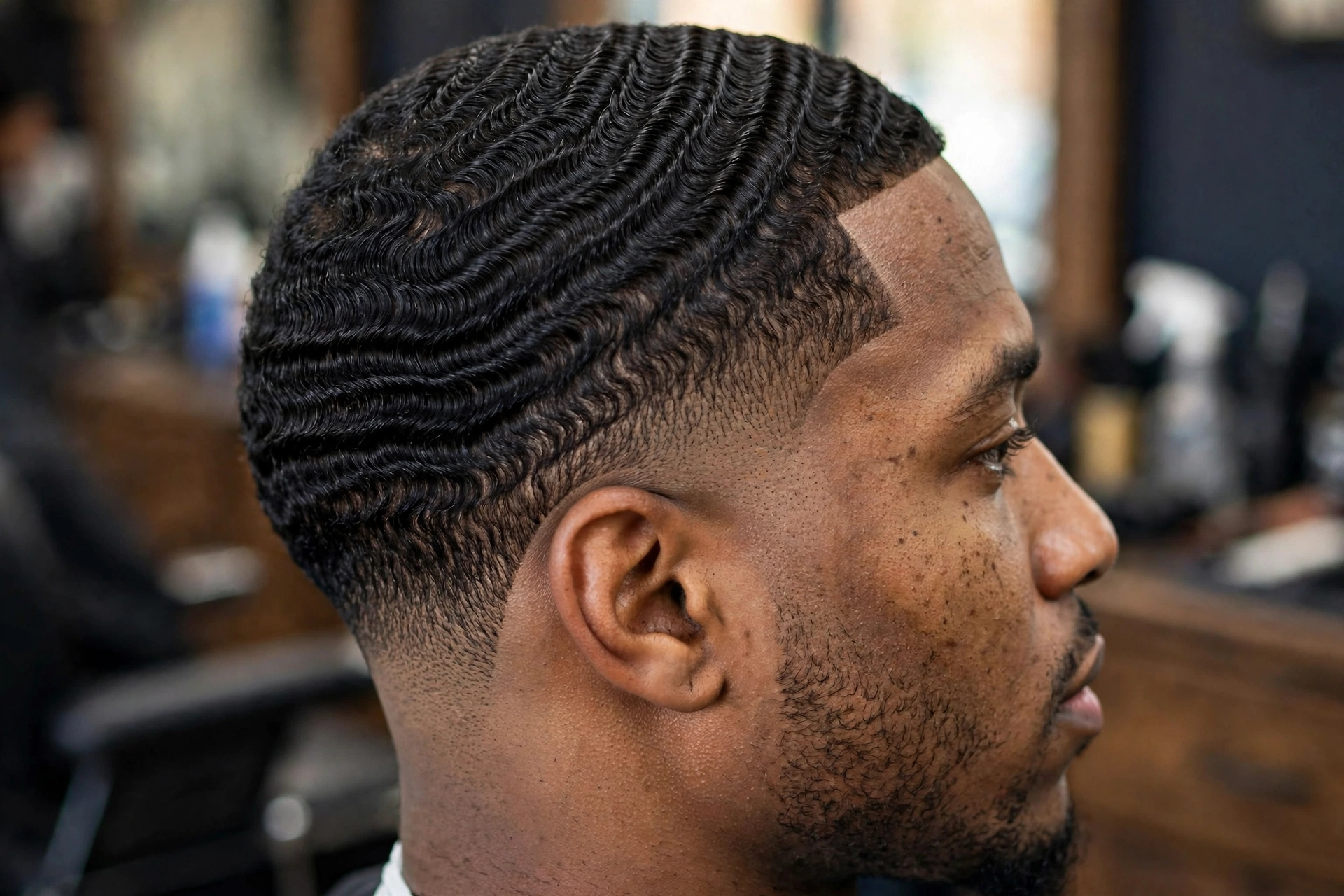
The low taper fade has owned the 2020s, and paired with waves it’s the defining combo of 2026. The taper keeps the sides and neckline clean and gradual while the waves dominate the top. What makes this pairing work is contrast: the soft, gradual fade against the defined ripple pattern. Ask your barber for a low taper that starts just above the ear and fades down to skin at the neckline, keeping the temple area blended rather than edged hard.
This is the style I point guys toward when they want waves but work in an office or a client-facing job. It’s polished without being aggressive. The upkeep is a taper refresh every two to three weeks, which runs most guys about 20 to 30 dollars depending on the shop. Brush routine stays the same — morning and night, ten minutes each — and the waves will keep spinning through every taper refresh as long as the top length stays untouched.
3. Bald Taper 360 Waves
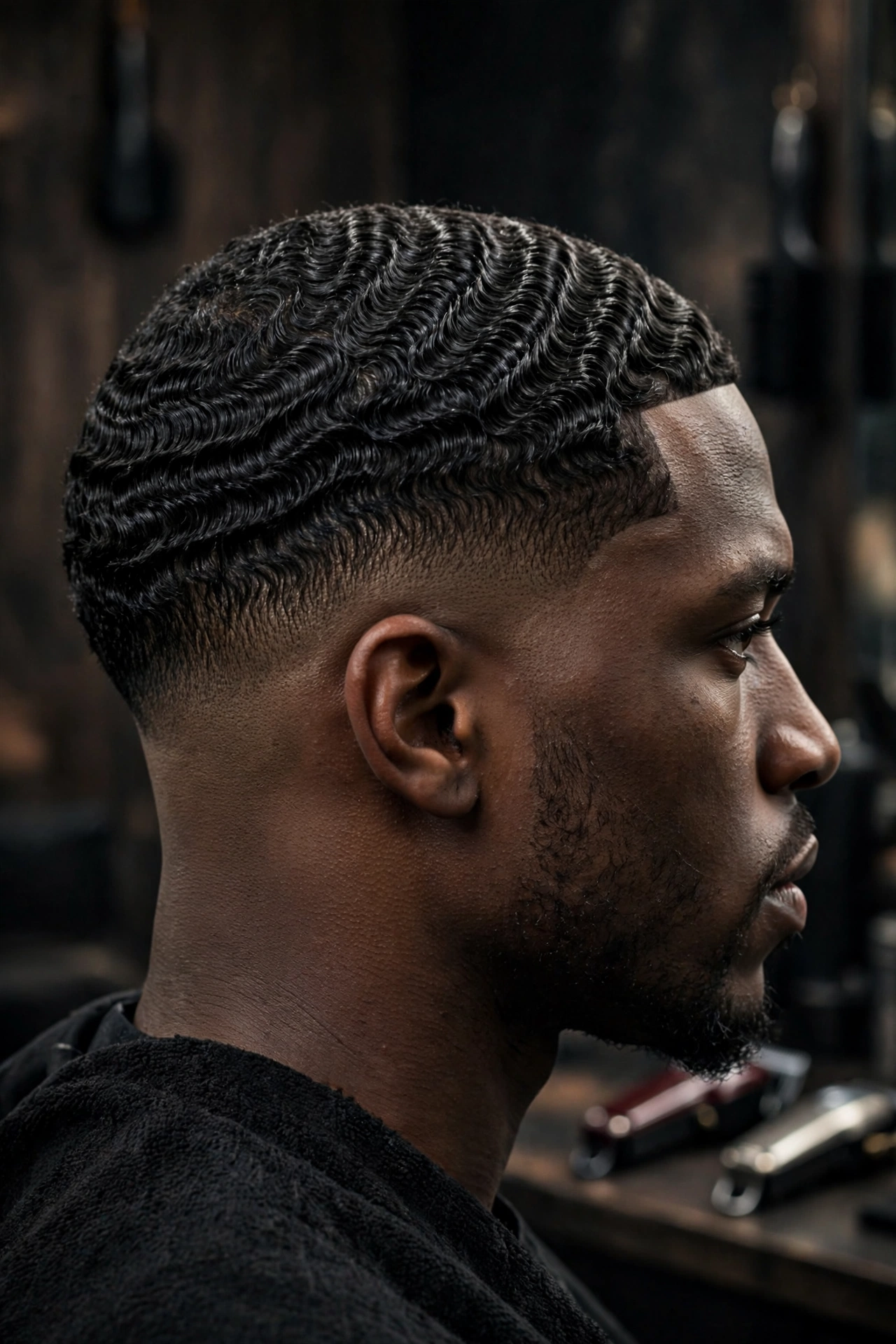
Take the low taper and push it to skin. The bald taper — faded all the way down to nothing at the bottom — creates a harder edge under the waves, and the result is more dramatic. This one’s popular with guys who like their cuts loud. The skin fade around the ears and neckline makes the wave pattern on top look even deeper by comparison, because the eye has nothing to distract it.
Fair warning: a skin fade grows out faster than any other fade. You’ll see stubble at the bottom within a week, and the taper will need a refresh every ten days to two weeks to stay sharp. If you’re not the type to visit the shop that often, stick with the regular low taper. But if you are — and some of us genuinely enjoy the ritual — this is the sharpest waves-plus-fade combination you can get.
4. 360 Waves with Full Beard
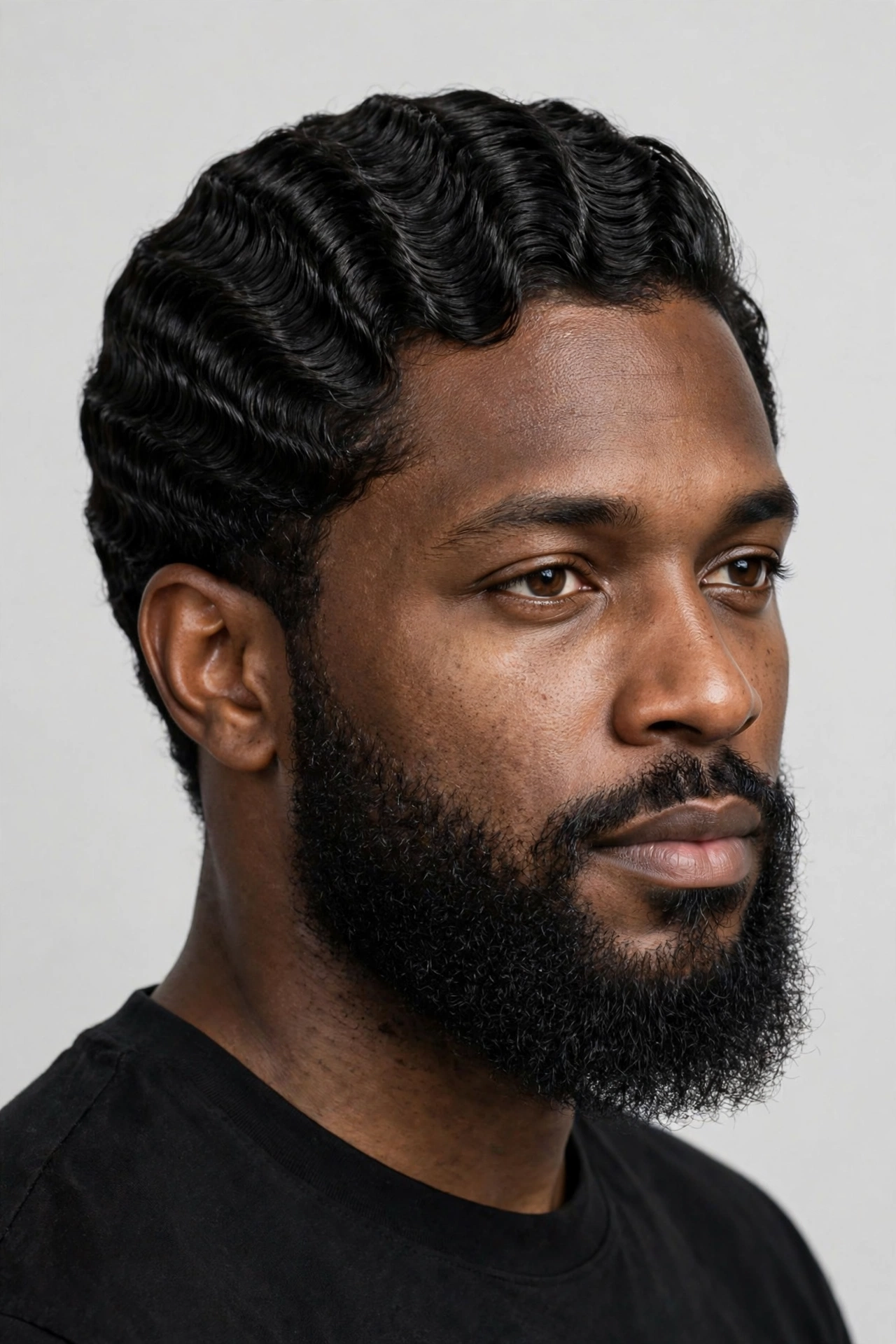
Waves plus a full beard is a power combination. The ripples on top, the density of the beard below, and a clean lineup connecting them at the sideburns. The trick here is the transition zone. Your barber should blend the beard into the fade so there’s no harsh line where the haircut ends and the beard begins — or, if you want that sharp disconnect, cut it deliberately so it looks intentional.
Beard maintenance matters as much as the waves. Keep it shaped, keep the cheek line clean, and use beard oil daily so it doesn’t look dry next to your glossy waves. I’ve watched guys with incredible waves and neglected beards, and it drags the whole look down. Both need love. Budget an extra five minutes in your morning routine for the beard and you’ll have one of the strongest full-head presentations in 2026.
5. Temp Fade 360 Waves
The temp fade — also called the temple fade — keeps the fade tight around the temples and sideburns while leaving the back fuller. With 360 waves on top, the temp fade frames the face sharply without taking the sides down. This style has serious East Coast energy, and it works especially well for guys with narrower faces because the fuller sides add width where you want it.
Ask your barber for a temp fade that blends into the wave pattern around the temples rather than cutting a hard box. Some barbers edge the temple aggressively with a temp fade; for waves, you usually want it softer so the ripple flows into the fade. This is a detail worth saying out loud in the chair, because a barber who defaults to hard temple edges will give you a different look than you imagined.
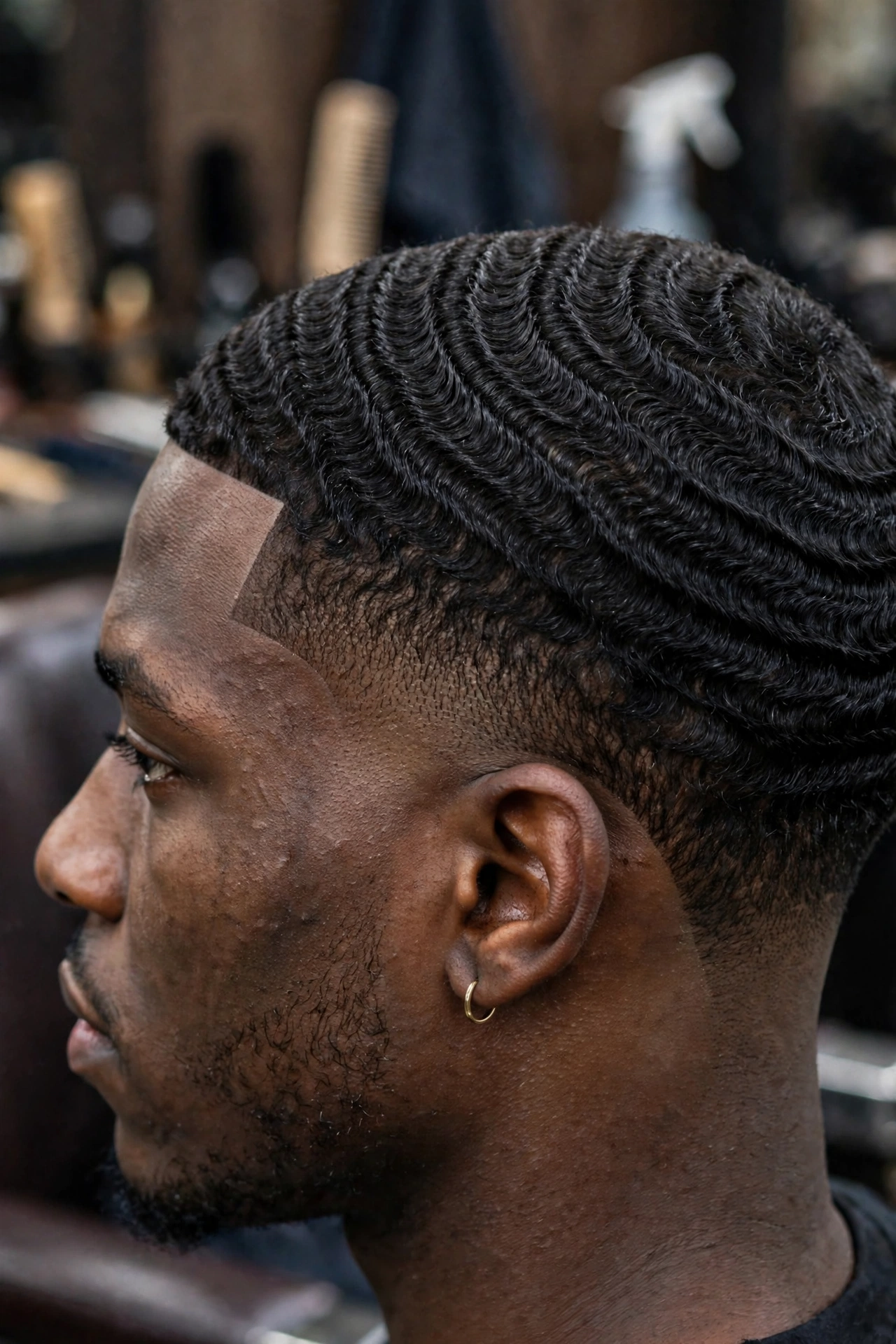
6. Drop Fade 360 Waves
The drop fade follows the natural curve of the head, dropping lower behind the ear as it moves toward the back. On a waver, this creates a beautiful curved frame around the wave pattern. It’s a more technical fade than a standard taper, so find a barber who actually knows how to drop a fade — a bad drop fade looks lopsided and there’s no hiding it.
This style photographs incredibly well, which is probably why it’s all over social media in 2026. The curve of the fade mirrors the circular motion of the waves, so the whole head feels unified. If you’re growing your waves out and want a fade that complements the pattern instead of fighting it, the drop fade is the move. Just know it needs a skilled hand, so don’t bargain-shop this one.
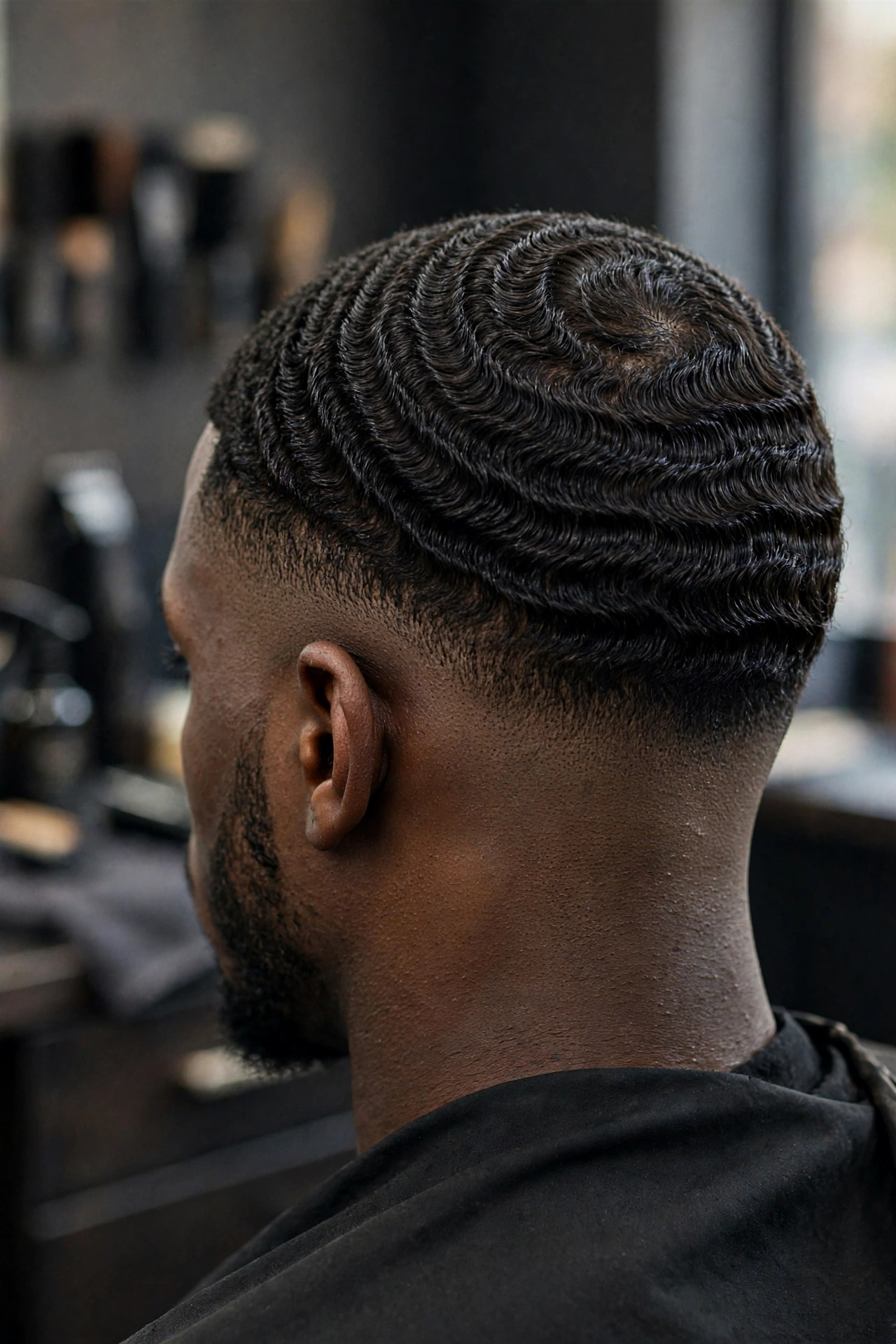
7. 360 Waves with Hard Part Design
A hard part shaved into the waves — usually on one side, following the natural part line — adds structure to the ripple pattern. The shaved line cuts through the waves cleanly, and when it’s done right it looks surgical. Your barber uses a straight razor or trimmer to carve the line, and it needs to be re-cut every two weeks or it grows in fuzzy and ruins the effect.
The hard part works best on deeper wave patterns where the ripple is well established, because the line needs strong waves on either side to frame it. If your waves are still in the early training weeks, skip this one and come back when the pattern is locked in. Timing matters: get the design cut once your waves are at least six to eight weeks trained.
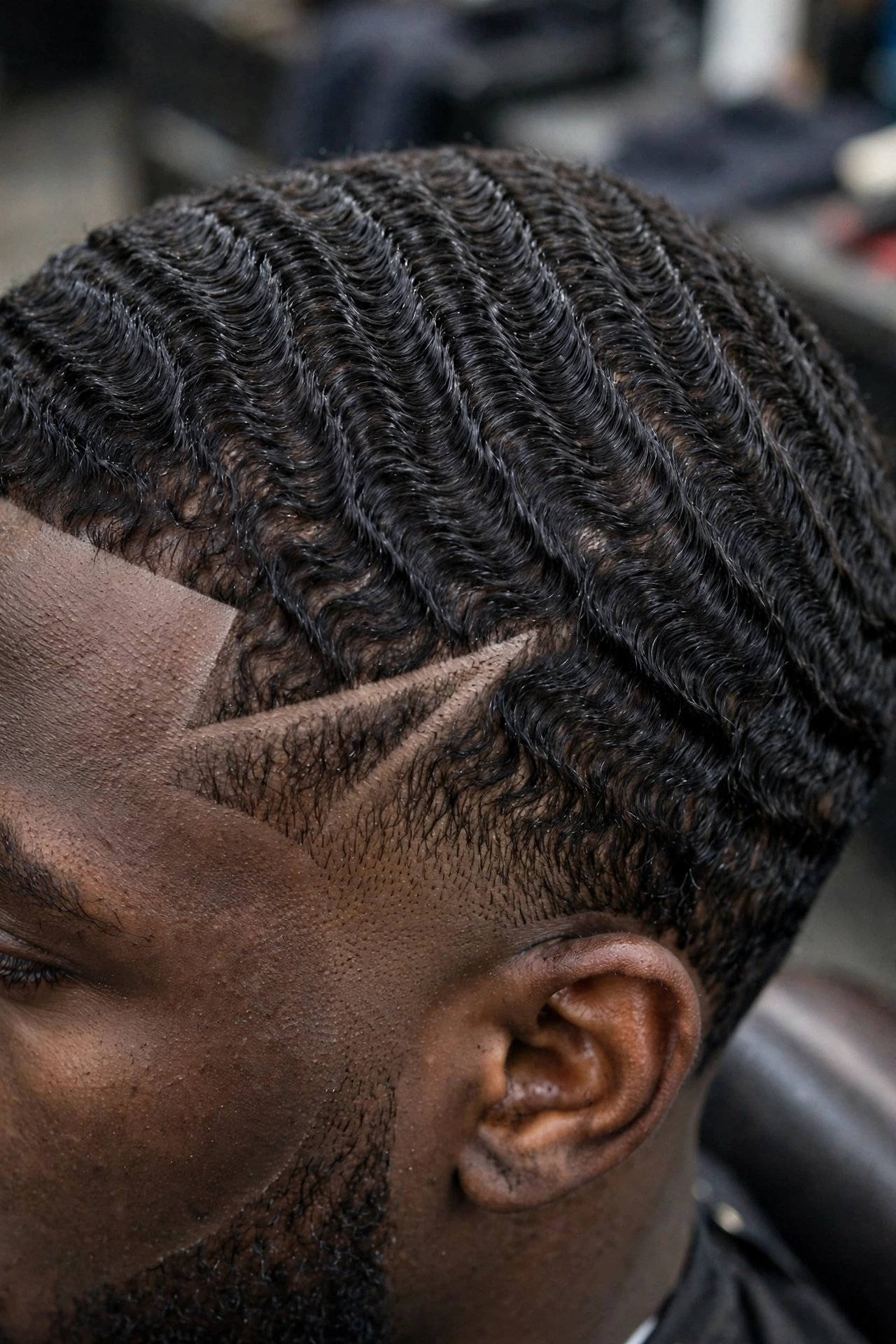
8. Freestyle Wave Designs
For the guys who want art on their head. Freestyle designs — curved lines, geometric shapes, lightning bolts carved into the faded sides — turn the waves into a canvas. The design sits in the faded area while the waves crown the top. This is barbershop artistry at its peak, and the best design barbers have waiting lists for a reason.
Be realistic about the lifespan. A detailed design looks perfect for about a week, decent for two, and then it grows out into a suggestion of what it was. That’s the nature of shaved art. If you’re getting designs, you’re committing to frequent shop visits or you’re getting them for specific events. Either way, take the photo while it’s fresh. Some guys get a subtle design for everyday and go wild for occasions, which is honestly the smartest approach.
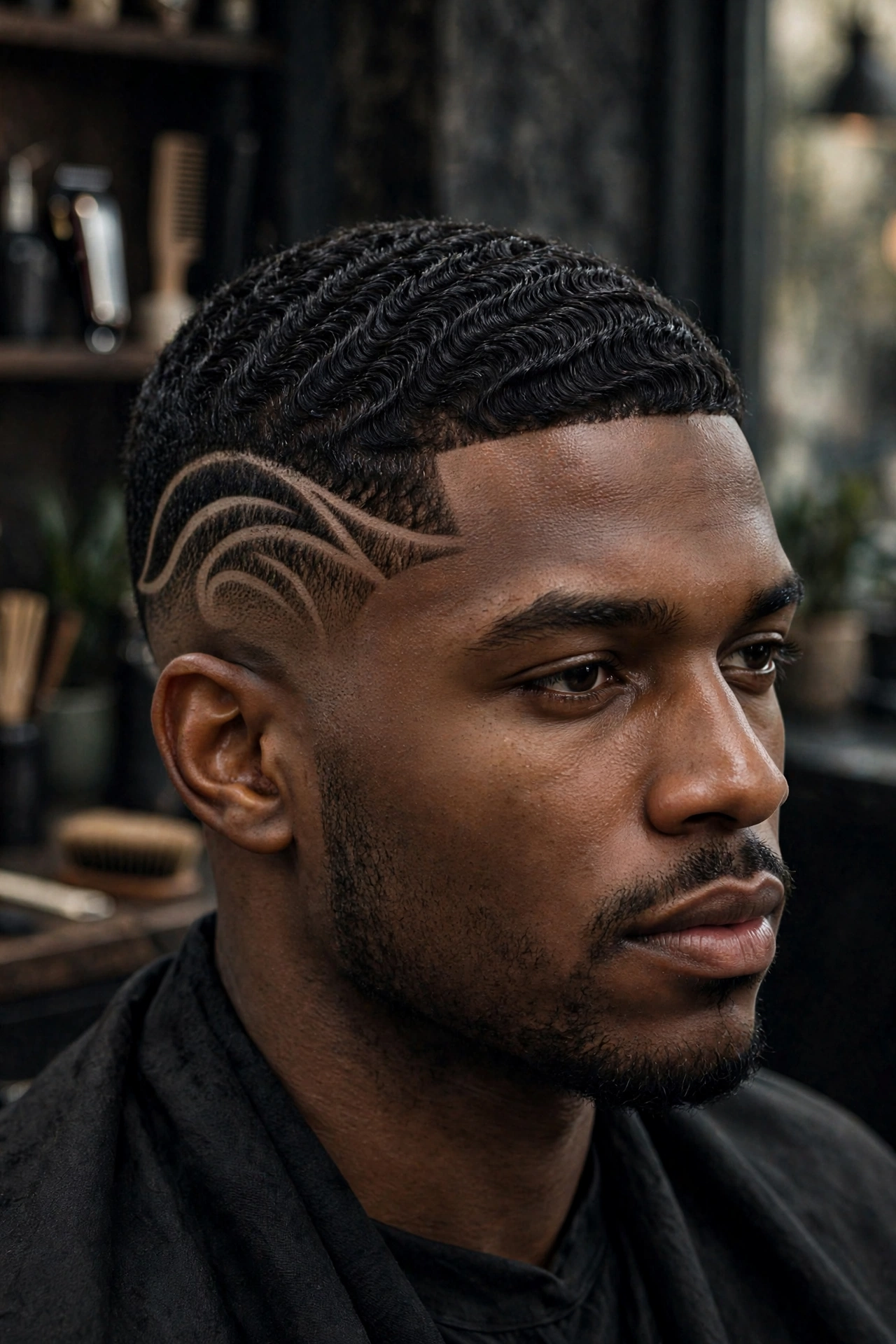
9. 180 Waves (Front Waves Only)
Not everyone wants the full circle. 180 waves focus the ripple pattern on the front of the head only, with the back and sides kept short or faded. The technique is identical — brush the front in the wave pattern — but you skip the crown and back training. This is a great entry point if you’re new to waving and want to see if you have the patience before committing to the full 360.
The look is cleaner and more minimal than full 360s. Some guys keep 180s permanently because they prefer the front-focus aesthetic. To make it work, keep the back faded tight so the contrast between the waved front and the faded back reads as intentional. A low or mid fade on the back with the waved top reads sharp and modern in 2026.
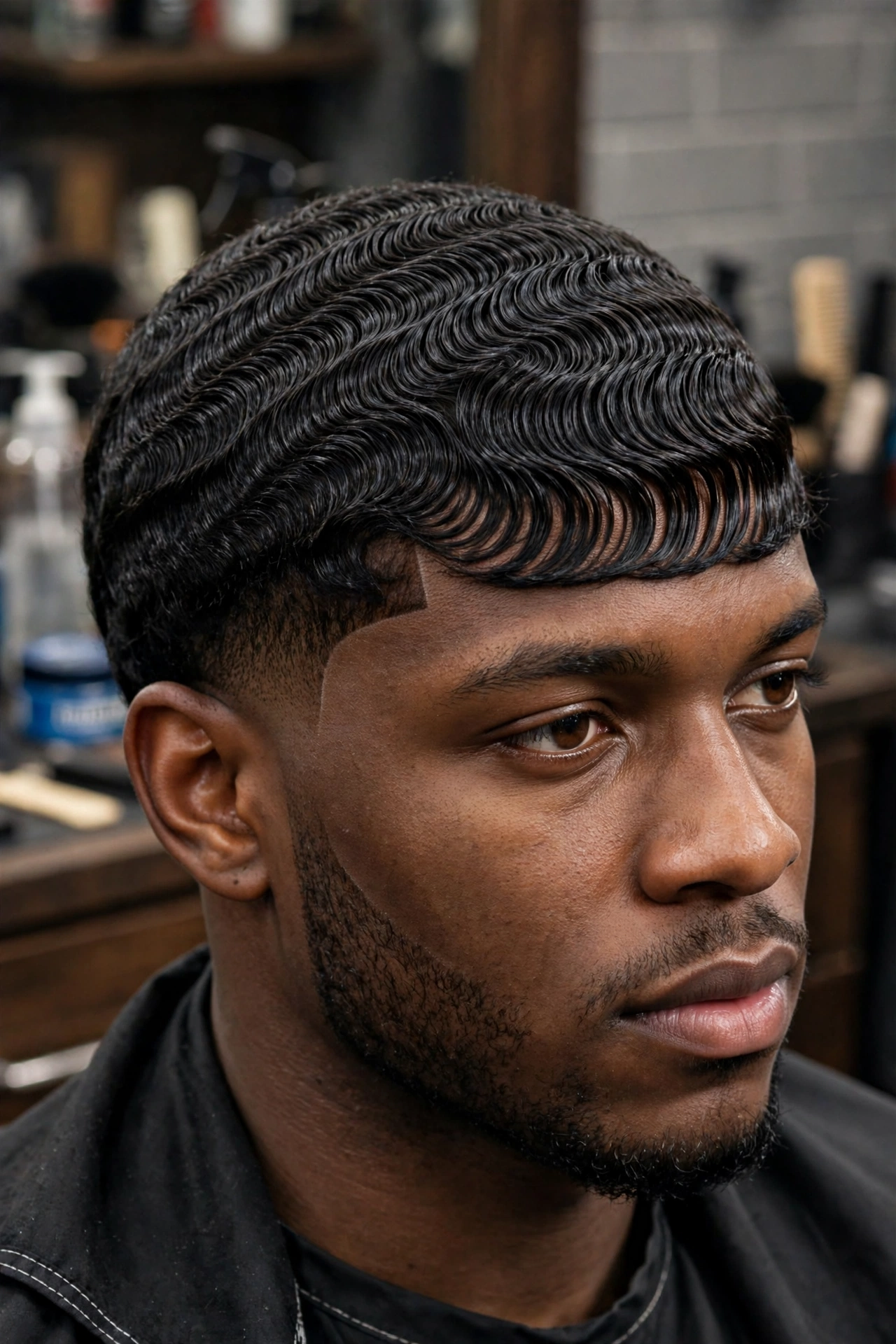
10. 720 Waves (Advanced Swirl)
The 720 is the black belt of waving. The ripple pattern forks — the waves change direction mid-pattern, creating a double-swirl effect that looks like a whirlpool from above. Getting here takes months of dedicated brushing with a specific technique where you brush some sections with the grain and others against it to create the fork.
I’m going to be straight with you: don’t start here. The 720 is for guys who already have deep 360s and want a new mountain to climb. The training is finicky, the pattern is easy to mess up with one bad brushing session, and honestly, most people can’t tell the difference between deep 360s and 720s unless they’re wavers themselves. But if you’re deep in the culture and want the ultimate flex, the 720 is the summit.
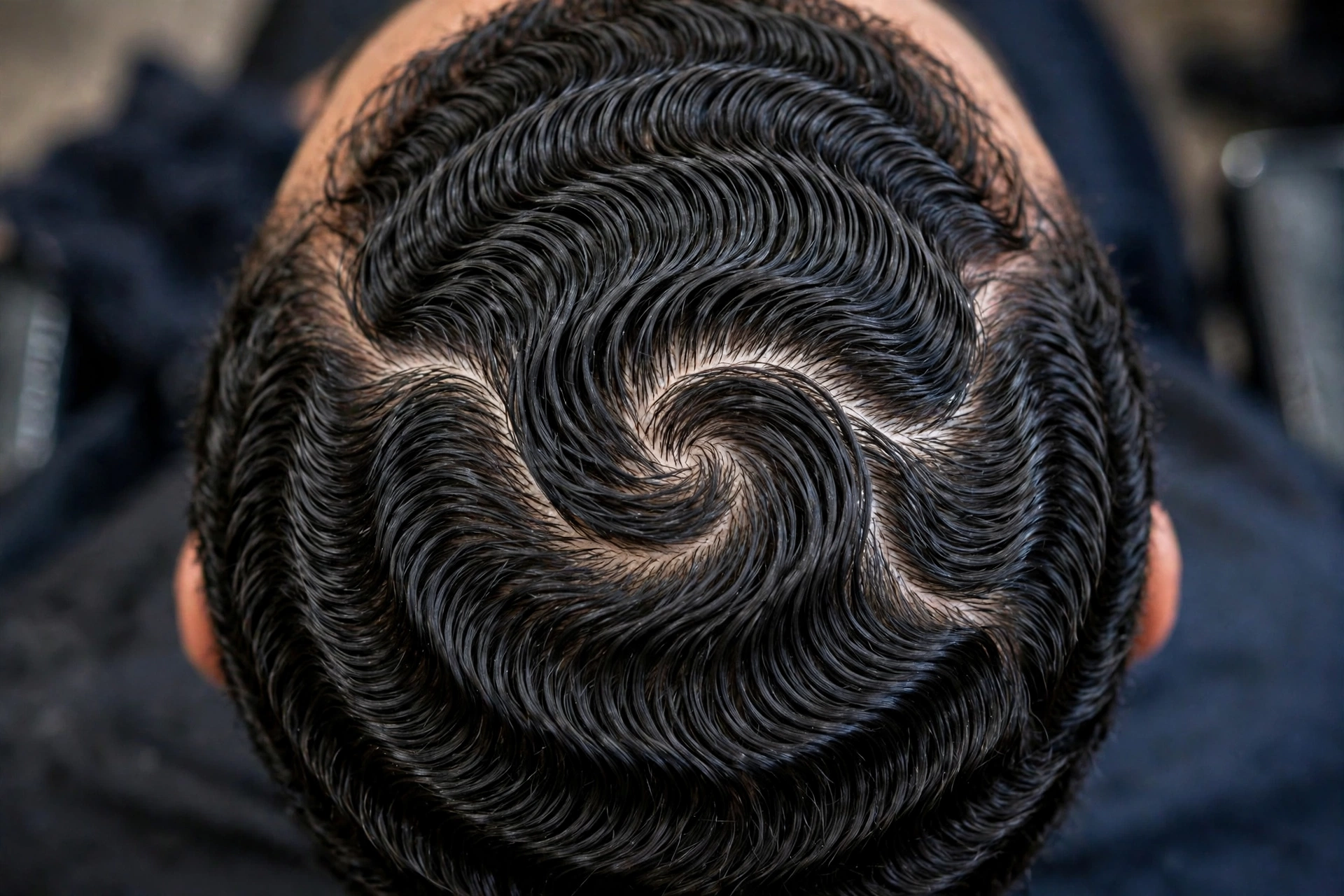
11. Short 360 Waves (Brush Cut Length)
Waves at a number 2 guard length — short, tight, and low-maintenance. This is the military-friendly, gym-friendly, summer-friendly version of waves. The ripples are visible but subtle, the cut looks neat from every angle, and you barely need product. Brush, durag, done.
This length is also the best starting point for beginners. If you’re training your first set of waves, starting at a 2 guard lets you build the pattern without fighting length. Once the pattern is established, you can grow it out to a 3 or 4 for deeper ripples. Think of short waves as the foundation — every deep set of waves you admire started here.
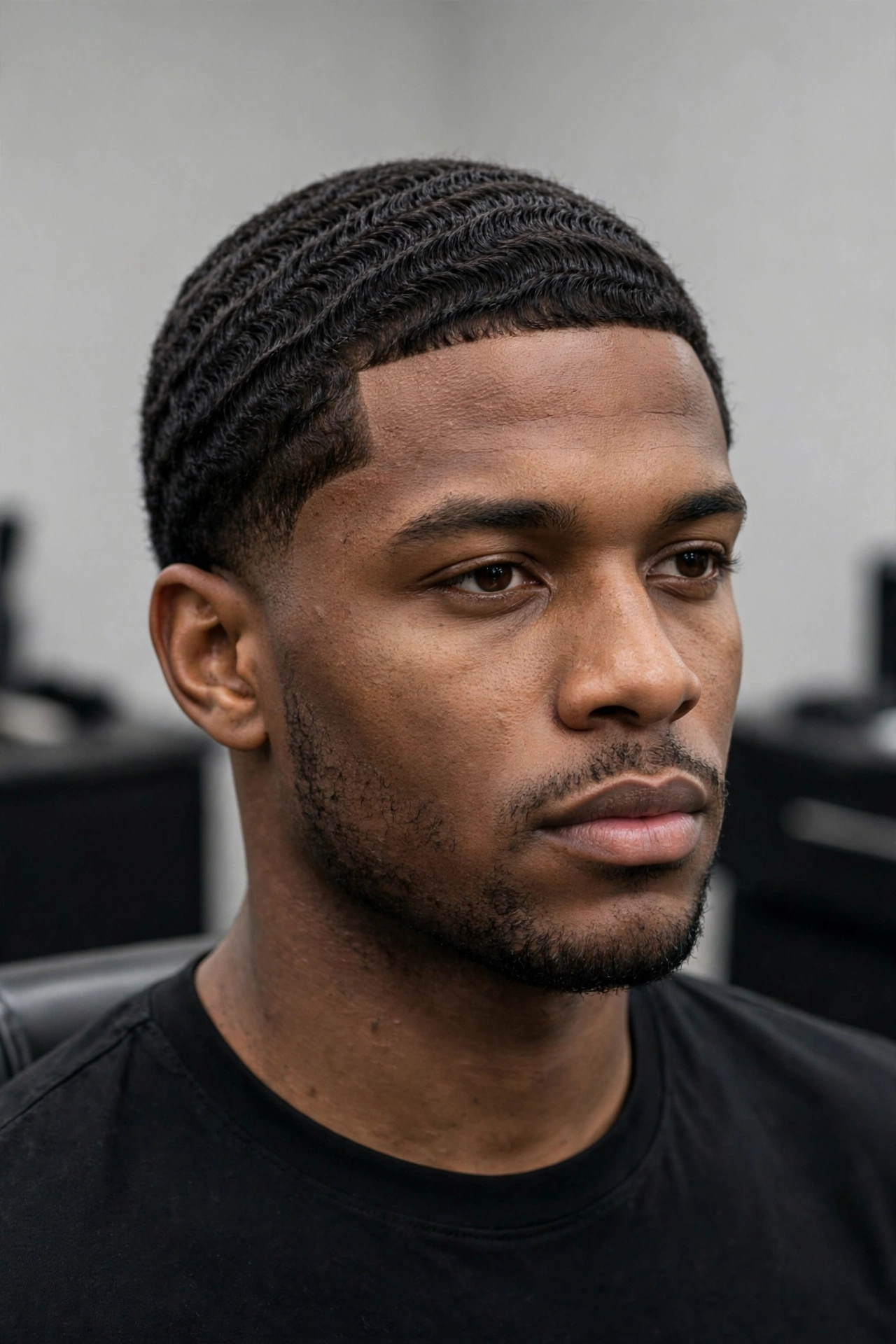
12. Long 360 Waves (Grown Out)
Grown-out waves at a 4 or 5 guard length have a luxurious, deep ripple that short waves can’t match. The longer hair creates more pronounced ridges in the pattern, and the shine is on another level. This is the style you see on the guys with the famous wave checks — the ones that look like water.
The trade-off is maintenance. Longer waves tangle easier, need more brushing time, and the durag becomes non-negotiable every single night. You’ll also need a trim strategy: your barber should lightly even out the top without cutting into the pattern. Tell them to take off the absolute minimum and keep the length. A barber who doesn’t understand waves will scalp your progress in one visit, so find a wave-friendly shop.
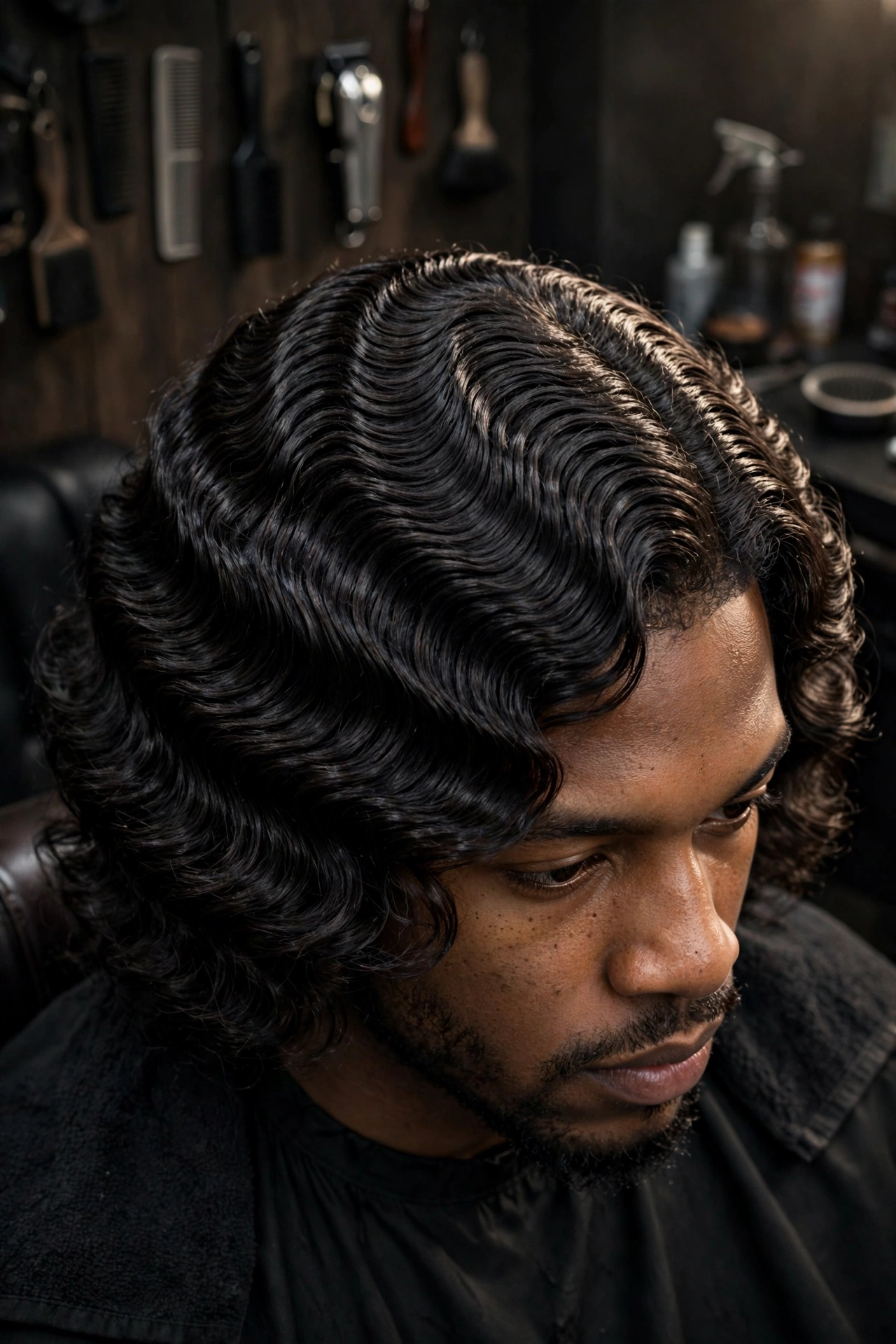
13. 360 Waves with Lineup Only (No Fade)
No fade, just waves and a lineup. The sides stay at the same length as the top, and the whole head is one continuous ripple pattern with sharp edges. This is the old-school waver look — the style from the era before every cut needed a fade. There’s something confident about it. No fade to hide behind, just the pattern.
This works best when your waves are genuinely deep, because without a fade there’s no contrast to distract from a weak pattern. It’s also the lowest-maintenance option: no fade to refresh, just a lineup every two weeks and your daily brushing. If your waves are spinning and you want to show them off in their purest form, this is it.
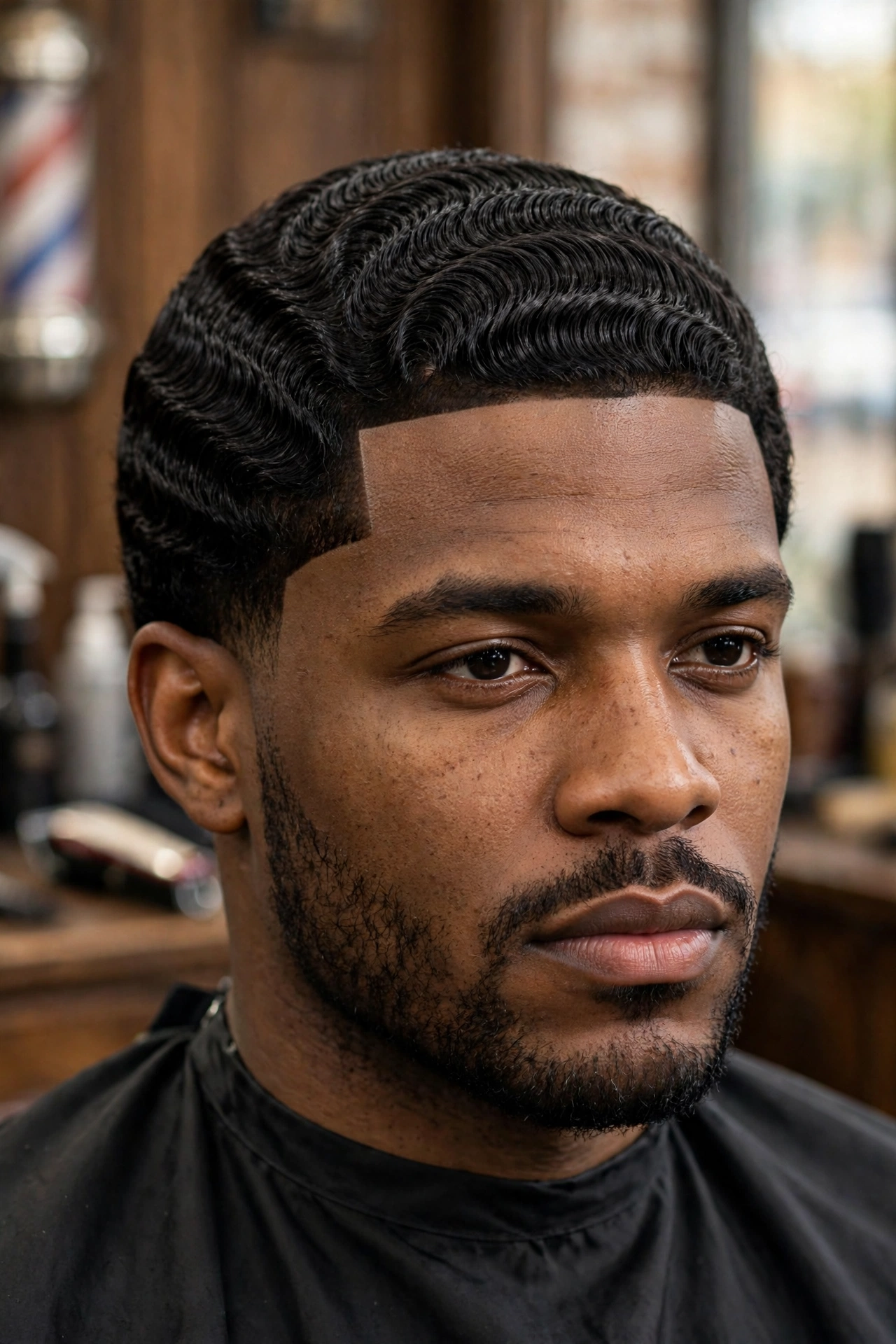
14. Mid Fade 360 Waves
The mid fade sits between low and high — starting around the temple level — and with waves it gives a balanced, athletic look. This is the fade I recommend to guys who play sports or work physical jobs, because it keeps the sides cleaner longer than a low taper while staying more conservative than a high fade.
The mid fade also photographs well from every angle, which matters if you’re documenting your wave journey. The line of the fade creates a clean horizon around the head that frames the ripple pattern. Refresh every two weeks, brush twice daily, and you’ve got a cut that looks intentional in any setting — gym, office, or night out.
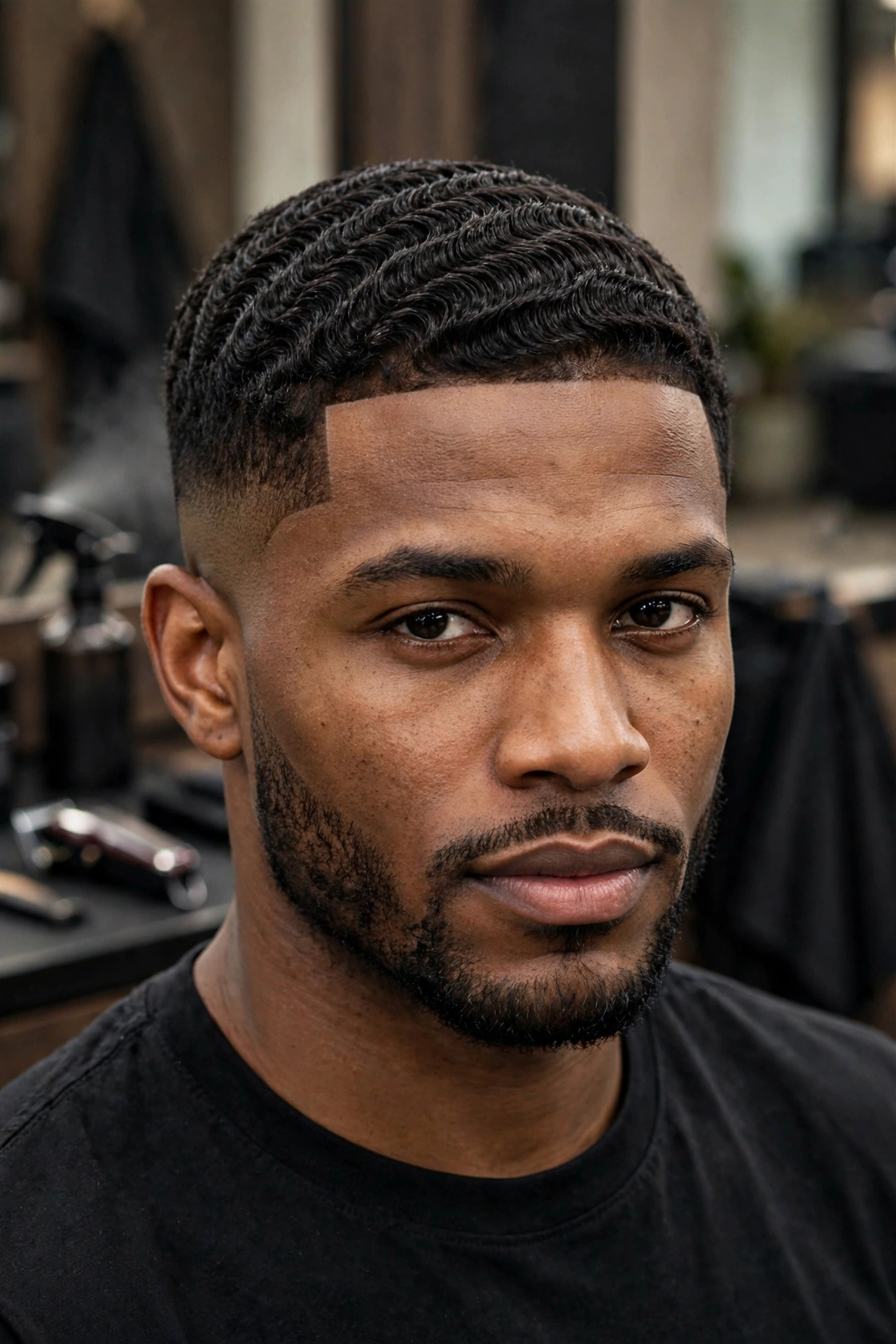
15. High Fade 360 Waves
The high fade takes the fade up near the crown, leaving the waves concentrated on top like a cap. This is the boldest fade pairing — maximum contrast, maximum drama. It works best on guys with strong wave patterns on top because the high fade leaves less room for the pattern; what’s left has to be excellent.
A word of caution: the high fade grows out awkwardly. Within ten days the top of the fade starts looking fuzzy against the waves, and the whole cut loses its edge. If you choose this, you’re signing up for weekly or bi-weekly shop visits. It’s a high-commitment style, but when it’s fresh, it’s one of the most striking looks in this entire list.
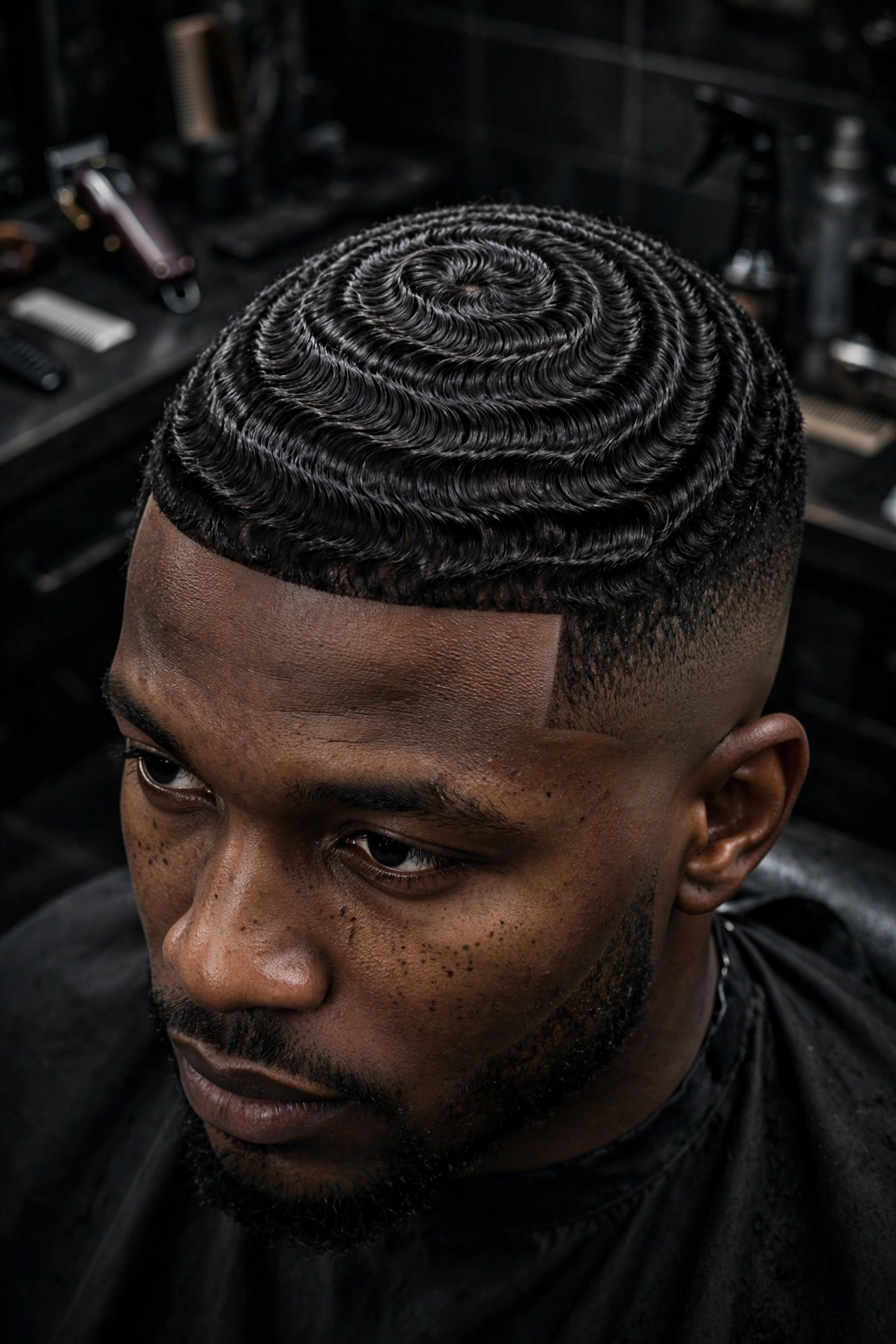
16. 360 Waves with Curly Top Blend
Here’s an interesting hybrid: waves on the sides and back, with the top left slightly longer and curlier so the curls sit above the ripple pattern. It breaks the rules a little, and that’s the point. The texture contrast between the defined waves and the free curls on top gives the cut dimension that pure waves don’t have.
This style needs a barber who understands both curls and waves, because the blend zone has to be seamless. Styling-wise, you’ll brush the waved sections normally and use a curl cream on the top. It’s more product and more technique than standard waves, but the result is a one-of-a-kind cut. In 2026, hybrid styles like this are where the innovation is happening.
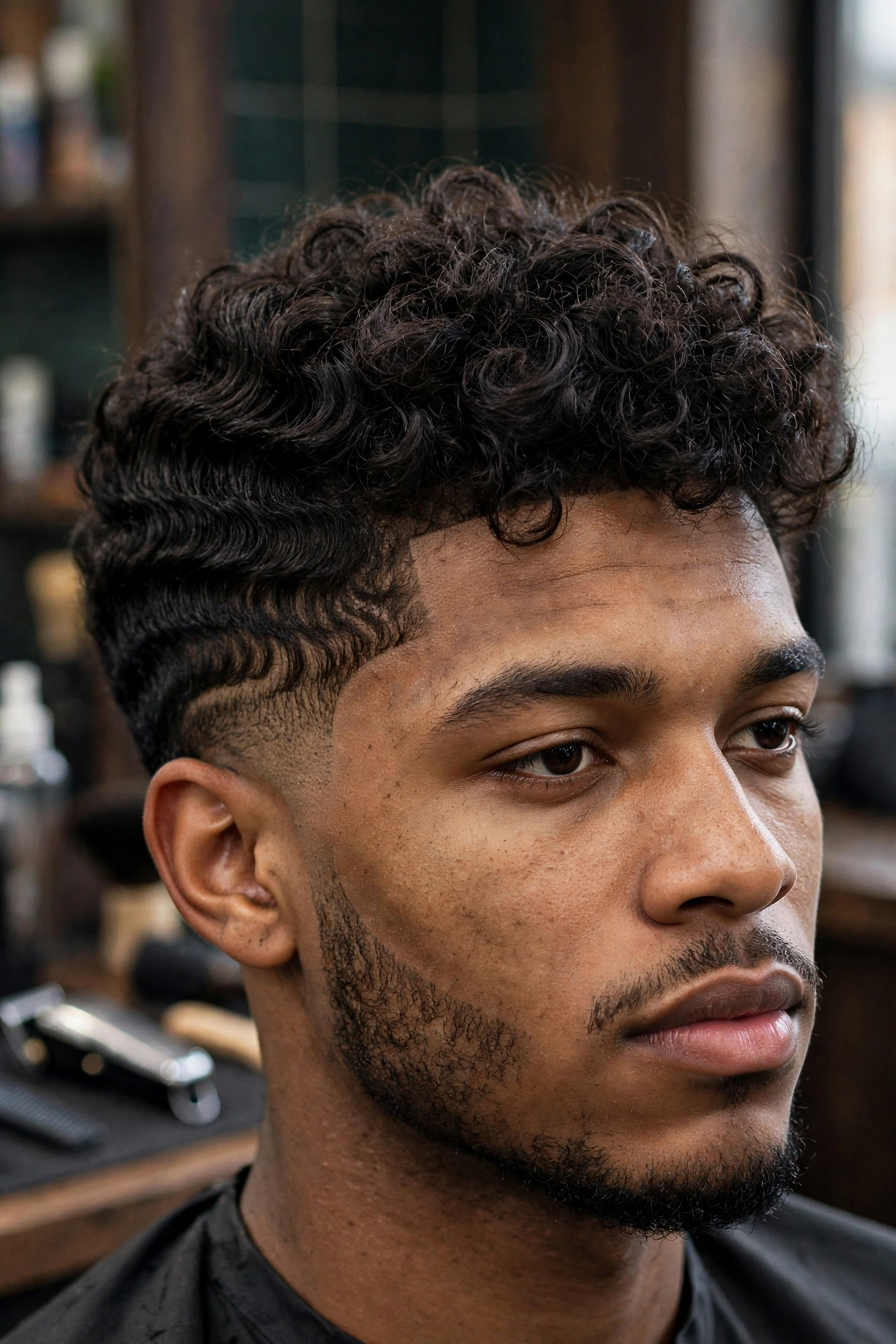
17. Dyed 360 Waves (Color Boost)
Color on waves is having a moment. A subtle dark brown or jet black dye deepens the ripple contrast — the ridges catch light and the valleys go dark, making the pattern look three-dimensional. Some guys go bolder with a blonde or platinum tint on top, though that needs bleaching and a lot more care.
If you dye, use a color formulated for textured hair and follow it with a deep conditioning treatment, because dye dries out coily hair fast. Dry hair doesn’t wave well — it frizzes and breaks instead of laying down. My honest take: a jet black rinse every few weeks is the sweet spot. It makes the waves look deeper in photos and in person, and the maintenance is minimal compared to bleach.
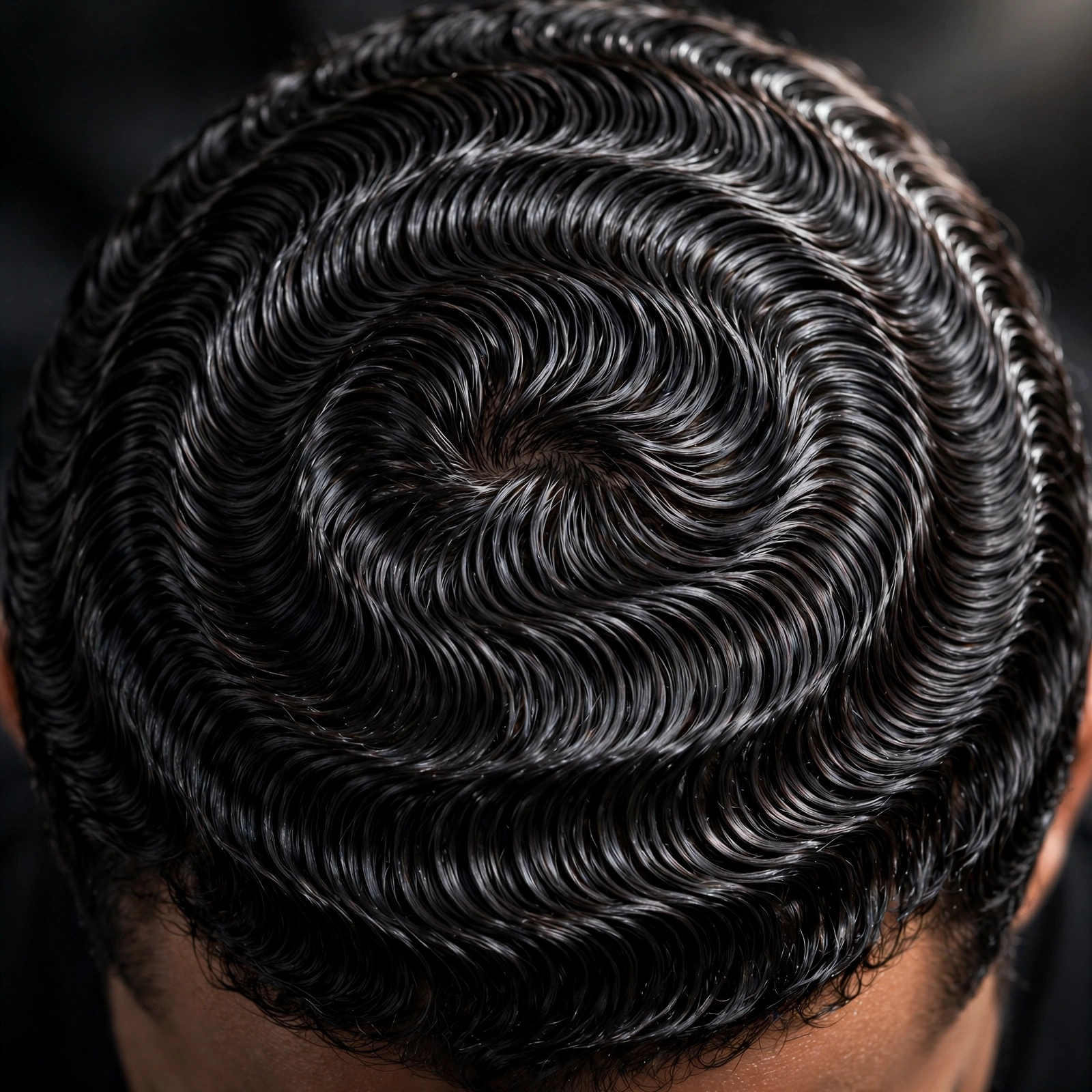
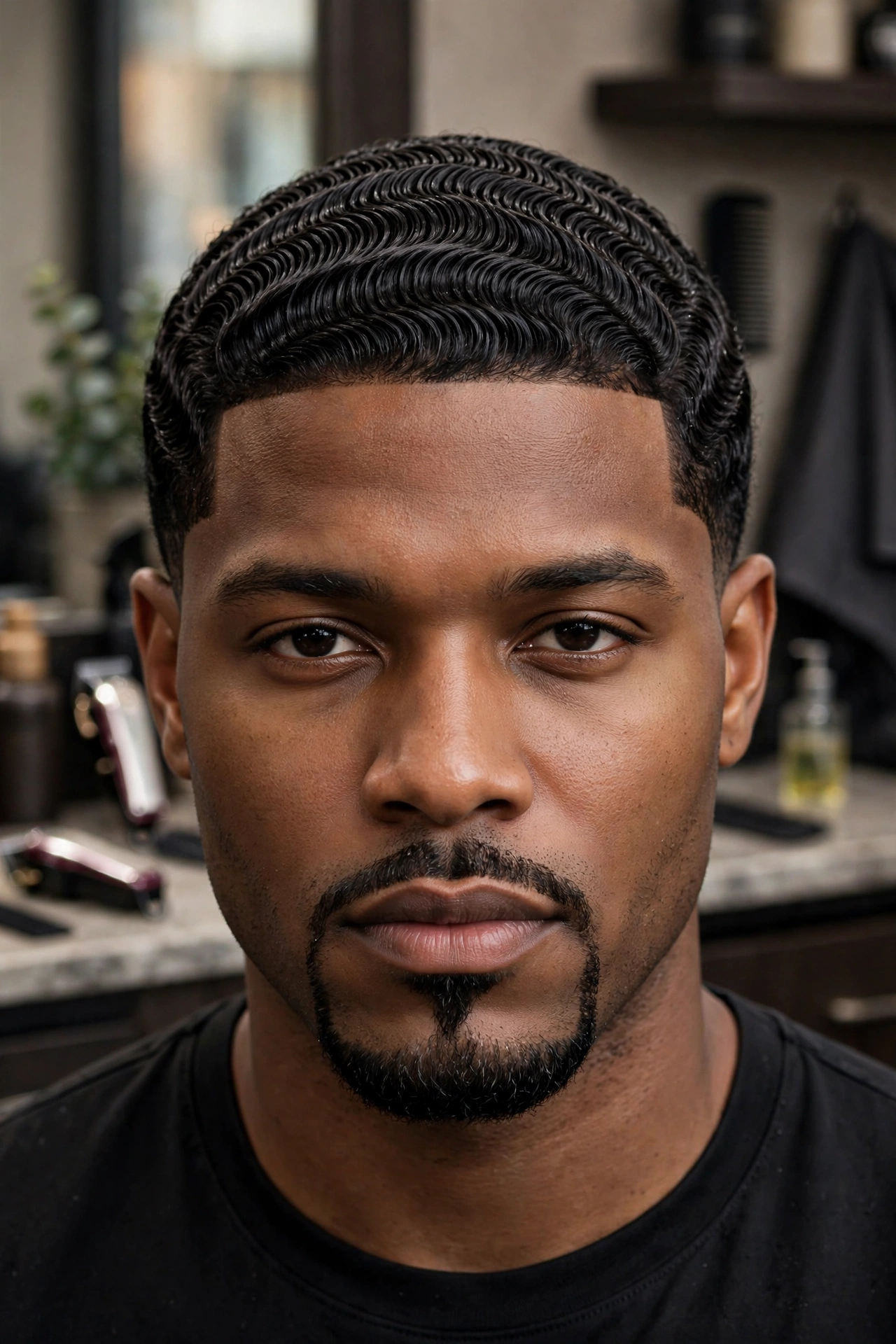
18. 360 Waves with Goatee
Not everyone wants a full beard. The goatee — chin and mustache, clean cheeks — pairs with waves for a sharper, more defined lower face. This combination works especially well for guys with rounder faces, because the goatee adds length to the chin area and the waves add structure up top.
Keep the goatee’s edges as sharp as your lineup. The whole aesthetic here is precision: crisp waves, crisp goatee lines, clean cheeks. A detail trimmer is your best friend for maintaining the goatee’s shape between barber visits. This is a lower-maintenance facial hair option than the full beard, which makes it a good match for guys who are already spending their grooming time on the brushing routine.
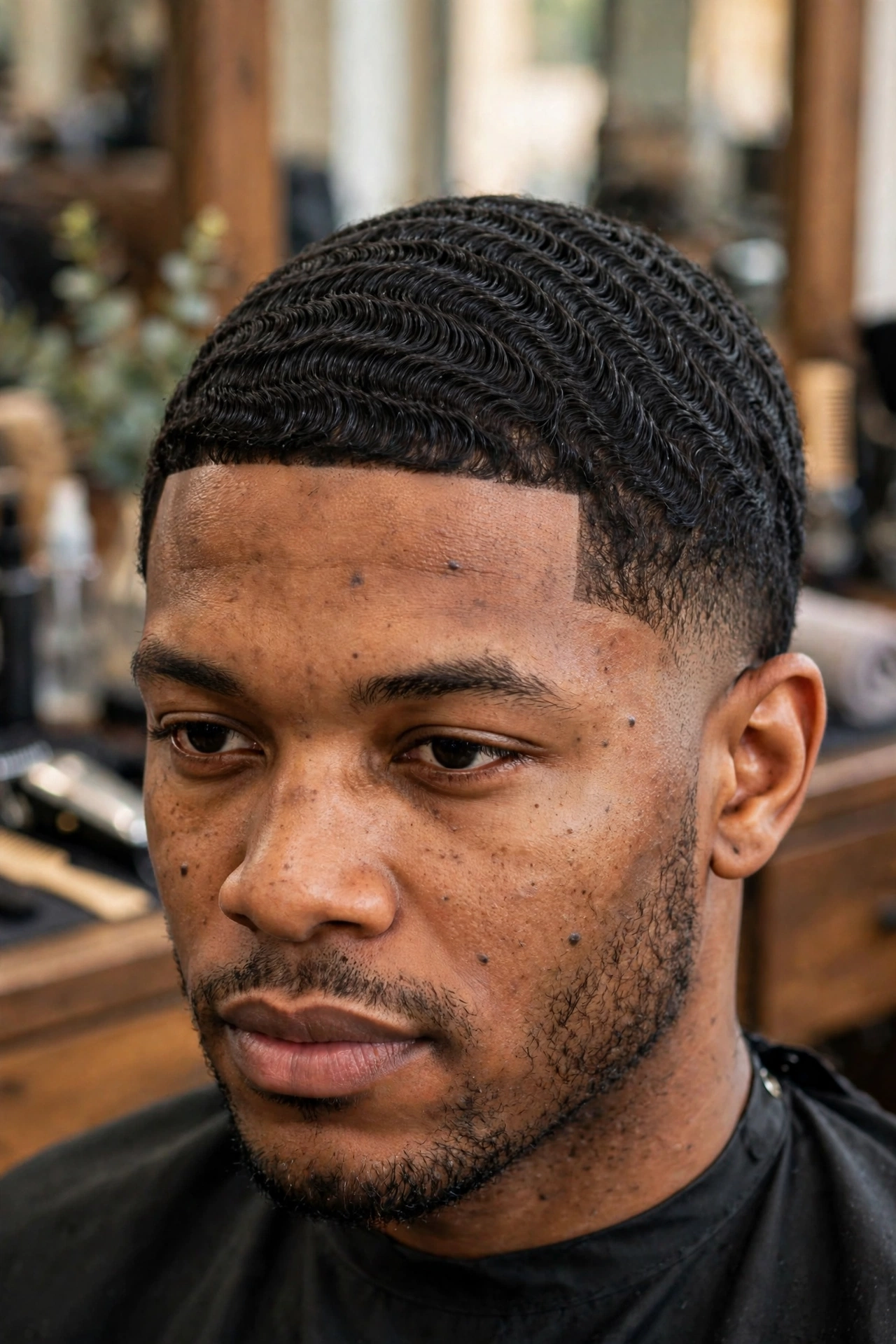
19. Shadow Fade 360 Waves
The shadow fade is the subtlest fade on this list — just a whisper of a taper that barely kisses the skin at the very bottom. With waves, it keeps the sides looking natural and full while still cleaning up the neckline and edges. This is the choice for guys who want their waves to be the entire story.
Because the fade is so subtle, it grows out gracefully — you can stretch shop visits to three or four weeks without the cut looking neglected. That’s a real advantage if you’re on a budget or your schedule is packed. The waves do all the talking, the shadow fade just keeps things tidy. Understated, but in the best way.
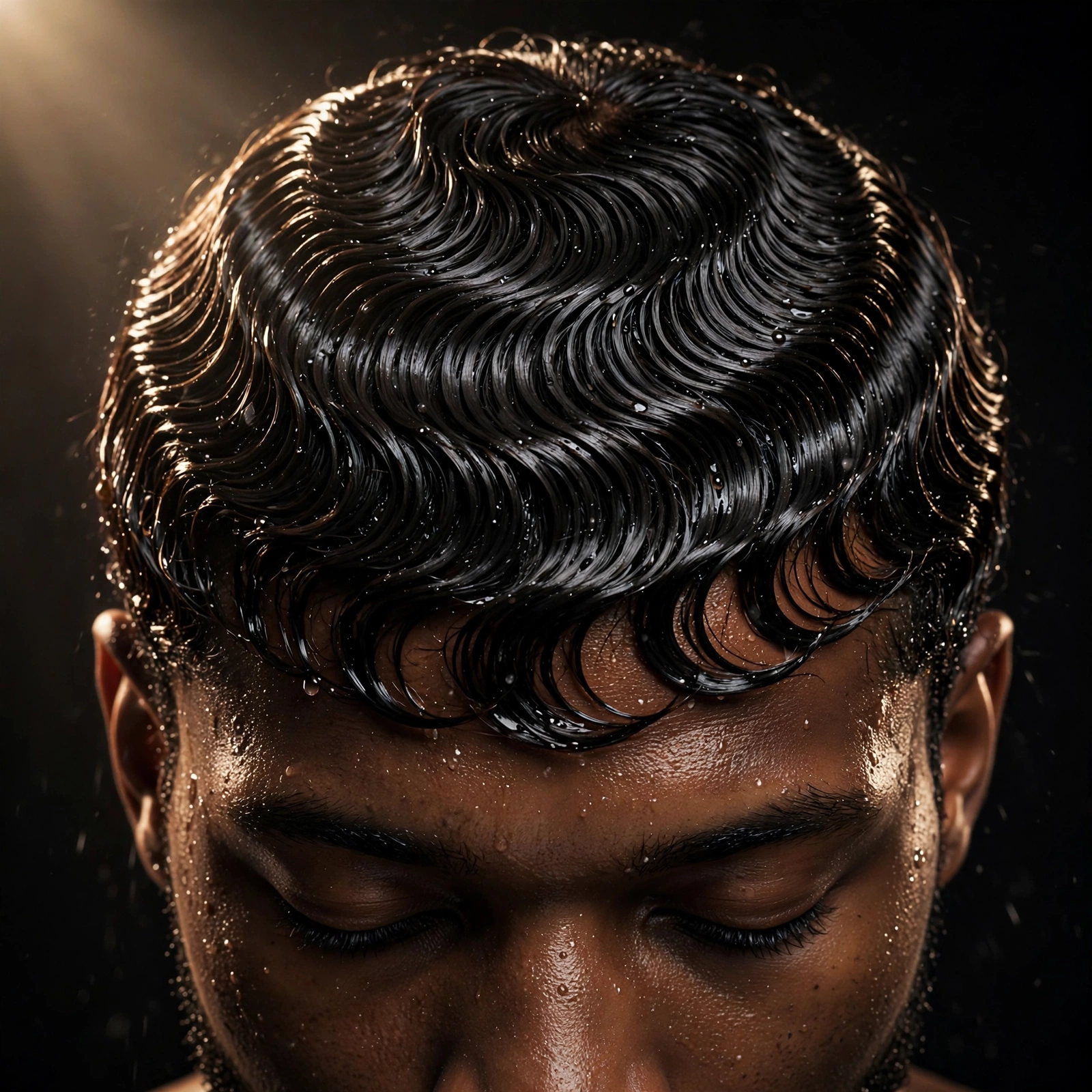
20. Wet-Look Glossy 360 Waves
The finishing move: waves styled with a high-shine product for that wet, glassy look. This isn’t a different cut — it’s a styling choice that transforms any of the styles above. A dime-sized amount of wave pomade or gloss, brushed through and laid with a durag for thirty minutes, gives you that dripping-wet shine that turns heads.
Save this for nights out, events, and photos. The wet look is product-heavy, and wearing it daily will build up residue that dulls your waves over time. Clarify with a good shampoo once a week if you’re a regular gloss user. Done right and timed well, though, glossy waves are the exclamation point on the end of every style in this guide.
How to Ask Your Barber for 360 Waves
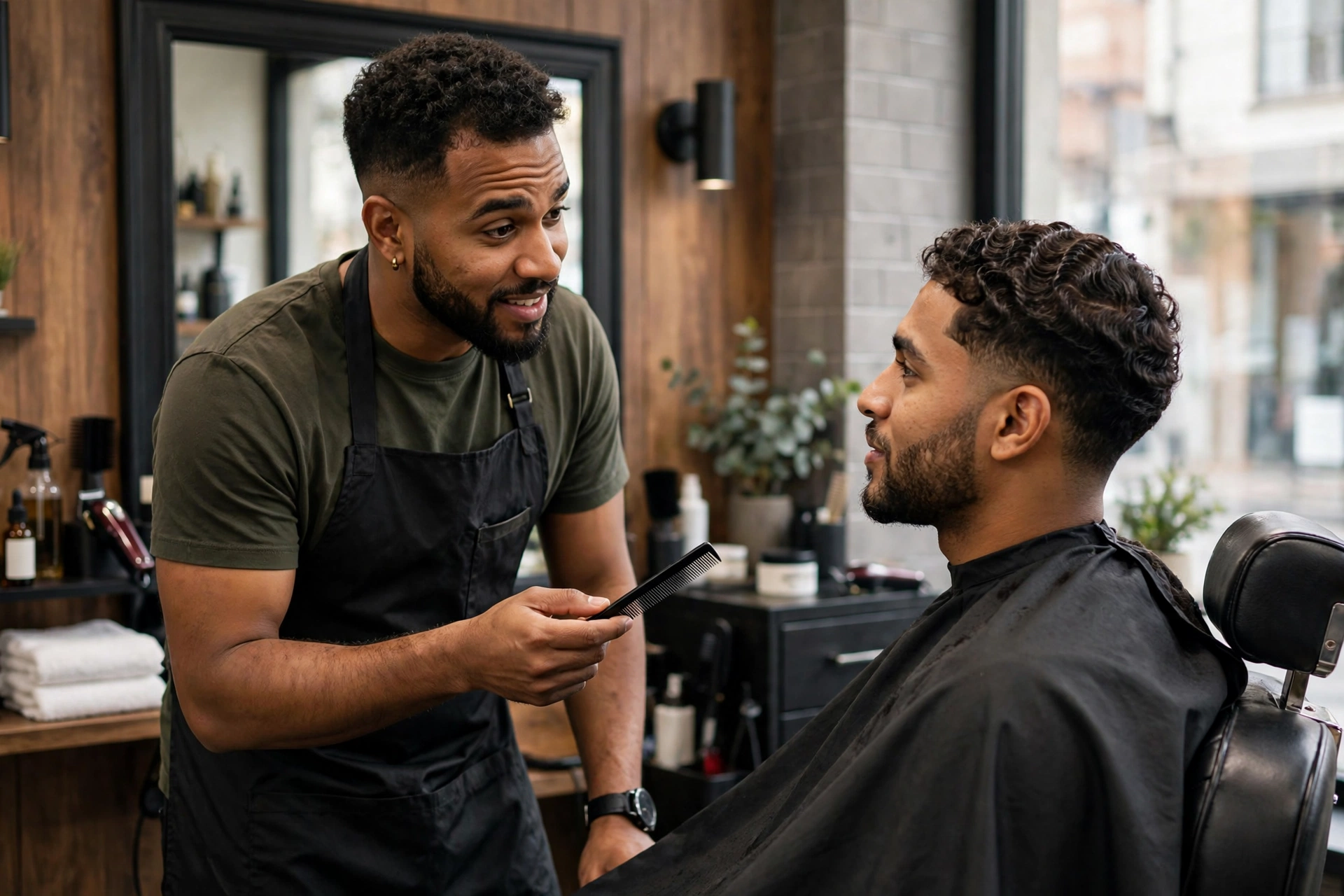
Walking into the shop and saying “give me waves” isn’t enough. Your barber needs specifics, and the consultation is where good waves start. Here’s the exact script that works. Memorize it, or better yet, save photos on your phone and show them.
Start with the length: “I want to start my waves at a 2 or 3 guard on top — even all around.” Then the sides: “Give me a low taper fade on the sides” (or whichever fade from the list above you chose). Then the critical part: “Keep the top length untouched — just even it out, don’t cut into the pattern.” And the lineup: “Box me up with a straight lineup, sharp corners.”
If you’re starting from scratch with no wave pattern yet, say so: “I’m starting my wave journey — cut it even at a 2 all over so I can train the pattern.” A good barber will know exactly what that means. Bring reference photos of the specific style you want. I can’t stress this enough. “Low taper waves” means different things to different barbers, but a photo ends the debate instantly. And if your barber has never cut waves before? Find another barber. This is not the cut to experiment with.
How to Style 360 Waves at Home
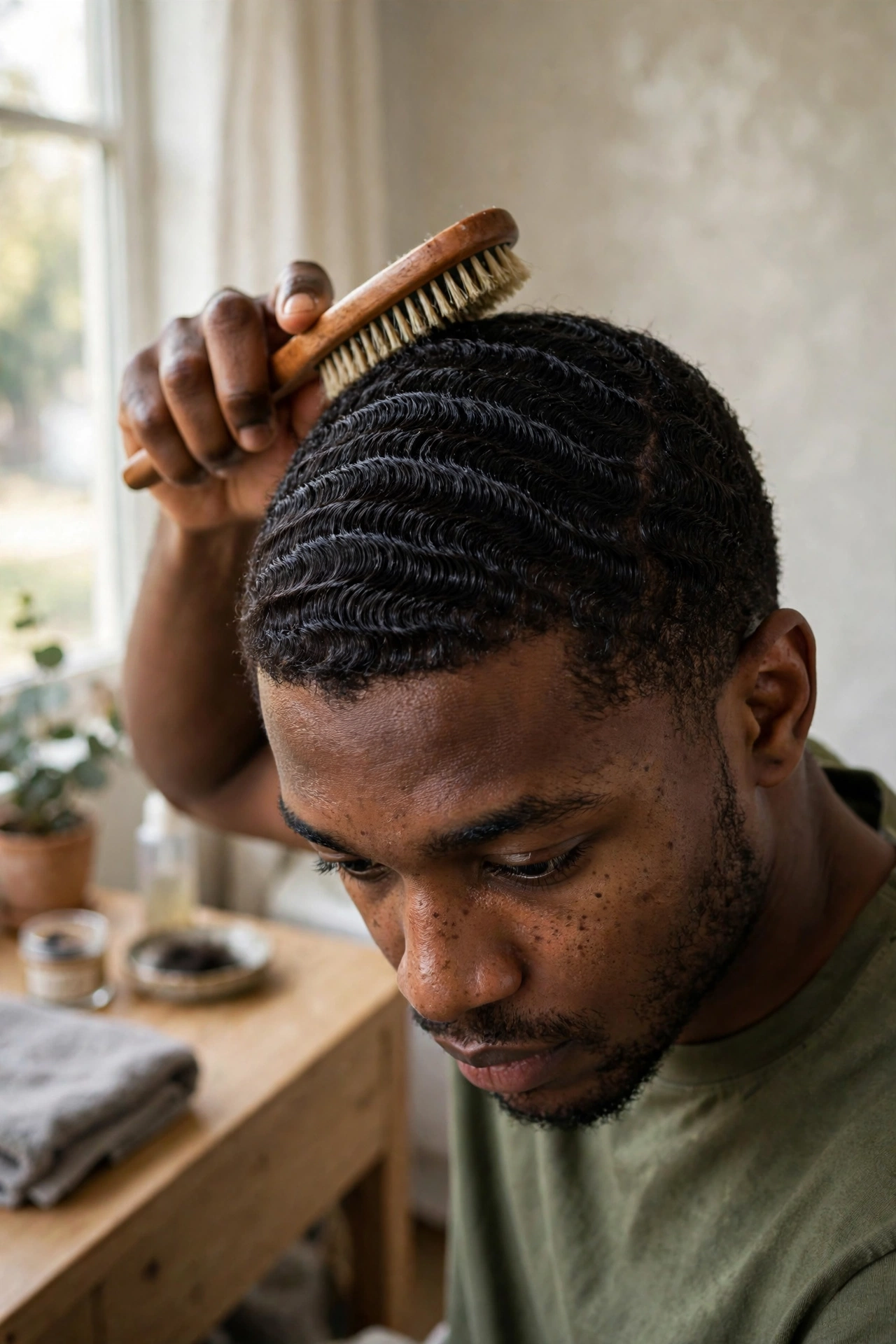
The home routine is where waves are actually made. The barber sets the foundation, but you build the house. Here’s the daily routine that works, broken into morning and night.
Morning: brush for ten to fifteen minutes. Start with a soft brush to lay the hair down, then finish with a medium or hard brush to define the ripple. Brush in the pattern direction — down on the sides, forward on the front, back on the crown — always following the circular flow. Apply a small amount of wave butter or natural oil (jojoba or argan) before brushing so the hair lays flat and shiny. Finish with a durag for thirty minutes while you get ready — this is called “wolfing compression” and it locks the pattern in.
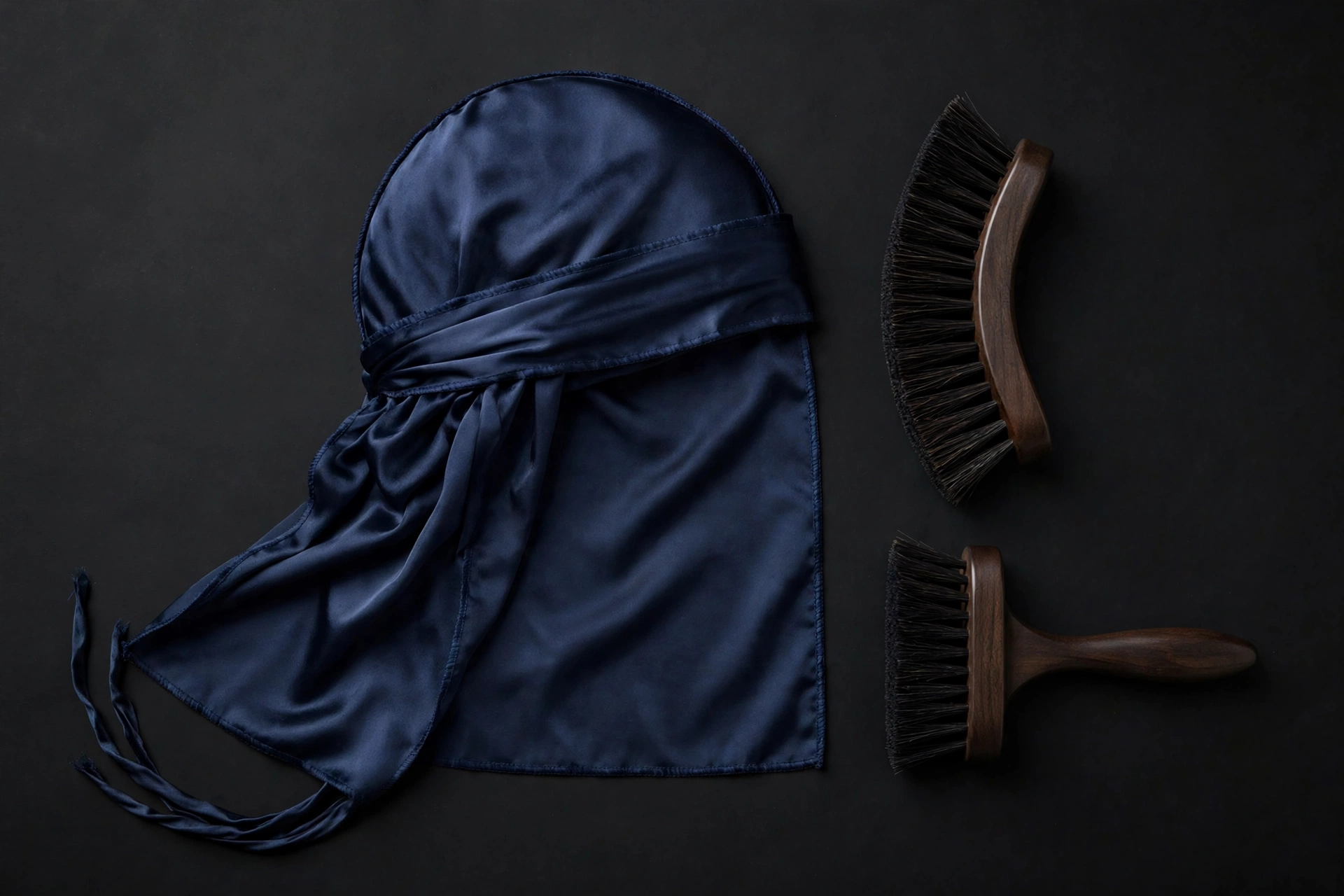
Night: brush again for ten minutes, moisturize lightly, and put the durag on for sleep. The durag is non-negotiable. Silk or velvet durags are the standard — they compress without snagging. Wash your durag weekly because product buildup transfers back onto your hair. Once a week, shampoo with a sulfate-free shampoo, deep condition, and brush while the conditioner is in — this is when the pattern sets deepest. Stick to this for six to eight weeks and you’ll see real spinning waves. Most guys quit in week two. Don’t be most guys.
Will 360 Waves Suit You? Face Shapes and Hair Types
Waves are forgiving. Because the pattern covers the whole head evenly, it doesn’t dramatically reshape your face the way a high fade or a long top does. That said, the surrounding choices — fade height, beard, lineup shape — do interact with your face shape, so here’s the honest breakdown.
Round faces do best with a low or mid taper and a beard or goatee to add length below the jawline. Avoid the no-fade full-head waves if your face is very round, since the uniform fullness can emphasize the roundness. Oval faces can wear literally anything on this list — congratulations, you won the genetic lottery. Square faces look great with waves plus a sharp box lineup, because the angular edges echo the jawline. Oblong faces should avoid the high fade, which adds visual height; stick with low tapers and fuller sides.
Hair type: type 3 (curly) and type 4 (coily) hair takes to waves fastest — the natural curl gives the ripple its shape. Type 2 (wavy) hair can wave too, but the pattern will be looser and needs more product to hold. Straight type 1 hair essentially can’t form true 360s; if that’s you, the sharp buzz cut with a lineup will give you a similar clean aesthetic without fighting your hair’s nature. And if your hair is thinning on top, waves won’t hide it — check out our guide on the low taper fade for thin hair instead, which is designed around that exact situation.
Maintaining 360 Waves Between Cuts
Here’s the truth nobody puts in the Instagram captions: waves are a lifestyle, not a haircut. The pattern degrades every day you skip the routine. But the maintenance itself is simple once it’s habit. Brush twice daily, durag nightly, moisturize before every session. That’s the core loop, and it takes about thirty minutes total per day.
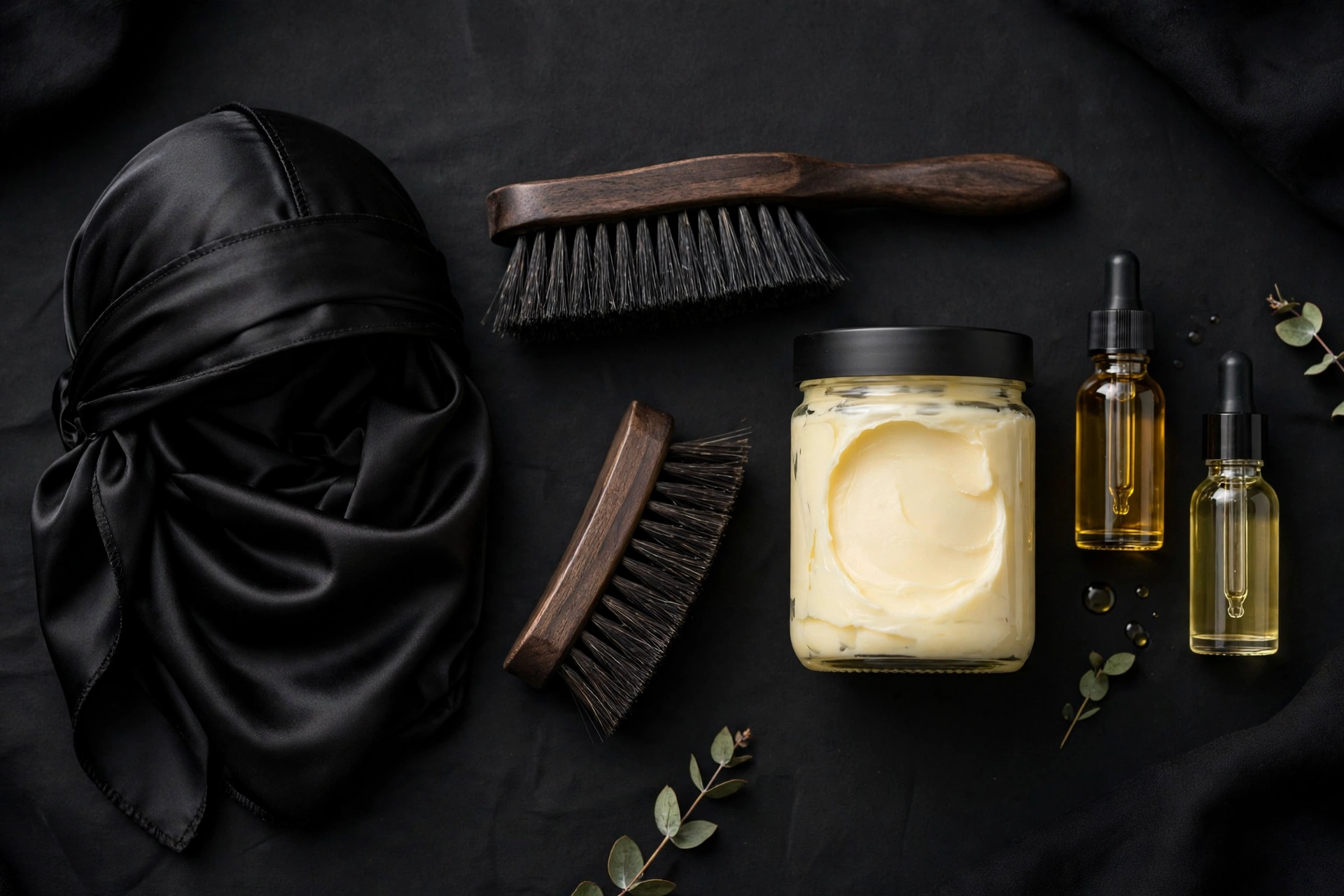
Product-wise, keep it minimal but consistent. A moisturizing shampoo and conditioner (sulfate-free), a natural oil or wave butter for daily moisture, and a light pomade for shine on days you want the gloss. Wash once or twice a week — overwashing strips the oils your waves need. Deep condition every two weeks. Replace your brushes every few months; worn bristles don’t train hair effectively. Hard brush for definition, medium for daily work, soft for finishing.
The phase nobody warns you about is wolfing — growing the hair out for four to eight weeks without a cut to deepen the pattern. Your waves will look messy mid-wolf. The sides puff out, the pattern gets uneven, and you’ll want to quit. Don’t. The wolfing phase is where shallow waves become deep ones. Wear the durag more, brush more, and schedule the cut for the end of the wolf. When your barber finally evens it out, the waves underneath will be the deepest you’ve ever had. Every veteran waver has a wolfing story. Earn yours.
FAQs About 360 Waves
Before we wrap up, here are the questions I hear most — from guys in the shop, in comments, and from friends who text me wave progress photos at midnight.
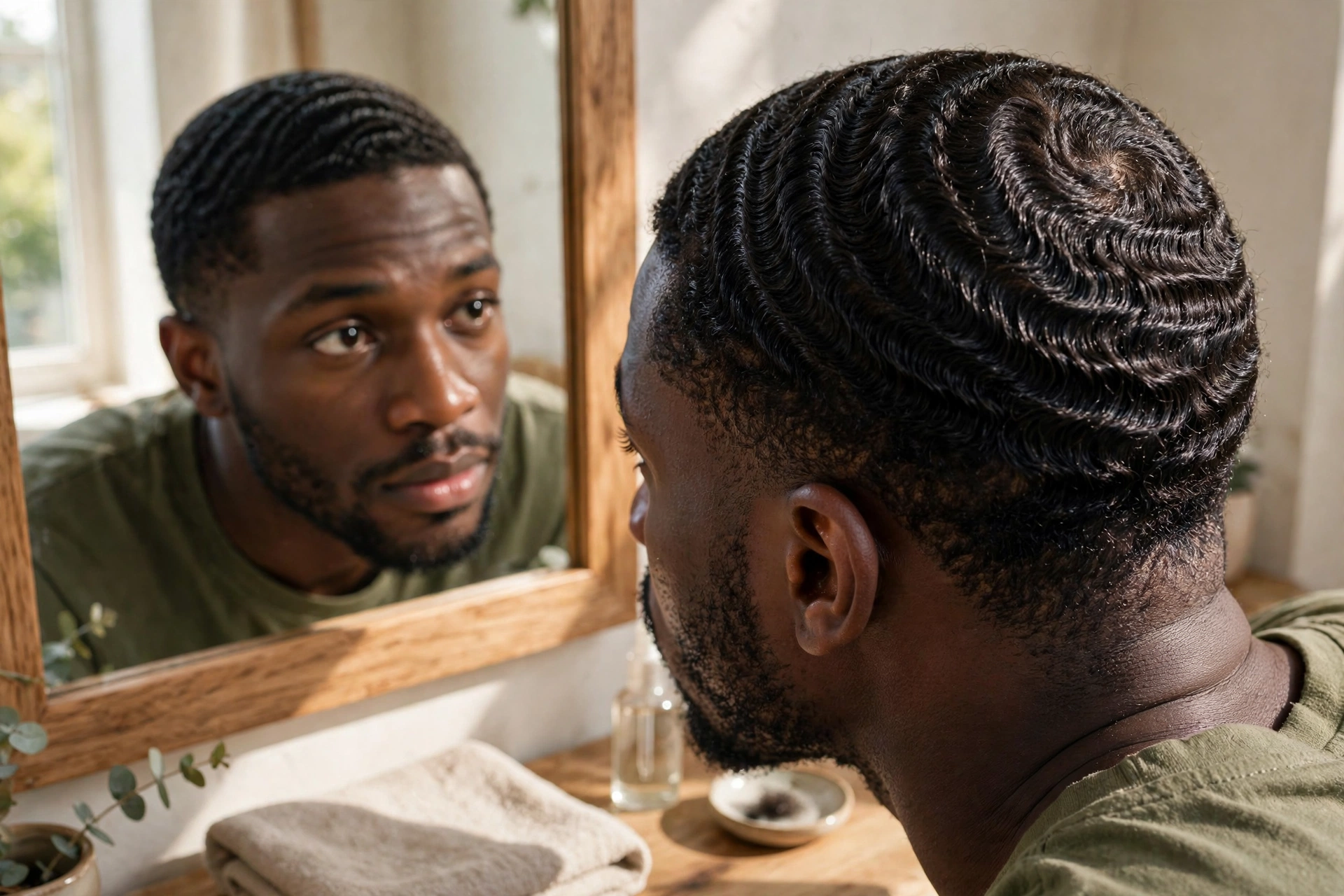
How long does it take to get 360 waves?
For most guys with type 3 or 4 hair, expect four to eight weeks of consistent brushing to see a real pattern, and three to four months for deep, spinning waves. Your hair texture, brushing consistency, and whether you durag nightly all move the timeline. The guys who get waves in a month are brushing religiously twice a day. There are no shortcuts — anyone selling you one is selling you something else too.
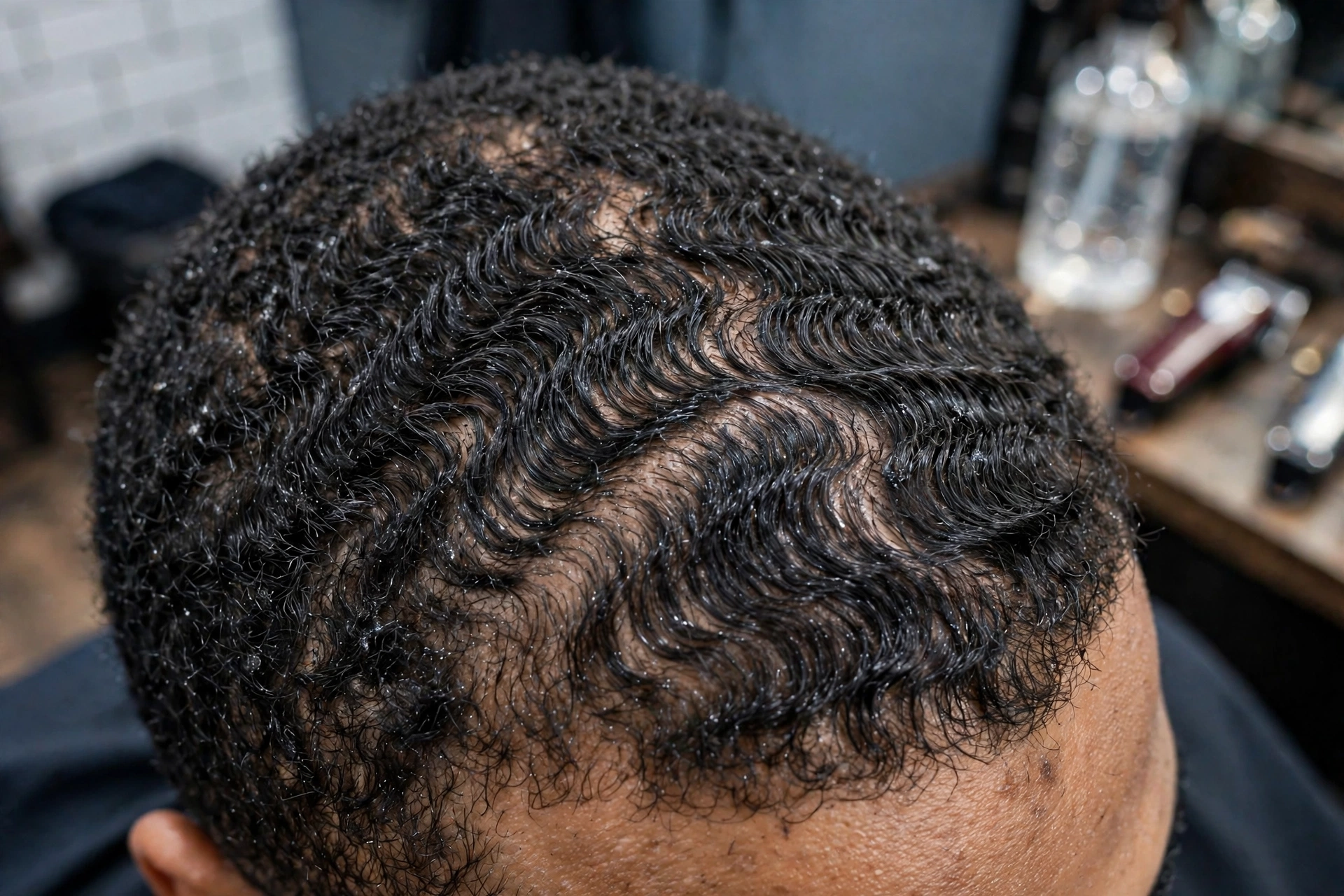
Can I get waves with straight hair?
Honestly? True 360 waves need curl or coil to form the ripple. Straight hair doesn’t have the texture to hold the pattern — it’ll just lay flat or flip up. If your hair is straight, you’ll get better results with styles designed for your texture, like a textured crop or a classic side part. Don’t fight your hair’s nature; work with it and you’ll look better with less effort.
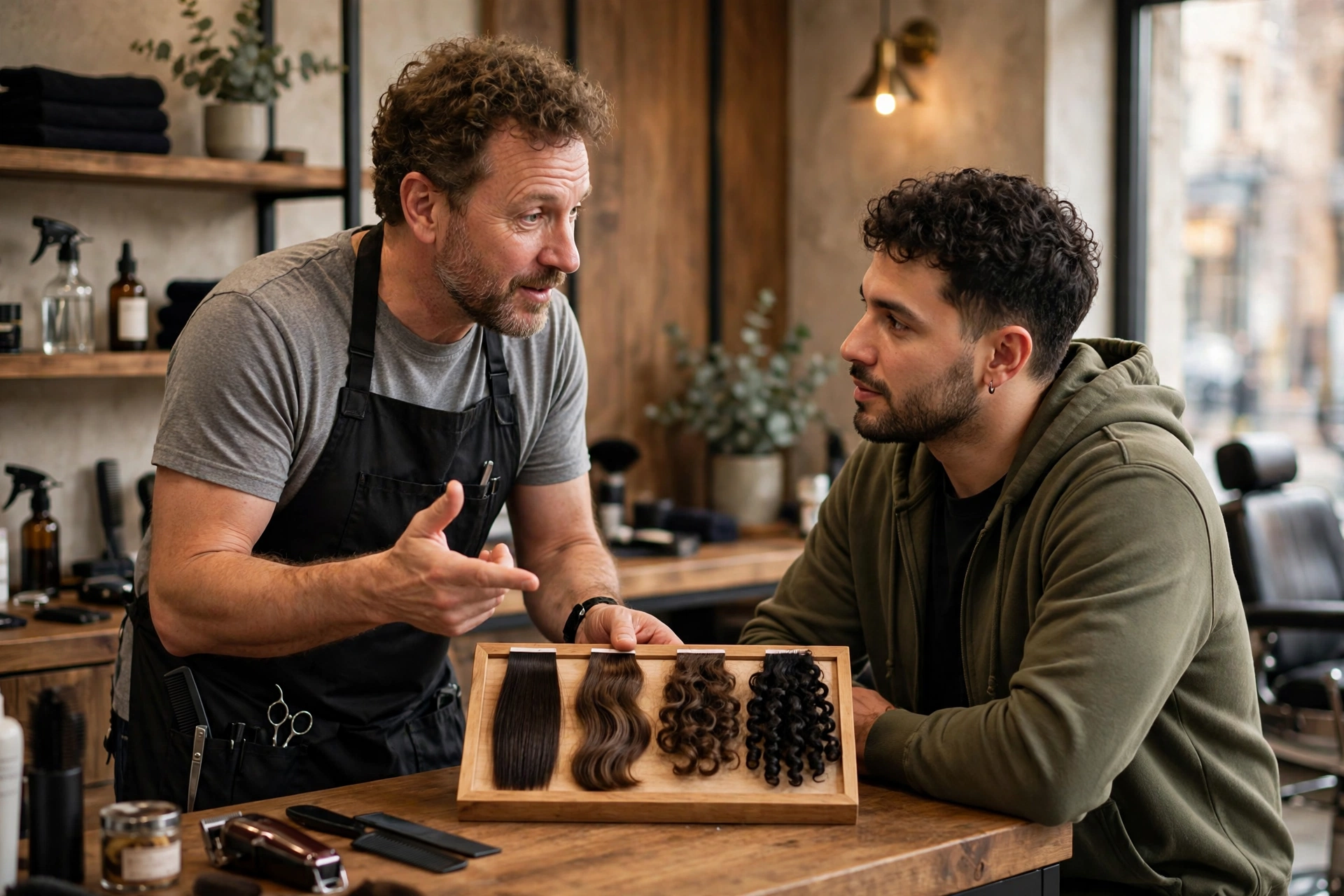
How often should I brush for waves?
Twice a day, minimum — ten to fifteen minutes each session. Morning and night. More is fine, especially during the first month of training, but consistency beats marathon sessions. Thirty focused minutes daily beats two hours once a week. And brush with the pattern, not against it. Brushing against your wave direction is how guys accidentally erase weeks of progress in one session.
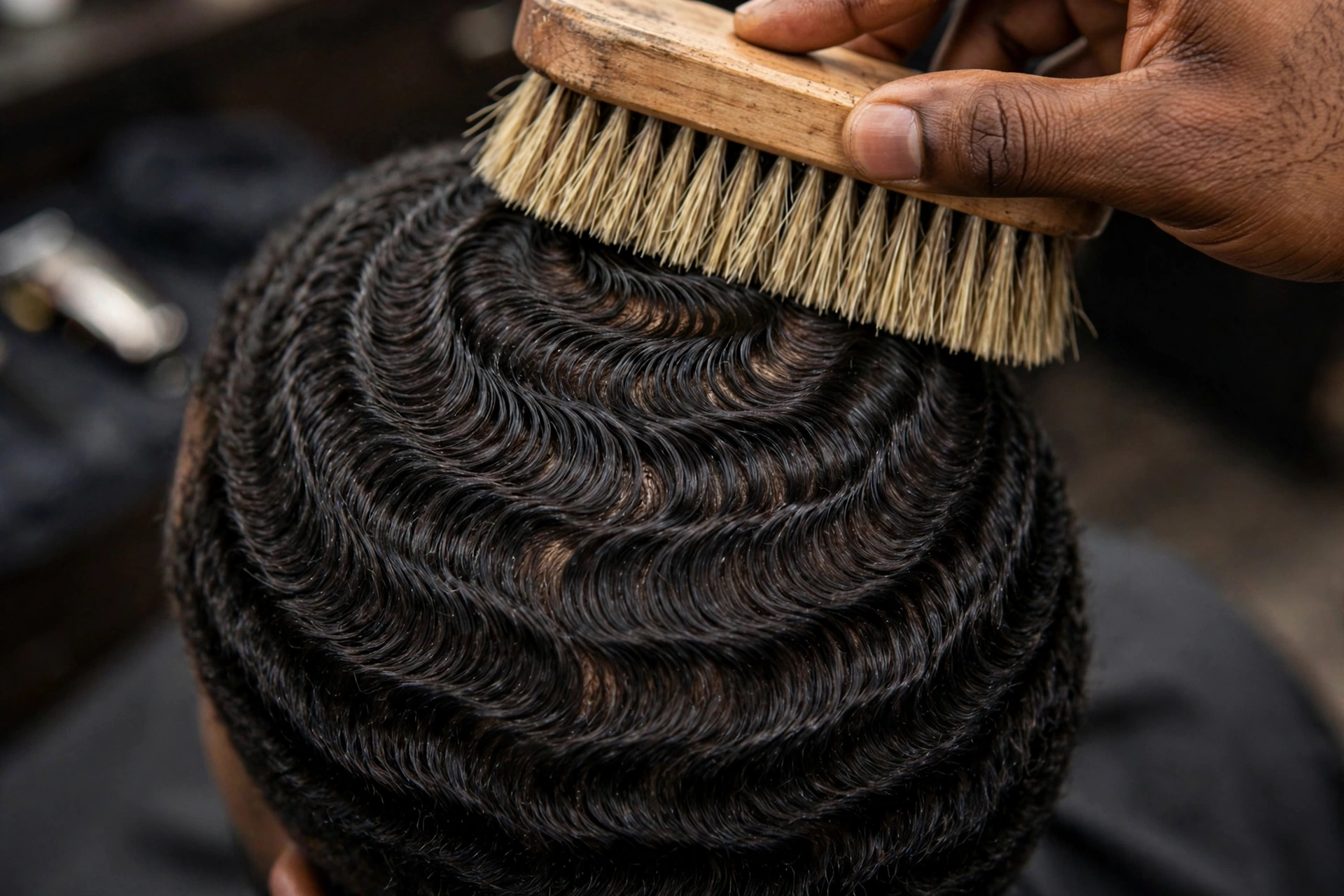
Do I need a durag to get waves?
Yes. I’m not going to soften this one. The durag compresses the hair and locks the pattern while you sleep — the eight hours you’d otherwise spend undoing your progress with a pillow. Silk or velvet, tied snug but not strangling. Wear it every night, and for thirty minutes after your morning brush session. Guys who skip the durag take twice as long to see results. It’s a five-dollar item that does half the work.
What products do I actually need for waves?
Less than the internet wants you to buy. A sulfate-free shampoo and conditioner, a natural oil (jojoba, argan, or castor) or a wave butter for daily moisture, and optionally a light pomade for shine. That’s the complete list. You don’t need five different “wave activators” or a brush for every day of the week — though a soft, medium, and hard brush set does help. If you’re exploring other natural styles too, our guide to the best natural hairstyles for Black men covers the full landscape, and the two-block cut is worth a look if you ever want a break from the brushing routine.

Final Thoughts
Waves are one of those rare styles that reward patience in a way almost nothing else in grooming does. You can’t buy them, you can’t rush them, and you can’t fake them. Every ripple on a waver’s head is a record of mornings he brushed when he didn’t feel like it and nights he tied that durag when he was exhausted. That’s why other wavers nod at each other. It’s recognition.
If you’re starting today, here’s my advice: get the cut right, buy a decent brush set and a silk durag, and commit to eight weeks. Take a photo every Sunday so you can see the progress your mirror hides from you day to day. Find a barber who understands waves — ask around, check their work, don’t settle. And when the pattern starts spinning for the first time and you catch yourself staring in the mirror a little too long, you’ll know exactly why guys do this.
Twenty styles, one routine, zero shortcuts. Pick your style from the list, book the chair, and start brushing tonight. Your waves are waiting.
Conclusion
360 waves remain the crown jewel of textured men’s hair in 2026 — deep, hypnotic ripples that circle the entire head. Achieving them takes patience: consistent brushing, a quality wave pomade, and a durag are non-negotiable. But the payoff is unmatched — a head-turning finish that signals discipline and style in equal measure.
Brush in the direction of your wave pattern for at least 30 minutes daily, moisturize to prevent dryness, and sleep in your durag every night to lock in progress. Whether you’re starting your wave journey or maintaining veteran ripples, 2026 is the year to go deeper — literally.
One Comment