Warrior Cut Men 2026: 20 Sleek & Sharp Styles to Try
Warrior Cut Men 2026: 20 Sleek & Sharp Styles to Try
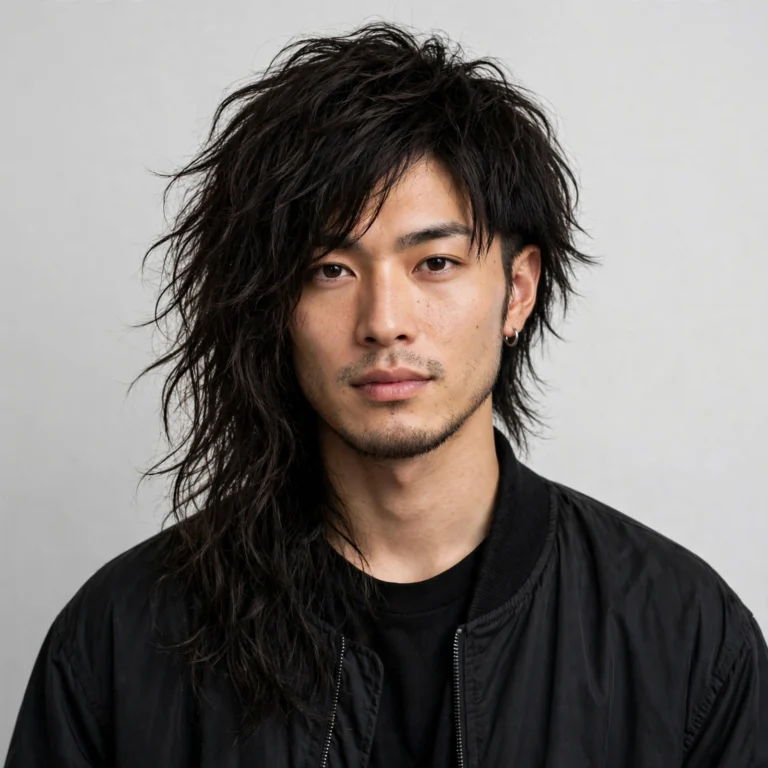
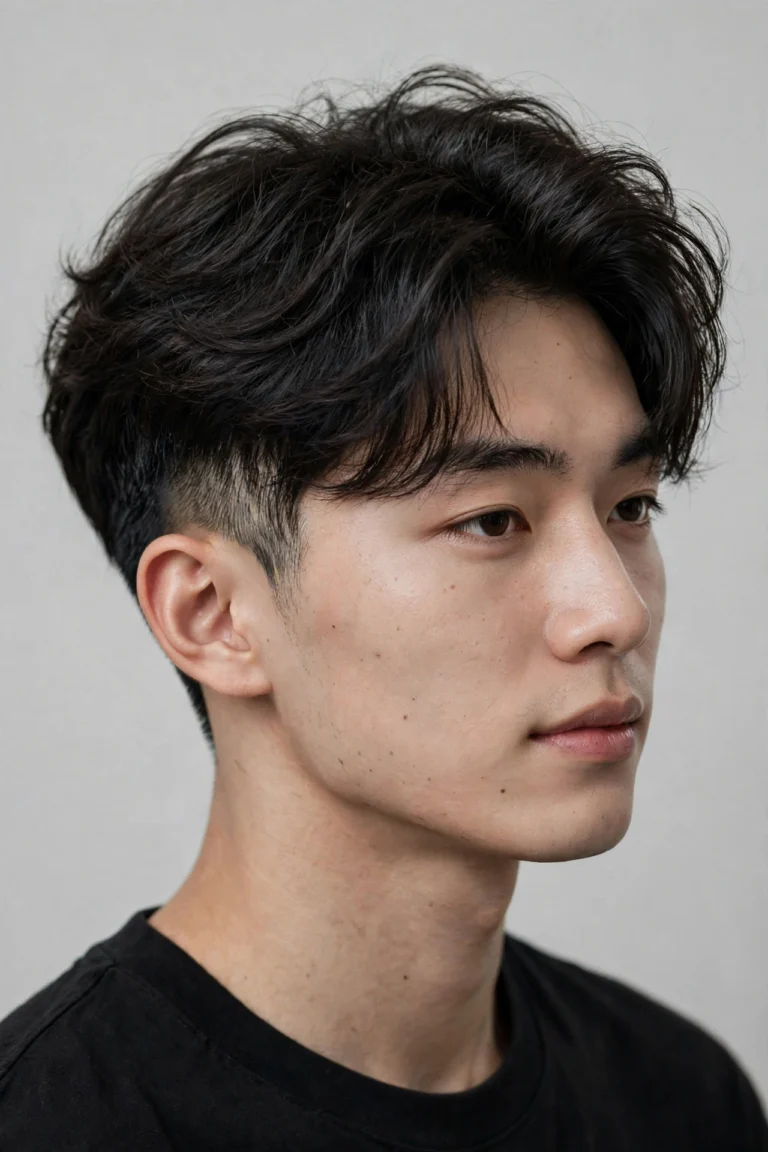
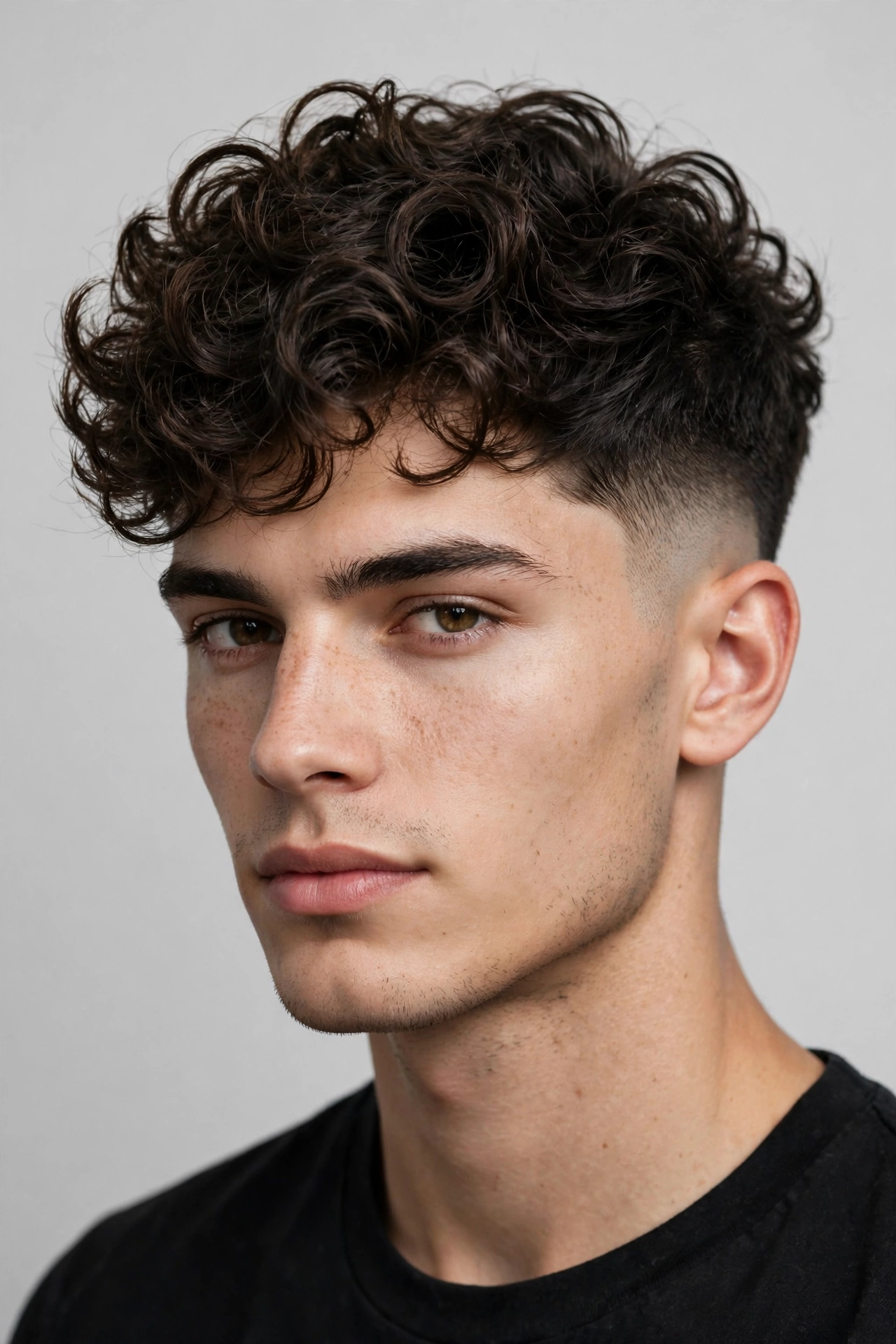
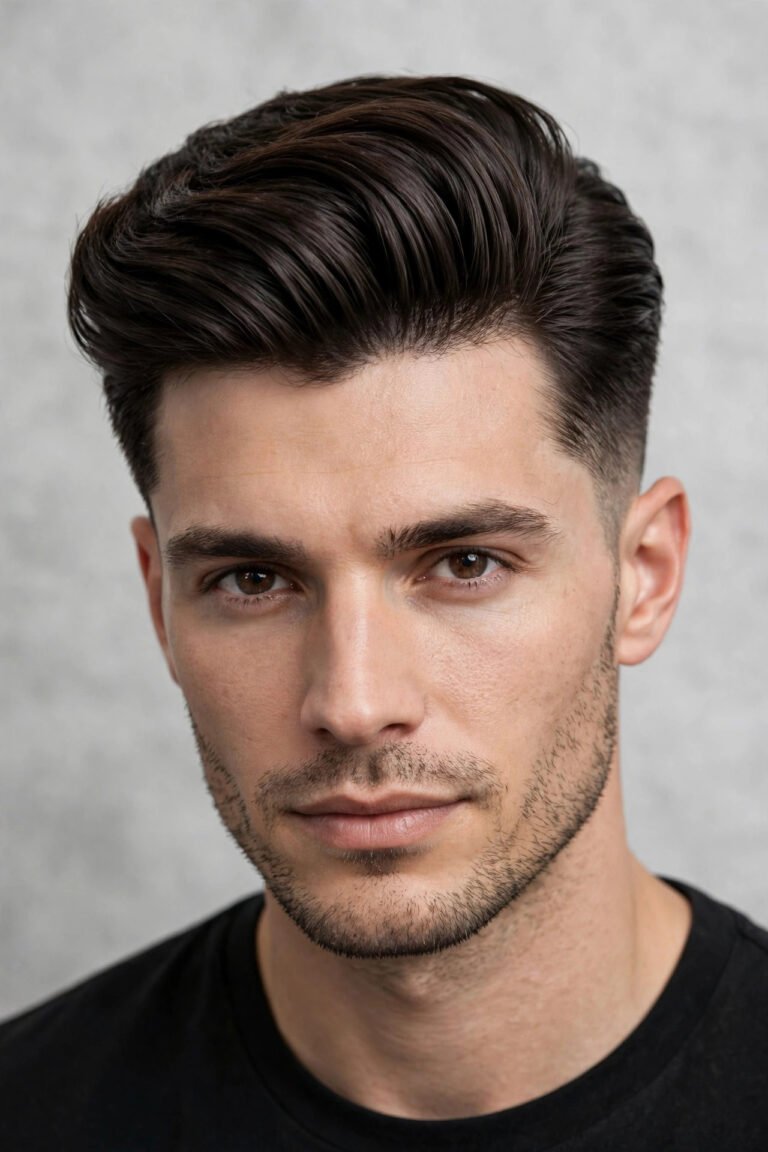
There is a particular look that keeps showing up wherever I go this year: on the guy ahead of me in the barbershop queue, in every other barber’s Instagram reel, on the red carpet behind actors like Austin Butler. It is the warrior cut for men, and 2026 has officially made it the haircut of the moment. Think of it as the spiritual successor to Brad Pitt’s Fight Club hair: a strong, textured top with real presence, sitting over clean tapered or faded sides, finished matte so it never looks like you tried too hard.
In this guide I am breaking down everything about the warrior cut for men in 2026. You will get 20 distinct warrior cut styles, each one genuinely different from the last, covering everything from the clean classic version to faded, curly, bearded, and longer takes. You will also learn exactly what to say to your barber (word for word, because vague requests are how good ideas die), how to style it at home in a few minutes, which face shapes and hair types it flatters, and how to maintain it between appointments.
The reason the warrior cut is everywhere right now is simple. Men’s grooming in 2026 has moved decisively away from stiff, over-controlled styling. Guys want hair that looks effortless but still intentional, and the warrior cut sits right in that sweet spot. It works with your natural texture instead of fighting it, it grows out better than sharper disconnected cuts, and it suits the office as well as it suits a night out. Whether this is your first warrior cut or your fifteenth, there is a version below with your name on it.
What Is the Warrior Cut?
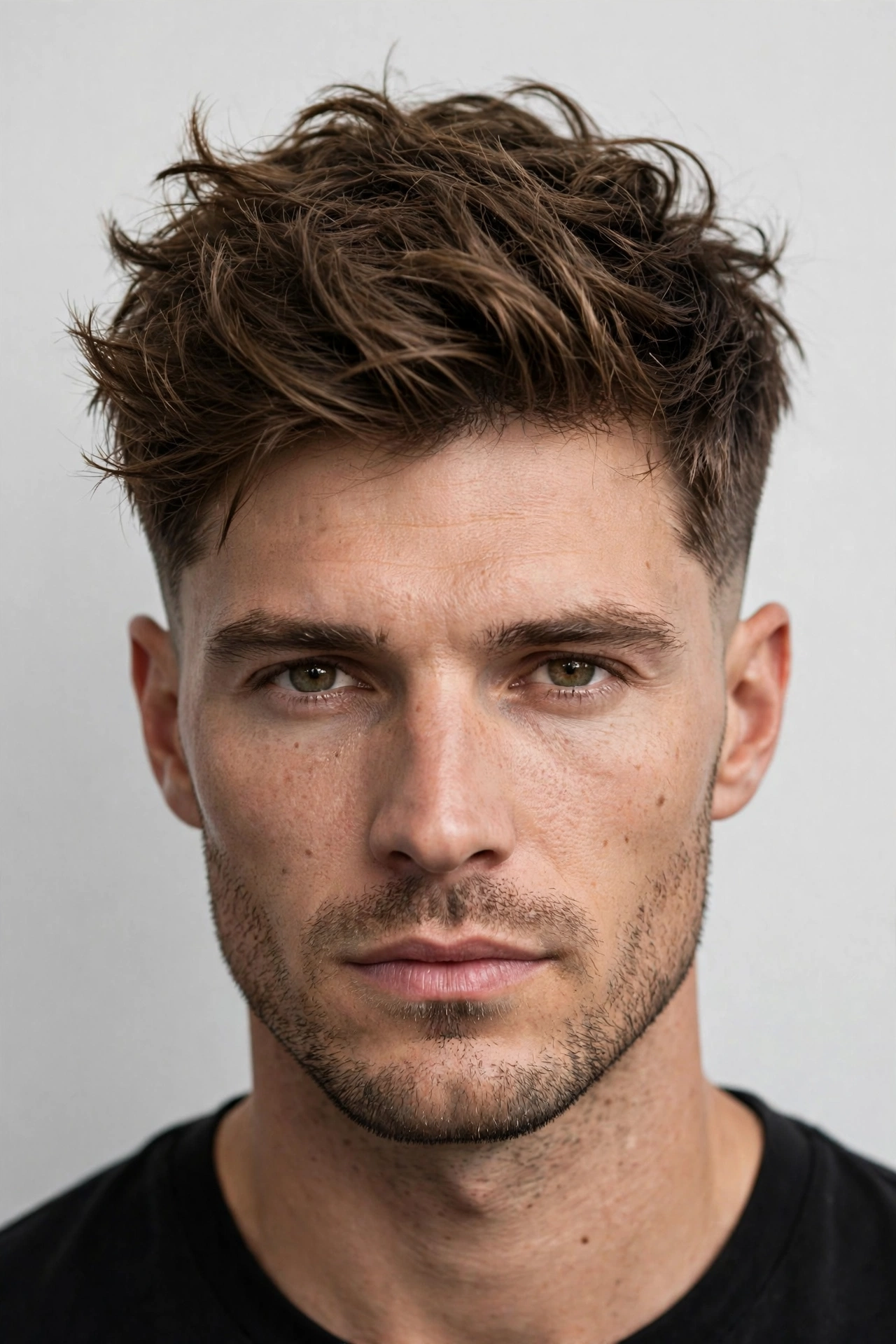
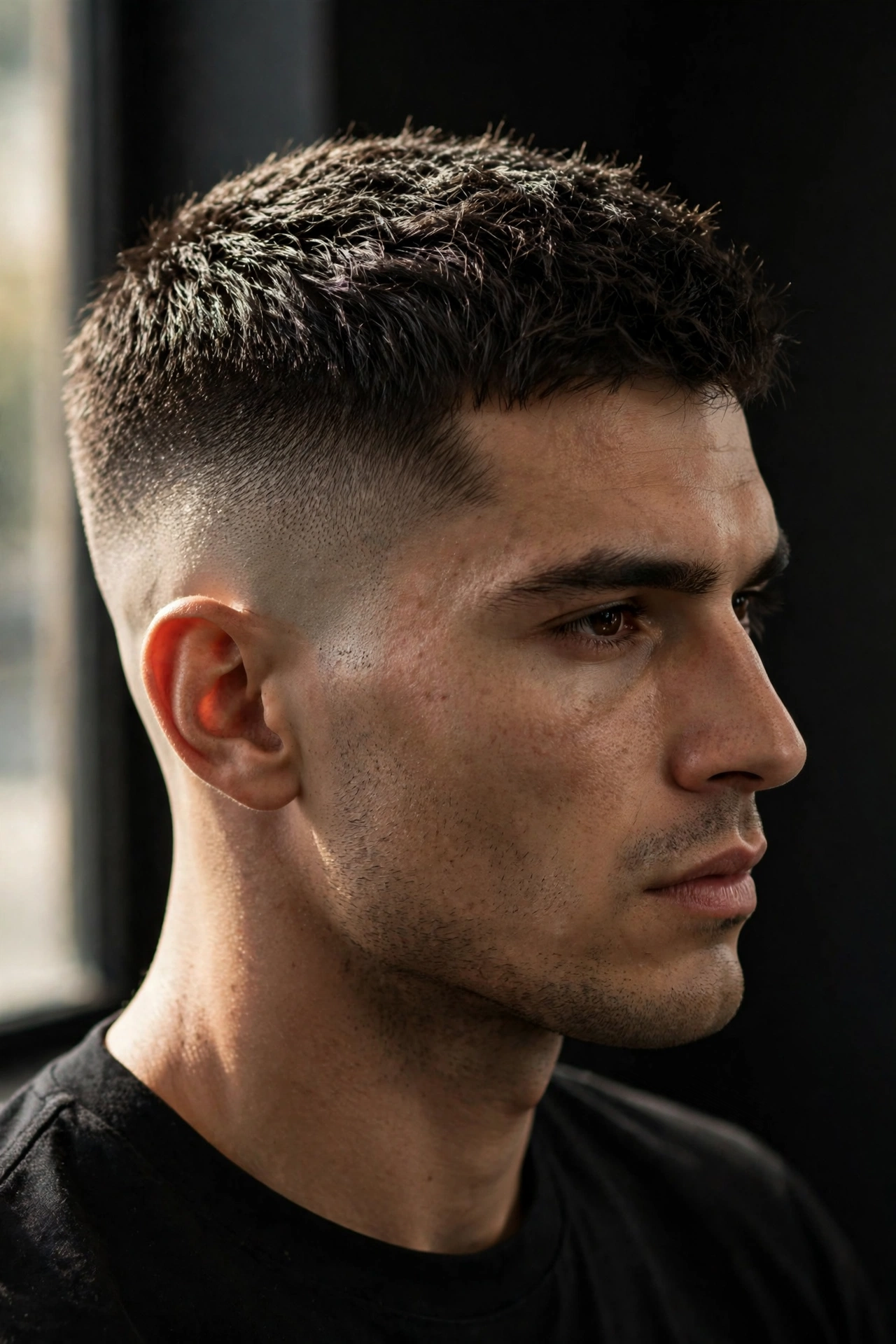
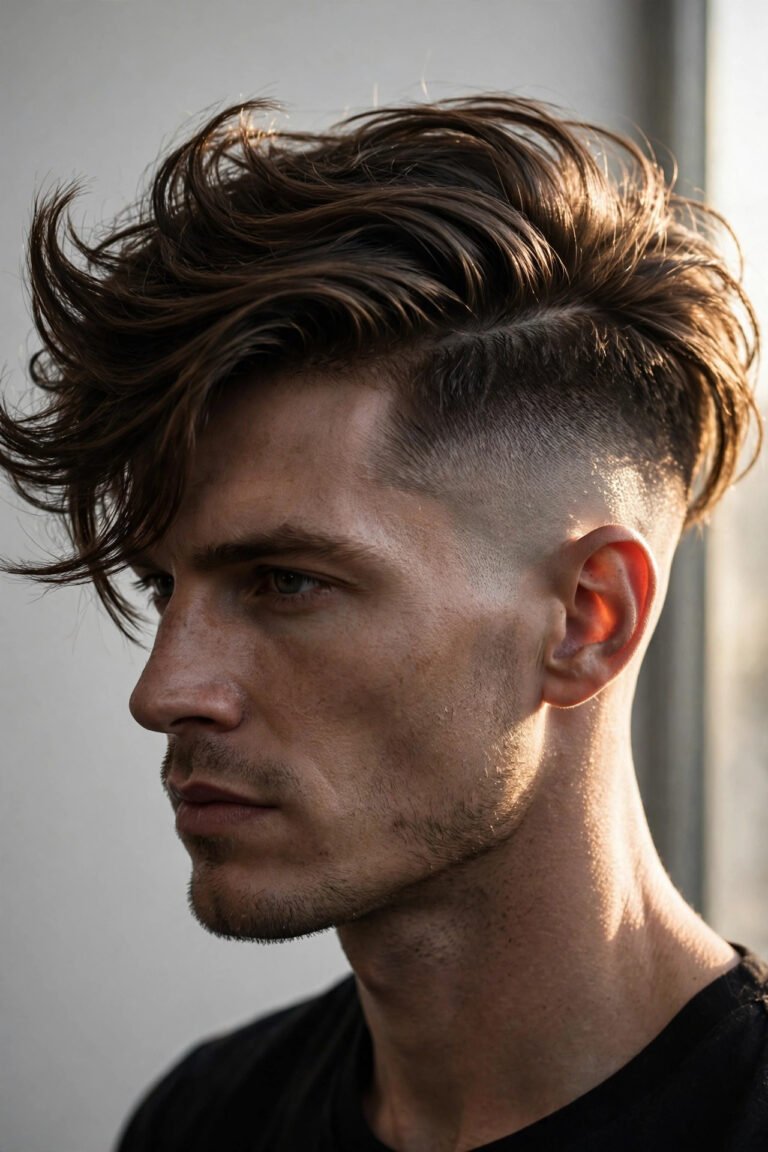
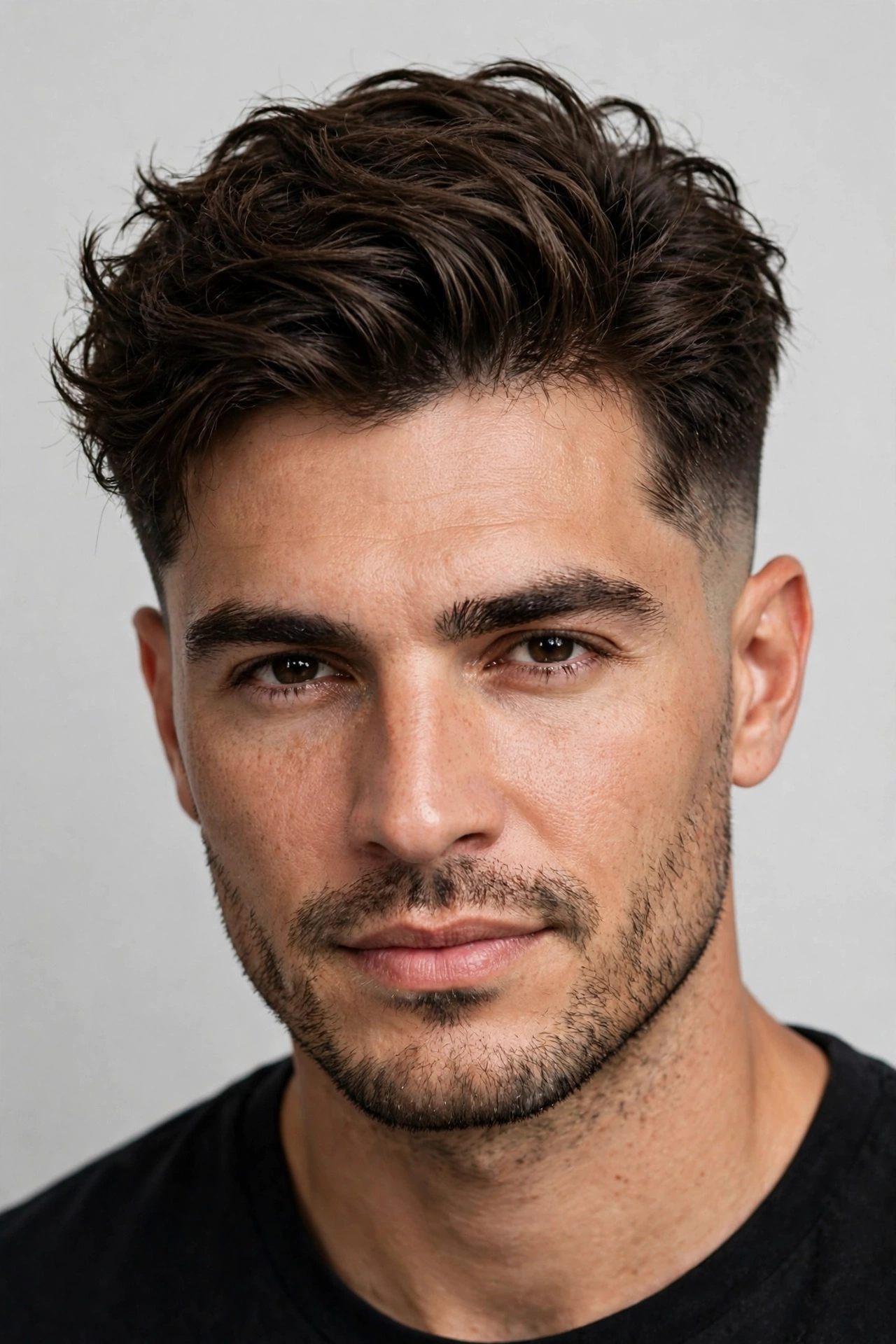
At its core, the warrior cut is a textured men’s haircut built around contrast and shape. The top is left longer, usually somewhere between three and five inches, with plenty of movement and separation cut into it. The sides and back are tapered or faded to create structure, but without the severe disconnect of a hard undercut. The result feels confident and masculine without being too formal, and the finish is almost always matte and slightly undone, never glossy or rigid.
The name is not an accident. The cut channels rugged, editorial grooming: strong shape, natural texture, that deliberate lived-in messiness that feels effortless rather than overstyled. Daimon Barber’s 2026 trend guide calls it one of the defining modern men’s haircuts of the year, noting its strong shape, heavily textured top, and clean tapered sides. There are clear echoes of Brad Pitt’s Tyler Durden texture from the nineties, but today’s version is far more refined. Cleaner fades, softer layering, and better styling products make the modern warrior cut easier to wear and far more versatile than its inspiration.
What separates the warrior cut from a standard textured crop is intention. A regular crop is just short hair with some texture. A warrior cut has a point of view: volume and movement through the top, a defined silhouette from the sides, and enough length to style in more than one way. It is the haircut for guys who are done with the same short-back-and-sides they have been getting for a decade and want something with genuine character. If you have been scrolling barbershop transformations and wondering what that sharp, textured, slightly wild look is called, this is it.
Why the Warrior Cut Is Trending in 2026
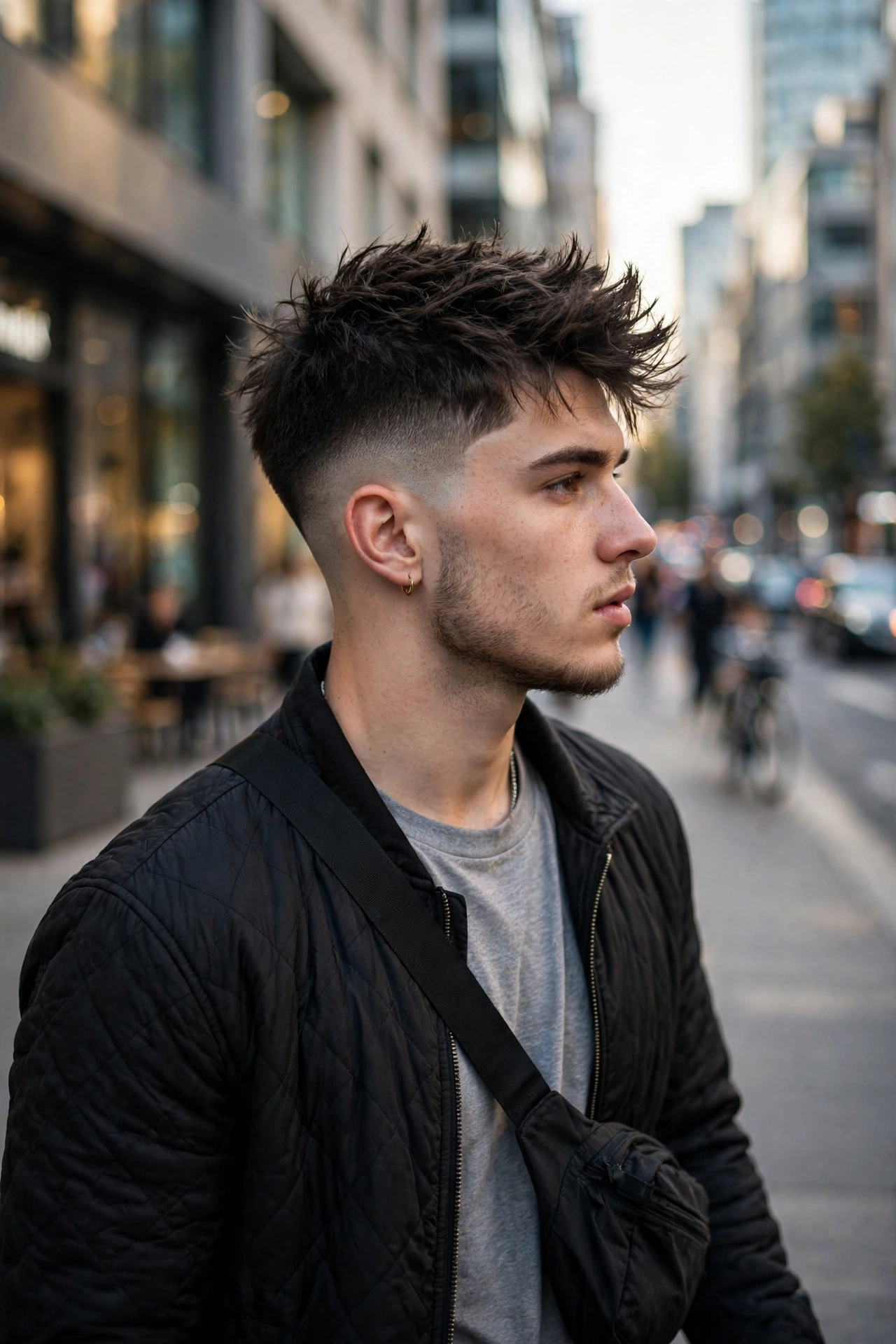
The biggest shift in men’s hair trends this year has been the move away from stiff, overly controlled styling, and the warrior cut fits perfectly into that space. Men want hair that looks effortless but still deliberate. The warrior cut works with natural texture rather than against it, which makes it ideal for guys with thicker, straight, or wavy hair. It also grows out better than sharper disconnected cuts, so maintenance between barber visits is easier. When a haircut is both good-looking and low-drama, it spreads fast.
The nineties revival is doing a lot of the heavy lifting here too. Fashion has been mining that decade for years now, and hair follows clothes the way a shadow follows a person. The warrior cut is a bold revival of the iconic nineties haircut made famous by Brad Pitt in Fight Club, updated with modern fades and matte products. Grooming writers keep flagging it: FashionBeans published a full guide on wearing the warrior haircut in 2026, and trend roundups consistently name it alongside the wolf cut and modern mullet as one of the biggest men’s styles of the year. When barbers, brands, and editorial all agree, it is not a passing fad.
Then there is the versatility factor, which is honestly underrated. Short textured hairstyles with a matte finish feel more premium and more modern than traditional high-shine looks, and they work just as well in the office as they do off-duty. The warrior cut can be worn neat or messy, short or long on top, with a beard or clean-shaven. It suits square and oval faces beautifully, adds height for rounder faces, and gives thick hair the shape it needs to stop looking like a helmet. A haircut that adapts to the person instead of demanding the person adapt to it was always going to win 2026.
20 Warrior Cut Styles to Try in 2026
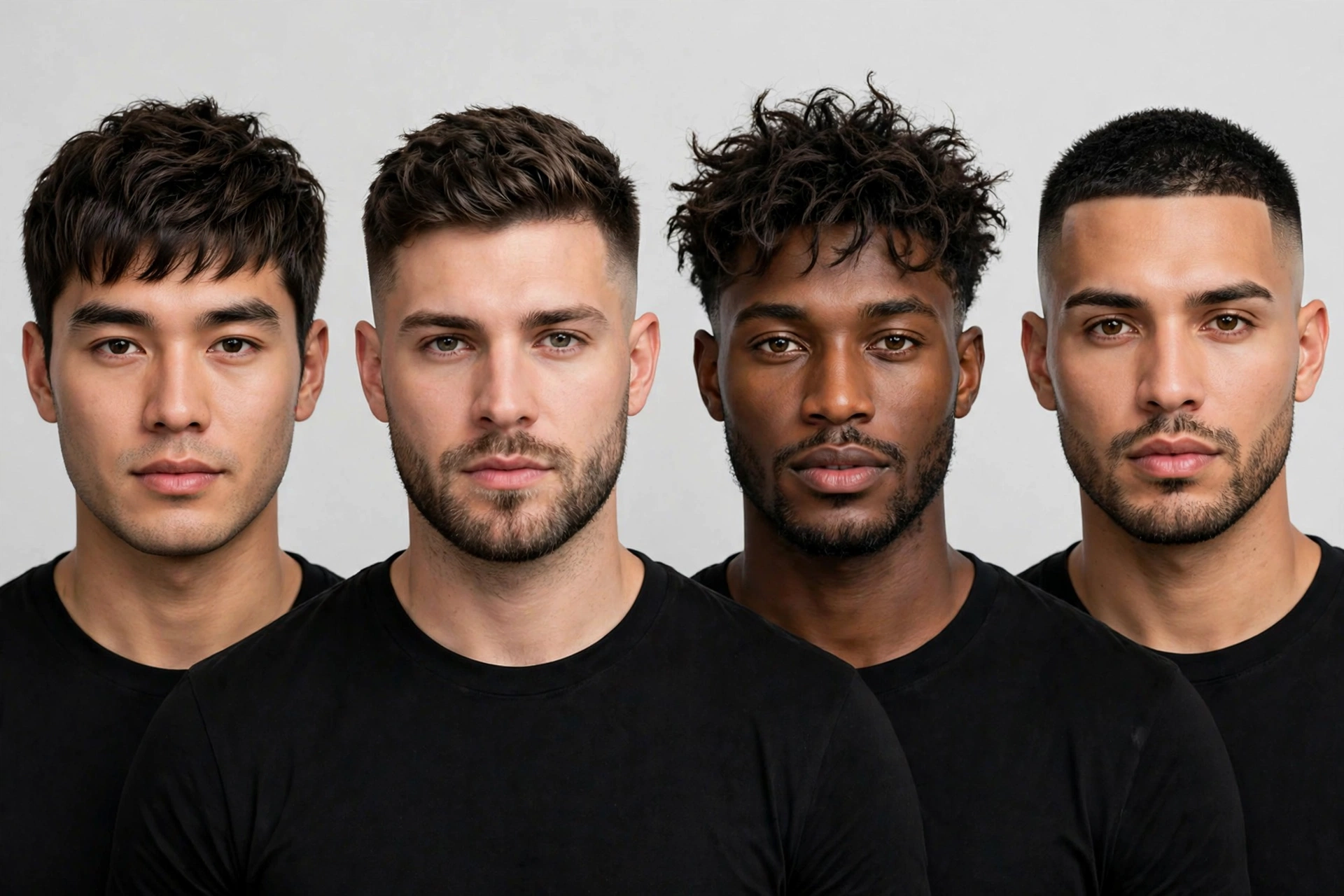
Here is the main event. The warrior cut is not one haircut; it is a family of haircuts, and the differences between them matter more than you would think. A faded warrior reads edgy and modern. A tapered warrior reads clean and professional. A longer warrior reads relaxed and editorial. Below are twenty distinct versions, each with its own personality and its own ideal wearer. Read them like a menu, pick the one that matches your hair type and your life, and take the name straight to your barber.
1. The Classic Warrior Cut
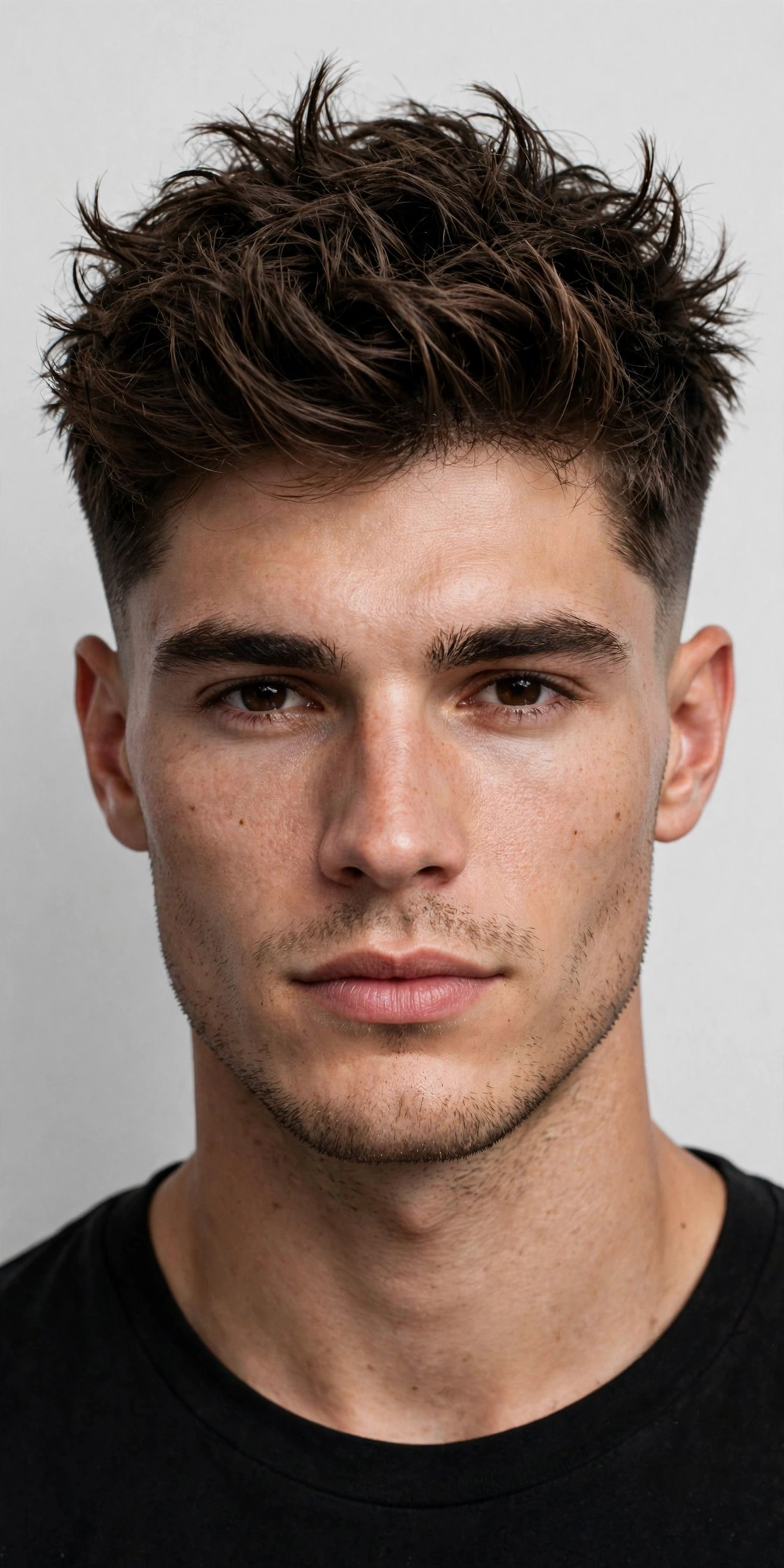
This is the blueprint everything else is built on. The classic warrior cut keeps three to four inches of heavily textured hair on top, worn with natural movement and a matte finish, over clean tapered sides that blend rather than disconnect. Nothing extreme, nothing gimmicky. It is the version you picture when someone says the words “warrior cut,” and it remains the safest and most versatile entry point.
The classic version is where most guys should start, because it teaches you how your hair behaves with this kind of length and texture. Styling is genuinely simple: sea salt spray on damp hair, rough-dry with your fingers, then a fingertip of matte clay through the dry top to create separation. Ask your barber for “a textured top with three to four inches, low taper on the sides, matte finish,” and you will walk out with the 2026 default. It suits nearly every face shape, works in every setting, and grows out gracefully over four to six weeks.
2. The Warrior Cut with Low Taper
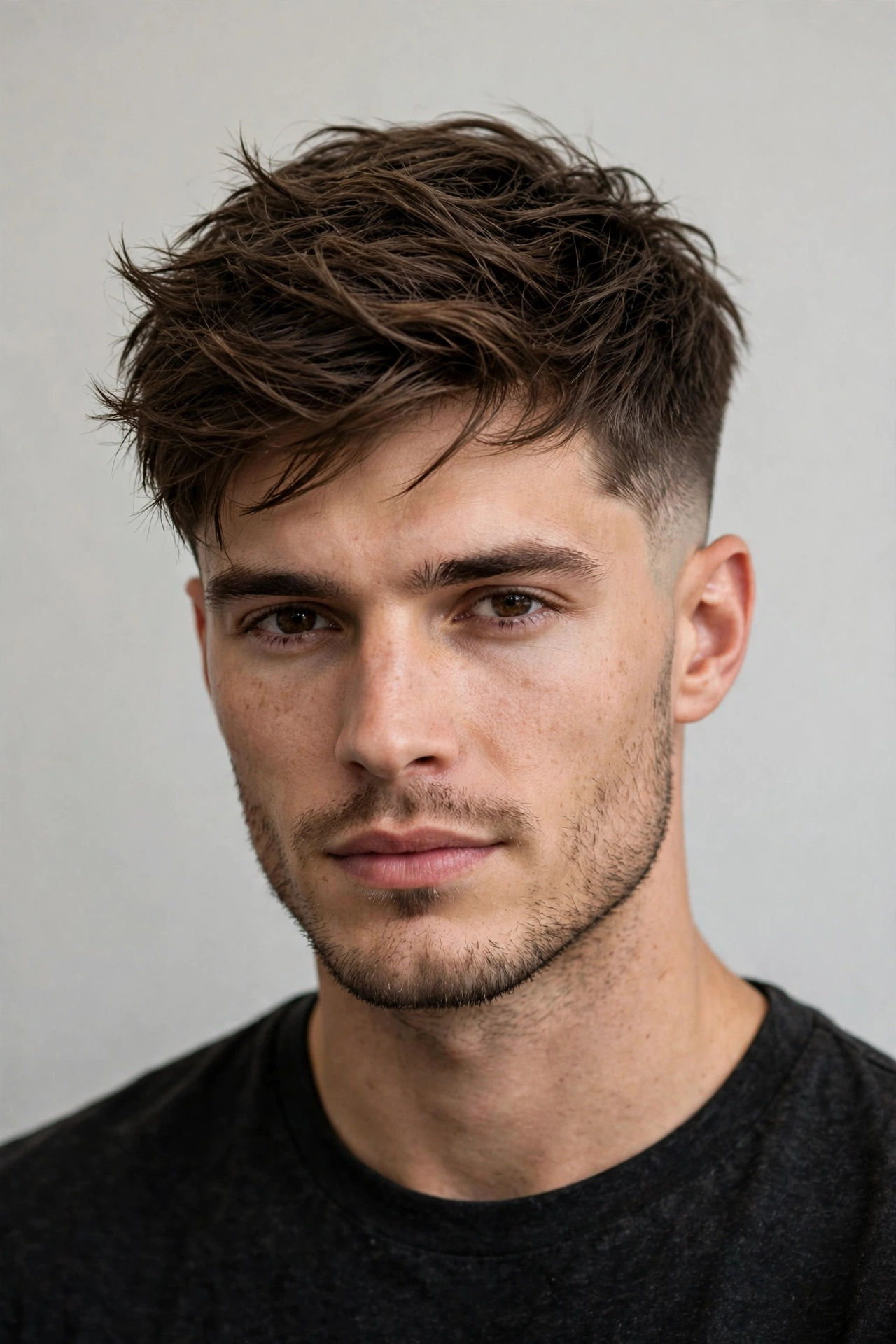
The low taper is the connoisseur’s choice for this cut. Instead of a dramatic fade, the sides gradually shorten with a soft, natural transition, keeping the whole thing understated and grown-up. The top stays true to warrior form: textured, with movement, worn matte. FashionBeans’ guide to the warrior haircut specifically notes the tapered approach as a clean and classic look that is incredibly versatile.
This version is the most office-friendly warrior cut on the list and the most grow-out-friendly too. Because there is no harsh fade line, it stays presentable for five or six weeks instead of two or three, which means fewer barber visits and less money spent over the year. It is also the best choice if your workplace frowns on aggressive fades. Tell your barber “warrior cut on top, low taper on the sides, natural neckline” and specifically ask him to keep the edges soft. If you want the warrior attitude with the least possible maintenance, this is your cut.
3. The Warrior Cut with Mid Fade
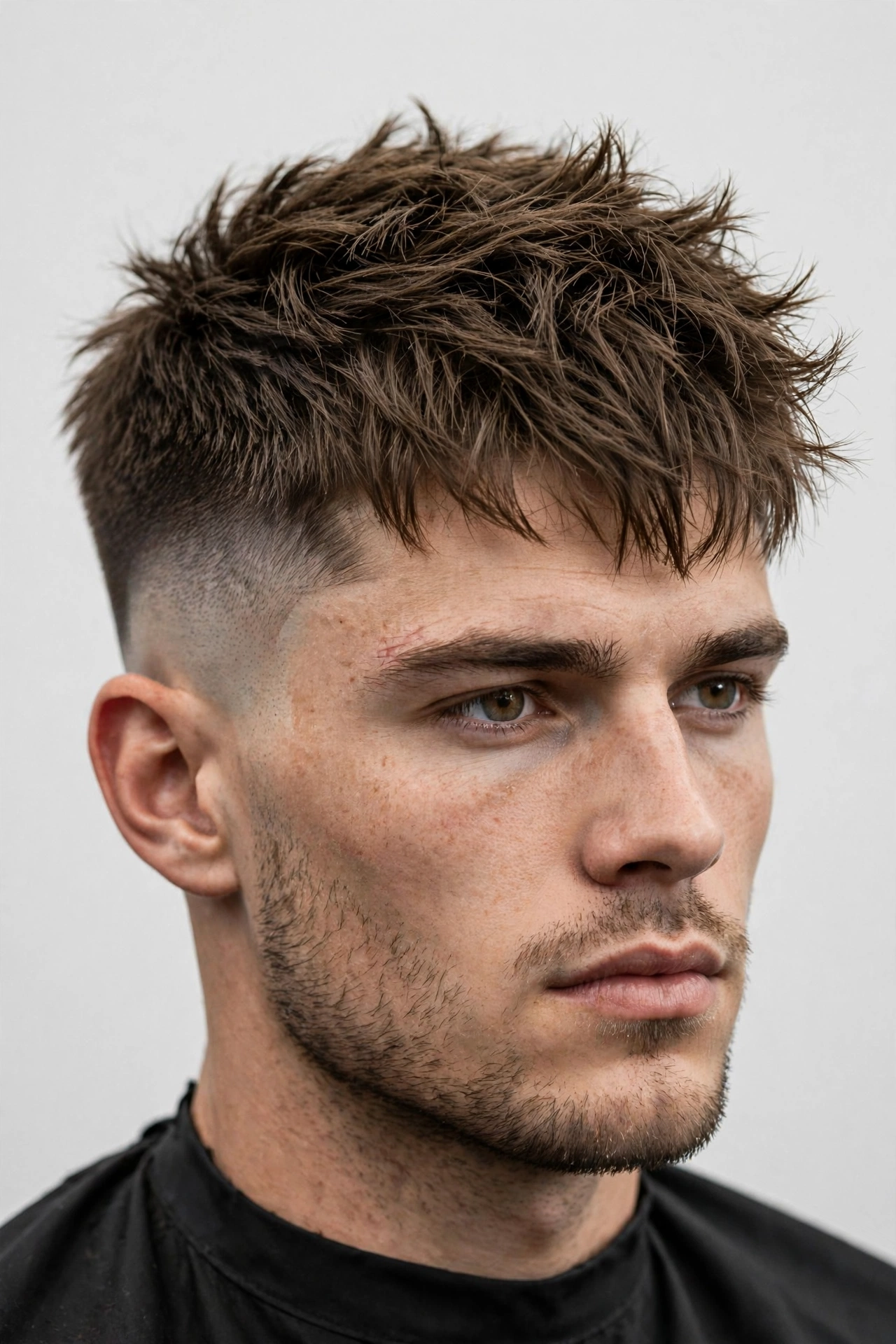
The mid fade is where the warrior cut gets its sharpness. The fade starts around the temple and drops cleanly, creating real contrast between the tight sides and the longer textured top. This is the version you see in most barbershop transformation videos, because the before-and-after difference is dramatic and the finished look photographs incredibly well.
A mid fade suits guys who want the cut to look intentional even on day three without styling. The contrast does the talking, so the top can be worn messier without the whole thing reading sloppy. One practical note: fades show regrowth faster than tapers, so budget for a touch-up every two to three weeks if you want it staying crisp. Ask your barber for “textured warrior top, mid fade on the sides” and decide together whether you want the top worn forward, swept, or tousled. Mid is the crowd-safe fade height; it gives edge without the aggression of a high fade.
4. The Textured Tousled Warrior
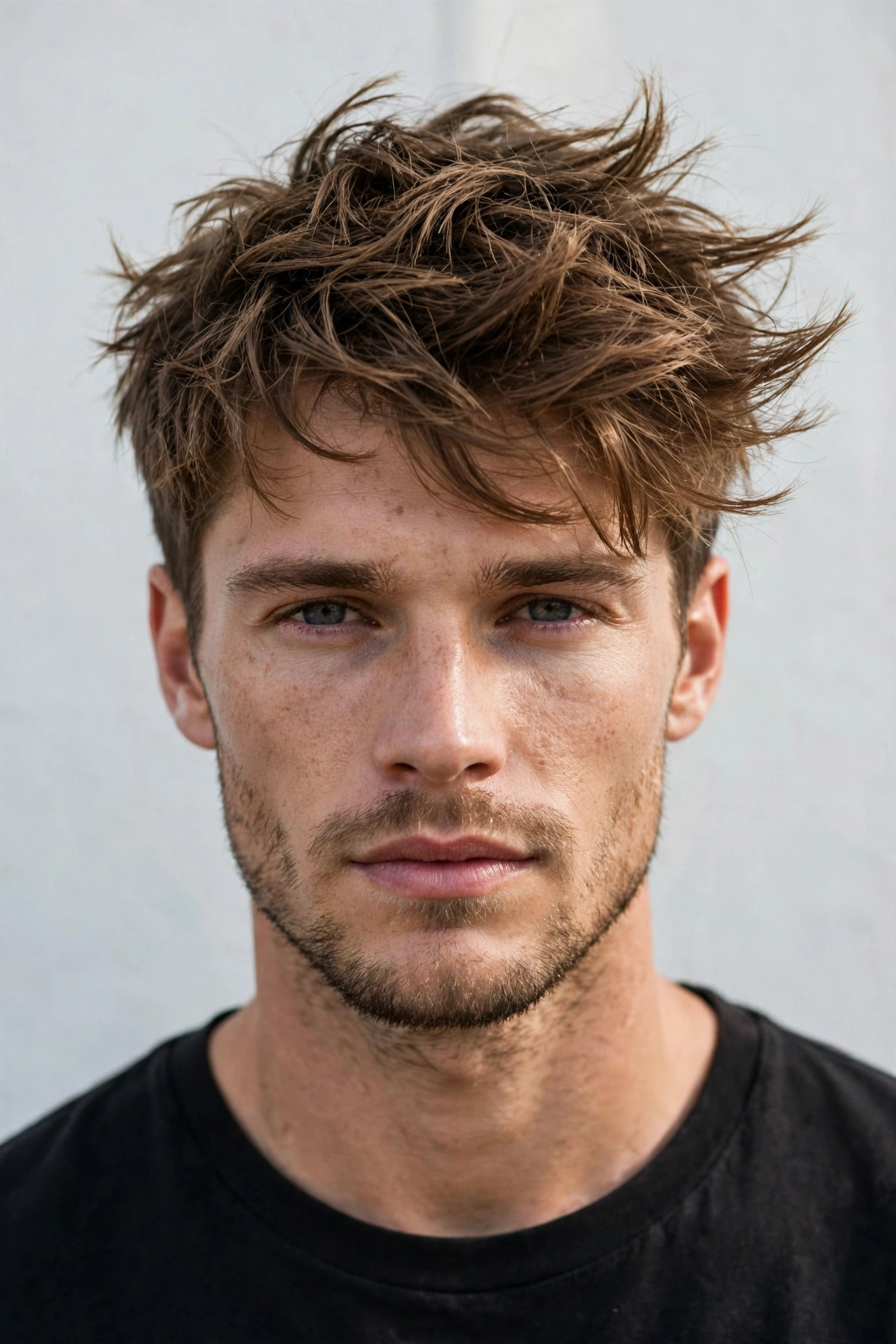
If the classic warrior is a tailored jacket, this one is the same jacket with the collar popped. The textured tousled warrior leans fully into the undone aesthetic: choppy layers, piecey separation, a top that looks like it was shaped by wind rather than a comb. It is the embodiment of the 2026 grooming mood, hair that looks like hair, lived-in and natural.
The secret nobody tells you is that messy cuts require the most precise cutting. A good tousled warrior is engineered with point-cutting and texturizing shears so your “I woke up like this” actually looks good instead of just slept-in. Styling is minimal: sea salt spray on damp hair, blow-dry roughly with your fingers lifting at the roots, then a tiny amount of matte paste to define a few pieces. Thick and wavy hair types get this look almost for free. Tell your barber you want “maximum texture, tousled finish, nothing neat” and let him work.
5. The Warrior Cut with Skin Fade
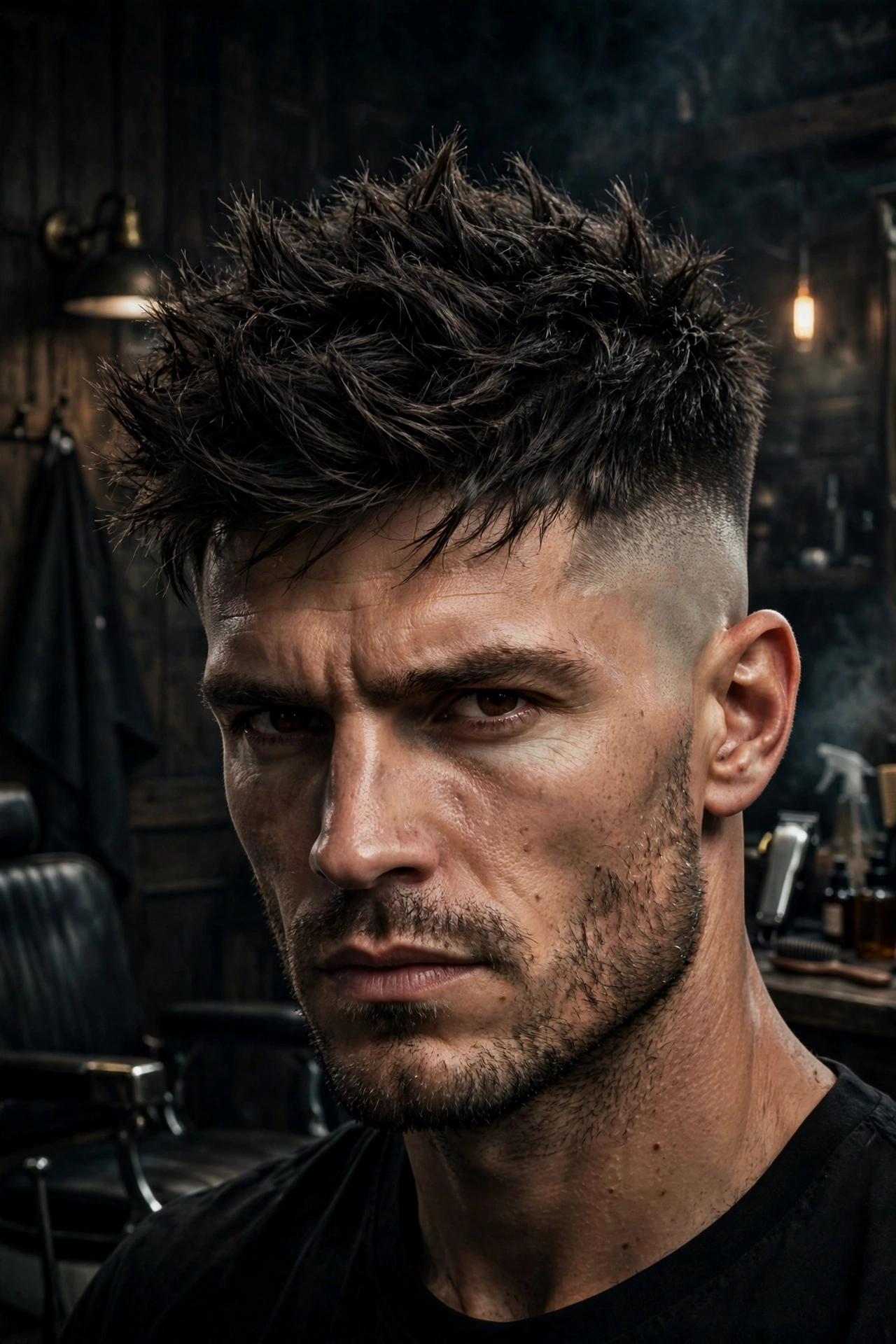
Take the warrior cut and turn the contrast dial all the way up. The skin fade drops the sides down to bare skin, so the textured top sits over a completely clean canvas. It is bold, it is clean, and it is unmistakably 2026. FashionBeans’ warrior haircut guide flags the skin fade variation as a striking choice for guys who want maximum impact.
This version demands commitment in two directions. First, the skin fade looks incredible fresh but shows regrowth fast; by week two the line starts softening, and by week three you will be itching for the chair. Budget for touch-ups every two weeks. Second, it is brutally honest about head shape, since there is nowhere to hide. On the right guy it is unbeatable: masculine, sharp, and the lowest-maintenance top on this list, because short textured hair styles with fingers and water alone. Ask for “warrior top, skin fade on the sides” and specify the fade height. High skin fade is the statement; low skin fade is the subtle flex.
6. The Longer Warrior Cut
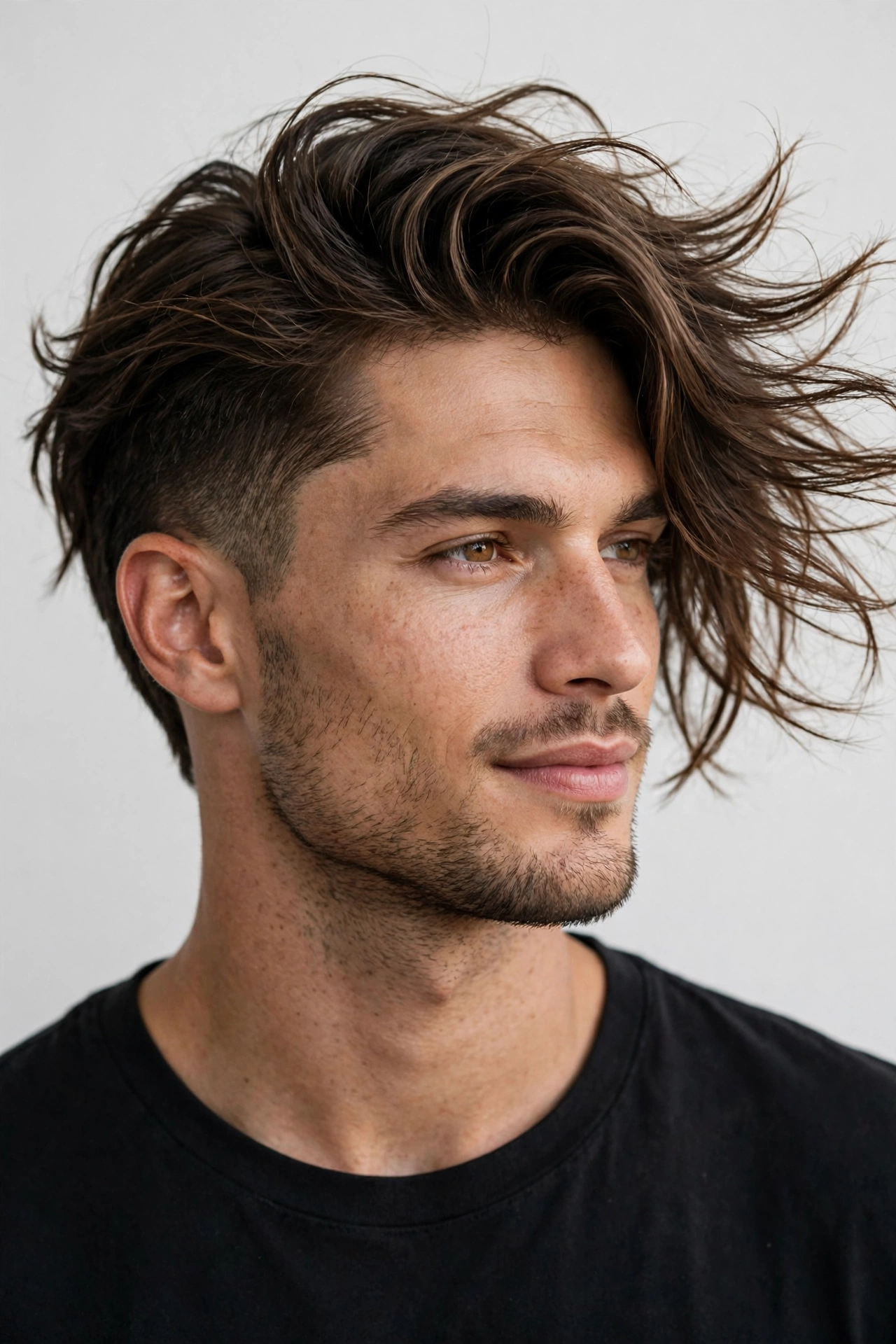
Not every warrior has to keep it tight. The longer warrior cut lets the top run to five or six inches, creating more movement, more styling flexibility, and a softer, more editorial finish. The sides stay controlled with a taper or low fade so the length reads deliberate rather than overgrown. Daimon Barber’s guide to the warrior cut notes that the longer version allows stronger texture and a more relaxed finish, and it is worth considering if you have been growing your hair out.
Longer hair means more options and slightly more work. You can wear it swept back, pushed to one side, or tousled forward; a blow dryer becomes genuinely useful here, thirty seconds of rough-drying with lift at the roots makes the difference between flat and full. Use a sea salt spray for grip and a light cream instead of heavy clay so the length keeps its movement. This version suits oval and oblong faces especially well, since the extra length balances longer face shapes. Trims every five to six weeks keep the shape from collapsing.
7. The Warrior Cut with Beard
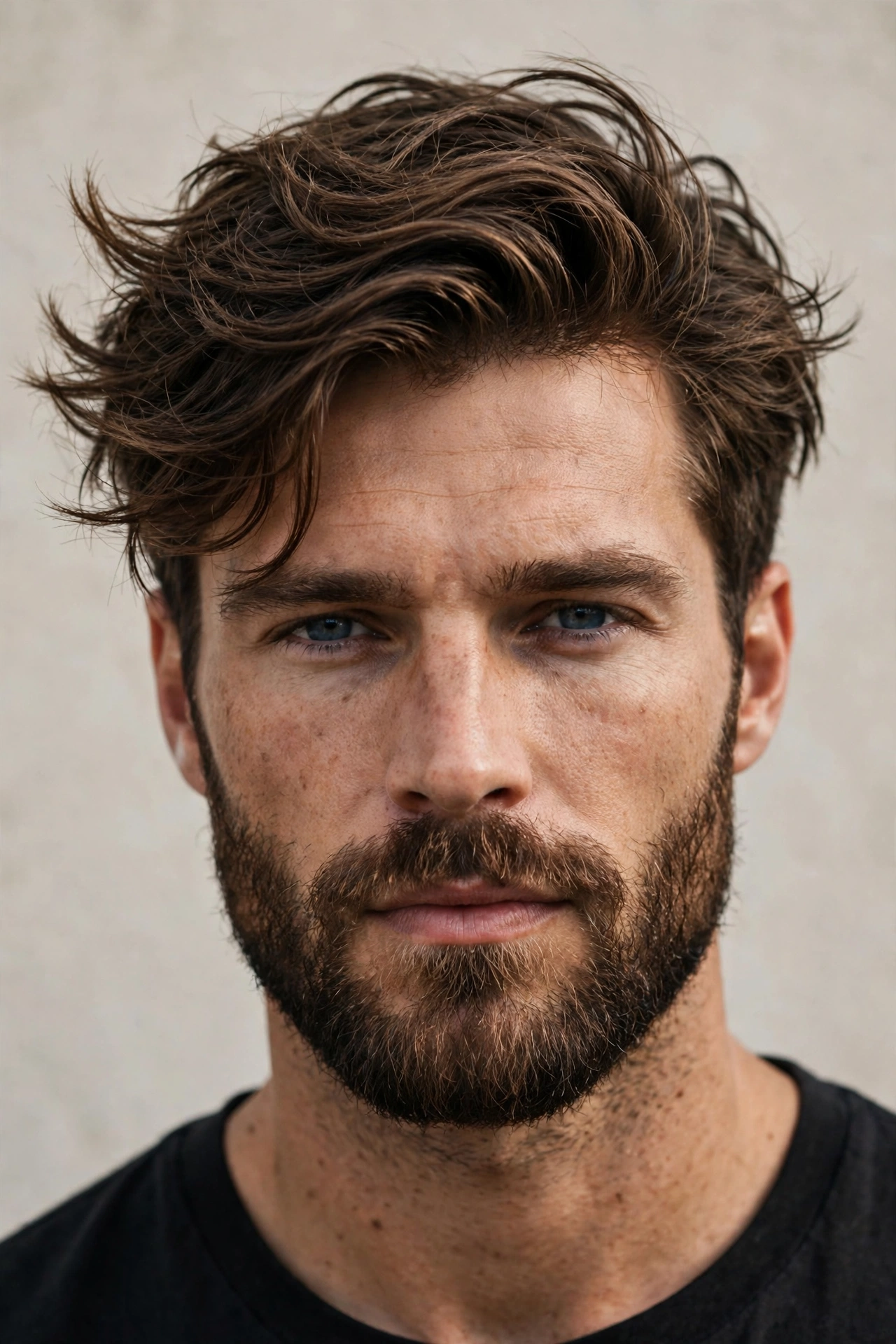
Pairing a warrior cut with a beard is one of those combinations that just works. The controlled, textured hair on top balances the fuller energy of facial hair, and the clean tapered sides echo the shaped lines of a good beard. It is masculine and grounded, the kind of look that reads confident without trying. This pairing shows up constantly in 2026 street style because the proportions are so forgiving.
The trick is balance. With a longer textured top, you can carry a fuller beard; with a shorter warrior cut, keep the beard at a short-to-medium length so the look does not go bottom-heavy. The critical detail is the transition: sideburns should blend into the beard rather than creating a visible disconnect, and this is worth mentioning to your barber specifically. Keep the beard shaped at the cheeks and neckline, and a little beard oil keeps the whole package looking intentional. If you already wear a beard, the warrior cut might be the best haircut you have never tried.
8. The Warrior Cut with Hard Part
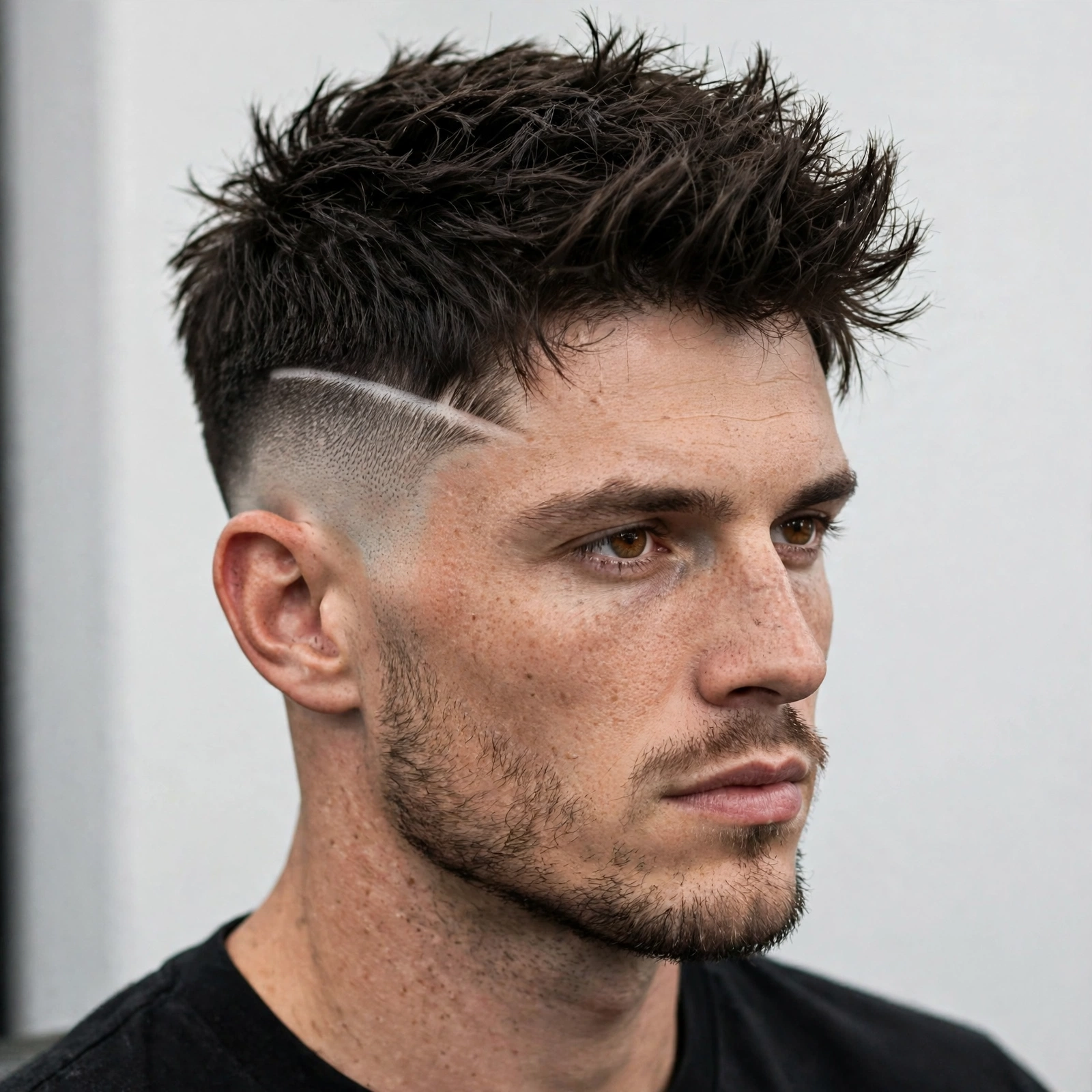
A hard part takes the warrior cut from rugged to razor-sharp. The barber razors or trims a clean, defined part line into the hair, usually on the natural parting side, which adds structure and precision to the textured top. FashionBeans’ guide highlights the hard part variation as a distinguished look that works in both professional and casual settings, ideal for square or oblong faces with medium to thick hair.
This version needs a barber with a steady hand and a maintenance plan from you. The part line stays crisp for about a week before regrowth softens it, so ask your barber about quick line-up touch-ups between full cuts; many shops offer them cheap or free for regulars. Styling is straightforward: comb or finger-style the top away from the part, matte product for hold, and you are done. It is the warrior cut for guys who want the texture but work in a world of suits and client meetings.
9. The Curly Warrior Cut
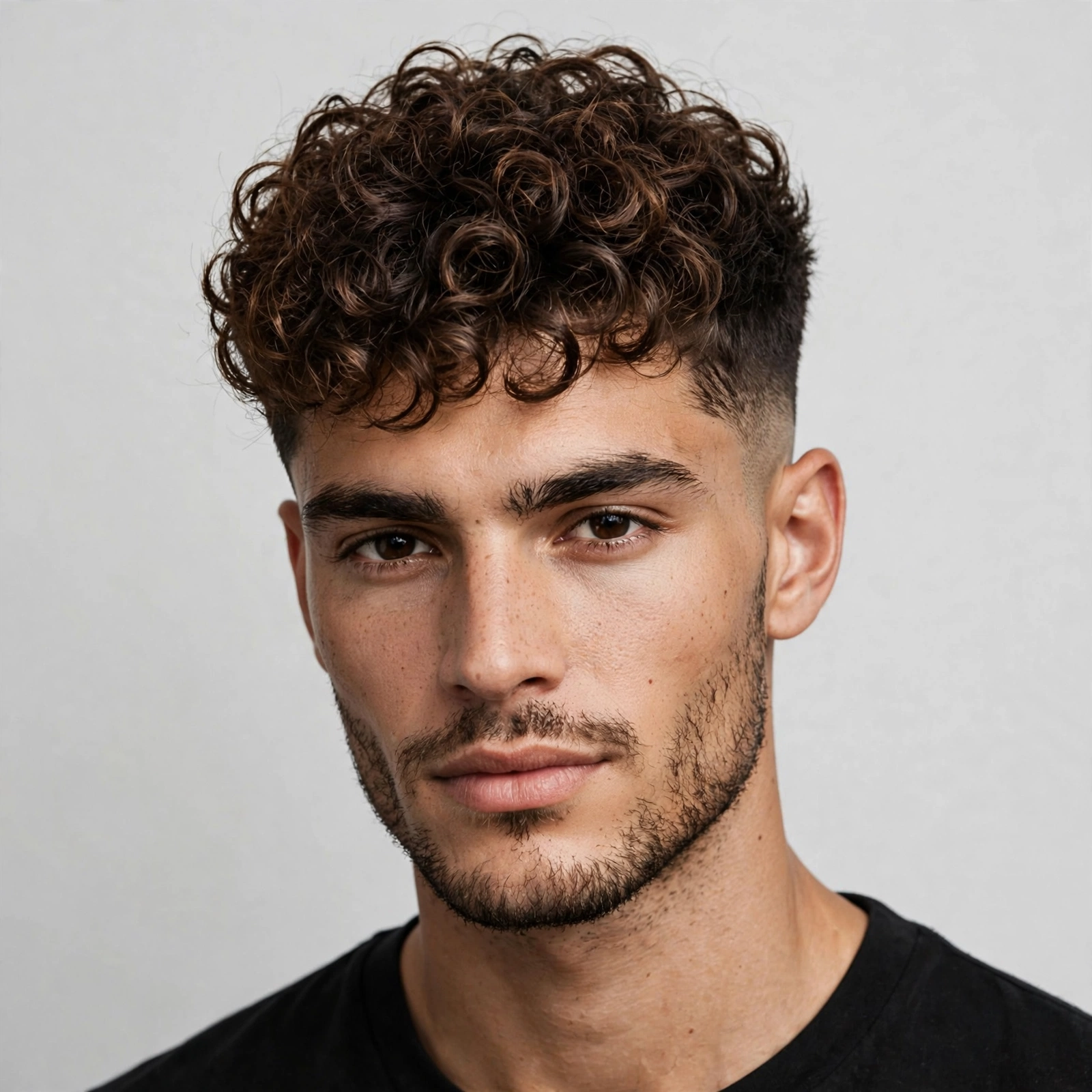
Curly-haired guys, this one might be the best version on the entire list. The curly warrior cut lets your natural curls do the heavy lifting: the top is left long enough for the curl pattern to form, usually three to four inches, while the sides are kept tight and controlled to frame the texture. The result has a volume and character that straight-hair guys genuinely cannot copy.
Length management is everything here. Too short and the curls cannot form, leaving frizz; too long and the weight pulls everything flat. Most curly warriors land best with the top cut dry or barely damp, because curls shrink as they dry and a wet cut always ends up shorter than planned. Tell your barber that if he does not already know it. For styling, a curl cream or light leave-in on damp hair, scrunched and left to air-dry, is the whole routine. A diffuser on low heat helps on rushed mornings. If you have been fighting your curls, this cut might finally make peace with them.
10. The Wavy Warrior Cut
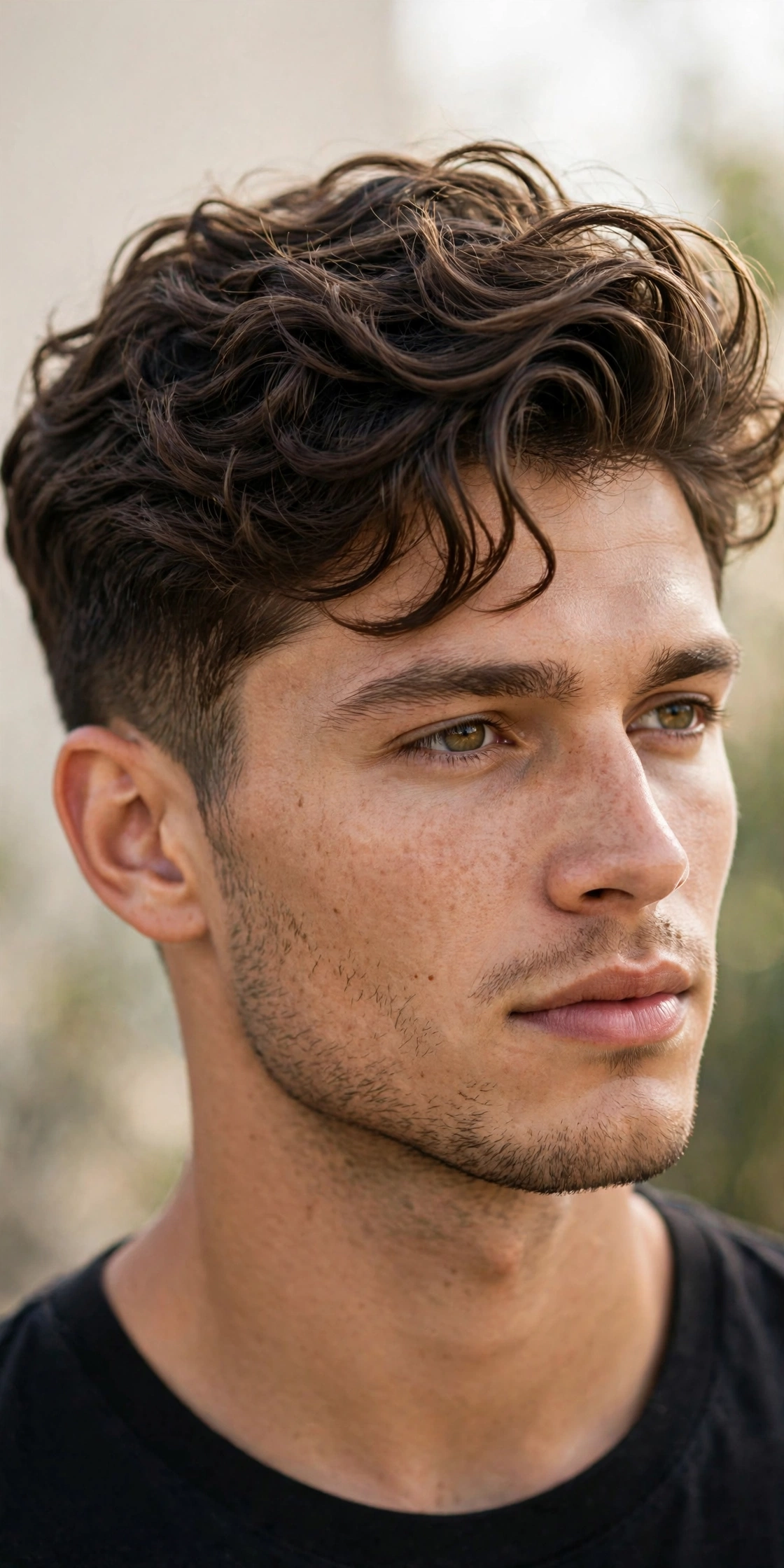
Wavy hair and the warrior cut were made for each other. The natural wave pattern gives the top exactly the movement and body the style is built around, so you get the editorial look with half the effort. The top runs a little longer than average, around four inches, with the sides tapered to keep the silhouette clean.
Styling could not be simpler, but there is one rule: do not fight the wave direction. Work a small amount of sea salt spray through damp hair, push everything in the direction your hair naturally falls, and let it air-dry or rough-dry with your fingers. The moment you start blow-drying against the grain or loading heavy product, you lose the easy charm that makes this version special. If your waves are inconsistent, flat in some spots and kinky in others, a good texturizing cut evens out the behavior across the top. This is arguably the lowest-effort warrior cut of all, which is saying something.
11. The Warrior Cut with Undercut
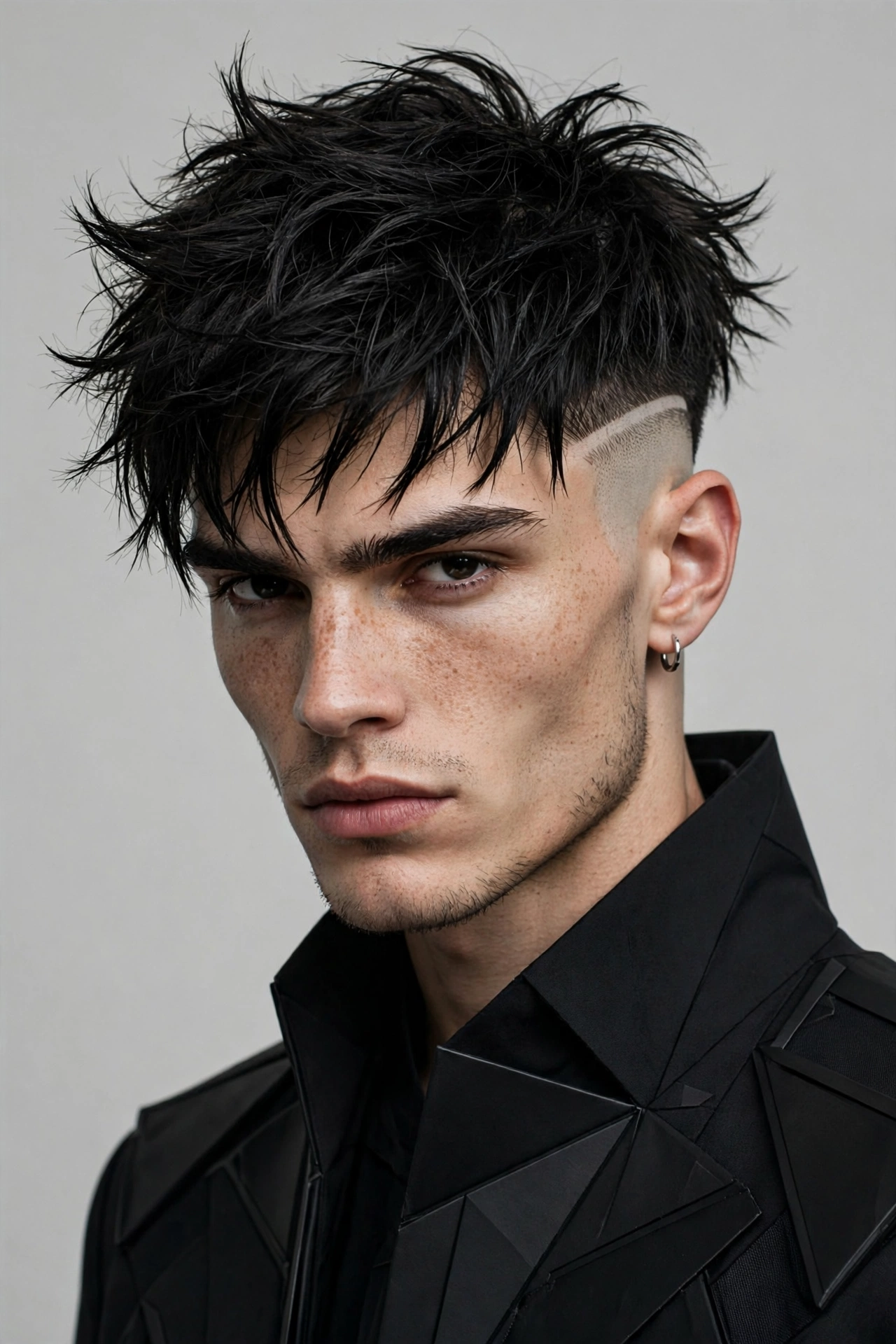
The undercut warrior breaks the blending rule entirely. The sides and back are cut short to one uniform length with a sharp line of demarcation, while the top stays long and textured. No gradual fade, no soft transition. The contrast is the whole point, and it gives the cut a rebellious, architectural edge that blended versions do not have.
This version works best with real length on top, at least four inches, because the disconnect needs enough hair up top to read intentional rather than accidental. Thick hair carries it best; the weight of the top emphasizes the contrast. Styling follows the usual warrior playbook: sea salt spray, rough dry, matte clay, worn tousled or swept. One caution: the undercut grows out awkwardly if you skip appointments, so this one commits you to a three-week barber rhythm. Tell your barber “disconnected undercut warrior, no blend” and show him a photo. Words alone do not communicate disconnects well.
12. The Messy Bedhead Warrior
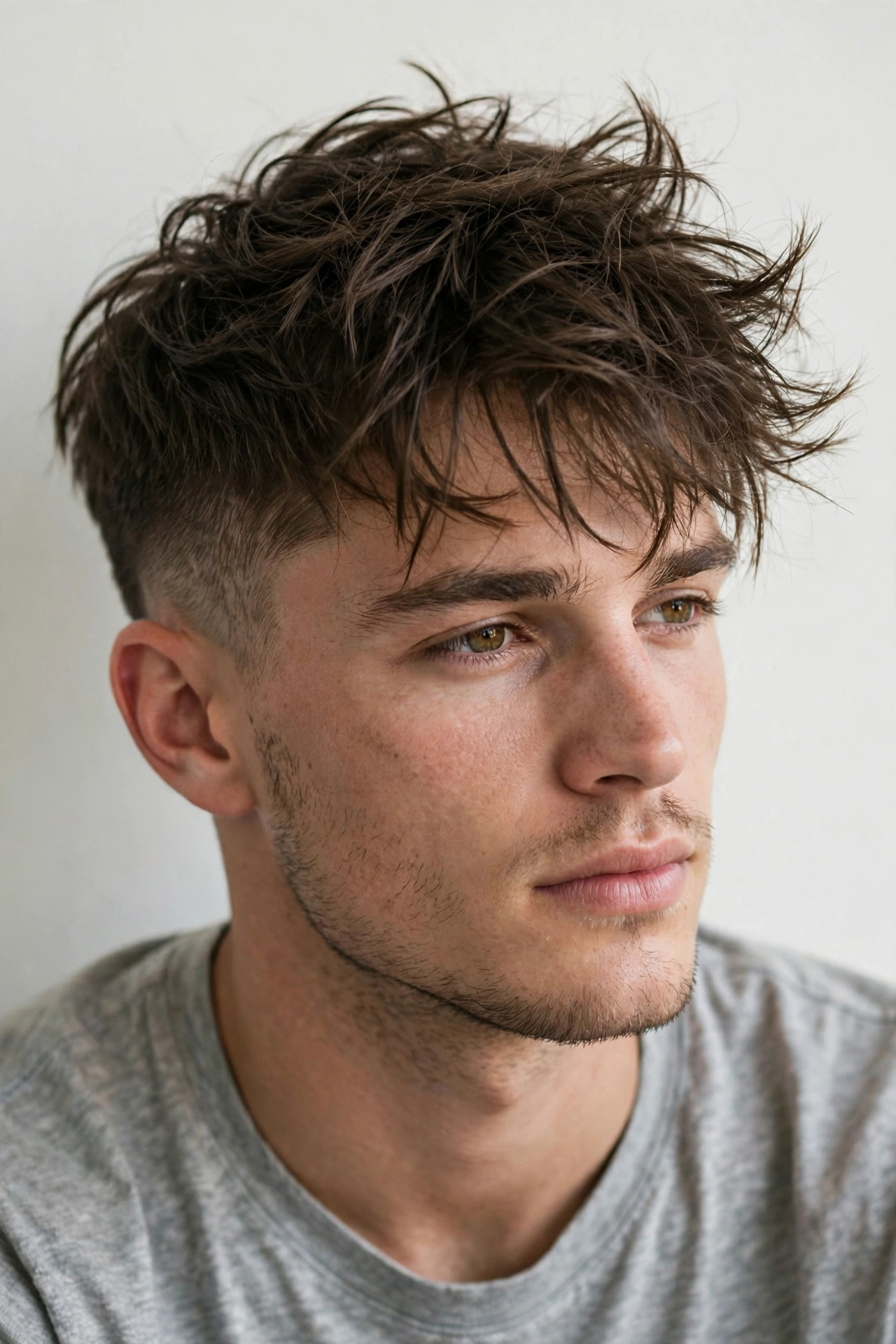
This is the warrior cut at its most relaxed: the top cut with heavy texture and styled with a deliberate just-rolled-out-of-bed finish. Pieces go in different directions, the fringe (if there is one) is uneven on purpose, and the whole thing looks like you have better things to do than your hair. Which is exactly the point, and exactly what 2026 rewards.
Here is the thing nobody tells you about messy hair: it requires the most precise cutting. A good bedhead warrior is engineered with point-cutting so that your “I woke up like this” looks good instead of just slept-in. Styling is genuinely easy though. Matte paste on dry hair, push it around with your fingertips, and leave it alone. The less you fuss, the better it looks. This version is ideal for guys with thick hair that has natural volume, and it is very forgiving if you skip a styling day, because it looks almost the same either way. It is also the version that best survives helmets, hats, and long days.
13. The Sleek Slicked-Back Warrior
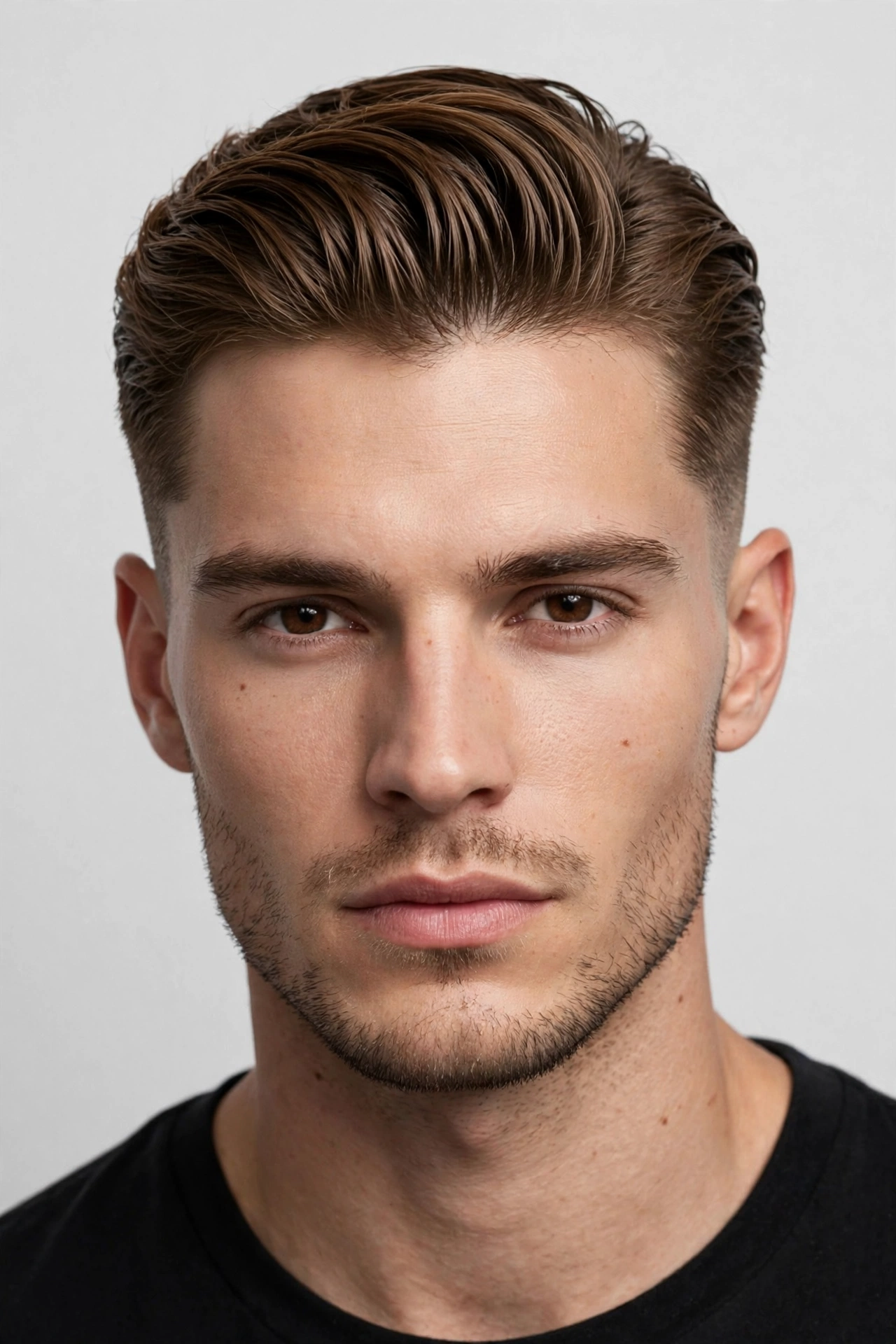
Who says the warrior cut has to be messy? The slicked-back warrior takes the same textured top and combs it back with control, using a matte cream or light pomade for hold without shine. The result keeps the warrior’s strong silhouette but reads polished and deliberate, the version you wear to a wedding or a big meeting.
The key is product choice. Heavy glossy pomade pushes this toward a different haircut entirely; a matte cream or fiber keeps the texture visible while holding the shape. Blow-dry the top backward with a vent brush for twenty seconds to set the direction, then work product through from roots to ends. This version suits guys with straighter hair best, since very curly hair fights the slicked direction all day. It is also a great second-day style: yesterday’s texture plus a quick slick-back equals a completely different look from the same cut.
14. The Warrior Cut with Design Lines
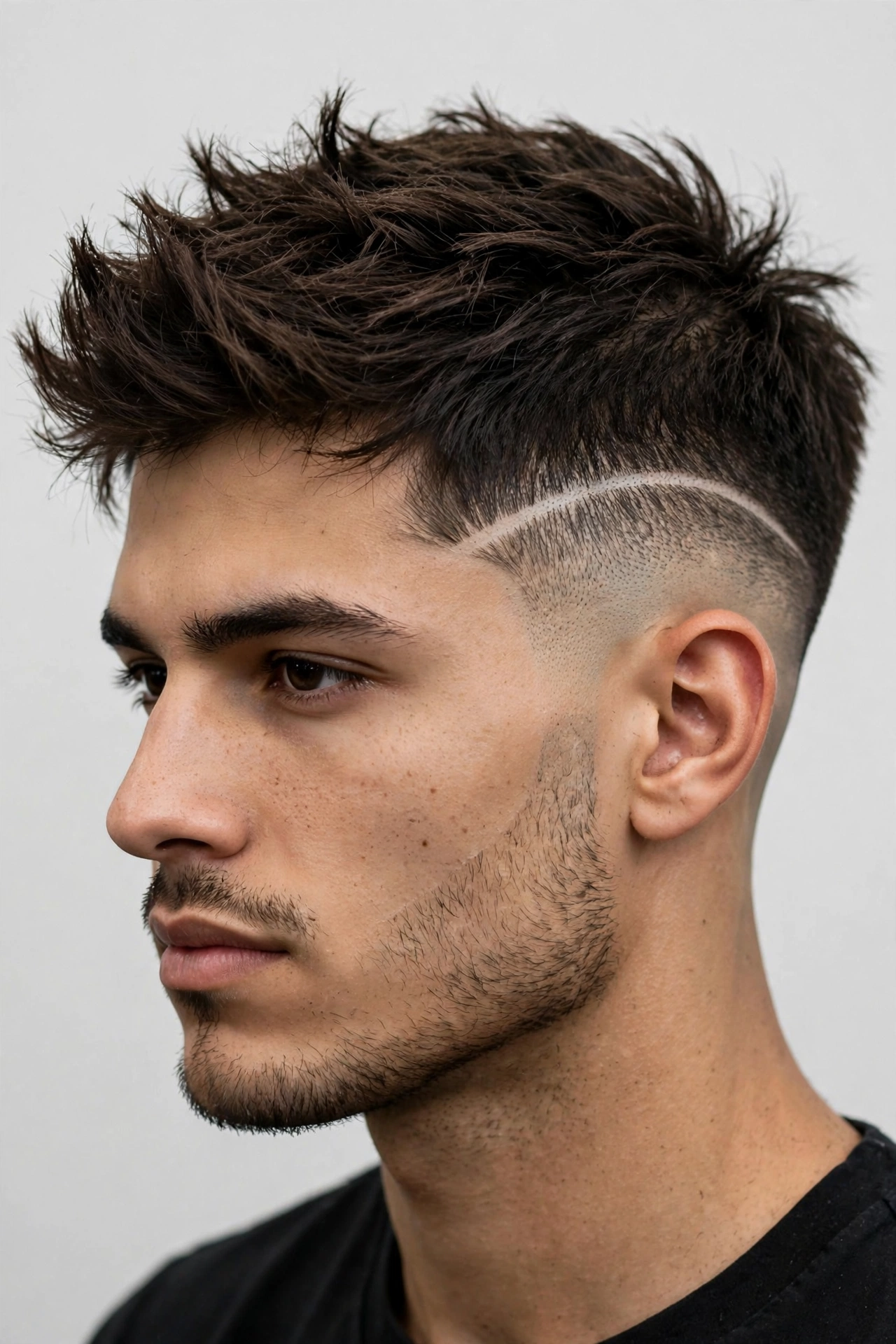
For guys who want their haircut to be a conversation piece, shaved design lines in the fade take the warrior cut into art territory. A single clean line, a double slash, or a subtle geometric pattern carved into the tapered sides adds personalization without changing the cut itself. It is the same warrior on top; the sides just got a signature.
Be honest with yourself about maintenance before committing. Design lines grow out in about a week to ten days, so this is strictly a fresh-cut flex, best timed for events, holidays, or photos. It also works best on darker, thicker hair where the shaved line shows crisp contrast against the surrounding fade. Find a barber who does designs regularly; a wobbly line is worse than no line. And keep it to one or two lines. Restraint is what separates a sharp detail from a distraction.
15. The Short Crop Warrior
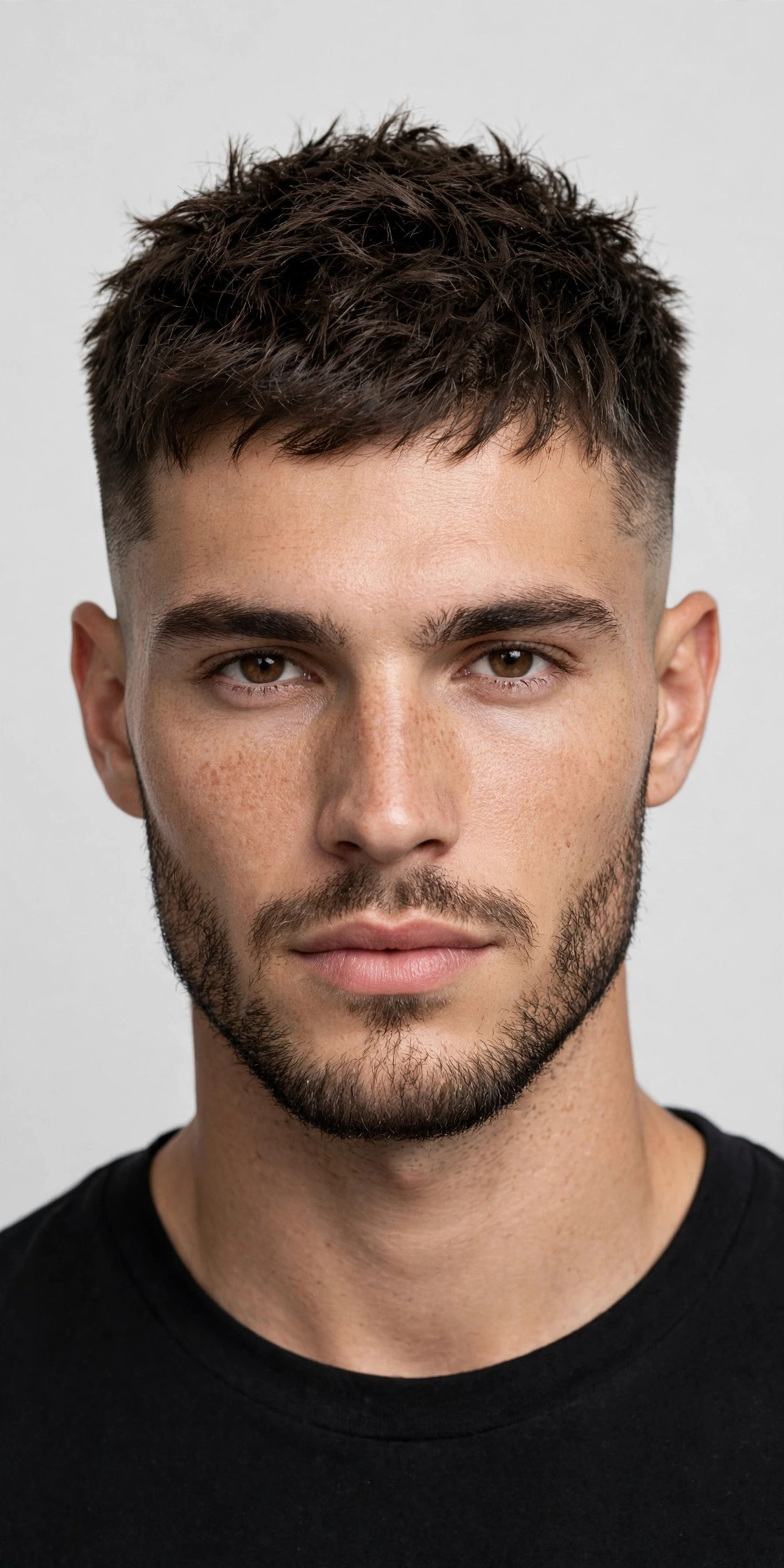
The short crop warrior strips the concept to its essentials: the top taken down to one to two inches with heavy texture, the sides tight with a taper or low fade. It is the warrior cut for guys who like their grooming routine measured in seconds and their haircuts measured in weeks of good behavior.
At this length the cut is brutally honest about head shape and hairline, so it is worth a real conversation with your barber before committing. He will tell you straight whether your crown and hairline will cooperate. On the right guy it is unbeatable: it survives heat, humidity, workouts, and helmets without a second thought, and it makes strong jawlines look even stronger. Styling is optional; most guys just towel-dry and go, maybe a pinch of texture powder for lift. Keep the sides fresh with touch-ups every two to three weeks. At this length, even a week’s growth changes the look noticeably.
16. The Warrior Cut with Pompadour Height
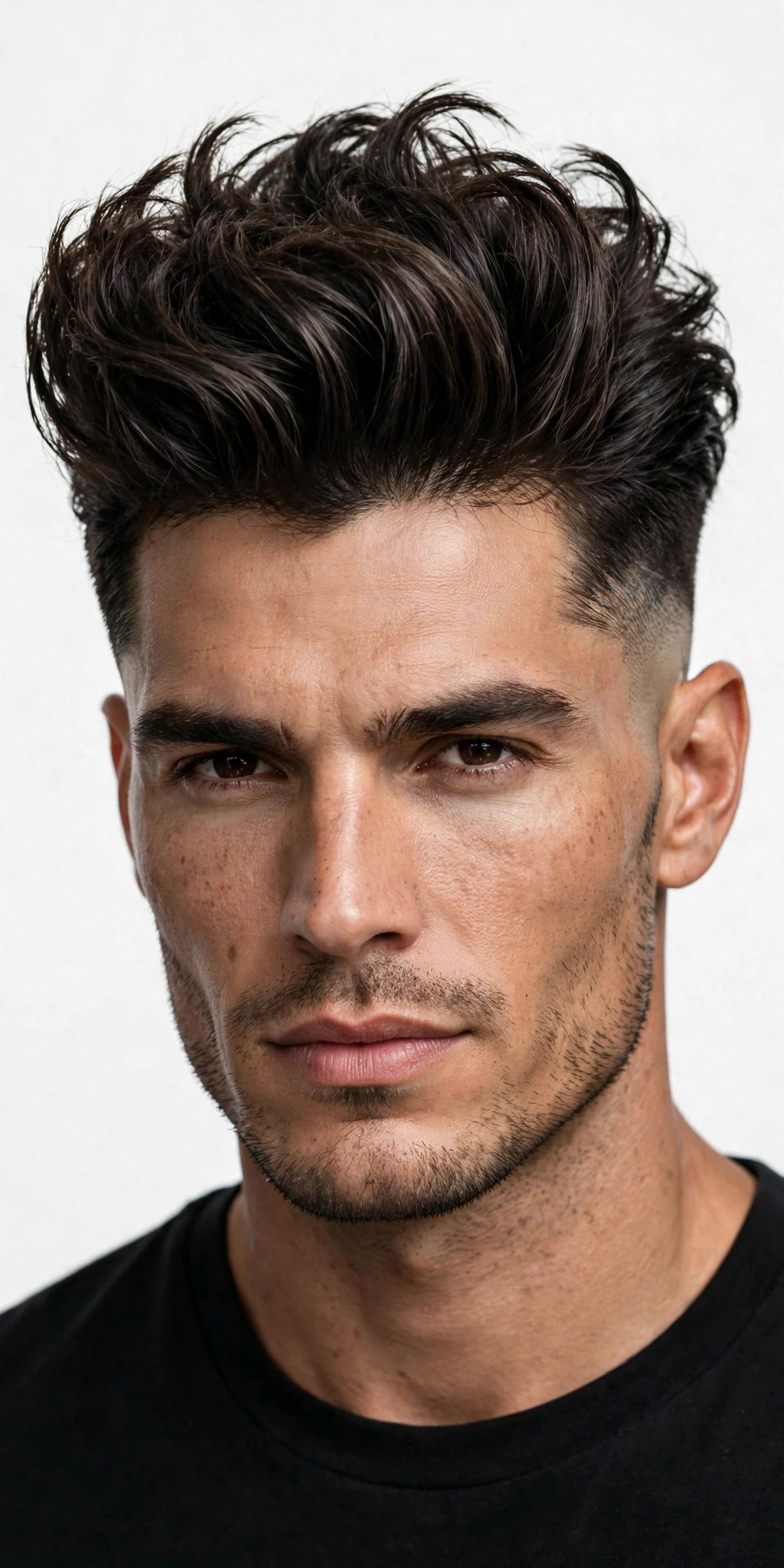
This version borrows the pompadour’s volume and marries it to the warrior’s texture. The top is left longer in front, four to five inches, and styled upward and back for real height, while the sides stay clean and tapered. FashionBeans’ warrior haircut guide flags this blend as ideal for thick hair and angular faces, a sophisticated yet daring mix of vintage charm and contemporary edge.
Height takes a little technique. Blow-dry the front upward with a round or vent brush to build the lift, then lock it in with a matte clay or medium-hold pomade applied at the roots. The texture is what keeps it warrior rather than full pompadour; keep the finish piecey, not sculpted. This is a strong choice for guys with round faces, because the added height elongates the face visually. It is also the most evening-ready warrior on the list. Fair warning: humidity is the enemy of height, so keep a travel-size texture powder in your bag on damp days.
17. The Warrior Cut for Thick Hair
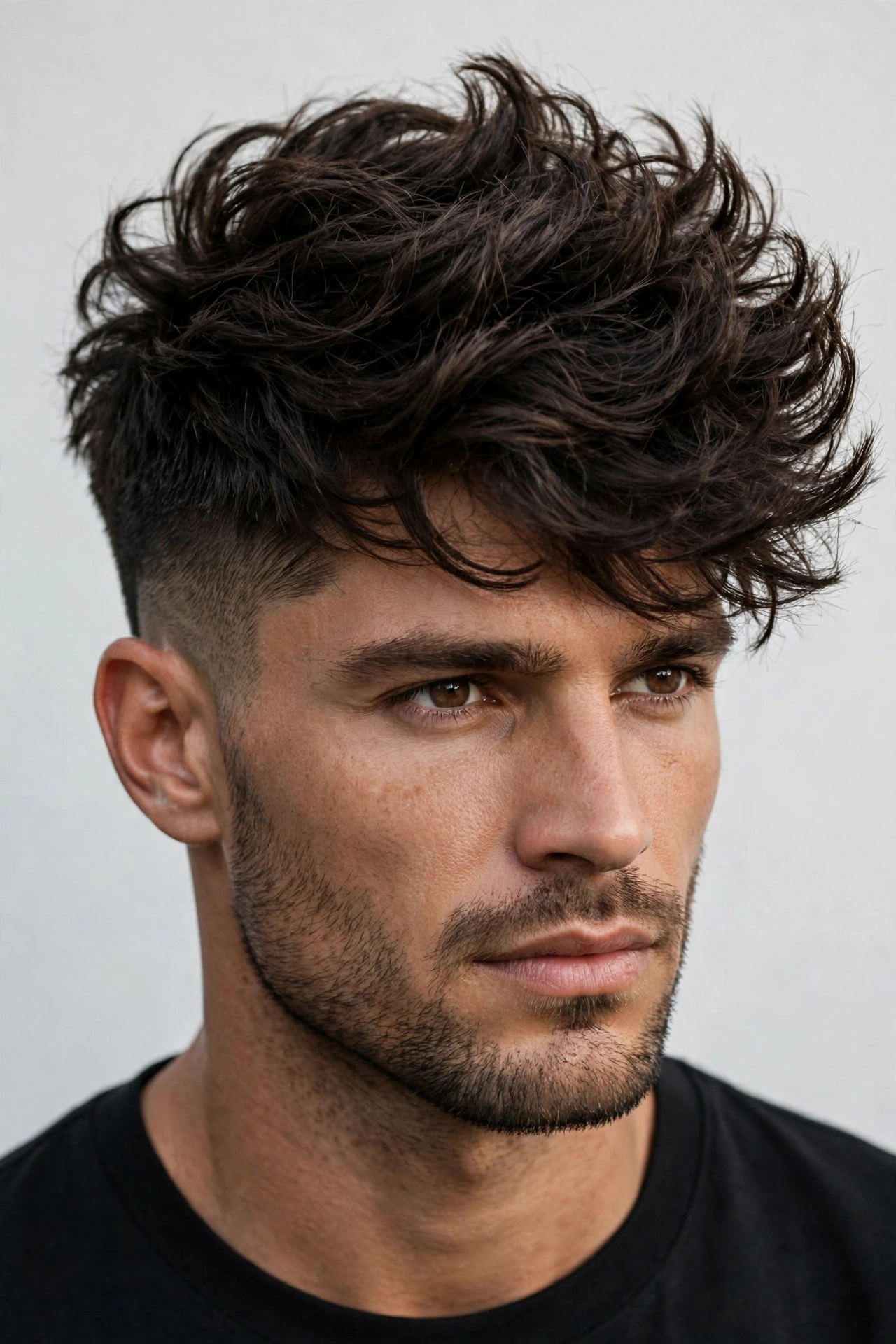
Thick hair can make or break a haircut, and the warrior cut is one of the few styles that genuinely loves thickness. This version is cut specifically to manage density: internal layering and thinning shears remove bulk without losing the textured silhouette, the top keeps its volume, and the sides are taken tight enough to stop the whole thing ballooning outward.
If your hair is thick, the most important sentence you will say to your barber is “take the weight out but keep the length.” Thinning shears used badly create frizz; used well, they create movement. Ask him to point-cut the ends aggressively and to check the cut dry, because thick hair changes shape dramatically between wet and dry. For styling, less product than you think: a pea-sized amount of matte clay is plenty, and sea salt spray is your best friend for grit without weight. Thick hair plus the warrior cut is a genuinely great combination; it is one of the few cuts where density is an asset rather than a problem to solve.
18. The Warrior Cut with Side Sweep
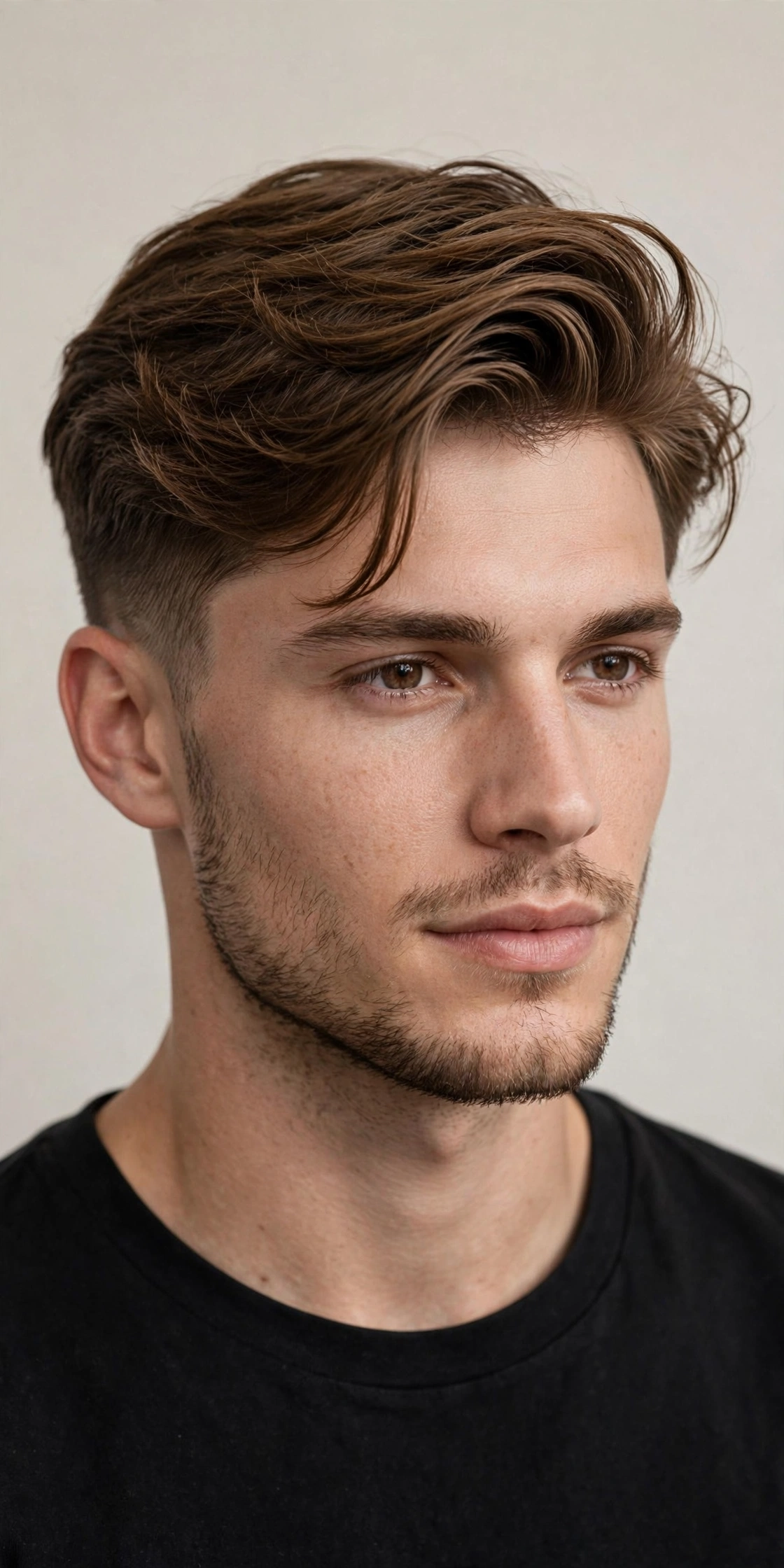
The side sweep takes the warrior’s texture and gives it direction. Instead of the tousled all-over finish, the top is swept to one side, usually off a soft natural part, creating an asymmetric flow that looks relaxed but deliberate. It is the warrior cut for guys who like texture but want a little more control in the morning.
This version flatters a surprising range of faces. The diagonal line of the sweep breaks up round faces, softens square jawlines, and adds interest to oval faces. Styling is simple: blow-dry the top to the side you want it to fall (find your natural part first; fighting it is a losing battle), then work a light cream through to hold the direction without stiffness. It pairs well with a low taper for a clean professional read. If you have ever liked the side part but found it too formal, this is your middle ground. Our guide to the side part haircut for men covers the sharper end of that spectrum if you want to compare.
19. The Warrior Top Knot
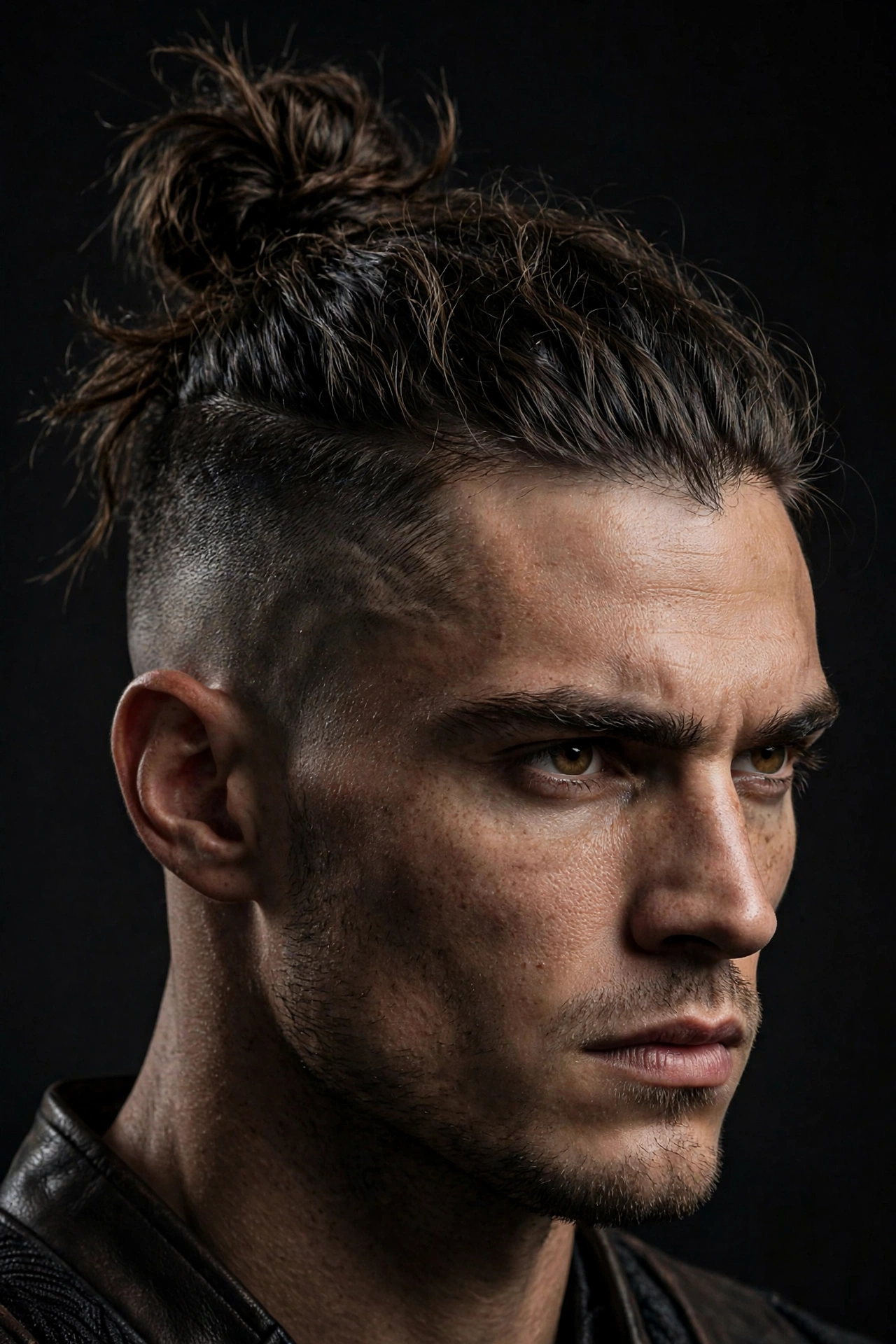
When the warrior cut grows long enough, it unlocks its most dramatic form: the top knot. The top runs six inches or more and gets pulled back into a knot, while the sides stay shaved or tightly faded. FashionBeans’ guide lists the top knot as a signature warrior variation, practical yet stylish, channeling both functionality and history. It is not an everyday choice, but as a statement it is unmatched.
This is a commitment in every sense. You need serious length on top, which means months of growing with regular trims to keep the shape sane. The knot itself should sit high on the crown, not low at the nape; a low knot reads man-bun, a high knot reads warrior. Use a strong-hold wax or pomade to keep it secure without flyaways, and keep the faded sides fresh every two weeks or the contrast dies. Best on oval and diamond faces with medium to thick hair that can actually hold a knot. Not for everyone, and that is exactly why it works.
20. The Subtle Office Warrior

Last but not least, the warrior cut for guys who have to look respectable at 9 a.m. The subtle office warrior keeps everything dialed back: moderate texture instead of wild, a clean low taper instead of a hard fade, the top worn neat with a light cream instead of tousled with clay. Nobody in the Monday meeting will call it edgy. They will just notice you look good.
The genius of this version is that it is the same haircut with different styling. Ask your barber for the classic warrior cut, then style it neat for work and messy for the weekend; one cut, two personalities. Keep the top at three inches so it stays controllable, and avoid skin fades or design lines if your workplace is conservative. A low taper and natural finish keep it firmly professional. If you want to see how short and sharp the professional end of men’s cuts can get, our caesar cut guide is the natural next read.
How to Ask Your Barber for a Warrior Cut
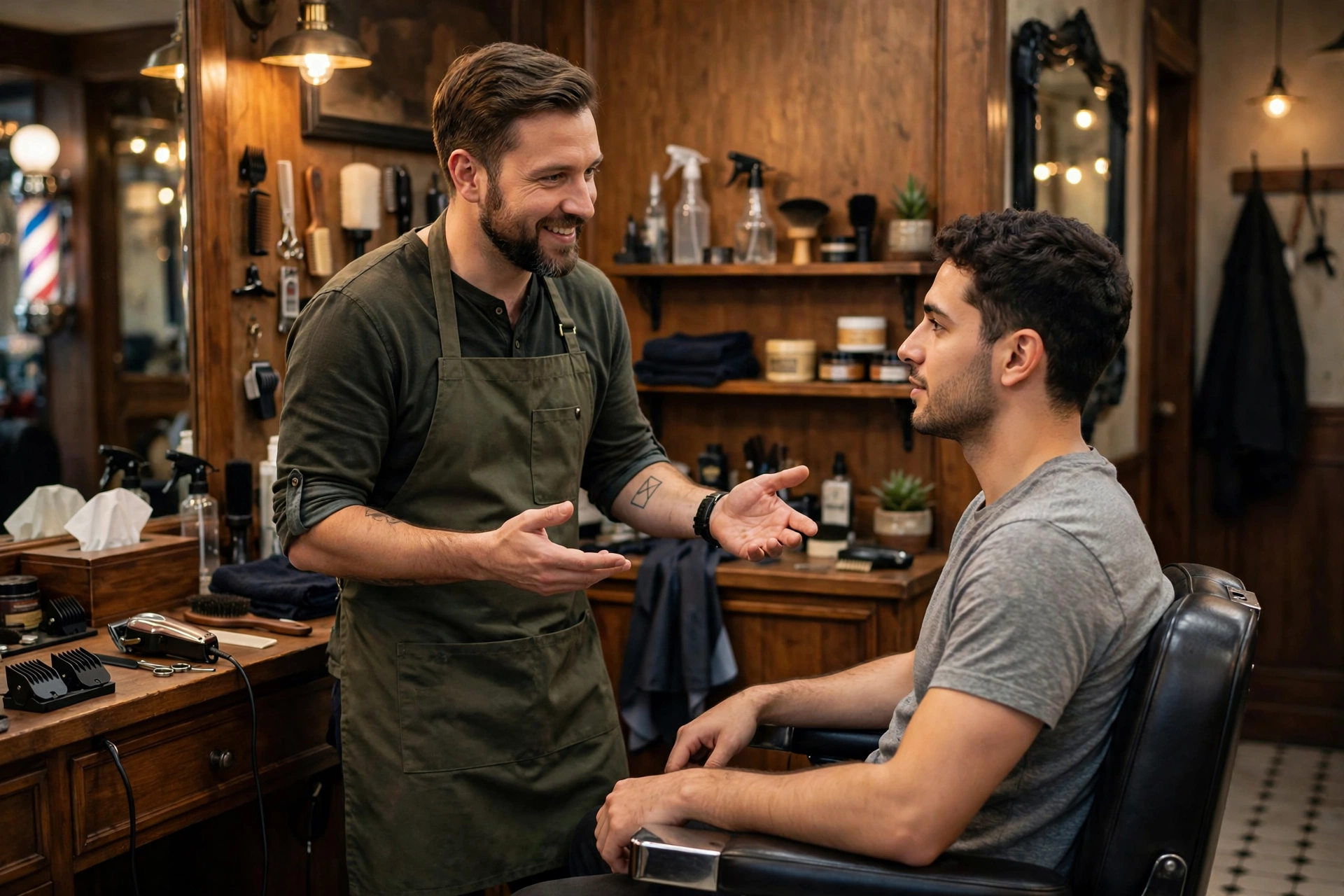
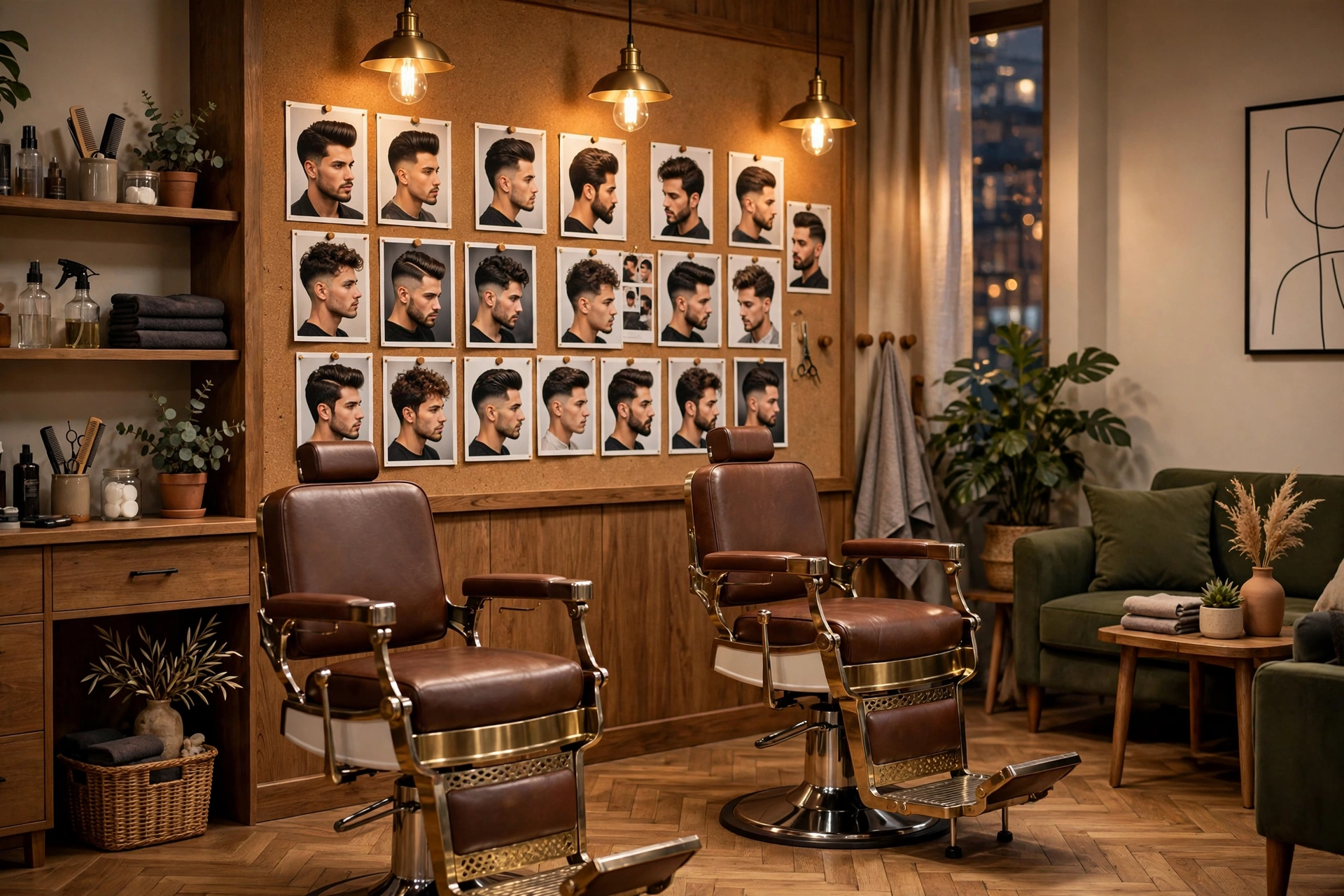
Getting a good warrior cut starts with communication, because “textured haircut” means ten different things to ten different barbers. Daimon Barber’s warrior cut guide puts it bluntly: one of the easiest ways to miss the look entirely is to ask too vaguely. Instead of hoping your barber reads your mind, bring reference photos. Three or four images of the exact warrior variation you want, from different angles, eliminate guesswork completely. Save them on your phone before you walk in.
Use the right terminology. Say “warrior cut” explicitly, then describe the key features: “textured top with three to four inches, tapered or faded sides, matte lived-in finish.” Specify the sides: low taper for subtle and professional, mid fade for sharp contrast, skin fade for maximum edge. Mention the finish: “movement and separation, nothing neat or polished.” A good barber will also want to know your styling tolerance, because some warrior versions need daily effort and some need none. If he cannot explain the styling back to you, he might not understand the cut well enough to execute it.
Discuss your hair type honestly. The warrior cut needs adjustment for different textures: straight hair needs more point-cutting to create movement, curly hair needs careful length management to control volume, wavy hair is the easiest canvas of all. Ask how the cut will grow out and when he wants to see you next. And if you are torn between the warrior and something wilder, our wolf cut guide covers the bolder end of the texture spectrum, while the high and tight sits at the sharper military end. Knowing the neighborhood helps you pick the right house.
How to Style the Warrior Cut at Home
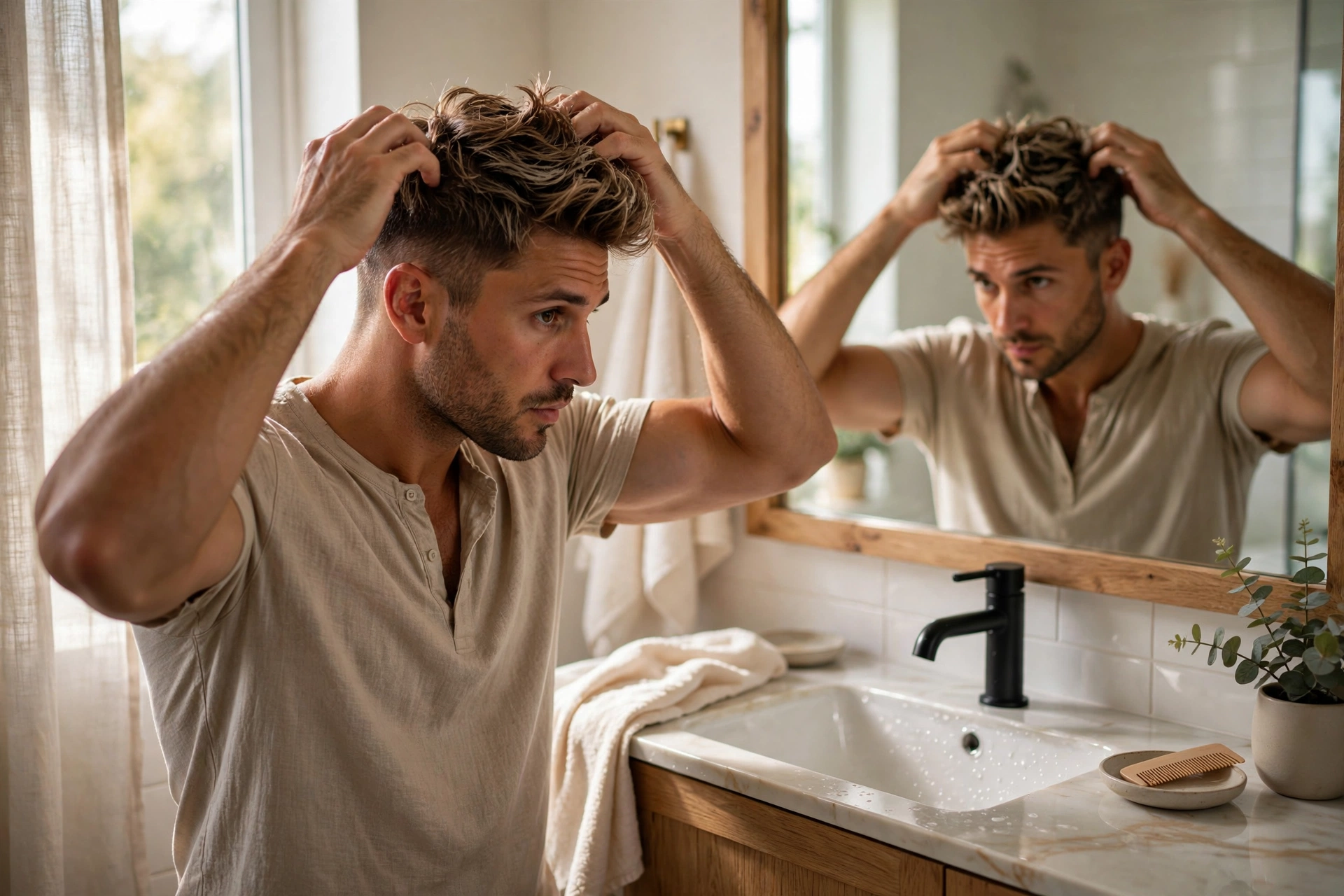
Styling is where the warrior cut really comes to life, and the good news is the routine is short. Start with towel-dried hair and apply a texturizing spray to create grip and movement before drying; a sea salt spray works perfectly here, building natural volume while keeping the finish lightweight and touchable. Blow-dry roughly with your fingers, lifting at the roots, and do not aim for smoothness. The warrior cut should have natural imperfections. Dry until about ninety percent dry.
Once dry, use matte clay for definition. Warm a pea-sized amount between your palms and work it through the top, focusing on the ends and pulling small sections apart to enhance the piece-y texture. Less is more: the biggest mistake guys make with this cut is using too much product, which kills the natural movement that makes it work. Daimon Barber’s guide makes the same point, heavy styling ruins it; the goal is controlled texture, not stiff hair. If you prefer a softer finish with more flexibility, a light styling cream or paste works better than clay, especially on longer warrior cuts.
For extra lift on finer hair, finish with a tiny amount of texture powder at the roots. And remember the matte rule: pomades and glossy finishes push the warrior cut in the wrong direction. It looks best when the finish feels soft, dry, and natural. For second-day hair, refresh with dry shampoo at the roots and a little texturizing spray; the warrior cut genuinely looks better on day two when the texture has had time to set. For more styling inspiration across textured men’s cuts, FashionBeans’ warrior haircut guide breaks down product choices by variation.
Best Face Shapes and Hair Types for the Warrior Cut
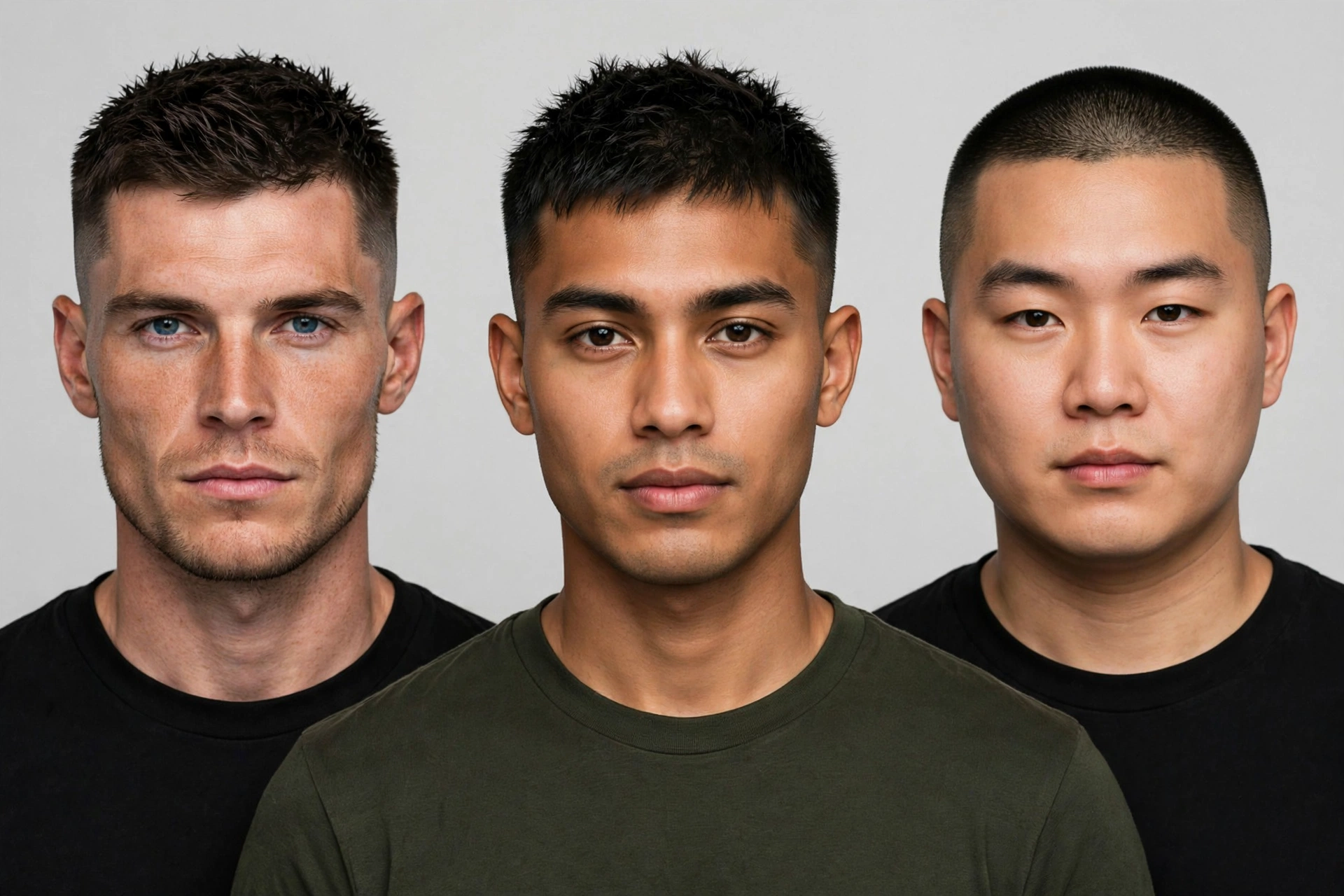
One reason the warrior cut has become so popular is its adaptability, but some faces and hair types get more out of it than others. Square and oval faces are the natural home of this cut; the texture enhances natural structure and the clean sides create balance. If your face is square, the volume on top softens the angles without hiding them. If it is oval, congratulations, you can wear any version on this list.
Rounder faces benefit most from height. Keep more volume through the top, consider the pompadour-height version, and avoid styles that add width at the cheeks. The mid fade or skin fade versions work well here because the tight sides slim the silhouette while the top adds the elongating height. Oblong and rectangular faces should do the opposite: keep the top moderate, avoid excessive height, and let a side sweep or fringe break up the length of the face.
On hair types: thick, straight, and wavy hair are the ideal canvas, the cut was practically designed for them. Thick hair gets the shape and weight management it needs; straight hair gets movement it never had; wavy hair gets to be itself with better structure. Curly hair works beautifully with the right length management, as the curly warrior section above explains. Very fine hair can wear the shorter versions well, especially with texture powder for lift, but the longer tousled versions may fall flat. Fine-haired guys should also look at our fringe haircut guide, which covers texture strategies for thinner hair in detail.
Warrior Cut Maintenance: Keeping It Sharp
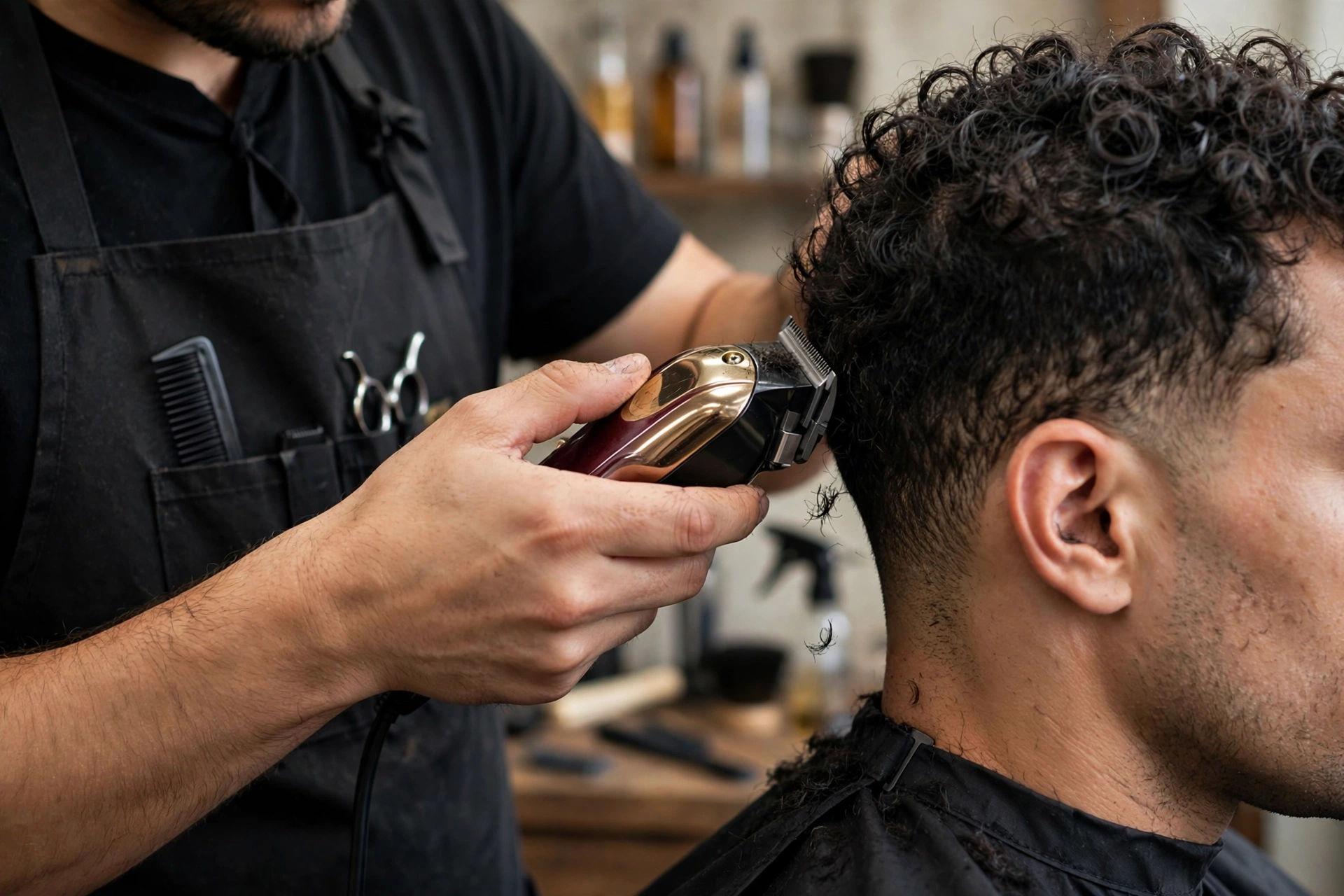
Maintenance depends entirely on which warrior you chose. The faded versions, mid fade and skin fade, need touch-ups every two to three weeks to stay crisp; the fade line softens fast and the whole cut loses its edge. The tapered versions are far more forgiving: a low taper grows out gracefully and stays presentable for five to six weeks. The longer textured versions sit in the middle, needing a shape-up every four to five weeks. Know your version’s rhythm before you commit, because the prettiest fade in the world is useless if you will not maintain it.
Between appointments, the routine is simple. Wash with a volumizing shampoo two to three times a week, not daily; overwashing strips the natural oils that give texture its grip. Condition the ends if your hair is longer. Get the neckline and edges cleaned up between full cuts if your barber offers quick touch-ups, many do them cheap for regulars, and it extends the life of every version on this list. Avoid heavy waxes and shiny pomades in daily styling; they build up, weigh the texture down, and push the cut away from the matte finish that defines it.
One more honest note: grow-out is where the warrior cut quietly beats most trendy cuts. Because the top has real length and the texture is built into the cutting, it transitions into a longer textured style gracefully instead of collapsing into an awkward phase. If you decide to grow it out, ask your barber for a “grow-out plan” at your next visit; he will adjust the sides to keep the silhouette sane while the top gains length. The modern mullet guide is worth a look if your grow-out starts heading in that direction, since the two cuts share DNA.
Warrior Cut FAQs
Quick answers to the questions guys ask most about the warrior cut before booking the chair.
How long does my hair need to be for a warrior cut?
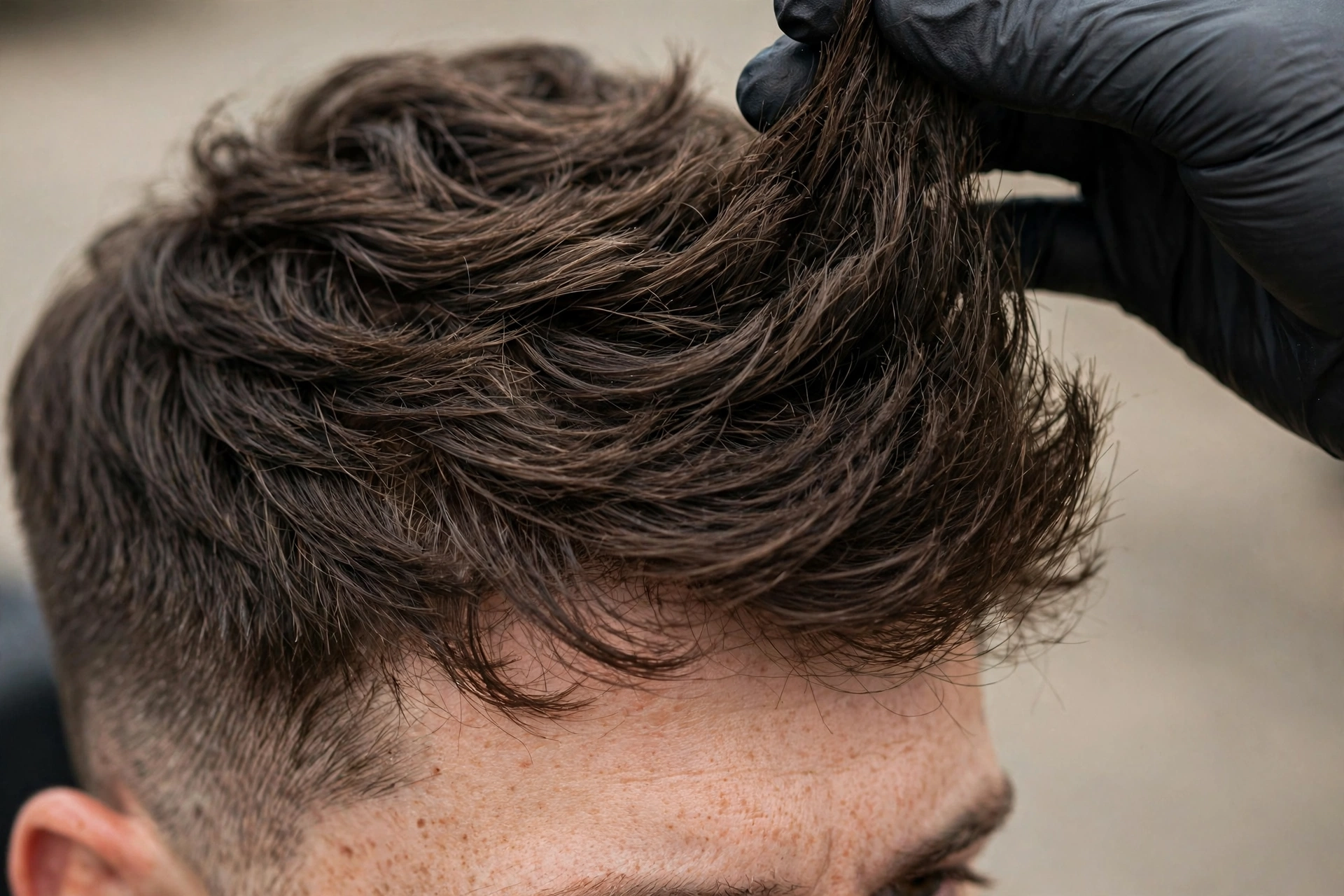
You need at least three inches on top for the texture and movement to work; four to five inches gives your barber the most to work with and gives you the most styling options. The sides can start from almost anything, since they will be tapered or faded anyway. If you are growing out from a shorter cut, give it six to eight weeks before booking, and tell your barber your goal at the in-between appointments so he shapes the grow-out instead of just trimming it.
Is the warrior cut good for thin or fine hair?
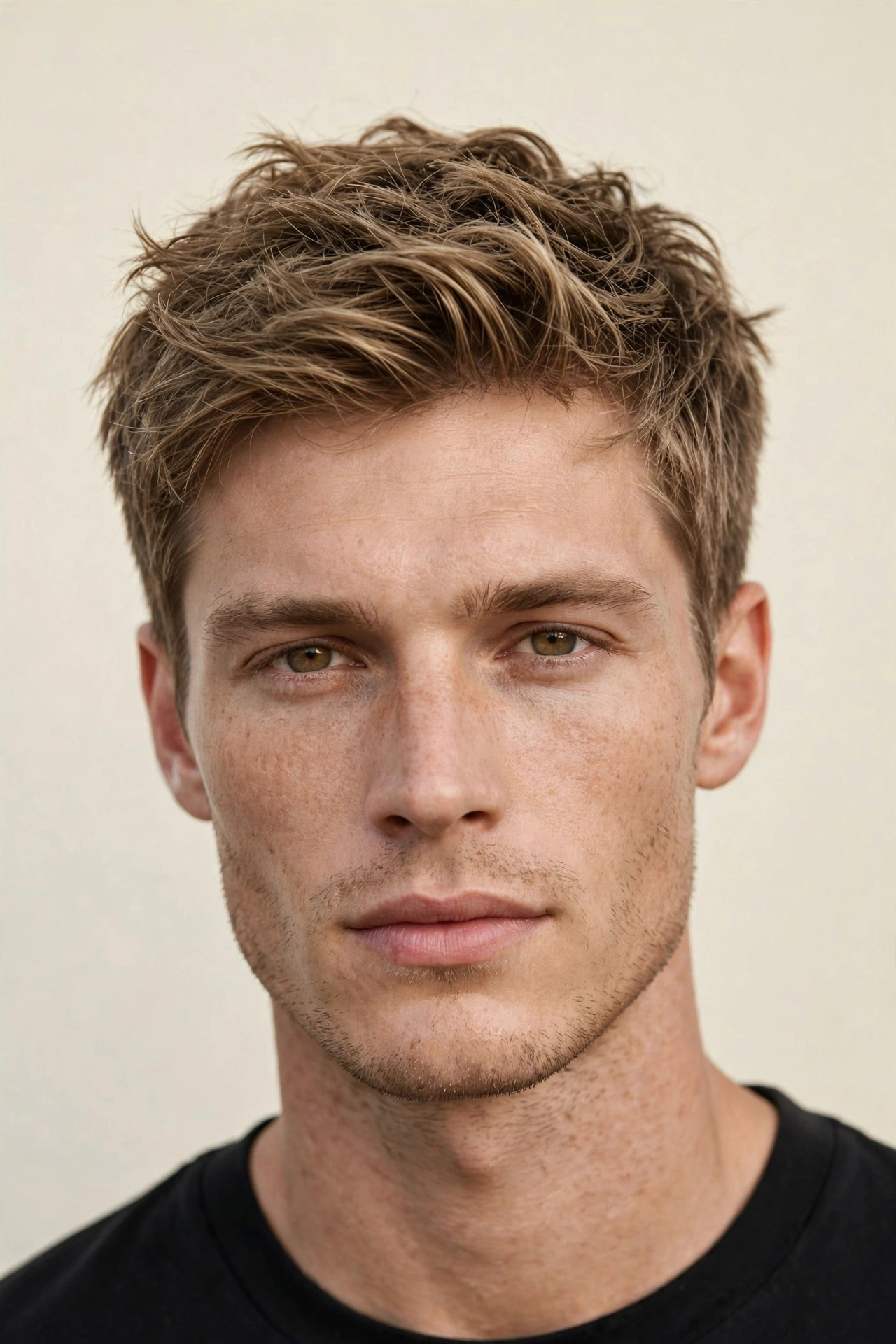
It can work, but choose the right version. The shorter crop warrior and the textured tousled versions add the illusion of density through layering and matte texture, especially with texture powder at the roots. Avoid the longer versions, which can fall flat and expose the scalp on fine hair. Be honest with your barber about density; a good one will adjust the layering to maximize what you have. And keep the finish matte always, since shine makes fine hair look thinner.
How often do I need to trim a warrior cut?
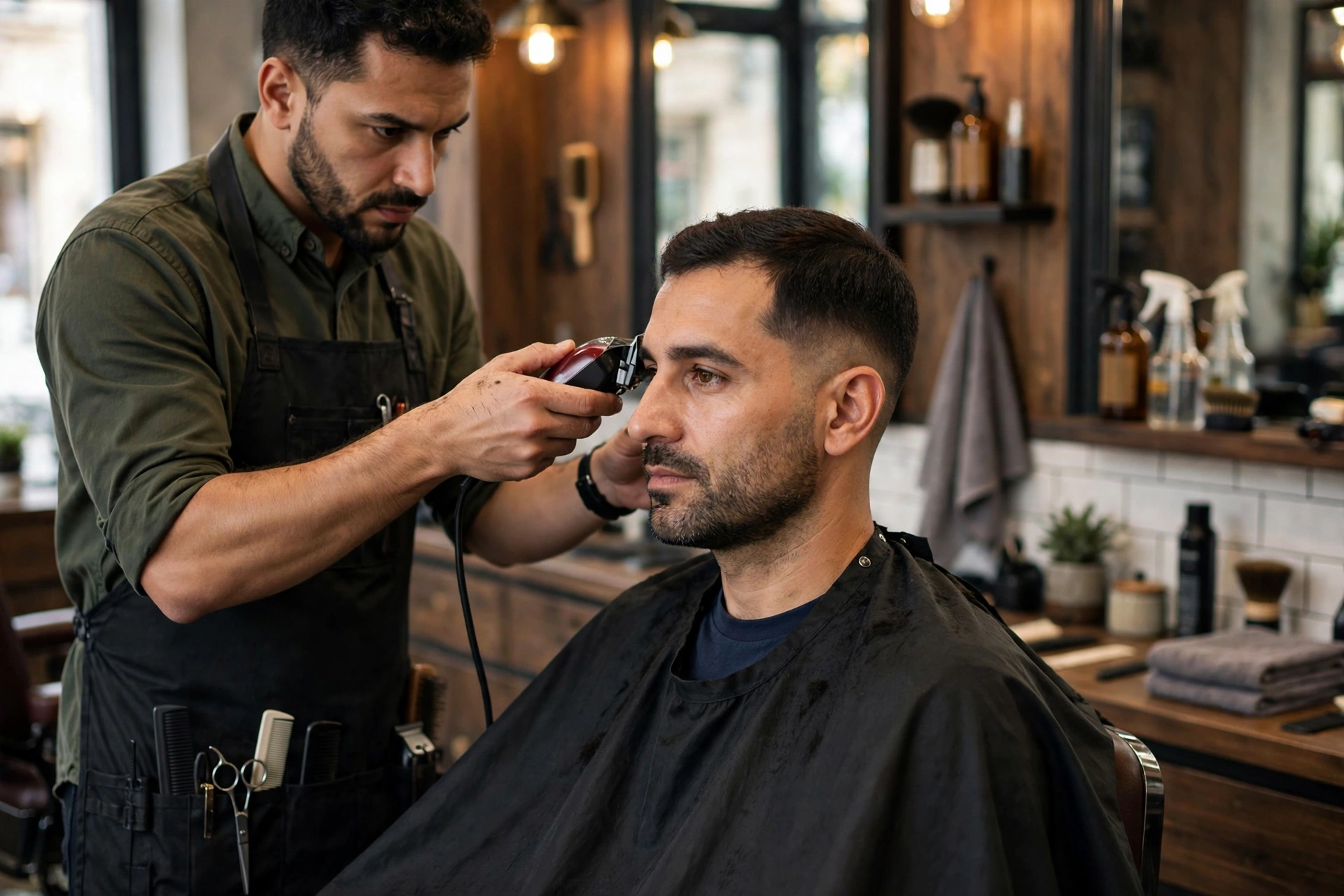
It depends on the sides. Skin fades and mid fades need attention every two to three weeks. Low tapers and scissored sides stretch to five or six weeks. The textured top itself holds its shape for four to six weeks before the layers grow heavy. Most guys land on a full cut every four weeks with a quick edge-up in between if they run a fade. Budget and calendar honesty matters more than the “ideal” schedule; pick the version whose maintenance you will actually do.
Can I get a warrior cut if I work in a conservative office?

Absolutely, get the subtle office warrior. Low taper, moderate texture, top worn neat with a light cream. It reads as a sharp, modern haircut, not a statement. Avoid skin fades, design lines, and extreme disconnects in conservative environments. The beauty of this cut is that the same haircut can be styled neat for work and messy for the weekend, so you are not locked into one personality.
What is the difference between a warrior cut and a textured crop?
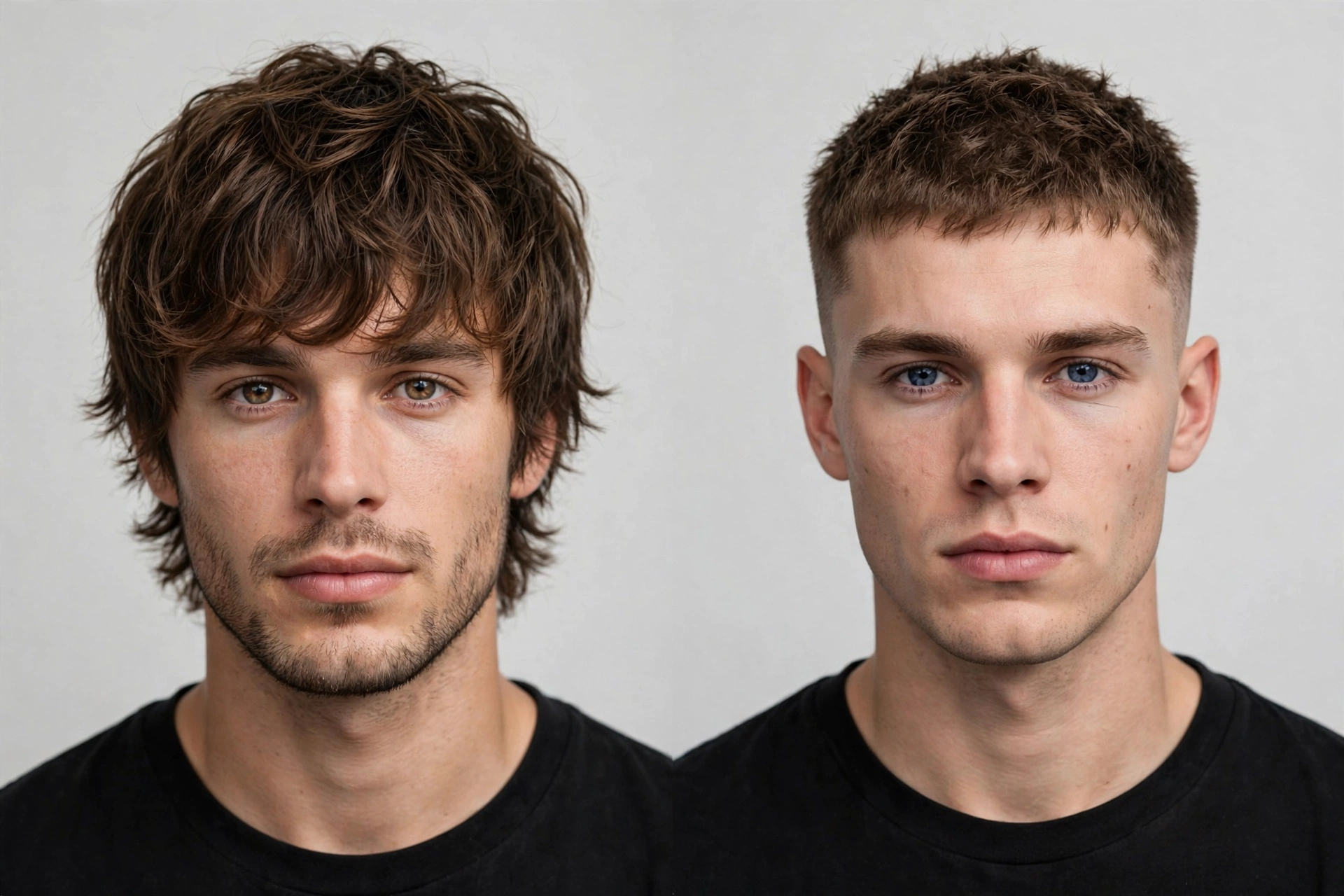
Length and intention. A textured crop is short all over, usually one to two inches on top, and reads neat and compact. The warrior cut keeps real length on top, three to five inches, with stronger shape, more movement, and styling versatility the crop does not have. Think of the crop as the warrior’s shorter, quieter cousin. If you like the warrior attitude but want less morning effort, the crop is the compromise; if you want the full look, commit to the length.
Final Thoughts
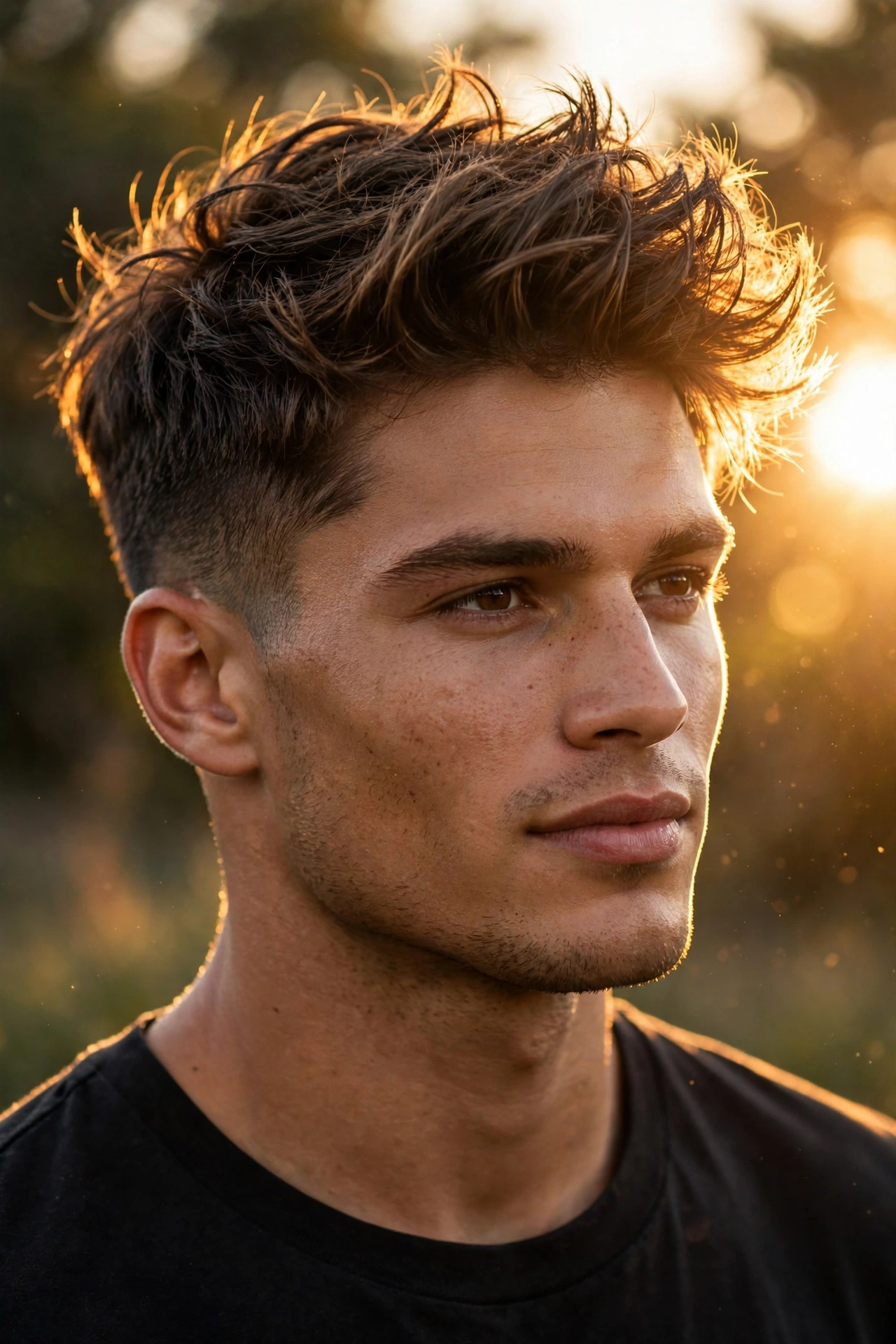
The warrior cut earned its place as 2026’s defining men’s haircut the honest way: it looks great, it suits real life, and it adapts to the person wearing it. Twenty versions is a lot of choice, but you do not need to overthink it. Pick the one that matches your hair type and your maintenance tolerance, save three reference photos, and tell your barber exactly what you want using the script from the barber section above.
My parting advice is the same advice Daimon Barber gives in their warrior cut styling guide: keep the product light, keep the finish matte, and do not over-style what is supposed to look effortless. The best warrior cuts look like the guy just has great hair, not like he spent forty minutes manufacturing it. Get the cut, learn the two-minute routine, and enjoy being the guy other guys show their barber a photo of.
Conclusion
The warrior cut is 2026’s sharpest statement for men — sleek, sculpted, and unapologetically bold. With its clean lines and commanding silhouette, it suits strong jawlines and confident personalities. This is a precision cut that demands a skilled barber and rewards you with a look that owns every room.
Keep it razor-sharp with trims every three to four weeks and style with a high-shine pomade for that battle-ready finish. In 2026, the warrior cut isn’t just a hairstyle — it’s armor.