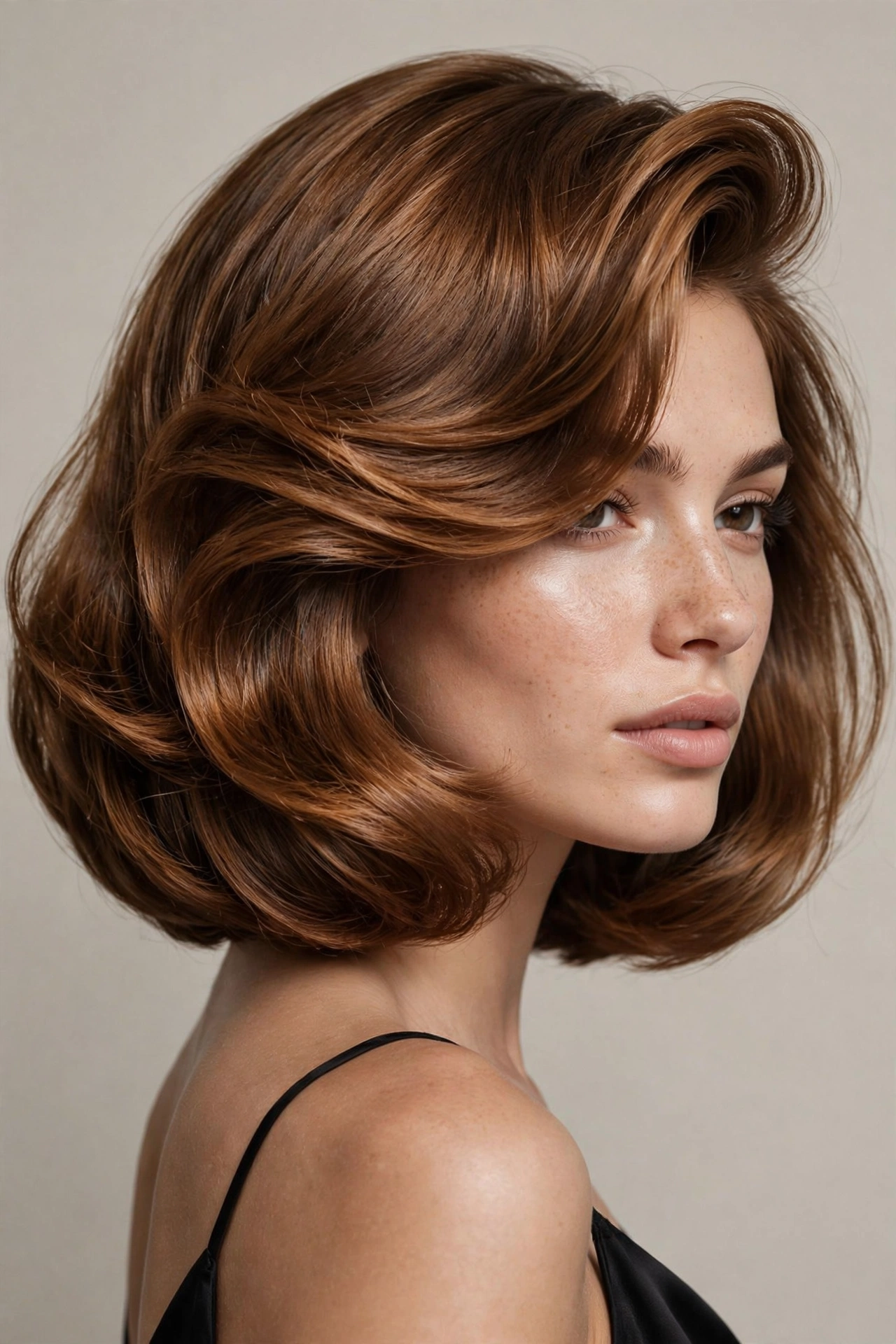
Side Part Hairstyles for Women 2026: 22 Comeback Looks
Side Part Hairstyles for Women 2026: 22 Comeback Looks
For the better part of a decade, the center part ruled women’s hair without question. It was the default in every tutorial, the safe choice in every salon, the part that social media declared the only modern option. Well, the pendulum has swung. In 2026, side part hairstyles for women are officially back — deeper, softer, and more versatile than the version you remember from the 2000s. From runways in New York to red carpets in Los Angeles, the side part is doing something the center part never could: adding instant volume, flattering real face shapes, and making every haircut it touches look a little more polished.
If you have been parting your hair down the middle for years, this guide is your permission slip to experiment. I am covering everything: what the modern side part actually looks like in 2026 (spoiler: it is not the severe deep part of 2008), why stylists are recommending the switch, 22 distinct side part hairstyles for women — bobs, lobs, blowouts, waves, pixies, curls, updos, and more — plus how to retrain your part at home, which face shapes benefit most, and how to keep it in place all day. The best part? Switching your part costs nothing, takes two seconds, and is completely reversible.
What makes this comeback worth paying attention to is that it is not just nostalgia. A side part genuinely changes how your hair behaves: it creates lift at the roots without teasing, adds asymmetry that flatters the face, and gives fine hair the appearance of fullness. Whether you commit to a new cut or simply flip your part tomorrow morning, there is a version of this trend with your name on it.
What Is the Side Part?
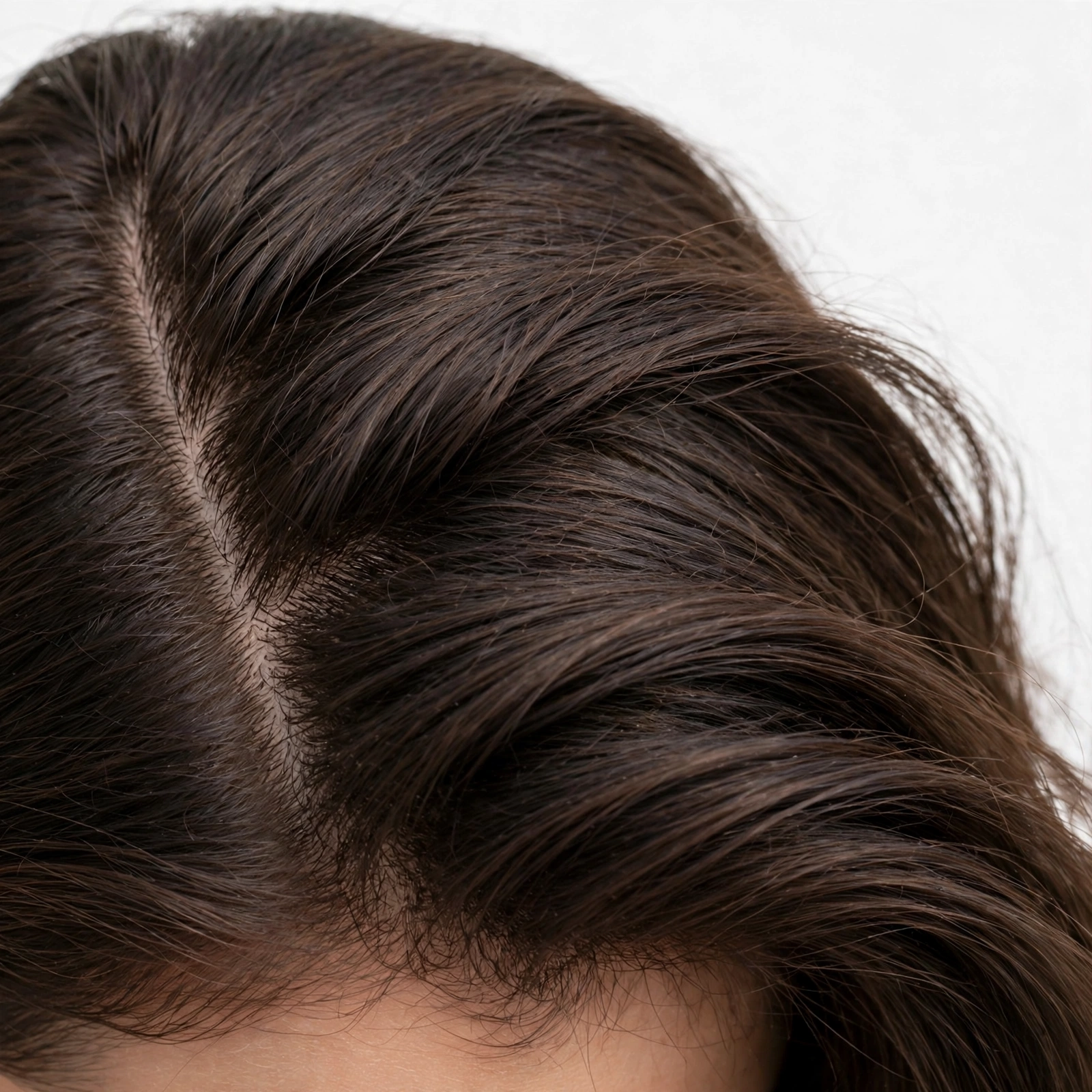
The side part is exactly what it sounds like: hair parted off-center instead of down the middle. But the 2026 version has range. On one end there is the soft side part — shifted just an inch or two from center, barely noticeable, adding a whisper of asymmetry and volume. On the other end is the deep side part, drawn from above the arch of one eyebrow back toward the crown, sweeping the majority of the hair across the forehead to one side. Between those poles live a dozen variations, and each one changes the character of a haircut.
What a side part actually does to your hair is physics, not magic. A center part splits the face symmetrically and lets hair fall flat on both sides. A side part flips more hair over to one side, which creates tension at the root on the heavier side — and tension means lift. That lift reads as volume, especially at the crown, which is why fine-haired women often look like they have twice as much hair the moment they switch. The asymmetry also changes the shape of the face: it adds angles and height, softens strong features, and draws the eye diagonally instead of straight down.
It is worth knowing the history, because this is a comeback, not an invention. The side part dominated the 2000s and early 2010s — the era of side-swept bangs and swoopy emo fringes — before the center part took over in the mid-2010s and held power for nearly a decade. Social media even branded the side part “dated” for a while. But fashion is cyclical, and the side part’s return has been building: first on runways, then on red carpets, now in salons everywhere. The 2026 version is softer and more wearable than the 2008 original — less severe, more lived-in, and designed to work with modern cuts rather than against them.
Why the Side Part Is Back in 2026
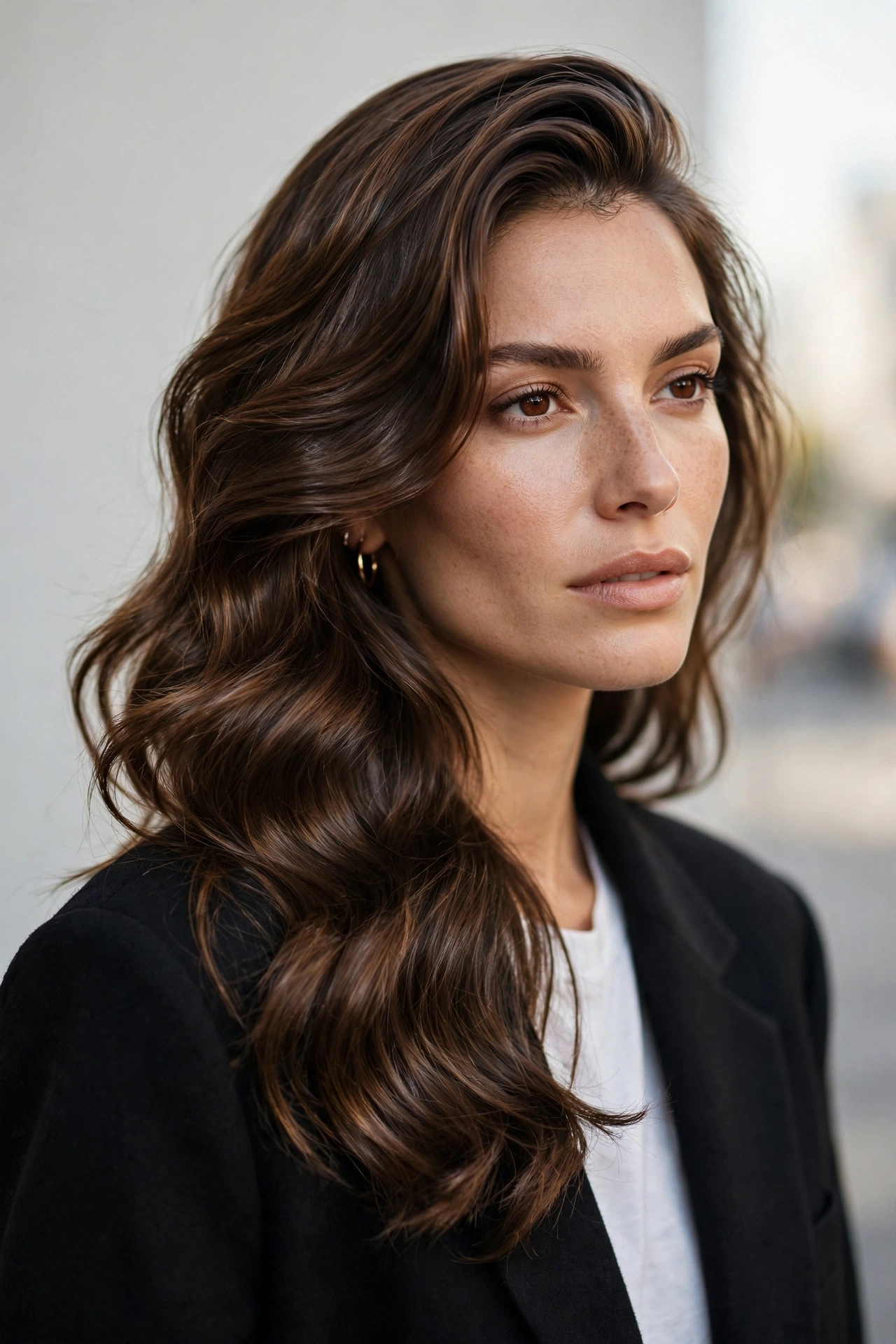
Every comeback has a catalyst, and this one started backstage. At the Fall/Winter 2026 shows in New York, celebrity hairstylists began sending models down the runway with deep, deliberate side parts — a clear signal that the center part’s reign was ending. Red carpets followed fast: major stars arrived at awards season wearing softly waved hair with off-center parts, deep side parts set with hot rollers, and sleek side-parted bobs. When the most photographed women in the world all flip their parts in the same season, it is not a coincidence. Fashion editors at Grazia called the side part’s return one of the defining hair shifts of the fall.
The practical reasons are just as compelling as the celebrity ones. After years of the “clean girl” aesthetic — slicked, symmetrical, severe — there is a collective hunger for softness and movement. The side part delivers both instantly. It adds volume at the crown without any teasing or product, which matters enormously for fine hair that tends to lie flat. It flatters real faces: the asymmetry visually lengthens rounder faces, softens square jawlines, and adds angles where the center part adds flatness. And it is the cheapest makeover in beauty — free, reversible, and done in two seconds with a comb or even a fingertip.
There is also a cultural shift underneath the trend. The 2026 beauty mood leans toward polish with personality — hair that looks intentional but not overworked, glamorous but touchable. The side part fits that mood perfectly: it reads polished on a sleek bob, romantic on loose waves, and effortlessly cool on a textured shag. Beauty writers tracking the season have noted that it pairs beautifully with fall’s other big trends — the relaxed blowout, the Italian bob, the return of vintage volume — because a side part amplifies all of them. As Harper’s Bazaar observed in its 2026 trend roundup, this season’s side parts are deeper and swoopier than ever, a deliberate move away from severe symmetry. When a trend is free, flattering, and everywhere at once, resistance is fairly pointless.
22 Side Part Hairstyles to Try in 2026
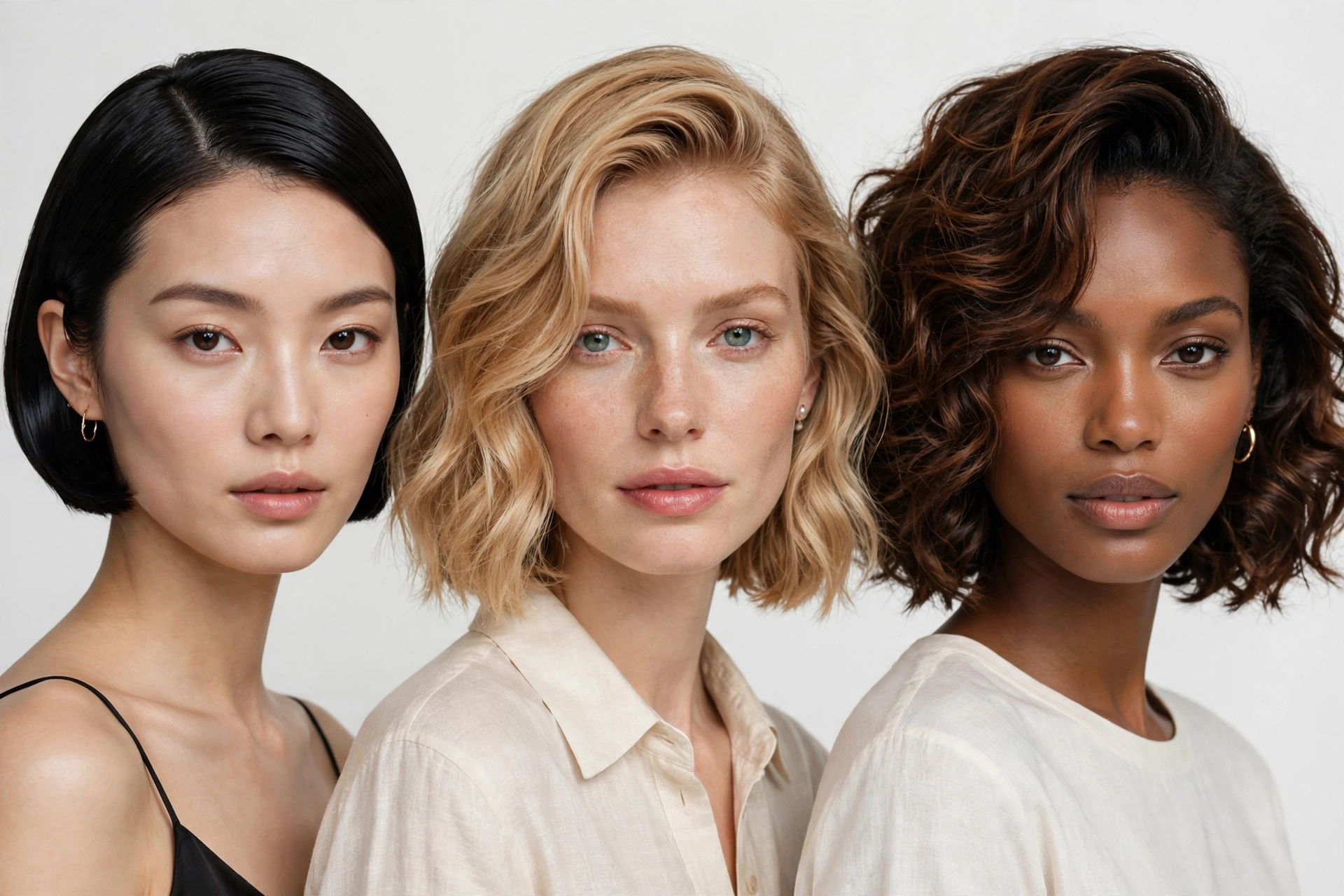
Here is the fun part. A side part is not a haircut — it is a styling choice that transforms whatever haircut you already have, and it also pairs with specific cuts better than others. Below are twenty-two distinct looks, from the classic side-part bob to old Hollywood waves to the glass-hair precision part. Some require a salon visit; some require only a comb and two seconds. Read through them like a menu and find the one that makes you reach for your phone to screenshot.
1. The Classic Side-Part Bob
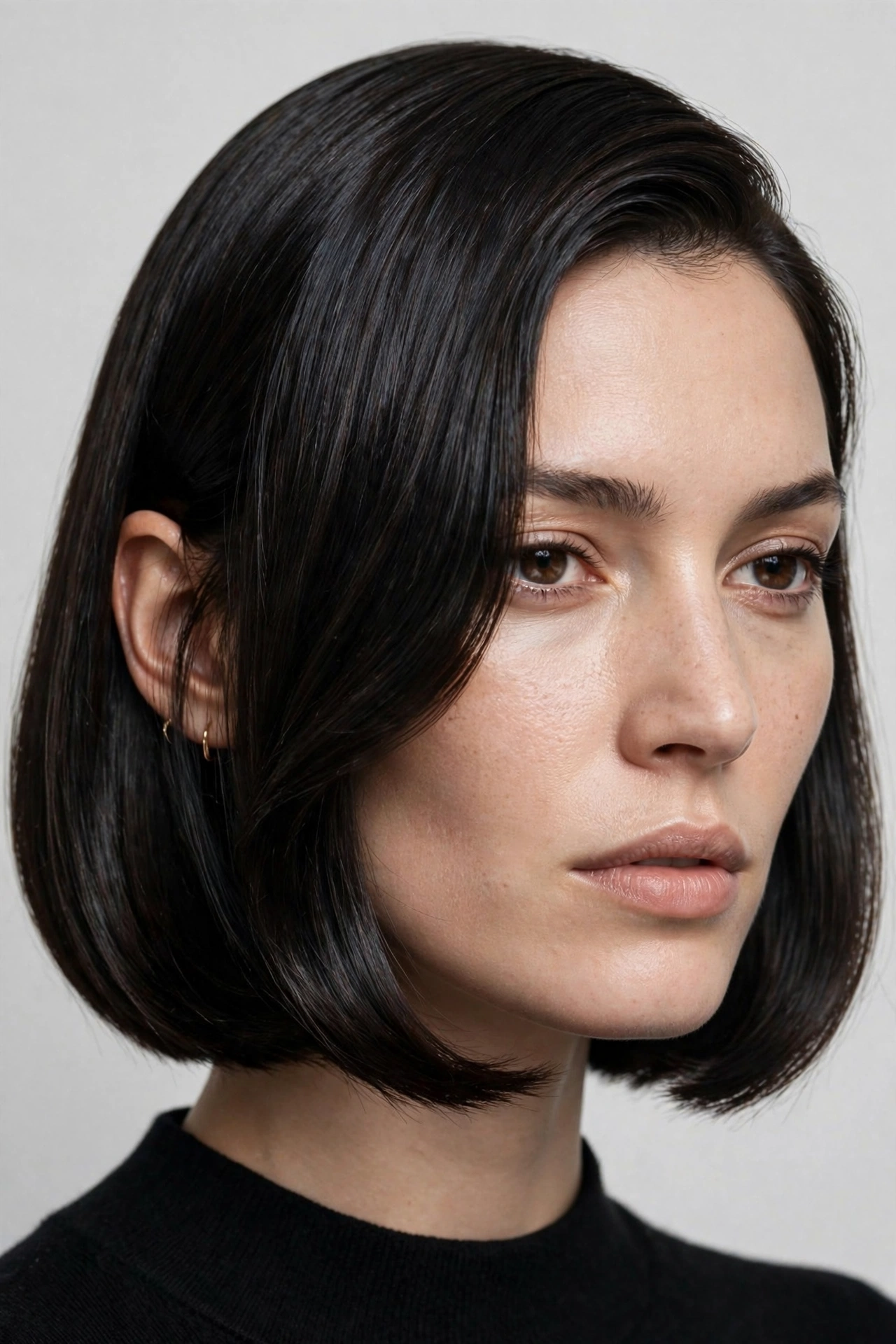
If there is one pairing that defines the side part comeback, it is the bob. The classic side-part bob sits at chin to jaw length, parted a couple of inches off-center, with the heavier side sweeping softly across the forehead. It is polished without being severe, timeless without being boring — the haircut equivalent of a perfectly tailored blazer.
What makes this combination work so well is balance. A center-parted bob can look flat and severe; the side part gives it swing, movement, and a touch of asymmetry that keeps it modern. It suits straight to slightly wavy hair best, and it is one of the most office-friendly looks on this list. Ask your stylist for a chin-length bob with a side part, and mention whether you want it blunt (sharper, more graphic) or softly layered (more movement, more forgiving). For styling, a round brush and a blow dryer give that smooth, tucked finish; a flat iron on the ends adds the crisp line. This is the version to choose when you want the trend without any risk.
2. The Deep Side Part
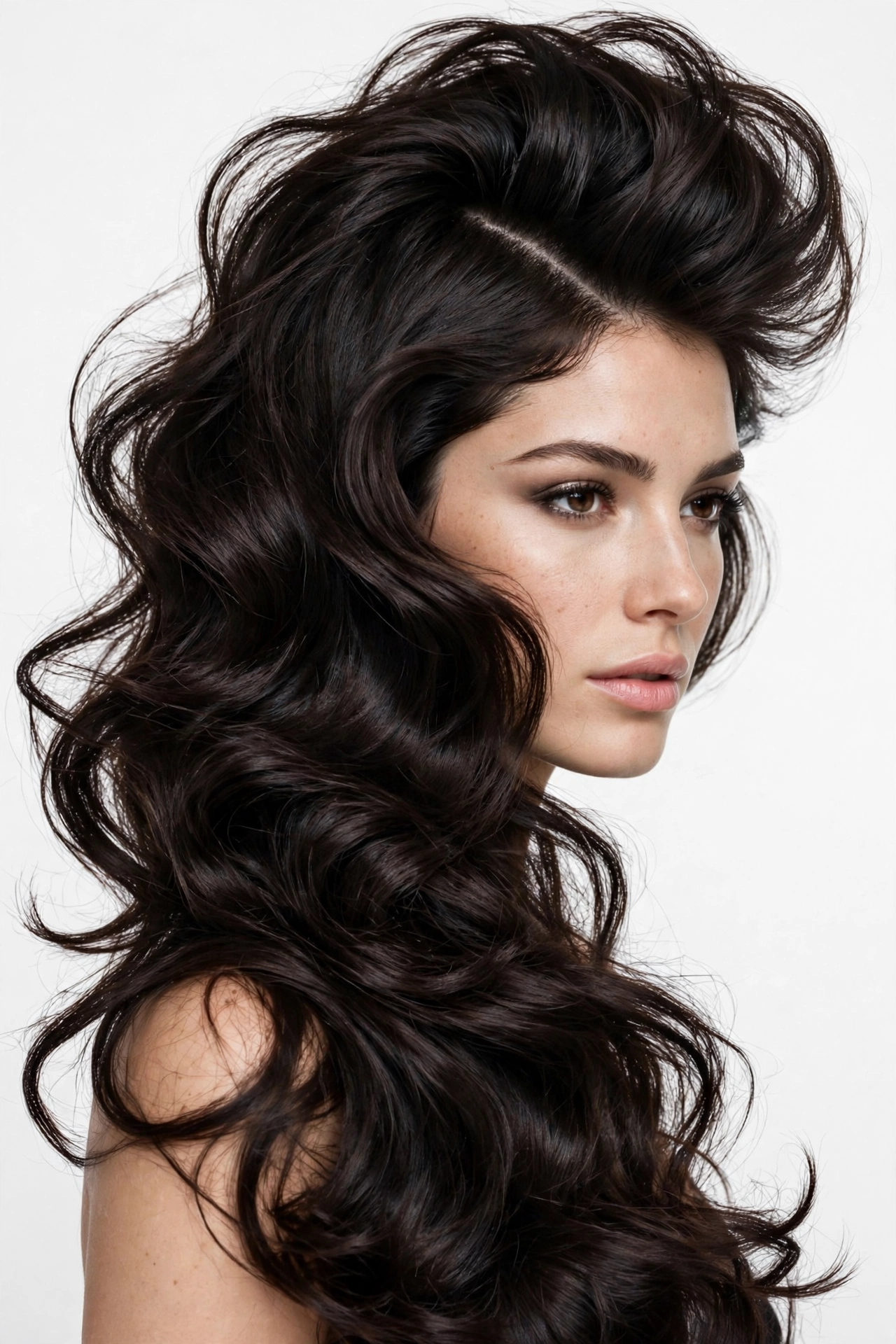
The deep side part is the statement version: the part drawn from above the eyebrow arch, the vast majority of the hair swept across to one side, maximum drama, maximum volume. This is the red-carpet move — the part you wear when you want your hair to do the talking before you say a word.
The deep part works by concentrating more hair on one side of the head, which creates the illusion of density while providing serious lift on the lighter side. For fine or thinning hair, it is genuinely transformative: the asymmetry makes hair look thicker and fuller by sweeping more of it to one side. The key to wearing it well is commitment — a half-hearted deep part collapses by noon. Part it while the hair is wet or freshly blow-dried, set the roots with a little volumizing mousse, and let it cool in position. A deep side part on long hair, cascading over one shoulder, is one of the most glamorous silhouettes in this entire guide.
3. The Side-Part Lob
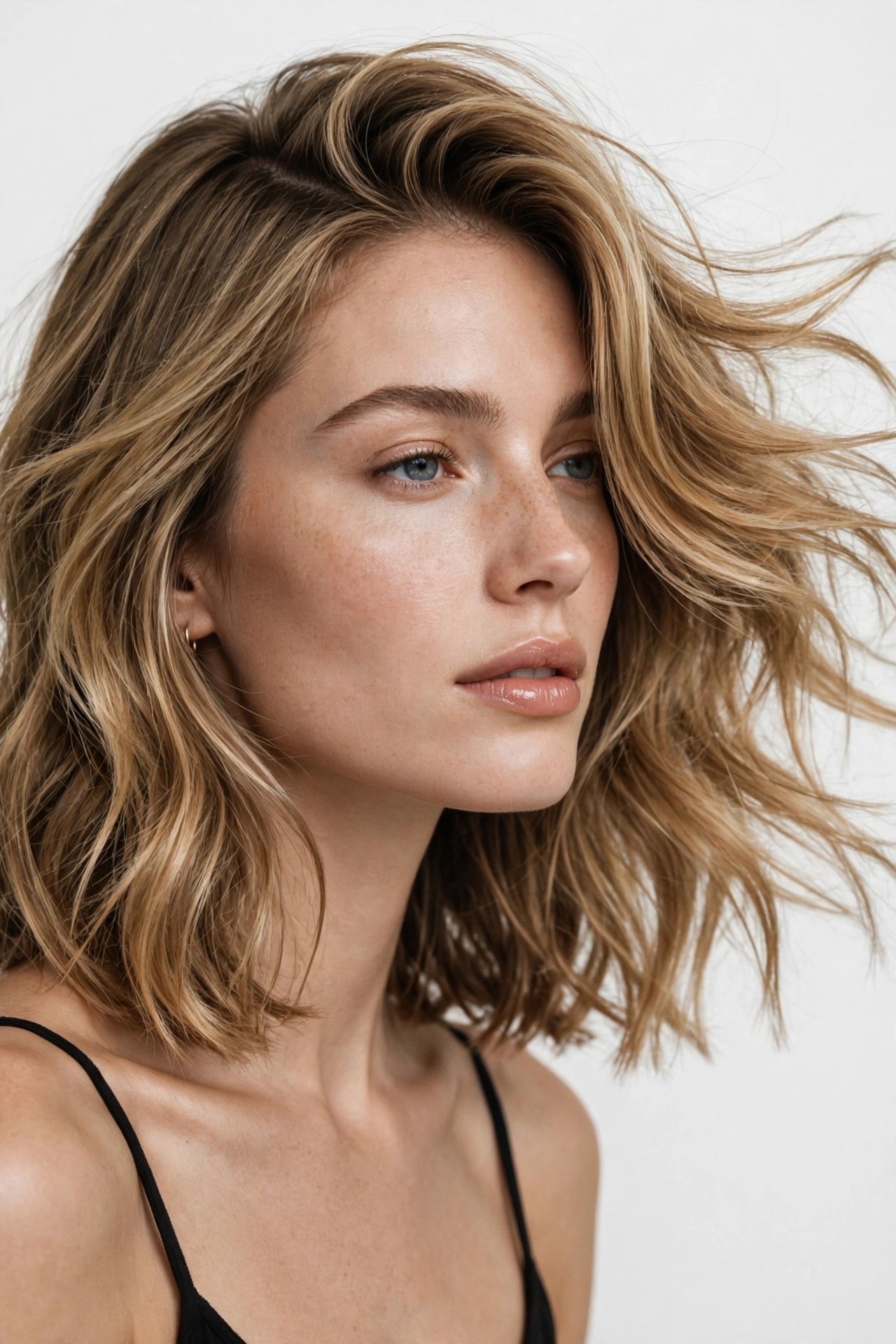
The lob — the long bob that sits at or just below the collarbone — might be the easiest haircut in the world to test a side part on. Switch the part, add a relaxed blowout, and it reads like a brand-new haircut. The side-part lob has movement, swing, and an effortless quality that the center-parted version never quite achieves.
This is the version I recommend to side-part skeptics, because the stakes are so low. The length is forgiving, the part change is reversible, and the result is immediately, visibly different. It works on nearly every hair type: straight hair gets sleek swing, wavy hair gets tousled texture, thick hair gets welcome asymmetry that breaks up bulk. For styling, loose waves with a large-barrel curling iron — curled away from the face on the heavy side — give that expensive, undone finish. If you are growing out a bob or growing into a chop, the side-part lob is also the perfect transitional cut. Our medium length hairstyles guide has more ideas at this versatile length.
4. The Bouncy Side-Part Blowout
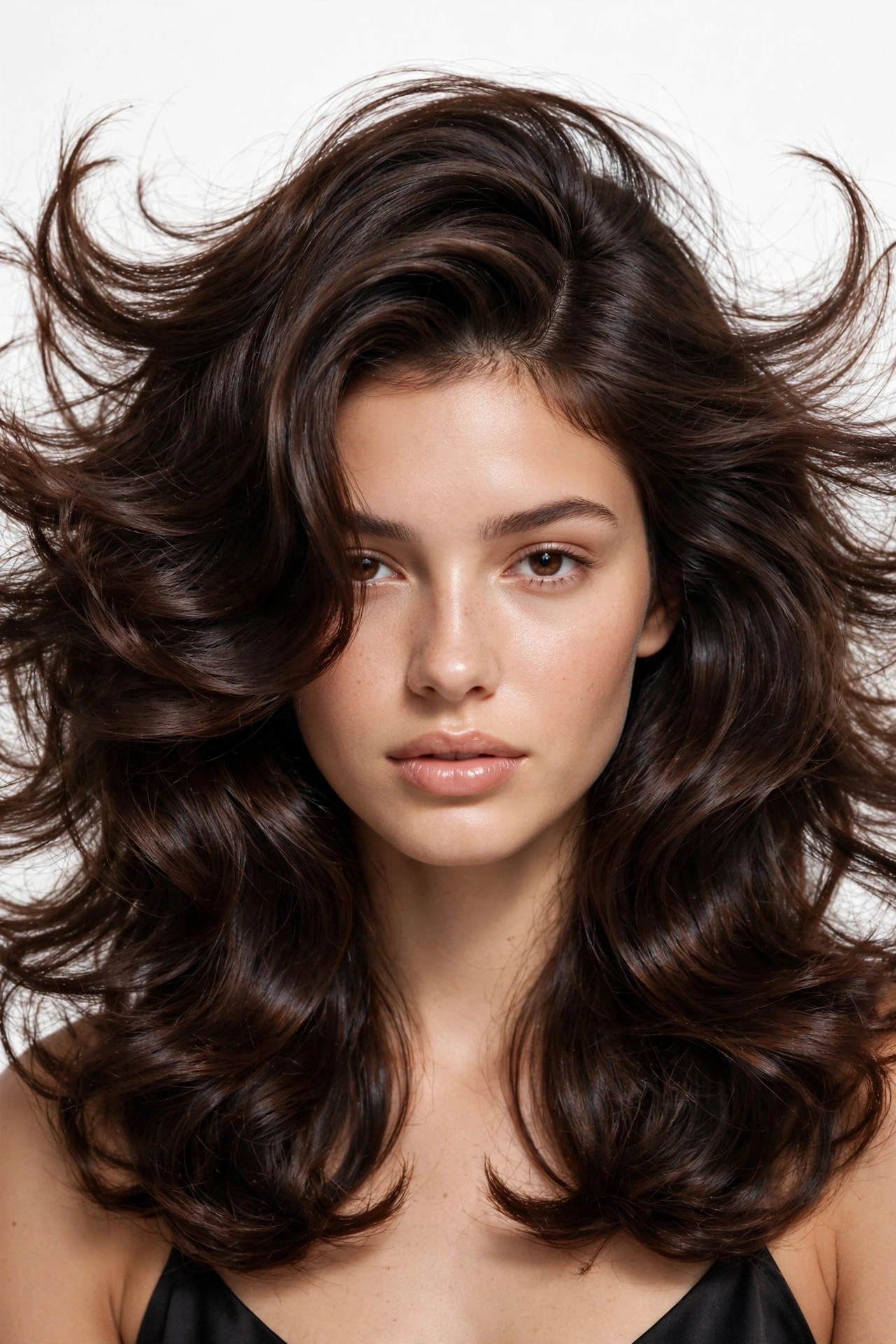
Some combinations are simply meant to be, and the side part plus the bouncy blowout is one of them. The side part creates the root lift; the blowout creates the movement; together they produce that voluminous, salon-fresh look that never goes out of style. This is the hair of morning television hosts, of wedding mornings, of “I have my life together” energy.
The technique matters here. Blow dry the roots in the opposite direction of your intended part first — this trains the lift — then flip to your side part and smooth the lengths with a large round brush, rolling the ends under or flicking them out. A volumizing mousse at the roots and a light-hold hairspray at the end keep the bounce alive for hours. The side part is doing quiet work in this style: without it, a blowout can look round and helmet-like; with it, the asymmetry breaks up the volume and gives the whole thing shape. It is the rare style that looks equally right at a job interview and a wedding.
5. Side-Swept Hollywood Waves
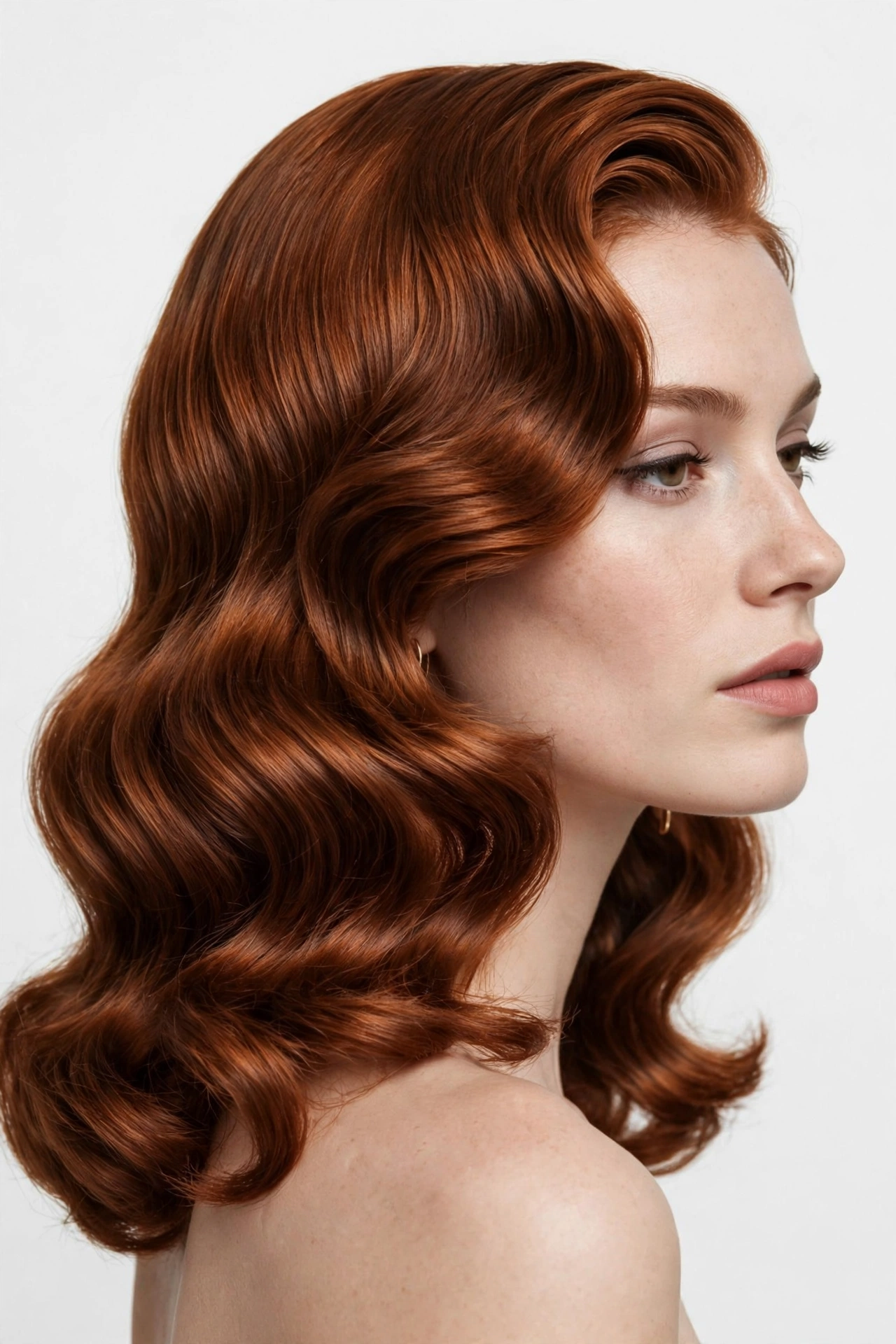
Old glamour never really leaves; it just waits for its moment. Side-swept Hollywood waves — the deep side part, the sculpted S-waves, the glossy finish — are the most cinematic look on this list. It is the hairstyle of film premieres and New Year’s Eve, and the side part is not just a detail here, it is the entire architecture.
Creating real Hollywood waves takes some practice, but the formula is simple: set the deep part, curl uniform sections in the same direction with a medium-barrel iron, let them cool completely, then brush through with a soft bristle brush until the curls merge into waves. A shine spray at the end gives that liquid, reflective finish. The side part placement is everything — too close to center and the waves lose their drama; placed above the eyebrow arch, they cascade with maximum sweep. This is not an everyday style for most women, but as an occasion look, nothing on this list photographs better.
6. The Side-Part Pixie
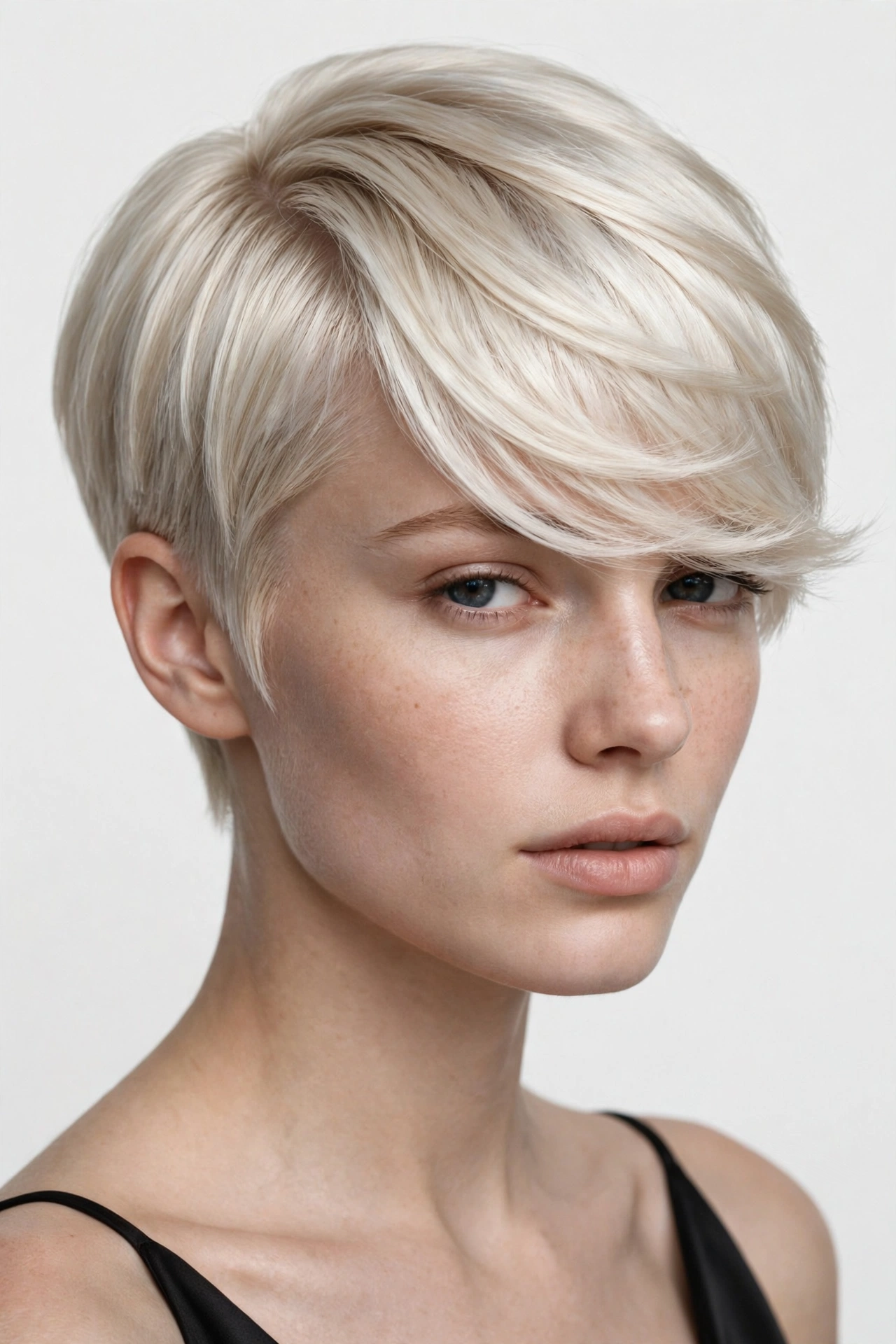
The side part transforms a pixie from edgy to elegant. On the 2026 pixie — softer and longer than the severe crops of the past, with blurred edges and wispy pieces — a side part turns the front into a sweeping, feminine fringe. It is the difference between a pixie that reads punk and a pixie that reads Parisian.
This version suits women who want short hair with softness. The side-swept front elongates the face, draws attention to the eyes, and gives the cut movement that a center-parted or all-forward pixie lacks. Ask your stylist to keep real length through the front — two to three inches — so the sweep has something to work with, and keep the edges soft rather than razor-sharp. Styling is minimal: a dab of pomade or styling cream, swept to the side with your fingers, and you are done. For more short-hair inspiration, our long pixie haircut ideas explore this family of cuts in depth.
7. The Side-Part Bixie
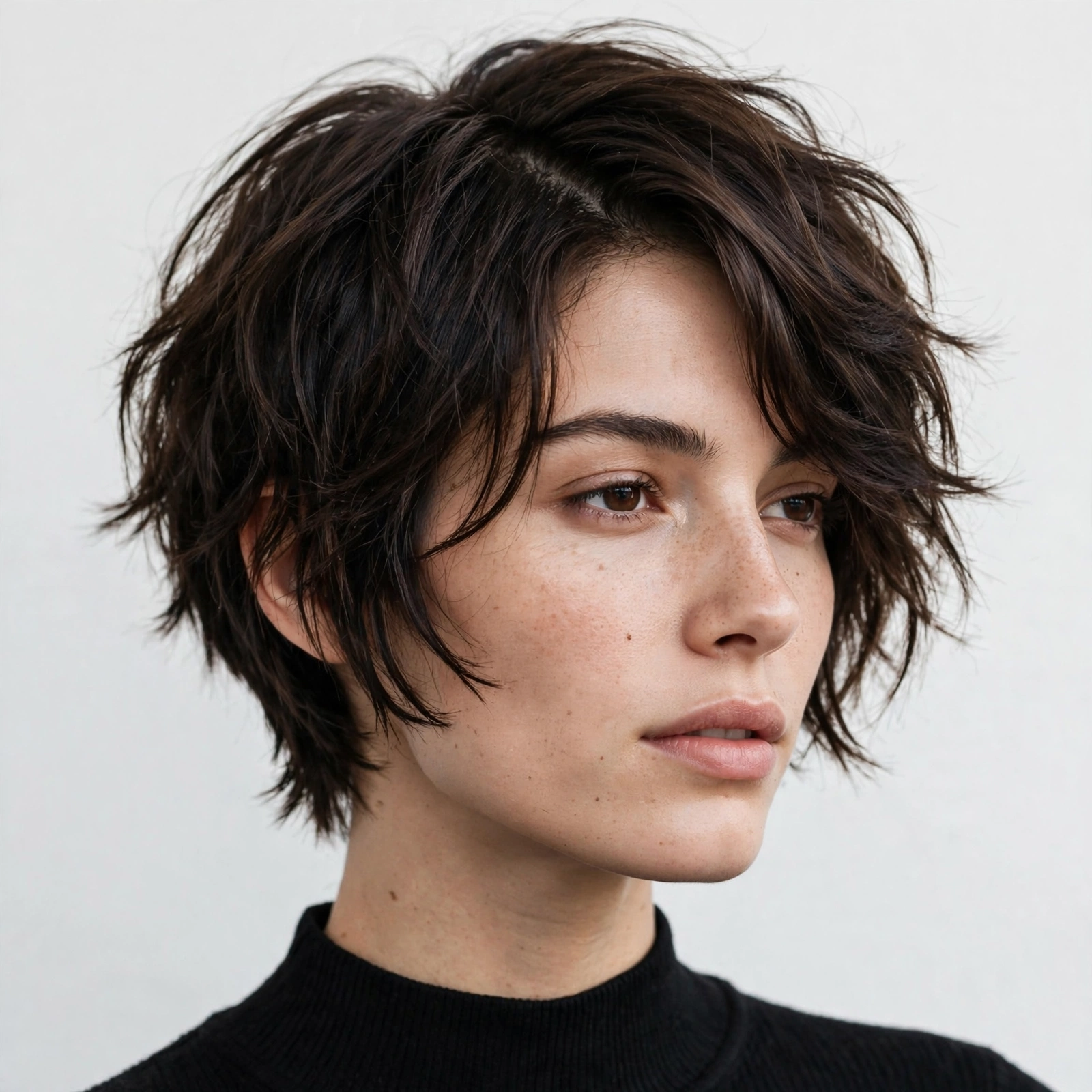
The bixie — the hybrid between a bob and a pixie that stops just above the jaw — was already one of 2026’s most requested cuts. Add a side part and it gets even better: the part pushes the textured layers at the crown higher, creating volume and attitude that the center-parted version cannot match. It is short, it is cool, and it has opinions.
The bixie with a side part is the insider’s choice — the cut that stylists get for themselves. It works on almost every hair type because the length is short enough to behave and long enough to style. Fine hair gains the illusion of density from the crown lift; thick hair gets broken up by the asymmetry. Styling is gloriously simple: texturizing cream or sea salt spray on damp hair, scrunched and air-dried, and the cut does the rest. It also grows out beautifully, evolving into a shaggy bob over eight weeks without an awkward stage. If you want the trendiest cut on this list, this is probably it.
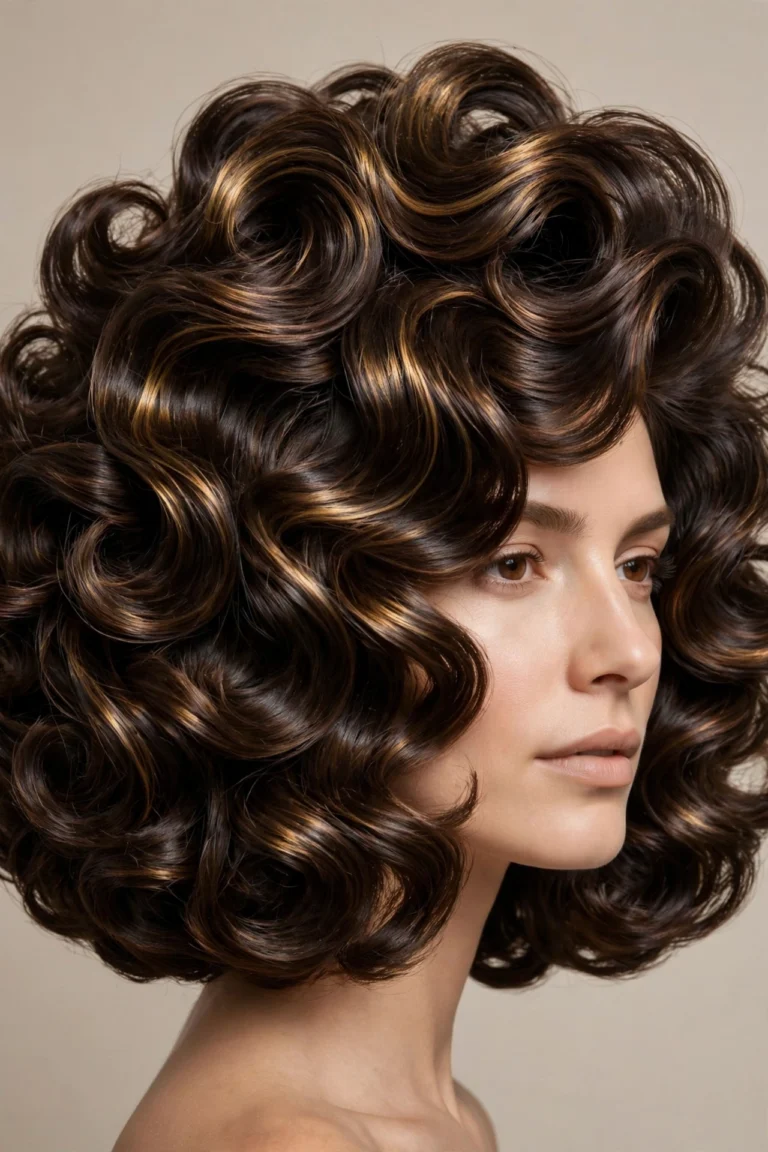
8. Side-Part Curls
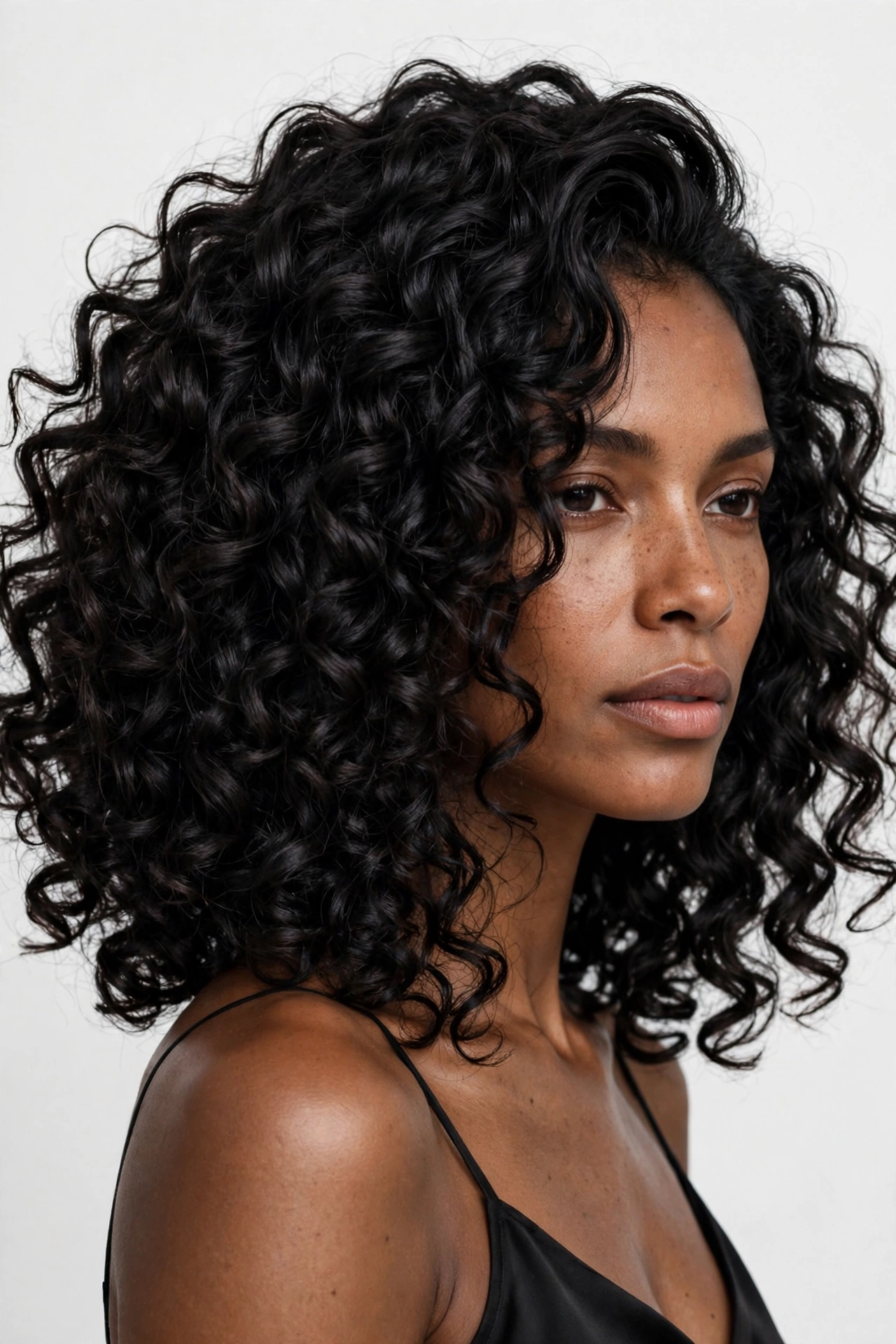
Curly hair and side parts are a match made in heaven, and it is a mystery it took this long to make it official. A side part on curls does two wonderful things: it creates root lift exactly where curls tend to lie flat, and it lets the curls cascade asymmetrically, which shows off their shape and volume far better than a symmetrical part. The result is joyful, bouncy, and full of personality.
The approach for curls is slightly different. Find your part while the hair is wet and full of product — a side part on dry curls can disturb the curl pattern. Use a wide-tooth comb or just your fingers to establish the line, then let the curls fall where they want on each side. Diffusing upside down adds root volume that complements the part beautifully. One caution: very tight curl patterns can “eat” a shallow side part, so go a little deeper than you think you need to. The payoff is curls with height, shape, and movement — everything curly hair wants to be.
9. Side-Part Long Layers
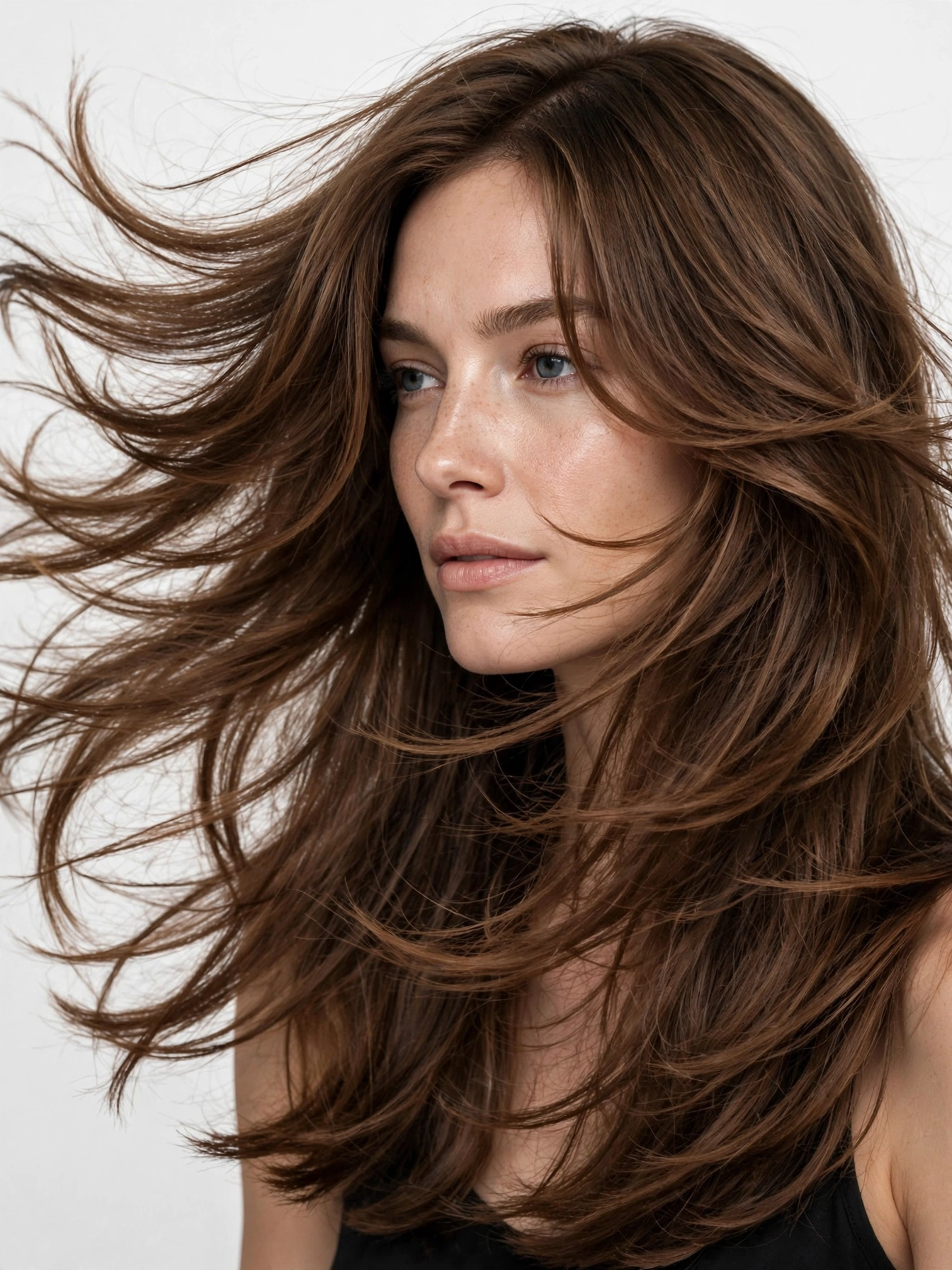
Long hair can look heavy and flat with a center part — the symmetry emphasizes length but kills movement. Flip to a side part and the same long layers come alive: the asymmetry creates swing, the face-framing layers fall diagonally instead of straight down, and the whole head of hair looks lighter and more dynamic. It is the simplest refresh long hair can get.
This is the version for the woman who loves her length and will not cut it, but wants to feel different. The side part works with every long-layered cut: the Rachel-style face-framing layers, soft graduation, curtain pieces — all of them gain movement from the asymmetry. For styling, blow dry with a round brush for smoothness or embrace natural texture; either way, the part does the heavy lifting. Long hair also holds a retrained part well, because the weight helps it stay put once it learns the new direction. If your long hair has been feeling boring, try the part before you book the chop.
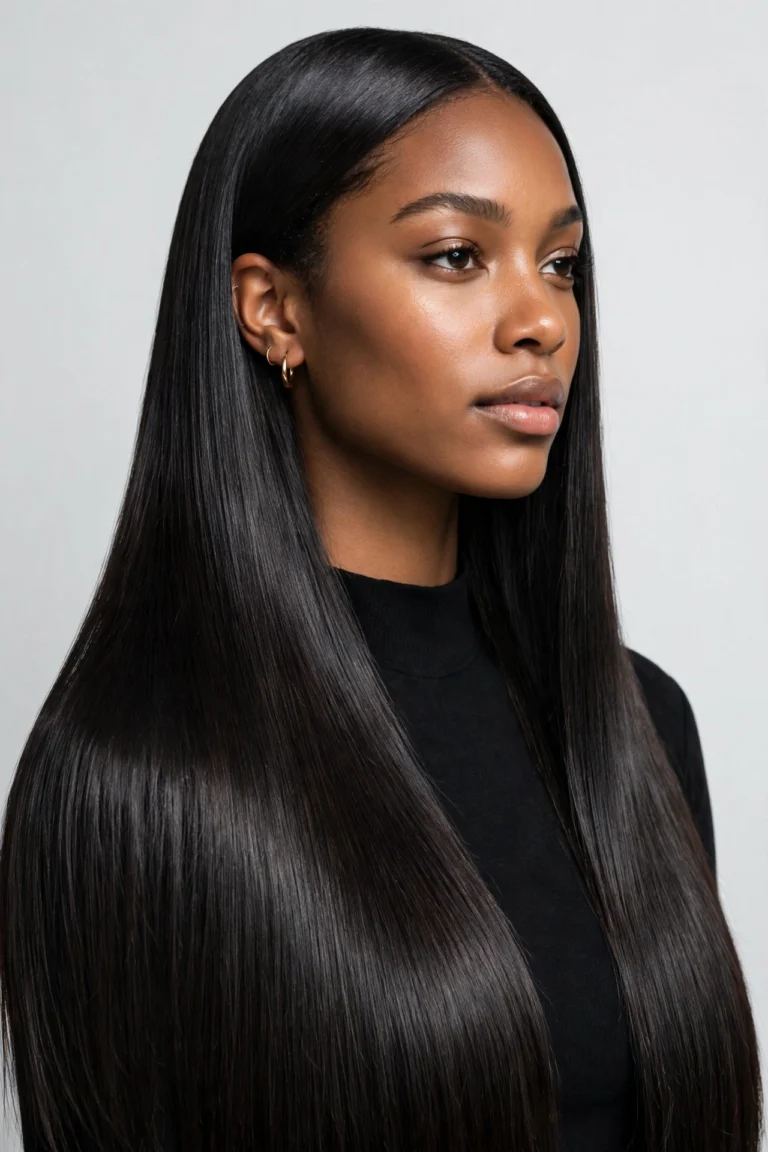
10. The Sleek Straight Side Part
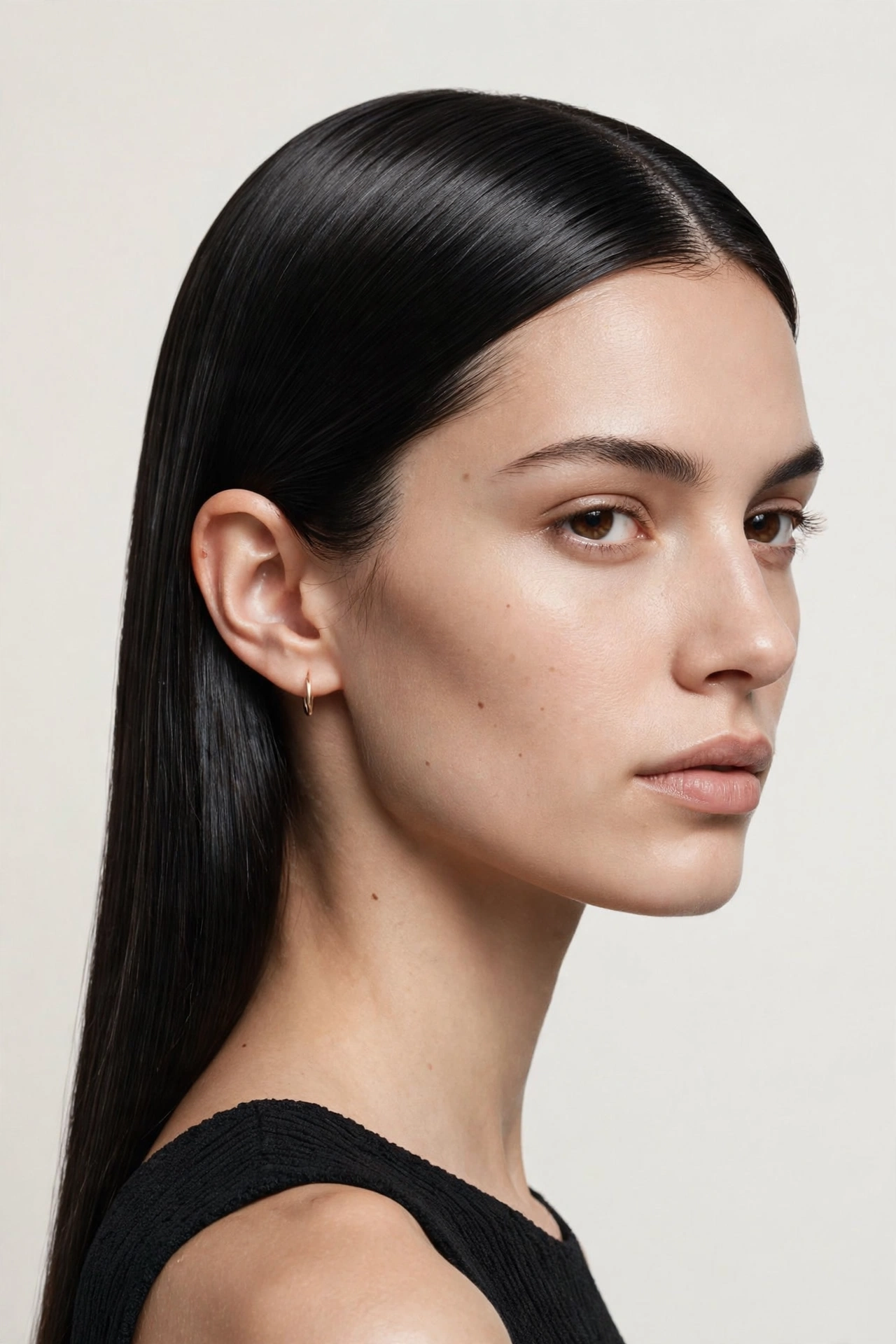
Minimalism has a new uniform: pin-straight hair, a precise side part, tucked behind one ear. The sleek straight side part is the most editorial look on this list — severe in the best way, graphic, and impossibly chic. It is the hairstyle of fashion week front rows and minimalist Instagram feeds.
Precision is everything here. The part line should be clean — use the pointed end of a tail comb, not your fingers. A flat iron, worked in small sections, gives that glass-like finish, and a tiny amount of shine serum (not oil, which can look greasy on straight hair) seals the deal. Tucking the lighter side behind the ear shows off earrings and sharpens the asymmetry. This style demands healthy hair — split ends and frizz have nowhere to hide — so keep up with trims and treatments. It is high-maintenance in upkeep but zero-effort in daily styling, which is a trade many women happily make.
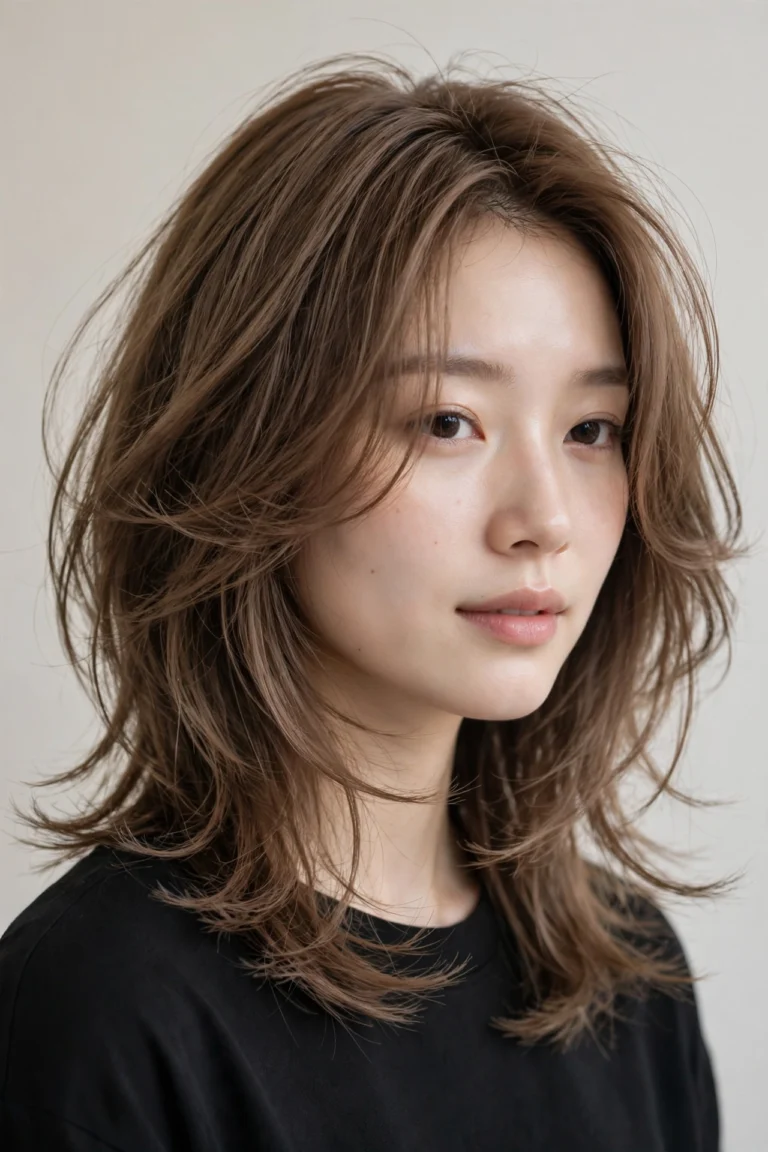
11. The Side-Part Shag
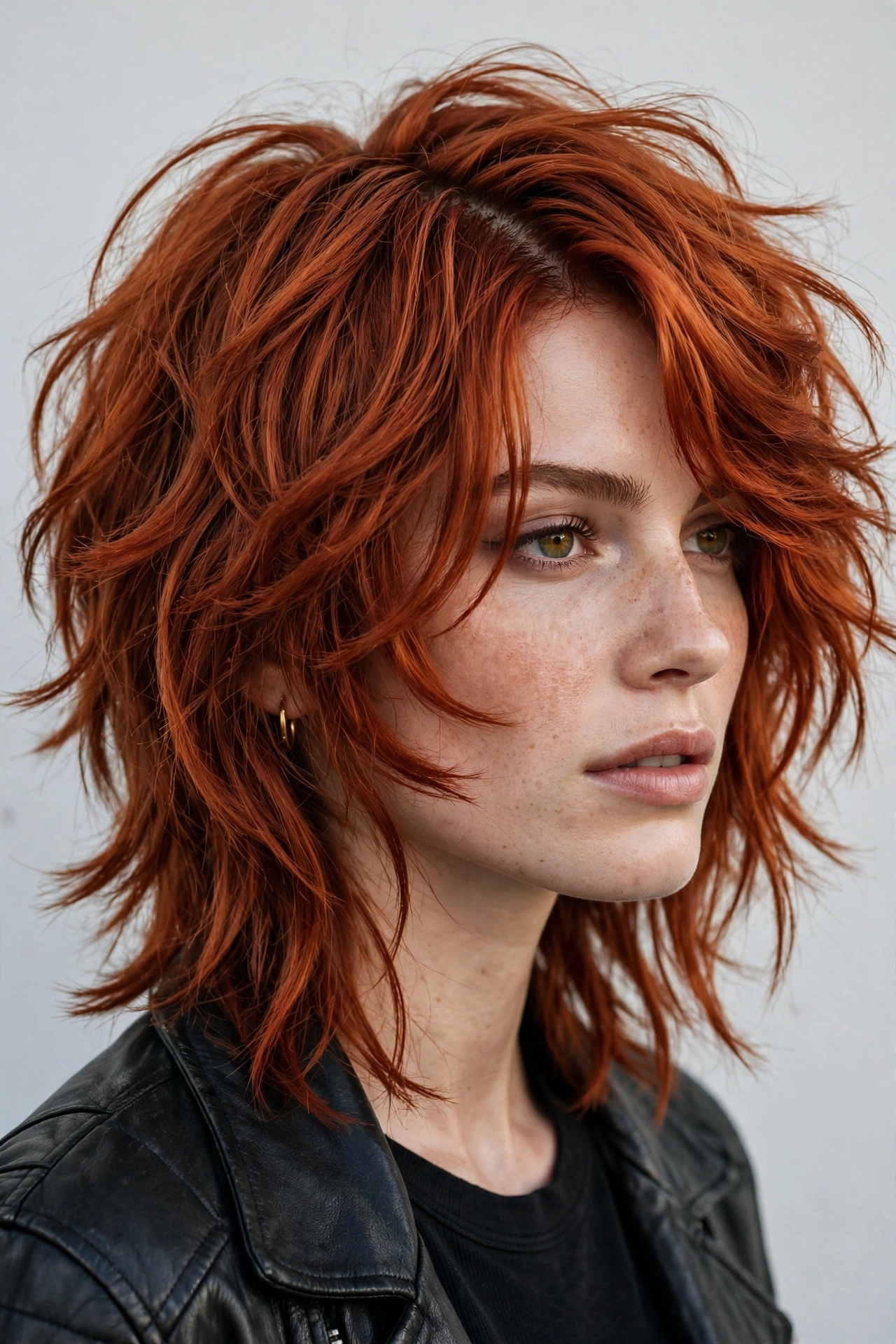
The shag — all choppy layers, texture, and rock-and-roll attitude — gets a surprising polish from a side part. Where a center-parted shag can look wild and undone, the side-parted version keeps the texture but adds direction: the layers sweep, the fringe has purpose, and the whole cut reads cool rather than chaotic. It is the shag for grown-ups.
This pairing works because the side part gives the shag’s many layers a unified direction to fall in. Ask your stylist for a shag with a defined side part — not just layers that happen to fall to the side, but a part that is cut to sit there. The fringe area is key: it should be long enough to sweep, usually brow to cheekbone length. Styling is the shag’s natural habitat — texturizing spray, scrunch, air dry, done. The side part elevates it from “I woke up like this” to “I woke up like this on purpose,” which is exactly where 2026 hair wants to live.
12. The Wet-Look Side Part
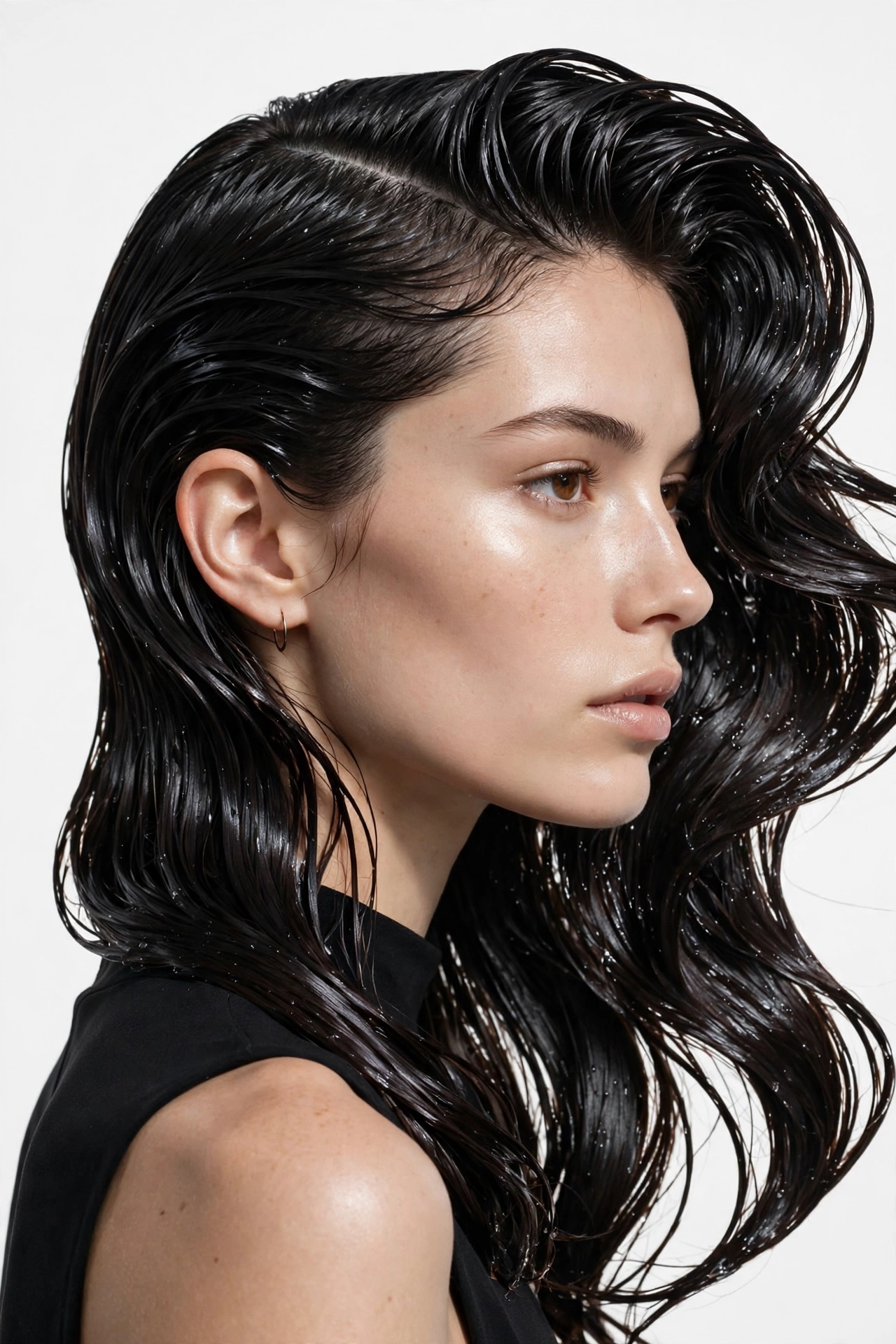
For evenings and editorial moments, the wet-look side part is unmatched. Slicked, glossy, sculpted — the side part gives the wet look its architecture, sweeping the hair into a sleek, controlled shape that catches light like water. It is the red-carpet risk that always pays off.
The technique: start with damp hair, work a generous amount of styling gel or wet-look cream from roots to mid-lengths, establish a deep side part with a comb, and smooth everything into place. Let it air dry or diffuse on low without touching it — the look sets as it dries. The side part is essential here; a center-parted wet look can read severe, while the asymmetry keeps it glamorous. This is a one-night style — the product load demands a proper wash afterward — but for a wedding, a gala, or a night out, it is the most dramatic transformation on this list. Our wet look hairstyle guide breaks down the products and technique in full detail.
13. The Side-Part High Ponytail
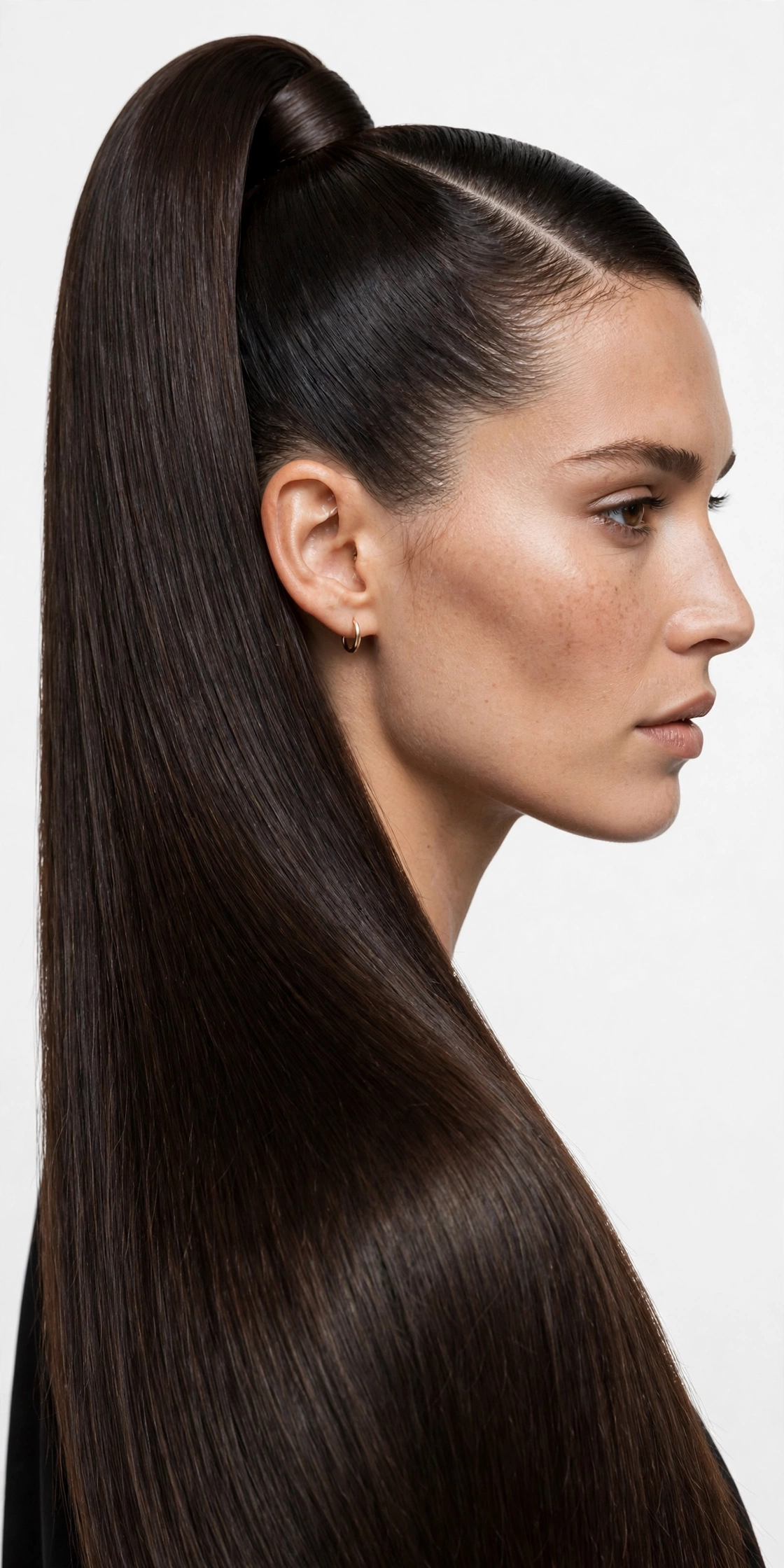
The high ponytail gets an instant upgrade from a side part. Instead of the scraped-back severity of a center-parted pony, the side part adds softness at the front — a little sweep, a little asymmetry — while the ponytail itself stays sleek and high. It is sporty and glamorous at the same time, which is a rare combination.
The trick is in the transition: establish the side part first, smooth the hair back keeping the part’s direction, then secure the ponytail high at the crown. The front keeps its side-swept shape instead of being pulled flat, which flatters the face and avoids that severe, pulled-tight look. A little edge control or pomade on the hairline keeps flyaways in check, and wrapping a small section of hair around the elastic hides it for a polished finish. This is the gym-to-dinner hairstyle — functional enough for a workout, pretty enough for everything after.
14. The Side-Part Low Bun
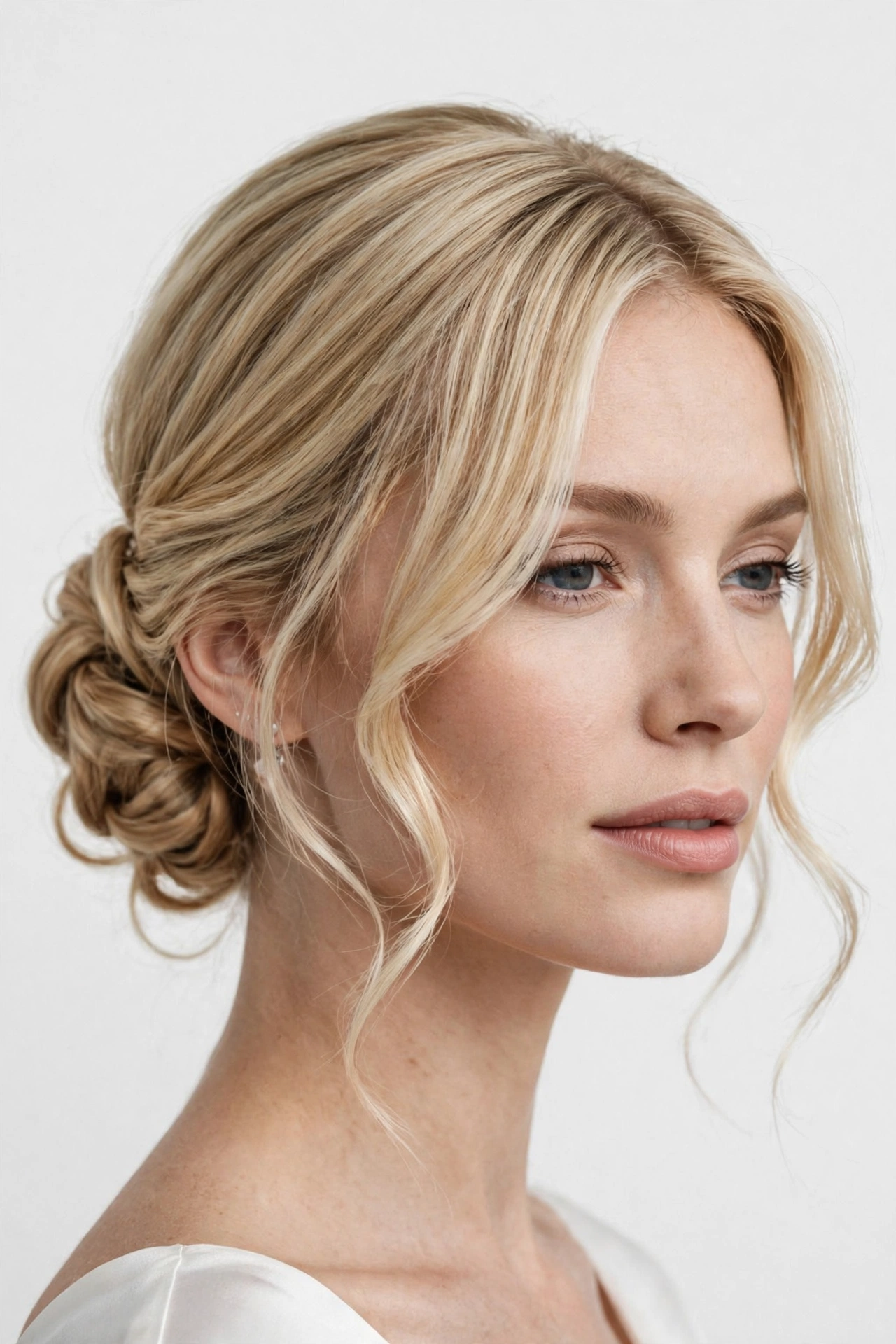
The low bun — the chignon, the bridal staple, the job-interview classic — becomes noticeably more romantic with a side part. The asymmetry softens the formality: instead of a severe, symmetrical updo, you get something with movement and softness, especially with a few face-framing tendrils left out on the heavier side.
This is a wedding-season essential. The side part gives the bun a modern, editorial quality that the center-parted version lacks, and it photographs beautifully from every angle — important when cameras are everywhere. To create it, set the side part, sweep the hair loosely to the nape (keeping the part’s softness, not pulling it tight), twist into a low bun, and pin. Pull out a few tendrils around the face and set everything with a flexible-hold spray. It works for fine hair (the part adds the illusion of fullness) and thick hair (the asymmetry breaks up the bulk) alike.
15. The Side-Part Half-Up
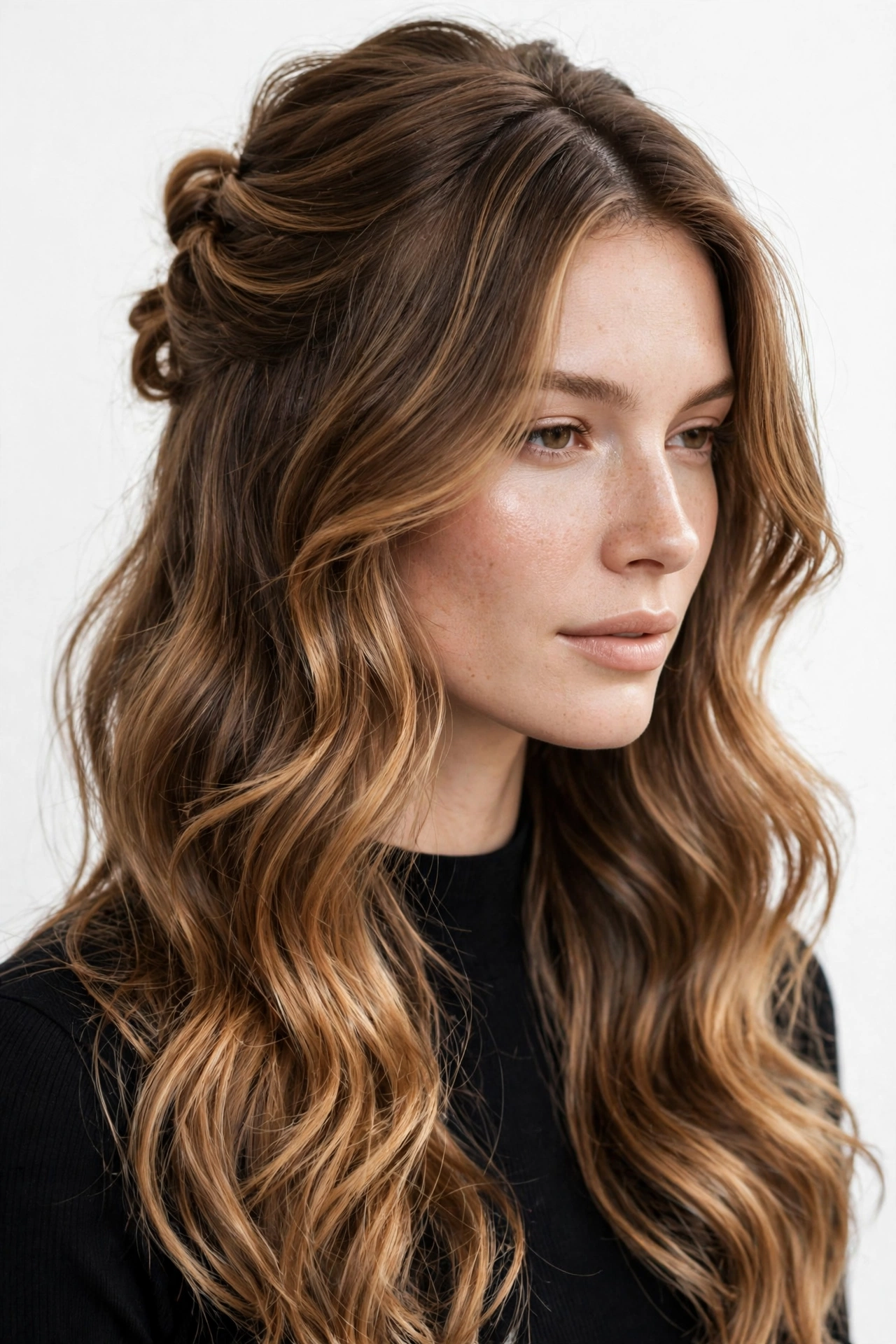
The half-up hairstyle — romantic, feminine, eternally popular — gains a modern edge from a side part. The top section, pulled back from a side part rather than a center one, sits asymmetrically, which gives the whole style more shape and less predictability. It is the difference between a pretty hairstyle and an interesting one.
This version is wonderfully versatile: dress it up with soft waves and a little volume at the crown for events, or keep it simple and straight for everyday. The side part keeps the front from looking flat — the swept section adds dimension exactly where half-up styles tend to go lifeless. A small clear elastic or a decorative clip secures the top section; teasing the crown lightly before pinning adds height that complements the part’s lift. It is also a brilliant grow-out strategy: if you are growing out bangs or layers, the side-parted half-up disguises every awkward length.
16. Old Hollywood Side-Part Waves
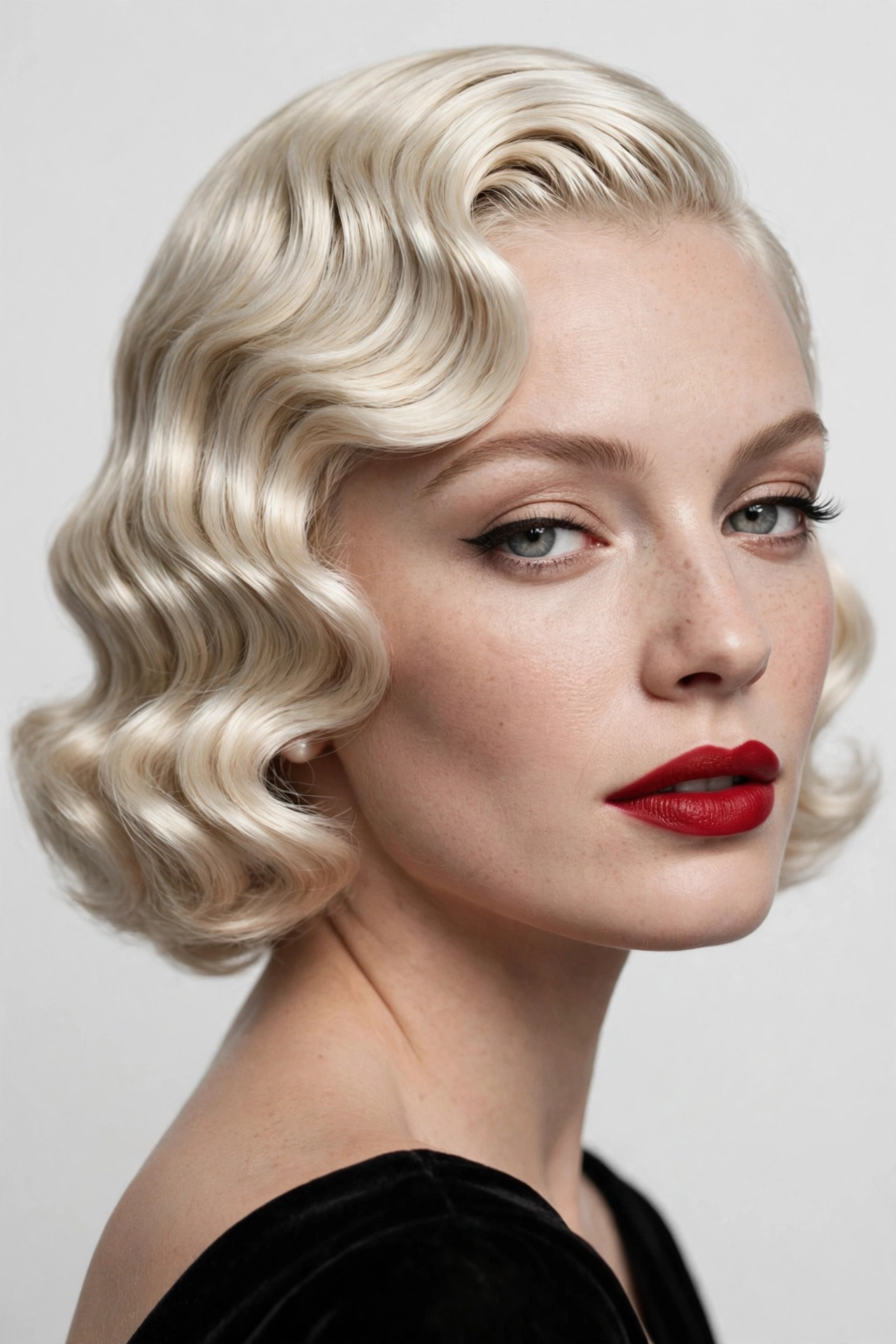
Before the side part was a trend, it was a standard — the deep side part with sculpted finger waves defined Hollywood glamour from the 1930s through the 1950s. The 2026 revival of vintage volume has brought it back in full force: polished, precise, unapologetically glamorous. This is the side part at its most formal and most beautiful.
True finger waves are a craft — setting lotion, comb sculpting, patience — but a modern approximation is achievable: deep side part, uniform curls set in the same direction, cooled completely, then brushed into smooth, sculpted waves. A strong-hold gel or mousse gives the structure; a shine spray gives the liquid finish. This is special-occasion hair in the truest sense — weddings, galas, milestone birthdays. It demands time and skill, but the result is the most timelessly beautiful look on this list. Some hairstyles are trends; this one is heritage.
17. Side-Part Braids
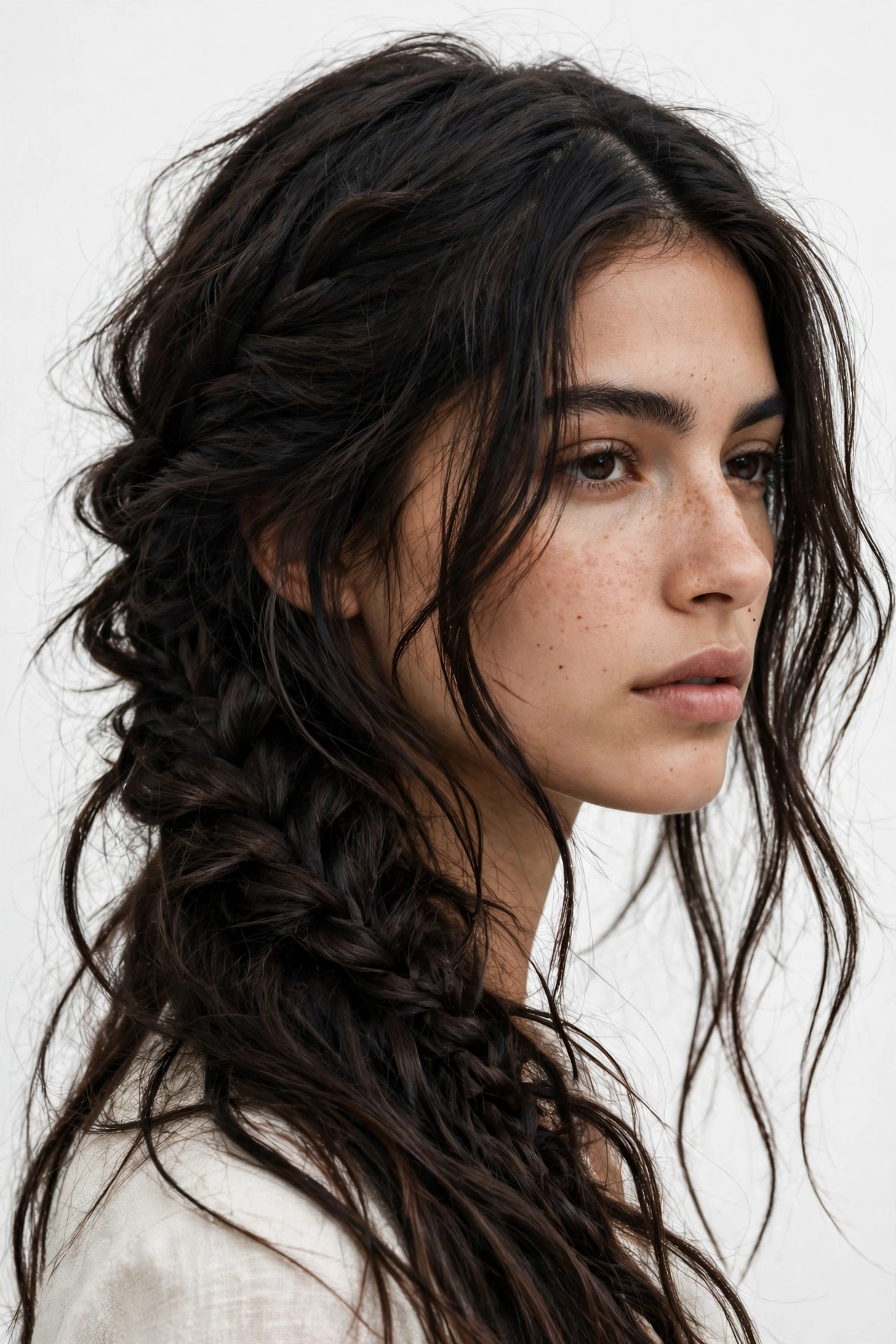
Braids and side parts are natural partners. A side part gives braids — whether a single loose side braid, a crown braid, or face-framing accent braids — an asymmetrical starting point that makes the whole style look more organic and less contrived. The bohemian, festival-ready aesthetic practically requires it.
The simplest version: deep side part, then a loose three-strand braid over the heavier shoulder, pulled apart gently for fullness. The side part ensures the braid sits naturally instead of looking placed. For something more intricate, a Dutch braid starting at the deep part and curving back along the hairline creates a headband effect that keeps hair off the face beautifully. Braids also solve the retraining problem — if your hair keeps falling back to its old center part, a braid starting from the new side part physically holds it in place while it learns. Practical and pretty.
18. The Side Part with Bangs
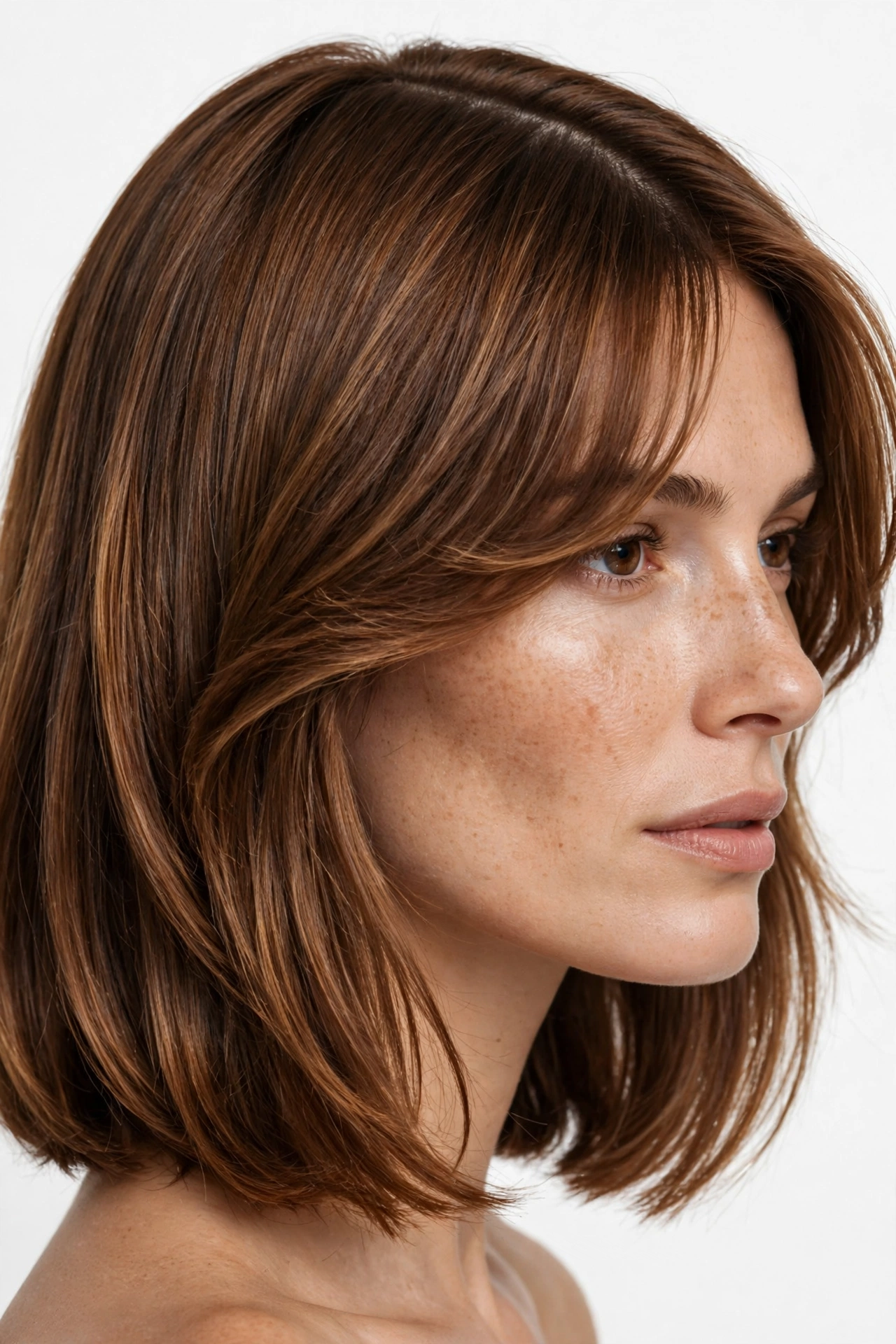
Here is the combination that defined an entire era: side-swept bangs melting into a side part. The 2026 version is softer than the 2008 original — the bangs are longer, more blended, less swoopy — but the principle is the same. The fringe sweeps diagonally across the forehead, continuing the line of the part, creating one long, flattering diagonal across the face.
This is the most face-flattering fringe option for most women, because the diagonal line breaks up the forehead and draws attention to the eyes and cheekbones. It suits round faces (the diagonal adds angles), square faces (it softens the jawline), and long faces (it breaks up vertical length). The bangs should be cut to blend — brow to cheekbone length, textured at the ends — not as a separate, blunt entity. One caveat from stylists: fringes and face-framing layers above the cheekbones are usually cut to sit with a more central part, so if you want to go fully to the side, mention it at your next trim rather than forcing it at home. For fringe inspiration, our baby bangs guide covers the bolder end of the fringe spectrum.
19. The Side-Part Italian Bob
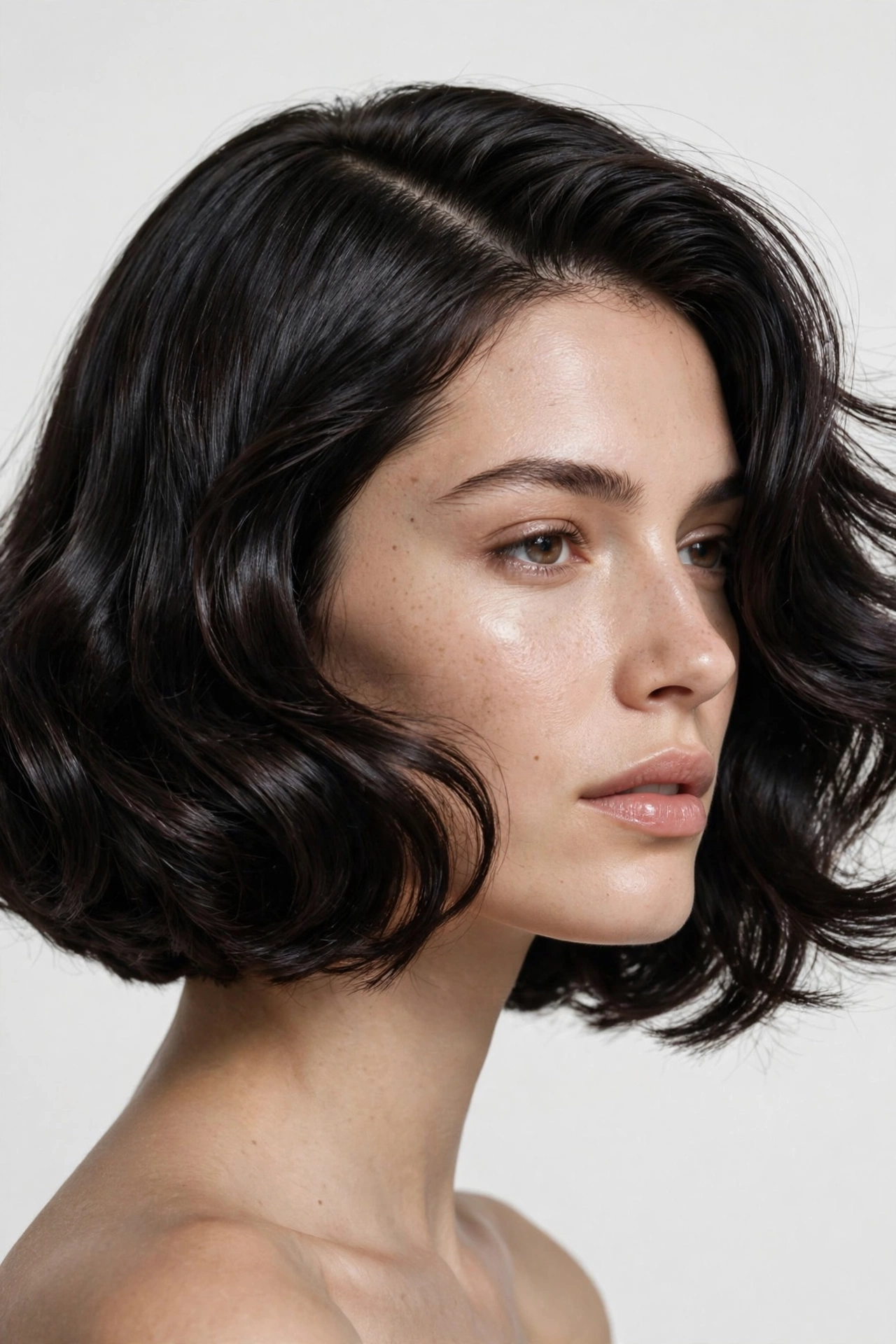
The Italian bob — fall 2026’s chicest haircut, with weight through the ends, a clean line around the jaw, and bounce that moves — was practically designed for a side part. The side part gives the bob’s substantial shape swing and asymmetry, preventing it from looking too solid or severe. It is la dolce vita in haircut form.
What distinguishes the Italian bob is its fullness: unlike the wispy, layered bobs of recent years, this one keeps density through the ends. The side part is what keeps all that weight from looking heavy — it breaks up the mass and creates movement. Ask for a jaw-length bob with minimal layering, weight through the ends, and a side part; the cut should swing when you turn your head. It suits thick hair beautifully (the density is the point) and gives fine hair the appearance of fullness. Pair it with good sunglasses and a better coat, as the Italians intended. Our Italian bob guide has the full breakdown of this season’s defining cut.
20. The Side-Part Curly Bob
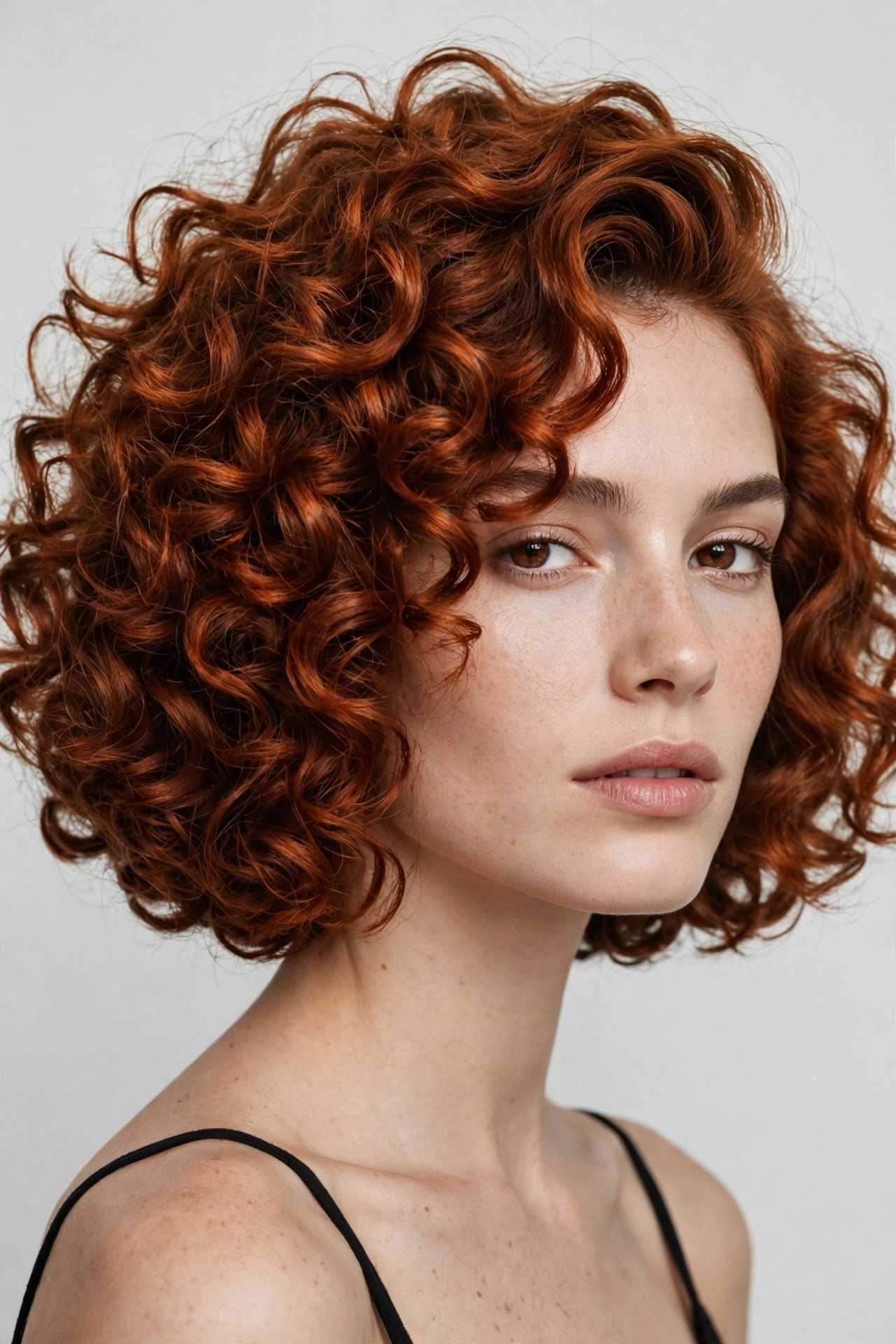
The curly bob might be the happiest haircut on this list, and the side part makes it happier. Curls parted to the side gain root lift where they need it most, and the asymmetric cascade shows off the curl pattern’s full range — tighter at the part, bouncier at the ends. It is volume, shape, and joy in one cut.
Cutting curly bobs for a side part requires a curl specialist’s eye: the part should be established on dry, styled curls, because wet curls lie differently and the part can shift as they dry. Ask for the shape to be cut with your intended part in mind — the heavier side needs slightly different layering than the lighter side for the silhouette to stay balanced. For styling, the usual curly routine applies: curl cream on soaking-wet hair, scrunch, diffuse or air dry. The side part adds the one thing curly bobs sometimes lack — height at the crown — and the result is a shape with presence from every angle.
21. Side-Part Beachy Waves
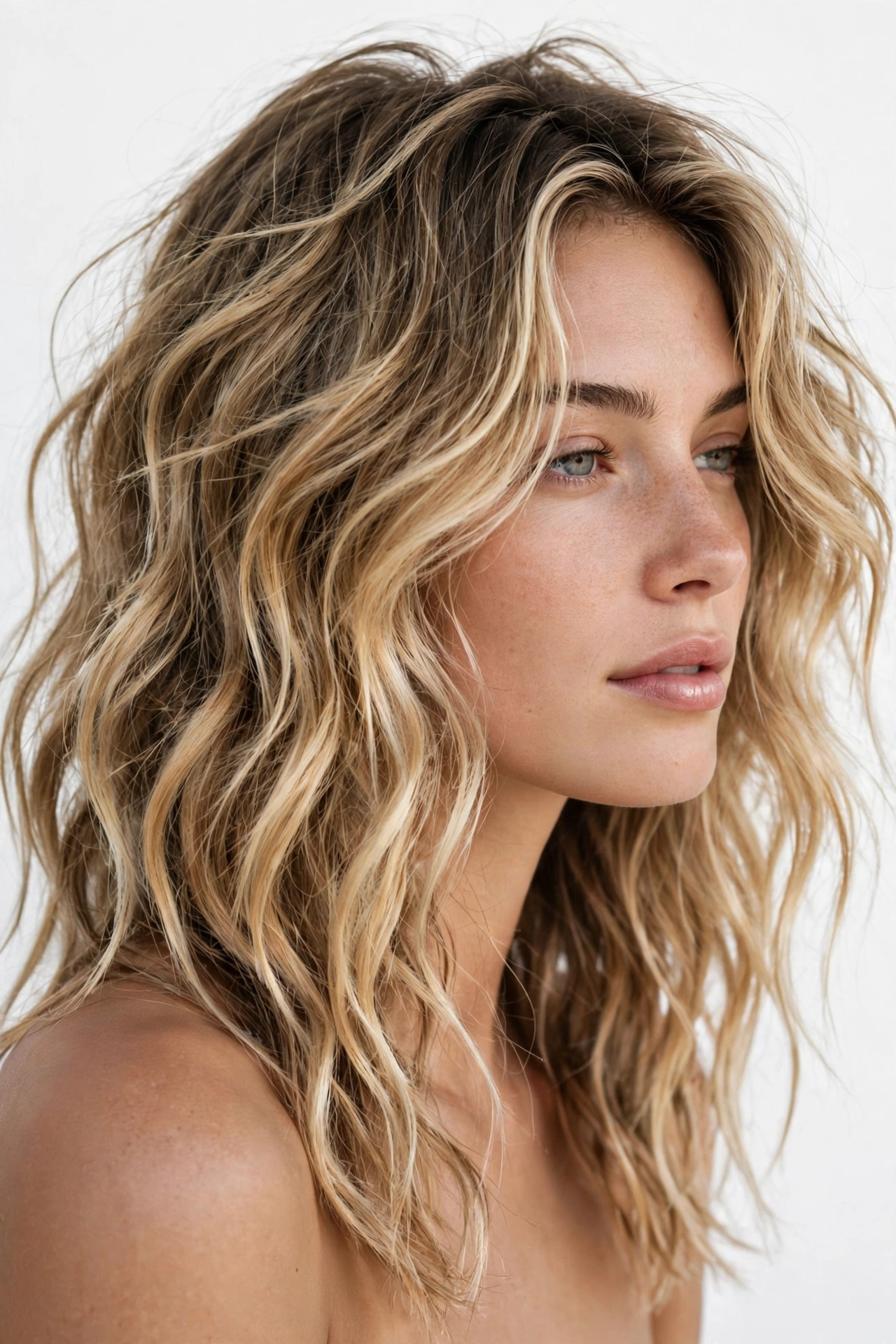
Beachy waves are the off-duty uniform of beautiful hair, and a relaxed side part is their natural companion. The slightly-off-center part keeps the waves from looking too done — it adds that touch of asymmetry that separates “effortless” from “I tried really hard to look effortless.” This is weekend hair at its best.
The key word is relaxed: this is not a precise, combed part but a soft, finger-drawn shift an inch or two from center. Create the waves with a large-barrel iron or a flat-iron wave technique, leaving the ends straight for that undone finish, then rake through with your fingers — never a brush — and finish with a texturizing spray. The side part should look accidental, like your hair just fell that way. It suits medium to long hair best, and it is the most forgiving look on this list: imprecise is the point. For color, sun-kissed balayage or lived-in blonde enhances the beachy effect, catching light on every wave.
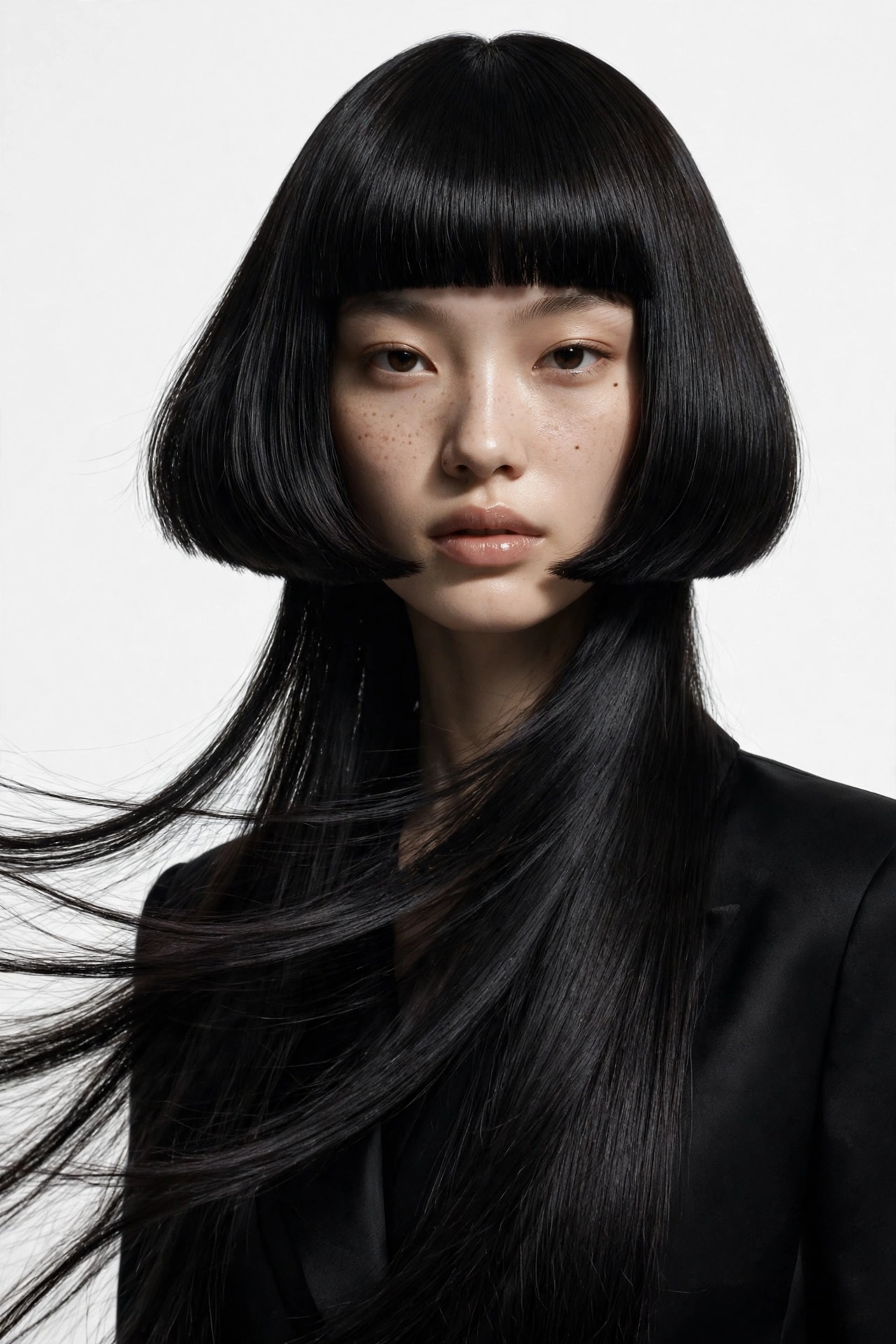
22. The Glass-Hair Side Part
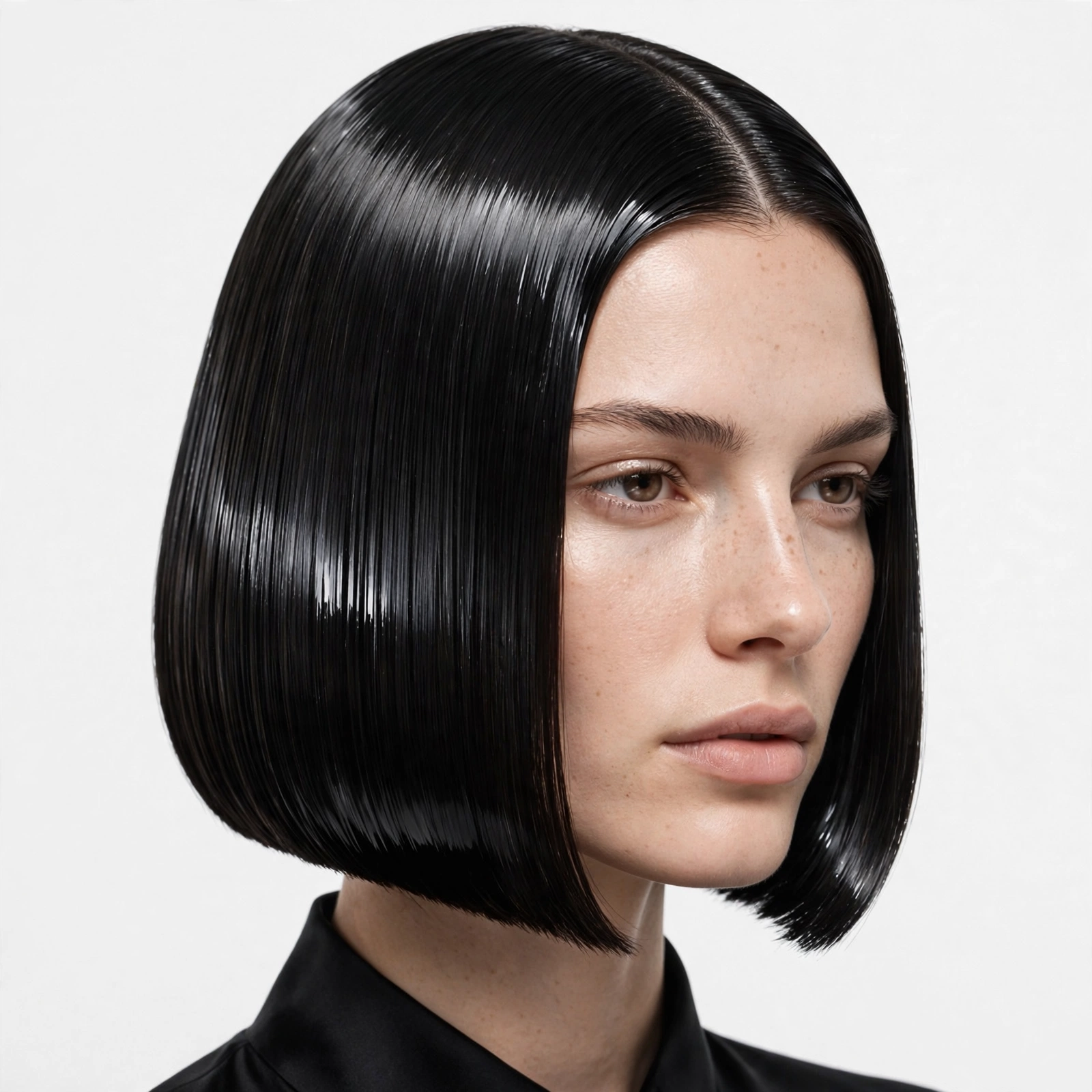
We end with precision: glass hair — the ultra-sleek, reflective, razor-sharp finish — paired with an exact side part. This is the most demanding look on the list and the most striking. Every strand in place, the part line crisp enough to look drawn with a ruler, the shine mirror-like. It is high fashion distilled to its essence.
Glass hair lives or dies on hair health. The cut must be immaculate — blunt ends, no split ends, no frizz — which means regular trims and serious conditioning. The styling routine is methodical: smoothing serum on damp hair, blow dry straight with a paddle brush, flat iron in thin sections, then a shine spray or a drop of lightweight oil for the reflective finish. The side part should be placed with a tail comb for absolute precision. This is not a daily style for most women — it is too demanding — but as a statement, for a shoot, an event, or a day when you want to feel untouchable, nothing else on this list comes close. It is the side part as pure architecture.
How to Ask Your Stylist for a Side Part
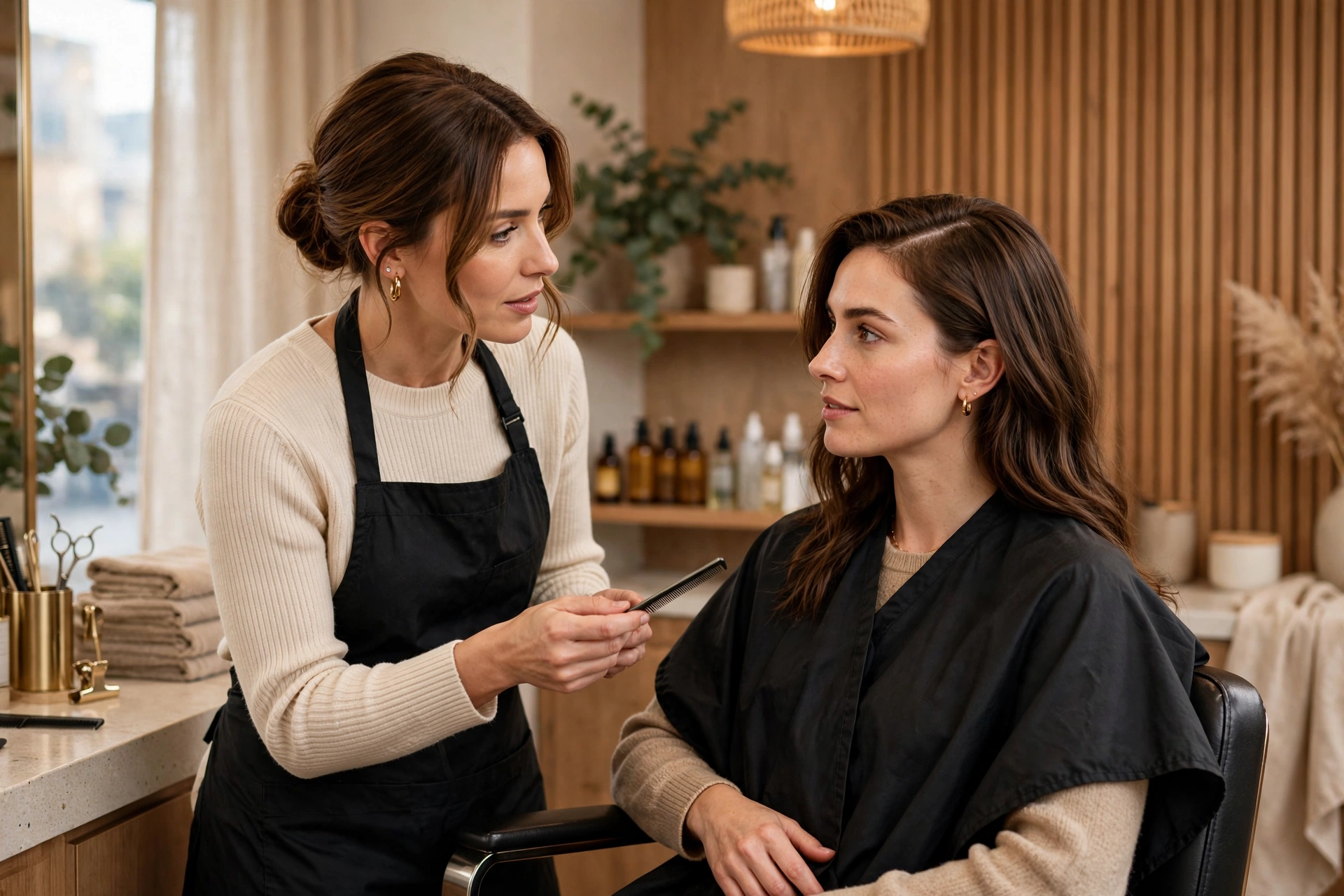
Here is the good news: if you already have a haircut you love, you may not need the salon at all — a side part is a styling change, not necessarily a cut. But if you want a cut designed around a side part, the consultation matters. Tell your stylist which side you part on (most people have a natural preference — go with it) and how deep you want it: soft and close to center, or deep and dramatic. Bring photos showing the part placement, not just the haircut, because the part is the whole point.
A skilled stylist will cut with your part in mind, and this is not a small detail. Layers fall differently on the heavy side versus the light side; the fringe area needs to be shaped for the sweep direction; and bangs, if you have them, may need reshaping — stylists note that fringes are usually cut for a more central part, so a full switch to the side should be discussed before they pick up the scissors. Mention how you style at home, because a side-parted cut that only works with a blowout is a different commitment than one that air-dries well. The right cut makes the part effortless; the wrong one fights you every morning.
How to Style a Side Part at Home
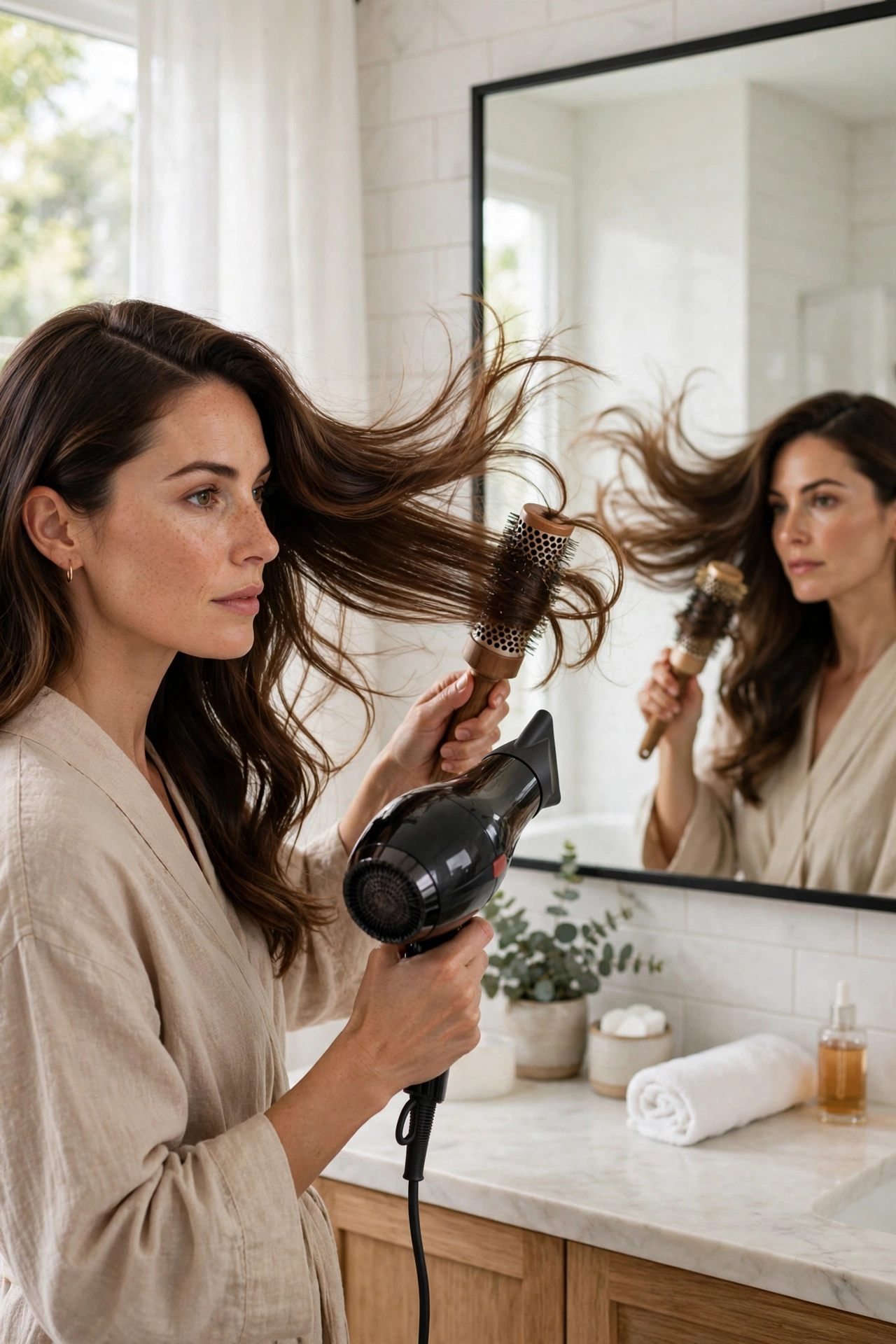
Switching your part is simple; making it stay takes a little strategy, especially if your hair has been center-parted for years and has strong opinions about it. The golden rule from stylists: create the part while your hair is wet. Wet hair is impressionable — it dries in whatever direction you set it. Use a comb or your fingertip, start above the arch of one eyebrow, and draw the line back toward the crown. Going deeper creates more drama; staying closer to center keeps it subtle.
Then train it. Blow dry the roots in the opposite direction of the part first — this builds the lift — then flip to your side part and finish. While the hair cools, clip the part in place for a few minutes; heat plus cooling is what sets the direction. Be patient: it may take a couple of washes and styles before a stubborn center part fully surrenders. For fine hair, a volumizing mousse at the roots before drying gives the part staying power; for thick hair, the weight usually holds it once trained. And adjust for your texture — with very fine or very thick hair, keeping the part slightly closer to the crown maintains balance. Within a week or two, the new part will feel like it was always there.
Best Face Shapes and Hair Types for the Side Part
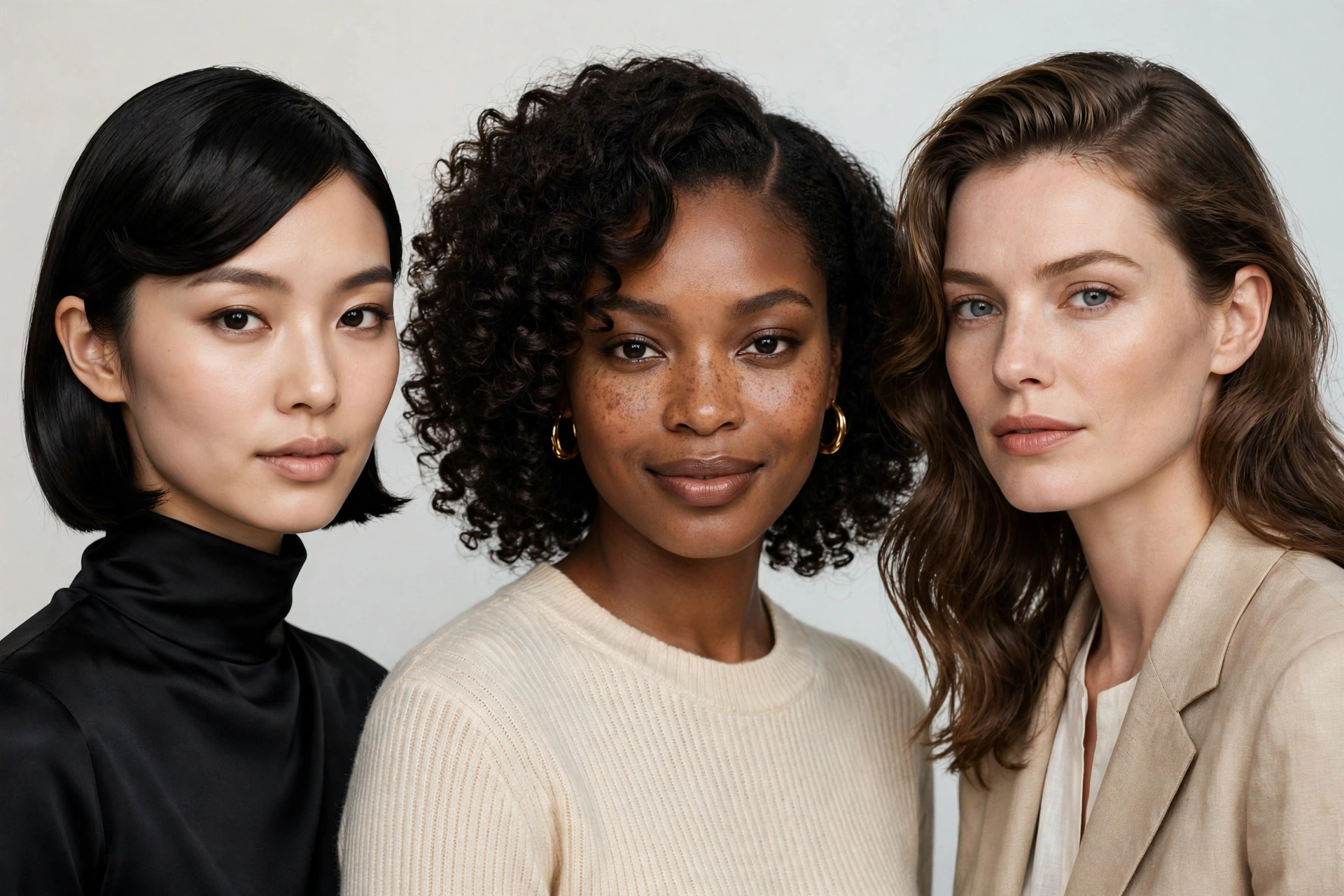
The side part is one of the most universally flattering styling choices in existence, but the details vary by face. Round faces benefit most: the asymmetry and crown height visually lengthen the face, and a deeper part amplifies the effect. Square faces get softening — the diagonal line takes the edge off a strong jawline, which is why stylists recommend it so often for angular features. Heart-shaped faces love the side part too, since the sweep across the forehead balances a wider forehead against a narrower chin.
Oval faces, as usual, can wear everything — the side part simply adds polish. Long or oblong faces should keep the part softer and closer to center; a very deep part with lots of crown height can elongate further, so balance it with width at the sides — waves or volume through the lengths. As for hair types: fine hair is the biggest winner, gaining the appearance of fullness from the root lift. Thick hair gets welcome asymmetry that breaks up bulk. Straight hair shows off the part’s precision; wavy and curly hair gain shape and movement. There is genuinely no hair type the side part does not flatter — it is a question of placement, not suitability.
Side Part Maintenance Guide
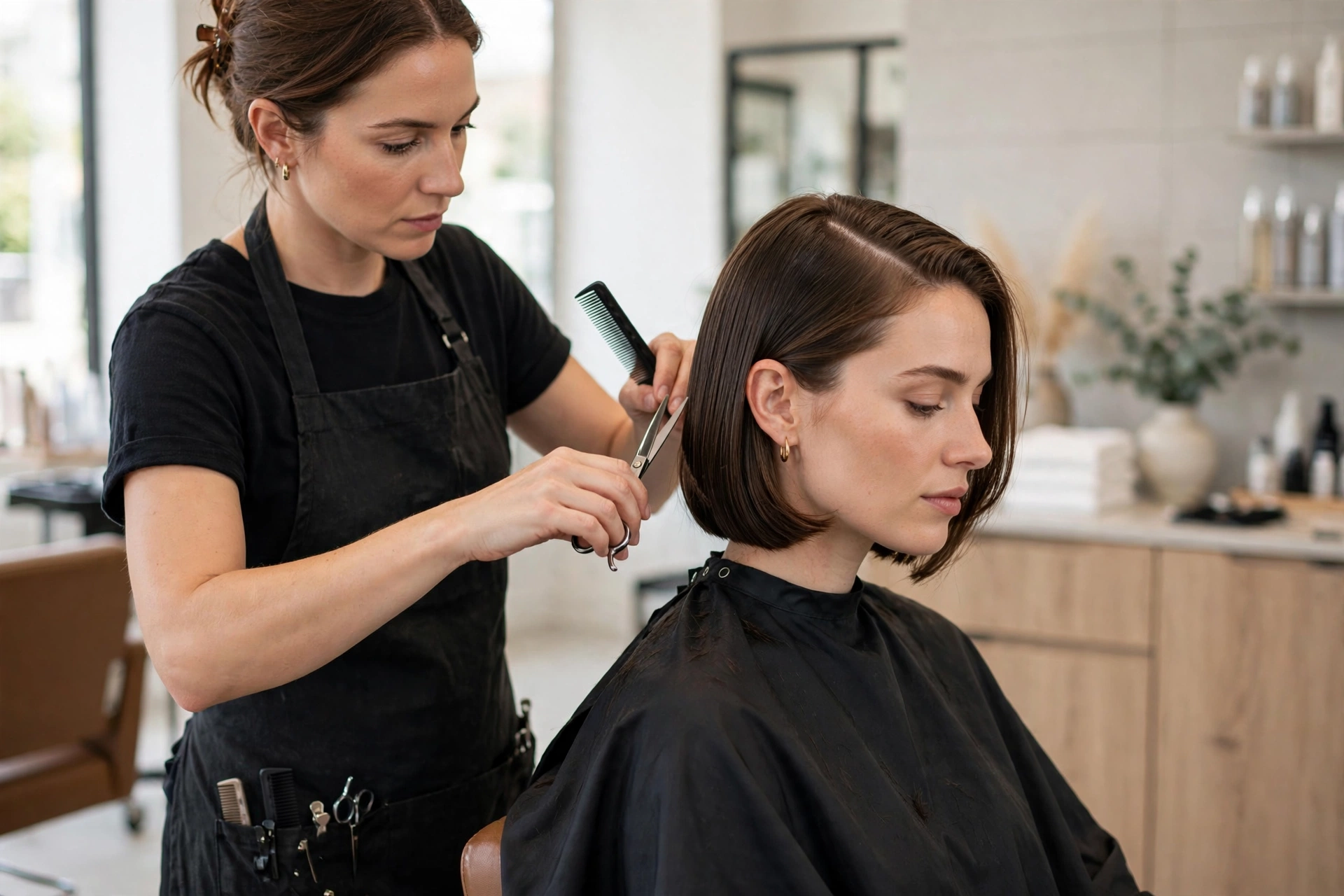
The beautiful thing about a side part is that it barely needs maintaining — it is a styling choice, not a chemical treatment. But a few habits keep it looking intentional rather than accidental. If your hair is retrained from a center part, expect to reinforce the part for the first couple of weeks: part it wet every wash, blow dry against then with the part, and clip it while cooling until the new direction holds on its own.
For cuts designed around a side part — bobs, pixies, bangs — the trim schedule follows the cut, not the part: every six to eight weeks for bobs, four to six for pixies. Between appointments, the part itself needs nothing except consistency. One useful trick: if your part starts drifting back toward center during the day, a tiny amount of pomade or styling cream pressed along the part line holds it without stiffness. And if you color your hair, note that regrowth can make a part line more visible — root touch-ups or a root shadow keep the part looking clean. The side part asks almost nothing of you; give it that little, and it gives back enormously.
Frequently Asked Questions
How do I switch from a center part to a side part?
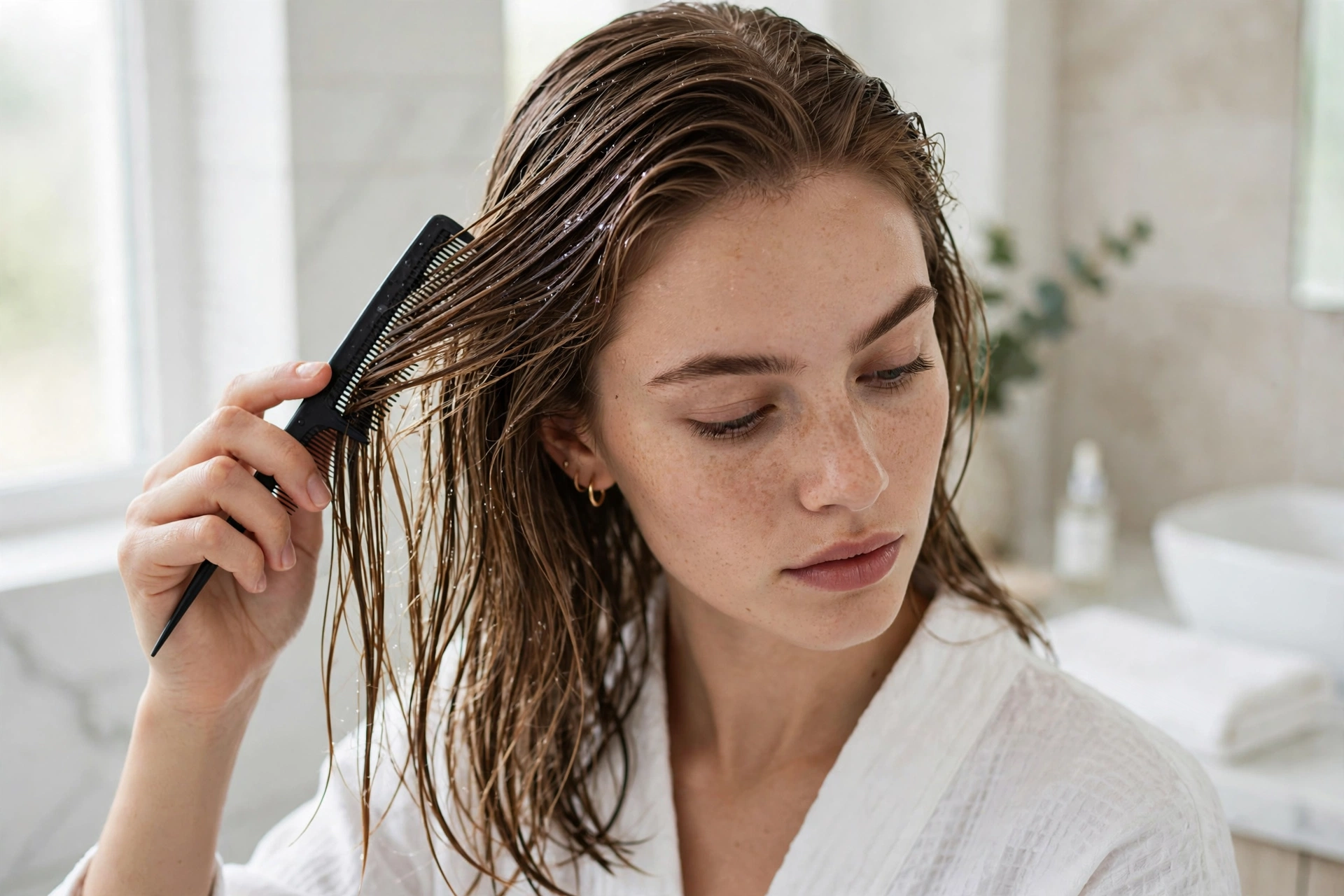
Start with wet hair — this is the single most important tip. Create the part with a comb or fingertip, starting above the arch of one eyebrow and drawing back toward the crown. Blow dry the roots in the opposite direction first for lift, then flip to your side part and finish. Clip it in place while it cools. Be patient: hair trained to a center part for years may take a couple of washes and styles to settle into the new position. Once it learns, it stays.
Does a side part work for thin or fine hair?
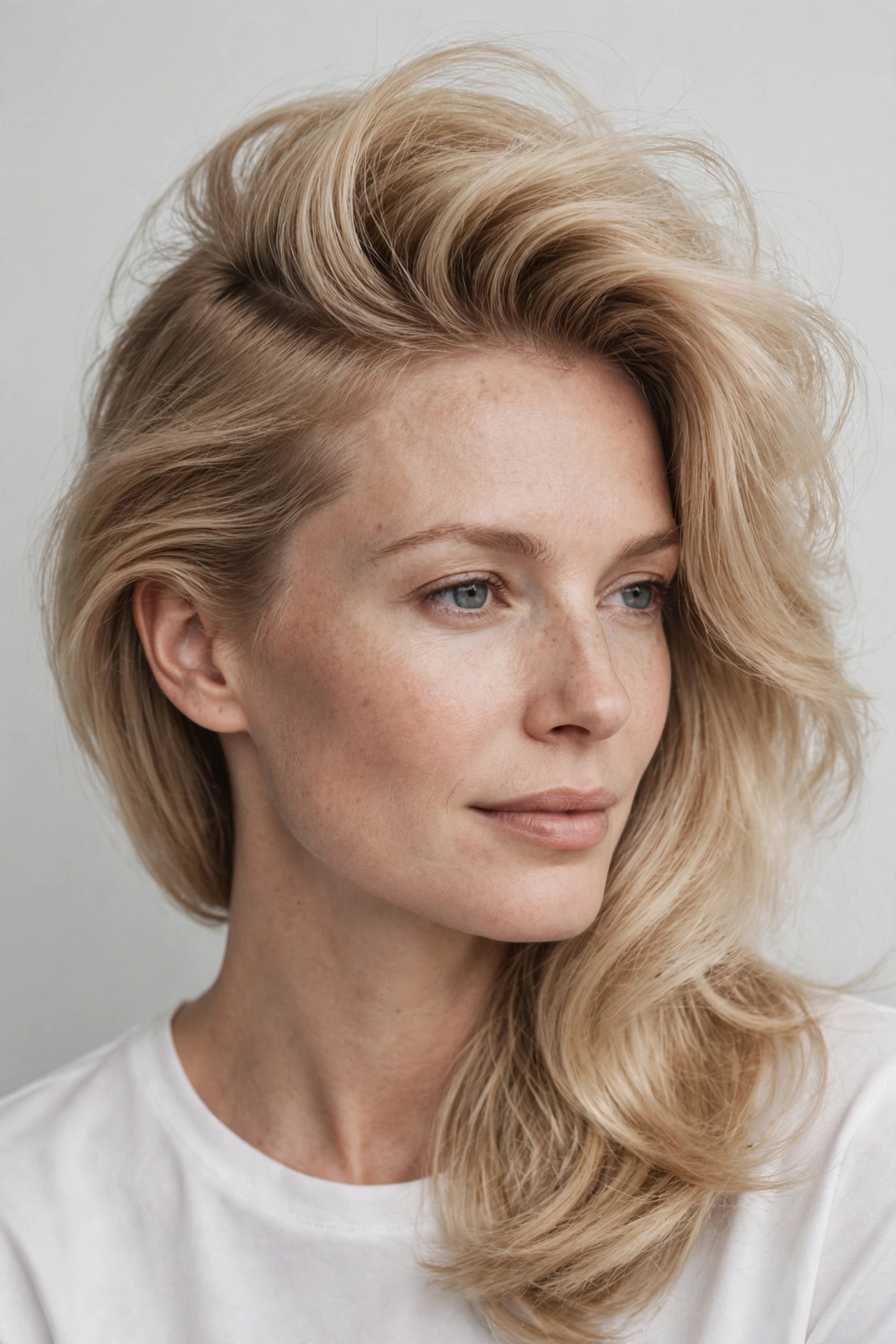
It is one of the best things fine hair can do. A side part creates lift at the roots without any teasing, because flipping more hair to one side creates tension that reads as volume. For thinning hair specifically, a deep side part concentrates more hair on one side, creating the illusion of density while the lighter side benefits from less weight pulling it down. Use a volumizing mousse at the roots and part slightly off-center rather than extremely deep for the most natural fullness.
How often should I wash my hair with a side part?
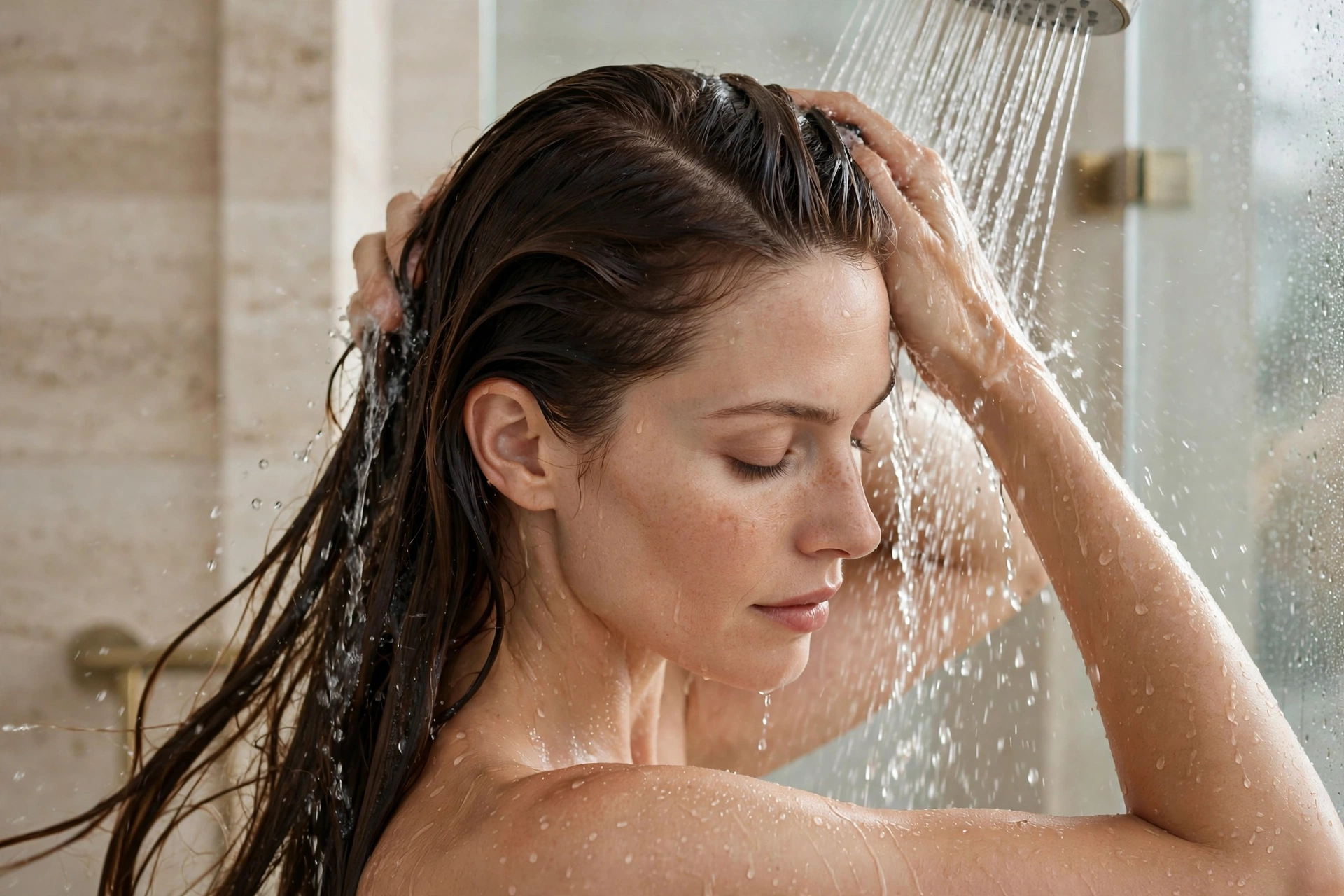
The part itself does not change your washing schedule — follow what suits your hair type. Fine hair usually needs washing every one to two days, since oil at the roots can collapse the part’s lift; a dry shampoo at the roots on day two preserves both cleanliness and volume. Thick or curly hair can go longer between washes. One part-specific tip: on non-wash days, a light mist of water along the part line lets you reset it in seconds without a full wash.
Can I wear a side part with bangs?
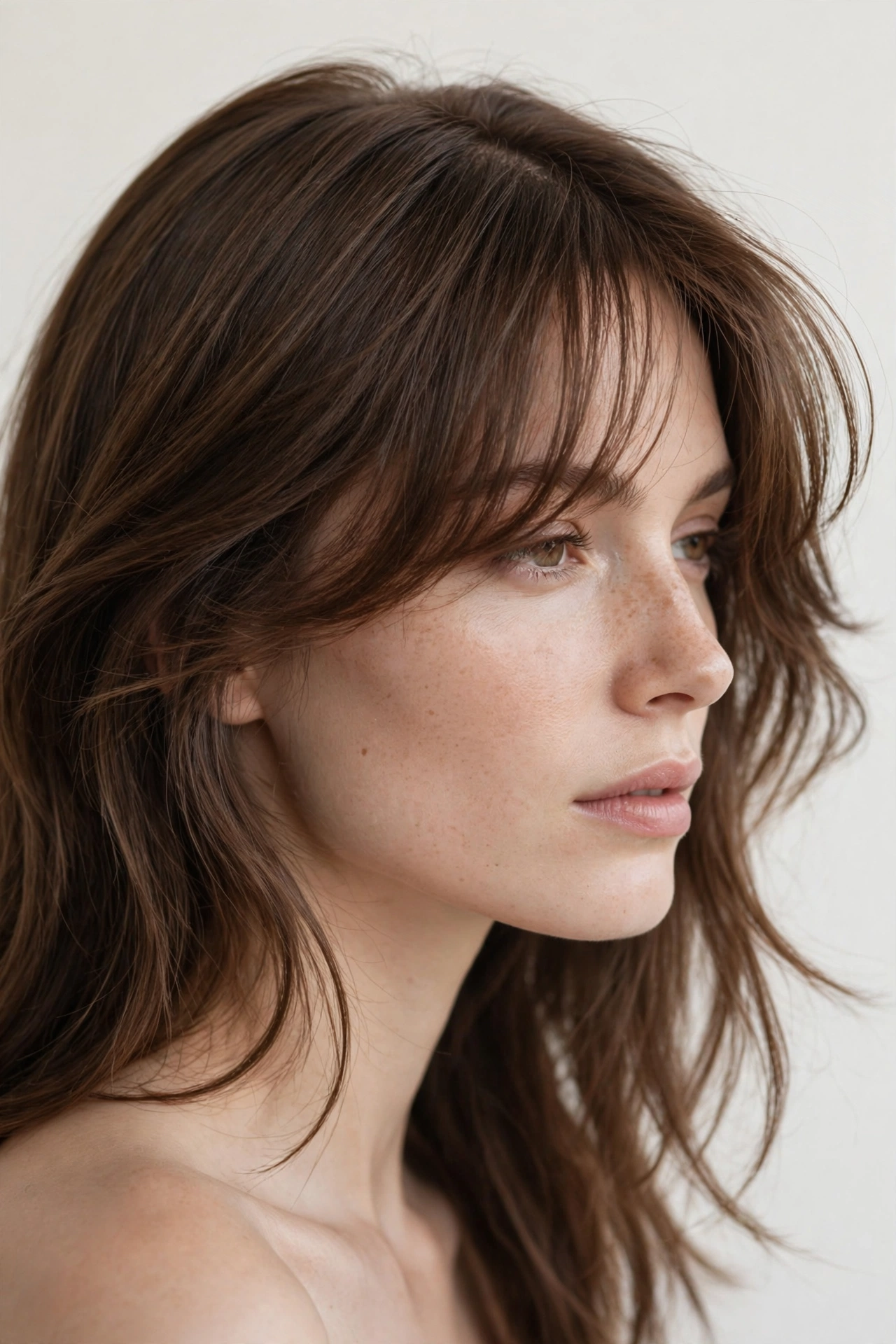
Yes, with one caveat. Side-swept bangs blended into a side part are a classic, flattering combination. But bangs are usually cut to sit with a more central part, so if you want to go fully to the side, discuss it with your stylist at your next trim rather than forcing the fringe over at home — the cut needs to support the direction. Longer, textured bangs transition most easily; short, blunt bangs resist. When in doubt, grow the bangs slightly longer and let the side sweep develop naturally.
How do I keep my side part in place all day?
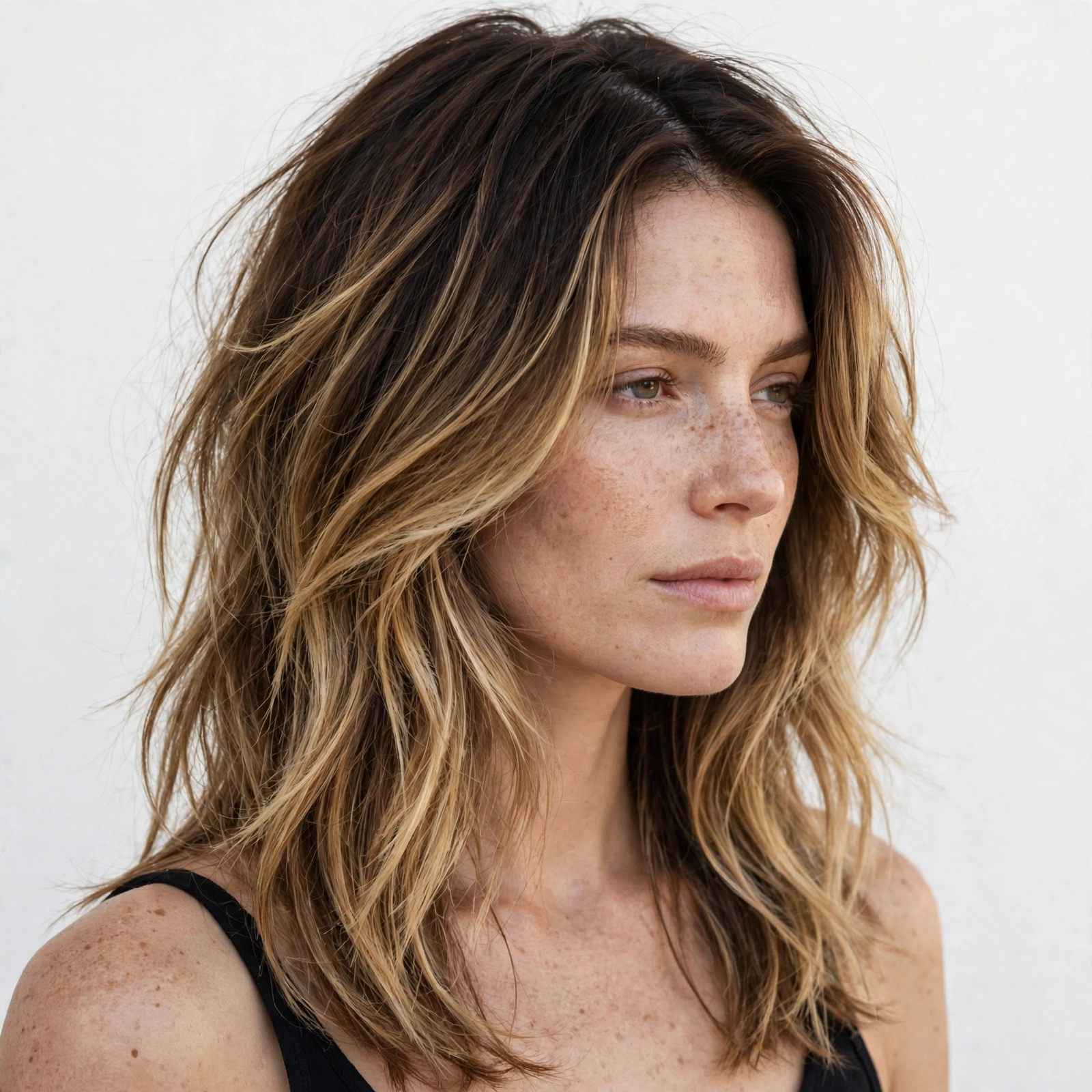
Three things: train it wet, set it with heat, and lock it lightly. Part wet hair and blow dry the roots against then with the part; let it cool clipped in position. A volumizing mousse at the roots gives fine hair grip, and a tiny amount of pomade pressed along the part line holds without stiffness. Avoid touching and re-parting throughout the day — every touch weakens the set. In humidity, a light-hold hairspray misted over the finished style (not sprayed directly at the part, which can look wet) keeps everything in place for hours.
Final Thoughts
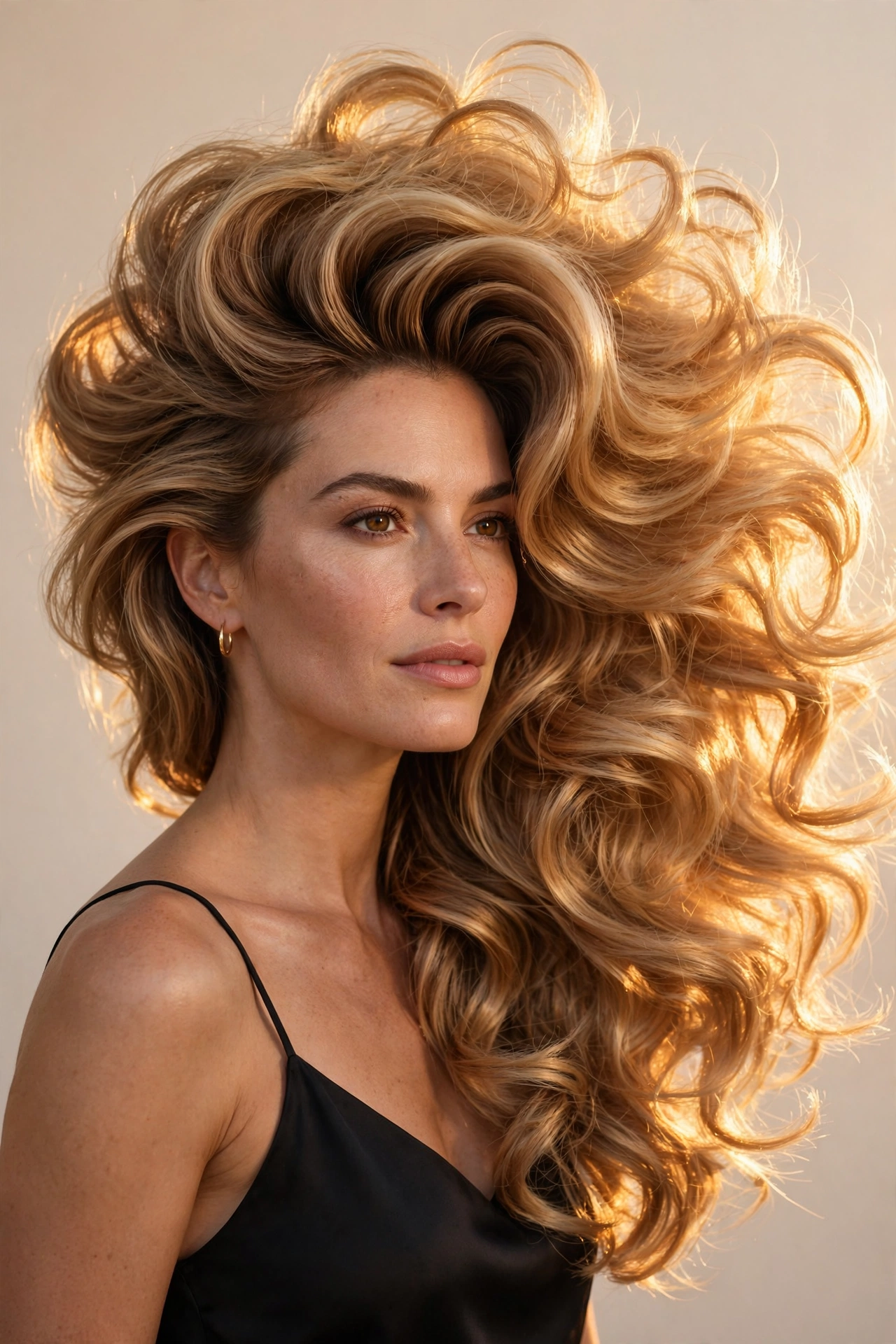
The side part’s 2026 comeback is a reminder that the best trends are often the simplest ones. No new haircut required, no expensive products, no salon appointment — just a comb, two seconds, and the willingness to see your face a little differently. It adds volume where you want it, softens what you want softened, and makes every haircut it touches look more considered. That is a lot of power for something free.
My honest recommendation? Try it tomorrow morning. Part your damp hair to the side, style as usual, and give it the full day before you judge — then give it a week. Most women who make the switch wonder why they waited so long. And if you fall in love with it, consider a cut designed around it: the side-part bob, the Italian bob, or the bixie are waiting. The center part had a good decade. It is someone else’s turn now.
Conclusion
The side part is making its glorious comeback in 2026, and honestly, it never should have left. A deep side part adds instant volume, asymmetry, and old-Hollywood drama to any length — from sleek bobs to cascading waves. It flatters round faces by creating diagonal lines and gives fine hair a fuller appearance.
Create your part while hair is damp for the cleanest line, then set it with a light-hold spray. Experiment with how deep you go — even an inch changes the whole mood. In 2026, the side part is proof that the simplest styling switch can be the most transformative.