Silk Press Hair 2026: 18 Sleek Styles for Natural Hair
Silk Press Hair 2026: 18 Sleek Styles for Natural Hair
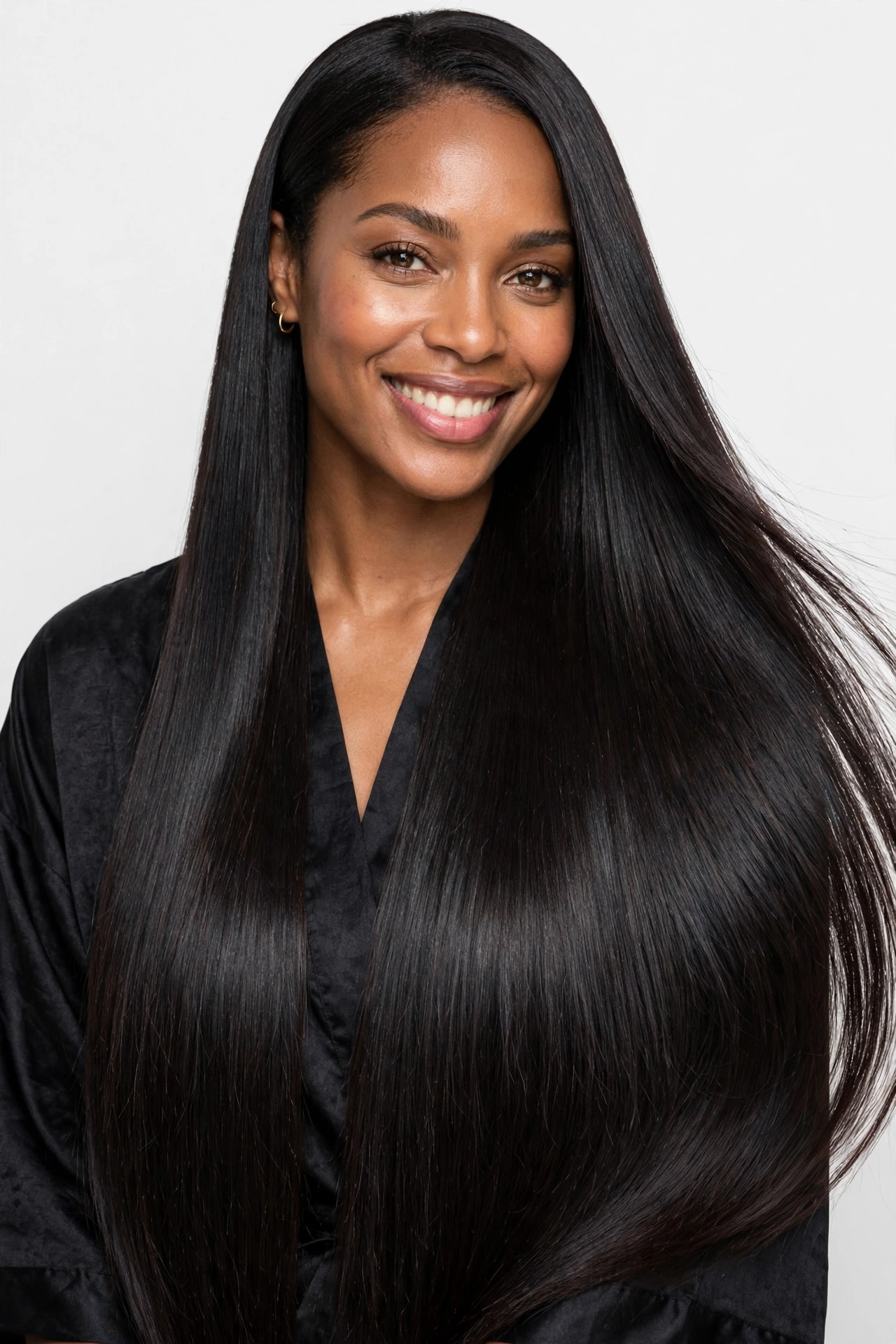
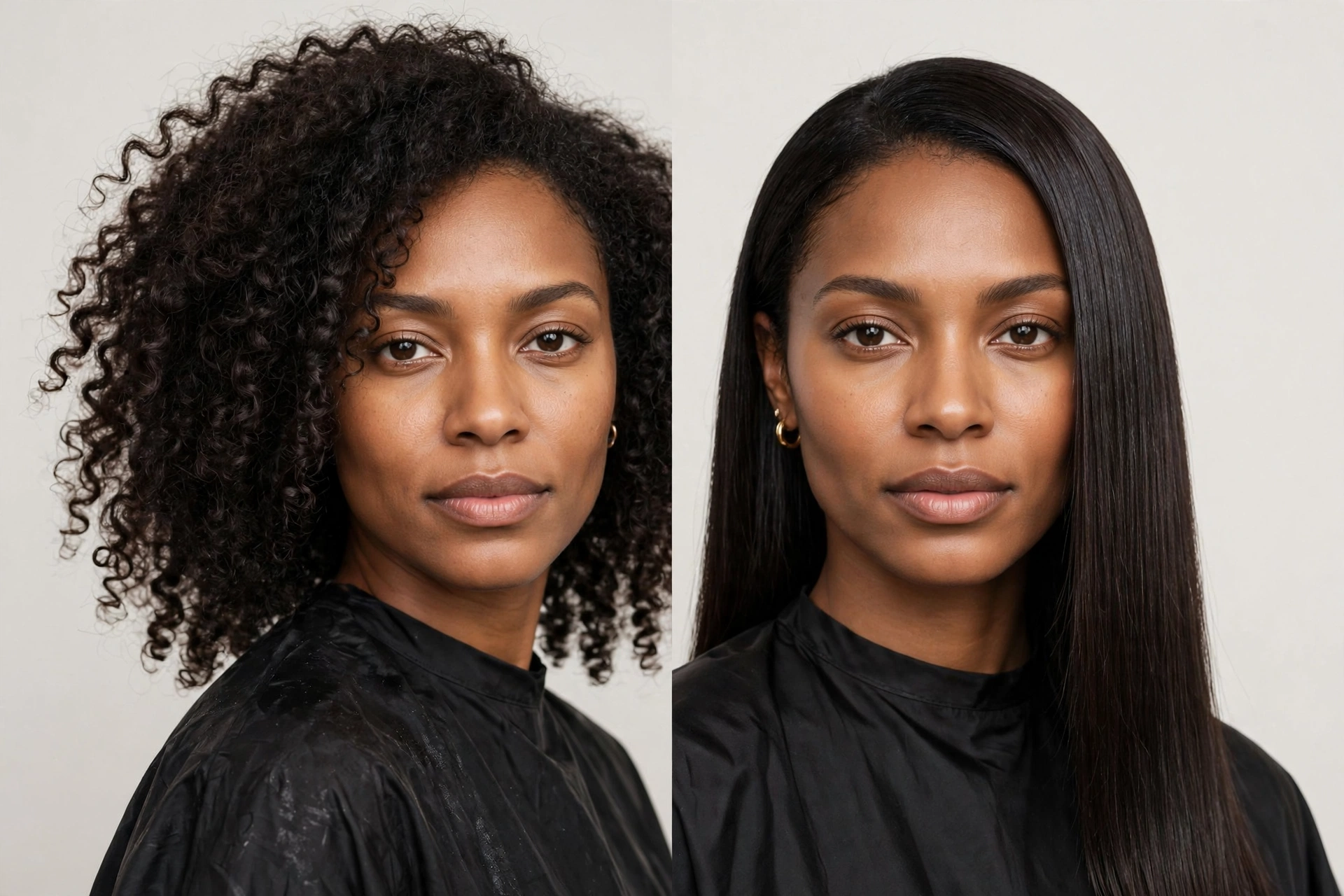
There is a particular kind of silence that falls over a salon when a silk press is revealed. The stylist spins the chair, the client catches her reflection, and for a second nobody says anything — because the hair swinging in the mirror does not look like it started the appointment as a head full of 4c coils. That is the magic of silk press hair: glass-like shine, movement for days, and not a single chemical involved.
I will be honest with you — I was skeptical the first time. I had watched too many “silk press” videos that were really just flat-ironed hair with good lighting. Then my stylist did one on my own natural hair, and I understood. A real silk press is a process, not a pass: a deep cleanse, a steam hydration treatment, a meticulous tension blow-dry, and then one — one — careful pass of the flat iron per section. My press lasted three full weeks, survived a humid weekend, and washed out back into my coils like nothing had happened. No damage. No drama.
In this guide, I am walking you through all of it: what a silk press actually is, why 2026 is its biggest year yet (yes, including Solange’s viral silk press moment), 18 sleek styles to try, the exact salon process, a realistic at-home guide, and how to keep it humidity-proof. Whether your hair is 3a waves or 4c coils, you will know exactly what to book — and what to avoid.
What Is a Silk Press?
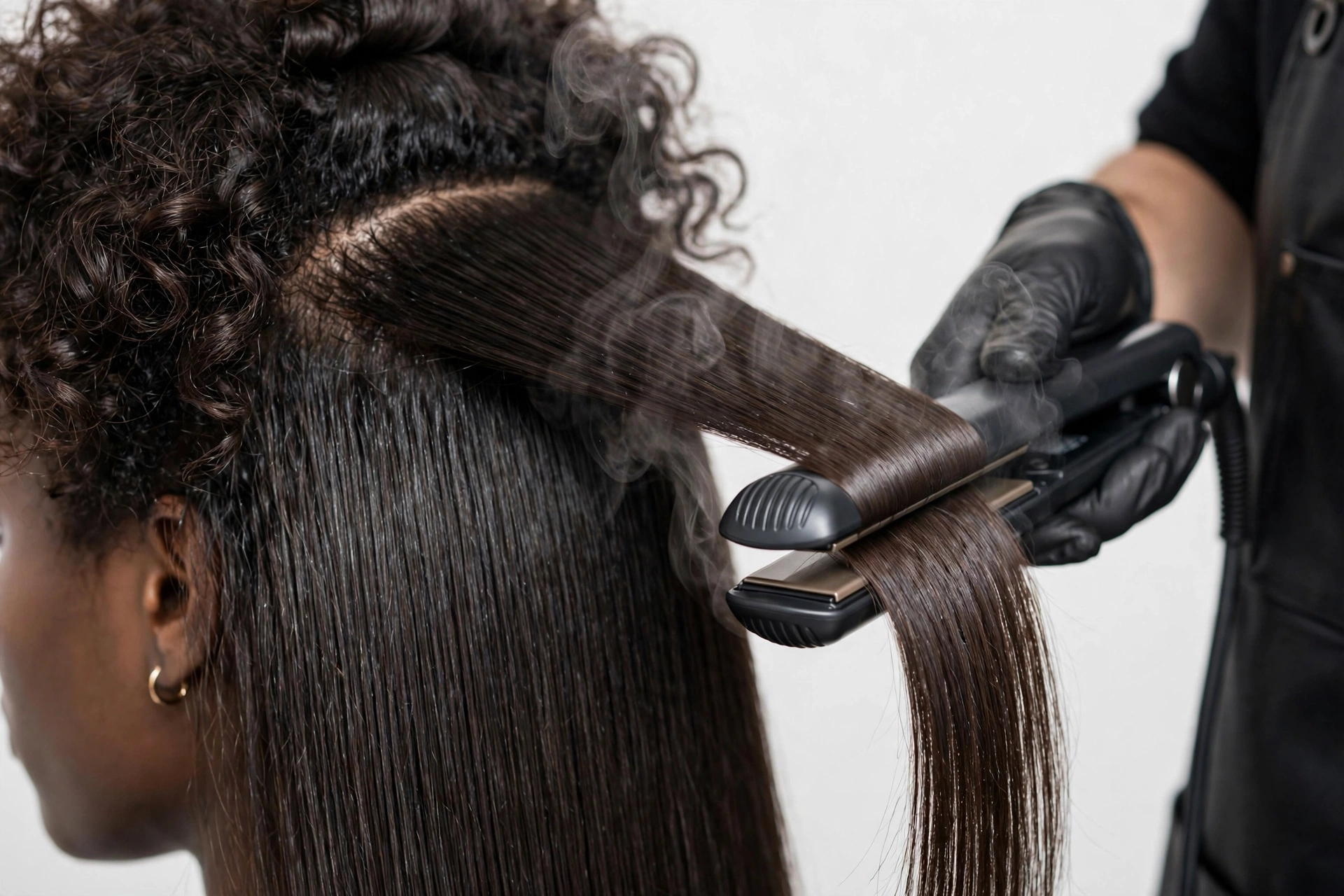
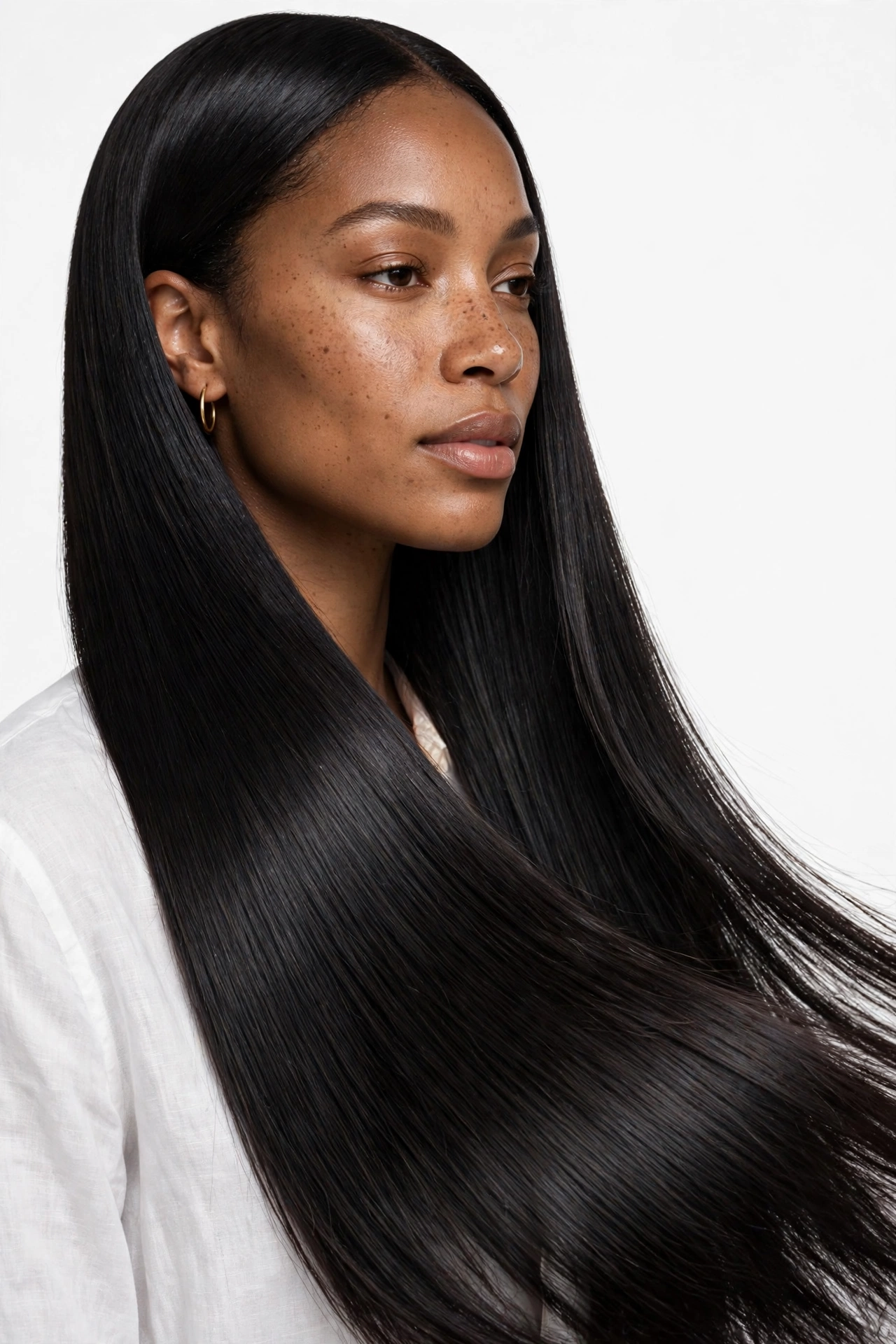
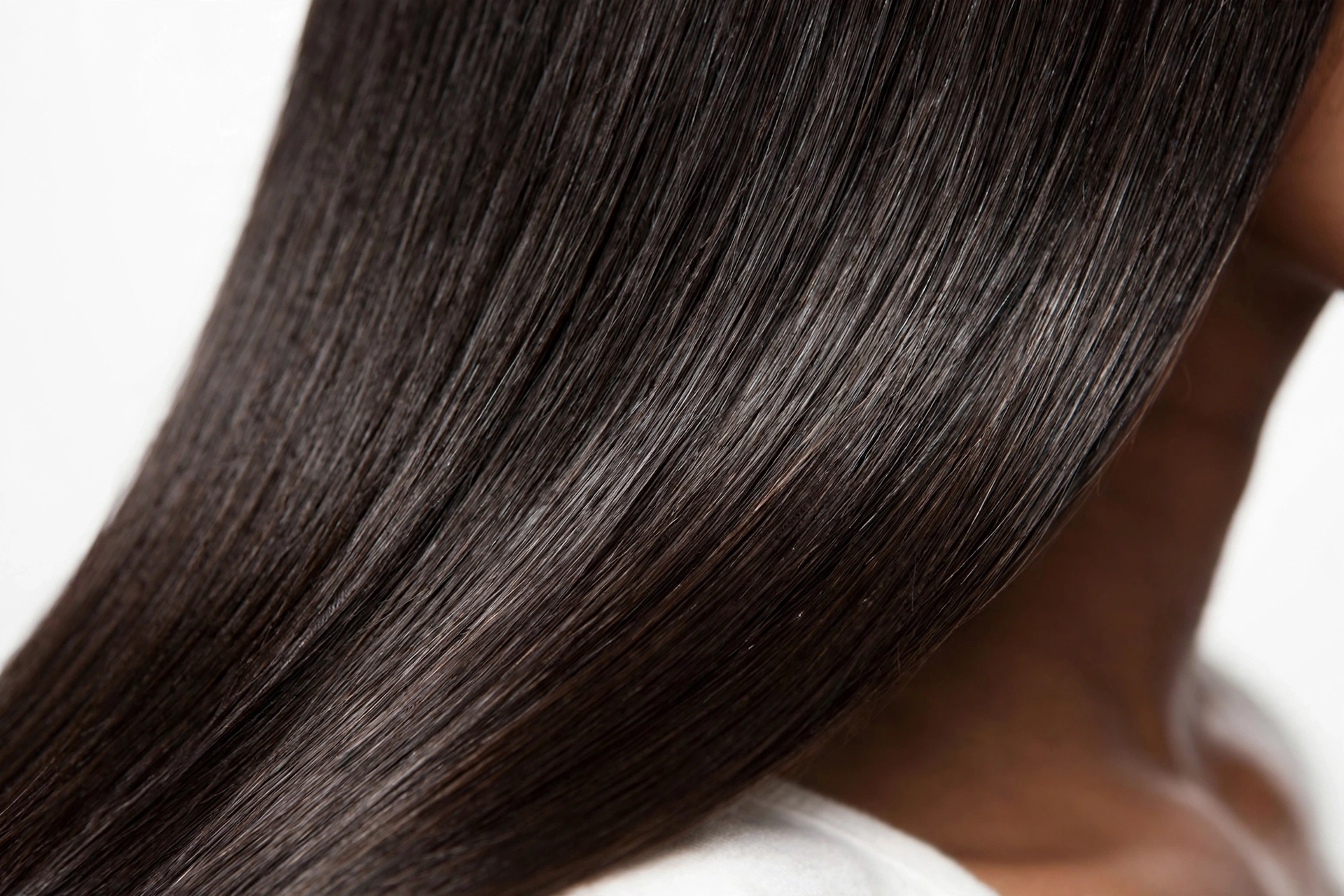
A silk press is a heat-styling service that straightens natural hair — no chemicals, no relaxer, no keratin treatment — using a specific sequence: a clarifying cleanse, a deep hydrating treatment, a tension blow-dry, and a single careful pass of a flat iron per section. The name comes from the finish. Done right, the hair looks and feels like silk: smooth, shiny, and swinging.
Here is what separates a true silk press from a regular flat-iron job. First, the prep. Your stylist starts with a clarifying shampoo to strip every trace of product, because residue is the enemy of shine. Then comes a moisturizing deep conditioner — often with steam — to load the hair with hydration before any heat touches it. Then the blow-dry, done in small sections with the dryer nozzle pointed down the hair shaft and the hair pulled taut (that is the “tension” in tension blow-dry). By the time the flat iron comes out, the hair is already 90 percent straight. The iron just seals the deal.
That sequence is also why a silk press is different from a relaxer and from a keratin treatment. A relaxer permanently breaks the hair’s bonds with chemicals — there is no going back to your curls without growing them out. A keratin treatment coats the hair in protein and seals it with heat, lasting months but changing how your hair behaves. A silk press changes nothing permanently. It is heat styling at its most skilled, and it washes out completely. Your curl pattern stays exactly where you left it — which is the whole point for most of us.
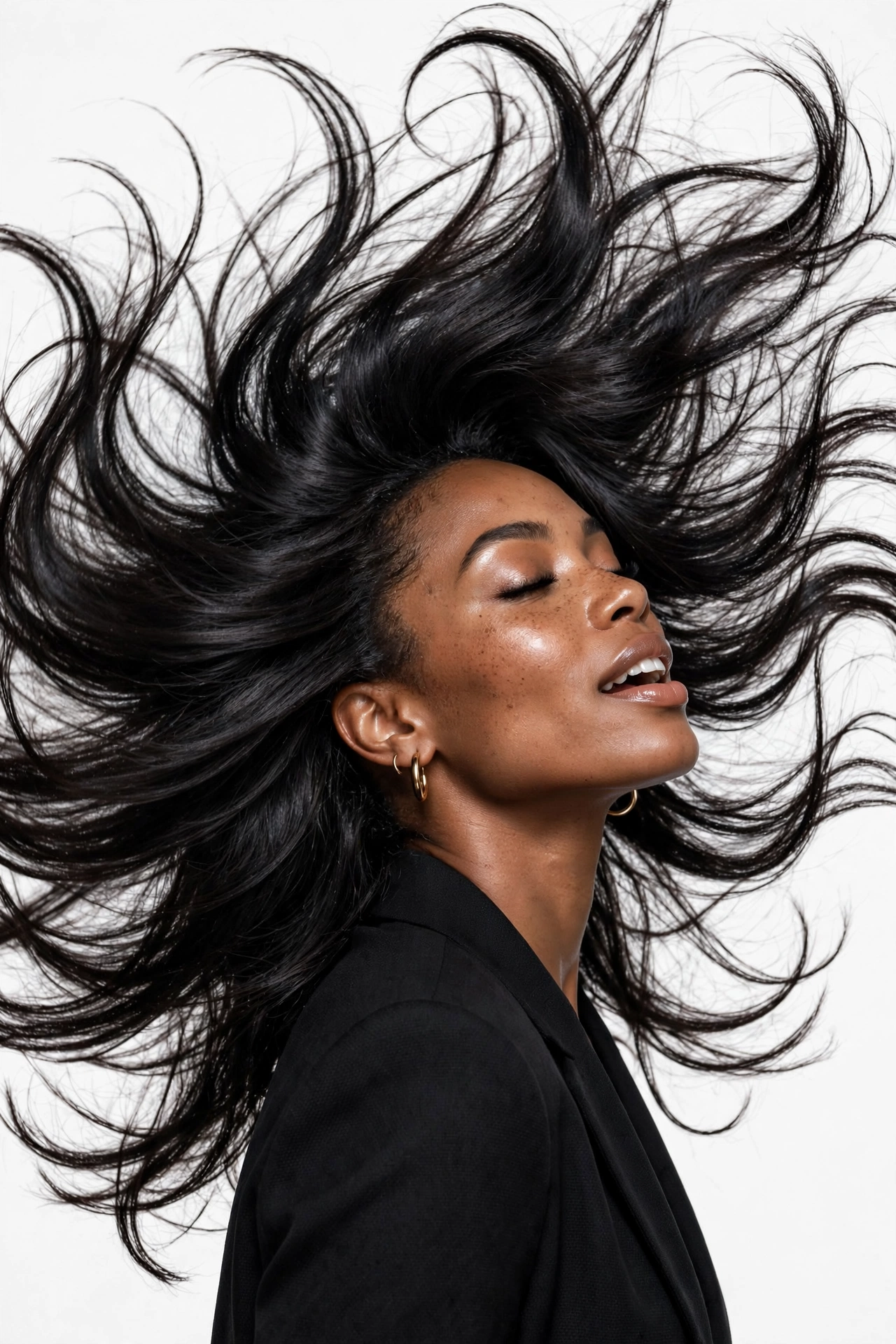
Why Silk Press Hair Is Trending in 2026
The silk press has been around for years, but 2026 is its biggest moment yet — and Solange lit the match. When she stepped out earlier this year with a glass-sleek, swinging silk press, the internet lost its mind, because Solange is the patron saint of natural hair. Her wearing her coils pressed bone-straight was not a rejection of natural hair; it was a flex. It said: my hair can do both. Searches for silk press appointments spiked for weeks afterward, and stylists I know are still booked out from the ripple effect.
Underneath the celebrity moment, something deeper is driving the trend. After a decade of the natural hair movement, a generation of women with healthy, well-cared-for coils wants versatility without chemicals. The silk press is the answer: all the length and swing of straight hair, zero permanent change, curls back after one wash day. It is the ultimate “have it both ways” style, and in 2026 — the year of the anti-commitment beauty routine — that resonates hard.
Technique has leveled up too. The new generation of silk press specialists uses steam treatments, ionic dryers, and titanium irons with digital temperature control, which means less heat damage and longer-lasting results than the press-and-curl era. A press that used to revert in three days now holds for two to three weeks. When the results got this good and this safe, the only question left was which style to get — which is exactly what the next section answers.
18 Silk Press Hairstyles to Try in 2026
Eighteen ways to wear a silk press, from the classic middle part to a 90s supermodel blowout. I have noted who each style flatters most and how to keep it fresh, because a silk press is only as good as its maintenance. Pick your fighter.
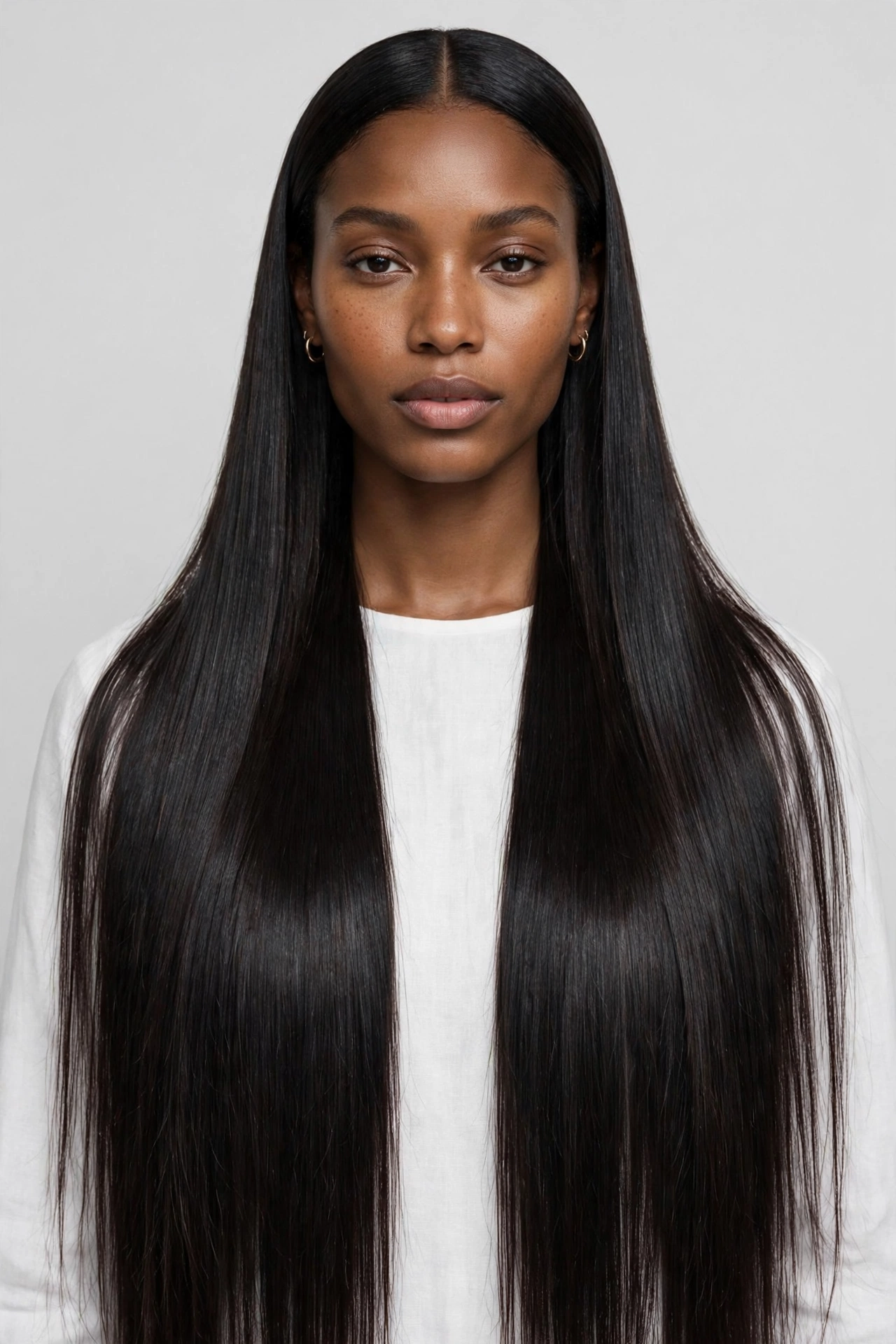
1. Classic Middle-Part Silk Press
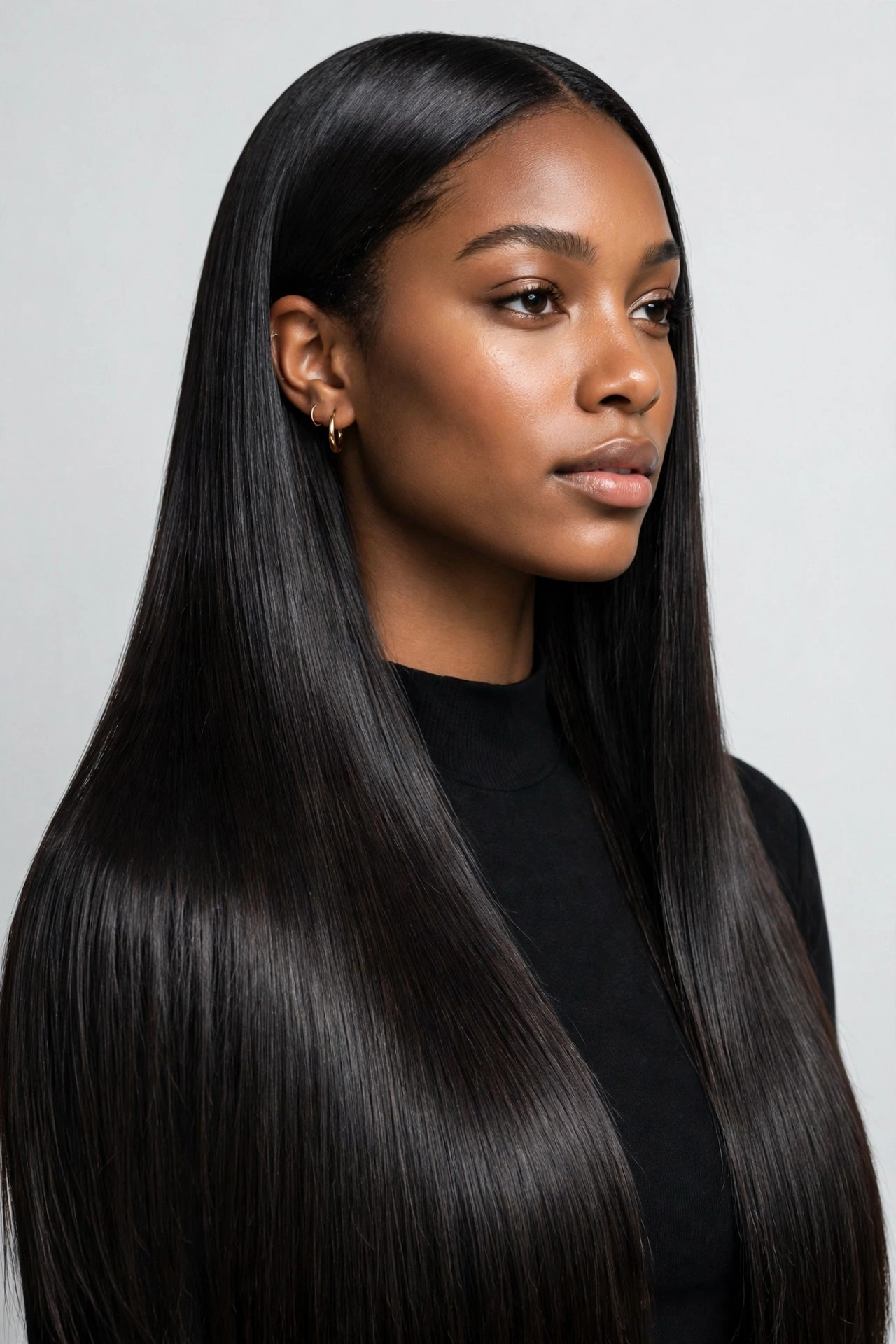
The middle-part silk press is the baseline against which every other silk press is judged. Hair pressed glass-straight, parted dead center, falling evenly on both sides. It is minimal, it is clean, and it shows off the shine better than any other parting — because a center part catches light symmetrically, the gloss reads double. This is the style to get when you want the silk press itself to be the statement.
A middle part demands precision, so be honest about your hairline. If your edges are thin or your part is naturally crooked, a middle part will broadcast it. The fix is simple: have your stylist press the roots extra-smooth and lay the edges with a light edge control. Maintenance-wise, this is the easiest silk press to keep — wrap it at night (more on wrapping below) and the part stays crisp for the full two to three weeks.
2. Silk Press Bob
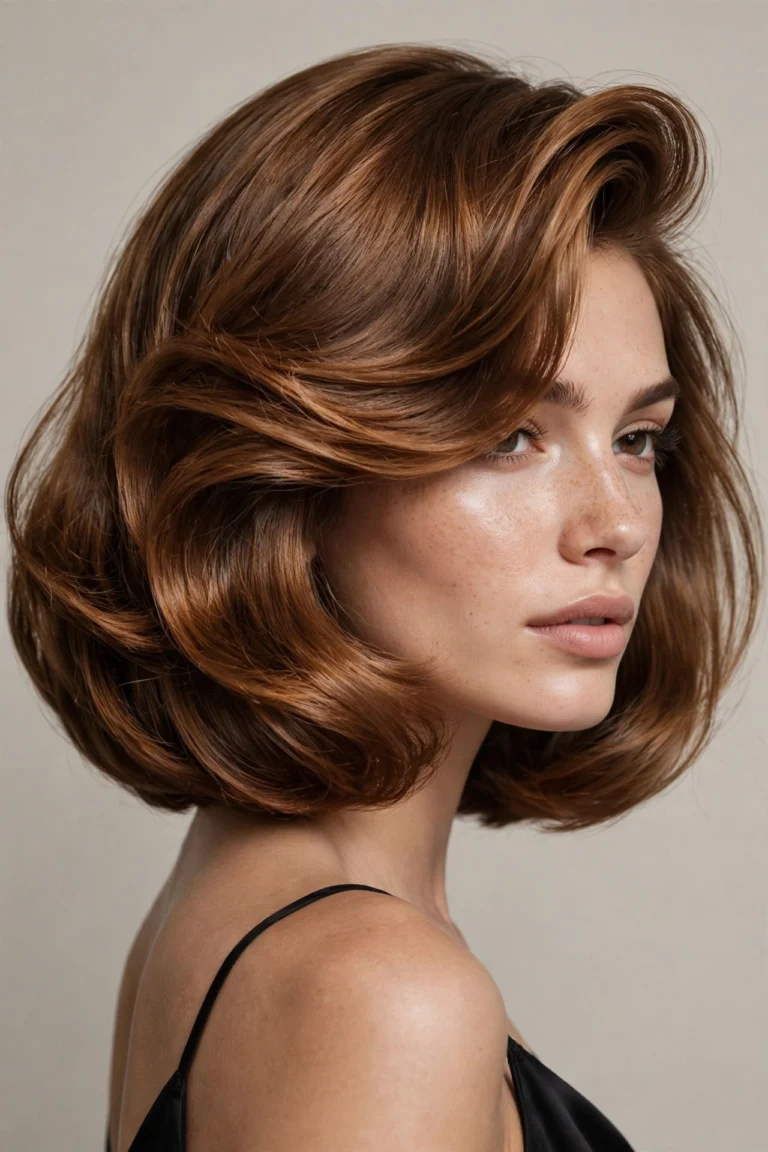
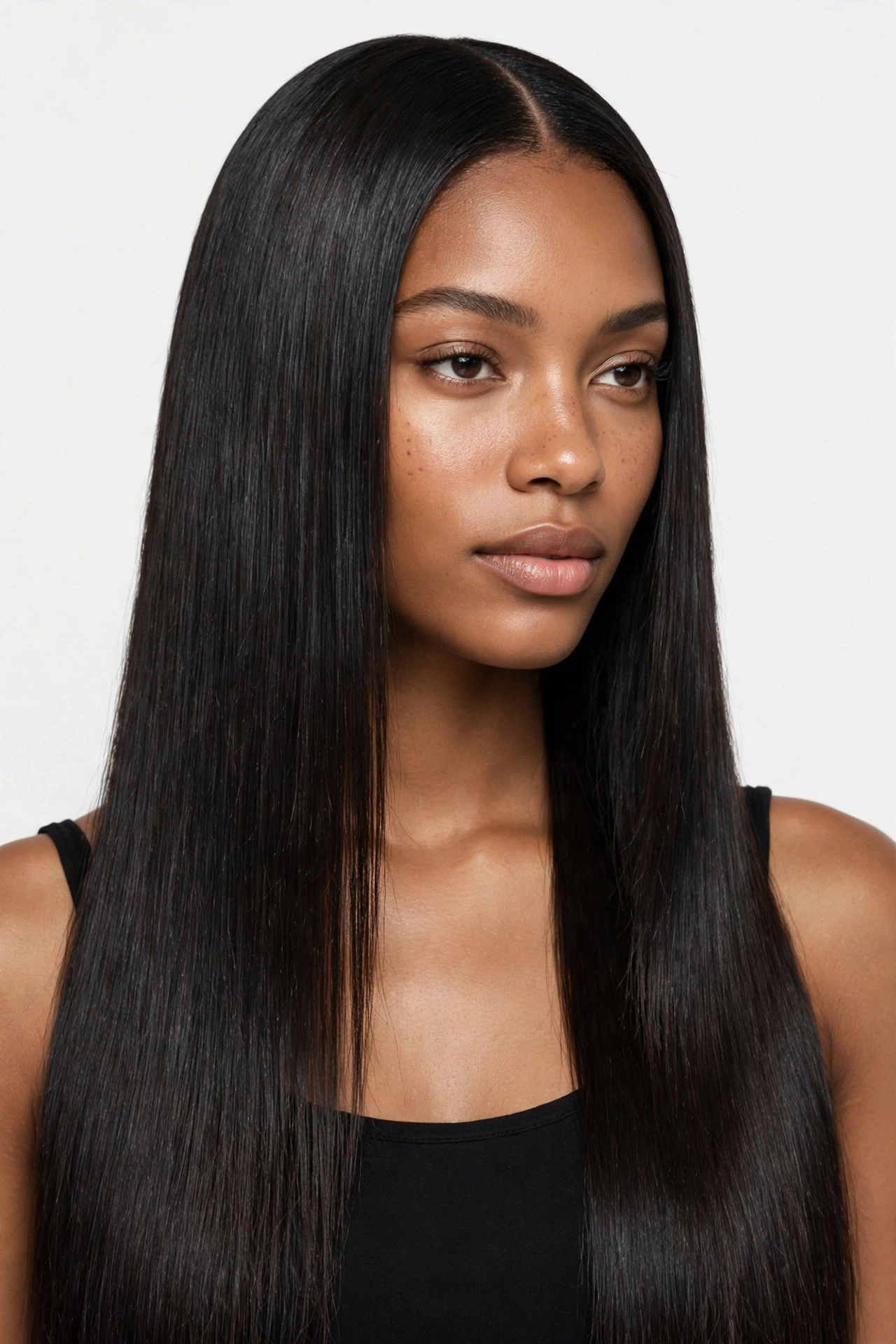
A silk press on a bob-length cut is quietly one of the chicest things you can do with natural hair. Chin-to-shoulder length, pressed smooth, ends tucked just slightly under — it swings when you walk and frames the face like a portrait. The shorter length also means the press lasts longer, because there is less hair to revert and less weight pulling the roots back to curly.
The key detail is the ends. Ask your stylist to press them with a very slight bevel — not curled, just eased under — so the bob keeps its shape instead of flipping out by day three. A silk press bob is also the smartest choice if you are growing out damage or transitioning, because the short length lets you trim split ends regularly without mourning the length. Expect to pay $60 to $120 for the cut-plus-press combo at most salons.
3. Layered Silk Press with Volume
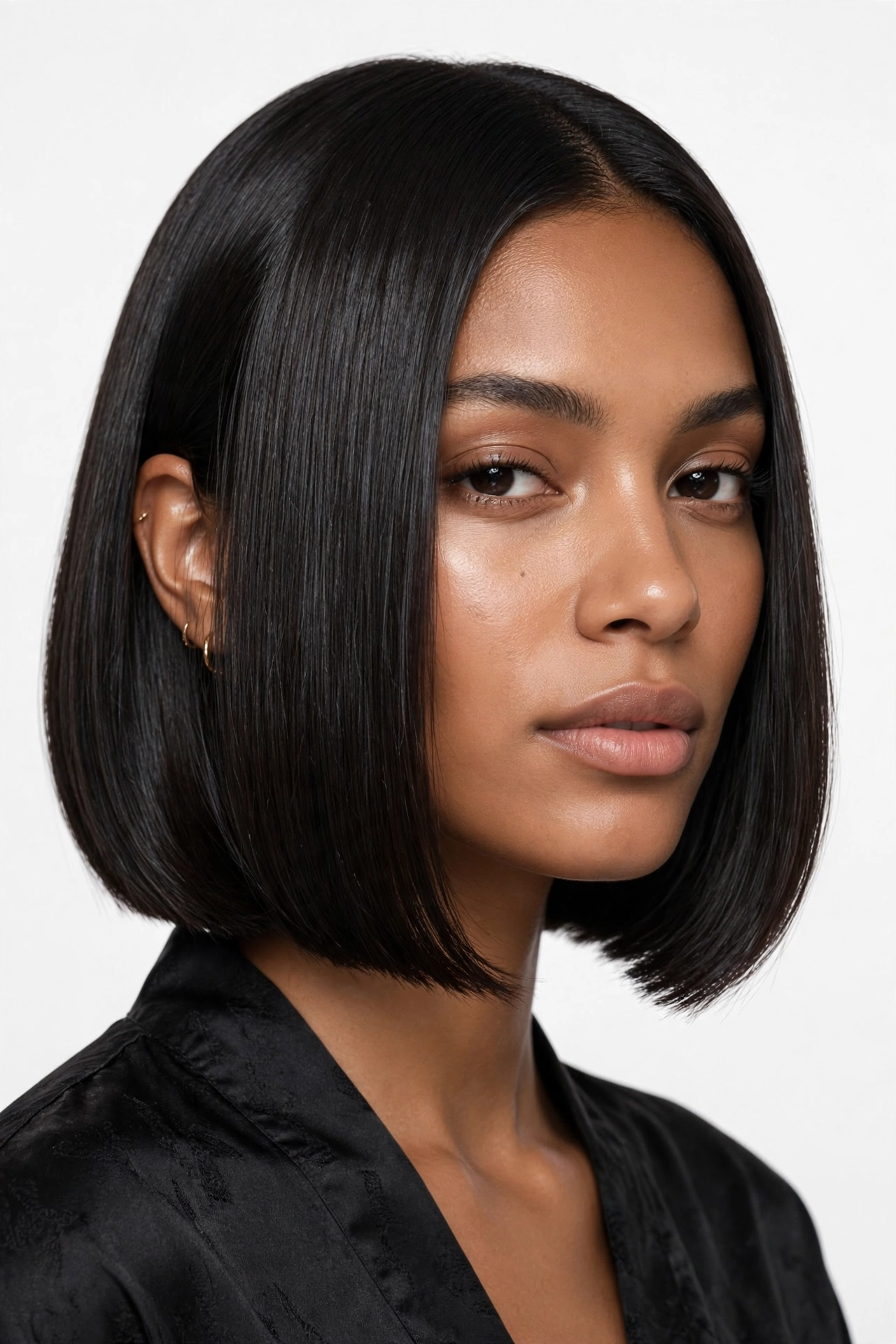
Bone-straight and flat is not the only way to wear a silk press. Long layers pressed smooth give you movement, bounce, and that expensive salon blowout energy — the hair still reads sleek, but it moves like it has somewhere to be. Layers are the fix if your silk press ever looks “wiggy” or helmet-like; the varying lengths break up the sheet of hair and make it look like it grew that way.
Ask for face-framing layers starting at the chin and longer layers through the back. The pressing technique matters here: your stylist should press the layers with a slight bevel at the ends rather than pin-straight, which is what creates the bounce. This style photographs beautifully in motion — ponytails, hair flips, all of it. It holds for the standard one to three weeks, though the layered ends may need a touch-up pass in week two if you are in humidity.
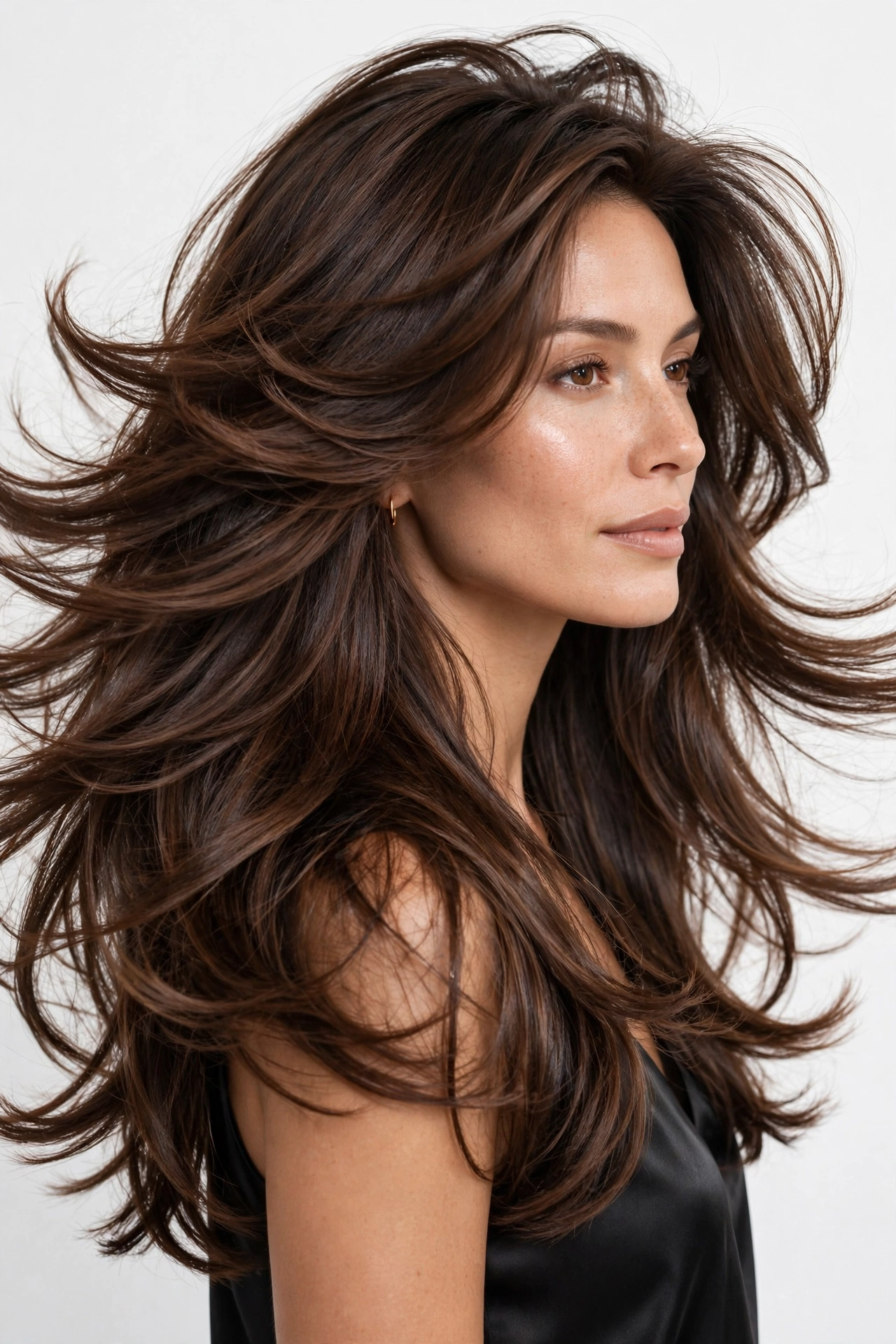
4. Side-Part Silk Press
The deep side part is the silk press’s glamour setting. Parting pressed hair far to one side creates an asymmetric sweep — volume cascading over one shoulder, sleek and close on the other — and it is the most red-carpet-ready way to wear the style. If you have a shoot, a wedding, or a night out, this is the parting.
A side part also solves real problems. It adds instant volume at the crown for finer hair, it softens a strong jawline, and it gives round faces the diagonal lines that elongate. To keep the part from migrating back to center overnight, train it: press a little edge control along the part line for the first two nights and wrap with the part in place. Side parts do revert slightly faster than middle parts in humidity, so keep an anti-humidity serum in your bag.
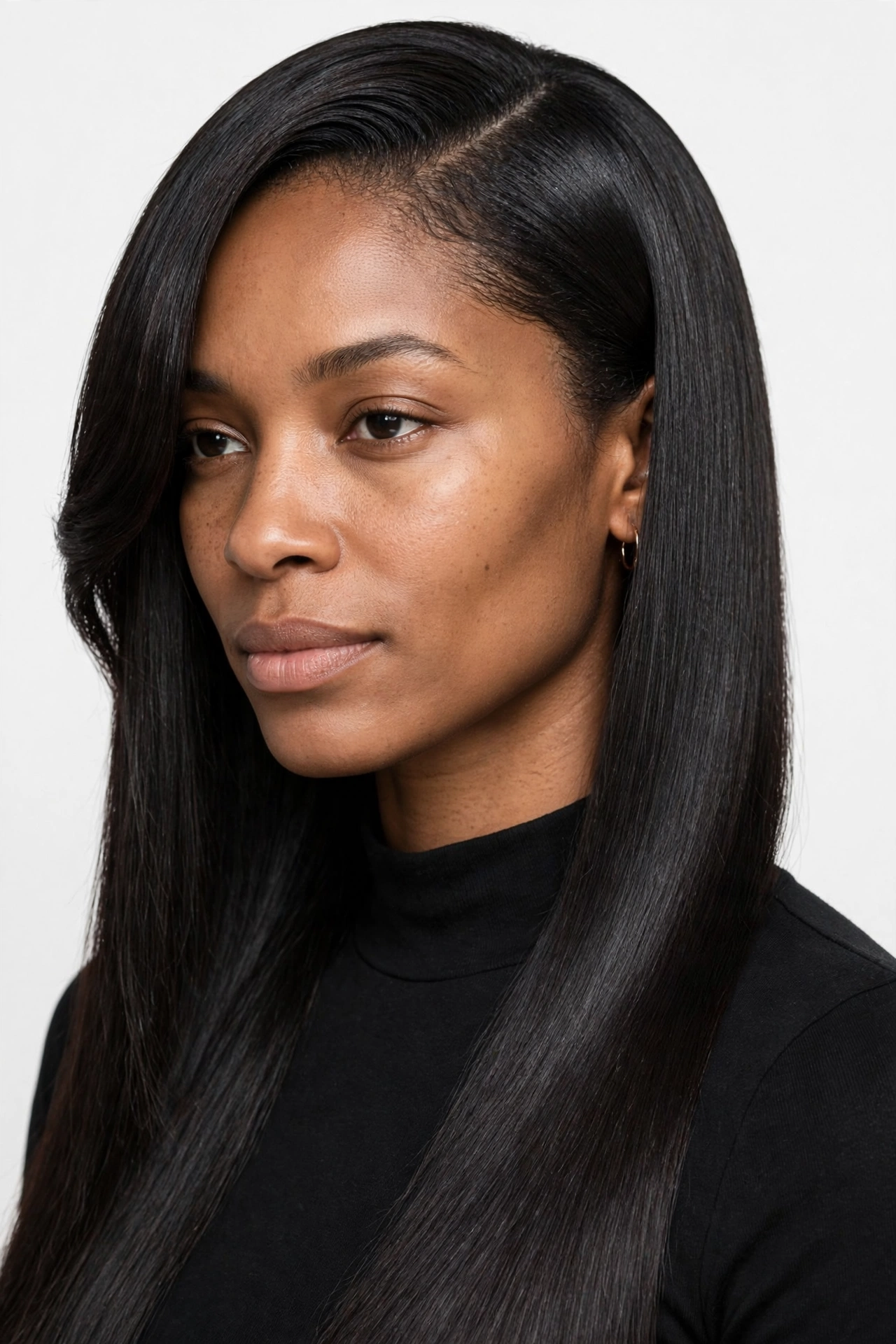
5. Silk Press with Curtain Bangs
Curtain bangs on a silk press are the 2026 answer to “I want bangs but I am scared of commitment.” The bangs are pressed smooth and parted in the middle so they frame the face like curtains — hence the name — blending into the rest of the hair. On straight, glossy hair, curtain bangs look soft and French-girl effortless instead of severe.
The catch: bangs revert first. They sit against your forehead, where sweat and skin oils live, so they are the first thing to curl back up in humidity. Carry a mini flat iron or book the bang trim-and-press as a $15 touch-up service between full presses. Ask your stylist to cut the bangs dry and pressed (not on curly hair) so the length is accurate — cutting bangs on shrunken coils and then pressing them is how bangs end up three inches shorter than planned.
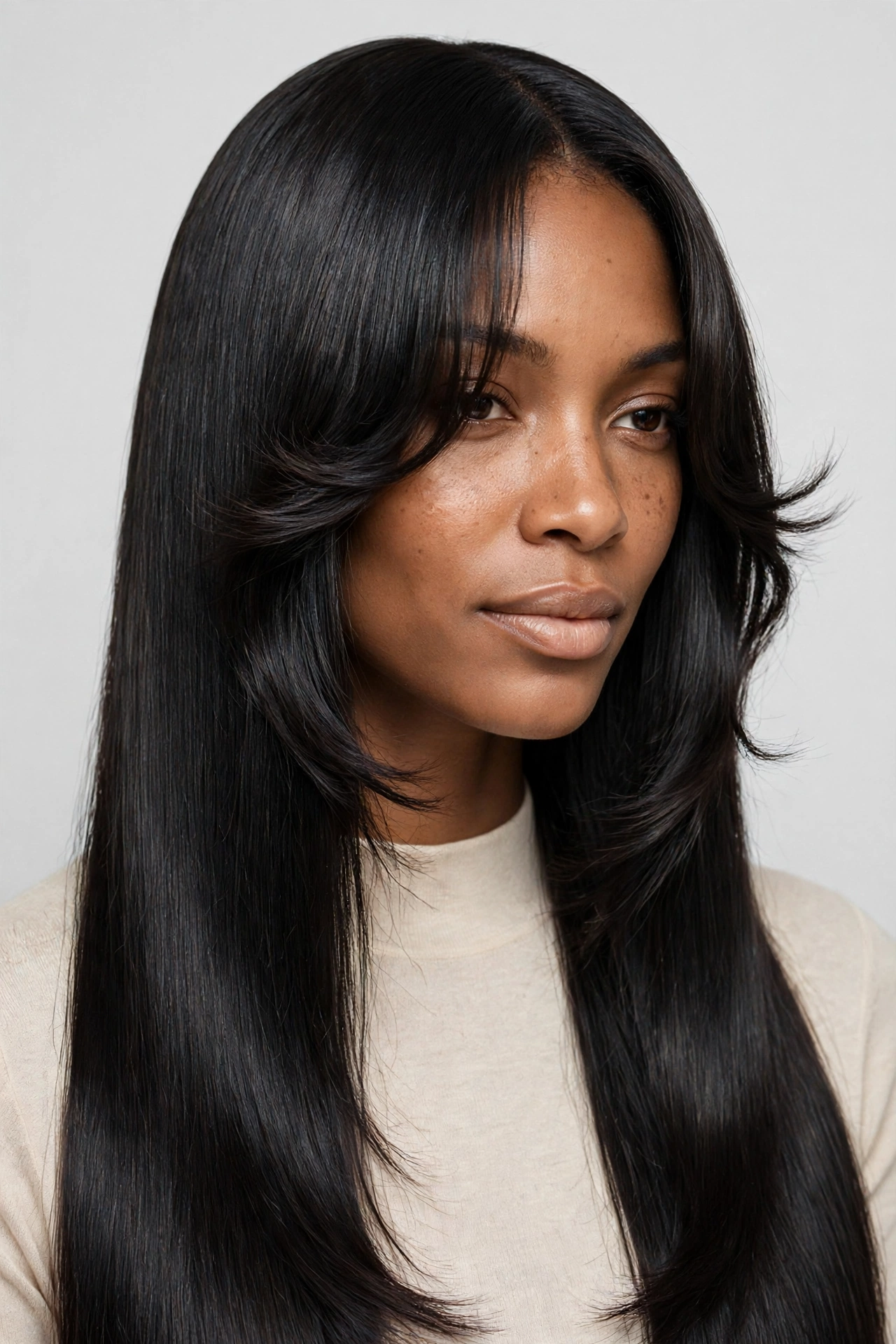
6. Long Bone-Straight Silk Press
This is the Solange effect in its purest form: natural hair pressed so straight and so glossy it looks like glass poured down your back. Bone-straight means no bevel, no curl, no wave — just a sheet of shine. It is the most dramatic transformation a silk press can deliver, and on long natural hair it is genuinely show-stopping.
Bone-straight is also the highest-maintenance silk press. Every drop of humidity shows, every bit of root reversion shows, and the ends need to stay sealed or they will frizz into a halo. This is a one-to-two-week style, not a three-week one — plan accordingly. Keep it in a silk scarf (not just a bonnet) when you are out in damp weather, and do not touch it; the oils from your hands break the sleekness faster than anything else.
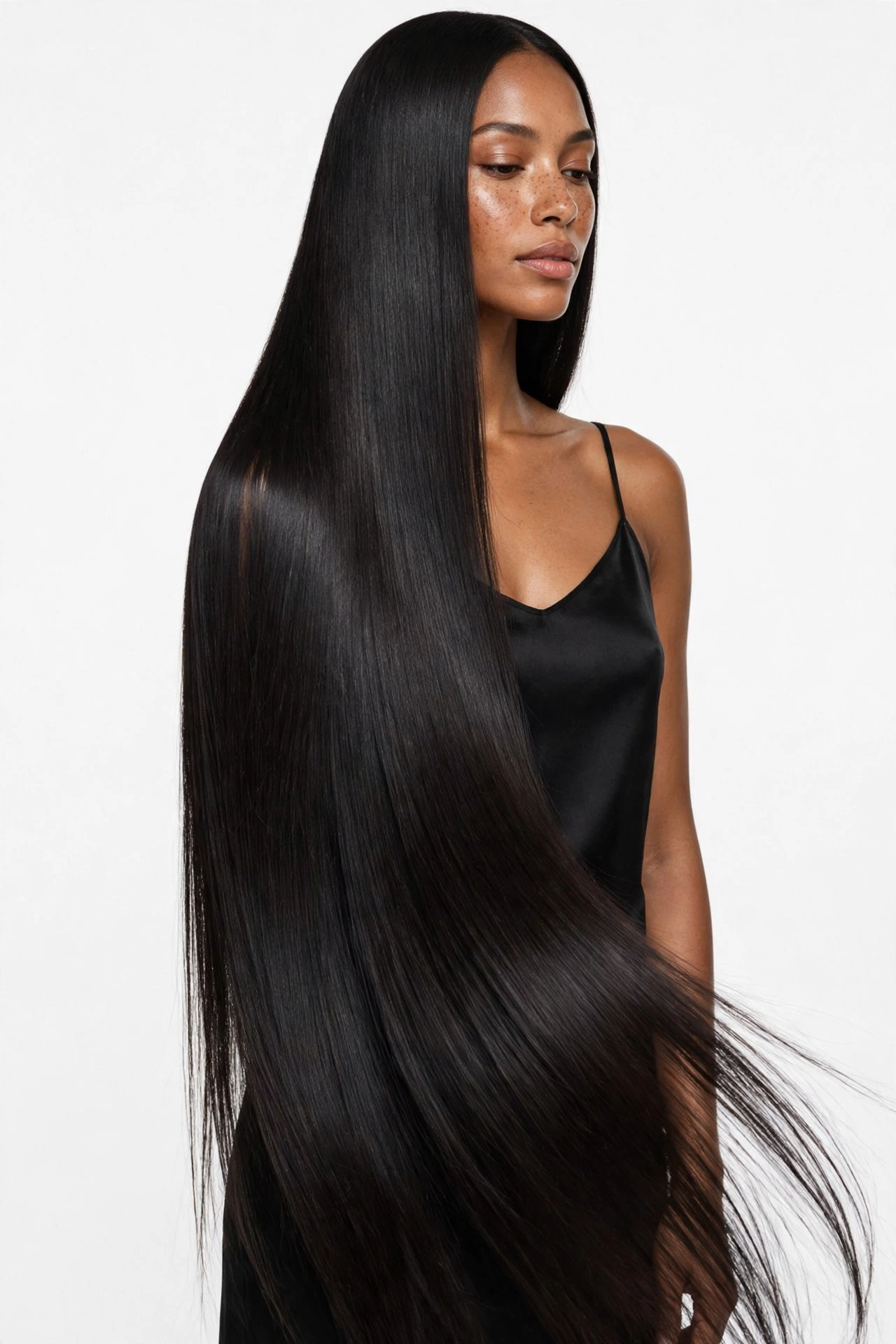
7. Silk Press with Soft Curls at the Ends
Pressed smooth at the roots, softly curled at the ends — this hybrid gives you the polish of a silk press with the romance of curls. Your stylist presses the hair straight, then wraps just the bottom three inches around a large curling iron or flexi-rods. The result moves beautifully and photographs like a dream.
This is a great choice if your ends are older or slightly damaged, because the curls disguise uneven ends that a bone-straight press would expose. It is also more forgiving in humidity than a pin-straight press — a little reversion at the ends just blends into the curl pattern. Refresh the curls in the morning with a large-barrel iron on low heat (one pass, heat protectant first) and they will hold for the life of the press.
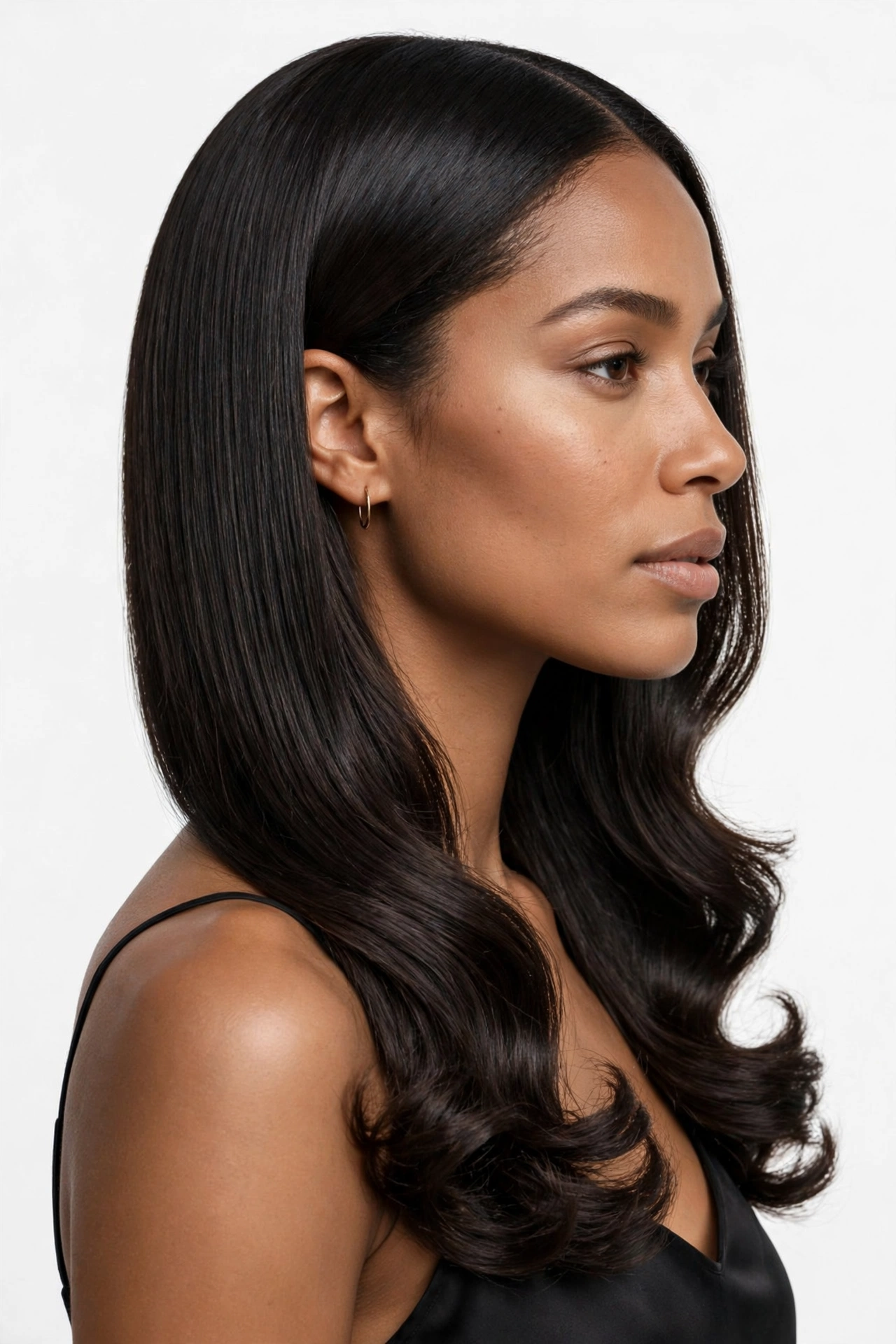
8. Sleek Ponytail Silk Press
A silk press ponytail is the ultimate clean-girl style: every strand smoothed back, not a bump in sight, the ponytail itself swinging glossy and straight. It works for the gym, the office, and evenings out — it is one of those rare styles that is simultaneously sporty and elegant. On freshly pressed hair, the ponytail sits perfectly because there is no new growth fighting the brush.
The technique: brush the pressed hair back with a boar-bristle brush and a light holding gel (not heavy edge control — you want sleek, not crunchy), secure high or mid-head with a snag-free band, then take a small section of the ponytail, wrap it around the base, and pin underneath. For extra length, this is where extensions blend invisibly — a pressed ponytail hides wefts better than any curly style. Just keep the ponytail loose enough to avoid tension headaches; a silk press should never hurt.
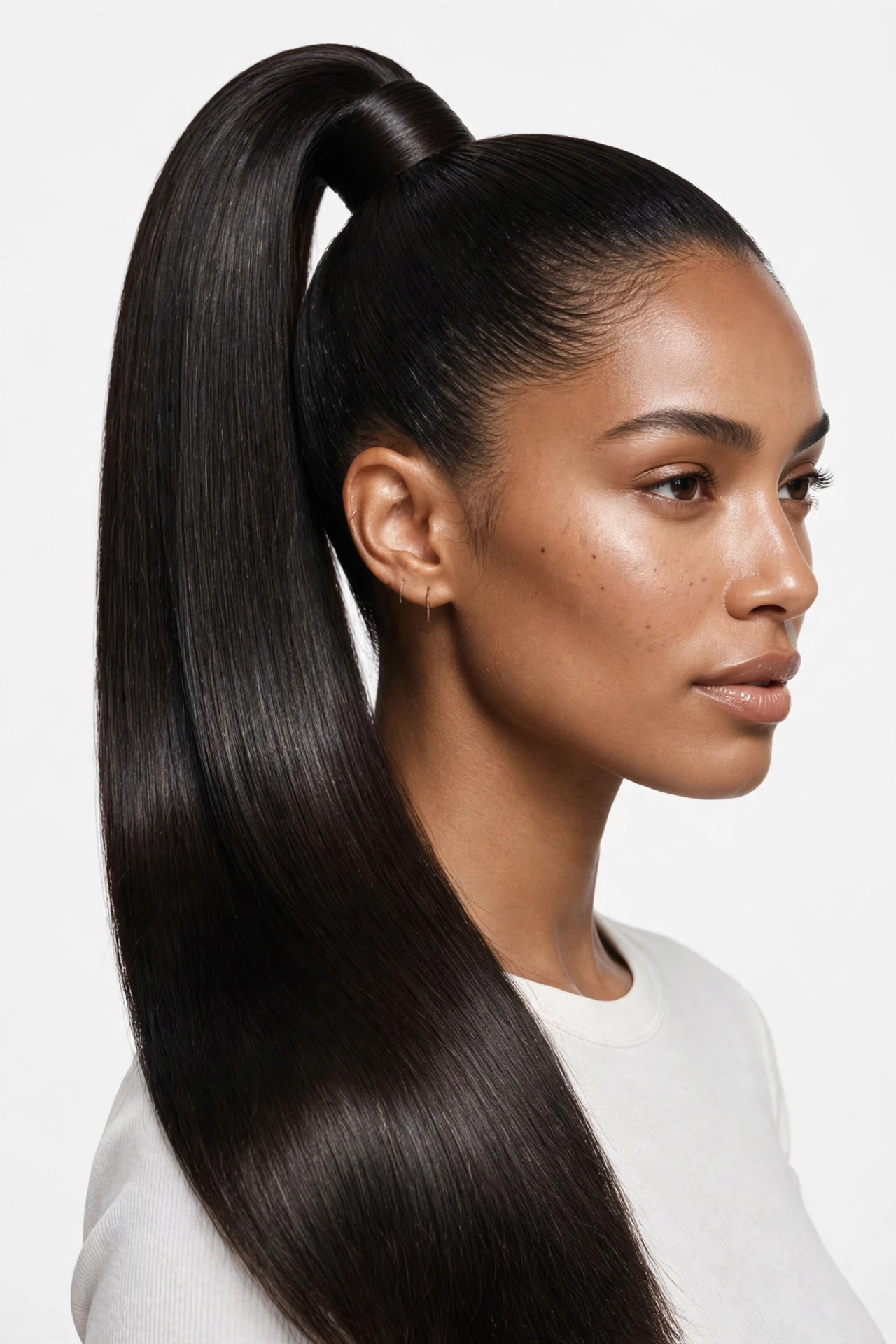
9. Silk Press with Flipped Ends
The flipped ends are back, and they brought the 90s with them. Press the hair straight, then flip just the last two inches outward with a flat iron or a round brush and dryer. The result is bouncy, playful, and retro in the best way — it gives a silk press personality instead of just polish. This is the style that gets “your hair looks so fun today” comments.
Flipped ends are also practical. They disguise ends that are a little uneven, they add the illusion of thickness to finer hair, and they hold up better in humidity than a pin-straight finish. To refresh, re-flip the ends each morning with a flat iron on medium heat — one quick pass per section, no heat protectant skip. The flip naturally relaxes by evening into a soft bevel, which still looks intentional.
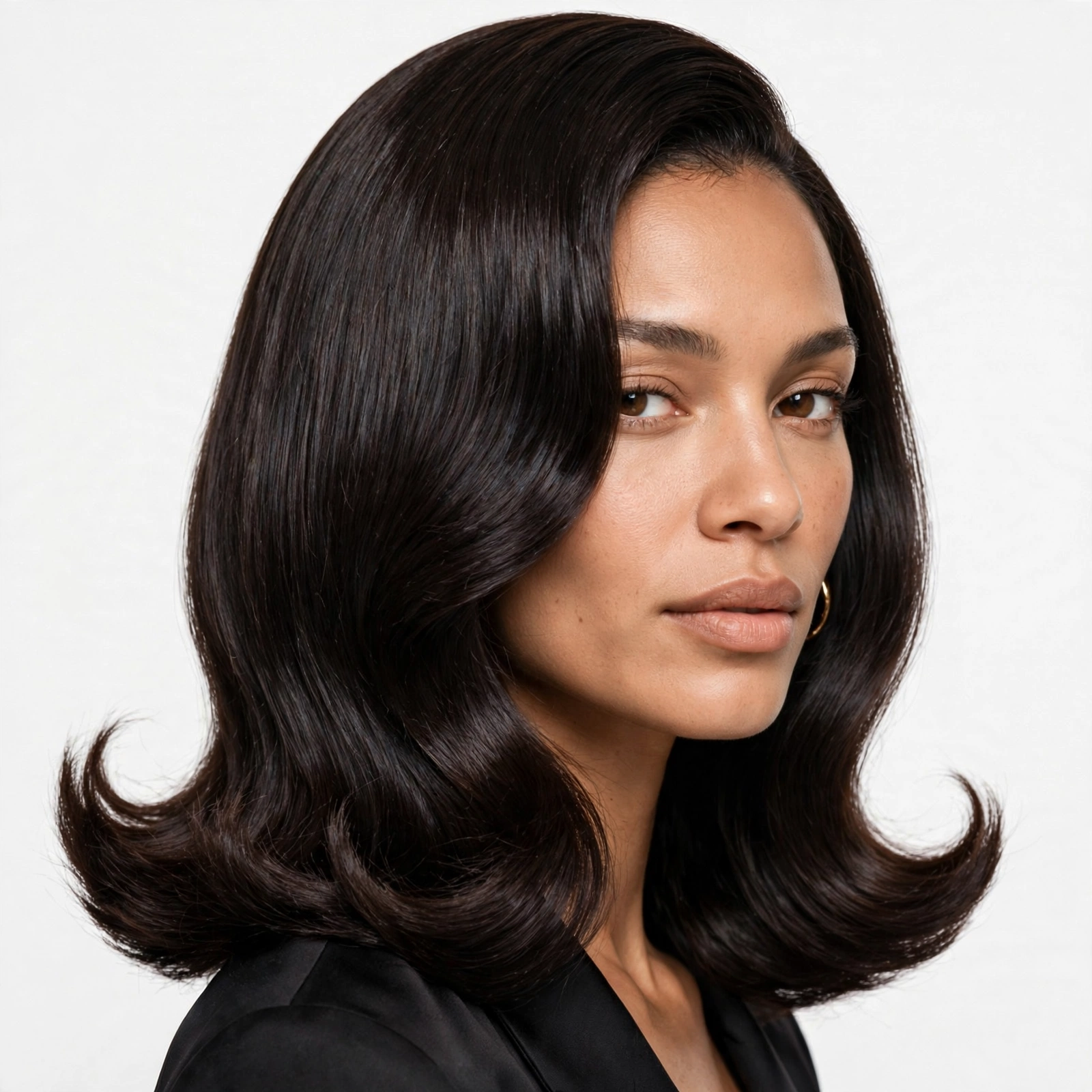
10. Silk Press Pixie
A silk press on a pixie cut is proof that short hair can be just as sleek. The press smooths the top and sides to a glossy finish, and the whole style takes about 45 minutes — wash, press, shape, done. It is sharp, it is low-maintenance, and it shows off your face, your earrings, and your bone structure like nothing else.
The pixie press needs the most frequent refreshing of any style on this list, because short hair shows reversion immediately. Most pixie wearers touch up the roots every 5 to 7 days with a small flat iron. The upside: a touch-up takes ten minutes. Keep a travel-size flat iron and heat protectant in your bag and you are set. This is also the most affordable silk press — many salons charge $45 to $75 for a short press.
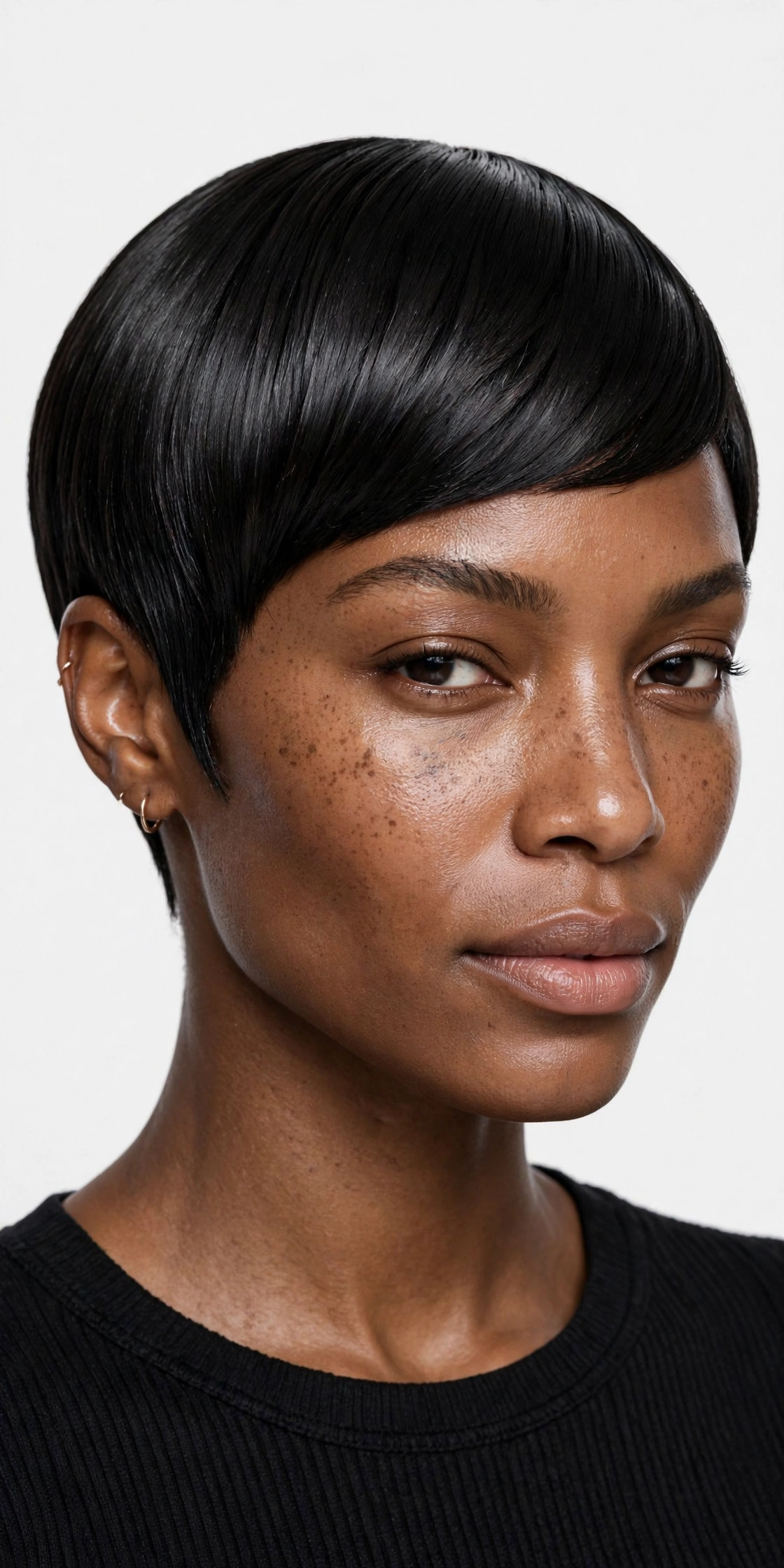
11. Silk Press with Face-Framing Layers
Face-framing layers are the stylist’s contouring trick: shorter pieces around the cheeks and jawline that draw the eye exactly where you want it. On a silk press, these layers fall like a glossy curtain, softening the face and adding dimension to what could otherwise be a flat sheet of hair. It is universally flattering — I have never seen face-framing layers look bad on anyone.
The layers need to be cut on pressed hair, not before, so the lengths are true. Ask for the shortest layer to start at the cheekbone and graduate down. Styling is wash-and-wear simple: the layers fall into place on their own. In week two, when the roots start to revert slightly, the face-framing pieces are usually the first to need a touch-up pass — five minutes with the flat iron and you are back.
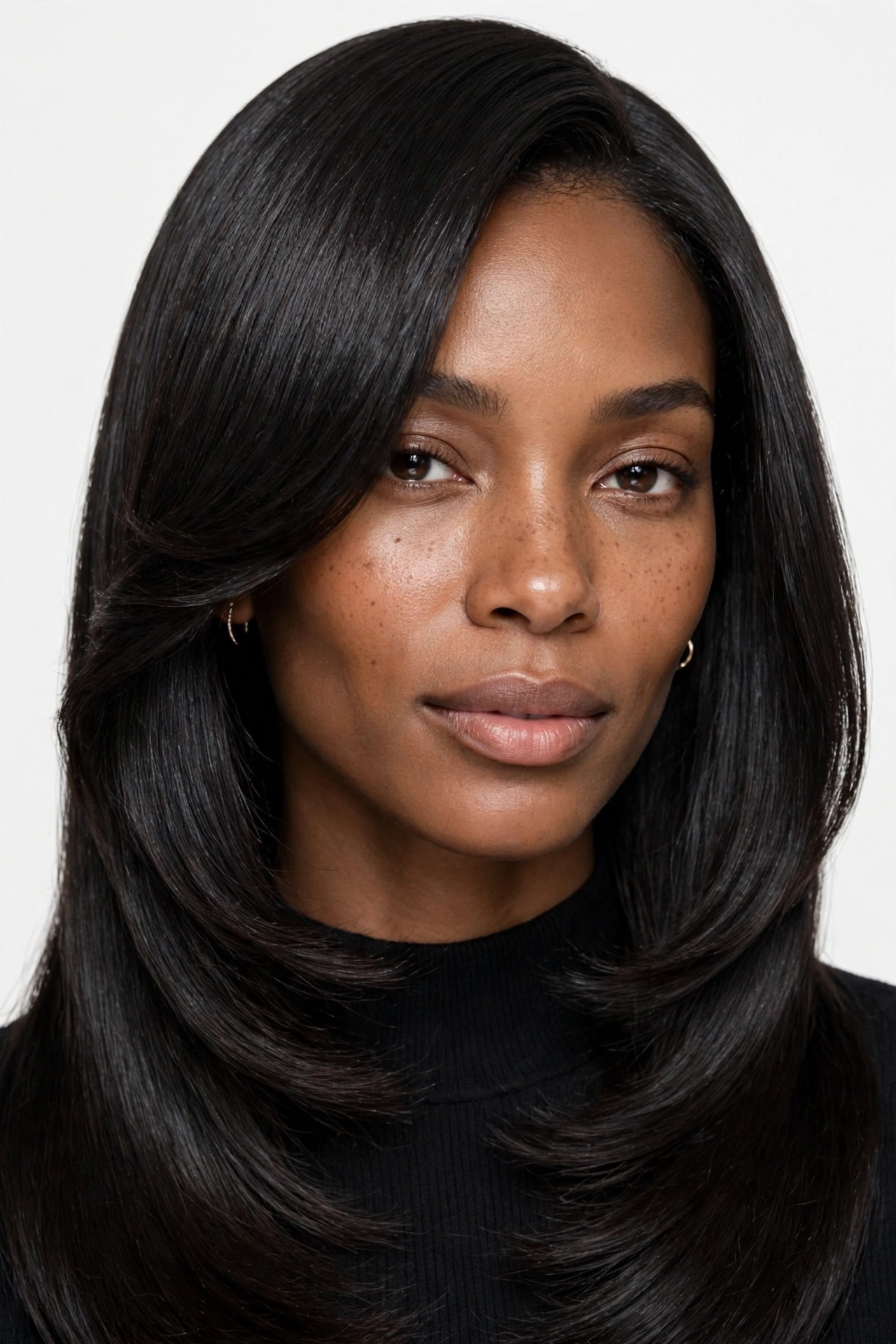
12. Half-Up Half-Down Silk Press
Half-up half-down is the silk press’s party trick: polished on top, flowing on the bottom. Gather the top section into a sleek knot, ponytail, or twisted crown, and let the rest fall straight and glossy. It keeps the hair off your face while showing off the length — the best of both worlds, and it takes about three minutes.
For the smoothest top section, brush it back with a boar-bristle brush and a pea-sized amount of styling gel before securing — pressed hair can be slippery, and the gel gives the elastic something to grip. Wrap a small strand around the base to hide the band. This style is also a clever longevity hack: on day 10 to 14, when the roots are starting to puff, the half-up section hides the reversion while the lengths still look fresh.
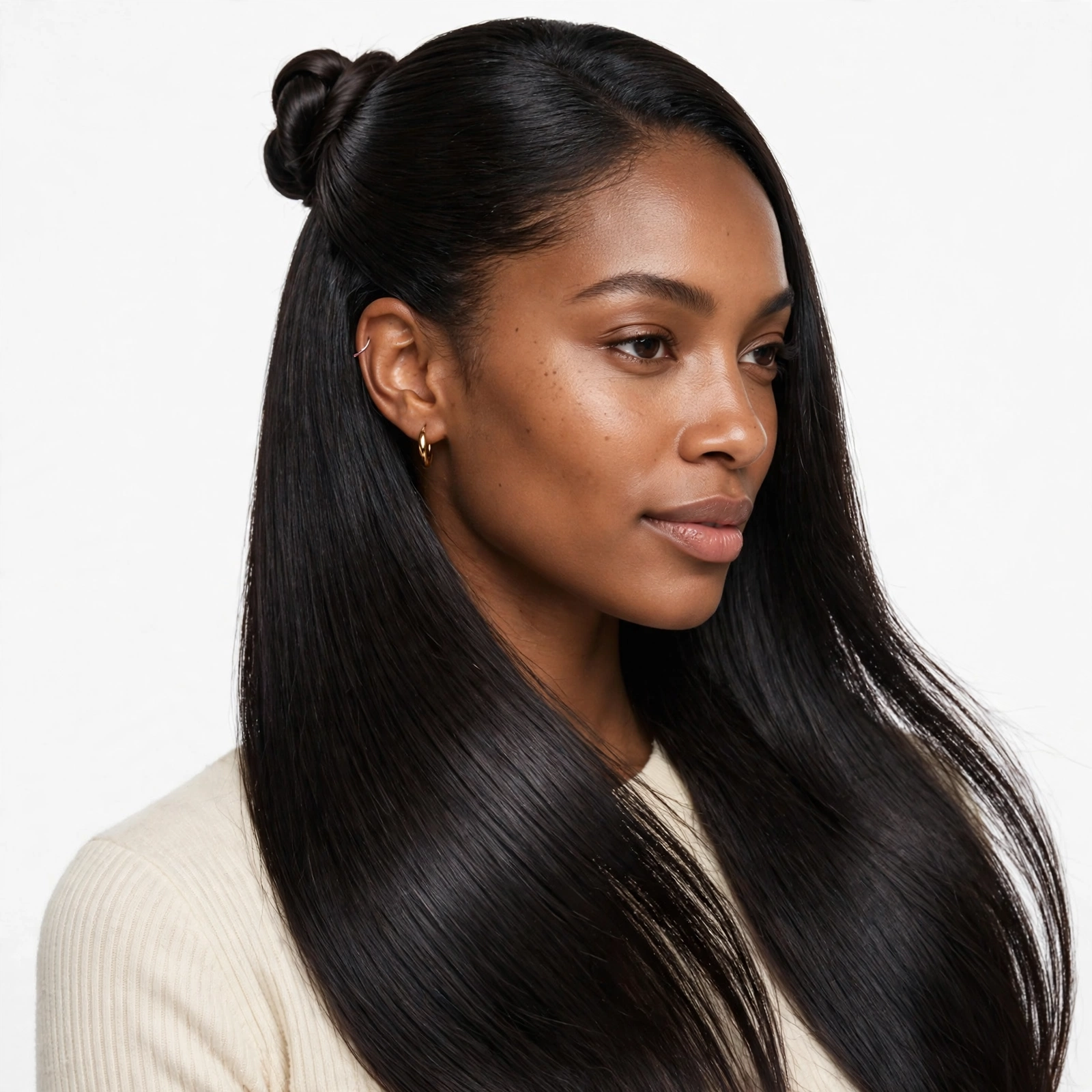
13. Deep Side Part Silk Press with Waves
Take the side part from idea 4 and add soft, old-Hollywood waves, and you have the most glamorous silk press on this list. The hair is pressed smooth first, then waved with a large-barrel iron in uniform sections, all swept to one side. It is evening hair — weddings, galas, date nights. The shine of a silk press makes waves look ten times more expensive than they do on any other texture.
Waves on pressed hair hold best when they are set: after curling each section, pin it to cool for ten minutes before releasing. That cooling step is the difference between waves that last all night and waves that fall by dessert. Finish with a light-hold hairspray — not a heavy one, which dulls the shine. This is a special-occasion style; the waves will relax into soft bends by day two, which still looks lovely.
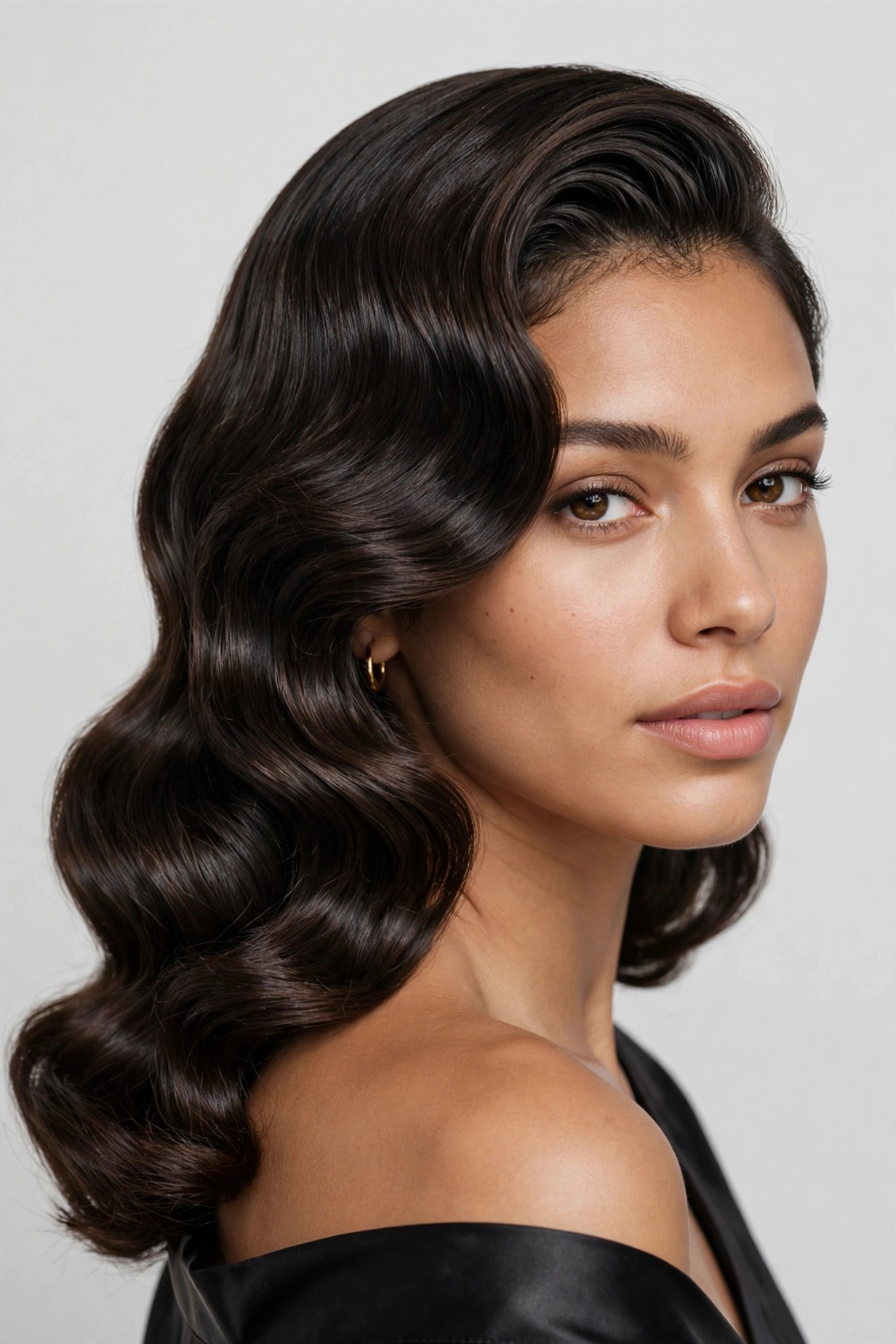
14. Silk Press Lob
The lob — long bob, hitting right at the collarbone — might be the perfect silk press length. It is long enough to feel feminine and versatile, short enough to hold the press for the full three weeks, and it swings in a way that longer hair does not. A pressed lob with a middle part is quiet luxury; with a side part, it is boardroom power.
The lob is also the best silk press for fine or low-density hair, because the blunt ends create the illusion of thickness. Ask your stylist to keep the ends blunt rather than thinned — thinning shears on pressed hair can make the ends look wispy. A lob press takes about 90 minutes in the salon and typically costs $70 to $110. If you are silk-press curious but nervous, start here.
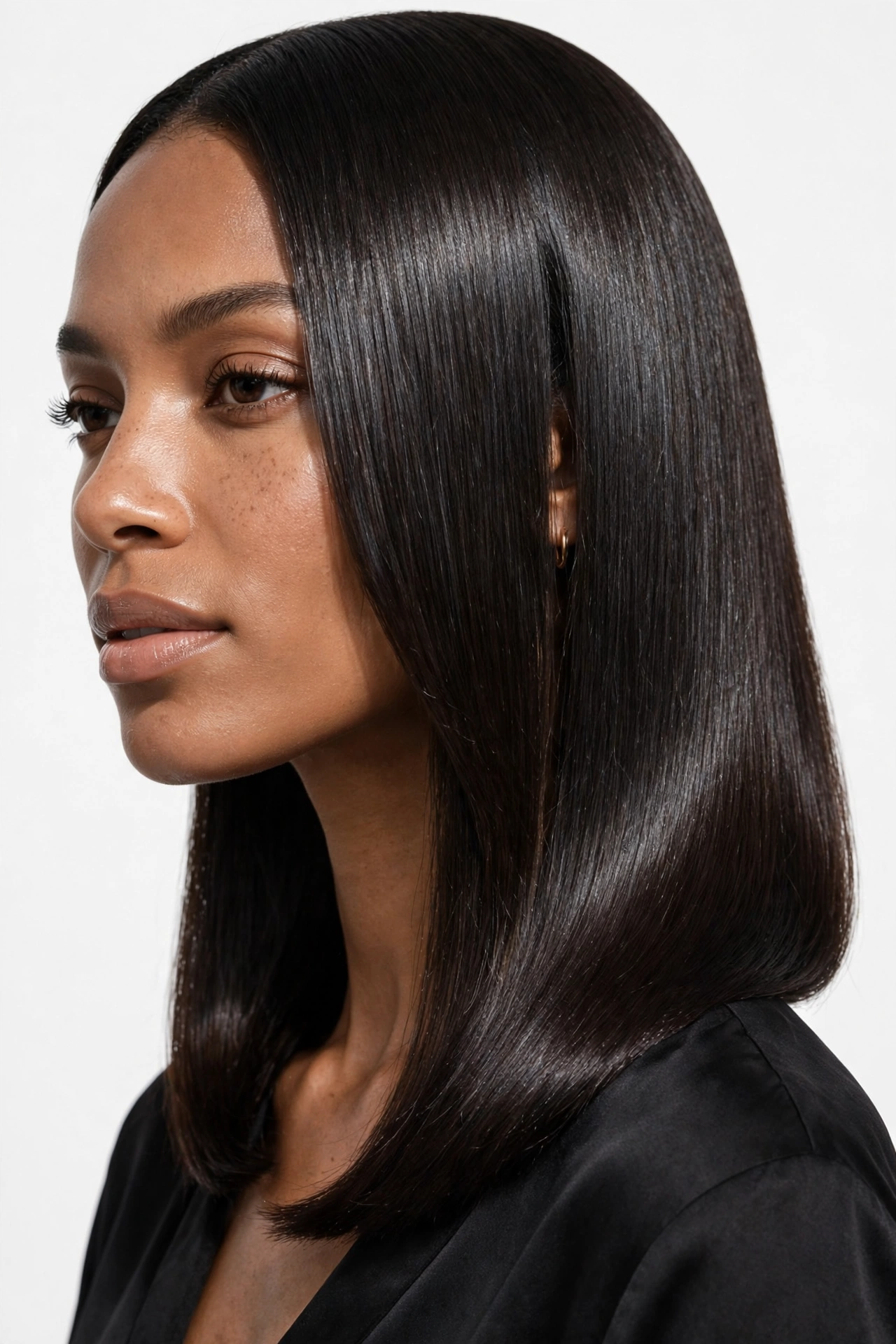
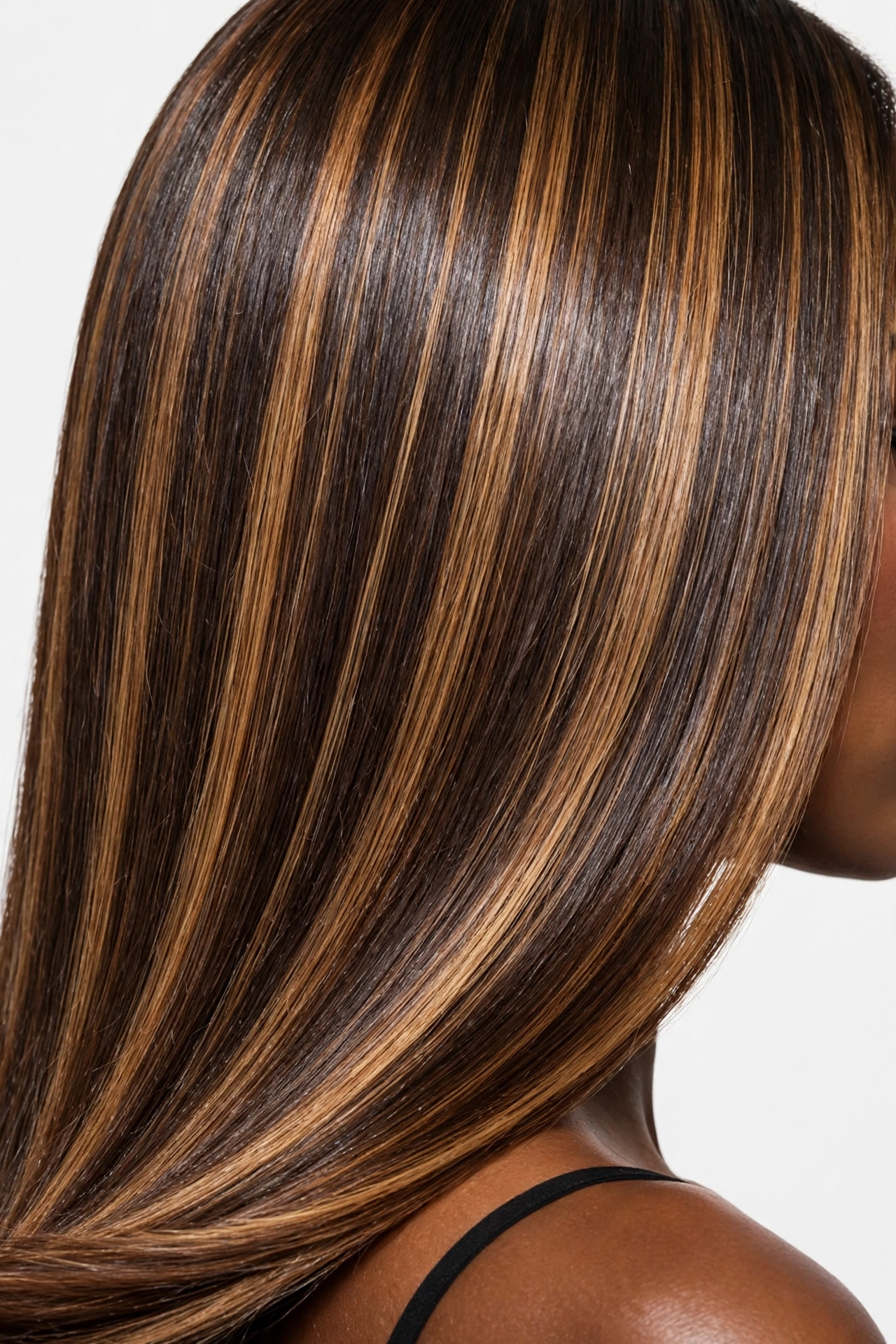
15. Highlighted Silk Press
A silk press shows off color like nothing else, because straight, shiny hair reflects light evenly and every tone reads clearly. Caramel highlights on a silk press look dimensional and rich; face-framing money pieces glow. If you have been thinking about color, getting it before a press is smart timing — the press becomes the reveal.
One caution: color plus heat is a double stress on the hair, so this combo demands a healthy starting point. Get the color done at least a week before the press (not the same day), deep condition between appointments, and tell your stylist about the color so she can lower the iron temperature slightly — colored hair presses at 350 to 375°F instead of 400 to 425°F. The result is worth the planning: highlighted silk press hair in sunlight is genuinely stunning.
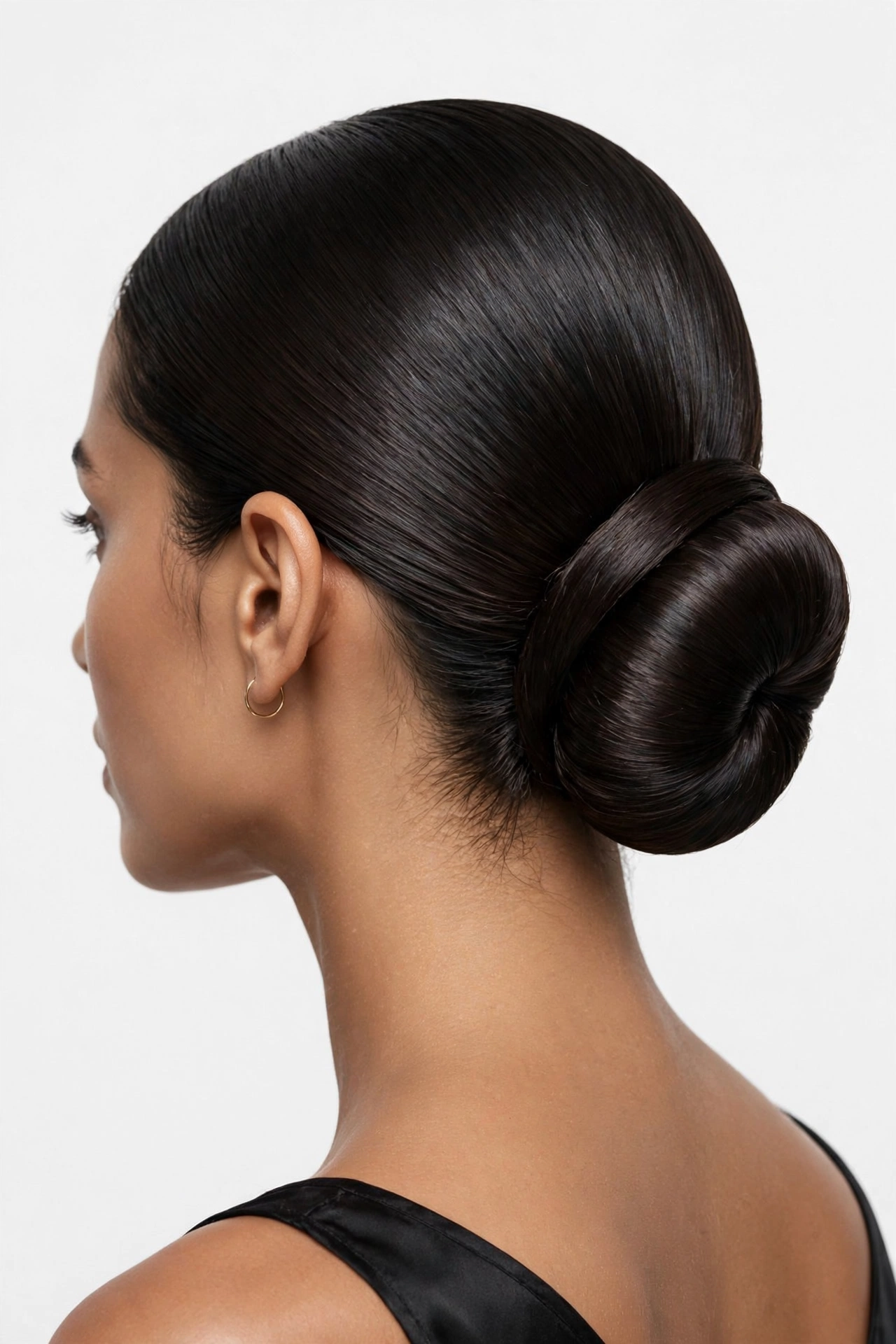
16. Sleek Bun Silk Press
The sleek bun is what you wear when the press is on day 12 and the roots are starting to tell the truth. Smoothing everything back into a low bun hides reversion completely and looks intentional and polished — nobody knows it is a camouflage style. A low bun at the nape reads elegant; a high topknot reads modern.
For the sleekest finish, brush the pressed hair back with a boar-bristle brush, apply a small amount of styling gel to the roots only (keep product off the lengths to preserve the shine), and secure with a snag-free elastic. Wrap a section of hair around the base and pin. The bun also protects the ends, which is a bonus in the final week of a press. This is the style that takes your silk press from two weeks to three.
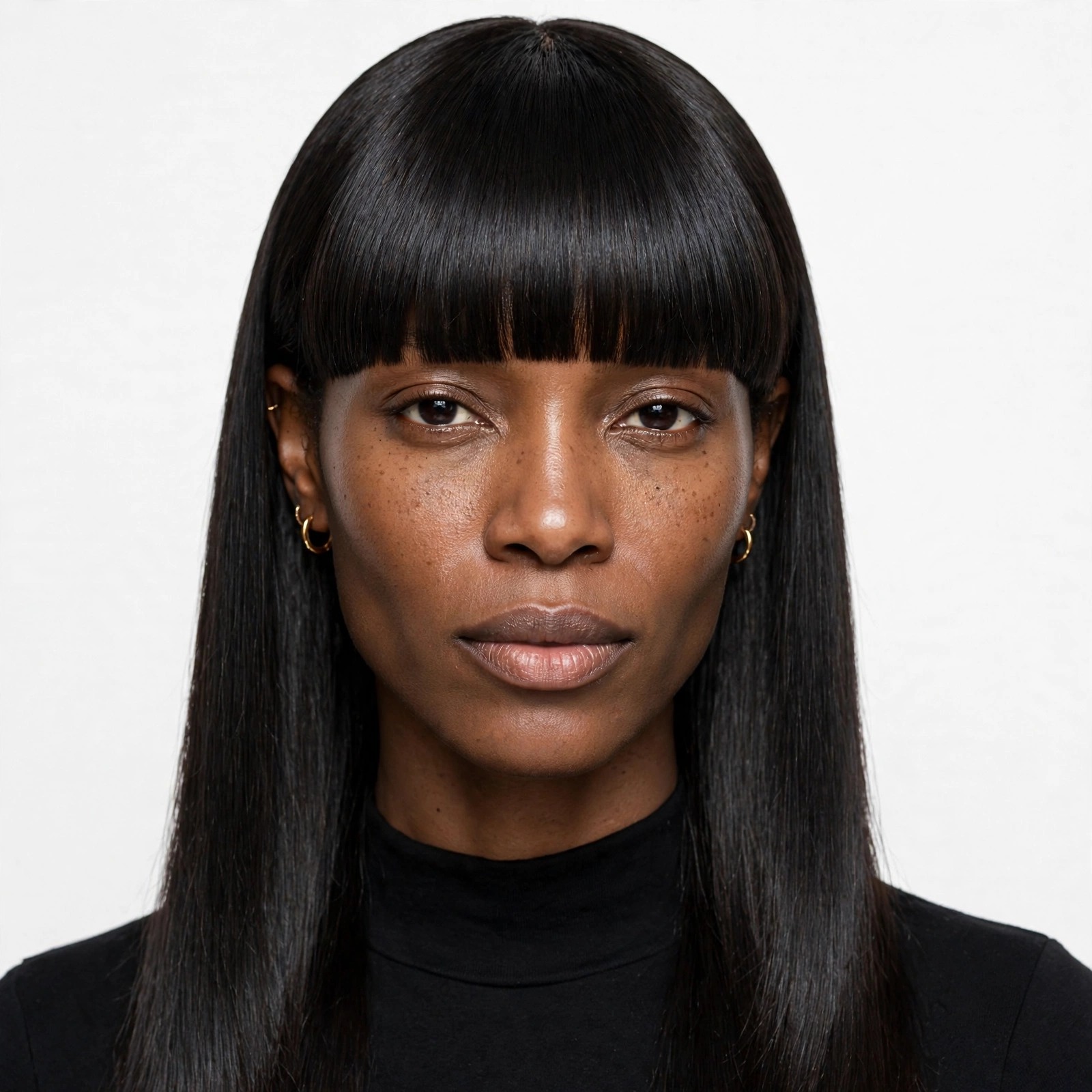
17. Blunt-Bang Silk Press
Straight-across bangs on a silk press are a bold, graphic choice — full fringe, pressed pin-straight, grazing the brows. It is editorial, it is confident, and it completely changes the geometry of your face. Blunt bangs on glossy pressed hair look intentional in a way that blunt bangs on any other texture do not; the shine does half the styling work.
This is the highest-commitment bang on the list. Blunt bangs need trimming every 2 to 3 weeks, they revert fastest (forehead sweat is relentless), and growing them out is a months-long project. Only choose this if you are sure. The payoff: it is the most striking silk press style here, and on the right face — oval, long, or heart-shaped — it is unforgettable. Keep a mini iron handy and dry shampoo at the roots of the bangs to fight oil.
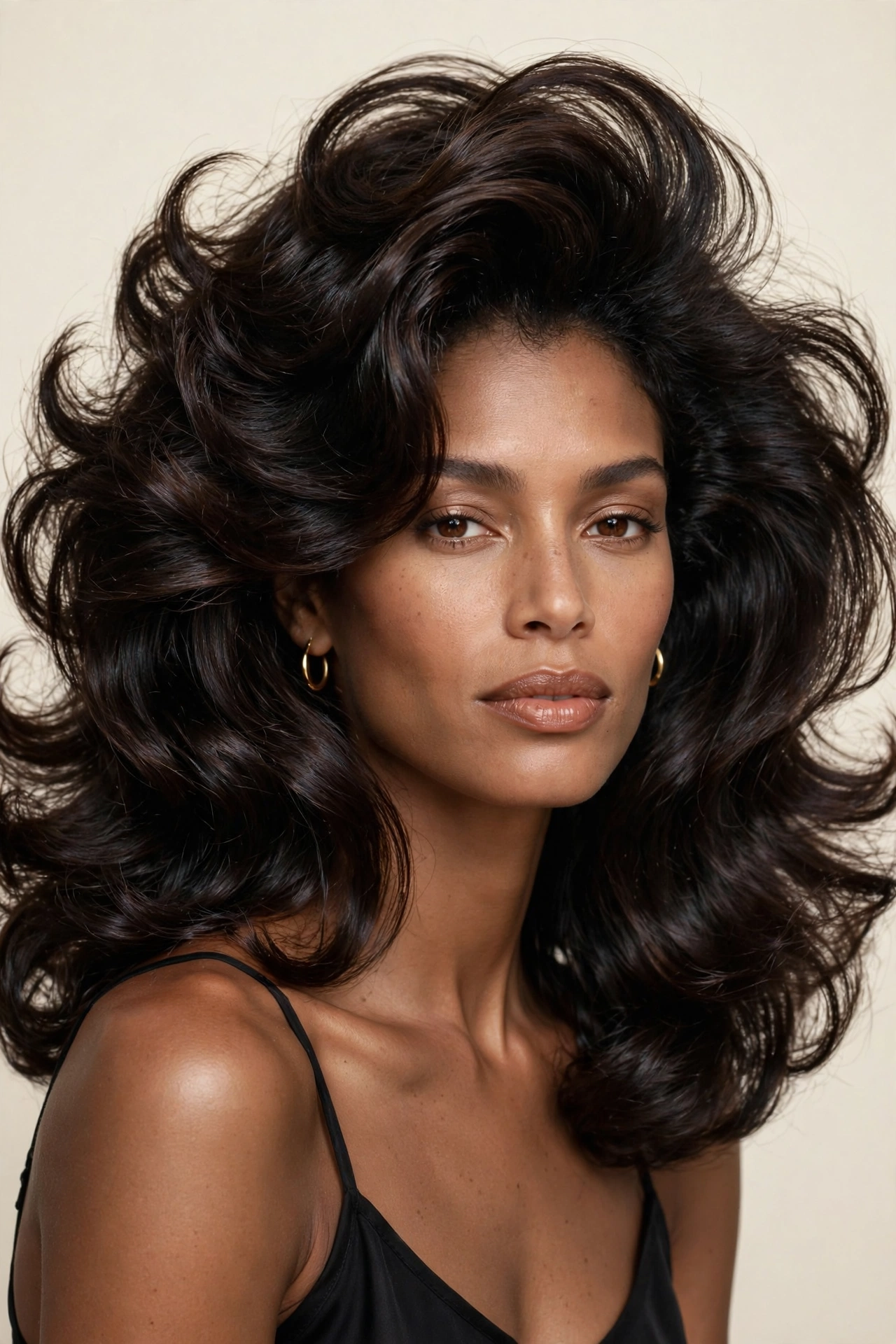
18. Voluminous 90s Silk Press
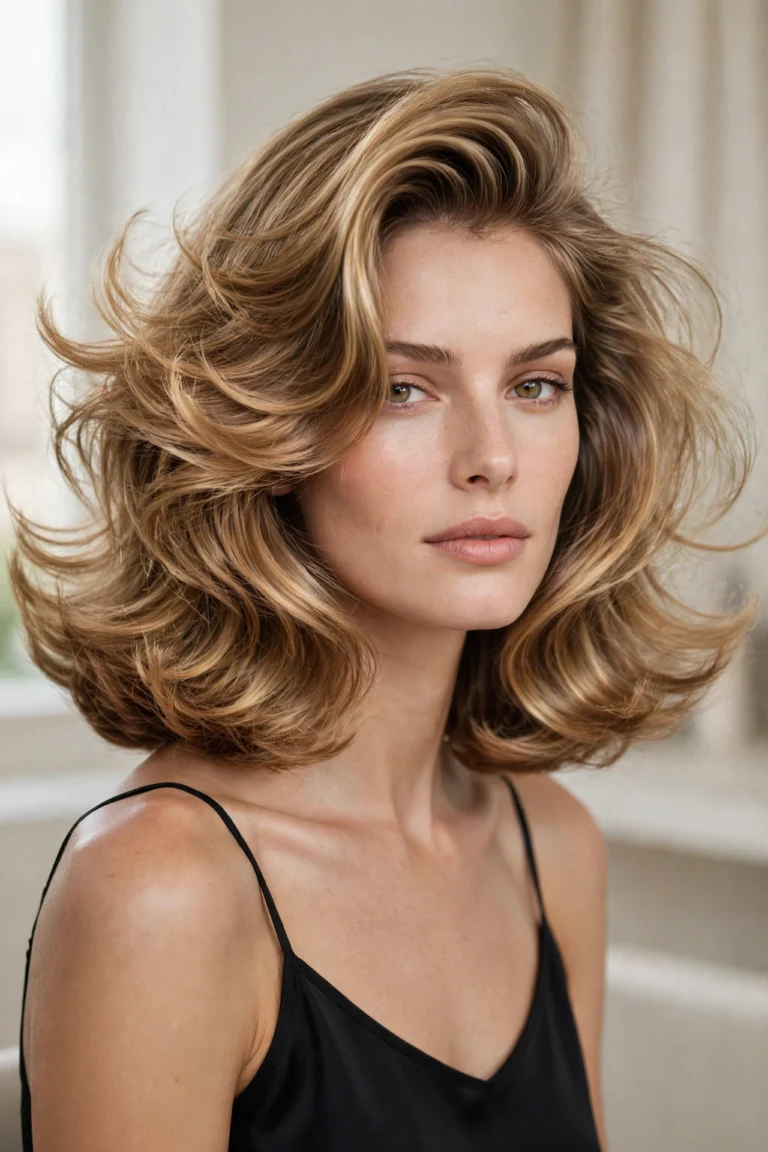
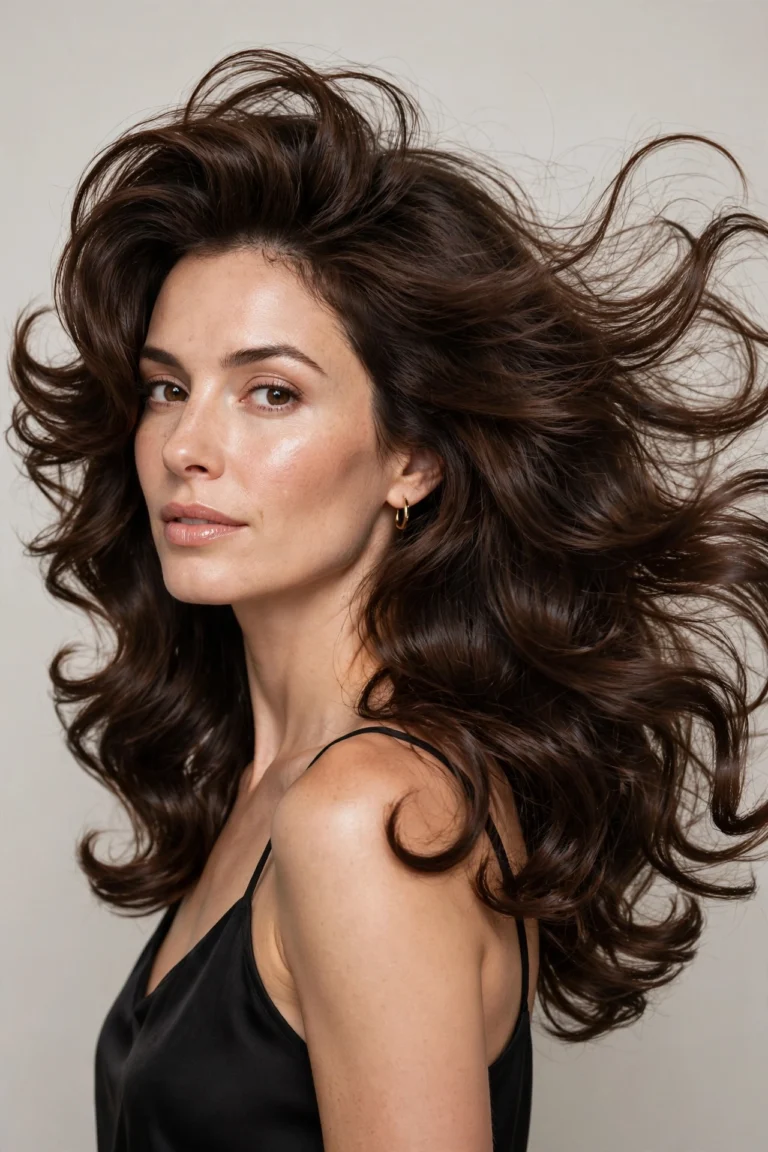
The grand finale: the 90s supermodel blowout, silk-press edition. Big, bouncy, voluminous hair with flipped layers and movement in every direction — pressed smooth but full of air. This is the anti-flat silk press, and it is having a massive moment in 2026 as the pendulum swings away from pin-straight minimalism.
The volume comes from the blow-dry, not the iron: your stylist over-directs the roots (drying them lifted away from the scalp) and uses a large round brush to build body through the lengths, then presses lightly just to seal. At home, maintain the volume with velcro rollers on the crown for 15 minutes in the morning — heat-free and effective. This style is the most forgiving of reversion, because a little root puff just reads as more volume. It is also the most fun. Go big.
How to Ask Your Stylist for a Silk Press
Here is your script: “I want a silk press on my natural hair — no chemicals. I need the full process: clarifying shampoo, deep conditioning treatment, tension blow-dry, and one pass with the flat iron. My hair is [3a/3b/3c/4a/4b/4c], and I want it to last as long as possible.” Knowing your hair type going in tells the stylist what temperature and technique to plan for.
Ask to see her silk press portfolio specifically — not just her straightening work, but presses on hair with your texture. The questions that separate the pros from the pretenders: “What temperature do you press at for my hair type?” (She should name a number: 375 to 400°F for fine hair, 400 to 425°F for coarse — never “as hot as it goes.”) “Do you do one pass or multiple?” (One pass per section is the silk press standard; multiple passes mean the blow-dry was not thorough.) “Do you trim before or after pressing?” (After — pressed ends reveal the true damage, and a dusting of split ends makes the press last longer.)
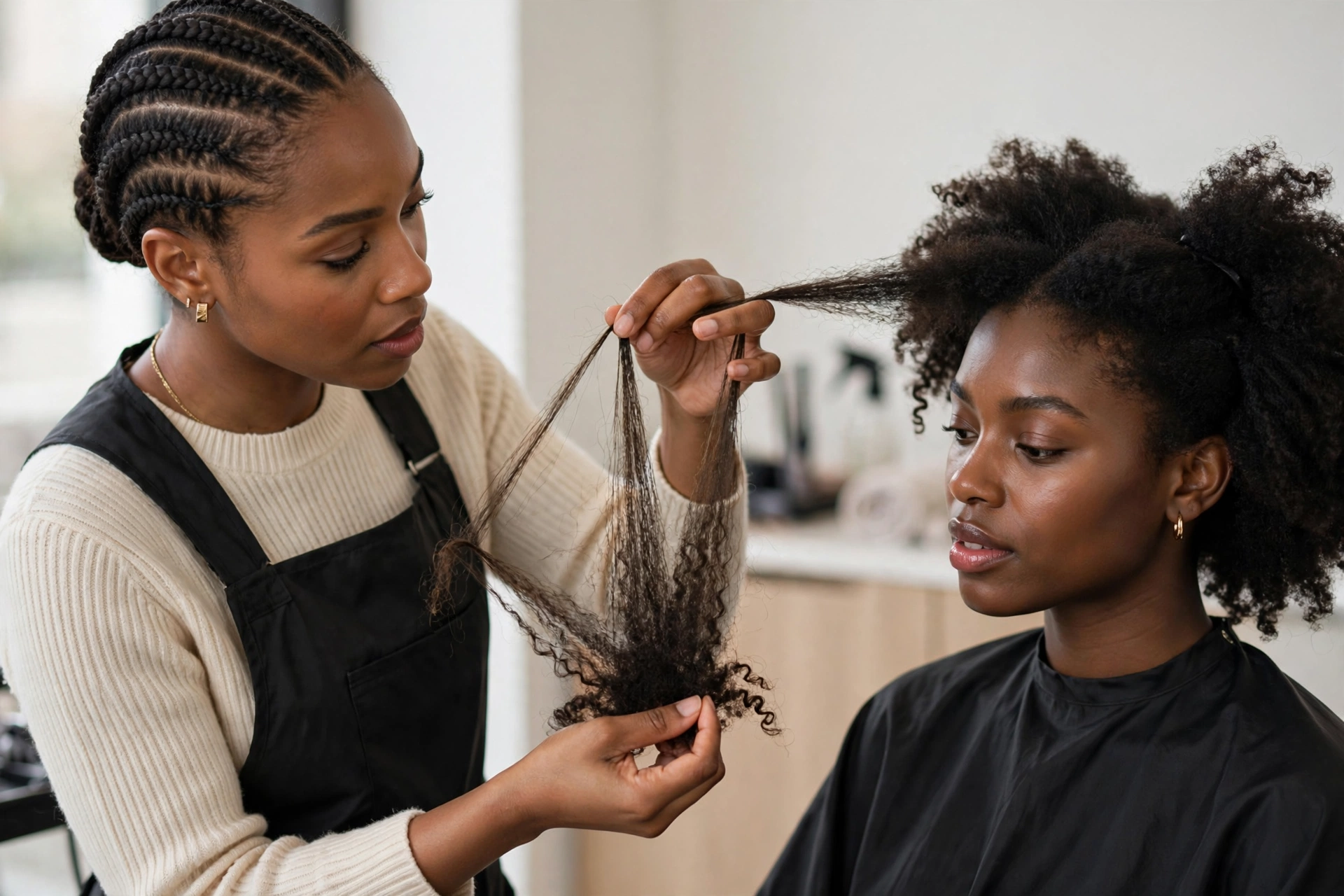
The full salon process runs 2 to 3 hours and $75 to $150 depending on length and city. Here is the sequence to expect. One: double cleanse with a clarifying shampoo, then a moisturizing shampoo. Two: deep conditioner with heat or steam for 15 to 20 minutes. Three: a leave-in and heat protectant applied to damp hair — this is non-negotiable, and if your stylist skips it, leave. Four: tension blow-dry in small sections, nozzle pointed down. Five: the flat iron, one slow pass per section with a fine-tooth comb chased in front of the iron. Six: a light serum on the ends, and you are done. No heavy oils — they weigh the press down and attract dirt.
Red flags to walk away from: a stylist who wants to press on dirty hair (“the oils protect it” is a myth — dirty hair presses dull and uneven), anyone who reaches for the highest heat setting by default, and press-and-curl shops that treat a silk press like a 30-minute flat-iron job. A real silk press cannot be rushed. Book the specialist, not the generalist.
How to Style a Silk Press at Home
You just paid for a silk press. Now let us make it last three weeks. The at-home routine has three pillars: nighttime wrapping, humidity defense, and hands off.
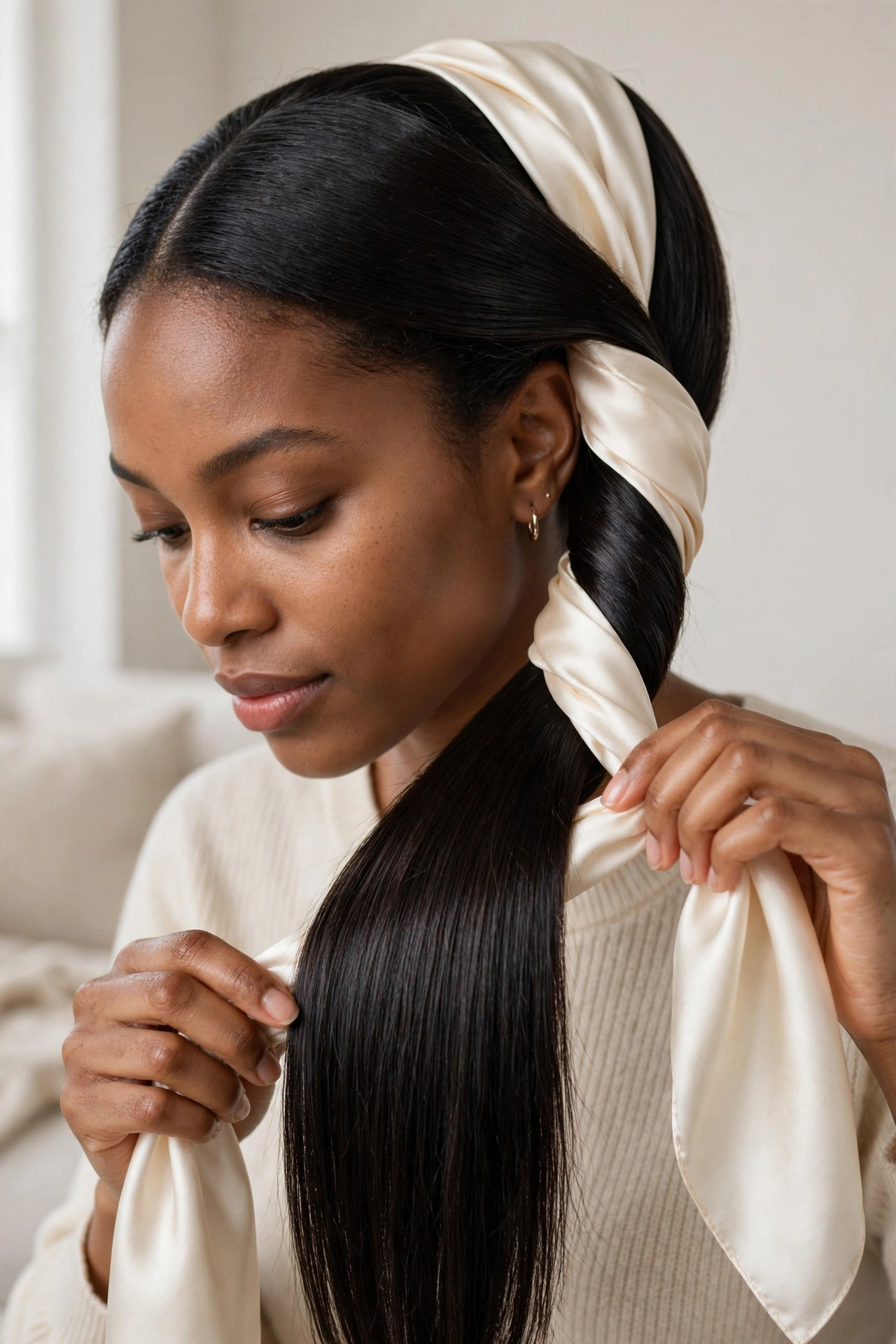
Nighttime wrapping is the single biggest factor in press longevity. The classic wrap: brush the hair smooth around your head in a circular motion (like a beehive), secure with bobby pins, and cover with a silk scarf — then a bonnet over that for insurance. In the morning, unwrap and brush through; the wrap keeps the hair straight and actually smooths it further overnight. If wrapping feels complicated, the pineapple-scarf method works too: gather the hair loosely at the very top, wrap a silk scarf around the hairline, and bonnet the rest. Never sleep on a pressed style uncovered — cotton pillowcases create friction that reverts the hair by morning.
Humidity is the enemy, so build your defense kit: an anti-humidity serum (a pea-sized amount on the lengths each morning), a travel umbrella in your bag during rainy season, and dry shampoo at the roots from day five onward to absorb oil without water. At the gym, wear a sweat-wicking headband and keep the press in a loose high ponytail — do not wrap it before workouts, because trapped scalp heat causes reversion faster than air does. Stylists at NaturallyCurly’s silk press guide give the same advice: let the hair breathe during workouts, wrap it at night.
For touch-ups between salon visits, you need three tools: an ionic blow dryer with a concentrator nozzle, a titanium flat iron with digital temperature control (1 to 1.25 inch plates), and a quality heat protectant spray. Touch up only the roots and hairline — never re-press the full lengths, which causes cumulative heat damage. One pass, heat protectant first, 375°F max for touch-ups. And when the press is done — usually week three — do a proper wash day and let your curls come back. If you want a break from heat entirely after that, a wash and go or one of these low-maintenance curly styles will treat your hair right while it recovers.
Will a Silk Press Suit You? Face Shapes and Hair Types
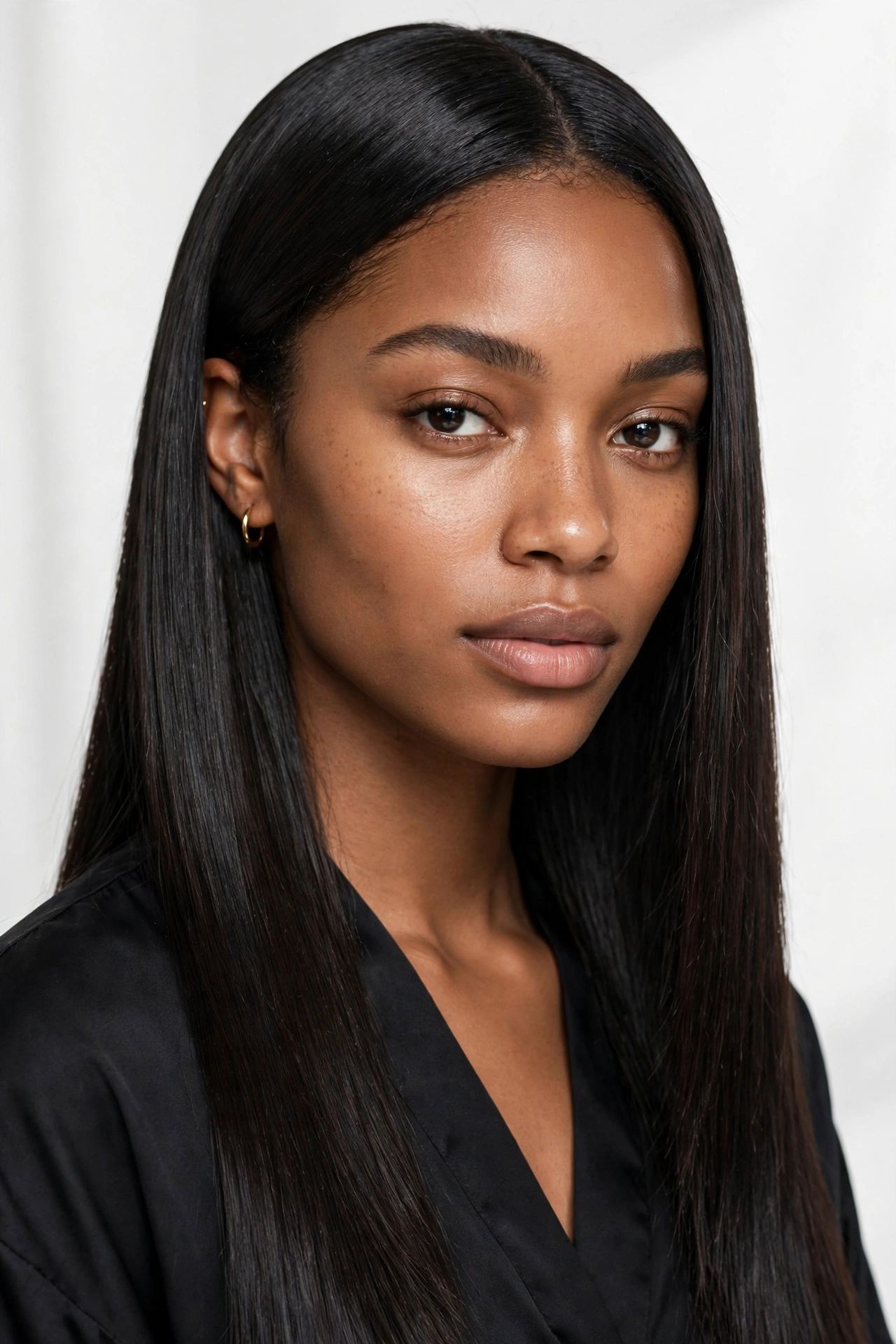
The silk press was made for natural hair — specifically type 3 and type 4 hair, from 3a waves to 4c coils. The technique works on all of them; what changes is the temperature and the time. Finer 3a-3c hair presses at lower heat (350 to 375°F) and holds the press longest, often the full three weeks. Coarse 4b-4c hair needs more heat (400 to 425°F) and more meticulous blow-drying, and typically holds one to two weeks — still worth it, but go in with realistic expectations.
Hair health matters more than hair type. A silk press on damaged, over-processed, or severely dry hair will not shine — heat on compromised hair just makes the damage visible. If your ends are splitting or your hair is breaking, get a trim and two weeks of deep conditioning before you book the press. Your stylist should assess your hair’s condition honestly; if she presses damaged hair without warning you, find a new stylist.
On face shapes: the same rules as any straight style apply. Round faces get the most from height — a deep side part or voluminous crown. Long faces should avoid pin-straight center parts with no layers, which elongate further; curtain bangs or face-framing layers fix that instantly. Oval faces can wear everything. And if you are between cuts, know that a silk press reveals your true length and shape — many women book a shaping trim with the press. A precision curly cut first, then the press to show it off, is a combination more women should try. Short-hair lovers: the K-pop bob pressed sleek is one of 2026’s sharpest looks.
Maintaining a Silk Press
Maintenance is where silk presses are won or lost. The press itself takes three hours; keeping it takes ten minutes a day. Here is the full routine.
Nightly: wrap and cover, every night, no exceptions. The circular wrap (brush hair smooth around the head, pin, silk scarf, bonnet) is the gold standard. If your hair is too short to wrap, use the cross-wrap: part the hair in four sections, brush each flat against the head in alternating directions, and scarf it down. Silk or satin only — cotton is the enemy.
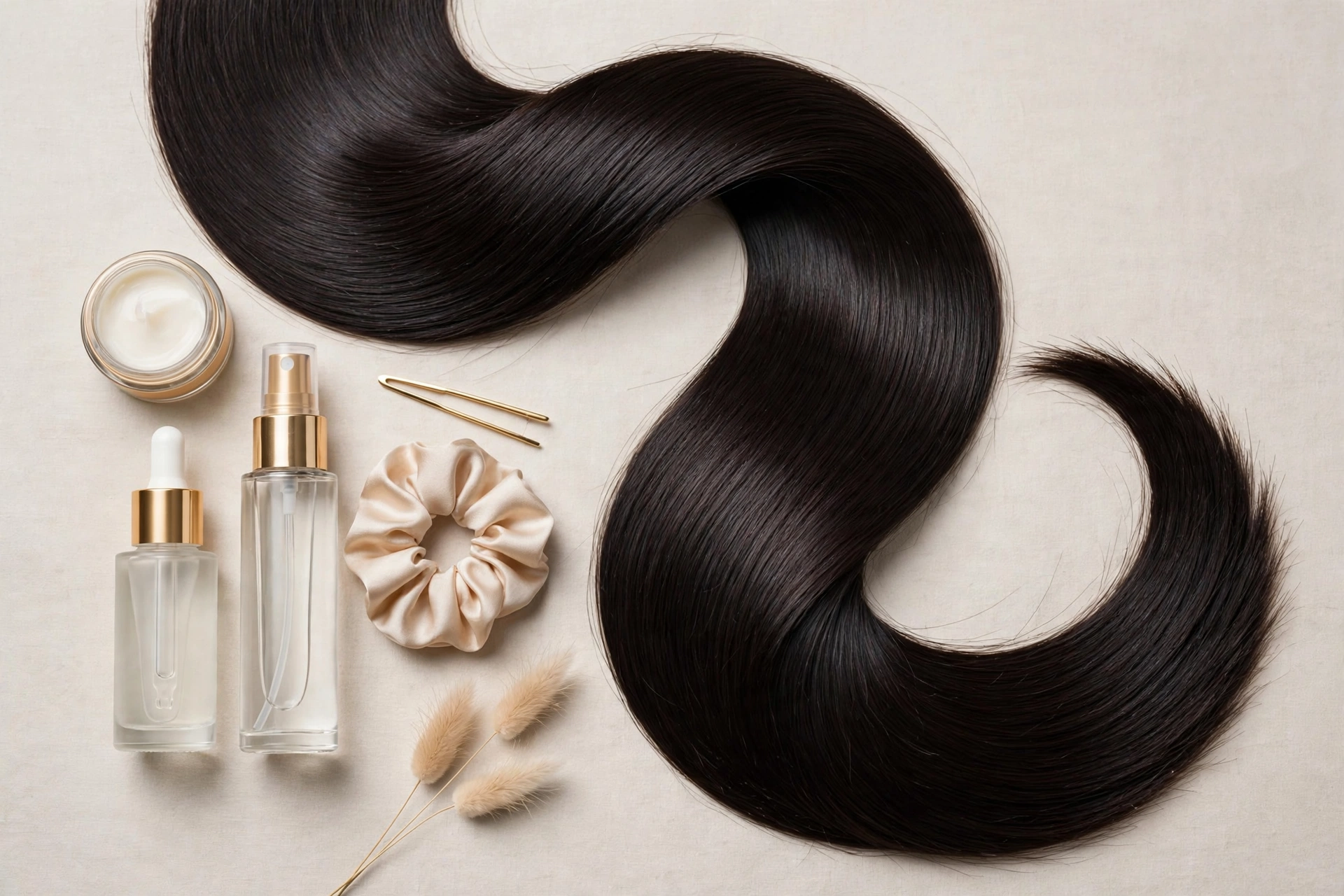
Daily: a pea-sized amount of anti-humidity serum on the mid-lengths and ends each morning, smoothed down the hair shaft. Dry shampoo at the roots starting day five — spray, wait two minutes, brush through. Never apply water-based products to a press you want to keep; water is reversion in a bottle. If the hairline starts to curl, a quick pass with a mini flat iron (heat protectant first, 350°F) takes two minutes.
Weekly: check the ends. If they are starting to look thin or frayed, a tiny trim — a quarter inch — keeps the press looking fresh. And protect the press from its three killers: rain (umbrella, always), steam (step out of the bathroom while the shower runs hot; wrap your hair before cooking over a steaming pot), and sweat (headband at the gym, loose ponytail, let it breathe). Heat damage prevention is mostly about frequency: a silk press every 6 to 8 weeks with proper heat protectant is safe for healthy hair; a press every two weeks is asking for trouble. Alternate with heat-free styles between presses and your hair will stay strong for years of pressing.
FAQs About the Silk Press
The five questions every silk press first-timer asks — answered honestly.
How long does a silk press last?
One to three weeks, depending on your hair texture, the weather, and your nighttime routine. Fine 3-type hair in dry weather with diligent wrapping: three weeks. Coarse 4c hair in humidity with sloppy wrapping: one week. The average well-maintained press lasts about two weeks. The wrap-every-night rule is the difference between one week and three — it is that simple.
Will a silk press damage my natural hair?
A properly done silk press on healthy hair, spaced 6 to 8 weeks apart, causes minimal damage. The risk comes from the usual suspects: too much heat, too many passes, no heat protectant, and pressing too often. Heat damage shows up as curls that will not revert — straight ends on wash day that used to coil. If that happens, the damaged ends need trimming; no product reverses it. Choose a specialist, insist on heat protectant, and give your hair heat-free breaks between presses.
What is the difference between a silk press and a relaxer?
Everything. A relaxer uses chemicals to permanently break your hair’s bonds — your curl pattern is gone until it grows out. A silk press uses only heat and washes out completely, usually at your next shampoo. A relaxer lasts until new growth comes in (8 to 12 weeks) but commits you to chemicals forever. A silk press lasts 1 to 3 weeks but commits you to nothing. If you love your curls and just want a change of pace, the silk press is the obvious choice.
Can you do a silk press at home?
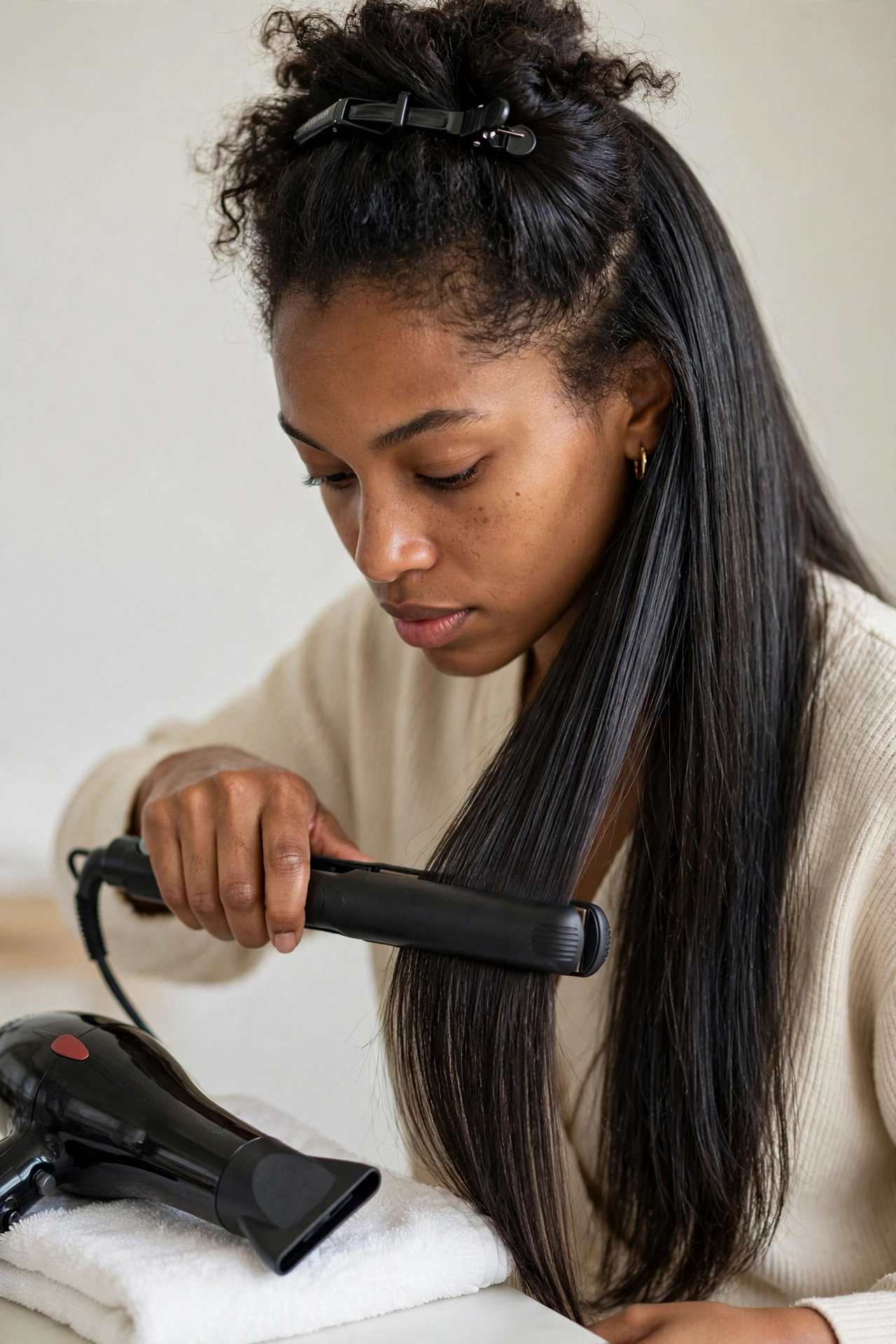
Yes, with the right tools and realistic expectations. You need an ionic blow dryer with a concentrator nozzle, a titanium flat iron with digital temperature control, a good heat protectant, and patience — your first at-home press will take 3 to 4 hours. Work in small sections, do a thorough tension blow-dry first (this is the step most people rush), and limit the iron to one pass per section at the right temperature for your hair type. Your at-home press will not match a specialist’s, but it will look good. Watch a few tutorials first, and do not attempt it on freshly washed soaking-wet hair — blow-dry to 100 percent dry before the iron comes out.
Will my curls come back after a silk press?
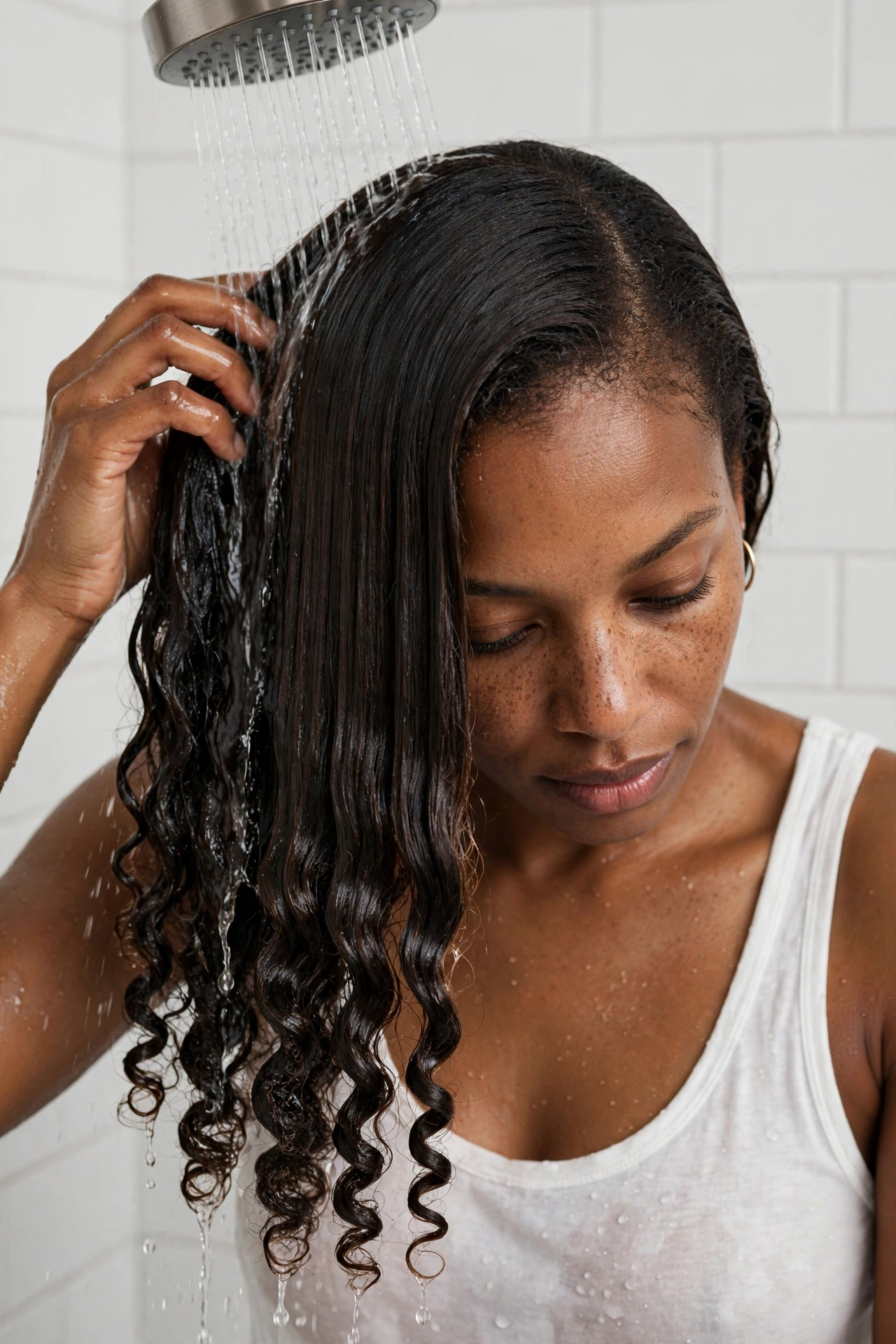
Yes — that is the beauty of it. A silk press is temporary by design. On wash day, shampoo thoroughly (you may need two lathers to remove the serums), deep condition for 15 to 20 minutes, and your curl pattern will spring right back. If some pieces stay straighter than others, that is usually product buildup, not damage — a clarifying shampoo fixes it. True heat damage (curls that never return) only happens with excessive heat or too-frequent pressing. For most women, the post-press wash day is a non-event: coils back, as if the press never happened.
Final Thoughts
The silk press is the rare beauty service that delivers exactly what it promises: your hair, straightened to glass, with nothing permanent and nothing to hide. In 2026 — the year Solange reminded everyone that natural hair can do everything — it feels less like a trend and more like a right. The right to wear your coils pressed bone-straight on Friday and wash them back to a twist-out on Sunday.
If you take one thing from this guide, let it be this: the press is only as good as the prep and the person. Find a stylist who does silk presses as a specialty, not a side offering. Insist on the full process — cleanse, treatment, tension blow-dry, one pass. Wrap it every night. And when the three weeks are up, enjoy the wash day, because the best part of a silk press is knowing your curls were there all along.
Conclusion
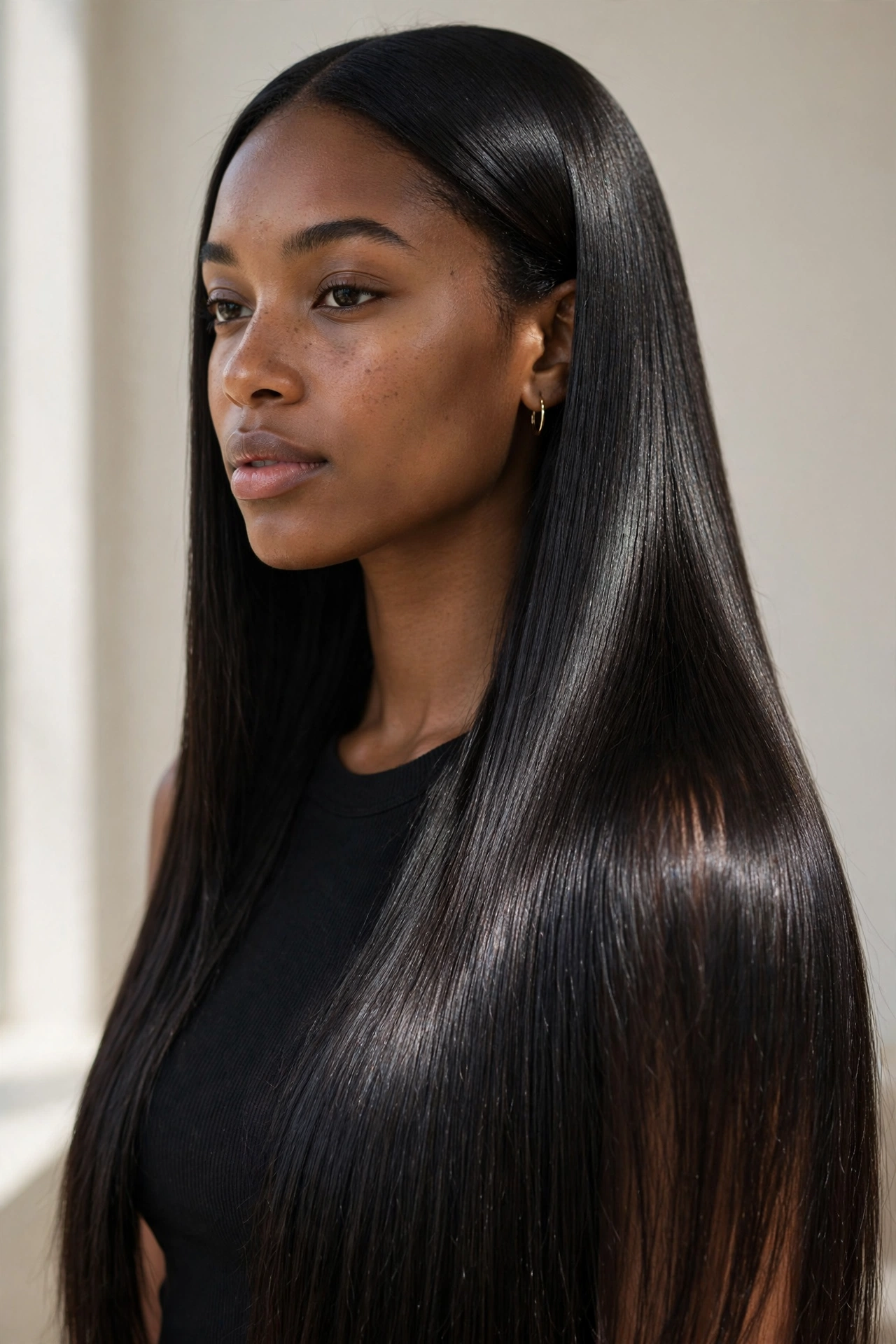
A silk press remains the gold standard for sleek, straight natural hair in 2026, delivering glass-like shine without harsh chemicals. When done correctly with proper heat protectant and technique, it gives you weeks of smooth, swingy hair while keeping your natural texture intact underneath. It’s the perfect choice for women who want versatility — straight today, defined curls tomorrow.
Protect your investment by wrapping your hair nightly in silk, avoiding excess moisture, and spacing appointments four to six weeks apart. Always choose a stylist experienced with natural hair and high-heat styling. Done right, a 2026 silk press proves you never have to choose between healthy hair and a flawless straight finish.