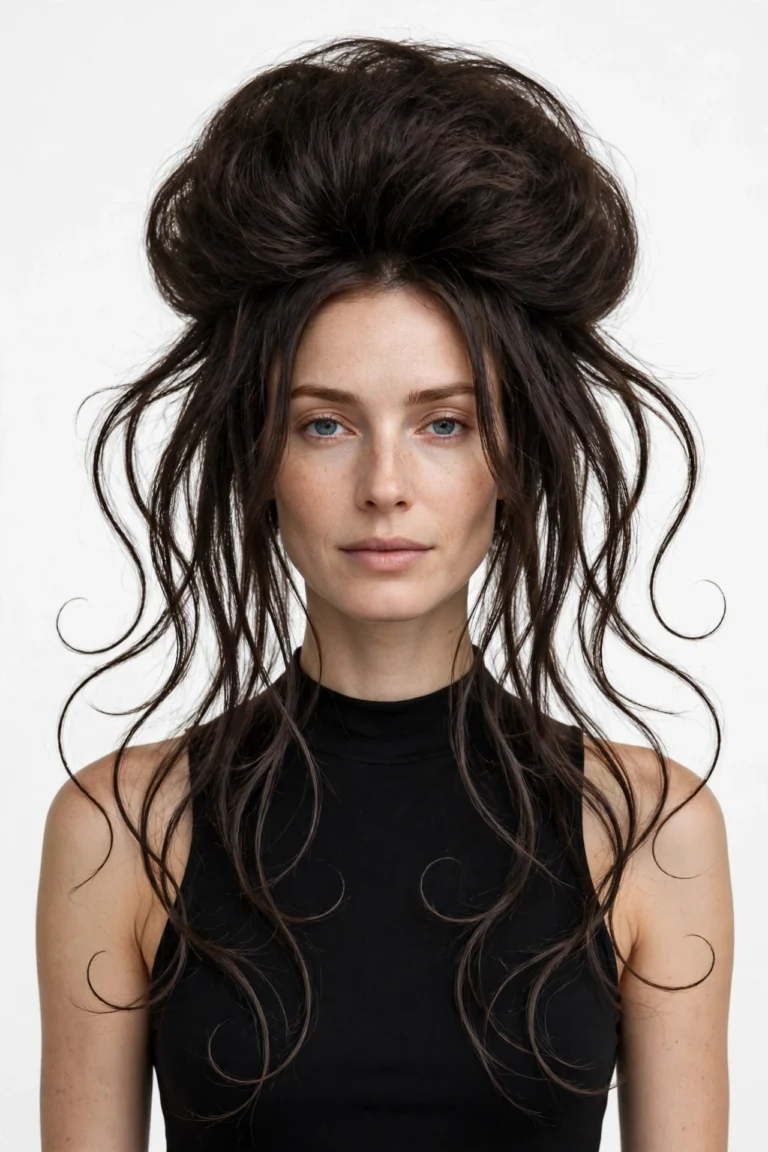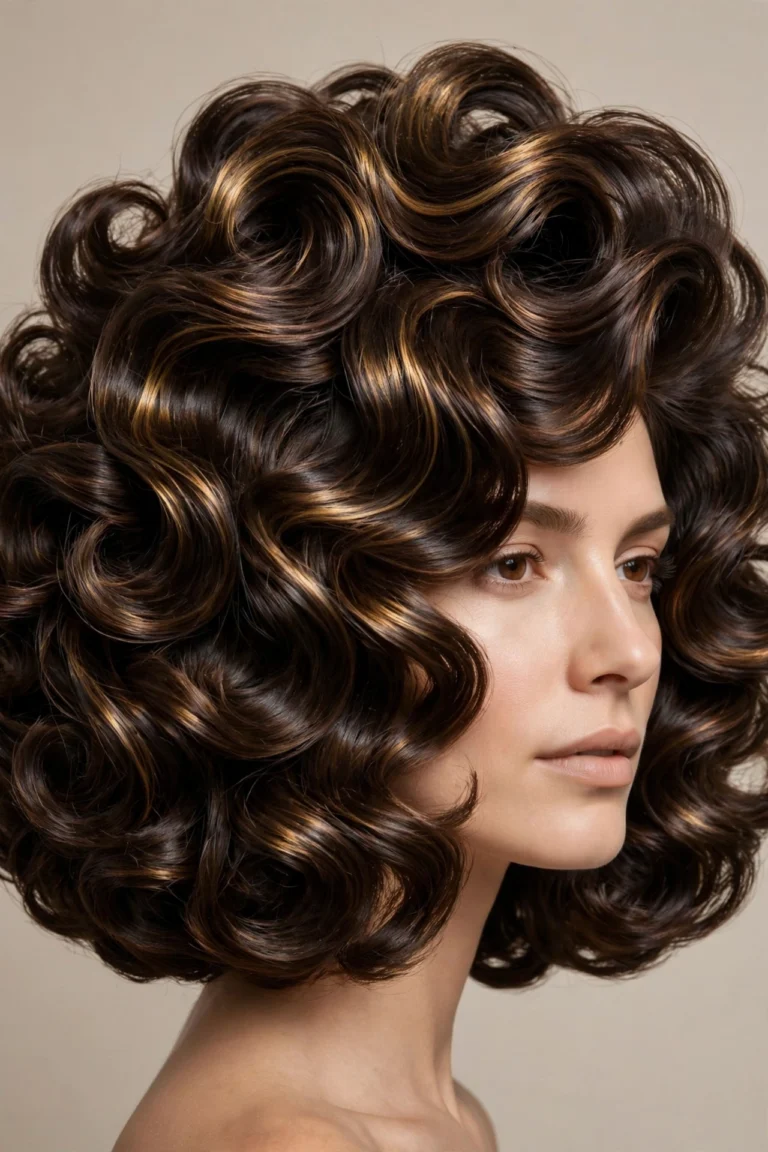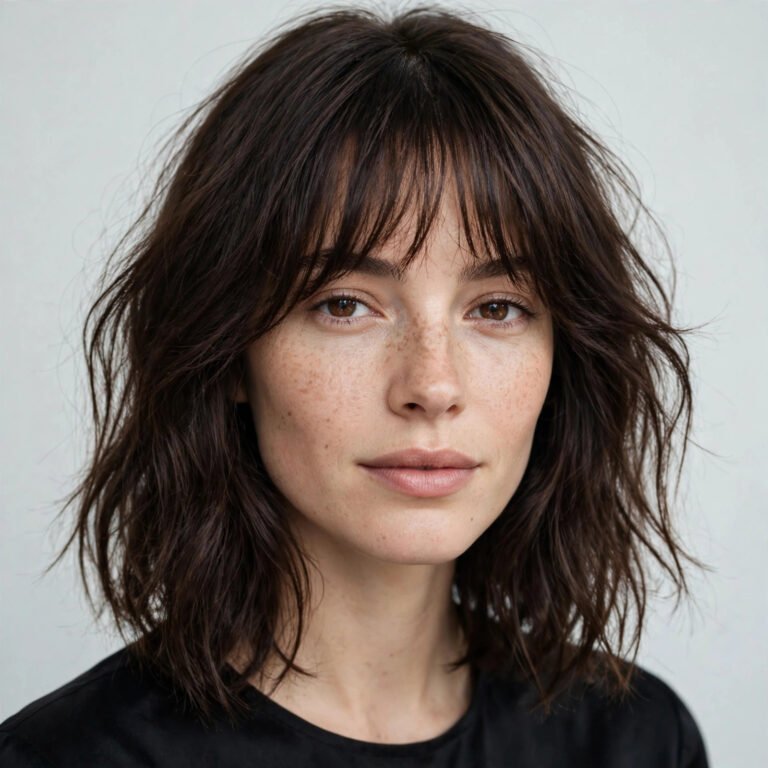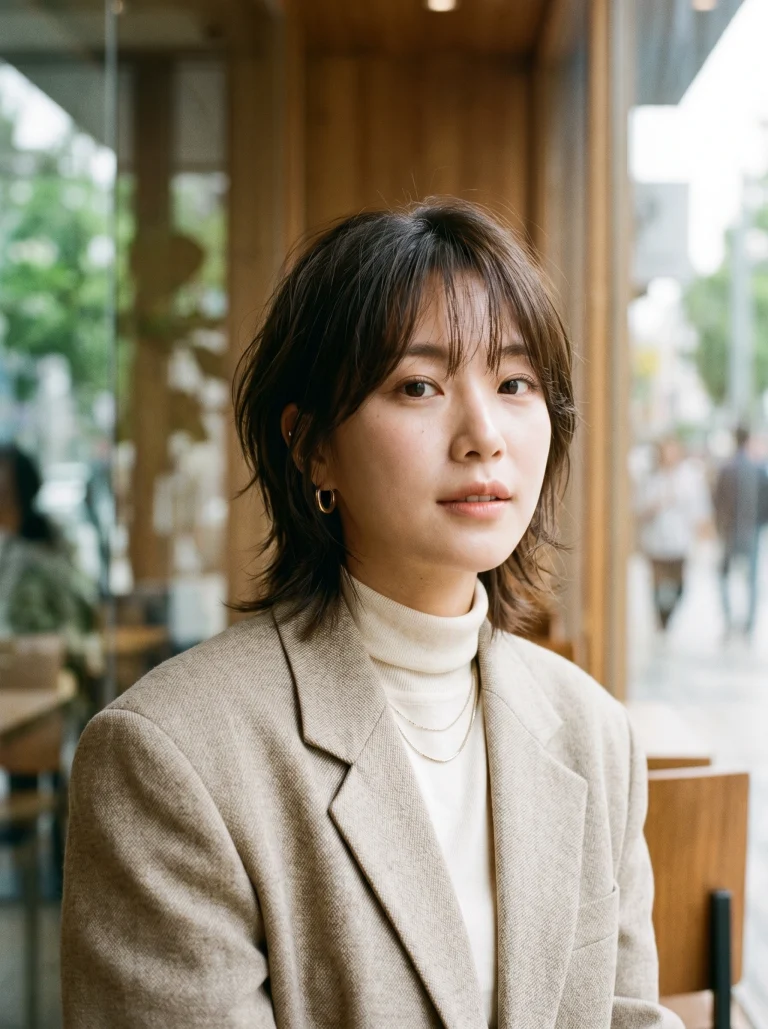
Hush Cut Women 2026: 20 Soft Korean Layered Styles
If you’ve scrolled past a Korean hair video lately and thought, “why does her hair move like that,” you were probably looking at a hush cut. It’s the haircut that launched a thousand salon appointments across Seoul, and in 2026 it’s officially everywhere else too. Soft, feathered, whisper-quiet layers that fall into place without drama. The name says it all: this cut doesn’t shout.
I’ll be honest, I was skeptical at first. Another layered cut with a cute name? But then I watched my friend get one done, and the before-and-after genuinely stopped me mid-sentence. Same length, same color, completely different hair. The hush cut took her flat, heavy, one-length hair and turned it into something that moved when she turned her head. No extensions, no color change, just smarter layering. That’s the whole magic trick, and it’s why stylists in Seoul reportedly can’t get through a day without at least three hush cut requests.
This guide covers everything you need: what the hush cut actually is, how it’s different from the wolf cut everyone confuses it with, 20 versions to try in 2026, exactly what to tell your stylist, how to style it at home in under 15 minutes, and whether it’ll work for your face shape and hair type. Let’s go.
What Is the Hush Cut?
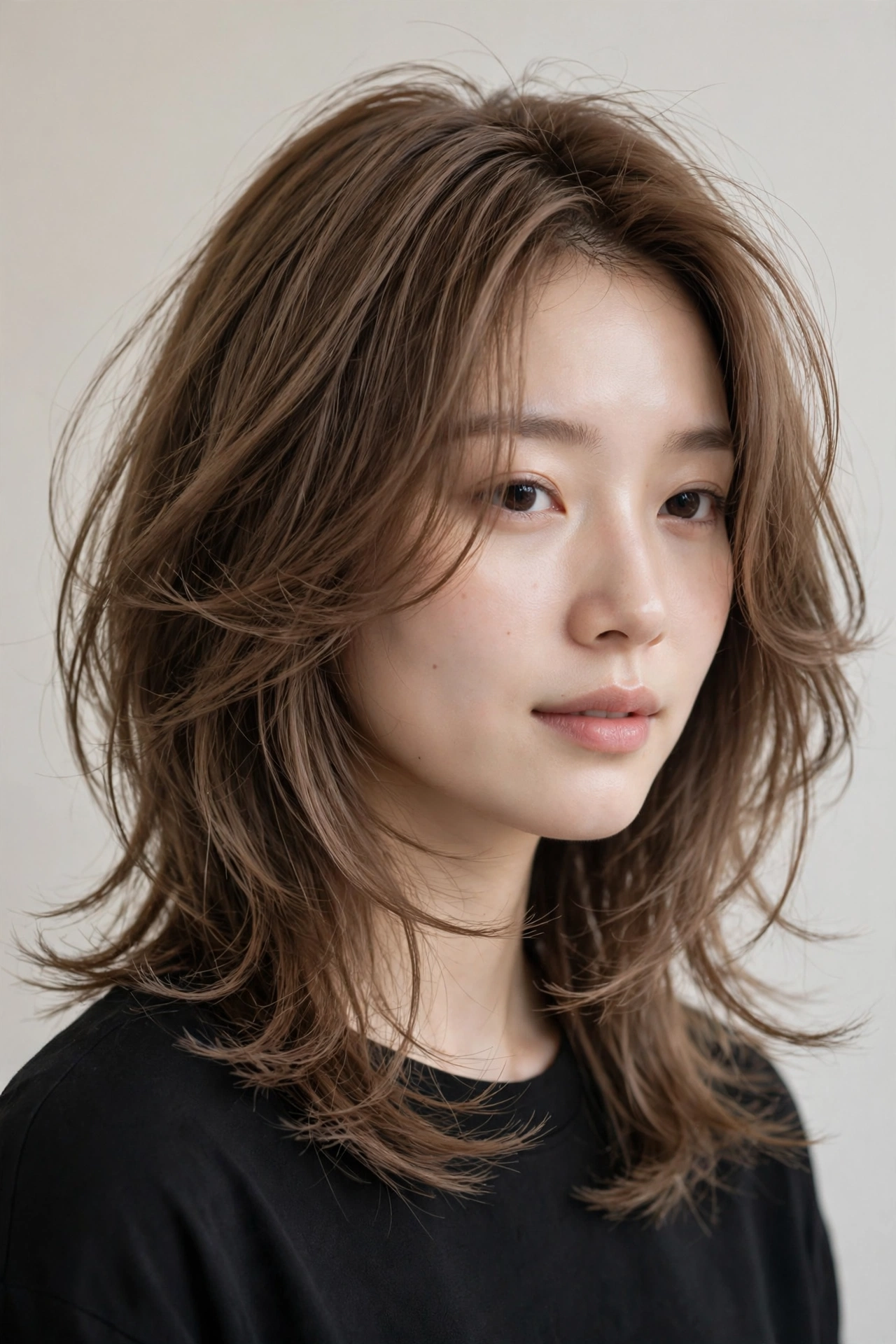
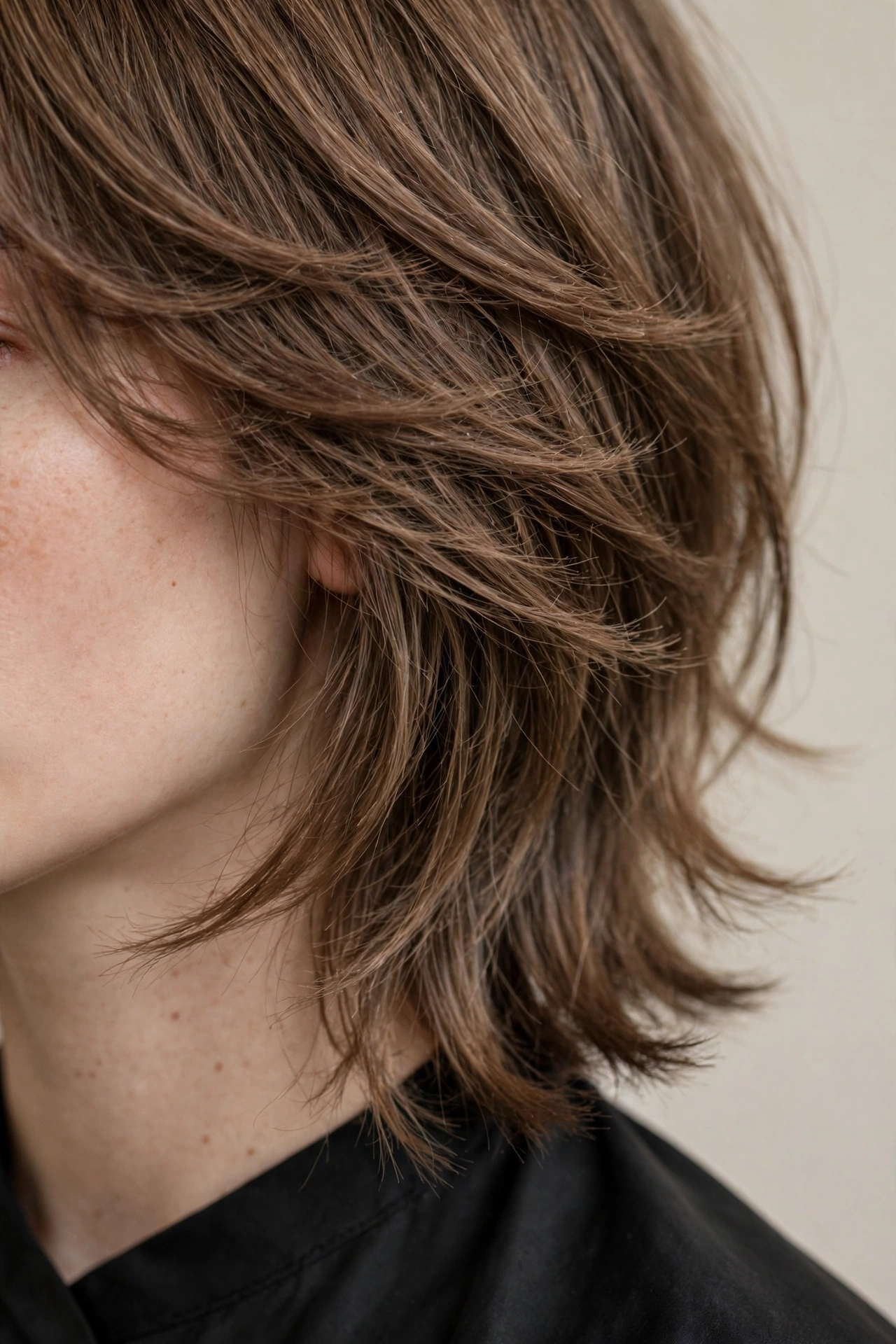
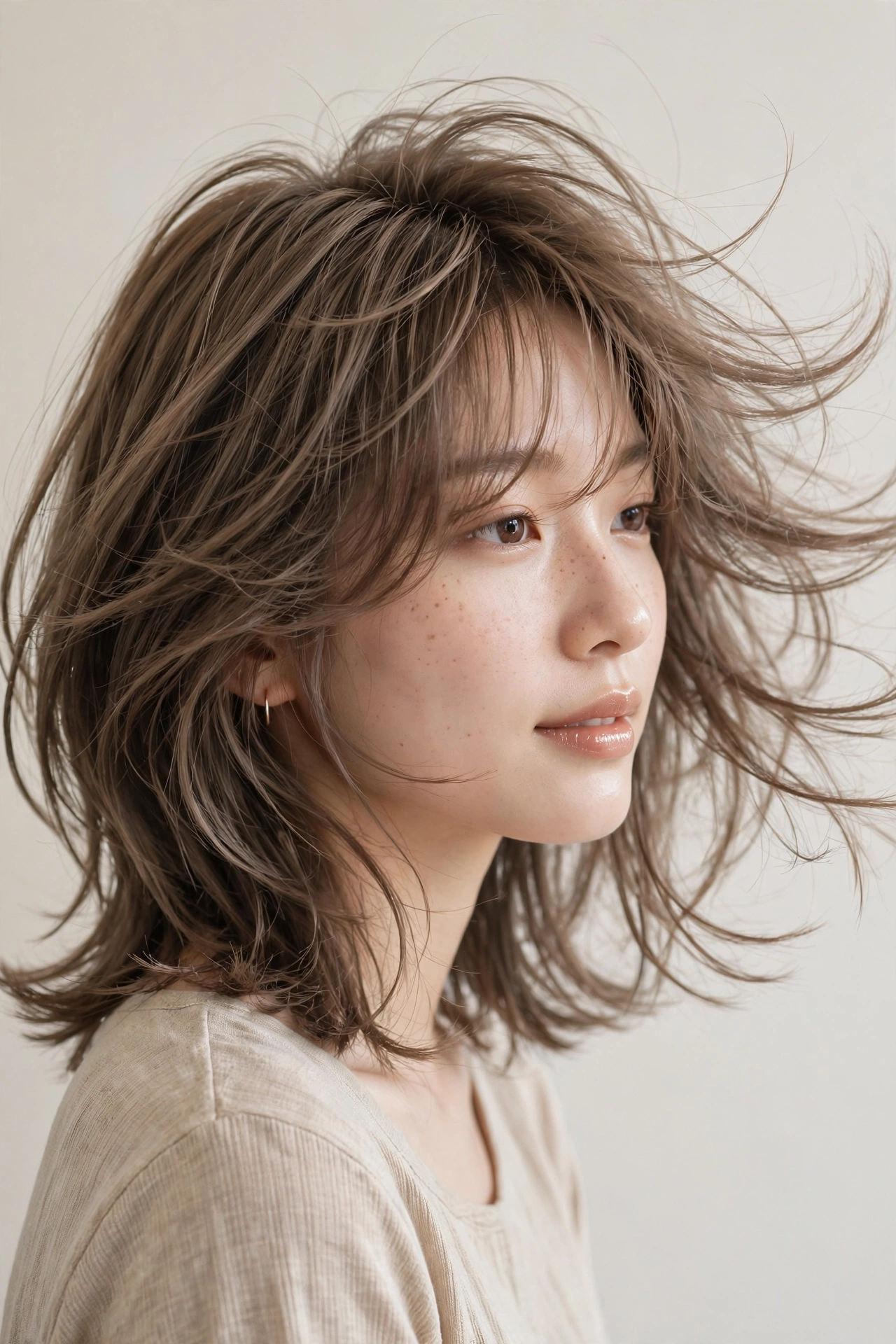
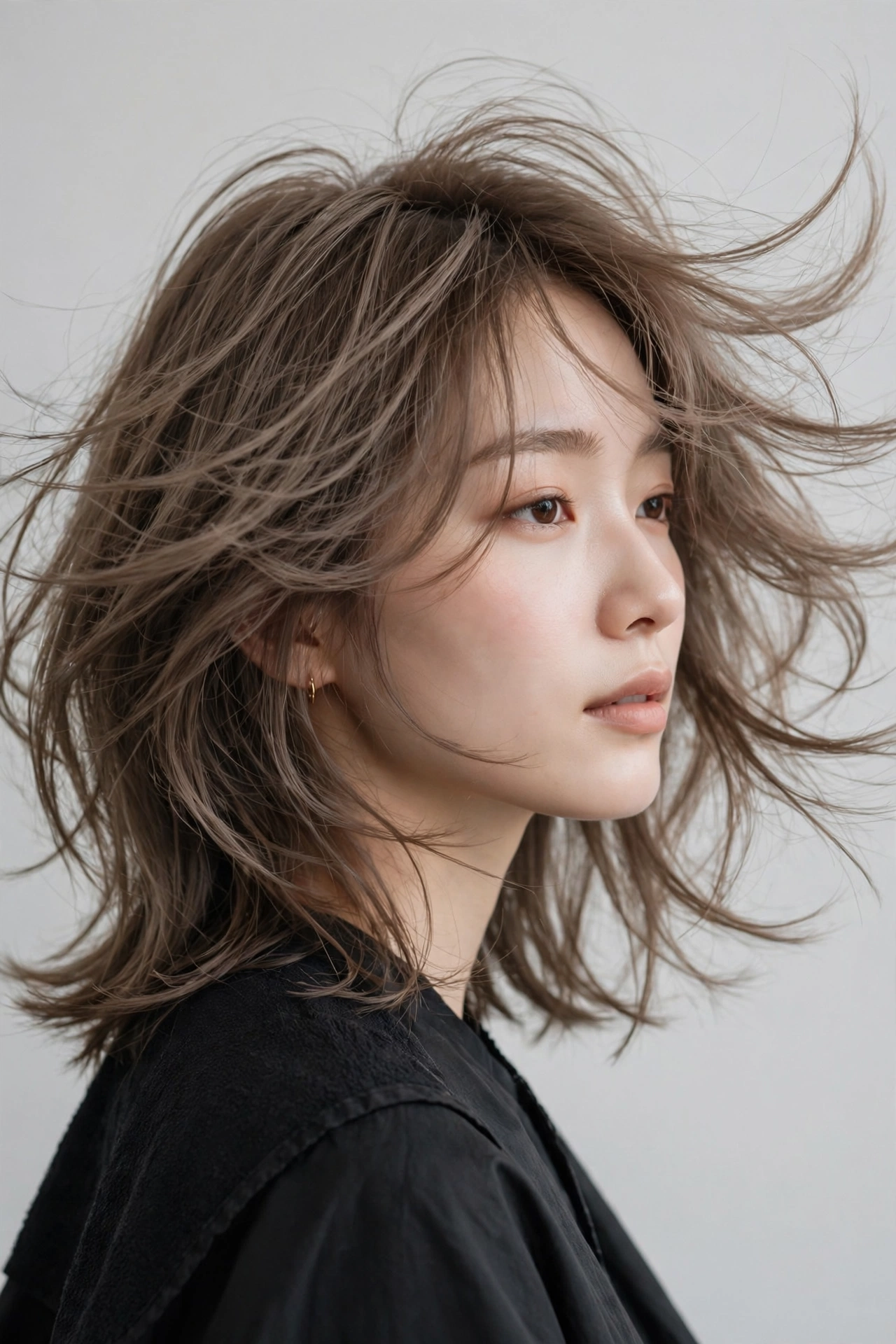
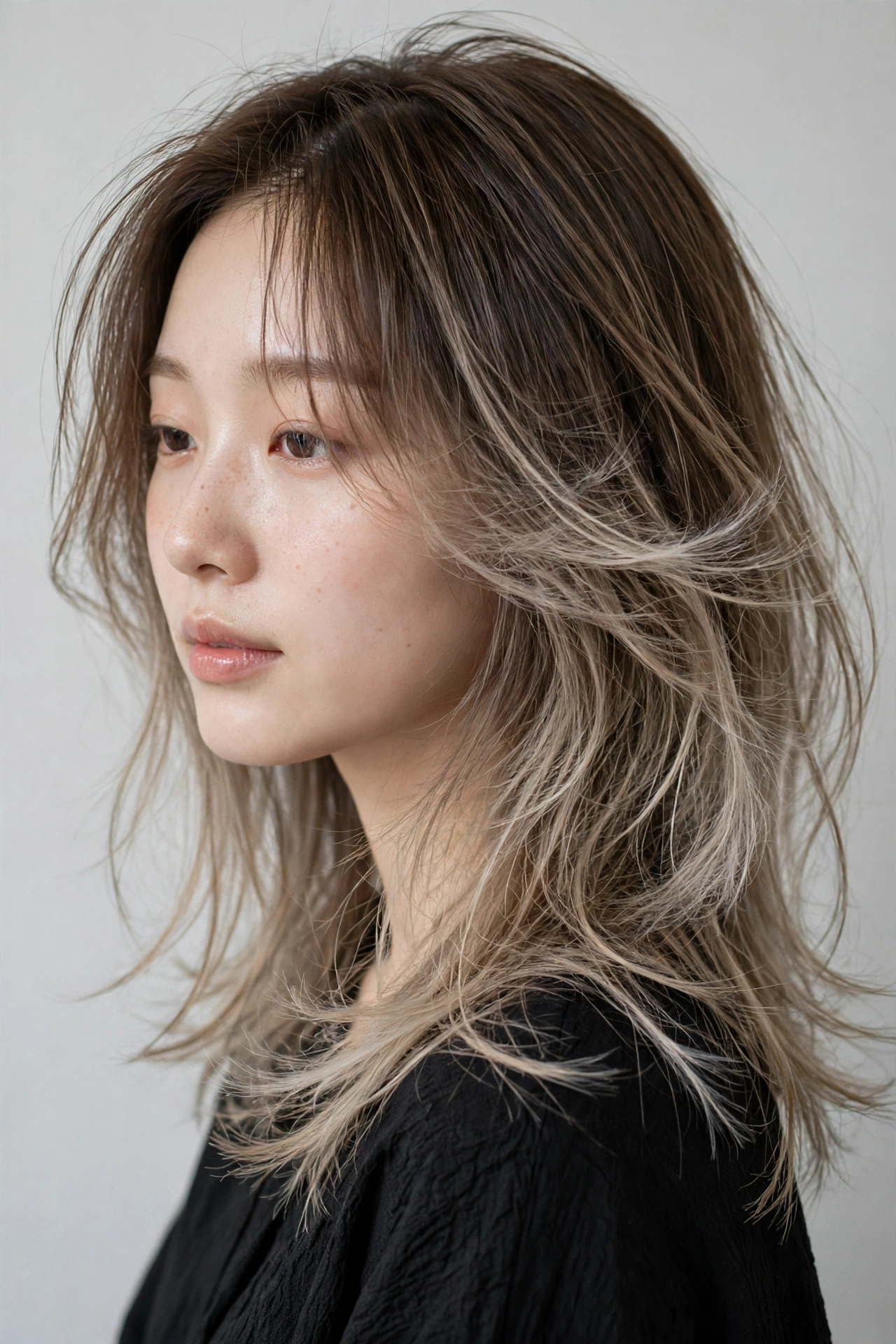
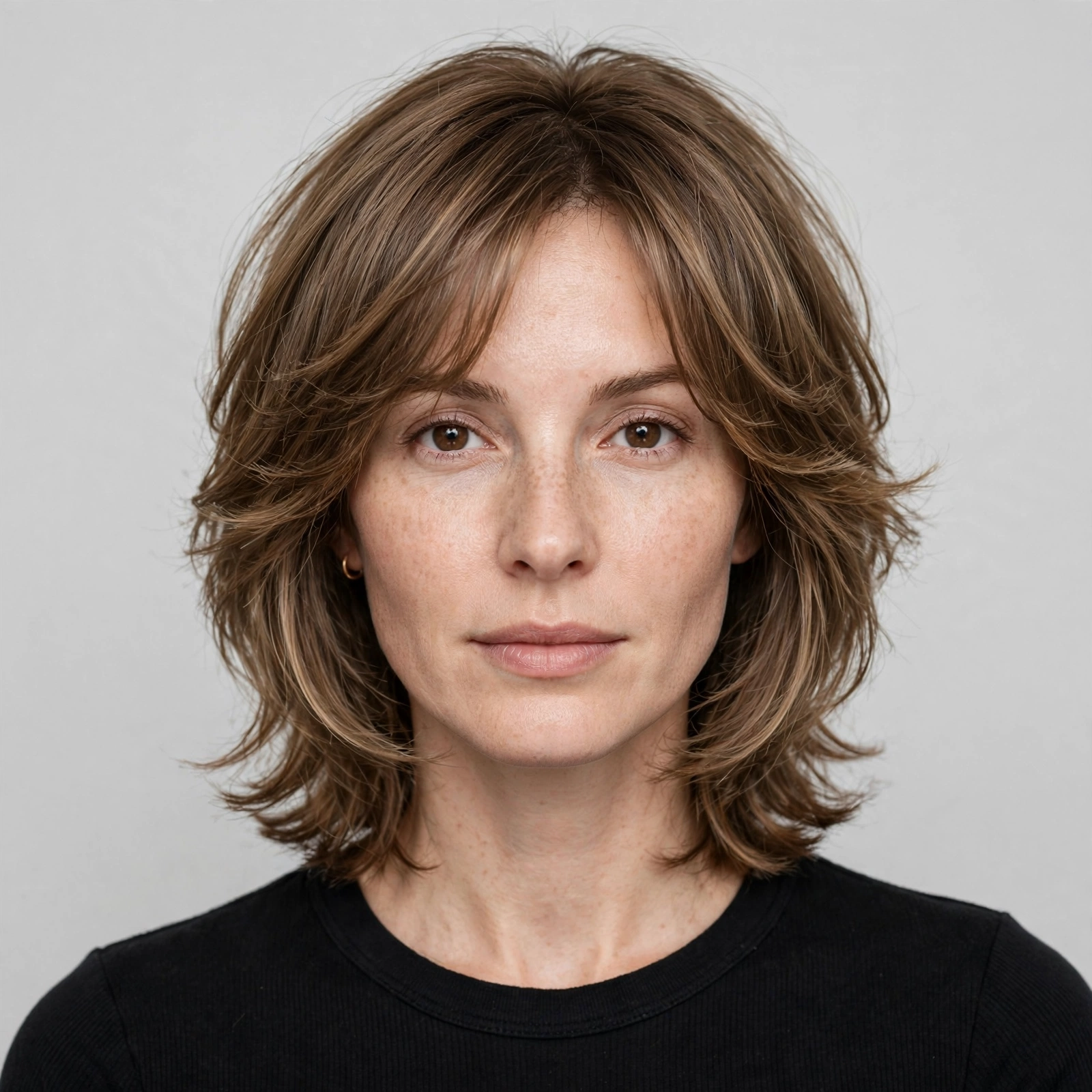
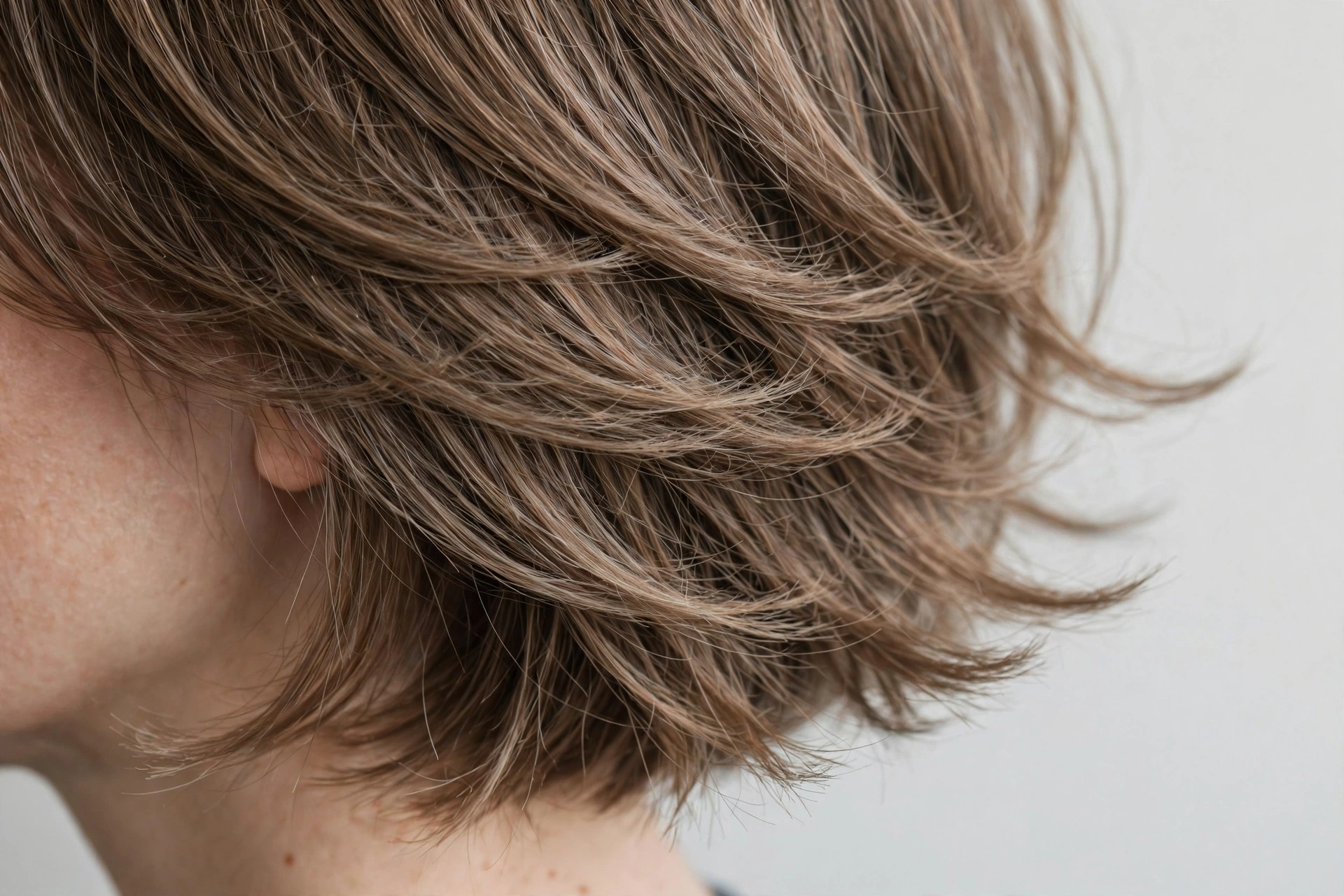
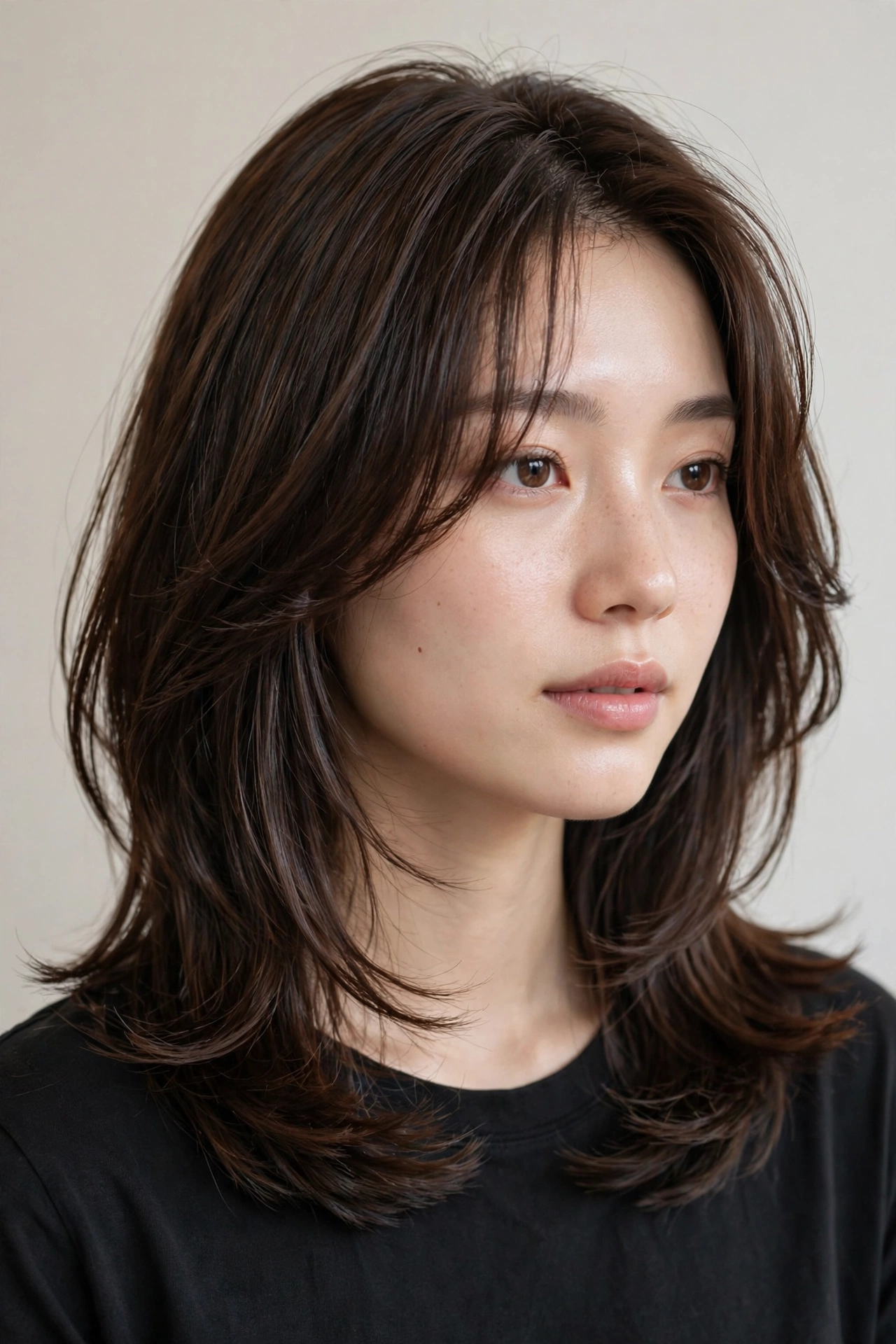
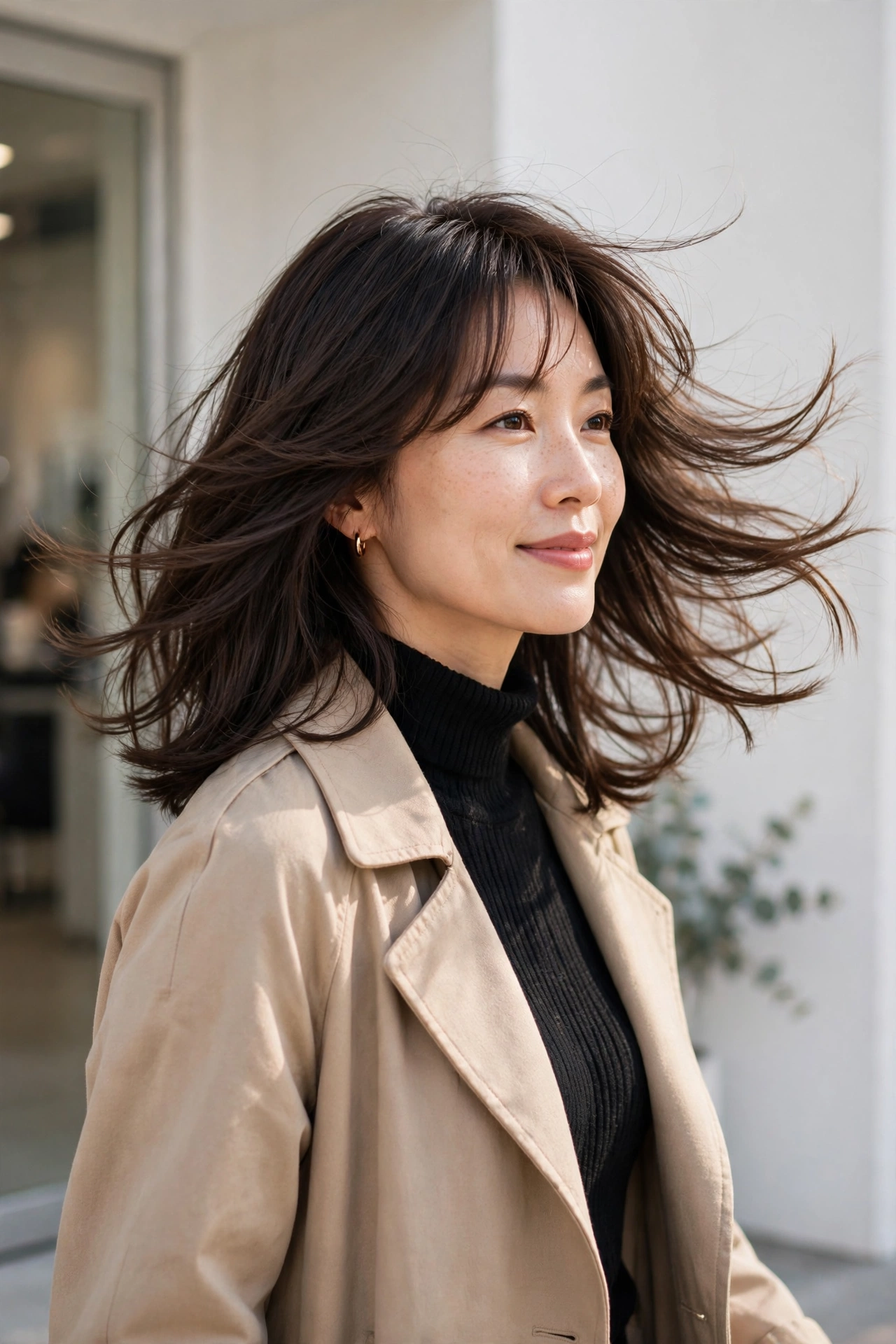
The hush cut is a Korean layered haircut built on one idea: heavy, airy layers through the crown that dissolve into soft, feathered ends. The top layers are cut shorter, starting around the cheekbones or chin, and they cascade down into longer lengths with ends that are thinned and textured so they flick and flutter instead of sitting in a blunt line. The overall effect is hair that looks light, moves constantly, and frames the face like a soft-focus filter.
It was created in Korean salons, where stylists perfected the art of invisible layering, layers you feel in the movement but can’t quite see as steps. The classic Seoul version almost always comes with bangs: wispy see-through bangs or curtain bangs that melt into the face-framing layers so there’s no harsh line anywhere in the cut. My stylist told me the Korean philosophy behind it is “hair that looks untouched,” which sounds simple until you realize how much technical skill untouched-looking hair requires.
Now, the question everyone asks: how is this different from a wolf cut? They’re cousins, not twins. A wolf cut is edgy and undone, with short, choppy crown layers crashing into long lengths for maximum contrast and drama. A hush cut is the wolf cut’s softer, better-behaved sister: the layers are blended, the texture is delicate, and the whole thing reads romantic rather than rebellious. If the wolf cut is a shout, the hush cut is exactly what the name promises. For the full breakdown of its wilder cousin, check our wolf cut hairstyles guide.
Why the Hush Cut Is Trending in 2026
The hush cut is having its biggest year yet, and it’s not hard to see why. We’re in a soft era. After years of sharp bobs, glass hair, and precision cuts that demanded daily heat styling, people are exhausted. The hush cut asks almost nothing of you in the morning. The layers are cut to fall into place on their own, which means air-drying actually works. In 2026, a haircut that looks good without a 30-minute routine isn’t just nice, it’s the whole selling point.
Then there’s the grow-out factor, which stylists quietly love. Because the layers are long and blended rather than short and choppy, a hush cut grows out gracefully for months. No awkward shelf, no mullet phase, just gradually longer layers. That means fewer emergency salon visits and more money in your pocket, which might be the most 2026 thing about it. Who What Wear’s trend coverage has tracked the hush cut’s rise from niche Korean import to mainstream request, and the through-line is always the same: women want movement without maintenance.
And let’s talk about the face-framing, because that’s the real reason it photographs so well. Those cheekbone-grazing layers act like contouring you never have to wash off. They slim the face, brighten the eyes, and soften the jawline in every photo and video call. In an era where half our social lives happen on camera, a haircut that comes with built-in flattering angles is going to win. Every. Single. Time.
20 Hush Cut Styles to Try in 2026
One hush cut does not fit all, and that’s the beauty of it. The layering technique adapts to nearly every length and texture, from chin-length bobs to waist-grazing lengths. Below are 20 versions, each with the details that matter: who it suits, what to ask for, and how much effort it actually takes. Save your favorites and show your stylist. Photos beat descriptions every time.
1. The Classic Medium Hush Cut
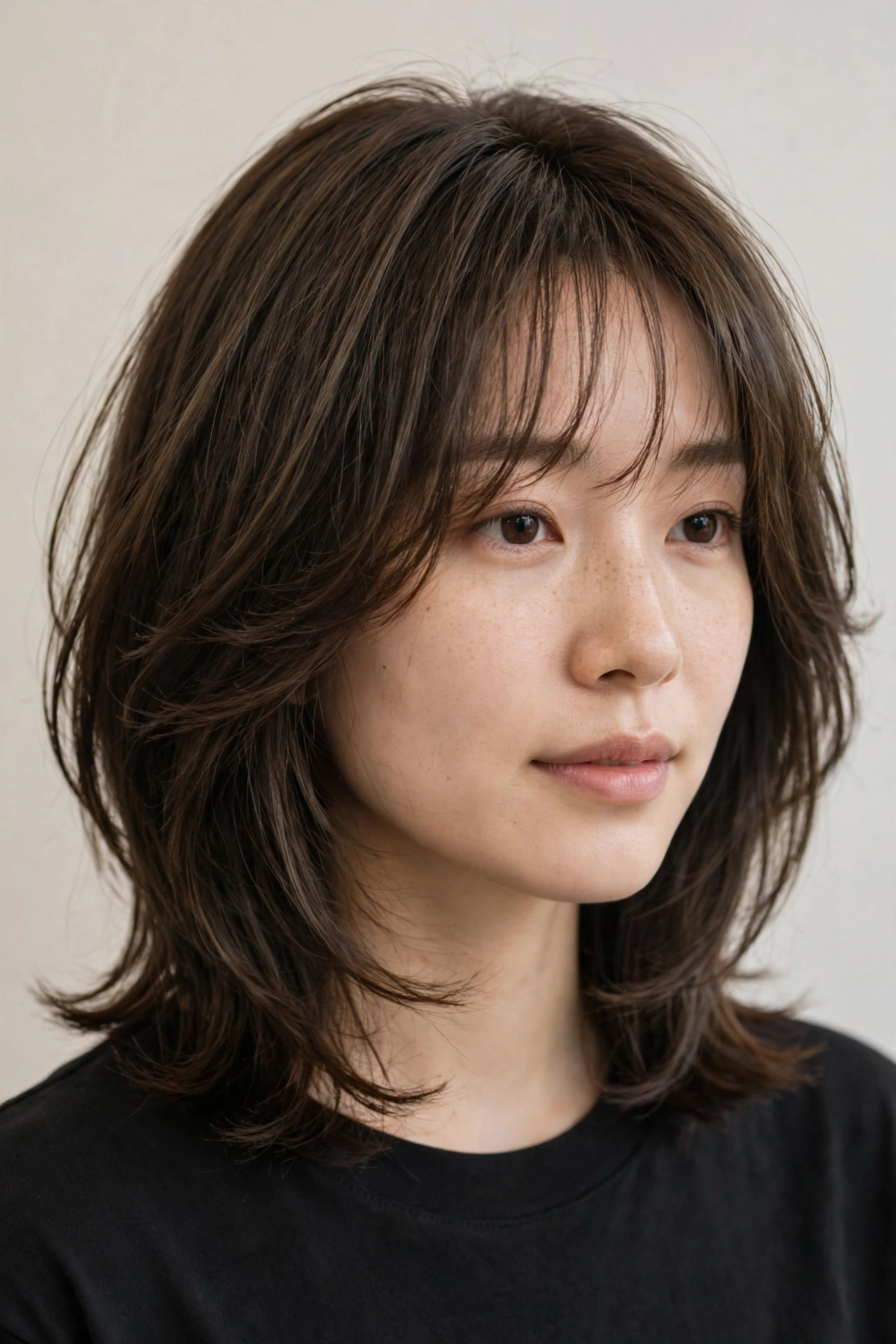
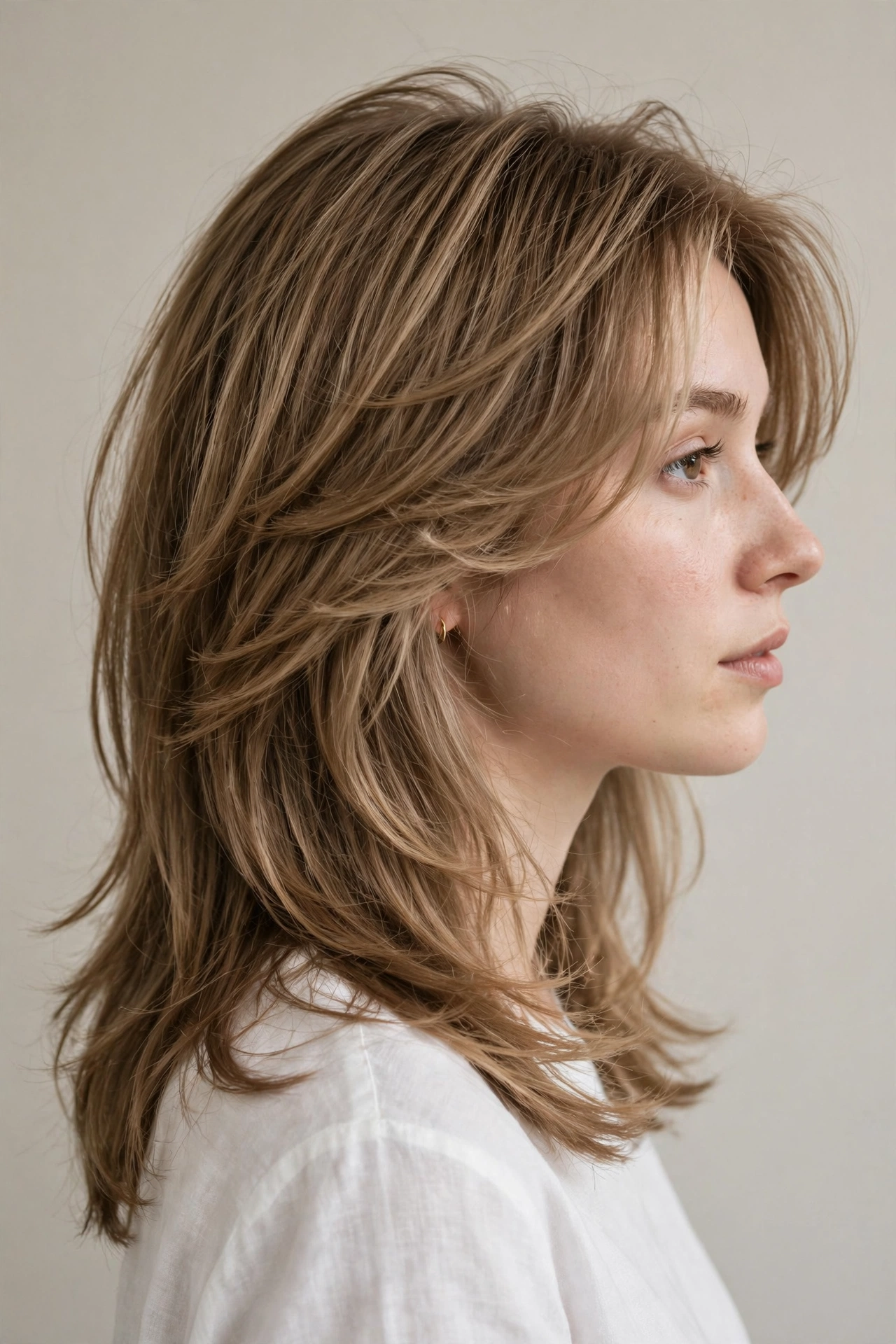
This is the Seoul standard, the version stylists picture when you say “hush cut” with no qualifiers. Shoulder to collarbone length, heavy layers starting at the cheekbones, feathered ends, and usually a pair of wispy bangs. It’s the most-requested haircut in Korean salons for a reason: it works on almost everyone and it photographs like a dream. The layers create that signature airy volume at the crown while the ends stay light and piecey.
Ask your stylist for long, blended layers with the shortest pieces hitting at chin level, plus texturized ends, and bring a photo of the bang style you want. This version suits fine to medium hair best and flatters oval, round, and heart-shaped faces. Styling is a 10-minute blowout with a round brush, or honestly just air-dry with a little leave-in cream. Trims every 8 to 10 weeks keep the layers fresh. Expect to pay $70 to $120 at a good salon for the initial cut.
2. The Long Hush Cut
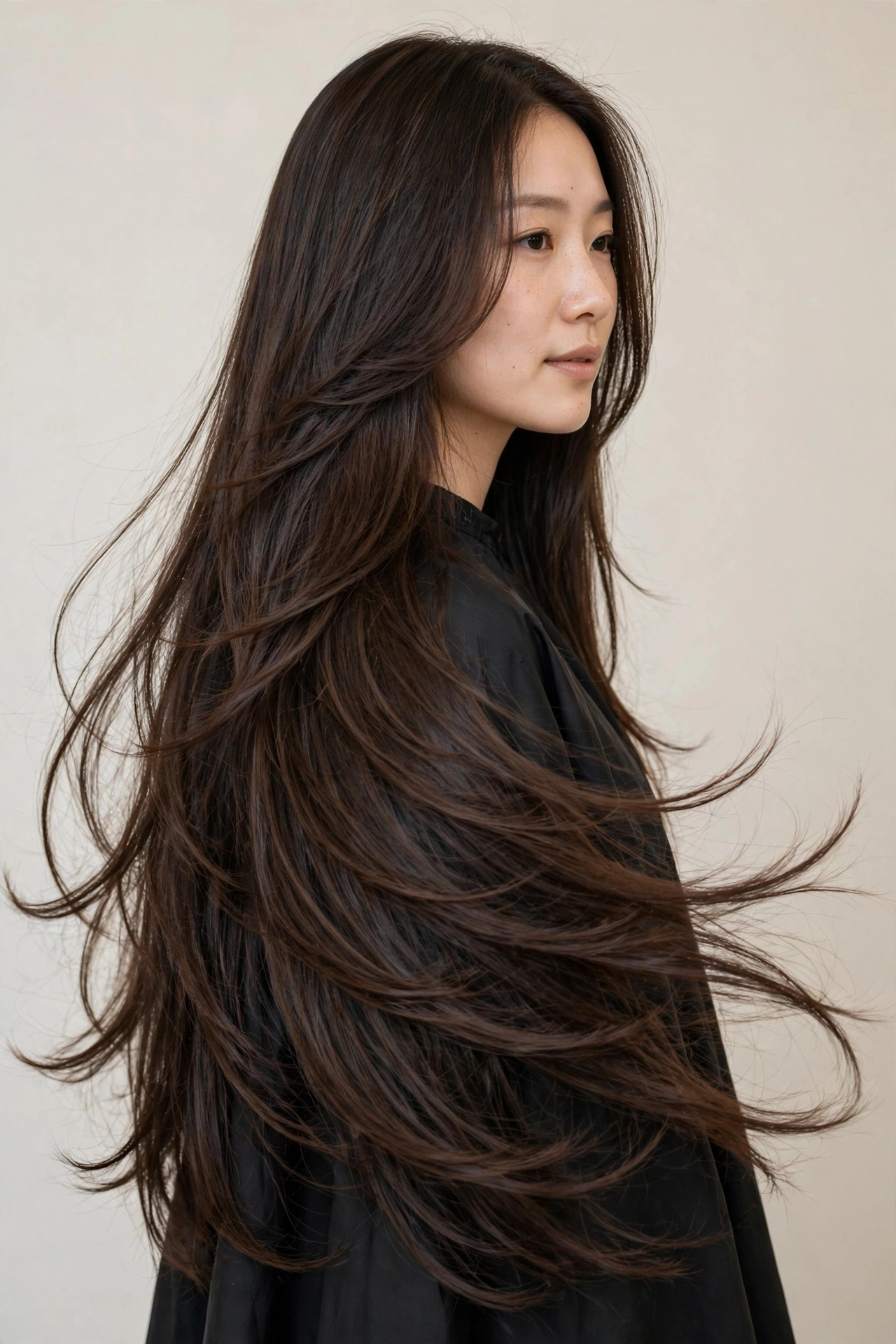
Got length you refuse to give up? The long hush cut keeps everything past the shoulders, sometimes well past, while carving soft layers through the top half. You keep your length, you gain movement. It’s the answer for everyone who’s ever said “just a trim, don’t take the length” while secretly bored of their hair. The layers usually start around the collarbone and feather down through the ends.
This version is magic on thick hair, because the layering removes the heavy, curtain-like bulk that makes long hair lie flat and lifeless. Ask for layers concentrated through the top and mid-lengths with heavily texturized ends, and be clear that the overall length stays. It suits oval, square, and long faces beautifully. Style with a large round brush for a bouncy blowout, or braid it damp overnight for heatless waves that show off every layer. Maintenance trims every 10 to 12 weeks are enough since long layers grow out so gracefully.
3. Hush Cut with Air Bangs
Air bangs, those sheer, wispy, barely-there Korean bangs, were basically made for the hush cut. They’re cut thin enough to see skin through, they blend seamlessly into the face-framing layers, and they give the whole cut that unmistakable Seoul-girl finish. If you want the authentic Korean version of this trend, the air bangs are non-negotiable. They soften the forehead and make eyes look bigger, which is exactly why they’re everywhere.
The trick is keeping them wispy. Ask your stylist to cut them with thinning shears or a razor, never blunt, and keep them long enough to tuck behind your ears on lazy days, usually grazing the eyebrows. They need trimming every 3 to 4 weeks to stay at the right length, which most salons will do free or cheap between full appointments. Style by blow-drying them flat against the forehead with a small round brush, or just let them air-dry and finger-comb. They suit round, heart, and long faces especially well.
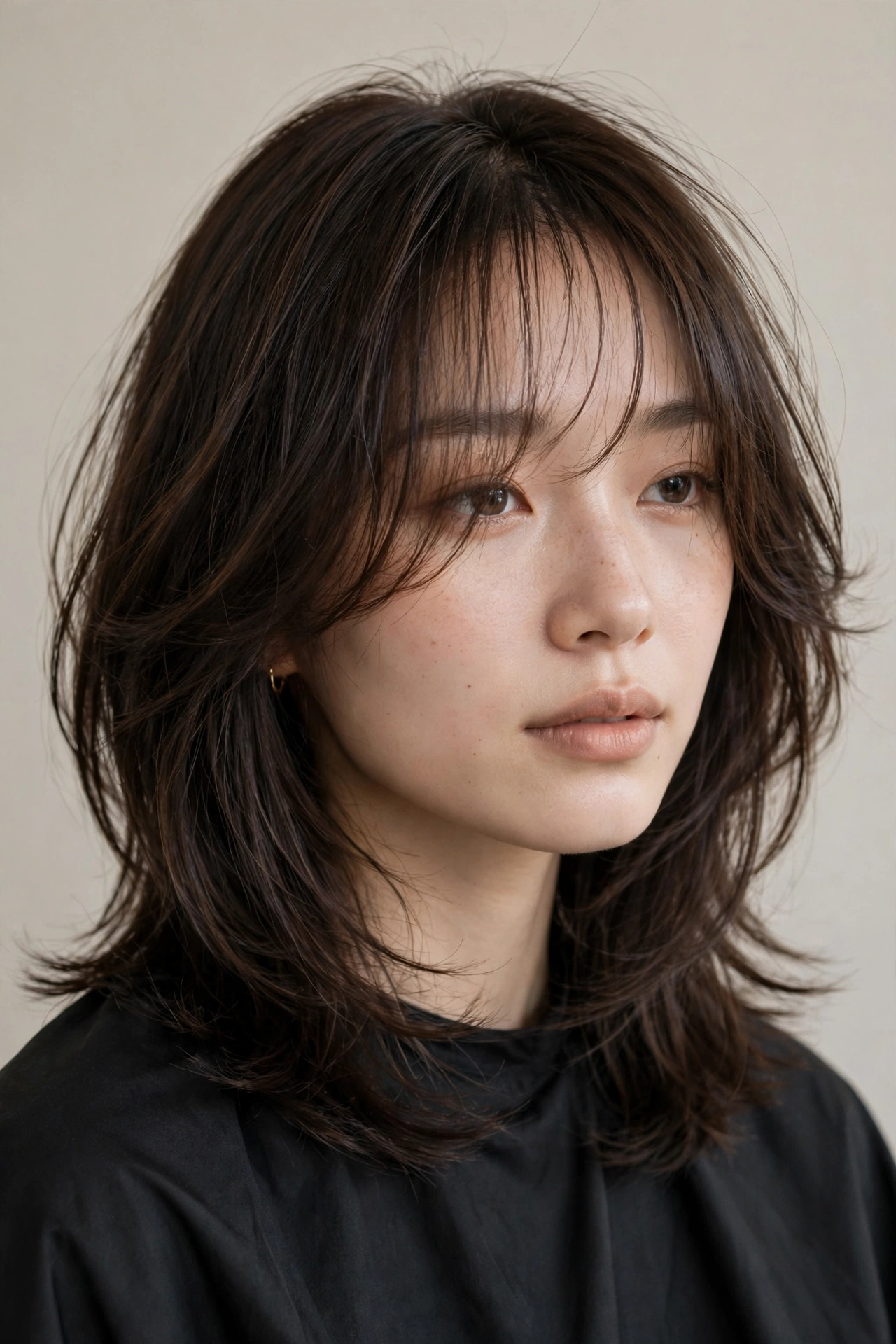
4. The Hush Cut Bob
Who says hush cuts need length? The hush bob takes the same soft-layering philosophy and compresses it into a chin-to-shoulder cut. The crown layers create beautiful rounded volume, the ends flick and feather instead of sitting blunt, and the whole thing has ten times the personality of a standard bob. It’s the perfect middle ground if you love the hush aesthetic but you’re not ready to commit to long hair.
Ask for a layered bob with the shortest layers at the cheekbones and texturized, flicked-out ends. This version is fantastic on fine hair because the layering builds volume that blunt bobs can’t, and it suits petite women and oval or heart-shaped faces particularly well. Style with a round brush, flipping the ends outward for that feathered finish, or tuck one side behind your ear for asymmetry. It needs trims every 6 to 8 weeks to hold the shape, more often than the longer versions.
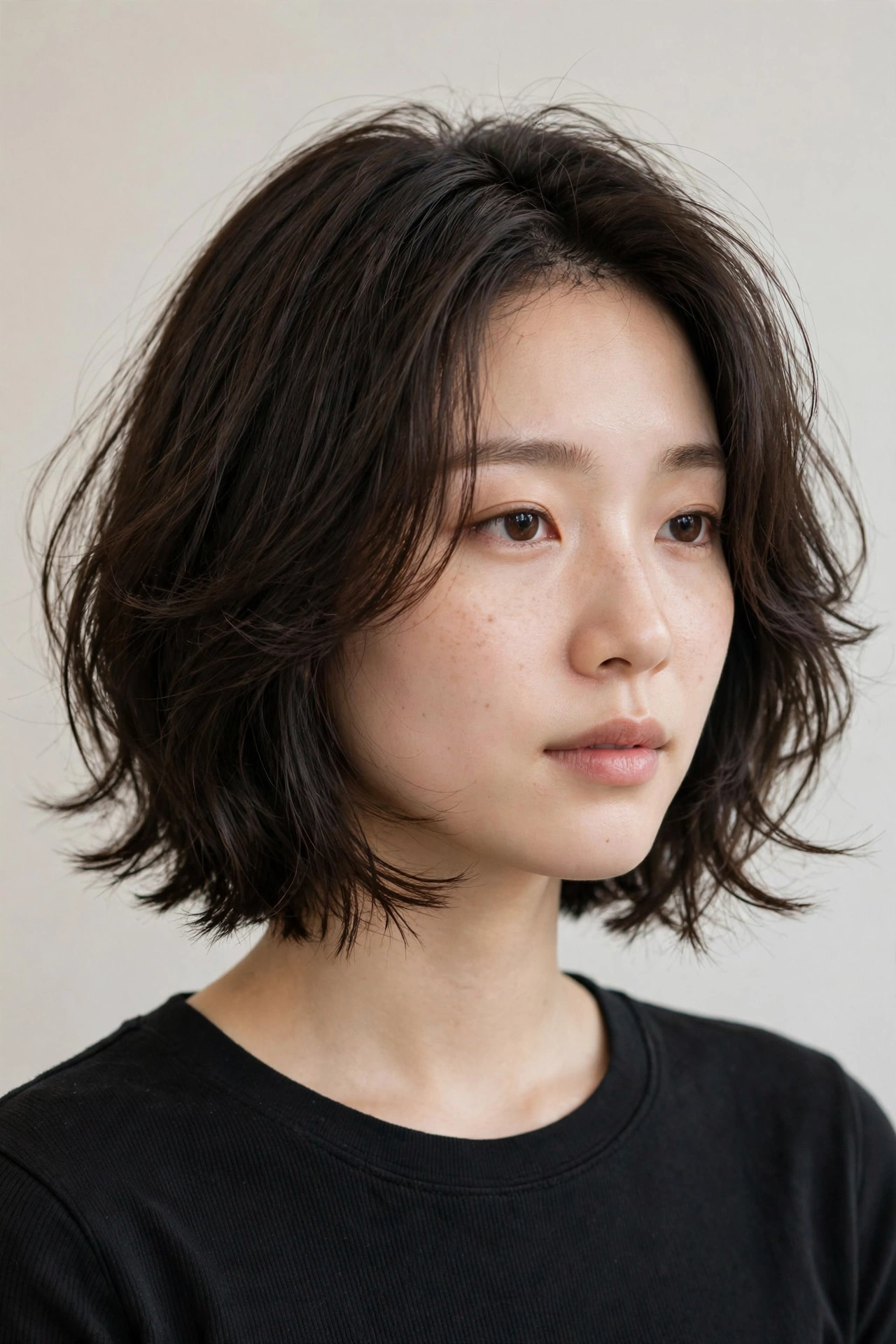
5. The Wavy Hush Cut
If your hair has natural wave, the hush cut might be the easiest haircut you’ll ever own. Waves plus hush layers are a match made in heaven: the layers enhance the wave pattern instead of fighting it, the ends flick naturally, and the whole cut practically styles itself. I’ve seen wavy-haired women walk out of the salon looking like they spent an hour styling when they spent zero minutes.
Ask your stylist to cut the layers following your natural wave pattern, with the face-framing pieces starting at the cheekbones. The key detail: get it cut dry or ask for extra length, because waves spring up shorter than straight hair and you don’t want the layers ending up too high. Style by scrunching in a little curl cream or mousse on damp hair and air-drying or diffusing. That’s it. This version suits every face shape and is the lowest-maintenance option on this entire list.
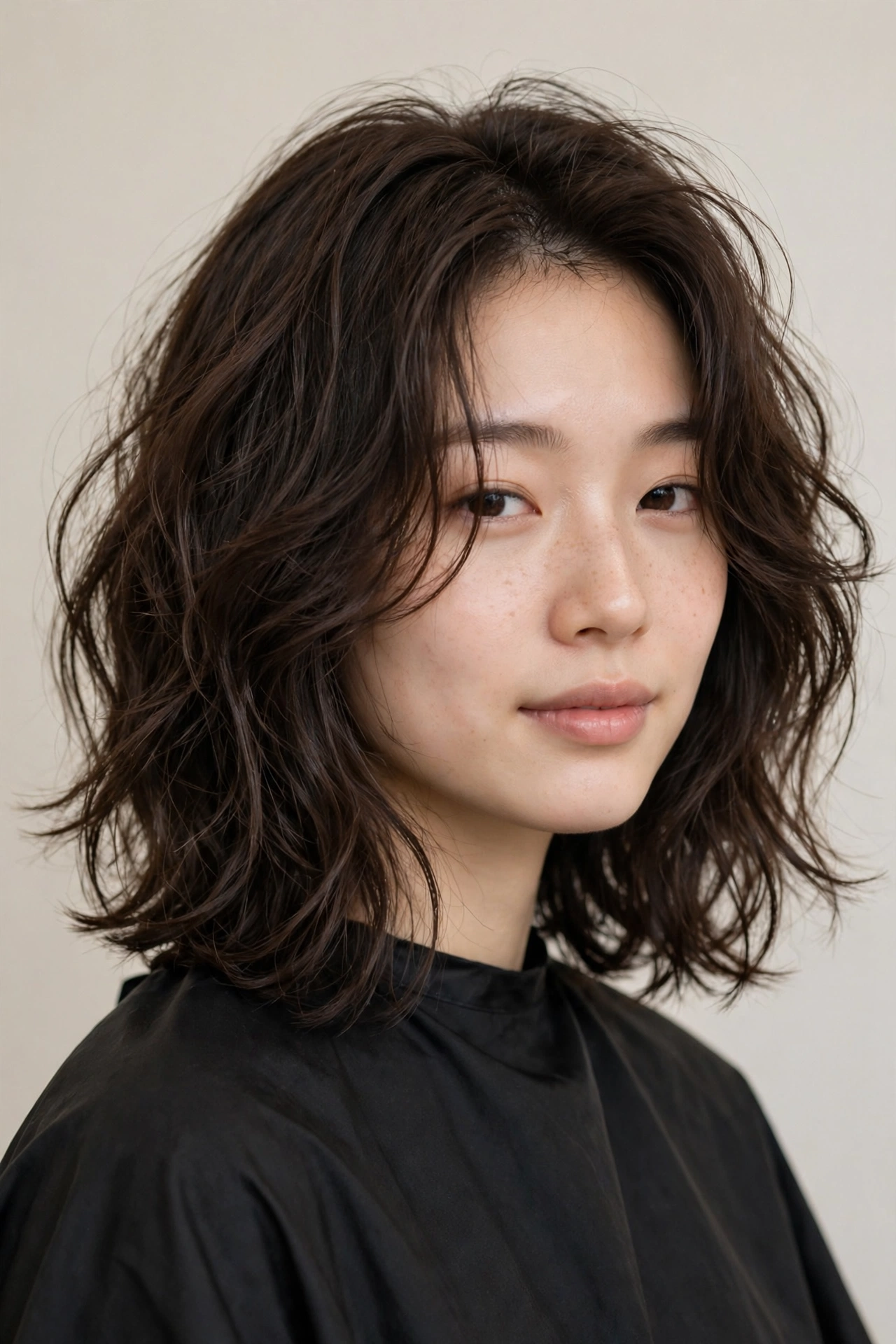
6. Hush Cut with Curtain Bangs
Curtain bangs and hush layers are a power couple. The curtains part in the middle and sweep to each side, flowing directly into the cheekbone layers so the front of the hair becomes one continuous, face-framing cascade. It’s romantic, it’s flattering, and it’s slightly more grown-up than air bangs, which makes it the pick for women who want the softness without the full K-pop aesthetic.
Ask for curtain bangs that start around the cheekbones and blend into the hush layers with no visible steps. They should be long enough to tuck behind your ears, which also means they grow out painlessly. Style by blow-drying them away from the face with a round brush to get that signature curtain bend. This pairing suits square and heart-shaped faces beautifully, since the sweeping bangs soften strong jawlines and wide foreheads. For more curtain inspiration, our curtain bangs with long layered hair guide has you covered.
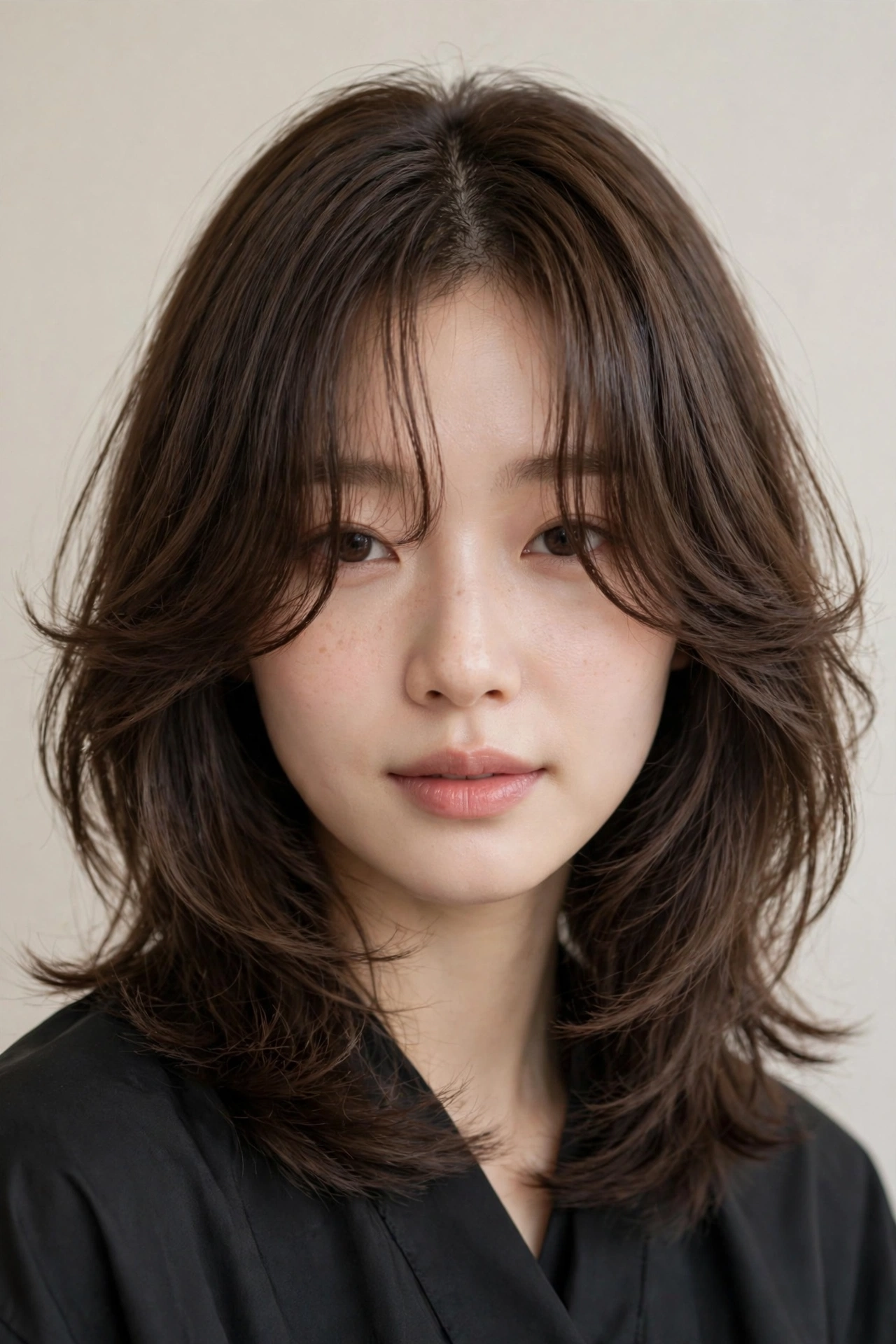
7. Hush Cut with Bottleneck Bangs
Bottleneck bangs, narrow at the top and widening toward the cheekbones like the neck of a bottle, are the cooler older sister of curtain bangs, and they pair gorgeously with hush layers. They give you more forehead coverage than curtains but keep the sides open and blended into the layers. It’s a French-girl-meets-Seoul-girl hybrid that feels very 2026.
Ask your stylist for bangs that are slim through the center and angle outward to meet the face-framing layers at the cheekbones. They work best at eyebrow to eyelash length. Style by blow-drying forward and then sweeping the sides outward with a round brush. This version suits long and oval faces especially well, since the wider bang shape adds horizontal balance. Like all bangs, they’ll need a trim every 4 to 6 weeks, so factor that into your salon routine.
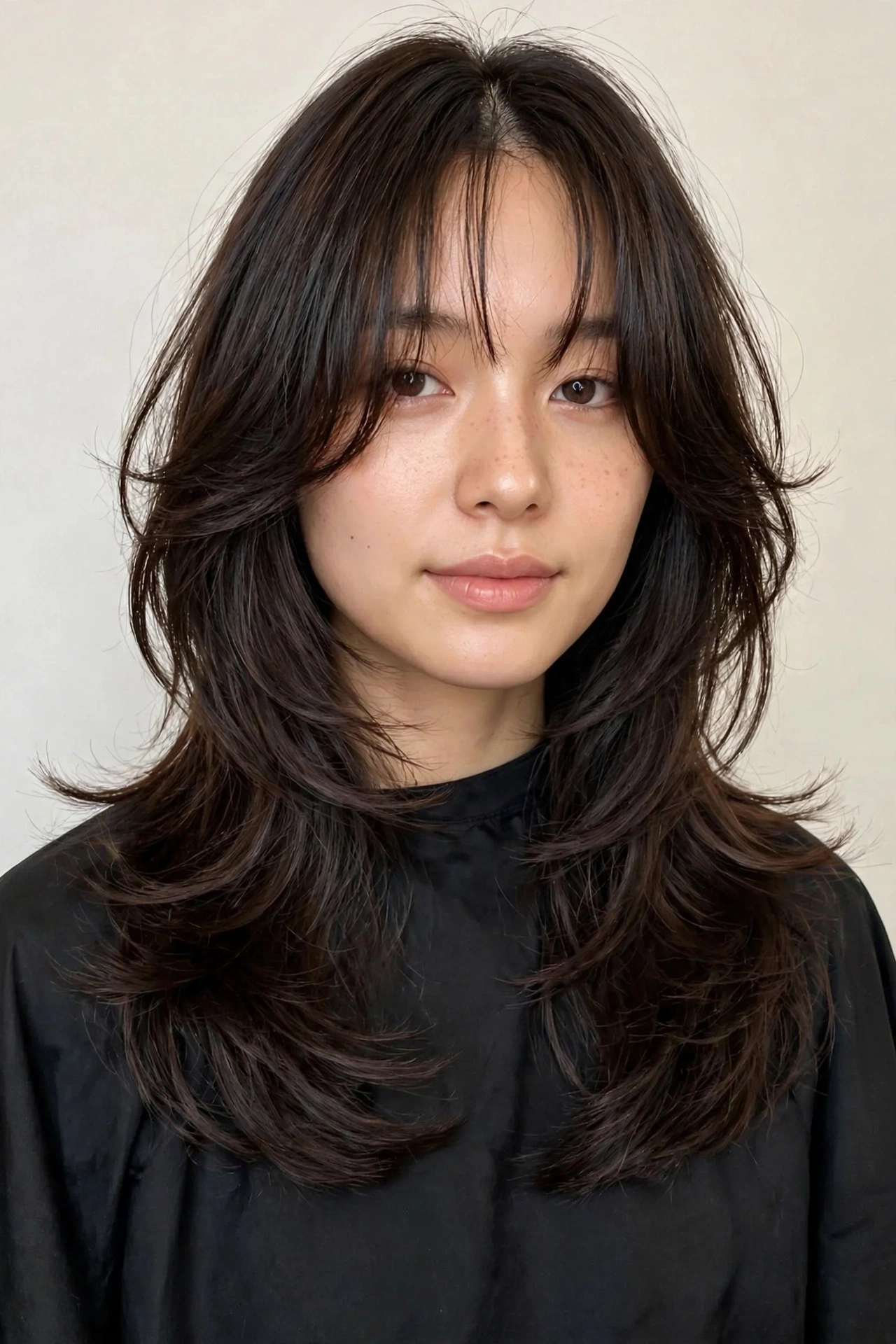
8. Hush Cut for Fine Hair
Fine-haired women, listen up: the hush cut can be incredible for you, but it needs to be cut differently. The standard heavy layering that works on thick hair can make fine hair look stringy and thin. The fine-hair version keeps the layers longer and fewer, focuses the texture at the ends rather than throughout, and preserves as much density as possible while still creating movement.
Tell your stylist explicitly that density preservation matters more than dramatic layering. Ask for long, subtle layers starting no higher than the chin, with light texturizing only at the very ends. A volumizing mousse at the roots before blow-drying makes a huge difference, and a round brush blowout will give you body that air-drying won’t. This version suits shoulder-length hair best; going too long with fine hair defeats the purpose. Avoid over-thinning at all costs, and find a stylist who understands that “textured” doesn’t have to mean “thinned out.”
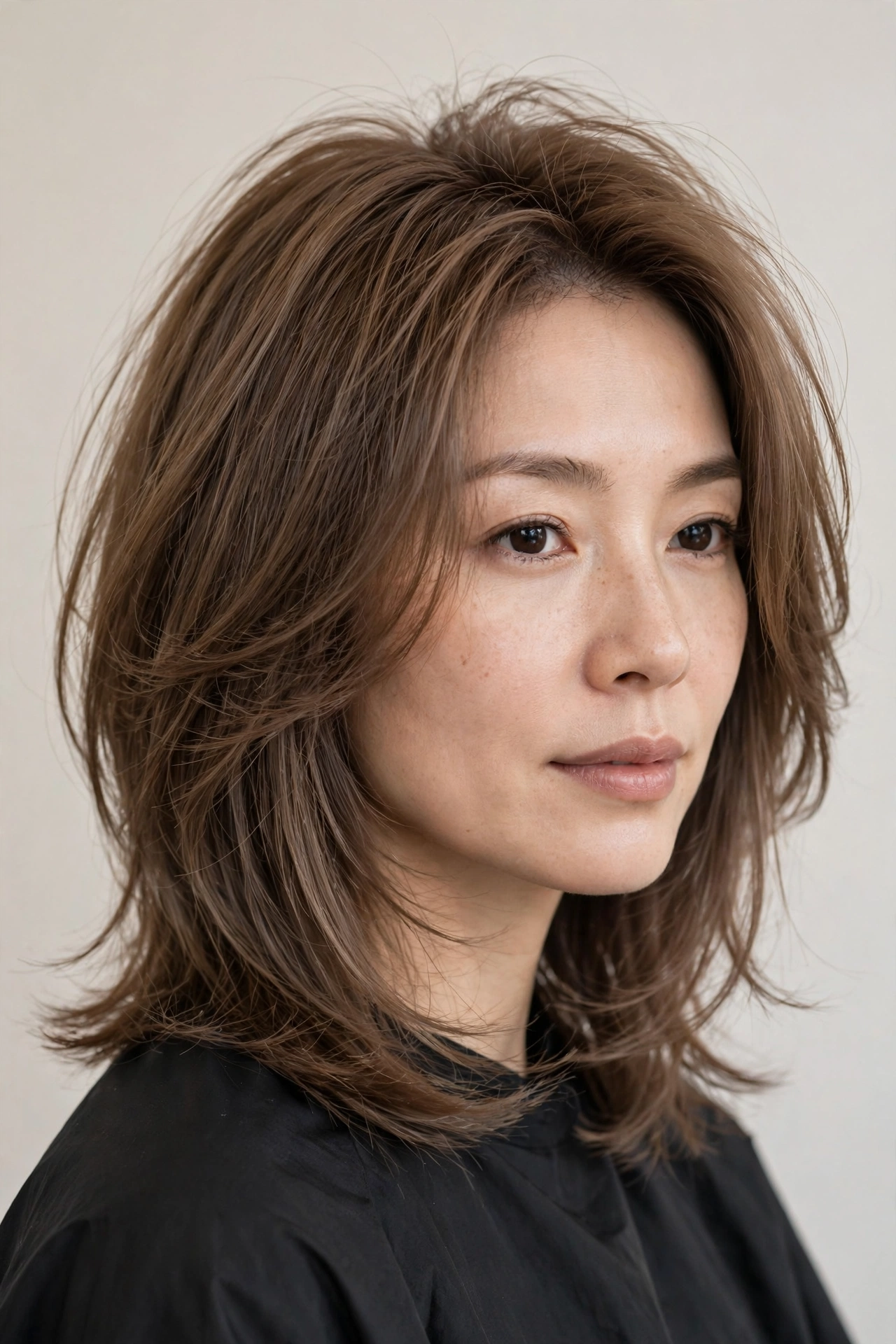
9. Hush Cut for Thick Hair
Thick hair and hush cuts are a dream team, honestly. All that density gives the layers something to work with, and the layering removes the bulk that makes thick hair heavy, hot, and hard to style. If your hair has ever been described as “a lot,” the hush cut will feel like taking off a weighted vest. The layers create air and movement where there used to be just mass.
Ask for aggressive internal layering and significant weight removal through the mid-lengths, not just at the ends. Your stylist should use thinning shears or a razor generously through the interior. The face-framing layers can start higher, around the cheekbones, since you have the density to support them. Style with a smoothing serum to control the volume and a round brush blowout for polish. This version suits medium to long lengths best and flatters round faces wonderfully, since removing bulk slims the overall silhouette.
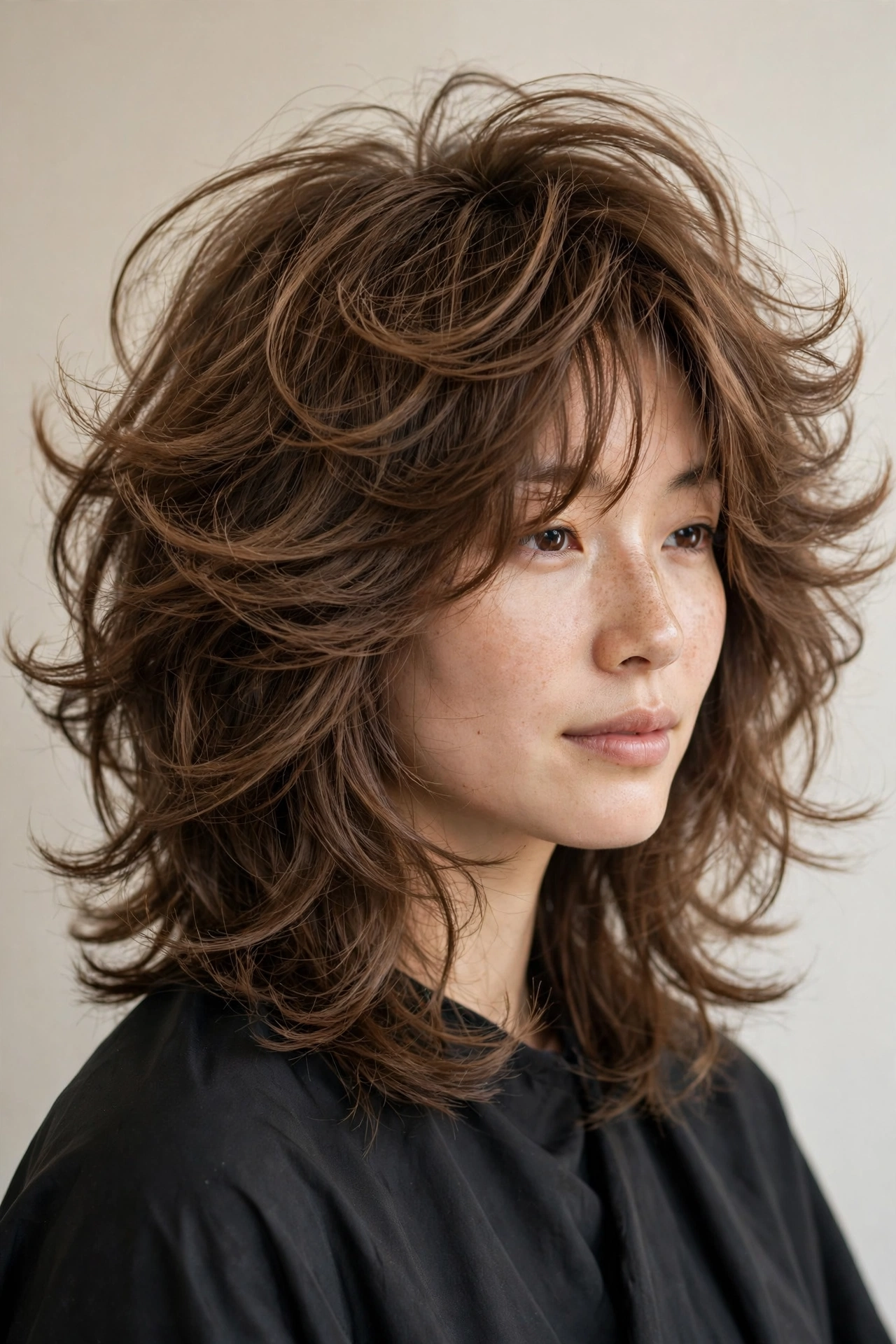
10. The Sleek Straight Hush Cut
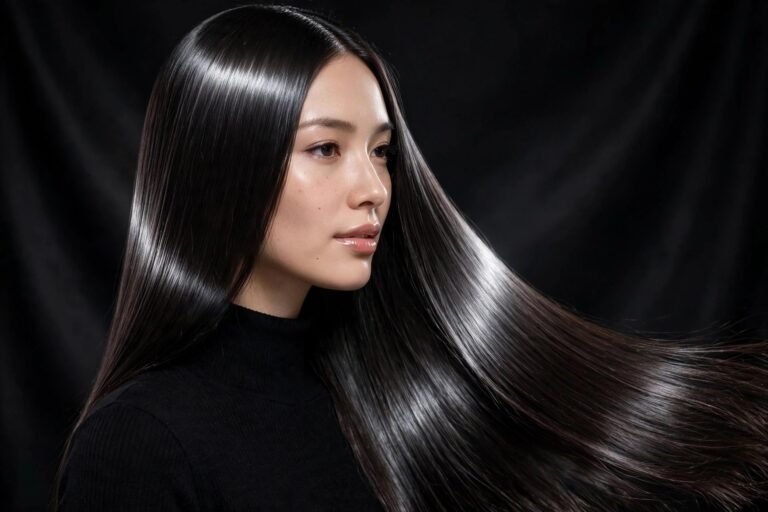
The hush cut doesn’t have to be tousled. Worn straight and sleek, the layers create subtle, expensive-looking movement, the kind of hair that swings when you walk. It’s polished without being severe, and it proves the cut’s versatility: same layers, completely different mood. This is the version for women who love a put-together look but are bored of blunt cuts.
The cut itself is the same as the classic, but the styling changes everything. Blow-dry smooth with a paddle brush, then run a flat iron through the mid-lengths and ends, flicking outward just slightly at the very tips to show off the layers. A shine serum or lightweight oil on the ends adds that glassy finish. This version shows every layer crisply, so it needs trims every 8 weeks to stay sharp. It suits oval and long faces well and looks stunning on dark, shiny hair where the layers catch the light.
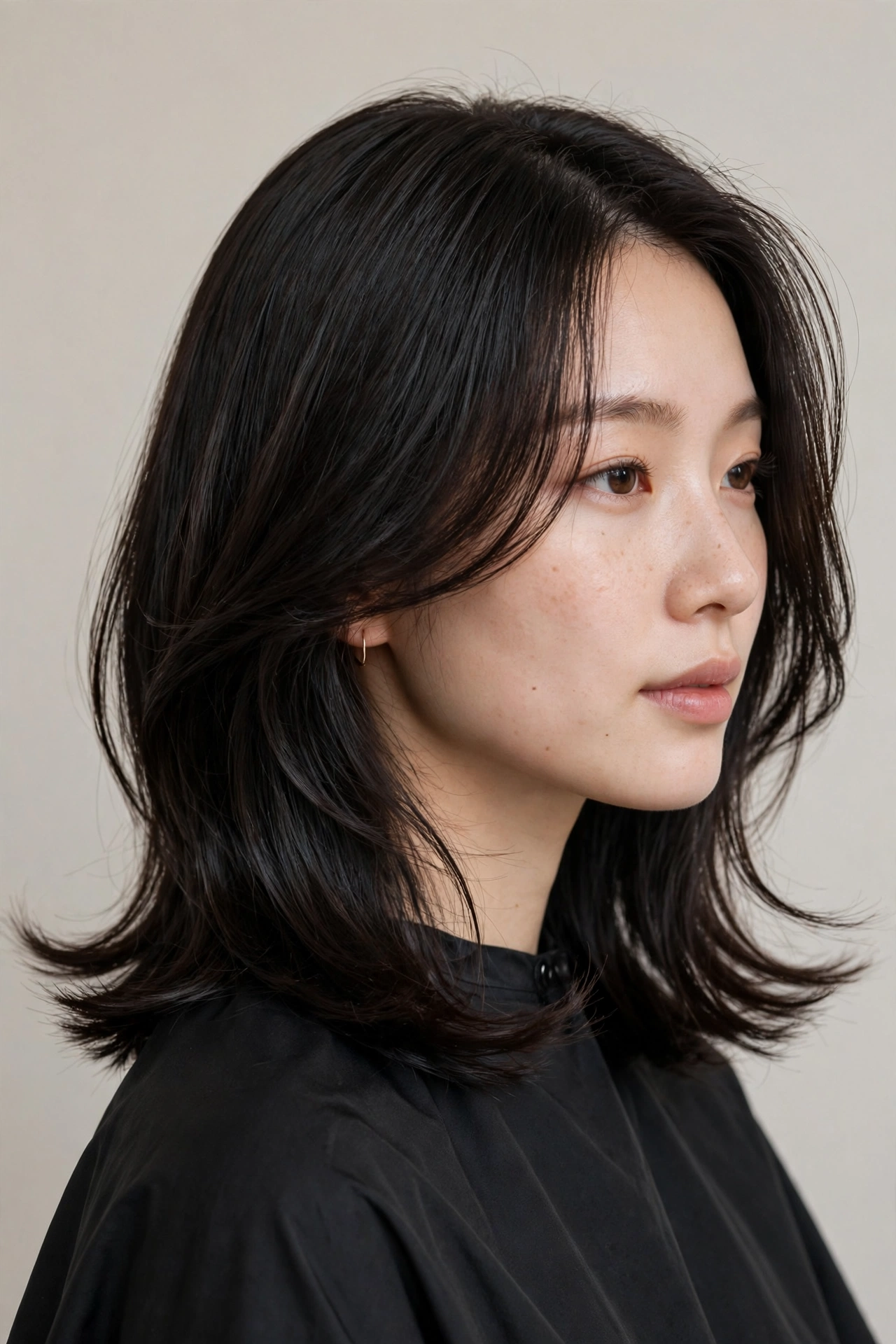
11. Hush Cut with Face-Framing Layers
This version pushes the face-framing to the front of the show: shorter, more deliberate layers around the face that start high at the cheekbones and create maximum contouring effect. If your main goal is a slimmer-looking face and brighter eyes, this is your version. The face-framing pieces do all the talking while the back stays soft and simple.
Ask your stylist to start the shortest face-framing pieces at the cheekbones and graduate them down to blend with the overall length. The key is the blend; harsh steps around the face look dated, so insist on soft, seamless graduation. Style the front pieces with a round brush, curling them slightly inward toward the face for that contouring C-shape. This version is especially flattering on round and square faces. Pair it with our butterfly haircut guide for more face-framing inspiration, since the two cuts share DNA.
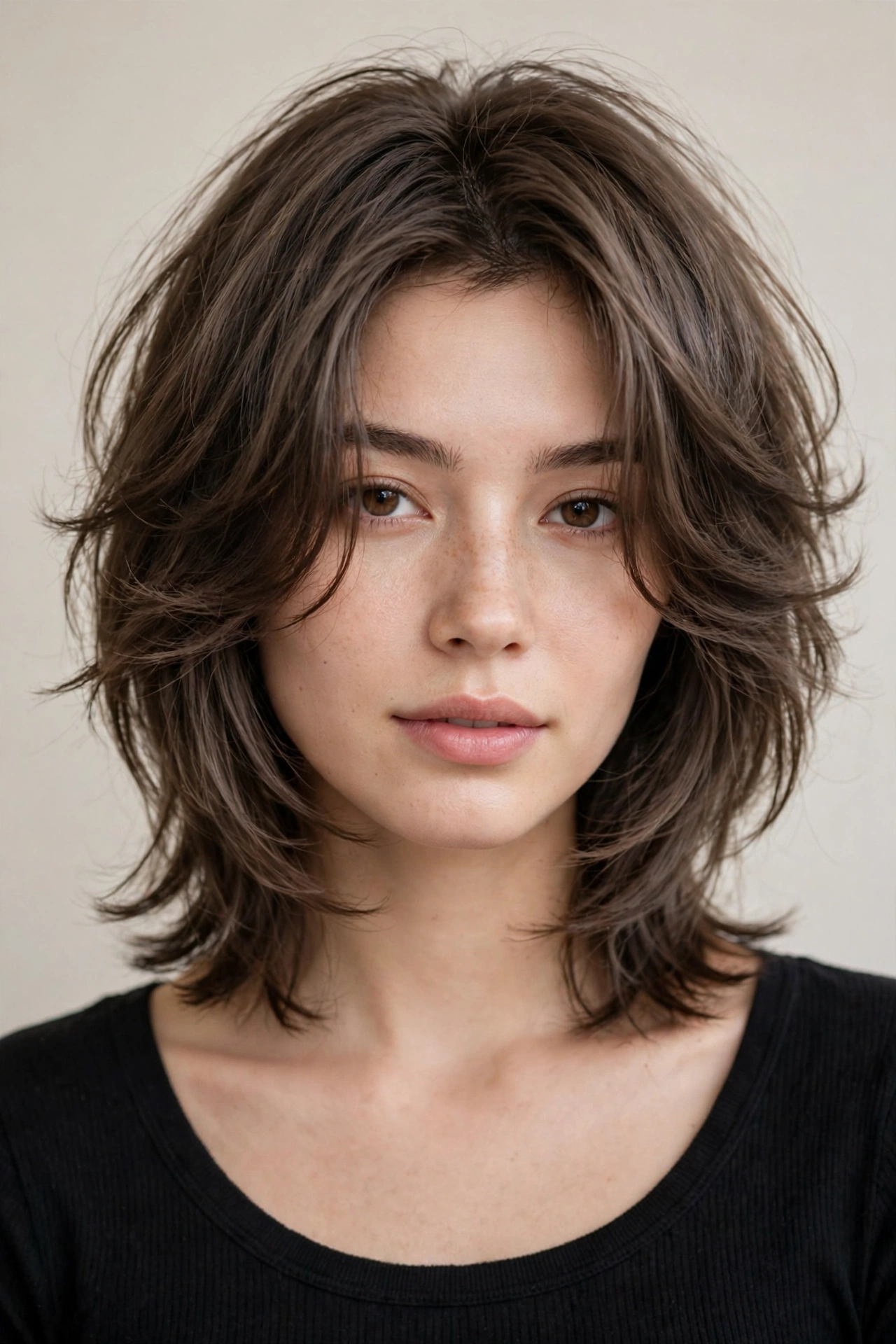
12. Shoulder-Length Hush with Flipped Ends
The flipped ends take the hush cut’s feathered texture and turn the volume up: instead of ends that just softly taper, these are styled to flip outward decisively, giving the cut a bouncy, retro-fresh energy. It’s playful, it’s feminine, and it has a subtle 90s supermodel quality that feels very right in 2026. The flip shows off every layer you’ve got.
The cut needs enough layering through the ends for the flip to read clearly, so ask for texturized, piece-y ends rather than blunt ones. Styling is where the magic happens: blow-dry with a medium round brush, rolling the ends outward and holding for a few seconds to set the flip. A flexible-hold hairspray keeps the flip alive through the day. This version suits medium-density hair at shoulder to collarbone length and flatters heart and oval faces. It’s a little more styling effort than the air-dry versions, but the payoff is significant.
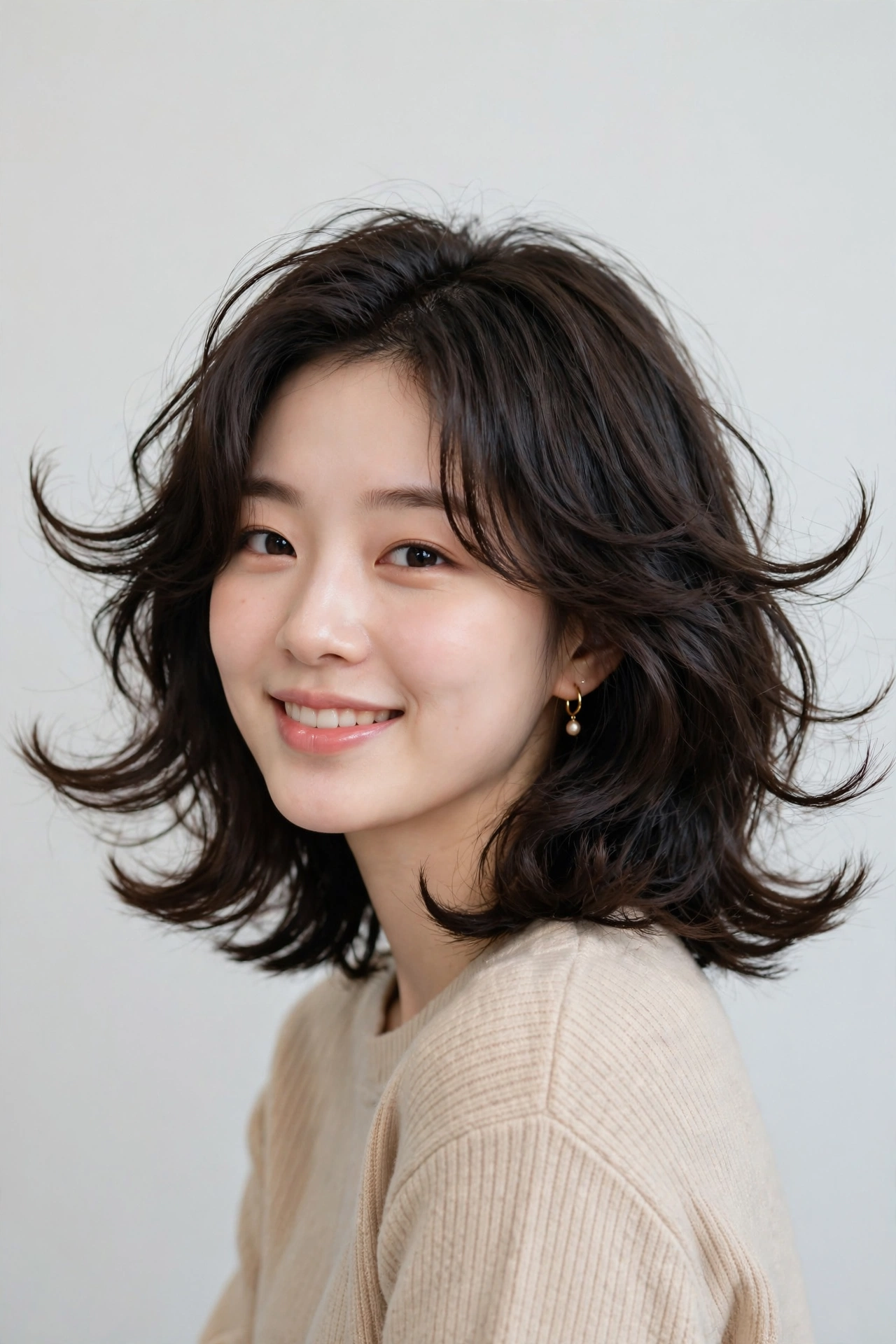
13. The Side-Part Hush Cut
A deep side part transforms the hush cut’s whole personality. Instead of the soft symmetry of a middle part, you get drama: volume sweeping across the forehead, layers cascading asymmetrically, and an overall look that’s glamorous rather than girlish. It’s the evening version of the hush cut, and it’s stunning.
Ask your stylist to cut the layers with the side part in mind, keeping the heavy side slightly longer so the sweep has weight. You can also just restyle your existing hush cut with a side part; the layers are versatile enough to adapt. Style by blow-drying the front section over to the side with a round brush, creating lift at the roots. This version adds instant volume at the crown, which makes it great for fine hair, and it suits round faces beautifully since the diagonal line slims and elongates.
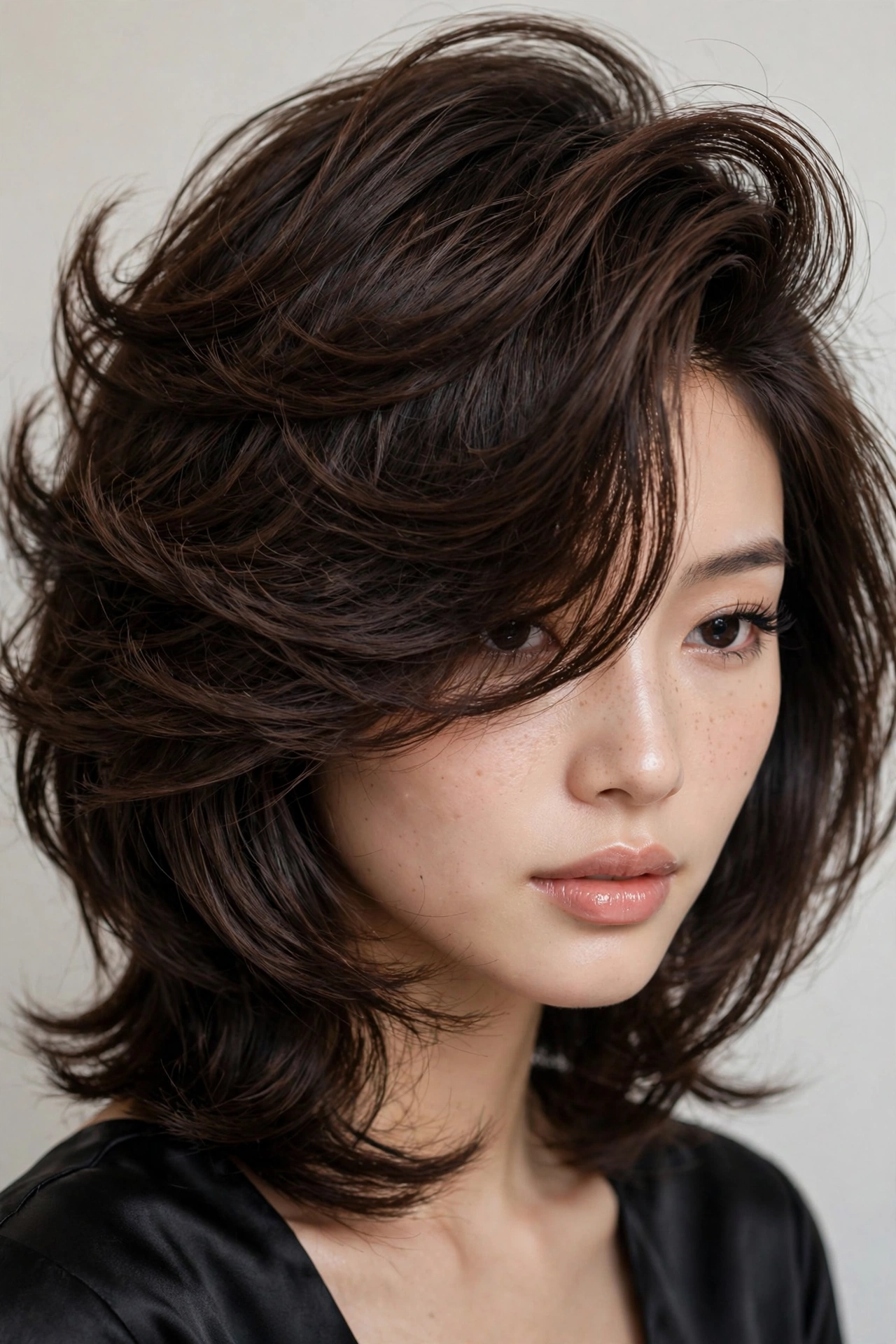
14. The Middle-Part Hush Cut
The middle part is the hush cut’s natural habitat. Hair falls symmetrically on both sides, the face-framing layers mirror each other, and the whole cut achieves that balanced, serene quality the name promises. It’s the most authentically Korean way to wear it, and it’s the lowest-effort styling option since you’re just letting the cut do what it was designed to do.
This works best with reasonably symmetrical features and hair that parts cleanly in the middle without cowlicks rebelling. The layers should be cut evenly on both sides, with the face-framing pieces hitting at matching points. Style by blow-drying straight down on each side, then flicking the ends outward, or simply air-dry and go. It suits oval and heart-shaped faces best. One honest note: a middle part puts your whole face on display, so if you’re self-conscious about asymmetry, the side-part version is more forgiving.
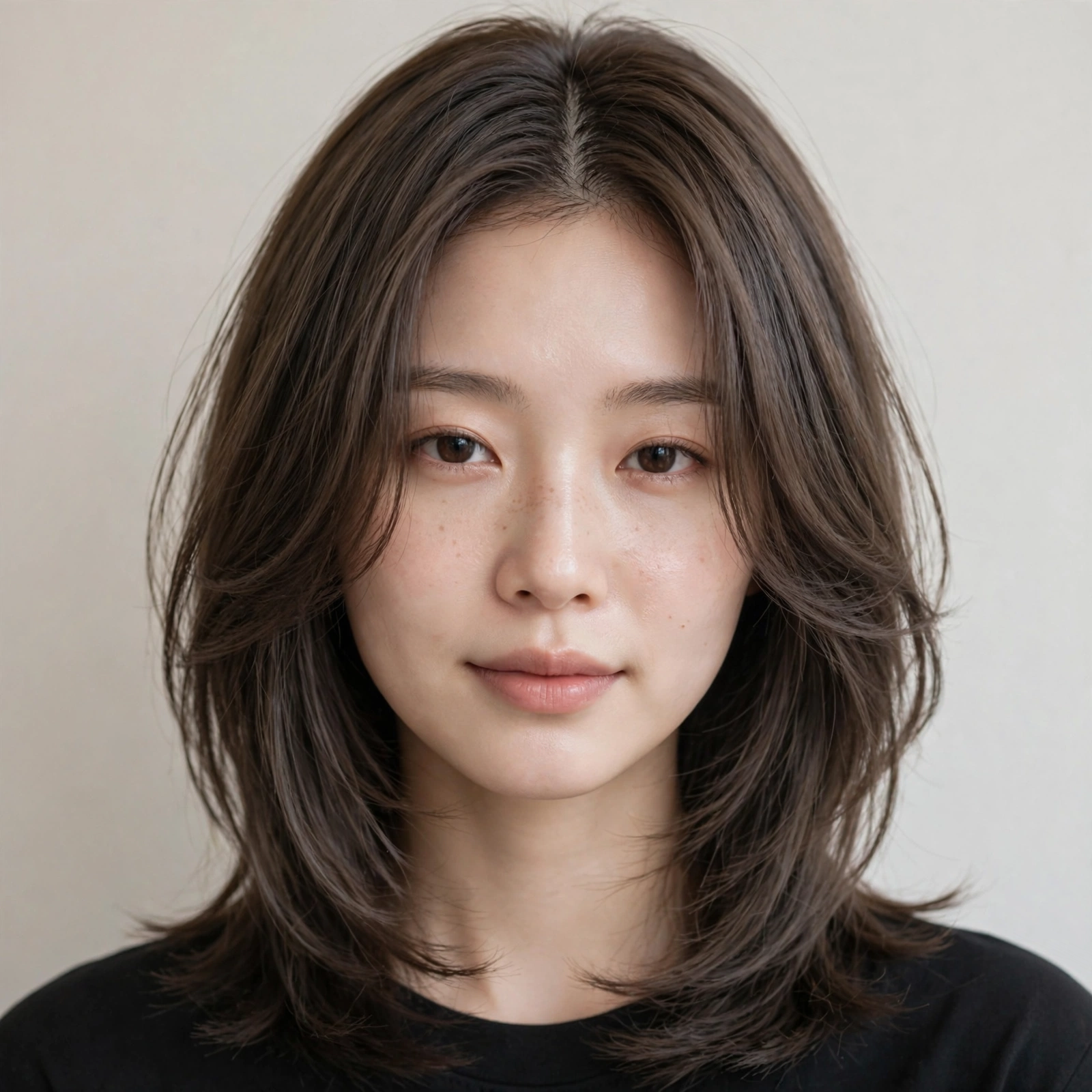
15. The Curly Hush Cut
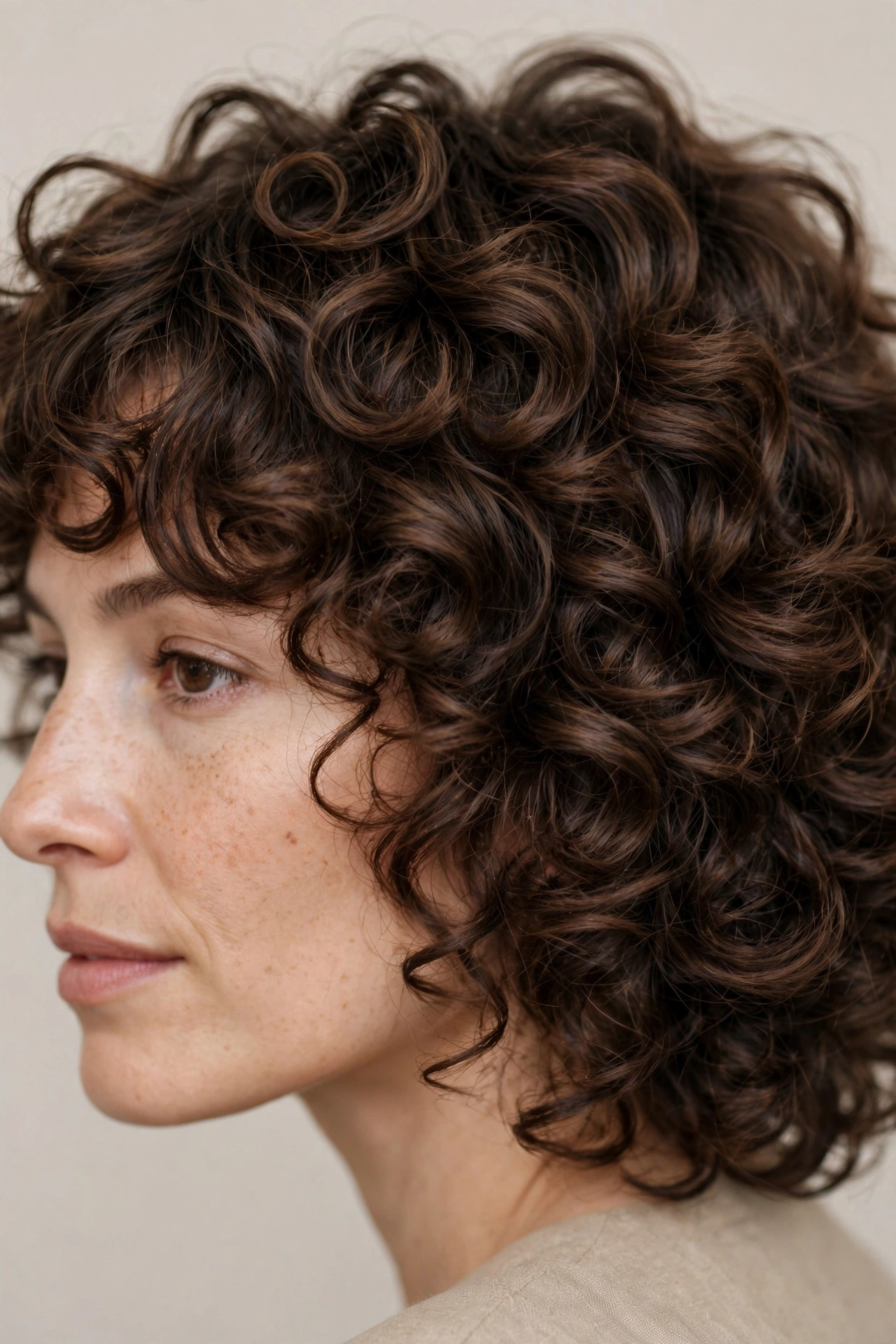
Curly hair plus hush layers equals volume in all the right places. The layering removes the pyramid effect that plagues one-length curly cuts, the face-framing pieces spring into beautiful curls around the cheeks, and the feathered ends keep everything light instead of bulky. It’s one of the most transformative cuts a curly-haired woman can get, provided it’s done right.
Non-negotiable: find a stylist experienced with curls, ideally one who cuts curly hair dry. Layers cut wet will spring up shorter than expected and the whole shape can go wrong. Ask for long, blended layers with the face-framing starting lower than you think, around the jaw rather than the cheekbones, to account for shrinkage. Style with curl cream and gel, diffuse or air-dry, and never brush dry. This version suits all face shapes and is genuinely life-changing for thick, curly hair that’s been feeling heavy and shapeless.
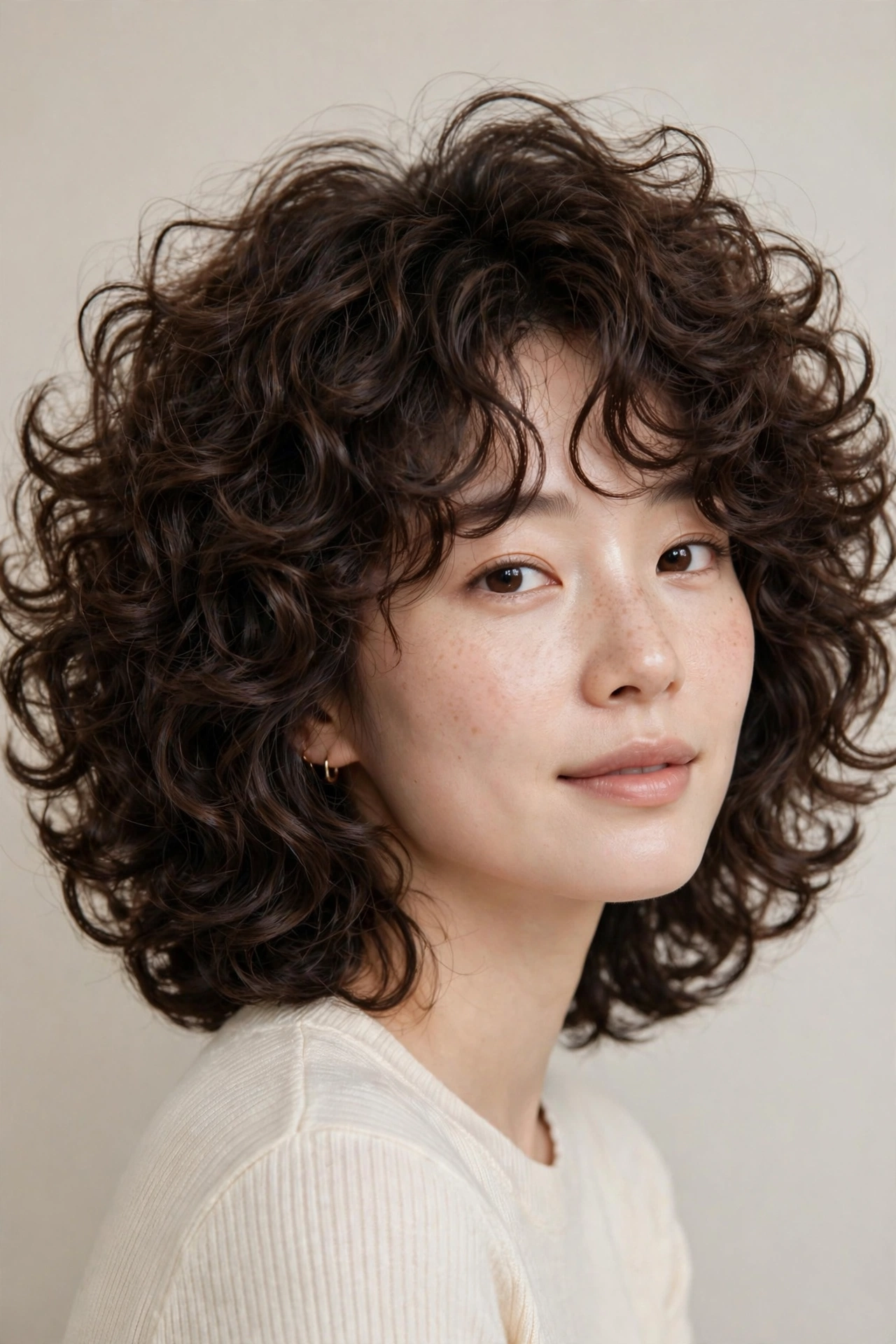
16. Hush Cut with Balayage
Color and the hush cut are a match made in heaven, and balayage is the perfect partner. The hand-painted highlights follow the layers, with lighter pieces concentrated on the face-framing sections and the feathered ends. Every layer becomes visible, every flick catches light, and the whole cut gains a dimension that solid color can’t deliver. It’s the version that gets the most compliments, guaranteed.
Ask your colorist for a soft, lived-in balayage focused on the mid-lengths and ends, with brightness around the face. The grow-out is graceful, which means touch-ups only every 3 to 4 months. Budget $150 to $300 for the color service depending on your location and hair length. Maintain with color-safe shampoo, purple shampoo if you’re blonde, and regular conditioning masks, because lightened ends need extra care to stay feathered rather than frizzy. This works on every version of the hush cut and suits all face shapes.
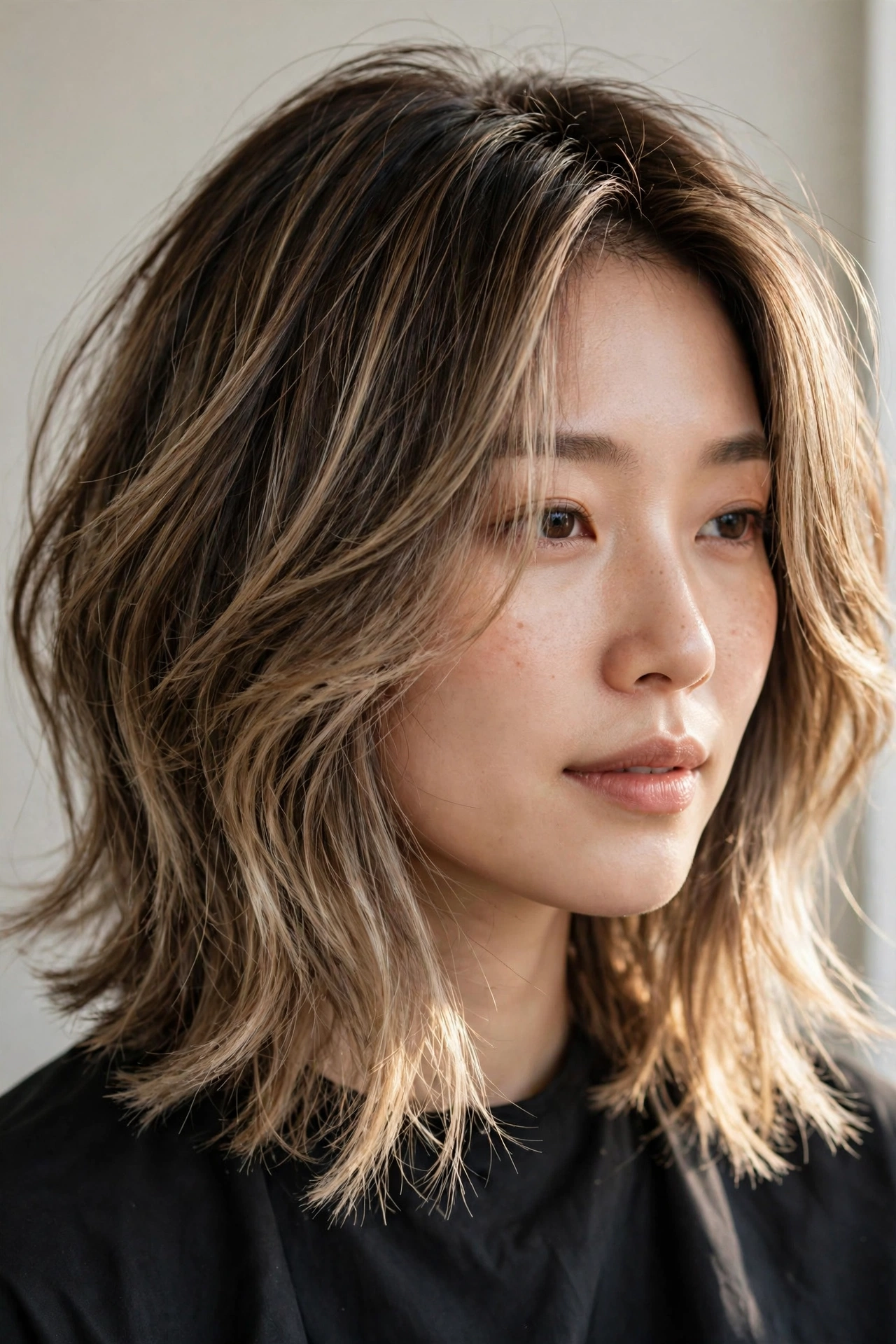
17. The Hush Cut Lob
The lob, long bob, gets the hush treatment: collarbone-grazing length, soft layers throughout, feathered ends, and that perfect not-short-not-long versatility. It’s the haircut equivalent of a great white shirt; it goes with everything and never looks wrong. If you’re torn between short and long, the hush lob ends the debate.
Ask for a lob that hits right at the collarbone with layers starting at the chin and texturized ends. This length is universally flattering, it suits literally every face shape, and it’s long enough to tie back but short enough to feel fresh. Style with a round brush for a bouncy finish or air-dry for effortless texture. It needs trims every 8 weeks to maintain the length sweet spot. For fine hair, this might be the single best hush variation, since the length keeps weight off the roots and the layers build body.
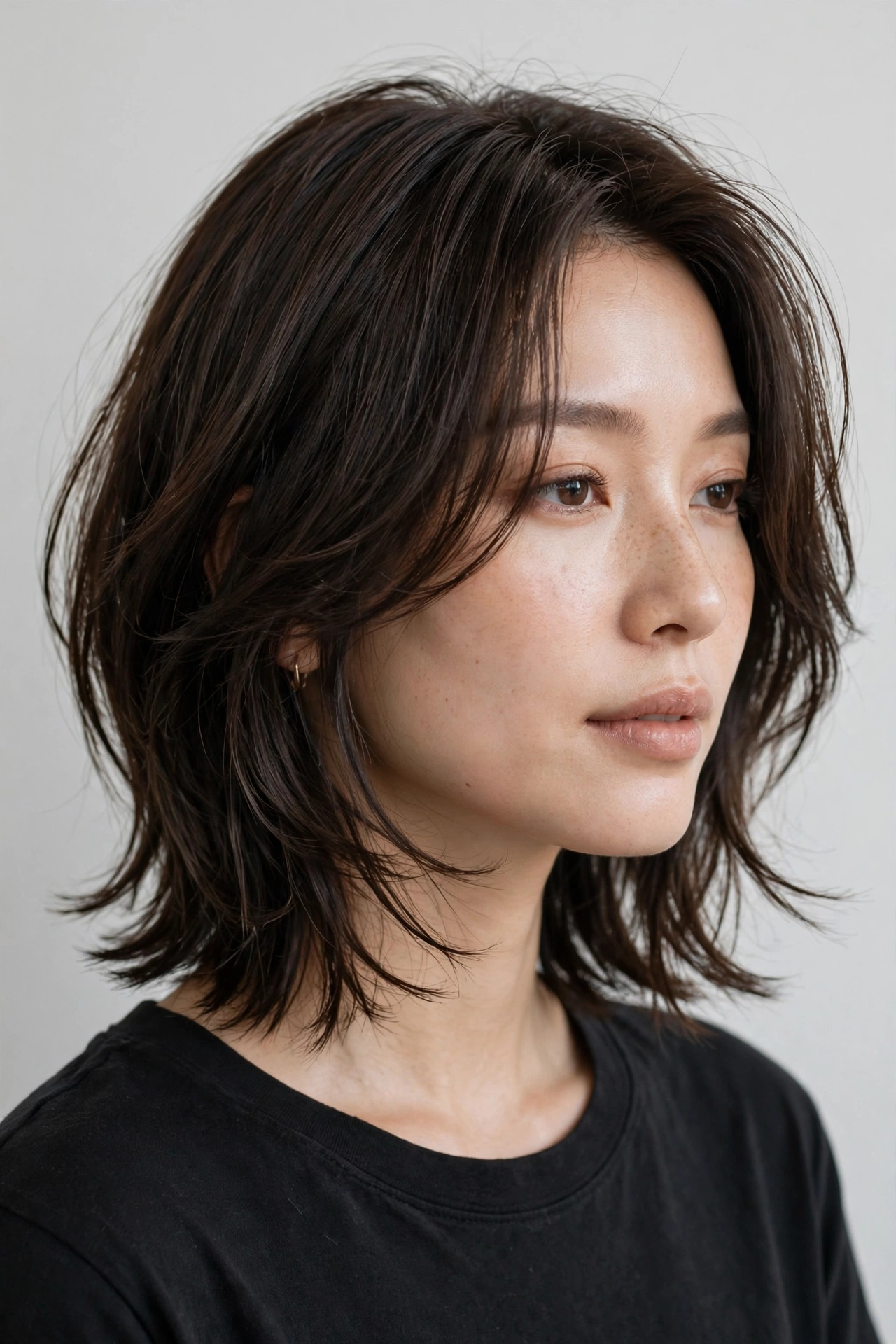
18. Hush Cut for Round Faces
Round faces and hush cuts are a genuinely great pairing when the layering is placed correctly. The strategy: keep the volume at the crown, not the sides; start the face-framing layers at or below the chin, never at the cheekbones; and let the longer layers create vertical lines that elongate the face. Done right, it’s contouring without makeup.
Be explicit with your stylist: “I want the layers to slim my face, so keep the shortest pieces long and the volume on top.” Avoid the classic cheekbone-grazing layers, which can widen a round face. A middle or deep side part both work; the part matters less than the layer placement. Style with root lift at the crown, a volumizing mousse helps, and keep the sides smooth and close to the face. This customized version proves the hush cut isn’t one-size-fits-all; it’s a technique your stylist should adapt to you.
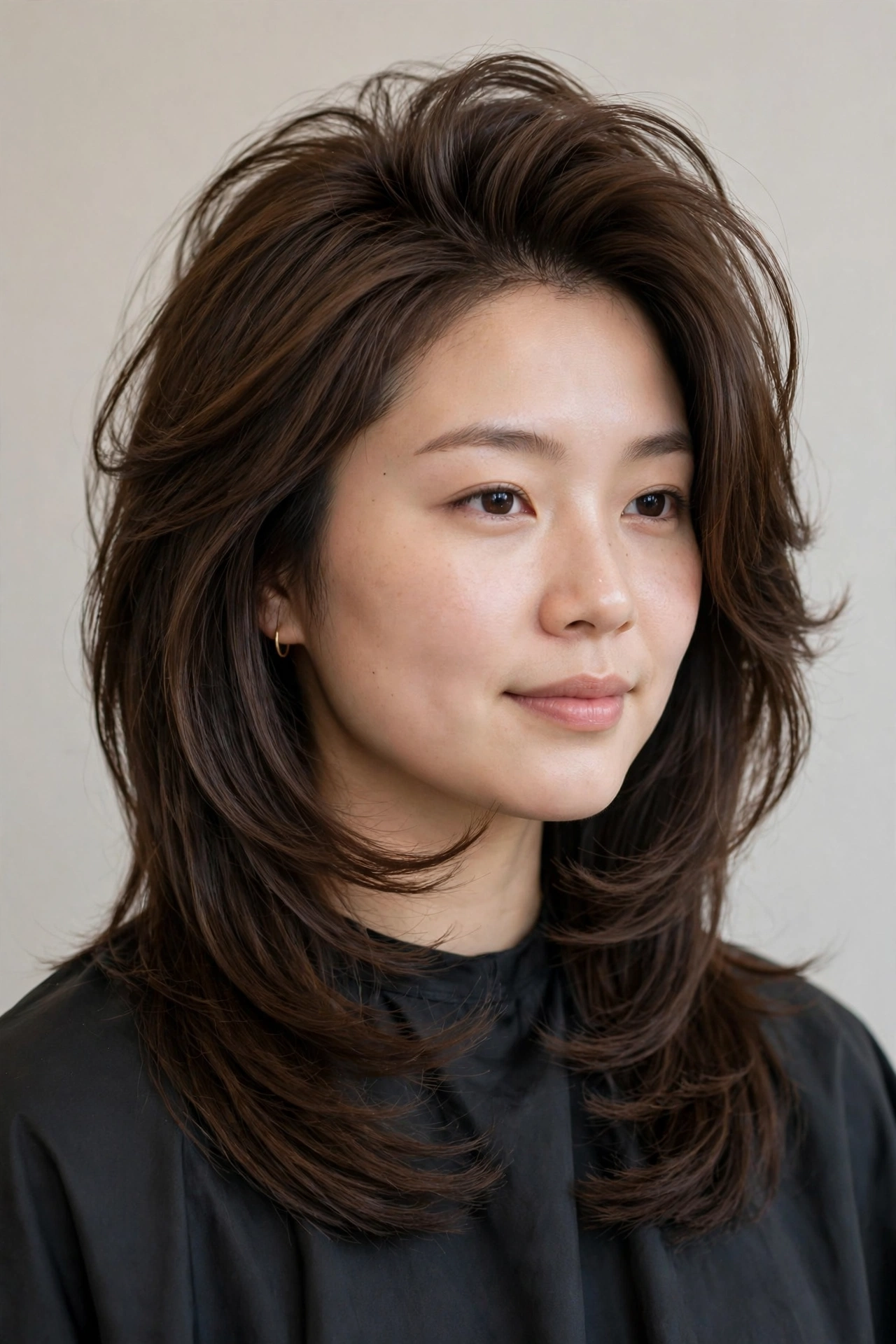
19. The Wispy-End Hush Cut
This version takes the hush cut’s signature feathered ends and pushes them to the extreme: ends so finely texturized they’re practically translucent, creating an ethereal, fairy-like finish. It’s the softest, dreamiest take on the trend, and it looks incredible in motion. Every head-turn becomes a hair commercial.
Achieving this requires serious razor work or point-cutting through the last few inches, so it demands a skilled stylist; a heavy hand here just creates split ends. It works best on medium to thick hair that can afford to lose density at the ends; fine hair will look wispy in the wrong way. Maintain with regular lightweight oil on the ends to keep them smooth, and trims every 8 weeks before the wisps turn ragged. This version suits oval and long faces beautifully and pairs gorgeously with soft, dimensional color.
20. The Short Hush Cut
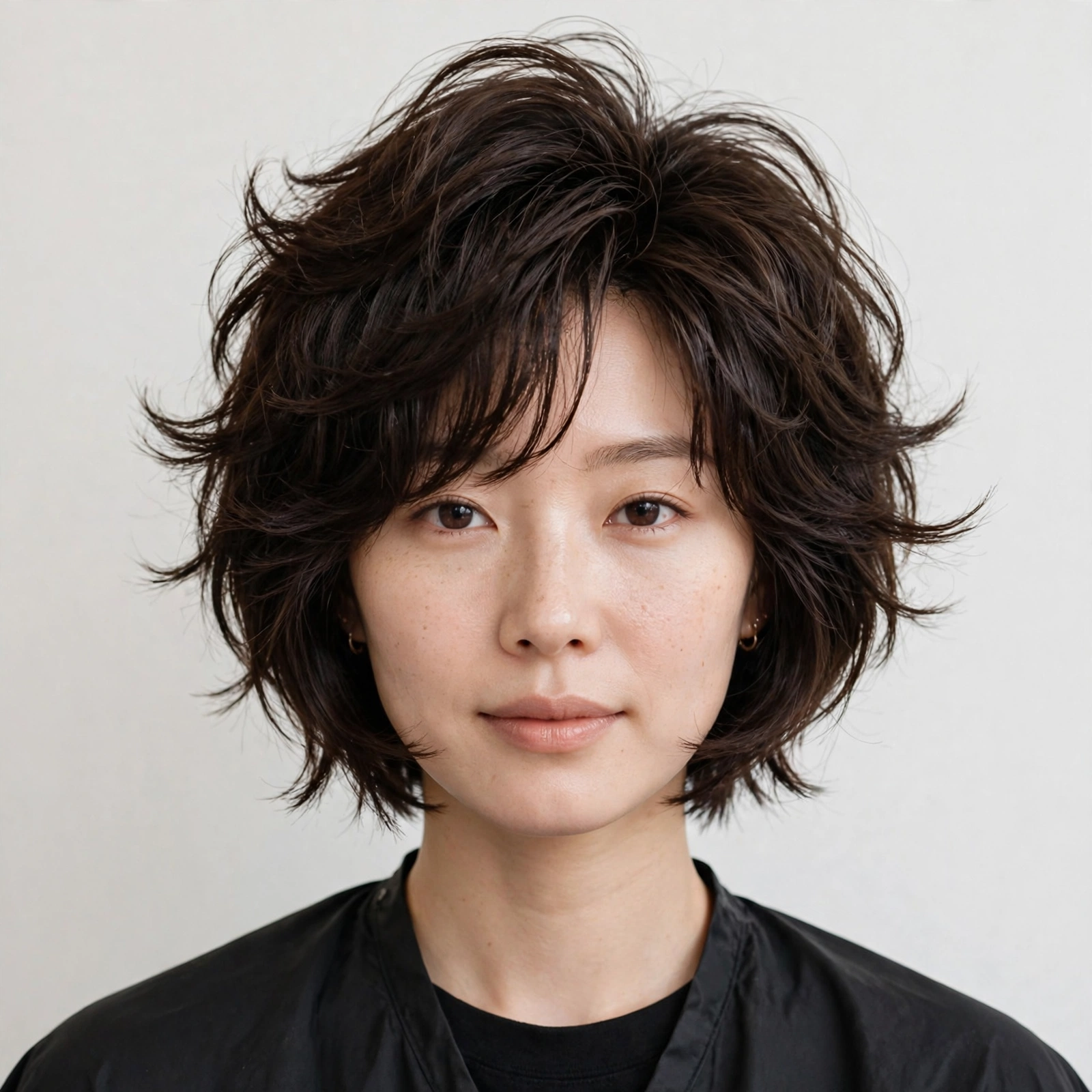
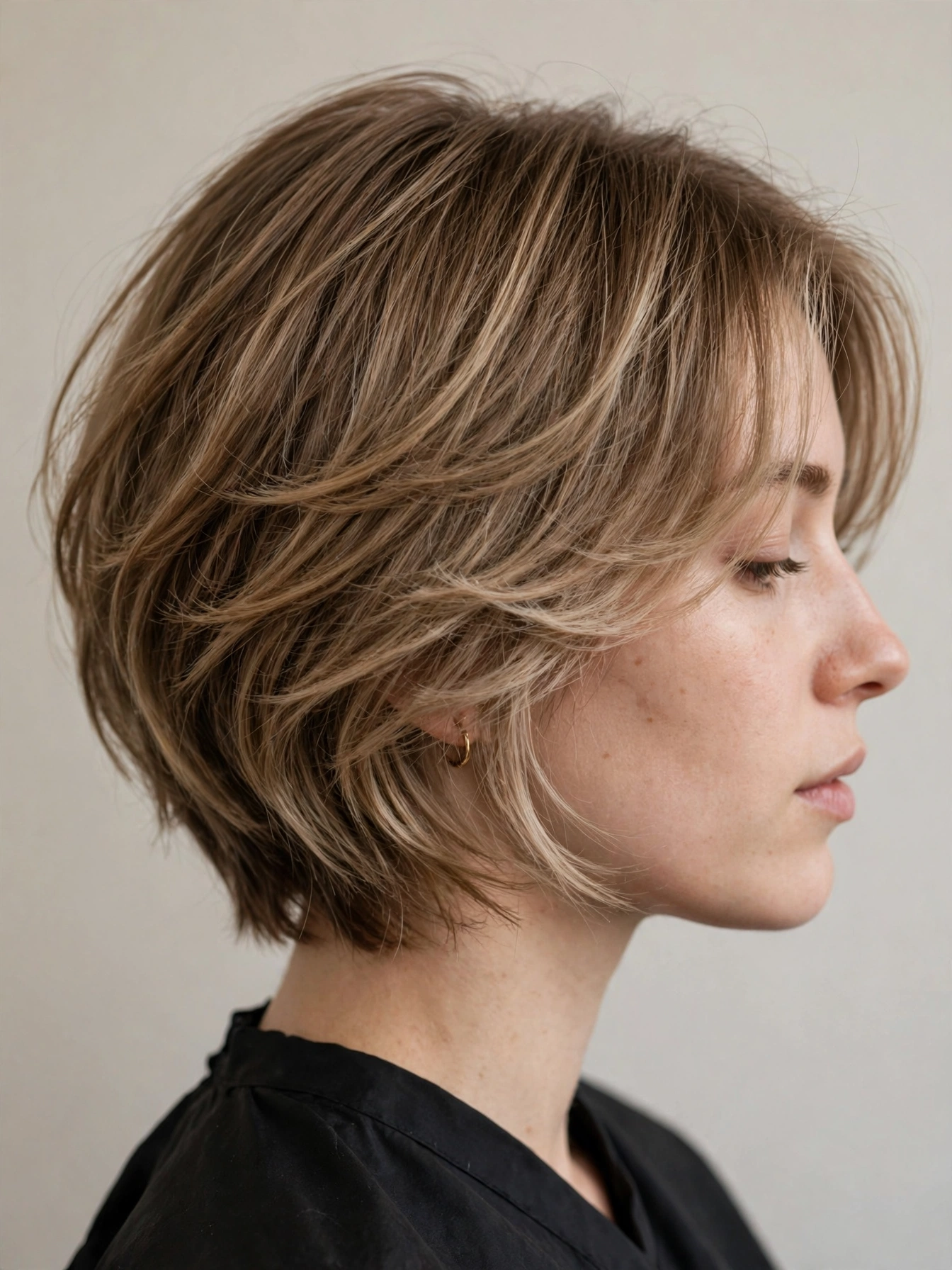
The shortest take on the trend: a chin-length hush with bold crown layers and feathered ends that barely brush the jaw. It’s chic, it’s French-adjacent, and it proves the hush philosophy works at any length. This is the version for women who love short hair but are bored of blunt bobs and pixies.
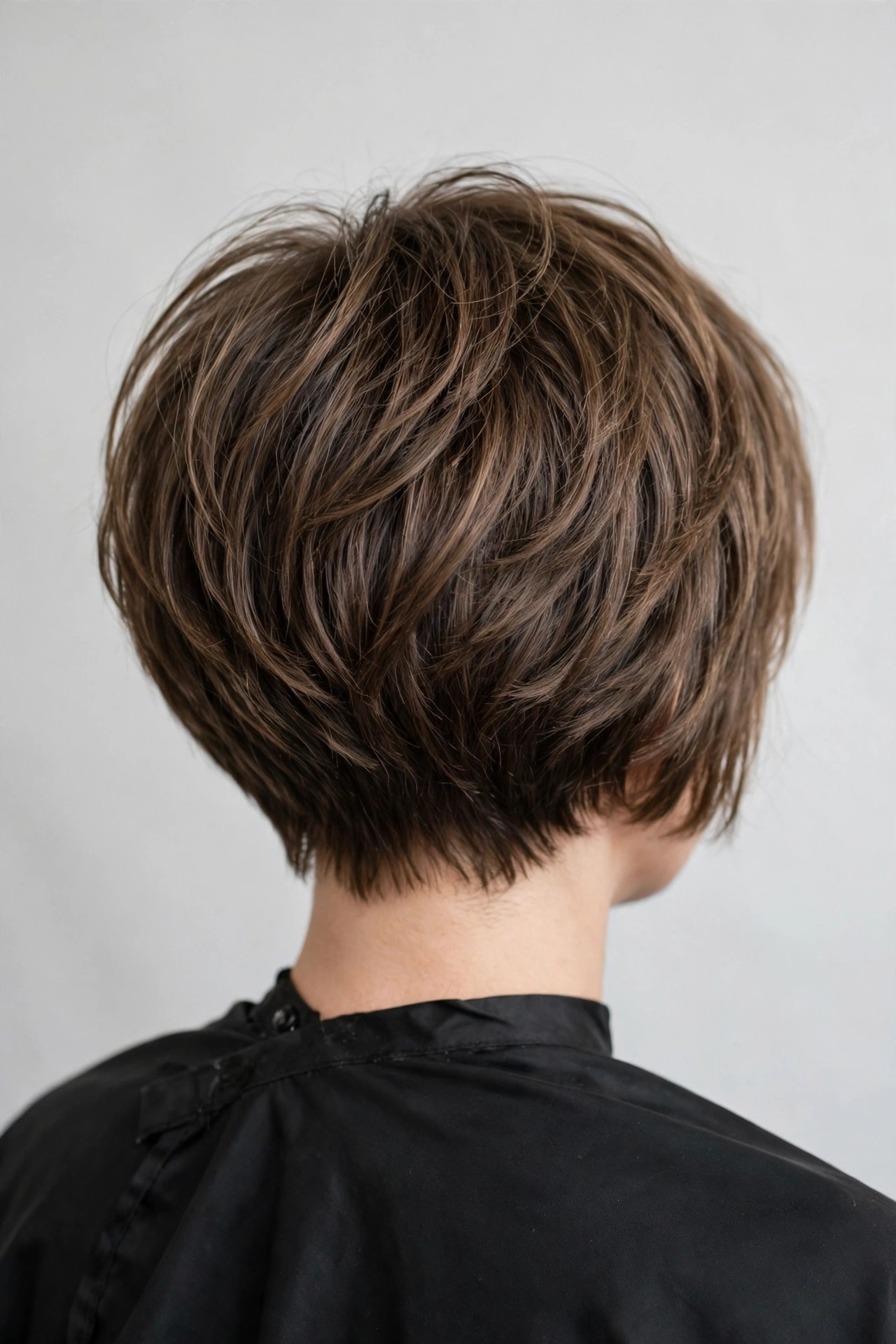
Ask for heavy layering through the crown with the length sitting at or just below the chin, and ends texturized to flick outward. The crown volume is the star here, so style with a round brush lifting at the roots, and don’t be afraid of texture spray for piece-y definition. It suits petite features and oval, heart, and diamond faces especially well. Trims every 6 weeks keep the shape crisp. If you’re curious about short bang pairings, our cloud bangs guide covers the softest fringe options.
How to Ask Your Stylist for the Hush Cut
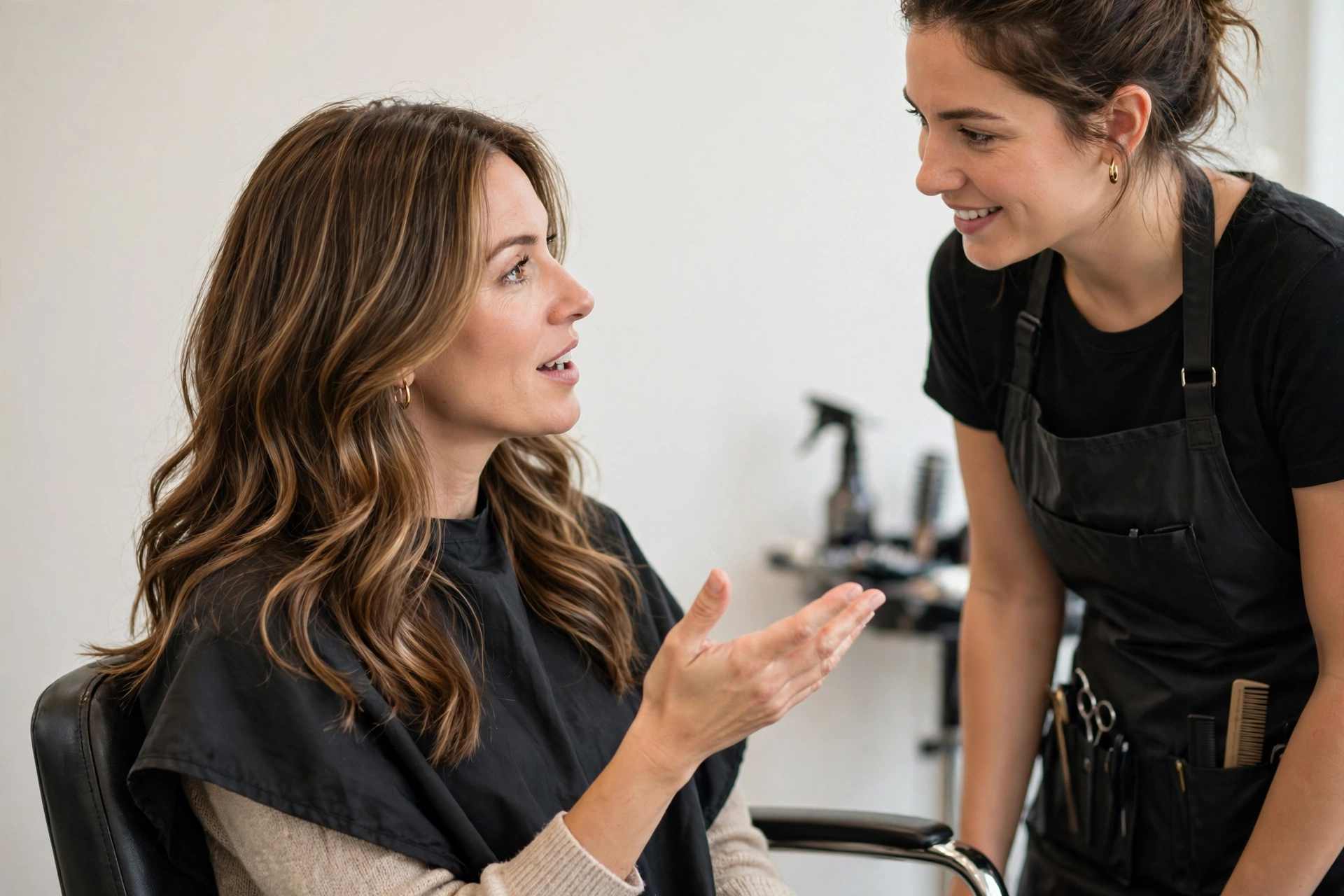
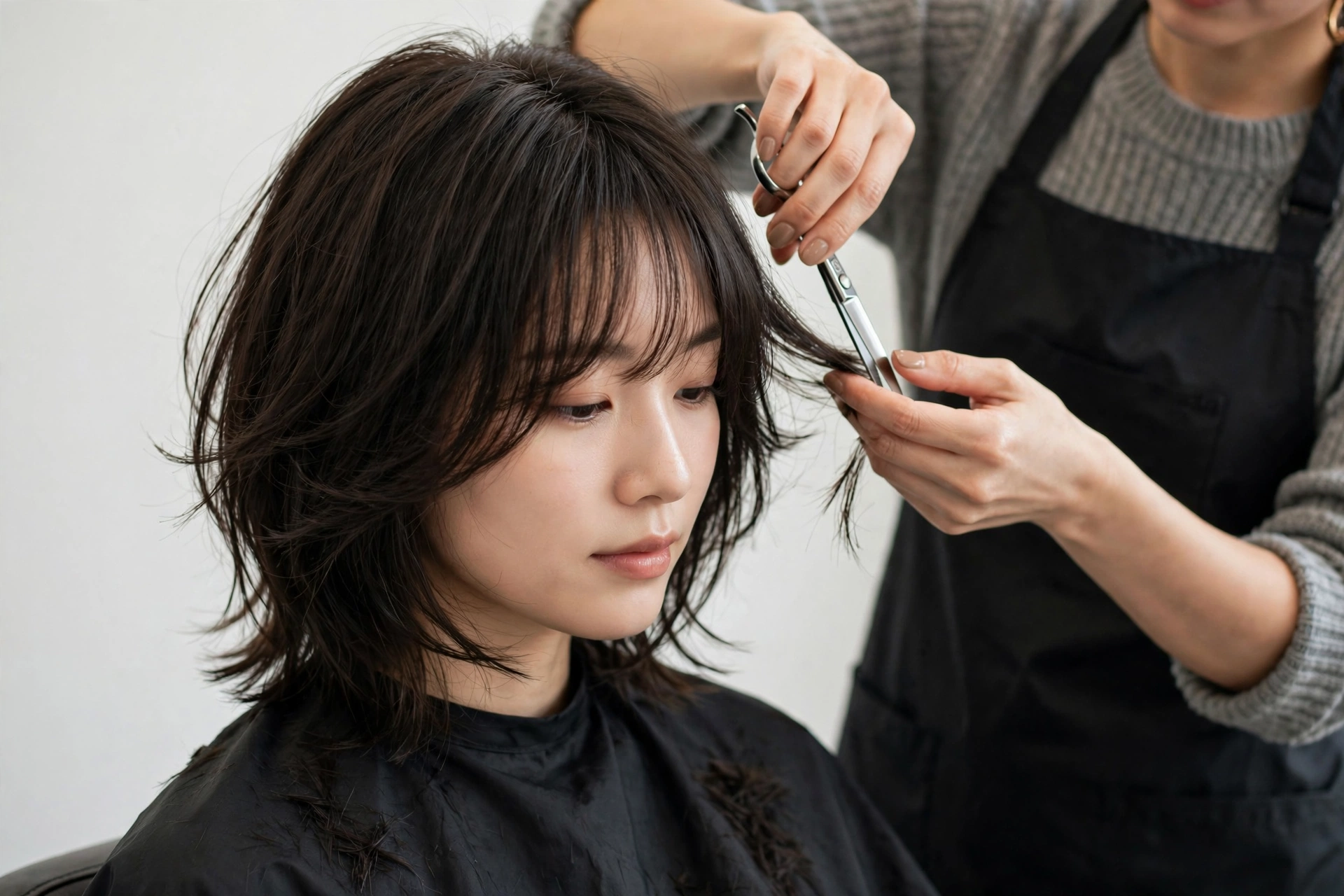
Here’s your word-for-word script: “I want a hush cut, medium length, with soft blended layers starting around my cheekbones, feathered wispy ends, and no harsh steps. I want it to look soft and airy, not choppy like a wolf cut. And I’d like [your bang choice: see-through bangs / curtain bangs / no bangs] to blend into the face-framing layers.” That one sentence tells your stylist the length, the layer placement, the texture, what you don’t want, and the bangs. It’s a complete brief.
Photos are still essential, because “hush cut” means slightly different things to different stylists. Save three: your ideal overall result, a close-up of the layering and ends you like, and one showing the bang style you want. Also tell your stylist the truth about your routine: “I air-dry most days” versus “I’ll do a round-brush blowout” changes how they cut the layers. And ask them to style it once in the chair while you watch. Seeing the round-brush technique on your own head is worth more than any tutorial.
How to Style the Hush Cut at Home
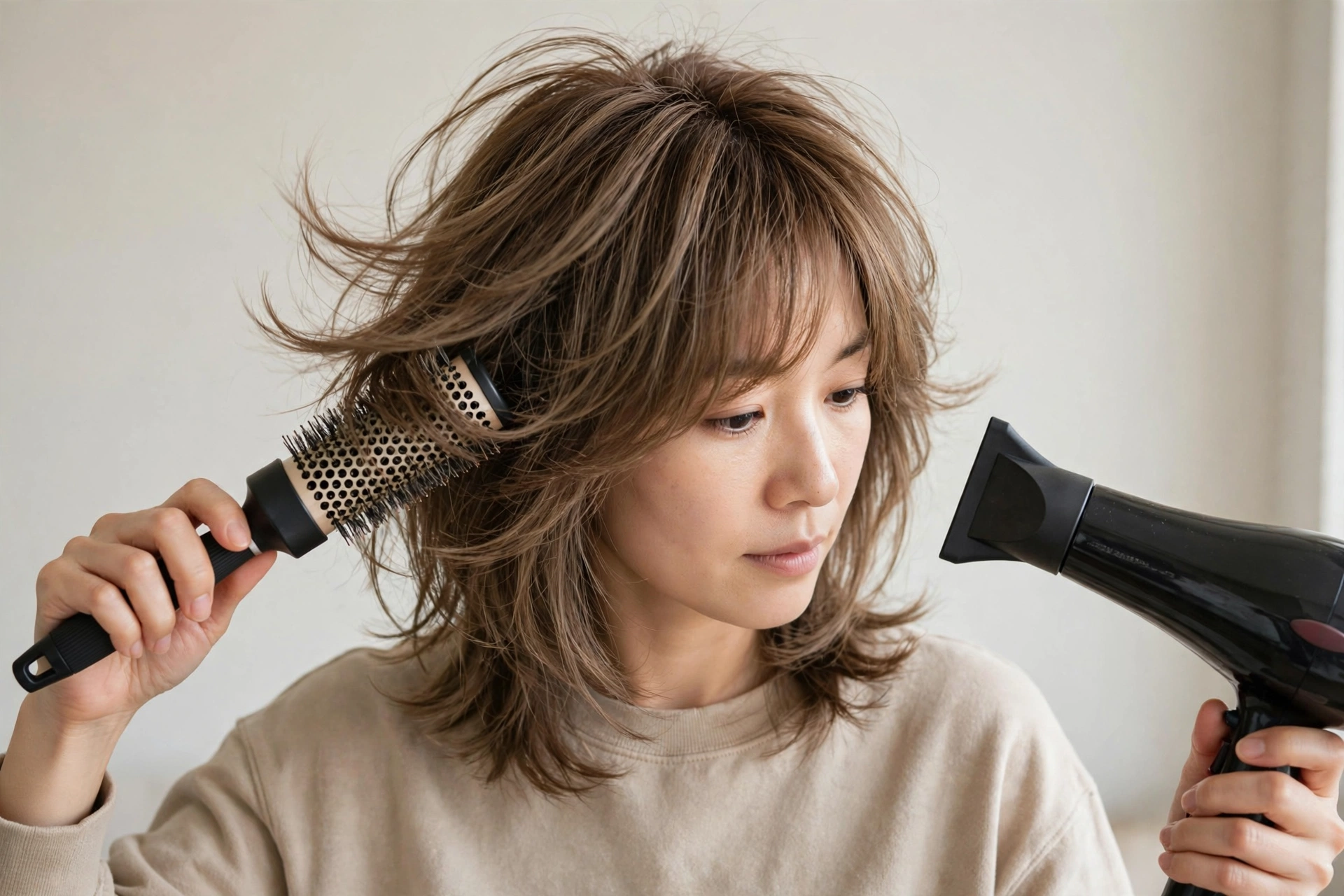
The hush cut’s reputation as low-maintenance is deserved, but “low-maintenance” doesn’t mean “no technique.” The 10-minute routine: start with damp hair and a heat protectant, then blow-dry with a medium round brush, working in sections. The key move is the C-curl: wrap each section around the brush, dry it, and let it cool for a few seconds before releasing. That cooling step is what sets the soft inward curl at the ends. Finish the face-framing pieces by curling them slightly toward the face.
For the air-dry version, apply a leave-in cream or light styling essence to damp hair, scrunch gently, and let it dry naturally. You won’t get the polished C-curl, but you’ll get soft, natural movement that still shows the layers. A pea-sized amount of hair oil or serum on the ends adds shine and keeps the feathered texture smooth. Dry shampoo at the roots on day two or three revives the crown volume. Total product lineup: heat protectant, one styling cream or mousse, one oil. That’s genuinely all you need.
Will the Hush Cut Suit You? Face Shapes and Hair Types
Let’s be specific. Oval faces: every version works, choose based on your hair type and vibe. Round faces: yes, but customize it, keep the shortest layers at chin level or below and the volume at the crown, as detailed in version 18 above. Square faces: the hush cut is genuinely excellent for you; the soft layers and feathered ends take the edge off a strong jawline in a way blunt cuts can’t. Heart-shaped faces: beautiful pairing, the volume through the mid-lengths balances a narrower chin. Long faces: keep the layers from getting too long and flat; crown volume and bangs both help add width.
Hair types: fine to medium hair is the sweet spot, the layers create volume without sacrificing density. Thick hair works wonderfully but needs serious weight removal, don’t let a timid stylist under-layer you. Wavy hair is the dream texture here; the cut practically styles itself. Curly hair works with a curl-specialist stylist and adjusted layer placement. Very straight, slippery hair can do the hush cut but may need more styling effort to show the layers; texture spray becomes your best friend. The only real caution: severely damaged or over-processed ends won’t feather nicely, so get a good trim and some conditioning treatments before committing to wispy ends.
Maintaining the Hush Cut
Here’s the good news: the hush cut is one of the lowest-maintenance layered cuts in existence. Because the layers are long and blended, they grow out gracefully without that awkward shelf phase. Plan on trims every 8 to 10 weeks, and even then it’s mostly end maintenance and re-texturizing rather than reshaping. Byrdie’s stylist-backed guide to the hush cut confirms the low-maintenance reputation, with pro tips on keeping the layers fresh between appointments. If you have bangs, those need attention every 3 to 6 weeks depending on the style, but many salons offer complimentary bang trims between appointments. Ask yours.
At-home maintenance is about end health, since feathered ends show damage faster than blunt ones. A weekly conditioning mask, heat protectant before every blow-dry, and a lightweight oil on the ends will keep the layers looking soft instead of crispy. Sleep on a silk or satin pillowcase to reduce friction, and avoid going to bed with wet hair. Budget-wise, you’re looking at $70 to $120 every two to two-and-a-half months, which is refreshingly reasonable for a cut this impactful. The hush cut respects both your time and your wallet.
FAQs About the Hush Cut
Real questions from real women considering the chop, answered straight.
What’s the difference between a hush cut and a wolf cut?
The wolf cut is bold and edgy: short, choppy crown layers with dramatic contrast against long lengths, deliberately undone texture. The hush cut is soft and blended: longer, seamless layers with feathered wispy ends and an overall romantic feel. Think of it this way: wolf cut says rock concert, hush cut says golden hour. If you want drama, go wolf; if you want softness, go hush. Our wolf cut guide breaks down the edgier cousin in full detail.
Can I get a hush cut with short hair?
Absolutely. The hush bob and short hush cut prove the technique works at chin length and above. The principles stay the same, layered crown, feathered ends, soft face-framing, just compressed into a shorter silhouette. Short hush cuts actually need trims slightly more often, every 6 to 8 weeks, since the shape is more defined. They’re fantastic on petite women and anyone who wants wash-and-go simplicity.
Will a hush cut make my thin hair look thinner?
It can, if it’s cut wrong. Aggressive thinning on fine hair removes the density you can’t afford to lose. But a hush cut adapted for fine hair, with longer, fewer layers and light end-texturizing only, actually creates the illusion of more volume through movement and root lift. The key is communicating with your stylist: say “preserve density” out loud. With the right approach, fine hair looks fuller with a hush cut, not thinner.
How often do I really need trims?
Every 8 to 10 weeks for medium to long hush cuts, which is less often than most layered cuts. The blended layers grow out without harsh lines, so you can stretch it if needed. Bangs are the exception: air bangs need trimming every 3 to 4 weeks, curtain bangs every 5 to 6. If budget is tight, prioritize the bang trims, which are often cheap or free, and push the full cut to 12 weeks. Your hair will forgive you.
Can I get a hush cut if my hair is curly?
Yes, and it might be the best decision you make for your curls. The layering eliminates the triangle effect, adds shape, and lets individual curls spring freely. Just find a curl-specialist stylist, ideally one who cuts dry, and expect the layer placement to be adjusted for shrinkage. Curly hush cuts need trims every 10 to 12 weeks and a solid curl routine, cream plus gel, diffusing or air-drying. The results are worth the specialist search.
Final Thoughts
The hush cut earned its 2026 moment honestly. It’s not a gimmick and it’s not a filter; it’s just really smart layering that makes hair do what we all wish hair did naturally. Move, bounce, frame the face, behave with minimal effort. Whether you go classic medium, long and flowing, or chop it into a hush bob, you’re getting a cut that works as hard as you do.
My parting advice: find a stylist who lights up when you say “hush cut,” not one who looks confused. Bring your photos, be honest about your mornings, and give the cut two weeks before you judge it. Layered cuts always need a few washes to settle into themselves. I’m willing to bet that by week three, you’ll wonder why you ever wore your hair any other way.
Conclusion
The hush cut is Korea’s gift to 2026 hair trends — a whisper-soft, face-framing layered cut that looks effortlessly romantic. With its curtain-like layers melting around the cheeks and jawline, it softens angular features and adds airy movement to straight or wavy hair. It’s the ultimate low-drama way to get layers without sacrificing length.
Style it with a round brush and a blow dryer for that bouncy K-drama heroine finish, or let it air-dry for soft, lived-in texture. A lightweight smoothing cream tames flyaways without weighing the layers down. If you want 2026’s most wearable, universally flattering layered cut, the hush cut is calling your name.