Cloud Bangs Women 2026: 20 Wispy, Airy Fringe Ideas
Cloud Bangs Women 2026: 20 Wispy, Airy Fringe Ideas
Every few years, fringe gets reinvented, and this time the reinvention feels like a deep breath. Cloud bangs are the fall 2026 answer to everyone who has ever wanted bangs but feared the commitment: a fringe so light, so wispy, so deliberately airy that sections of your forehead stay visible through it. It does not sit on your face like a blunt fringe. It floats. Spotted on the runways at Gucci, Saint Laurent, and Hermès, and popularised by Camila Cabello, the cloud bang has been called the new star haircut of autumn 2026, and honestly, the name is perfect. It looks like weather, in the best way.
In this guide I am covering everything about cloud bangs for women in 2026. You will get twenty distinct ways to wear them, from the classic long-layer pairing to curly, braided, and colored versions. I will show you exactly what to ask your stylist so you get wisps instead of a wall, how to style them at home in minutes, which face shapes they flatter, how to keep them fresh between trims, and answers to the questions everyone asks before booking the appointment.
Here is why this trend matters more than the average seasonal fringe. Curtain bangs dominated for years, and they were lovely, but they asked for styling every single morning and they grew out into an awkward phase everyone dreaded. Cloud bangs fix both problems. They are designed to look good slightly undone, and because they are cut light and asymmetric, they grow out gracefully instead of staging a rebellion at week six. If bangs have ever burned you before, this is the fringe that might win you back.
What Are Cloud Bangs?
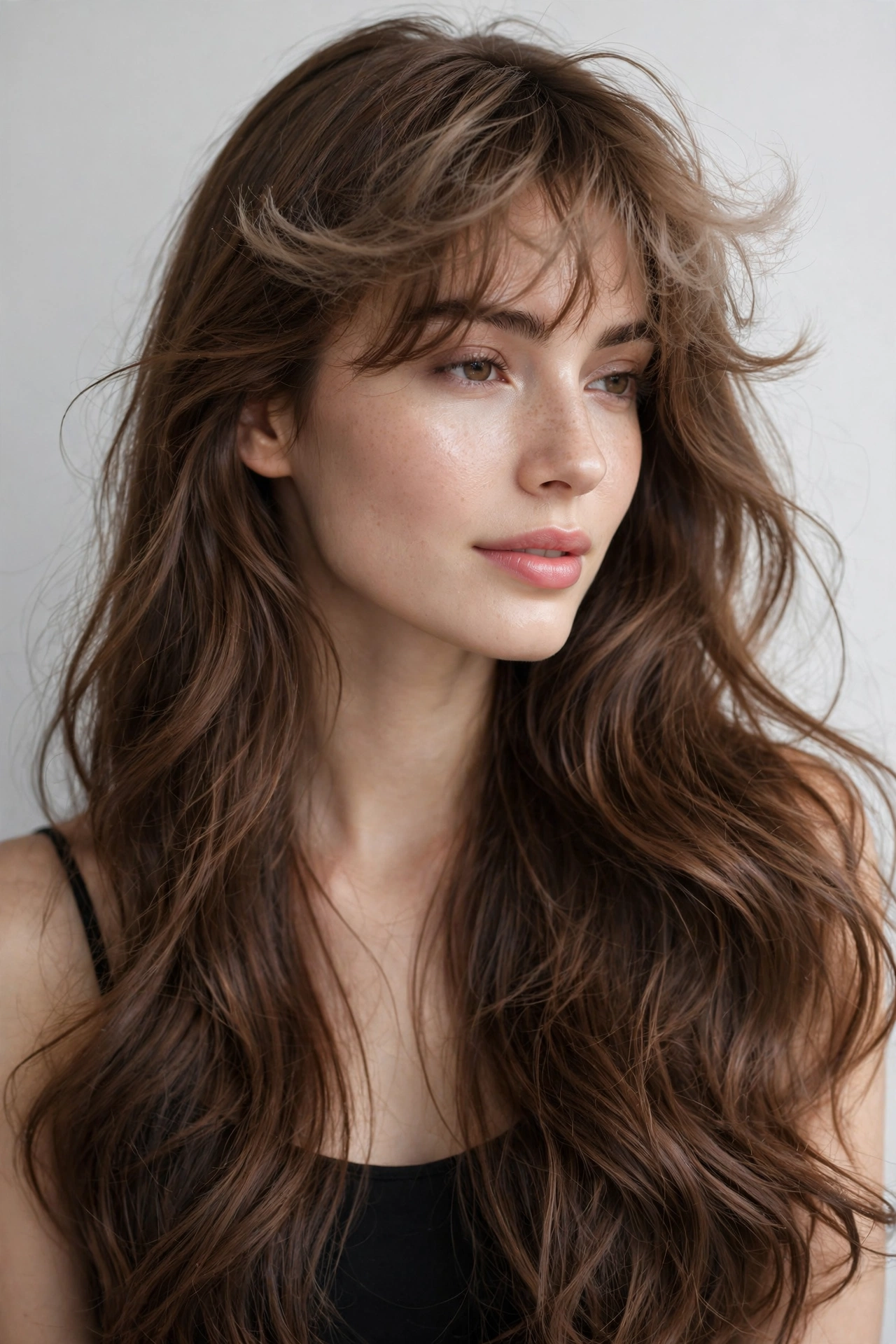
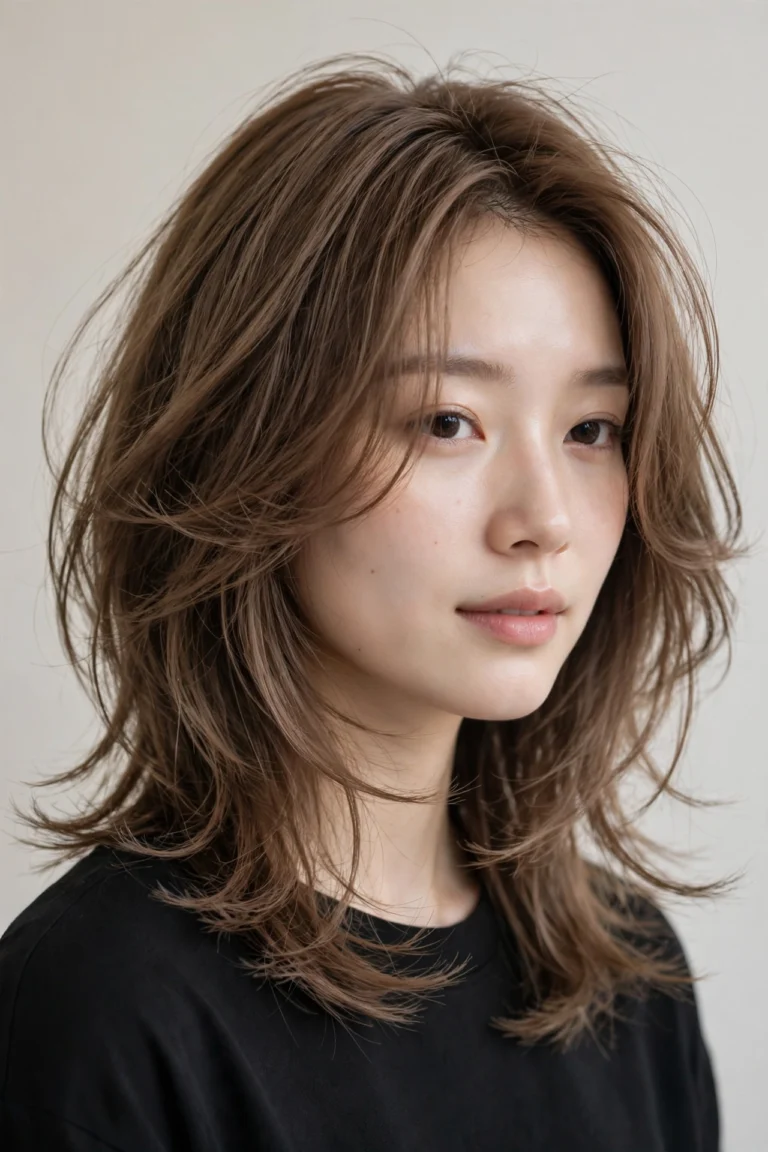
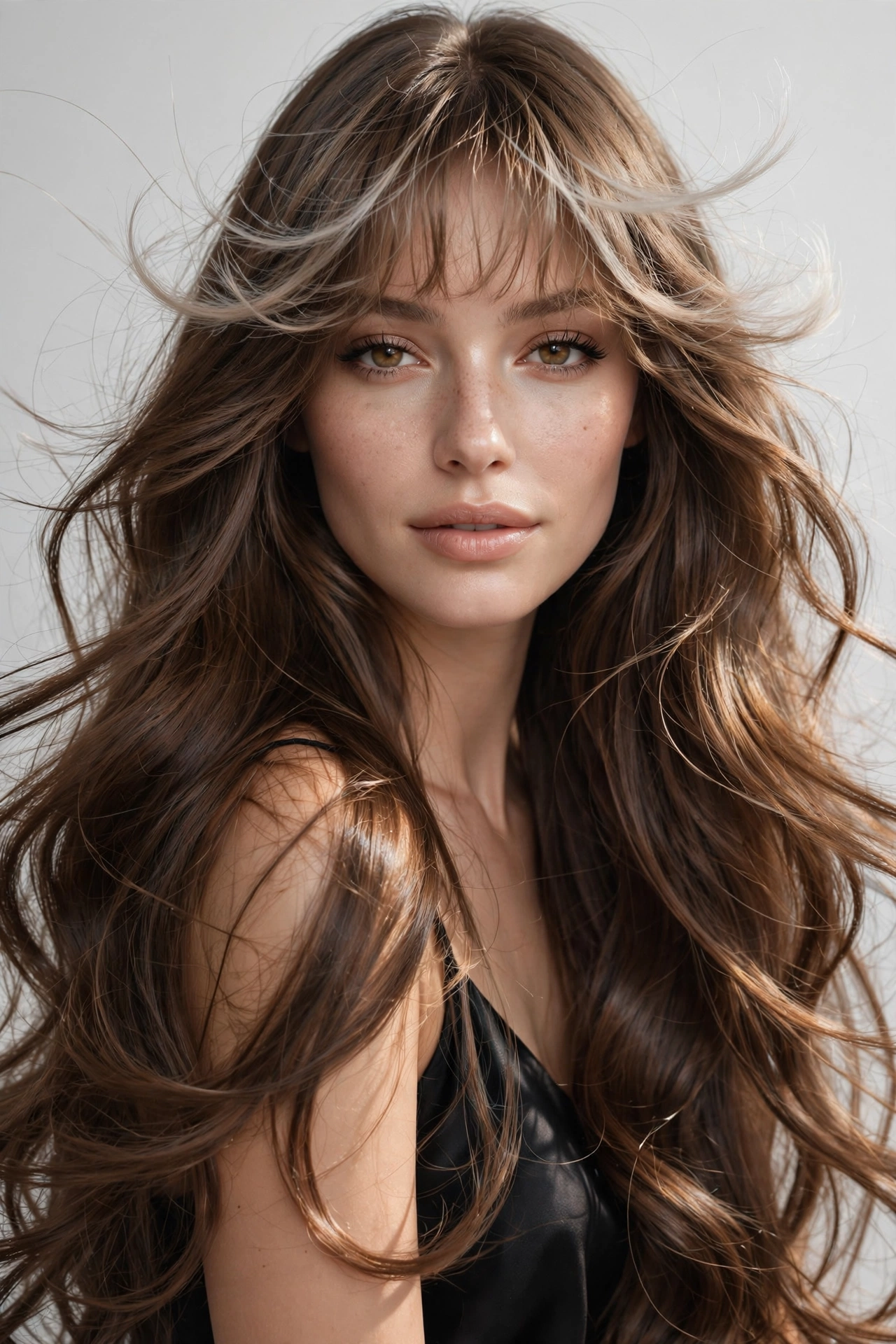
Cloud bangs are a fringe cut with deliberate lightness. Instead of a dense, solid panel of hair across the forehead, the stylist cuts fine, separated strands, often with a razor, that graze the forehead without fully covering it. The pieces are usually asymmetric and slightly uneven, longer at the edges where they melt into the face-framing layers, shorter and wispier through the middle. The texture is the whole point: airy, feathery, moving. When you turn your head, the fringe moves with you instead of sitting like a separate entity.
The technique is what separates cloud bangs from just “thin bangs.” A good cloud bang is cut with soft separation built in, often razor-cut to create those feathered ends, and the density is controlled so light passes through. Sections of forehead remain visible, which is why the look feels so much softer than a traditional fringe. The length typically grazes the eyebrows or sits just above them, with the outer pieces extending toward the cheekbones. It is a fringe that suggests rather than declares.
It helps to know where cloud bangs sit in the fringe family. They are the lighter successor to curtain bangs: where curtain bangs are parted and substantial, cloud bangs are airier and more forgiving. They are close cousins to what Grazia has been calling the whisper fringe, that barely-there, razor-cut fringe worn by Zoë Kravitz and Suki Waterhouse. If you loved the idea of curtain bangs but found the daily styling exhausting, the cloud bangs women are switching to in 2026 are the evolution you were waiting for. For the full curtain story, our curtain bangs with long layers guide is still worth a read.
Why Cloud Bangs Are Trending in 2026
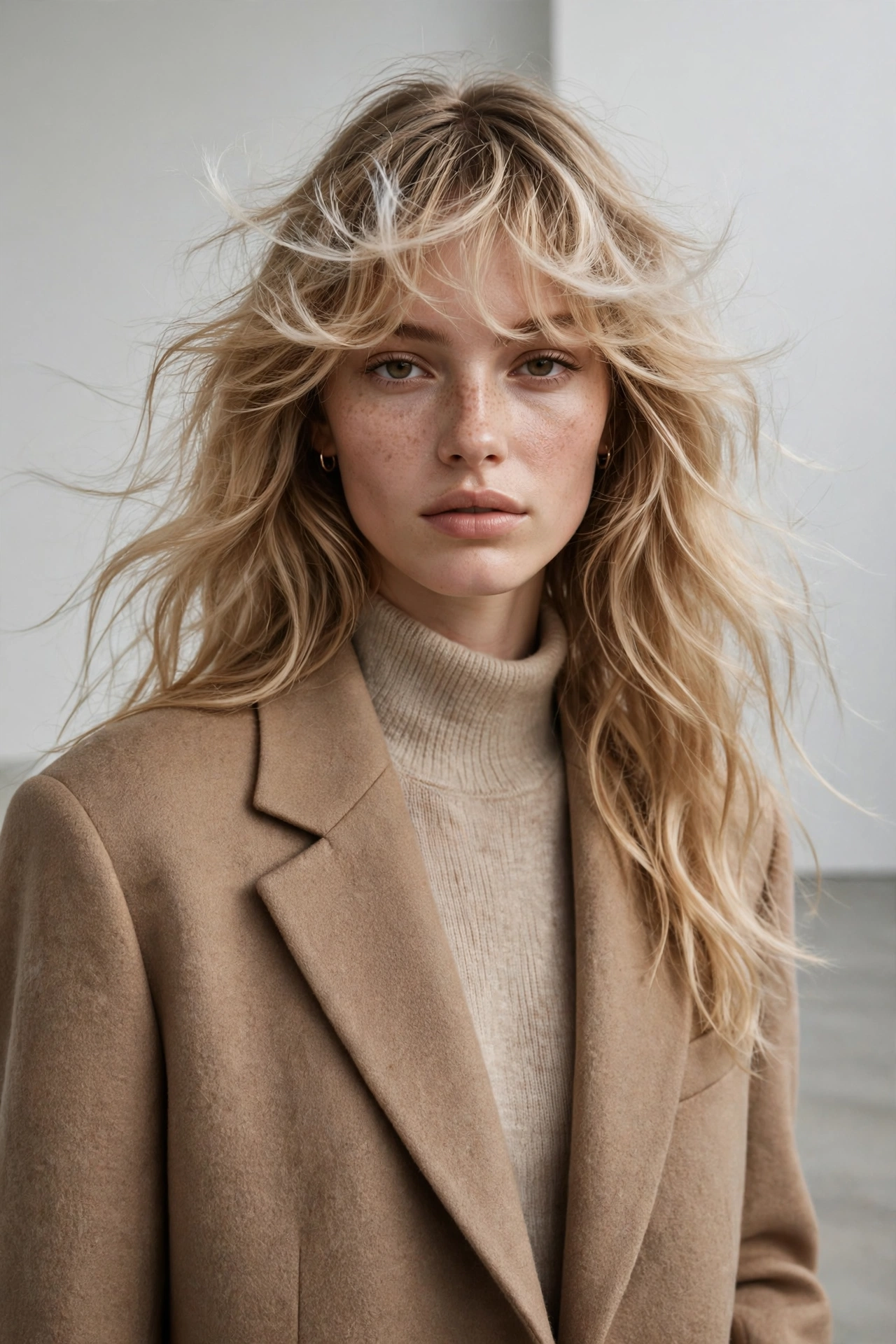
Trends do not emerge from nowhere, and the cloud bang’s rise has very specific roots. The first is runway momentum. Autumn 2026’s shows at Gucci, Saint Laurent, and Hermès all featured versions of this wispy, asymmetric fringe, and when three houses of that caliber agree on a detail, salons feel it within weeks. Paris Select’s trend coverage named the cloud bang the new star haircut of the season, noting that it brings movement and character without requiring a radical chop. That last part is the key to its mass appeal.
The second engine is celebrity adoption, and it matters more than people admit. Camila Cabello popularised the cloud bang as part of her romantic beauty signature, letting airy pieces blend into longer lengths. Around the same moment, Grazia’s fall coverage was tracking the whisper fringe on Zoë Kravitz, Miley Cyrus, and Suki Waterhouse, all variations on the same theme: fringe with air in it. When the most photographed women in the world all land on lightness at the same time, it stops being a coincidence and starts being a direction.
The third reason is the most practical, and it is why this trend will outlast the season. The beauty industry has spent years selling high-maintenance hair, and women are tired. Glossy bobs, expensive brunettes, ultra-smooth blowouts: all beautiful, all demanding. Cloud bangs arrive as the opposite gesture. They look best slightly undone. They grow out without drama. They ask for minutes, not a routine. In a moment when everyone wants maximum impact for reasonable effort, a fringe that practically styles itself is not just trendy. It is a relief.
20 Cloud Bangs Ideas for Women in 2026
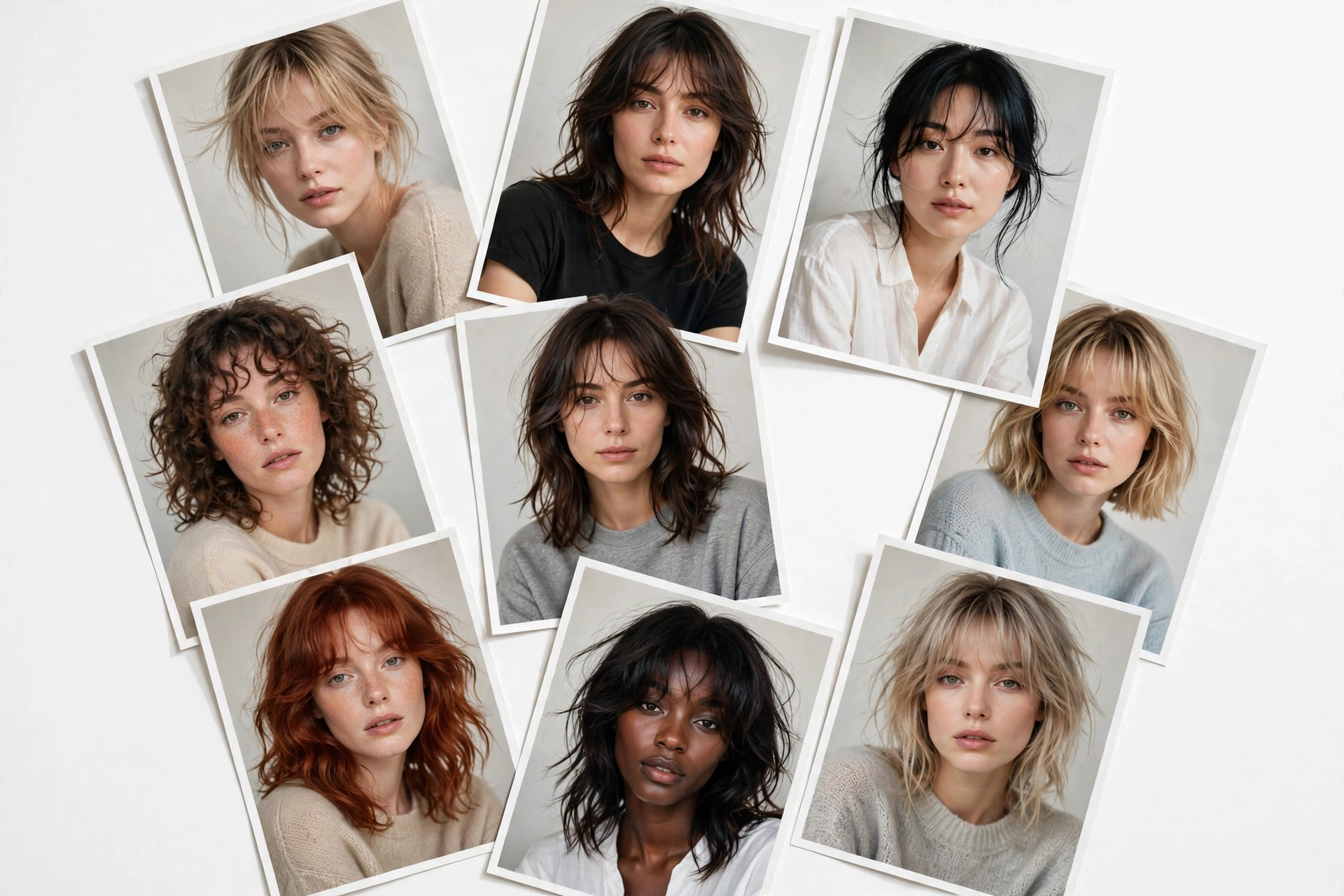
Twenty cloud bangs women are actually wearing in 2026. Some are about the haircut it pairs with, some about texture, some about styling. They are all distinct, and they are all achievable in a normal salon appointment. Read through with your own hair in mind: its texture, its density, how much morning effort you will honestly give. Your cloud bang is in here somewhere.
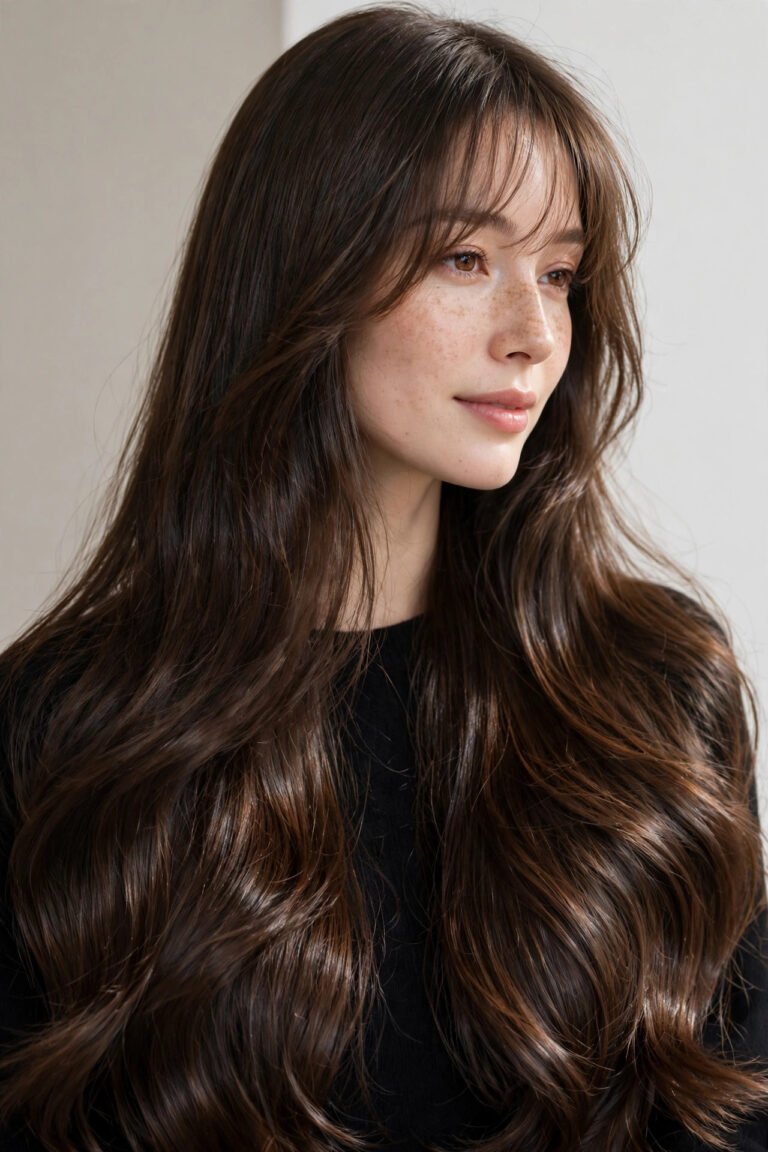
1. The Classic Cloud Bang with Long Layers
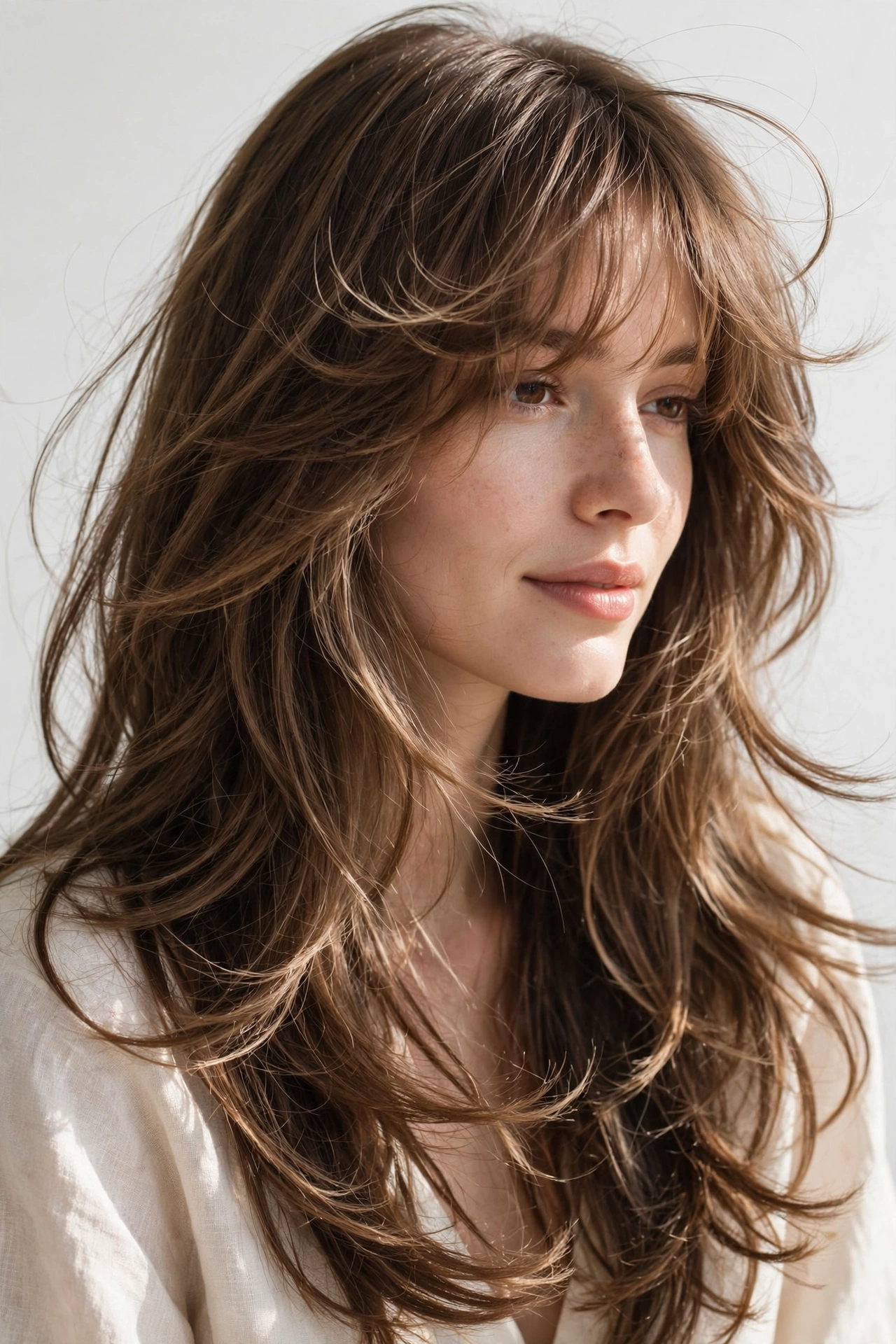
This is the reference version, the one from the runway photos. Long layers through the lengths, and the cloud bang floating across the forehead in fine, separated wisps, with the outer pieces melting into the face-framing layers. It is the most versatile pairing because the long layers give the fringe somewhere to go; nothing looks disconnected. The overall effect is romantic and soft, the kind of hair that looks good in motion.
What makes this combination work is the density balance. The stylist keeps the fringe light, usually no more than a two-inch-wide section, and cuts it with a razor for feathered ends. The long layers are cut to blend, not to contrast. Styling is minimal: the fringe air-dries beautifully on most hair types, and a quick pass with a round brush gives it polish when you want it. If you are getting cloud bangs for the first time, start here. It is the most forgiving version and the easiest to grow out if you change your mind.
2. Cloud Bangs with Curtain Pieces
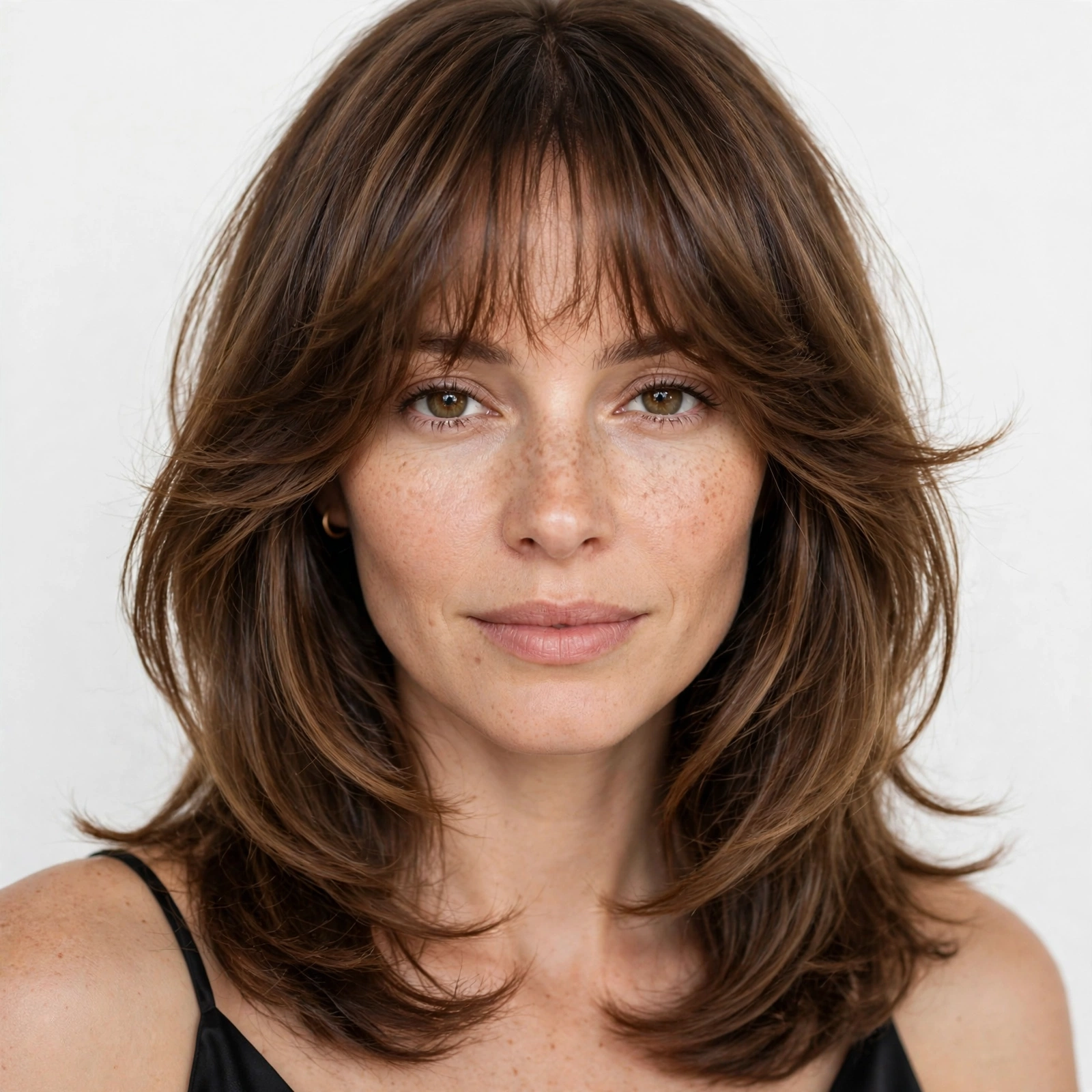
For the curtain-bang loyalists who are curious about the cloud, this hybrid is your bridge. The center stays true cloud: wispy, light, forehead visible. But the outer pieces are cut slightly longer and fuller, sweeping back in that familiar curtain shape toward the cheekbones. You get the airiness of the new trend with the face-framing structure of the old favorite. It is the best of both fringes.
This version is particularly flattering on rounder and wider face shapes, because the longer curtain pieces create vertical lines that elongate the face while the wispy center keeps everything soft. Styling asks for one tool: a round brush or a blow dryer with a nozzle, used to sweep the outer pieces away from the face. The center wisps can be left to air dry. It takes about four minutes and it looks like you tried much harder than you did. If you already have curtain bangs and want to update them for fall, ask your stylist to lighten the center into cloud territory while keeping your curtain lengths at the sides.
3. The Wispy Middle-Part Cloud Bang
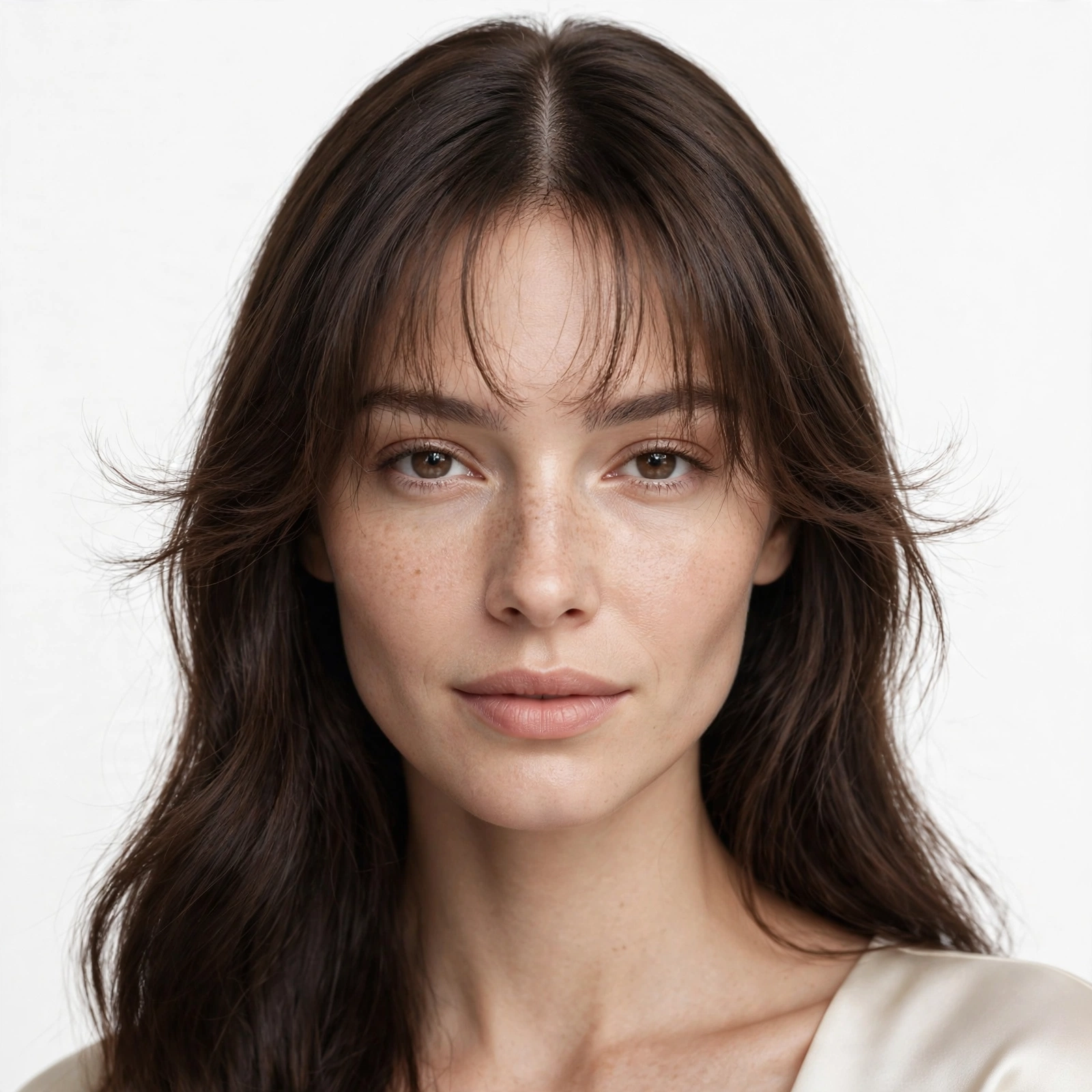
Parting the cloud bang down the middle creates the most symmetrical, editorial version of the look. The wisps fall evenly on both sides of the part, framing the forehead like sheer curtains. It is clean, balanced, and slightly more polished than the asymmetric versions, which makes it a good choice if your style leans classic rather than bohemian. It photographs beautifully because the symmetry reads as intentional from every angle.
The middle part works best on oval and heart-shaped faces, where the balanced fall complements already-balanced proportions. One practical note: your natural growth patterns matter here. If you have a strong cowlick at the front hairline, a hard center part will fight you every morning, and you are better off with an off-center or asymmetric version. Assuming your hair cooperates, the part forms naturally as the hair dries if the cut is balanced. A center part also grows out more gracefully than any other fringe configuration, which is worth knowing.
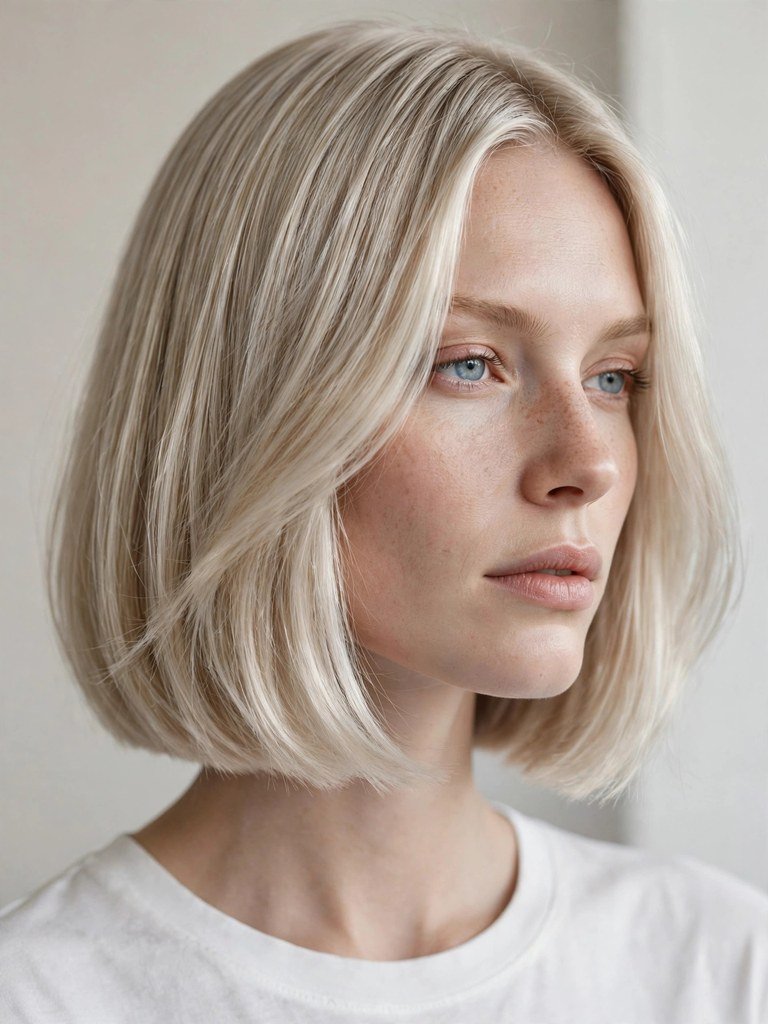
4. Cloud Bangs on a Bob

A bob with cloud bangs is one of the chicest combinations of the season. The bob provides structure: a clean, defined shape. The cloud bang provides softness: airy wisps that keep the whole look from feeling severe. The contrast is what makes it work. Without the fringe, the bob can read sharp; with it, the bob reads French, effortless, expensive. It is the haircut equivalent of a perfectly tailored blazer worn with nothing underneath.
Length matters in this pairing. The bob should hit somewhere between the chin and the collarbone; go shorter and the proportions get tricky, go longer and you are in lob territory, which is its own idea below. The fringe stays light and eyebrow-grazing, never heavy enough to compete with the bob’s clean lines. Styling is straightforward: smooth the bob with a brush and dryer, let the fringe stay piecey. This is a salon-maintenance cut, with trims every six to eight weeks to keep the bob’s shape, but the fringe itself is forgiving between appointments.
5. Cloud Bangs on Long Hair
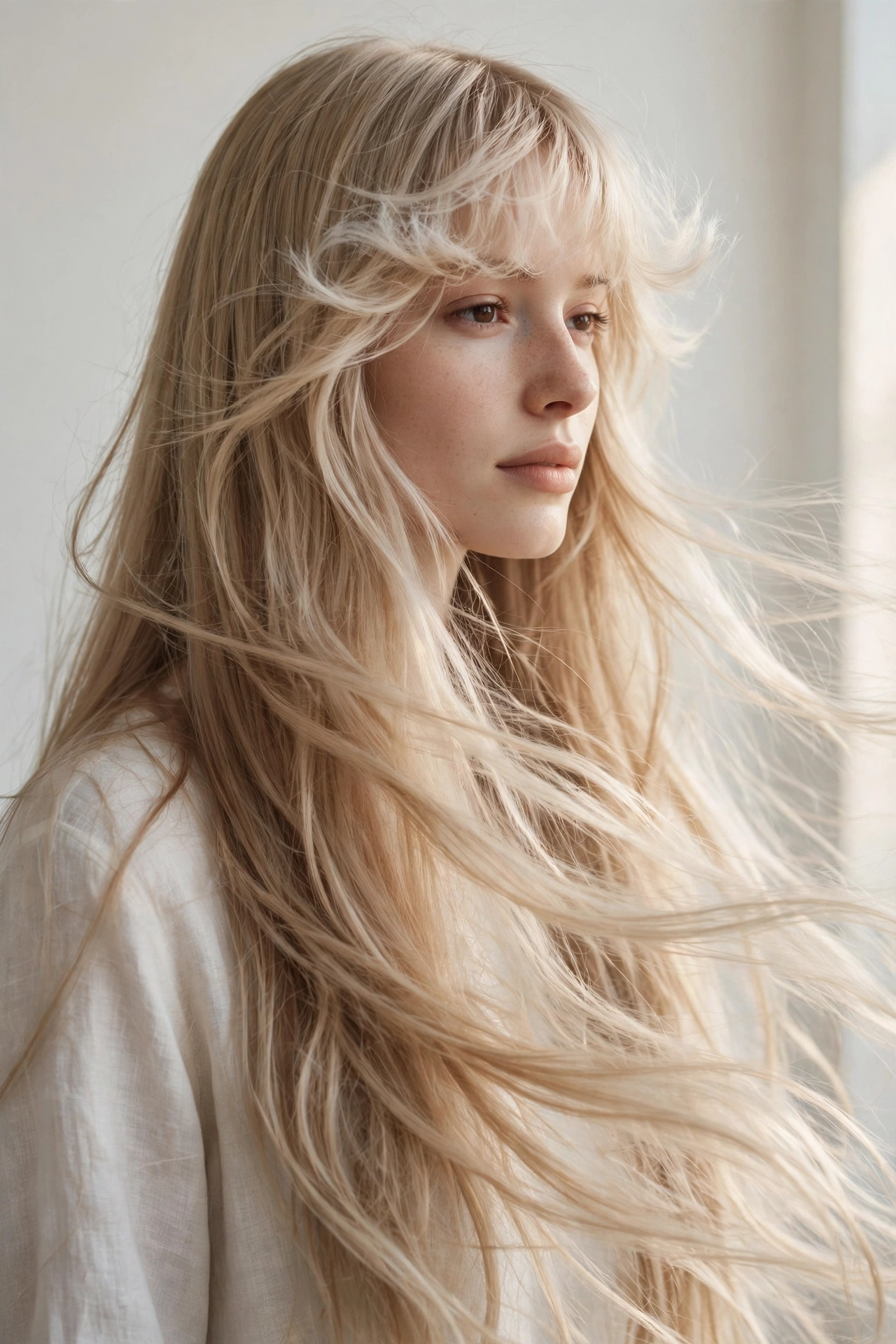
On very long hair, cloud bangs are transformative in a way nothing else is. Long hair without fringe can look like a lot of the same thing; add the lightest whisper of fringe and suddenly there is a focal point, a frame for the face, a reason for the eye to stop. The fringe breaks up the expanse without taking any length away, which is exactly what long-haired women who are afraid of “a big change” need to hear. It is the smallest cut with the biggest impact.
The key on long hair is keeping the fringe delicate. With so much hair everywhere else, a heavy fringe would throw off the balance completely. Your stylist should take a narrow section and keep it sheer, letting the length of the outer pieces blend into the long layers. This version is also the lowest-commitment cloud bang of all: if you hate it, the fringe disappears into the lengths within weeks. For long-haired women who have always wondered about bangs but never dared, this is the dare with a safety net.
6. The Curly Cloud Bang
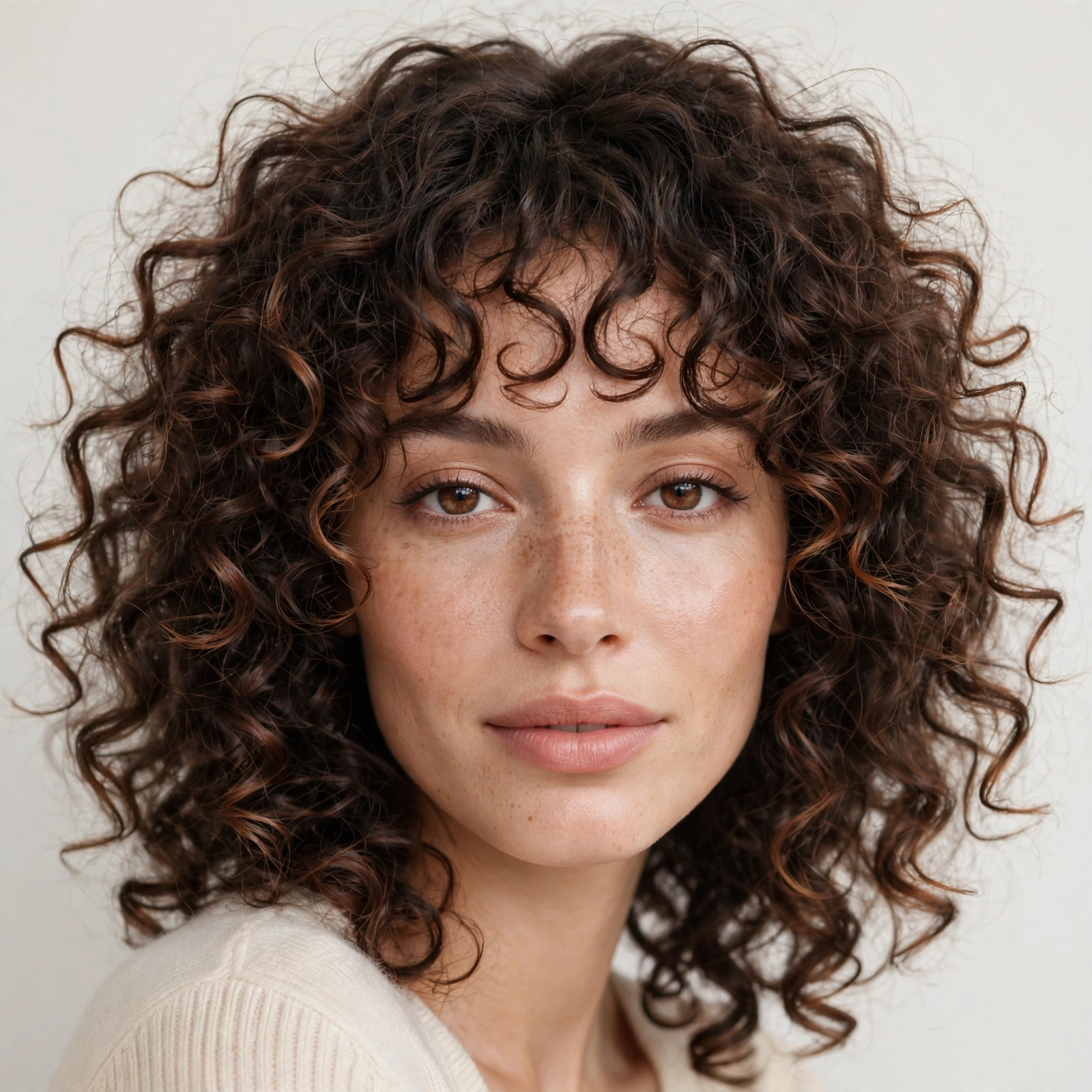
Curly cloud bangs are proof that this trend is not just for straight hair. On curls, the fringe becomes a soft halo of texture across the forehead: the curls are cut to fall at different lengths, creating that airy, separated effect naturally. Because curly hair has built-in volume and separation, it achieves the cloud effect almost by itself. The result is romantic, dimensional, and completely unique to your curl pattern. No two curly cloud bangs look alike.
The cutting approach is specific. Curly fringe should be cut dry, curl by curl, because wet curls shrink unpredictably and a wet cut will land shorter than planned. Your stylist should also cut it longer than you think you want; curly fringe springs up as it dries. For styling, a curl cream scrunched into the damp fringe, then air dried or diffused, is the routine. Do not brush it. Do not straighten just the fringe, because the texture mismatch will look odd. Embrace the halo. For more curl wisdom, our low-maintenance curly styles guide covers working with natural texture across lengths.
7. The Wavy Cloud Bang
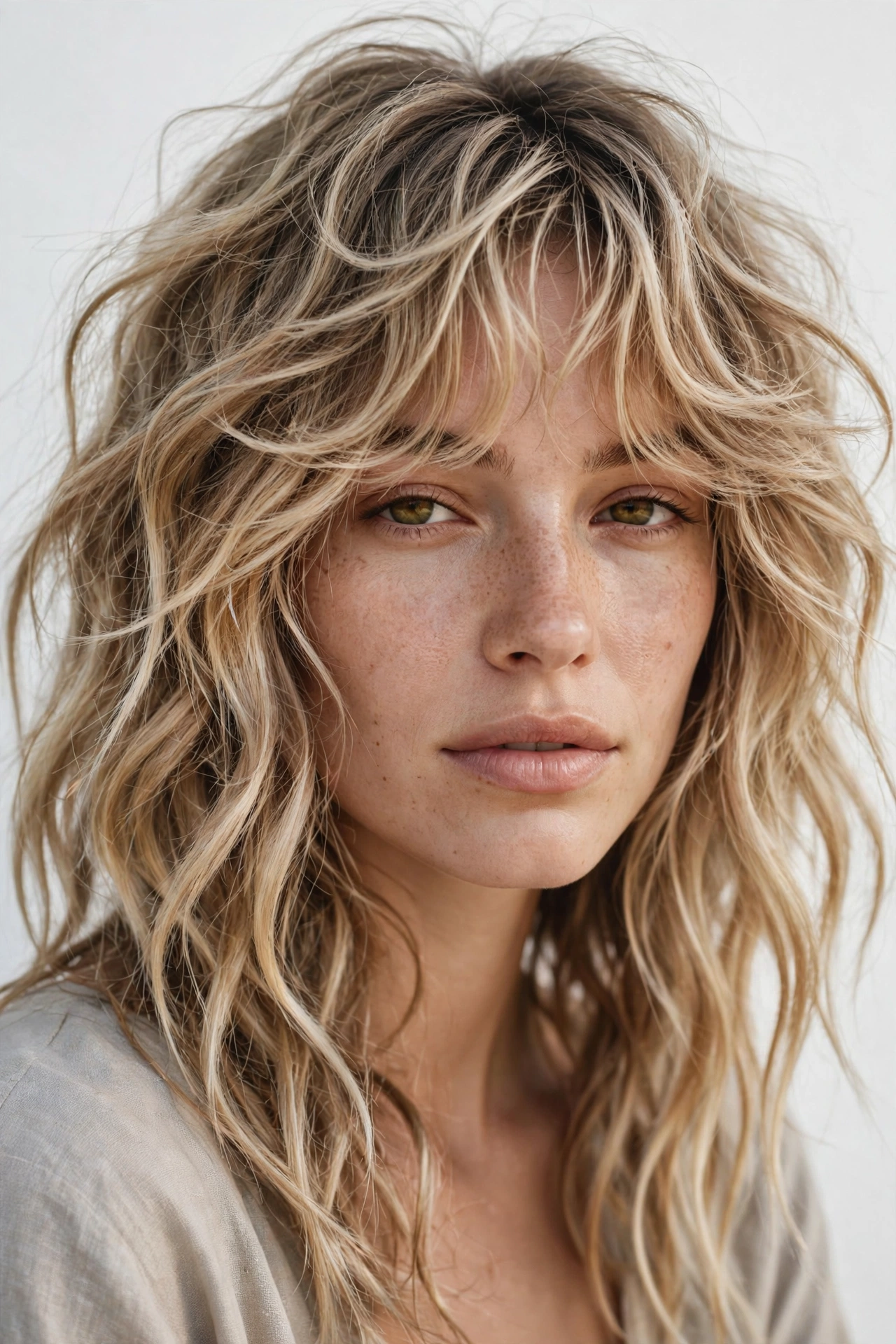
If curly hair achieves the cloud effect naturally, wavy hair achieves it effortlessly. The wave pattern gives the fringe built-in movement, so the wisps fall with a natural bend instead of lying flat. This is the version that looks most like the reference photos from the fall trend coverage: soft, touchable, slightly bohemian. On wavy hair, cloud bangs practically style themselves, which is the whole promise of the trend delivered.
The routine is minimal on purpose. A little salt spray or wave cream on damp hair, scrunch the fringe gently, air dry. That is it. The waves do the architectural work. One thing to watch: wavy fringe can go frizzy in humidity, so a light anti-frizz serum on the ends of the fringe pieces keeps them defined rather than fluffy. This version is ideal for women who already air-dry their waves and want a fringe that fits that lifestyle instead of fighting it. It is bangs for the wash-and-go crowd.
8. Cloud Bangs with a High Ponytail
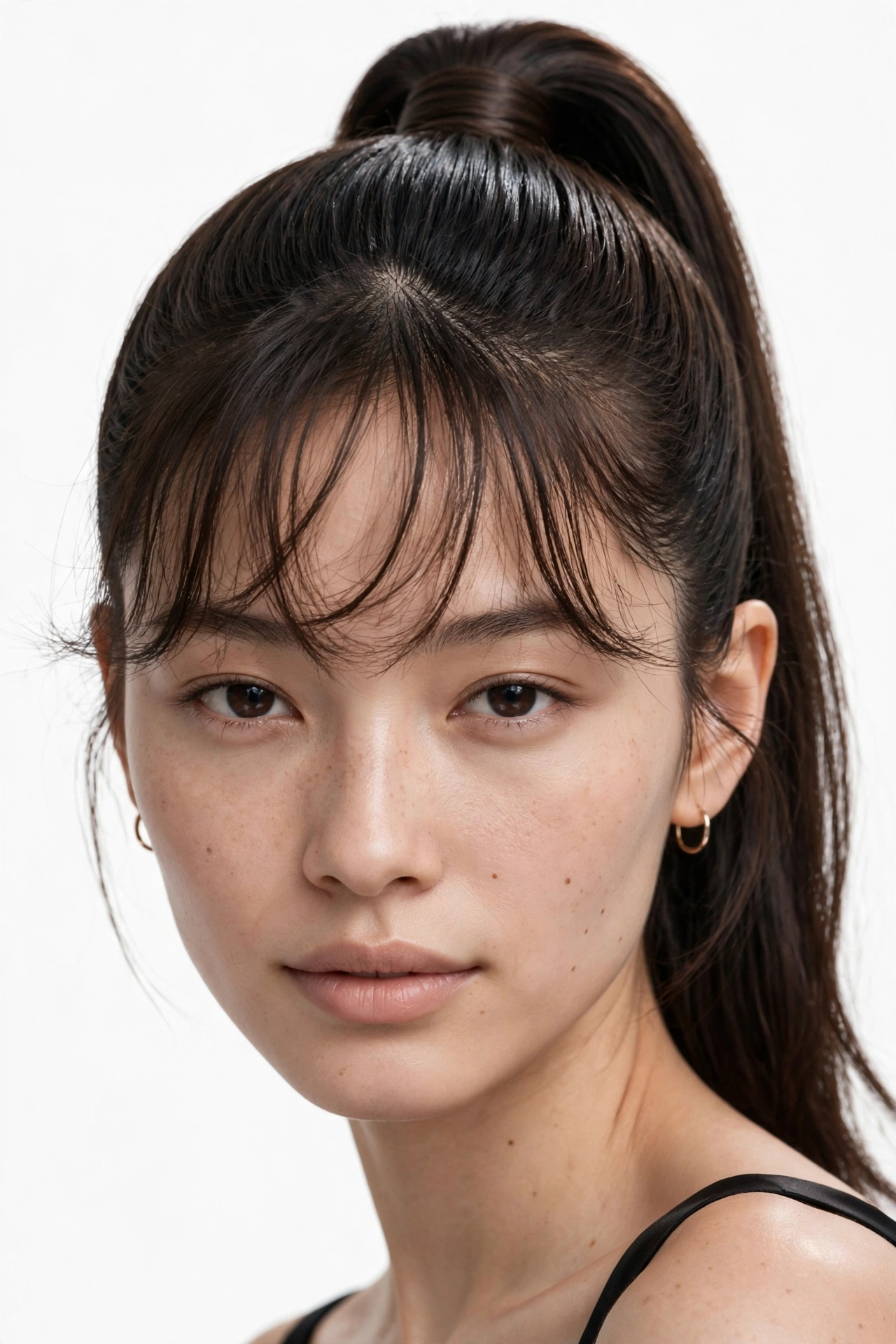
Here is the styling trick that sells the whole trend: pull everything back into a high ponytail and let the cloud bangs do all the talking. The contrast is gorgeous. Sleek, controlled hair in the back; soft, airy wisps in the front. The fringe keeps the ponytail from looking severe, framing the face with exactly the softness a scraped-back style needs. It is the reason so many women are getting the fringe now: it makes every updo better.
This is not a separate haircut, it is a styling idea, and that is the point. Cloud bangs earn their keep in how they transform the styles you already wear. The ponytail can be sleek or textured; either works. Pull out a few extra wisps around the ears for softness. A light-hold hairspray keeps the fringe in place without making it stiff. If you live in ponytails and have been fringe-curious, know that the cloud bang was basically designed for your lifestyle.
9. Cloud Bangs with a Messy Bun
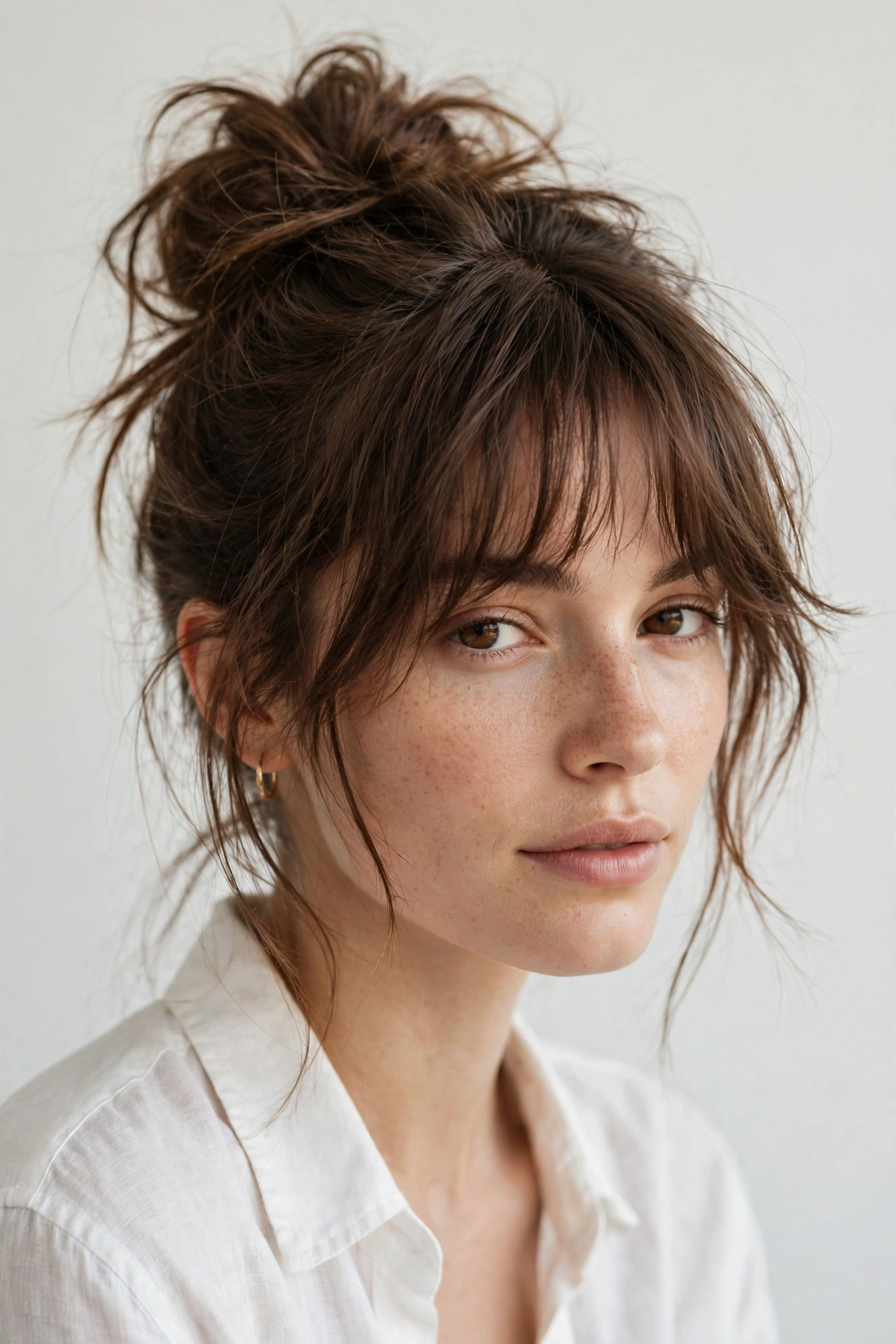
The messy bun and the cloud bang are a match made in low-effort heaven. The bun handles the practicality; the fringe handles the beauty. Without bangs, a messy bun can look unfinished in the wrong way. With cloud bangs, it looks deliberately undone in the right way: the wisps across the forehead give the whole style intention. It is the difference between “I gave up” and “I know exactly what I am doing.”
Styling could not be simpler, because the bun is supposed to be imperfect. Twist the hair up, pin loosely, pull out a few pieces. The fringe stays out of the bun entirely, falling naturally across the forehead. If the wisps need a refresh, a quick blast with the dryer and your fingers is enough. This combination is why the cloud bang works for real life: it makes your laziest hairstyle look like a choice.
10. The Side-Swept Cloud Bang
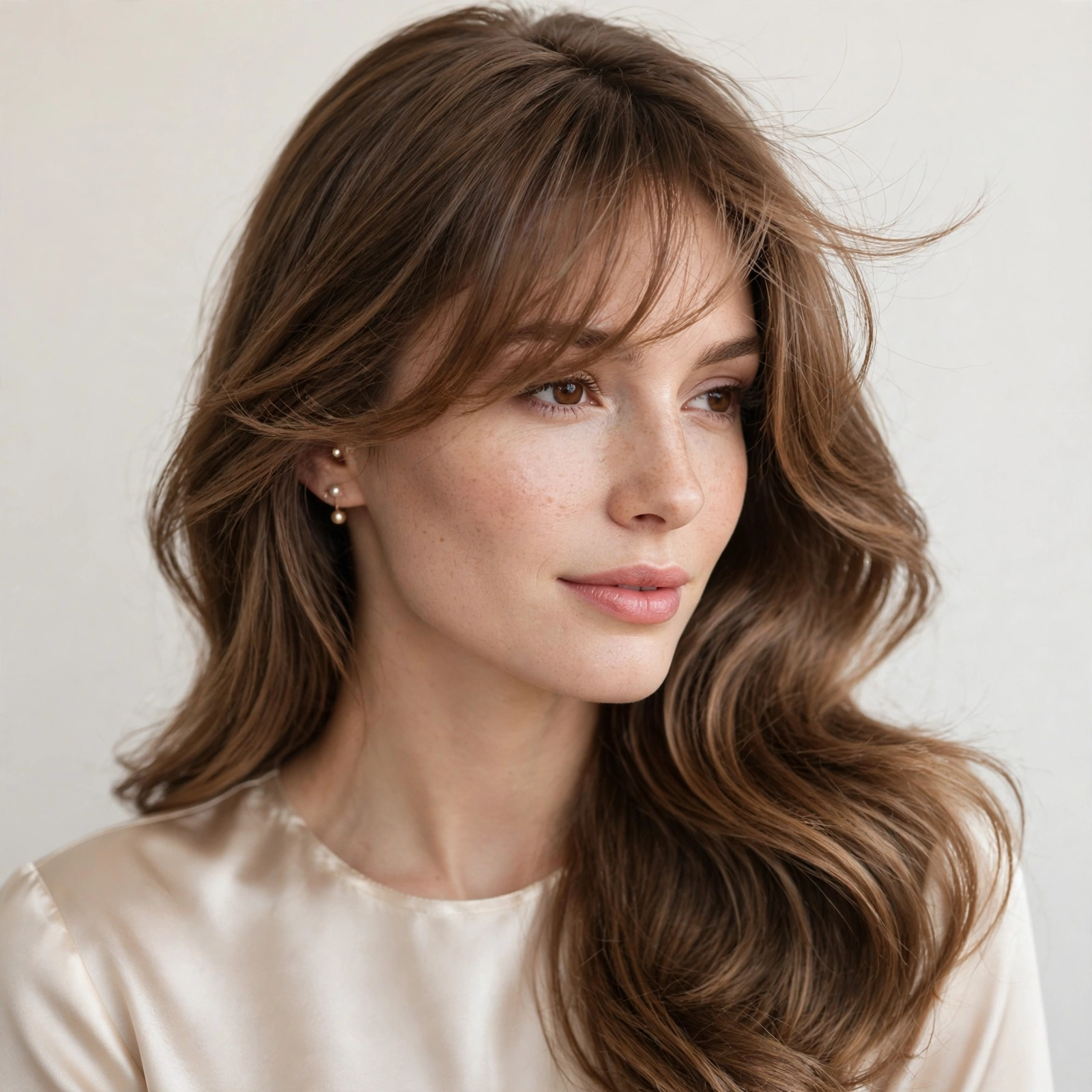
Sweeping the cloud bang to one side creates the most grown-up, polished version of the trend. The wisps fall diagonally across the forehead instead of straight down, which adds asymmetry and movement. It is softer than a classic side-swept bang because the pieces are sheer and separated rather than solid. The effect is romantic and slightly vintage, like a watercolor version of the old Hollywood side sweep.
This version flatters a wide range of faces, but it is especially good on square and heart-shaped faces, where the diagonal line softens strong angles. It is also the most practical cloud bang for active lifestyles: swept to the side, the fringe stays out of your eyes during workouts and windy days. Style it by blow-drying the fringe to one side with a small round brush, or just push it over while damp and let it set. A deep side part makes it more dramatic; a soft off-center part keeps it casual.
11. Cloud Bangs on Fine Hair
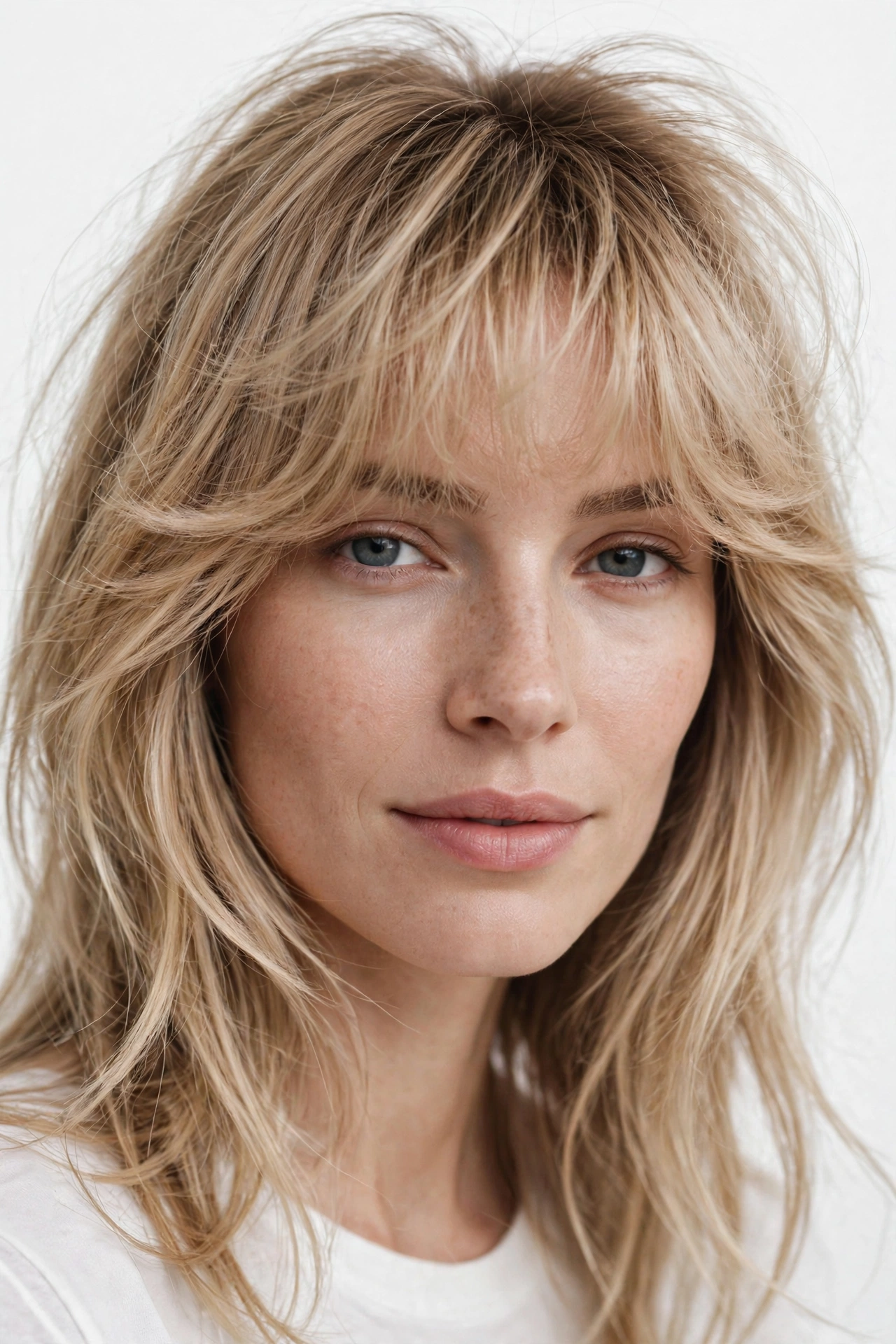
Fine-haired women, this trend was made for you. Heavy fringes are the enemy of fine hair: they take too much density from the rest of the head and lie flat by noon. Cloud bangs ask for almost nothing. The section is narrow, the pieces are light, and the rest of your hair keeps its fullness. It is the only fringe that does not punish fine hair for being fine.
The styling strategy for fine hair is about root lift, not weight. A volumizing mousse at the roots of the fringe, blow-dried upward with your fingers, gives the wisps airiness that lasts. Avoid heavy serums and oils on the fringe; they will glue the pieces together and defeat the purpose. Dry shampoo at the roots on day two keeps the fringe fresh without washing. Done right, cloud bangs can actually make fine hair look fuller, because the texture at the front creates the illusion of density.
12. Cloud Bangs on Thick Hair
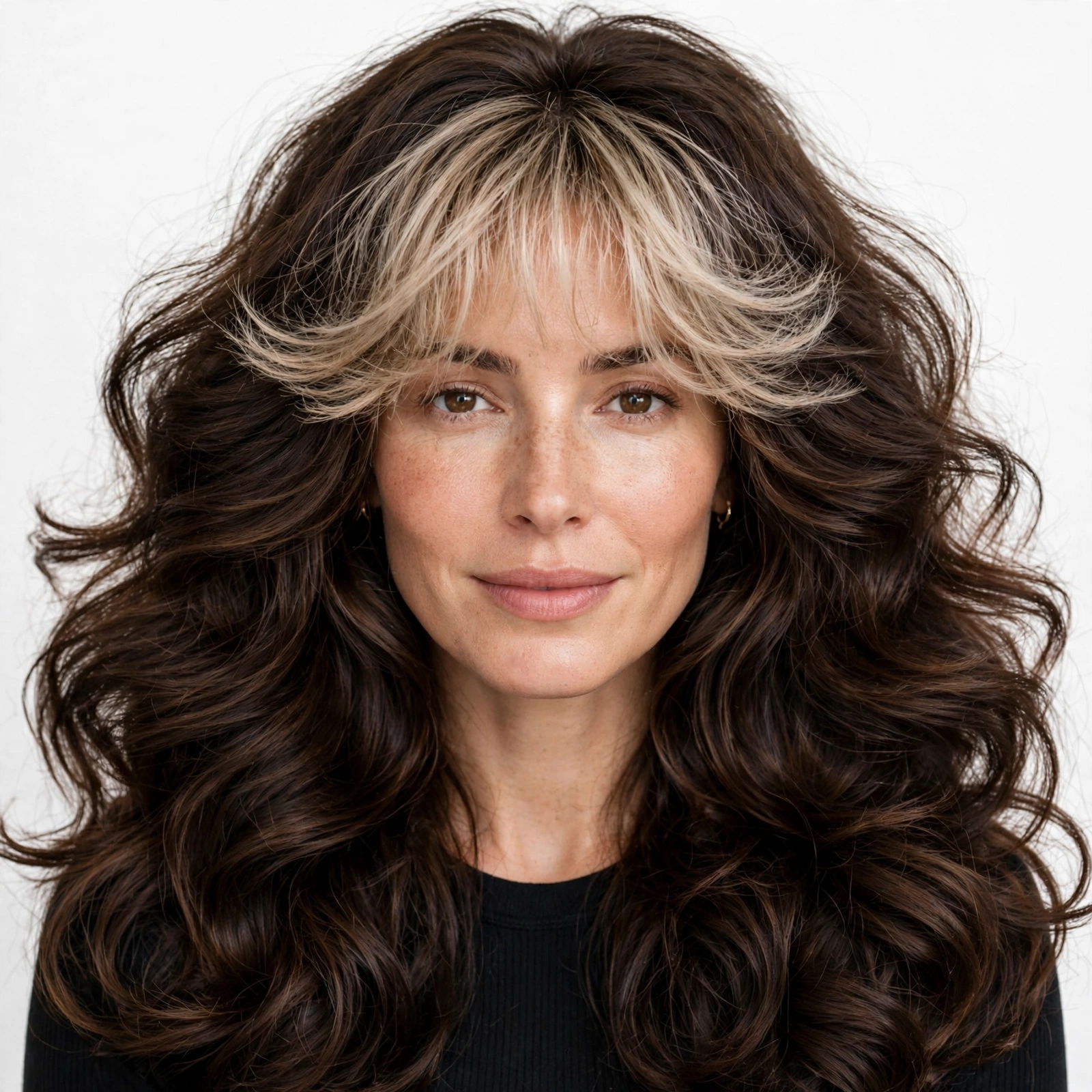
Thick hair presents the opposite challenge: there is so much of it that a fringe can easily become a heavy curtain. The cloud bang solves this by taking a deliberately small section and texturizing it aggressively. Your stylist should thin the fringe section and razor-cut the ends so the pieces stay sheer no matter how much hair you have. The goal is a fringe that looks light even though the hair itself is dense.
Thick-haired women should be specific in the consultation: ask for the fringe to be “thinned out” and “razor-cut for lightness,” and be wary if the stylist takes too wide a section. A narrow, well-texturized fringe on thick hair looks incredible; a wide, under-texturized one just looks like regular bangs. For styling, a smoothing cream on the fringe pieces keeps them sleek rather than puffy. The payoff is a fringe with real presence that never feels heavy.
13. The Grown-Out Cloud Bang
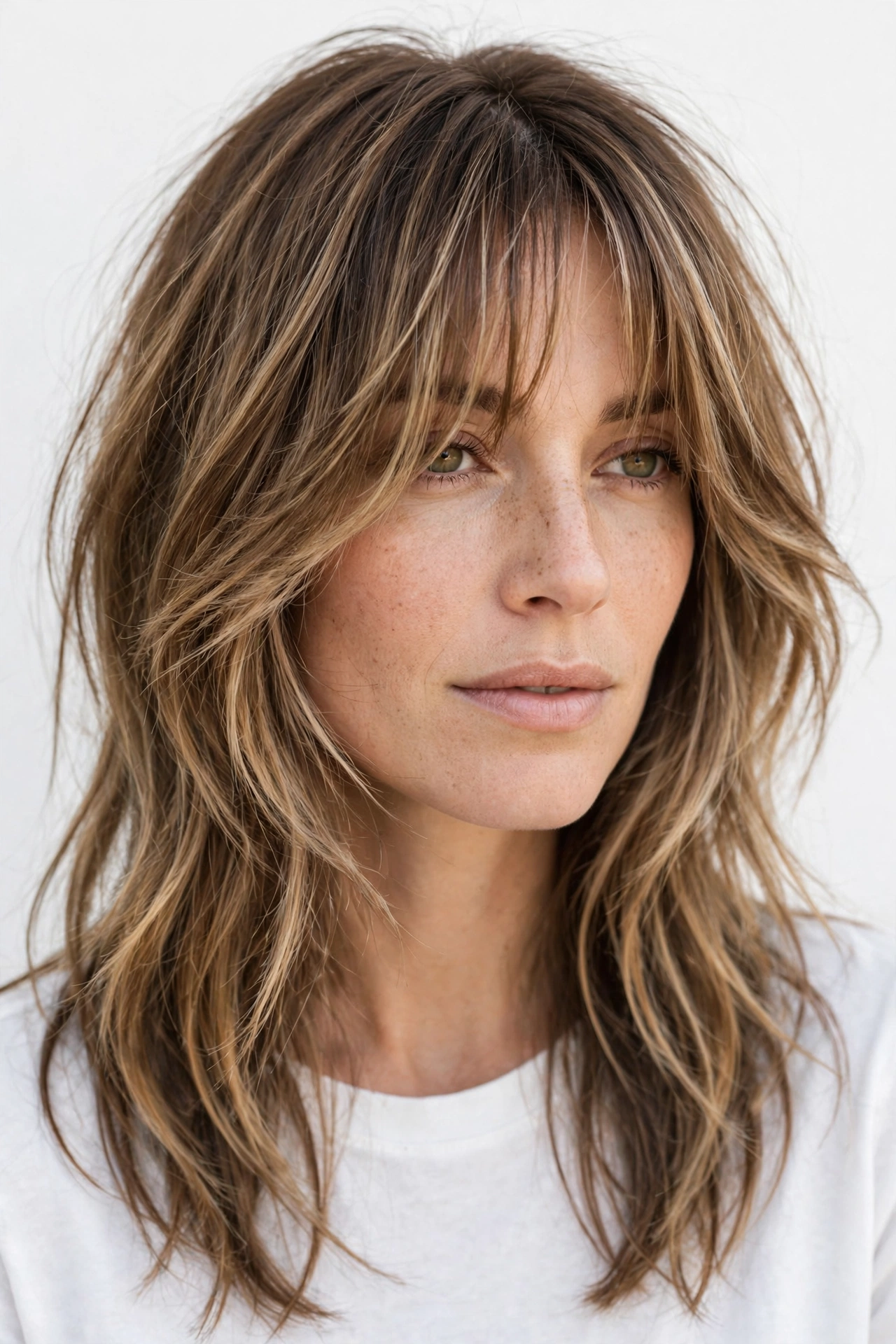
Here is the cloud bang’s secret superpower: it grows out better than any fringe in history. Because the pieces are light, asymmetric, and already blended into the face-framing layers, there is no awkward phase. The fringe simply gets longer and melts into the rest of the hair. At every stage of the grow-out, it looks intentional. This is the idea for women who are currently growing out old bangs and want to know what is on the other side.
If you are transitioning from a heavier fringe, ask your stylist to lighten it into a cloud bang first rather than just letting it grow. Thinning the density and feathering the ends turns a blunt grow-out into a graceful one. Within two to three months, the pieces blend into layers and the fringe is gone, no headbands or bobby-pin archaeology required. The cloud bang is not just a style; it is an exit strategy from every bad bang decision you have ever made.
14. Cloud Bangs with Face-Framing Layers
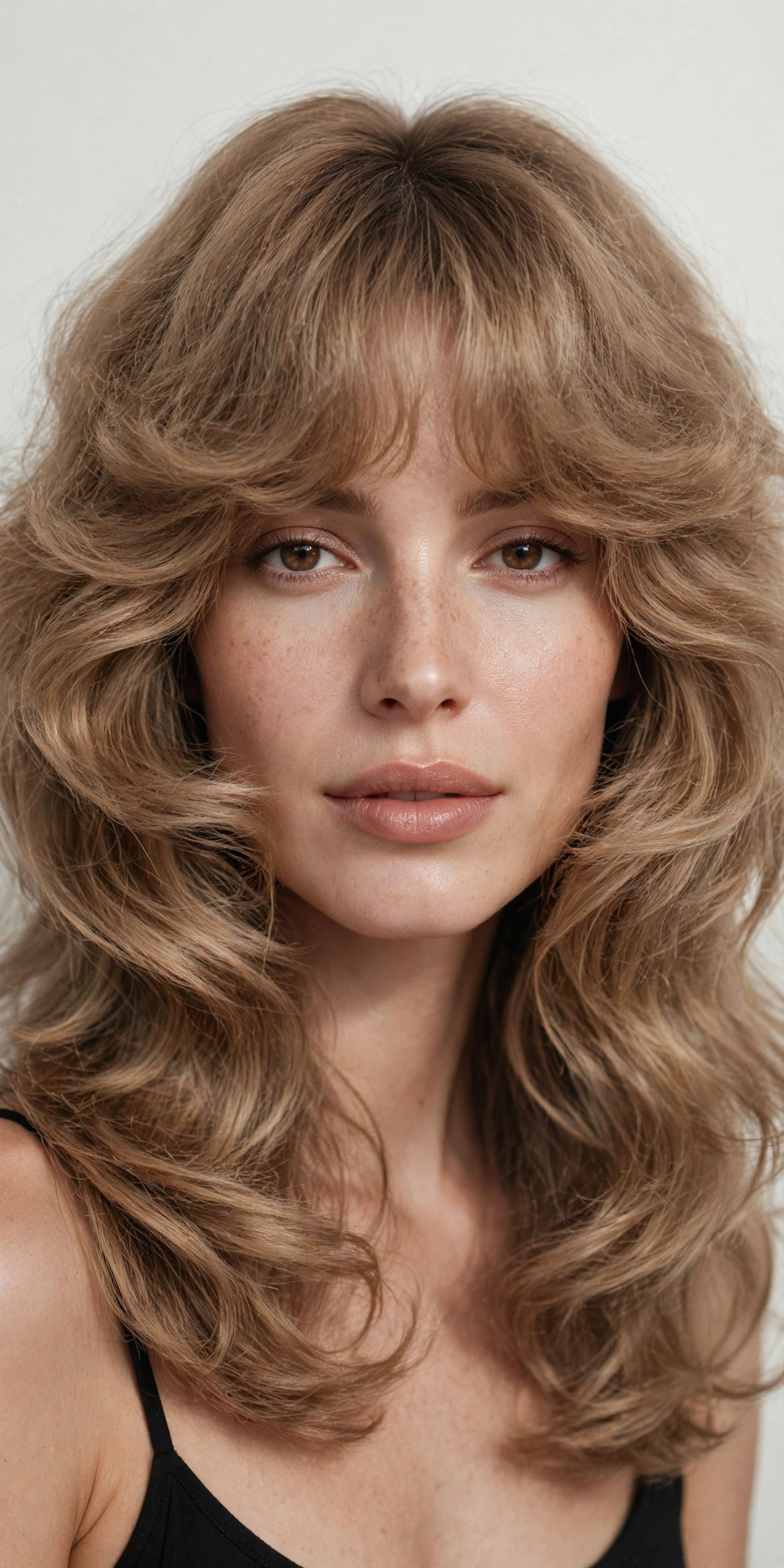
This is the full-frame version: the cloud bang across the forehead flowing seamlessly into longer face-framing layers down the sides. There is no line where the fringe ends and the layers begin; it is one continuous, soft frame around the entire face. It is the most flattering version for most face shapes because the framing works from every angle, and it is the version stylists recommend when a client says “just make my face look good.”
The technique here is all about the blend. The outer pieces of the fringe should graduate smoothly into the shortest face-framing layer, usually around cheekbone length. When it is done right, you cannot tell where one ends and the other begins. Styling is unified too: blow dry the whole front section forward and outward with a round brush, and everything falls into place together. This is the version to show your stylist if you want maximum impact with minimum daily effort.
15. The Bottleneck Cloud Bang
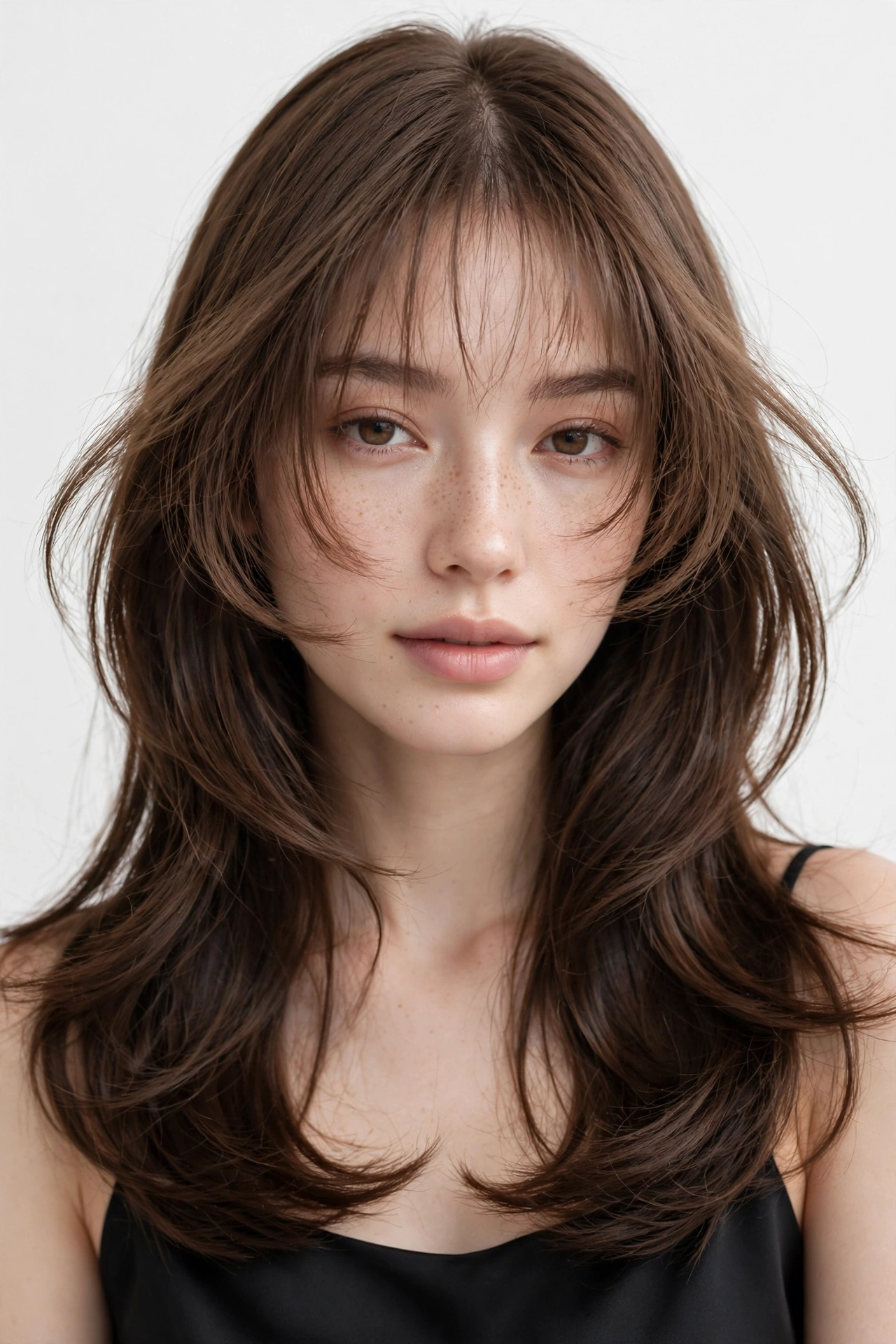
The bottleneck bang, narrow at the top and widening toward the cheekbones like the neck of a bottle, gets the cloud treatment in this hybrid. The shape stays, but the density drops: sheer, wispy pieces instead of a solid panel. It keeps the bottleneck’s flattering geometry, which suits wider foreheads beautifully, while gaining the cloud’s lightness and easy grow-out. It is a niche variation, but on the right face it is stunning.
This version is for women who liked the bottleneck trend but found it too heavy or too high-maintenance. The cloud version needs less daily styling because the pieces are meant to separate rather than sit as one unit. Ask your stylist for the bottleneck shape with “half the density” and razor-cut ends. It is a specific request, so bring a reference photo. Not every stylist will know this hybrid by name, but any good one can execute it from a photo.
16. Cloud Bangs on a Lob
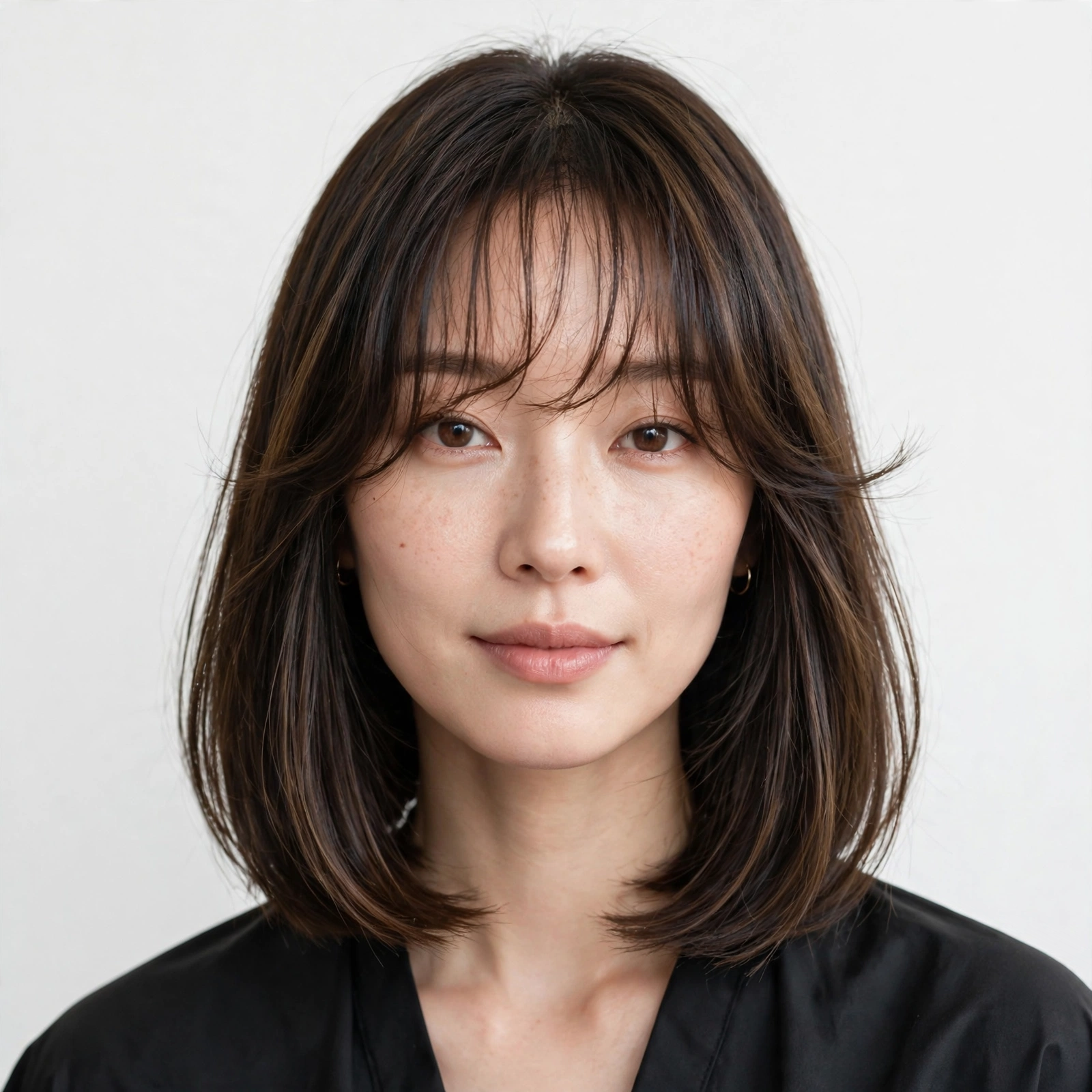
The lob, the long bob, is the haircut that goes with everything, and cloud bangs are no exception. The collarbone-grazing length gives the style modern polish while the fringe keeps it soft and current. It is the professional woman’s cloud bang: put-together enough for the office, relaxed enough for the weekend. The proportions are balanced and the maintenance is reasonable.
On a lob, the fringe should stay on the longer side of the cloud spectrum, grazing the eyebrows rather than sitting above them, so it stays in proportion with the longer length. The lob itself wants a trim every eight to ten weeks; the fringe wants attention every four to six. Style the lob smooth or wavy depending on your mood; the fringe stays piecey either way. It is a combination that has no real downside, which is rare enough to mention.
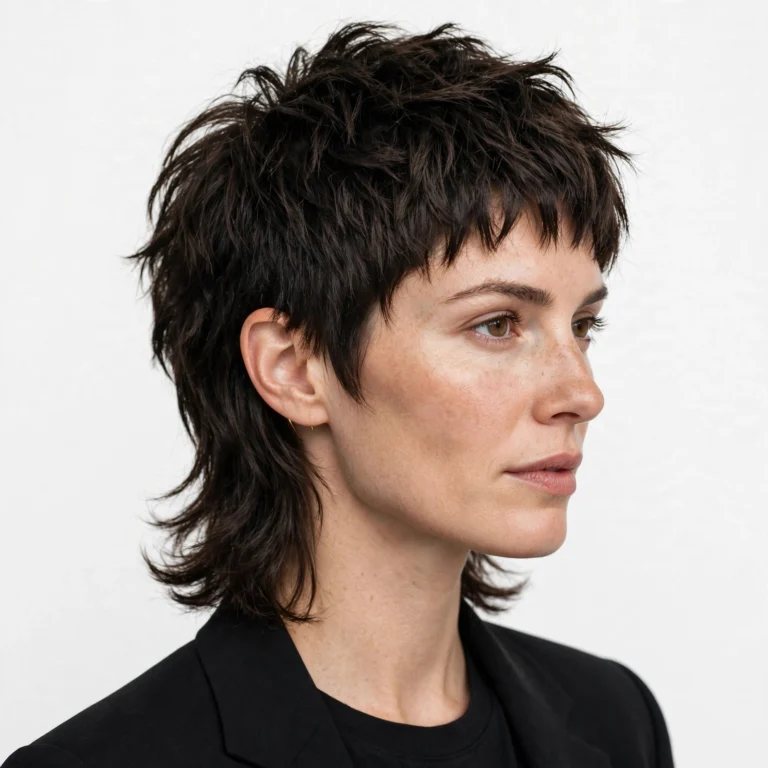
17. The Pixie Cloud Bang
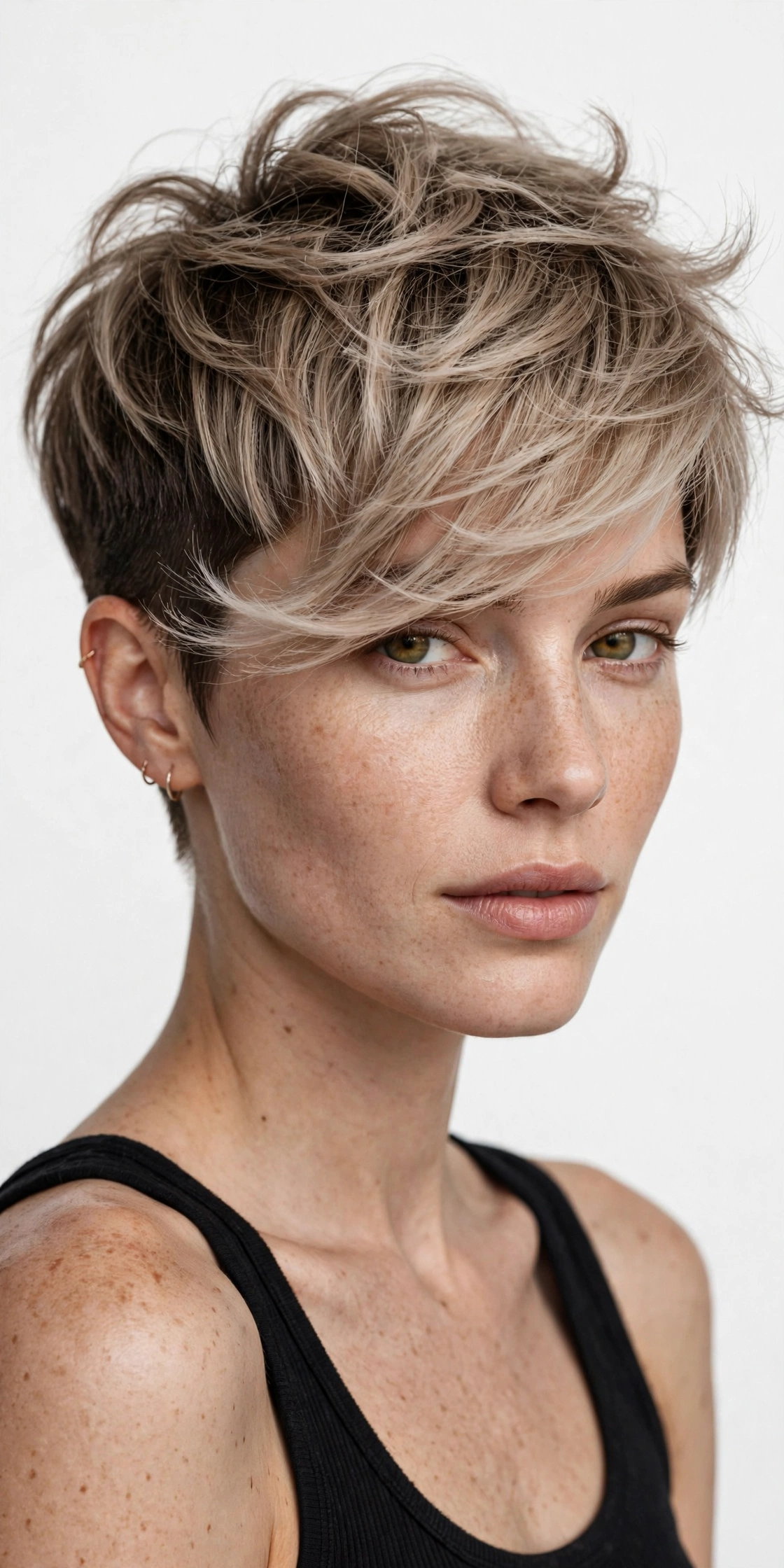
A pixie with a cloud bang is the boldest version on this list, and it works because of contrast. The pixie is short, structured, graphic. The cloud bang is none of those things. Together they create a tension that is incredibly striking: the softness of the fringe keeps the pixie feminine and wearable, while the pixie gives the fringe an edge it does not have on longer hair. It is the choice for women who want short hair with a soft landing.
The fringe on a pixie should be the longest part of the cut, falling softly across the forehead while the rest stays cropped. This also makes the pixie more versatile: the longer fringe can be swept, parted, or textured differently for different moods. Growing out a pixie is notoriously awkward, and a cloud fringe makes the grow-out significantly easier by giving the front something to do while the rest catches up. If the pixie-cloud combination has you wanting something even bolder, the jellyfish haircut is 2026’s most dramatic statement cut.
18. Cloud Bangs with Braids
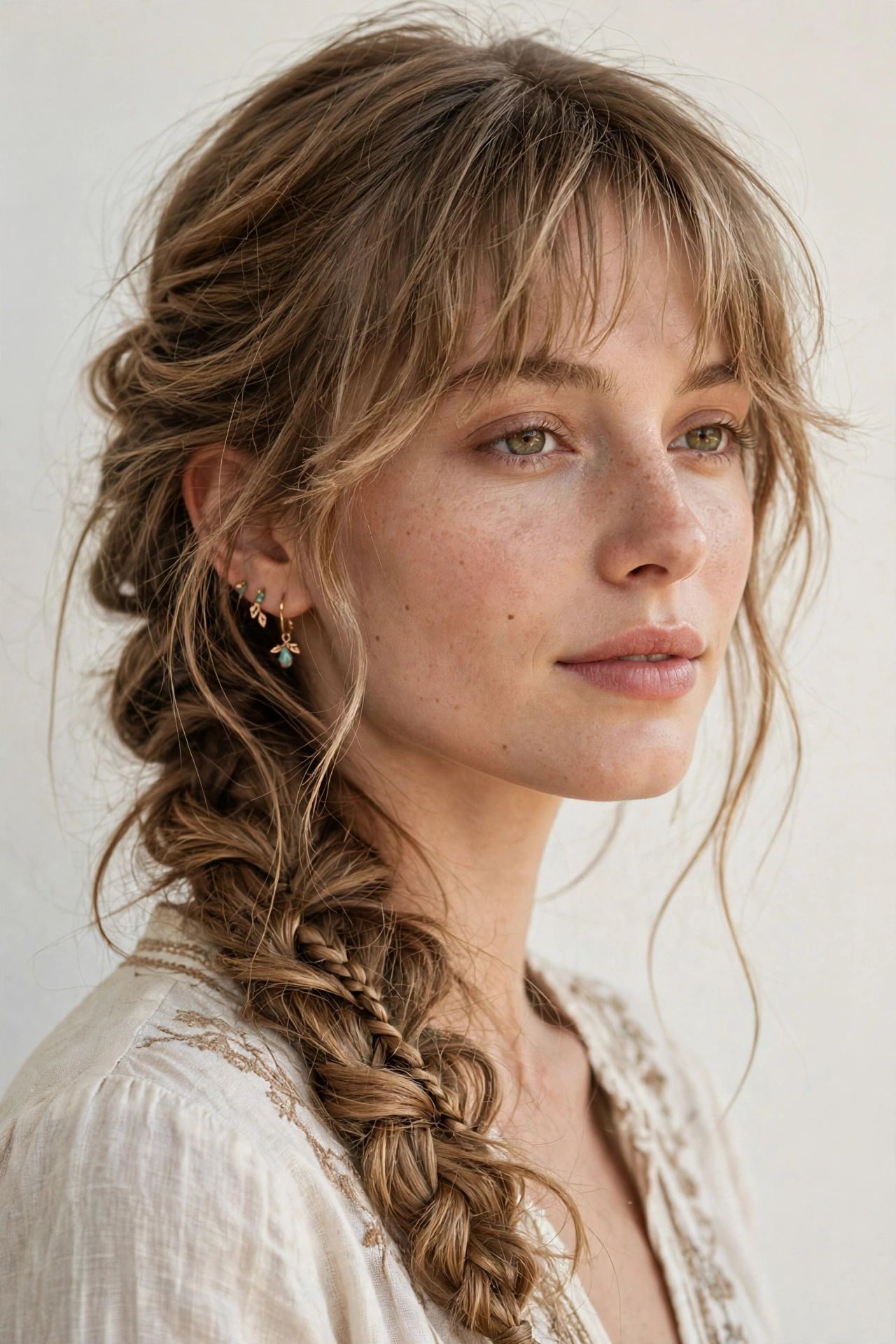
Braids and cloud bangs are a bohemian dream team. The braid, whether it is a loose side braid, a crown braid, or box braids, provides structure and intricacy. The fringe provides softness around the face that braids alone cannot give. Without the fringe, braided styles can look severe; with it, they look romantic. Festival hair, wedding-guest hair, vacation hair: the cloud bang upgrades all of it.
The practical beauty here is that the fringe stays out of the braid entirely, so it never interferes with the braiding itself. Style the braid as usual, then let the fringe fall naturally. On braided protective styles, a wispy fringe adds a softness that the style sometimes lacks, and because the fringe is light, it does not add meaningful maintenance. Pull a few extra wisps loose around the ears and you have the whole romantic picture.
19. The Colored Cloud Bang
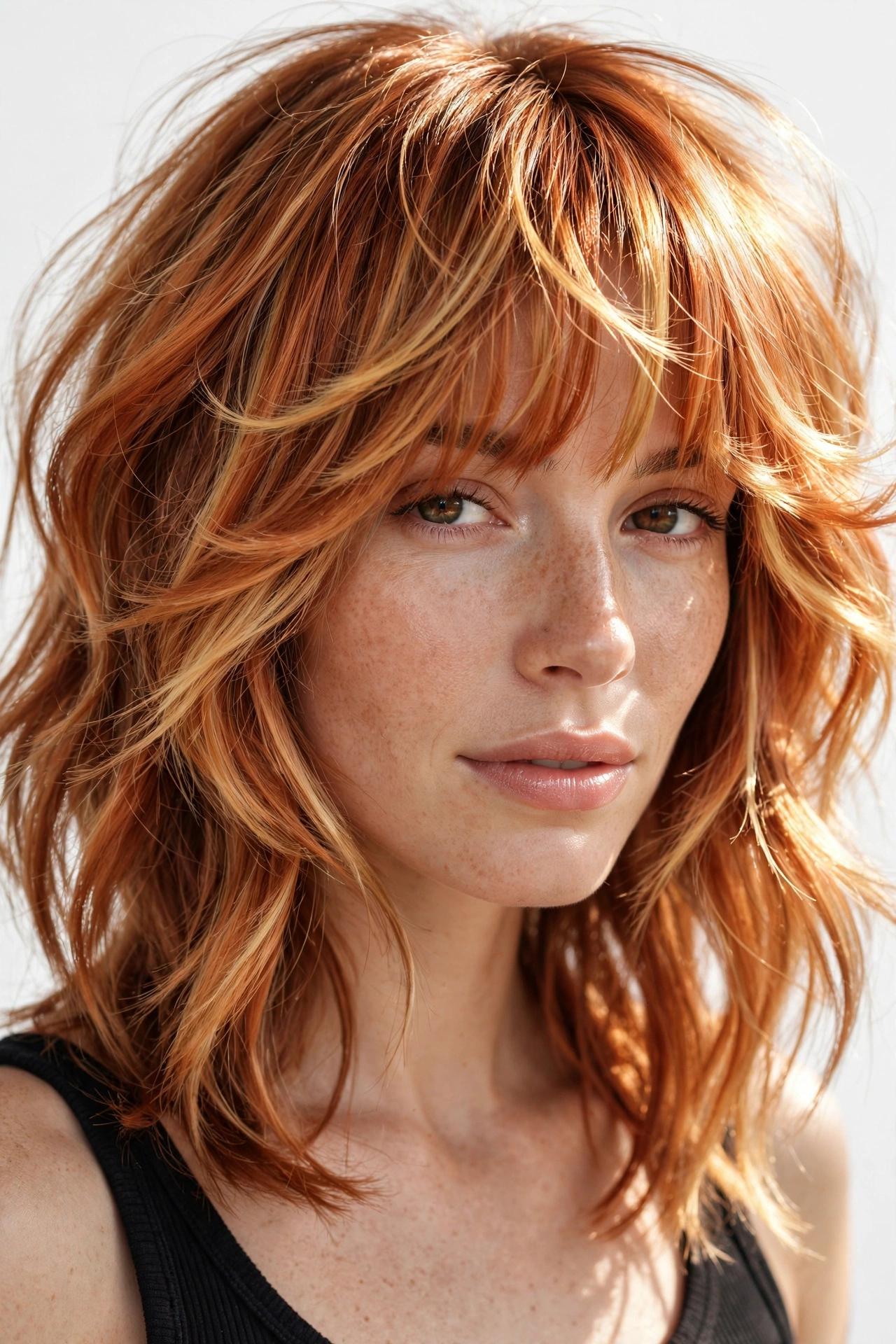
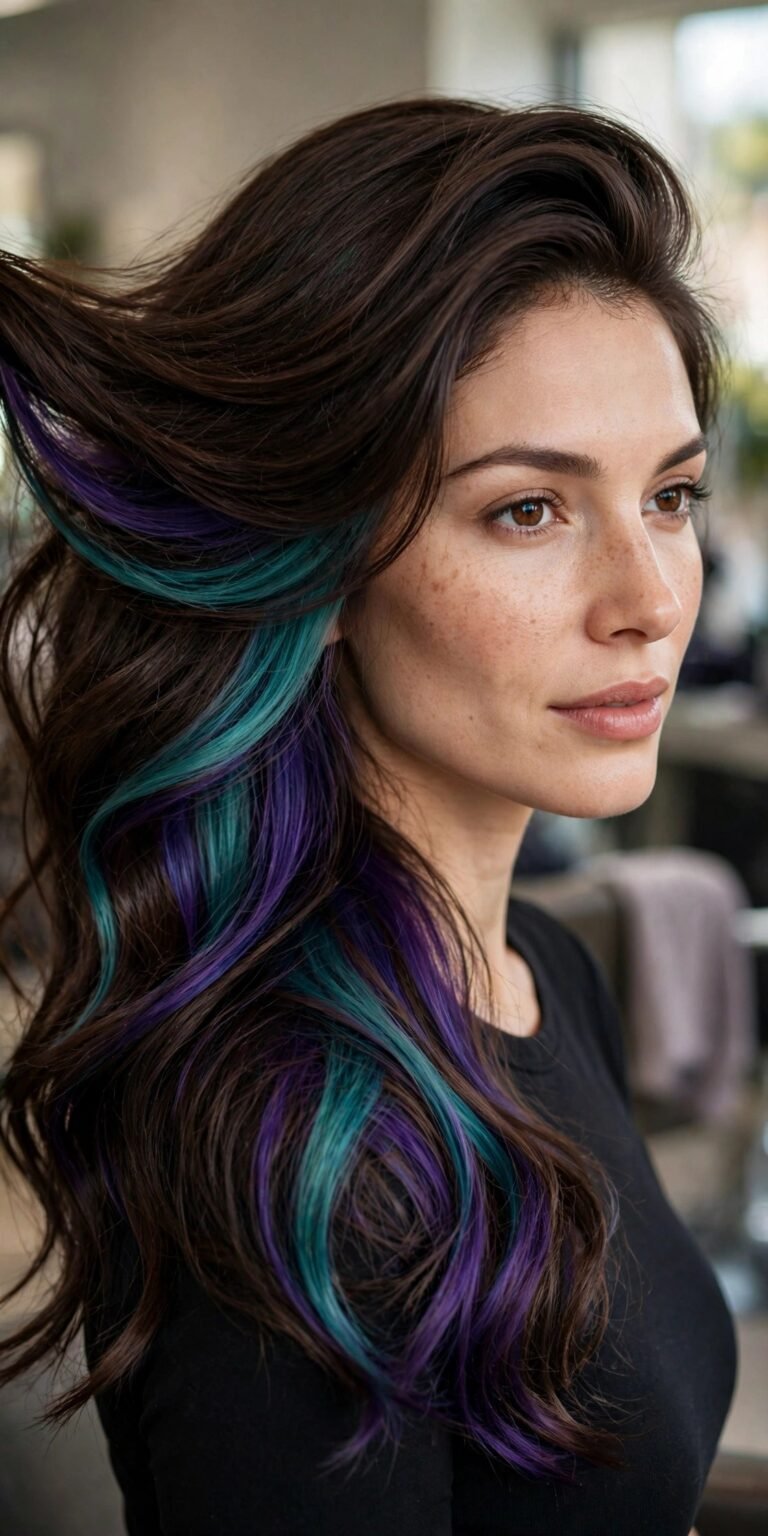
Color takes the cloud bang from pretty to unforgettable. Because the fringe is the frame of the face, coloring it, or coloring through it, draws the eye exactly where you want it. Balayage that lightens the fringe pieces, a copper gloss over the wisps, face-framing highlights that start at the fringe: all of these make the airy texture visible in a way solid color cannot. The separated pieces catch light individually, creating dimension that a blunt fringe could never achieve.
The smartest color approach is to lighten the fringe one to two levels lighter than the base, or to run face-framing highlights through the fringe and the front layers together. Keep it soft; harsh color on a sheer fringe looks odd. And protect the investment: colored fringe shows damage faster because the pieces are fine, so a color-safe shampoo and a weekly mask keep it looking fresh. If you have been thinking about a color change but do not want to commit the whole head, the fringe is the perfect testing ground.
20. The Effortless Air-Dried Cloud Bang
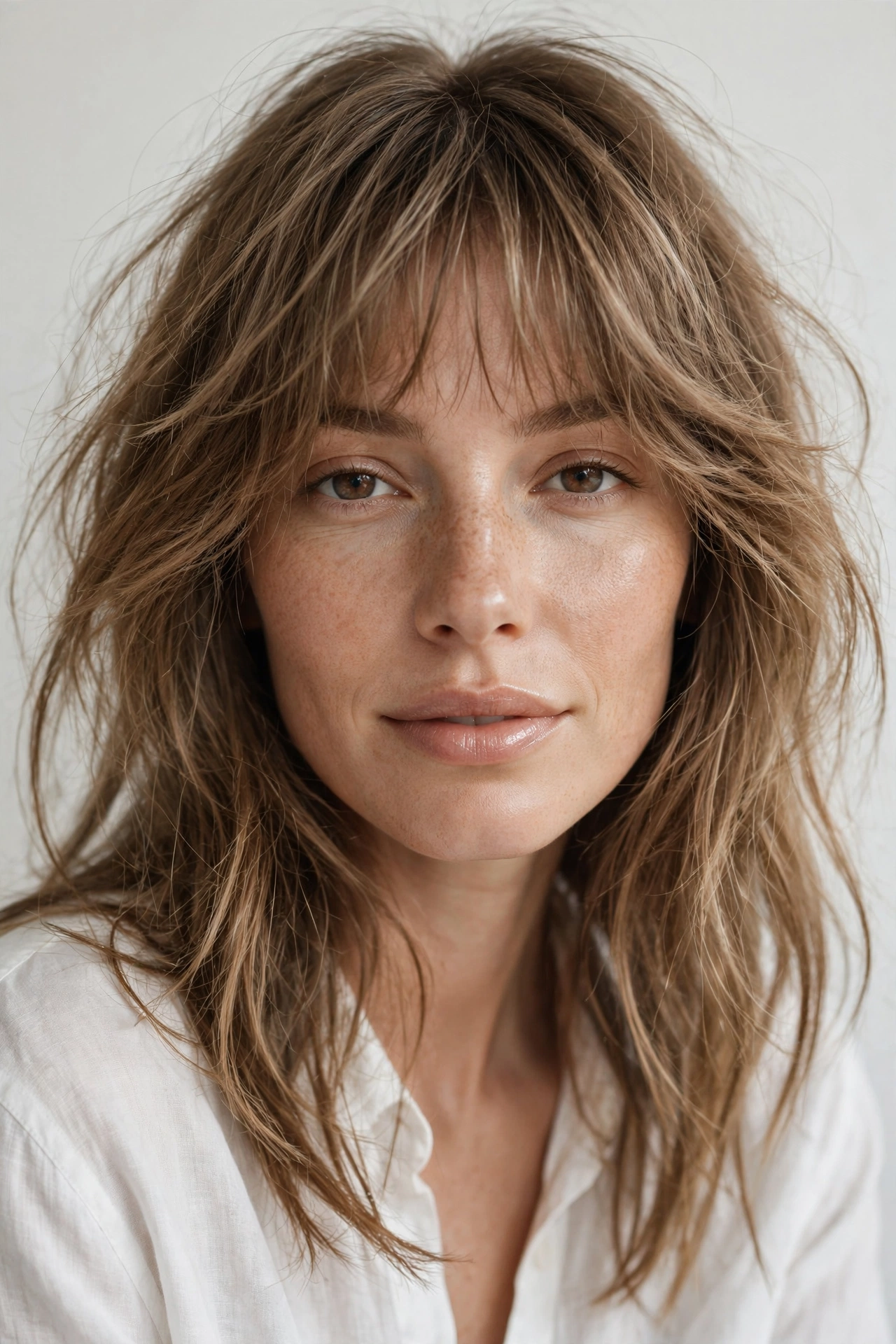
We end where the trend begins: the cloud bang with no styling at all. This is the version for women who do not own a round brush and do not intend to buy one. Wash, let it air dry, go. On wavy and curly hair, the fringe finds its own shape. On straight hair, it falls in soft, natural pieces. It will not look like the salon photo, and that is the point. It looks like you, on a good hair day, without trying.
To make air-drying work, the cut has to do the heavy lifting, so be honest with your stylist about your routine. Ask for the fringe to be cut to work with your natural texture and your real habits. A tiny amount of leave-in conditioner or air-dry cream keeps the pieces from going frizzy. That is the entire routine. The air-dried cloud bang is the trend’s thesis statement in hairstyle form: beauty that does not ask for your mornings back.
How to Ask Your Stylist for Cloud Bangs
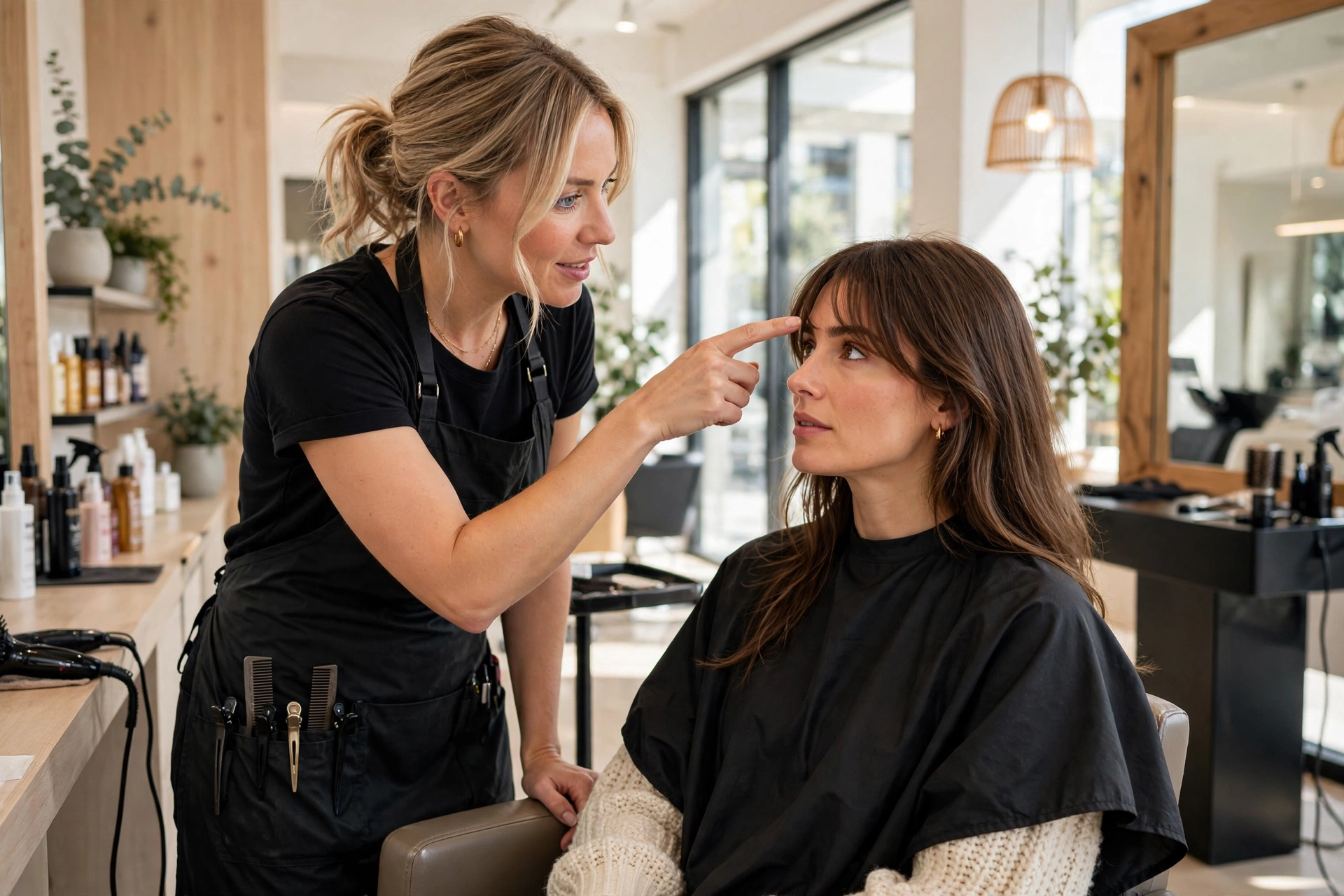
The consultation is where cloud bangs succeed or fail, because “wispy bangs” means different things to different stylists, and the wrong interpretation gets you a thin, sad fringe instead of a cloud. Be specific with your language. Say “cloud bangs”: light, airy, razor-cut fringe with visible forehead, asymmetric pieces, longer at the edges blending into face-framing layers. Then say what you do not want: not blunt, not heavy, not a solid panel. The “not” list is as important as the “want” list.
Bring reference photos, three if you can: one showing the density you want, one showing the length, one showing it on hair texture like yours. Photos eliminate the translation problem. Then talk about your reality: how you style your hair now, whether you air dry, how often you will come in for trims, whether you have cowlicks or growth patterns at the hairline that the stylist should know about. A good stylist will adjust the fringe to your growth patterns rather than fighting them. And ask to see the section they plan to take before they cut; the width of that section determines everything, and you want it narrower than you think.
How to Style Cloud Bangs at Home
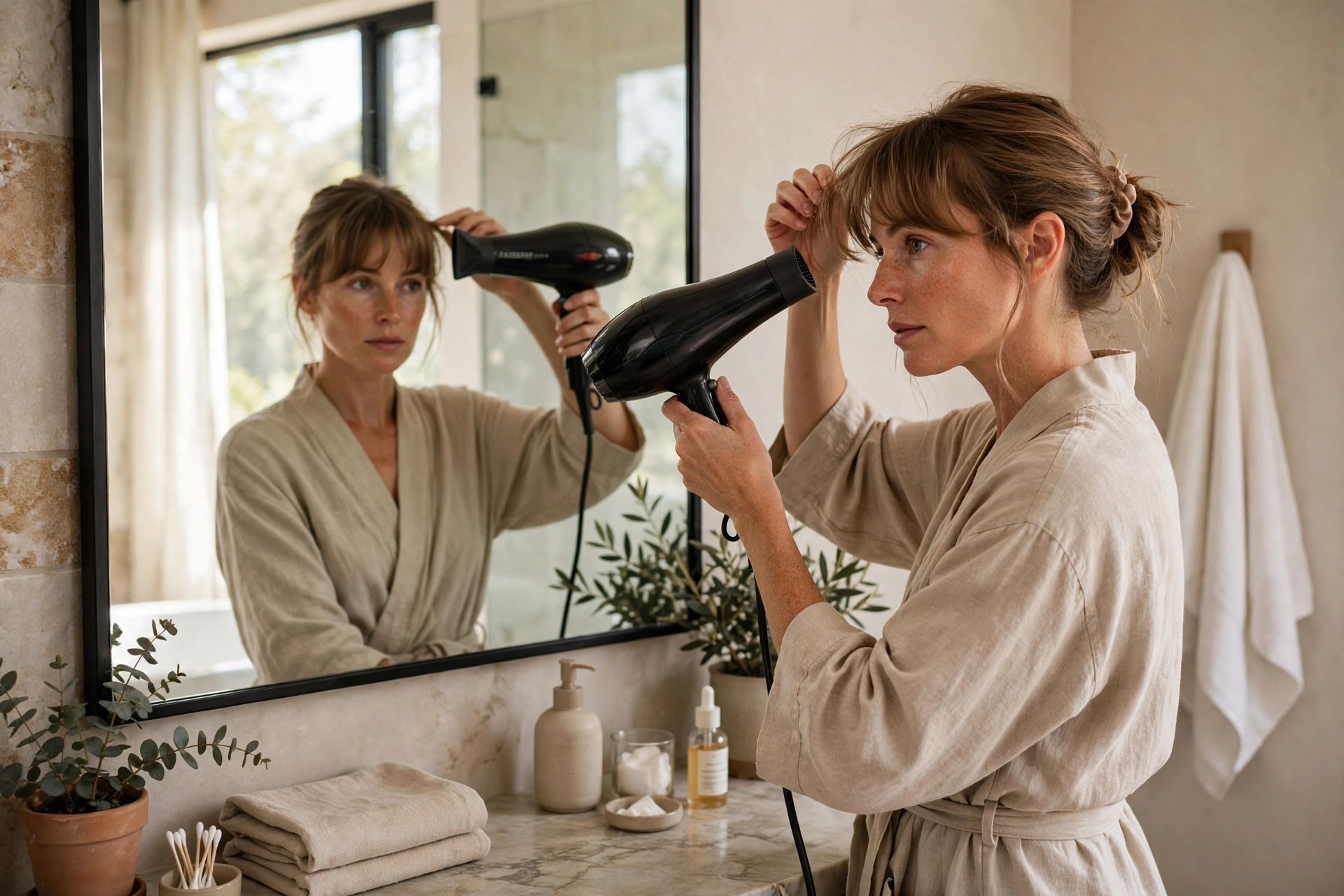
The everyday cloud bang routine takes about three minutes. Start with damp fringe. If you want polish, use a small round brush and a blow dryer, rolling the fringe forward and slightly under as you dry; the pieces will fall with soft separation. If you want the natural look, just push the damp fringe into place with your fingers and let it air dry. Finish with nothing, or with the tiniest amount of texture spray if your hair is very fine and needs help staying separated.
A few rules that keep the cloud cloudy. Never flat-iron the fringe into a solid sheet; the separation is the style. Never load it with heavy product; oils and heavy creams will glue the wisps together and turn your cloud into a curtain. On non-wash days, a puff of dry shampoo at the roots of the fringe absorbs oil and restores airiness in seconds. If the fringe gets bent out of shape overnight, dampen it lightly and re-dry; fringe resets faster than any other part of your hair. For evenings when you want everything sleeked down instead of airy, our wet look hairstyle guide shows how to wear the fringe glossy and controlled.
Best Face Shapes and Hair Types for Cloud Bangs
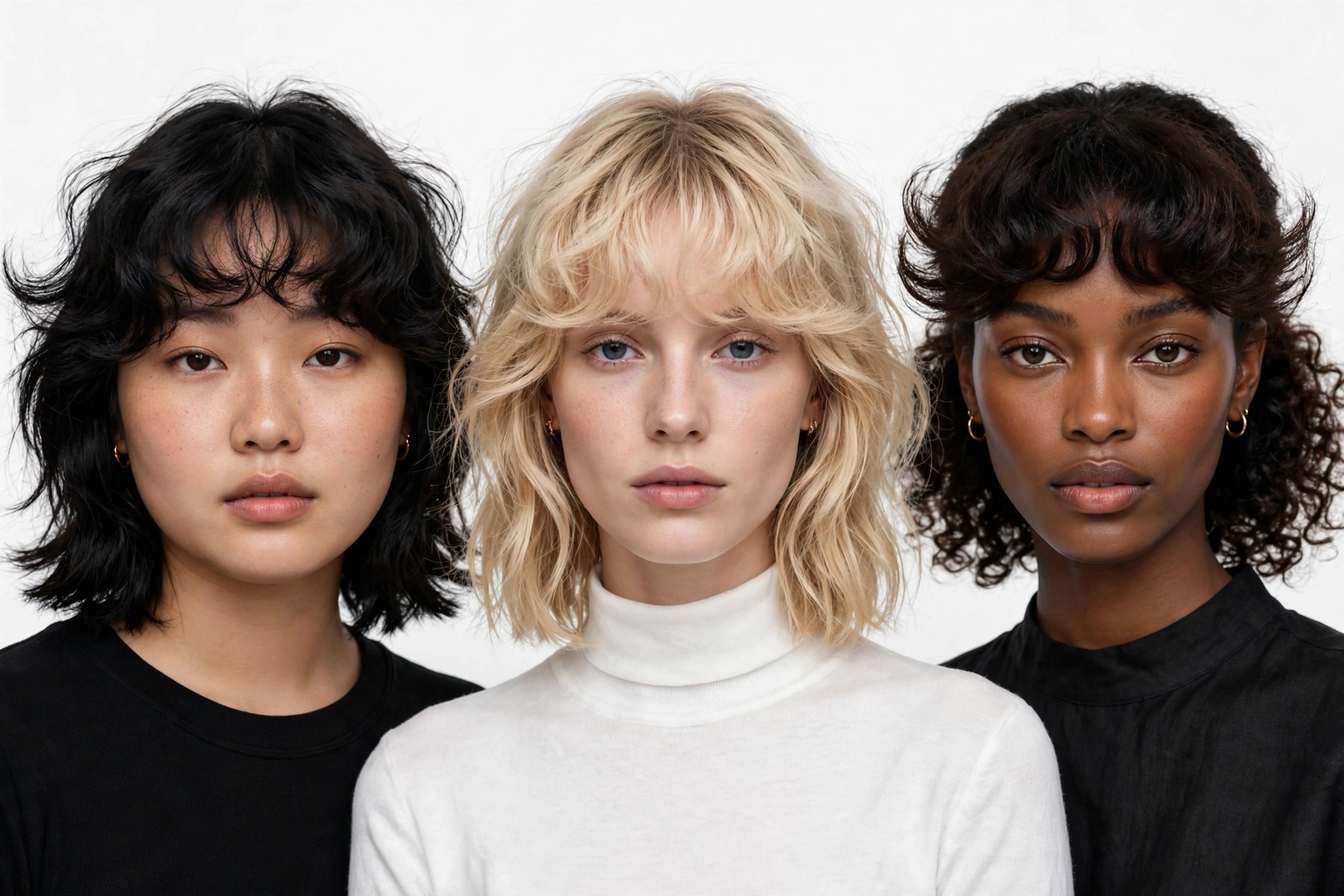
Cloud bangs are unusually democratic as fringes go, because their lightness adapts to the face rather than imposing on it. Oval faces can wear any version; the proportions are balanced, so choose based on lifestyle. Round faces benefit from the asymmetric and side-swept versions, which create diagonal lines that elongate. Long faces should keep the fringe slightly fuller across the middle to visually shorten the forehead. Square faces love the wispy, uneven texture, which softens strong angles. Heart-shaped faces pair beautifully with the curtain-blend versions that add width at the cheekbones.
For hair types: wavy and curly hair are the cloud bang’s natural habitat, achieving the airy effect with minimal effort. Straight hair works well too but needs razor cutting to create the separation; blunt-cut straight fringe will not read as cloud. Fine hair is ideal, as the light density suits it perfectly. Thick hair needs aggressive texturizing to keep the fringe sheer. Very tight coils can wear a cloud-inspired fringe, but find a stylist experienced with your curl pattern and expect a customized approach. The one real caution is strong cowlicks at the front hairline: they can fight any fringe, so discuss yours honestly in the consultation.
Cloud Bangs Maintenance Guide
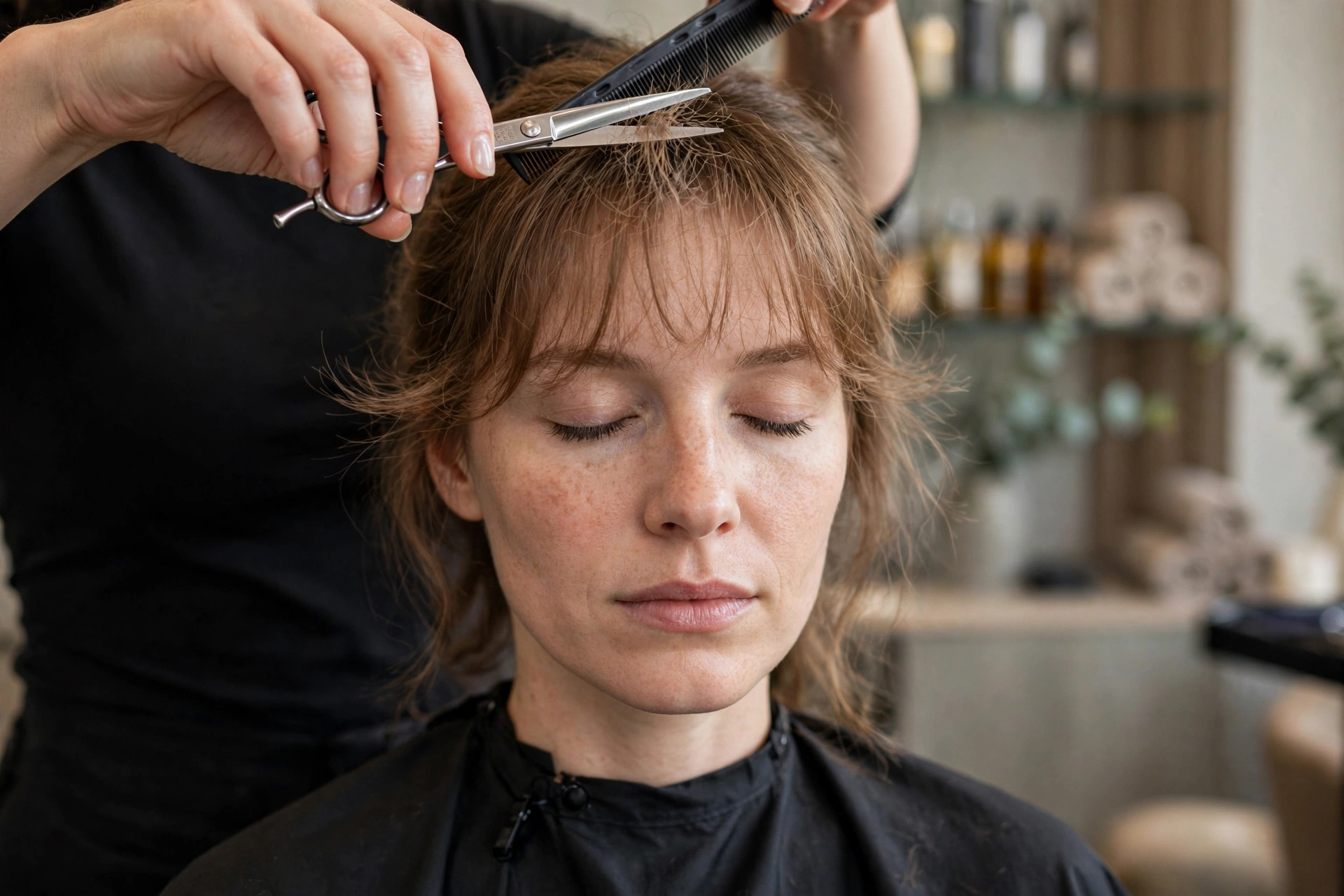
Cloud bangs are lower maintenance than any fringe you have had before, but they are not zero maintenance. The fringe grows, and as it grows the lightness that defines it starts to disappear under new density. Plan for a fringe trim every four to six weeks. The good news: it is a fifteen-minute appointment, many salons offer it cheap or free between full cuts, and some women learn to dust the ends themselves. Do not attempt a full reshape at home, but snipping the very tips to buy a week is survivable.
Between trims, washing strategy matters more than with other fringes. The fringe gets oily faster than the rest of your hair because it sits on your forehead, so many women wash just the fringe on non-wash days: a quick shampoo at the sink, a fast dry, done in five minutes. Dry shampoo at the roots works too. Keep the fringe away from heavy skincare products; moisturizers and sunscreens migrate into the hairline and weigh the wisps down. And remember the grow-out grace: if you decide bangs are not for you after all, the cloud grows out more beautifully than any fringe, melting into layers within a couple of months.
Frequently Asked Questions

What is the difference between cloud bangs and curtain bangs?
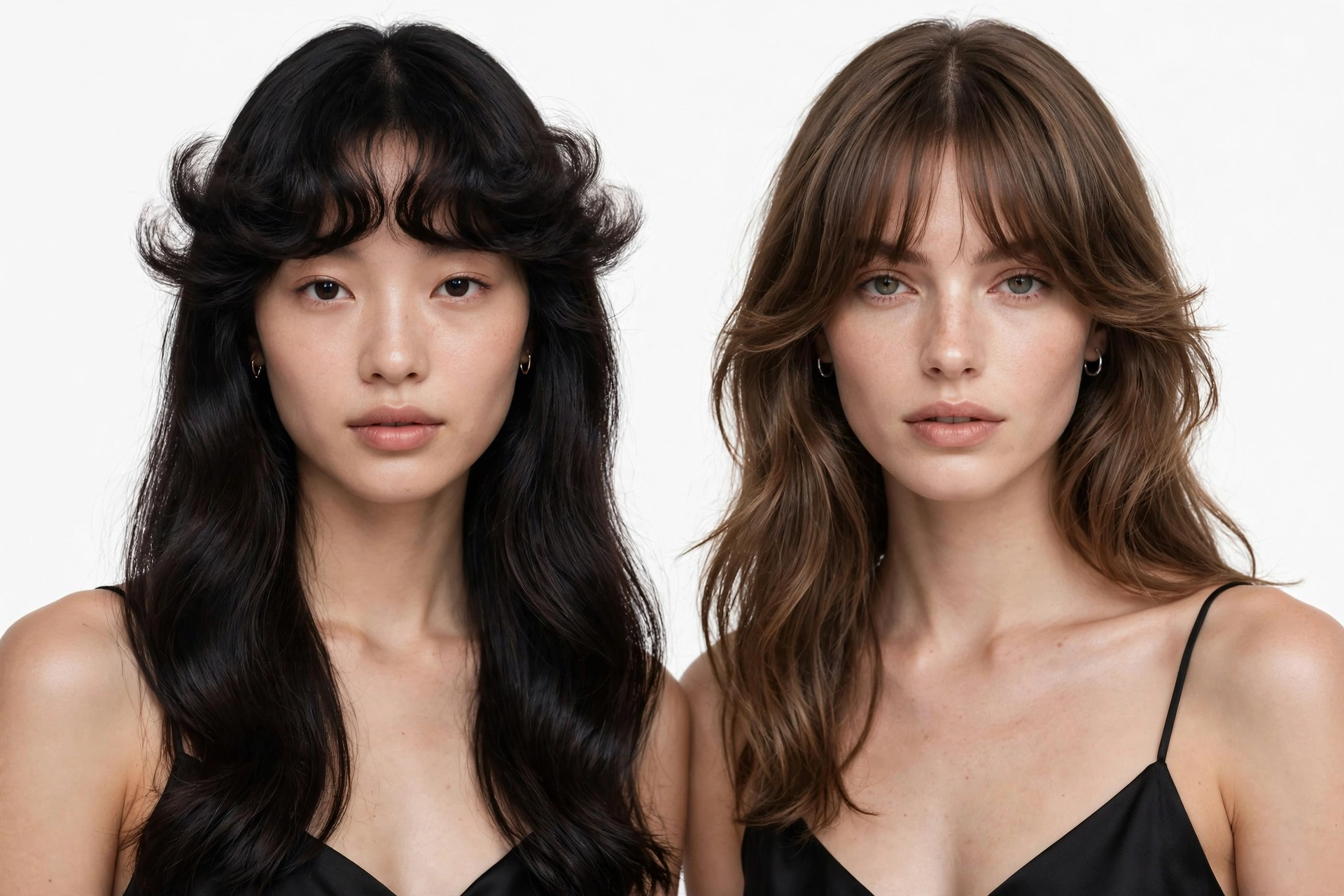
Density and commitment. Curtain bangs are parted in the middle and cut with enough weight to frame the face in two substantial panels; they need daily styling to look right. Cloud bangs are significantly lighter, cut with razor-feathered ends and visible separation, with sections of forehead showing through. They are more forgiving, need less styling, and grow out more gracefully. Think of curtain bangs as the structured older sibling and cloud bangs as the free-spirited younger one. Many women are currently converting from curtain to cloud by asking their stylist to lighten the density while keeping the shape. For the bolder end of the fringe spectrum, our baby bangs guide covers the micro-fringe look.
Do cloud bangs work on curly hair?
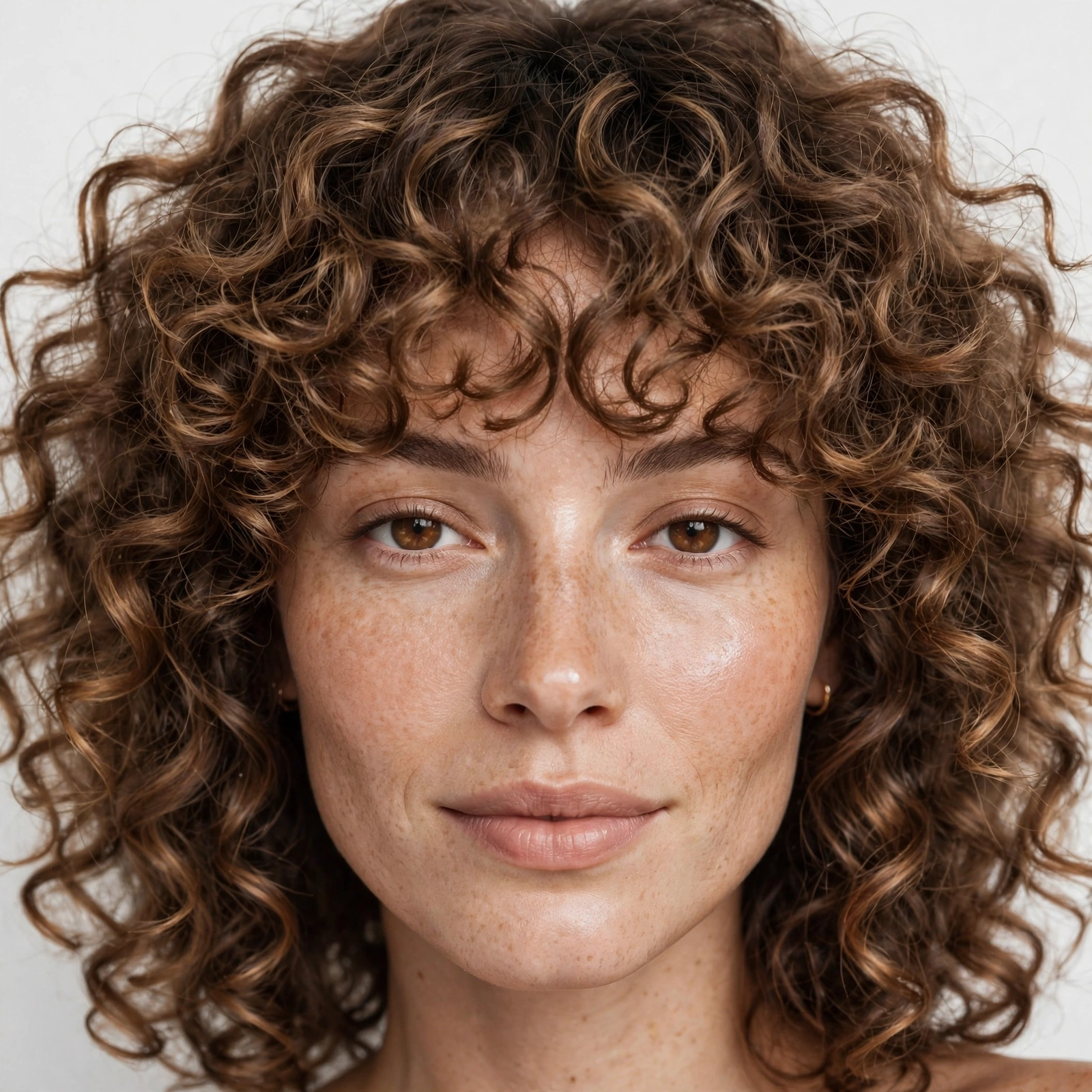
Beautifully, with the right cut. Curly hair creates the cloud effect naturally through its built-in separation and volume. The fringe must be cut dry, curl by curl, and left longer than you think because curls shrink as they dry. Style with curl cream on damp hair and air dry or diffuse. The one thing to avoid is cutting curly fringe wet to the “right” length; it will spring up shorter than planned every time. Find a stylist who cuts curly hair dry and you will get a fringe that is uniquely yours. If you are new to fringe on curls, start longer; you can always take more off.
How often do cloud bangs need trimming?

Every four to six weeks to keep the lightness and shape at their best. That sounds frequent, but fringe trims are quick fifteen-minute appointments, and many salons offer them at low cost or complimentary between full haircuts. You will know it is time when the wisps start looking like a solid panel again or when they begin falling into your eyes. Between appointments, resist the urge to do a full reshape yourself; trimming the very tips to buy an extra week is fine, but reshaping a razor-cut fringe at home usually ends in regret and a corrective salon visit.
Can I get cloud bangs if I have a cowlick?
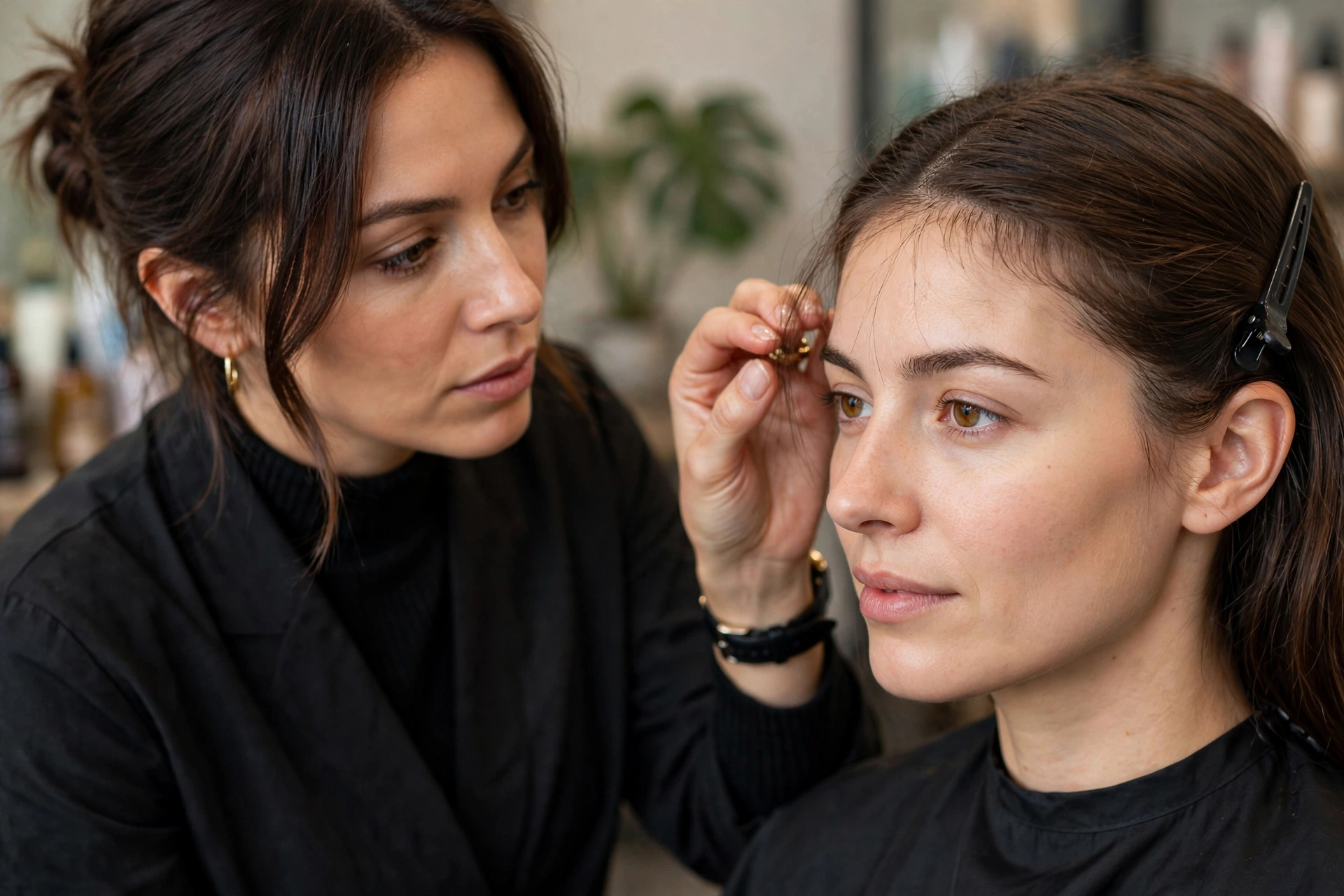
It depends on the cowlick’s strength and position. A mild cowlick can actually work with the cloud bang’s asymmetric, piecey nature; the unevenness hides a multitude of growth-pattern sins. A strong cowlick right at the front hairline is a genuine obstacle for any fringe, because it will push the hair in a direction the style does not want. Be honest about it in the consultation and let the stylist feel your hairline before committing. Sometimes the answer is a side-swept version that works with the cowlick’s direction instead of against it. A good stylist will tell you the truth.
How do cloud bangs grow out?
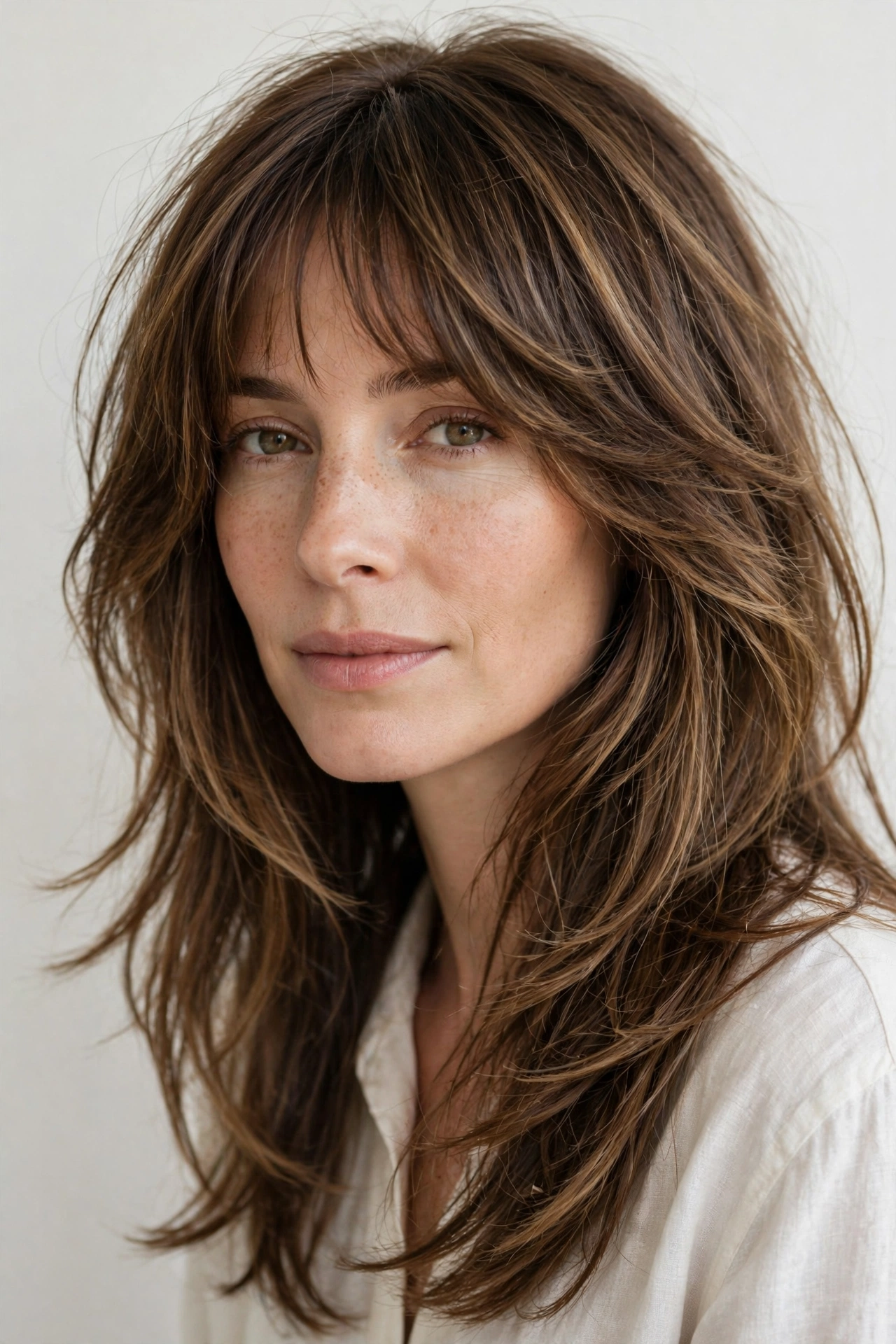
More gracefully than any other fringe, which is one of the trend’s biggest selling points. Because the pieces are light and already blended into the face-framing layers, there is no awkward in-between stage. The fringe simply lengthens and melts into the layers over two to three months. If you are transitioning from a heavier fringe, ask your stylist to lighten it into a cloud shape first; that turns a blunt grow-out into a graceful one. No headbands, no pinning it back for months, no regret phase. It is the rare haircut that has a good ending built in.
Final Thoughts
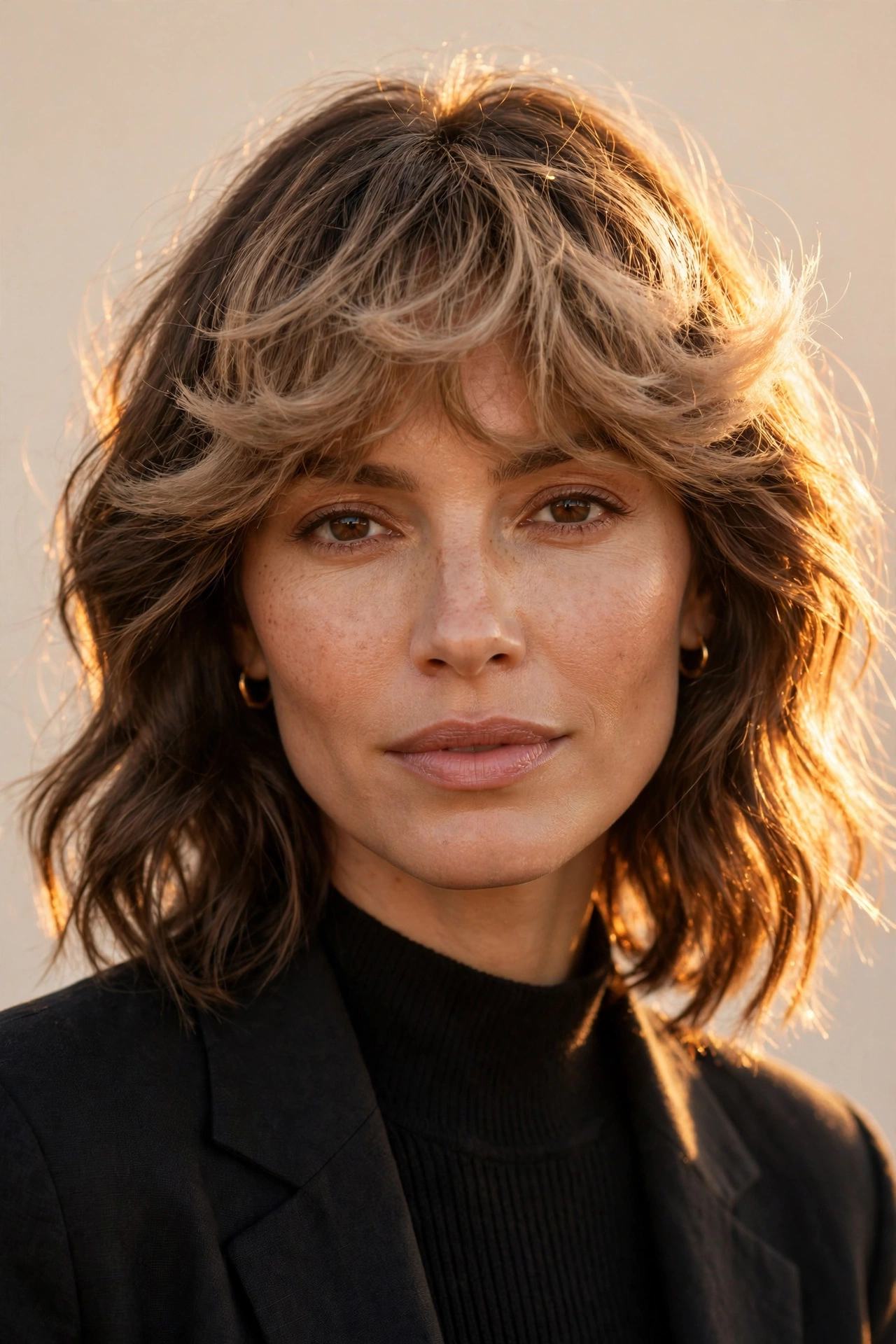
The cloud bangs women are choosing for fall 2026 earned their moment by being the rare trend that is both beautiful and kind. They ask for minutes, not routines. They flatter instead of demanding. They grow out gracefully instead of punishing you for changing your mind. Twenty versions, one idea: fringe with air in it, cut to move, designed for real life.
If you are trying them for the first time, start with the classic cloud bang on long layers: it is the most forgiving version, the easiest to style, and the simplest to grow out if you change your mind. Bring three reference photos to your stylist, have the honest conversation about your hairline and your habits, and give the fringe two weeks to settle before you judge it. Paris Select called the cloud bang the new star haircut of autumn 2026, and Grazia’s fall coverage confirms the direction: lightness is the mood. The curtain era was lovely. The cloud era is lighter. For the runway context behind the trend, Paris Select’s autumn 2026 haircut report is worth a read, and Grazia’s whisper fringe feature shows the trend’s close cousin in detail.
Conclusion
Cloud bangs are 2026’s dreamiest fringe — wispy, airy, and softer than a whisper. Unlike blunt bangs, these featherlight pieces float across the forehead, flattering round and square faces by softening rather than hiding. They pair beautifully with long layers, bobs, and everything in between.
Trim them every three to four weeks to keep the airy shape, and style with a quick pass of a flat iron or round brush — they need almost no product. If you’ve wanted bangs without the commitment in 2026, cloud bangs are your perfect soft-launch fringe.