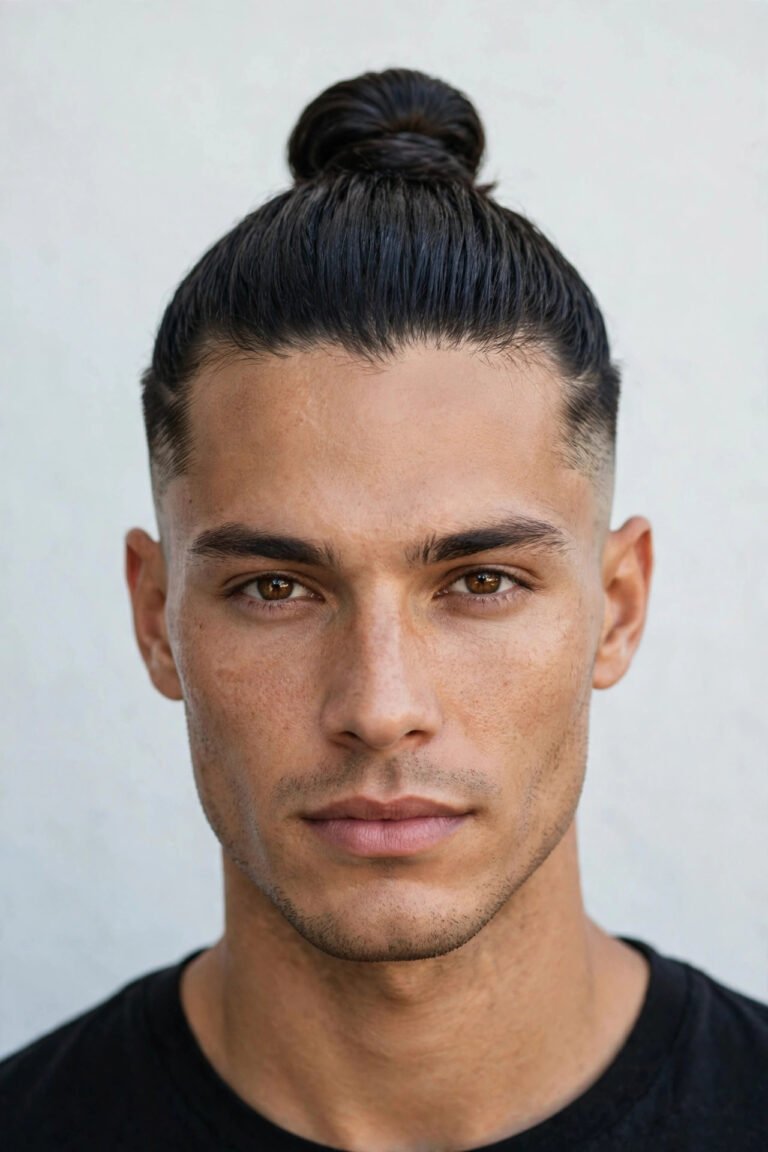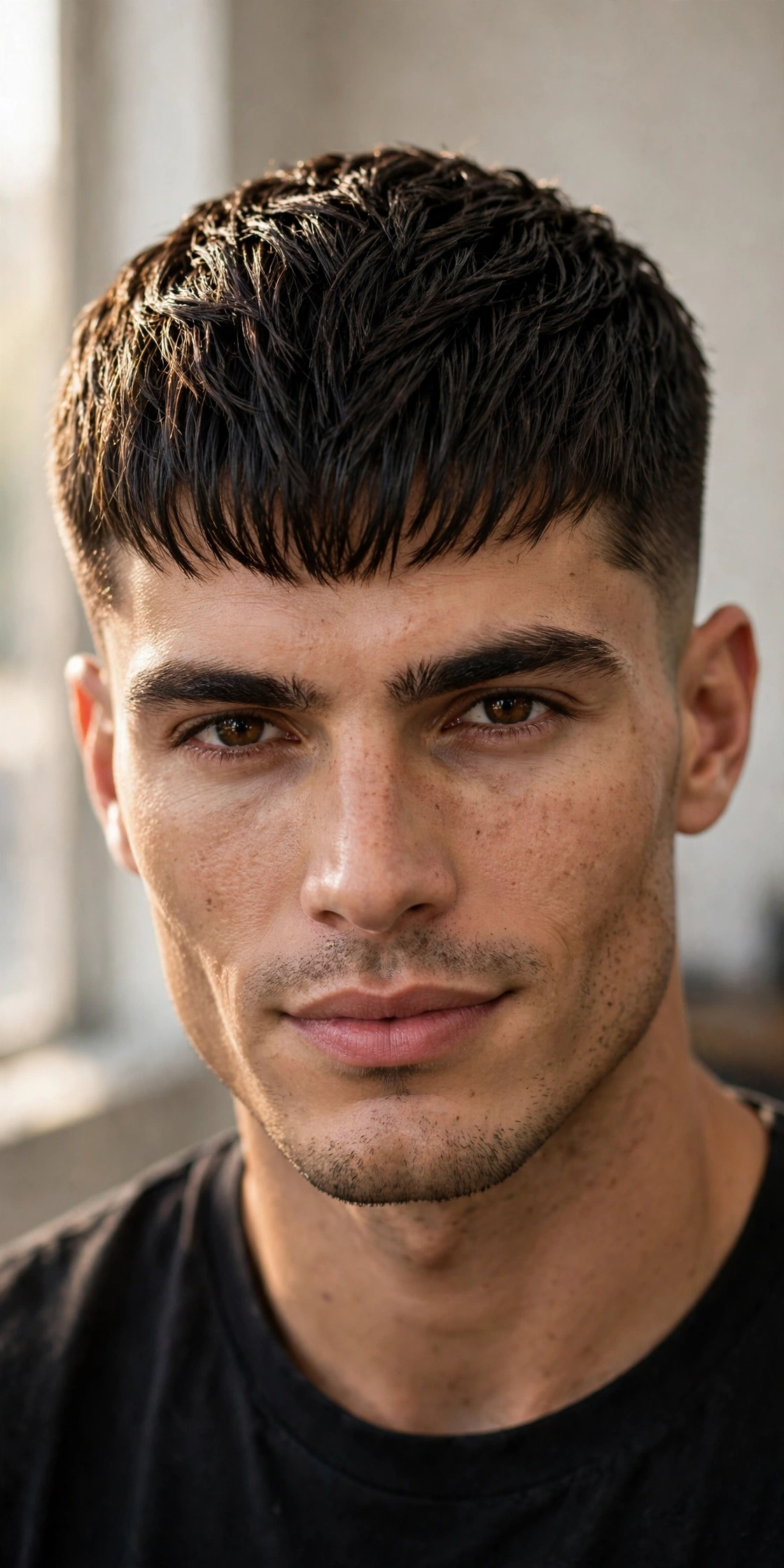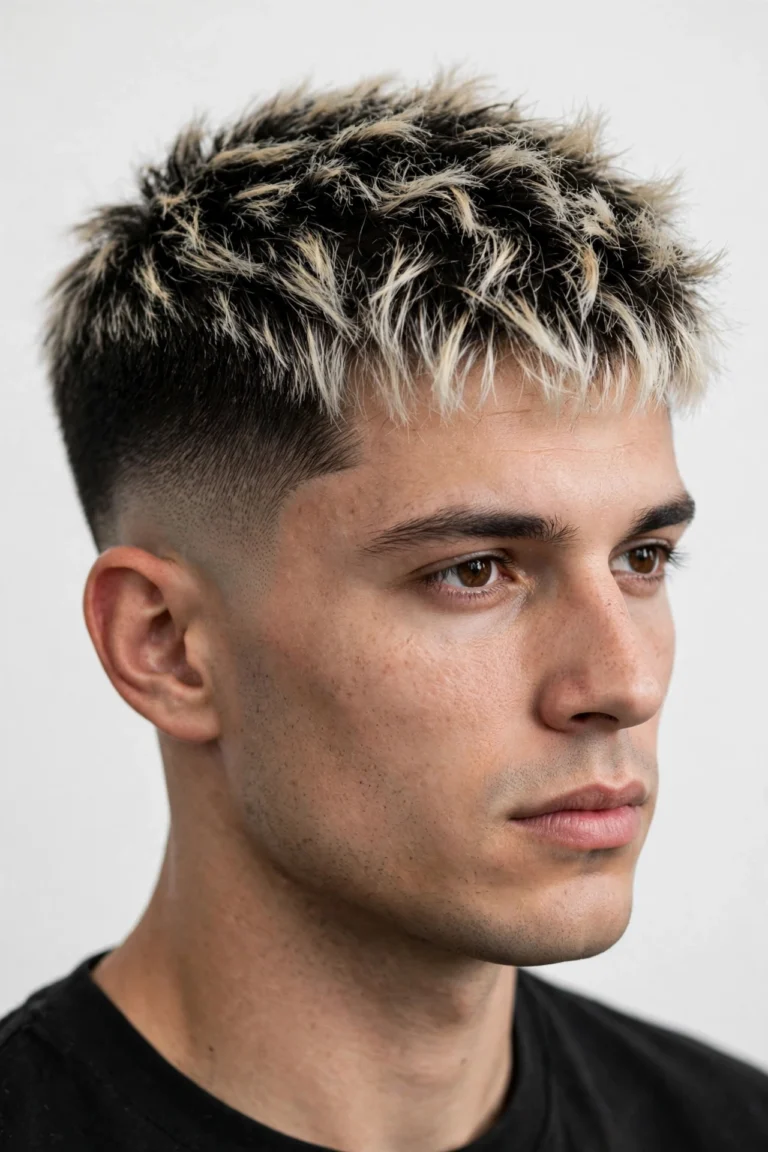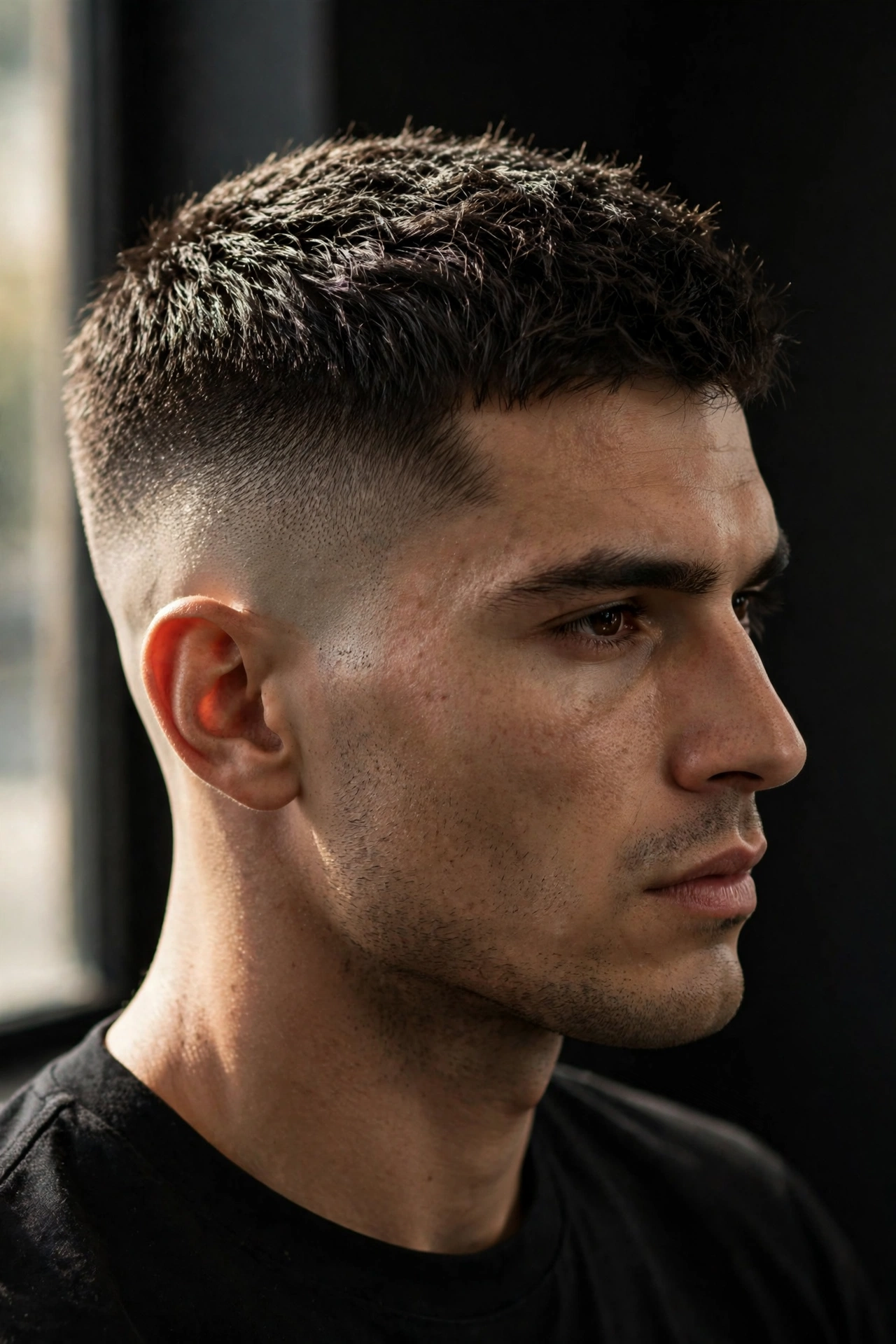
Wolf Cut for Men 2026: 15 Bold Textured Wolf Cut Ideas
What Is the Wolf Cut for Men?
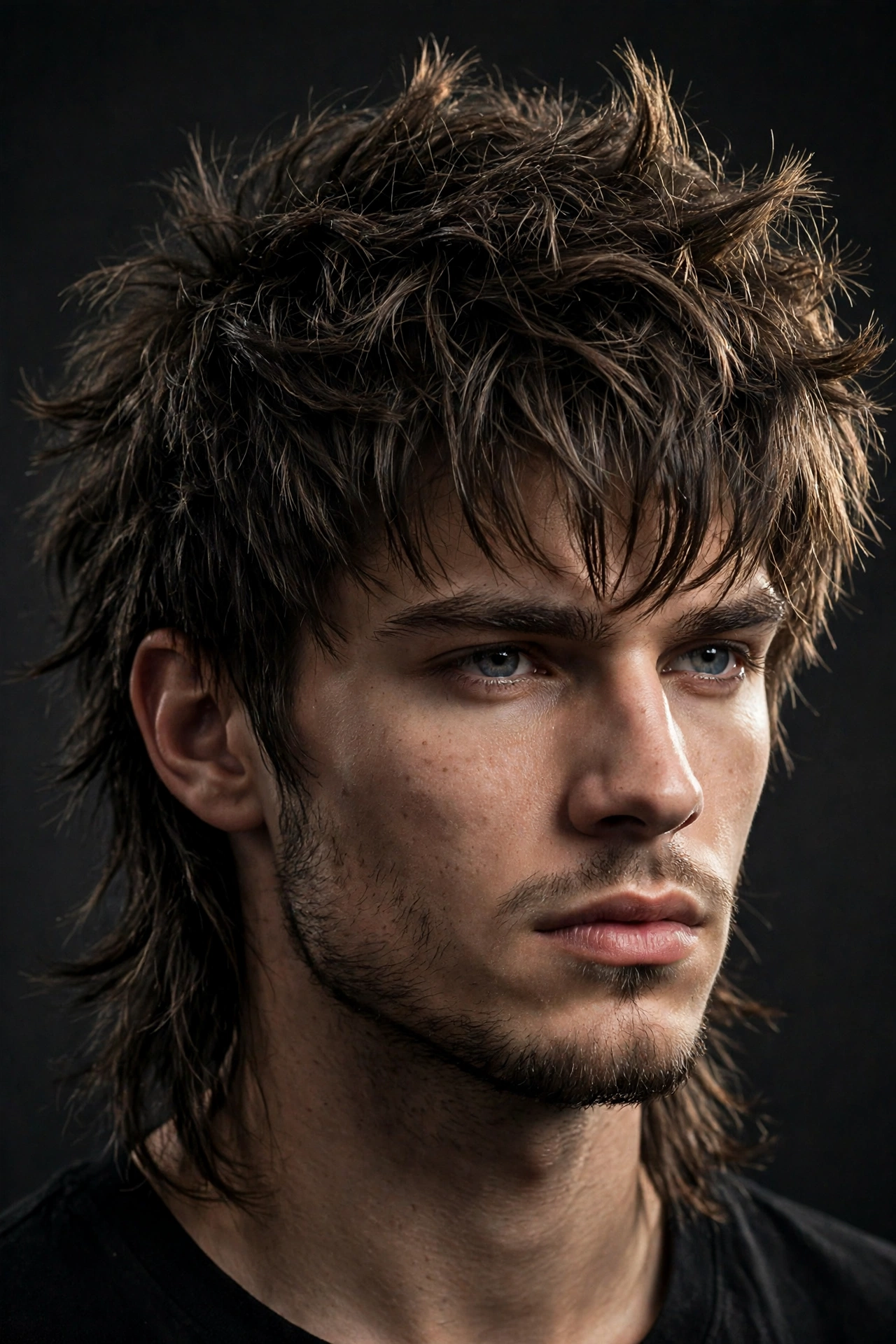
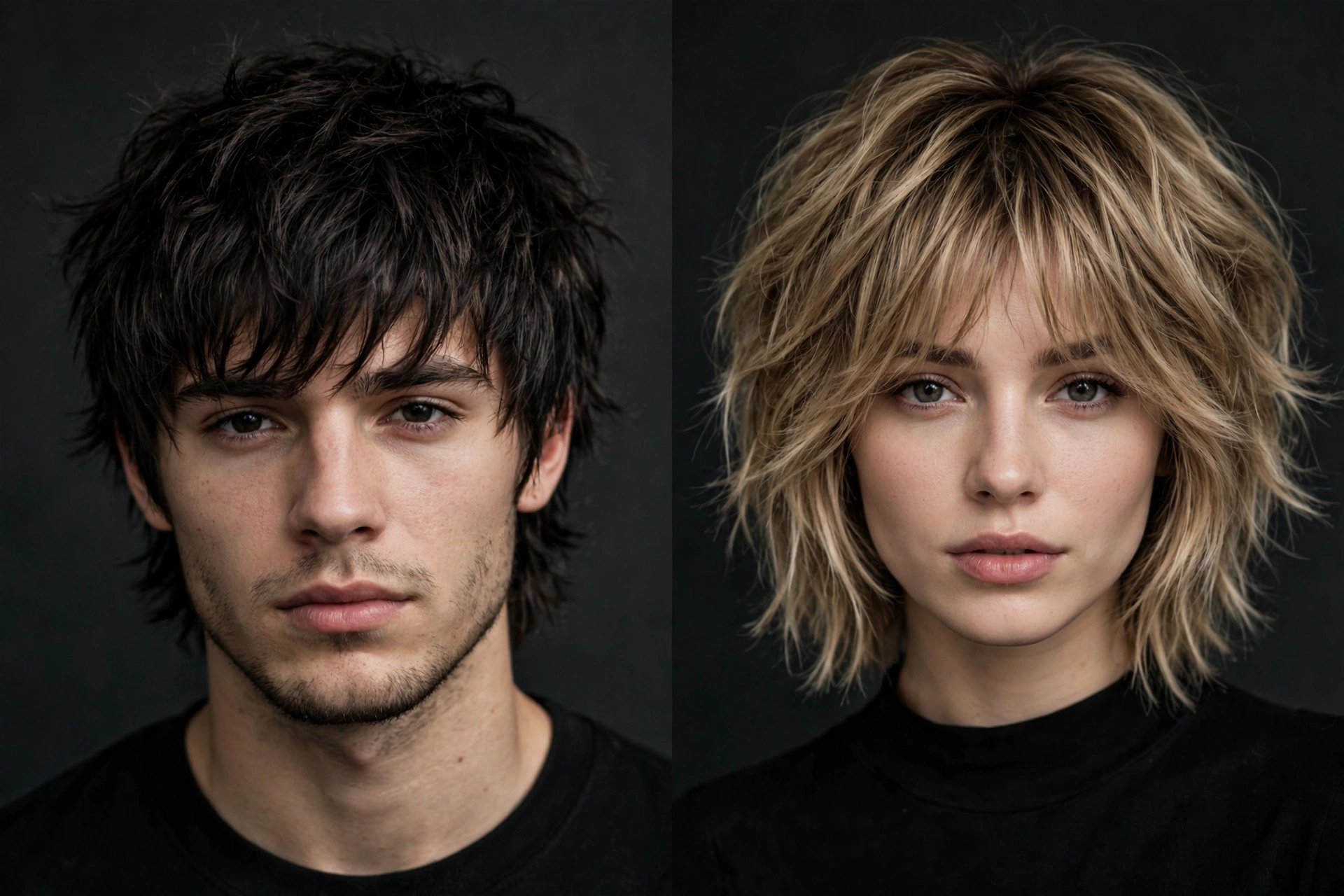
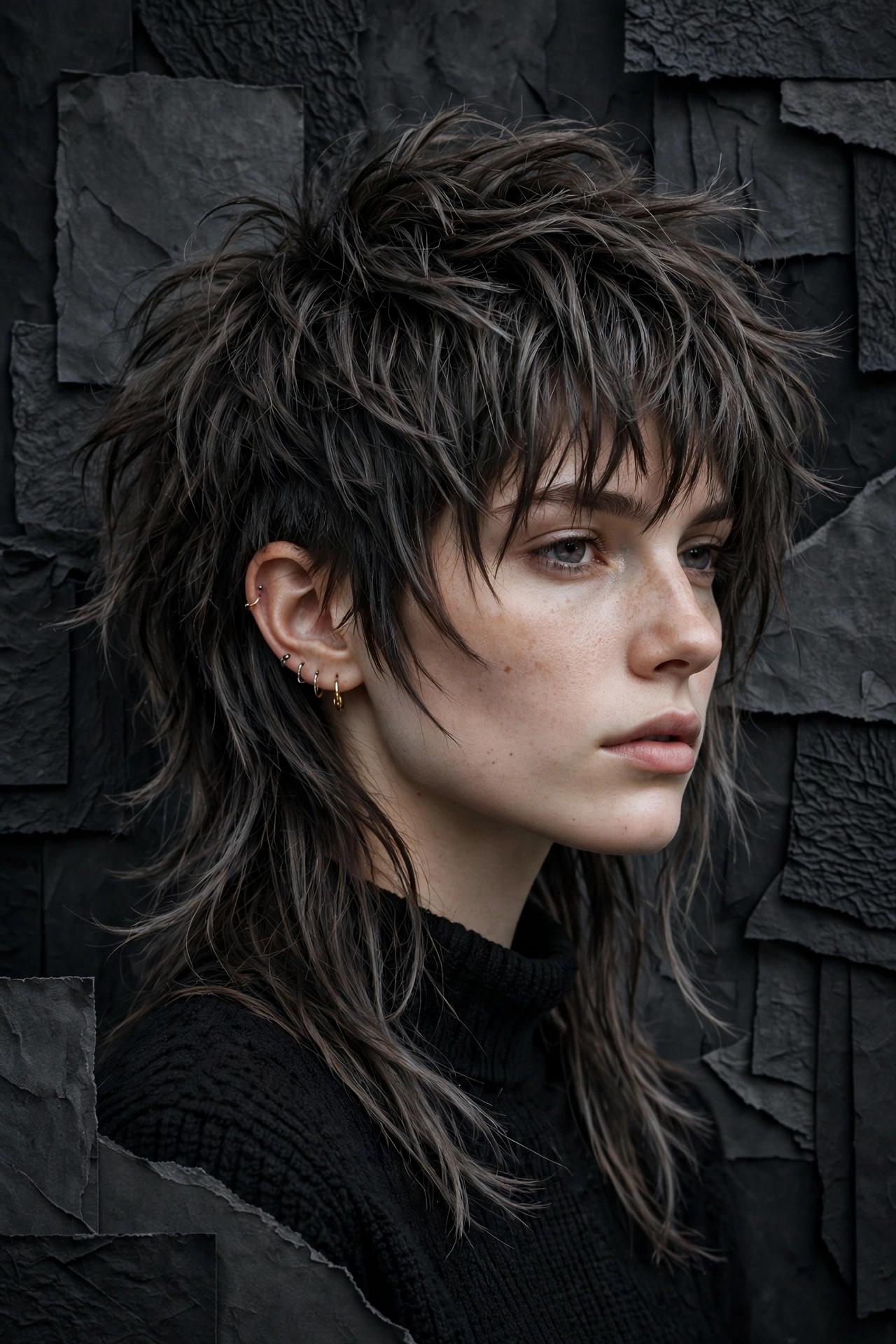
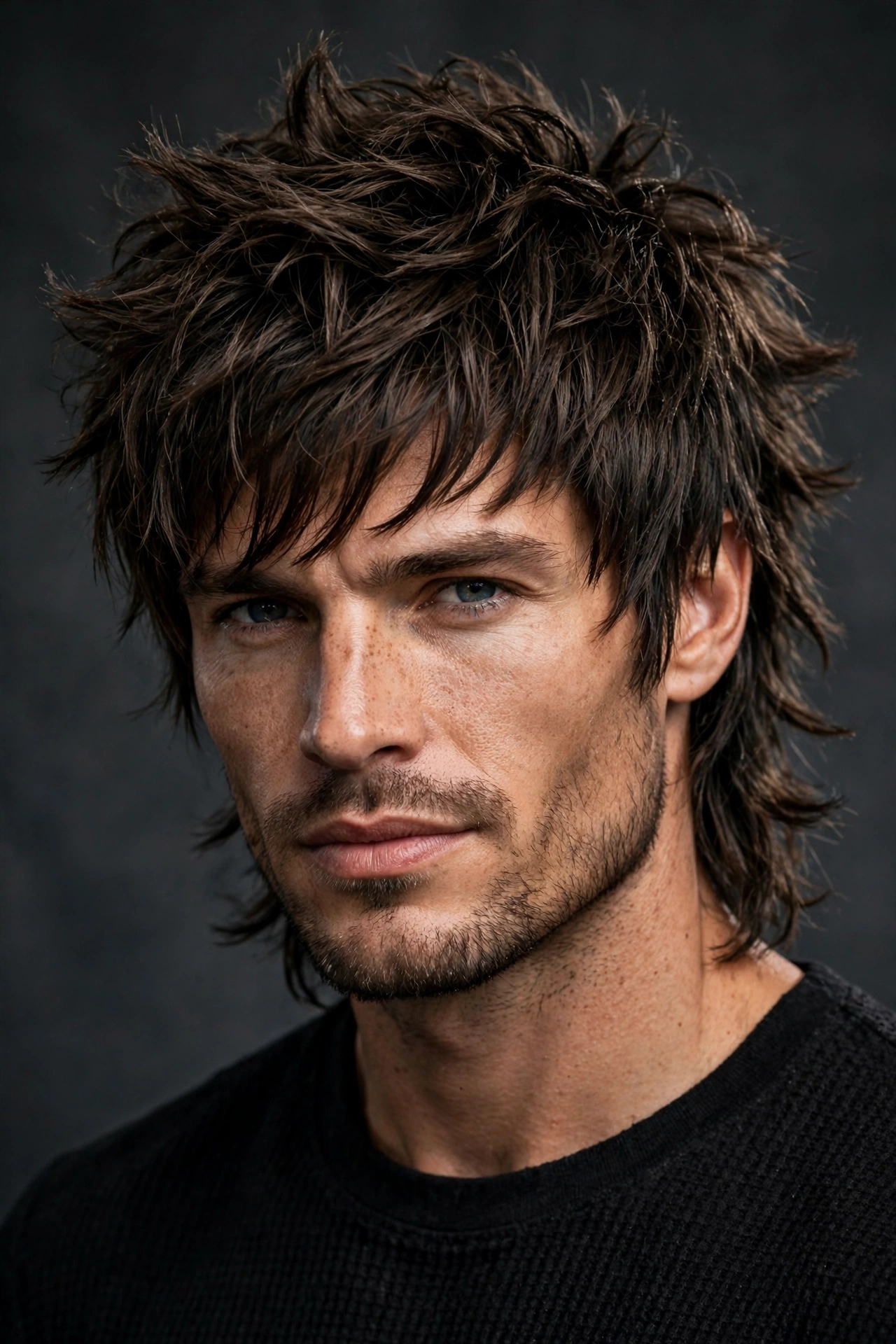
The wolf cut for men is a bold, high-texture hairstyle that combines the shaggy layers of a classic shag with the edgy volume of a mullet. It’s characterized by heavy layering throughout, with shorter layers on top creating volume and longer layers in the back providing length. The result is a wild, untamed look that has “effortless cool” written all over it. Unlike the women’s wolf cut which often leans softer, the men’s version is more aggressive — choppier, more textured, and unapologetically bold.
The men’s wolf cut typically features 3 to 5 inches on top with dramatic layering, while the back extends to 5 to 8 inches or more. The sides are heavily layered rather than faded, creating a seamless flow from top to back. What distinguishes the wolf cut from a regular shag is the contrast — the top is significantly shorter and more voluminous than the back, creating that signature “wolf” silhouette that’s full on top and tapering toward the bottom.
This isn’t a haircut for the faint of heart. The wolf cut makes a statement. It’s for guys who want to stand out, who aren’t afraid of texture and volume, and who embrace a more rebellious aesthetic. In 2026, it’s become one of the most requested edgy cuts in barbershops, particularly among younger men and those in creative fields.
The 2026 men’s wolf cut has evolved from its earlier versions. Today’s wolf cut is more wearable — the layers are still dramatic but the overall shape is more controlled. Barbers have learned how to adapt the cut to different hair types and face shapes, making it accessible to more guys. It’s still bold, but it’s no longer just for punk rockers and K-pop idols.
Wolf Cut Men vs Women: What’s Different?
Since we already have a women’s wolf cut article on the site, it’s important to clarify how the men’s version differs. While they share the same DNA — heavy layers, shag-mullet hybrid shape — the execution is quite different.
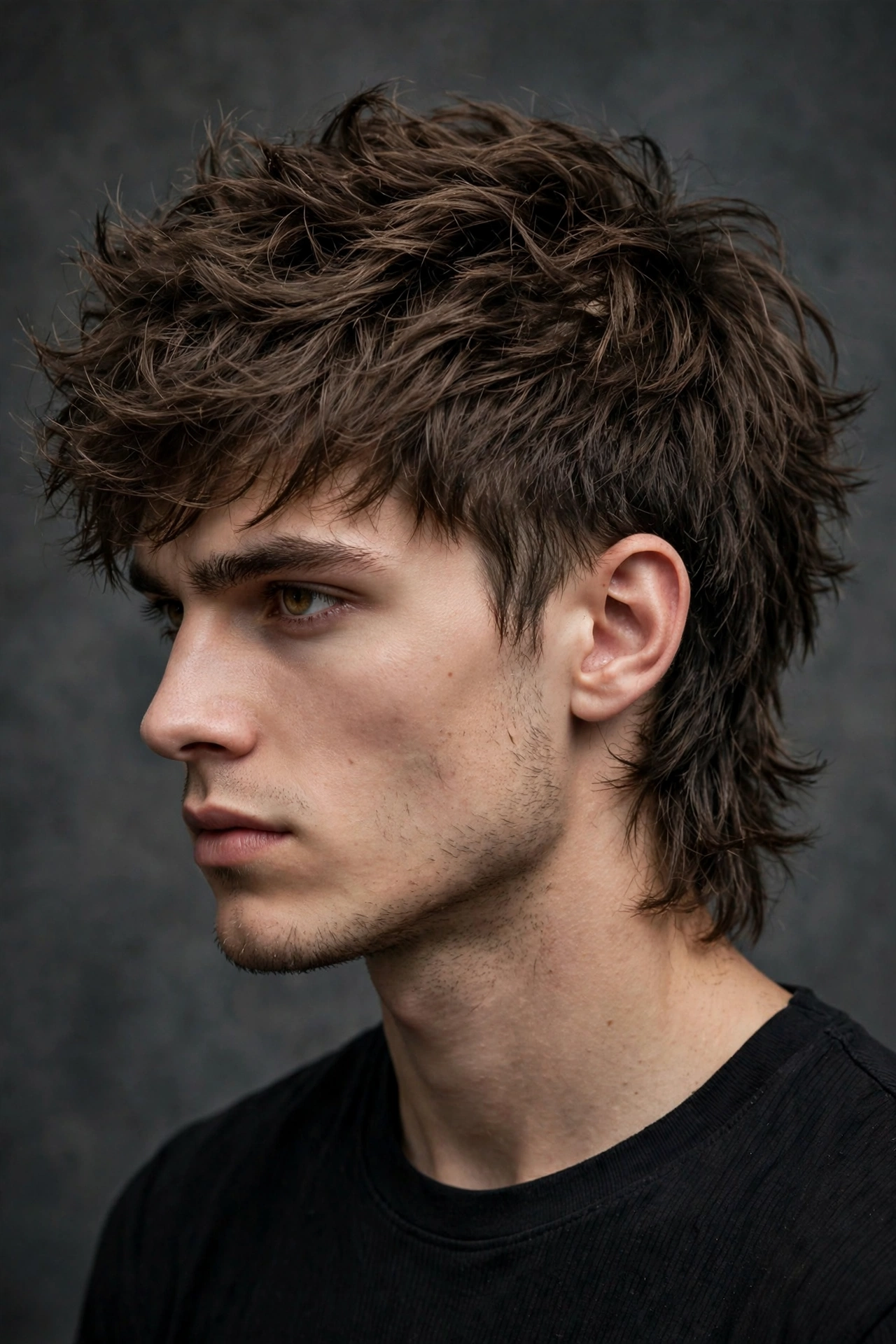
The men’s wolf cut is generally shorter and more structured. Where the women’s version might have soft, flowing layers, the men’s version features choppier, more defined texture. The top volume is more pronounced in the men’s cut, creating a bolder silhouette. The back length is typically shorter too — where women’s wolf cuts might extend past the shoulders, men’s versions usually stop at or above the collar.
Styling differs as well. The women’s wolf cut often embraces soft waves and curtain bangs. The men’s version leans into messier texture, with more emphasis on piece-y separation and edgy finish. Products tend to be matte and texturizing rather than smoothing.
The vibe is different too. The women’s wolf cut can be soft and feminine despite its edge. The men’s wolf cut is unapologetically masculine and rebellious. It’s less “effortless chic” and more “I don’t care what you think.” That attitude is a big part of its appeal.
If you’ve seen the women’s wolf cut and liked the concept but want something more aggressive, the men’s version is for you. It’s the same rebellious spirit with a bolder execution.
Why the Men’s Wolf Cut Is Trending in 2026
The men’s wolf cut is having a massive moment in 2026, and it’s not hard to see why. This is the haircut for the post-fade era — for guys who are tired of the same short-back-and-sides they’ve been getting for a decade.
First, there’s the rebellion factor. After years of clean fades and precise cuts, men are craving something with more personality. The wolf cut delivers that in spades. It’s messy, it’s textured, it’s unapologetic. In a world of Instagram-perfect styles, the wolf cut’s “I woke up like this” energy feels authentic and refreshing.
Second, the wolf cut photographs incredibly well. The heavy texture and dramatic layers create visual interest that translates beautifully to photos and videos. In the age of TikTok and Instagram Reels, a haircut that looks dynamic on camera has a huge advantage. The wolf cut’s movement and dimension make it perfect for content.
Third, K-pop and anime culture continue to drive the trend. The wolf cut has been a staple in K-pop for years, and as Korean culture’s global influence grows, so does the haircut’s popularity. Anime protagonists with wild, layered hair have also normalized the aesthetic for younger generations. What was once “weird” is now aspirational.
Fourth, the wolf cut works with the broader shift toward longer men’s hair. As more guys grow their hair out, they need styles that make length look intentional rather than neglected. The wolf cut’s structured layers give long hair shape and purpose. It’s the perfect bridge between short and long.
Finally, the wolf cut is surprisingly versatile. It can be styled messy for a casual look or more controlled for something sharper. It works for straight, wavy, and curly hair (with adjustments). And it suits a range of personal styles, from streetwear to high fashion. That adaptability has helped it cross over from niche to mainstream.
15 Wolf Cut Ideas for Men in 2026
Ready to go full wolf? Here are 15 variations of the men’s wolf cut, from subtle to wild. Find the one that matches your vibe.
1. The Classic Men’s Wolf Cut
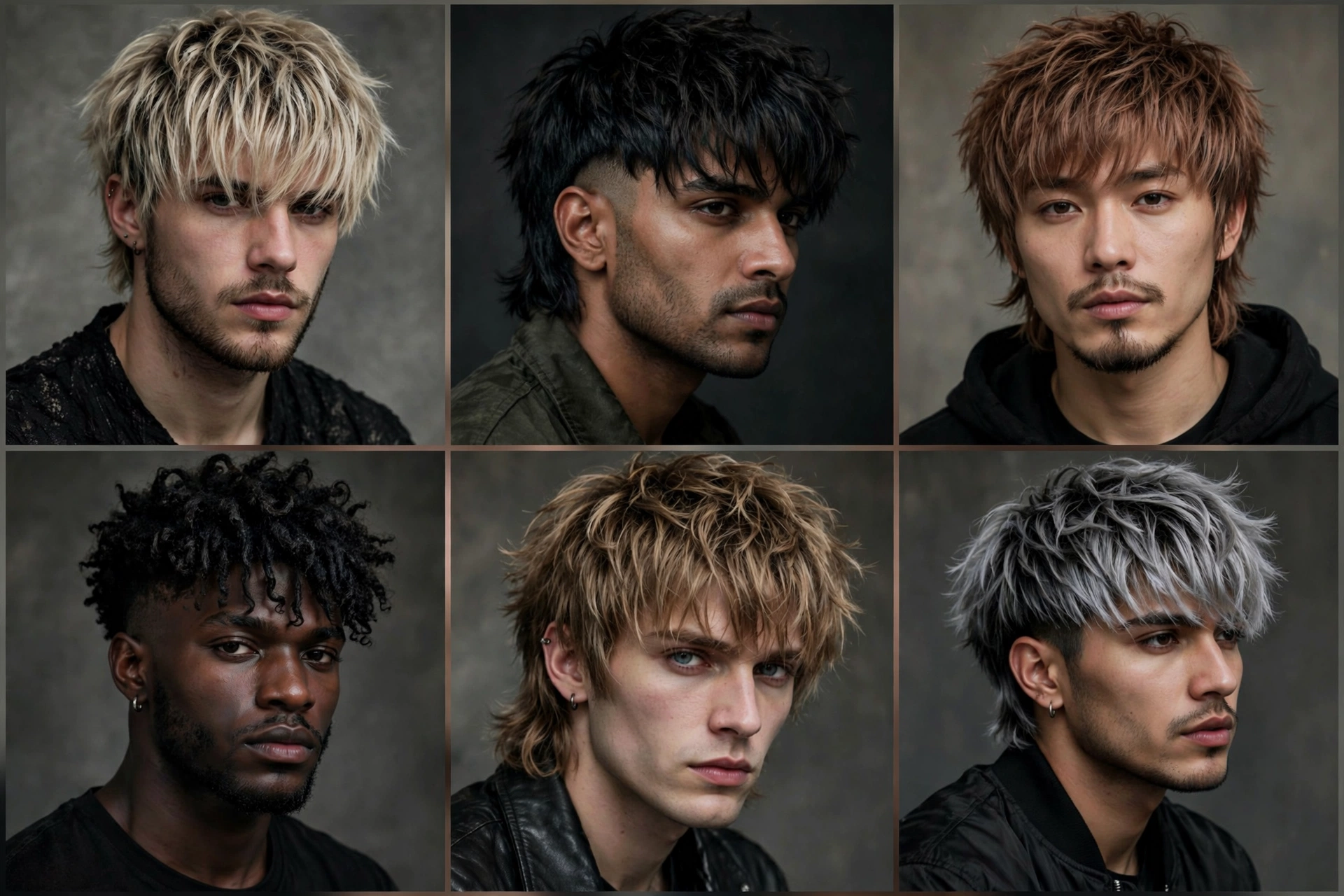
The classic men’s wolf cut is the blueprint — 4 inches on top with heavy layers, 6 inches in the back, choppy texture throughout. The top has maximum volume while the back tapers naturally. Ask your barber for “heavy layers with a mullet-inspired back” and show reference photos. This is the most recognizable version and works best on thick, straight to wavy hair. Style with texturizing spray on damp hair, then blow-dry with your fingers for lift. Finish with matte clay on dry hair, pulling pieces apart for separation. Bold, iconic, and unmistakable.

2. The Subtle Wolf Cut
Not ready to go full wolf? The subtle version tones down the drama while keeping the essence. The layers are softer, the length difference between top and back is less extreme, and the overall shape is more wearable. This is the wolf cut for guys who want edge without scaring their boss. Ask for “light wolf layers” — your barber will know to keep it controlled. Works in professional settings while still feeling modern.
3. The Curly Wolf Cut
Curly hair takes the wolf cut to another level. The natural volume of curls amplifies the wolf’s signature top-heavy shape. The key is shaping — without proper layering, curly wolf cuts can turn into an afro. Ask for a rounded shape with defined layers. Use curl cream to enhance the pattern. The curly wolf cut is wild, voluminous, and absolutely striking.
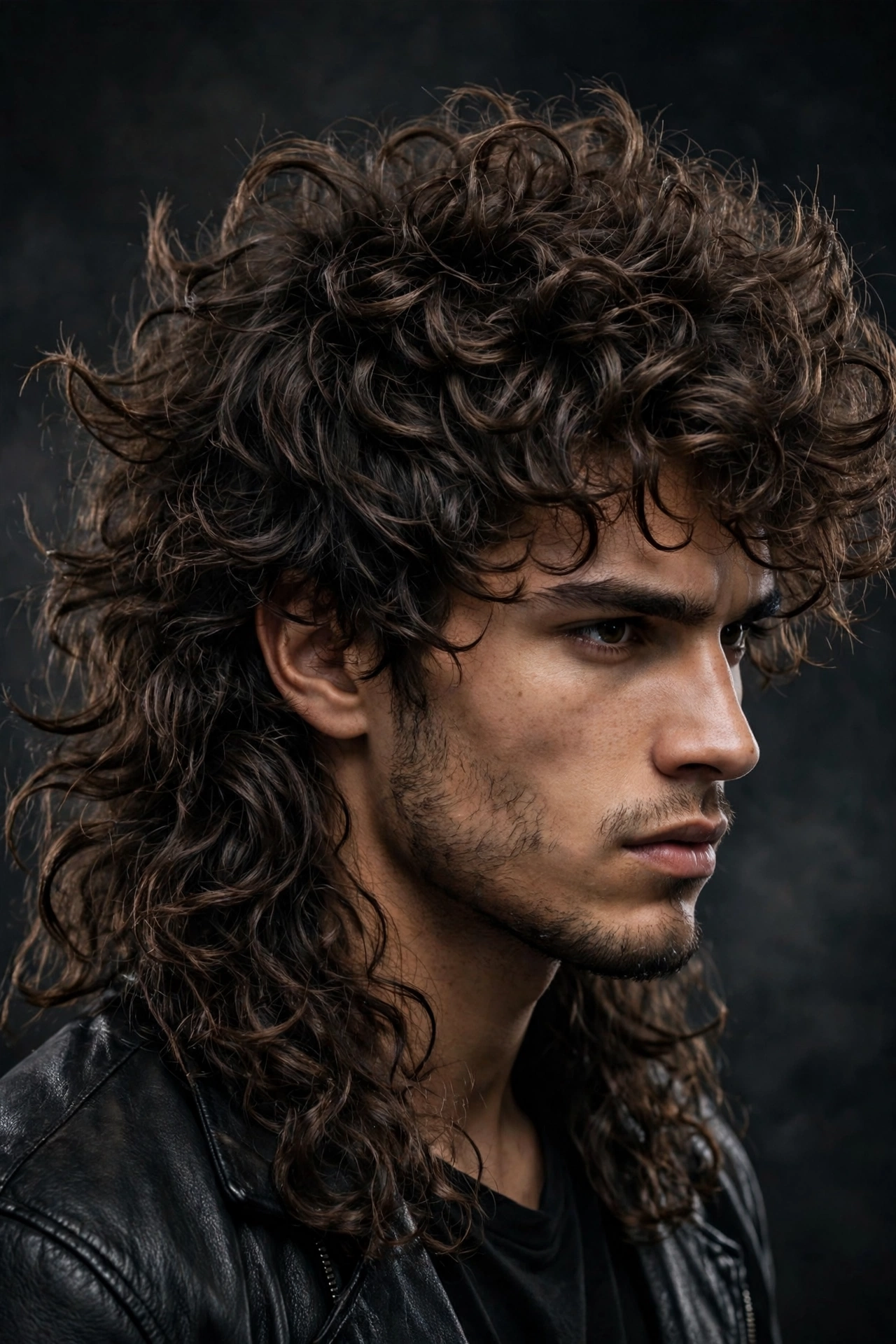
4. The Wavy Wolf Cut
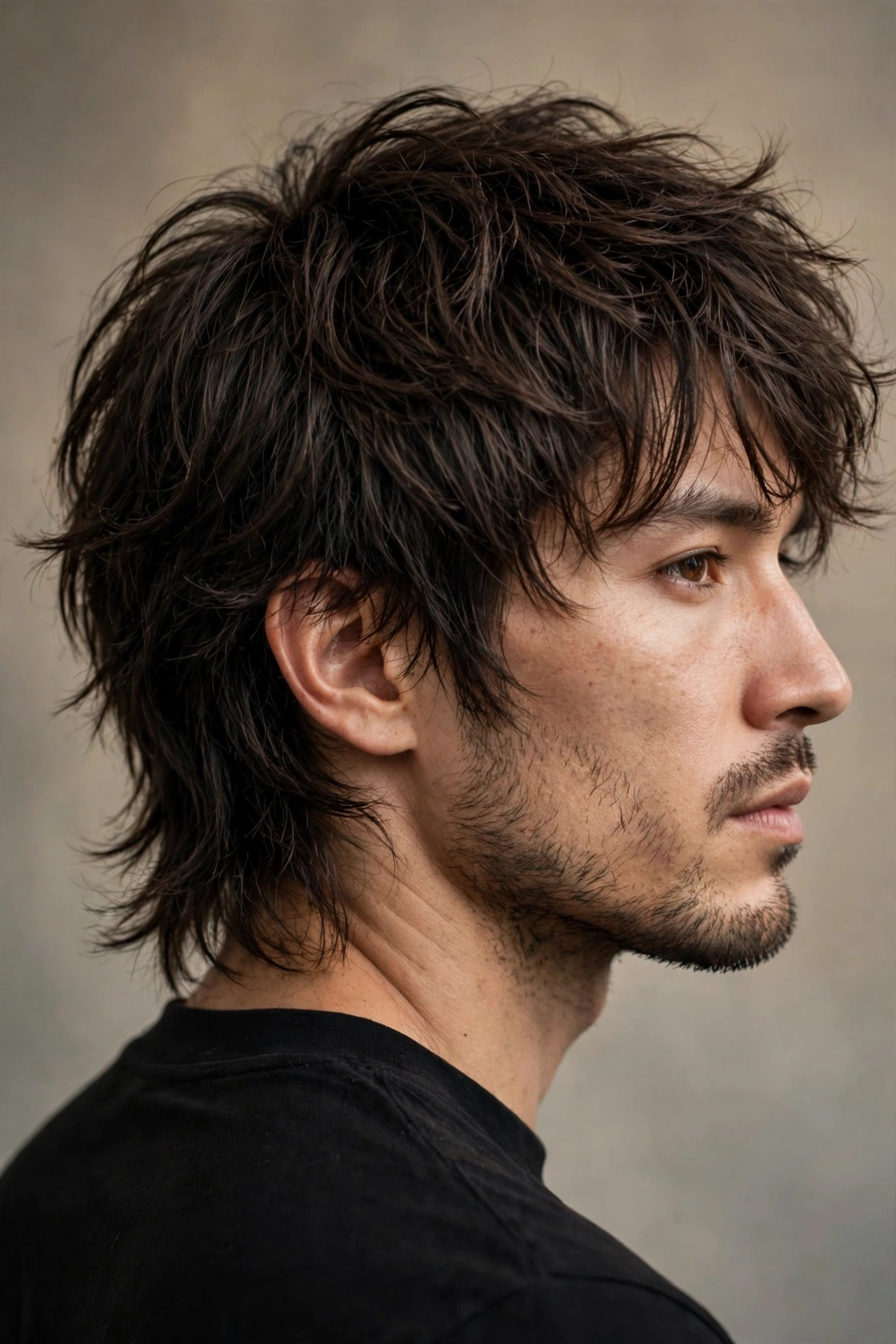
Wavy hair is arguably the best texture for the wolf cut. The natural waves enhance the choppy layers and create effortless movement. Ask for 4-5 inches on top with point-cut layers. Style by scrunching sea salt spray into damp hair and letting it air dry. The waves do most of the work. This is the most low-maintenance wolf cut variation.
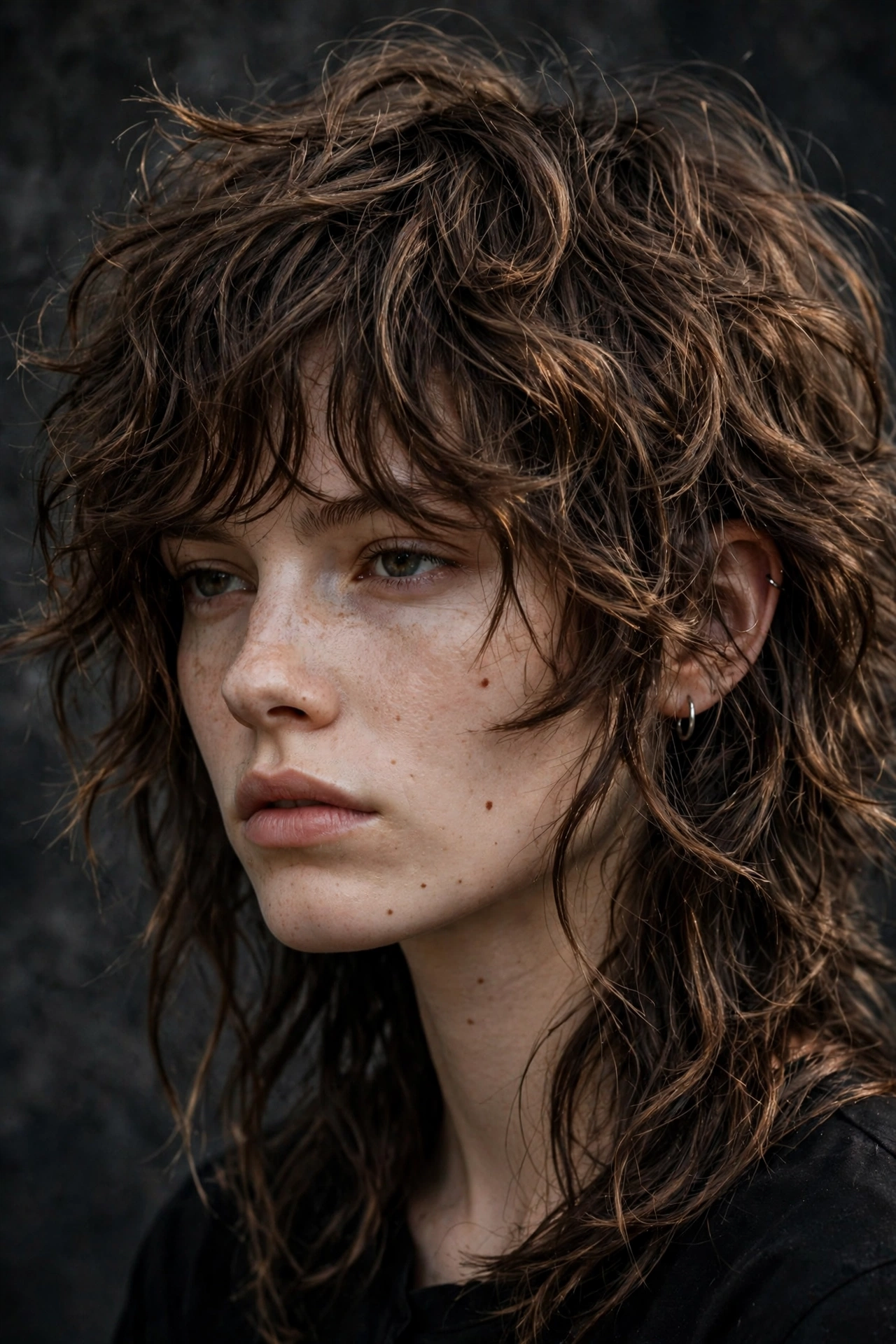
5. The Wolf Cut with Curtain Bangs
Add curtain bangs to the wolf cut for a softer front. The center-parted bangs frame the face while the wolf layers do their thing in the back. This combination is huge in K-pop styling. The bangs should be 4-5 inches, long enough to part in the center. It adds a touch of refinement to the wolf’s wildness.
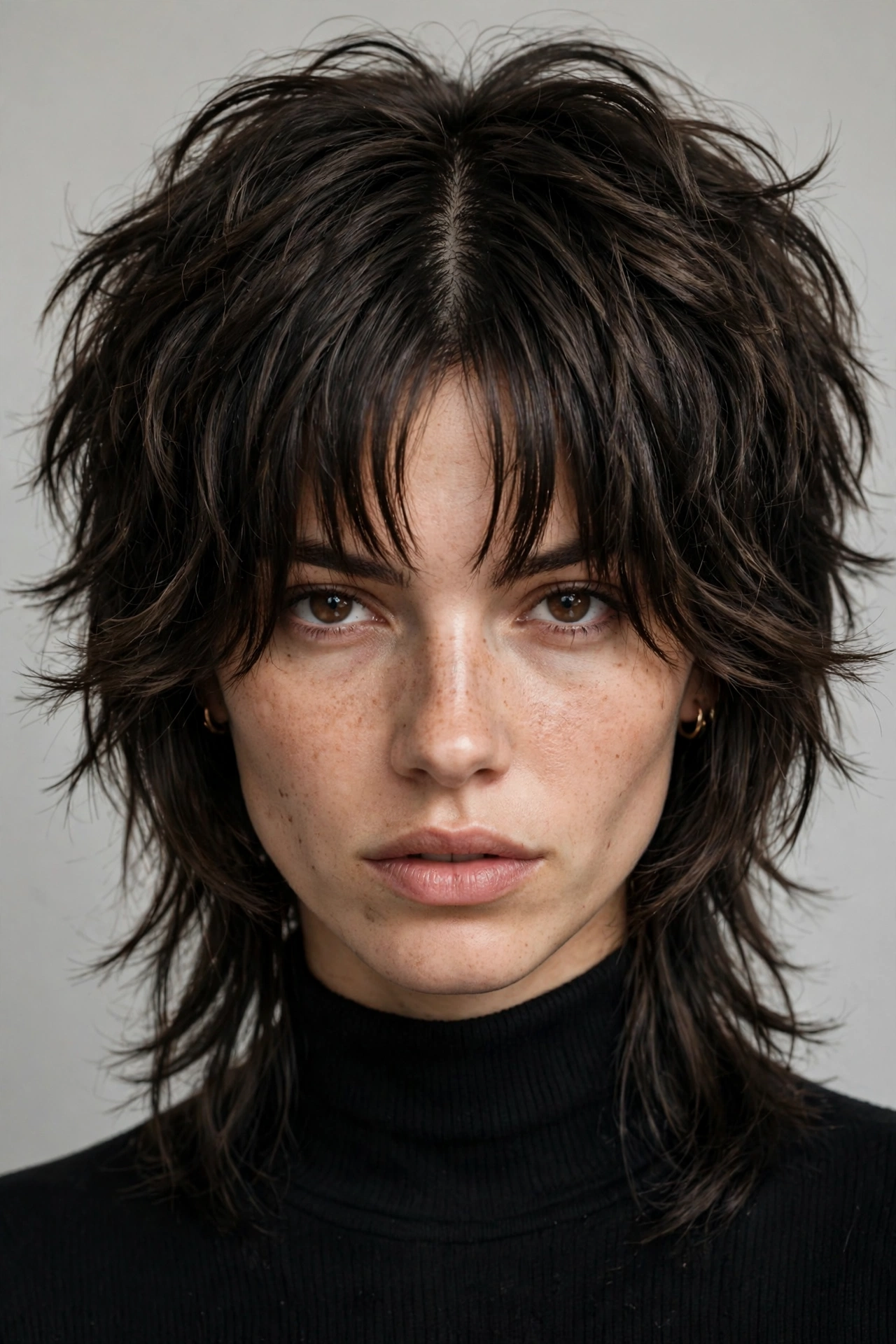
6. The Long Wolf Cut
Extend the back to shoulder length or beyond for maximum drama. The top stays at 4-5 inches with heavy volume, while the back flows long. This is the wolf cut at its most committed — it takes 12+ months to grow. The contrast between the voluminous top and flowing back is striking. Not for the faint of heart.
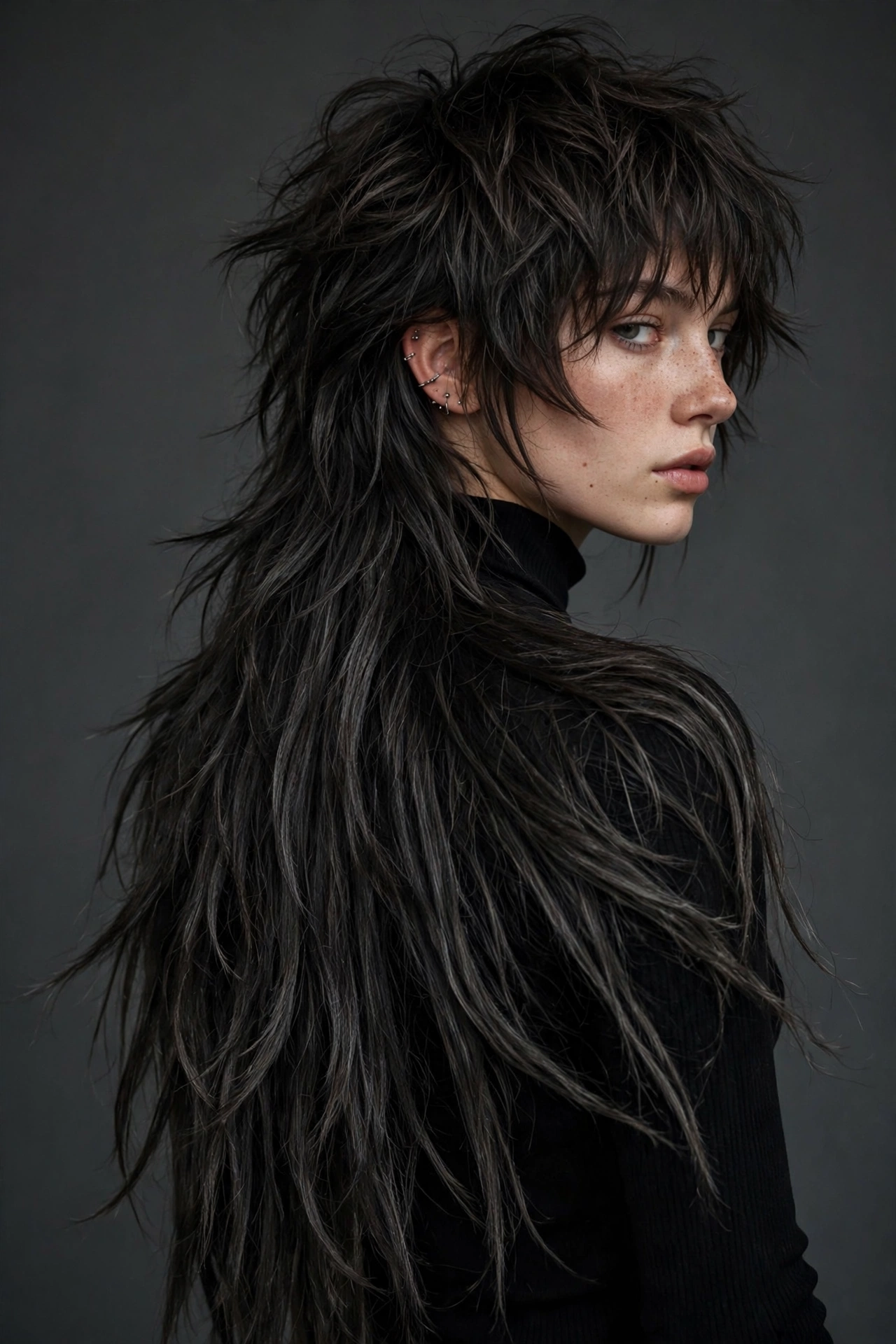
7. The Short Wolf Cut
Keep it cropped with 2-3 inches on top and 4 inches in the back. The wolf shape is there but more compact. This works well for guys who want the wolf aesthetic without the grow-out commitment. It’s also more office-friendly. The texture is still choppy, just on a smaller scale.
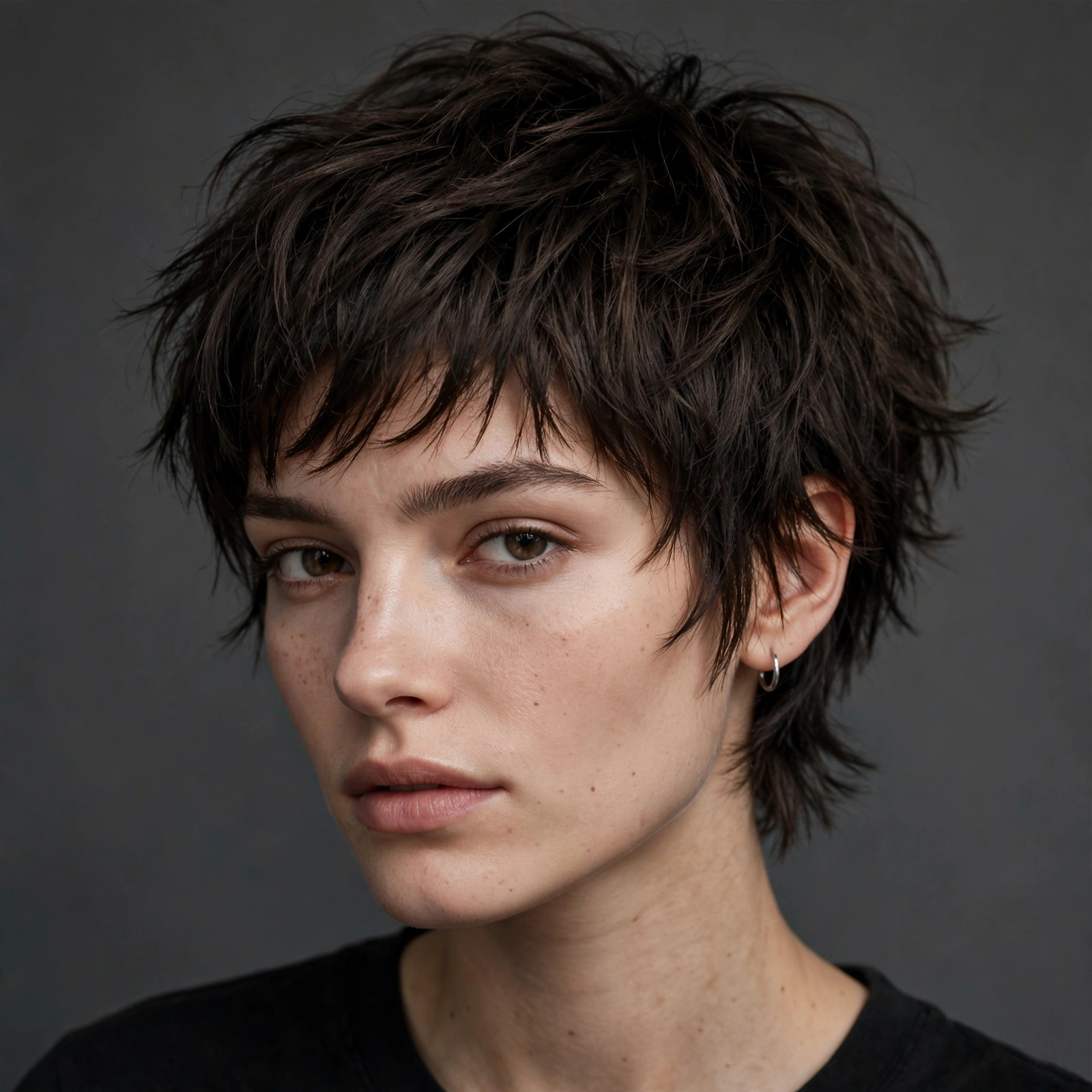
8. The Wolf Cut with Fade
Combine wolf layers on top with faded sides for a modern hybrid. The top keeps the full wolf texture (3-4 inches), while the sides are faded for contrast. This bridges the gap between the fade era and the texture era. It’s sharp, contemporary, and works well for guys transitioning from short to long.
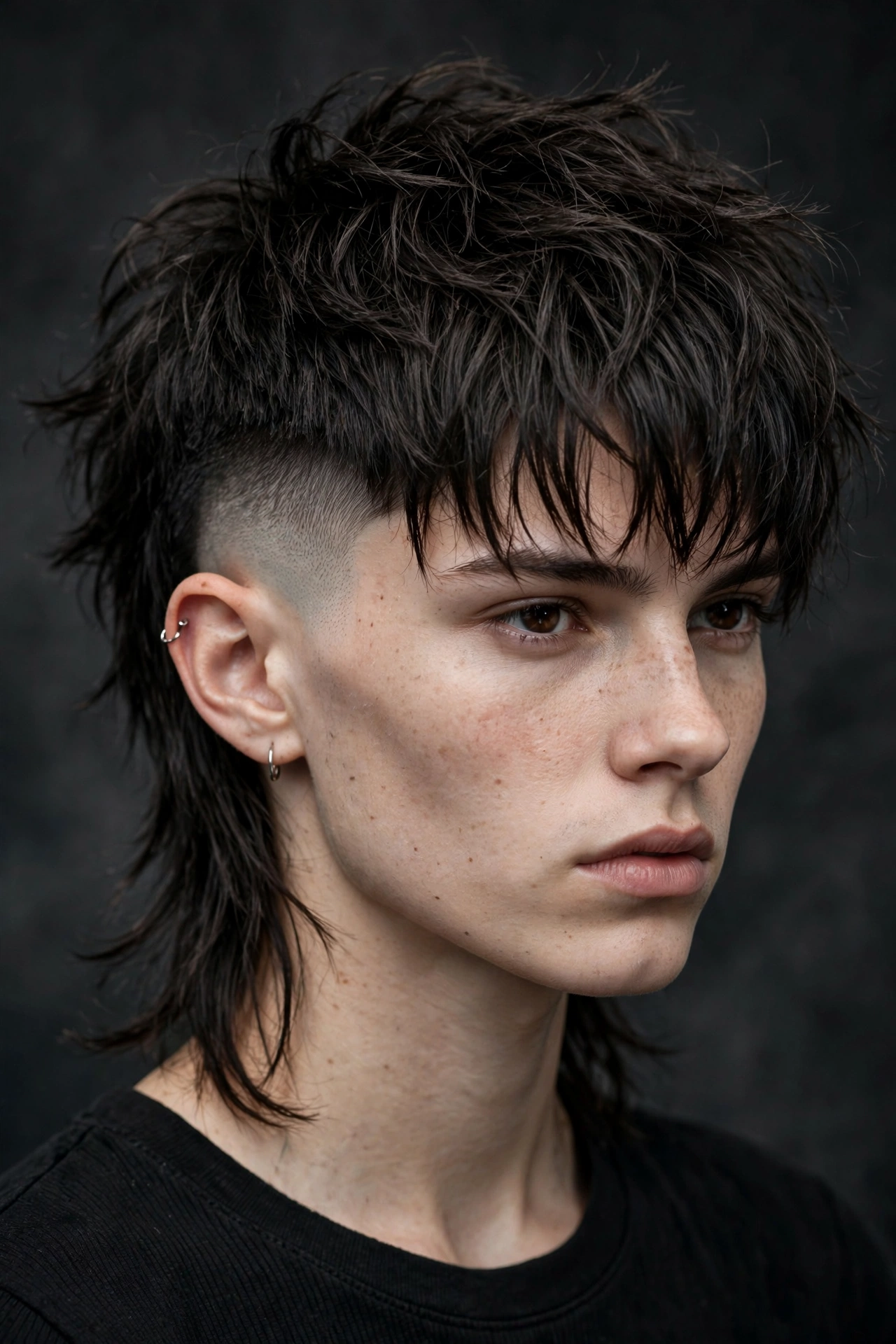
9. The Messy Wolf Cut
Lean into the chaos with an intentionally undone wolf cut. The layers are razor-cut for maximum jaggedness. Styling is minimal — towel dry, add texturizing powder, shake. The messier, the better. This is the wolf cut at its most rebellious and carefree.
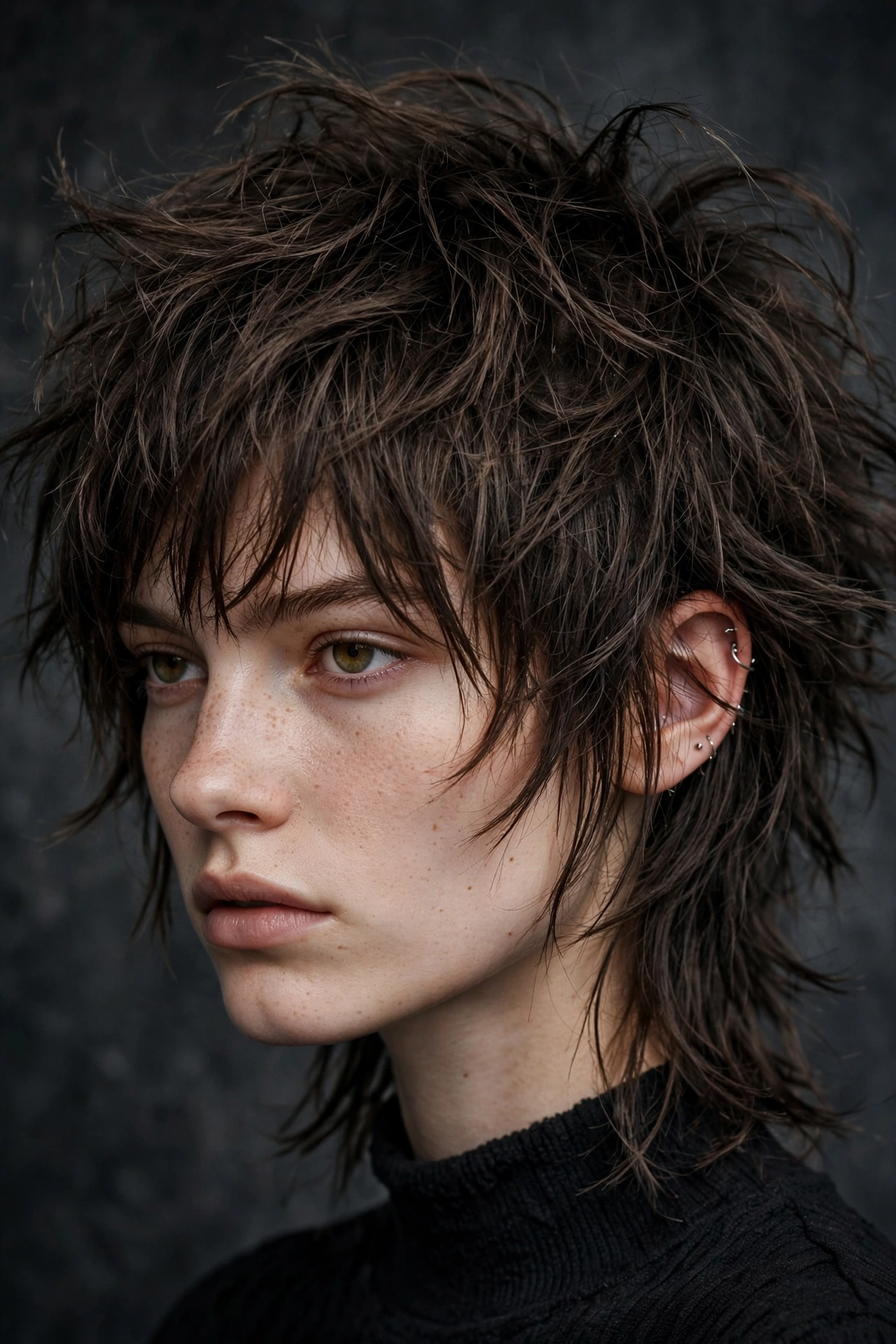
10. The Polished Wolf Cut
Yes, the wolf cut can be polished. Use a blow dryer and round brush to smooth the layers, then finish with a light pomade for control. The shape is still wolf-like, but the finish is refined. This works for events or professional settings where the full messy wolf might be too much. Versatility at its finest.
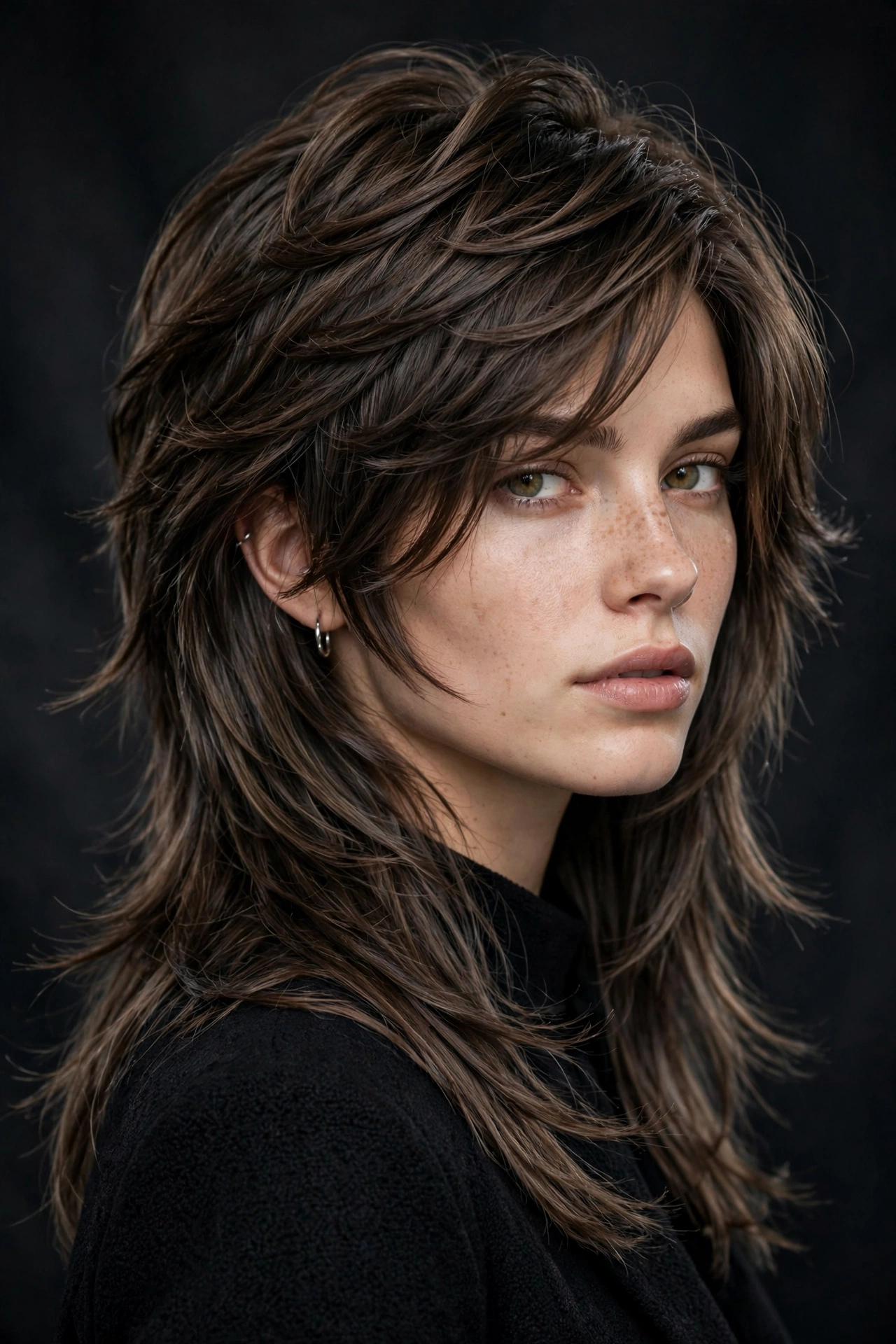
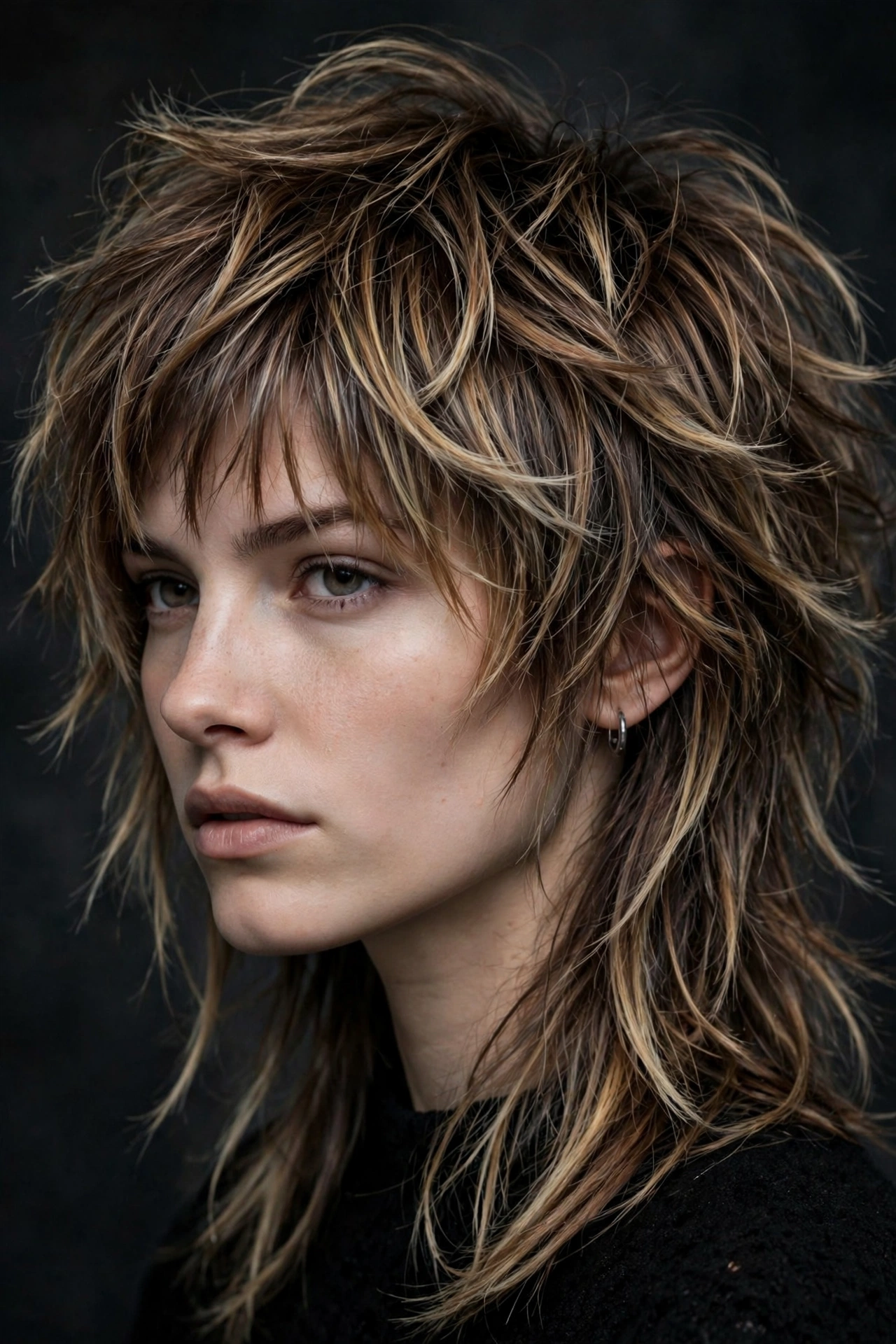
11. The Wolf Cut with Highlights
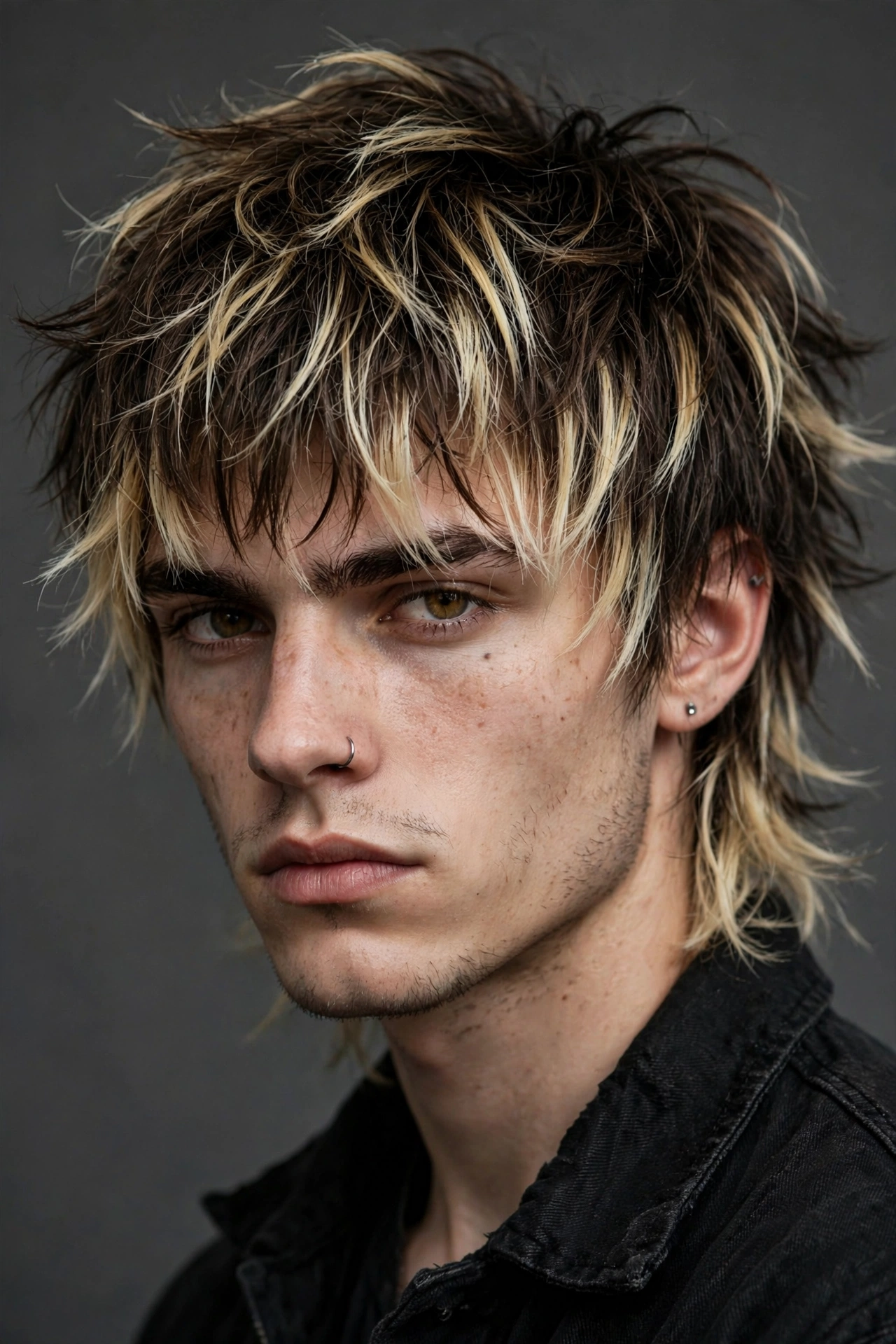
Add dimension with highlights or balayage. Lighter pieces on top emphasize the layered texture and make the wolf shape pop. This is especially effective on dark hair where the contrast is dramatic. The highlights don’t need to be blonde — caramel, copper, or even subtle lighter brown works beautifully.
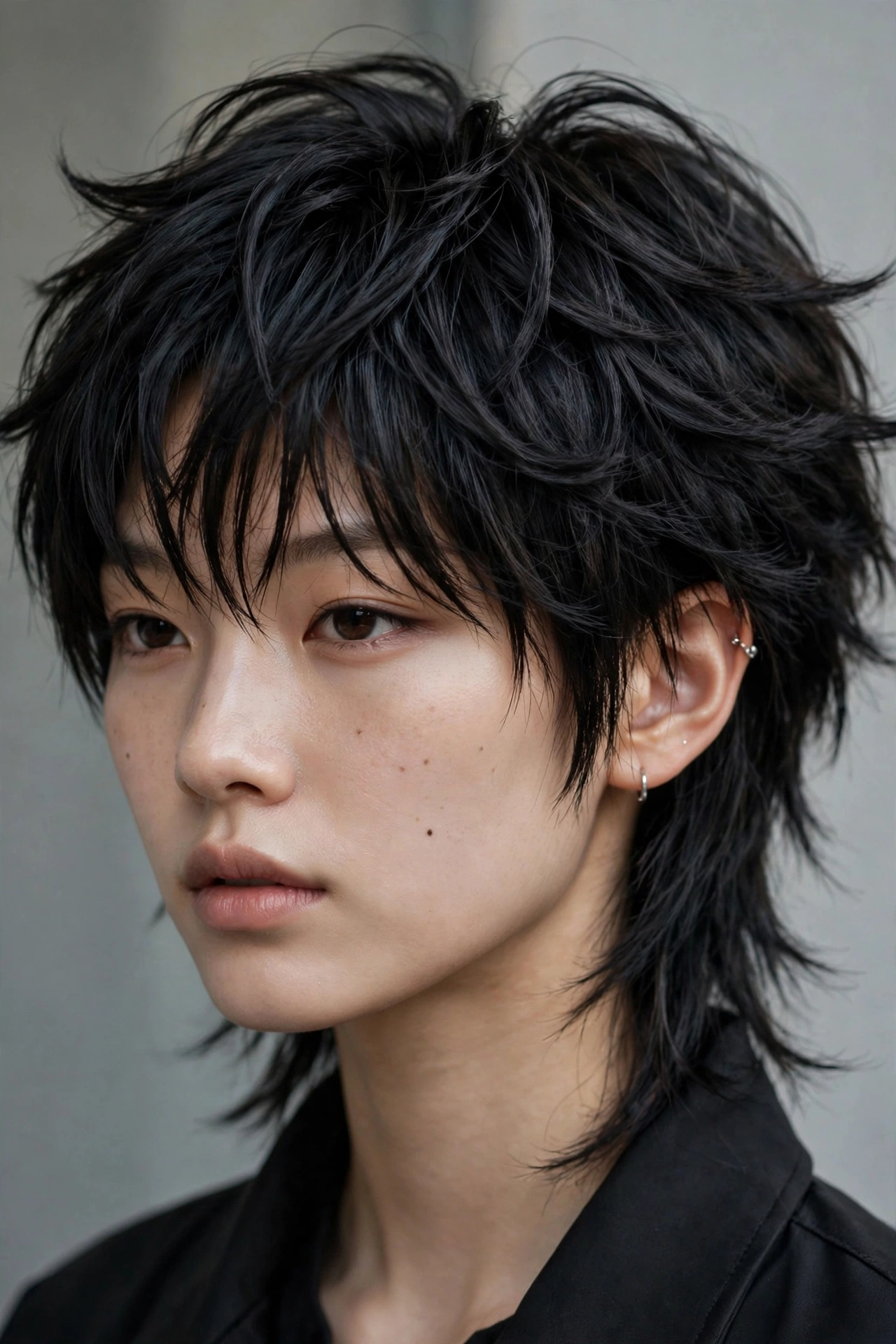
12. The Asian Wolf Cut
The K-pop inspired wolf cut features precise layering and often incorporates a two-block cut (disconnected sides). The top is heavily textured while the sides are kept neat. This version is more controlled than the Western wolf cut, with cleaner lines. It’s sleek, modern, and incredibly popular across Asia.
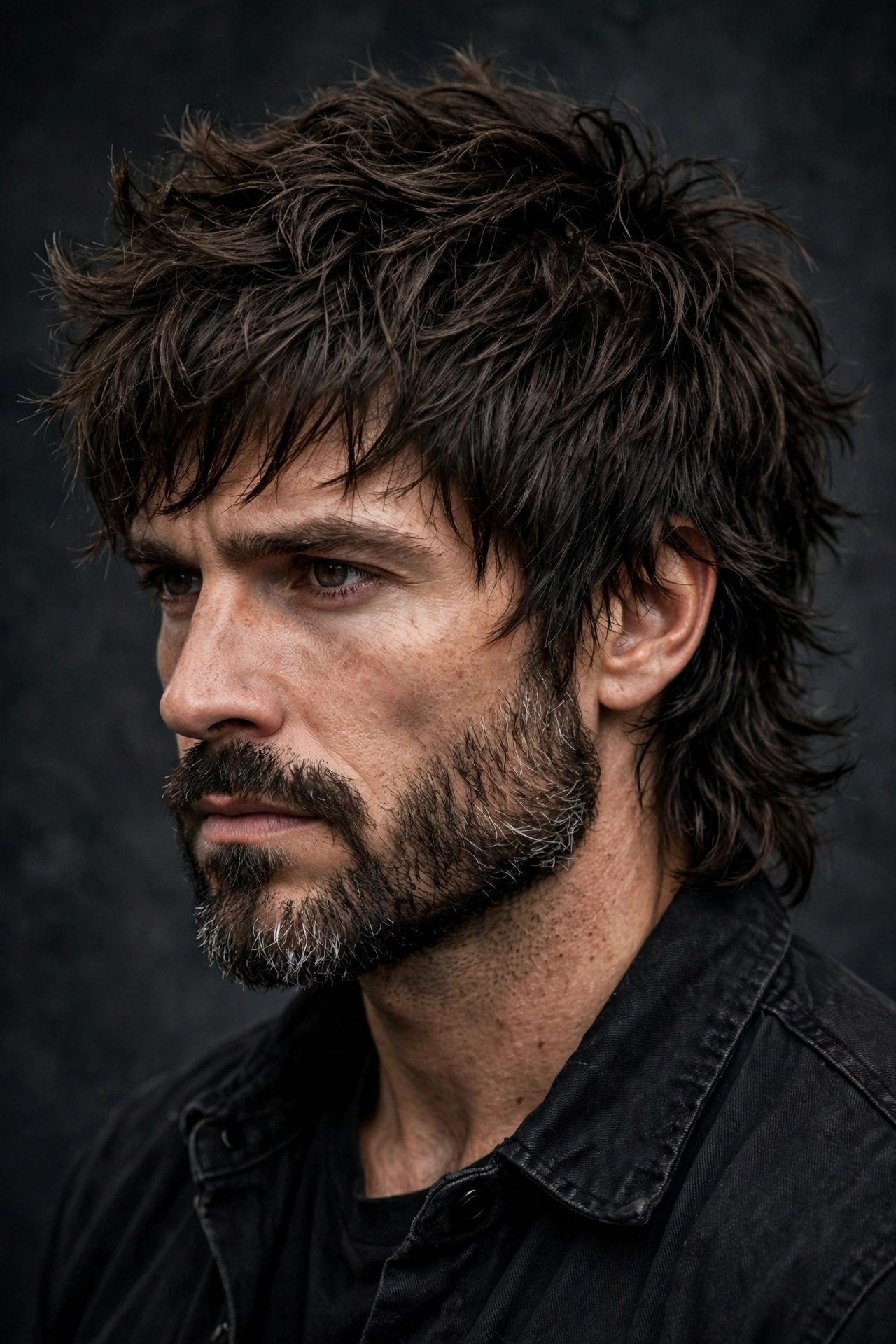
13. The Wolf Cut with Beard
Pair the wolf cut with a beard for ultimate rugged appeal. The wild hair on top contrasts with the structured beard below. Keep the beard groomed — the hair is chaotic enough. This combination is masculine, bold, and commands attention. The beard grounds the wolf cut’s wildness.
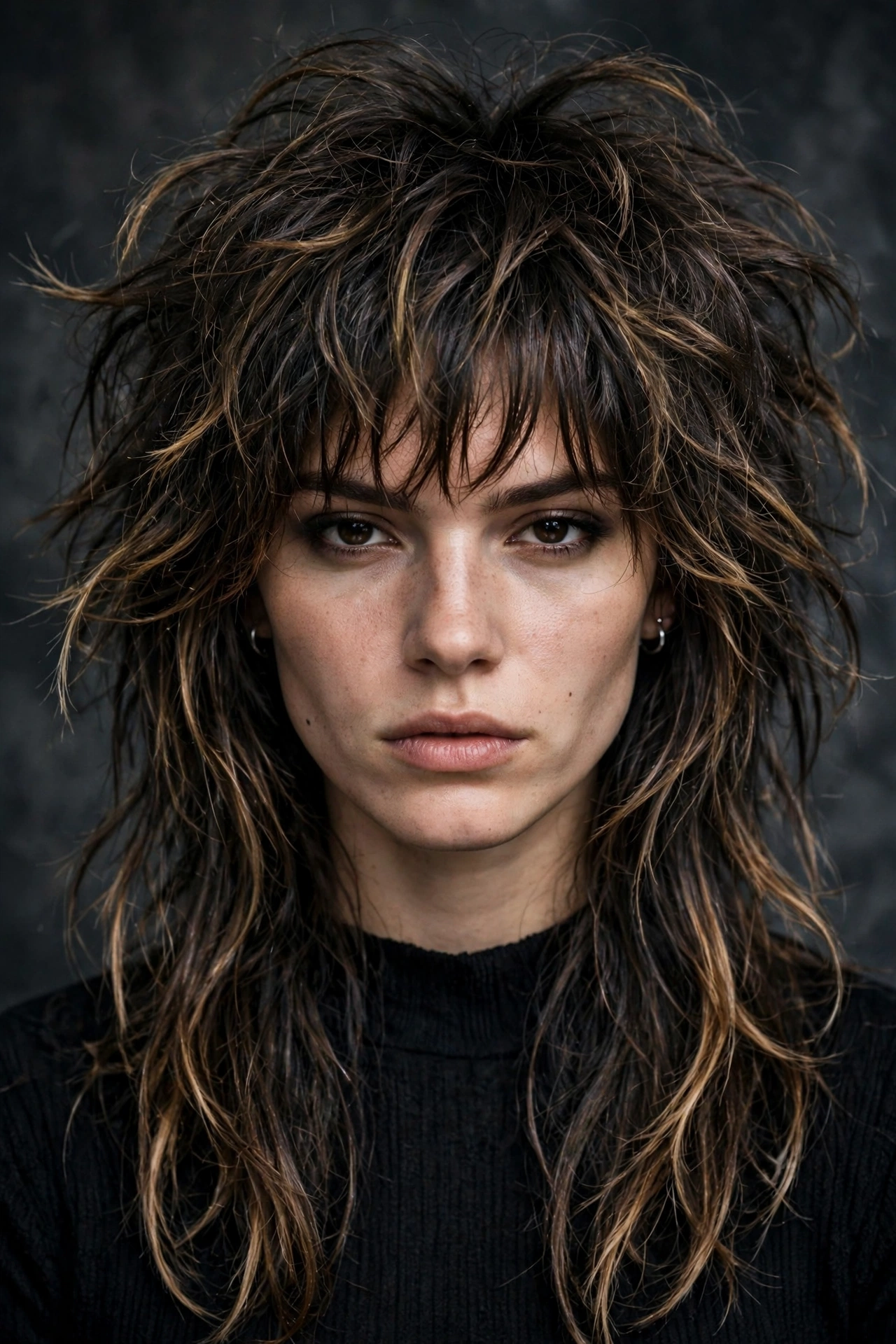
14. The Grown-Out Wolf Cut
Let a wolf cut grow for 3-4 months without a trim for an even wilder look. The layers grow out, the shape gets more extreme, and the overall effect is more dramatic. This is for wolf cut veterans who want to push the boundaries. It requires confidence to pull off but the result is unforgettable.
15. The Wolf Cut with Shaved Sides
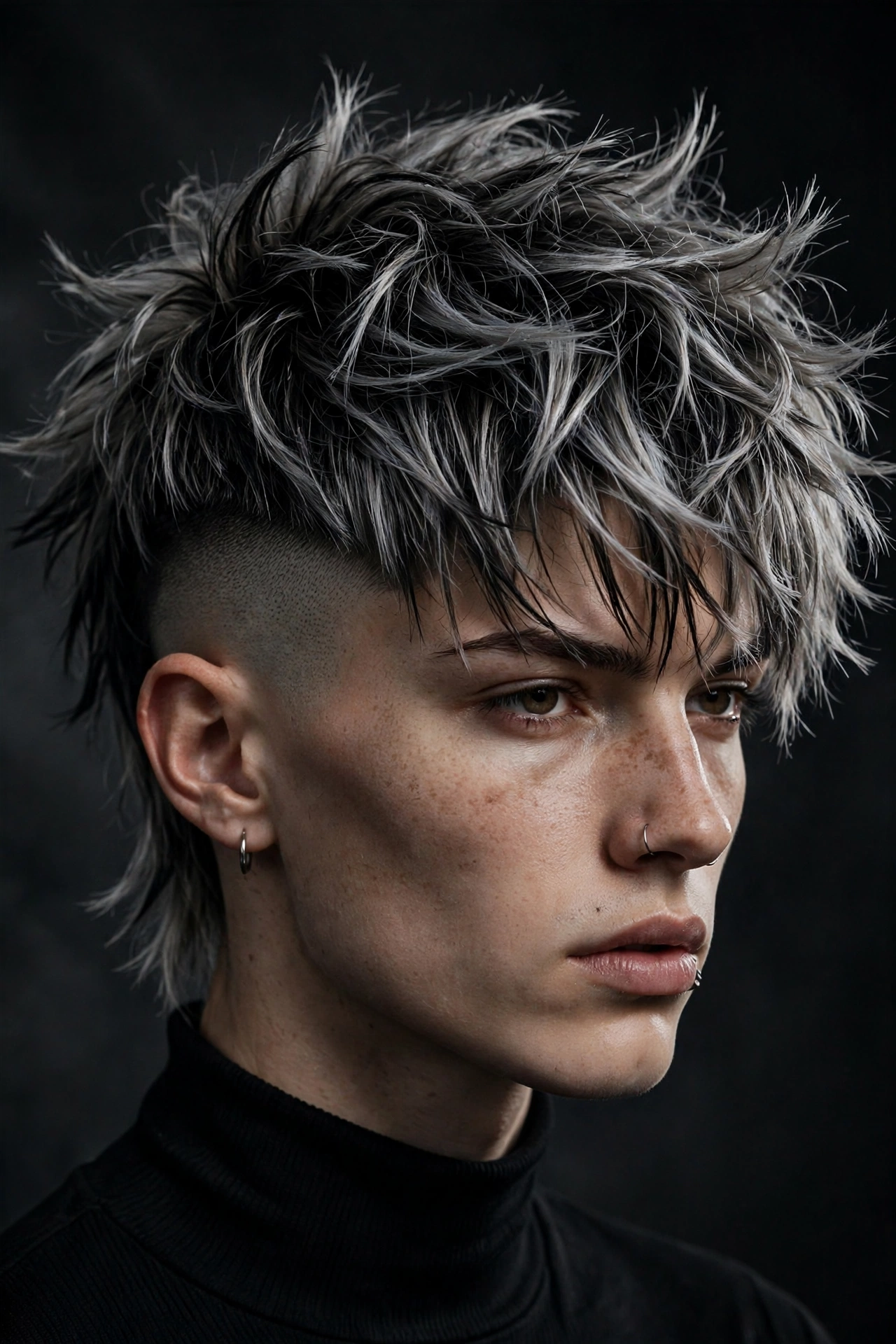
Go extreme with shaved or very short sides contrasting the long wolf top and back. This creates maximum disconnect and makes the wolf shape even more pronounced. It’s edgy, punk-inspired, and not for everyone. But if you want to make a statement, this is it.
How to Ask Your Barber for a Wolf Cut
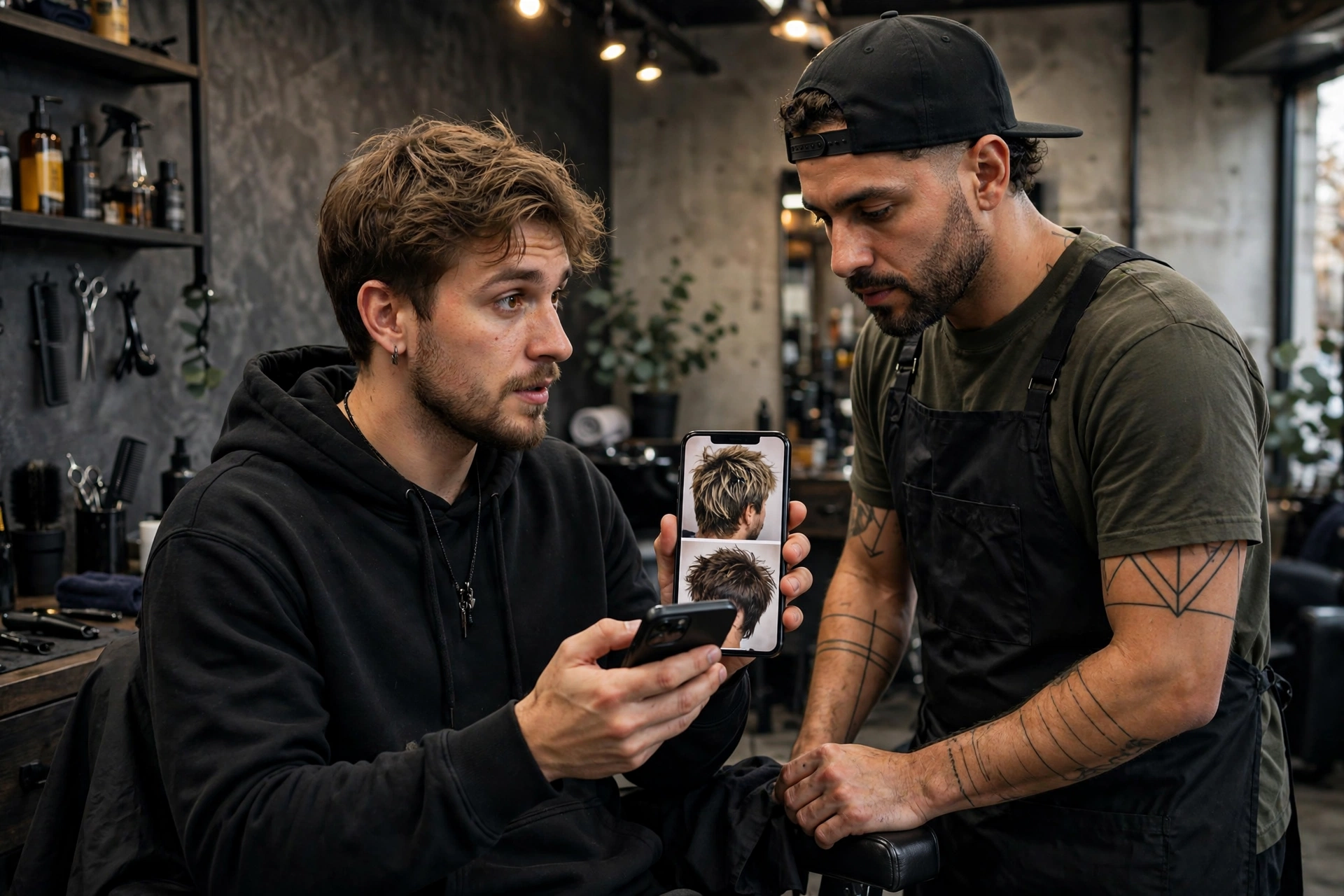
Getting a good wolf cut starts with communication. This isn’t a standard cut that every barber knows, so you need to be specific. Always bring reference photos — 3-4 images showing the exact wolf cut variation you want from different angles. This eliminates guesswork.
Use the right terminology. Say “wolf cut” explicitly, then describe the key features: “heavy layers on top with volume, longer layers in the back, choppy texture throughout.” Specify lengths: “4 inches on top, 6 inches in the back.” Mention the vibe: “messy and textured” vs “more controlled.”
Discuss your hair type. The wolf cut needs adjustment for different textures. Straight hair needs more texturizing to create movement. Curly hair needs careful shaping to control volume. Wavy hair is the easiest. A good barber will adapt the cut to your specific hair.
Ask about maintenance. The wolf cut needs trims every 6-8 weeks to maintain the shape. Ask your barber to show you how to style it at home. If they can’t explain the styling, they might not understand the cut well enough.
Find the right barber. Look for barbers who specialize in longer men’s cuts, texture, or K-pop styles. Check their Instagram for wolf cuts they’ve done. Don’t be afraid to shop around — a bad wolf cut is hard to fix.
Styling Your Wolf Cut at Home
The wolf cut is designed to look effortless, but “effortless” still requires some technique. Here’s your at-home styling routine.
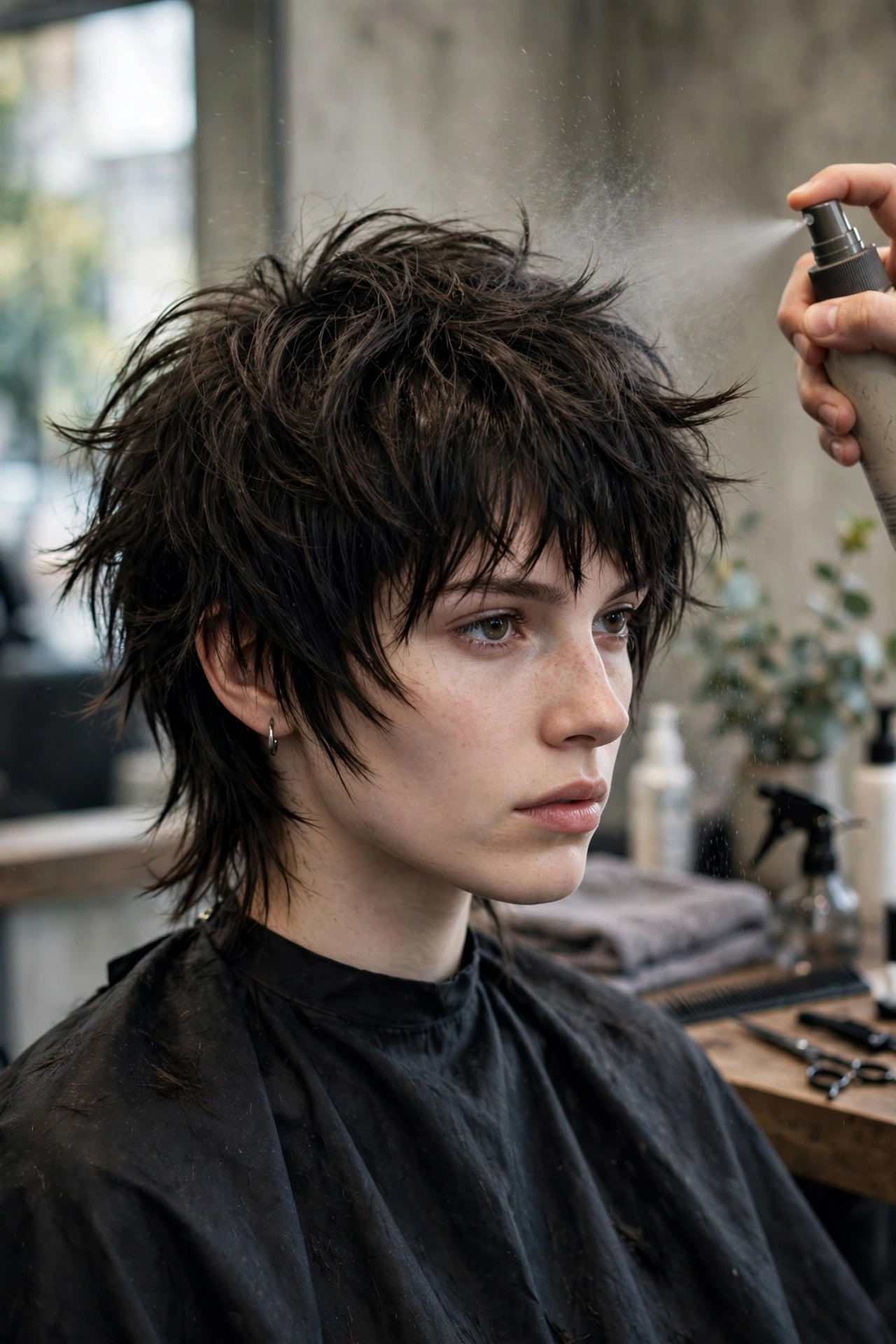
Start with damp hair. Apply sea salt spray generously — this is the wolf cut’s best friend. It adds the gritty texture that defines the style. For thicker hair, use a volumizing mousse instead to lift the roots.
Blow-dry with your fingers, not a brush. Lift the roots as you dry to maximize volume on top. Direct the back sections downward to encourage the length. Don’t aim for smoothness — the wolf cut should have natural imperfections. Dry until 90% dry.
Apply matte clay or texturizing paste to dry hair. Warm a small amount between palms, then work through the hair focusing on the ends. Pull small sections apart to enhance the piece-y texture. Less is more — you want definition, not stiffness.
Finish by shaking your head and letting the hair fall naturally. Don’t over-arrange. The wolf cut should look like you didn’t try too hard (even though you did). If any sections look too perfect, mess them up with your fingers.
For second-day hair, refresh with dry shampoo at the roots and a little texturizing spray. The wolf cut actually looks better on day two when the texture has had time to set.

Best Face Shapes for the Men’s Wolf Cut
The wolf cut’s volume and texture make it adaptable, but some face shapes pull it off more naturally.
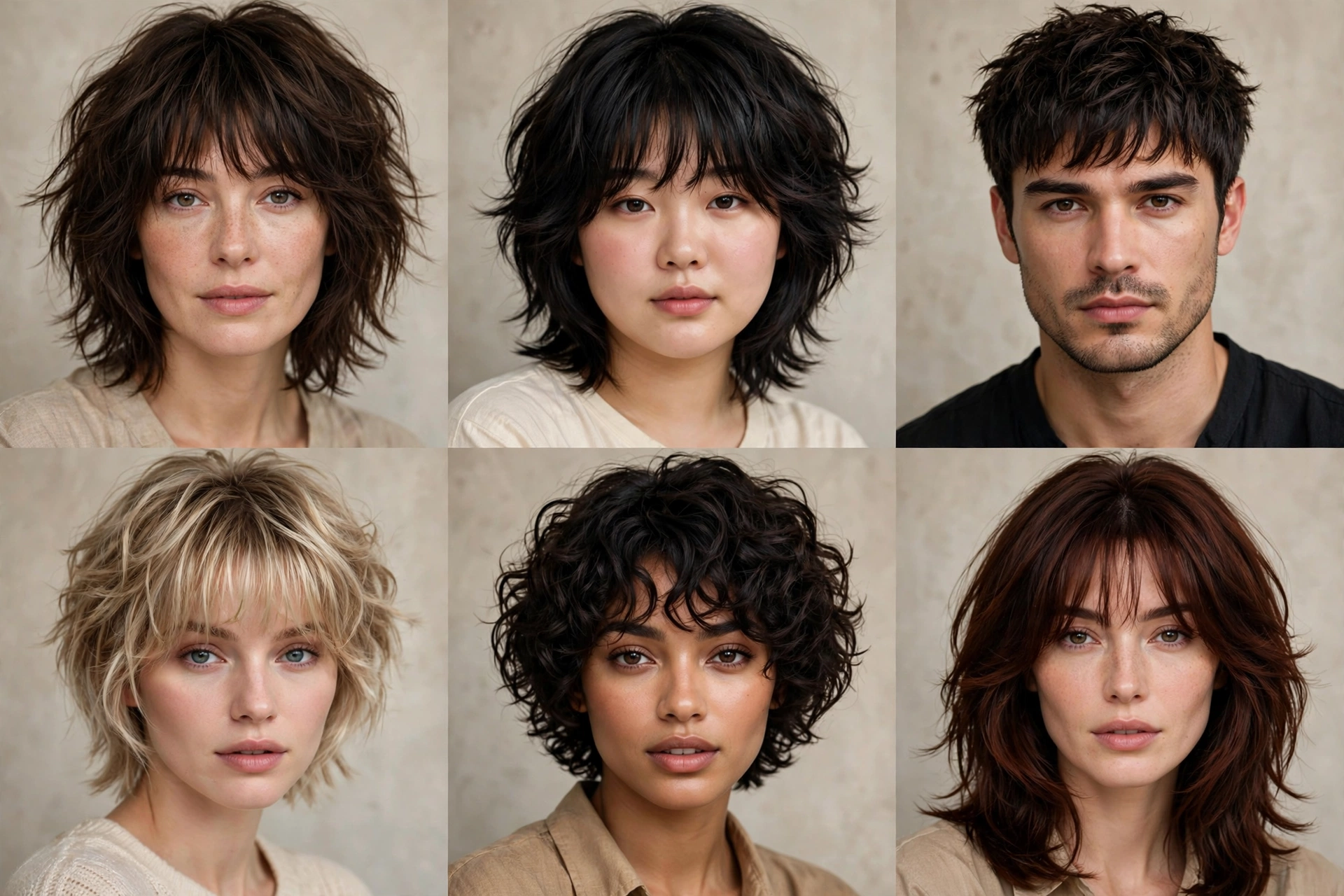
Oval faces can wear any wolf cut variation. The balanced proportions handle the volume well. Try the classic or textured wolf cut.
Round faces benefit from the wolf cut’s height. The volume on top elongates the face. Avoid versions that add too much width at the cheeks. The classic wolf cut with height works best.
Square faces are softened by the wolf cut’s texture. The choppy layers break up angular features. Curtain bangs or longer front pieces help soften the jawline further.
Heart-shaped faces need balance. The wolf cut’s volume on top can emphasize a wide forehead, so consider curtain bangs to soften it. Keep the back length moderate to avoid overwhelming a narrower chin.
Oblong faces should avoid excessive height. Choose a wolf cut with more width and less vertical volume. The subtle wolf cut or a version with fuller sides works better than the high-volume classic.
Wolf Cut Maintenance: Keeping the Shape
The wolf cut’s dramatic layers require regular maintenance to keep the shape intentional rather than overgrown.
Trim every 6-8 weeks. This is crucial. The wolf cut’s shape depends on the contrast between the short top layers and longer back. As hair grows, that contrast diminishes. Regular trims restore it. Ask for a “shape-up” focusing on the layers.
Wash 2-3 times weekly. The wolf cut’s texture actually benefits from a little natural oil. Over-washing makes it frizzy and unmanageable. Use dry shampoo between washes if needed.
Deep condition regularly. The heavy layering can make ends prone to dryness. Weekly deep conditioning keeps the texture healthy and prevents the “straw-like” look that ruins wolf cuts.
Refresh the texture. Between cuts, you can maintain the choppy texture at home with texturizing spray. If the layers start looking blunt, your barber can point-cut the ends without taking length.
Frequently Asked Questions
Is the wolf cut the same as a mullet?
No, though they’re related. The mullet is “business in front, party in back” with a stark contrast. The wolf cut blends shag layers with mullet length for a more integrated, textured look. Think of it as a mullet’s cooler, more modern cousin.
Can I get a wolf cut with thin hair?
It’s challenging. The wolf cut relies on volume and texture that thin hair struggles to provide. If you have thin hair, try the subtle wolf cut with shorter layers. Avoid the full-volume classic which can make thin hair look stringy.
How long does hair need to be?
Minimum 3-4 inches on top and 5-6 inches in the back for a recognizable wolf cut. Longer is better for the full effect. If you’re starting short, expect 6-9 months of growth.
Is the wolf cut professional?
The wilder versions are not office-friendly. However, the subtle wolf cut or polished wolf cut can work in creative industries. Conservative workplaces will likely frown on it. Know your environment.
What’s the difference between men’s and women’s wolf cut?
Men’s versions are shorter, choppier, and more aggressive. Women’s versions tend to be softer with more flowing layers. The men’s cut emphasizes texture and edge; the women’s emphasizes movement and softness.
Can I style a wolf cut for formal events?
Yes with the polished variation. Blow-dry smooth, use light pomade for control, and the wolf shape becomes refined rather than wild. It’s still distinctive but appropriate for dressier occasions.
Final Thoughts
The men’s wolf cut isn’t for everyone — and that’s the point. It’s for guys who want to stand out, who embrace texture over precision, and who aren’t afraid of a little wildness. In 2026’s landscape of increasingly adventurous men’s hairstyles, the wolf cut stands as the boldest choice.
If you’re considering it, be honest about your commitment level. The wolf cut needs the right hair type (thick is best), regular maintenance, and confidence to pull off. It’s not a “try it for a week” haircut. But if you’re ready, it’s transformative.
Find a barber who gets it. Bring references. Embrace the texture. And welcome to the pack.
Wolf Cut Styling Products: The Complete Kit
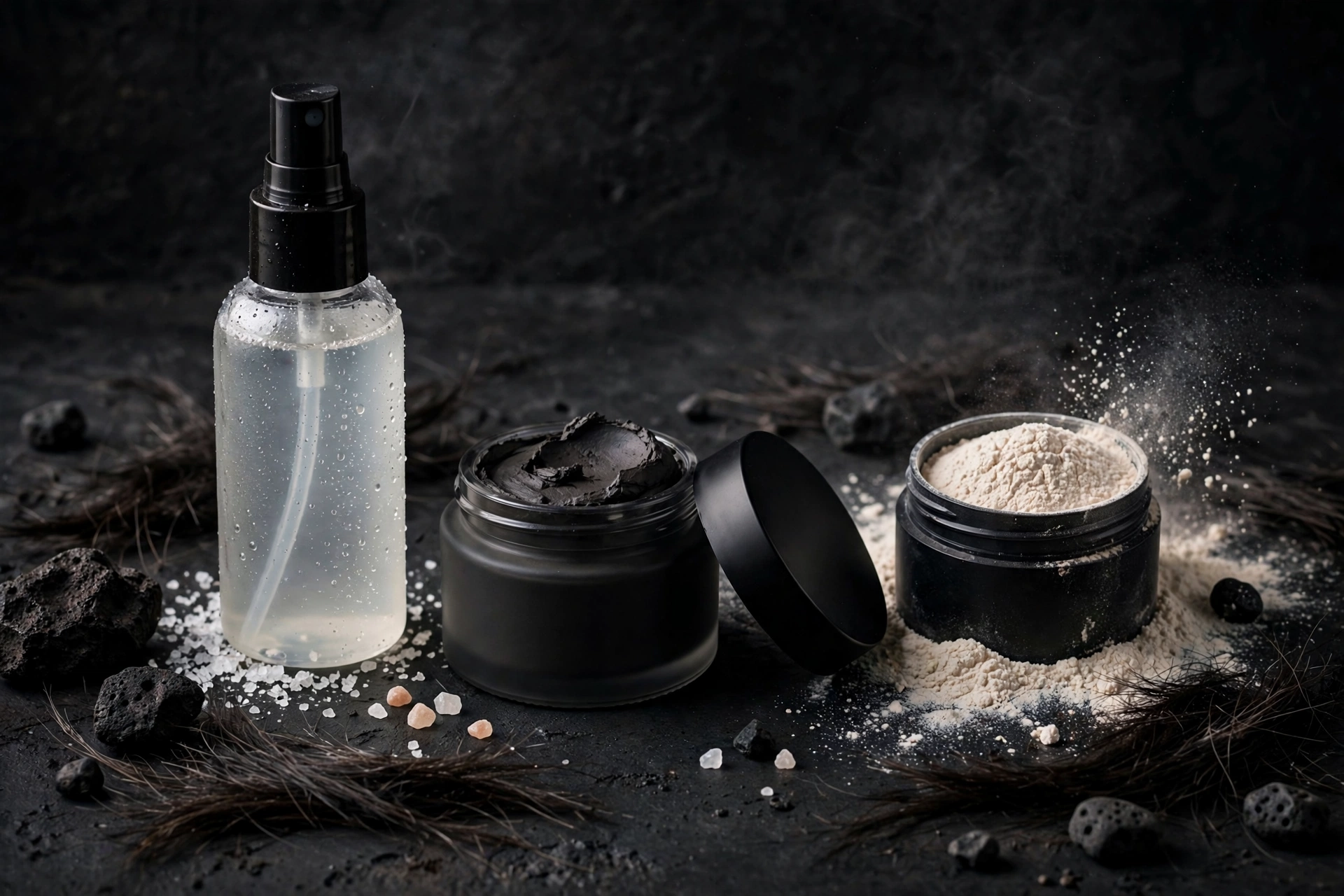
The wolf cut’s signature texture doesn’t happen by accident. You need the right products used in the right way. Here’s your complete kit.
Sea salt spray is non-negotiable. This is the foundation of wolf cut styling. It adds the gritty, beachy texture that defines the style. Apply generously to damp hair before blow-drying. For fine hair, sea salt spray adds the grip needed to hold the wolf shape. For thick hair, it enhances natural texture. Look for sprays with magnesium sulfate as a key ingredient — that’s what creates the texture.
Matte clay is your finishing product. Unlike pomades that add shine, matte clay provides hold with a natural, touchable finish. Warm a pea-sized amount between your palms until it’s invisible, then work through dry hair from mid-lengths to ends. Focus on the pieces you want to define. The matte finish is crucial — shiny wolf cuts look wrong. The whole point is undone texture.
Texturizing powder is the secret weapon for flat roots. If your wolf cut falls flat on top (common with fine or straight hair), sprinkle texturizing powder at the roots and massage in. It creates instant volume and grip. This is especially useful for second-day hair when the style needs refreshing. A little goes a long way.
Leave-in conditioner is essential for hair health. The wolf cut’s heavy layering can dry out ends. Apply leave-in conditioner to damp hair before styling products. This provides a moisture base that keeps the texture healthy rather than straw-like. Focus on the mid-lengths and ends, avoiding the roots where it can cause greasiness.
Dry shampoo extends your style. The wolf cut looks better on day two, but the scalp can get oily. Apply dry shampoo to roots on non-wash days, let it sit for 2 minutes, then massage in. This absorbs oil without washing away the texture you’ve built. It’s the key to multi-day wolf cut wear.
Wolf Cut Grow-Out: What to Expect
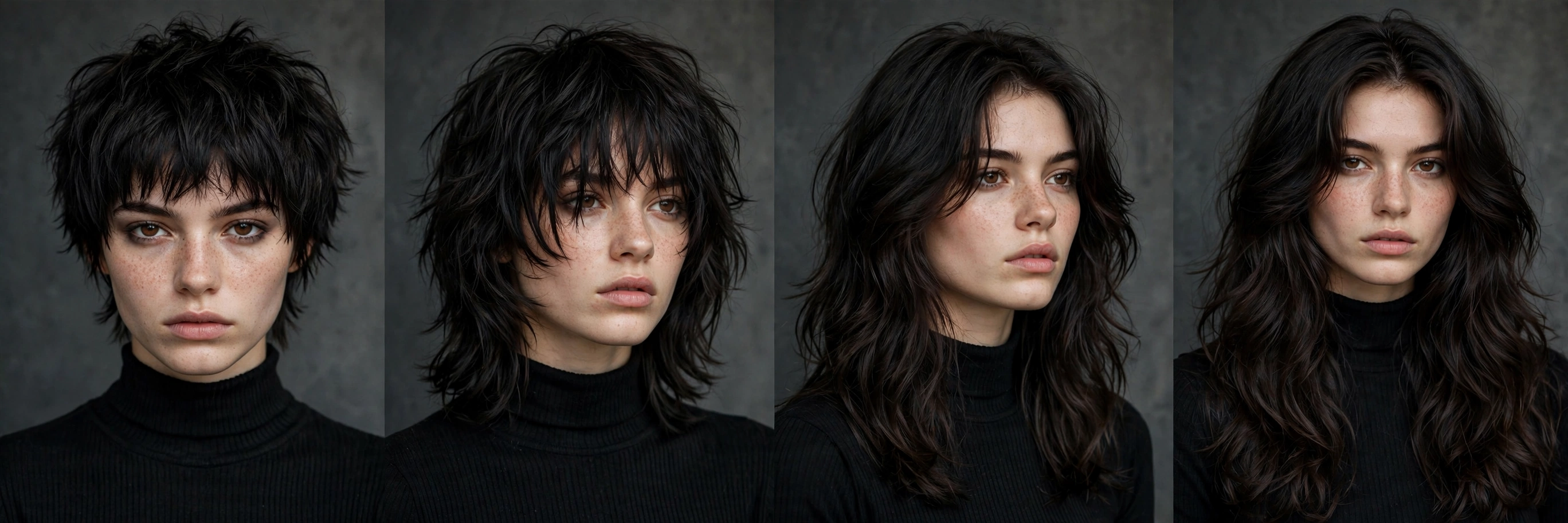
Growing a wolf cut from short hair is a journey. Here’s the realistic timeline and what to expect at each stage.
Months 1-3: The awkward beginning. Your hair is too short for the wolf shape but too long for your previous cut. This is the hardest phase. The top needs to reach 3 inches before the wolf layers make sense. During this time, get regular trims to maintain shape while growing length. Focus on growing the top and back while keeping the sides neat. Use hats or extra product to manage the in-between look.
Months 4-6: The shape emerges. At 3-4 inches on top, your barber can start creating the wolf layers. The contrast between top and back becomes visible. This is when the cut starts looking intentional rather than just “growing out.” You’ll need trims every 6 weeks to shape the emerging layers. Start experimenting with texturizing products.
Months 7-9: Full wolf territory. With 4-5 inches on top and 6+ inches in the back, the wolf cut is in full effect. The layers are defined, the texture is working, and you’re getting the full impact. Maintenance trims every 6-8 weeks keep the shape sharp. This is the sweet spot — enjoy it.
Months 10-12: The long wolf. If you keep growing, the back extends further and the overall look becomes more dramatic. You’ll need to decide: maintain at the classic length or go longer? Longer wolf cuts require more maintenance (conditioning, detangling) but offer more styling options. There’s no wrong answer — it’s about your preference.
Throughout the grow-out, document with photos. It’s motivating to see progress, and the photos help your barber understand your goal. Be patient — the best wolf cuts are grown, not rushed.
Wolf Cut Variations by Hair Length
The wolf cut adapts to different lengths. Here’s how to optimize for your current length or target length.
Short wolf (2-3 inches top, 4 inches back): The most wearable version. The wolf shape is present but compact. Works well for professional environments that allow some edge. The texture is still choppy but on a smaller scale. This is the entry-level wolf cut — great for testing if the style suits you before committing to longer lengths.
Medium wolf (4 inches top, 6 inches back): The classic. This is the version most people picture when they hear “wolf cut.” The contrast is clear, the texture is prominent, and the overall impact is strong. This length offers the best balance of drama and wearability. Most versatile for styling.
Long wolf (5+ inches top, 8+ inches back): Maximum impact. The extended lengths create dramatic movement and the wolf silhouette is unmistakable. This requires commitment — 12+ months of growth and significant maintenance. But for those who go for it, the long wolf is unforgettable. Best for thick hair that can handle the weight.
Choose your length based on lifestyle, hair type, and commitment level. You can always start short and grow longer — the wolf cut evolves beautifully with length.
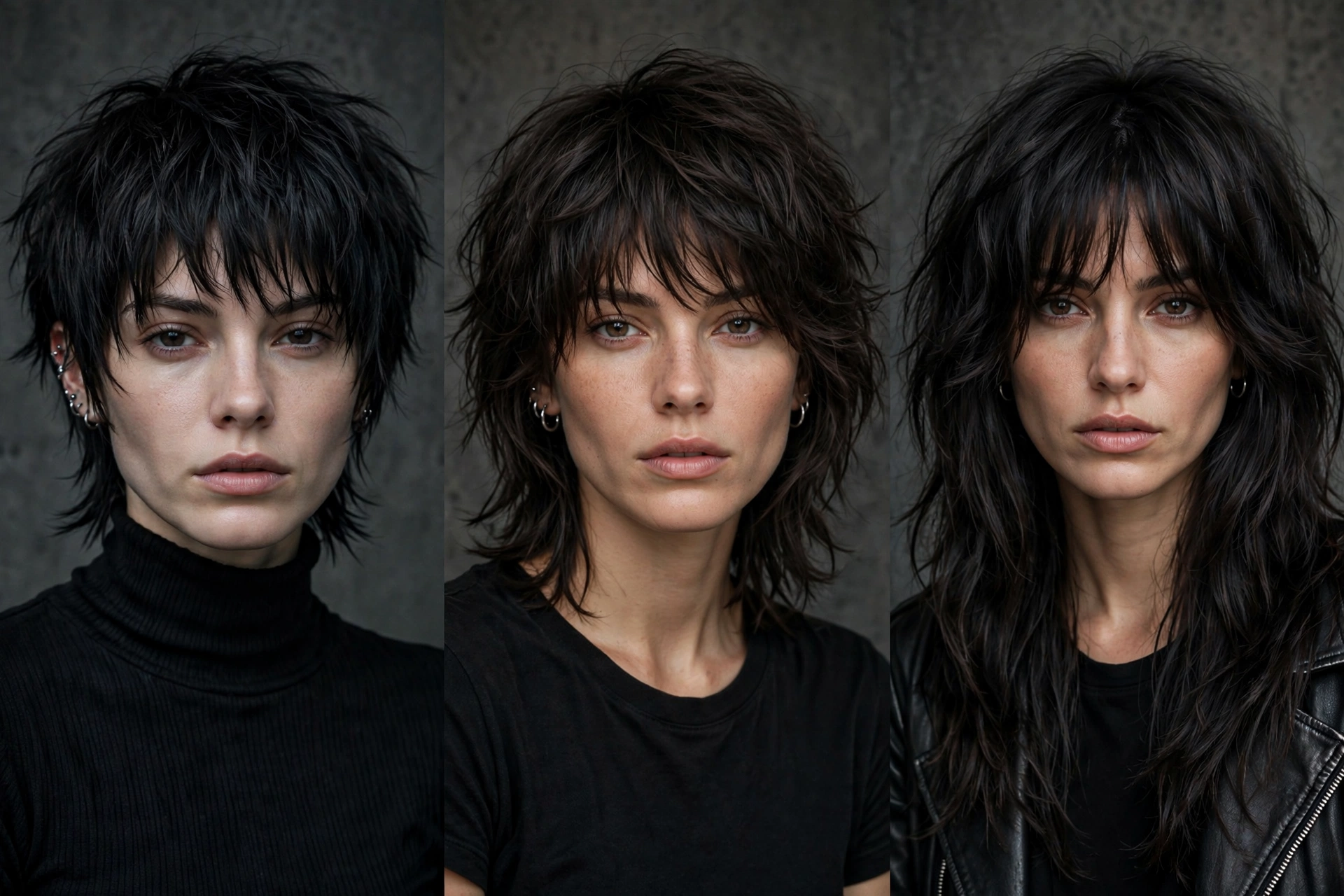
Finding the Right Barber for Your Wolf Cut
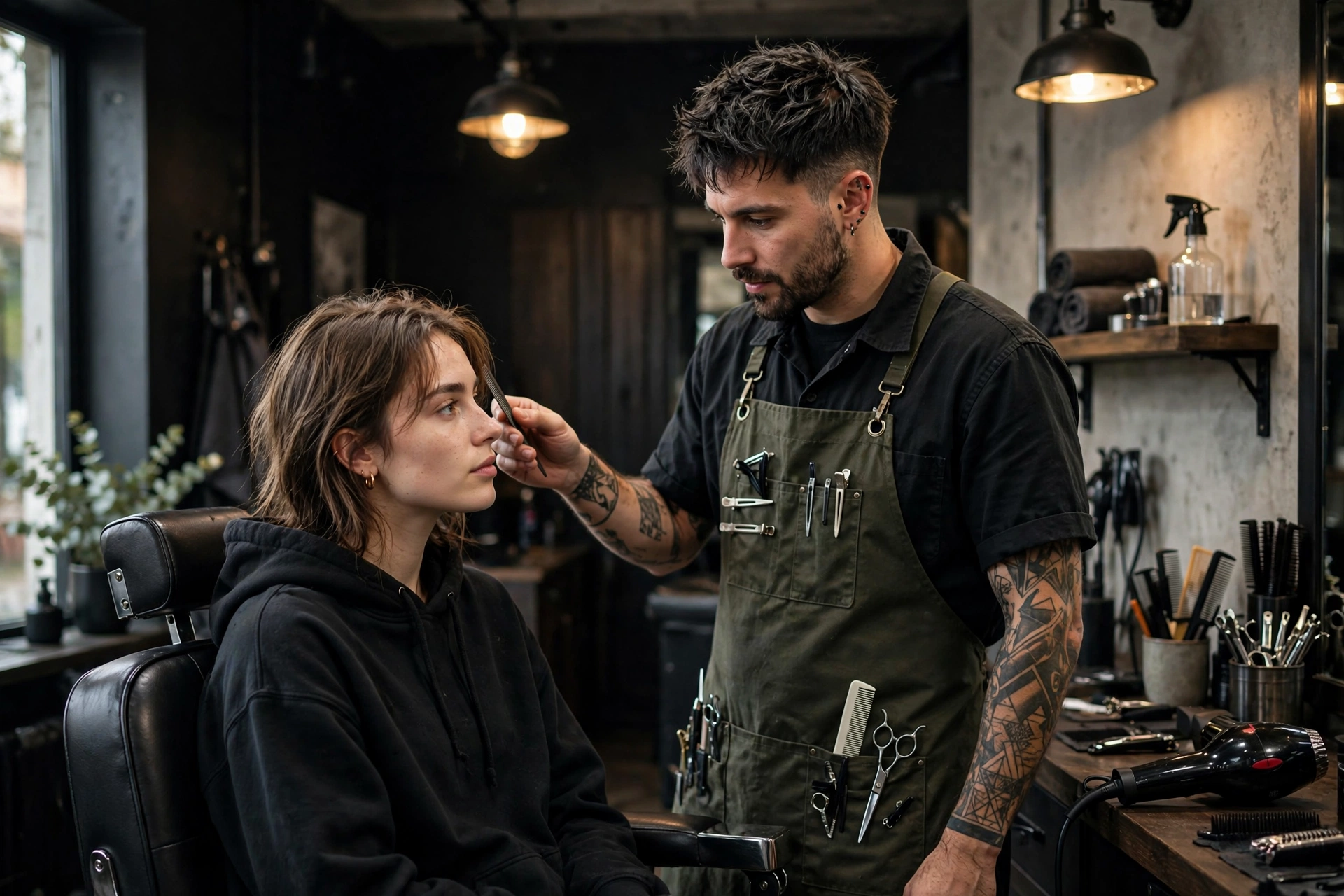
Not every barber can execute a proper wolf cut. This is a technical cut that requires understanding of layering, texture, and modern men’s trends. Here’s how to find the right person.
Look for texture specialists. The best wolf cut barbers specialize in textured, layered cuts — not just fades. Check their Instagram or portfolio for wolf cuts, shags, or textured longer cuts they’ve done. If their feed is all skin fades and buzz cuts, they’re probably not your best bet for a wolf cut.
Check for K-pop or alternative style experience. Barbers who do K-pop inspired cuts or work with creative clientele are more likely to understand the wolf cut’s aesthetic. They’ll be familiar with the heavy layering and texture work required.
Ask about their approach. During consultation, ask: “How do you approach layering for a wolf cut?” A knowledgeable barber will talk about point cutting, razor work, and creating the top-to-back contrast. If they seem confused or suggest “just layering it,” keep looking.
Read reviews specifically mentioning longer cuts or texture. General “great barber” reviews don’t tell you if they can do a wolf cut. Look for reviews from clients with similar hair goals. Social media is your best research tool here.
Don’t be afraid to travel. A great wolf cut is worth a longer trip to the right barber. This isn’t a maintenance trim you need every two weeks — it’s a foundational cut that sets the shape for months. Invest in getting it right the first time.
Conclusion
The men’s wolf cut is 2026’s wildest texture play — a shaggy, layered, mullet-adjacent cut with serious attitude. With volume at the crown and wispy length through the back, it’s made for guys with wavy or thick hair who want edge without trying too hard. It’s rebellion you can wear to work.
Style with the fingers and a bit of texture paste — perfection is the enemy here. In 2026, the men’s wolf cut is for the guy who leads the pack, not follows it.