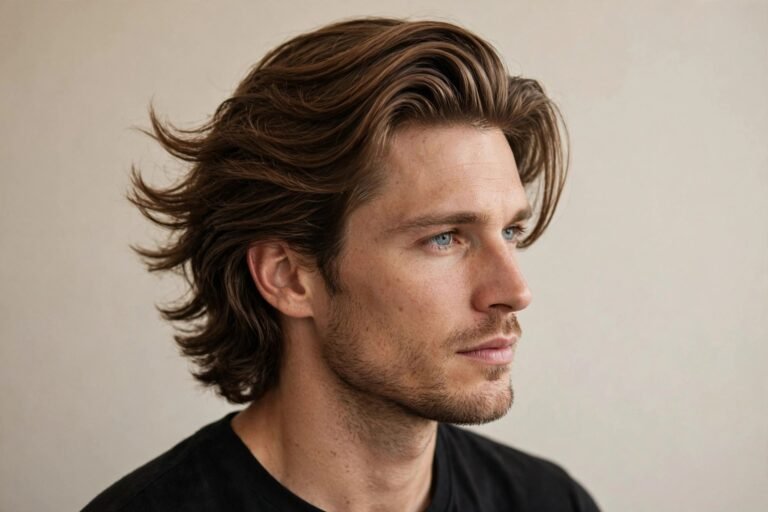
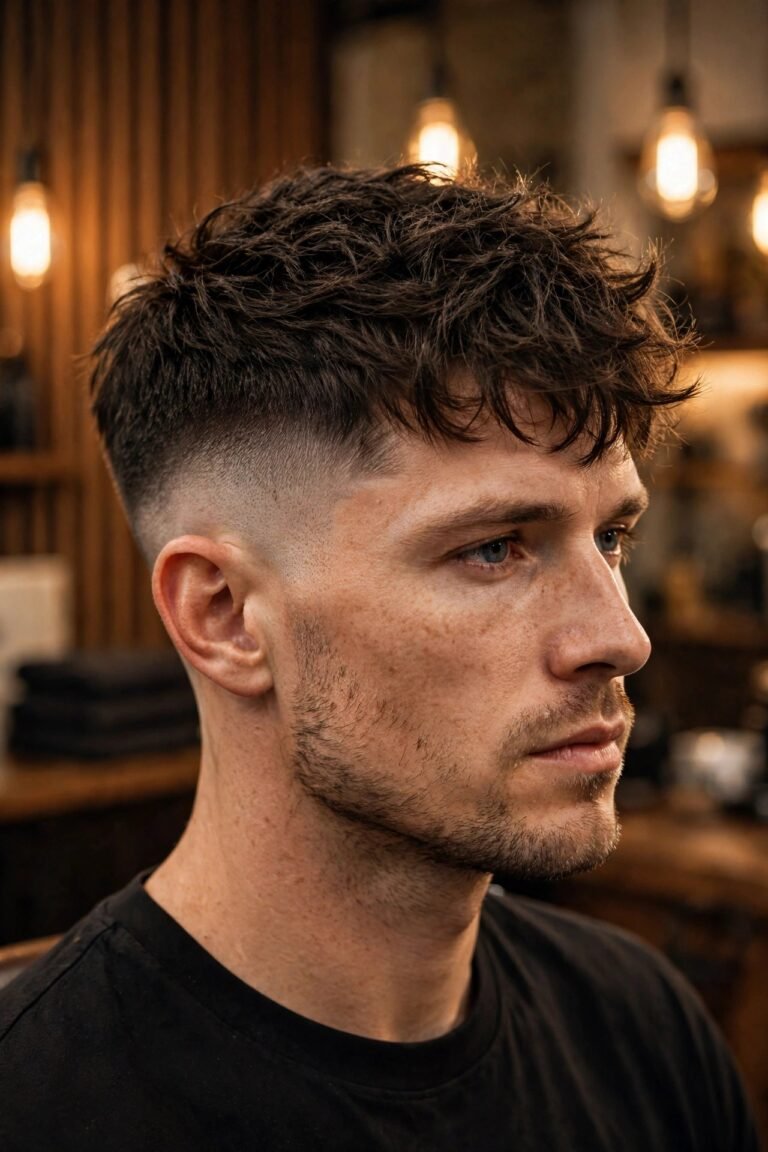
Thick Hair Men 2026: 16 Styles for Dense, Heavy Hair
Thick Hair Men 2026: The Complete Dense-Hair Guide
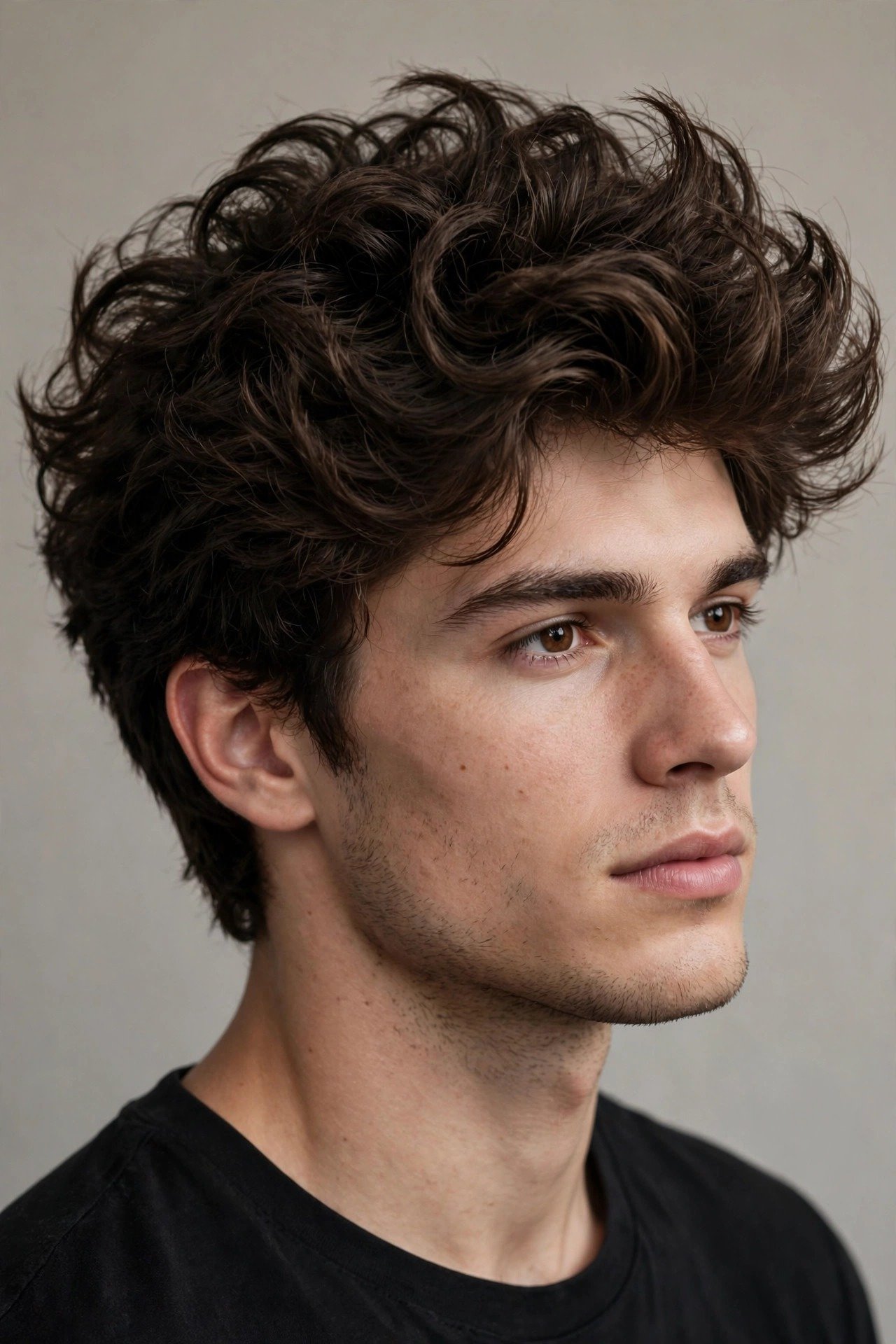
Ask any barber what the most misunderstood hair type is, and thick hair men win every time. Dense, heavy hair is a gift — it holds volume, survives humidity, and grows with strength — but only if the cut respects the density. The wrong cut turns thick hair into a helmet, a triangle, or a mushroom; the right cut turns it into the best hair in the room. This guide gives you 16 styles engineered for dense hair in 2026: when to thin and when to embrace the volume, the exact barber script for thick hair, products that control without flattening, and the maintenance that keeps heavy hair sharp.
Inside: the thinning debate settled (with numbers), how to read your density, barber scripts that prevent the dreaded “too much off the top,” all 16 styles with routines, and answers to thick-hair questions men actually ask.
Here’s the reframe that changes everything: thick hair isn’t difficult hair — it’s high-potential hair paired with low-quality cutting. Nearly every thick-hair complaint (the triangle, the mushroom, the helmet, the frizz) traces to a cut designed for average density applied to exceptional density. A barber who understands interior thinning, layering for weight distribution, and texturizing for movement turns your ‘problem hair’ into the best hair in the room in a single appointment. This guide gives you the vocabulary to get that cut — the exact phrases, the percentages, the warnings — plus 16 styles engineered for density and the routines that keep them sharp. Your hair was never too much. It was just waiting for the right cut.
Table of Contents
- Thick Hair Men 2026: The Complete Dense-Hair Guide
- 16 Styles for Thick, Dense Hair in 2026
- Styling Routine, Products & Maintenance
- Frequently Asked Questions
- Conclusion
Thinning vs. Embracing Volume: The Real Answer
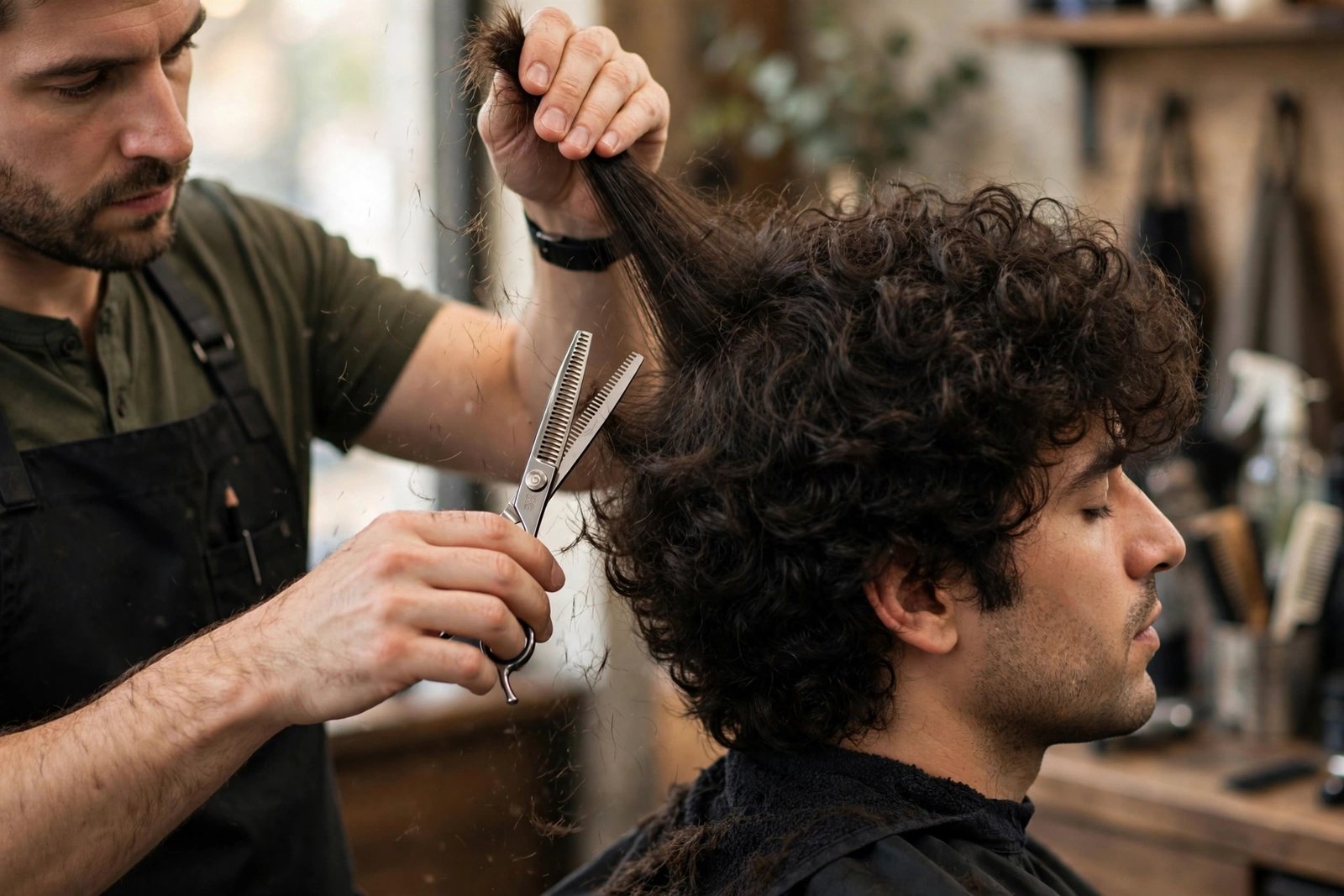
Here’s the debate, settled by someone who’s cut thousands of thick heads: thin the interior, never the surface. Thinning shears remove bulk from underneath, letting the top layer fall naturally — done right, nobody can tell hair was removed. The disaster version is thinning the surface: wispy, frizzy ends that stick out and a cut that looks chewed. Ask for “interior weight removal” specifically, and cap it at 20–30% of bulk per visit — you can always take more next time; you can’t put it back.
When to embrace instead: if your hair is thick AND straight with good behavior, volume styles (quiffs, pomps, flows) turn density into an asset — thick hair holds height that fine hair can’t. The rule of thumb: thin for manageability in short to medium cuts; embrace for deliberate volume in medium to long styles. Either way, layers are mandatory — one-length thick hair has exactly one shape: triangle.
How to Read Your Density (and What to Tell the Barber)
The ponytail test: gather your hair (if long enough) — under 2 inches circumference is fine, 2–4 is medium, over 4 is thick. The scalp test: can you see scalp through dry, unstyled hair? If barely, you’re dense. The grow-out test: does your hair grow out instead of down? Classic thick-hair behavior — it needs weight (length) or removal (thinning) to sit down.
Most “thick hair problems” are actually “wrong cut for thick hair” problems: blunt cuts that trap bulk, no layers, sides left heavy, or a barber who cuts it like fine hair. Thick hair needs a barber who reaches for texturizing shears confidently and isn’t afraid to remove real weight.
What to Tell Your Barber: The Thick Hair Script
“My hair is very thick and grows out instead of down. I want [style name]. Please remove interior weight with thinning shears — 20 to 30 percent — but keep the surface clean, no wispy ends. Layer it so it doesn’t go triangular, and texturize the ends. I’d rather come back for more thinning than have too much taken today.”
The last sentence is the most important thing you’ll say all appointment — it gives the barber permission to be conservative, which prevents 90% of thick-hair disasters. Also: never let a barber “thin it out” as the entire haircut. Thinning is a technique within a cut, not a substitute for shaping. A proper thick-hair cut takes 35–50 minutes.
16 Styles for Thick, Dense Hair in 2026
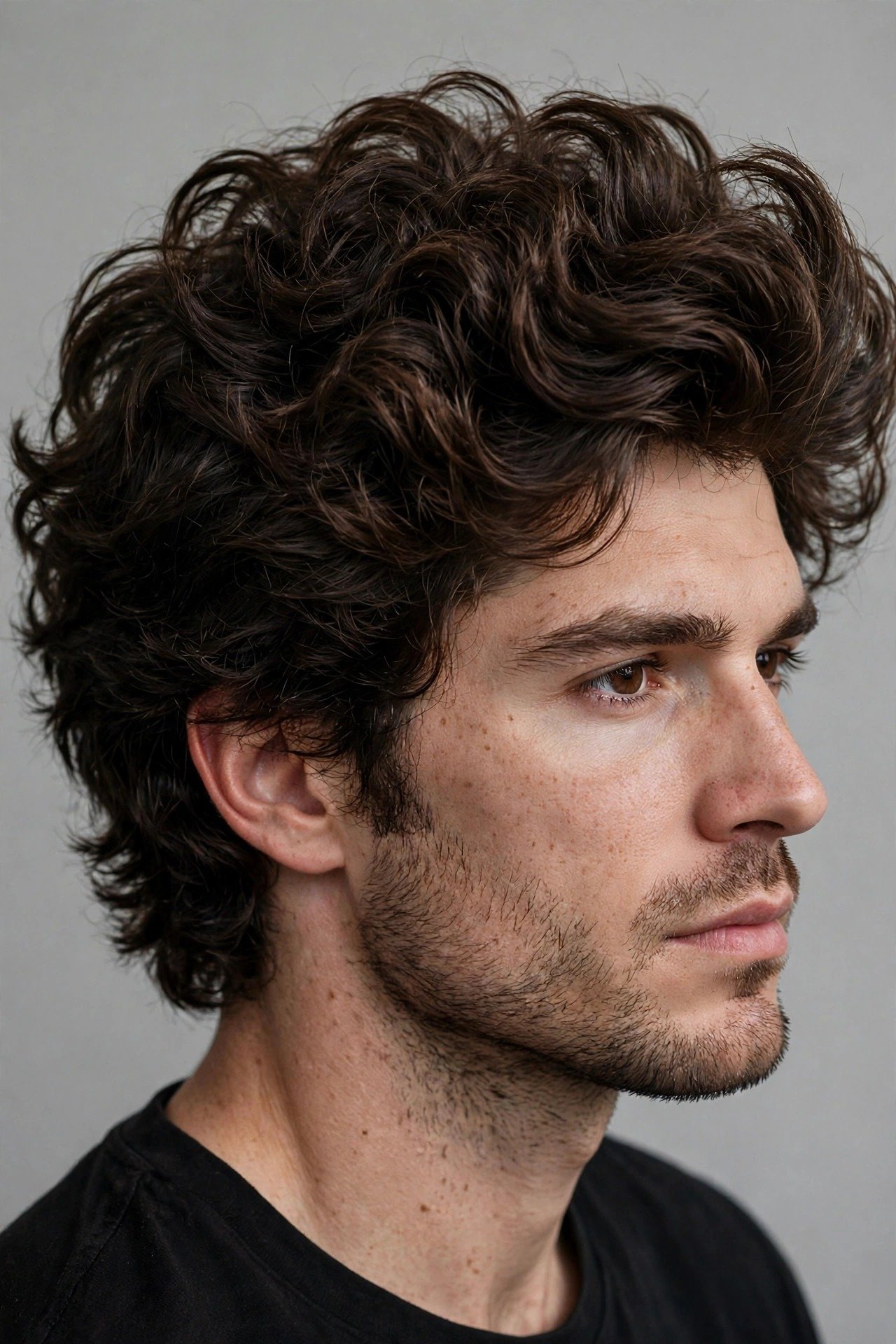
All 16 styles are engineered for density — each includes who it suits, the barber script, styling steps, products, maintenance timing, and the mistake that ruins thick hair.
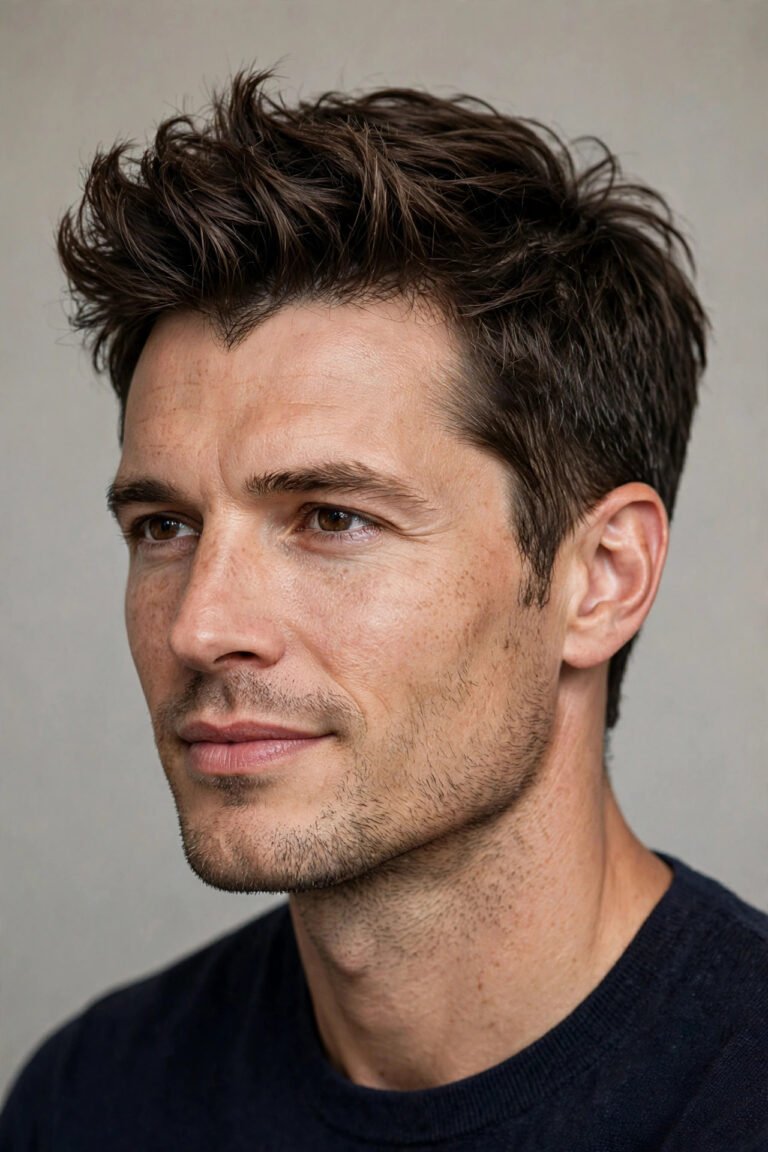
1. Textured Crop with Thinning
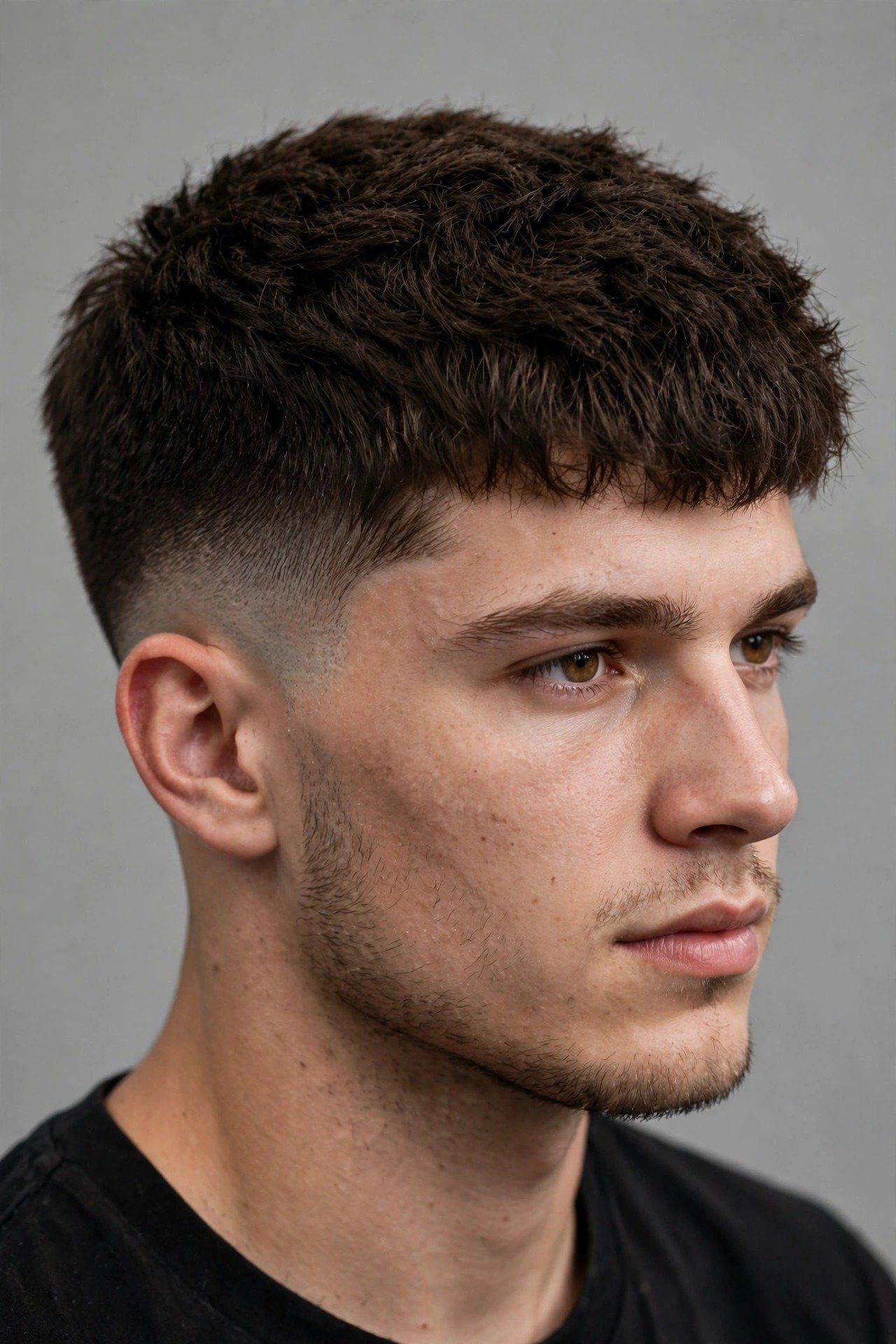
The workhorse: short, textured, and thinned underneath so it lies flat instead of puffing up. This is the cut that converts thick-hair skeptics — proof that short and thick can coexist.
Who it suits: Very thick, coarse hair; all face shapes; guys who want low effort. The thinning makes it behave.
Barber script: “Textured crop, 2 inches on top. Thin the interior aggressively — I need the bulk out — but keep the surface clean. Textured fringe, mid fade sides.”
Styling (4 minutes): Pea of matte paste on dry hair, push forward, pinch for texture. The cut does the work.
Products: matte paste. Maintenance: trim every 3–4 weeks; thick hair shows growth fast.
Mistake to avoid: skipping the thinning — an unthinned crop on thick hair becomes a helmet within two weeks.
Pro tips & variations: The thinning is the haircut here — a crop without interior weight removal on thick hair isn’t a style, it’s a countdown to helmet. Tell the barber explicitly: ‘thin the interior aggressively but keep the surface clean,’ and check the result by running your hand through it — it should feel lighter, not wispy. Variation: a slightly longer top (2.5 inches) with a textured fringe reads softer; the 2-inch version is sharper. This cut also grows out better than most short cuts because the thinning delays the puffy phase by a good two weeks.
2. Thick Quiff
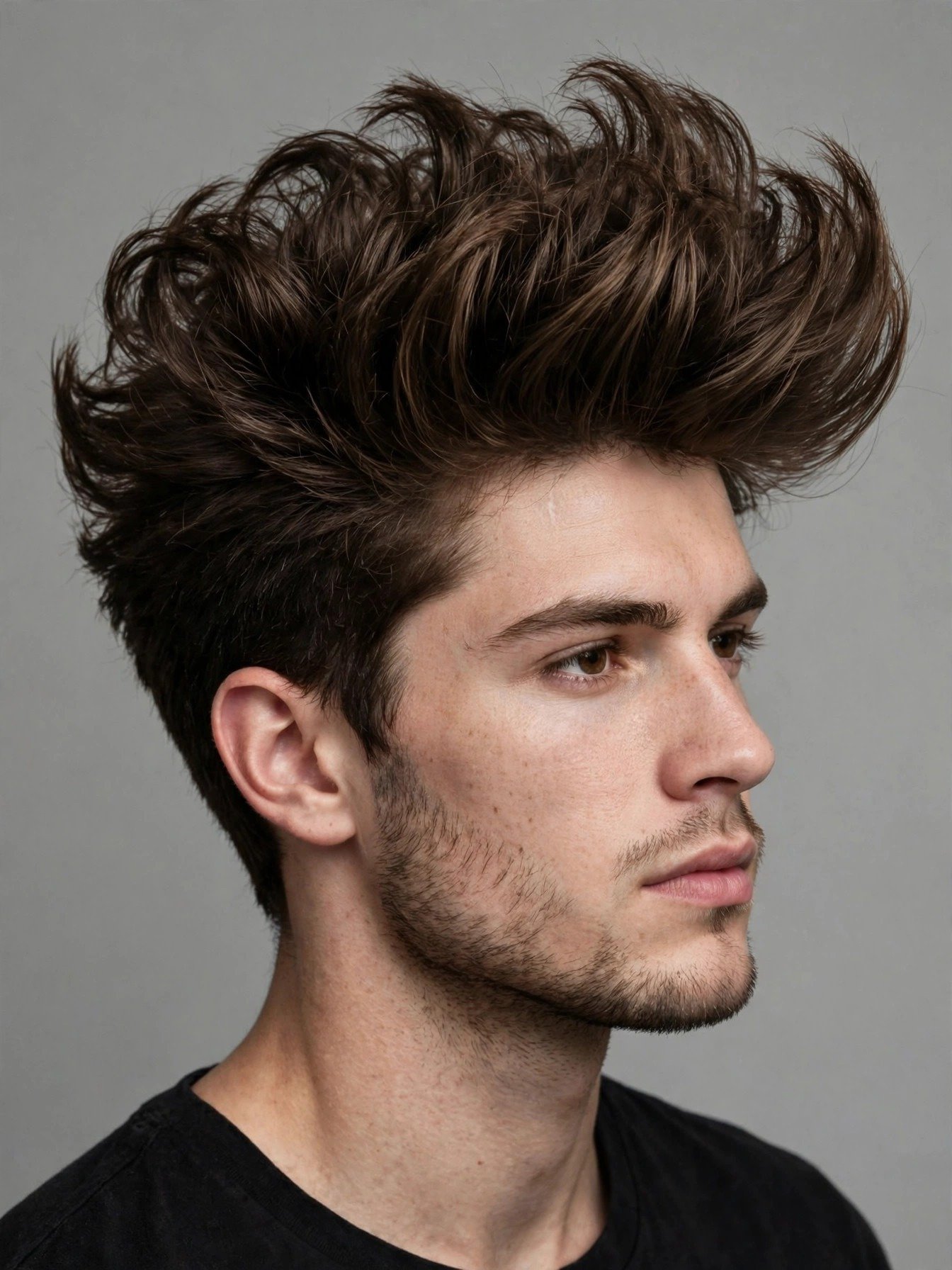
Density’s showcase: thick hair holds quiff height like nothing else. The 2026 version is textured and touchable, not the stiff 2015 sculpture — big, airy, and full of movement.
Who it suits: Thick straight to wavy hair; round faces (height slims); anyone who wants maximum presence. Needs 3.5–4 inches in front.
Barber script: “Textured quiff: 4 inches in front, interior thinning for lift, tapered sides. I want big but soft — piece-y, not solid.”
Styling (10 minutes): Mousse at roots of damp hair, blow-dry up and back with fingers, pinch front pieces with matte paste. Thick hair holds this all day.
Products: mousse, matte paste, heat protectant. Maintenance: trim every 4 weeks.
Mistake to avoid: strong-hold gel — it turns thick quiffs into helmets. Mousse + paste keeps it touchable.
Pro tips & variations: Thick hair is the quiff’s natural habitat — the density that causes problems elsewhere becomes pure structural advantage here, holding height that fine hair can’t fake. The key is thinning enough that the quiff lifts instead of sitting like a solid mass; under-thinned thick quiffs look heavy rather than airy. Variation: a forward-leaning textured quiff for casual days, a higher back-swept version for evenings. Product discipline matters: thick hair needs less product than you think — a golf-ball of mousse is plenty, and overloading collapses the very height you’re building.
3. Thick Hair Taper Fade
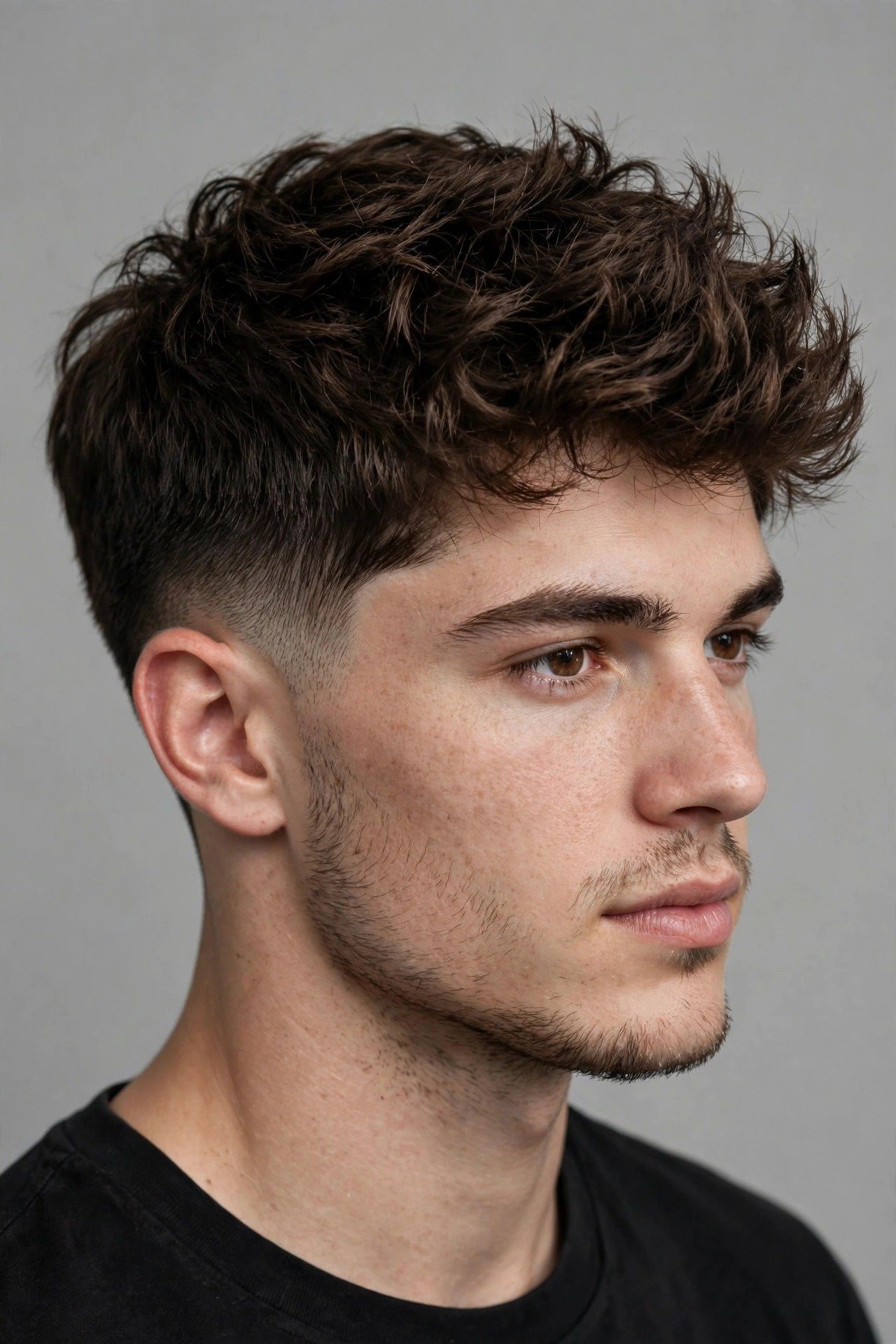
Control where it counts: the taper keeps sides and neckline sharp while the thinned, textured top stays manageable. The everyday thick-hair solution that looks sharp in any setting.
Who it suits: All face shapes; thick hair that misbehaves; professional environments. The most versatile cut here.
Barber script: “Low taper, 3 inches on top with interior thinning — take the weight out so it sits down. Textured, blended, no hard lines.”
Styling (6 minutes): Light cream on damp hair, finger blow-dry, done. The taper provides the polish.
Products: light styling cream. Maintenance: taper cleanup every 2–3 weeks; top trim every 5 weeks.
Mistake to avoid: a skin-tight fade against a heavy top — the imbalance exaggerates the bulk. Keep the taper soft.
Pro tips & variations: This is the default recommendation for thick-haired men who don’t know what they want — it’s nearly impossible to get wrong when the thinning is done right. The taper handles the sides and neckline (where thick hair looks unkempt fastest), while the thinned top stays manageable. Variation: push the top forward for a fringe effect, or sweep it to the side for a smarter finish — the cut supports both. Between full cuts, a $10–15 neckline cleanup keeps the taper crisp and extends the style by two weeks.
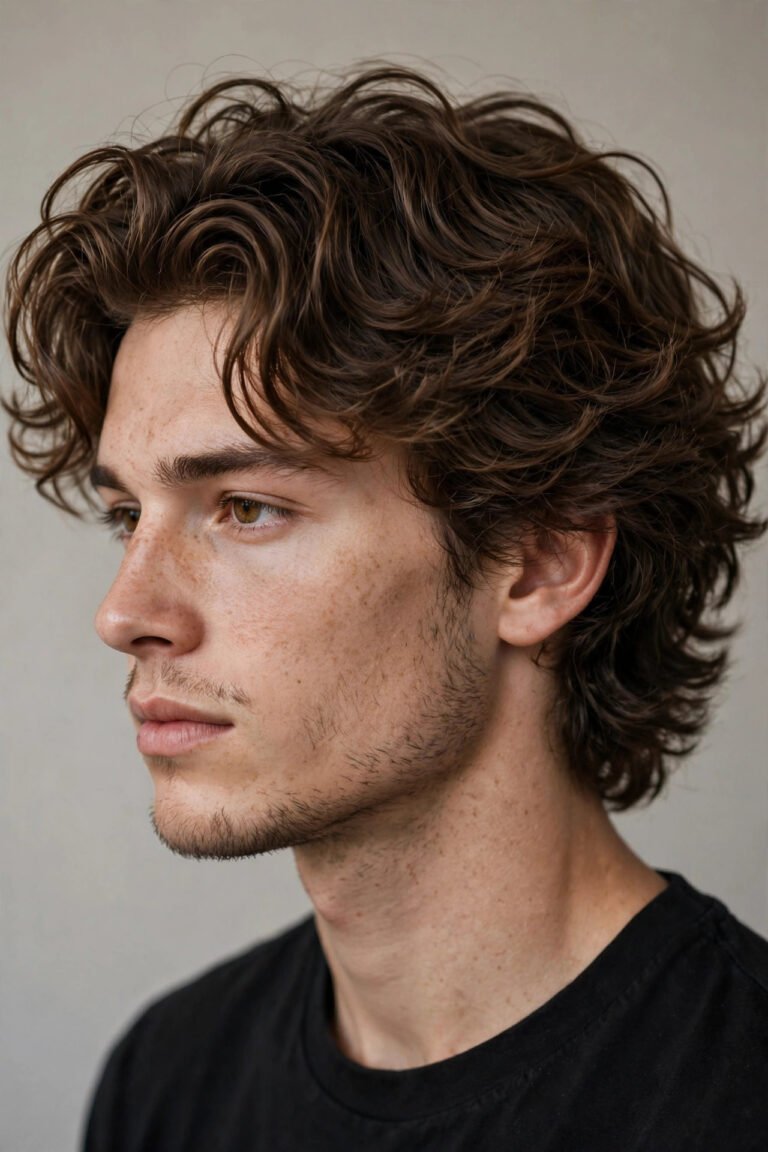
4. Layered Medium Flow
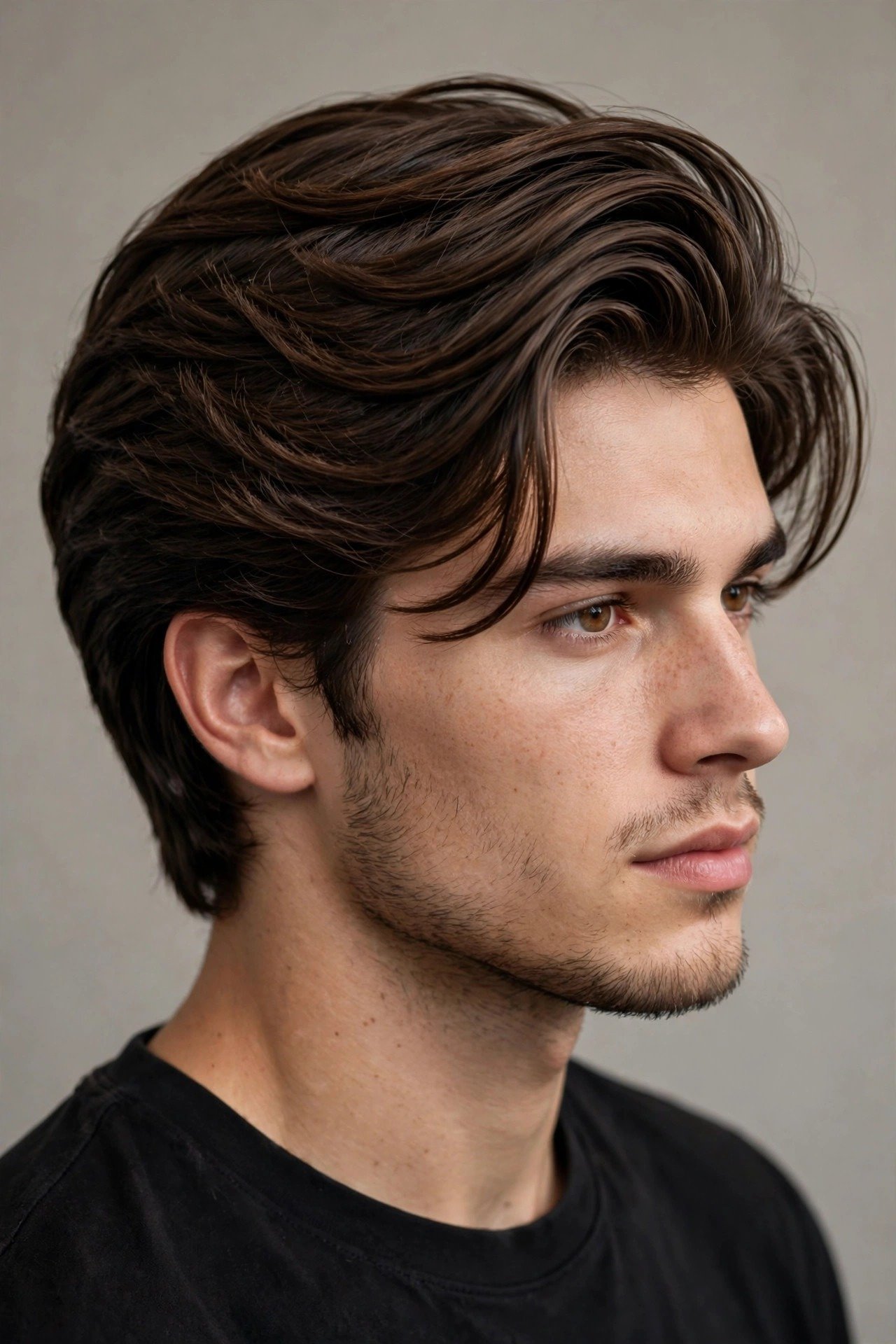
Let it breathe: 5–6 inches of layered flow where the layers do the thinning work naturally. Longer thick hair behaves better than short thick hair — weight pulls it down into shape.
Who it suits: Thick wavy to straight hair; oval and oblong faces; guys willing to grow it out. The layers are non-negotiable.
Barber script: “Medium flow: 5–6 inches, long layers throughout, interior thinning. I want movement, not bulk — layer it so it falls, not puffs.”
Styling (8 minutes): Leave-in conditioner, blow-dry back with fingers, cream to settle. Weight is your friend here.
Products: leave-in conditioner, styling cream. Maintenance: trim every 6–8 weeks.
Mistake to avoid: one-length growing — without layers, medium thick hair becomes a solid mass. Layers create the flow.
Pro tips & variations: Here’s the counterintuitive truth: longer thick hair is easier than short thick hair, because weight pulls it down into shape while short thick hair fights upward. The layers are what convert weight from a problem into the solution — without them, you get a solid mass; with them, you get movement. Variation: wear it swept back for a classic flow, or with a soft side part for more structure. If your hair is both thick and wavy, this style is close to the ideal — the wave pattern does half the styling work for free.
5. Thick Hair Undercut
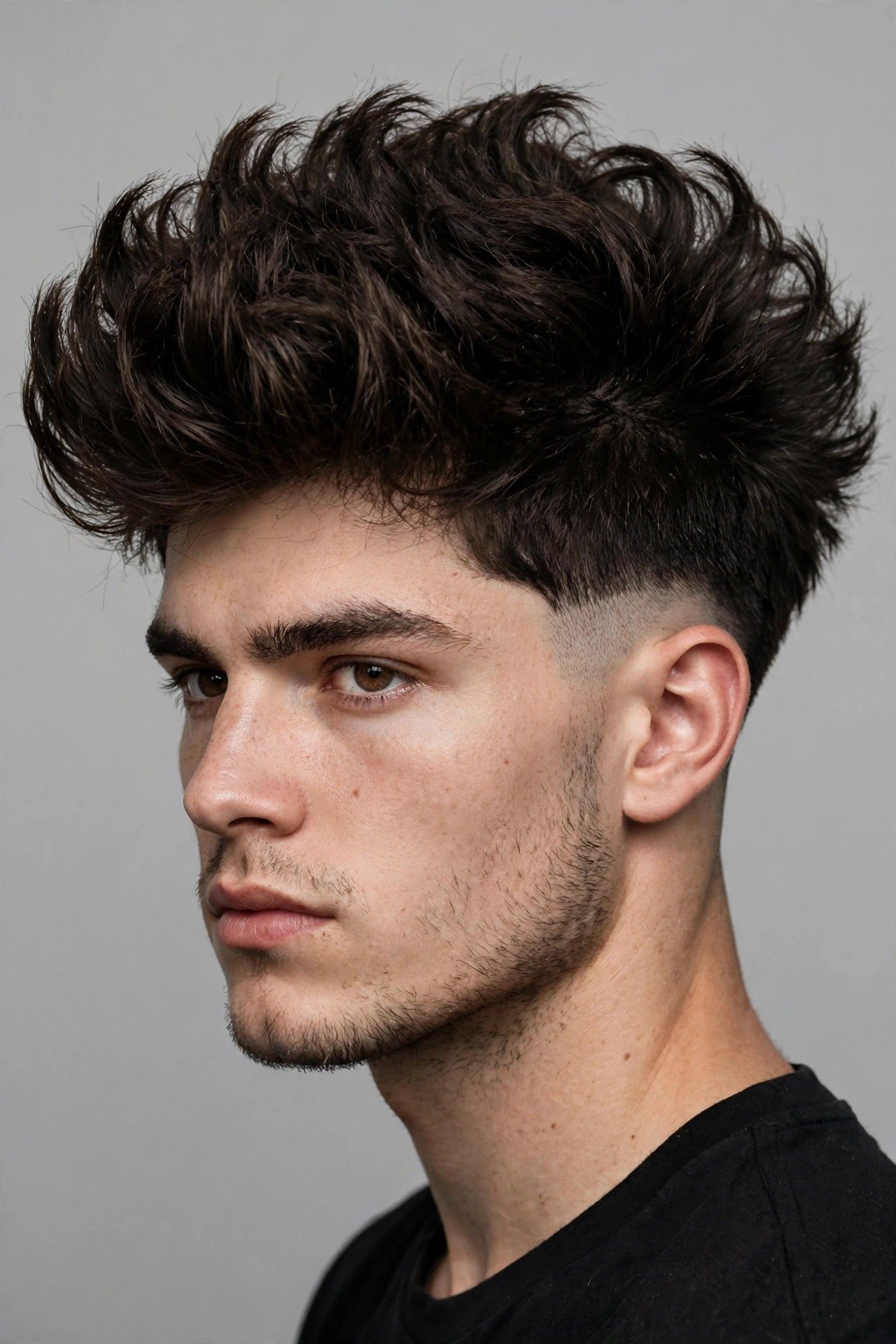
Remove half the problem: the undercut takes the sides down to nothing, leaving all the density where it looks good — on top. Dramatic, bold, and genuinely practical for very thick hair.
Who it suits: Very thick, heavy hair; oval and square faces; confident style. The disconnect needs commitment.
Barber script: “Disconnected undercut: #2 on the sides, 4–5 inches on top with interior thinning. Take real weight out of the top — it’s heavy.”
Styling (8 minutes): Mousse at roots, blow-dry the top up/back, matte paste for definition. Wear it back or swept.
Products: mousse, matte paste. Maintenance: undercut re-cut every 3 weeks.
Mistake to avoid: growing the undercut out — the grow-out phase is brutal. Commit to the 3-week cycle or choose a taper instead.
Pro tips & variations: The undercut removes roughly half your hair’s bulk in one move — it’s the most aggressive (and effective) density management on this list. But it’s a commitment: the grow-out is brutal, with no graceful phase, so only choose this if you’ll maintain the 3-week re-cut cycle. Variation: a disconnected #2 is boldest; a #3–#4 with a softer blend grows out slightly more gracefully. Styling tip: the top still needs interior thinning — the undercut handles the sides, but an unthinned heavy top looks like a separate entity floating above the cut.
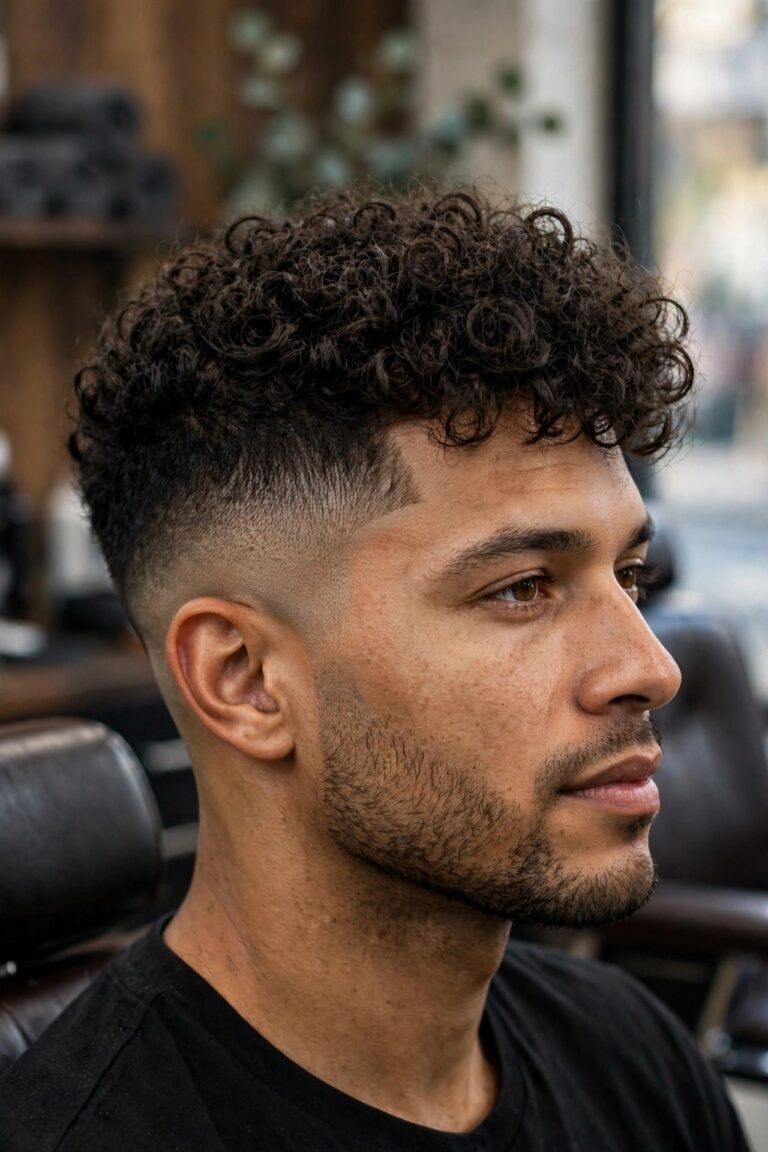
6. Thick Curly Top
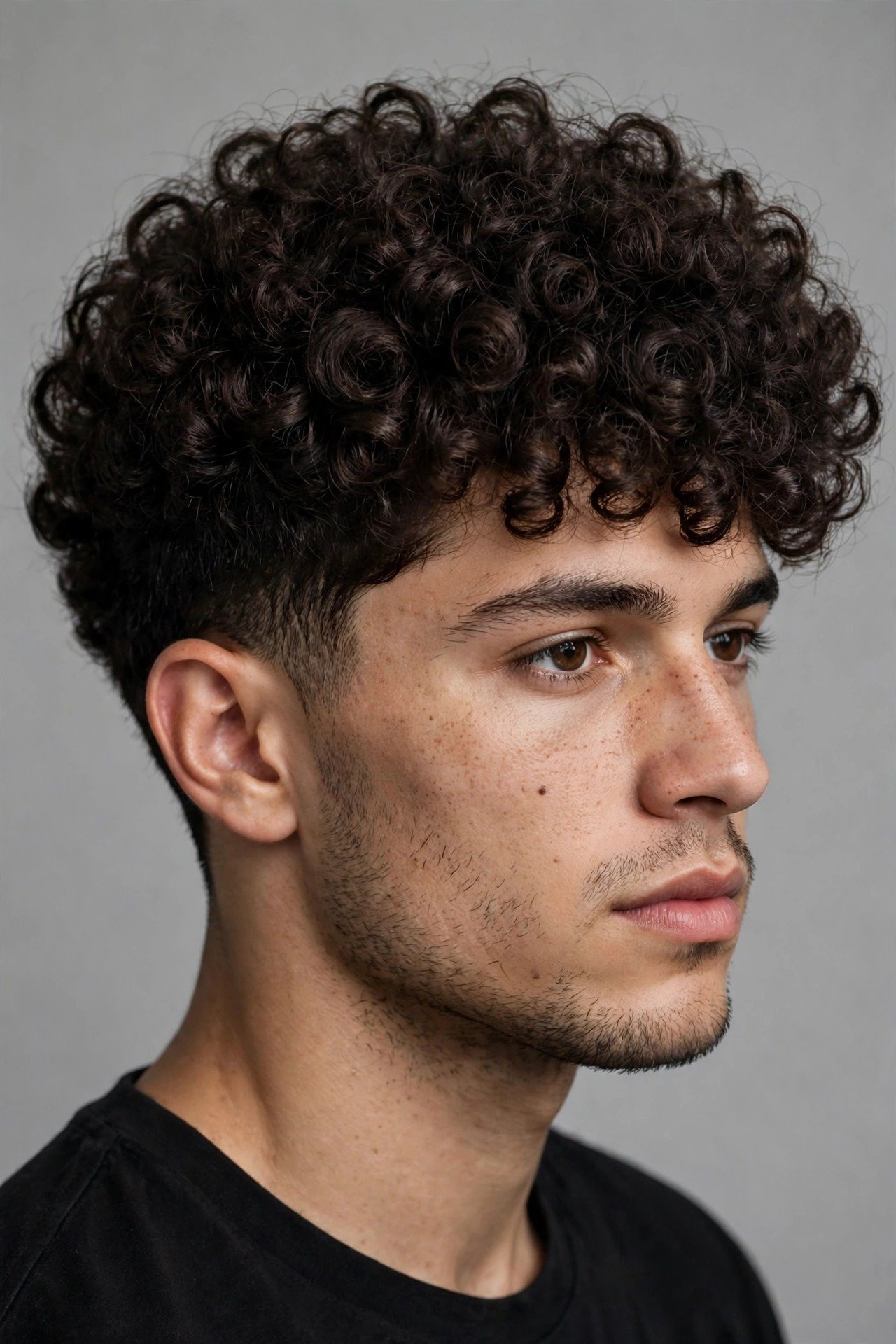
Density plus curl is the dream combination: defined, weighty curls with a shaped silhouette. The cut removes interior bulk so curls spring instead of matting — the difference between a cloud and a carpet.
Who it suits: Natural curls/tight waves (2C–3B) with density; all face shapes. If you have this texture, every other style is a compromise.
Barber script: “Curly top: 3–4 inches, shape it round, thin the interior so the curls separate. Taper the sides. Cut it dry or stretched — I need you to see the true spring.”
Styling (10 minutes): Curl cream on soaking-wet hair, scrunch, diffuse. Fluff roots when dry. The density gives you curls with real presence.
Products: curl cream, light gel, diffuser. Maintenance: trim every 6–8 weeks; deep-condition weekly. See curly hair styles for men for more.
Mistake to avoid: brushing dry curls — on thick curly hair it creates a frizz triangle of legendary proportions.
Pro tips & variations: Density plus curl is the jackpot combination — defined, weighty curls with real presence that fine curly hair can’t replicate. The cut’s job is removing interior bulk so curls spring instead of matting together; ask the barber to cut it dry or stretched so they can see the true spring pattern. Variation: picked-out roots for maximum volume and halo effect, or defined clumps for a neater finish. Because thinned curly hair dries out faster, the weekly deep-conditioning mask isn’t optional — it’s structural maintenance.
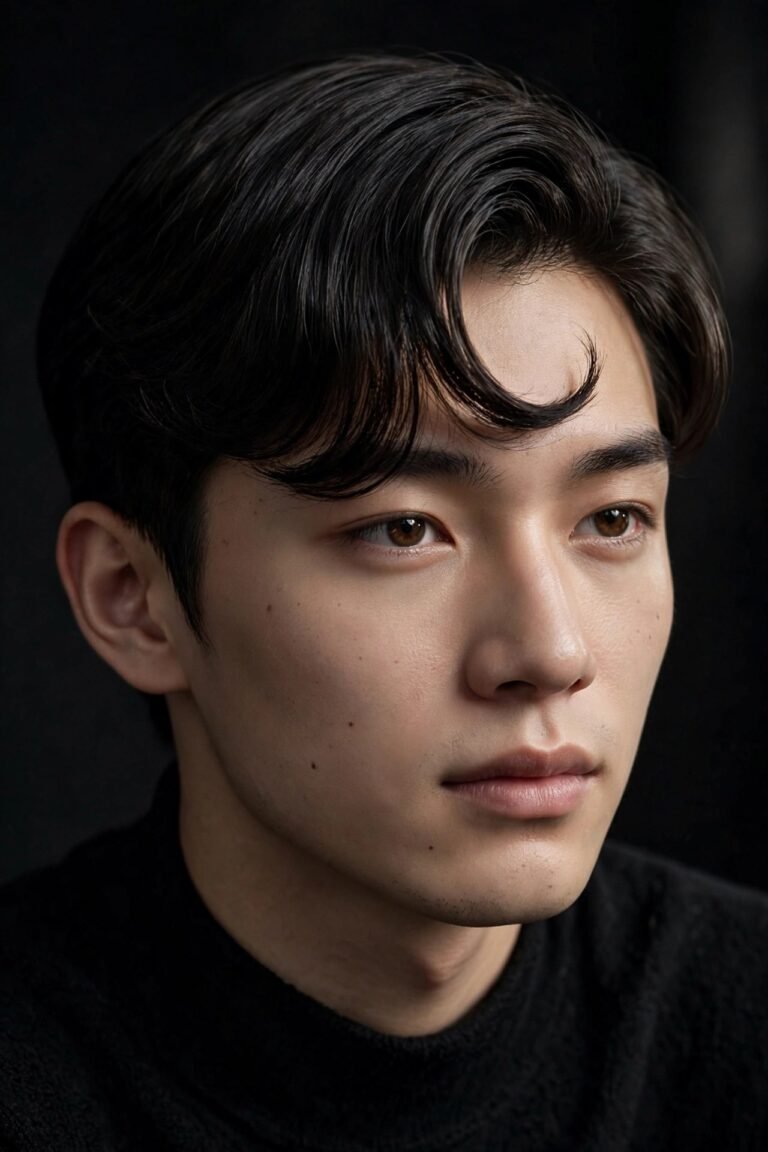
7. Thick Hair Side Part
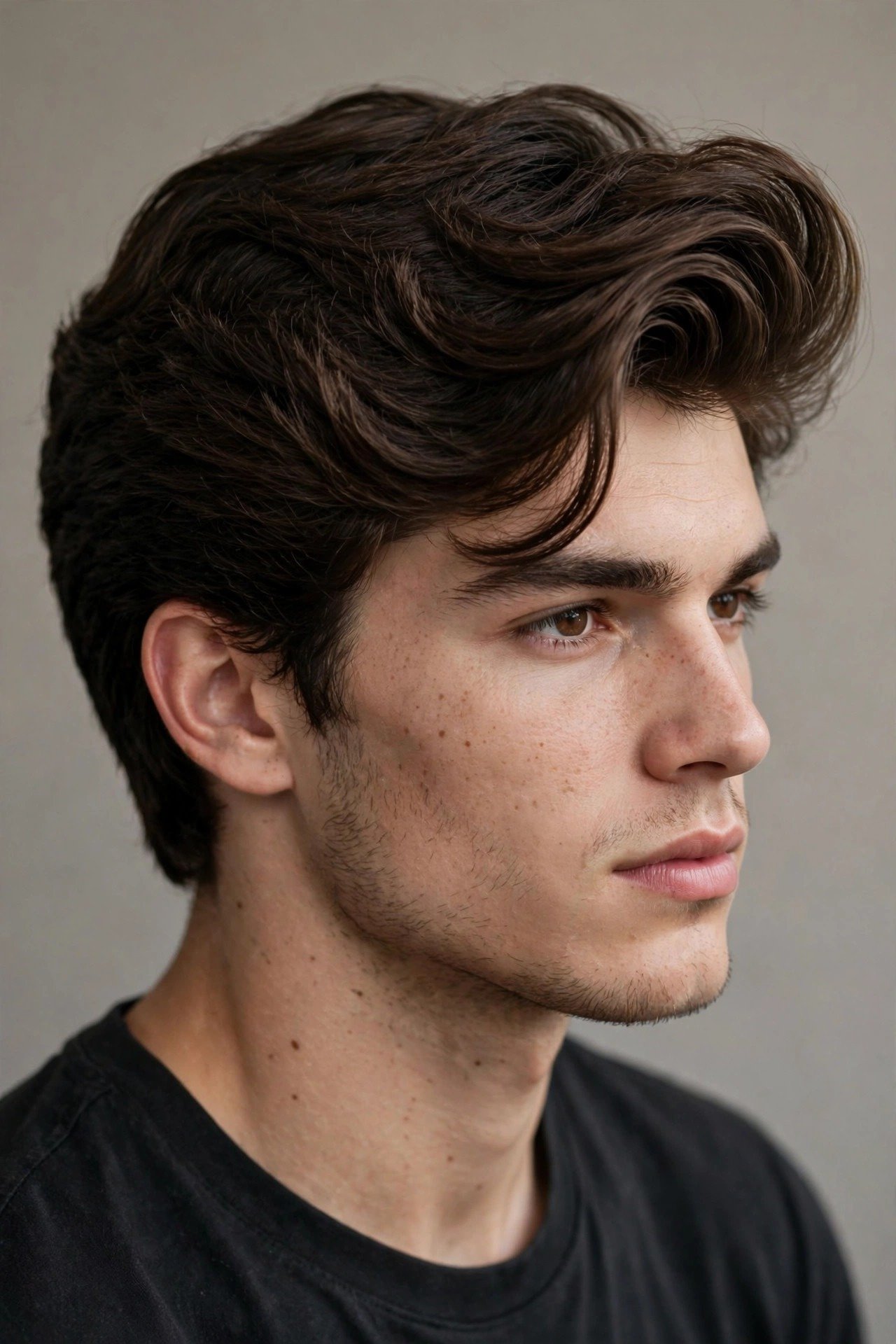
The classic, density-enhanced: thick hair gives the side part a fullness the original never had. Distinguished, substantial, and appropriate everywhere from weddings to boardrooms.
Who it suits: Professional settings; square and oval faces; thick straight to wavy hair. The most “grown man” style here.
Barber script: “Side part: 3–4 inches on top with interior thinning — it needs to lie down, not puff. Tapered sides, soft part. Layer it so the weight distributes.”
Styling (7 minutes): Cream on damp hair, finger-part, blow-dry up and over. The thinning lets it actually lie in the part.
Products: styling cream, matte paste. Maintenance: trim every 4 weeks.
Mistake to avoid: no thinning — an unthinned thick side part lifts off the head like a sail. The interior weight must go.
Pro tips & variations: The side part on thick hair lives or dies on the thinning — without interior weight removal, the part lifts off the head like a sail instead of lying in place. This is the cut where you should be most explicit with the barber: ‘it needs to lie down, not puff.’ Variation: a deeper part (above the temple) reads more vintage and dramatic; a higher part reads modern. This is also the thick-hair style that ages best — it looks as correct at 50 as at 25, which is rare on this list.
8. Thick Messy Fringe
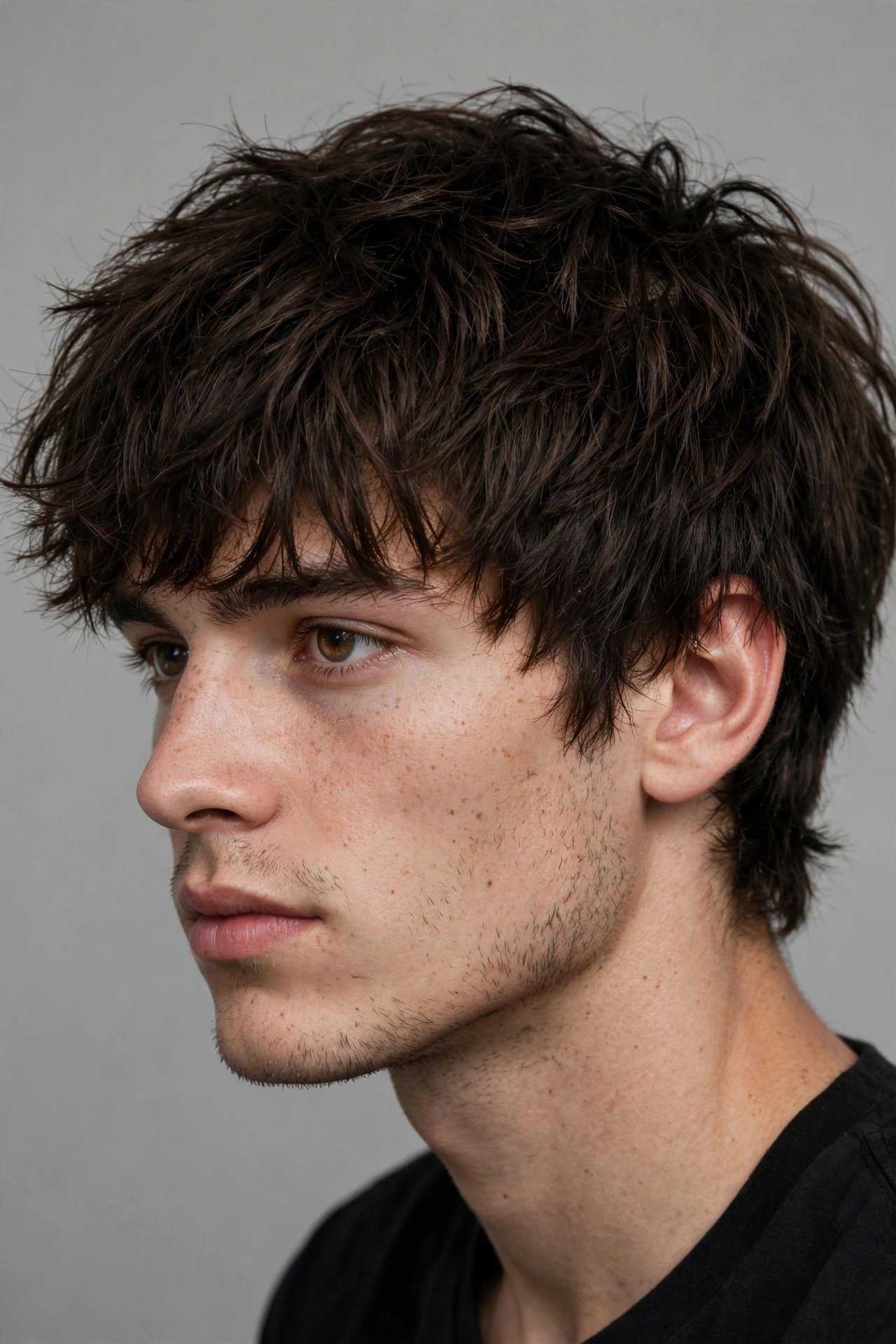
Controlled chaos: a heavy fringe broken into piece-y texture through aggressive interior thinning. Youthful, current, and the rare messy style that actually suits dense hair.
Who it suits: Under-35s; oval and heart faces; very thick straight to wavy hair. The thinning is what makes it possible.
Barber script: “Messy fringe: 3.5 inches on top falling forward. Thin the interior hard — I need it piece-y, not solid. Point-cut the fringe, tapered sides.”
Styling (6 minutes): Texture powder at roots, push the fringe forward in pieces, twist random sections. Matte paste on the ends for separation.
Products: texture powder, matte paste. Maintenance: fringe trim every 4 weeks; re-thin every other visit.
Mistake to avoid: surface thinning — wispy fried ends on a fringe look damaged, not textured. Interior only.
Pro tips & variations: The fringe is where thick hair’s density becomes visible texture — but only if the interior is thinned hard enough to break the solid mass into pieces. Surface thinning is the enemy here: it creates wispy, fried-looking ends instead of clean separation. Variation: a longer fringe (4 inches) worn swept across reads softer; the 3.5-inch forward version is edgier. Re-thin every other appointment — the interior bulk returns as hair grows, and the piece-y separation is the first thing to disappear.
9. Thick Hair Pompadour
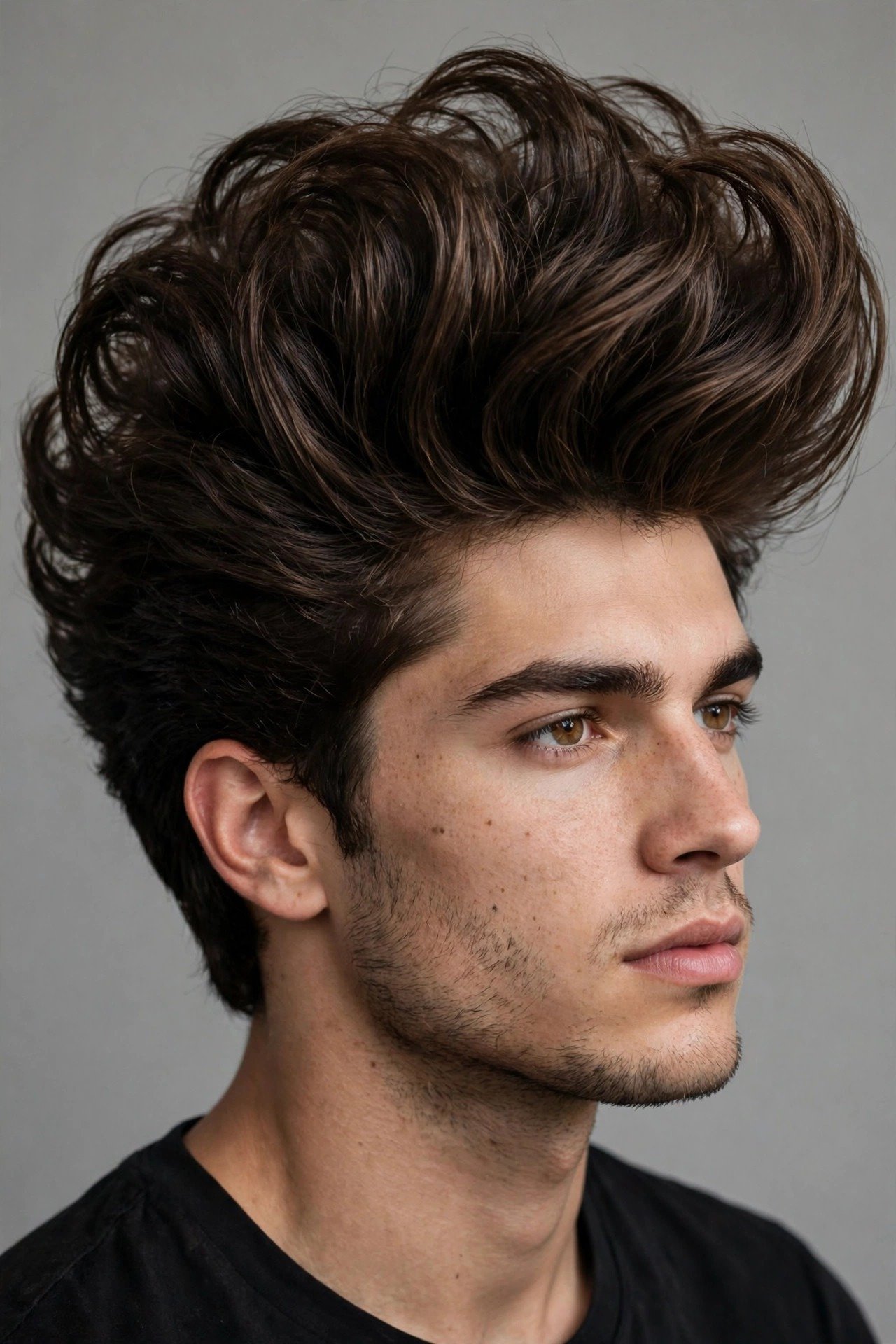
The pomp was invented for this hair: thick density builds the kind of height that makes the style legendary. Big, bold, and unapologetic — the statement cut for thick hair.
Who it suits: Thick straight to wavy hair; round faces (height slims); men who enjoy the daily ritual. 4–5 inches in front minimum.
Barber script: “Pompadour: 5 inches in front graduating back, interior thinning so it lifts instead of collapsing, tapered sides. Build real height — my density can hold it.”
Styling (12 minutes): Mousse at roots, blow-dry up and back with a round brush, set with medium pomade. Thick hair holds a pomp all day — the payoff for the effort.
Products: mousse, medium-hold pomade, round brush. Maintenance: trim every 3–4 weeks.
Mistake to avoid: too much pomade — thick hair needs less product than you think; overload collapses the height you’re building.
Pro tips & variations: The pompadour was essentially invented for this hair type — thick density builds the legendary height that defines the style. Your advantage over fine-haired pomp wearers: yours holds all day with less product and less restyling. Variation: a classic high pomp for maximum drama, or a looser textured pomp (less height, more movement) for daily wear. The round brush is non-negotiable — fingers alone can’t build a thick-hair pomp’s structure. And this is a daily-styling cut: if you won’t commit 12 minutes every morning, choose the quiff instead.
10. Thick Bro Flow
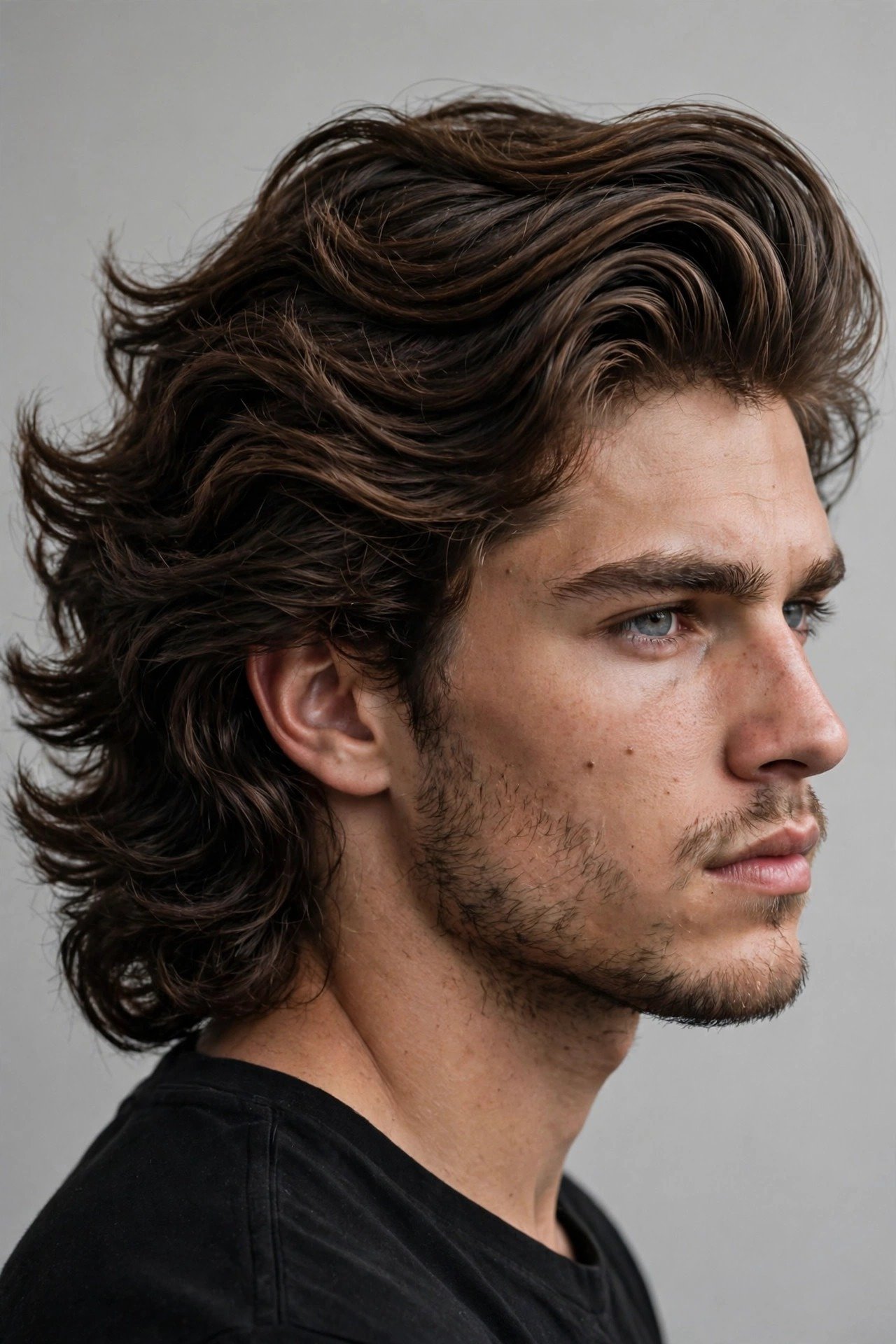
The flow, fortified: 5 inches of thick hair swept back has a weight and presence that fine hair can’t touch. Rugged, masculine, and surprisingly manageable once layered.
Who it suits: Thick straight to wavy hair; square and oval faces; the grow-out inclined. Layers prevent the shelf.
Barber script: “Bro flow: 5 inches, heavy layering, interior thinning for movement. Scissor-tapered sides. I want it to move, not sit like a block.”
Styling (8 minutes): Leave-in conditioner, blow-dry back with fingers, cream to settle flyaways. Let the weight do the work.
Products: leave-in conditioner, styling cream. Maintenance: trim every 6–8 weeks.
Mistake to avoid: growing without shaping trims — unshaped thick flow becomes a rectangular block. The “dust and shape” appointment is essential.
Pro tips & variations: The flow converts thick hair’s weight from enemy to ally — at 5 inches, gravity does the styling work that product does on shorter cuts. But unshaped thick flow becomes a rectangular block, so the ‘dust and shape’ appointment every 6–8 weeks is essential, not optional. Variation: tuck the sides behind the ears for a cleaner profile, or leave everything loose for maximum ruggedness. If your hair is thick and straight (no wave), a light perm on the ends adds the movement that makes a flow look alive rather than heavy.
11. Thick Hair French Crop
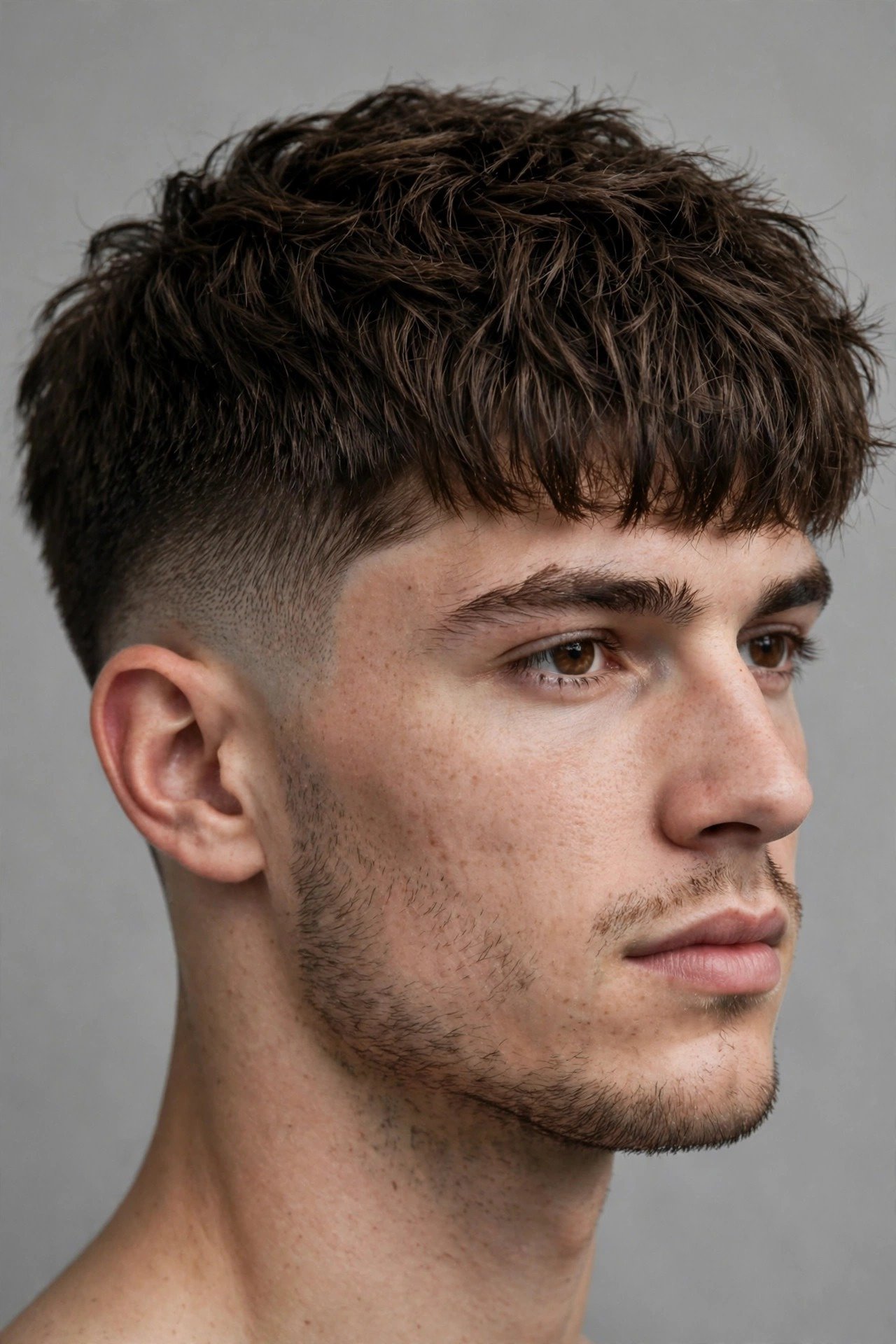
Short, sharp, solved: the French crop’s forward fringe and textured top are ideal for thick hair — the interior thinning keeps it flat, the texture keeps it interesting. Minimum fuss, maximum sharpness.
Who it suits: Very thick hair that needs controlling; all face shapes; low-maintenance guys. The practical pick.
Barber script: “French crop: 2 inches on top, thin the interior so it lies flat, textured fringe, mid fade. The thinning is the whole haircut — don’t skip it.”
Styling (3 minutes): Matte paste, push forward. Done.
Products: matte paste. Maintenance: trim every 3–4 weeks.
Mistake to avoid: leaving the top too long without thinning — a 3-inch unthinned crop on thick hair puffs into a mushroom.
Pro tips & variations: The French crop is thick hair’s practical masterpiece — short enough to control, textured enough to look intentional, and the interior thinning makes it lie flat where unthinned thick hair would puff. Variation: the classic 2-inch version is sharpest; pushing to 2.5 inches with a longer fringe softens it. Warning: at 3+ inches without thinning, this cut becomes a mushroom — the length-to-thinning ratio is the whole game. When in doubt, go shorter rather than skipping the thinning.
12. Thick Wavy Shag
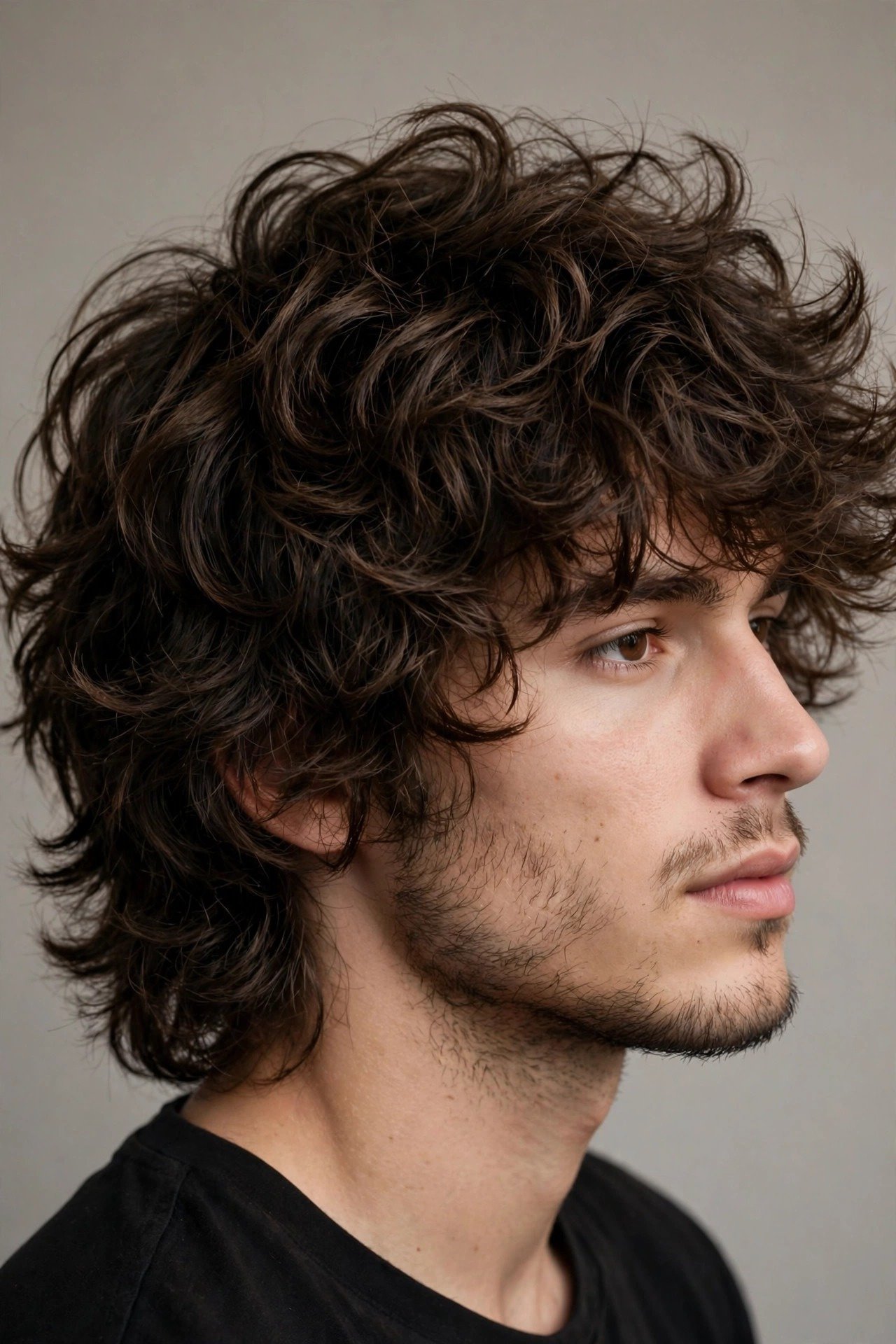
Let the density rage: heavy layering unlocks thick wavy hair’s full volume — big, touchable, rock-and-roll. The layers do what thinning shears can’t: create movement through the entire mass.
Who it suits: Thick wavy to curly hair; oval and heart faces; the bold. Fine hair need not apply.
Barber script: “Wavy shag: 5–6 inches, heavy layering, interior thinning, wispy ends. I want maximum texture — let it be big.”
Styling (8 minutes): Sea salt spray, scrunch, diffuse. Embrace the volume — neatness ruins it.
Products: sea salt spray, texture powder. Maintenance: reshape every 6 weeks.
Mistake to avoid: under-layering — a shag without real layers on thick hair is just long thick hair. Commit to the chop.
Pro tips & variations: The shag needs density — this is the cut where thick hair finally gets to show off instead of being managed. The heavy layering does what thinning shears can’t: it creates movement through the entire mass rather than just removing bulk. Variation: add a curtain fringe for face-framing, or keep the front long for a wilder silhouette. This cut is product-hungry in the right way — sea salt spray used generously, not sparingly — but keep oils away, because they collapse the airy separation that defines the style.
13. Thick Hair Slick Back
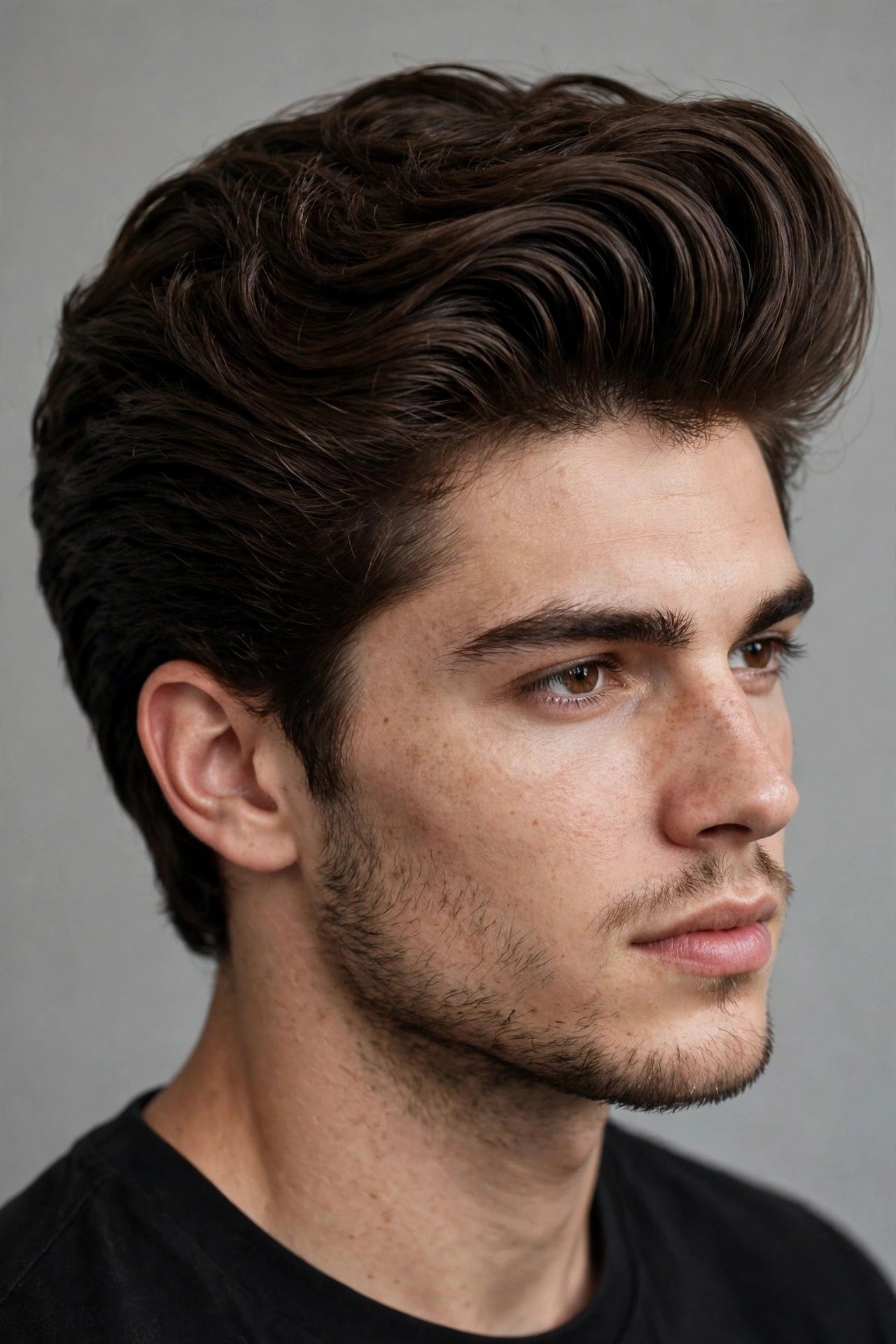
Power hair: thick density swept back has a weight and authority nothing else matches. The 2026 version keeps soft volume — not the plastered 2013 wall.
Who it suits: Thick straight to wavy hair; square and oval faces; formal settings. 4–5 inches on top needed.
Barber script: “Slick-back: 5 inches on top with layers, interior thinning so it sweeps instead of resisting, scissor-cut sides. Volume in the sweep, not flat.”
Styling (9 minutes): Cream on damp hair, blow-dry back with fingers lifting at roots, medium pomade to set. Let it breathe.
Products: styling cream, medium-hold pomade. Maintenance: trim every 5–6 weeks.
Mistake to avoid: wet-look gel — on thick hair it creates a heavy, dated shell. Creams and medium pomades only.
Pro tips & variations: Thick density swept back has a weight and authority that fine hair simply cannot replicate — this is power hair in the most literal sense. The 2026 version keeps soft volume at the roots rather than the plastered flatness of the 2013 original; blow-dry with lift first, then sweep. Variation: a diagonal side-sweep looks more dynamic; straight back looks more formal. Product rule: creams and medium pomades only — wet-look gel on thick hair creates a heavy, dated shell that kills the style’s modernity.
14. Thick Textured Faux Hawk
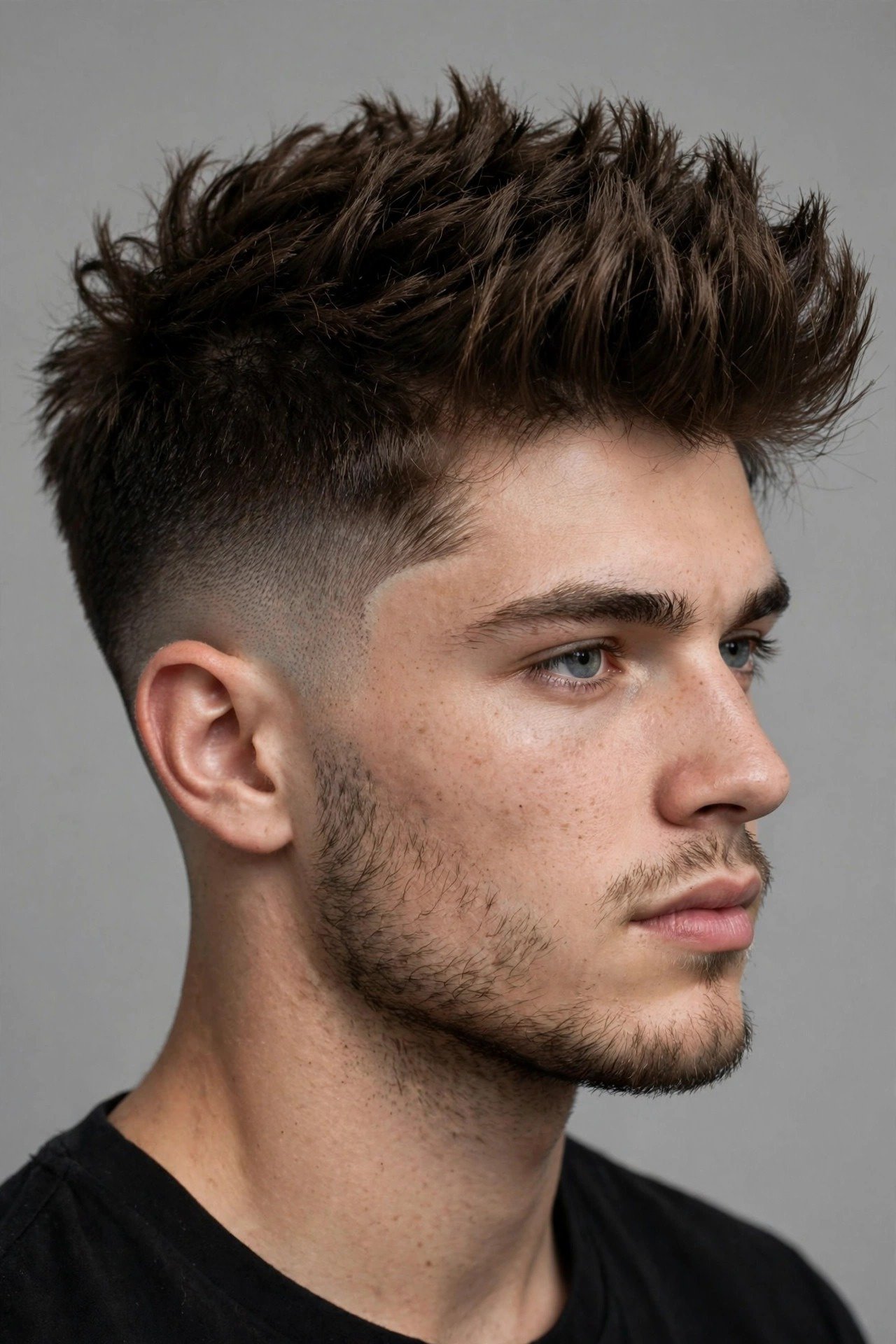
Edge with substance: a thick textured strip (3–4 inches) with faded sides. The density gives the fohawk real presence — soft spikes with weight behind them.
Who it suits: Thick straight to wavy hair; oval and diamond faces; the adventurous. Grows out into a textured crop gracefully.
Barber script: “Textured fohawk: 3.5 inches through the center, interior thinning, mid fade sides. Keep it soft and thick — no stiff spikes.”
Styling (7 minutes): Sea salt spray, rough-dry the center upward, matte paste for definition. Let the thickness show.
Products: sea salt spray, matte paste. Maintenance: fade touch-up every 3 weeks.
Mistake to avoid: stiff gel spikes — the 2010 fohawk on thick hair looks like a stegosaurus. Soft texture only.
Pro tips & variations: The fohawk’s center strip benefits enormously from density — thick hair gives the strip real presence and weight, where fine hair needs product to fake it. Keep the texture soft: the 2026 fohawk is defined by piece-y separation, not stiff spikes. Variation: a longer strip (4 inches) reads fashion-forward; the 3.5-inch version is more wearable daily. Grow-out advantage: unlike most edgy cuts, this transitions gracefully — stop fading the sides aggressively and it melts into a textured crop within two cycles.
15. Thick Long Layers
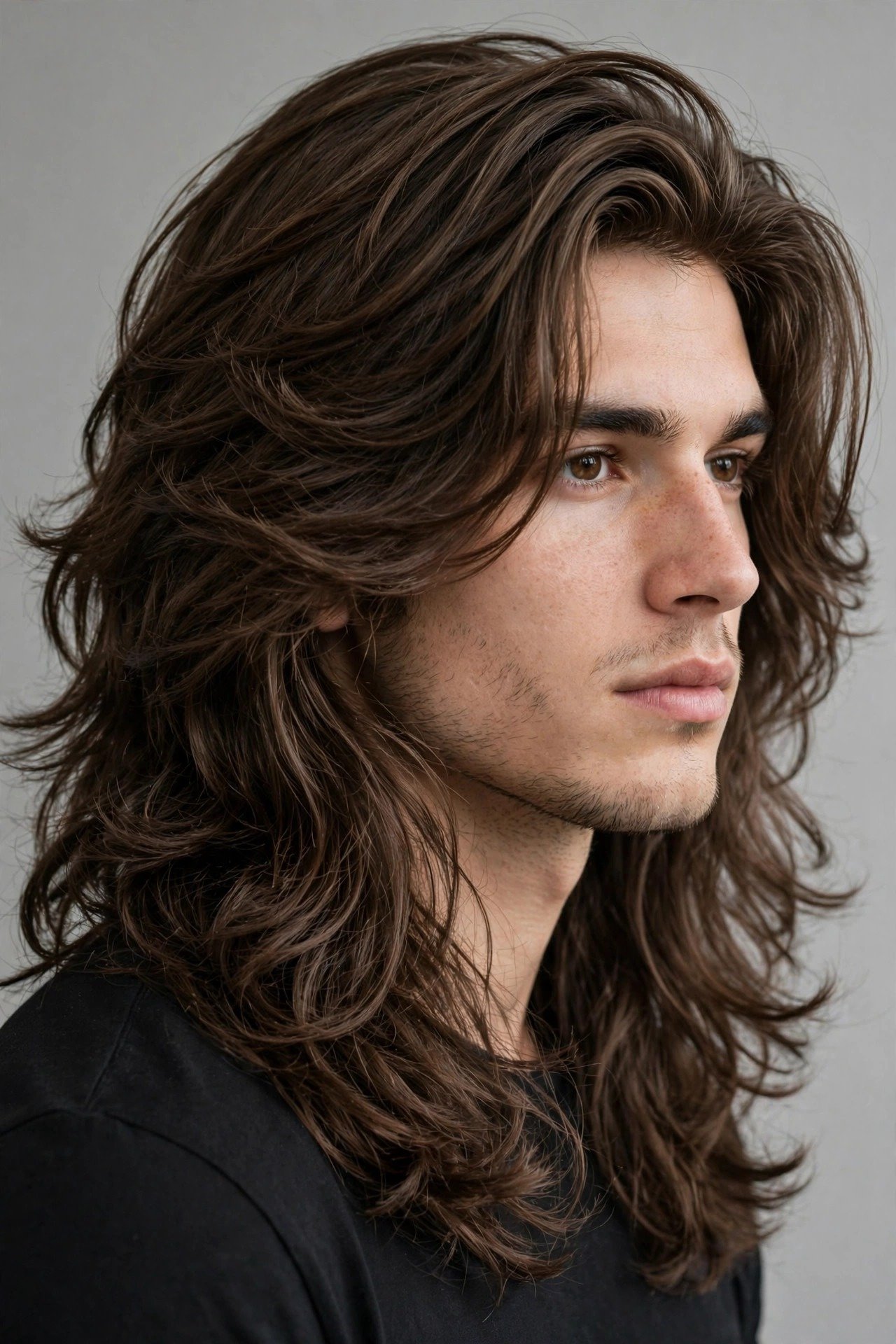
The mane, mastered: 7+ inches of thick hair with long layers that let the weight create natural flow. Long thick hair is easier than medium thick hair — gravity becomes your styling product.
Who it suits: Very thick straight to wavy hair; the patient (12+ month grow-out); oval and oblong faces.
Barber script: “Long layers: 7–8 inches, layers from the chin down, interior thinning for movement. Keep the length — build shape, don’t remove it.”
Styling (8 minutes): Leave-in conditioner, air-dry or rough-dry, cream on the ends. The weight does the styling.
Products: leave-in conditioner, styling cream. Maintenance: trim every 10–12 weeks; deep-condition weekly.
Mistake to avoid: skipping trims for a year — thick long hair without end maintenance splits and mats. The “dust” appointment is sacred.
Pro tips & variations: At 7+ inches, gravity becomes your primary styling product — long thick hair is genuinely easier than medium thick hair, which is the awkward middle where there’s enough hair to misbehave but not enough weight to settle it. The layers from the chin down are what prevent the bottom-heavy triangle. Variation: wear it down for the full mane effect, or in a loose low bun for practical days — thick hair makes even simple updos look substantial. The ‘dust’ trim every 10–12 weeks is sacred: thick long hair splits at the ends, and split ends on dense hair mat into tangles fast.
16. Thick Buzz Cut
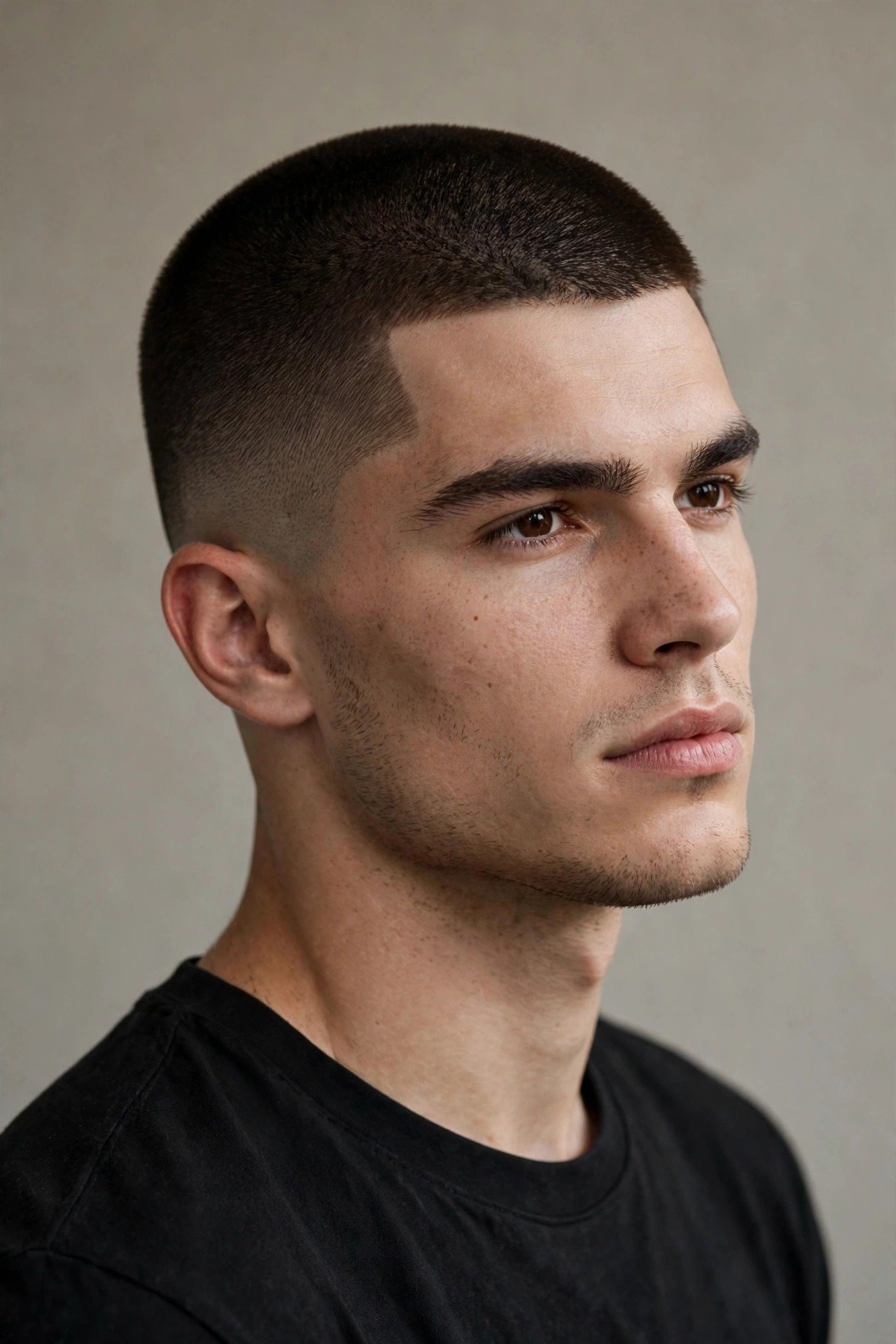
The reset button: a #3–#4 buzz on thick hair looks dense, even, and sharp — no thinning needed, no styling, no problems. Sometimes the best thick-hair style is the simplest one.
Who it suits: Good head shape; the low-maintenance committed; hot climates; guys tired of fighting density. The honest choice.
Barber script: “Buzz: #3 on top, #2 on the sides, even all over. My hair is thick so it’ll look dense — that’s what I want.”
Styling (0 minutes): None. The freedom is the point.
Products: none; scalp sunscreen in summer. Maintenance: re-buzz every 2–3 weeks.
Mistake to avoid: going too short too fast — try a #4 first; you can always go shorter, and thick scalps show every contour at #1.
Pro tips & variations: Sometimes the smartest thick-hair move is the simplest: a #3–#4 buzz looks dense, even, and sharp with zero thinning, zero styling, and zero problems. It’s also the best diagnostic — if you love the simplicity, you’ve learned something about your preferences. Variation: try a #4 first; you can always go shorter, and thick scalps show every contour at #1. Fade the sides slightly (#2) while keeping #3–#4 on top for a hint of style without any maintenance burden. Summer bonus: the coolest head in the room, literally.
Styling Routine, Products & Maintenance
The 10-Minute Thick Hair Routine
- Wash 2–3x per week. Thick hair doesn’t get oily fast — overwashing creates frizz and dryness. Use a moisturizing shampoo; thick hair drinks moisture.
- Condition every wash. Mid-lengths to ends, 2–3 minutes. Thick hair’s volume comes from health; dry thick hair just gets big and frizzy.
- Leave-in on damp hair. The single best thick-hair habit — it keeps density soft and manageable all day.
- Product at the roots for control, ends for definition. Cream or mousse at roots to direct; paste on ends for piece-y texture.
- Blow-dry with direction. Dry thick hair in the direction you want it to lie — it has a memory, and heat sets it. Air-drying lets it choose its own (usually wrong) direction.
- Cool shot to set. Locks the direction in. Skip it and thick hair drifts back to its natural chaos by noon.
- Less product than you think. Thick hair needs distribution, not quantity — emulsify in palms, work through in sections.
Products: The Thick Hair Arsenal
Essentials: moisturizing shampoo and conditioner, leave-in conditioner (non-negotiable), styling cream (control without stiffness), matte paste (definition), heat protectant, wide-tooth comb. For volume styles: volumizing mousse, round brush. Avoid: heavy waxes (build up fast on dense hair), strong gels (helmet effect), overuse of dry shampoo (cakes on thick hair — use sparingly).
For clipper maintenance between cuts and thinning technique references, Wahl’s pro guides are the barber industry standard; hair science basics explain why density behaves the way it does.
The Thick Hair Product Guide: What Each Product Actually Does
Dense hair interacts with products differently — here’s the translation. Styling cream: the daily driver; provides control and direction without stiffness. Apply to damp hair before drying — it’s the highest-value product for thick hair. Matte paste/clay: definition and separation on dry hair; use pea-sized amounts on the ends only, because thick hair needs distribution, not quantity. Mousse: root lift for volume styles (quiffs, pomps, blowouts); apply at the roots of damp hair before heat. Leave-in conditioner: the foundation — keeps dense hair soft and manageable; skip it and everything else works half as well. Sea salt spray: grit and separation for textured styles; use on damp hair before drying. Texture powder: dry volume and oil absorption at the roots — the midday rescue for thick hair gone flat. What to avoid: heavy waxes (they build up fast on dense hair and require clarifying shampoo to remove), strong-hold gels (the helmet effect is worst on thick hair), and overusing dry shampoo (it cakes on dense hair — use sparingly and brush it through). Start with leave-in + cream; add paste for definition and mousse for volume as needed. Two products used correctly beat five used randomly.
Maintenance Schedule
Short cuts (crops, buzzes, French crops): every 3–4 weeks — thick hair shows growth fastest. Medium styles (quiffs, tapers, flows): every 4–6 weeks, with interior re-thinning every other visit. Long styles: every 8–12 weeks. Fades and undercuts: edge cleanup every 2–3 weeks. Deep-condition weekly — dense hair is thirsty hair, and hydrated thick hair is manageable thick hair.
For density at the other end of the spectrum, curly fade ideas and the shadow fade guide cover related ground; for texture techniques, fade haircut styles for every man is the broader reference.
Troubleshooting Thick Hair Problems
The triangle: flat crown, wide bottom — you need layers and interior thinning, not product. Book a cut; nothing else fixes it. The mushroom: too much length without enough thinning — either go shorter or thin harder (interior only). The helmet: product overload on an under-thinned cut — clarify with a deep-cleanse shampoo once, then use half the product. Frizz halo: dryness — thick hair needs more moisture than you think; add leave-in conditioner and a weekly mask. Won’t lie flat: blow-dry it in the direction you want with a cool shot to set — air-drying lets thick hair choose its own (wrong) direction. Takes forever to dry: rough-dry to 80% with fingers before any brush work; it cuts total time nearly in half. Every thick-hair problem is a cutting or moisture problem first, a product problem second — diagnose in that order.
Thick Hair by Season & Lifestyle
Summer: heat plus density equals sweat — shorter cuts (crops, buzzes, French crops) earn their keep, and a sweat-wicking headband protects longer styles during outdoor days. Rinse sweat out the same day; dried sweat makes thick hair stiff and dull. Winter: indoor heating is brutal on dense hair — deep-condition weekly and switch to a heavier leave-in, because dry thick hair goes straight to frizz and static. Gym: tie longer styles up (a loose bun, not a tight ponytail that dents), and never leave sweat to dry in — the salt crystallizes in dense hair and turns it straw-like. Hats: thick hair and tight caps fight — wear hats slightly loose, and revive the flattened crown with texture powder afterward. Swimming: saturate with clean water plus leave-in before getting in; it dramatically reduces chlorine and salt absorption. Dense hair is resilient — it just asks for moisture and common sense in return.
Finding a Barber for Thick Hair
Not every barber cuts thick hair well — here’s how to find one who does. Look for: a portfolio with textured, layered work (not just fades); barbers who mention thinning and texturizing as specialties. Ask in the chair: ‘How do you usually handle very thick hair?’ — good answers mention interior thinning, layering, and point-cutting; bad answers are ‘I’ll just take the clippers to it’ or visible hesitation around thinning shears. Red flags: rushing (a proper thick-hair cut takes 35–50 minutes), thinning the surface instead of the interior, or cutting it like fine hair and hoping product fixes it. The test: after the cut, run your hand through it — it should feel lighter but not wispy, and the shape should hold without product. Once you find the right barber, stay loyal — thick hair cuts build on each other, and a barber who knows your density’s behavior is worth more than any product.
Frequently Asked Questions
Should thick hair be thinned?
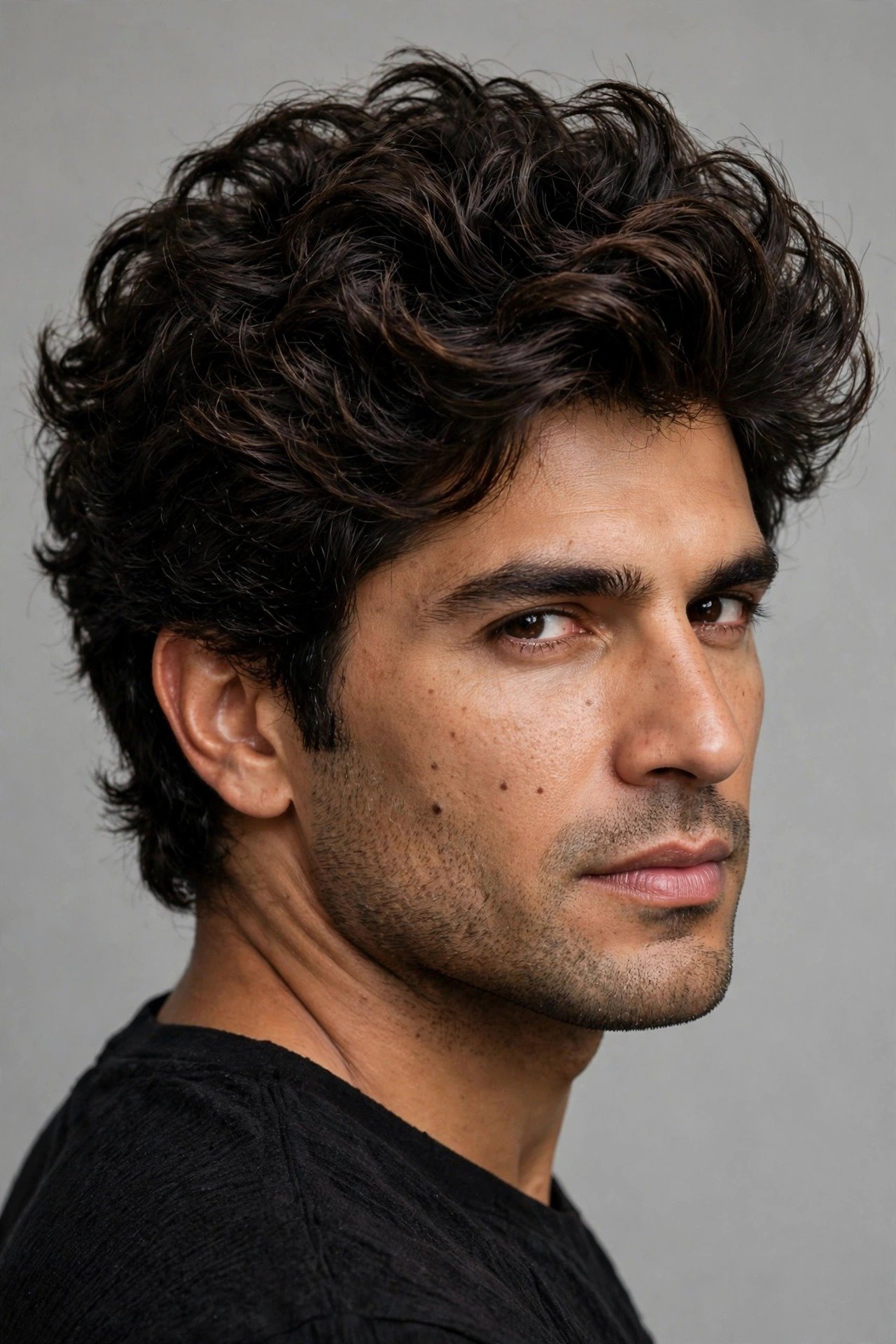
Yes — interior thinning (20–30% of bulk, underneath the surface layer) makes thick hair manageable without changing how it looks. The key is thinning the interior only; surface thinning creates wispy, frizzy ends. Done right, it’s invisible and transformative. The critical conversation: tell your barber ‘interior only, and I’d rather come back for more than have too much taken today.’ You can always remove more bulk next visit; you can’t put it back. Re-thin every other appointment, not every visit — the bulk returns gradually as hair grows.
What is the best haircut for very thick hair men?
The textured crop with interior thinning suits the most men — short, sharp, and the thinning makes it lie flat. For longer hair, layered medium flows work with the density instead of against it. The universal rule: layers plus interior weight removal, whatever the style. Match the cut to your commitment: crops and buzzes for wash-and-go, quiffs and pomps if you’ll style daily, flows and long layers if you’ll grow and maintain. The ‘best’ cut is the best one for your routine — an unmaintained great cut looks worse than a maintained simple one.
How do I make my thick hair lie flat?
Interior thinning plus blow-drying in the direction you want it to lie, set with a cool shot. Thick hair has a memory — heat trains it, air-drying lets it rebel. A styling cream adds the control without the stiffness of gel. The sequence matters: thin first (the cut), then direct with heat (the styling), then set cool (the lock). Skipping the thinning and trying to force flatness with product alone is the most common thick-hair mistake — you’ll use three times the product for a third of the result, and it’ll still lift by afternoon.
Does thick hair need conditioner?
Absolutely — thick hair needs more moisture than fine hair, not less. Condition every wash and use a leave-in conditioner; dry thick hair gets big, frizzy, and unmanageable, while hydrated thick hair is soft and cooperative. Think of it structurally: dense hair has more total hair shaft to moisturize, so it needs proportionally more conditioning. A weekly deep-conditioning mask is the single highest-impact habit for thick hair — it keeps the density soft enough to style and prevents the dryness-driven frizz that makes thick hair look wild instead of full.
How often should thick hair be cut?
Every 3–4 weeks for short cuts (thick hair shows growth fastest), 4–6 weeks for medium styles, 8–12 weeks for long hair. Fades and tapers need edge cleanups every 2–3 weeks. Re-thin the interior every other appointment — not every visit. The visual cue: when the cut starts growing outward instead of downward, you’re overdue — thick hair’s growth pattern is the most honest indicator in barbering. Book the next appointment when you leave the chair; thick hair’s ‘perfect window’ is narrower than fine hair’s, and staying ahead of it is easier than recovering from it.
Conclusion
Thick hair is not a problem — it’s raw material. Every frustration you’ve had with it traces back to one of three things: a cut without layers, a cut without interior thinning, or styling that fights the density instead of directing it. Fix those three and thick hair becomes what it was always meant to be: the easiest hair to make look impressive.
Choose the style that matches your commitment level — a thinned textured crop if you want wash-and-go, a quiff or pomp if you want the full showcase. Bring the barber script, especially the line about thinning conservatively (‘I’d rather come back for more than have too much taken today’), and give the routine three weeks to become habit. Remember the hierarchy: the cut does the heavy lifting (layers plus interior thinning), moisture keeps it cooperative (conditioner plus leave-in), and products just direct and define. Get those three in order and thick hair stops being a daily negotiation. Your thick hair was never too much. It was just waiting for the right cut — and now you know exactly how to ask for it.