
Jellyfish Haircut for Women 2026: 15 Bold Ideas for the Bravest Cut of the Year
Jellyfish Haircut for Women 2026: 15 Bold Ideas for the Bravest Cut of the Year
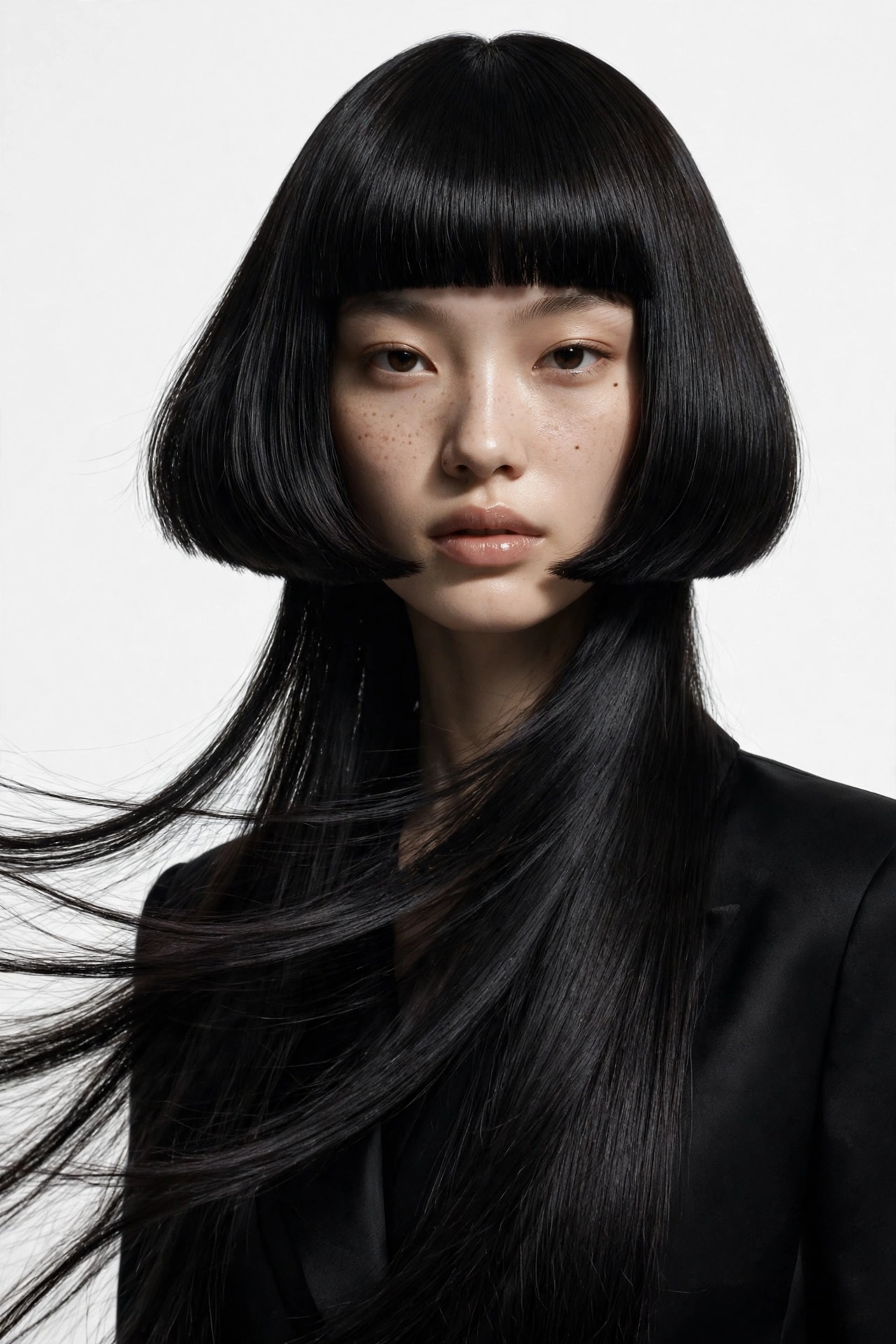
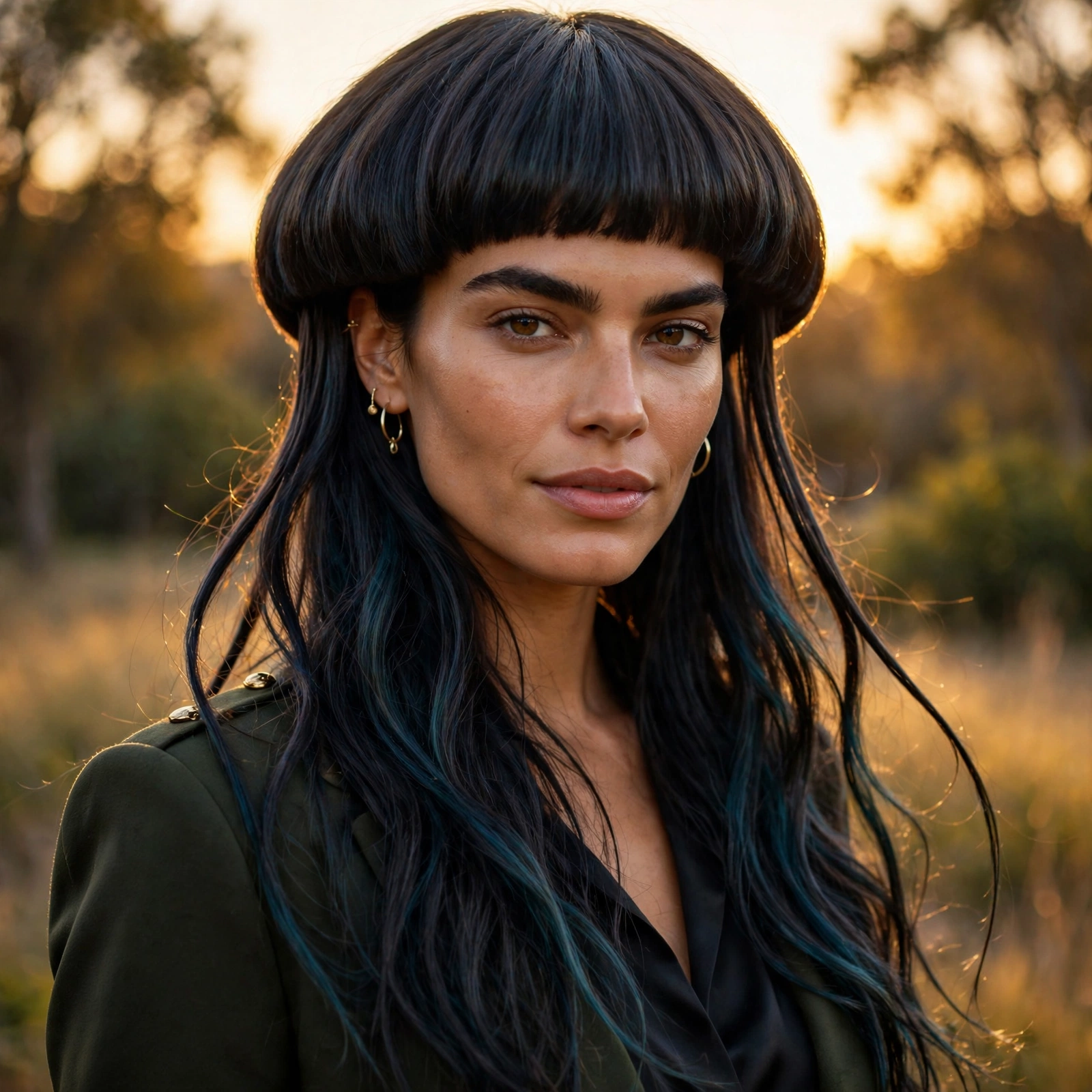
I’ll be real with you right up front: the jellyfish haircut is not a safe choice. It’s not the cut you get when you want a trim. It’s the cut you get when you’re done being bored with your hair and you want everyone in the room to know it. Two distinct layers, one sharp and short on top like the bell of a jellyfish, one long and flowing underneath like its tentacles. It looks like two haircuts had a beautiful argument. And in 2026, it’s everywhere.
Here’s the thing though. For every person who calls it the coolest cut of the year, there’s someone else calling it a mistake with layers. Both of them are kind of right, and that’s exactly what makes it interesting. Safe haircuts don’t get talked about. The jellyfish gets talked about constantly, which is why it keeps showing up in 2026 trend roundups and all over your feeds. It’s a statement cut in an era that’s hungry for statements. If your hair has felt invisible lately, this is the opposite of invisible.
This guide gives you the full, honest picture. Fifteen genuinely different jellyfish haircut ideas, from the dramatic original to softened versions your coworkers won’t stage an intervention over. I’ll explain what the cut actually is, why it’s trending right now, how to ask your stylist for it without ending up in tears, which face shapes it flatters, how to style both layers at home, and what the grow-out really looks like (because you should know before you commit). If you’re even a little bit curious, keep reading.
What Is the Jellyfish Haircut?
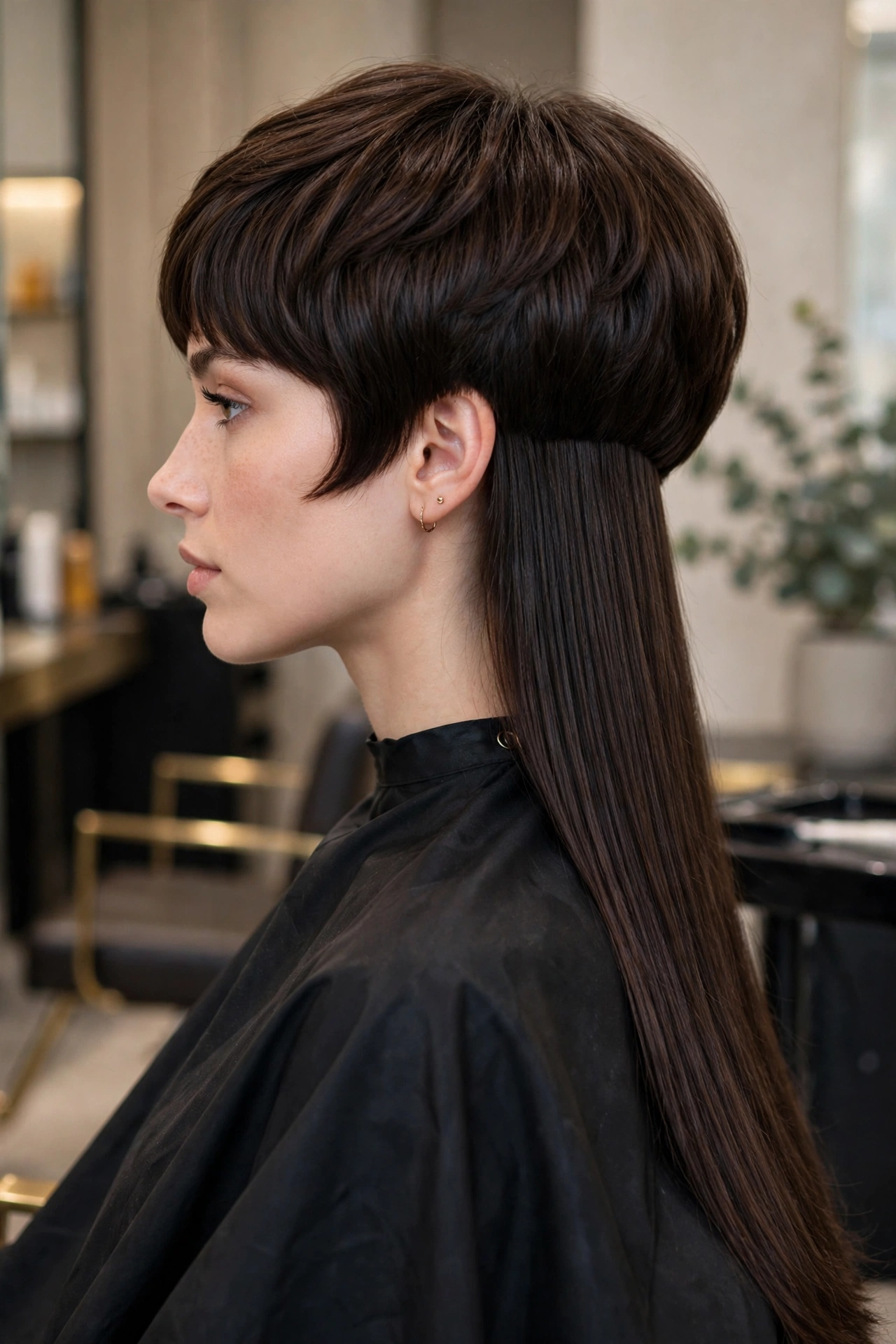
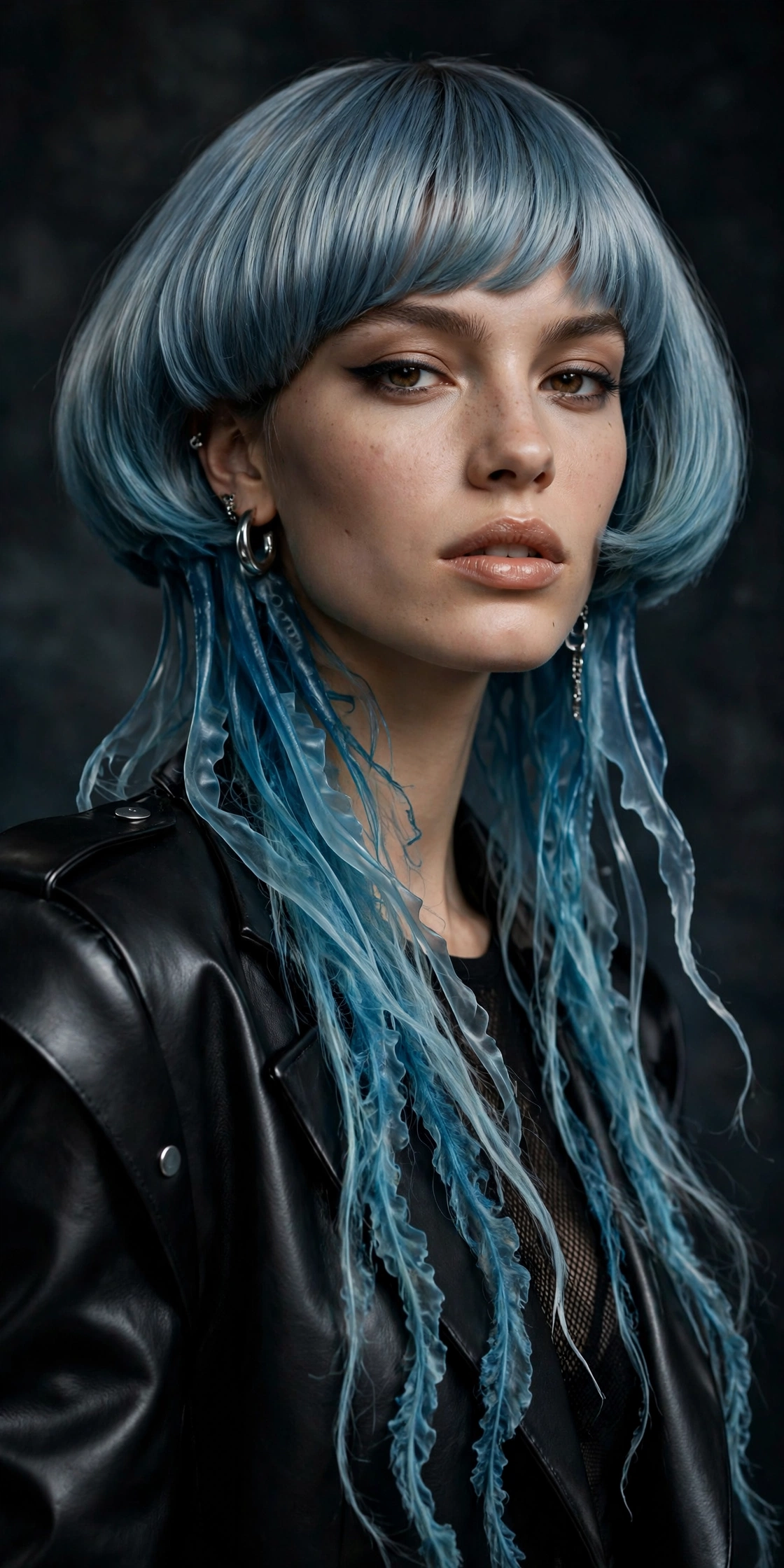
The concept is beautifully simple once you see it. The top section of your hair is cut into a short, rounded shape, usually ending somewhere between the ears and the chin, like a bob or a bowl cut. The underneath section stays long, often very long, falling straight down past the shoulders. The contrast between the two lengths is the entire point. From the front you look like you have a chic short cut. From the side or back, the long layers reveal themselves. It’s a haircut with a plot twist.
The style has deep roots in Japanese hair culture. It’s a modern descendant of the hime cut, the traditional Japanese style with its distinctive short cheek-length front sections, which dates back centuries. The jellyfish takes that DNA and pushes it further, exaggerating the disconnect between the layers until it becomes the whole aesthetic. K-pop idols, anime aesthetics, and avant-garde street style all fed into its modern form. When you get a jellyfish cut, you’re wearing a piece of that lineage, whether you know it or not.
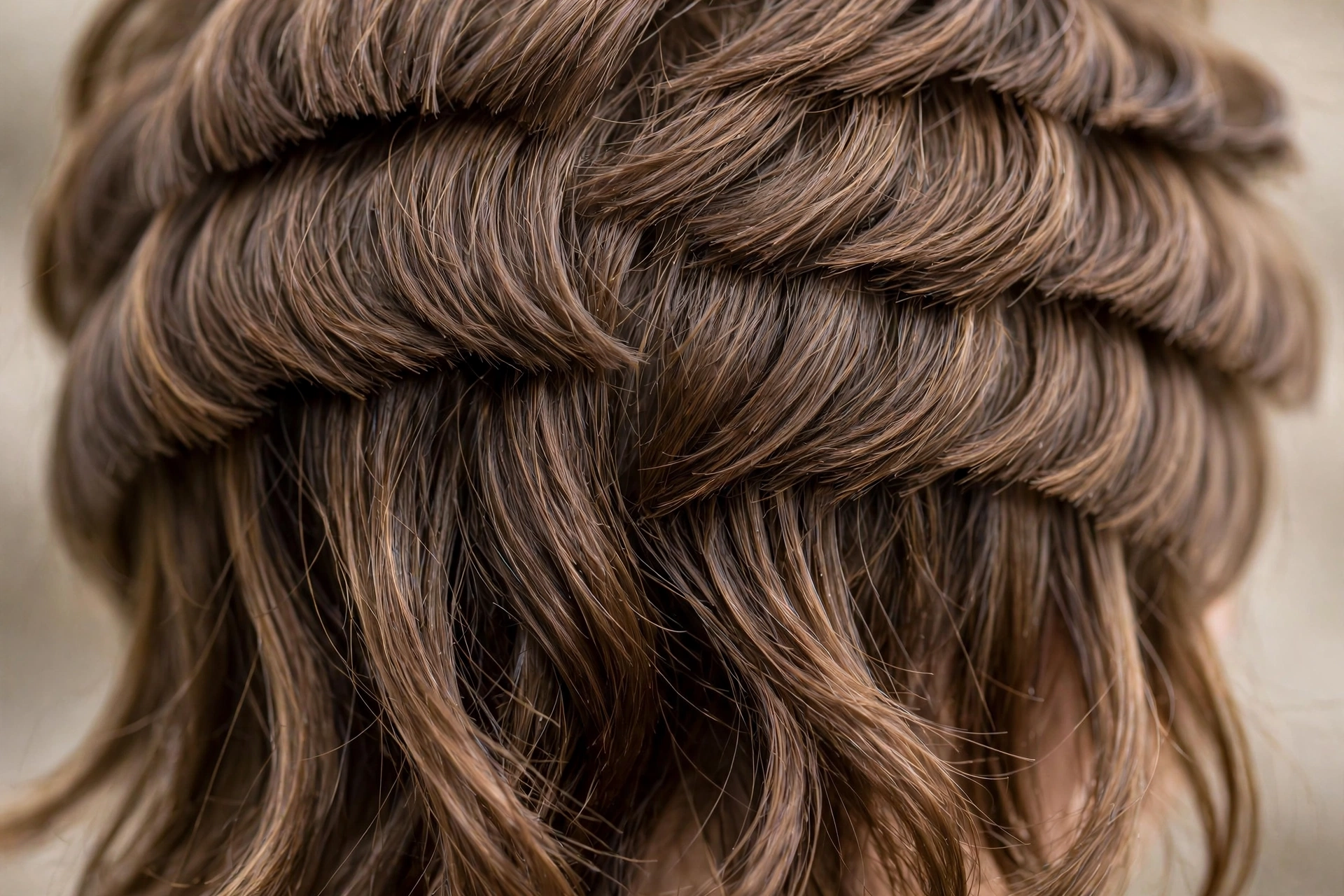
Technically, it’s a disconnected haircut, which means the layers aren’t blended into each other the way they are in a normal layered cut. That disconnection is deliberate and it’s what gives the jellyfish its graphic, architectural quality. A good stylist cuts the top layer with precision, because blunt, clean lines are what make it look intentional rather than accidental. This is not a cut to get from someone who’s never done one before. The difference between a great jellyfish and a bad one is entirely in the hands holding the scissors.
Why the Jellyfish Cut Is Exploding in 2026
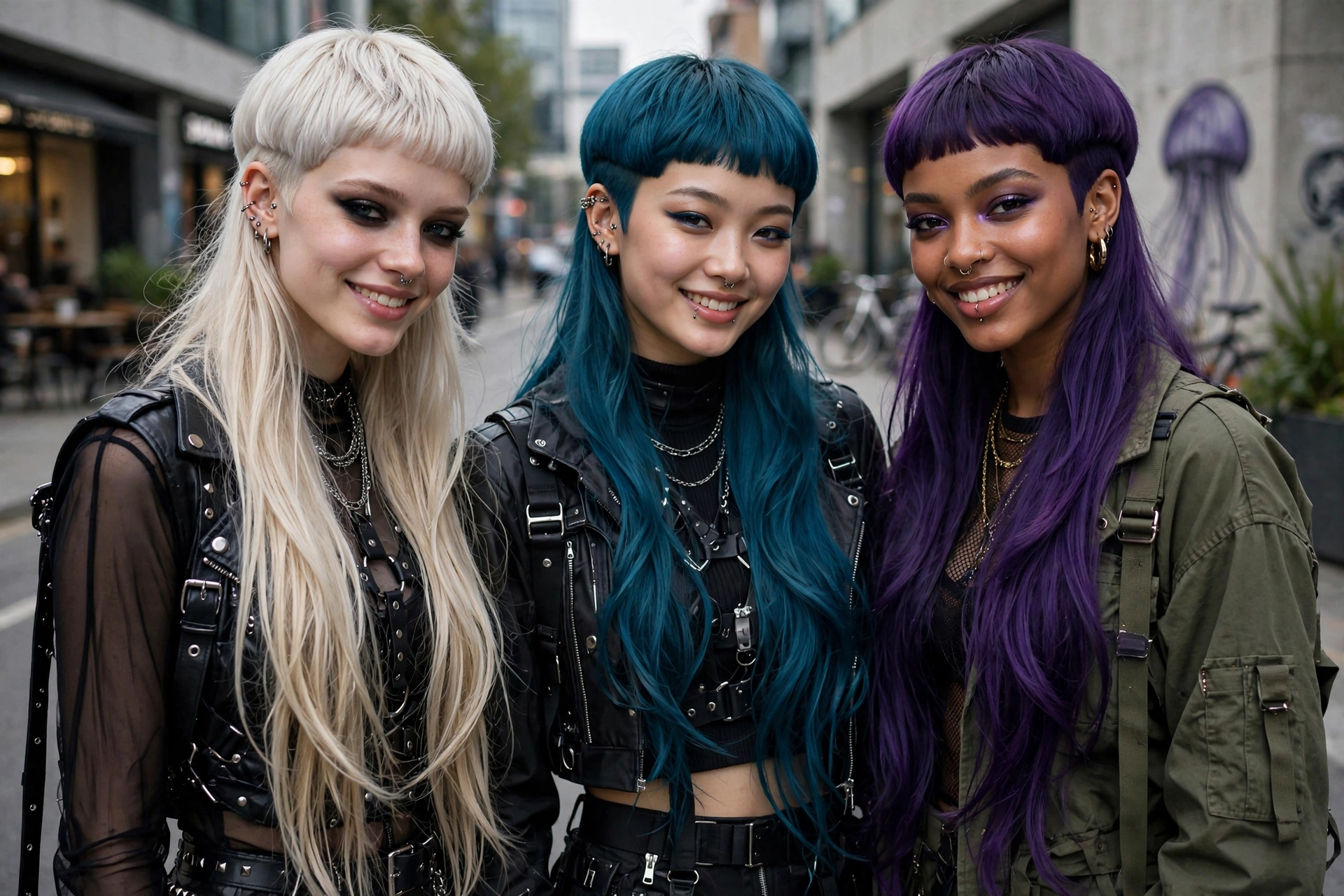
Every year has a haircut that divides the room, and 2026 belongs to the jellyfish. It’s featured in this year’s major trend roundups as one of the cuts worth trying, and the reason is bigger than just aesthetics. We’re in a maximalist moment. After years of quiet luxury and “clean girl” minimalism dominating everything, a lot of women are swinging hard in the opposite direction. They want hair with personality, hair that photographs interestingly, hair that doesn’t look like everyone else’s. The jellyfish delivers all of that in a single appointment.
There’s also a practical rebellion baked into it. The jellyfish lets you have short hair and long hair at the same time, which sounds like a joke until you realize how many women are torn between the two. Growing out a bob is miserable. Committing to long hair is boring. The jellyfish says: why not both? You get the face-framing chicness of a short cut with the drama and versatility of long hair. It’s genuinely clever as a concept, even if the execution looks wild.
And let’s not pretend visibility doesn’t matter. This is one of the most photographed haircuts of the year. It looks striking in selfies, it moves beautifully on video, and the two-tone color versions are basically engineered for social media. In a world where your hair is content whether you like it or not, a cut that photographs this well has a built-in advantage. Is that a shallow reason to get a haircut? Maybe. It’s also an honest one, and the jellyfish doesn’t pretend to be anything it’s not.
15 Jellyfish Haircut Ideas for Women in 2026
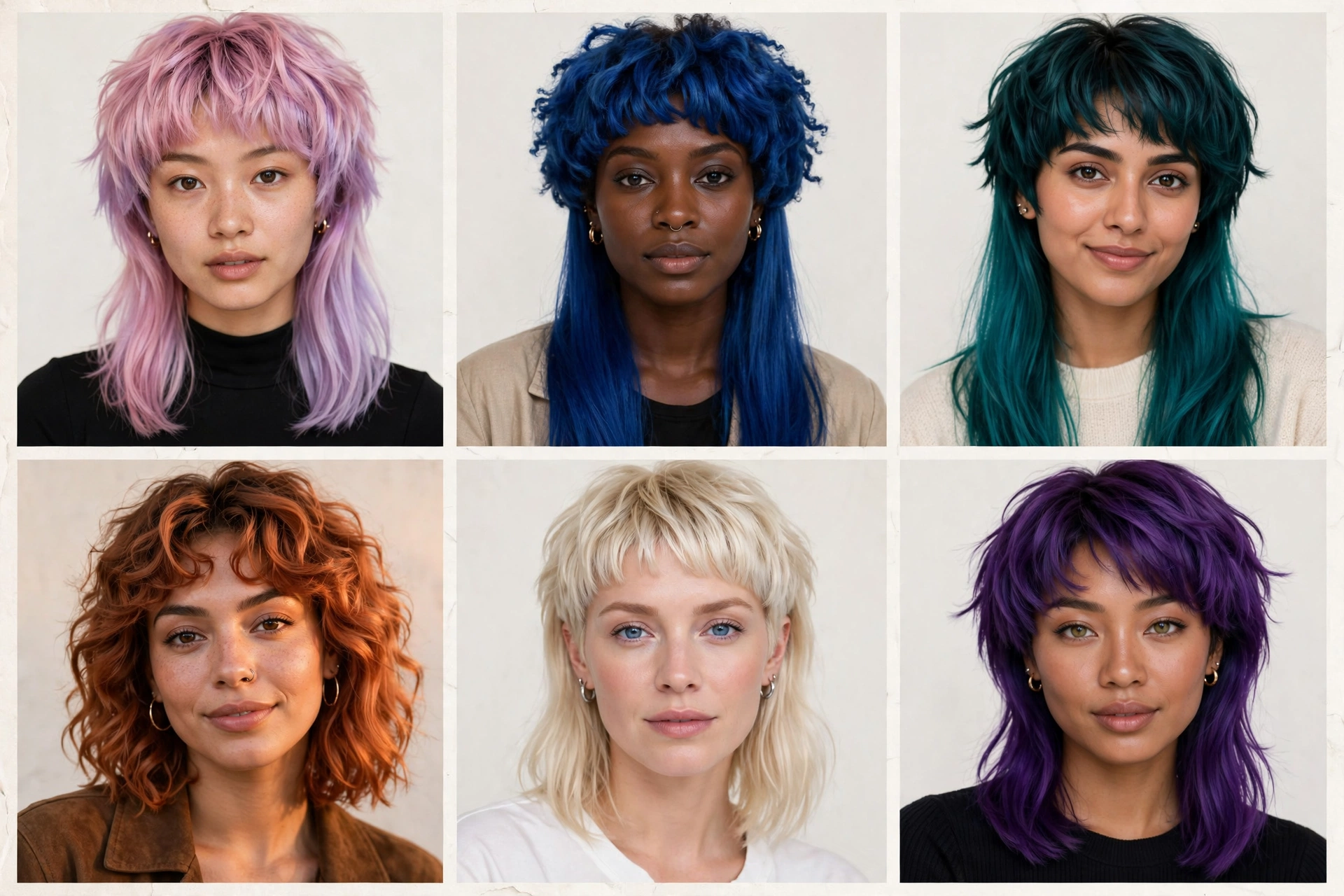
Fifteen ways to wear it, from full drama to surprisingly wearable. Find the version that matches your courage level, save the photo, and bring it to a stylist who has actually done this cut before. That last part matters more here than with almost any other haircut on this site.
1. The Classic Jellyfish
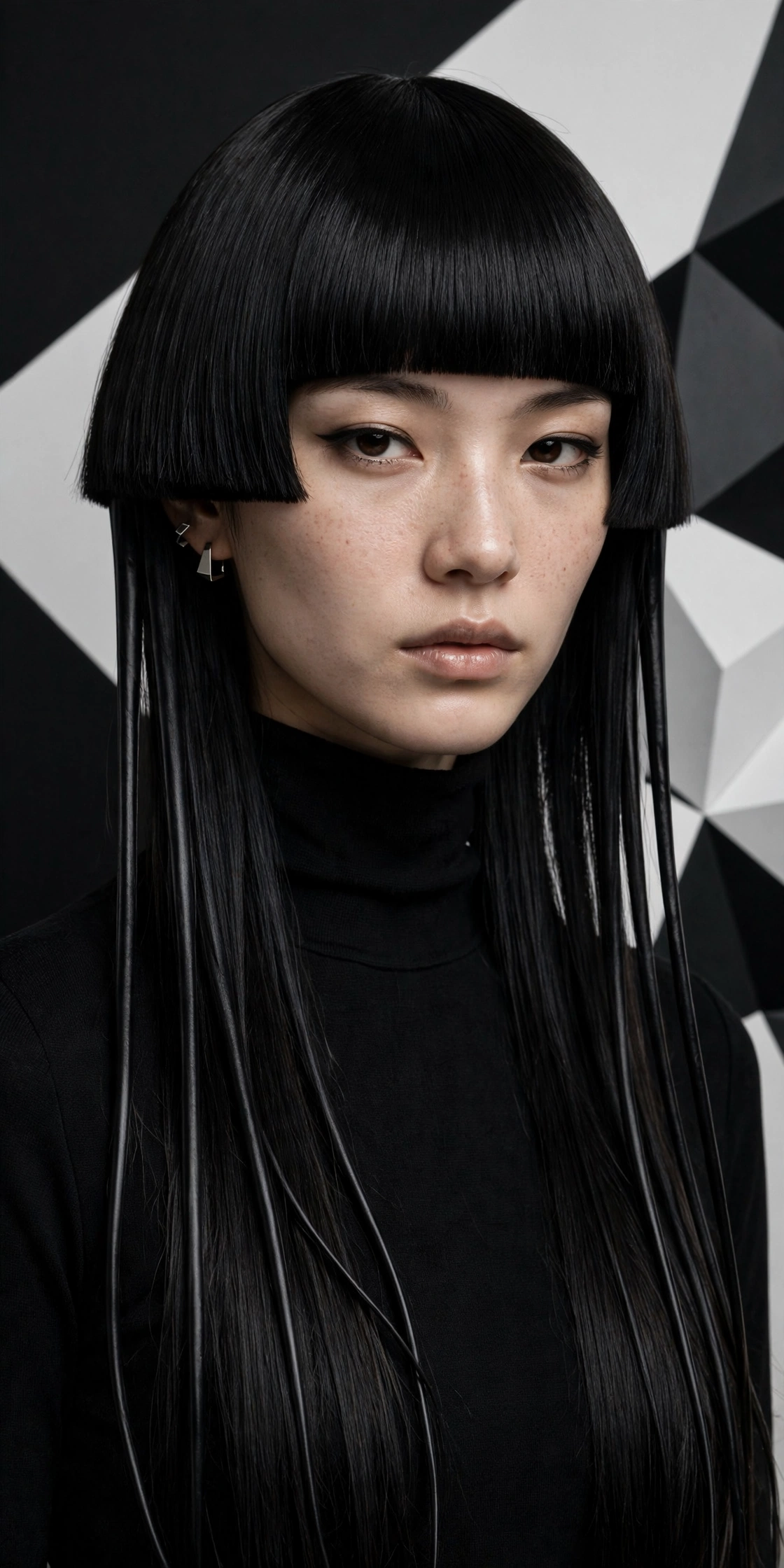
The original, the blueprint, the one that started the conversation. A blunt, chin-length bob on top with pin-straight long layers underneath, usually in a single dark color for maximum graphic impact. The lines are sharp, the contrast is extreme, and there’s nowhere to hide. It’s architectural. It’s severe. It’s stunning on the right person.
The classic demands confidence and precision in equal measure. The top layer needs regular trims to keep its shape, every four to six weeks, because the whole look depends on those clean lines. It also demands commitment to straightening the bottom layer, since the contrast only reads when the tentacles are sleek. If you’re going to do the jellyfish, there’s an argument for doing it properly the first time. The classic is the classic for a reason.
2. The Soft Jellyfish
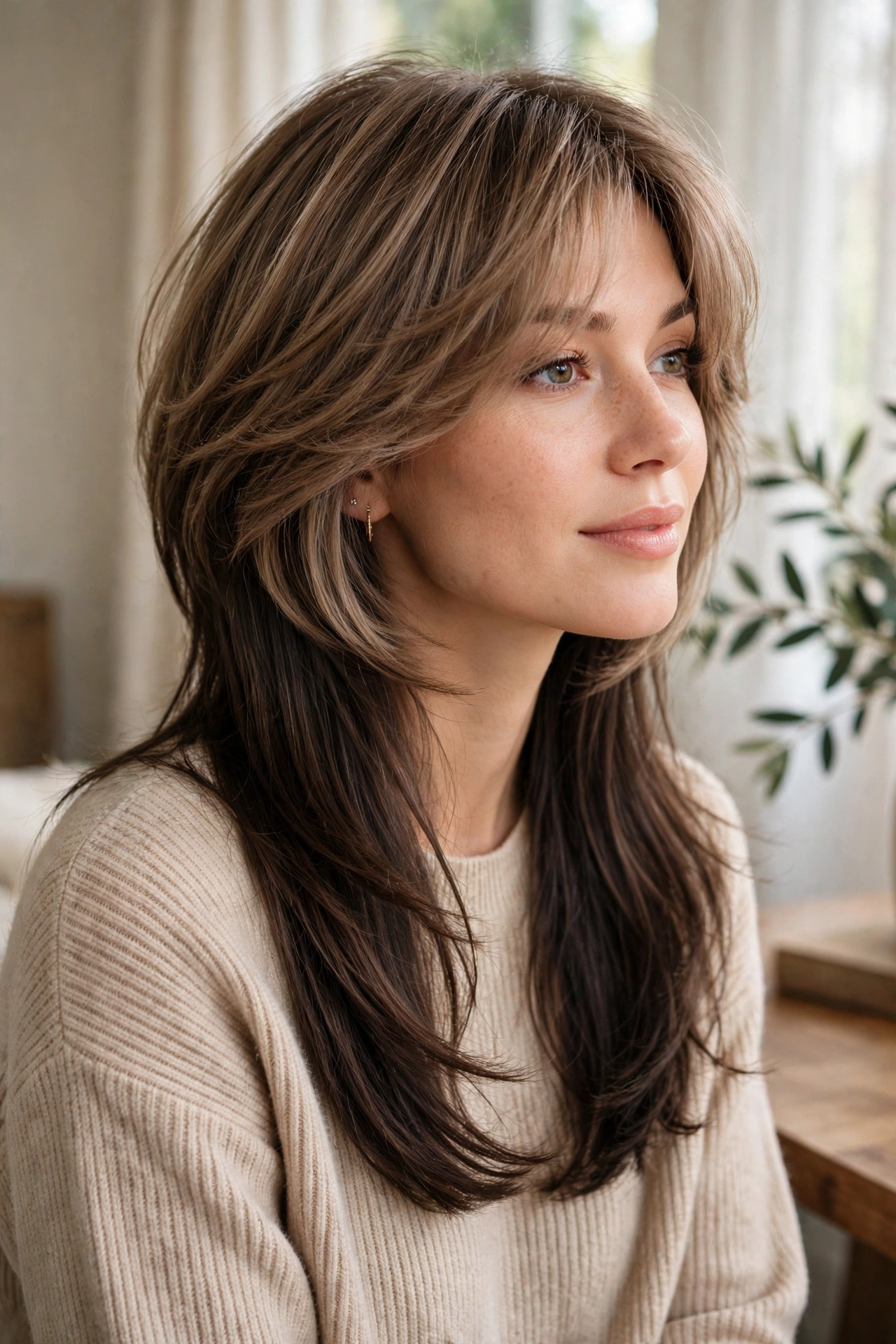
Not ready for the full geometric drama? The soft jellyfish keeps the two-layer concept but blends the transition just enough to make it wearable in real life. The top layer is a little longer, a little more textured, and the disconnect between the layers is gentler. From a distance it almost reads as a heavily layered cut. Up close, you can see the jellyfish DNA.
Anyone who’s jellyfish-curious but works in an office, has a conservative family, or just isn’t sure: start here. It gives you the shape and the interest without the shock factor. It’s also the most forgiving grow-out on this list, because the softer lines blend naturally as everything gets longer. Think of it as the jellyfish with the volume turned down from ten to six. Still interesting, just less likely to startle your grandmother.
3. The Jellyfish Bob

A compact version where the bottom layer only falls to the shoulders instead of down the back. The proportions change everything. It reads cuter, more playful, less severe. The tentacles become a flirty detail rather than a dramatic statement. If the classic jellyfish is high fashion, the jellyfish bob is street style.
The shorter length makes this one easier to live with day to day. Less hair to straighten, less weight pulling at the top layer, faster wash days. It also suits petite women particularly well, since very long tentacles can overwhelm a smaller frame. The bob version keeps all the attitude in a more manageable package. Don’t underestimate it though. Shorter doesn’t mean safer with this cut. It still turns heads.
4. The Wavy Jellyfish
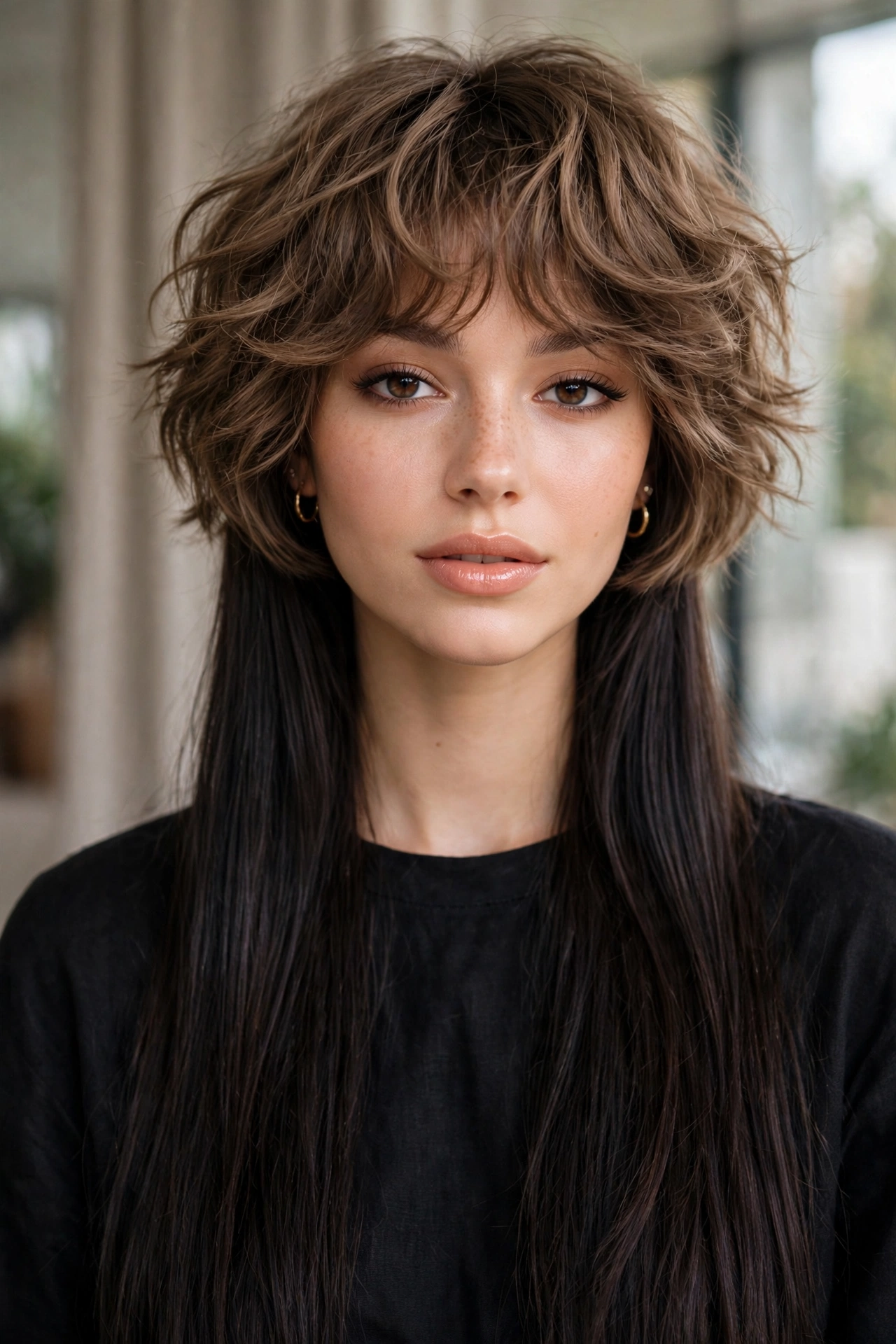
Who says both layers have to be straight? The wavy jellyfish puts texture in the top layer while keeping the bottom sleek, or sometimes waves throughout with the length contrast doing the talking. The waves soften the geometry and give the cut a more romantic, less robotic feel. It’s the jellyfish for people who found the original a bit cold.
Styling this version is about embracing imperfection. A wave spray or light mousse scrunched into the top layer, left to air dry, gives you that effortless texture. The bottom layer can stay straight for contrast or get a loose wave too. This is a great pick for naturally wavy hair, because you’re working with your texture instead of fighting it into submission every morning. Less heat, less fuss, more personality.
5. The Curly Jellyfish
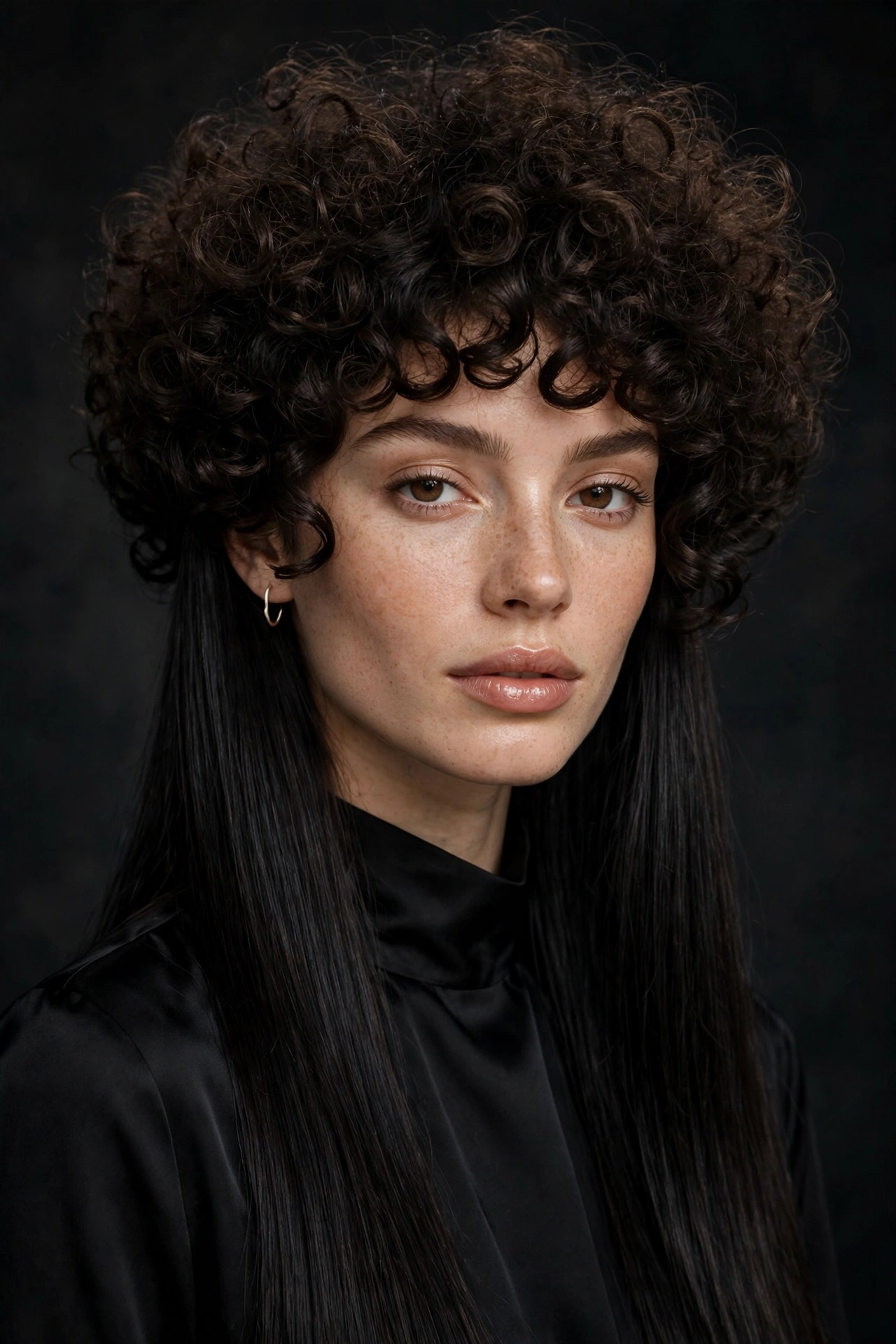
Now we’re getting adventurous. The curly jellyfish pairs a bouncy curled top layer with long straight bottom layers, and the contrast is absolutely electric. Curls on top give incredible volume and shape around the face, while the sleek tentacles keep the length dramatic. It’s two textures, two lengths, one unforgettable head of hair.
Fair warning: this is the highest-maintenance version on the list. You’re essentially styling two different hair types every day, curls that want moisture and straight lengths that want sleekness. A curl cream for the top, a heat protectant and straightener for the bottom. It’s a routine, not a wash-and-go. But the result is genuinely one of a kind. If you have natural curls and you’ve been bored with one-texture styles, this lets your curls be the star while the length provides the drama.
6. The Two-Tone Jellyfish
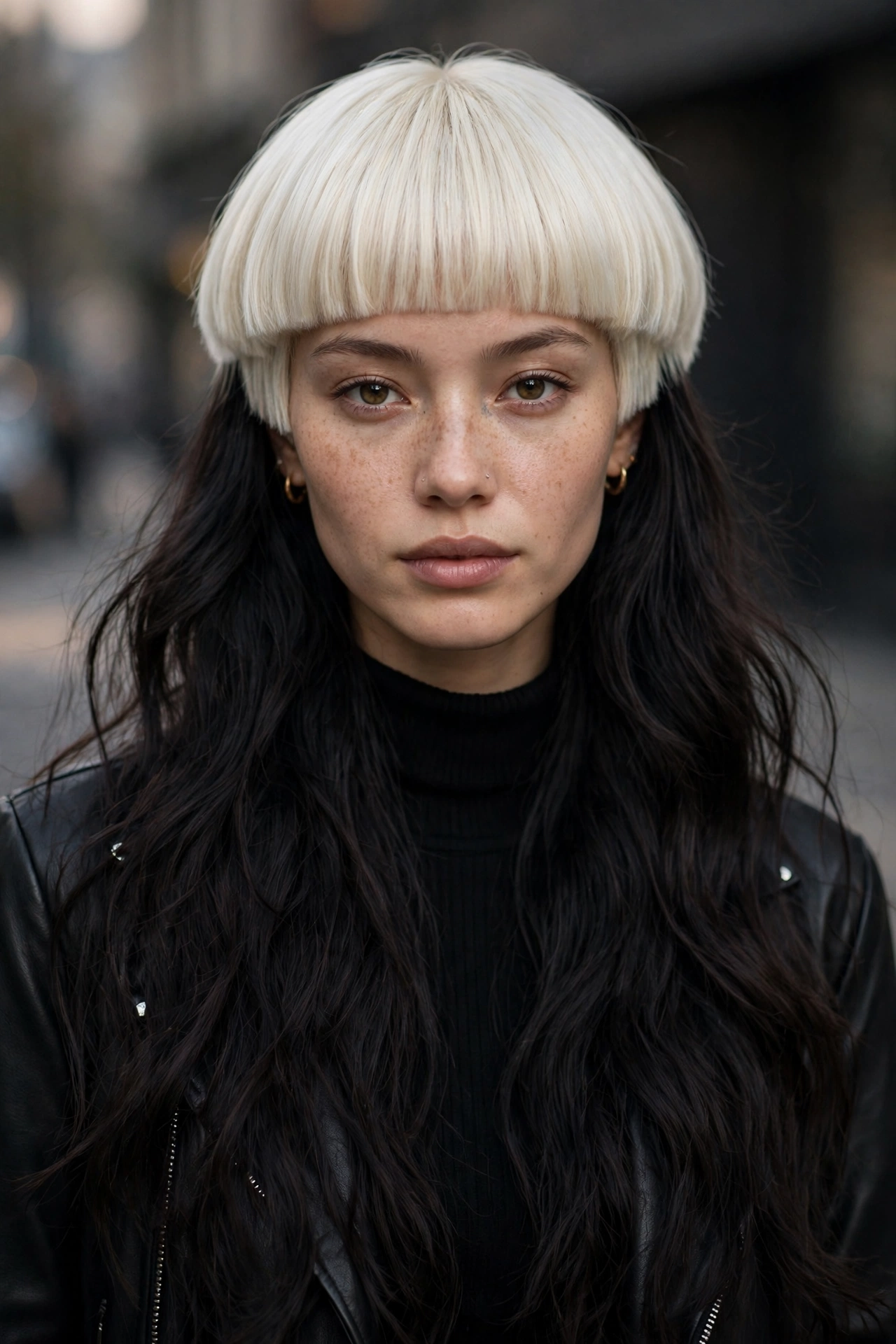
If the cut itself wasn’t enough of a statement, the two-tone version adds color blocking that makes the two layers impossible to miss. Platinum top with dark bottom, or the reverse. Copper top with black tentacles. The color split follows the cut’s architecture and turns the whole thing into wearable art. This is the version that breaks the internet every few months.
The upkeep is real, especially with blonde on top. Roots, toning, the whole blonde maintenance cycle, plus keeping the dark bottom glossy. Budget for salon visits every six to eight weeks and good color-safe products at home. But visually? Nothing else on this list hits as hard. The two-tone jellyfish doesn’t just get noticed, it gets photographed by strangers. Decide whether that’s a perk or a problem before you commit.
7. The Jellyfish with Micro Bangs
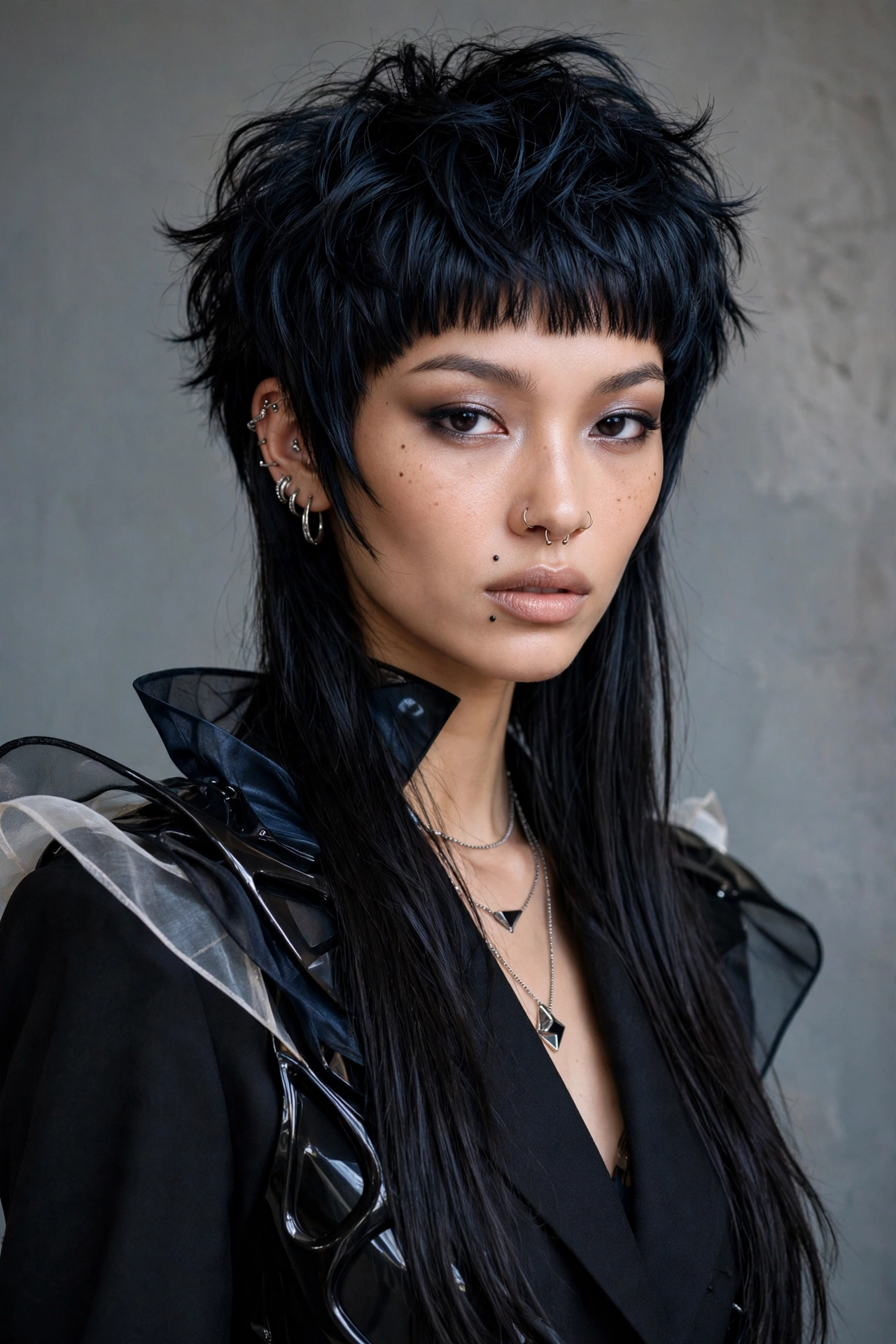
Micro bangs plus jellyfish is the avant-garde power couple of 2026. The tiny straight-across fringe echoes the geometric precision of the top layer and frames the whole cut like a picture frame. It’s bold on top of bold, and it shouldn’t work, but it absolutely does. The proportions are so deliberate that it reads as high fashion rather than chaos.
This pairing suits oval and heart-shaped faces best, since micro bangs draw attention to the forehead and eyes. You’ll be trimming those bangs every two to three weeks to keep them at micro length, which is a quick salon visit or a careful at-home trim if you’re brave. Combined with the jellyfish’s own trim schedule, you’re signing up for regular salon time. But if you want the most editorial version of this trend, this is it.
8. The Jellyfish with Curtain Fringe
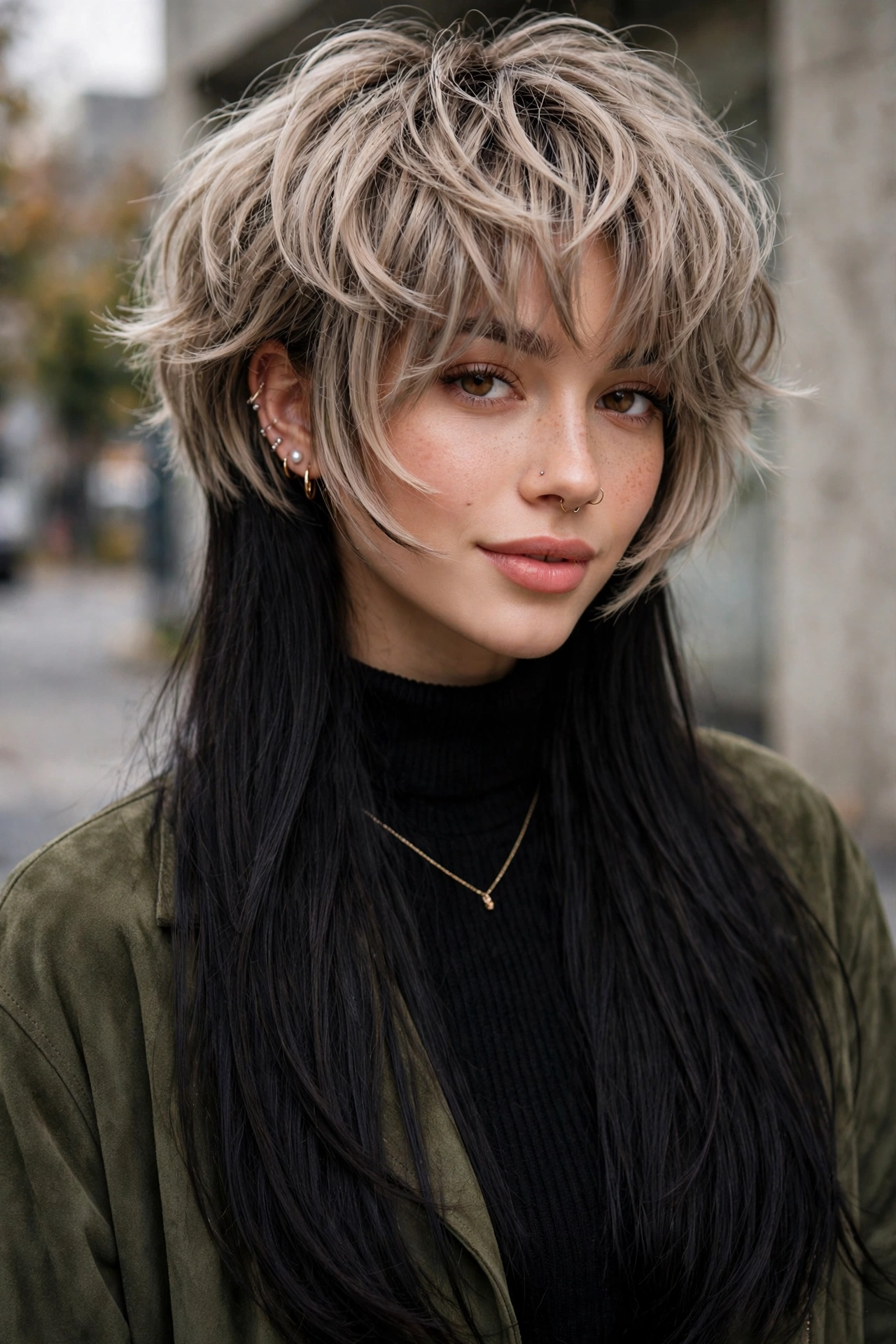
Here’s the olive branch for anyone who loves the jellyfish concept but finds the usual versions too harsh. Swap the blunt geometry for a soft curtain fringe that blends into the top layer, and suddenly the whole cut feels feminine and approachable. The length contrast is still there, still dramatic, but the face-framing softness takes the edge off. It’s the jellyfish wearing a smile.
Curtain fringe is also the most forgiving fringe to grow out, which matters with a cut this committed. If you decide the jellyfish life isn’t for you, the fringe blends into growing layers without an awkward phase. This version works beautifully on round and square faces, since the sweeping fringe softens angles. It’s proof that this trend has range beyond the severe and the shocking.
9. The Pastel Jellyfish
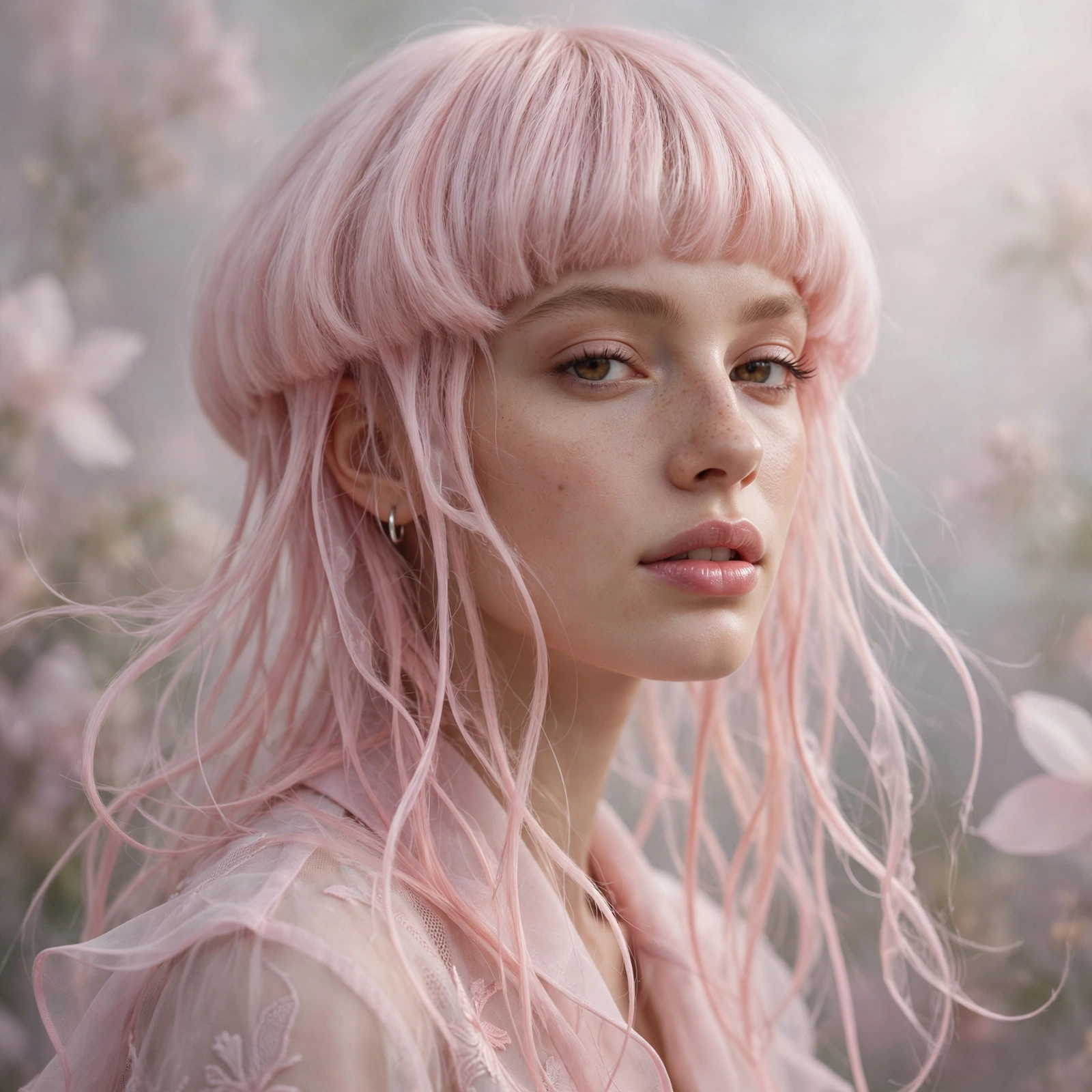
Pastel pink, lavender, baby blue, mint. The jellyfish’s graphic shape is a perfect canvas for fashion colors, because the two layers can carry different shades or a gradient between them. Pastel tones soften the cut’s severity and give it a dreamy, almost anime-like quality. It’s the least intimidating version visually, even though the shape is the same.
Let’s talk honestly about pastel maintenance, because it’s significant. Pastels fade fast, sometimes in a matter of weeks, and they need pre-lightened hair underneath, which means bleach. This is the highest-chemical-commitment version on the list. You’ll need color-depositing conditioners, sulfate-free everything, and realistic expectations about fading. But for a season or a phase of life where you want to look like art? Nothing beats it.
10. The Copper Jellyfish
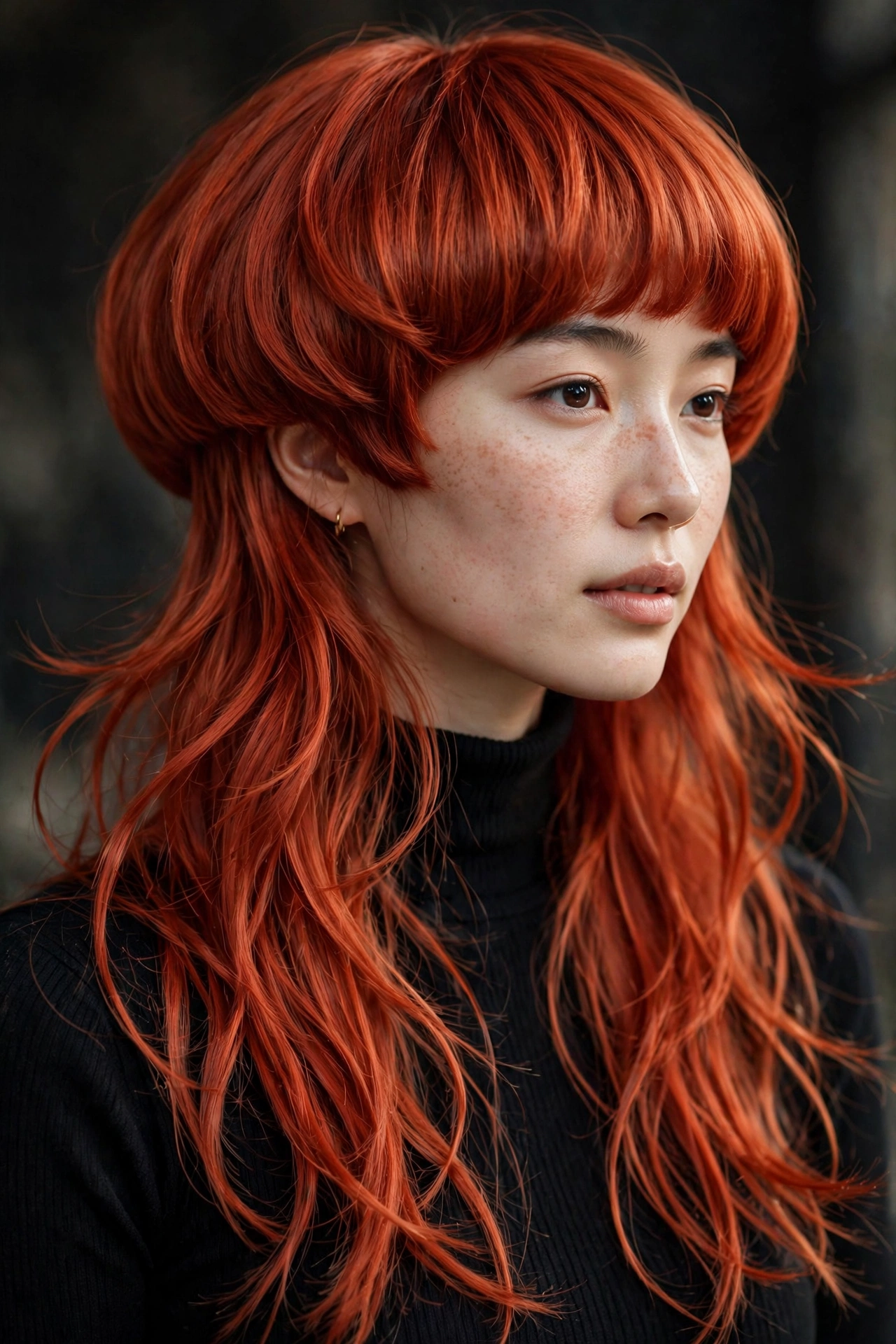
Copper is having a massive moment anyway, and on a jellyfish cut it’s electric. The warm red-orange tones catch light beautifully on both layers, and the color adds richness that makes the geometric shape feel luxurious instead of stark. It’s bold but in a warm, inviting way, like the difference between a neon sign and candlelight.
Copper fades faster than most colors, so plan on gloss refreshers every six to eight weeks to keep it vibrant. The good news is that copper suits a huge range of skin tones, from fair to deep, because it comes in so many depths. Ask your colorist which copper depth flatters your complexion rather than picking from a photo of someone with completely different coloring. The cut gets the attention, but the right copper shade is what makes it beautiful.
11. The Extra-Long Jellyfish
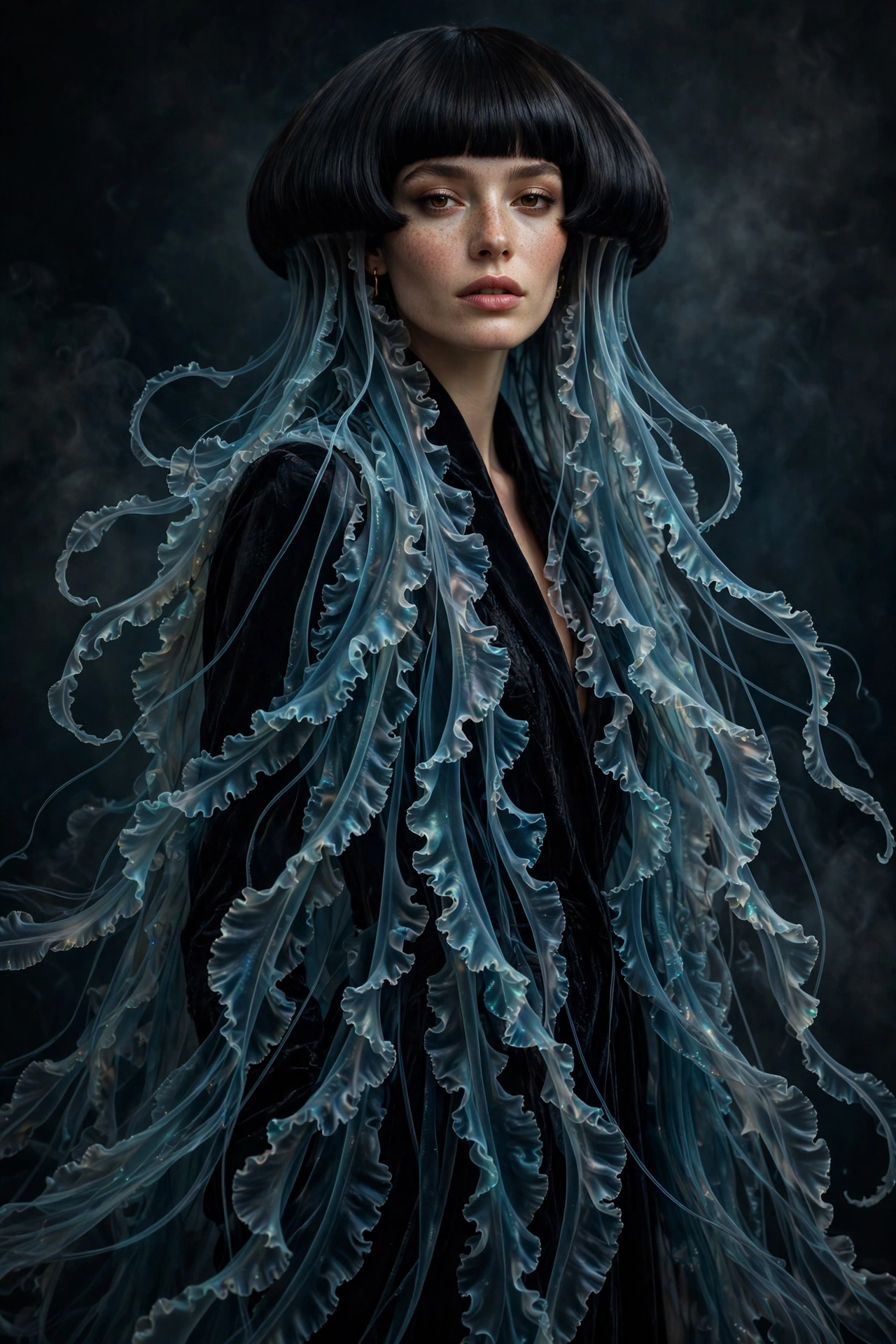
Take the bottom layer to waist length or beyond and the jellyfish becomes genuinely theatrical. The contrast between the short top and the extreme length is at its most dramatic here, and the tentacles move like fabric when you walk. It’s mermaid meets mod, and it’s not for the faint of heart or the low of patience.
The practical reality: very long hair is a part-time job. Detangling, conditioning, protecting those ends from breakage, the sheer time of wash day. The top layer still needs its regular trims while the bottom just keeps growing, so you’re maintaining two different schedules. But if you’ve always wanted absurdly long hair and found it boring on its own, the jellyfish top gives it the edge it was missing. This is a lifestyle cut. Own that before you book.
12. The Jellyfish with a Hidden Undercut
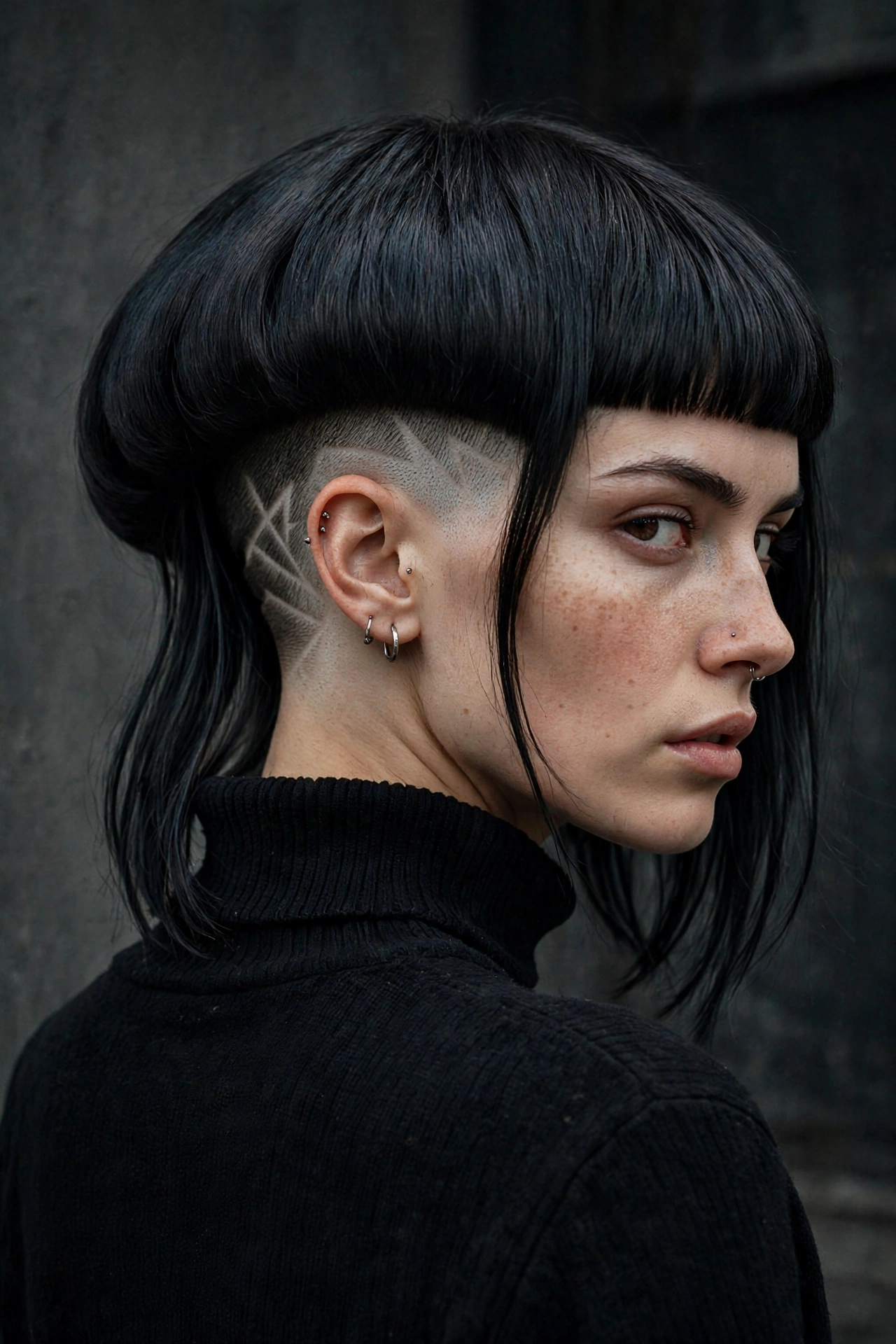
A secret for the rebellious: shave or closely clip the nape underneath the long layer, and you’ve got a hidden undercut that only reveals itself when you tie your hair up. It’s the mullet philosophy applied to the jellyfish. Professional from the front, party at the back of the neck. Some women add a design shaved into the undercut for extra flair.
The hidden undercut has a practical bonus too. It removes bulk and weight from underneath, which can make the long layer lie flatter and sleeker. Less hair to dry, less weight pulling down. The undercut needs re-shaving every three to four weeks to stay clean, but since it’s hidden, growing it out is painless. It’s a small addition that makes the cut feel personal and a little bit secret. I love a haircut with a secret.
13. The Sleek Glass Jellyfish
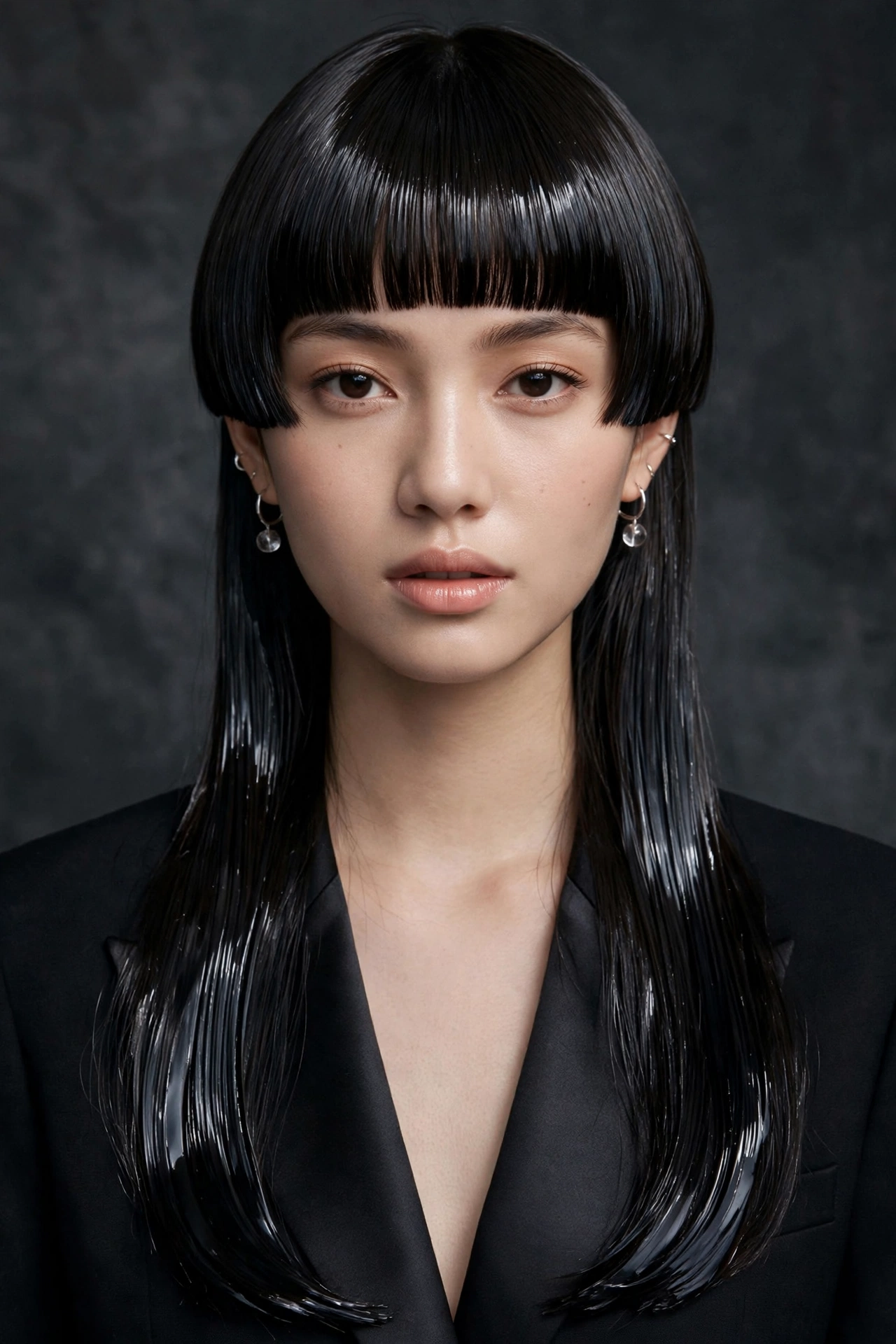
The glass hair trend meets the jellyfish, and the result is pure liquid shine. Every strand pin-straight, reflective, almost wet-looking in its glossiness. On the jellyfish’s graphic shape, that mirror finish looks expensive and futuristic. This is the most polished, most “done” version of the cut. It doesn’t do casual.
Achieving true glass hair takes work: a smoothing treatment or meticulous straightening, shine serums, and hair that’s in excellent condition to begin with. Damaged hair can’t fake this finish. If your hair is healthy and you love a high-gloss aesthetic, the payoff is enormous. The jellyfish shape with a glass finish is red-carpet material. Just know it’s a daily styling commitment, not a wash-and-go situation.
14. The Shaggy Jellyfish
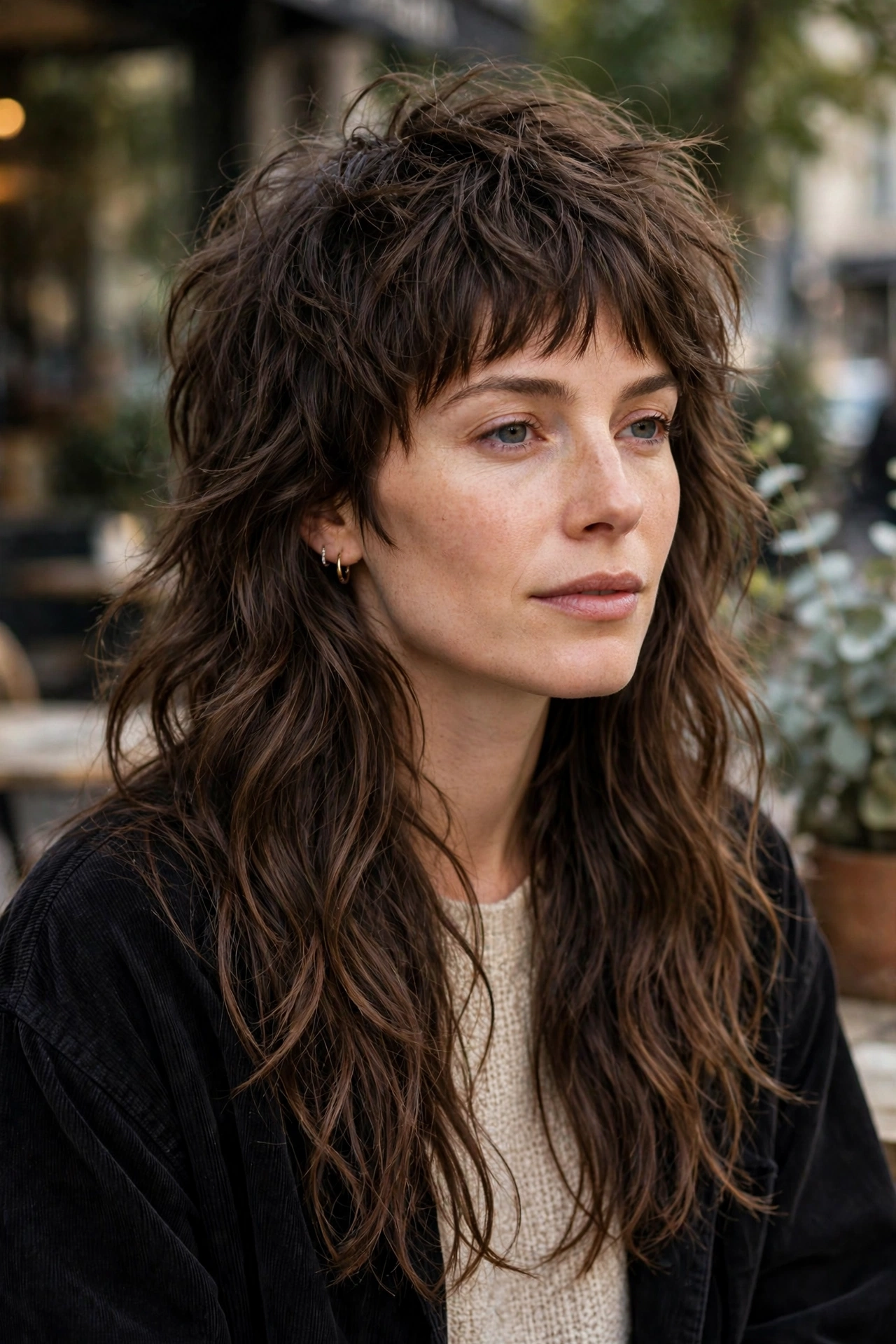
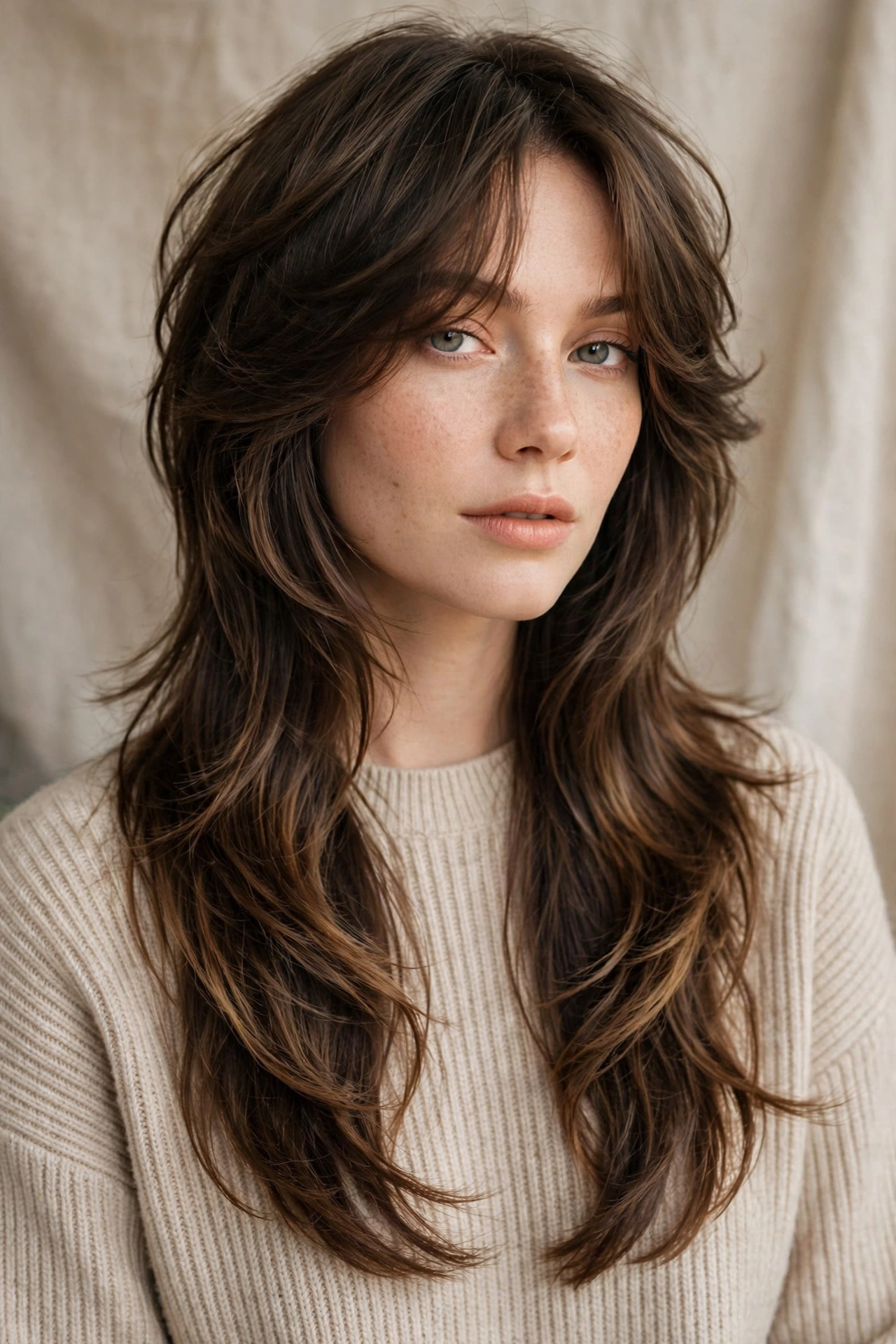
Texture to the rescue again. The shaggy jellyfish keeps the two-length concept but cuts the top layer with lots of choppy, piece-y texture instead of a blunt line. The result is relaxed, rock-and-roll, and much more forgiving than the precise versions. It looks like the cool girl version of the trend, the one who didn’t try too hard.
Out of all fifteen ideas here, the shaggy version asks the least of you, which is saying something. The textured top hides grow-out, air-dries well, and doesn’t demand perfect straightening. A little texture spray, some scrunching, done. If you love the idea of the jellyfish but your lifestyle doesn’t include daily heat styling, the shaggy version is your answer. It proves this trend isn’t only for perfectionists.
15. The Grown-Out Jellyfish
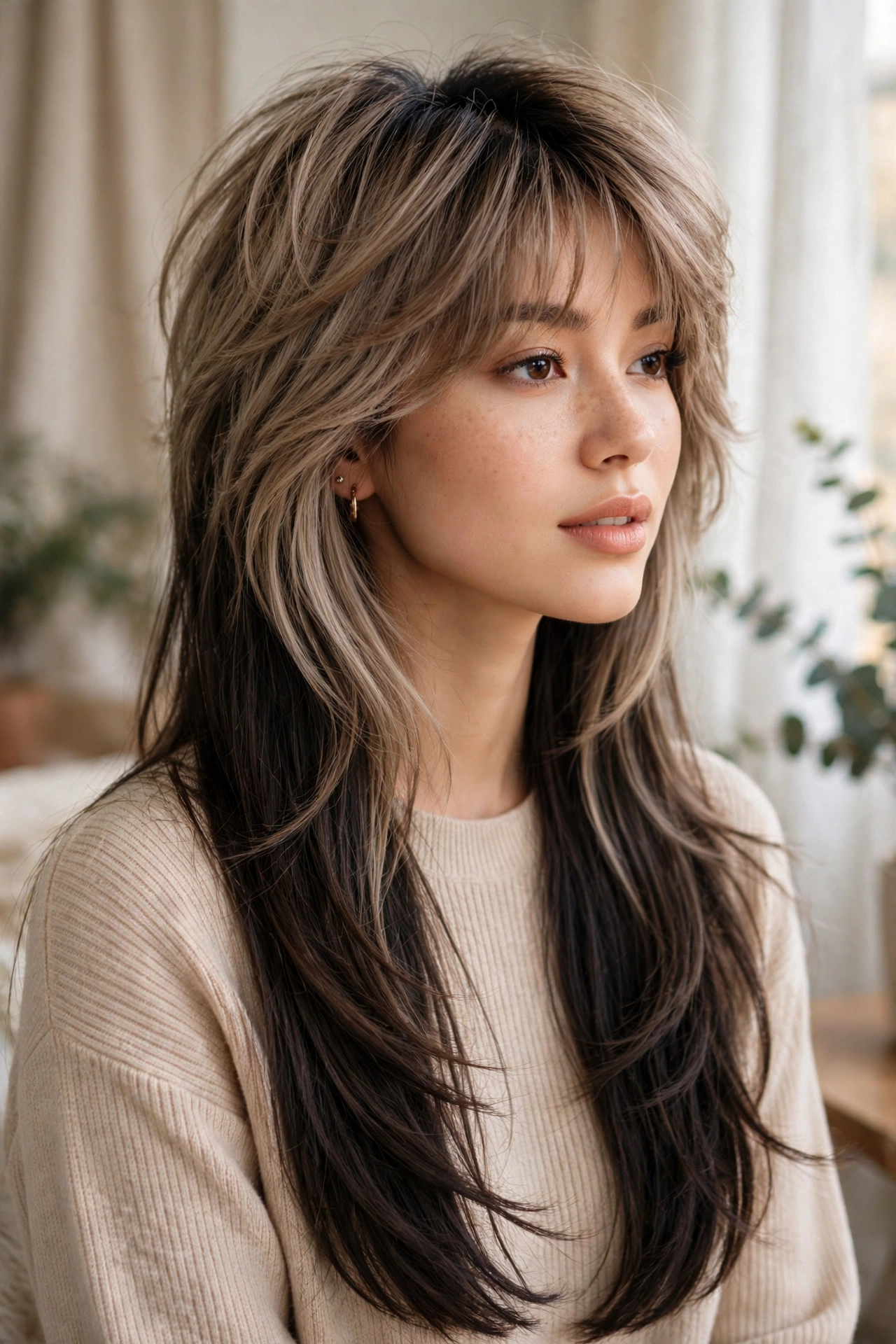
Here’s one nobody talks about: the jellyfish actually grows out into something pretty. As the top layer gets longer, the disconnect softens and the whole thing starts to resemble a heavily layered long cut with lots of face-framing. It’s not awkward the way growing out a pixie is awkward. It’s more like the cut slowly mellows into something conventional.
I’m including this because the grow-out question stops a lot of women from trying bold cuts, and they shouldn’t let it. With trims every eight to ten weeks to shape the growing top layer, the transition is genuinely graceful. Within six to eight months you’re basically wearing long layers. Knowing there’s a dignified exit strategy makes the entrance a lot less scary. Every bold haircut should come with one of these.
How to Ask Your Stylist for a Jellyfish Cut

Communication is everything with this cut, because “jellyfish haircut” means slightly different things to different stylists, and the gap between those interpretations is the gap between loving your hair and crying in the car. Bring multiple reference photos, not just one. Three or four photos of the specific version you want, from different angles if possible. Photos of the top layer shape, the bottom layer length, and the overall silhouette.
Use concrete language alongside the photos. Say where you want the top layer to end: at the ears, at the chin, at the jaw. Say how long the bottom should be: shoulders, mid-back, waist. Say whether you want the lines blunt or textured. These three answers define the entire haircut, and a stylist who asks you these questions unprompted is a stylist who knows what they’re doing. If your stylist has never heard of the cut or looks uncertain, that’s your cue to find someone else. This is not a learn-on-the-job haircut.
Talk about your real life too. How much heat styling will you honestly do? Do you air dry? What’s your work dress code? A good stylist will steer you toward the version that fits your actual routine, maybe the soft or shaggy jellyfish instead of the precision classic. The consultation should feel like a collaboration, not a transaction. If you feel rushed, slow it down. It’s your hair for the next six months. Ten more minutes of talking is always worth it.
How to Style a Jellyfish Cut at Home
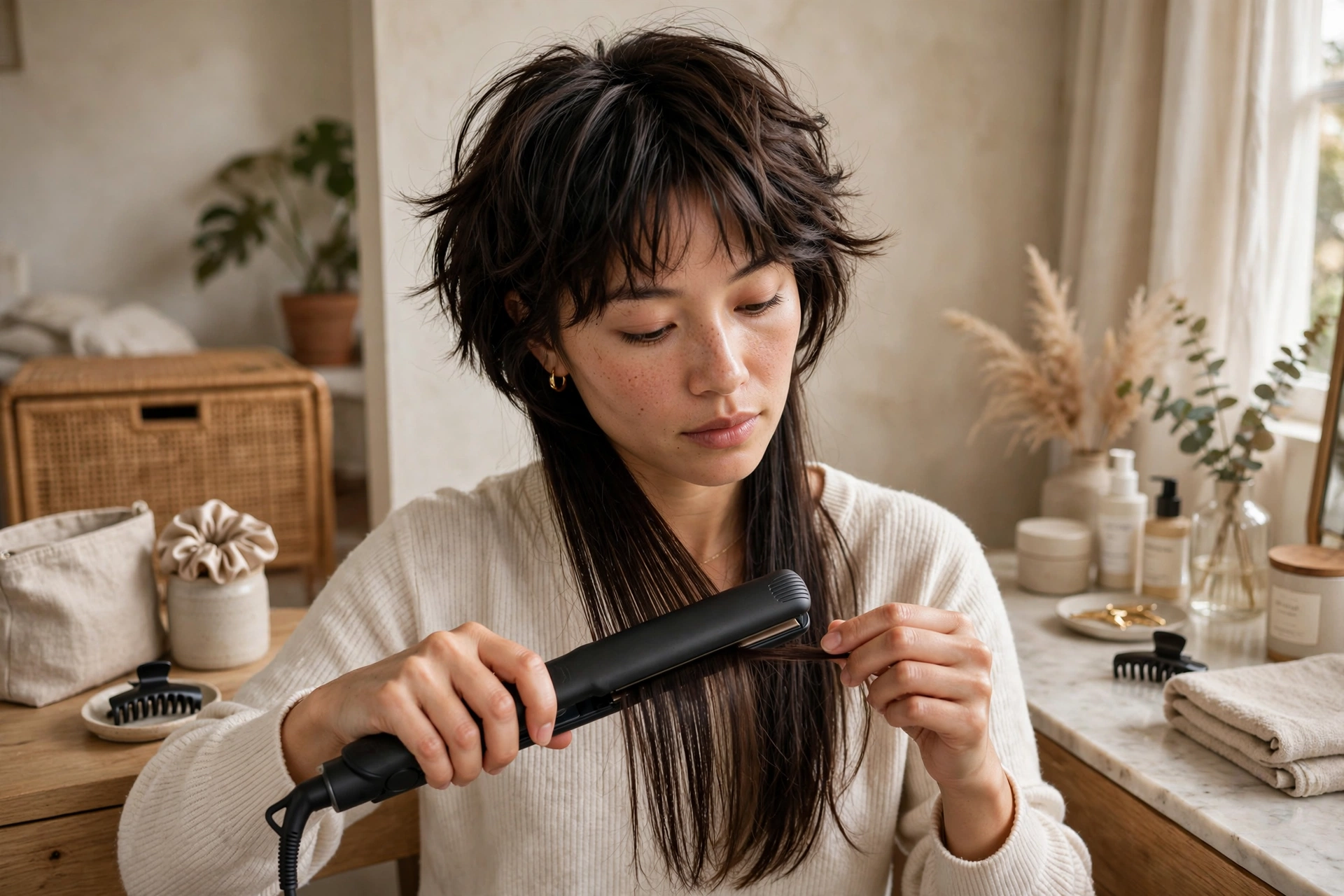
You’re styling two haircuts, so accept a two-part routine. The top layer is the priority because its shape defines the look. For the classic and sleek versions, that means blow-drying the top with a round brush for smoothness, then straightening the bottom layer in sections with a flat iron. Heat protectant is non-negotiable. Every single time. The contrast that makes this cut work depends on sleekness, and sleekness depends on healthy, protected hair.
For the textured versions, life is easier. The shaggy and wavy jellyfish want air-drying with a bit of product: wave spray or light mousse scrunched into damp hair, then hands off while it dries. The less you touch it, the better the texture. The bottom layer can be straightened or left natural depending on the vibe you’re after. Here’s a useful trick: style the top layer first while it’s damp, because short hair dries fast and sets quickly. Then deal with the long layer at your pace.
A few product notes from experience. A good flat iron matters more for this cut than for almost any other, because you’re straightening long hair regularly. If yours is old or cheap, the upgrade pays for itself in time saved and damage avoided. Dry shampoo is your friend for the top layer, which can get oily faster since it’s shorter and closer to the scalp. And silk or satin pillowcases reduce the morning restraightening session significantly. Small investments, real returns.
Best Face Shapes for the Jellyfish Cut
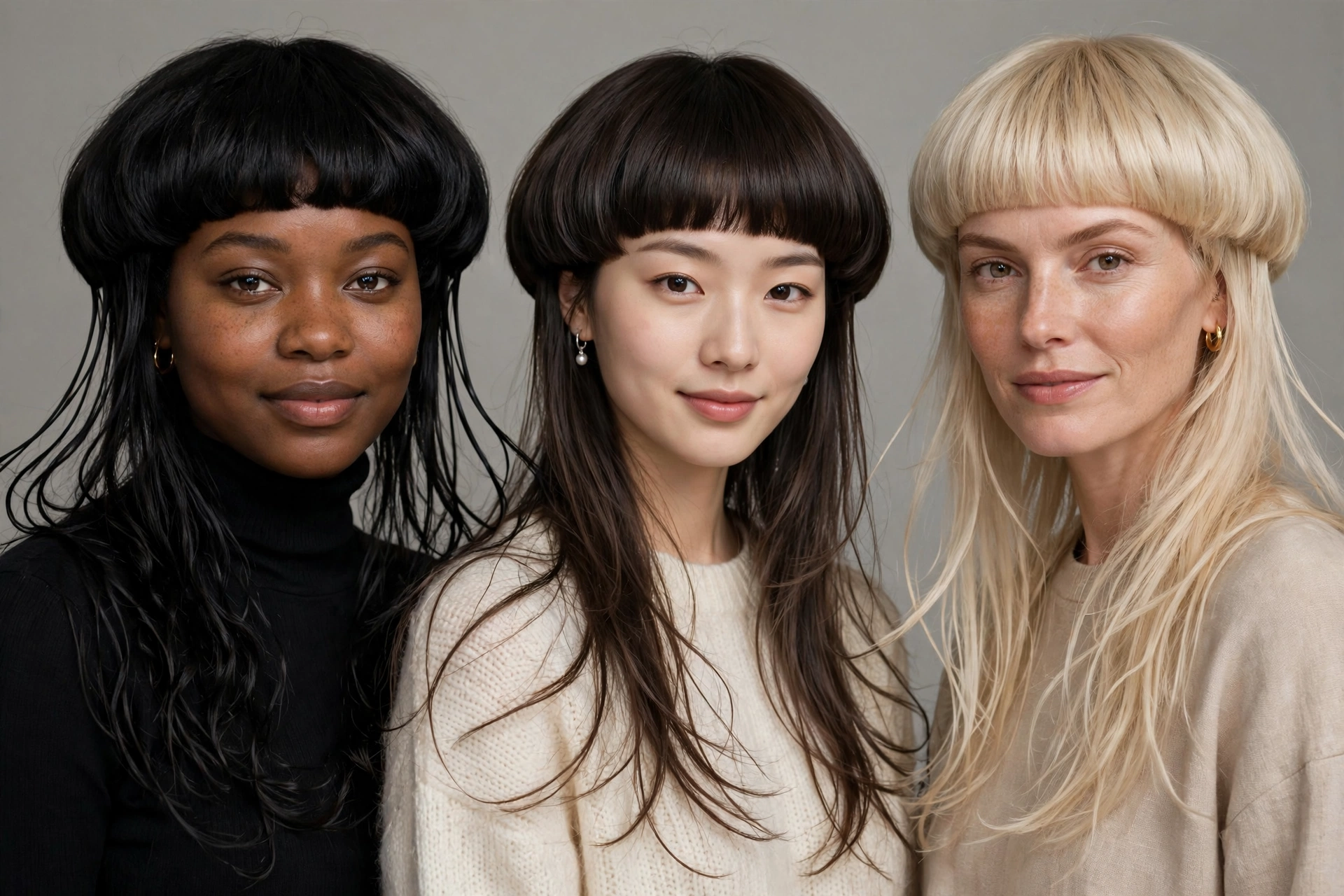
Let’s be honest: the jellyfish is not the most universally flattering cut in the world. It’s a statement first and a face-flatterer second. But “not universal” doesn’t mean “only for one face shape.” It means the version matters more than usual. The top layer length, the fringe choice, and the overall proportions can all be tuned, and a skilled stylist tunes them to your face without you even asking.
Round faces do well with the jellyfish when the top layer has some length to it, chin rather than ear, because that elongates rather than widens. Longer tentacles also help by drawing the eye downward. Oval faces can wear any version, as usual. Square faces benefit from softer versions, the curtain fringe or shaggy jellyfish, because strong jawlines plus blunt geometry can feel severe. The softness balances the angles.
Heart-shaped faces, with their wider foreheads and narrower chins, actually suit the jellyfish beautifully. The fullness of the top layer balances a wider forehead, and the long bottom layers add visual weight near the chin where it’s needed. Long faces should keep the top layer on the shorter side and consider a fringe, since the cut’s vertical emphasis can stretch things further. Whatever your shape, the consultation conversation matters enormously here. Tell your stylist your concerns and let them adjust the blueprint. That’s what you’re paying for.
Jellyfish Cut Maintenance Guide
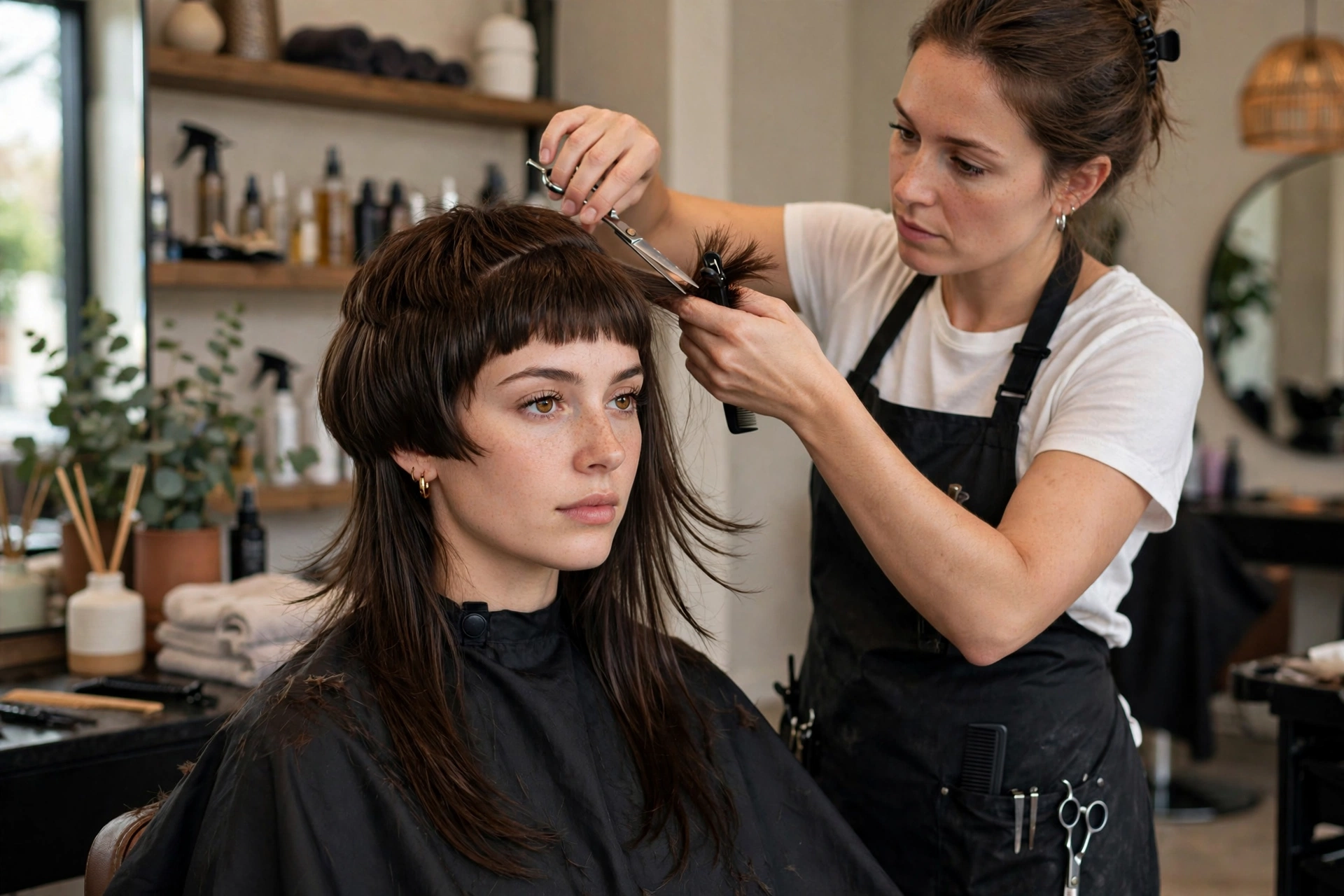
The jellyfish has a split personality when it comes to maintenance, because it has two layers on two different schedules. The top layer is the diva. It needs trimming every four to six weeks to keep its shape, because the whole cut depends on that precise line. Let it grow shaggy and the architecture collapses into just another layered cut. The bottom layer is easygoing. Trims every ten to twelve weeks to keep the ends healthy, and that’s it.
At home, the routine centers on keeping both layers healthy enough to look deliberate. Deep condition weekly, because the bottom layer is long and therefore old and fragile at the ends. Use heat protectant religiously if you’re straightening regularly. Sleep with your hair in a loose low braid or on a silk pillowcase to reduce tangling in the long layer overnight. These aren’t exotic requirements, just consistency.
Budget-wise, plan for more salon visits than a standard cut. Those six-week top-layer trims add up over a year. It’s worth factoring into the decision honestly. A jellyfish that isn’t maintained doesn’t look edgy, it looks neglected, and there’s a big difference. If the maintenance schedule sounds exhausting, the soft or shaggy versions are more forgiving. Choose the version that matches the upkeep you’ll actually do, not the upkeep you wish you’d do.
Frequently Asked Questions
The questions women really ask about this cut, answered without the sugarcoating.
Will the jellyfish haircut damage my hair?
The cut itself doesn’t damage anything. It’s just scissors. What causes damage is the styling that usually comes with it: frequent straightening of the long layer, bleach if you go pastel or two-tone, and general heat enthusiasm. If you get the cut in your natural color and style with reasonable heat protection, your hair will be exactly as healthy as before. The damage question is really a styling question in disguise. Treat the heat with respect and the cut is innocent.
How long does it take to grow out a jellyfish cut?
The top layer grows about half an inch per month like all hair, so going from chin-length to shoulder-length takes roughly six to eight months. The good news is that the grow-out looks intentional for most of that time. The disconnect softens gradually and starts reading as face-framing layers, which is a legitimate style in its own right. Regular shaping trims every eight to ten weeks keep it looking deliberate rather than abandoned. Compared to growing out a pixie, which is famously brutal, the jellyfish grow-out is genuinely civilized.
Can I wear a jellyfish cut to work?
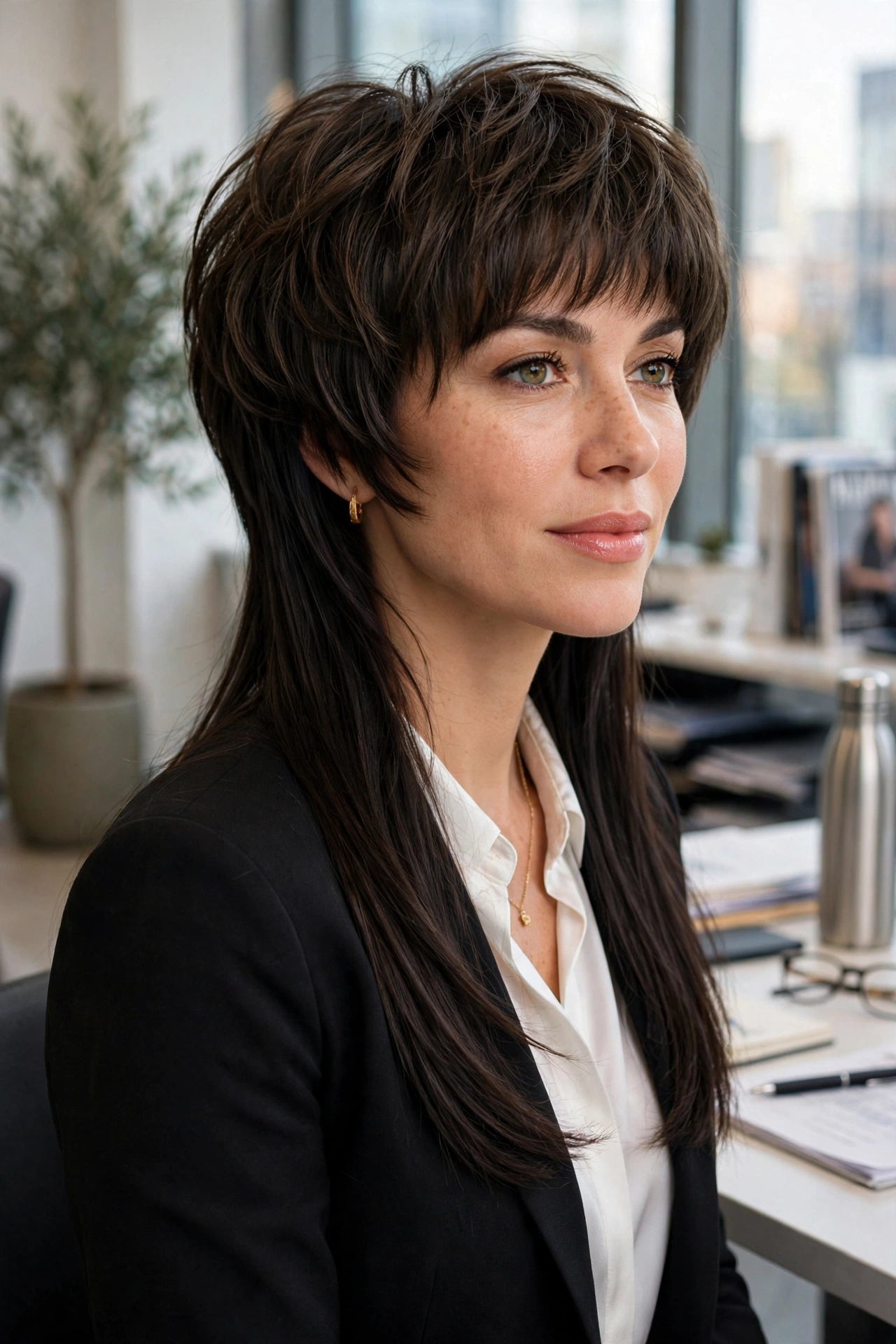
Depends on the version and the workplace. The soft jellyfish in a natural color reads as a fashionable layered cut and works in most offices. The classic blunt version in black is fine in creative industries but might raise eyebrows in conservative corporate settings. The two-tone and pastel versions are weekend hair for most professional contexts, let’s be honest. Know your workplace culture and choose accordingly. When in doubt, start with the soft version. You can always go bolder, but you can’t un-shock your manager.
Does the jellyfish cut work on thin or fine hair?
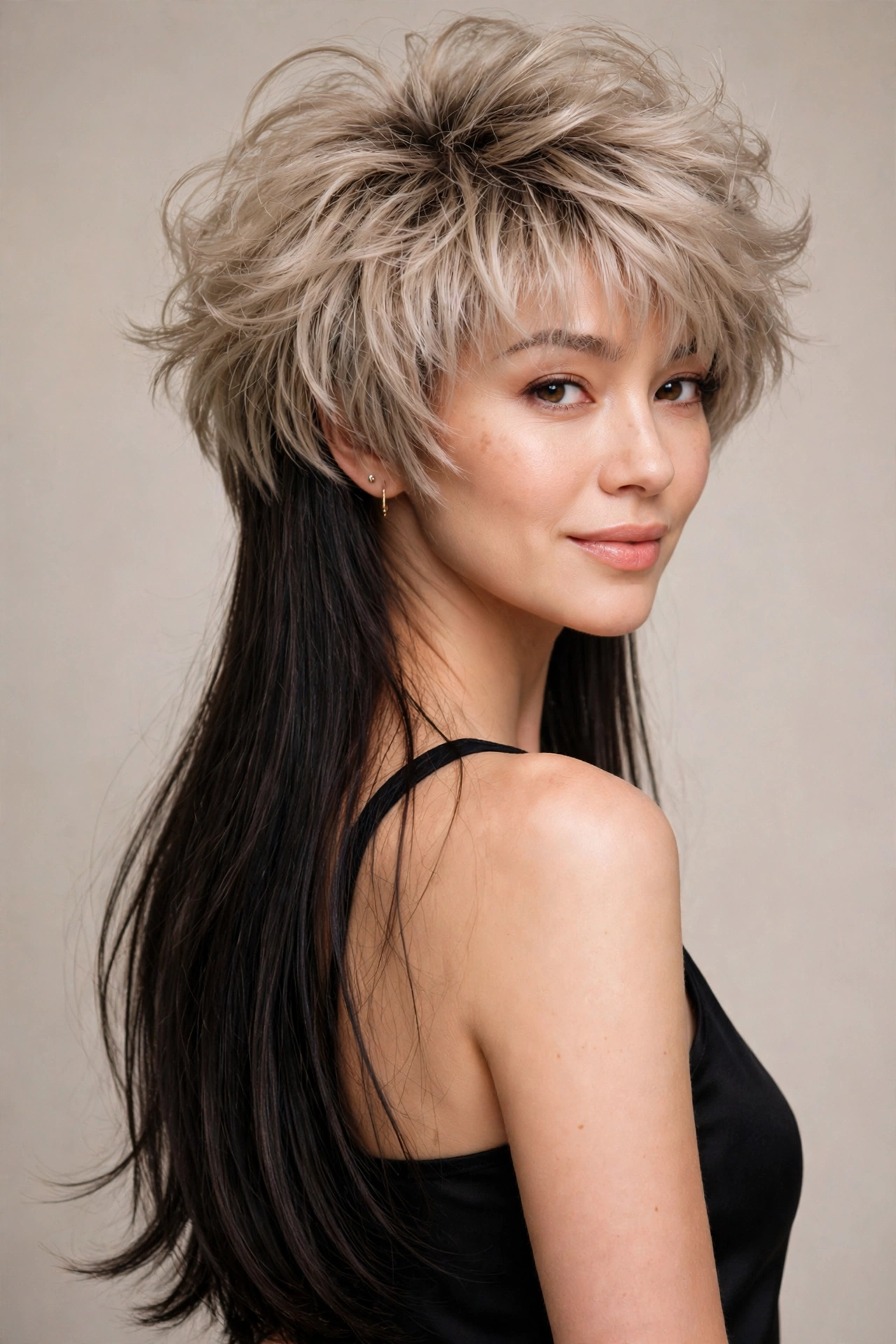
Surprisingly well, actually. The short top layer creates the illusion of fullness and volume around the face, which is exactly what fine hair needs. The long bottom layer can look a bit sparse if your hair is very fine, so the trick is keeping the tentacles at a moderate length rather than extreme. Shoulder to mid-back works better than waist length on fine hair. A bit of texturizing in the top layer adds the appearance of density. Women with fine hair often find this cut gives them more visual volume than they’ve ever had.
Does a jellyfish cut need color to look good?
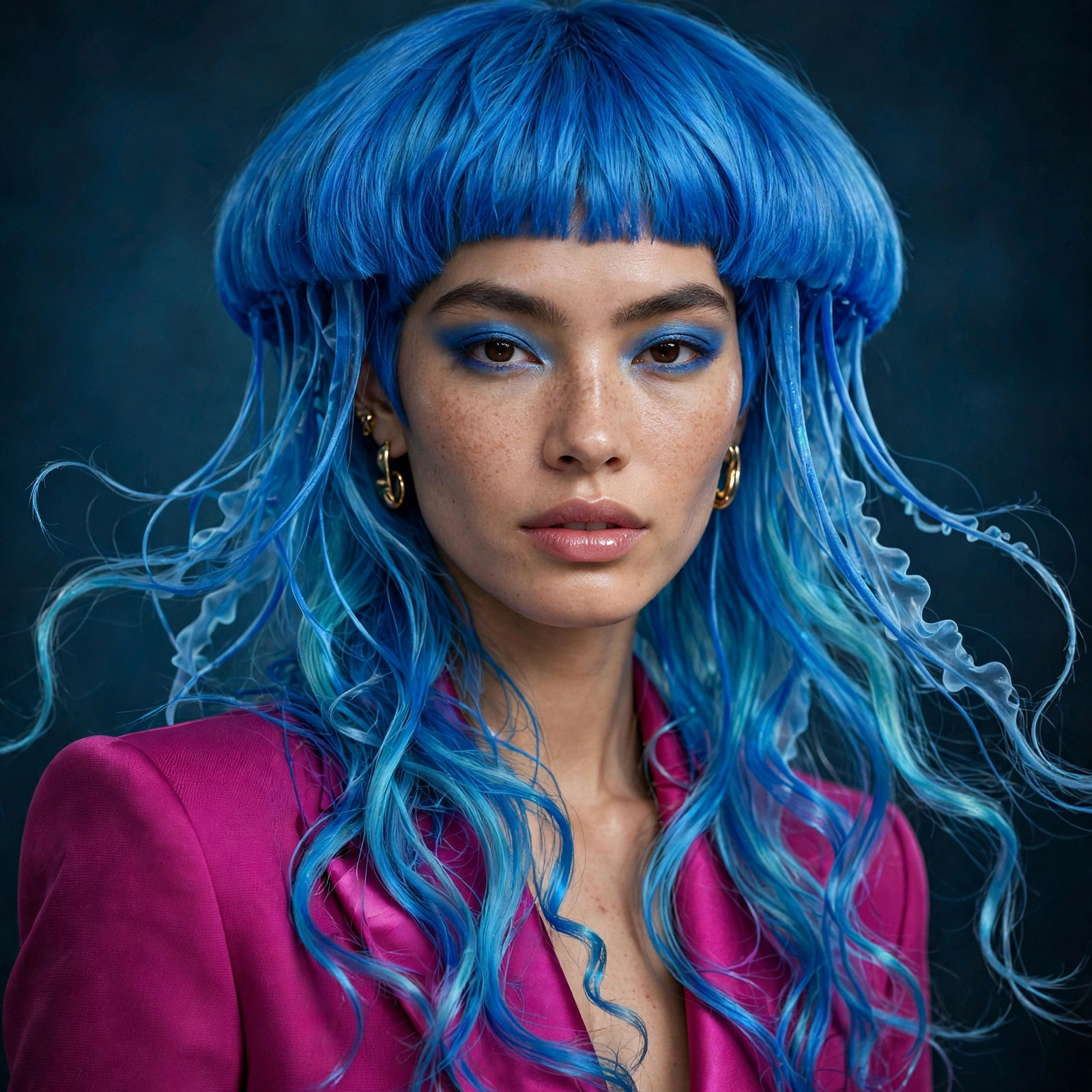
No, but color turns the volume up. The cut’s architecture reads perfectly well in a single natural color. Black, dark brown, natural blonde, all gorgeous. The shape does the talking. Color is an amplifier, not a requirement. That said, if you’re already committing to the boldest cut of the year, adding a color dimension is a natural next step for many women. My advice: get the cut first, live with it for a month, then decide about color. One big change at a time is easier to evaluate than two.
What if I get it and hate it?
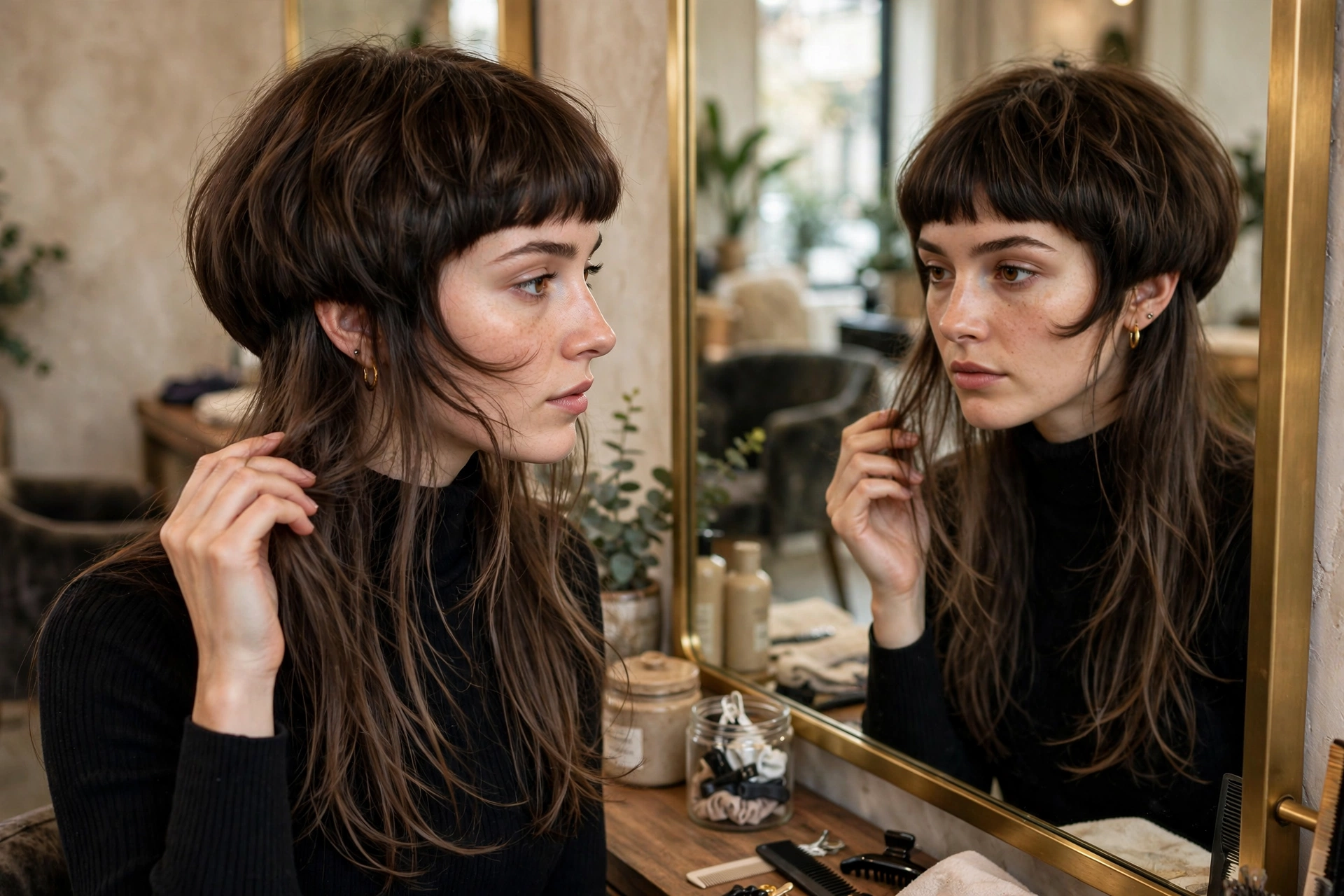
First, give it two weeks. Bold cuts have a shock period where your brain needs to catch up with your mirror, and a lot of jellyfish regret is just newness. Style it a few different ways before you judge. If you still hate it after two weeks, the fixes are straightforward. The top layer can be blended into the bottom with some clever layering, turning the whole thing into a shaggy long cut. It’s not instant, but it’s not a disaster either. And remember the grow-out is graceful. The worst case here is a few months of an interesting grow-out phase, not a catastrophe. That’s a pretty safe worst case for the bravest cut of the year.
Final Thoughts
The jellyfish haircut isn’t for everyone, and that’s precisely its power. In a sea of safe, blended, forgettable hair, it’s a cut with a point of view. Fifteen versions, one rebellious idea: short on top, long underneath, no apologies. Whether you go full classic drama or the soft wearable version, you’re wearing a piece of hair history that stretches back to the Japanese hime cut and forward into whatever 2026 becomes.
My honest take? If you’ve read this far, you’re already interested enough to try it. Start with the soft or shaggy version, find a stylist who’s done it before, and bring the photos. Give yourself the two-week adjustment period before you decide anything. The worst realistic outcome is a great story and some interesting grow-out layers. The best outcome is the haircut people remember you by. For the bravest cut of the year, those are pretty good odds.
Conclusion
The jellyfish haircut is 2026’s bravest cut — a stark, otherworldly shape with a rounded bob-like top and long, straight tentacles beneath. It’s avant-garde, editorial, and absolutely unforgettable. Best on straight hair where the dramatic disconnect reads clearly, it’s made for women who treat fashion as art.
This cut lives or dies by precision, so find a stylist who specializes in creative cutting. Keep the top rounded with regular trims and the lengths sleek with serum. In 2026, the jellyfish cut is not just a hairstyle — it’s a statement piece.
One Comment