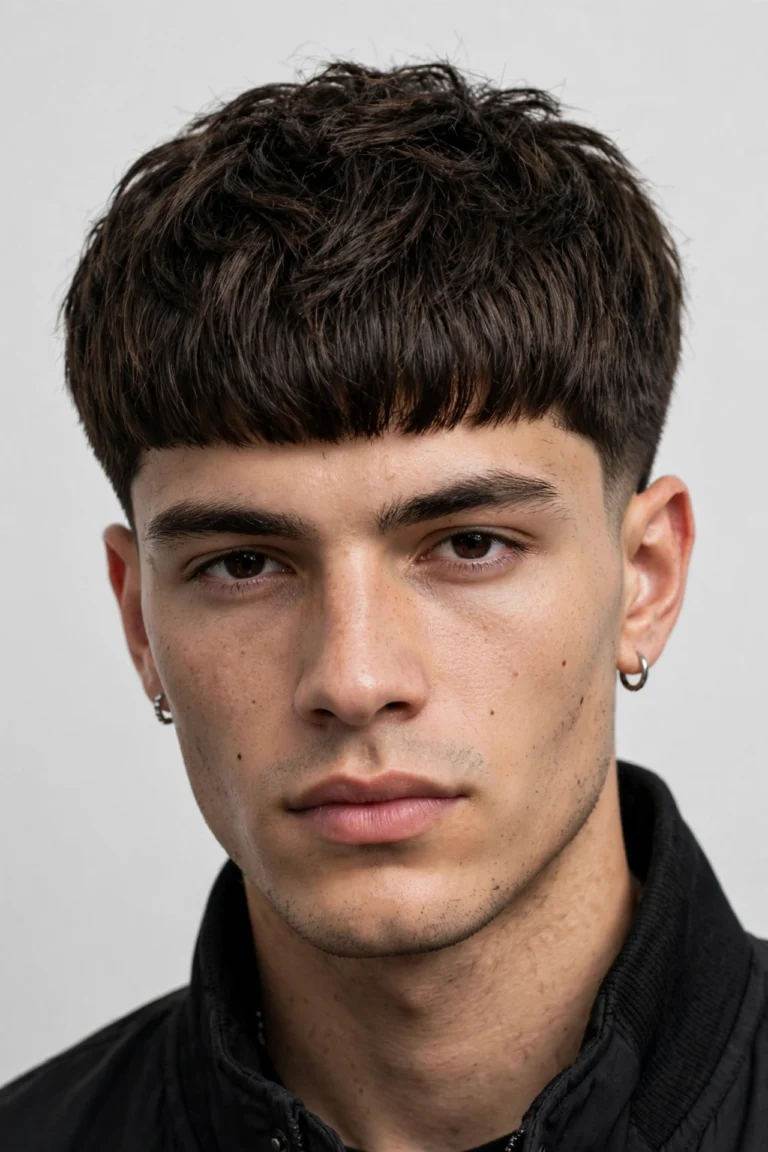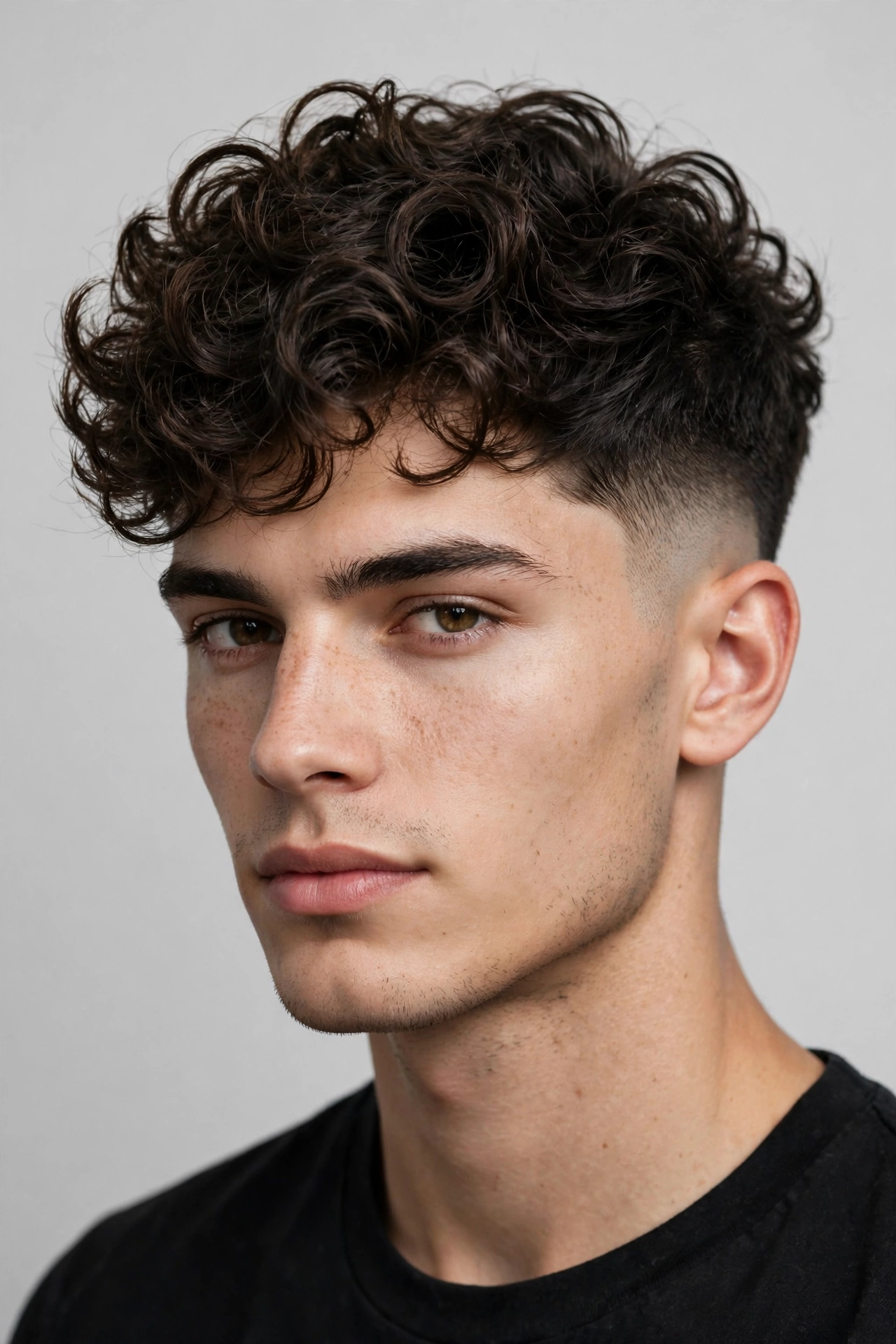
Genji Cut Men 2026: 18 Asymmetrical Anime-Inspired Styles
Genji Cut Men 2026: 18 Asymmetrical Anime-Inspired Styles
If you have spent any time around Gen Z style in 2026, you have seen the genji cut for men even if you did not know its name. It is the messy, layered, deliberately uneven haircut with Japanese street-fashion DNA: medium length on top, texture everywhere, and an asymmetry that makes it look like it was shaped by attitude rather than a comb. Named for Takiya Genji, the iconic character played by Shun Oguri in the film Crows Zero, it has grown from a niche anime-adjacent reference into one of the most requested cuts in barbershops this year.
In this guide I am covering everything about the genji cut for men in 2026. You will get 18 genuinely different genji cut styles, from the classic Takiya-inspired original to modern asymmetrical, faded, undercut, and wavy versions. You will learn exactly what to tell your barber (because this is a cut that dies on vague instructions), how to style the messy texture at home, which face shapes and hair types it suits, and how to keep the layers looking sharp between appointments.
The genji cut matters in 2026 because it represents something bigger than one haircut. Men’s grooming has spent years rewarding neatness: clean fades, sharp lines, everything in its place. The genji cut is the counterargument. It is shaggy, uneven, and unbothered, and it looks incredible on the right person. If you have ever wanted a haircut with actual personality, the kind people notice and remember, read on. There are eighteen versions below, and one of them is yours.
What Is the Genji Cut?
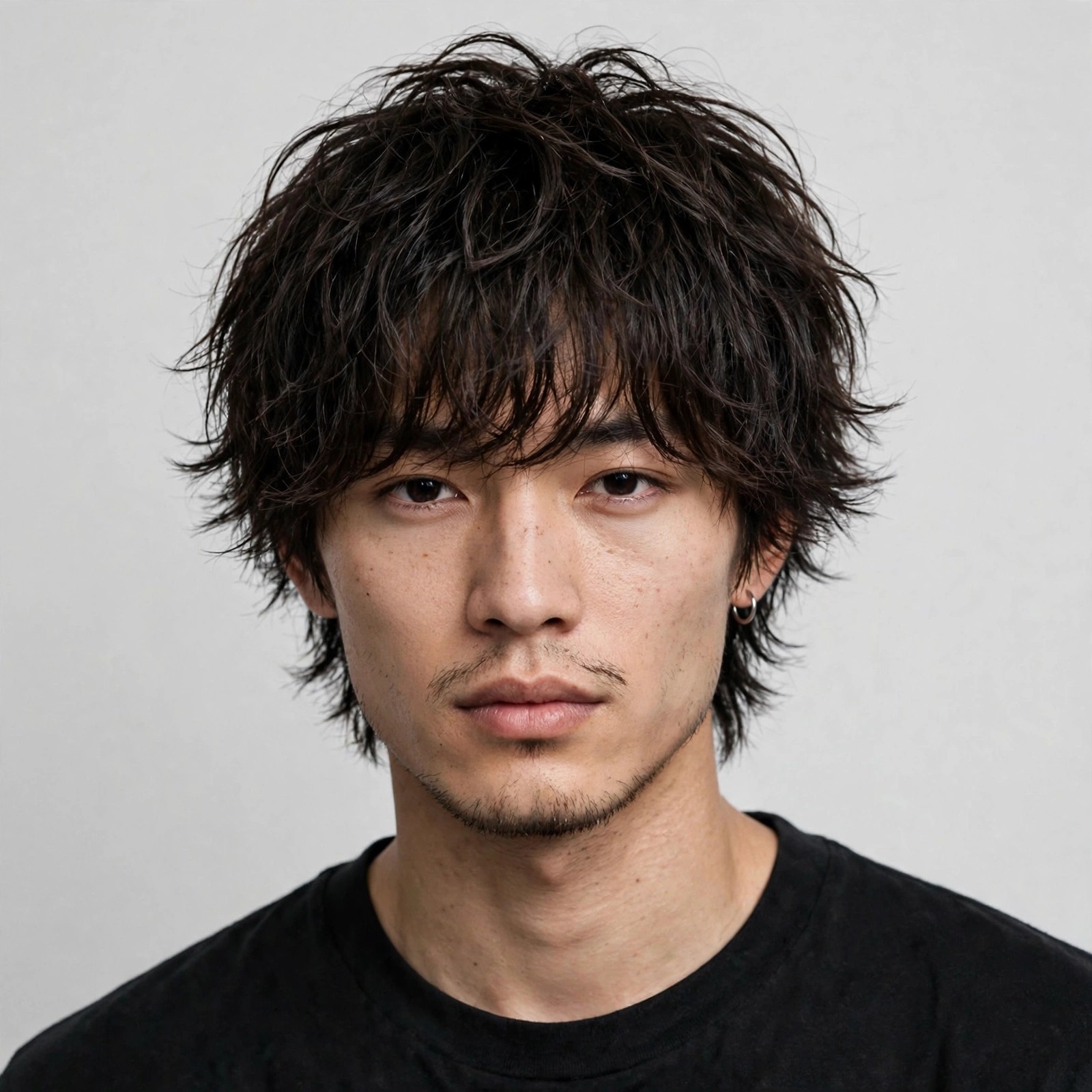
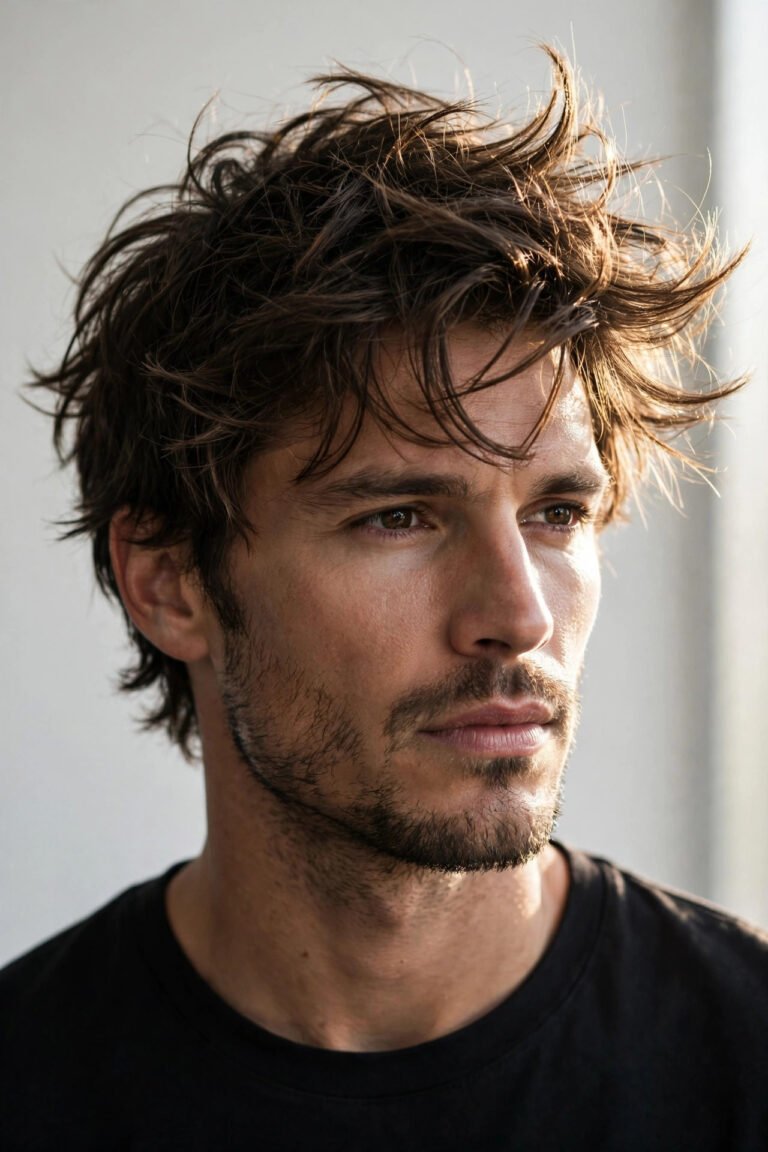
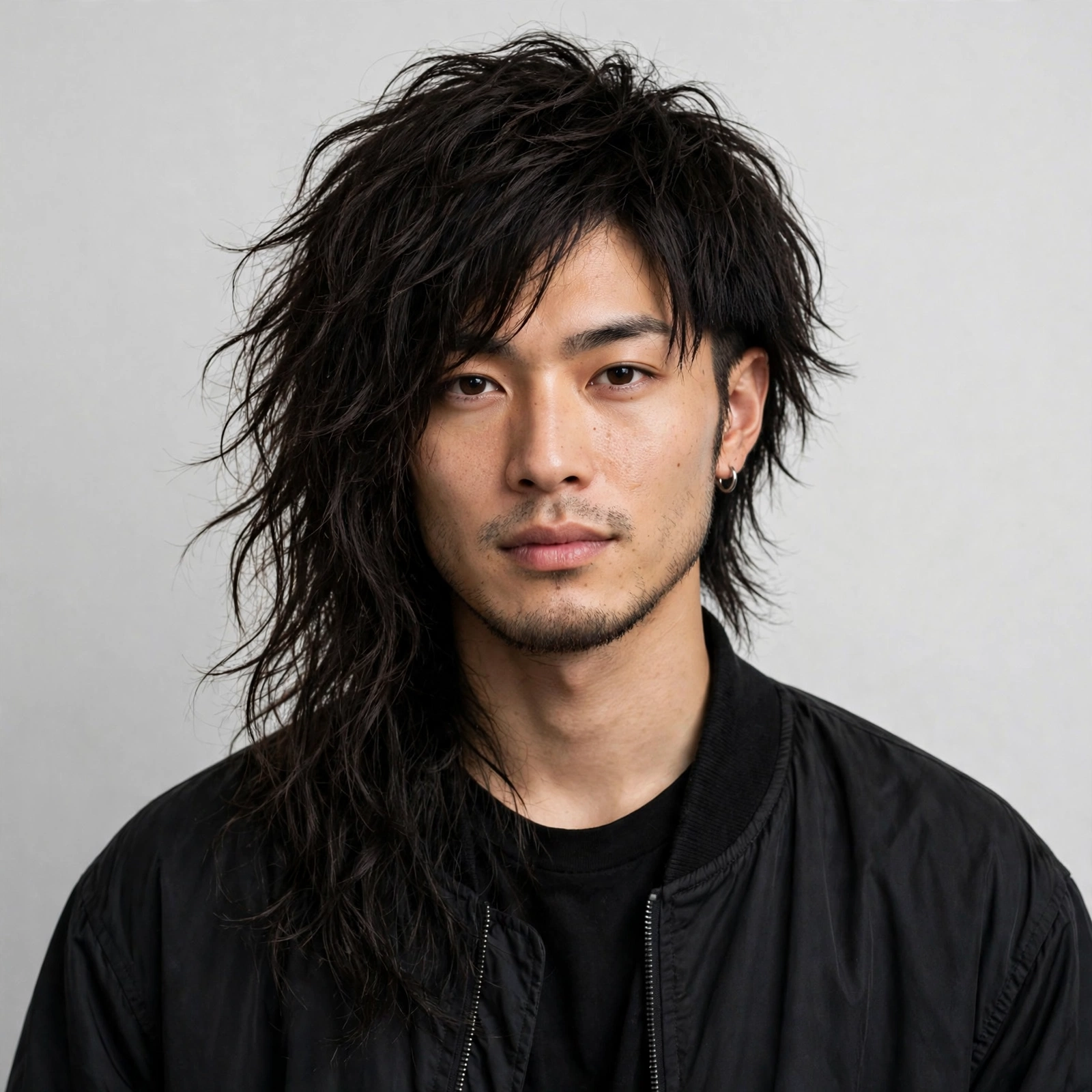
The genji cut is a medium-length layered men’s haircut defined by messy texture, natural movement, and deliberate asymmetry. The top runs medium length, usually three to five inches, cut in choppy layers that fall unevenly. The sides can be left with some length, tapered, or faded, but the signature is the top: textured, piecey, and styled to look effortlessly undone. Skin Fade Barbers’ guide to the Takiya Genji haircut describes it as layered medium-length hair with a slightly messy and textured finish, longer on top with natural flow rather than rigid structure.
The name comes from Takiya Genji, the tough high-school fighter played by Shun Oguri in Takashi Miike’s Japanese action film Crows Zero. In the film, Genji’s hairstyle reflects his rebellious attitude and effortless confidence: medium layers, messy texture, hair that moves. Fans of Japanese fashion and anime-inspired looks adopted it, and over time it spread across Asia and then worldwide. Honest Hair Factory’s 2026 trend roundup calls it the “iconic TAKIYA haircut,” a trendy shaggy style inspired by Japanese fashion with messy layers and lots of volume.
What makes the 2026 genji cut different from its earlier incarnations is the asymmetry. The modern versions play with uneven lengths deliberately: one side longer than the other, a fringe that sweeps at an angle, layers cut to different depths on each side. The “7 BIGGEST Men’s Hairstyle Trends in 2026” roundup specifically lists the genji cut as the asymmetrical entry on the list, alongside the warrior cut, wolf cut, and modern mullet. It is this controlled unevenness that separates the genji from a generic messy layered cut and gives it its anime-protagonist energy.
Why the Genji Cut Is Trending in 2026
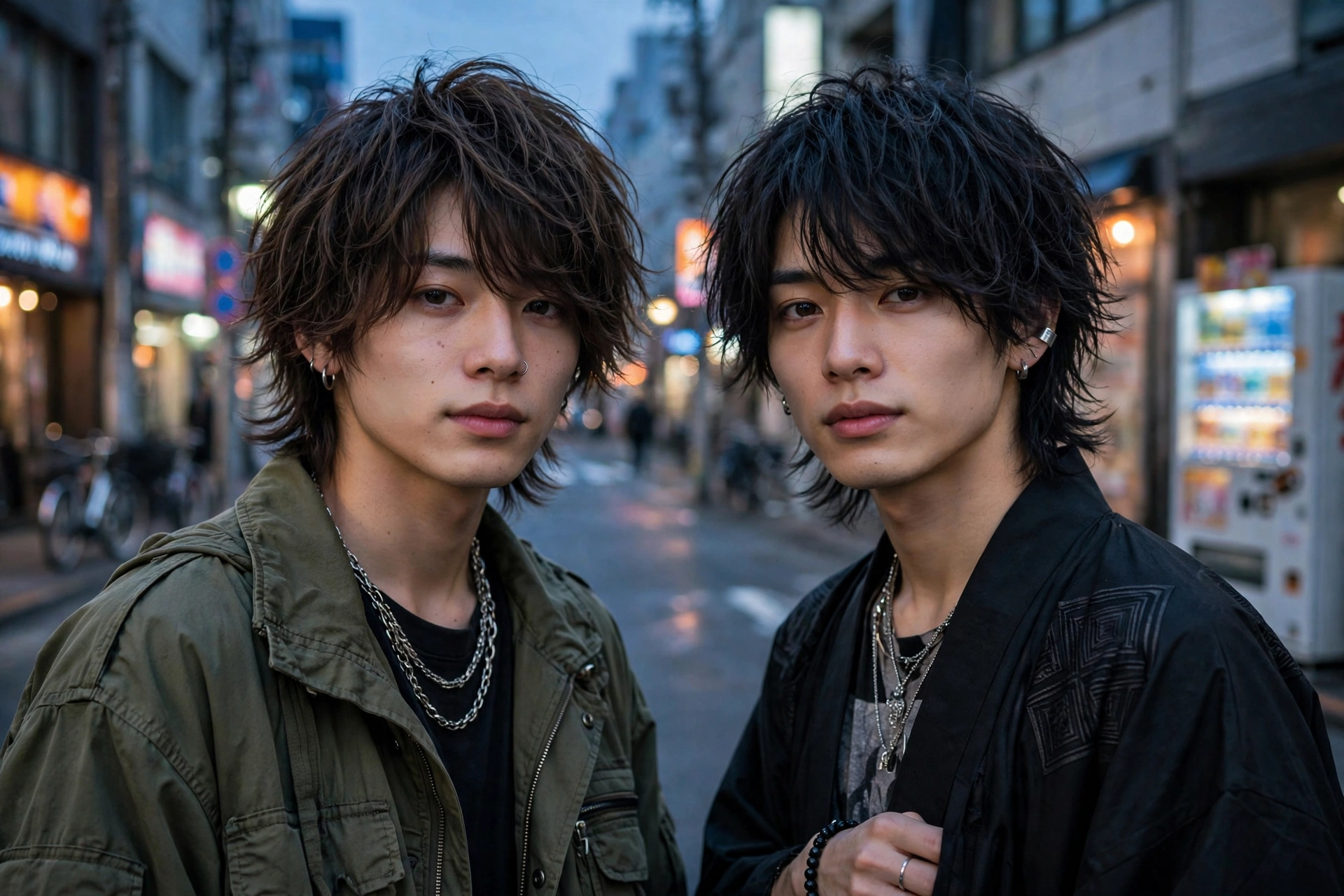
Three forces are pushing the genji cut to the top of 2026’s trend lists, and they all point the same direction. First, Japanese and Korean pop culture’s grip on global style keeps tightening. K-pop idols, anime protagonists, and Japanese street fashion have normalized layered, textured, deliberately imperfect men’s hair for an entire generation. The genji cut is the most wearable way to buy into that aesthetic without going full costume. It reads as fashion-forward in any city in the world.
Second, the broader men’s hair movement in 2026 favors texture over neatness. After a decade of fades and sharp lines, guys are craving cuts with personality and movement. The genji cut delivers both in a way that still works in real life. Unlike some trend cuts that only look good in photos, the genji’s messiness is functional: it hides cowlicks, it survives wind and hats, and it looks better on day two than day one. When a haircut is this forgiving, word spreads fast through barbershop chairs.
Third, it photographs like nothing else in the current men’s canon. The asymmetry creates visual interest from every angle, the layers catch light in a way that flat cuts cannot, and the whole thing has a main-character quality that performs extremely well on social feeds. Barbers report it as one of the most requested “show me this photo” cuts of the year among younger clients. It is also genuinely versatile: it works on straight and wavy hair beautifully, it adapts to fades or natural sides, and it can be dialed from subtle to dramatic. A cut with this much range was always going to break through.
18 Genji Cut Styles to Try in 2026
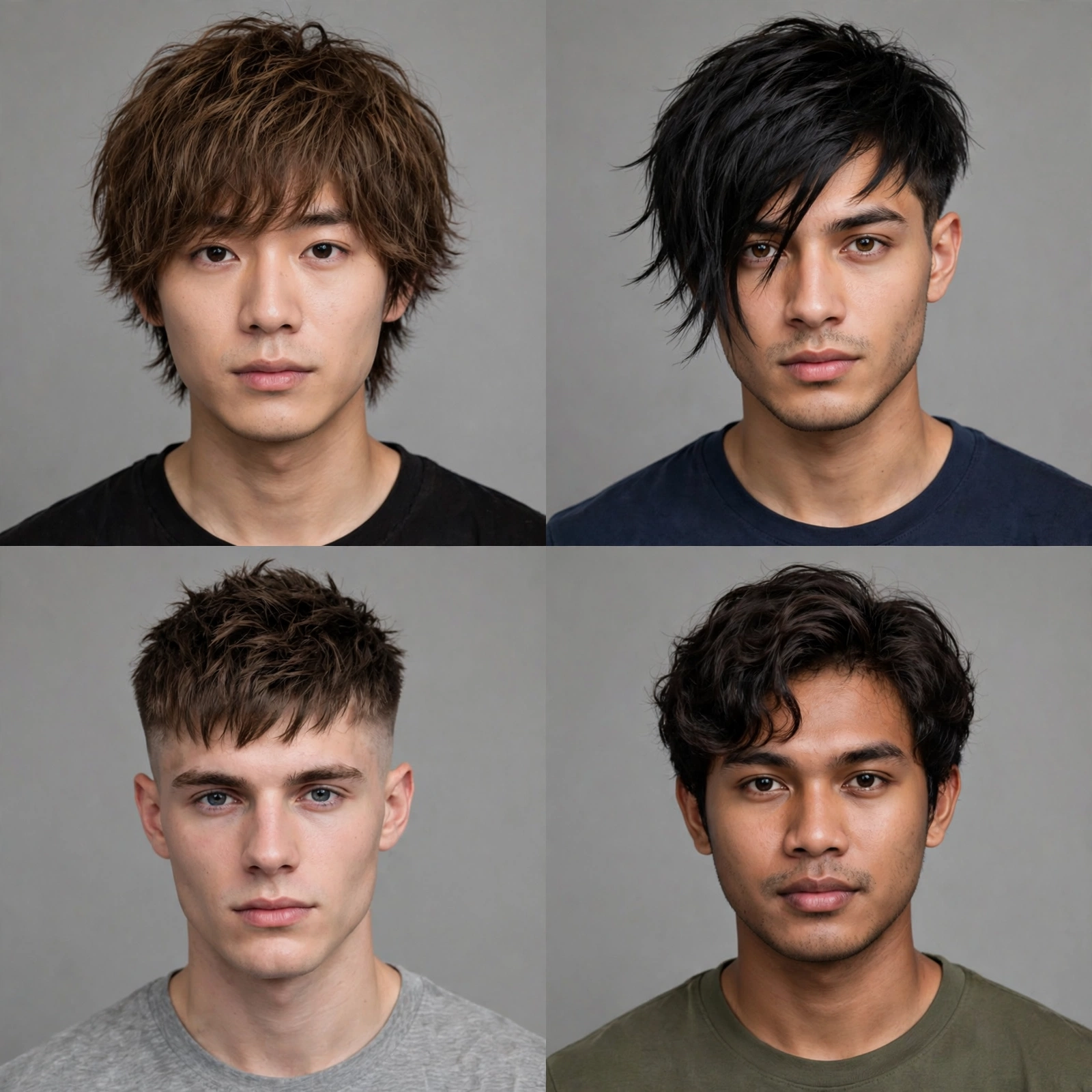
This is where it gets good. The genji cut is not one haircut; it is a spectrum from subtle to dramatic, and where you land on that spectrum changes everything about how the cut reads. Below are eighteen distinct versions, each with its own personality. Some honor the Takiya Genji original. Some push the asymmetry to its limit. Read them like a menu, find the one that matches your hair type and your nerve, and take the name straight to your barber.
1. The Classic Takiya Genji
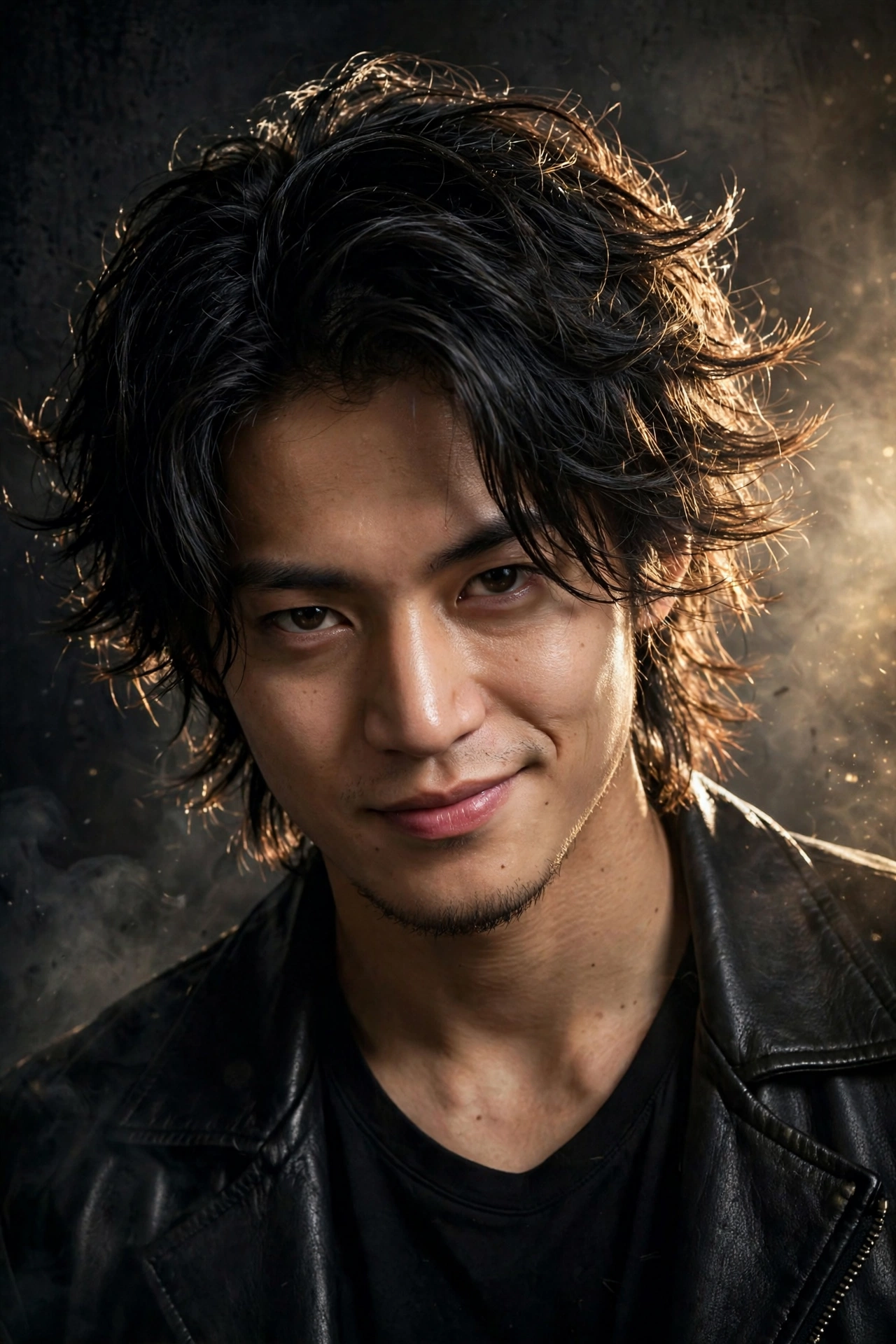
This is the original blueprint, the haircut Shun Oguri wore as Takiya Genji in Crows Zero. Medium-length layered hair all over, roughly four inches on top with natural layering through the sides, styled in a slightly messy way with real movement. Nothing faded to the skin, nothing razor-sharp. It is the most recognizable version and the one that started everything.
The classic works because it is honest about what it is: a cool, rebellious, medium-length cut that does not try too hard. Styling is minimal by design. Towel-dry, work a light styling wax or texturizing cream through damp hair, and use your hands to shape it, never a comb. The finish should look like you shaped it in thirty seconds, because you did. Ask your barber for “medium-length layered cut, textured top with natural movement, slightly shorter sides but not faded, messy natural styling.” Bring a still from the film if he has never heard the name. This version suits straight to slightly wavy hair best and needs a trim every four to six weeks to keep the layers defined.
2. The Modern Textured Genji
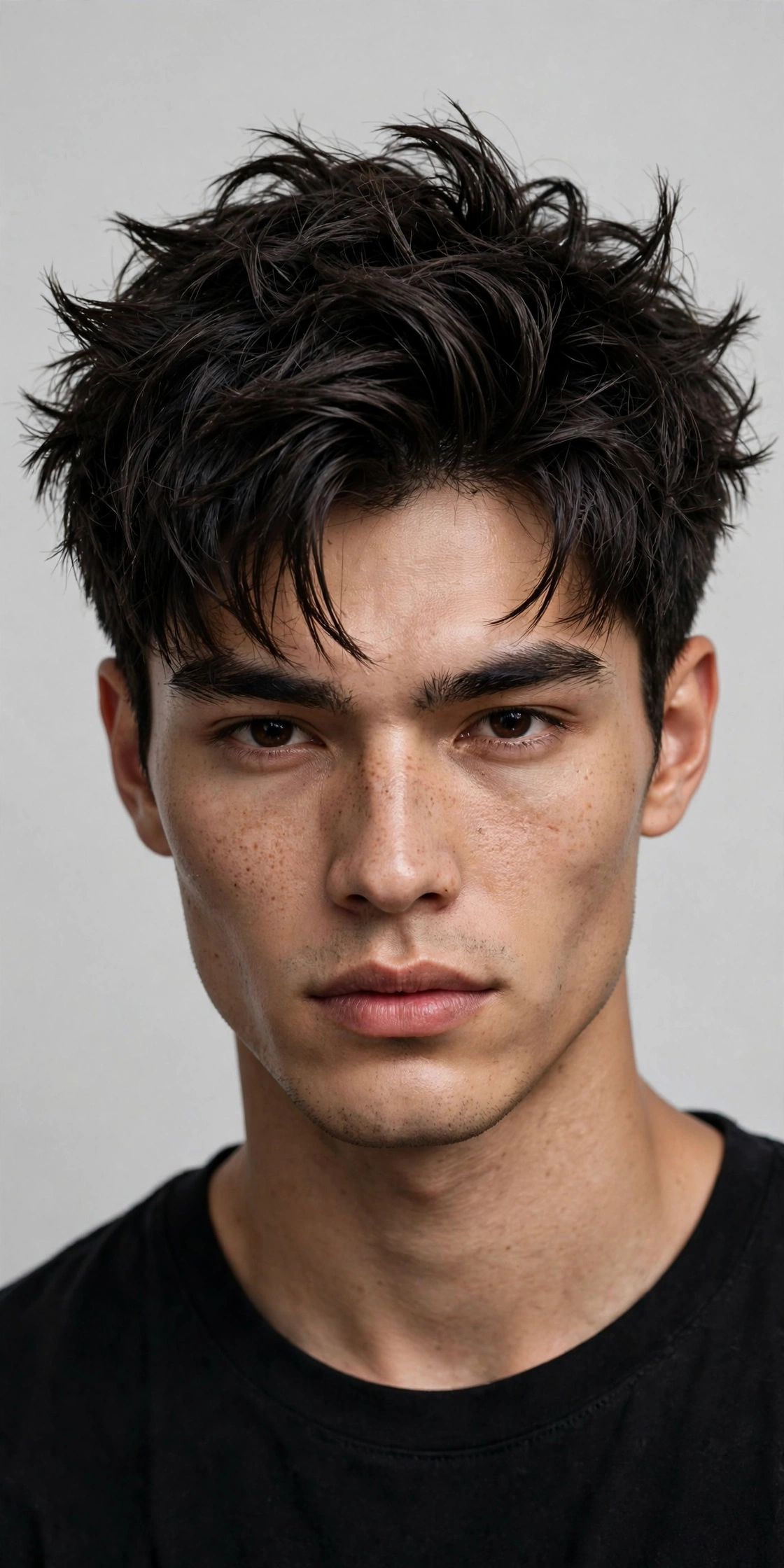
The modern textured genji takes the classic formula and turns up the layering. More layers, stronger texture, more volume and separation on top. Where the classic is relaxed, this one is deliberate: every layer is placed to create movement, and the finish is piecey rather than simply messy. It is the 2026 update for guys who love the genji idea but want it sharper.
This version rewards good cutting more than any other on the list. The layers need to be cut with texturizing shears or a razor to get that separated, piecey finish; blunt layers will just look shaggy. Styling takes a little more intention too. Blow-dry with your fingers lifting at the roots for volume, then define pieces with a small amount of matte clay. The result has the genji soul with a more editorial finish. Tell your barber “genji cut, but maximize the texture, choppy separated layers” and ask him to check it dry, because layered cuts change shape as they dry. Trim every four to five weeks.
3. The Asymmetrical Genji Cut
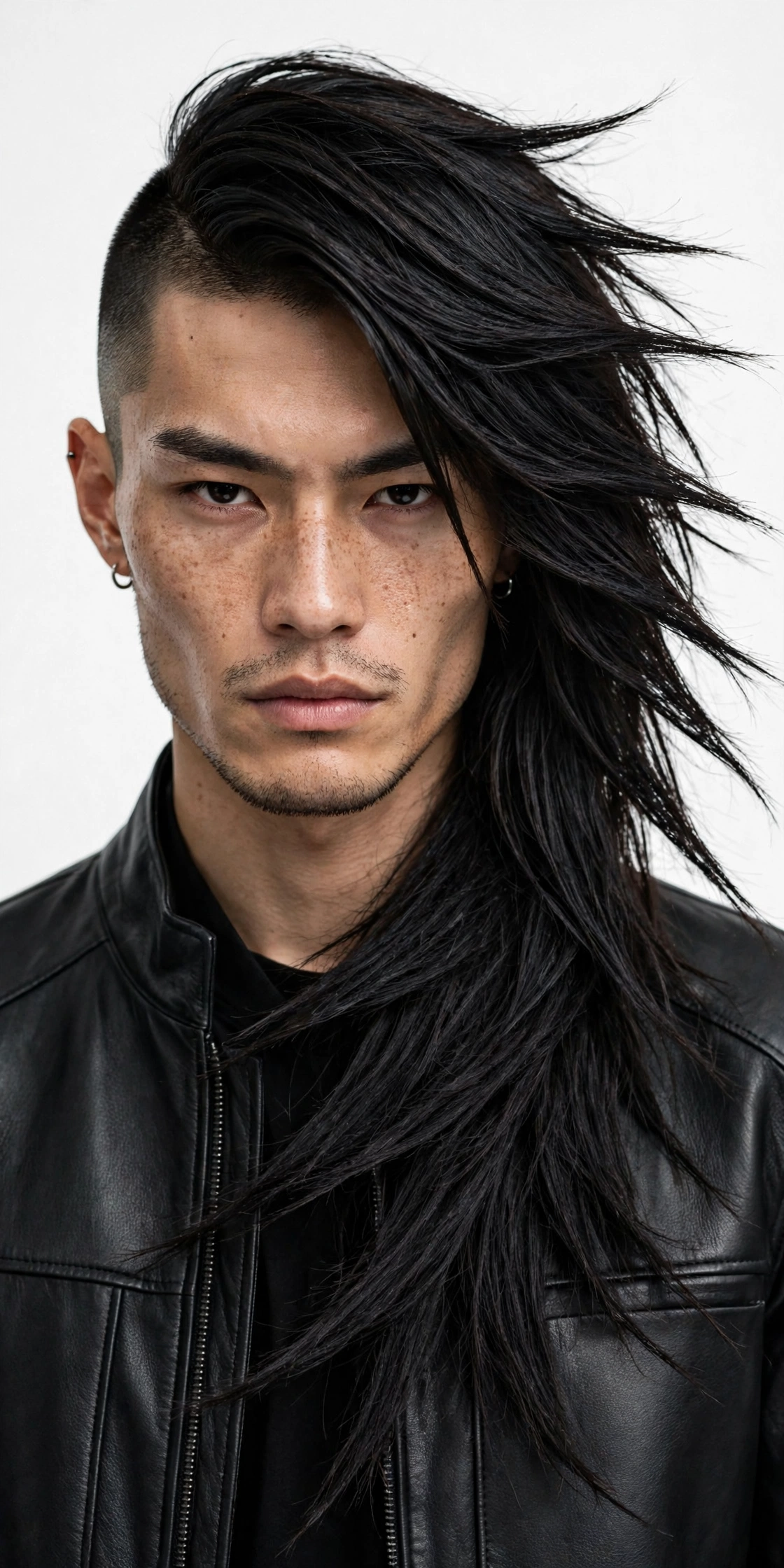
This is the signature 2026 version, the one the trend roundups mean when they say “asymmetrical genji cut.” One side is cut noticeably longer than the other, the fringe sweeps at a diagonal, and the layers sit at different depths across the head. It is uneven on purpose, and that purpose is what makes it fashion instead of accident.
Asymmetry is a commitment, so go in with your eyes open. It photographs incredibly well and it is genuinely distinctive; nobody will mistake your haircut for anyone else’s. But it also grows out unevenly by definition, so you will need trims every three to four weeks to keep the imbalance intentional rather than accidental. It suits oval and oblong faces especially well, since the diagonal lines break up longer face shapes. Ask your barber specifically for “asymmetrical genji, left side longer” (or right, pick your good side) and show him exactly how dramatic you want the difference. Start subtle; you can always go further next time.
4. The Genji Cut with Fade
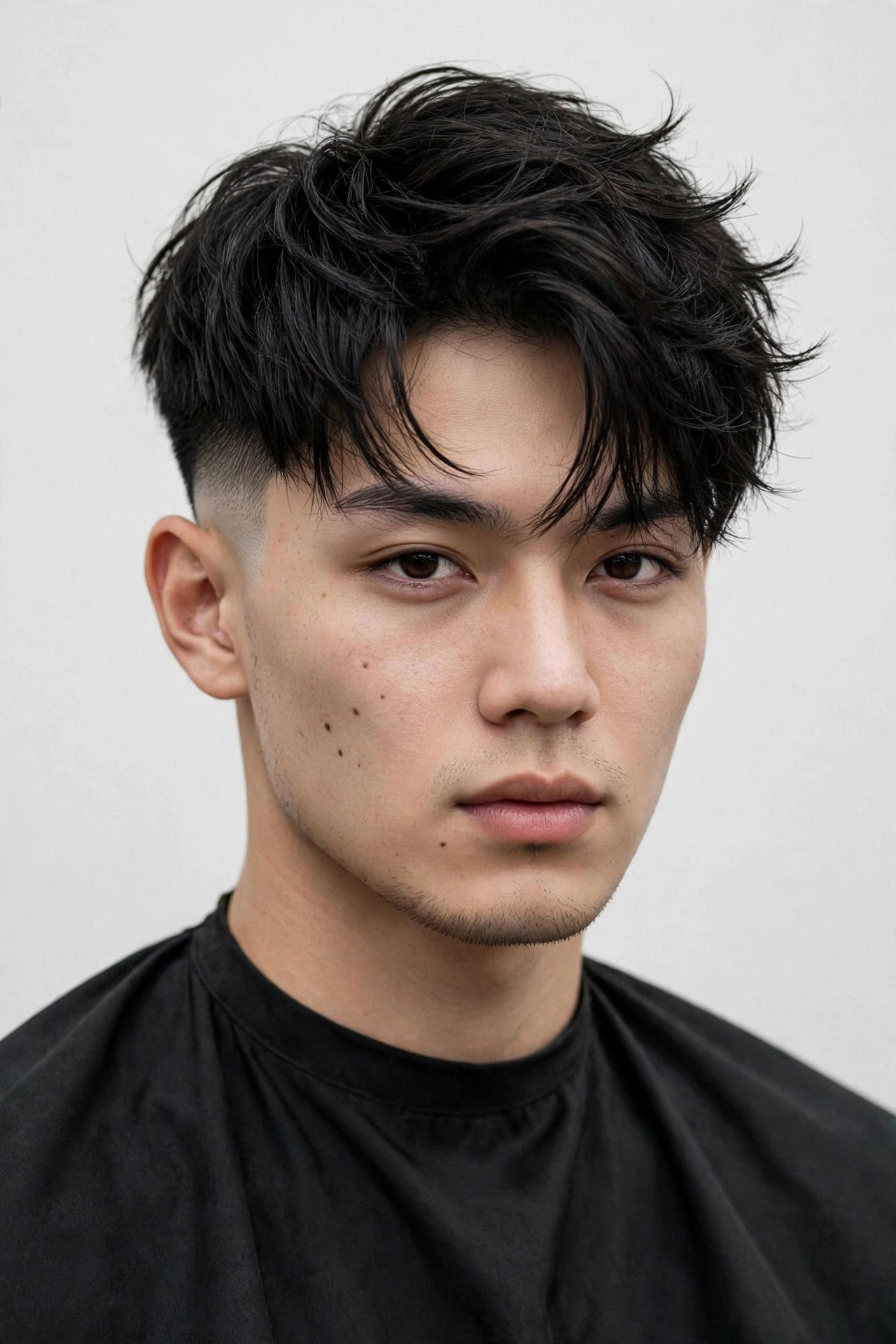
The genji fade is the bridge between the texture era and the fade era. The top keeps the full genji treatment, medium layered texture with messy movement, while the sides drop into a clean fade. It is sharp, contemporary, and an excellent choice for guys transitioning from short faded cuts who want to try something with more personality.
The fade gives the cut structure that the all-layered versions do not have, which makes it more forgiving in professional settings and easier to maintain visually. A mid fade is the sweet spot; a low fade is subtler, a high fade is bolder. The contrast between the tight sides and the wild top is genuinely striking. Maintenance follows fade rules: touch-ups every two to three weeks to keep the sides crisp, with the top reshaped every four to six. Tell your barber “genji layers on top, mid fade on the sides” and decide together how much length to keep up top. This is the most office-viable genji on the list.
5. The Genji Undercut
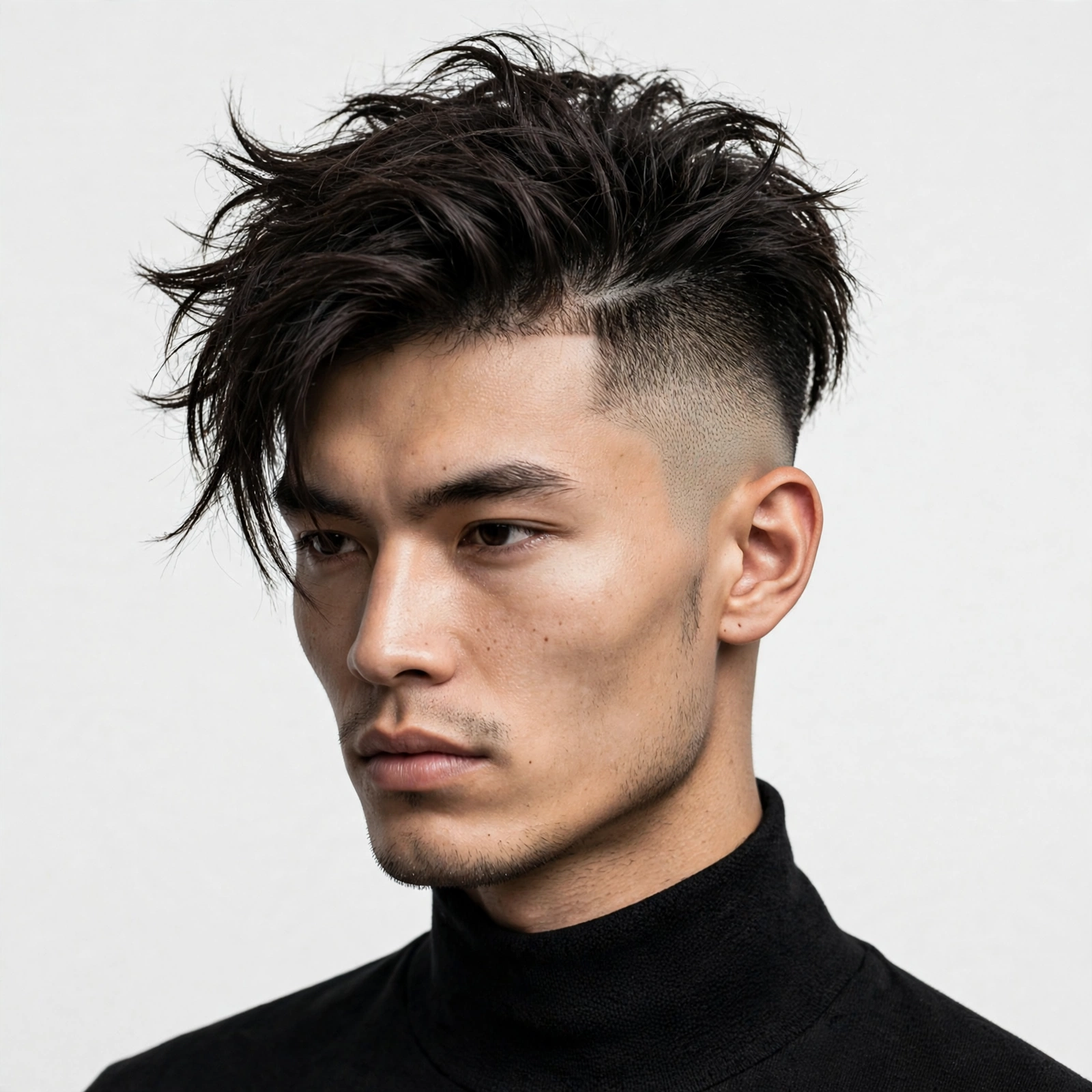
The genji undercut goes further than the fade: the sides are cut short to one length with a visible disconnect from the longer textured top. No blending, no graduation. The contrast is architectural, and it makes the genji’s messy top look even wilder by comparison. Skin Fade Barbers’ guide lists the undercut variation as a key modern take, noting it adds contrast and makes the hairstyle look more contemporary.
This version needs real length on top to work, at least four inches, because the disconnect has to read as a choice. Thick hair carries it best. Styling is the standard genji routine: texture product, hands not combs, embrace the mess. The undercut grows out awkwardly, so commit to a three-week barber rhythm or choose the faded version instead. It is also worth considering your workplace; the disconnect is visible and unapologetic. Tell your barber “genji top, disconnected undercut, no blend” and bring a photo. Undercuts are one of those cuts where words alone do not communicate enough.
6. The Wavy Genji
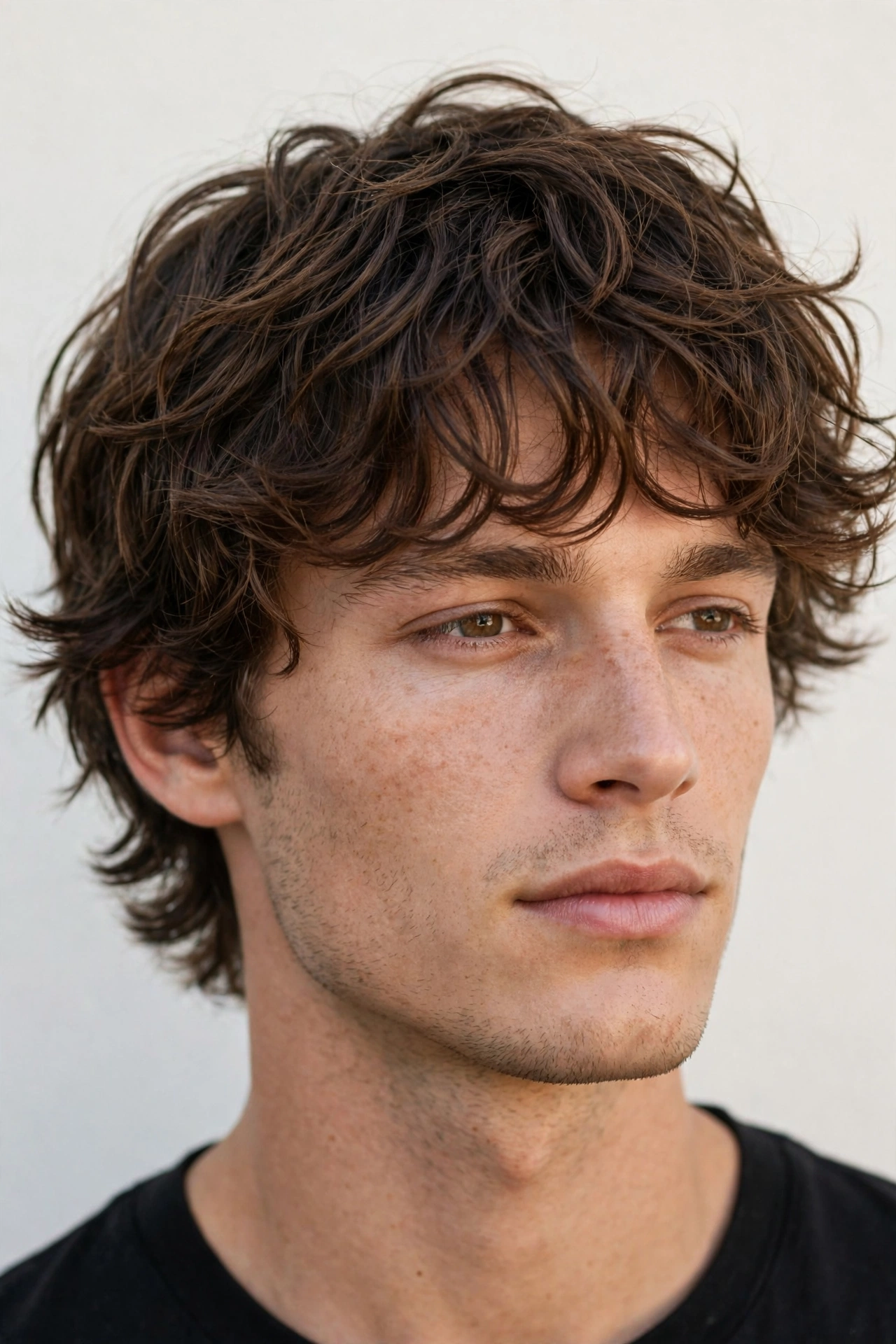
Wavy hair might be the best natural canvas for the genji cut. The waves create movement that straight hair has to fake with product, and the layered cutting amplifies what the hair already wants to do. Skin Fade Barbers’ guide specifically calls out the wavy genji, noting that waves create natural movement that enhances the messy and relaxed aesthetic. The result is dynamic without any real effort.
The rules here are simple: work with the waves, never against them. Sea salt spray on damp hair, scrunch and let it air-dry or diffuse on low heat, and finish with the tiniest amount of light cream if the ends need taming. Do not brush it, do not try to make it neat, and do not overload it with heavy product; the moment you fight the wave pattern you lose everything that makes this version special. Ask your barber to cut it to work with your air-dried texture and to check the shape dry. If your waves are inconsistent, good layering evens out the behavior across the head. This is the lowest-maintenance genji of all.
7. The Long Genji Layers
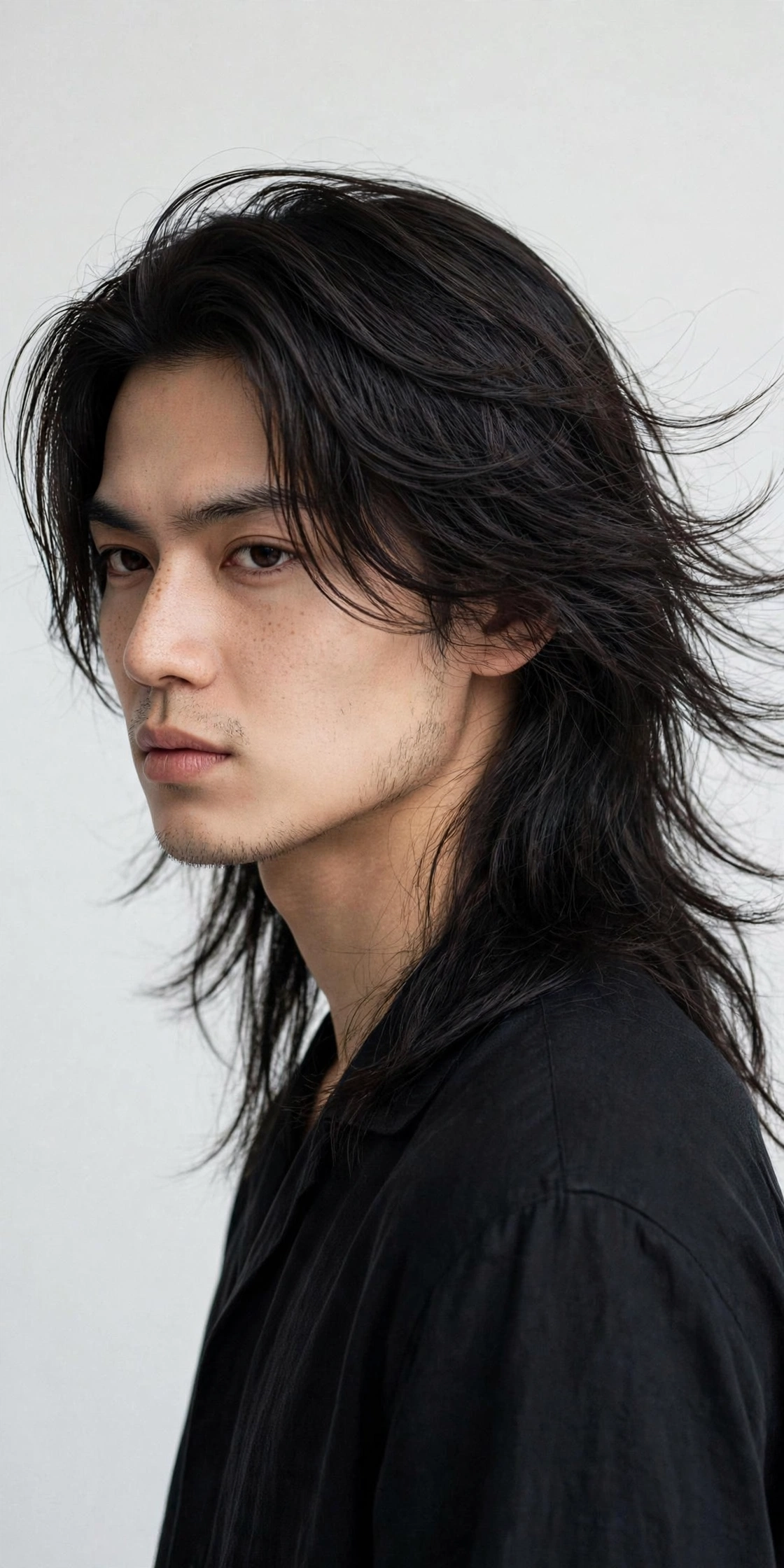
The long genji lets the layers run past five inches, creating a flowing, dramatic version of the cut with real presence. The top keeps its volume and texture, but the extra length adds movement and a slightly romantic, editorial quality. It is the genji at its most committed, and it takes months of growing to get there.
Longer hair means more maintenance honesty. The layers need reshaping every six to eight weeks or the shape collapses into mere long hair. Conditioning matters more at this length; dry ends ruin the whole effect. Styling is still the genji way, texture spray and hands, but a blow dryer becomes useful for building root volume on flat days. This version suits oval and rectangular faces well, since the length balances longer face shapes, and it is a strong choice for guys growing out from a shorter genji who want a plan instead of an awkward phase. Patience is the main ingredient.
8. The Genji with Curtain Fringe
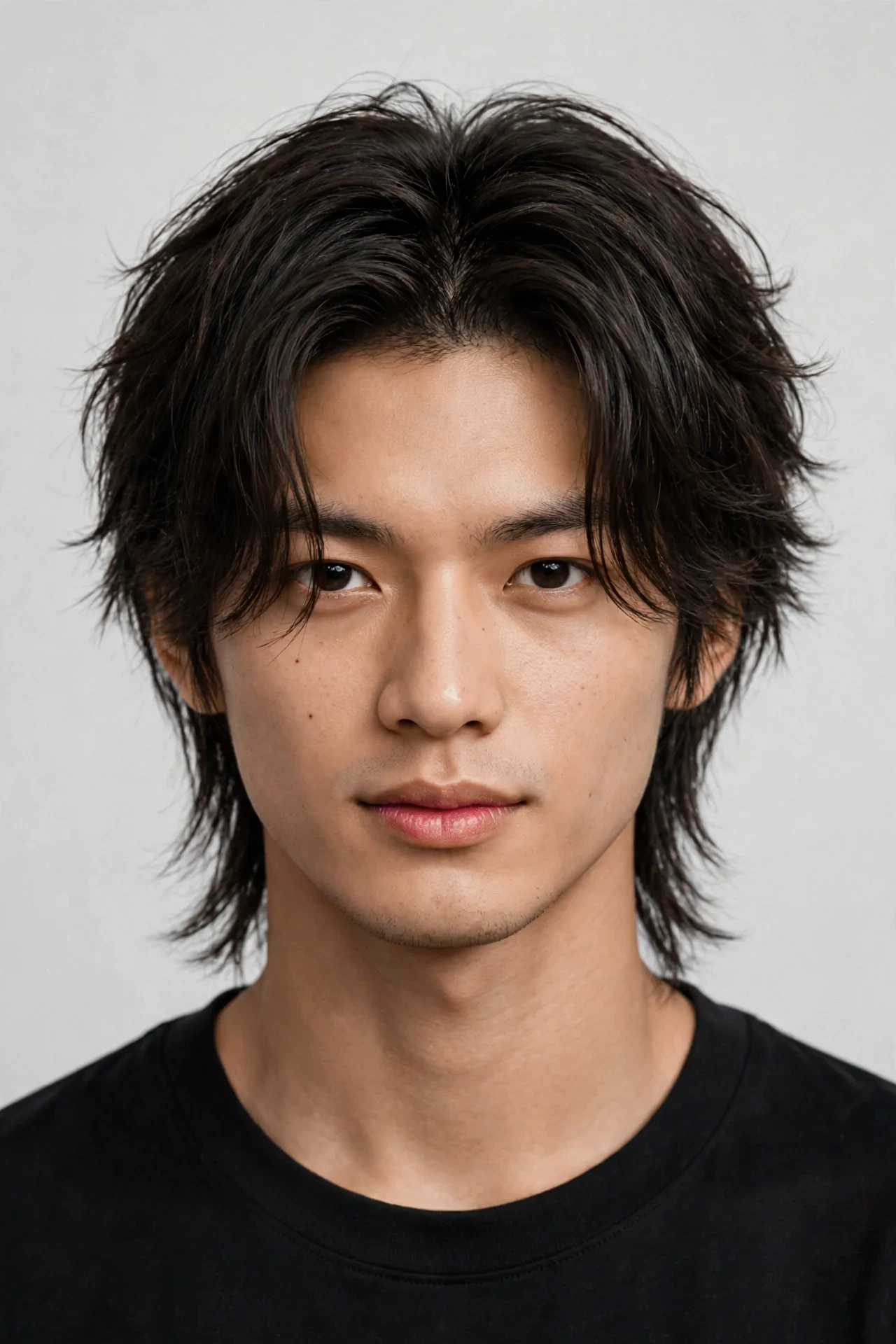
Adding a curtain fringe to the genji cut softens the front while the layers do their wild thing everywhere else. The front pieces run four to five inches, long enough to part in the center and frame the face, while the rest of the cut keeps its messy genji texture. It is a combination with serious K-pop styling credentials, and it adds a touch of refinement to the genji’s rebelliousness.
The curtain fringe needs a little more daily attention than the standard genji front. Blow-dry the front pieces away from the center part for ten seconds to set the direction, or they will fall into your eyes by noon. A round brush helps on the days you want it polished; fingers are fine for the messy days. This version flatters square and heart-shaped faces particularly well, since the face-framing pieces soften strong jawlines and wide foreheads. Trim the fringe every three to four weeks; curtain pieces grow out faster visually than the rest of the cut. For more on fringe-forward men’s styles generally, our fringe haircut guide is worth a read.
9. The Choppy Anime Genji
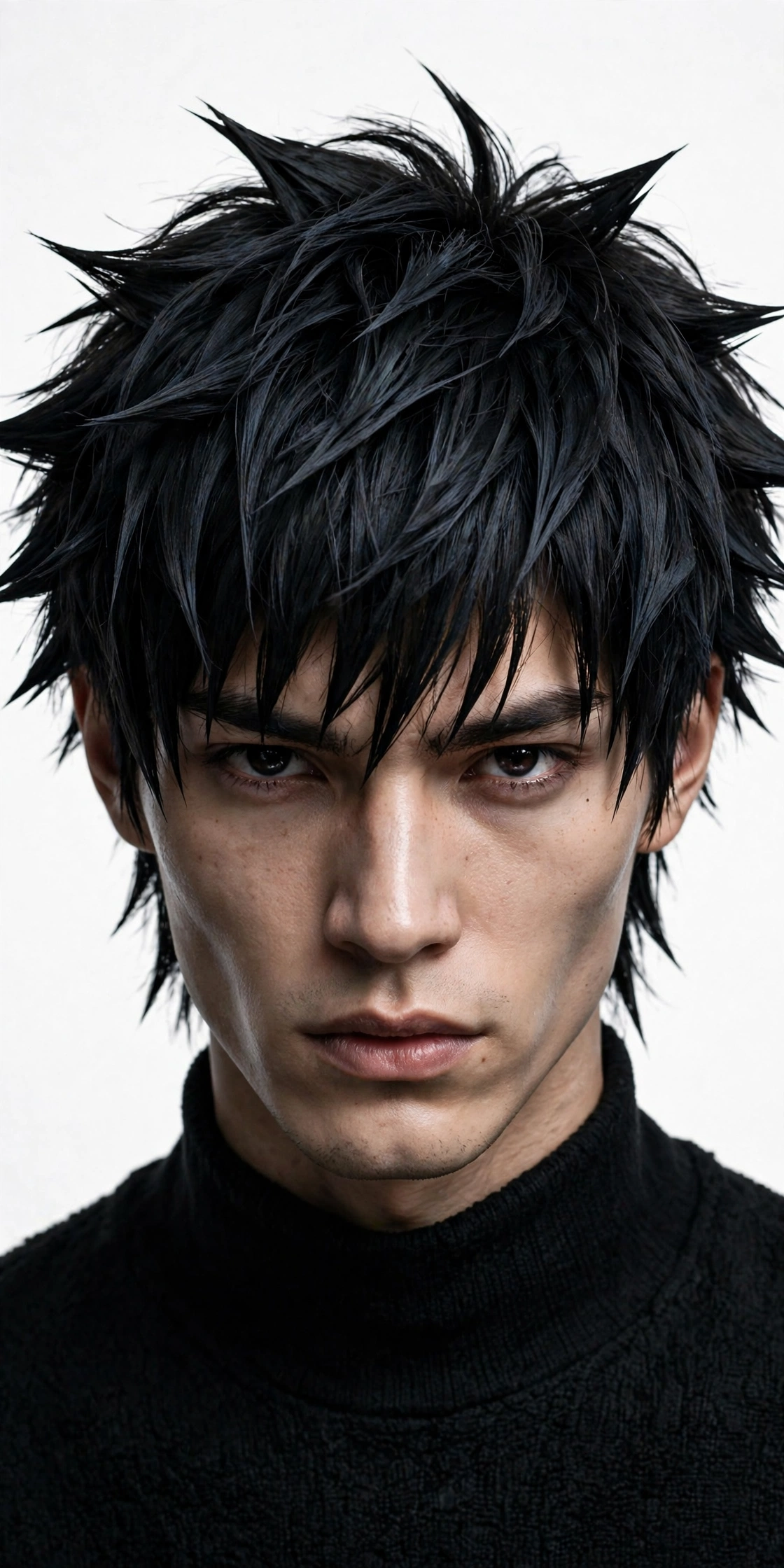
This is the genji at its most anime-protagonist: choppy, piecey, almost spiky in places, with defined separated chunks that look drawn rather than grown. The layers are cut aggressively with a razor, the texture is maximized, and the finish is deliberately graphic. It is the version for guys who want the reference to be unmistakable.
The choppy genji is the highest-maintenance version on this list in terms of daily styling, because defined pieces need product and intention every morning. Matte clay or a fiber wax, worked through dry hair piece by piece, is the routine; budget five minutes, not two. It suits younger wearers and creative environments best, and it is the least office-friendly genji here. But if you want a haircut with maximum personality, nothing else on this list comes close. Tell your barber “razor-cut genji, maximum piece-y separation, anime-inspired” and bring the most dramatic reference photo you can find. Timid instructions produce timid results.
10. The Genji with Side Part
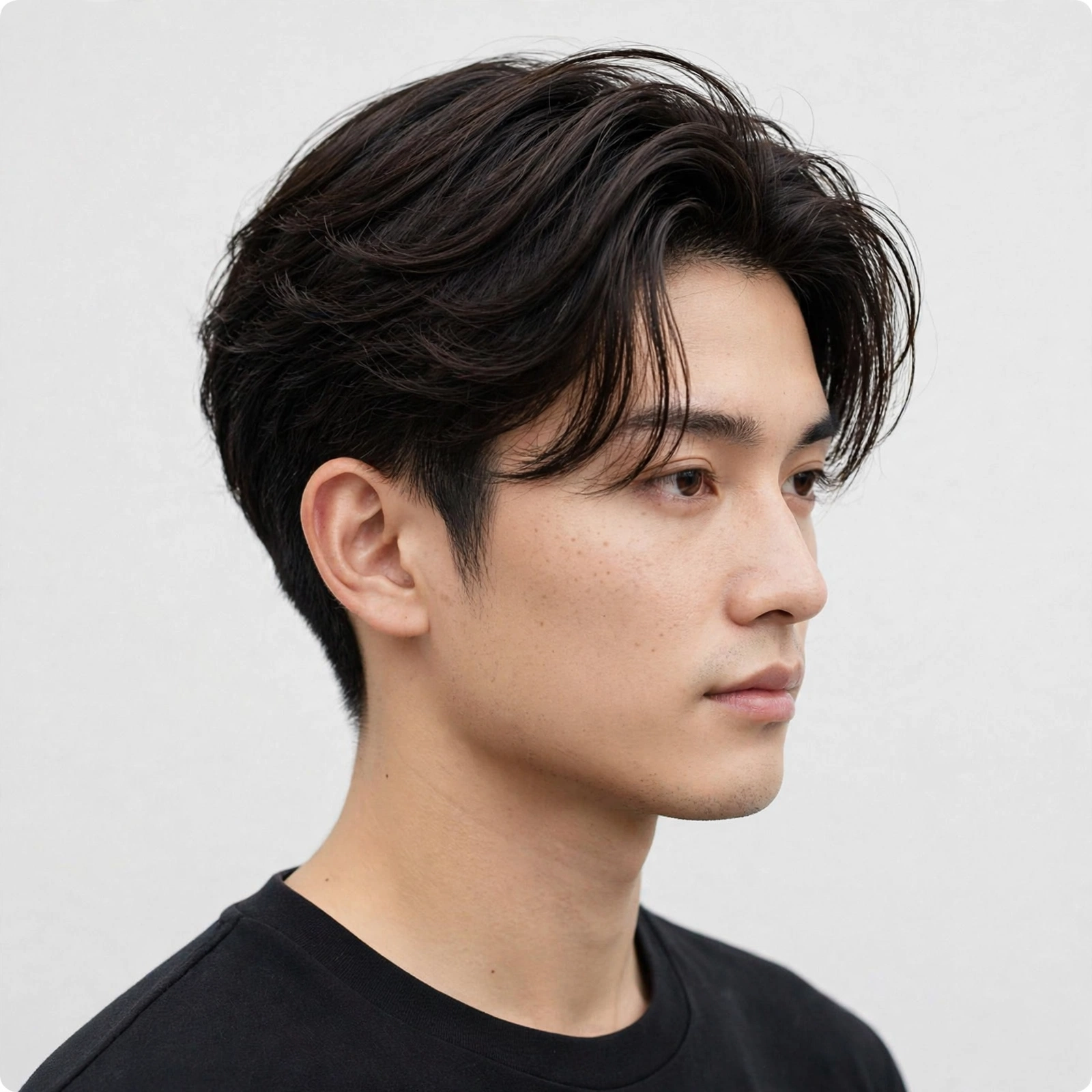
The side-part genji takes the messy layers and gives them direction. A deep side part organizes the texture into a sweeping flow across the head, which makes the cut read more deliberate and slightly more grown-up without losing the genji soul. It is the version for guys who like the texture but want a little architecture.
Find your natural part first and work with it; fighting your hair’s natural fall is a losing battle that you will lose every morning. Blow-dry the top toward the part side to set the direction, then texture as usual. This version suits professional settings better than most genjis and flatters round faces, since the diagonal sweep adds asymmetry that elongates. It also grows out more gracefully than the center-worn versions. If you want to explore the sharper end of parted styles, our side part haircut guide covers the classic territory this version borrows from.
11. The Soft Genji for the Office
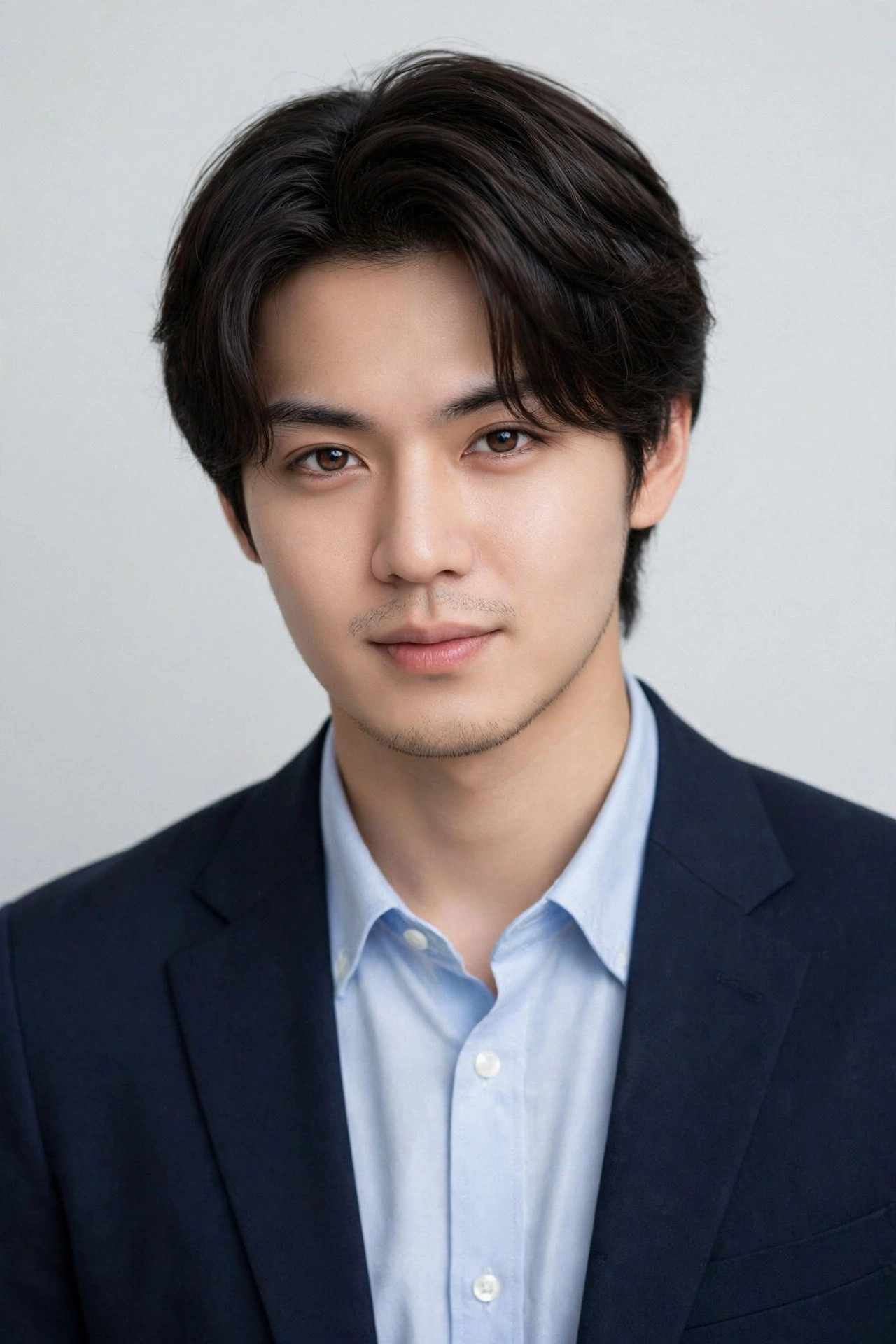
Yes, the genji cut can go to work. The office version dials everything back: softer layers instead of choppy, moderate texture instead of wild, tapered natural sides instead of fades or disconnects. Nobody in the Monday meeting will call it anime-inspired. They will just notice your hair looks good.
The trick is keeping the genji DNA while removing the drama. Ask for “soft layered cut with natural texture, nothing extreme” and style it neat with a light cream rather than tousled with clay. The layers still give you movement and interest, but the finish reads polished. Keep the top at three to four inches so it stays controllable, and get trims every four to five weeks before the layers grow shaggy. It is the same haircut philosophy with different styling, one cut that does weekdays and weekends. If your office is truly conservative, our side part guide sits even further toward the professional end.
12. The Genji with Highlights
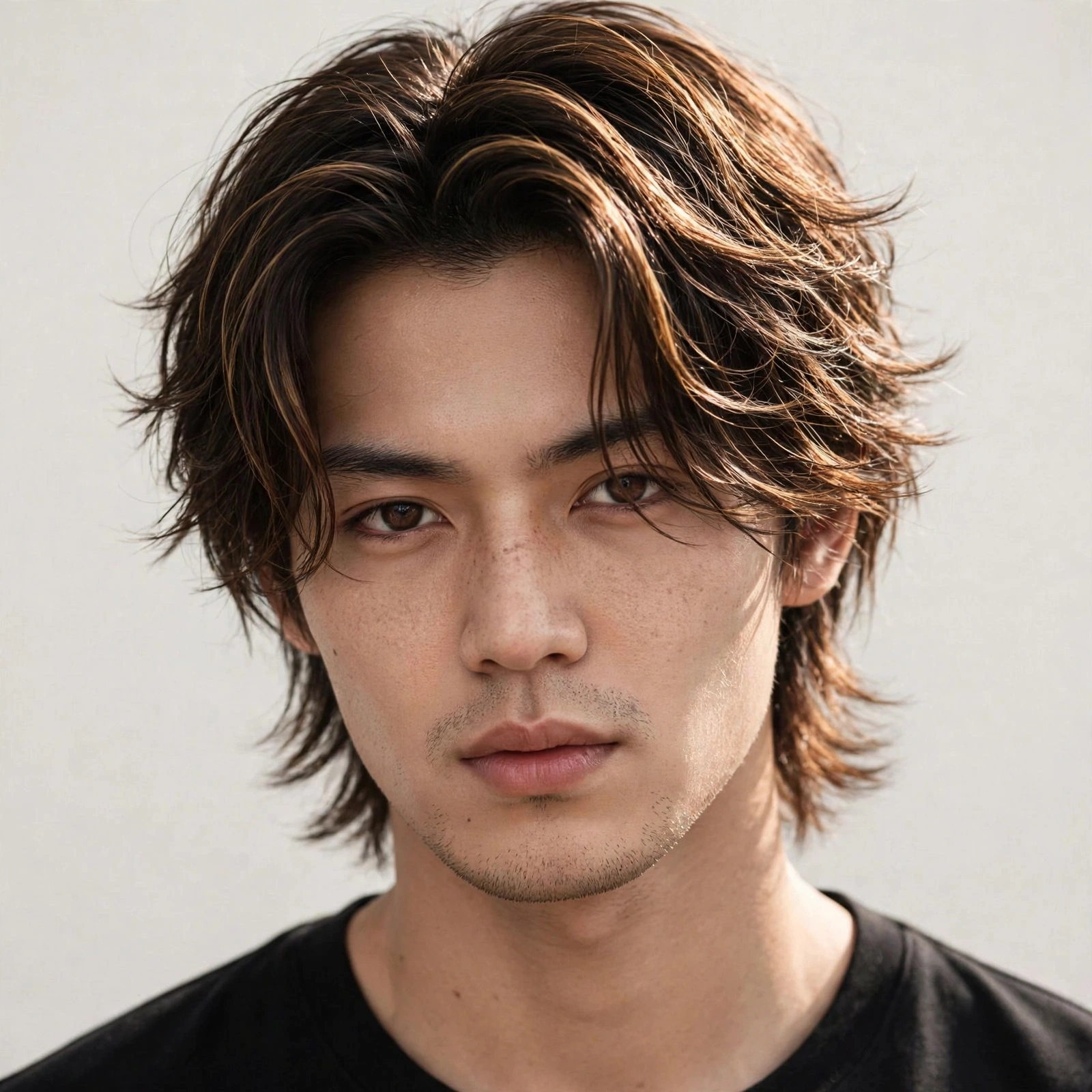
Color takes the genji’s texture to another level. Subtle highlights or balayage through the layers emphasize the separation and make the messy shape pop, especially on dark hair where the contrast is dramatic. The color does not need to be blonde; caramel, copper, ash brown, or even muted blue-grey all work beautifully in 2026’s subtle-accent color trend.
Keep the color restrained. The 2026 approach is thin, muted accents through the layers and fringe ends, never all-over dye. Too much color fights the texture instead of enhancing it. Go to a colorist who understands men’s textured cuts; box dye and heavy foils will give you stripes instead of dimension. Maintenance means a toner refresh every six to eight weeks and sulfate-free shampoo to protect the color. This version photographs incredibly well and it is the fastest way to make a genji feel completely your own.
13. The Genji Two-Block Hybrid
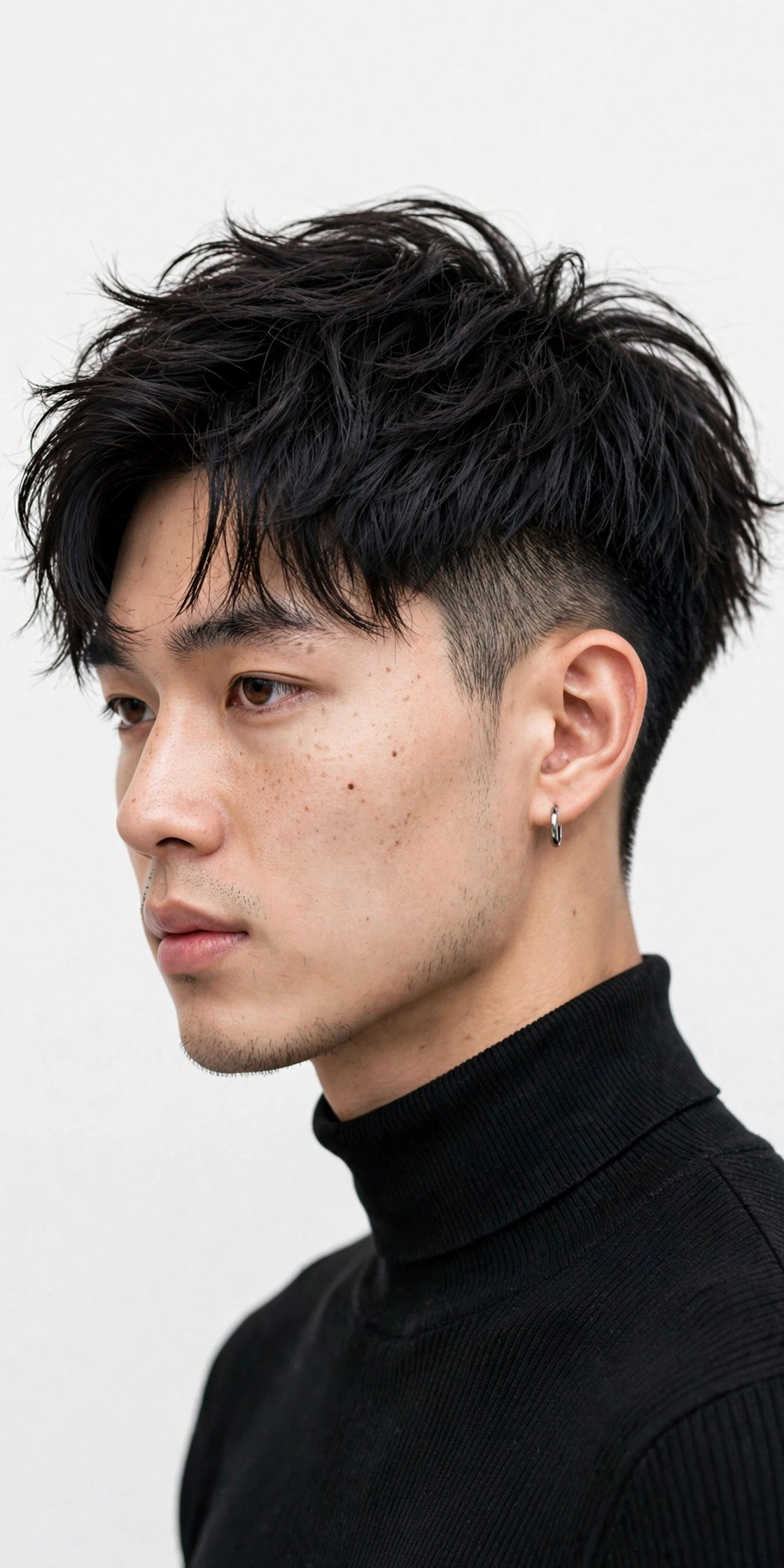
The two-block hybrid fuses the genji’s messy layered top with the two-block’s signature disconnected sides. The top keeps full genji texture and length while the sides are cut short and neat with a visible separation between the two zones. It is sleek, modern, and enormously popular across Asia, where both parent cuts have deep roots.
This hybrid is more controlled than the pure genji, which makes it a good middle ground for guys who love the texture but want cleaner sides. The disconnect needs to be maintained; once the sides grow past two inches the separation disappears and it just looks grown out. Budget for side trims every three weeks with full reshapes every five to six. It suits straight hair beautifully, since the smooth sides contrast the textured top most crisply. For the full story on the other parent cut, our Asian men’s hairstyles guide covers the broader styling context this hybrid comes from.
14. The Genji with Tapered Sides
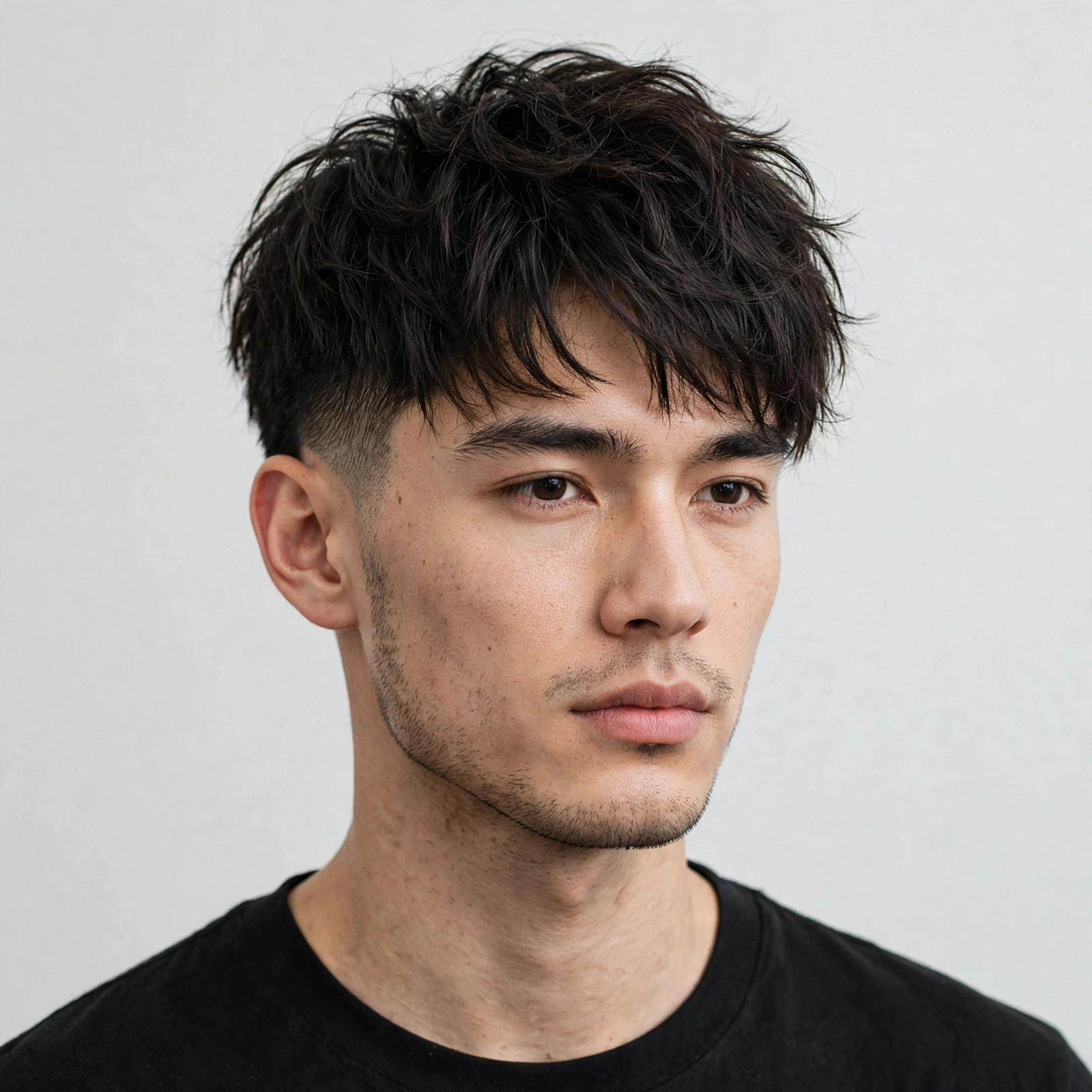
The tapered genji is the grow-out champion of this list. Instead of a fade or disconnect, the sides are gradually shortened with scissors for a soft, natural transition from the textured top down to the neckline. It reads classic and understated, the genji for guys who want the texture without any of the edge.
Because there is no harsh line anywhere in this cut, it stays presentable for six to eight weeks, the longest interval on this list. That makes it the cheapest genji to maintain over a year and the best choice if you hate frequent barber visits. Ask for “genji layers on top, scissor taper on the sides, natural neckline” and specifically request soft edges rather than squared-off lines. It is also the most age-versatile genji; the taper keeps it grounded while the texture keeps it current. If low maintenance is your priority, start here.
15. The Bold Statement Genji
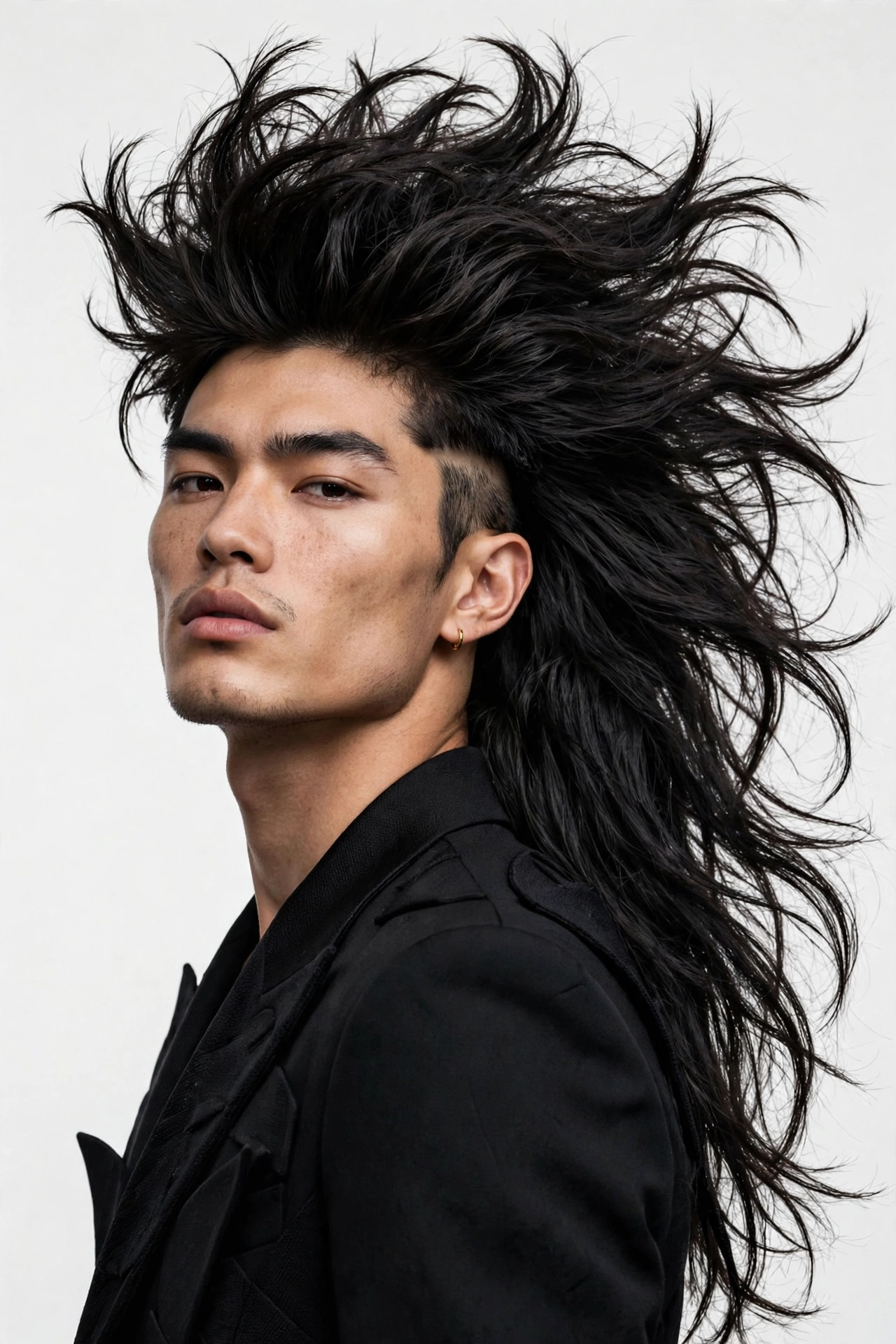
The statement genji is the cut turned up to eleven: maximum length, maximum layers, maximum asymmetry, styled big. It is the version that stops conversations, the one people photograph on the street. If the soft office genji is a whisper, this is a shout, and it is not pretending otherwise.
This version is not for everyone and it knows it. It needs confidence, because you will get looks, and it needs commitment, because the styling takes real time: volumizing mousse at the roots, blow-dry with lift, matte clay piece by piece. It suits creative fields, nightlife, and anyone whose personal style is already bold; paired with a quiet wardrobe it just looks like a mistake. The maintenance rhythm is demanding too, trims every three to four weeks to keep the drama intentional. But if you have ever wanted to know what it feels like to have a signature, this is the fastest route. Our modern mullet guide lives in the same bold neighborhood if you want to compare statement cuts.
16. The Genji for Curly Hair
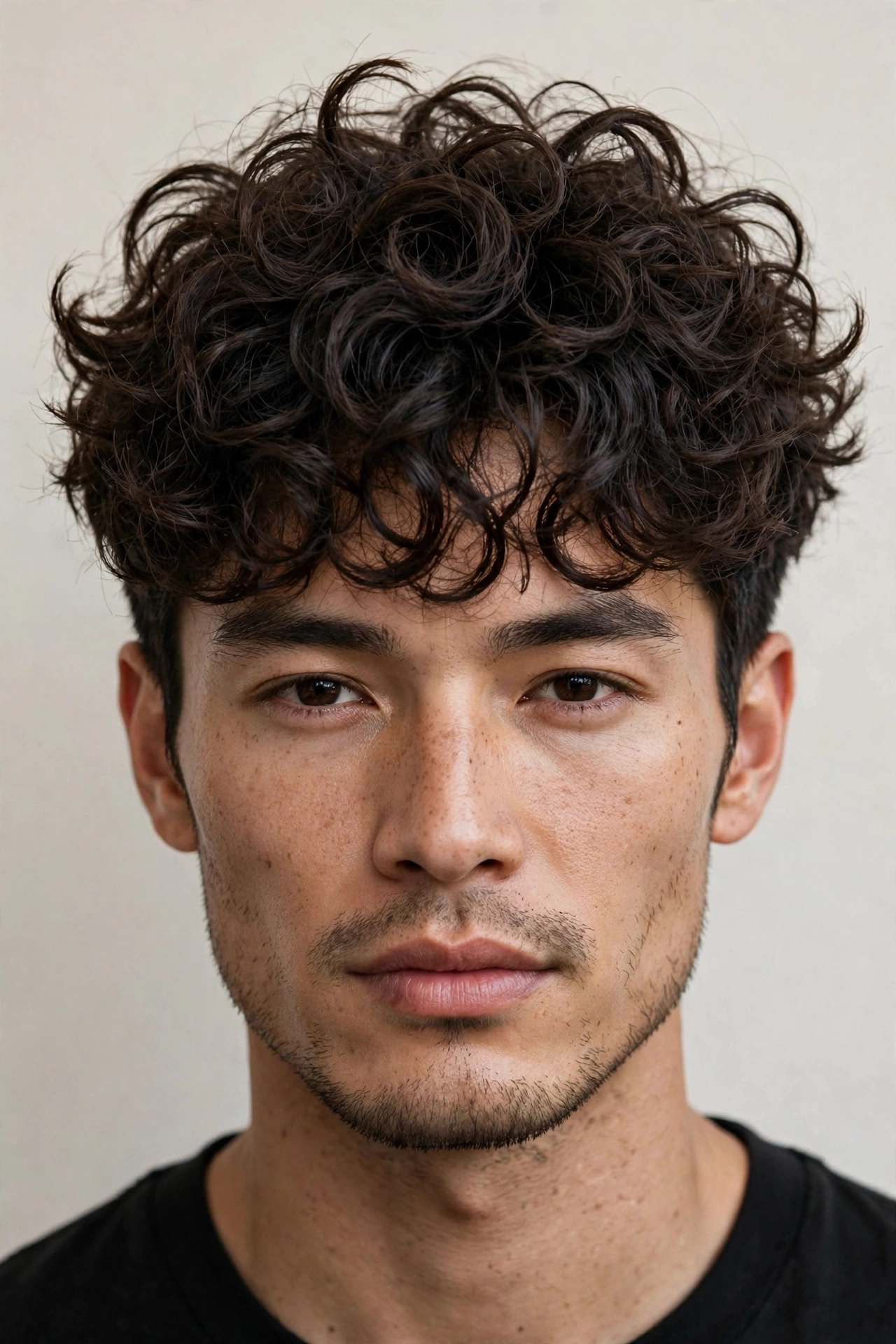
Curly hair brings something special to the genji cut: natural volume and texture that straight hair has to manufacture. The layers are shaped to let the curl pattern do the talking, with enough length on top for the curls to form, usually three to four inches, and controlled sides to frame the texture. The result is wild in the best way.
Length management is the whole game with curly genji. Too short and the curls cannot form, leaving frizz; too long and the weight pulls everything down. Get it cut dry or barely damp, because curls shrink as they dry and a wet cut always ends up shorter than planned. Tell your barber that directly if he does not suggest it himself. Styling is curl cream or light leave-in on damp hair, scrunched and air-dried, nothing more. A diffuser on low heat helps on rushed mornings. If you have been fighting your curls with neat short cuts, the curly genji might be the cut that finally lets them win. Our perm guide for men covers texture-enhancing options if your natural curl needs a boost.
17. The Grown-Out Genji
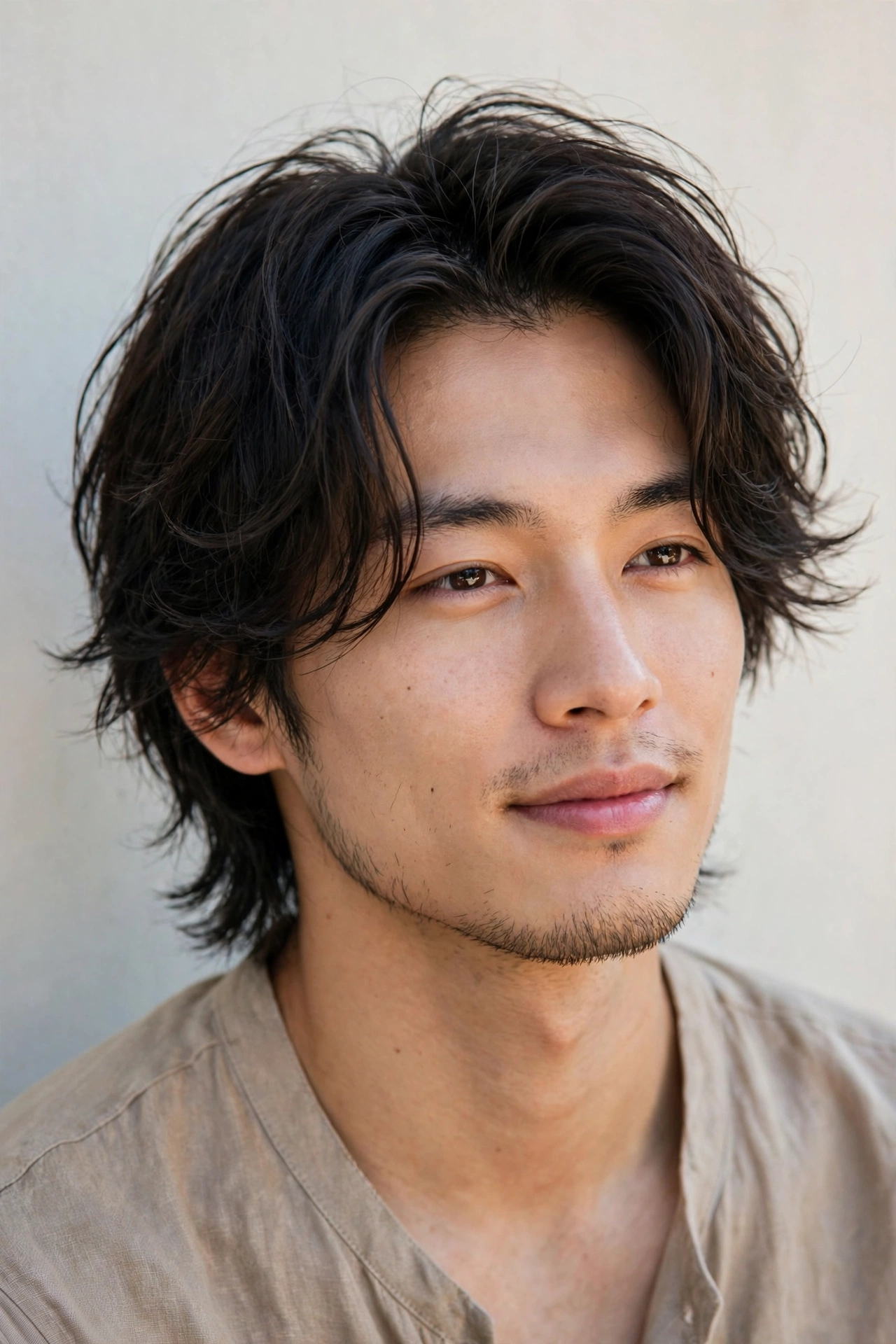
Every genji eventually becomes the grown-out genji, and the good news is that it is a legitimate look in its own right. Let the layers grow for three to four months without a reshape and the cut relaxes into something longer, softer, and even more effortless. The asymmetry softens, the texture settles, and the whole thing reads like expensive bedhead.
The grown-out phase needs a strategy, not neglect. Get the ends dusted every eight weeks to prevent split ends from ruining the texture, and have your barber thin the interior if it starts getting bulky. Conditioning becomes more important as length increases. This is actually a great way to transition toward longer styles; the genji’s layering gives growing hair shape and purpose instead of the awkward in-between most grow-outs suffer through. If you decide you like the length, our wolf cut guide is the natural next step, since the two cuts share layered DNA.
18. The Sleek Polished Genji
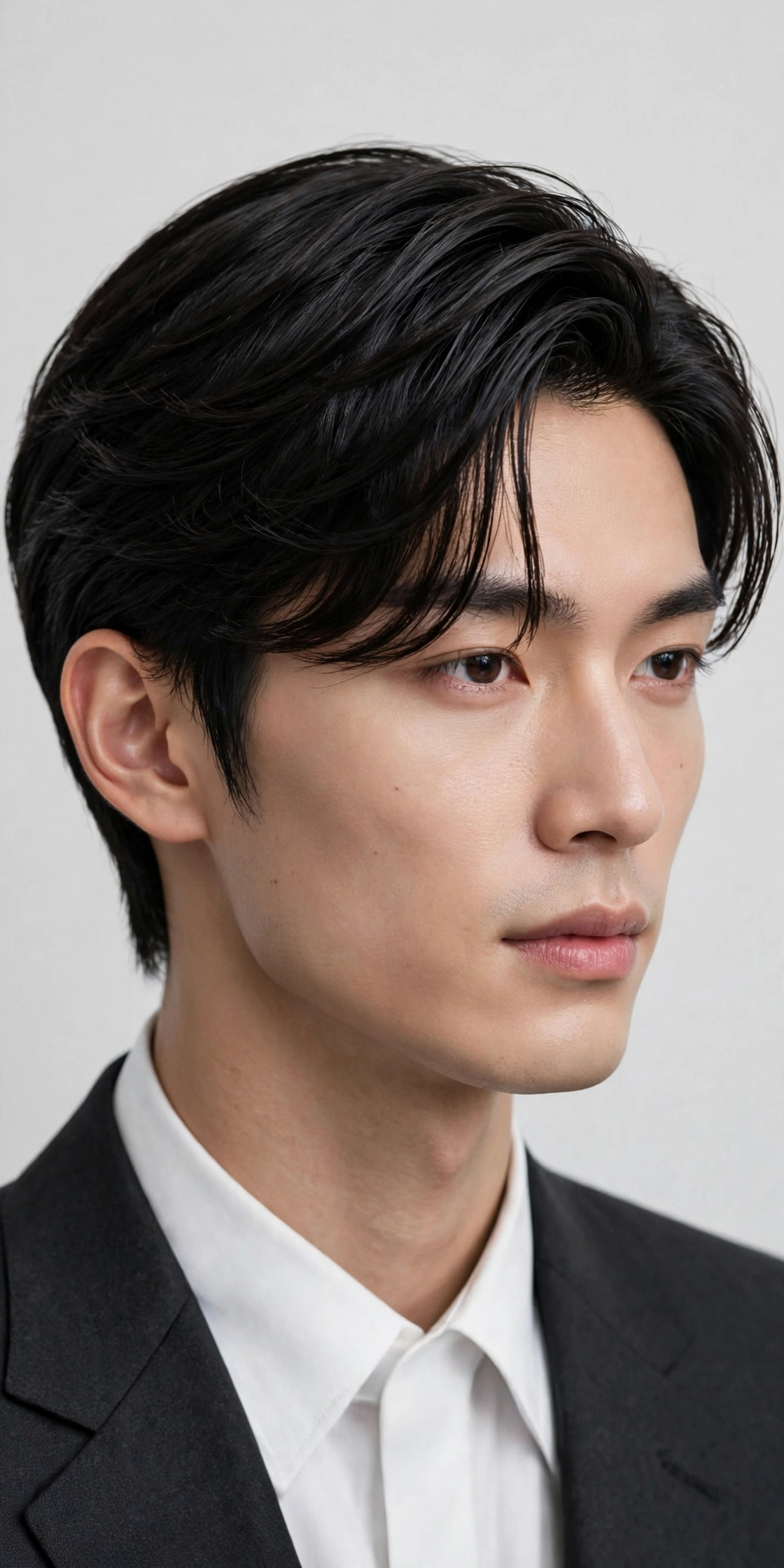
Last on the list, the version that breaks the genji’s own rules: sleek and polished. The same layered cut, but blow-dried smooth with a vent brush and finished with a light cream for controlled shine. The layers are still there, the shape is still genji, but the finish is refined instead of messy. It is the genji for weddings, interviews, and anyone who wants the cut’s architecture without its attitude.
This version proves how versatile the underlying cut really is. The same head of hair does messy genji on Saturday and polished genji on Monday; only the styling changes. Use a heat protectant before blow-drying, work in sections for smoothness, and finish with a light-hold cream rather than heavy wax. It suits straighter hair best, since very curly hair fights the sleek finish all day. Think of it as the genji’s formal wear: you will not wear it every day, but you will be glad it is in the wardrobe.
How to Ask Your Barber for a Genji Cut
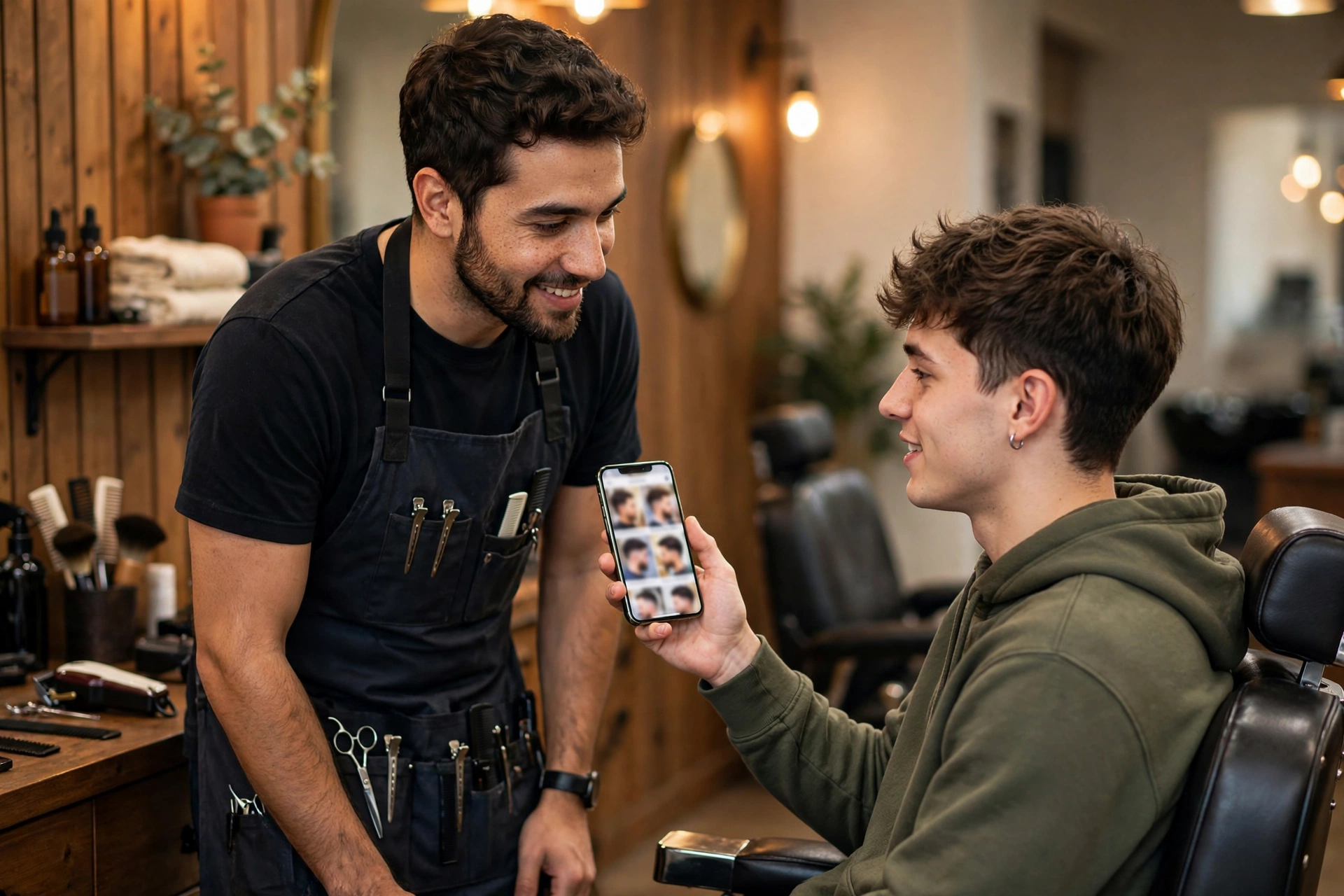
This is the section that matters most, because the genji cut dies on vague instructions. “Messy layers” means nothing; every barber pictures something different. Skin Fade Barbers’ guide to the Takiya Genji cut recommends describing it clearly or showing reference photos from Crows Zero, and that advice applies to every version on this list. Save three or four photos of the exact genji variation you want, from different angles, and show them before the cape goes on.
Use the name and the specifics together. Say “genji cut” explicitly, then describe the key features: “medium-length layered cut, textured top with natural movement, messy finish.” Specify the sides: natural length, taper, fade, or undercut, because the sides change the whole read of the cut. Specify the asymmetry if you want it: “left side longer than the right” is a sentence your barber needs to hear, not guess. Mention the finish: “matte, piecey, nothing neat.” And discuss your hair type, because the genji needs real adjustment for different textures; straight hair needs more texturizing to create movement, curly hair needs careful shaping to control volume.
Find the right barber. Look for barbers who specialize in longer men’s cuts, texture, or Asian-inspired styles, and check their social media for layered cuts they have actually done. A barber whose entire portfolio is skin fades may not be the right hands for a razor-cut genji. Do not be afraid to shop around. A bad layered cut takes months to fix, while a bad fade takes two weeks. If you are comparing the genji against its texture-era siblings, our wolf cut guide and men’s perm guide cover the closest relatives.
How to Style the Genji Cut at Home

Styling the genji cut is refreshingly simple, because the cut is designed to look like you did not try. Start with damp, towel-dried hair. Apply a texturizing product: a light styling wax or texturizing cream for most versions, sea salt spray if you want grittier texture, curl cream if you are working with natural curl. The product choice matters less than the application; use less than you think you need, because heavy product kills the natural movement that makes the genji work.
Blow-dry with your fingers, not a brush, lifting sections to create natural volume. Direct the hair in the general direction you want it to fall, but do not aim for precision. Then comes the most important step: use your hands to shape the hair and create a slightly messy finish. Skin Fade Barbers’ styling guide makes this explicit, hands not combs, messy not structured. Pull small sections apart to enhance the piece-y texture. If any section looks too perfect, mess it up with your fingers. The genji cut should look like you shaped it in thirty seconds even when you spent three minutes.
For second-day hair, the genji is in its element. Refresh with dry shampoo at the roots and a little texturizing spray, shake, and go. The cut genuinely looks better on day two when the texture has had time to set. Avoid over-styling so the hair retains its natural movement; the moment it looks labored, it stops being a genji. For a deeper dive into texture products and techniques, Honest Hair Factory’s 2026 men’s haircut trends guide covers the matte-texture philosophy behind this whole movement.
Best Face Shapes and Hair Types for the Genji Cut
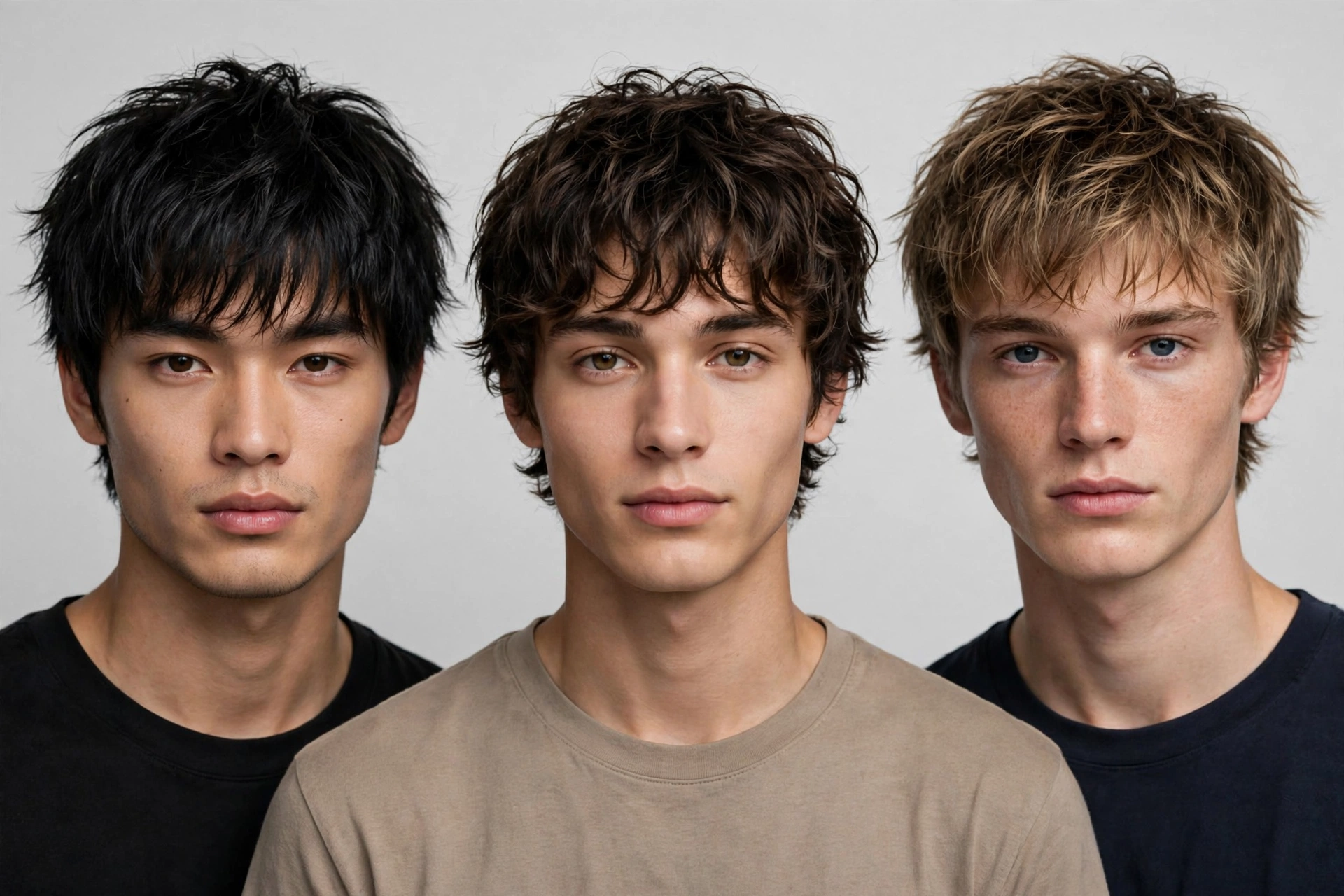
The genji cut’s layers and asymmetry make it adaptable, but some faces get more out of it than others. Oval faces can wear any genji variation; the balanced proportions handle the volume and the unevenness without any help. Oblong and rectangular faces benefit enormously from the asymmetry, since the diagonal lines and uneven lengths break up the length of the face visually. The asymmetrical genji was practically designed for longer faces.
Round faces should choose versions with height: the modern textured genji or the side-part genji, both of which add vertical emphasis. Avoid versions that add width at the cheeks, and keep the sides controlled rather than full. Square faces are softened beautifully by the genji’s texture; the choppy layers break up angular features, and a curtain fringe or longer front pieces soften the jawline further. Heart-shaped faces do well with the curtain-fringe version, which balances a wider forehead against a narrower chin.
On hair types: straight and slightly wavy hair are the ideal canvas, as Skin Fade Barbers notes, because these textures let the layers fall naturally and hold their shape all day. Wavy hair is arguably the easiest of all; the waves do half the styling work. Curly hair works wonderfully with proper length management and dry cutting. Very fine hair can wear the shorter, more textured versions with the help of texture powder at the roots, but the long flowing versions may fall flat. Thick hair is a genuine asset here; the layering removes bulk while keeping the silhouette full. Whatever your hair type, the consultation with your barber matters more for this cut than for almost any other, because the layering has to be calibrated to your specific texture.
Genji Cut Maintenance: Keeping the Layers Sharp
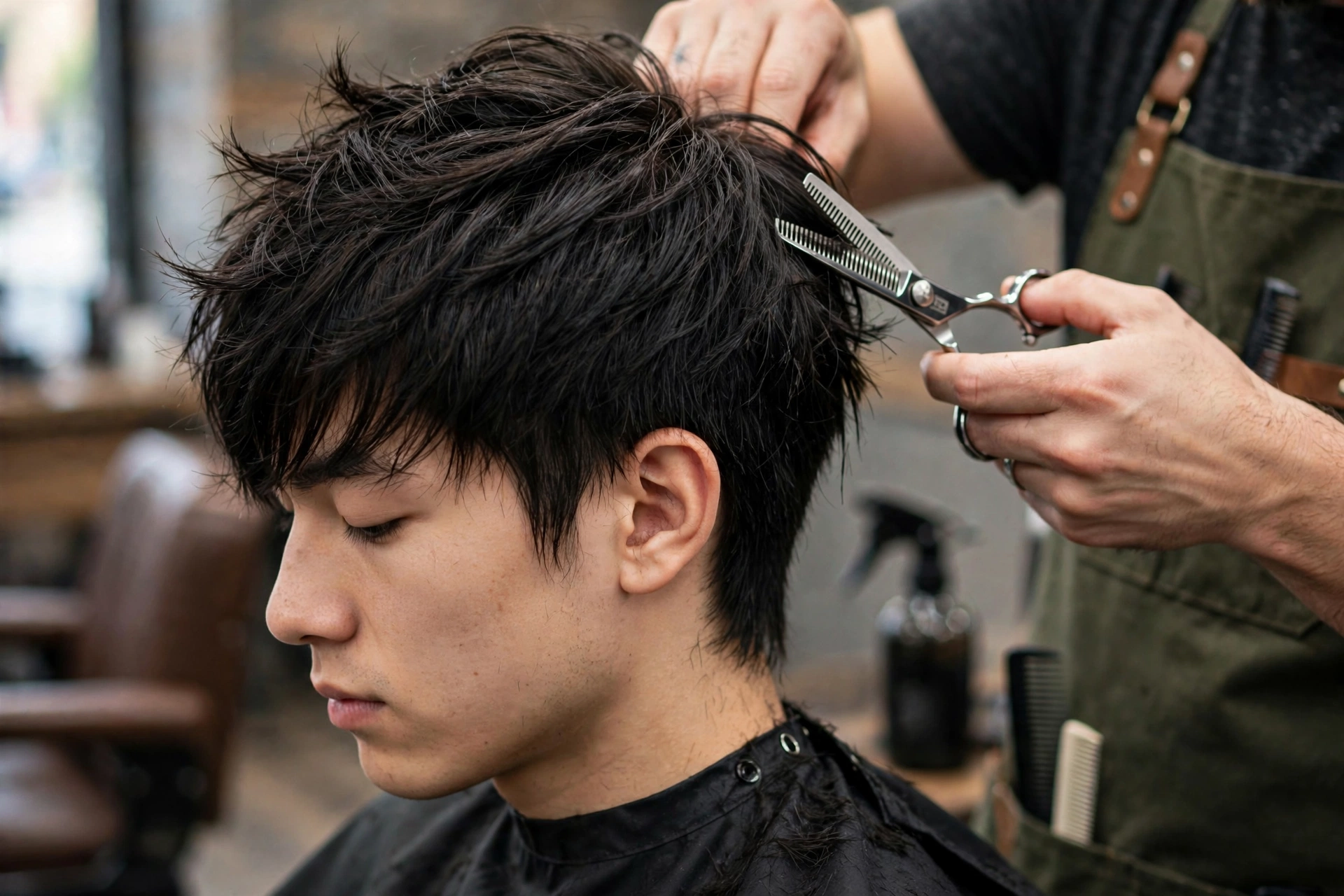
Maintenance rhythm depends on your version. The layered top needs reshaping every four to six weeks; past that, the layers grow heavy, the texture disappears, and the cut starts reading as merely shaggy rather than deliberately textured. The asymmetrical and statement versions need attention every three to four weeks to keep the imbalance intentional. Faded and undercut sides follow their own faster clock, every two to three weeks. The tapered version is the most forgiving, stretching to six or even eight weeks.
Between appointments, keep the routine light. Wash two to three times a week with a volumizing shampoo; daily washing strips the natural oils that give texture its grip. Use light styling products instead of heavy gels or waxes, and keep the hair healthy with regular conditioning, especially on the longer versions where dry ends ruin the effect. Avoid over-styling; the genji retains its character through natural movement, and product buildup is its enemy. A clarifying shampoo once every couple of weeks resets the canvas.
One honest note about grow-out: the genji is one of the better trend cuts for growing out, because the layering gives longer hair shape instead of awkwardness. If you decide to grow it, tell your barber at your next visit; he will adjust the plan so the grow-out stays deliberate. Many guys discover the grown-out genji becomes their favorite phase. And if the grow-out starts heading toward something wilder, our wolf cut guide is waiting; the two cuts are cousins, and the transition between them is one of the smoothest in men’s hair.
Genji Cut FAQs
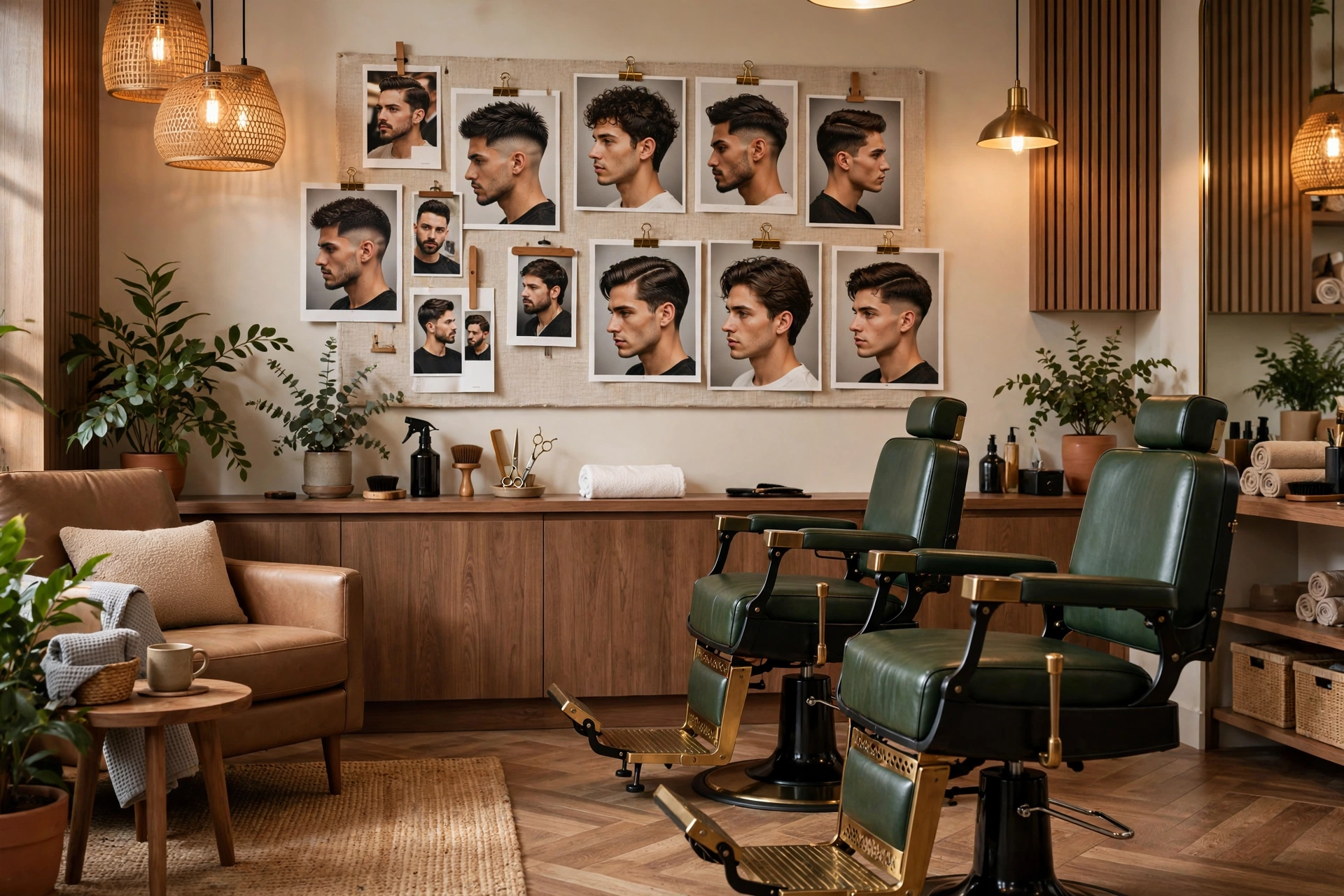
Quick answers to the questions guys ask most about the genji cut before booking the chair.
What is the genji cut named after?
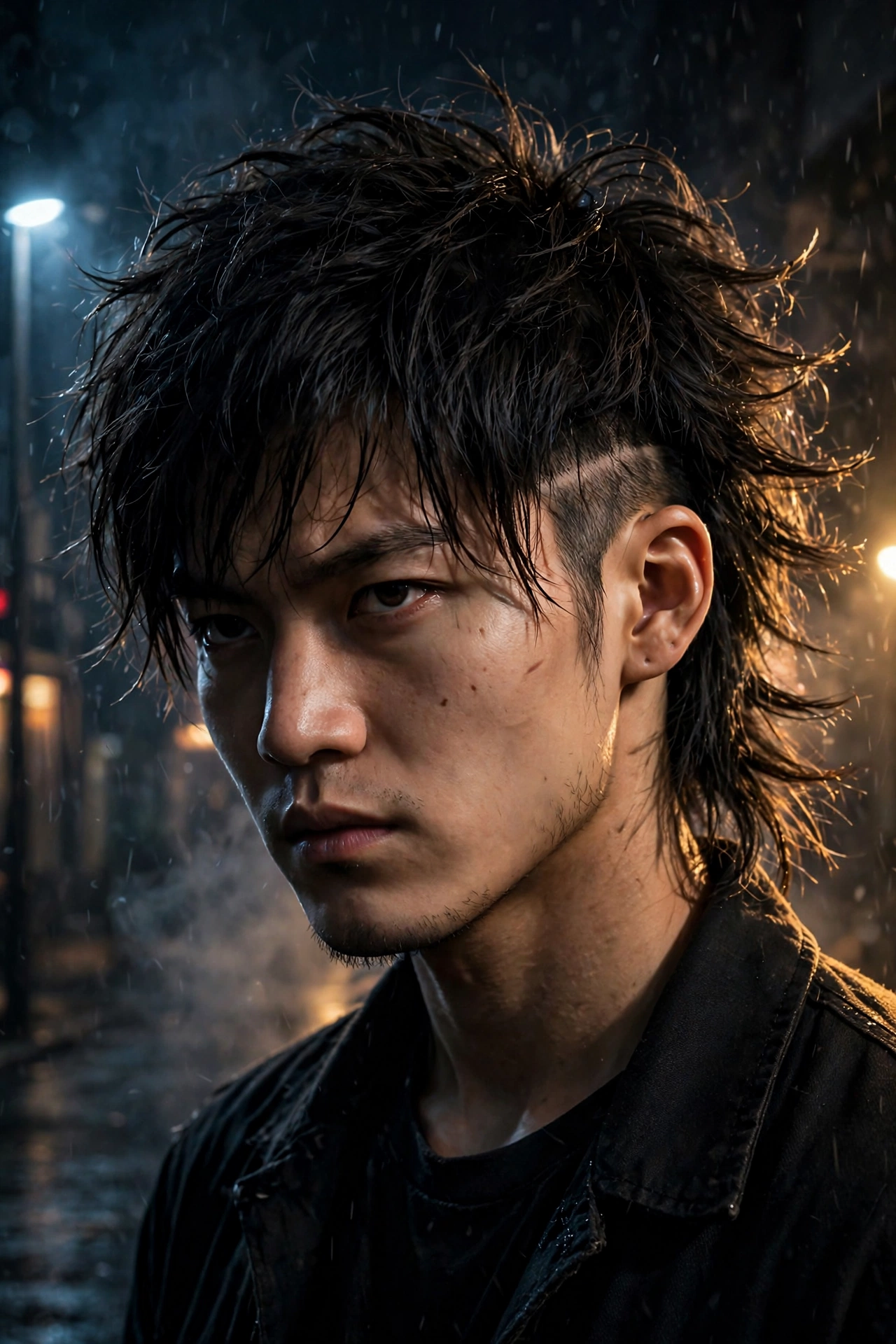
Takiya Genji, the protagonist of the Japanese action film Crows Zero, played by Shun Oguri. In the film, Genji’s messy, medium-length layered hairstyle reflected his rebellious attitude and effortless confidence, and fans of Japanese fashion adopted it as the “Takiya haircut.” The 2026 version keeps the messy layered DNA but adds the deliberate asymmetry that defines the modern trend.
Is the genji cut the same as a wolf cut?
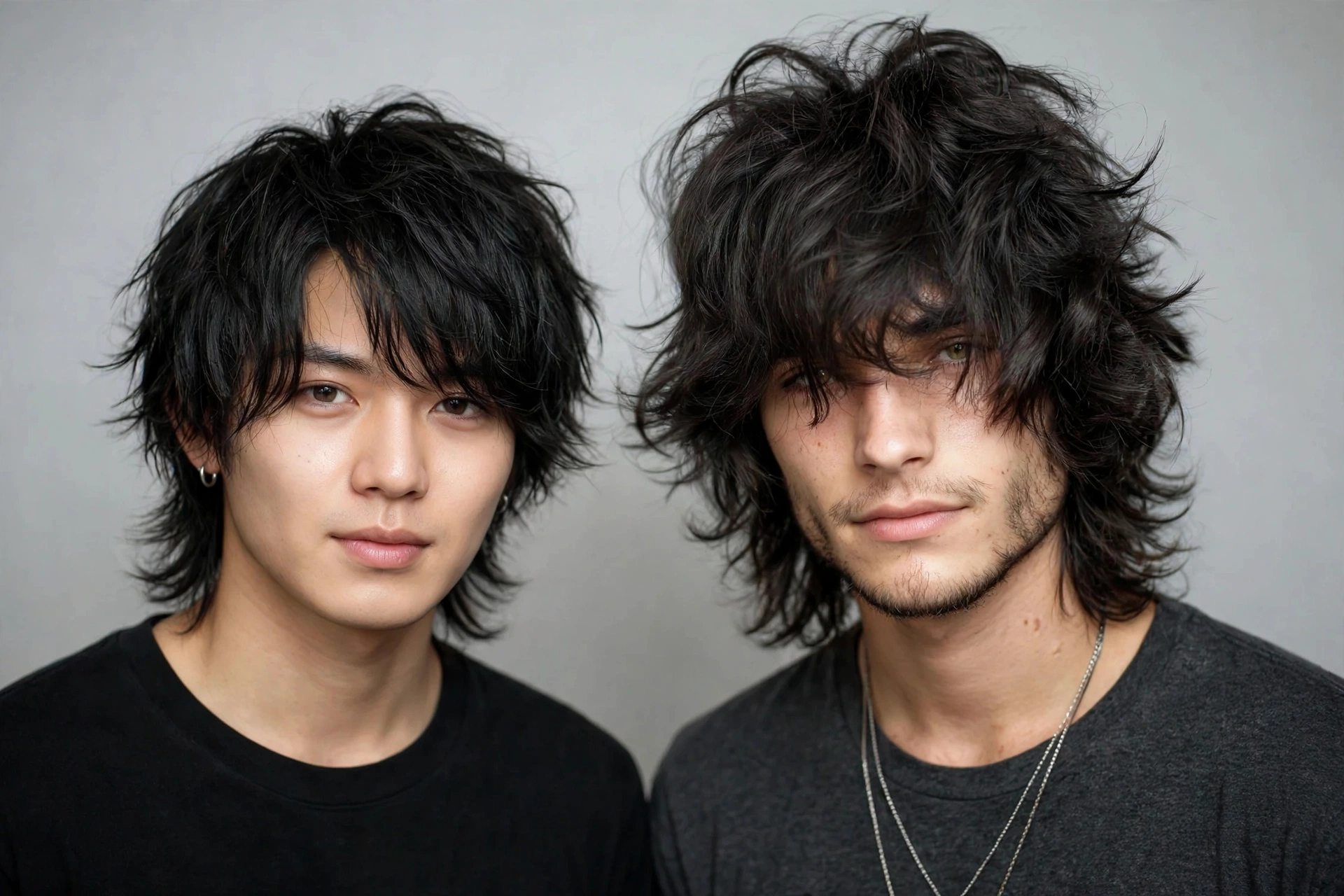
They are cousins, not twins. Both are layered and textured, but the wolf cut is defined by its shag-mullet hybrid shape: short voluminous top with a longer back. The genji cut is defined by medium-length layers and deliberate asymmetry, with a Japanese street-fashion character rather than the wolf’s rebellious rock edge. If you want edge and volume, go wolf; if you want asymmetry and anime-inspired character, go genji. Our wolf cut guide lets you compare them directly.
How long does my hair need to be for a genji cut?
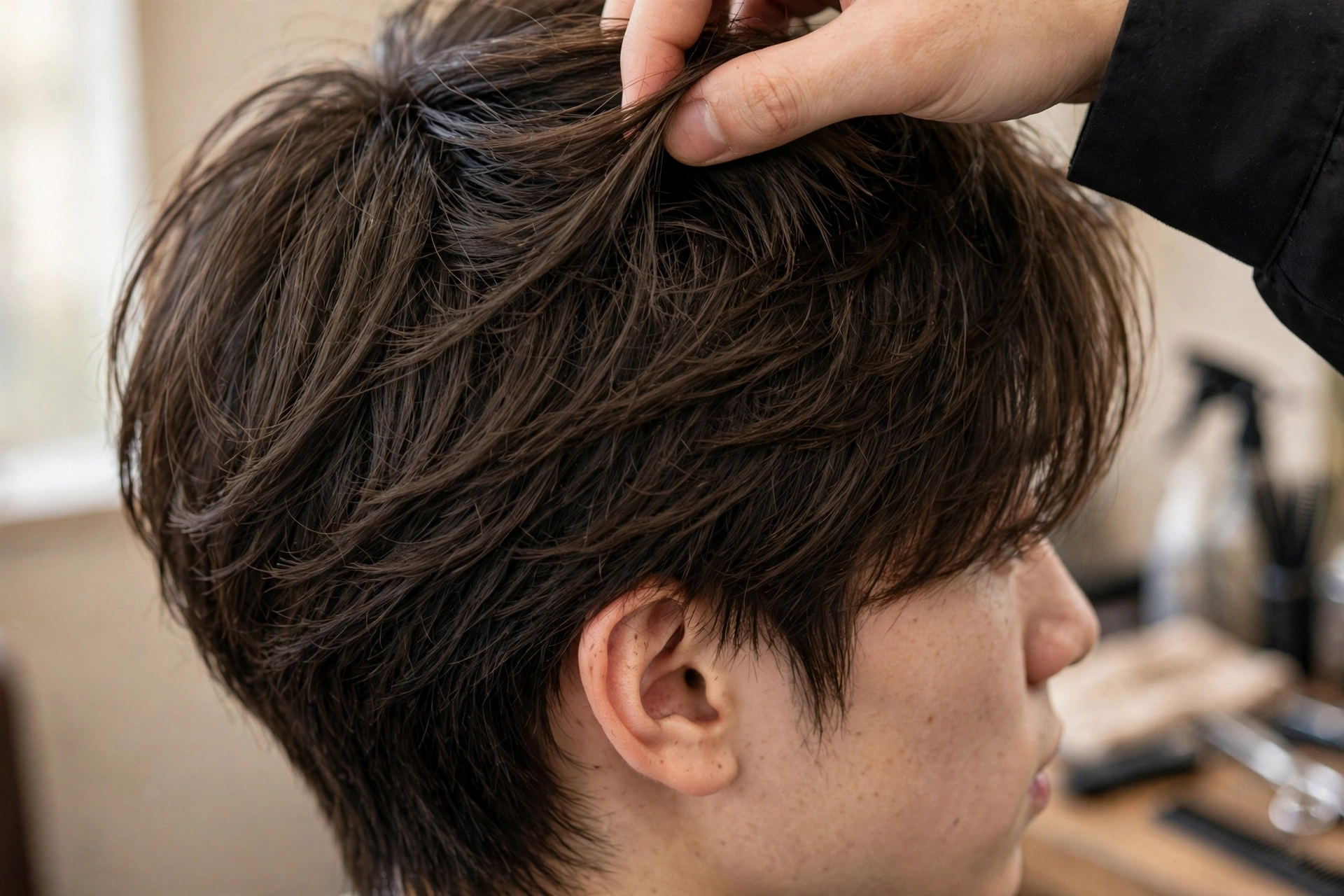
At least three inches on top, with four to five inches giving your barber the most to work with. The layers need length to create the movement and asymmetry the cut is known for. If you are growing out from a short cut, give it eight to ten weeks, and tell your barber your goal during the in-between trims so he shapes the grow-out toward the genji instead of just maintaining the old cut.
Can I get a genji cut with straight hair?
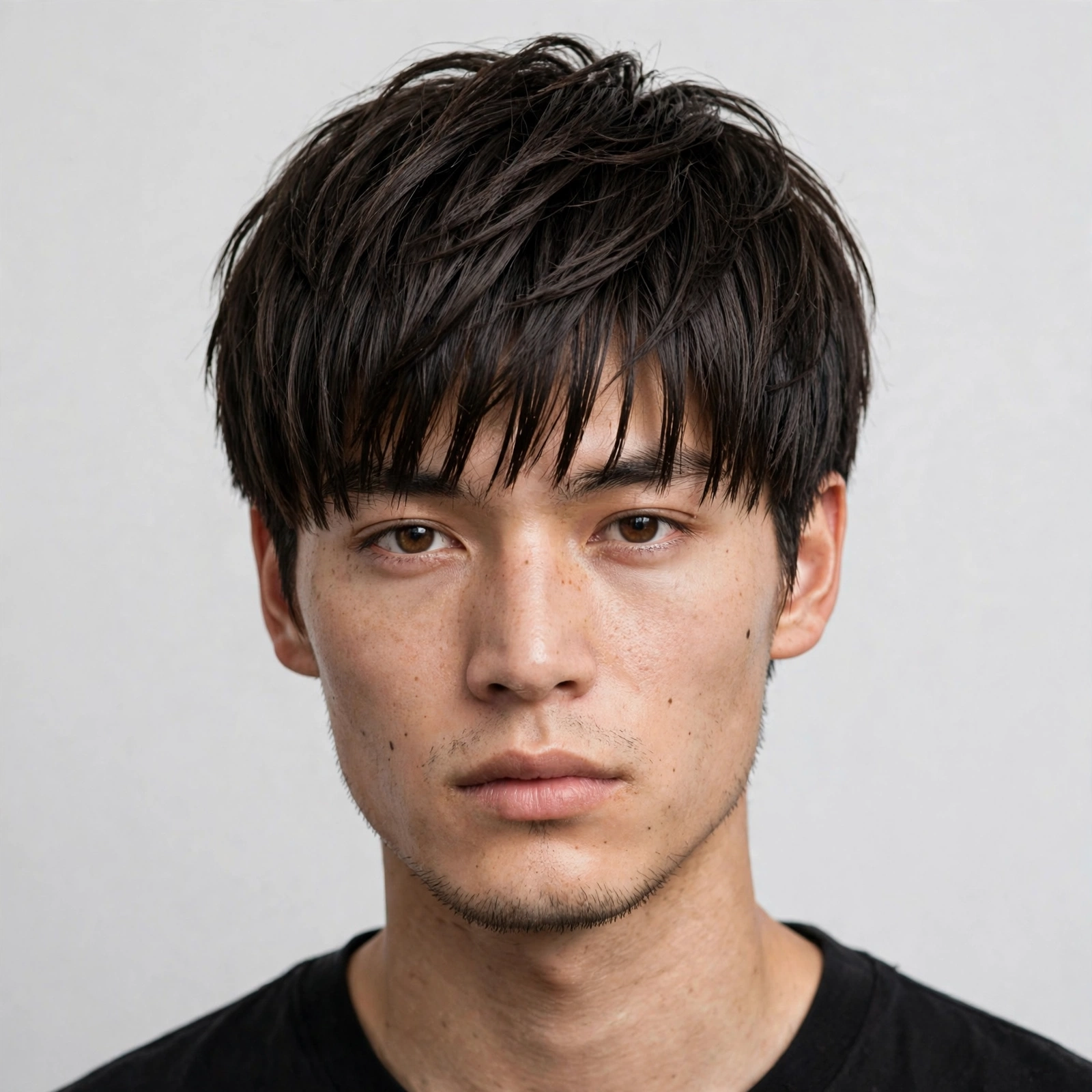
Straight hair is actually one of the best canvases for the genji cut. It holds the layers cleanly, keeps its shape all day, and shows off the asymmetry crisply. The one thing straight hair needs is enough texturizing in the cut itself; without point-cutting or razor work, straight hair can look flat rather than piecey. Make sure your barber textures aggressively, and use sea salt spray or texture powder to manufacture the grit straight hair does not produce naturally.
How often should I trim a genji cut?
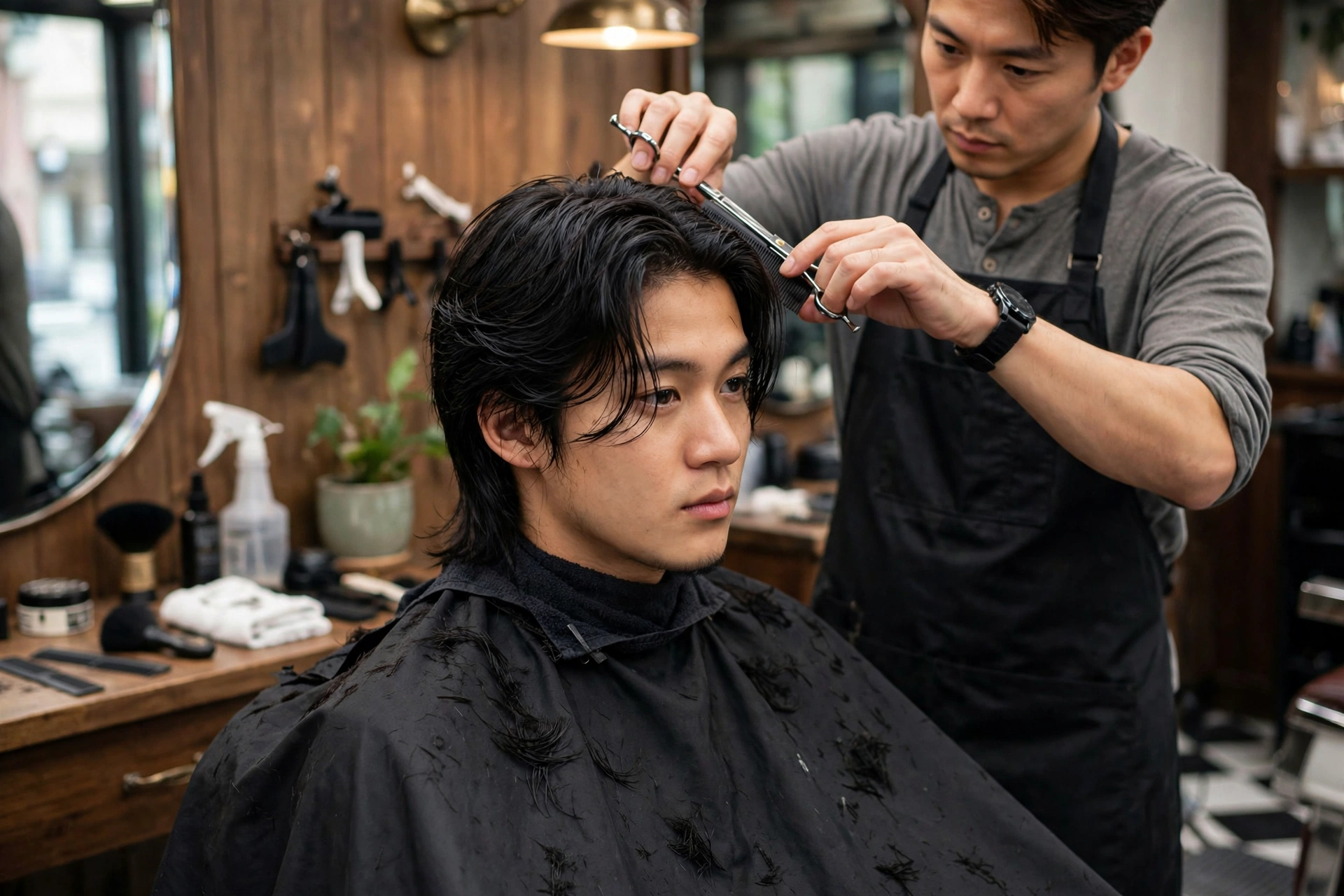
The layered top needs reshaping every four to six weeks to keep the texture defined. Asymmetrical versions need attention every three to four weeks to keep the imbalance looking intentional. If your version has faded or undercut sides, those need touch-ups every two to three weeks on their own schedule. The tapered version is the most forgiving, stretching to six or eight weeks. Pick the version whose maintenance rhythm matches your actual life, not your aspirational one.
Final Thoughts
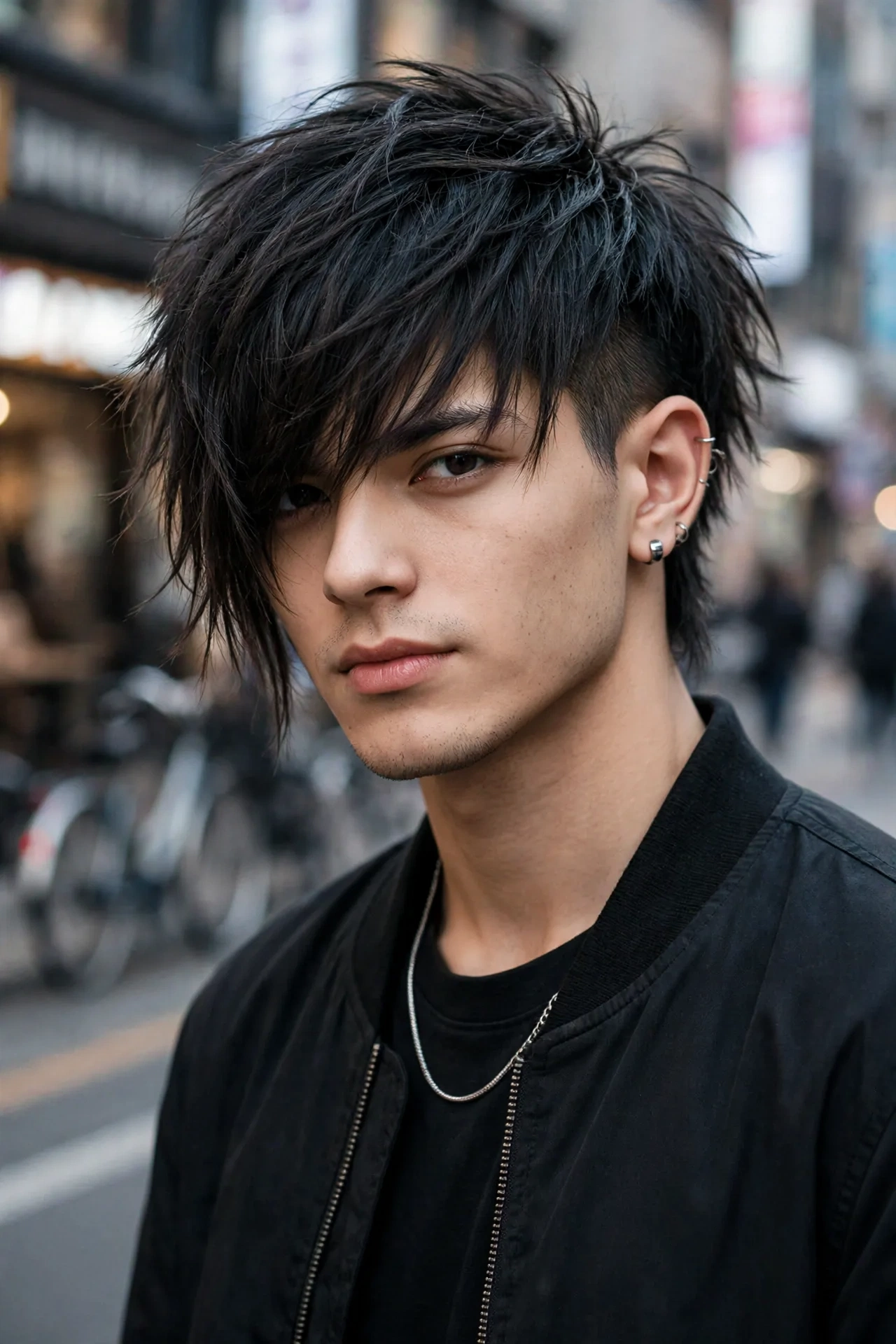
The genji cut is the most personality-forward haircut in the 2026 men’s canon, and that is exactly why it is trending. In a landscape of safe fades and neat crops, it offers something genuinely different: asymmetry, texture, and a direct line to one of the most influential style cultures in the world. Eighteen versions is a lot of choice, but the decision is simpler than it looks. Match the version to your hair type, be honest about the maintenance, and bring reference photos.
My parting advice: do not get a timid genji. The whole point of this cut is its character, and a half-hearted version satisfies nobody. As Skin Fade Barbers notes in their Takiya Genji guide, the style is about confidence and individuality expressed through natural texture. Pick the version that excites you, find a barber who understands layered cutting, learn the three-minute hands-not-combs routine, and wear it like you mean it. That is the entire philosophy of the genji cut, and it has been working since Crows Zero.
Conclusion
The Genji cut is 2026’s love letter to anime aesthetics — bold, asymmetrical, and unapologetically artistic. With dramatic length differences and sharp, graphic lines, it’s made for men who treat their hair as self-expression. Straight, thick hair shows off the cut’s architecture best.
This is not a DIY haircut — find a stylist who understands precision cutting and bring reference photos. Style with a strong-hold pomade to emphasize the asymmetry. In 2026, the Genji cut is for the man who’d rather be interesting than invisible.