
Blunt Bob Women 2026: The Sharp, Chic Cut Guide
What Is a Blunt Bob? The Sharpest Cut of 2026
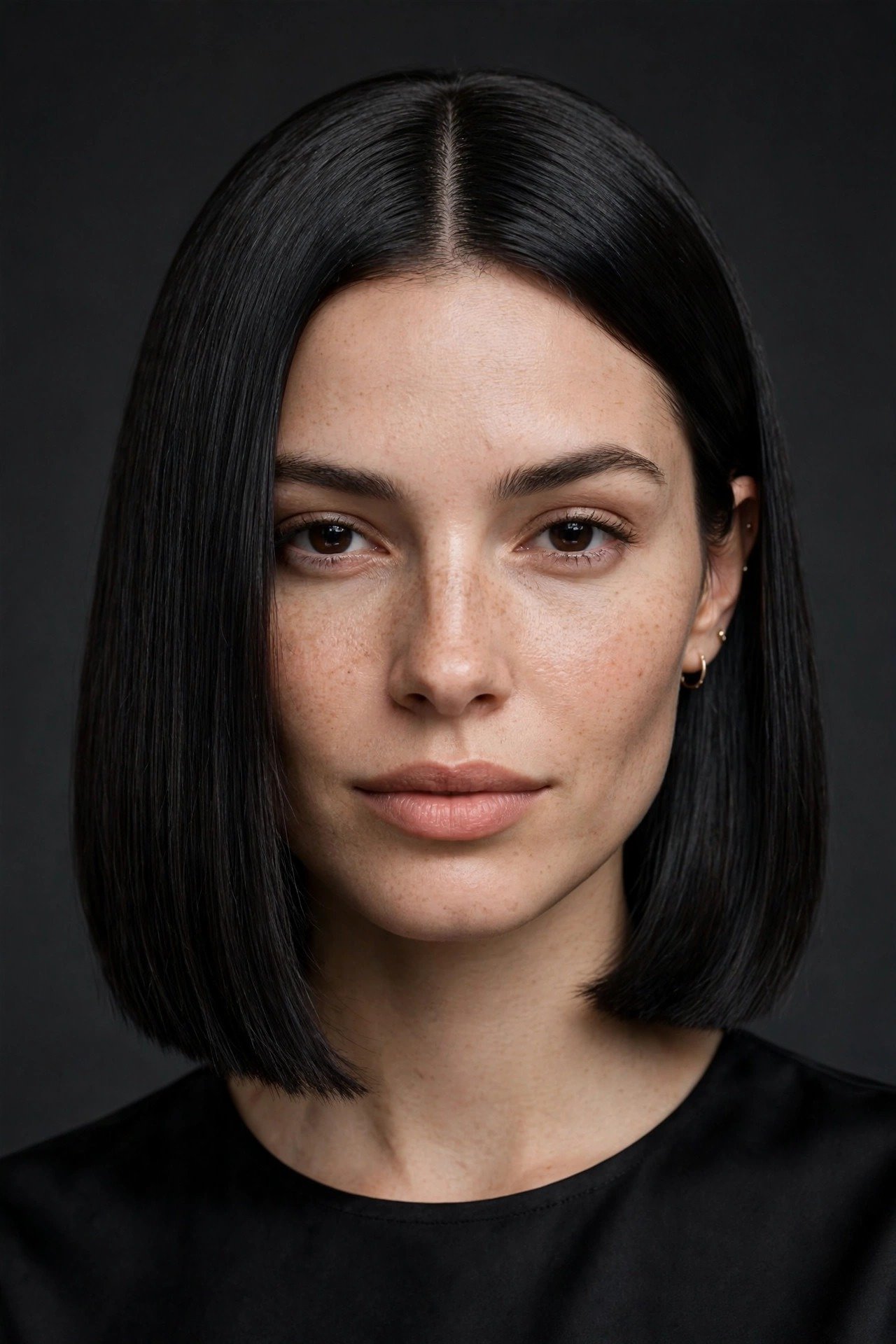
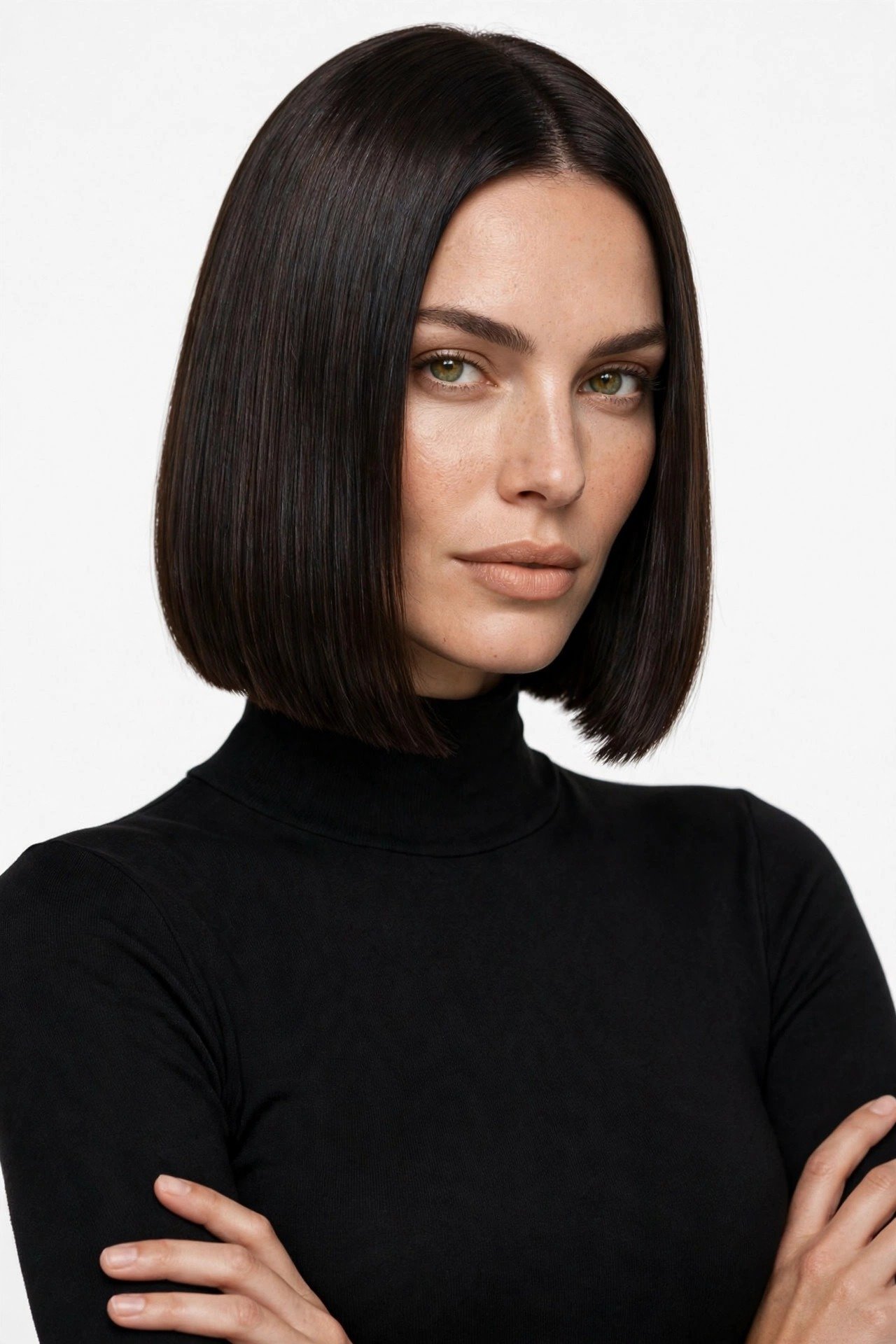
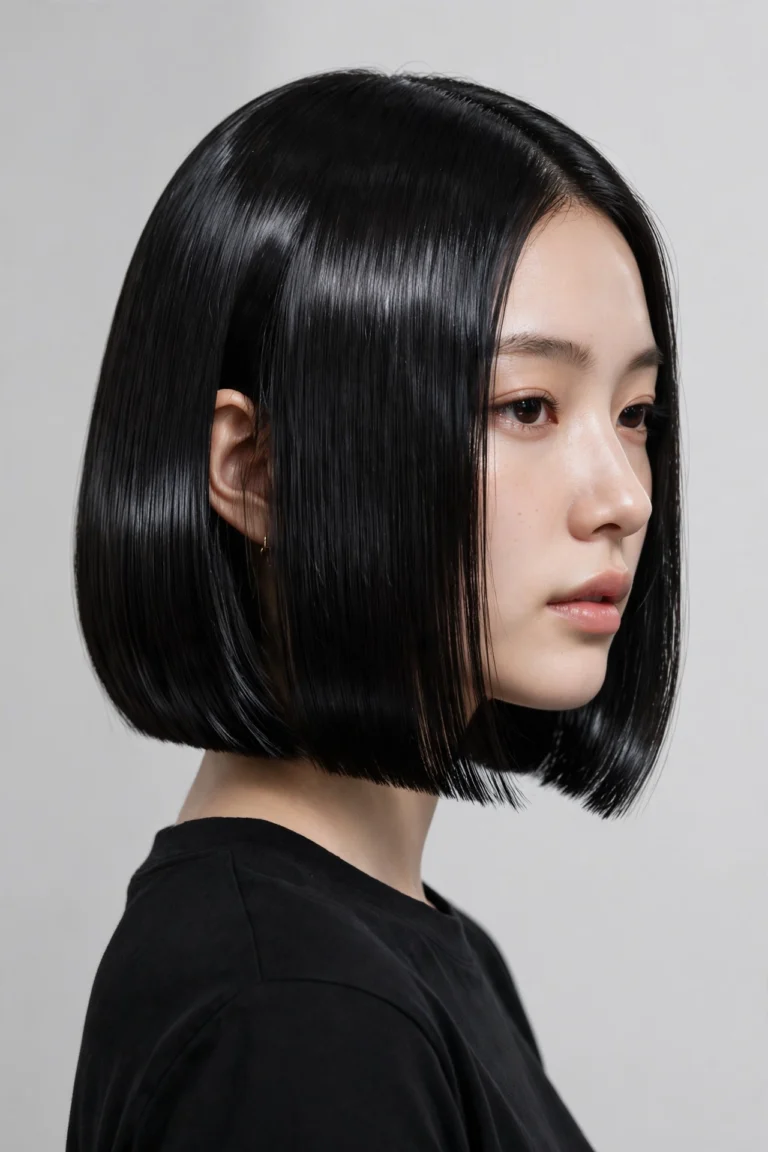
The blunt bob is the purest expression of precision in haircutting — a one-length cut with no layers, no texture, and no graduation, ending in a razor-sharp line that falls somewhere between the jawline and the shoulders. Every strand is cut to exactly the same length, creating a graphic, architectural silhouette that makes an unmistakable statement. If layered cuts are watercolor paintings, the blunt bob is a bold ink drawing — clean, decisive, and impossible to ignore.
What distinguishes the blunt bob from other bob variations is its absolute uniformity. The French bob has texture and movement. The layered bob has internal shape. The A-line bob has graduation. The blunt bob has none of these — just one perfect line. This simplicity is deceptive; achieving a truly even blunt cut requires exceptional technical skill. Any unevenness is immediately visible because there’s no layering to disguise it. The cut must be precise to the millimeter.
In 2026, the blunt bob is experiencing a fascinating evolution. While Pinterest’s “Bob Behaviour” trend report shows the broader bob category fragmenting into softer, more textured variations (long layered bobs up 622%, French bobs with wispy bangs up 394%), the classic blunt bob maintains its devoted following among those who want maximum impact with minimum fuss. It’s the choice of women who appreciate quiet luxury, architectural beauty, and the confidence that comes from a cut that never tries too hard.
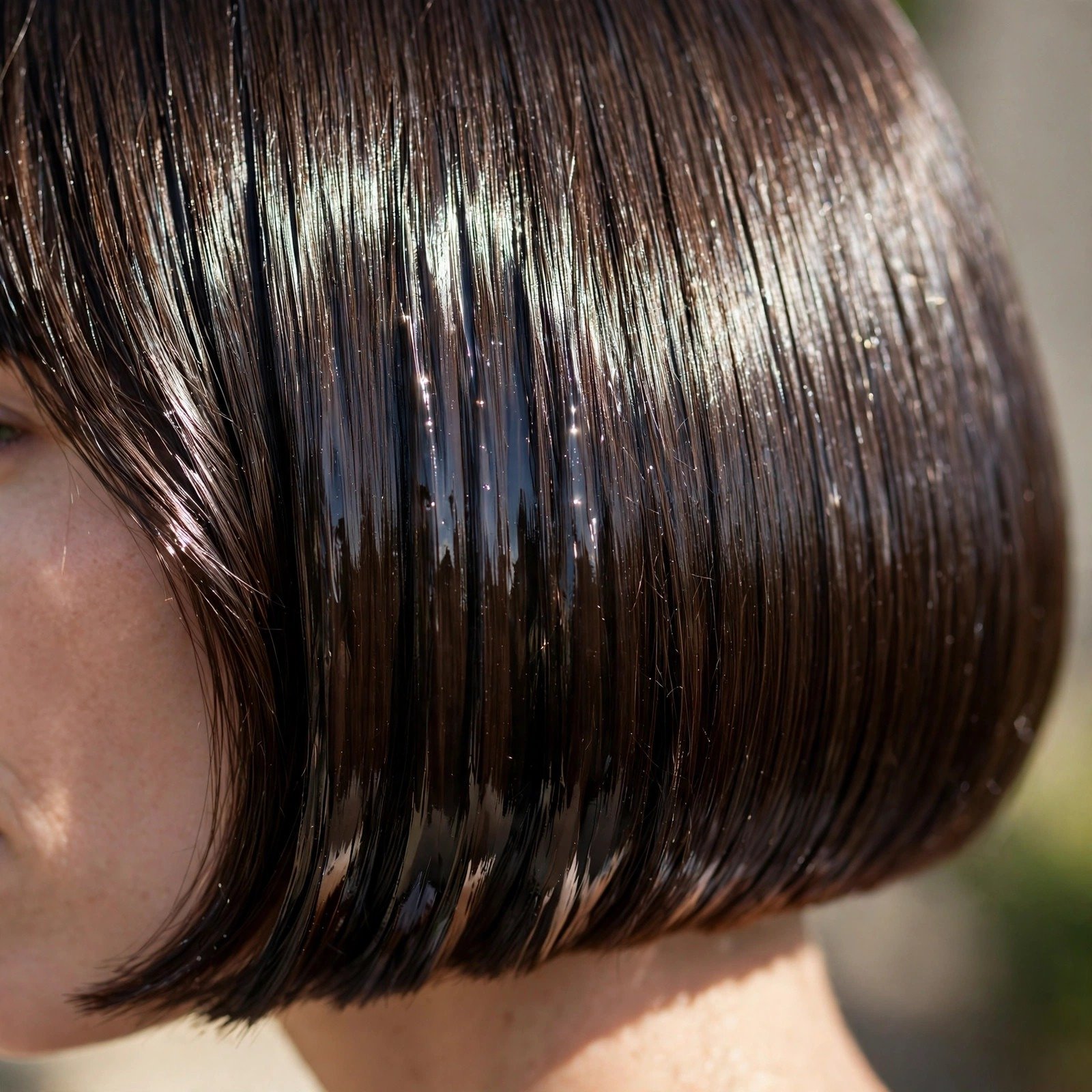
The modern blunt bob of 2026 isn’t the stiff, helmet-like cut of decades past. Today’s version embraces shine and health — what stylists call the “expensive” finish. Hair is treated with glossing treatments, keratin smoothing, or simply meticulous blow-drying to achieve a liquid, reflective surface. The sharpness of the cut combined with the luminosity of the finish creates a look that’s both powerful and polished. It’s minimalism at its most luxurious.
Why the Blunt Bob Is Trending in 2026
The blunt bob’s 2026 resurgence is driven by several cultural currents. First is the “quiet luxury” movement that has dominated fashion — the preference for understated, impeccably crafted pieces over flashy logos. The blunt bob is the hair equivalent: no elaborate color, no complicated layers, just perfect execution. It signals confidence and discernment without shouting.
Second is practicality. In an era of busy schedules and low-maintenance beauty, the blunt bob offers a compelling proposition: wash, blow-dry straight (or air-dry if your hair is naturally straight), and you’re done. There are no layers to style, no texture to enhance, no complicated techniques. The cut does the work. For professional women, this simplicity is invaluable — the blunt bob always looks intentional and put-together, even with minimal effort.
Third is the health factor. The blunt cut removes damaged ends in one clean line, instantly making hair appear thicker and healthier. For women growing out damage or transitioning to healthier hair, the blunt bob is transformative. The even ends create the illusion of density, which is particularly valuable for fine or thinning hair.
Fourth is versatility within simplicity. While the cut itself is uniform, it can be styled multiple ways — sleek and straight for the office, tucked behind one ear for asymmetry, with a deep side part for drama, or with subtle waves for evening. The blank canvas of the blunt cut adapts to any occasion.
Finally, there’s the timelessness. Unlike trendier cuts that date quickly (remember the heavily layered “Rachel” or the asymmetric emo cuts?), the blunt bob has remained relevant for over a century. Investing in a blunt bob isn’t chasing a fad — it’s choosing a classic that will look as good in photos ten years from now as it does today.
Blunt Bob Lengths: Finding Your Perfect Cut
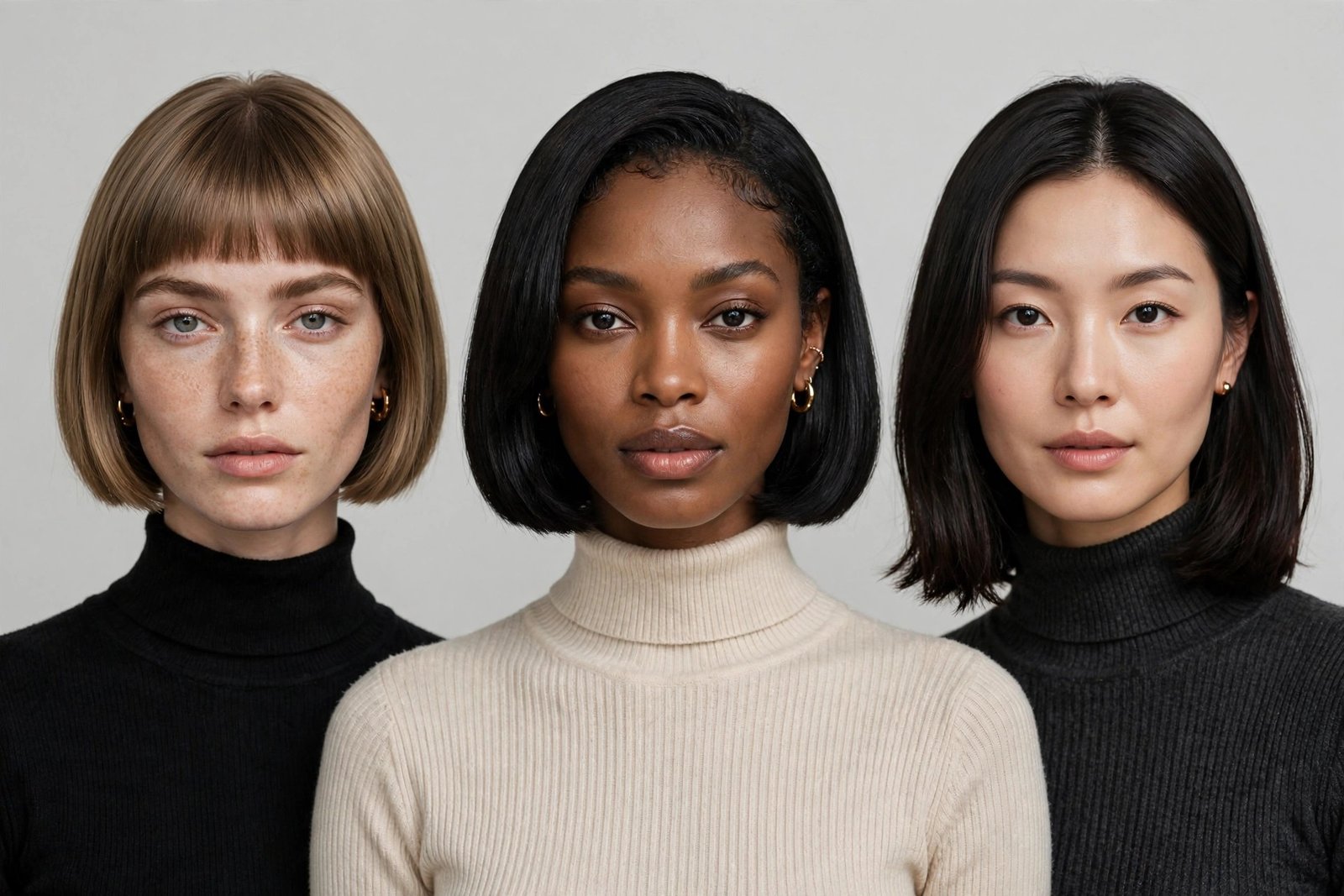
The Micro Bob (chin-length): Ending right at the chin, this is the boldest blunt bob. It’s striking, fashion-forward, and demands confidence. Best for oval, heart, and diamond face shapes. The short length emphasizes the jawline and cheekbones, creating a sculptural effect. It’s also the most practical — dries quickly, needs minimal product.
The Classic Bob (jaw-length): The iconic length, hitting right at the jawline. This is the most universally flattering blunt bob, balancing boldness with wearability. It defines the jaw without overwhelming petite features. Works for almost every face shape with minor adjustments to the exact endpoint.
The Long Bob / Lob (shoulder-length): Falling at or just above the shoulders, this is the most versatile blunt bob. It’s long enough to pull back into a low ponytail or bun, making it practical for active lifestyles. The extra length softens the bluntness slightly, making it a good entry point for those nervous about going short.
The Midi Blunt Cut (collarbone-length): Slightly longer than a traditional bob, hitting at the collarbone. This length offers maximum styling versatility while maintaining the blunt aesthetic. It’s particularly flattering for longer faces, as the additional length doesn’t emphasize verticality.
When choosing length, consider your neck (longer necks can handle shorter bobs), your styling routine (shorter = less styling but more frequent trims), and your face shape. Your stylist can help determine the most flattering endpoint by considering where the line falls relative to your features.
How to Style a Blunt Bob: Techniques for Every Day
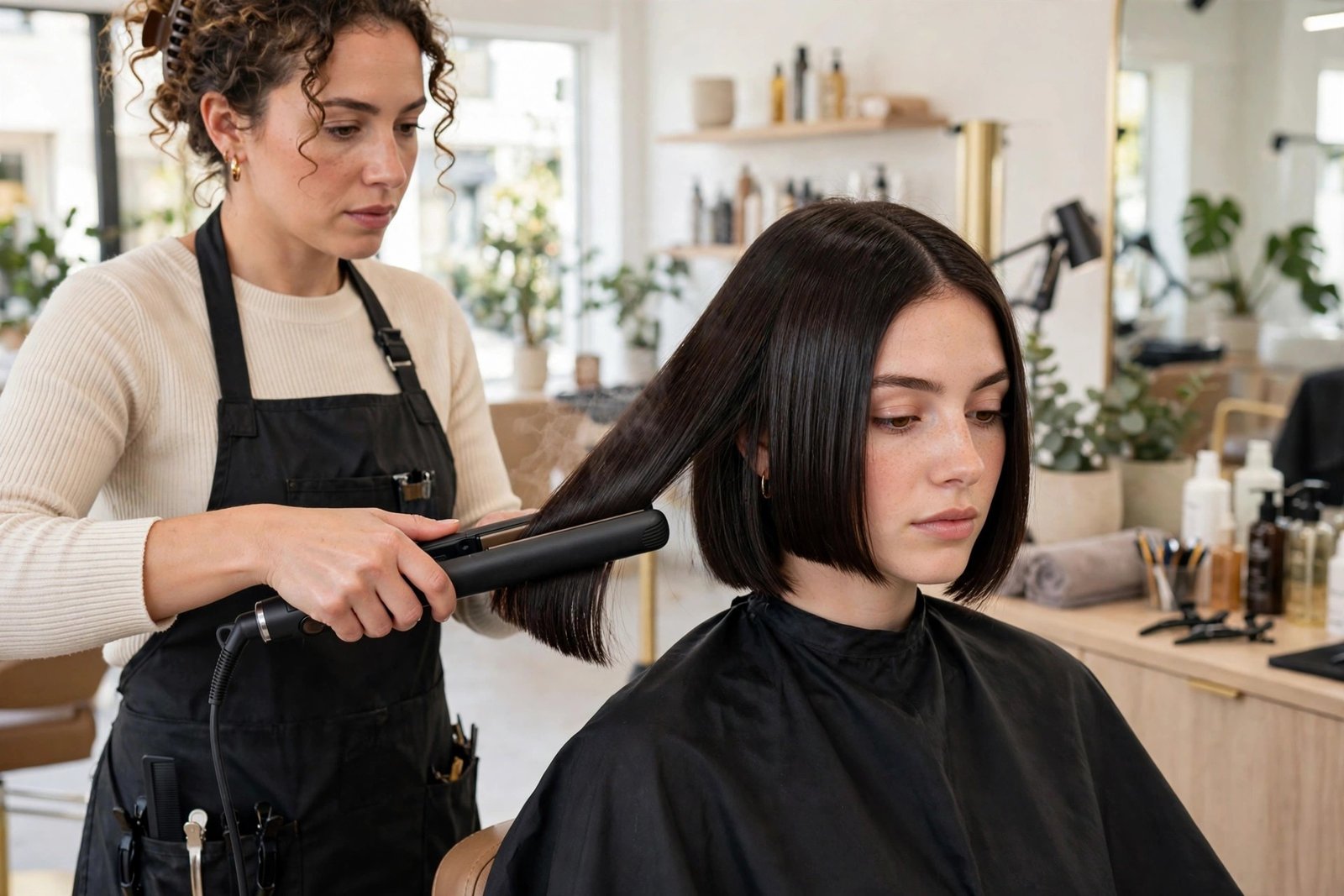
The Sleek Blowout: Apply heat protectant and a smoothing cream to damp hair. Using a paddle brush and concentrator nozzle, blow-dry in sections from roots to ends, pulling hair straight down. The key is tension — keep hair taut against the brush for maximum smoothness. Finish with a cool shot to set the style and add shine.
Flat Iron Perfection: For the sharpest finish, follow blow-drying with a flat iron. Work in thin sections, gliding the iron smoothly from roots to ends in one pass. Don’t go over the same section multiple times — this causes damage and can create bends. A single, confident pass gives the cleanest result.
Air-Dried Natural: If your hair is naturally straight, you can achieve a beautiful blunt bob with no heat. Apply a leave-in conditioner and smoothing serum to damp hair, comb straight, and let air dry. The result is softer than heat-styled but still showcases the blunt line.
Tucked and Polished: For a chic, minimalist look, tuck one or both sides behind your ears. This works best with jaw-length or longer bobs. Use a tiny amount of pomade to keep tucked sections in place and prevent flyaways.
Subtle Wave: For evening or casual occasions, add loose waves with a large-barrel curling iron. Wrap sections away from the face, leaving the ends straight for a modern (not retro) wave. Brush through gently for softness. The contrast between the wavy texture and blunt ends is contemporary and cool.
Overnight Method: To preserve your blowout, wrap hair in a silk scarf or sleep on a silk pillowcase. In the morning, a quick pass with the flat iron on any kinked sections restores sleekness. Dry shampoo at the roots adds freshness.
Blunt Bob for Different Hair Textures
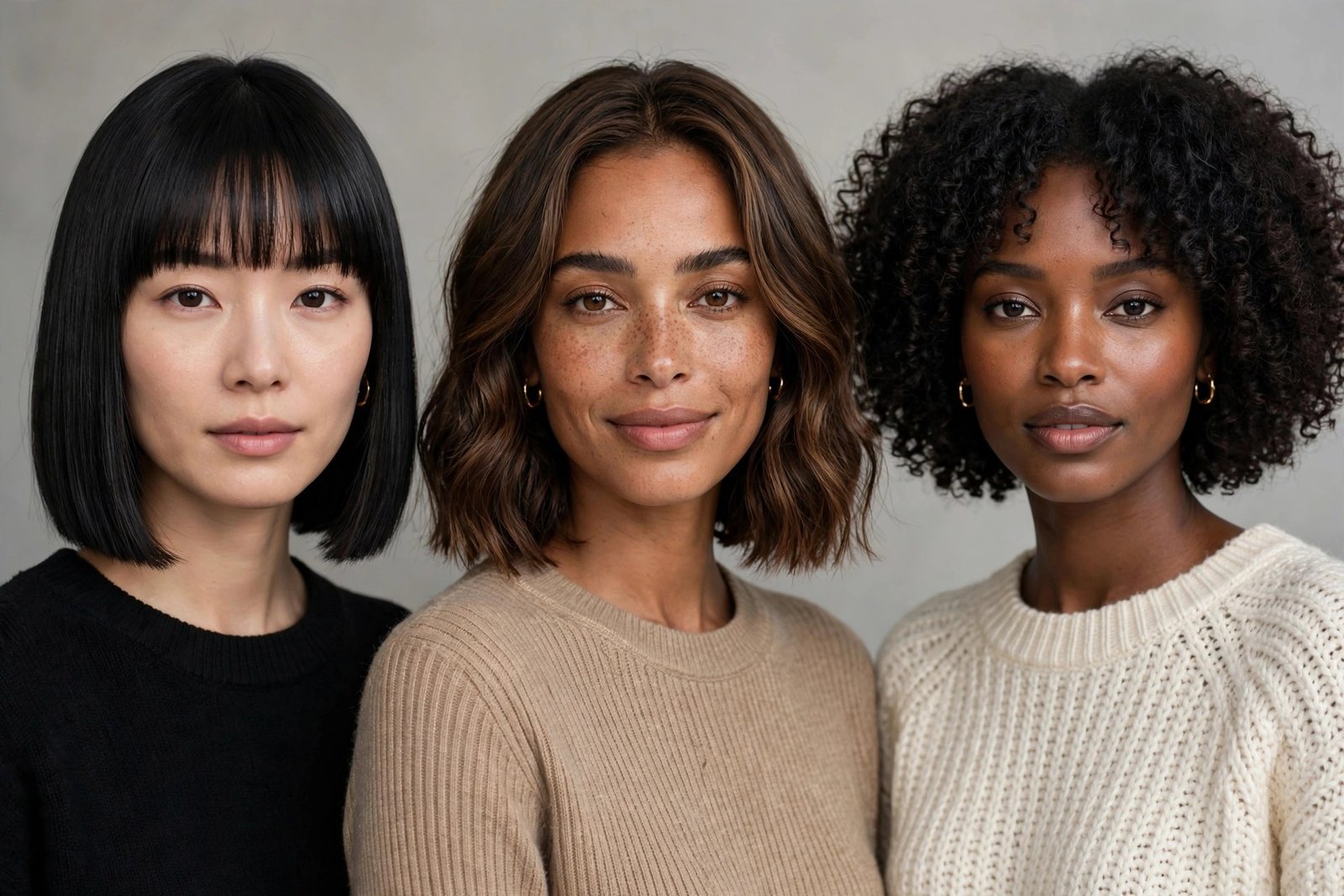
Straight hair: The ideal texture for a blunt bob — it showcases the sharp line perfectly with minimal styling. Fine straight hair appears thicker due to the even ends. Thick straight hair needs internal thinning to prevent a triangular shape.
Wavy hair: A blunt bob on wavy hair creates beautiful organic texture, though the “blunt” line will be softer. For a sharper look, blow-dry straight. For a more relaxed vibe, enhance natural waves with salt spray. The cut works either way — it’s about styling preference.
Curly hair: A blunt bob on curly hair is stunning but requires a curl-specialist stylist. The cut must account for shrinkage — curly bobs should be cut dry, curl by curl. The “blunt” effect translates to a rounded, full shape rather than a sharp line. It’s a bold, beautiful choice that celebrates volume.
Coily hair: A blunt bob on coily hair creates a magnificent rounded silhouette. Like curly hair, it must be cut dry by a specialist. The shape is more about the overall architecture than a visible straight line. Silk-pressing can achieve the sharp look temporarily.
Fine hair: The blunt bob is one of the best cuts for fine hair. The one-length perimeter creates maximum density at the ends, making hair appear significantly thicker. Avoid over-layering (which thins the ends) and ask for a truly blunt cut.
Thick hair: Thick hair needs careful internal layering to prevent the blunt bob from becoming too wide or triangular. Your stylist should remove weight from underneath while keeping the perimeter blunt. This maintains the sharp line without excessive bulk.
Maintaining Your Blunt Bob: Trim Schedule and Care
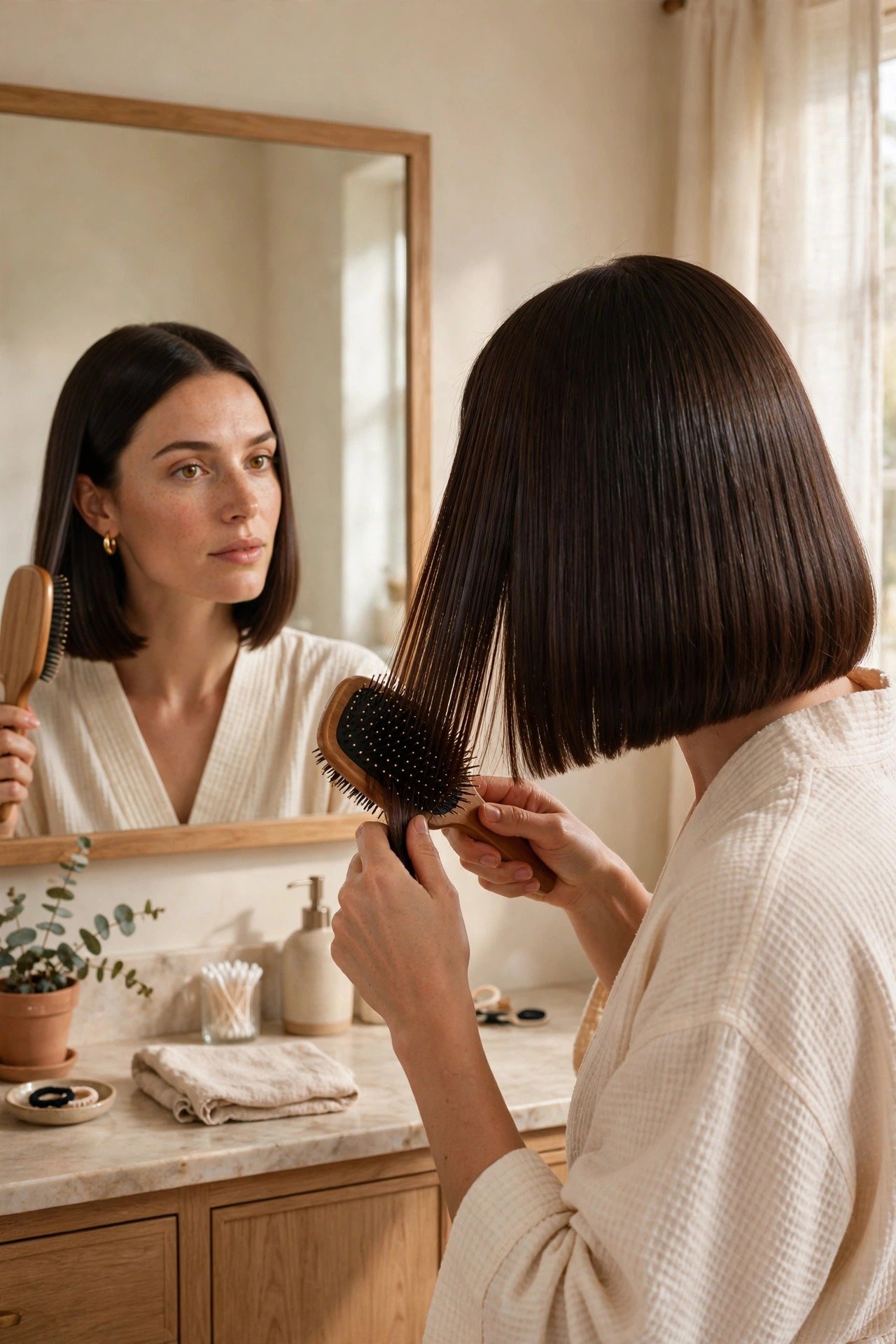
Trim frequency: Every 6-8 weeks to maintain the sharp line. Unlike layered cuts that grow out invisibly, a blunt bob’s precision is its defining feature — as soon as ends become uneven, the impact diminishes. Don’t stretch beyond 8 weeks if you want to preserve the look.
At-home care: Use a sulfate-free shampoo to preserve color and health. Deep condition weekly — blunt ends show damage more visibly than layered ends. A weekly hair mask keeps the perimeter looking healthy and prevents split ends from compromising the sharp line.
Heat protection: If you heat-style regularly (as most blunt bob wearers do), a quality heat protectant is essential. Apply to damp hair before blow-drying and to dry hair before flat-ironing. Damaged ends frizz and split, destroying the clean line.
Color considerations: The blunt bob showcases color beautifully because the even surface reflects light uniformly. Solid colors (rich brunette, glossy black, platinum) look stunning. If you want dimension, subtle balayage or money piece highlights add interest without disrupting the graphic shape.
Growing out: Growing out a blunt bob requires patience. The even length means it grows uniformly, which is actually advantageous — you’ll pass through a lob phase that’s equally stylish. Get trims every 10-12 weeks during grow-out to maintain shape and remove damaged ends. Avoid the temptation to add layers prematurely; wait until you’ve reached your target length.
Platinum Blonde: A platinum blunt bob is iconic — think Warhol muse meets modern minimalist. The pale color emphasizes the cut’s geometry. Requires significant upkeep (toner every 4-6 weeks, intensive conditioning), but the impact is unmatched. Best for cool skin tones.
Copper and Auburn: Warm coppers are huge in 2026, and they bring incredible vibrancy to the blunt bob. The solid cut allows the color’s richness to take center stage. Copper suits fair to medium skin with warm undertones.
Money Piece Highlights: Face-framing lighter pieces add dimension without disrupting the blunt shape. This is ideal for those who want some brightness around the face while keeping the overall look solid. Works with any base color.
Subtle Balayage: While traditional balayage involves layering, a very subtle hand-painted effect on the ends can add movement to a blunt bob. Keep it minimal — the goal is dimension, not a complete color transformation.
The Blunt Bob in Professional Settings

The blunt bob is arguably the most professional haircut a woman can wear. Its clean lines communicate precision, competence, and attention to detail — qualities valued in any workplace. Here’s how to optimize it for professional contexts.
Corporate environments: The sleek, straight blunt bob is perfect for conservative offices. Keep it at jaw-length or longer for maximum versatility. Tuck behind ears for video calls to keep the focus on your face. Avoid overly edgy variations (micro length, wet look) in traditional industries.
Creative industries: You have more freedom. The micro bob, asymmetric versions, or bold colors (platinum, copper) express creativity while maintaining polish. The blunt bob’s graphic quality aligns well with design-conscious fields.
Client-facing roles: The blunt bob’s put-together appearance builds trust. It always looks intentional, even on busy mornings. Keep frizz controlled with anti-humidity products, as flyaways undermine the precision that makes this cut professional.
Interviews: A fresh-trimmed blunt bob is an excellent interview choice. It photographs well, looks neat on video, and conveys confidence. Style it sleek and simple — let the cut speak for itself without distracting accessories or extreme styling.
History of the Blunt Bob: From Flappers to 2026
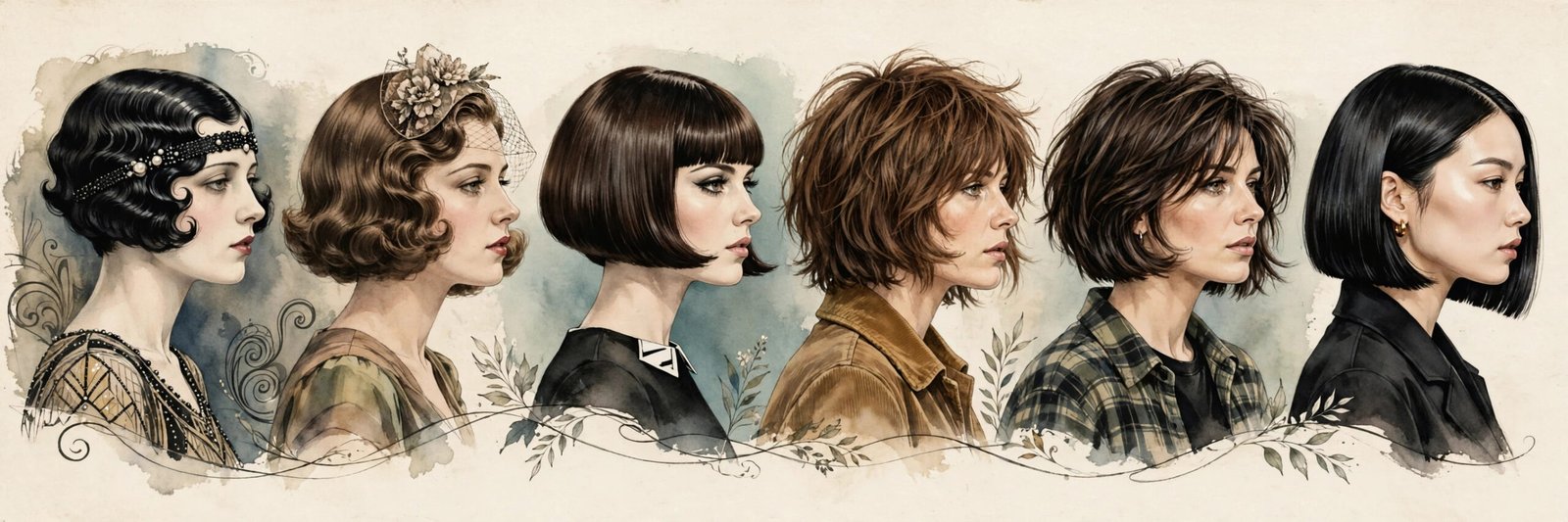
Understanding the blunt bob’s rich history adds appreciation for its enduring appeal. This is not a trend — it’s a century-old statement.
1920s — The Original Rebellion: The bob emerged as a symbol of women’s liberation. Flappers sheared their long Victorian locks into sharp bobs, rejecting traditional femininity. Icons like Louise Brooks made the blunt bob synonymous with independence and modernity. It was scandalous, revolutionary, and utterly transformative.
1960s — Vidal Sassoon’s Revolution: Sassoon elevated the bob to high art with his geometric, architectural cuts. His five-point cut and precision bobs were cut with mathematical exactitude, reflecting the Space Age’s fascination with clean lines. Supermodels and actresses adopted the look, cementing its fashion credentials.
1990s — Minimalist Chic: The 90s saw the blunt bob return as part of minimalism. Supermodels like Linda Evangelista and later Gwyneth Paltrow wore sleek, center-parted blunt bobs that epitomized understated elegance. This era established the bob as a timeless choice rather than a trend.
2000s — The Pob and Variations: Victoria Beckham’s “Pob” (Posh bob) — an inverted, graduated version — dominated the mid-2000s. While not strictly blunt, it kept the bob in the spotlight and introduced new generations to short, sharp cuts.
2010s — The Lob Era: The long bob became the decade’s defining cut, worn by virtually every celebrity at some point. While many lobs had subtle layers, the bluntest versions maintained the graphic impact of the original.
2020s — Refinement and Return: After years of textured, “undone” hair, the 2020s saw a return to precision. The blunt bob re-emerged as an antidote to messy trends, embraced by those seeking polish and intention. In 2026, it represents quiet luxury — the ultimate refined choice.
This history demonstrates the blunt bob’s remarkable resilience. It has been rebellious, elegant, minimalist, and luxurious across different eras, always adapting while maintaining its essential character. Choosing a blunt bob connects you to a century of women who valued strength expressed through simplicity.
Blunt Bob Styling Tools: Essential Kit
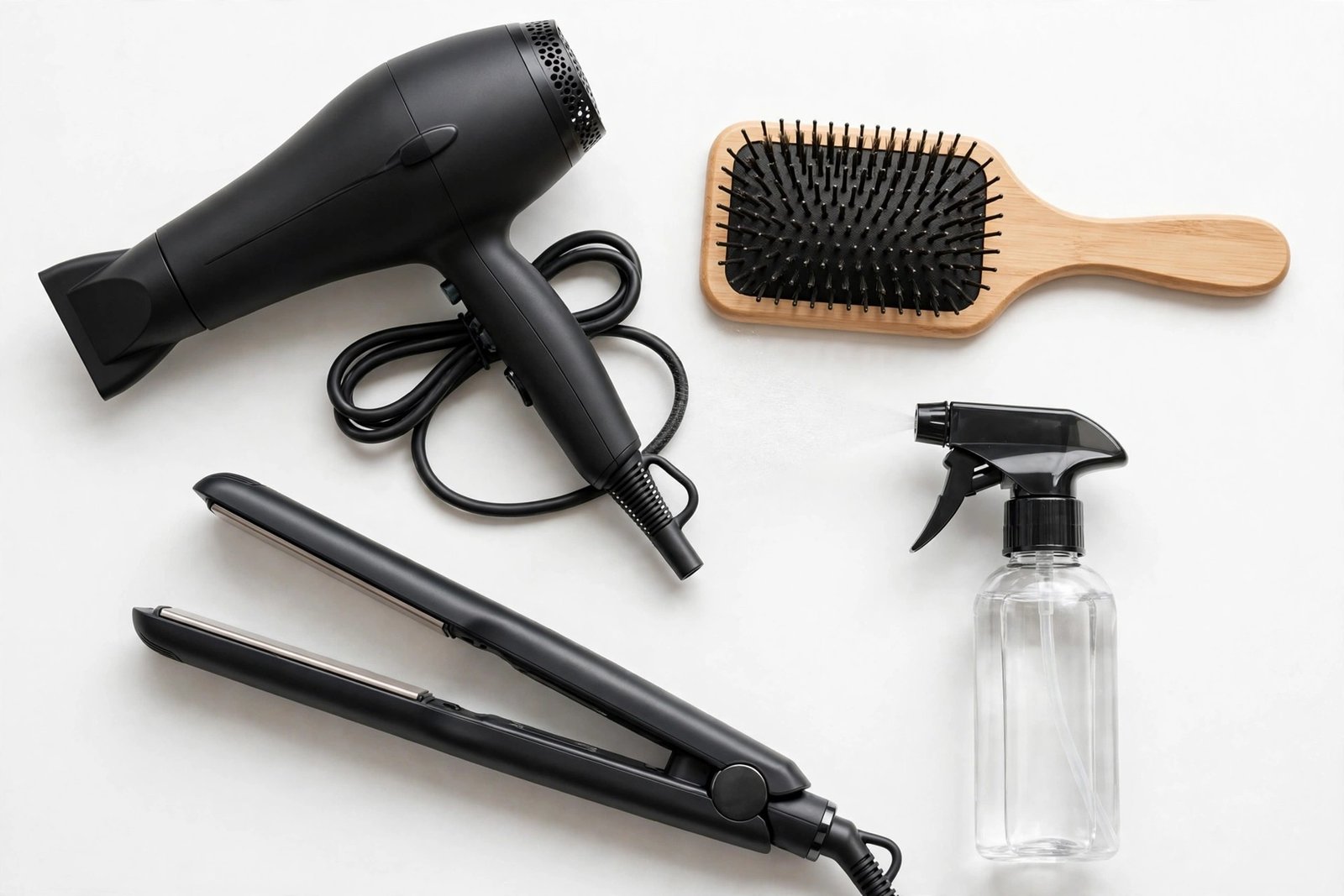
Achieving the perfect blunt bob finish requires the right tools. Here’s your essential kit.
Paddle brush: For blow-drying, a large paddle brush provides the tension needed for sleekness. Look for one with a mix of boar and nylon bristles — boar bristles distribute natural oils for shine, while nylon provides grip. The brush should be wide enough to cover large sections efficiently.
Concentrator nozzle: This blow dryer attachment focuses airflow into a precise stream, essential for smooth results. Without it, air disperses and creates frizz. Always point the nozzle downward along the hair shaft (never upward, which lifts the cuticle and causes frizz).
Flat iron: A quality flat iron with ceramic or titanium plates and adjustable heat settings. For fine hair, 300-350°F is sufficient. For thick or coarse hair, up to 400°F may be needed. Never exceed 450°F — this damages hair regardless of type. Look for floating plates that adjust to hair thickness.
Heat protectant spray: Non-negotiable for regular heat styling. Apply to damp hair before blow-drying and to dry hair before flat-ironing. The protectant forms a barrier that reduces moisture loss and prevents the cuticle damage that leads to frizz and split ends.
Smoothing serum: Applied to damp or dry hair, serums add shine and control flyaways. Use sparingly — a pea-sized amount for the whole head. Focus on mid-lengths to ends, avoiding roots (which causes greasiness). Silicone-based serums provide the most shine; natural oil serums (argan, jojoba) offer lighter conditioning.
Light-hold hairspray: For finishing, a flexible-hold spray keeps everything in place without stiffness. Mist from 10-12 inches away. Avoid strong-hold sprays for daily wear — they make hair look rigid and unnatural.
Silk pillowcase: Cotton pillowcases create friction that causes frizz and disrupts sleek styles overnight. Silk (or satin) allows hair to glide, preserving your blowout. This single change can extend a sleek style by 1-2 days.
Investing in quality tools pays dividends — they last longer, perform better, and cause less damage than cheap alternatives. Your blunt bob deserves the best.
Transitioning to a Blunt Bob: What to Expect
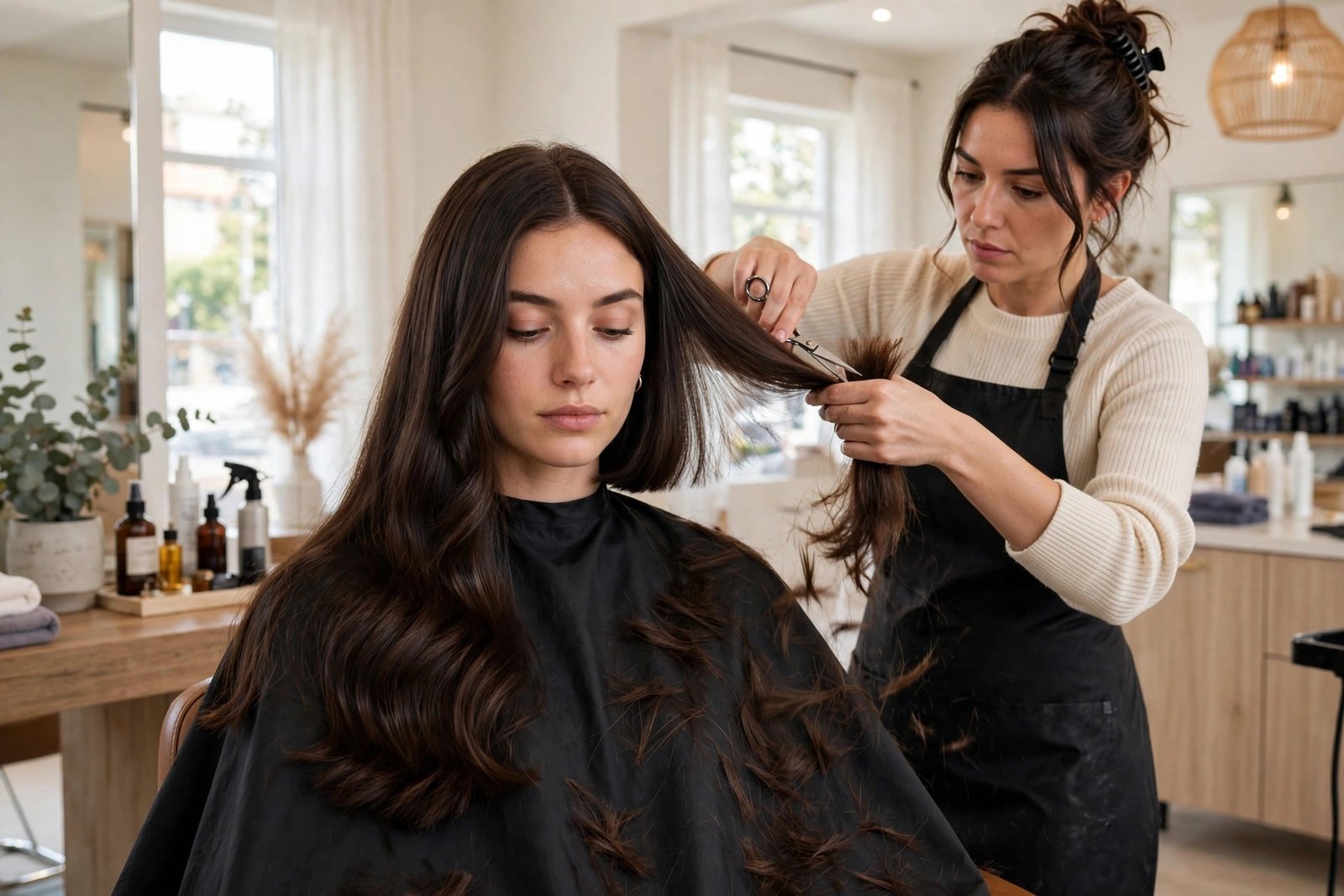
Making the leap to a blunt bob from longer or layered hair is exciting but requires adjustment. Here’s what to expect in the first few weeks.
The initial shock: It’s normal to feel surprised after a dramatic cut. Give yourself at least two weeks to adjust before judging. Most women report loving their blunt bob more after the initial adjustment period, once they’ve learned to style it.
Styling learning curve: If you’re used to air-drying layered hair, the blunt bob requires more intentional styling for the sleek look. Practice your blow-dry technique — it improves quickly. Within a week, most people develop an efficient routine.
Compliments: Be prepared — the blunt bob gets noticed. Its graphic impact draws comments. This is part of the fun, but if you’re shy about attention, the lob length is subtler than the micro bob.
Versatility discovery: Experiment with different parts (center, side, deep side), tucking options, and accessories. The blunt bob is more versatile than it first appears. Small changes create surprisingly different looks.
The transition is worth it. The blunt bob’s combination of style, simplicity, and sophistication wins over nearly everyone who tries it. Trust the process, be patient with styling, and enjoy your sharp new look.
Ultimately, the blunt bob is more than a haircut — it’s a statement of intent. It says you value precision over fuss, quality over quantity, and timeless style over fleeting trends. In 2026, as the beauty world embraces authenticity and thoughtful choices, the blunt bob stands as the ultimate expression of confident simplicity. Whether you’re drawn to its professional polish, its fashion-forward edge, or its low-maintenance appeal, there’s a blunt bob variation waiting to transform your look. Book that salon appointment — your sharpest, most sophisticated hair is waiting.
Your perfect blunt bob journey starts with a single precise cut.
Conclusion
The blunt bob remains one of the most powerful haircuts a woman can wear in 2026. Its razor-sharp ends create instant polish, making fine hair look thicker and framing the jawline with striking precision. Chin-length or collarbone-grazing, this cut delivers maximum impact with minimal styling effort.
Keep it salon-fresh with trims every six to eight weeks, smoothing ends with a flat iron and shine serum. Pair it with a middle or deep side part for your face shape, and add subtle balayage for dimension. In 2026, the blunt bob is a confidence statement.
2 Comments