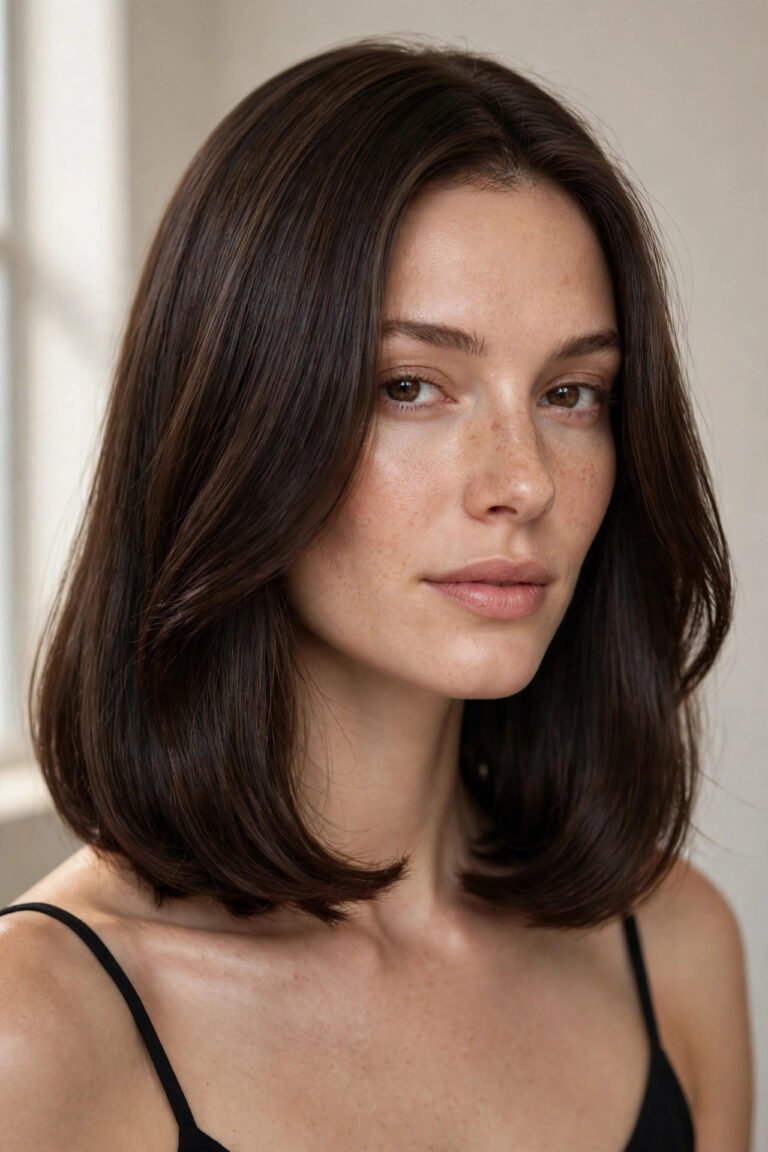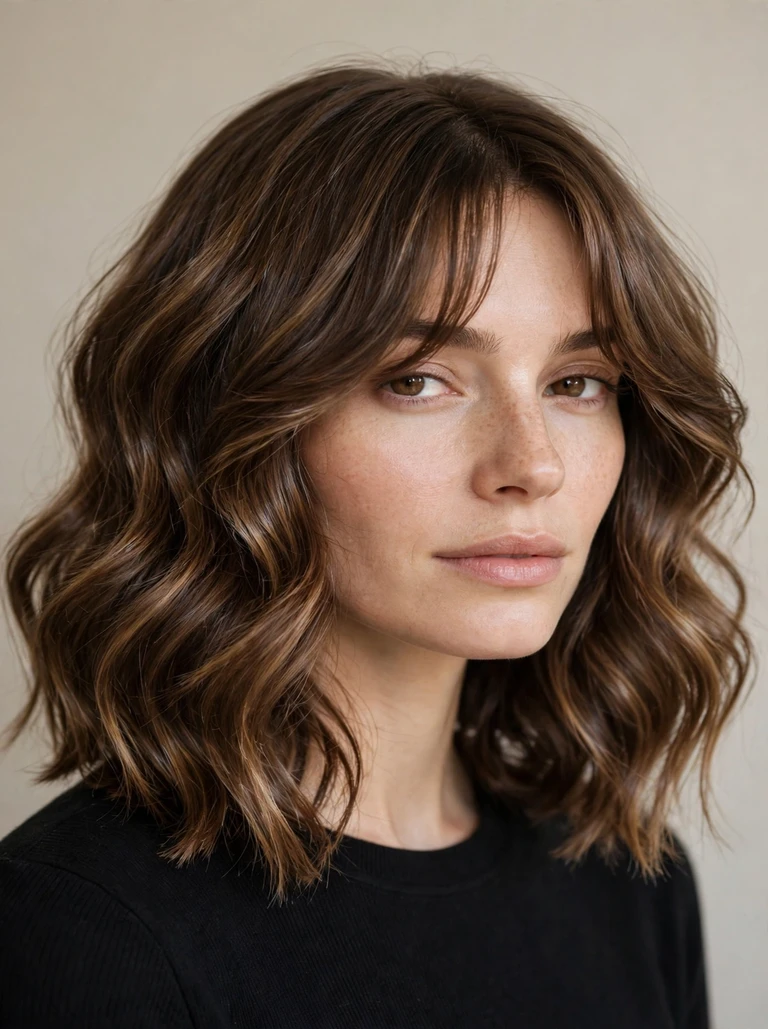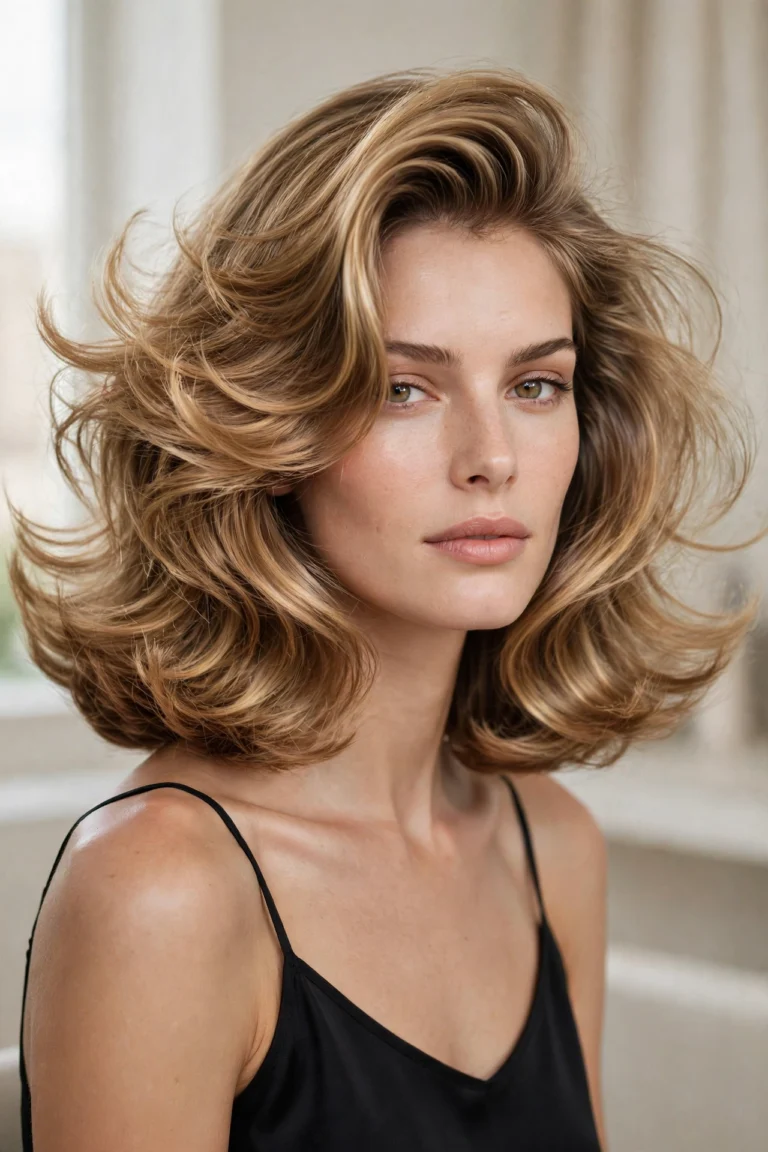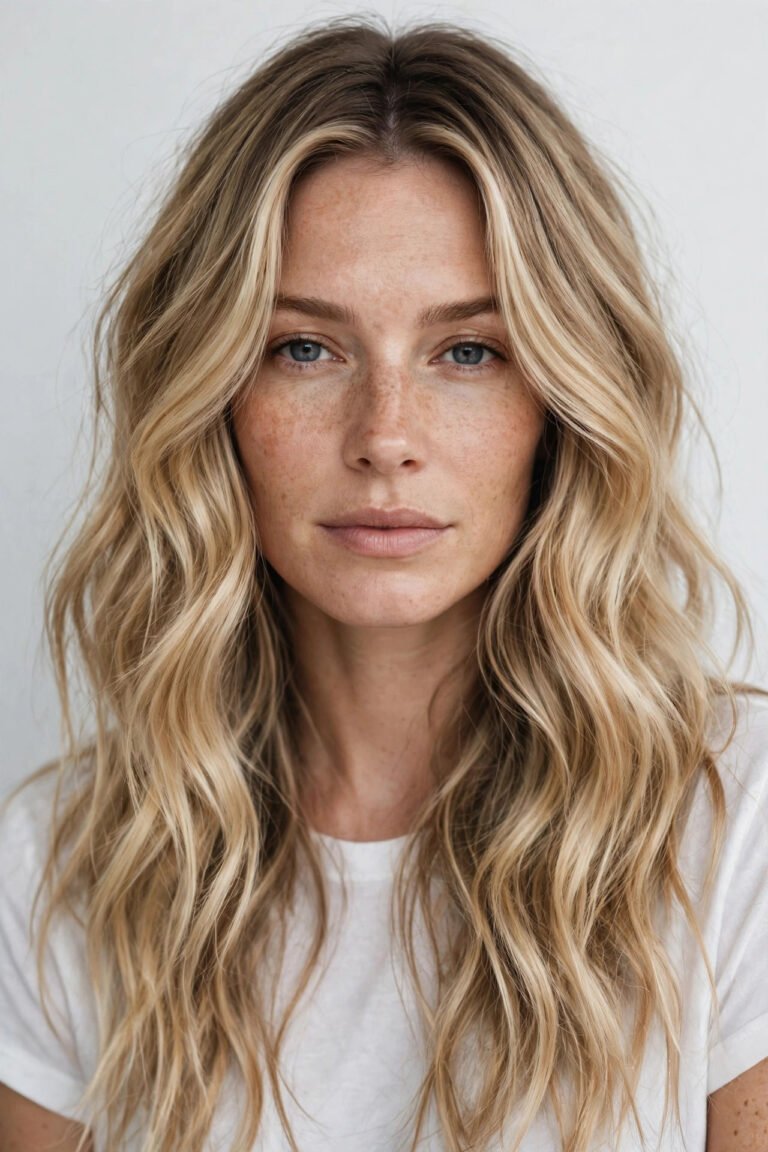
The Linda Cut: 32 Ways to Wear Fall 2026’s Defining Short Crop
Every few years, a single haircut arrives that instantly rearranges what the season looks like. For fall and winter 2026, that haircut is the Linda cut — a short, shaggy, below-the-ear crop that first changed fashion history on Linda Evangelista in the late 1980s and is now, nearly four decades later, being named by top stylists as the defining haircut of the season. NewBeauty’s fall 2026 haircut guide calls it “La Linda,” and celebrity hairstylist Garren, co-founder of R+Co, describes the modern version simply: “It’s very androgynous, yet very sexy.” If you have been waiting for a short cut that feels editorial rather than safe, fashion-forward rather than fussy, this is the one to ask for at your next salon appointment.
This complete guide breaks down everything about the Linda cut: what it is, why it is trending in 2026, how to style it at home, 32 distinct ways to wear it for every hair texture and face shape, maintenance schedules, and answers to the most common questions. Whether you are considering your first big chop or you are a serial short-hair devotee looking for a fresh silhouette, you will leave this page knowing exactly how to get the cut — and how to make it yours.
What Is the Linda Cut
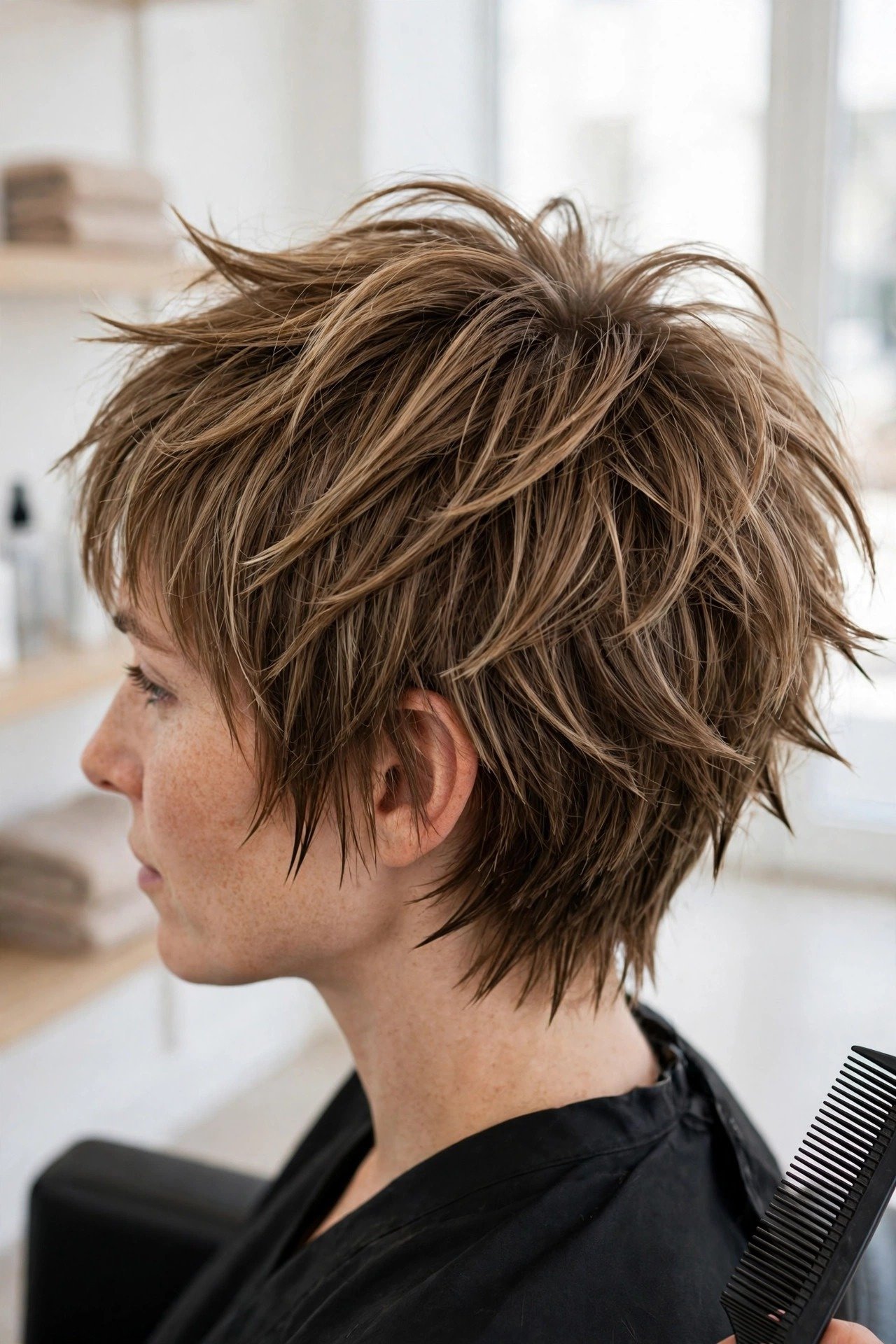
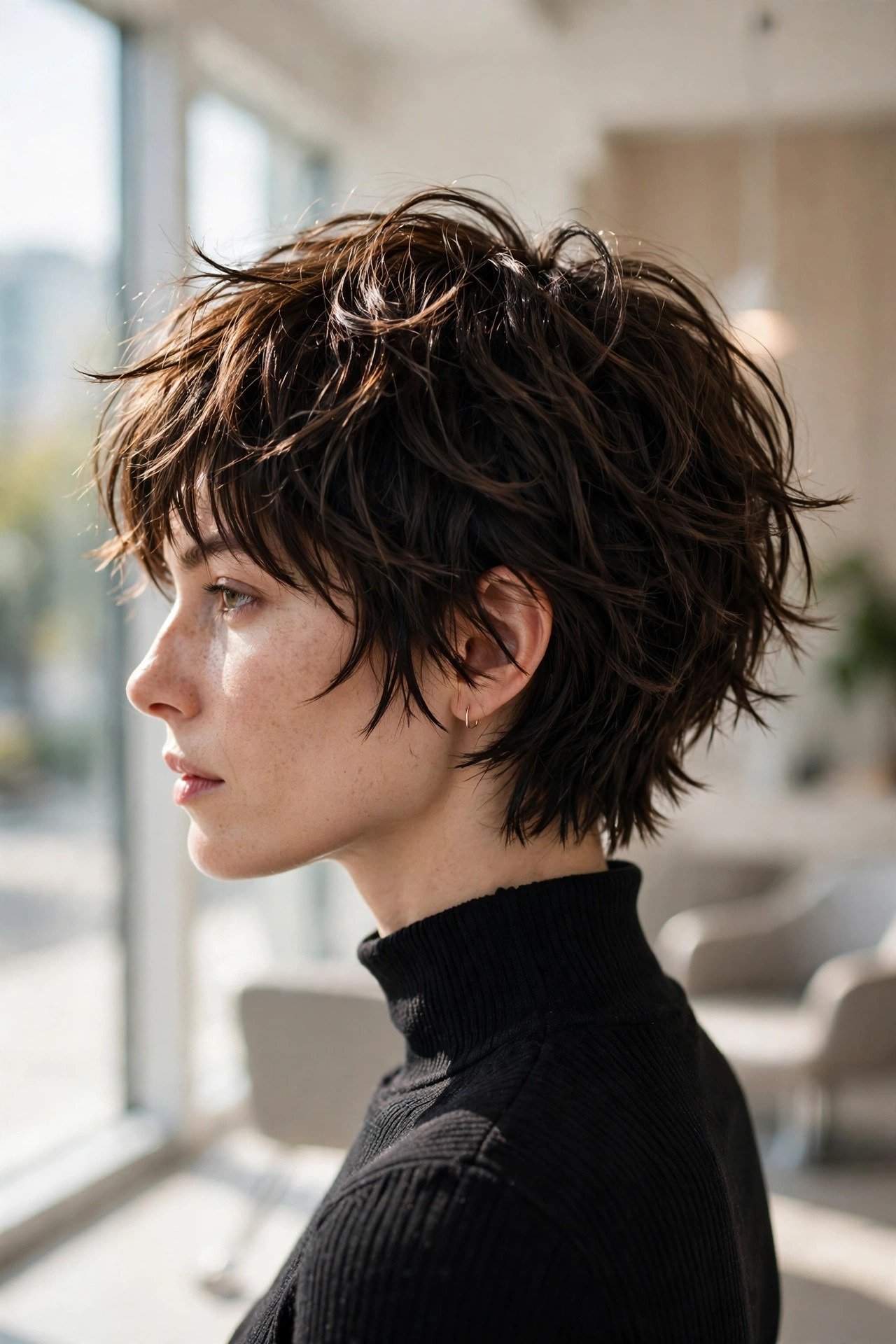
The Linda cut is a very short, shaggy bob-crop that ends just below the ear, cut with soft, textured layers through the crown and ends that are point cut rather than blunt so the shape moves instead of sitting stiffly. The story behind it is one of the great hair legends of the supermodel era. In the late 1980s, photographer Peter Lindbergh encouraged Linda Evangelista to go short. Hairstylist Julien d’Ys cut her long brown waves into a cropped style, she booked a Vogue Italia shoot with Steven Meisel, landed the cover, and her career took off. The short cut, nicknamed “The Linda,” became one of the most copied looks of the supermodel era and followed her into the early 1990s, cementing her reputation as the chameleon of fashion’s golden age.
Technically, the cut lives in the space between a pixie and a bob — shorter than any bob, longer and softer than most pixies. The 2026 version, as Garren explains it, keeps the original’s spirit but softens the shape. The perimeter hugs just under the ear, the crown carries soft shattered layers that create lift without bulk, and the ends are thinned and textured so they flick and flutter with movement. It is a cut built on negative space: the exposed neck, jawline, and cheekbones do as much work as the hair itself, which is why it photographs so strikingly from every angle.
What separates the Linda cut from its short-hair cousins is its deliberate looseness. A bixie blends bob and pixie with a neater, more constructed finish. A French bob is blunt, chin-grazing, and polished. The Linda cut is deliberately undone — piecey, airy, androgynous, with edges that look lived-in from the moment you leave the chair. It is the difference between a haircut that looks styled and a haircut that looks like you. That distinction is exactly why stylists say it defines fall 2026: the season’s whole mood is softer, more individual shapes rather than one rigid “it” cut, and the Linda embodies that mood in its purest form.
The cut is also remarkably democratic. Because the texture does the heavy lifting, it works on straight, wavy, curly, and coily hair with the right layering approach. Fine hair gains the illusion of density through the shattered crown layers. Thick hair sheds weight through point cutting and internal texturizing. It flatters oval, heart-shaped, and angular faces most dramatically, since the open silhouette highlights the neck, jawline, and cheekbones — but as the 32 variations below show, there is a Linda for nearly every face shape and lifestyle.
Why It’s Trending in 2026
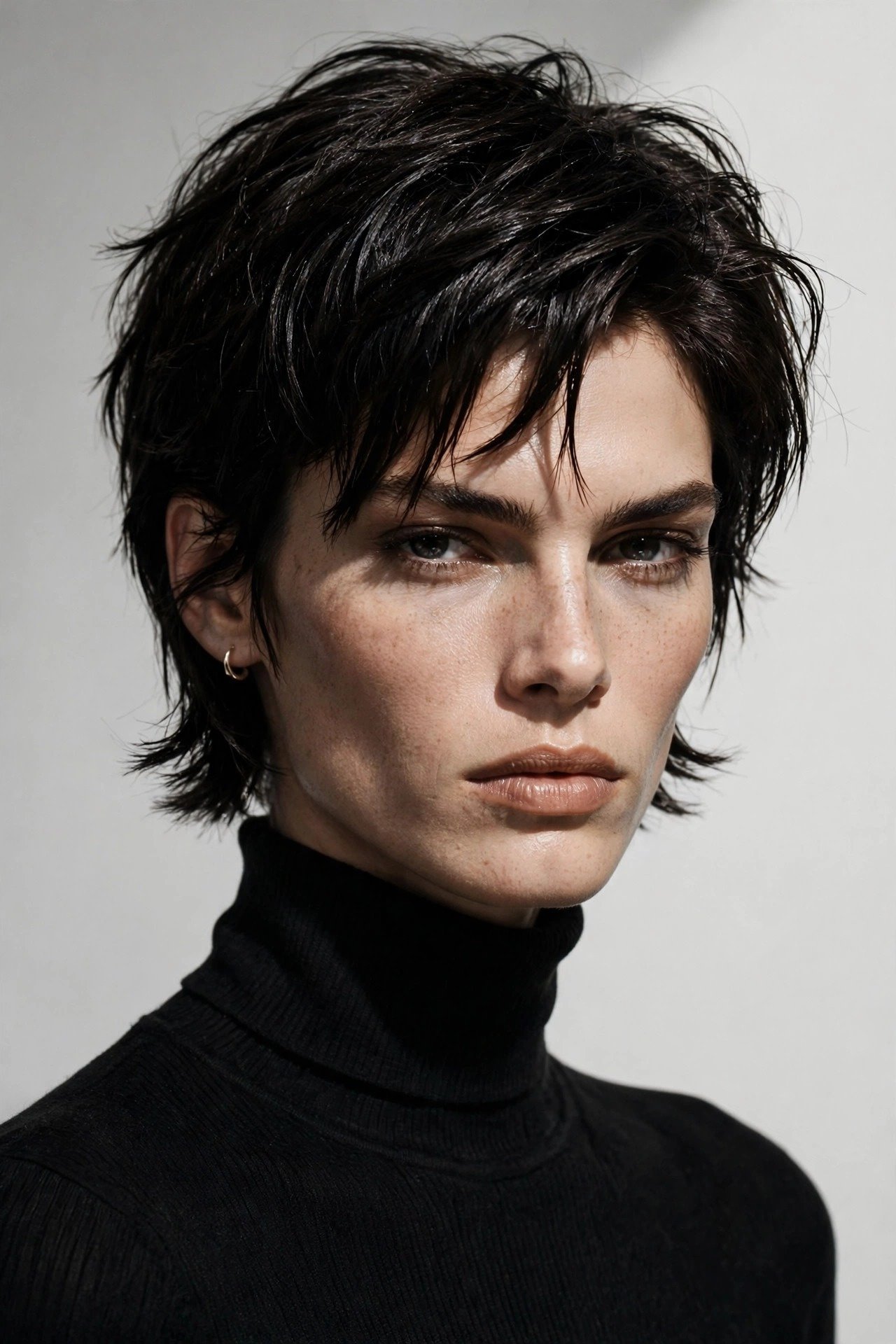
The Linda cut’s 2026 moment did not happen by accident — it is the convergence of several powerful trend currents. First, the nostalgia cycle has landed squarely on the late ’80s and early ’90s supermodel era. The same cultural appetite that brought back the Rachel (updated for 2026 as the “Rachel 2.0” by Chris McMillan himself), the Birkin fringe, and ’70s shag references has now reached the most iconic short cut of that golden age. When NewBeauty’s fall 2026 guide and Grazia both spotlight the same crop within days of each other, it signals a genuine industry consensus, not a passing mention.
Second, the androgynous aesthetic is having its biggest mainstream moment in years. Garren’s description — “very androgynous, yet very sexy” — captures exactly what fashion is craving: hair that borrows from menswear sharpness while keeping feminine softness in the texture. Pinterest boards for fall 2026 are full of gamine crops, softened grown-out pixies, and undone French twists, and the Linda cut sits at the center of that mood as the most wearable of the editorial short options.
Third, practicality is driving real salon demand. The Linda cut is a wash-and-go hero. Unlike precision bobs that demand daily flat-ironing or long layers that need blowout maintenance, the Linda’s texture is the style — air-drying with a little product genuinely produces the intended look. In a year when stylists report clients asking for lower-maintenance cuts across the board, a crop that looks better slightly imperfect is an easy yes. Celebrity hairstylist Najah Aziz notes the broader fall 2026 appetite for textured, undone pixies and shaggy bixies celebrating individuality, and the Linda cut is the purest expression of that appetite.
Fourth, it photographs like a dream for the Pinterest and editorial era. The open neck and jawline create strong, graphic silhouettes that read instantly in a thumbnail. The piecey texture catches light in a way blunt cuts cannot. And because the cut is still rare on the street — most women are wearing bobs, lobs, or long layers — it carries genuine novelty value. Early adopters get the fashion credit before it goes fully mainstream, and stylists confirm that “show me the Linda” is becoming a real consultation phrase this season.
Finally, the cut answers the season’s color story. Fall 2026’s defining shades — deep espresso brunettes, buttery blondes, expensive copper — all look more expensive on short, textured hair, where the color sits close to the face and light hits every piece. A Linda cut in a rich espresso or a dimensional blonde is the kind of transformation that reads as a whole new person, which is precisely the promise that makes a trend explode.
How to Style It
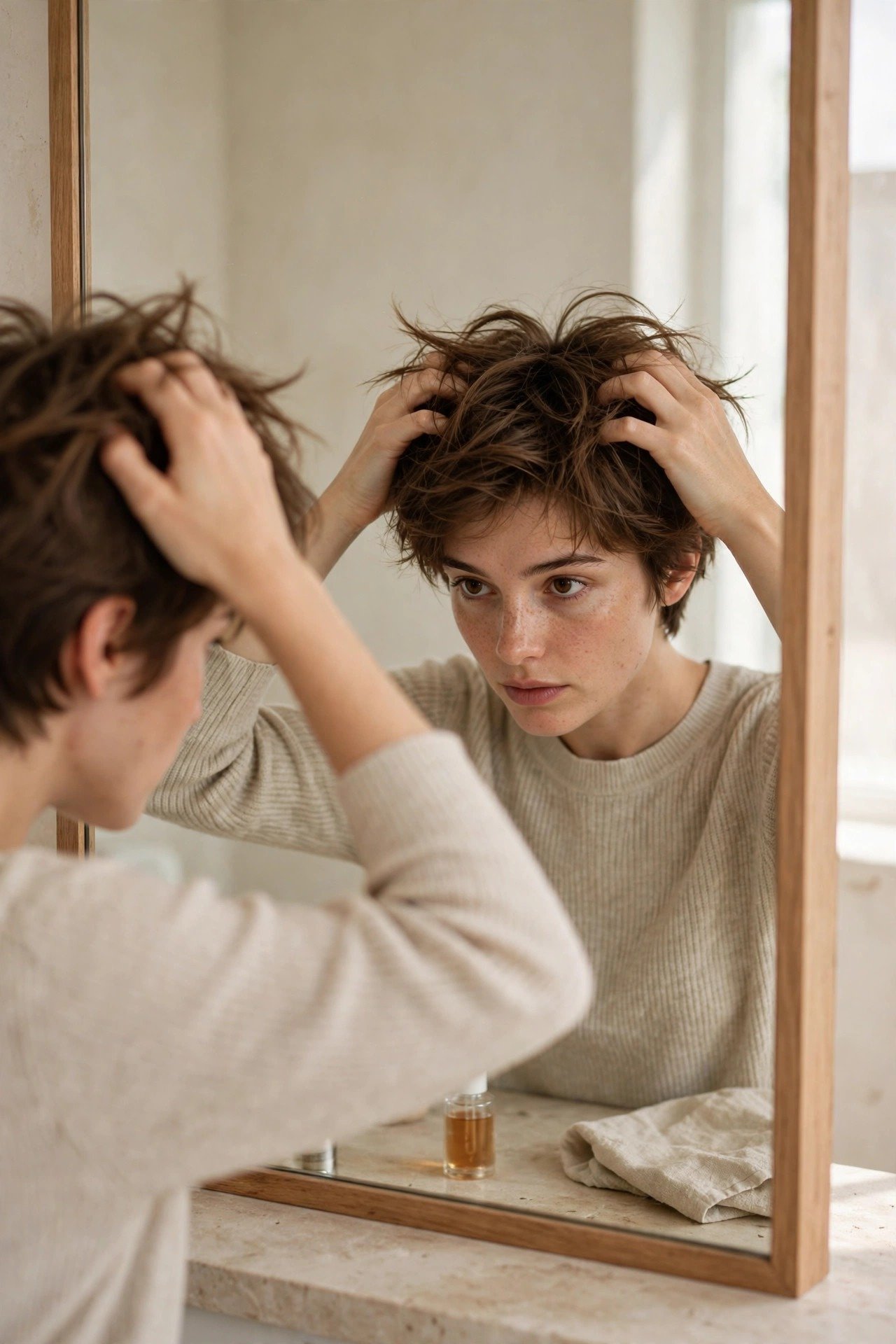
The good news about styling the Linda cut is that the cut itself does most of the work. The bad news — if you can call it that — is that fighting the texture with heavy tools will undo everything your stylist built. This is a cut that rewards a light hand and the right products. Here is the complete styling playbook, from the five-minute everyday routine to evening polish.
The everyday routine (under five minutes): Start with damp, towel-dried hair. Work a pea-sized amount of lightweight styling cream or air-dry crème through the mid-lengths and ends — the goal is definition, not hold. R+Co BLEU’s air-dry formulas are a stylist favorite for this cut, but any quality air-dry crème works. Scrunch gently upward to encourage the piecey texture, then either let it air-dry completely or rough-dry with a blow dryer on low heat, lifting at the roots with your fingers. Once dry, warm a tiny amount of texturizing paste or pomade between your palms and pinch individual pieces — especially around the face and at the crown — to create separation. Finish with a light mist of flexible-hold hairspray, or skip it entirely if you like movement.
Adding polish for evening: For a sleeker take, blow-dry with a small round brush, directing the front pieces back and away from the face to create that androgynous sweep. A flat iron can be used sparingly on the very ends to create a slight bend — the “bent” finish that is everywhere this season — but avoid ironing the whole head flat, which kills the shag. A drop of shine serum on the surface pieces gives an editorial gloss without weighing the texture down.
Working with your texture: Straight hair should lean into piecey separation products and may benefit from a salt spray for grit. Wavy hair is the Linda’s natural soulmate — enhance the wave with a curl cream and diffuse or air-dry. Curly and coily hair should be cut with the curl pattern in mind (ask for a dry cut or curl-by-curl shaping) and styled with a leave-in plus a light gel cast that you scrunch out once dry. The cut adapts to all of these; the styling just follows the hair’s lead.
Tools worth owning: a blow dryer with a concentrator nozzle and a diffuser attachment, a small round brush, a flat iron (used sparingly), a wide-tooth comb for detangling wet hair, and duckbill clips for setting the front pieces while they cool. Product-wise, keep it to four: a heat protectant, an air-dry or styling cream, a texturizing paste or wax, and a flexible hairspray. That is the entire kit — the Linda cut is gloriously low-maintenance by design.
Growing it out gracefully: When you are ready for a change, the Linda grows into a shaggy bixie and then a textured bob with surprising elegance, provided you get mini-trims every eight weeks to keep the shape intentional. Ask your stylist for a grow-out plan at your appointment — a good one will cut the Linda with its future shapes in mind.
32 Linda Cut Ideas for Women in 2026
Below are 32 distinct ways to wear the Linda cut, organized from the most faithful ’90s interpretations to the boldest 2026 updates. Each variation notes who it suits best, how to ask for it, and how to style it — find the one that matches your hair, your face, and your life.
1. The Classic Linda: The 90s Supermodel Original
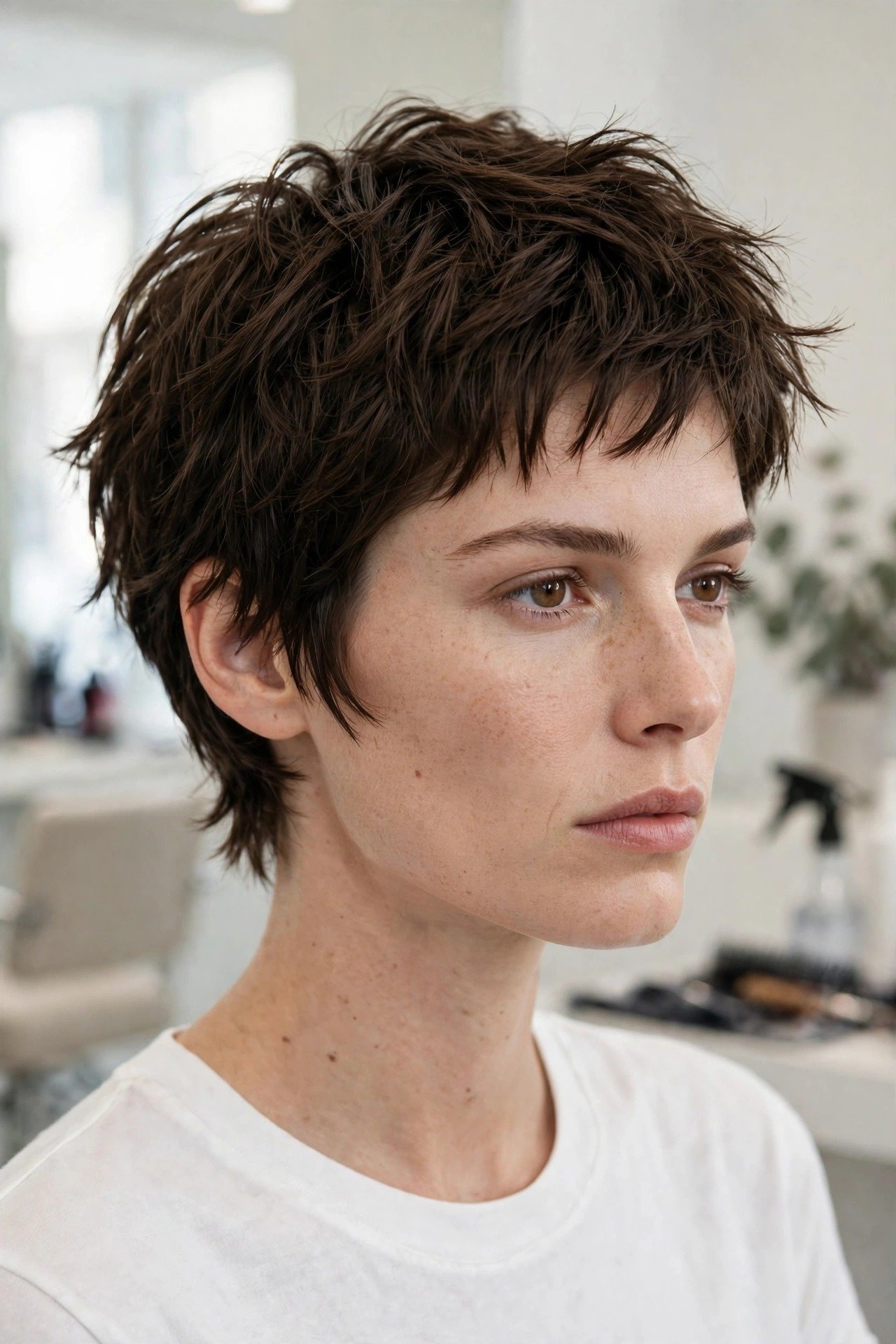
This is the cut that started it all — the exact silhouette Julien d’Ys gave Linda Evangelista: cropped just below the ear, softly shattered through the crown, with ends that move. To recreate it faithfully, ask your stylist for a very short textured crop with the perimeter sitting just under the earlobe, soft layers through the top that create height without roundness, and point-cut ends throughout. The original was worn with minimal product and maximum attitude, and that is still the best way to wear it. This version suits oval and heart-shaped faces beautifully, since the exposed jawline and cheekbones become the focal point. Style it by rough-drying with a little volumizing mousse at the roots, then piece out the ends with a dab of matte paste. It is the purest, most editorial Linda — androgynous, confident, and instantly recognizable. If you want the fashion-history version rather than a modern interpretation, start here. The maintenance is straightforward: a trim every six to eight weeks keeps the perimeter crisp, and the grow-out is graceful because the layers are already soft. Pair it with strong brows and a bold lip and the whole look becomes a statement that needs no other accessories. For women who have always wanted to try a true crop but feared looking severe, the Classic Linda is the reassurance — its softness keeps it feminine even at its shortest.
2. La Linda: Garren’s Softened 2026 Update
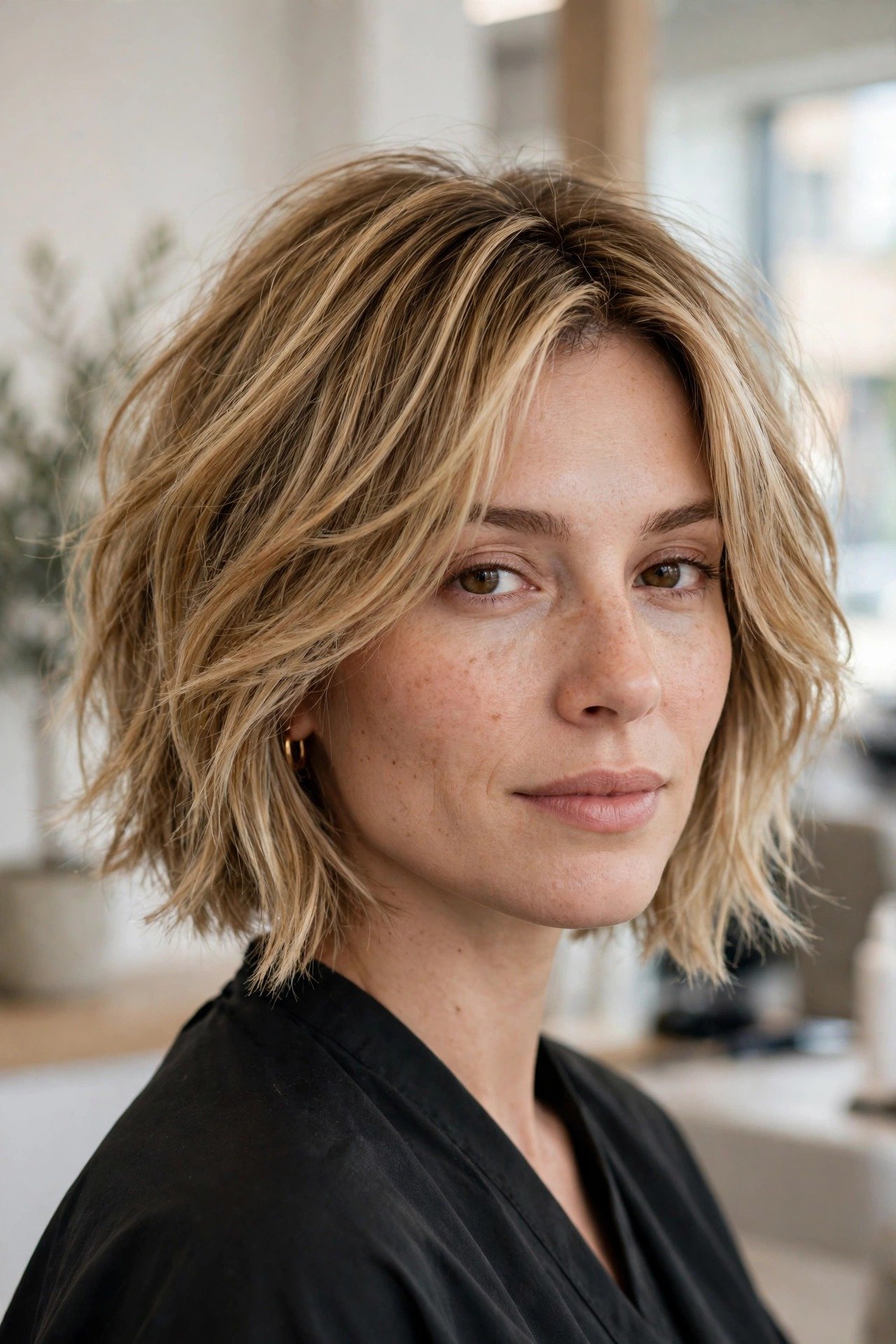
When celebrity hairstylist Garren talks about the Linda for 2026, he is describing “La Linda” — the original’s spirit with softened edges. The length stays just below the ear, but the layers are longer and more blended, the perimeter is less blunt, and the overall effect is a shaggy bob-crop hybrid rather than a severe cut. Ask for a short shaggy bob ending just below the ear with long, soft layers, interior texturizing to remove weight, and ends that are feathered rather than chopped. This is the most wearable entry point into the trend and the version most stylists will recommend for a first-timer. It flatters nearly every face shape because the softness around the perimeter can be adjusted — longer pieces in front for round faces, more volume at the crown for long faces. Style with air-dry crème and a diffuser for an effortless finish, or blow-dry smooth for a more polished day. The grow-out is the easiest of all the variations, melting into a textured bob over three to four months. If the Classic Linda feels like a costume and you want the 2026 reality, La Linda is your cut. It keeps the androgynous-sexy duality Garren describes while asking less commitment from both you and your morning routine.
3. The Androgynous Linda: Sharp Meets Soft
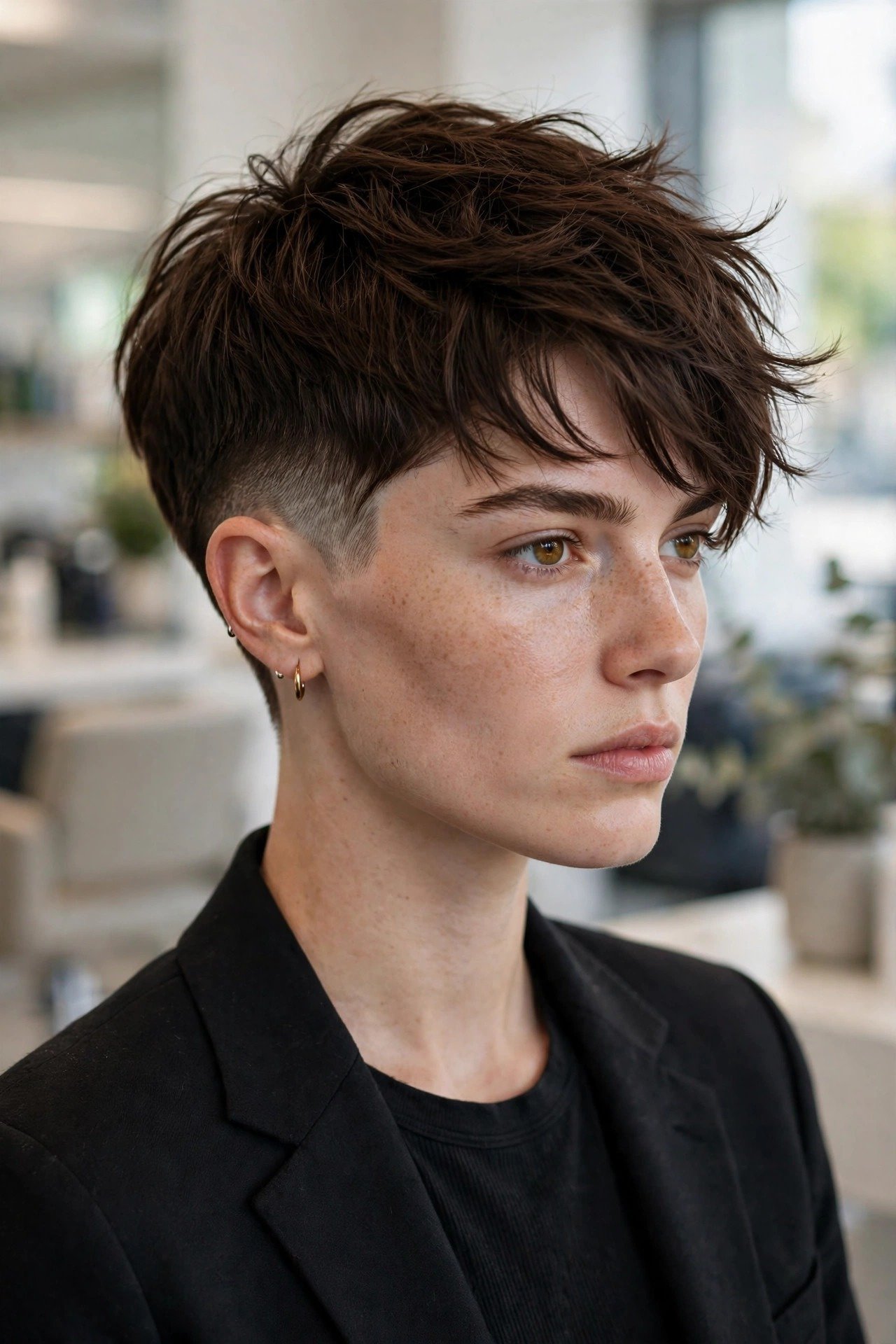
This variation leans hard into the androgynous energy that makes the Linda feel so current — think tailored, almost menswear-inspired lines through the sides and nape, with softness kept only on top. Ask for closely tapered sides and a clean nape, with length and texture preserved through the crown and fringe area. The contrast between the sharp perimeter and the piecey top is what gives it that “borrowed from the boys, made for you” feeling dominating fall 2026 editorials. It suits angular and oval faces especially well, and it is a dream for thick hair because the tapering removes bulk exactly where it is unwanted. Style it with a matte clay or paste, pushing the top forward and slightly to the side for that effortless disheveled finish. A deep side part adds drama; a center part keeps it minimal and modern. This is the Linda for women who love a strong silhouette and do not mind a bolder grow-out — the tapered sides will need cleaning up every four to five weeks to keep the contrast sharp. Pair with minimal makeup and architectural jewelry and the whole look reads as intentional, powerful, and completely of the moment.
4. The Wispy Linda: Featherlight Texture
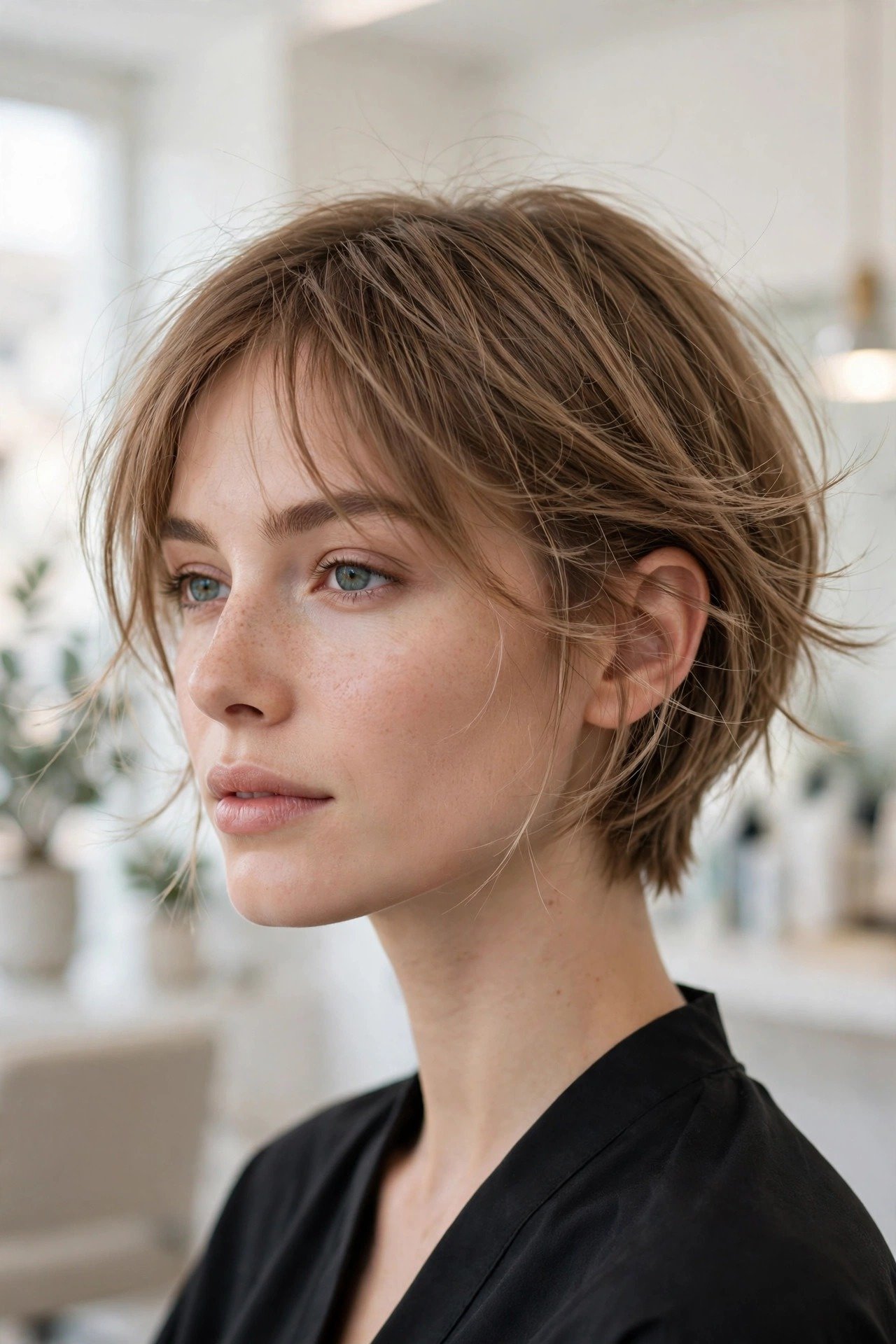
If the Classic Linda is about structure, the Wispy Linda is about air. This version uses extensive point cutting and slide cutting to create ends so light they practically float, giving the whole crop a feathered, ethereal quality. Ask for maximum texturizing through the ends, wispy pieces around the face and ears, and a perimeter that dissolves rather than ends. It is the ideal Linda for fine hair, because the wispy ends create the illusion of more hair — bluntness would only reveal thinness, while texture disguises it. It also suits women who want short hair without the “helmet” effect, since the airy finish never looks heavy. Style with a lightweight volumizing spray at the roots and a tiny amount of dry texture spray through the ends; avoid heavy creams or oils that would collapse the wispiness. Air-drying works beautifully here. The trade-off is that wispy ends can look thin if over-texturized, so find a stylist who understands restraint — you want airy, not sparse. Trims every six weeks keep the wisp intentional rather than straggly, and this version grows out into a lovely shaggy pixie-bob.
5. The Linda with Curtain Bangs: Face-Framing Softness
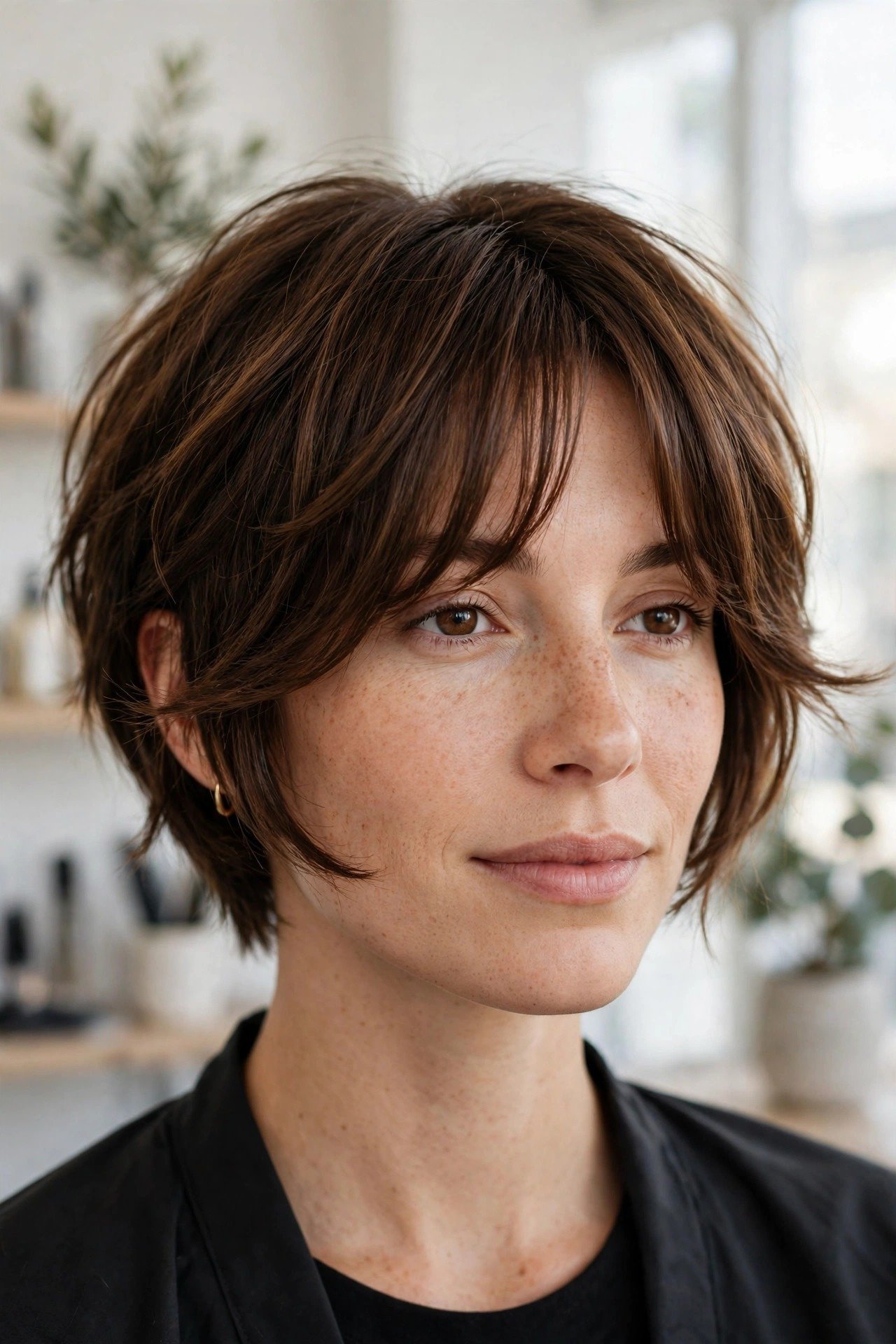
Curtain bangs are the Linda cut’s best friend in 2026. By adding a soft, parted fringe that sweeps away from the face on both sides, you get all the edge of the crop with a built-in softening frame that flatters wider foreheads and strong jawlines alike. Ask for the standard Linda perimeter — just below the ear, textured — plus curtain bangs that start at the cheekbones and blend into the face-framing layers. The bangs should be cut to part naturally in the middle or slightly off-center; avoid a heavy, straight-across fringe, which fights the cut’s airy character. This variation is especially flattering on round and square faces, where the diagonal lines of the curtain fringe create the illusion of length. Style the bangs with a round brush, sweeping them outward and away from the face, or let them air-dry with a little styling cream for a more undone look. The curtain fringe needs trimming every four to five weeks to keep it out of the eyes, but the rest of the cut follows the standard six-to-eight-week schedule. It is also the most versatile Linda for styling variety — pin the bangs back for a sleeker look, or let them fall forward for softness. For women nervous about a crop, the curtain bangs provide a familiar, feminine frame that makes the short length feel less drastic.
6. The Micro Linda: The Boldest Take
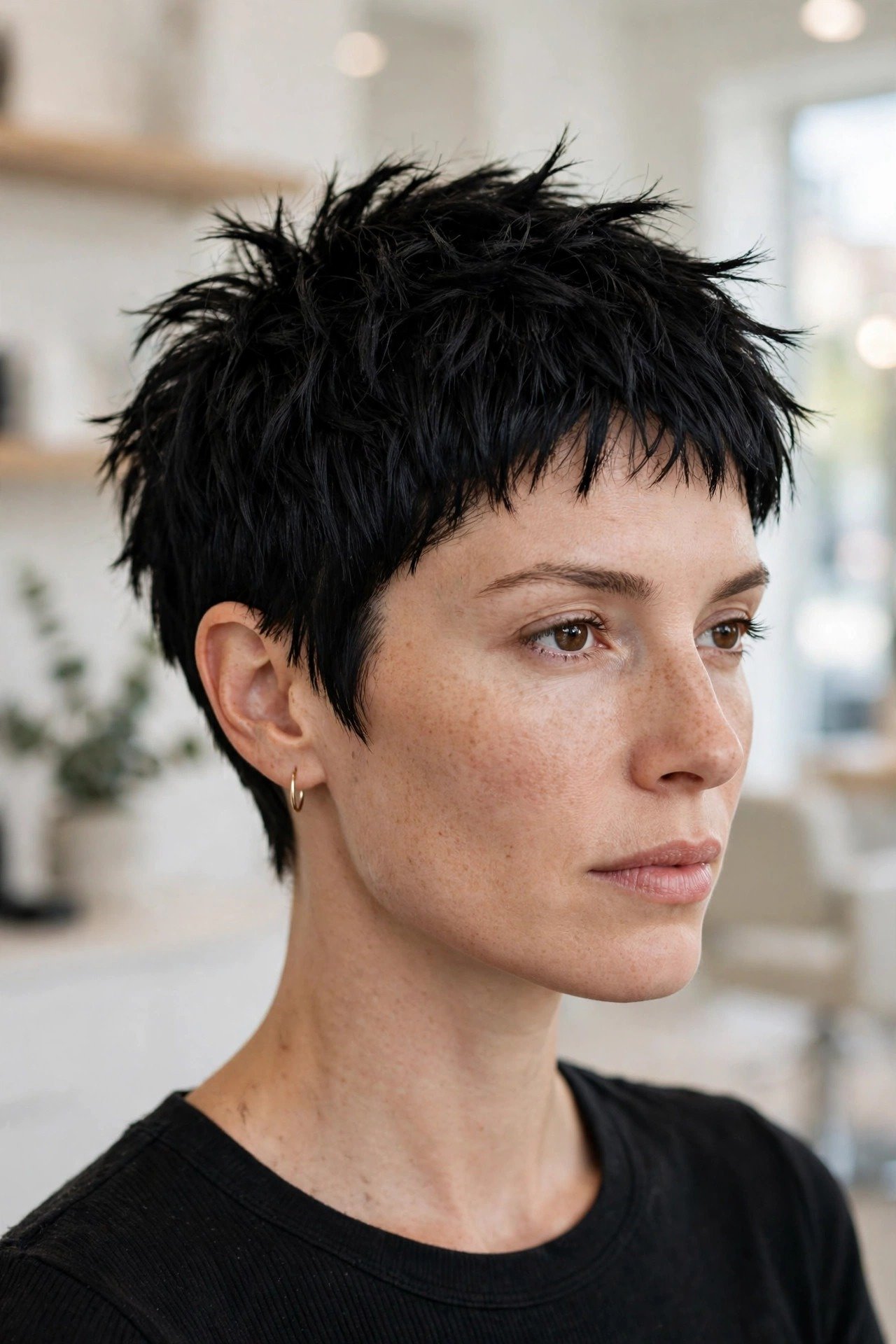
The Micro Linda takes the crop to its shortest extreme — closer to a textured pixie in length, but keeping the Linda’s shaggy, piecey DNA rather than going sleek. The perimeter sits at or just above the ear, the crown is heavily textured, and the whole cut is about bold, confident minimalism. Ask for the shortest version of the Linda your stylist will cut, with aggressive texturizing and a perimeter that hugs the ear. This is not a first-short-cut choice; it is for women who know they love short hair and want the most fashion-forward version of the trend. It suits petite features and strong bone structure beautifully — the less hair there is, the more your face does the talking. Styling is the easiest of all variations: a dab of texturizing paste, thirty seconds of tousling, and you are done. It air-dries perfectly and looks better the less you fuss with it. The commitment is real, though — growing out a micro crop takes patience, and trims every four to six weeks are essential to keep the shape from going fuzzy. But for pure impact, nothing in the Linda family beats it. This is the cut that gets stopped on the street and screenshotted on Pinterest.
7. The Grown-Out Linda: Lived-In Cool
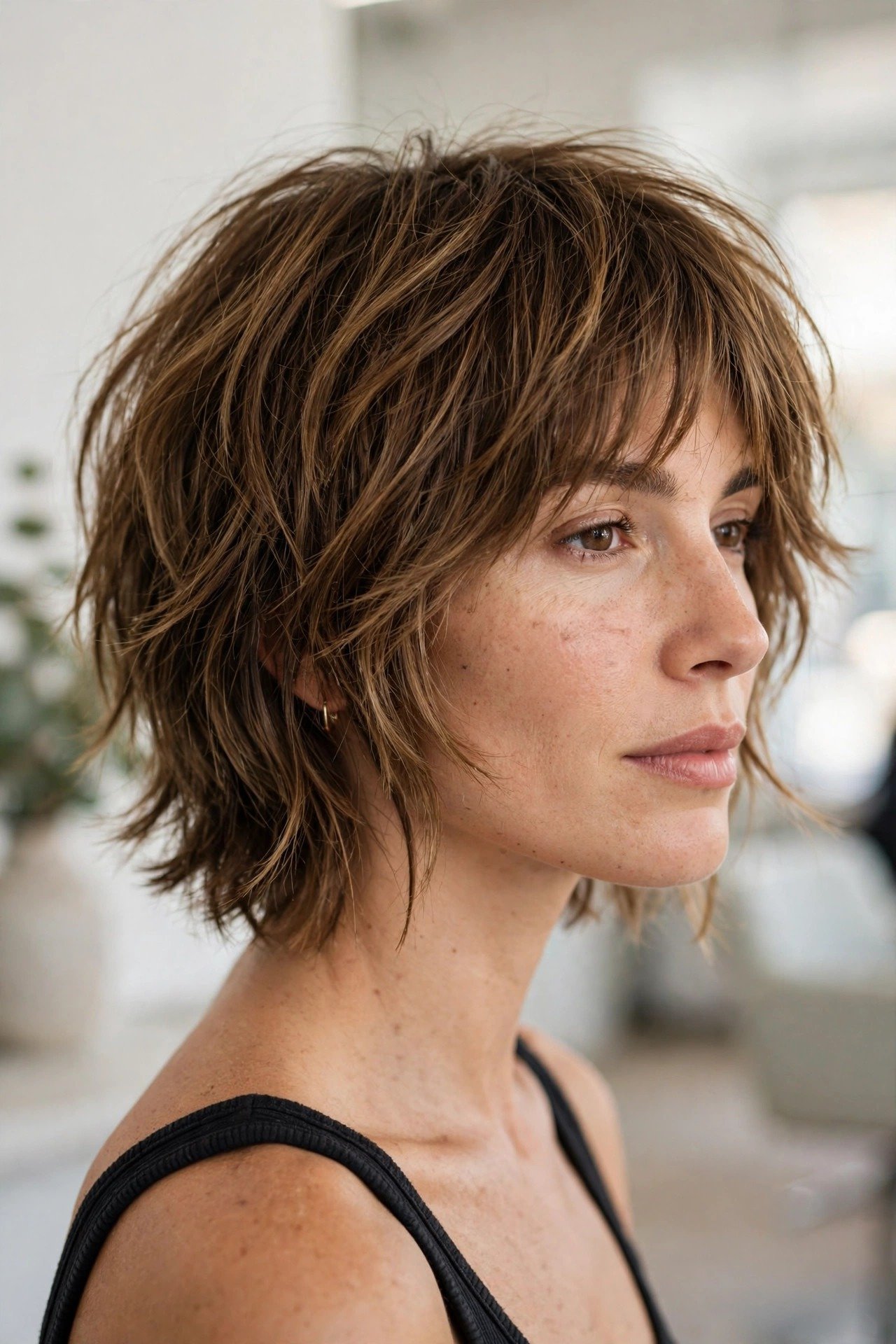
Here is a secret the best stylists know: the Linda cut looks arguably best at eight to twelve weeks, when it has grown into a shaggy, lived-in crop with natural weight and movement. The Grown-Out Linda is that stage, worn intentionally. The perimeter has dropped toward the jawline, the layers have softened into each other, and the whole cut has an effortless, French-girl insouciance that a fresh cut cannot quite replicate. If you are growing out a Linda — or if you want the vibe without the severity — ask for a Linda cut with slightly longer initial length and softer layering, designed to look best as it grows. This version suits everyone, because the extra length is forgiving, and it is the lowest-maintenance Linda of all: trims every ten to twelve weeks, minimal product, maximum air-drying. Style with a salt spray or texture spray for that just-back-from-the-coast feel. The grown-out Linda is also the smartest choice if you are Linda-curious but commitment-shy — you get the aesthetic with an easy exit ramp. It bridges the Linda and the bixie beautifully, and many women find this in-between stage becomes their permanent length.
8. The Linda with a Deep Side Part: Old-Hollywood Drama
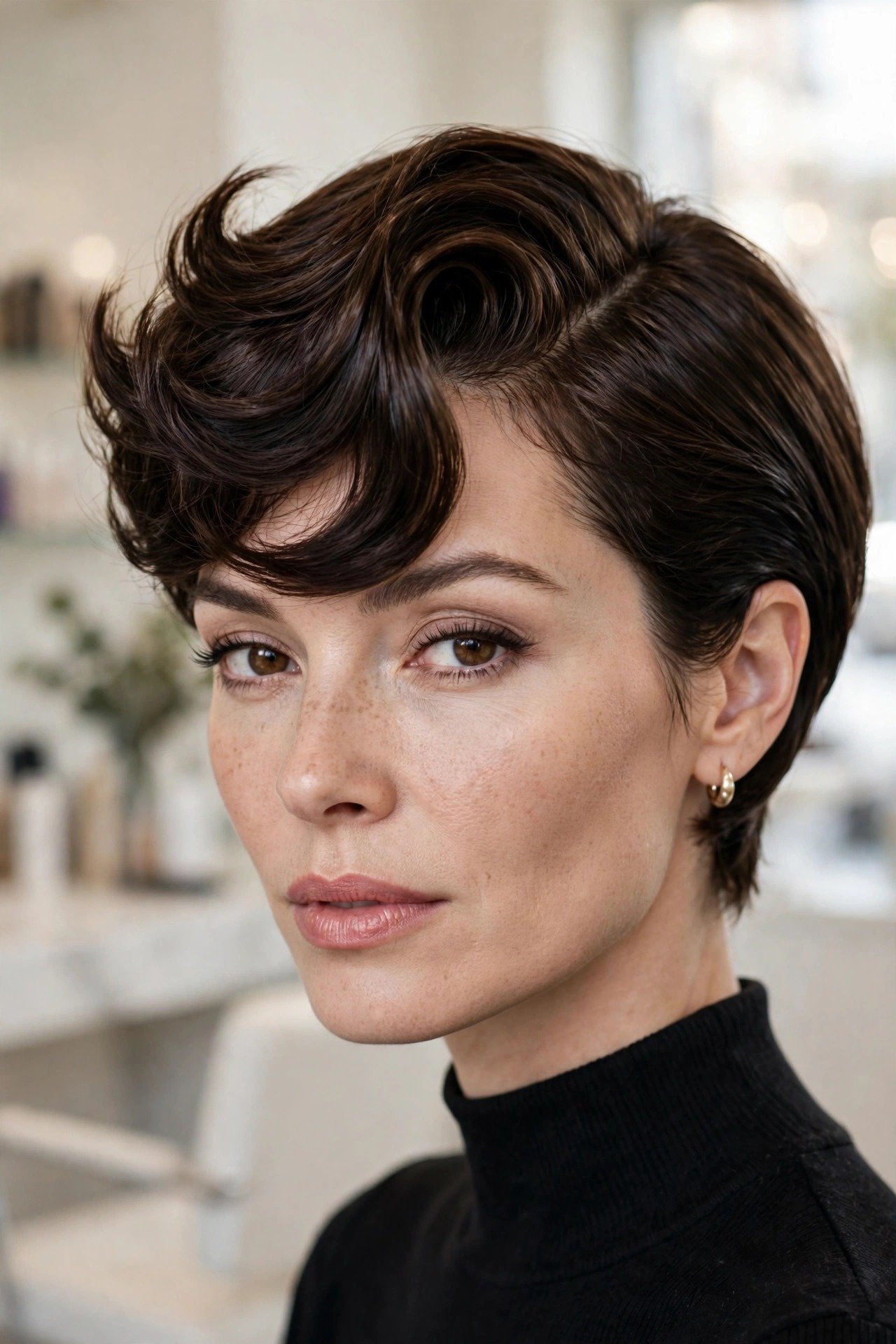
A deep side part transforms the Linda from androgynous to dramatic in a single gesture. By sweeping the heavy side across the forehead, you create old-Hollywood glamour on a thoroughly modern crop — volume on one side, sleek closeness on the other. Ask for the standard Linda cut with enough length on top to sweep, and have your stylist establish the deep part during the cut so the layers fall correctly. This variation is stunning on oval and heart-shaped faces and adds instant evening polish to the otherwise casual cut. Style by blow-drying the heavy side with a round brush for smoothness and volume, tucking the lighter side behind the ear, and finishing with a flexible-hold spray. A little shine serum on the swept side gives it that red-carpet gleam. For extra drama, pair with a bold red lip and a statement earring on the exposed side — the asymmetry becomes jewelry. The deep side part also works as a styling option on any Linda variation, so even if you wear it center-parted daily, you have an evening look built in. Trim schedule follows the standard six to eight weeks, with attention to keeping the heavy side from getting bulky.
9. The Textured Linda: Piecey Perfection
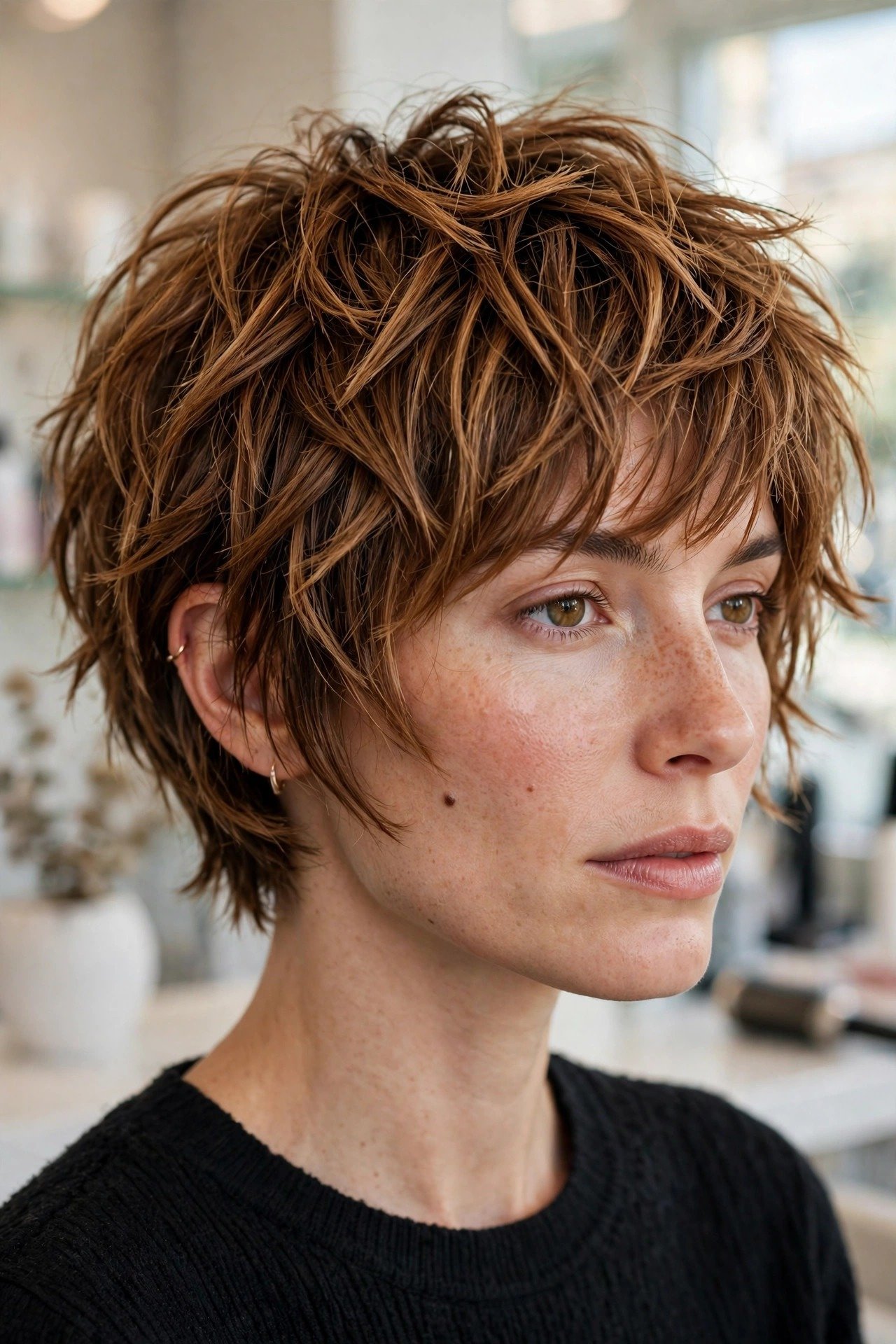
The Textured Linda is the Platonic ideal of the 2026 version — ev
ery piece defined, every end separated, the whole cut reading as deliberate, touchable texture. Achieving it is equal parts cut and styling: ask for heavy point cutting and razor texturizing throughout, with no blunt lines anywhere, then commit to the piece-out routine at home. This suits medium to thick hair best, since there needs to be enough hair to separate into pieces; on very fine hair, ask for a lighter hand with the texturizing. The styling routine is the star here: after rough-drying, work a small amount of matte texturizing paste through the hair piece by piece, twisting individual sections between your fingers to create definition. A dry texture spray as a finisher adds grit and separation. The result is a cut that looks different every day depending on how you piece it — forward and messy, swept back and sleek, or tousled and undone. It is the most interactive Linda, rewarding the woman who enjoys playing with her hair. Trims every six weeks keep the texture crisp; let it go too long and the pieces start to clump rather than separate.10. The Sleek Linda: Polished Minimalism
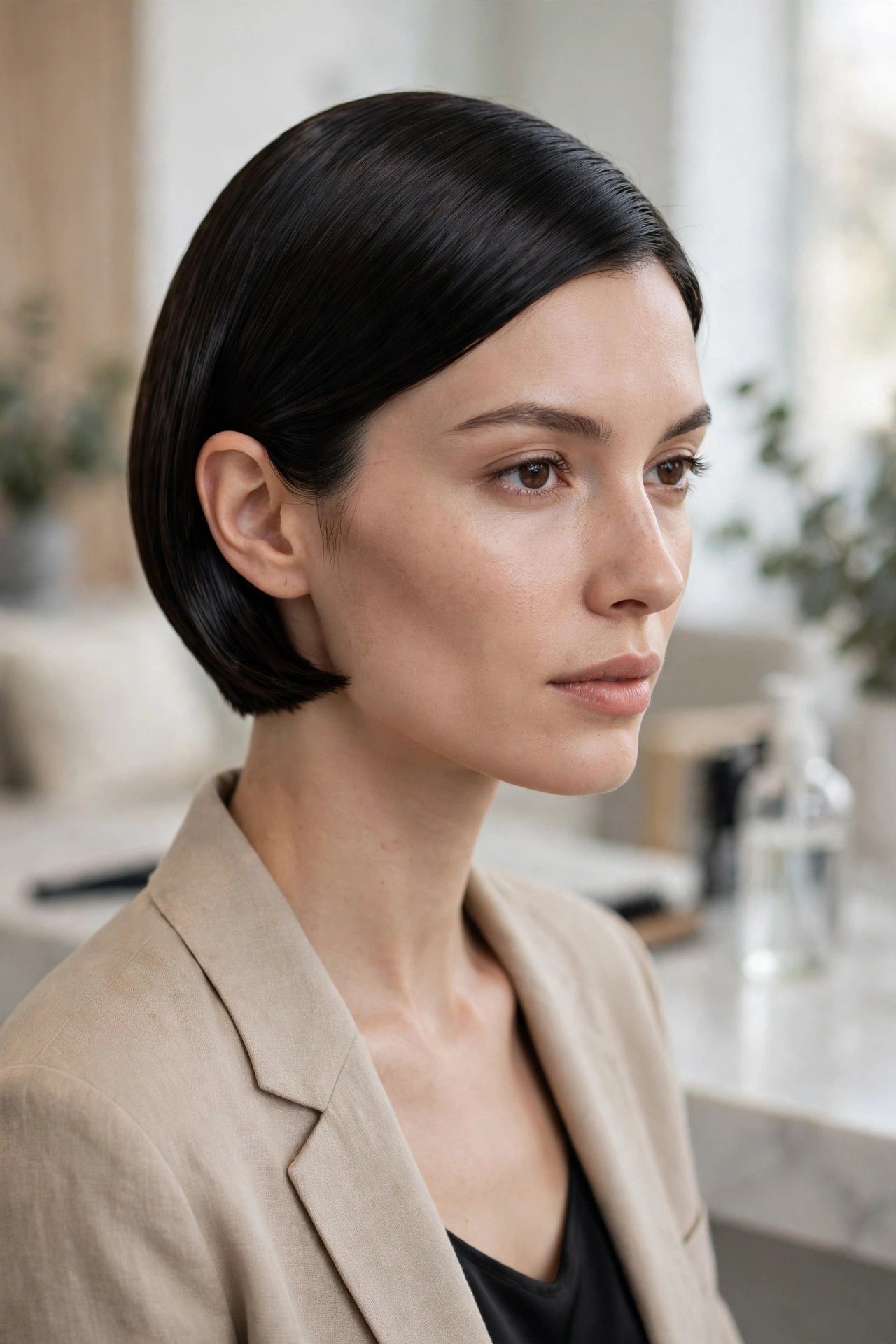
Not every Linda needs to be shaggy. The Sleek Linda takes the same below-the-ear perimeter and renders it smooth, glossy, and minimal — a polished crop with quiet luxury appeal. Ask for the Linda length with cleaner lines: less shattered layering, a smoother perimeter, and ends that are refined rather than ragged. The cut should still have softness — this is not a blunt bowl — but the texture is controlled. This variation is perfect for professional environments where the shaggy versions might read too casual, and it suits straight, fine to medium hair that lies flat naturally. Style with a smoothing cream and a blow dryer with a concentrator nozzle, directing everything sleek and close to the head, then finish with a shine serum or a light glossing spray. A deep side part adds sophistication; a center part keeps it stark and modern. The Sleek Linda is also the best version for showing off healthy, shiny hair and rich color — without texture to scatter the light, the gloss takes center stage. Trims every five to six weeks keep the clean lines sharp. For evenings, tuck one side behind the ear and add a sculptural earring for instant polish.
11. The Curly Linda: Texture on Texture
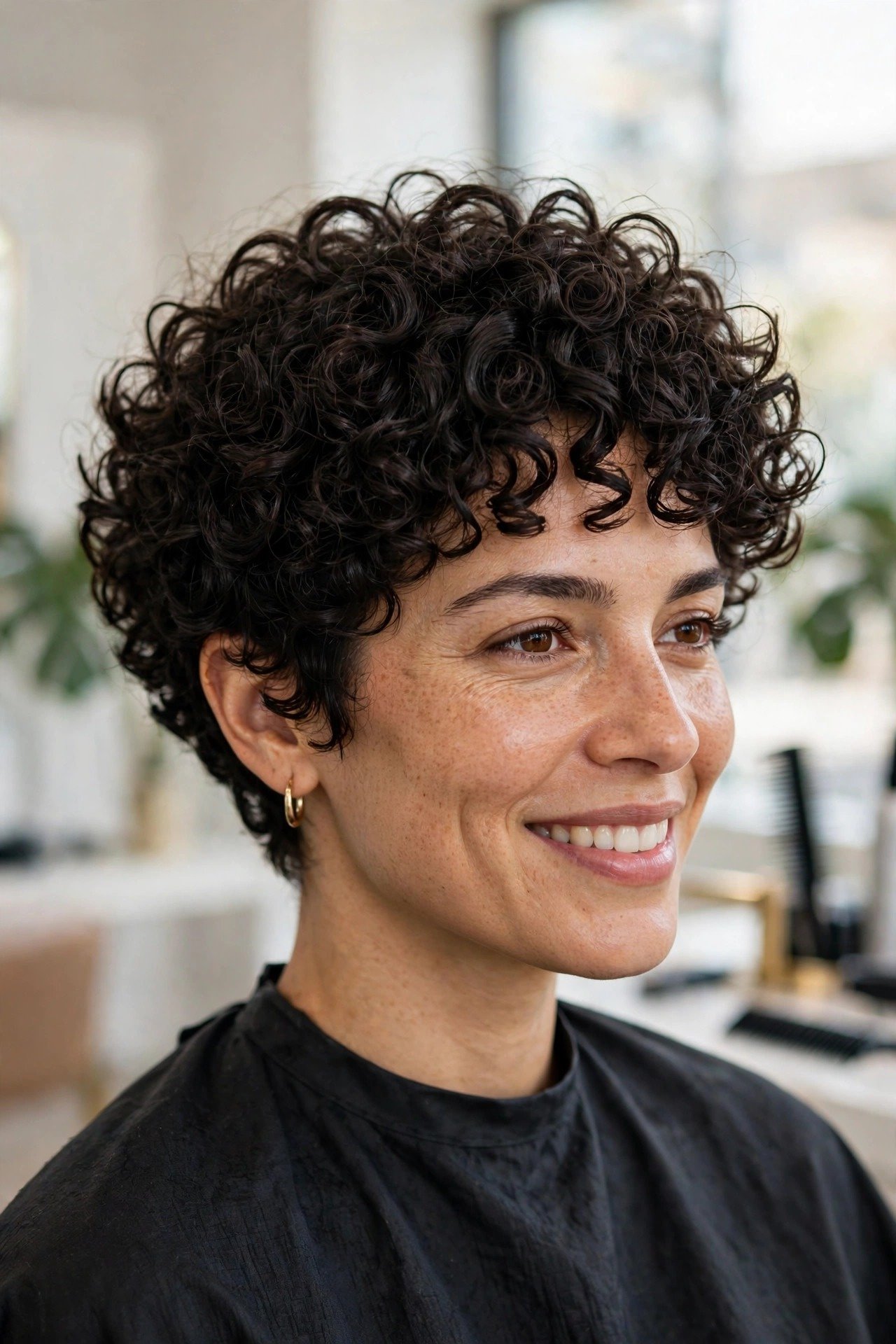
Curly hair and the Linda cut are a match made in texture heaven — the crop’s shaggy DNA was practically designed for curls. The key is the cutting approach: ask for a dry cut or curl-by-curl shaping, with the perimeter just below the ear when dry (remember shrinkage), and layers that remove weight without creating a triangle silhouette. A stylist experienced with curly short cuts is non-negotiable here. The result is a joyful, voluminous crop with incredible natural movement — each curl becomes a piece of the texture story. This suits all curl patterns from 3A to 4C with the right layering, and it is especially liberating for women who have kept their curls long out of habit rather than love. Style with a leave-in conditioner and a curl-defining cream or light gel, scrunching upward and either diffusing or air-drying; once fully dry, scrunch out any crunch and pick at the roots for volume. Pineapple at night or use a silk pillowcase to preserve the shape. Trims every eight to ten weeks, always on dry hair. The Curly Linda is proof that short curly cuts are not just possible but spectacular — it has become one of the most saved variations on stylist portfolios this season.
12. The Wavy Linda: Effortless Movement
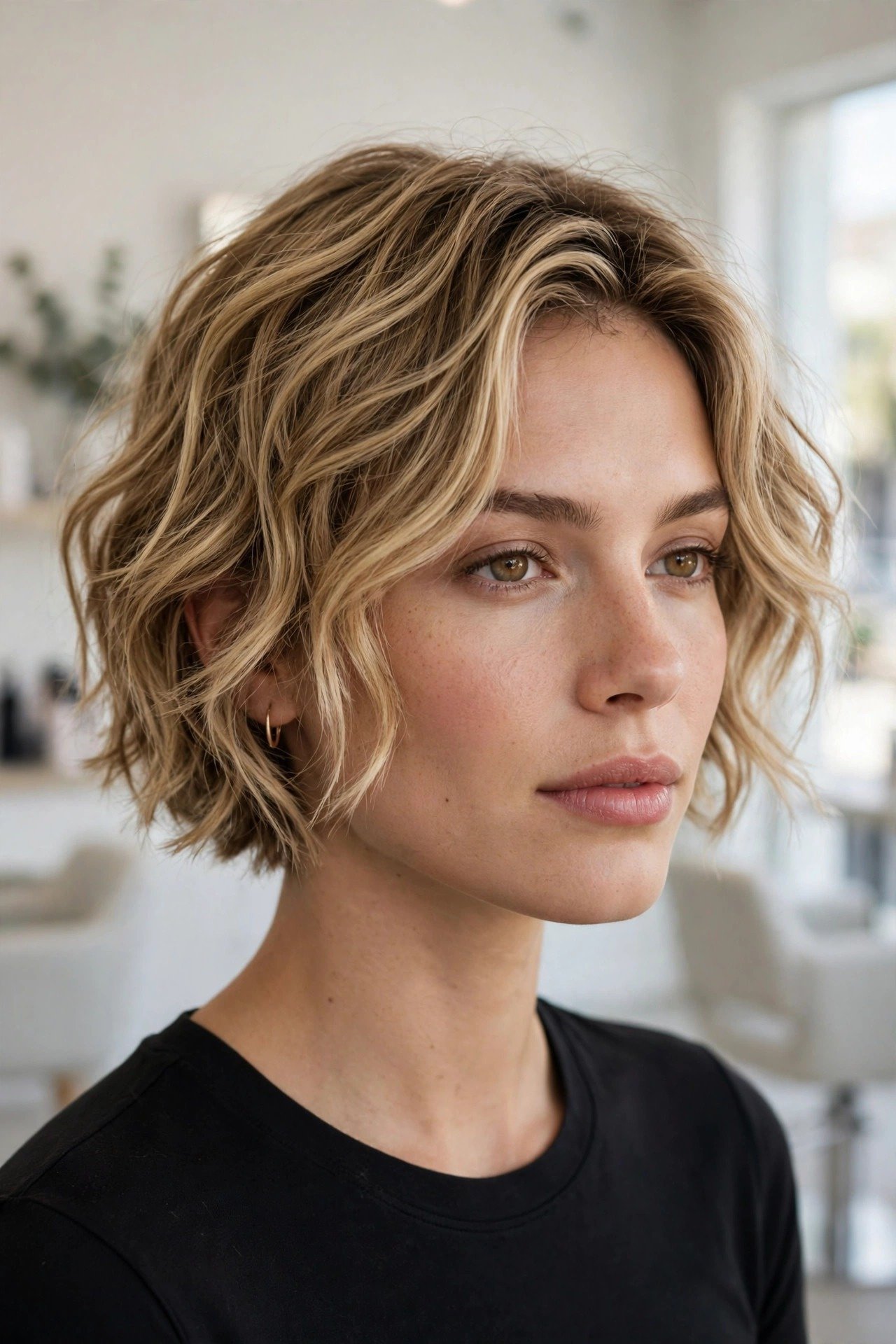
If curly hair is the Linda’s soulmate, wavy hair is its easiest relationship. Natural wave falls into the Linda’s piecey layers with almost no effort, creating that coveted undone movement the cut is famous for. Ask for the standard Linda with layers designed to enhance your wave pattern — slightly longer layers if your wave is loose, more shattered texture if it is strong. The cut should be shaped so the wave does the styling: the perimeter just below the ear, the crown with enough layering to prevent heaviness. Style with a wave-enhancing cream or mousse on damp hair, scrunch, and air-dry or diffuse — that is genuinely the whole routine. A salt spray on day two revives the wave without washing. This variation suits every face shape and is the lowest-effort Linda for daily wear, making it the top recommendation for busy women who want the look without the labor. It also grows out beautifully, softening into a wavy bixie and then a textured bob. Trims every seven to nine weeks keep the wave pattern crisp. For a change of pace, a quick pass with a flat iron on the ends creates the bent finish, or a curling wand on a few pieces adds polish for evenings.
13. The Linda with Highlights: Dimension and Light
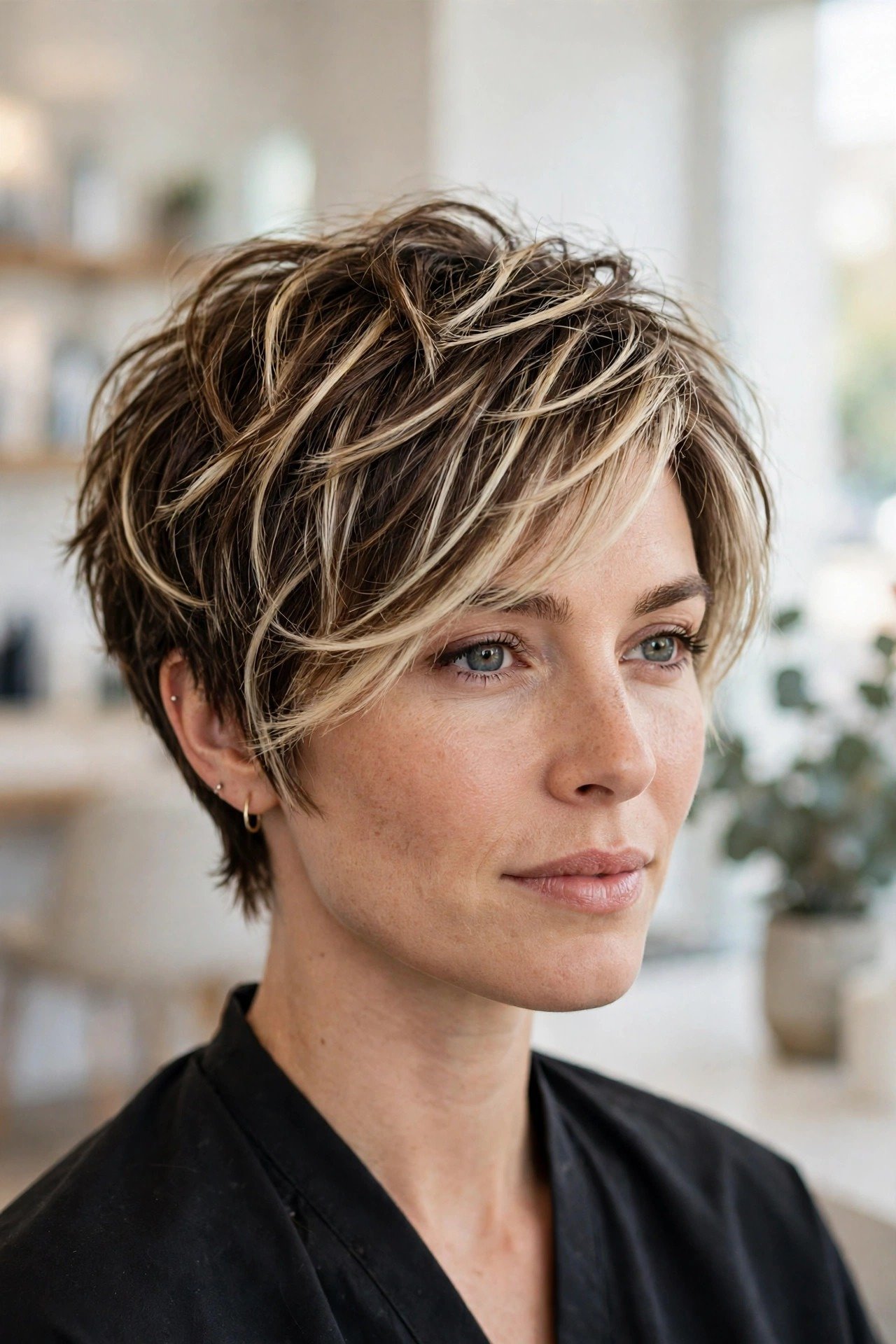
Short hair shows color differently — every highlight sits close to the face, and the Linda’s piecey texture breaks color into ribbon-like dimension. Ask for your Linda cut first, then add highlights that follow the texture: babylights or fine balayage through the top and face-framing pieces, keeping the underneath slightly deeper for contrast. Buttery blonde, honey, and caramel tones are the 2026 favorites, but the technique matters more than the shade — the color should look woven into the texture, not painted on top of it. This variation suits everyone, because the right highlight tone can be customized to any skin tone, and it is especially transformative on brunettes who want brightness without going fully blonde. Style to show off the dimension: piece out the ends with texturizing paste so the light and dark pieces separate visibly. The maintenance math changes with color — trims every six to eight weeks for the cut, gloss or toner refresh every six to eight weeks for the color, and full highlight refresh every ten to twelve weeks. Use color-safe, sulfate-free products and a weekly mask to keep short highlighted hair healthy, since there is less length to hide damage behind.
14. The Platinum Linda: Ice-Blonde Edge
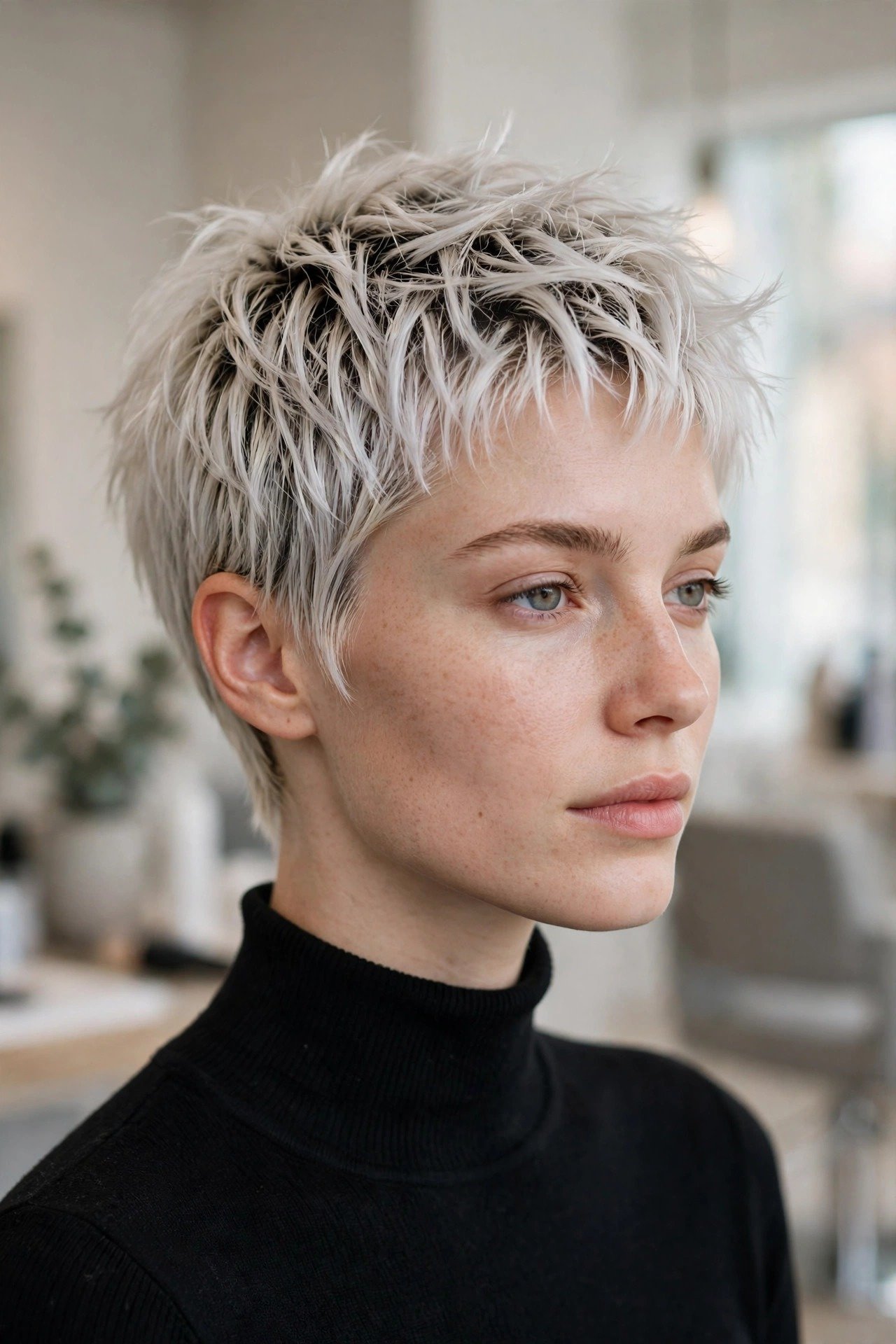
Platinum blonde on a Linda cut is not a hairstyle — it is a statement of intent. The combination of the iciest shade with the most editorial crop creates a look that is equal parts punk, high fashion, and timeless. This is a color-first variation: the cut provides the canvas, but the platinum does the talking. You will need to be naturally light or willing to commit to the bleaching process — going platinum from dark hair takes multiple sessions and serious aftercare. Ask your colorist for an even, clean platinum with a slightly shadowed root for grow-out forgiveness, paired with the textured Linda perimeter just below the ear. The shadow root is key: it softens the grow-out and adds depth that pure platinum can lack. Style with purple shampoo once a week to keep brass away, a bond-building treatment regularly, and lightweight oils on the ends to combat bleach dryness. This suits cool and neutral skin tones best and looks incredible with strong brows and minimal makeup — let the hair be the entire look. Trims every six weeks; color touch-ups every four to six weeks depending on your natural growth. It is high-maintenance, high-reward — the Linda variation with the most stopping power.
15. The Espresso Linda: Rich Brunette Depth
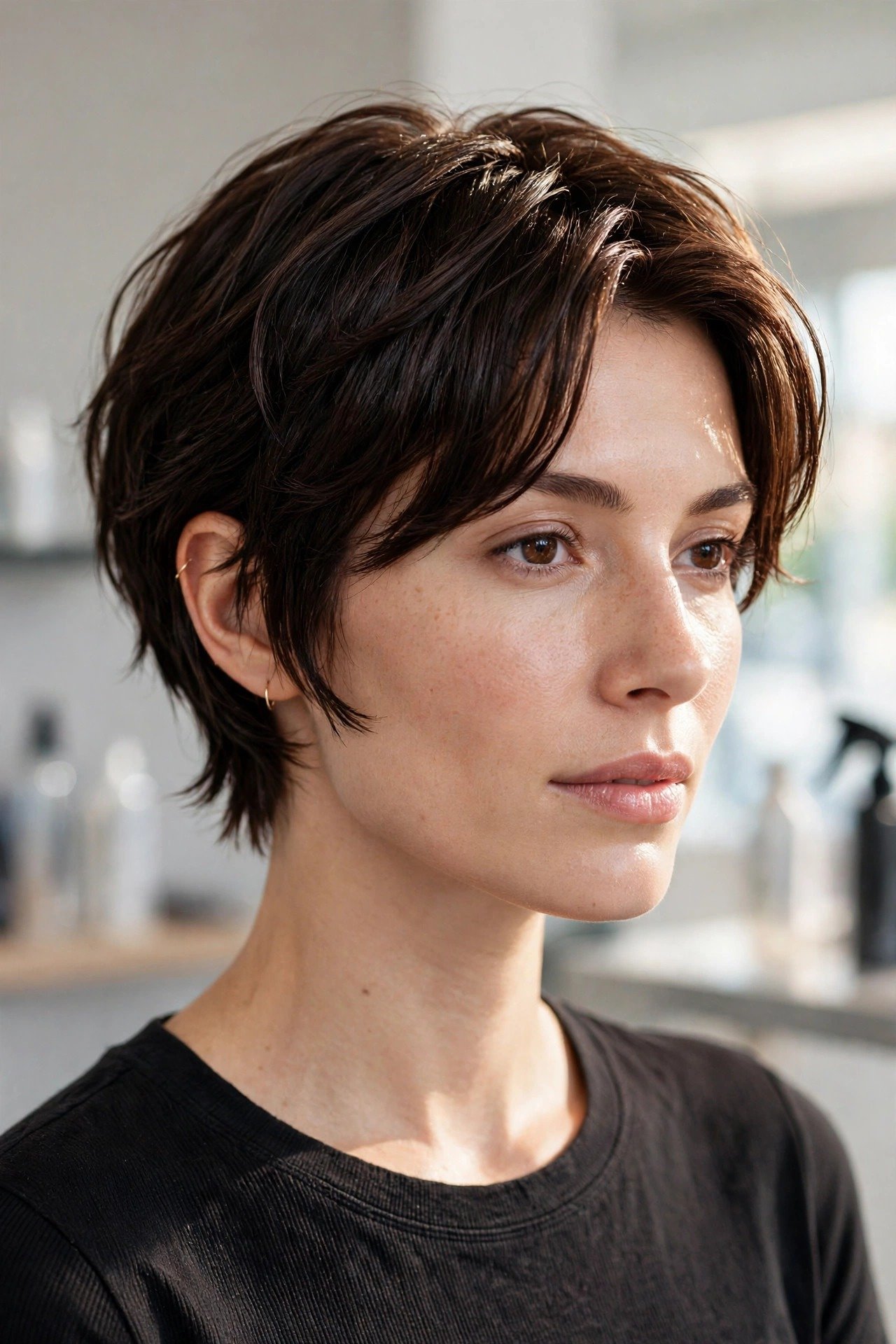
Deep espresso is fall 2026’s defining brunette shade, and on a Linda cut it looks impossibly rich — the short length concentrates the color’s depth right at the face, and the texture catches light in a way that makes the shade look dimensional even when it is nearly black. Ask for a Linda cut paired with an all-over deep espresso gloss or demi-permanent color, with the option of subtle tonal variation through the ends for movement. Unlike the platinum version, this is low-drama color: a gloss refresh every six to eight weeks keeps it luminous, and grow-out is forgiving. It suits warm and neutral skin tones especially well, though the right espresso tone can be adjusted for cool skin too. Style with shine-enhancing products — a glossing serum or lightweight oil — because the whole point of espresso is that liquid, reflective depth. The Sleek Linda styling approach pairs perfectly here: smooth, glossy, minimal. This is the Linda for women who want maximum impact with minimum upkeep, and it photographs beautifully — the dark, glossy crop against skin creates the kind of contrast that defines editorial beauty shots. Trims every six to eight weeks; gloss every six to eight weeks.
16. The Copper Linda: Fiery Warmth
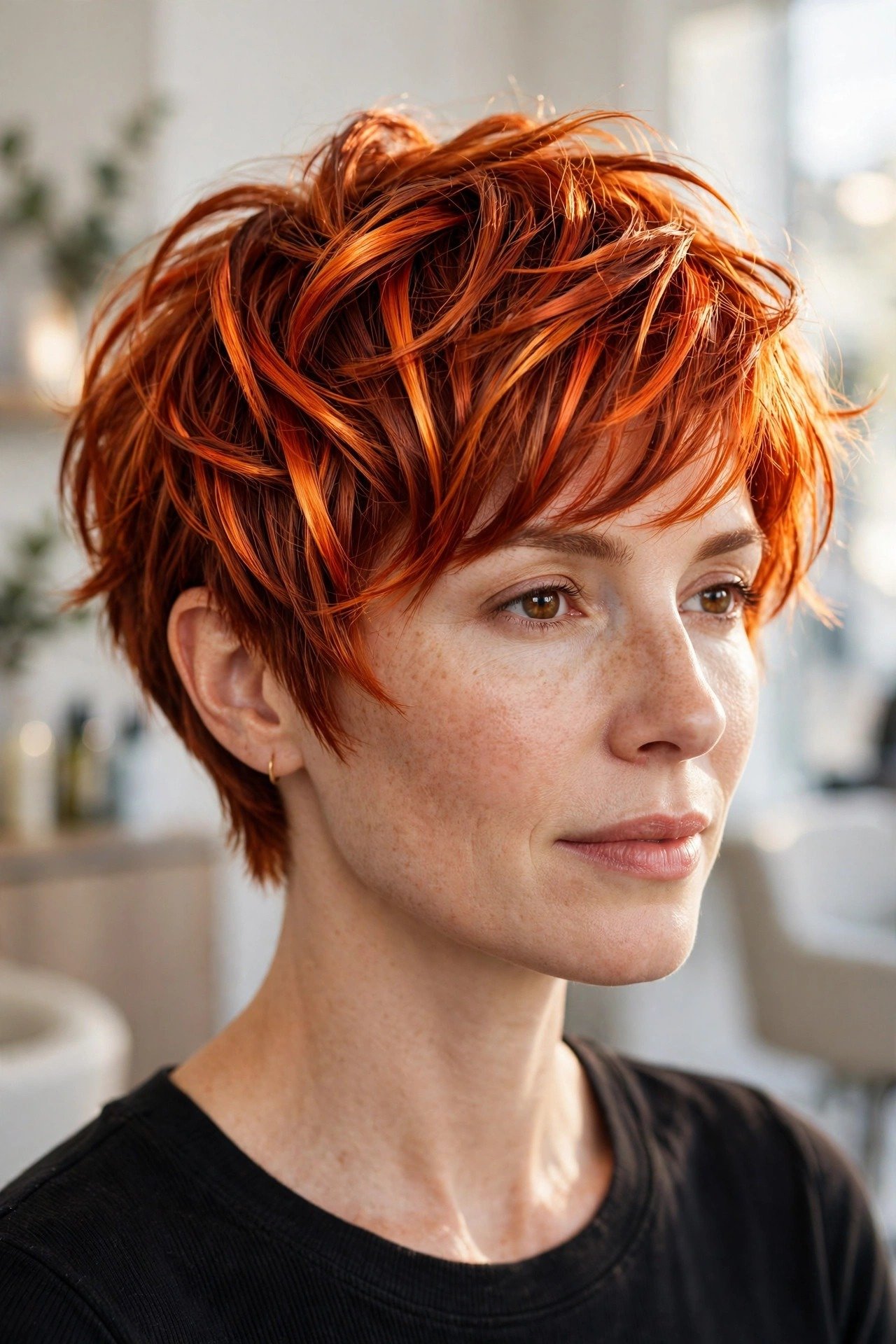
Copper continues its multi-season reign into fall 2026, and the Linda cut is one of its best vehicles — the warm, reflective tone makes every textured piece glow. Ask for a copper shade matched to your skin tone: bright, true copper for fair to medium skin; deeper auburn-copper for medium to deep skin. The color should have dimension — a skilled colorist will weave slightly lighter and deeper copper ribbons through the texture so it never looks flat. Pair with the standard textured Linda perimeter, since the piecey finish shows off the color variation best. Style with color-safe products and a heat protectant always, since copper fades faster than any other shade — cool water rinses and a color-depositing mask every other week keep it vibrant. This suits green and hazel eyes spectacularly and adds instant warmth to the complexion. The maintenance is real: gloss refreshes every four to six weeks, full color every eight to ten. But for women who want their hair to be the warmest thing in the room, the Copper Linda delivers like nothing else. It is the coziest, most autumnal version of the trend.
17. The Linda with a Money Piece: Face-Brightening Pop
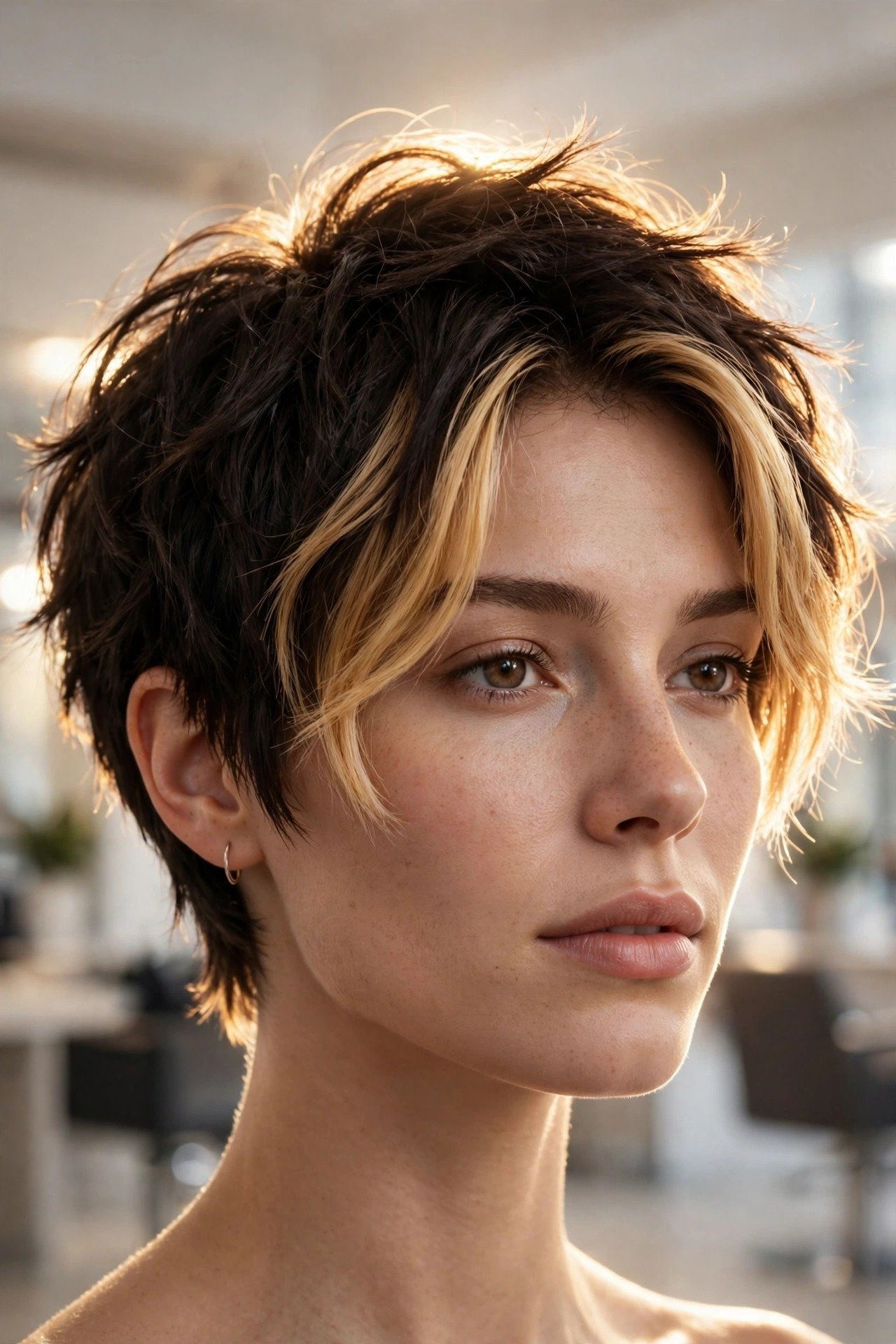
The money piece — those brightened face-framing sections — gives the Linda cut an instant brightening effect exactly where it counts: around
the face. Ask for your Linda cut with the two front sections lightened one to two levels brighter than the base, blended softly so there is no harsh line. On brunettes, a caramel or honey money piece glows; on blondes, an icy brightened frame pops. The technique works because the Linda’s perimeter sits right at the face — the brightened pieces are always visible, framing the eyes and cheekbones like a spotlight. This is the lowest-commitment color variation: the money piece needs refreshing every eight to ten weeks, the base can grow untouched, and the cut follows its normal schedule. Style by making sure the front pieces are piecey and separated so the brightness reads clearly. It suits everyone, but it is especially smart for women who want the effect of highlights without the upkeep of a full head. The money piece also photographs beautifully, which is why it remains a Pinterest favorite year after year. Pair with the textured styling routine and let the bright frame do the talking.18. The Sweeping Linda: Draped Fringe Romance
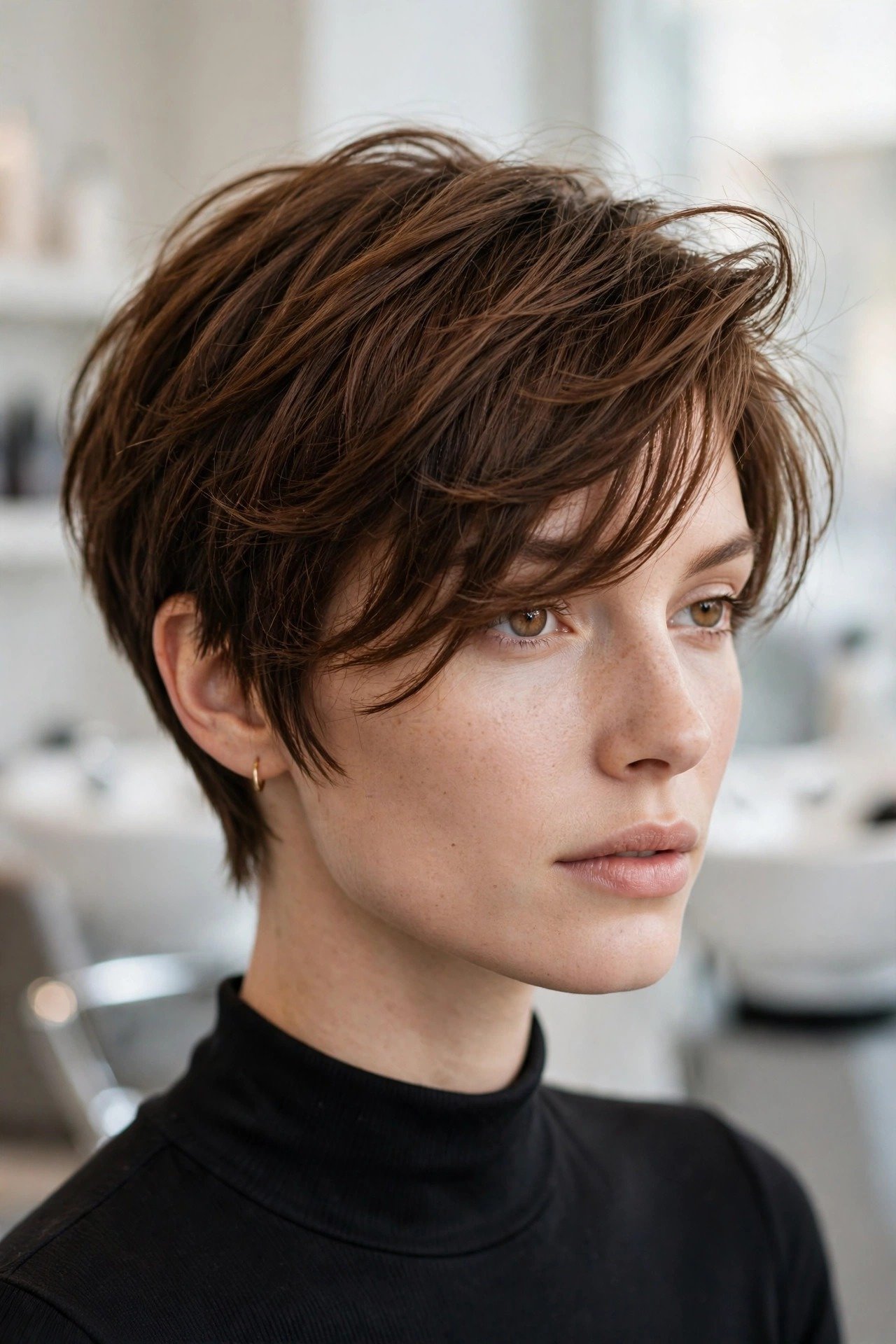
This variation is all about the sweep — a longer, draped fringe section that moves across the forehead and blends into the crop, giving the Linda a softer, more romantic motion. Ask for the standard Linda perimeter with an extended fringe area: the front should be long enough to sweep fully to one side, with layers that encourage the drape rather than fighting it. Your stylist should cut the fringe to fall naturally with your part, not against it. This suits women who love the Linda’s short back and sides but want more styling versatility in front — the swept fringe can be worn deep and dramatic, soft and wispy, or pinned back entirely. It is especially flattering on high foreheads and adds a touch of old-Hollywood romance to the androgynous cut. Style with a round brush, directing the fringe across the forehead and setting it with a cool shot, or use a flat iron to create a smooth, polished sweep. A little flexible-hold spray keeps it in place without stiffness. Trims every six weeks keep the sweep from getting heavy. This is the Linda for romantics — proof that a short crop can be soft, sweeping, and utterly feminine.
19. The Linda with Baby Bangs: Editorial Boldness
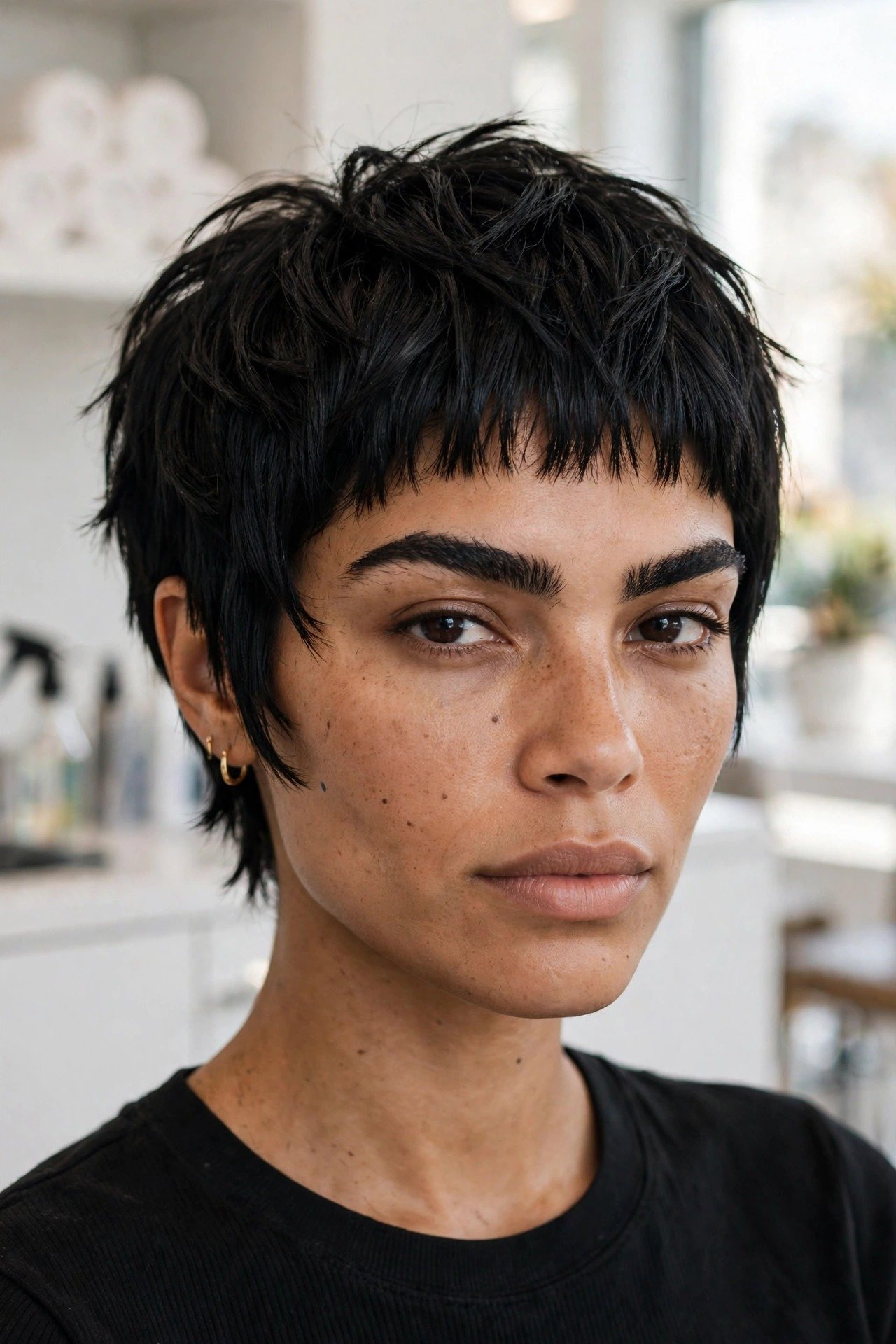
Baby bangs — a short, straight-across micro fringe — paired with the Linda cut create one of the most editorial combinations possible: two bold choices that somehow balance each other. The micro fringe draws a strong horizontal line above the eyes while the textured crop softens everything below, creating a fascinating tension. Ask for a baby bang cut to sit about an inch above the brows, textured at the ends so it is not severe, paired with the standard Linda perimeter. This suits oval and long faces best, since the short fringe visually shortens the forehead, and it looks incredible with strong brows — the two features frame the eyes like art. Style the bangs smooth and straight with a mini flat iron or a small round brush; they should look deliberate, not accidental. The baby bangs need trimming every three to four weeks to stay above the brows, making this the highest-maintenance fringe option, but the payoff is a look that is genuinely unforgettable. This is the Linda for fashion girls, art girls, and anyone who treats their hair as an accessory rather than a background. Pair with bold eyeliner and let the geometry speak.
20. The Piecey Linda with Razored Ends: Maximum Edge
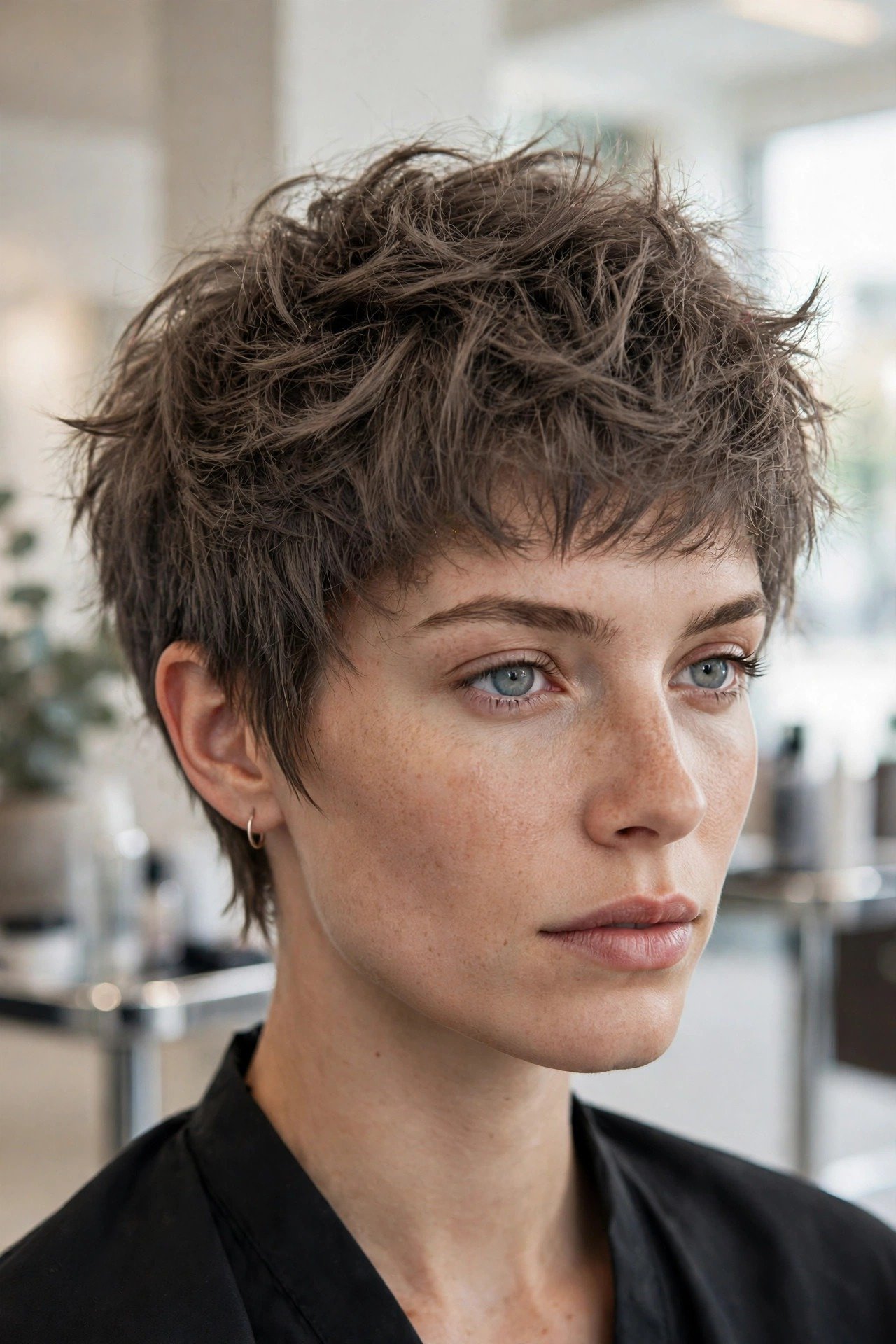
When point cutting is not enough, there is the razor. The Piecey Linda with razored ends uses razor cutting throughout to create the most separated, edgy, rock-and-roll version of the crop — ends that are feathered to whispers, texture that borders on shaggy-punk. Ask specifically for razor cutting (not just texturizing shears), with the razor used on dry or damp hair to create lived-in, broken ends. This technique removes weight aggressively, so it suits medium to thick hair best; on fine hair, a razor can go too far and should be used sparingly. The result is a Linda with maximum movement and minimum bulk — hair that looks like it has stories to tell. Style with a matte paste or clay, working it through dry hair and twisting pieces for definition; the razor work means the texture practically styles itself. This is the Linda for the effortlessly cool — the woman whose hair always looks perfectly undone because the cut was designed that way. Trims every six to eight weeks; ask your stylist to re-razor the ends each time to maintain the effect. Grow-out is forgiving since the texture disguises regrowth beautifully.
21. The Linda with an Undercut: Hidden Edge
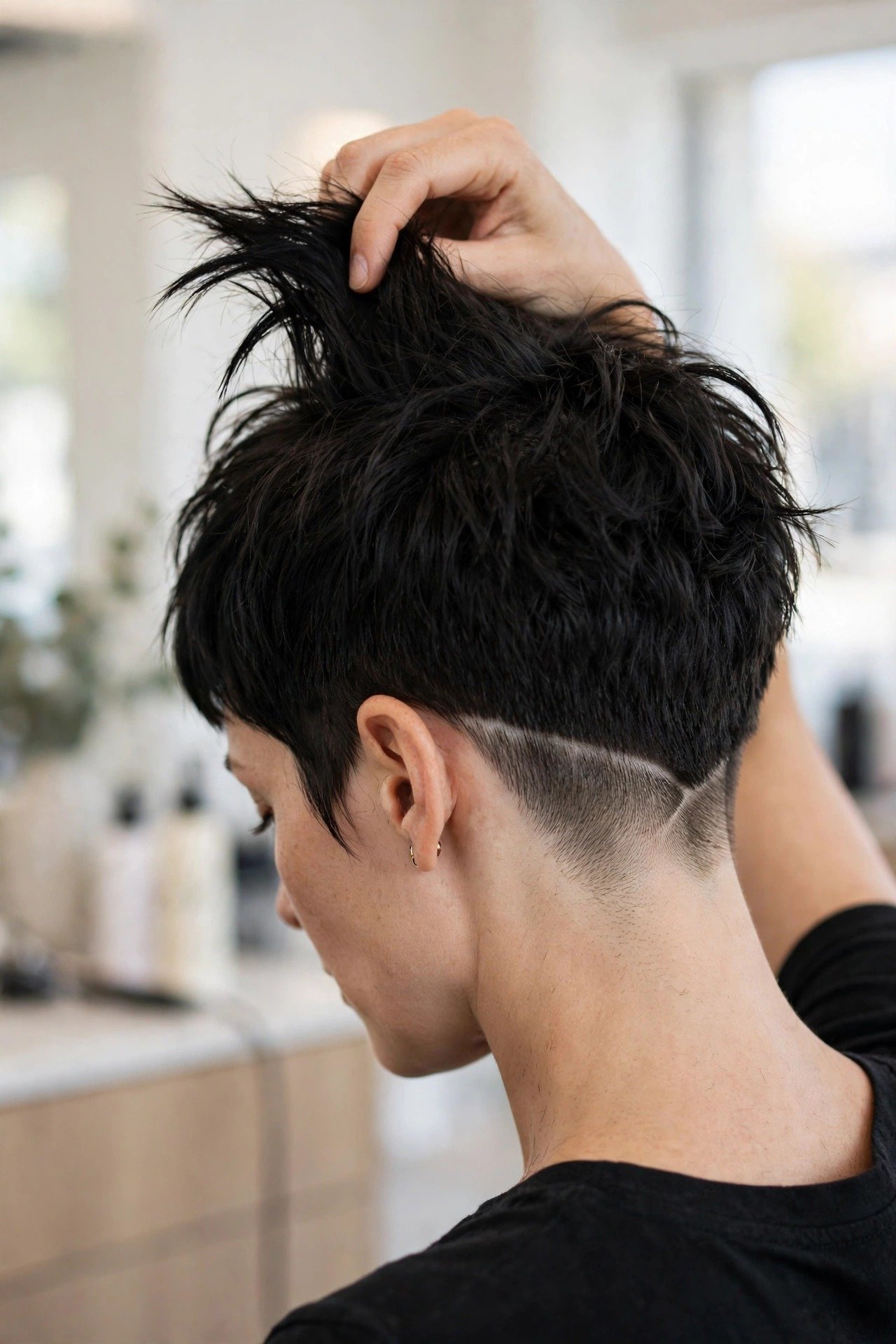
An undercut hidden beneath the Linda’s textured top gives you two haircuts in one: polished crop by day, edgy shaved detail whenever you choose to show it. Ask for the standard Linda on top with the underneath — typically the nape and sometimes the sides — clippered short or shaved. The top layers should be long enough to fully cover the undercut when worn down. This suits thick, heavy hair brilliantly, since the undercut removes serious bulk and weight, and it is a revelation for women who run hot or wear their hair up often. Style normally; the undercut is invisible until you tuck, pin, or tie the top up. For a bolder reveal, ask for a design etched into the undercut — subtle lines or a geometric pattern that shows when the top is lifted. The undercut needs maintenance every three to four weeks to stay crisp, though letting it grow slightly is also fine if you prefer a softer grow-out. This is the Linda for women who want an edge they can control — corporate by day, concert by night, with the same haircut. It also dramatically reduces drying time, a practical bonus that converts many skeptics.
22. The Asymmetrical Linda: Avant-Garde Angles
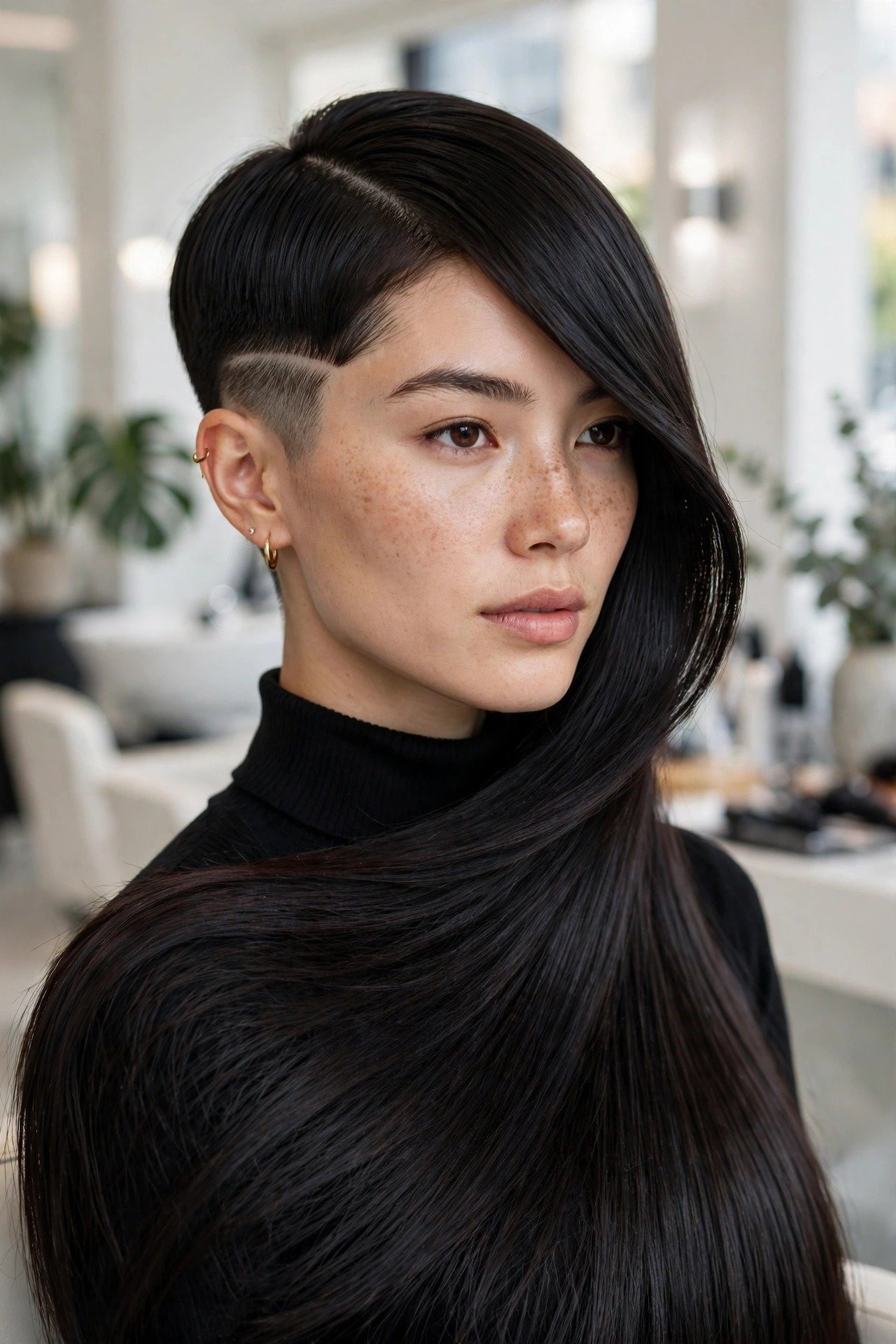
Asymmetry takes the Linda into true avant-garde territory: one side clipped closer or cut shorter, the other left longer and draped, creating a diagonal energy that is impossible to ignore. Ask for a deliberate length difference of at least an inch between the sides, with the longer side sweeping across and the shorter side tucked or tapered. The key word is deliberate — asymmetry must look intentional, with clean lines on the short side balancing the texture on the long side. This suits confident dressers and creative professionals; it is a haircut that announces itself. It flatters round faces especially well, since the diagonal line breaks up fullness, and it works on straight to wavy hair that can hold the sleek-longer-side contrast. Style the longer side smooth and polished, the shorter side textured and piecey — the contrast is the point. A deep side part is essential to make the asymmetry read correctly. Trims every five to six weeks keep the geometry sharp; asymmetry goes fuzzy fast. This is the Linda for the woman who has tried every short cut and wants the one nobody else in the room will have.
23. The Linda Bob Hybrid: The Best of Both
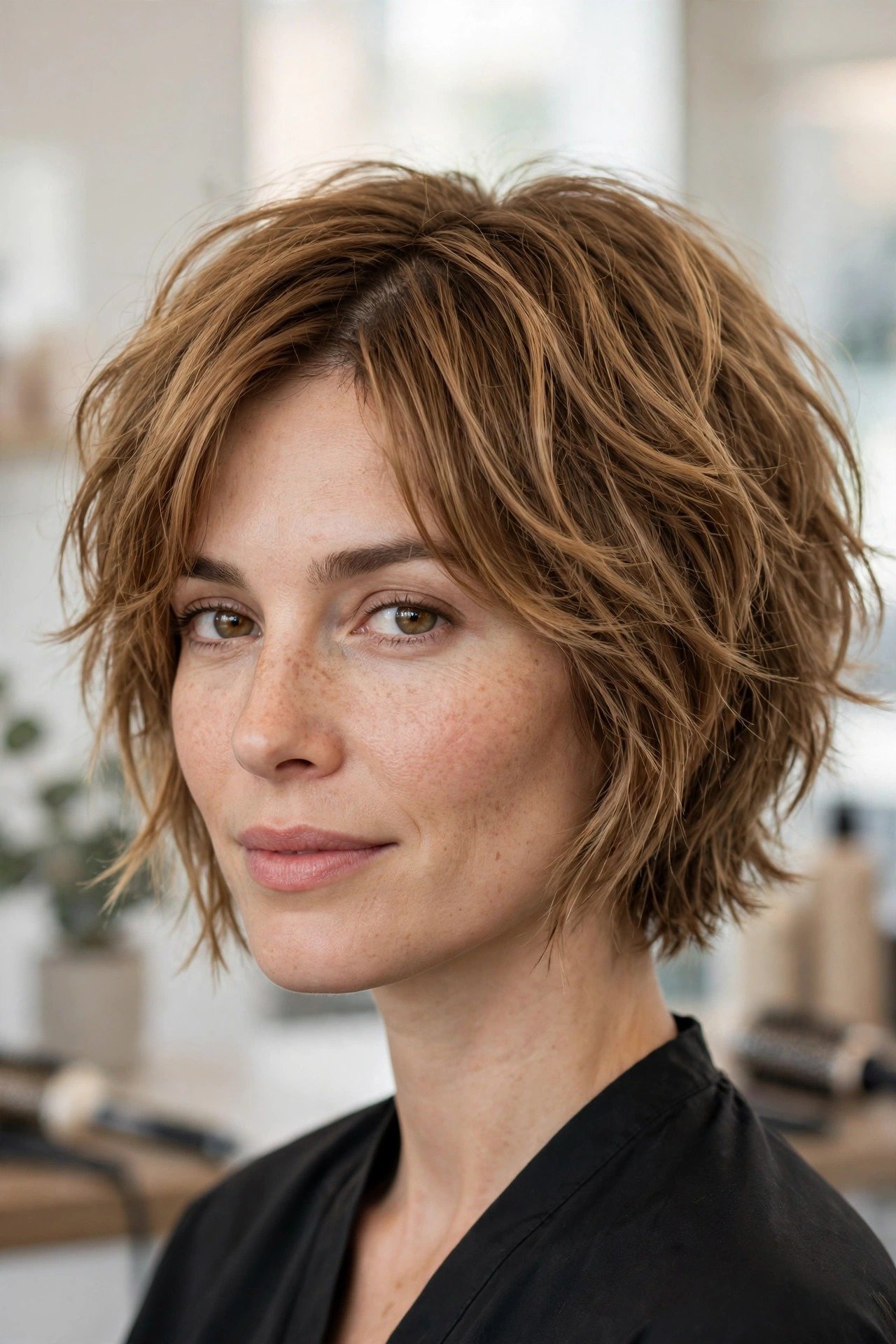
Not ready to go fully below-the-ear? The Linda Bob Hybrid keeps the Linda’s shaggy texture and attitude but extends the perimeter toward the jawline, landing in a true bob-crop middle ground. Ask for a textured bob that borrows the Linda’s shattered layers and point-cut ends but keeps an extra inch of length all around. This is the perfect transitional cut — whether you are growing out a Linda or working up the courage to get one. It suits every face shape, since the added length is forgiving, and it is the most office-friendly Linda variation while keeping the trend’s essential character. Style with the standard Linda routine: air-dry crème, scrunch, piece out. The extra length also opens up more styling options — a tiny ponytail or half-up clip becomes possible, which pure Lindas cannot manage. Trims every seven to eight weeks. Many women discover the hybrid is actually their ideal permanent length: all of the Linda’s cool, none of the commitment anxiety. If you are on the fence about the full crop, start here and go shorter next time — your stylist will thank you for the easy consultation.
24. The Tousled Linda: Bedhead Perfected
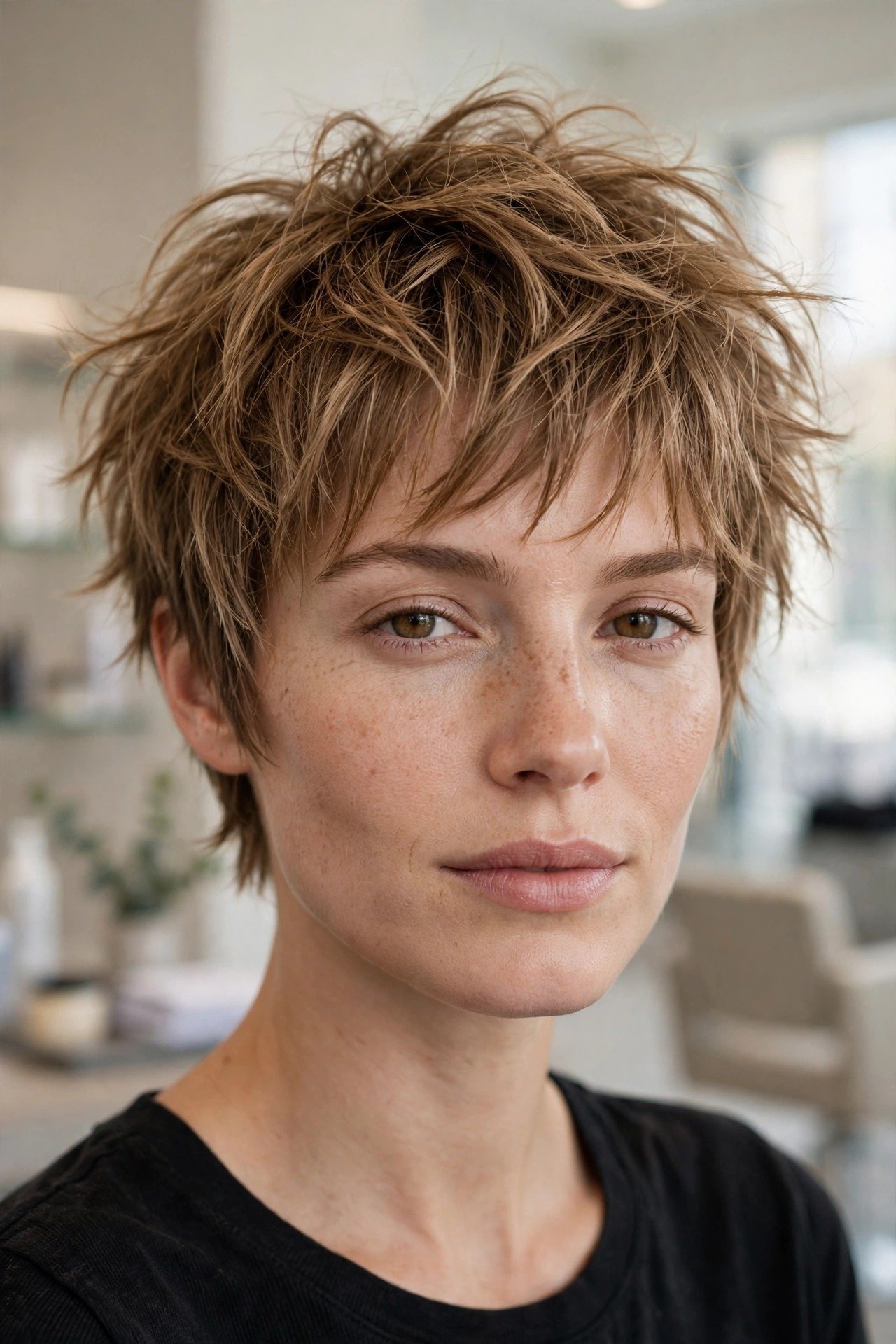
The Tousled Linda is bedhead elevated to an art form — the cut is designed to look best when it looks like you did nothing to it. Ask for the standard Linda with extra shattered layering and ends that are deliberately uneven, then embrace the mess. The styling routine is almost aggressively simple: sleep on it, shake it out, add a little dry texture spray, and go. Second- and third-day hair is actually the goal here, not a compromise — the natural oils add piece and separation that fresh washing removes. This suits wavy and straight hair with natural body; very fine, flat hair may need a volumizing powder at the roots to get the lift. It is the ultimate low-effort Linda and the best choice for women who genuinely do not want a styling routine. A silk pillowcase helps the tousle look intentional rather than tangled, and a quick refresh with water and salt spray revives day-two texture. Trims every seven to eight weeks keep the tousle from tipping into shaggy-messy rather than cool-messy. The Tousled Linda is proof of the cut’s core philosophy: imperfection is the point.
25. The Linda with a Wet Finish: Editorial Gloss
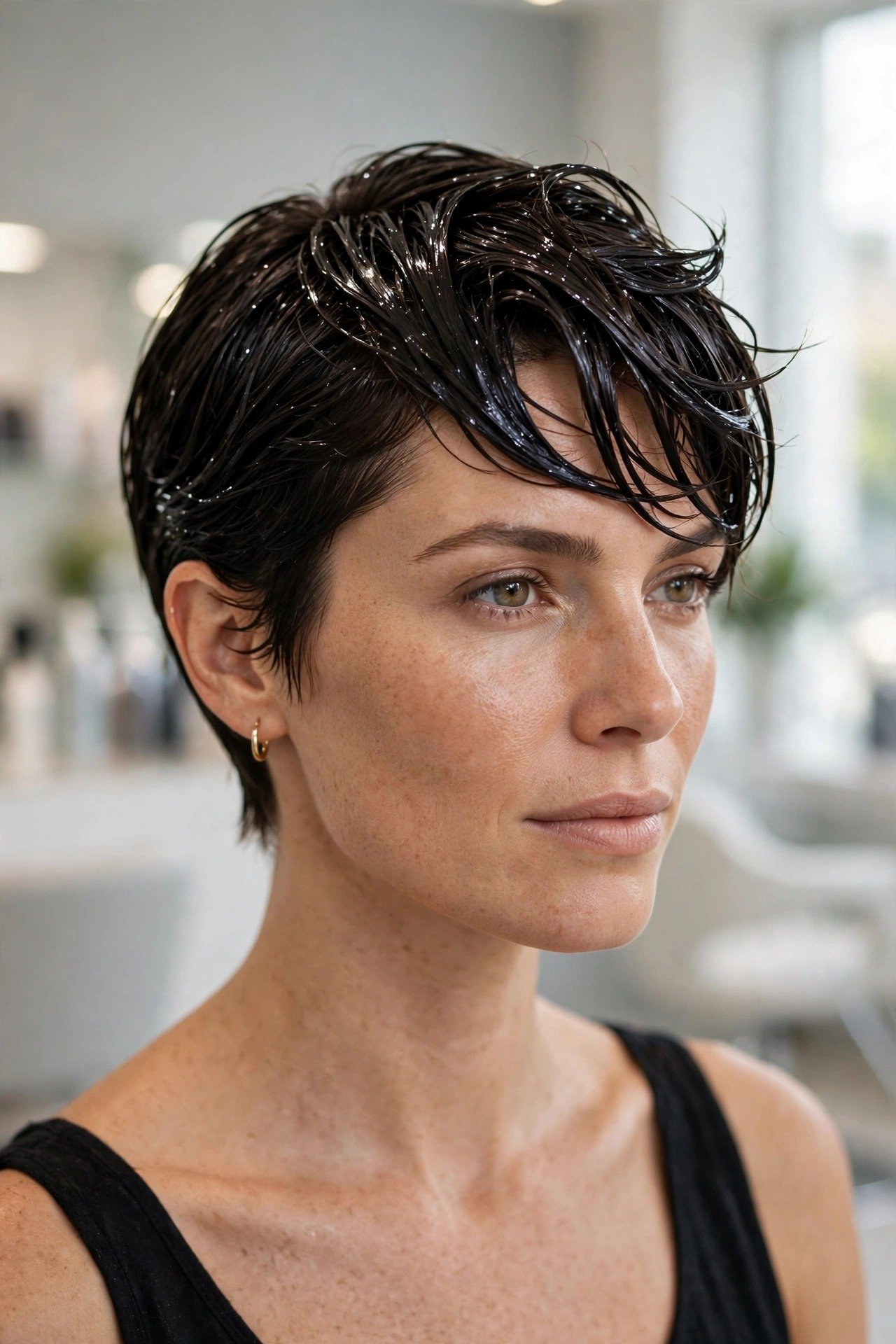
The wet look — hair styled to look freshly damp with high-shine product — turns the Linda into a red-carpet editorial moment. Ask for the standard textured Linda, since the finish is all in the styling, not the cut. To achieve it, work a generous amount of wet-look gel or high-shine pomade through damp hair, comb it into place with a wide-tooth comb for that sleek, sculpted effect, and let it set without touching. The key is even product distribution and restraint with the blow dryer — air-dry or diffuse on low to keep the damp look. This is an evening and event variati
on rather than a daily style, though a softer version (less product, more texture) works for fashion-forward days. It suits straight to wavy hair best; curly hair can achieve a gorgeous wet-curl version with gel cast. The wet finish shows off the Linda’s silhouette beautifully — every angle of the cut becomes visible in the glossy surface. Pair with dewy skin and minimal eye makeup for the full editorial effect. Wash it out the same night; sleeping in heavy gel is never the move. Keep the products on hand and any Linda becomes event-ready in ten minutes.26. The Linda for Fine Hair: Volume Illusion
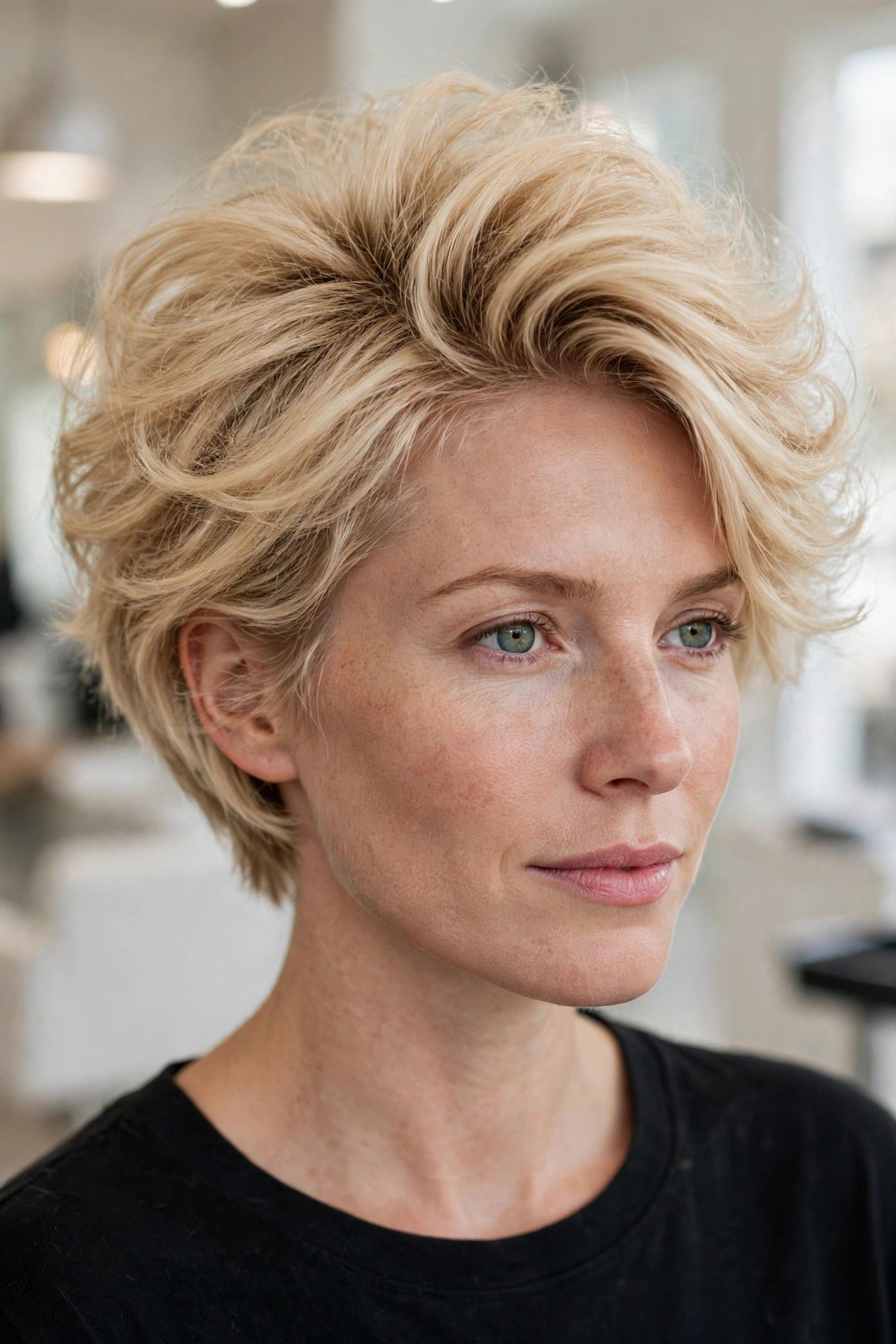
Fine hair is often told to avoid short textured cuts, but the Linda — cut correctly — is actually one of the best crops for fine hair. The secret is strategic layering: ask for shattered layers through the crown that create lift, a perimeter that is textured but not thinned into nothing, and absolutely no razor overuse. The layers create the illusion of density by stacking hair on hair, while the short length means fine hair is not weighed down the way long fine hair always is. Ask your stylist to keep the interior solid and do the texturizing only at the very ends — this preserves the appearance of fullness. Style with volumizing mousse at the roots, rough-dry upside down for lift, and use dry texture spray rather than heavy creams. A root-lifting powder on day two keeps the crown from going flat. This suits fine-haired women who have been stuck in bobs out of fear — the Linda gives more style with less hair. Avoid over-layering, which is the fine-hair killer; you want movement, not transparency. Trims every six weeks keep the shape full. With the right cut, fine hair does not just survive the Linda — it thrives in it.
27. The Linda for Thick Hair: Weightless Freedom
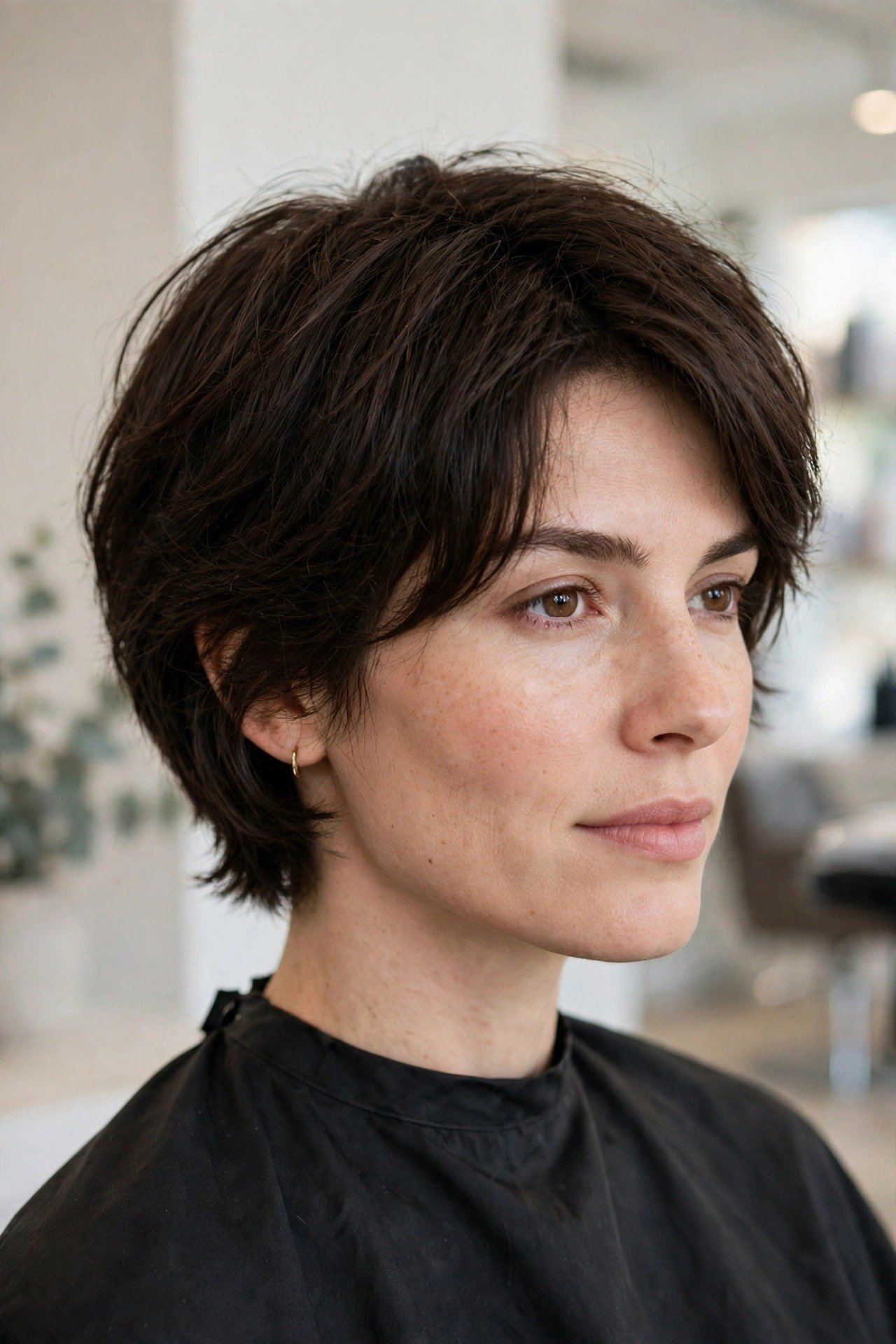
Thick hair is the Linda’s natural playground — there is plenty of hair to carve into texture, and the crop removes the weight that makes thick hair exhausting. Ask for aggressive interior texturizing: thinning shears or a razor through the mid-lengths to remove bulk, shattered layers that let the hair collapse into piecey sections rather than poufing into a triangle. The perimeter can stay just below the ear, but the interior must be hollowed out or the cut will grow outward instead of lying in. This is a cut that demands a stylist confident with thick hair — ask specifically about their texturizing approach in the consultation. Style with smoothing or anti-frizz products to control the texture: a smoothing cream on damp hair, rough-dry, then piece out with a lightweight paste. Thick hair holds the Linda’s shape beautifully and the texture lasts for days. An undercut at the nape (see variation 21) is a popular add-on for very thick hair. Trims every six to eight weeks with re-texturizing each time keep the weight in check. For women who have always worn their thick hair long because short cuts poufed, the properly texturized Linda is a revelation — freedom, lightness, and style in one.
28. The Linda with Face-Framing Layers: Custom Contouring
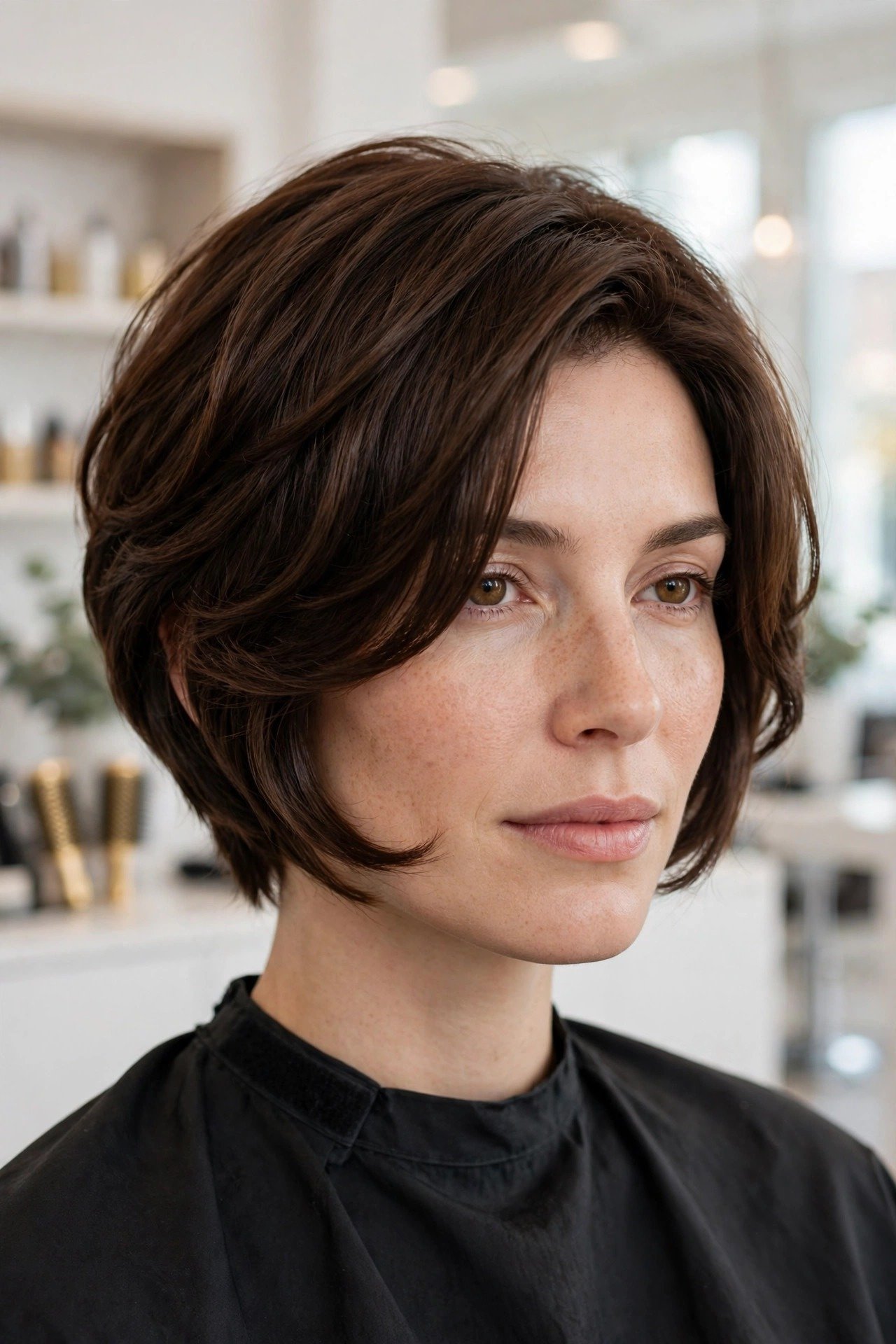
Face-framing layers turn the Linda into a custom contouring tool — the pieces around the face can be cut to highlight cheekbones, soften a jawline, or slim a fuller face. Ask for the standard Linda perimeter with dedicated face-framing: the front sections cut to fall at your most flattering points, typically the cheekbones and jawline, with the layers blended back into the crop. Bring reference photos and discuss your face shape openly — this is the variation where the consultation matters most. On round faces, longer framing pieces that hit below the chin create length; on square faces, soft pieces that curve inward soften angles; on long faces, fuller pieces at the cheekbones add width. Style the framing pieces with intention: a round brush to curve them, or a flat iron to flick them outward for a ’90s supermodel flip that echoes the cut’s origins. A little extra product on the framing pieces keeps them defined and separate from the rest of the texture. Trims every six weeks keep the framing precise. This is the most personalized Linda — the same cut, contoured entirely around your face.
29. The Retro Linda: Full 90s Editorial
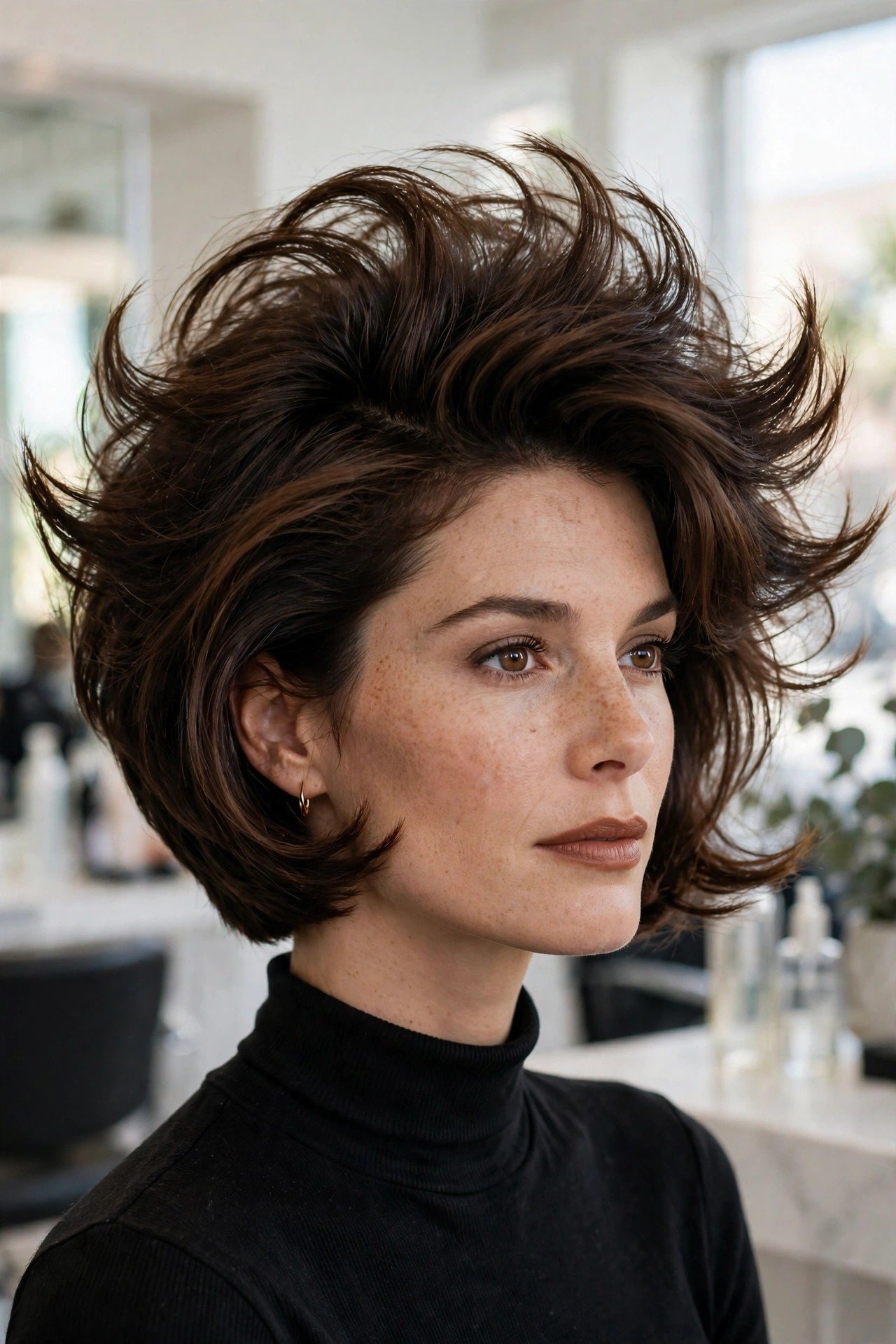
The Retro Linda goes all in on the ’90s supermodel fantasy — the cut styled exactly as Evangelista wore it, with the era’s whole beauty language. Ask for the Classic Linda perimeter, then style it with volume at the crown, ends flicked outward with a round brush, and that slightly bouffant, larger-than-life finish the supermodel era loved. A deep side part and glossy, almost wet-look roots complete the time-travel effect. This is a styling variation rather than a cutting one, which means any Linda can become the Retro Linda for a night — it is about the blowout, not the scissors. Pair with the era’s makeup: matte skin, brown-toned lips, defined brows, and minimal blush. It suits themed events, fashion shoots, and anyone who wants to feel like they stepped out of a Lindbergh photograph. The irony is that this maximalist styling makes the minimalist cut feel even more dramatic — the contrast between the short crop and the big styling is pure ’90s. Use a strong-hold mousse and a round brush, set with velcro rollers while you do your makeup, then brush out for that soft, expensive volume. It is costume-adjacent in the best way, and a reminder of where this iconic cut came from.
30. The Linda with a Tapered Nape: Clean Architecture
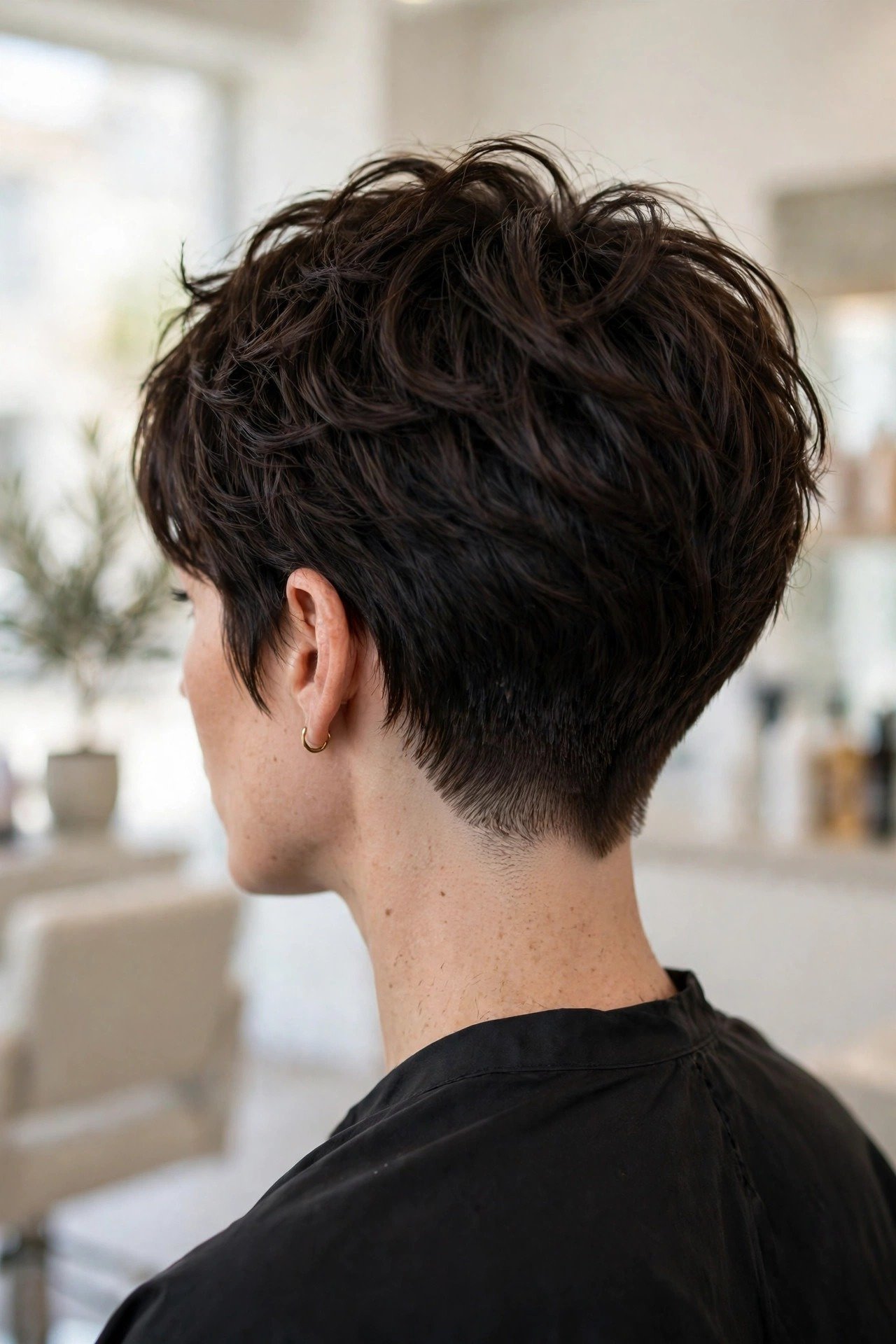
The nape is the Linda’s secret weapon — a cleanly tapered neckline makes the whole crop look sharper, longer-lasting, and more expensive. Ask for the standard Linda on top with the nape tapered close using clippers or shears-over-comb, fading softly into the textured lengths above. The taper should be subtle, not a harsh undercut — think clean architecture rather than edgy contrast. This suits everyone, but it is especially smart for women with hair that grows fast at the nape or gets fuzzy there between appointments; the taper extends the crisp life of the cut by weeks. It also shows off the neck beautifully, making it a favorite for women who wear updos or high collars. Style normally — the taper is invisible from the front and reveals itself in profile and from behind, where it gives the crop a finished, deliberate look. The tapered nape needs cleaning up every four to five weeks to stay sharp, which can be a quick, inexpensive in-between appointment. This is the detail that separates a good Linda from a great one — the kind of refinement that makes strangers ask who cuts your hair.
31. The Linda Pixie-Bob Blend: Soft Landing
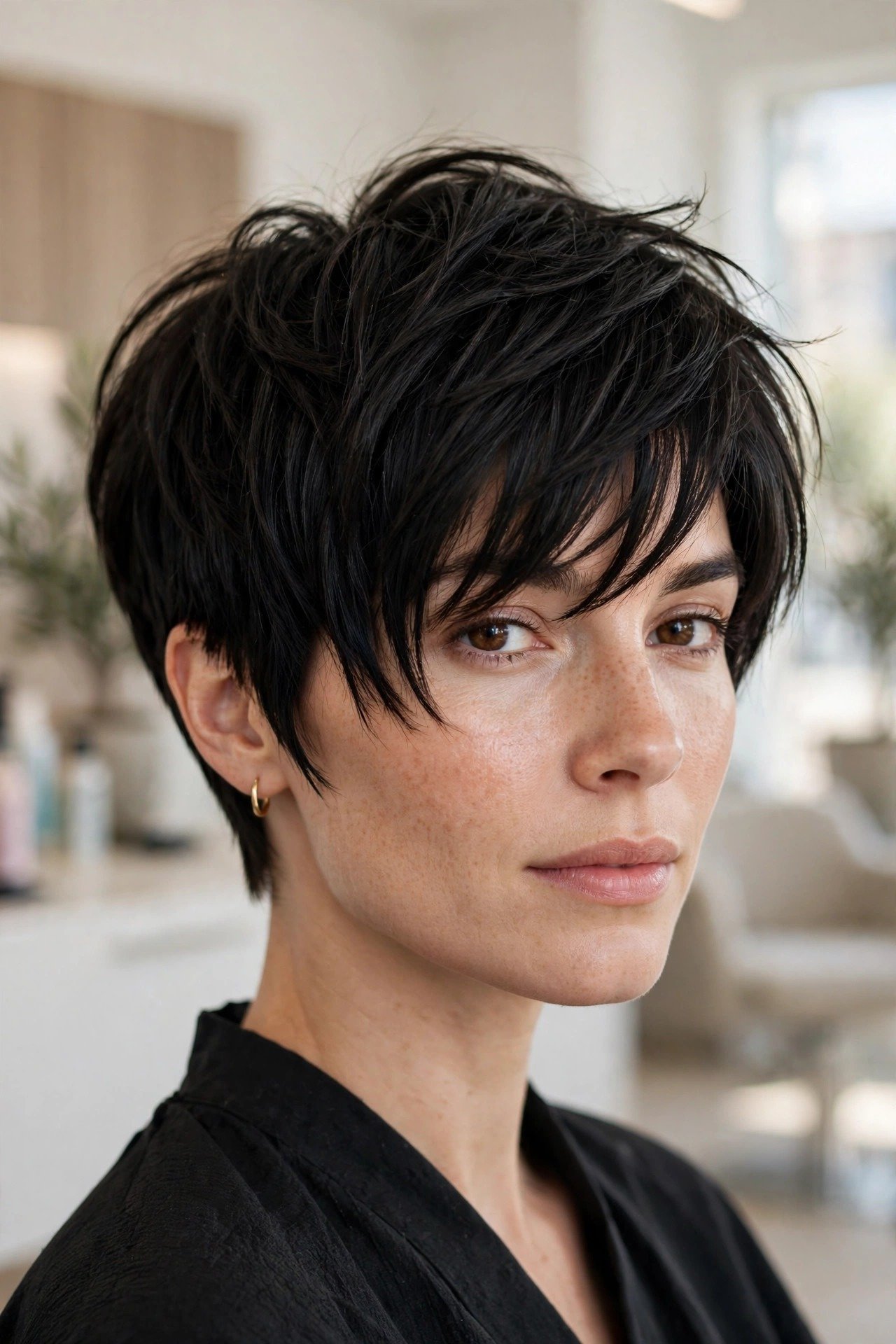
The Linda Pixie-Bob Blend lives exactly on the border the Linda already straddles — a touch more pixie in the nape and sides, a touch more bob in the top length, creating the softest possible landing between the two worlds. Ask for pixie-short tapering through the nape and around the ears, with the crown and front kept at Linda length and texture. The result is a crop that feels neat and controlled from behind but keeps all the Linda’s piecey personality in front. This suits professional settings where a full shag might read too undone, and it is wonderful on petite frames where too much texture can overwhelm. Style with a smoothing product through the tapered areas and texturizing paste on top — two products, two zones, one cohesive cut. The blend grows out gracefully into a textured pixie-bob that many women keep permanently. Trims every five to six weeks keep the pixie elements crisp. If you love the Linda’s attitude but want a slightly more polished package, the blend is your answer. It is also an excellent choice for a first short cut, since the familiar pixie elements make the crop feel less foreign.
32. The Statement Linda: Bold Color, Bold Cut
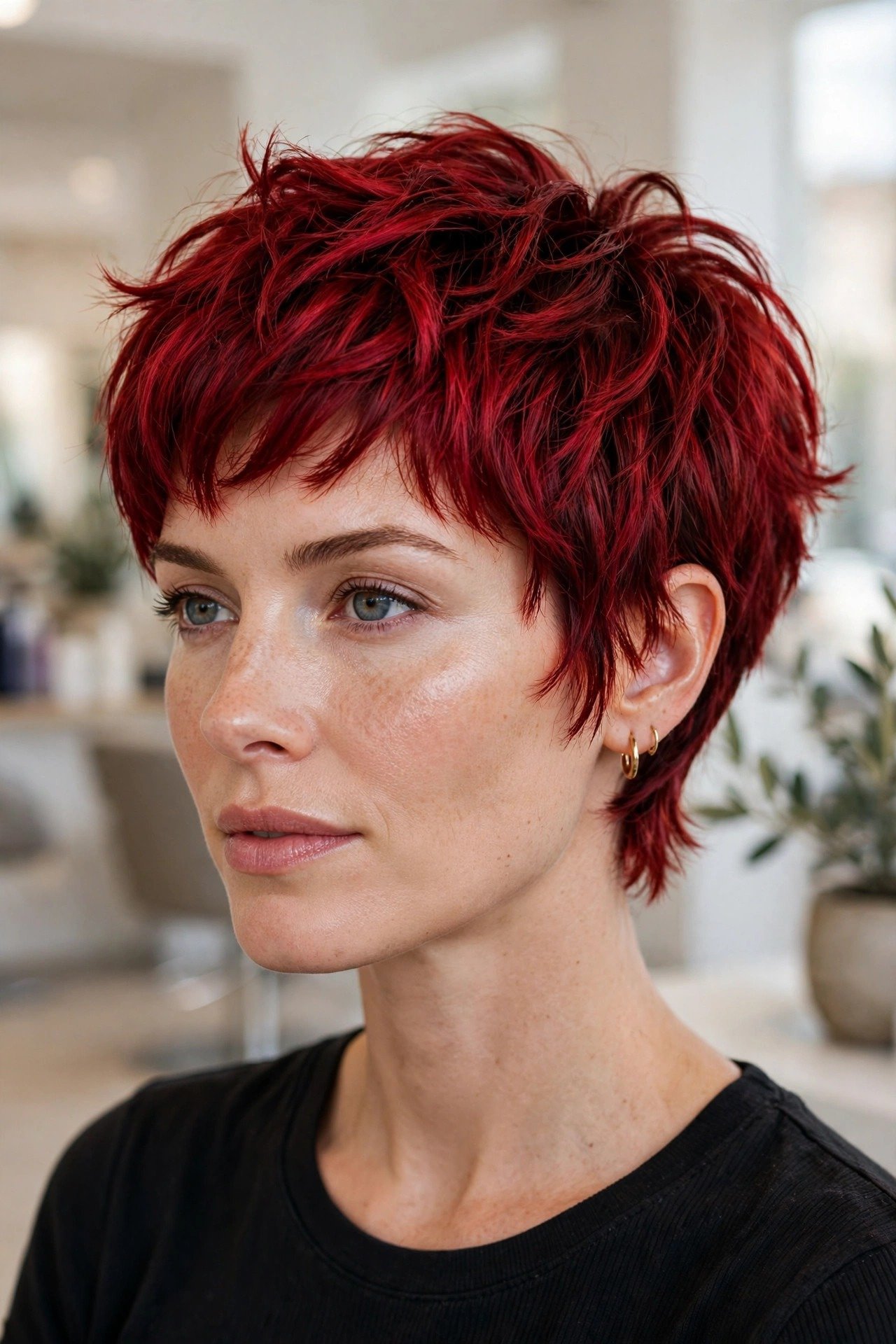
Why stop at a bold cut when you can have a bold color? The Statement Linda pairs the crop with vivid fashion shades — cherry cola red, inky blue-black, silver-white, or a rich auburn — for maximum impact. The short length is actually ideal for fashion colors: less hair means less damage from the bleaching many vivid shades require, root touch-ups are quick, and if you tire of the color, growing it out takes months rather than years. Ask for the Linda cut first, then work with your colorist on the shade — the texture will break the color into dimension, so even a single-process vivid shade looks multi-tonal. Cherry cola and deep reds are the 2026 favorites, glowing against the crop’s texture. Maintenance is the highest of all variations: vivid colors fade fast, so expect gloss or color-depositing treatments every three to four weeks, plus the standard six-week trim. Use color-safe everything, wash in cool water, and embrace the fade — fashion colors evolve beautifully on short textured hair. This is the Linda for maximalists, creatives, and anyone whose hair has always been their loudest accessory. It is not subtle, it is not for everyone, and it is absolutely unforgettable.
Maintenance: Keeping Your Linda Cut Perfect
The Linda cut is gloriously low-maintenance day to day, but it does ask for regular professional attention to keep its shape. The trim schedule depends on your variation: sharp, precise versions like the Micro Linda, the Androgynous Linda, and the Asymmetrical Linda need attention every four to six weeks; the standard textured Linda and La Linda thrive on six-to-eight-week trims; and the Grown-Out Linda can stretch to ten or twelve weeks. Between appointments, the cut is forgiving — the texture disguises regrowth far better than a blunt bob ever could. If you are exploring other short styles alongside the Linda, our guides to the bixie cut for women and short hairstyles for women in 2026 make useful comparisons, since all three live in the same short-texture
d family but ask for different commitments.Frequently Asked Questions About the Linda Cut
What is the Linda cut?
The Linda cut is a very short, shaggy bob-crop that ends just below the ear, with soft textured layers through the crown and point-cut ends. It was created on supermodel Linda Evangelista in the late 1980s by hairstylist Julien d’Ys and is trending again as fall 2026’s defining short haircut.
Who suits the Linda cut?
The Linda cut flatters oval, heart-shaped, and angular faces most dramatically, since the open silhouette highlights the neck, jawline, and cheekbones. With the right variation — such as curtain bangs for round faces or face-framing layers — it can be adapted for nearly every face shape. It works on straight, wavy, curly, and coily hair with appropriate layering.
How do I ask my stylist for the Linda cut?
Ask for a very short textured crop with the perimeter sitting just under the earlobe, soft shattered layers through the crown, and point-cut ends throughout. Bring reference photos of the specific variation you want (e.g., La Linda, the Textured Linda, or the Classic Linda). Discuss your hair texture, face shape, and maintenance commitment during the consultation.
How often does the Linda cut need trimming?
The standard textured Linda needs a trim every six to eight weeks. Sharper versions like the Micro Linda or Asymmetrical Linda need attention every four to six weeks, while the Grown-Out Linda can stretch to ten or twelve weeks. The texture disguises regrowth well between appointments.
Can I get a Linda cut with curly hair?
Absolutely — curly hair and the Linda cut are a superb match. Ask for a dry cut or curl-by-curl shaping with the perimeter just below the ear when dry (accounting for shrinkage). Find a stylist experienced with curly short cuts. Style with leave-in conditioner and curl-defining cream, diffusing or air-drying.
Is the Linda cut high maintenance?
Day to day, no — it is a wash-and-go hero that looks better slightly imperfect. The cut’s texture is the style, so air-drying with a little product genuinely works. Professionally, it needs regular trims every six to eight weeks to maintain the shape. It is low-effort daily, moderate-effort in the salon chair.
What is the difference between the Linda cut and a bixie?
The Linda cut is shorter and shaggier than a bixie, sitting just below the ear with deliberately undone texture. A bixie blends bob and pixie with a neater, more constructed finish. The Linda is more androgynous and editorial, while the bixie is softer and more polished.
Will the Linda cut work on fine hair?
Yes, with the right cutting approach. Ask for shattered layers through the crown to create lift, a perimeter that is textured but not over-thinned, and no aggressive razor work. The short length prevents fine hair from being weighed down, and the layers create the illusion of density. Style with volumizing mousse and dry texture spray.
How do I style the Linda cut at home?
Start with damp hair, work a pea-sized amount of air-dry crème through the mid-lengths, scrunch upward, and either air-dry or rough-dry on low heat. Once dry, pinch individual pieces with texturizing paste for separation. The whole routine takes under five minutes. Avoid heavy tools and products that fight the texture.
What face shapes should avoid the Linda cut?
Very few face shapes need to avoid it entirely — the key is choosing the right variation. Round faces benefit from curtain bangs or face-framing layers that add length. Square faces suit softer, draped versions. Long faces do well with volume at the sides rather than the crown. A skilled stylist can adapt the Linda for almost anyone.
Conclusion: The Cut That Defines Fall 2026
The Linda cut is more than a trend — it is a correction. After years of safe, polished, interchangeable haircuts, fall 2026 belongs to a crop with opinions: androgynous yet sexy, editorial yet wearable, precise in its cutting and gloriously imperfect in its finish. It asks for confidence at the salon chair and rewards you with months of effortless, head-turning style.
Whether you choose the faithful Classic Linda, the softened La Linda, a bold color statement, or one of the 29 other variations in this guide, you are choosing the haircut that top stylists, fashion editors, and the cultural moment have collectively anointed. Book the consultation, bring the photos, and trust the texture. The Linda cut does not just change your hair — it changes how you walk into a room.