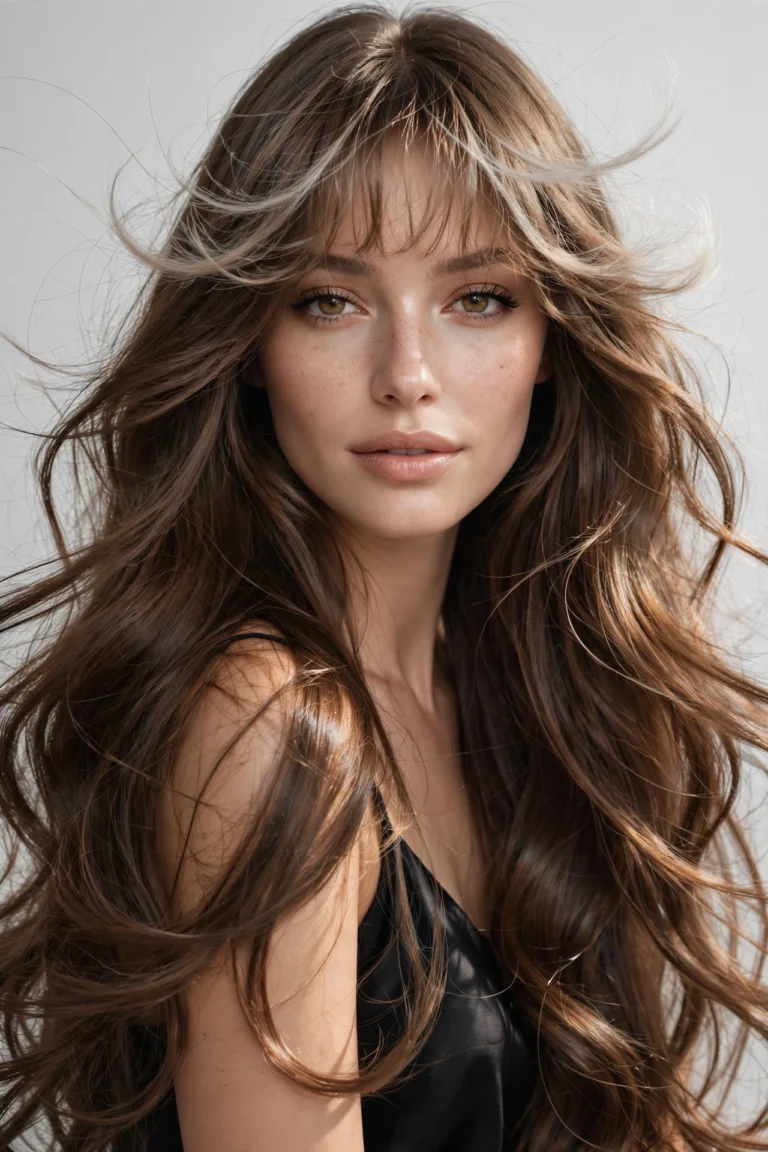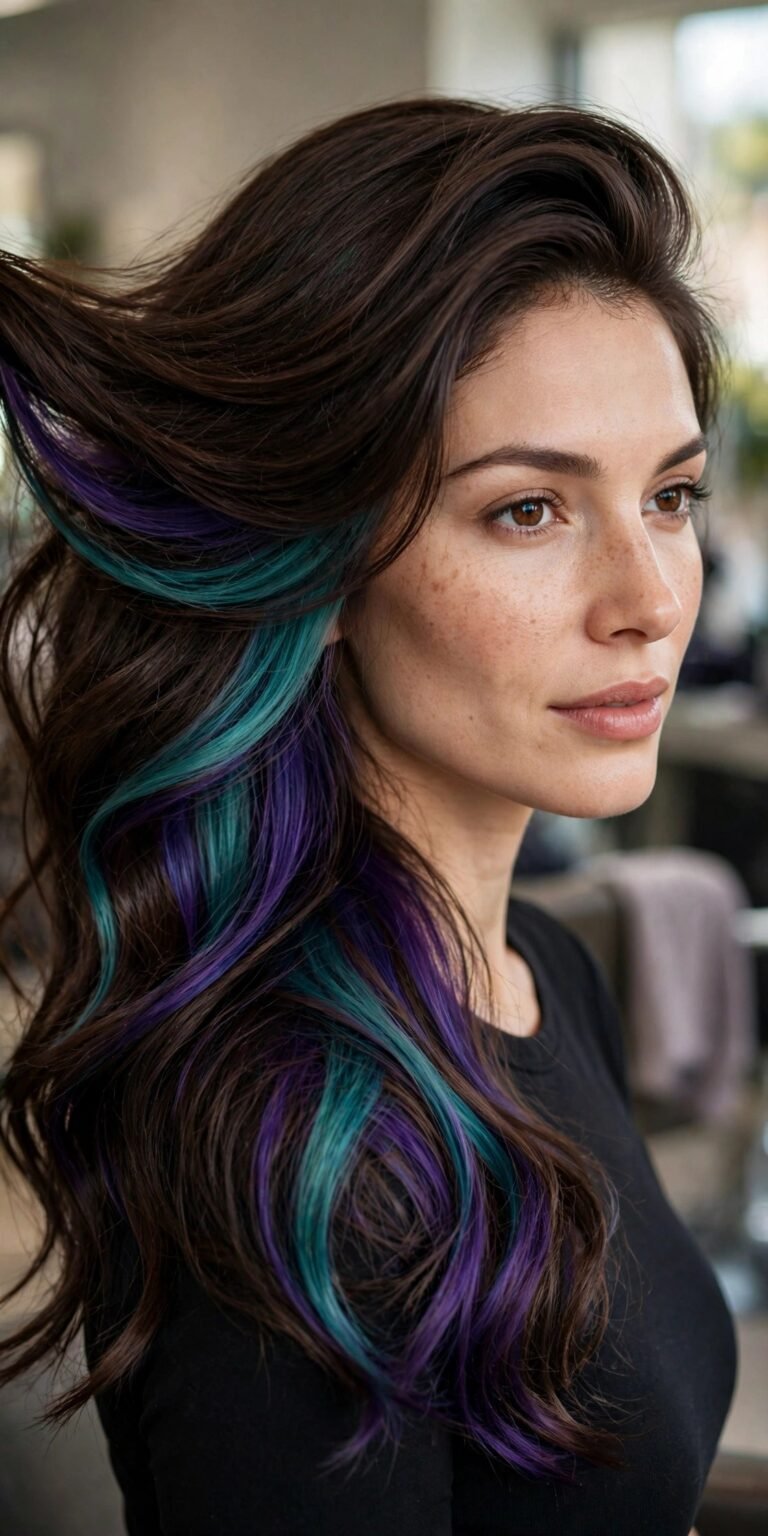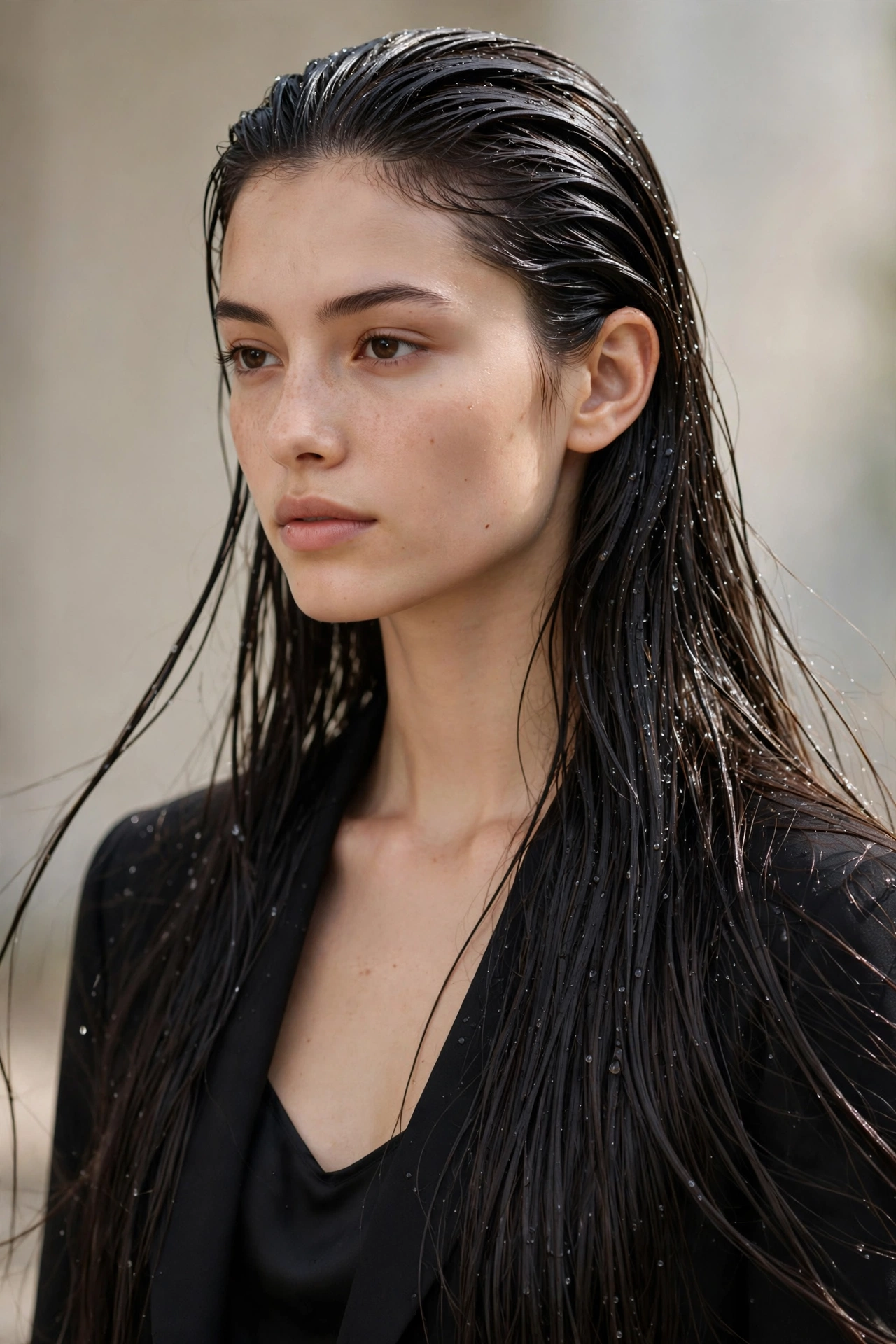
Collarbone Lob Women 2026: 32 Flattering Styles, Styling Tips & FAQs
If there is one haircut that has quietly taken over 2026, it is the collarbone lob — the shoulder-grazing long bob that ends exactly where its name promises, at the collarbone. It is the haircut for women who want a real change without the drama of going short: long enough to tie back, short enough to feel light, and flattering from every single angle. Walk into any top salon this year and you will see the same reference photos on every phone — glossy, collarbone-skimming hair with movement, swing and a finish that looks expensive without trying.
The magic of the collarbone lob is how much work it does while asking so little in return. The length sits at the sweet spot where hair still has weight and swing but never drags the face down, and the ends can be blunt, textured, waved or curled under to suit any face shape. It grows out gracefully, styles in ten minutes, and photographs like a dream. In this guide we break down everything: what the cut is, why searches for it exploded this year, 32 flattering collarbone lob styles for every hair type and face shape, a step-by-step home styling routine, and answers to the questions women ask most.
What Is the Collarbone Lob

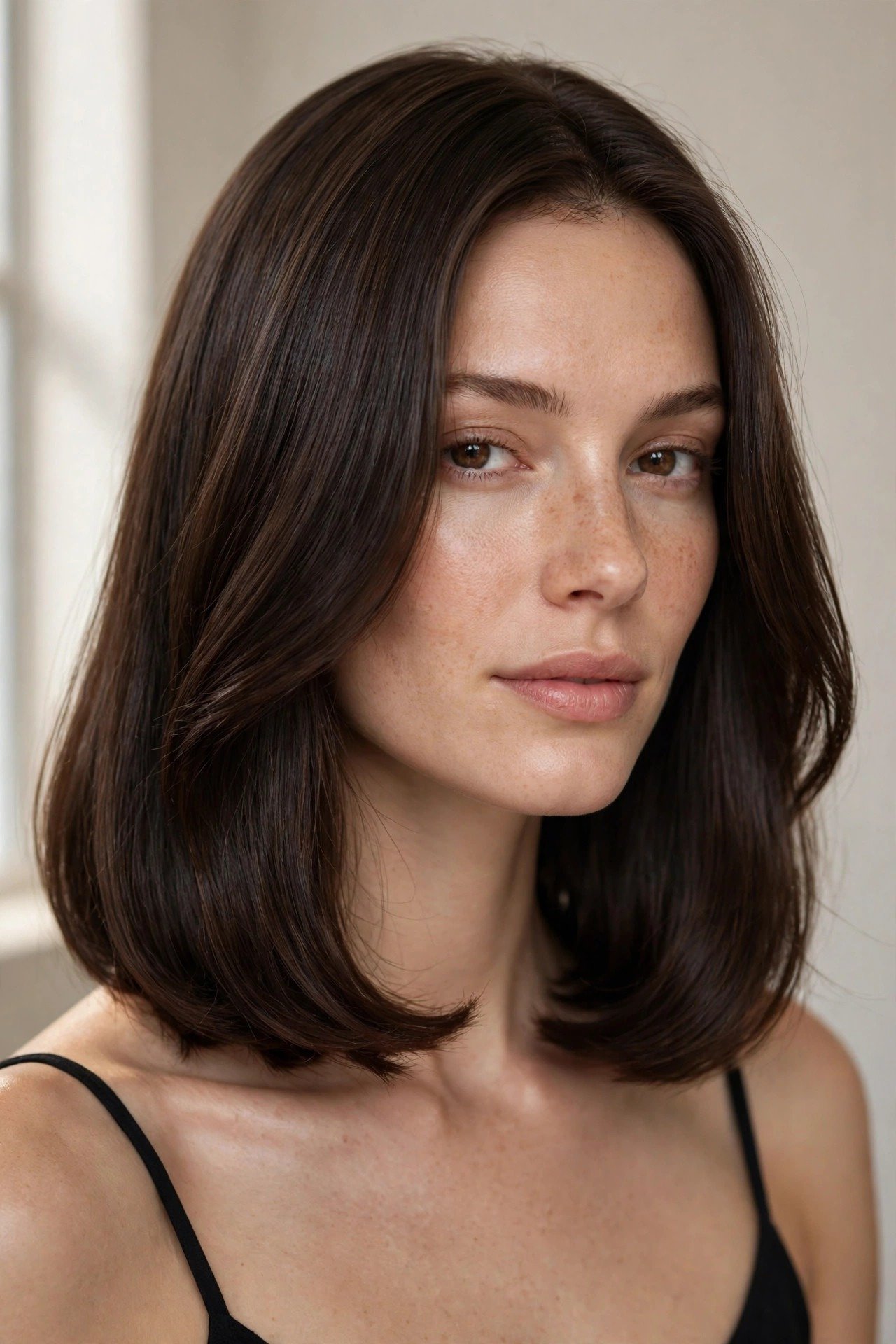
The collarbone lob is a long bob — a lob — cut so the hair ends right at the collarbone, roughly shoulder length. The perimeter usually sits level or very slightly longer at the front, and the cut can be worn blunt for a sharp, graphic finish or softened with layers and texture for movement. Unlike a chin-length bob, which reads short and structured, the collarbone lob keeps enough length to feel like long hair from the front while behaving like a manageable mid-length cut day to day.
What makes the length so special is the way it interacts with the shoulders and neck. Hair that ends at the collarbone frames the face without hiding it, shows off the neckline, and moves when you move — the ends flick, swing and catch the light in a way that longer hair rarely does. Stylists love it because the length is a blank canvas: the same base cut can be styled sleek, wavy, curly, bouncy or air-dried, and each finish looks like a completely different haircut.
The cut also sits in the sweet spot for maintenance. It is long enough to pull into a low ponytail, a messy bun or a half-up style on busy days, yet short enough that blow-drying takes minutes rather than half an hour. There is no awkward grow-out stage to dread, either — as it grows, a collarbone lob simply becomes a long layered cut, which means you can stretch appointments to ten or twelve weeks without the shape falling apart.
Why the Collarbone Lob Is Trending in 2026
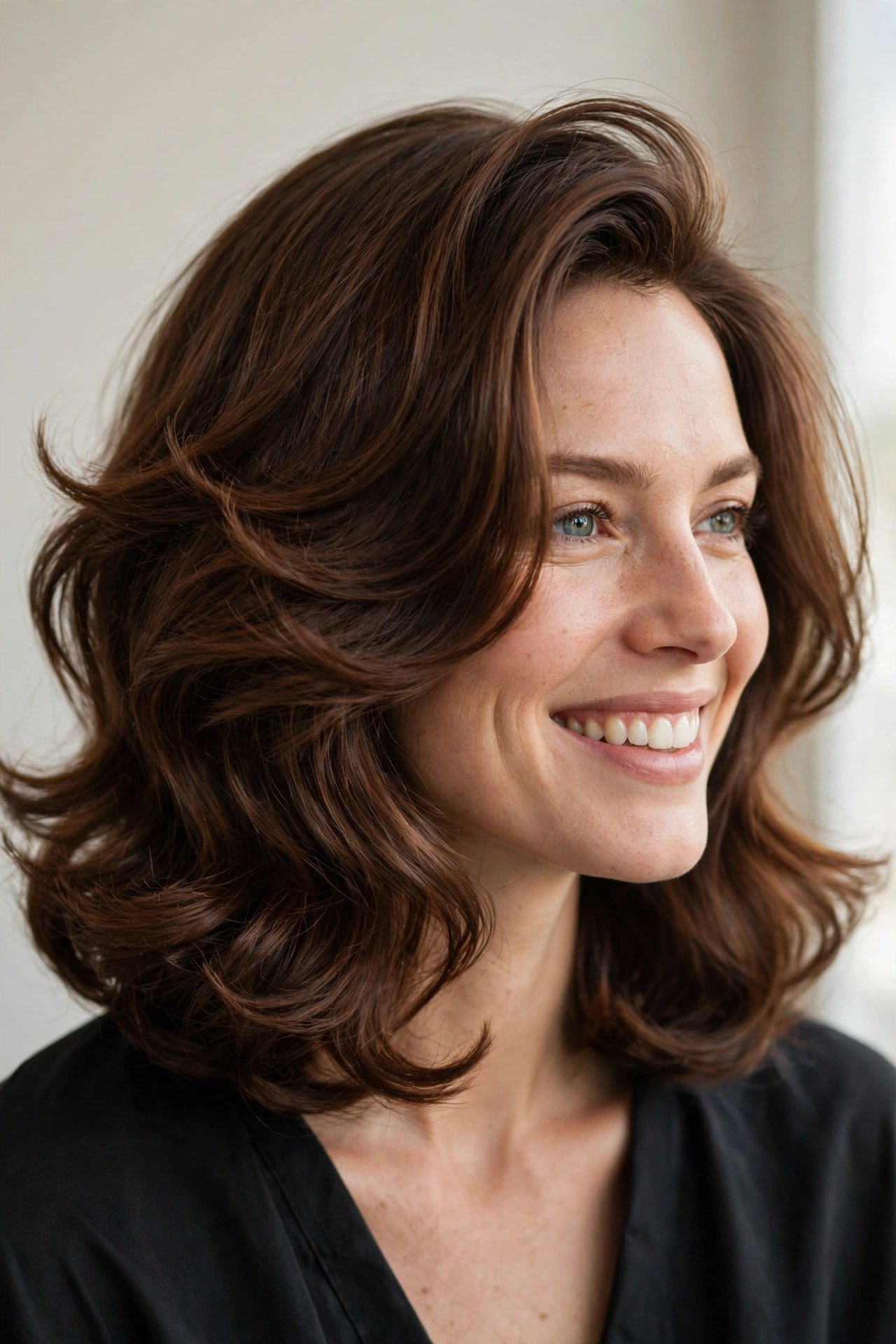
The numbers behind the collarbone lob are extraordinary. According to hair-trend search data compiled by kurli.me’s hair trends search statistics, searches for “collarbone lob” are up 1,430 percent year over year — one of the biggest jumps of any haircut in the Pinterest Summer 2026 Trend Report. That is not a quiet salon trend; that is a full-blown cultural moment, driven by women searching for a cut that feels fresh but not frightening.
The trend makes sense when you look at what women actually want from their hair in 2026. The era of extreme lengths and high-maintenance colour is giving way to what trend forecasters call wearable polish — hair that looks intentional without a forty-minute routine. As Perfect Corp’s 2026 hair trends report notes, this year’s defining looks are all about healthy, swingy, personalised lengths, and the collarbone lob is the purest expression of that shift: a cut that works with your natural texture instead of fighting it.
Celebrities and influencers sealed the deal. The collarbone lob has become the default red-carpet reset — the cut stars get when they want to look polished, modern and a little bit daring without committing to a bob. It photographs beautifully because the length creates a clean horizontal line at the collarbone that frames the shoulders, and it films beautifully because the ends move. Below are 32 ways to wear it — find the one built for your hair type, face shape and lifestyle.
1. The Classic Blunt Collarbone Lob
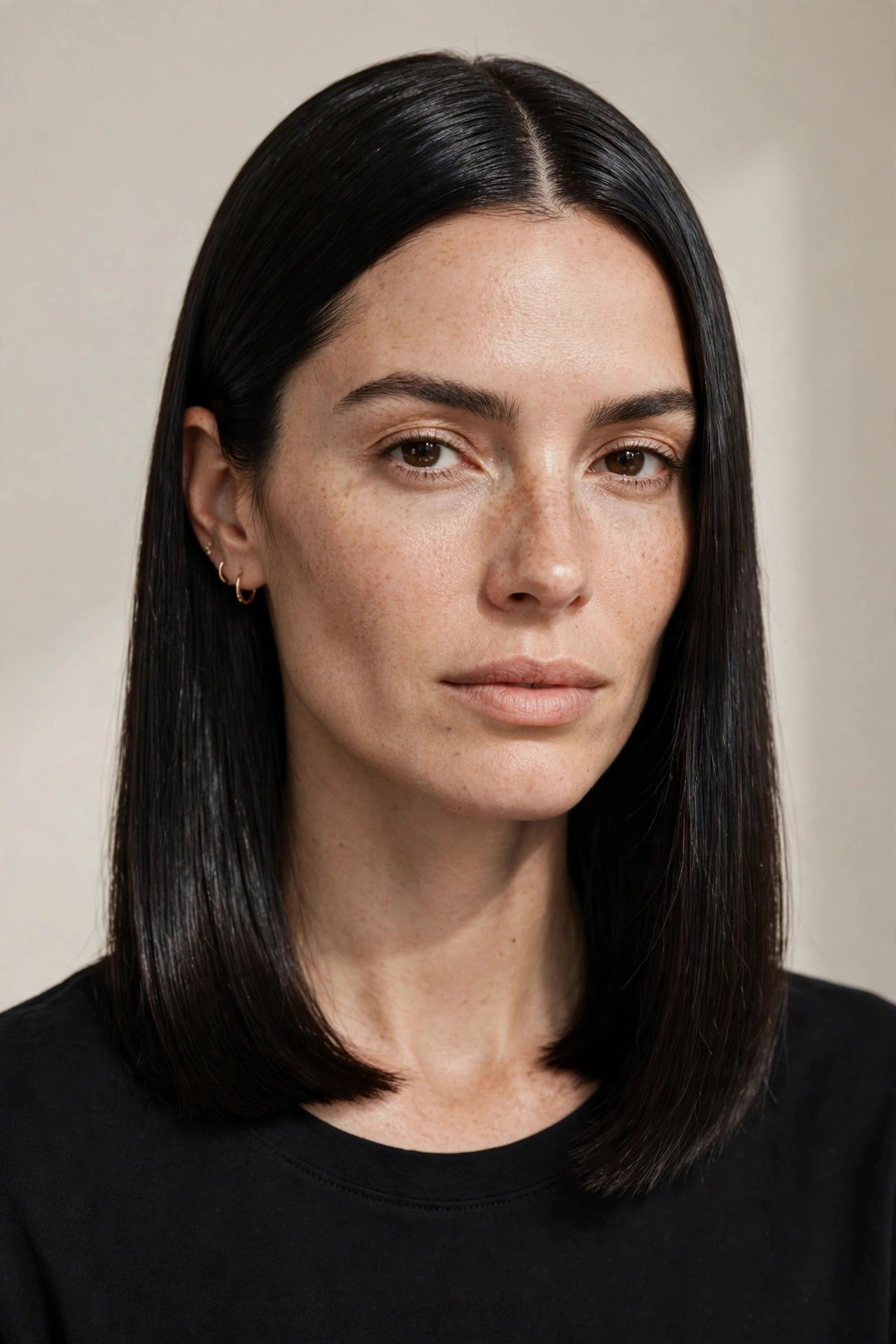
The classic blunt collarbone lob is the purest version of the trend and still the most requested in salons: hair cut to one clean, level line right at the collarbone, with no layers to soften the edge. The bluntness is the whole point — it makes the ends look thick, healthy and deliberate, and it gives the haircut a graphic, fashion-forward silhouette that reads expensive from across the room.
Your stylist script: ask for a one-length lob with the perimeter hitting the collarbone, cut blunt with no texturising at the ends, and the front pieces a whisper longer than the back for a subtle forward angle. If your hair is fine, this is your best friend — the blunt line is the single most effective trick for making fine hair look dense, because nothing is thinned away at the ends.
Styling is beautifully simple: blow-dry smooth with a paddle brush, then pass a flat iron through the ends with a tiny bend under to stop the line looking stiff. A drop of shine serum is the finishing touch. Because the cut is all about the line, keep it crisp with a trim every 6 to 8 weeks — blunt ends show growth and split ends faster than layered ones.
2. The Textured Collarbone Lob

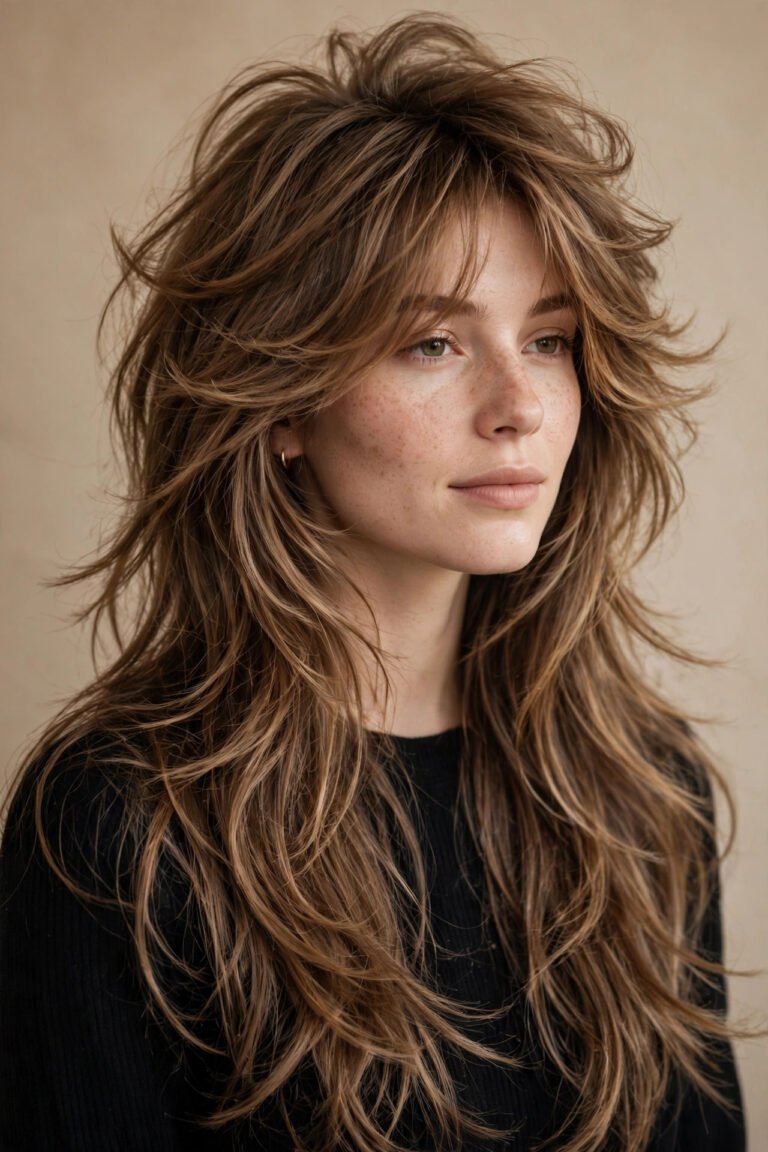
If the blunt lob is the polished version, the textured collarbone lob is its cooler, more relaxed sister. The same collarbone length is softened with point-cutting and subtle interior texture, so the ends break apart into piece-y, lived-in movement instead of sitting as one solid line. It is the version for women who want the lob’s structure without the severity — effortless, modern and a little bit undone.
Ask your stylist for a collarbone lob with the ends point-cut and the interior lightly texturised, keeping the overall perimeter full so the texture reads as movement rather than thinness. The key phrase is “lived-in, not wispy” — you want the ends to separate into soft pieces, not disappear. Thick-haired women benefit most here, because the texture removes the heavy shelf that blunt ends can create on dense hair.
Style it with a salt spray or texture cream scrunched into damp hair, then either air-dry or diffuse for a soft, piece-y finish. A large-barrel iron through just the front pieces adds polish without undoing the texture. This is one of the most forgiving growers on the list — a reshape every 9 to 10 weeks keeps it looking intentional.
3. Collarbone Lob with Curtain Bangs
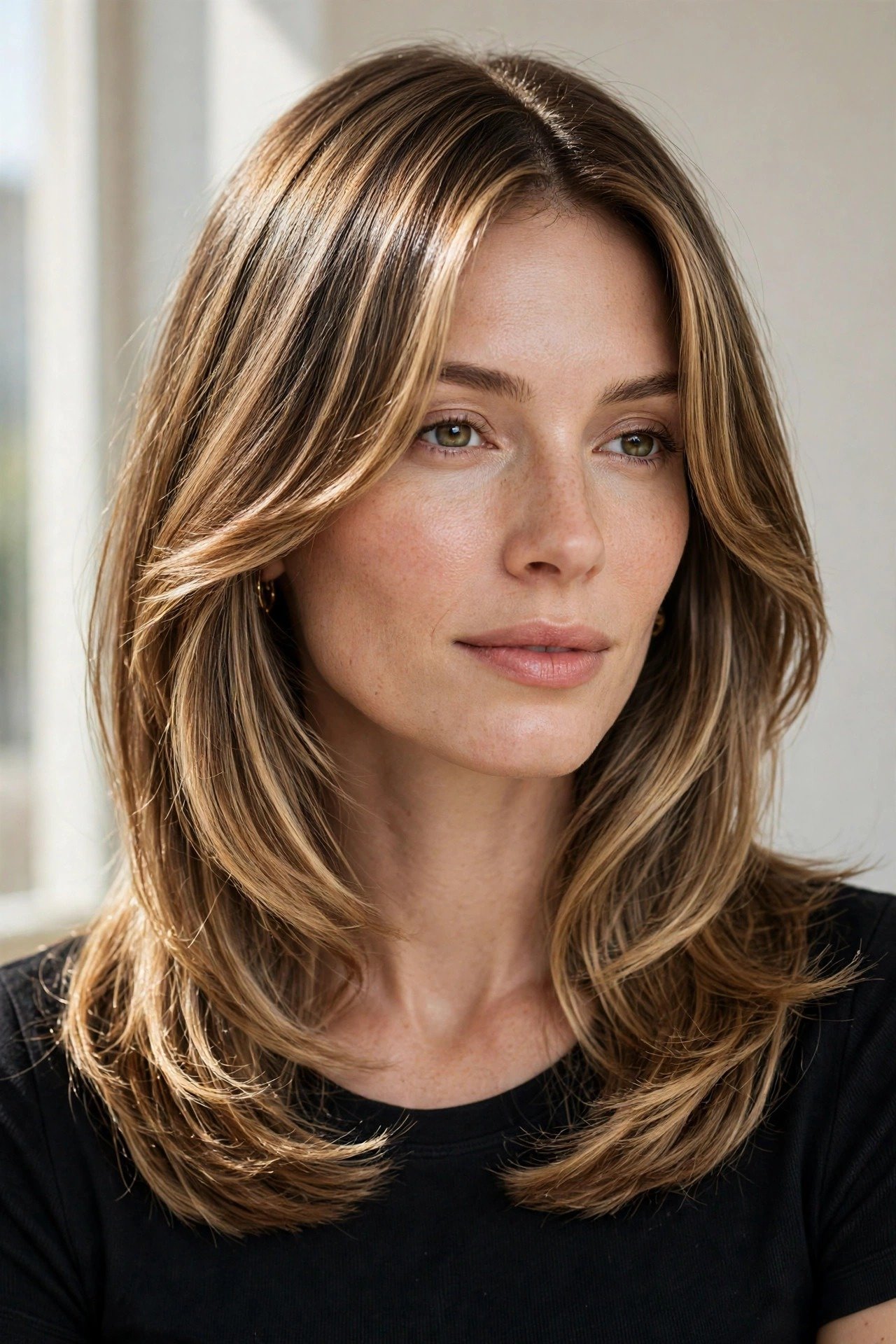
Pairing a collarbone lob with curtain bangs is like doubling down on face framing — the parted fringe melts straight into the lob’s length so the whole front of the hair reads as one continuous, sculpting sweep. It is the ultimate choice for wide foreheads, long faces and anyone who wants bangs without the commitment of a straight-across fringe, since curtain bangs grow directly into the lob.
Your script: curtain bangs that part in the middle and end at cheekbone to chin level, cut to blend seamlessly into the collarbone lob’s front pieces. The stylist should cut them dry or nearly dry so the length is honest, and keep the centre pieces just long enough to tuck behind the ears — that is the styling trick that makes this pairing so versatile. For more fringe inspiration, our butterfly haircut with bangs guide breaks down every bang pairing for layered cuts.
Style the bangs with a small round brush, sweeping each side away from the part and under, then blend them into the longer lob with the medium brush. They air-dry well too if you clip them into place while damp. Trim the fringe every 3 to 4 weeks — curtain bangs lose their sweep fast — while the lob itself can wait the usual 8 weeks.
4. Wavy Collarbone Lob

The wavy collarbone lob is summer in a haircut: loose, soft waves travelling the length of the lob and ending right at the collarbone, where they flick and move with every step. The length is perfect for waves because there is enough hair for the wave pattern to form properly, but not so much that the waves get weighed down and dragged straight. It is the vacation-proof version of the trend — humidity-friendly and effortlessly photogenic.
Ask for a collarbone lob with long, soft layers through the back to encourage the wave to clump into ribbons rather than frizz, and ends cut with a slight bevel so they tuck and wave naturally. The face frame can start at the chin, so the waves open up the face instead of closing it in. If your hair is naturally wavy, ask for the cut to be checked dry, since waves spring up and change the length.
Mist damp hair with salt spray, twist sections loosely and let them air-dry, then shake out — or use a large-barrel iron on a few face-framing pieces, bending them under for polish. A texturising spray adds grit. Wavy lobs hide growth beautifully, so a reshape every 9 to 10 weeks is plenty.
5. Sleek Straight Collarbone Lob

The sleek straight collarbone lob is the minimalist power version: pin-straight, glass-shine hair with the lob’s clean line executed with geometric precision. On straight hair every line of the cut is visible, which makes the collarbone perimeter look razor-sharp and intentional — this is the version that turns heads in offices and at events because the silhouette reads as pure architecture.
Your stylist script: the ends must be cut perfectly level, with the front pieces a touch longer than the back for that subtle forward swing. Ask for a clean blunt perimeter and ends slightly bevelled under, and be honest about your styling routine — this version needs a flat iron most days, so if you never heat-style, the textured lob will serve you better. A keratin treatment or regular glossing keeps the glass finish honest between appointments.
Blow-dry smooth with a paddle brush, then pass a flat iron through in sections, bending the front pieces under at the very ends. A shine serum or glossing spray is the finishing touch — sleek lobs live or die by their shine. Because straight hair shows every millimetre of growth, keep the line sharp with a trim every 6 weeks.
6. Collarbone Lob with Face-Framing Layers
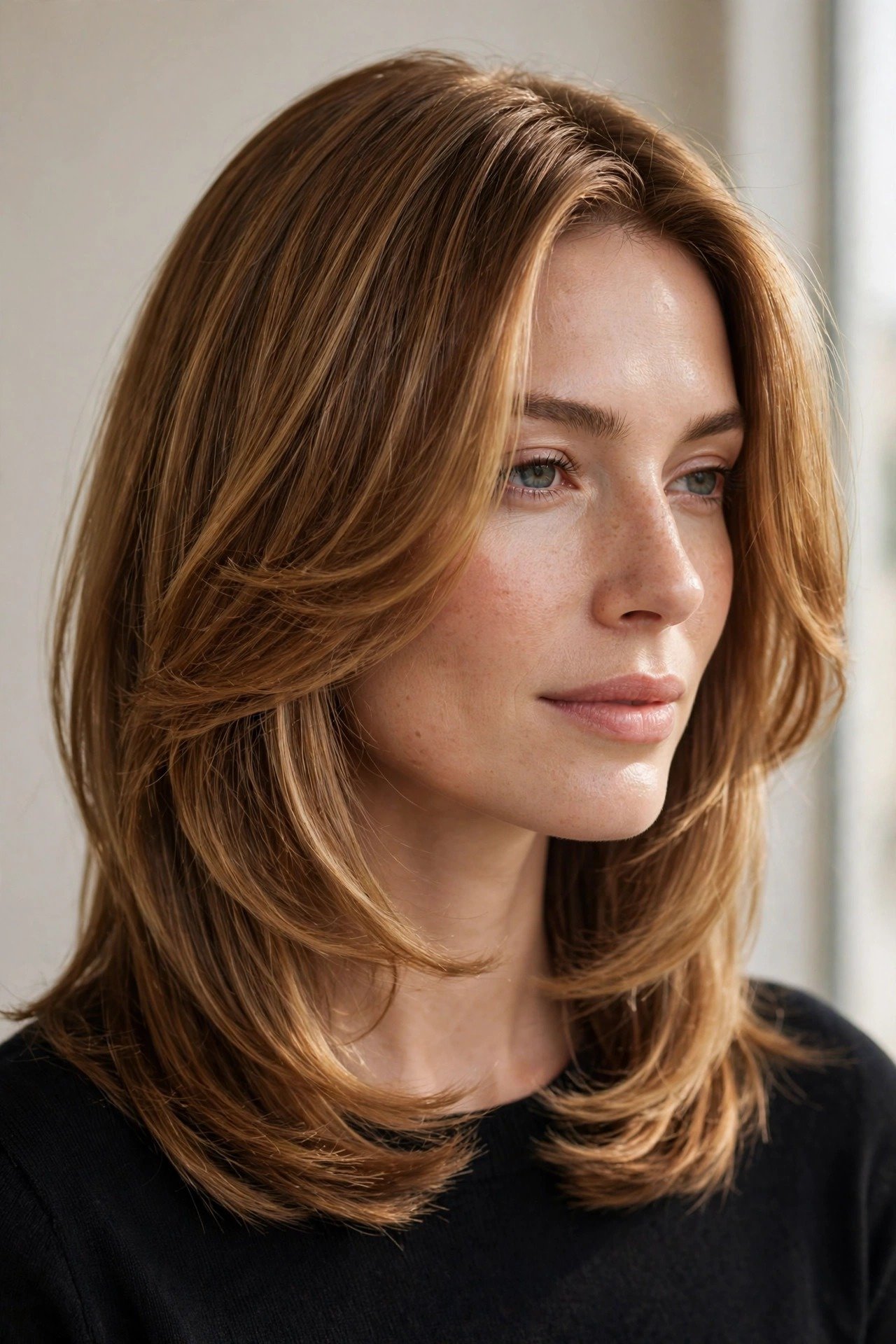
Face-framing layers turn the collarbone lob from a great haircut into a great haircut built for your face. Shorter pieces around the cheekbones and jaw break up the solid line of the lob, lifting cheekbones, softening jawlines and drawing the eye exactly where you want it. It is the most universally flattering tweak on this list, because the layers can be placed precisely where your face needs them.
Tell your stylist where you want the framing to start — chin level is the classic choice, cheekbone level is bolder and more lifting — and ask for the layers to blend gradually into the collarbone length rather than sitting as a separate step. The back stays full and one-length-ish, so you keep the lob’s thickness while the front does all the face-flattering work.
Style the front pieces with a round brush, rolling them under and away from the face for that soft, open frame. They also tuck neatly behind the ears on lazy days, which is the whole point of a good face frame. Refresh the framing layers every 6 to 8 weeks, since grown-out face frames are the first thing to look scruffy.
7. The A-Line Collarbone Lob

The A-line collarbone lob takes the classic shape and tilts it: shorter at the back, gradually longer toward the front, so the longest pieces graze the collarbone at the front while the nape sits a touch higher. The angle creates a sleek, forward-swinging silhouette that elongates the neck and makes the haircut look longer than it is — a clever trick for petite women and anyone who wants drama without length.
Ask for a distinct but wearable angle — the front should sit at the collarbone and the back about an inch shorter, with the graduation smooth rather than stepped. A stacked, slightly fuller back keeps the shape from looking thin, and the front pieces should be cut so they swing forward naturally when you move. The angle shows best on straight or lightly waved hair, where the line reads cleanly.
Blow-dry with a round brush, directing the front pieces forward and under so the A-line reads as one smooth diagonal. A flat-iron pass on the front lengths keeps the angle sharp. Because the shape depends on the angle, book a reshape every 6 to 7 weeks — a grown-out A-line loses its point fast.
8. Collarbone Lob for Thick Hair
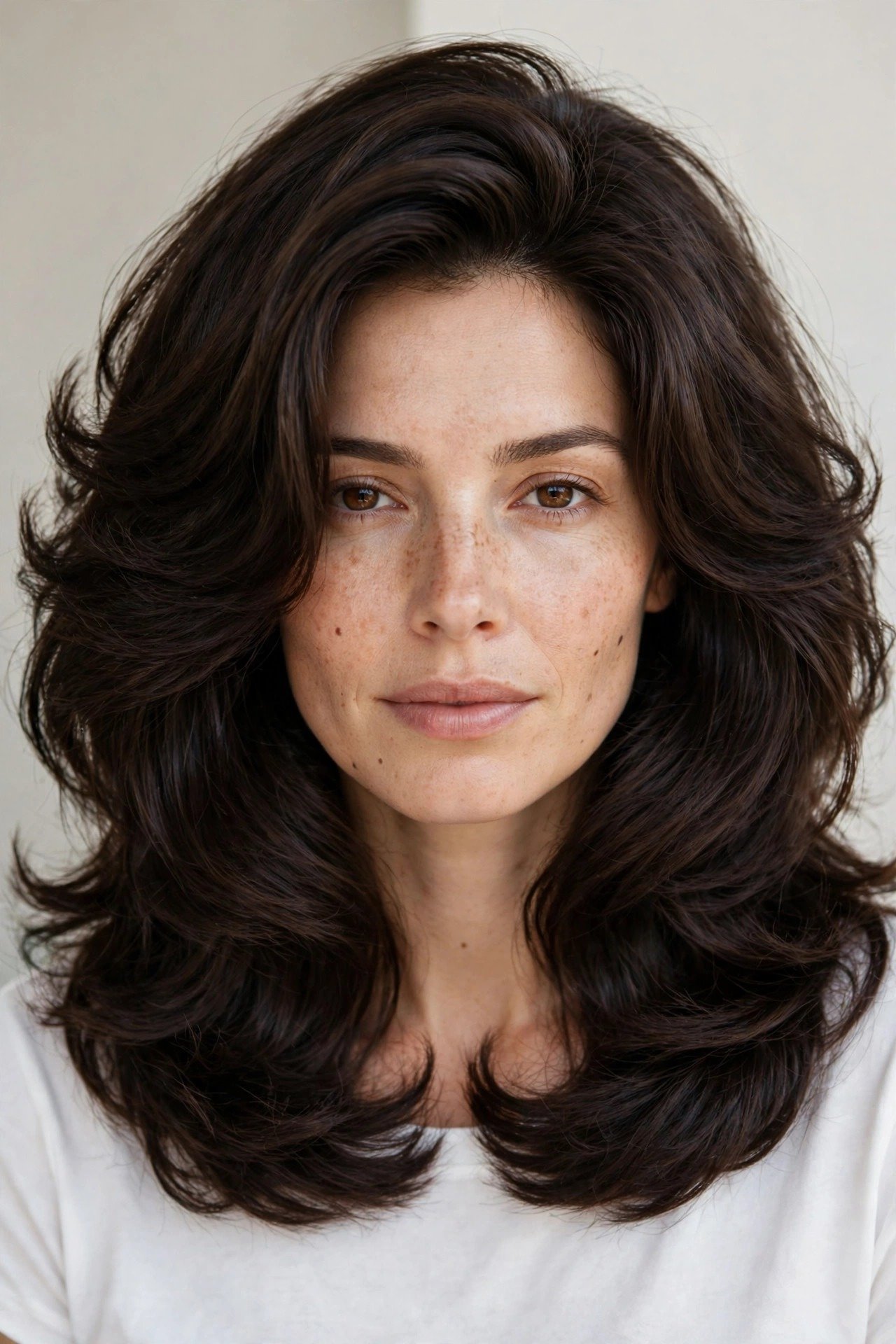
Thick hair and the collarbone lob are a match made in heaven, with one condition: the interior weight has to be properly removed, or the lob will puff outward into a triangle instead of swinging at the collarbone. Done right, the lob is the best haircut a thick-haired woman can get in 2026 — the length is short enough to manage the bulk, while the layers carve out the weight that makes thick hair feel heavy.
Be explicit with your stylist: ask for interior layering and weight removal through the mid-lengths — slide cutting or point cutting, not blunt shelves — with a full but not heavy perimeter at the collarbone. Ask them to check the cut dry as well as wet, because thick hair springs up and the swing only reveals itself at full volume. Request the ends be texturised so they do not form a heavy shelf.
Blow-dry in sections with a paddle brush first to smooth, then define the shape with the round brush and finish with a smoothing cream — thick hair loves a pea-sized amount of anti-frizz serum. This cut holds its shape for 10 to 12 weeks, but book a weight-removal tidy at week 6 if your hair grows fast and starts to pyramid again.
9. Collarbone Lob for Fine Hair
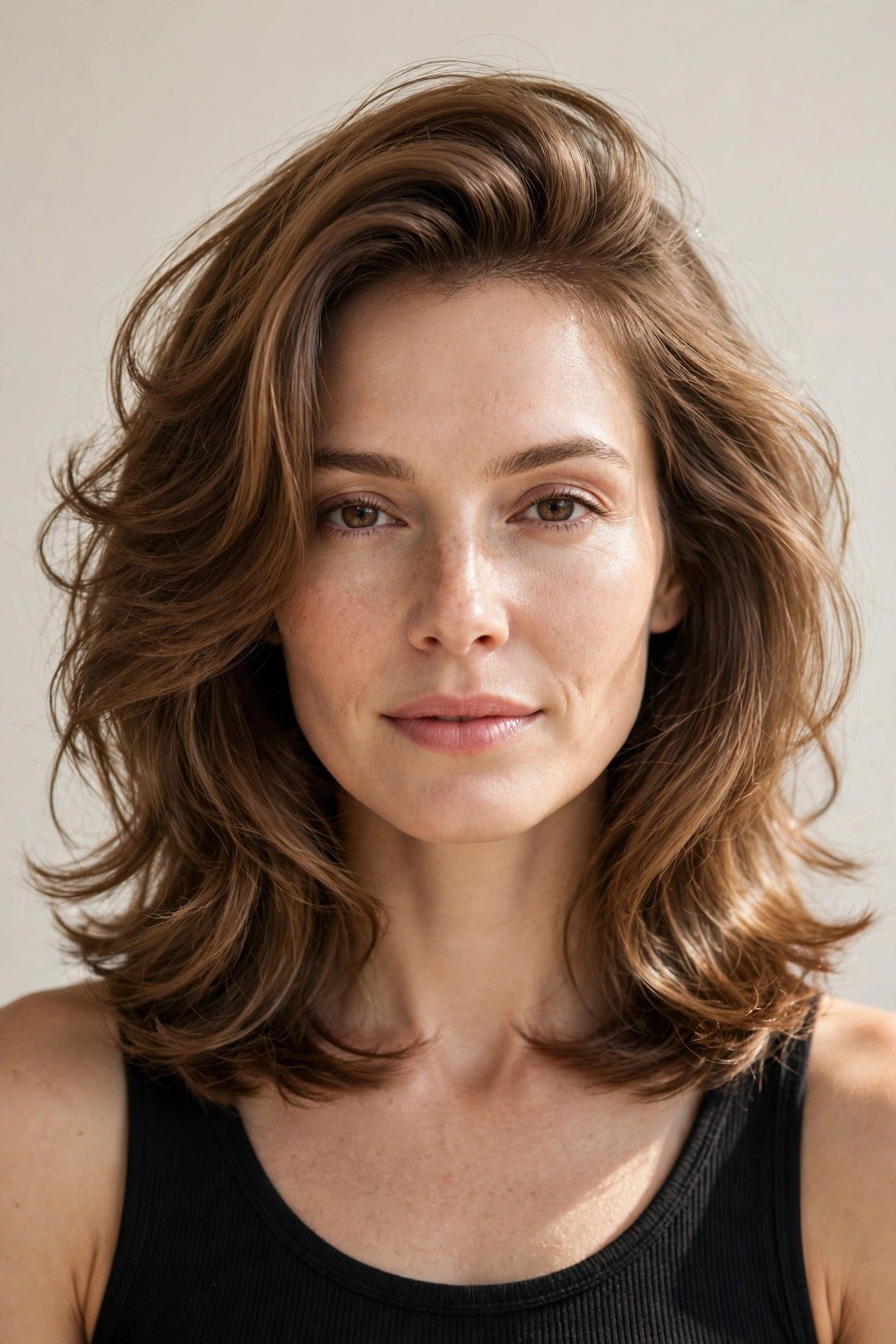
Fine hair benefits enormously from the collarbone lob because the length is short enough to hold volume, and the blunt or lightly layered ends create the illusion of density. The rule for fine hair is restraint — too many layers will make it look thinner, but a collarbone lob with a solid perimeter and just one or two long interior layers is exactly the right amount of movement. It is the rare cut that makes fine hair look twice as thick.
Tell your stylist your priority is keeping the baseline thick: ask for a blunt, full perimeter at the collarbone, only one or two long interior layers, and no thinning shears anywhere near the ends. A slightly shorter overall length — right at the collarbone rather than below it — will always look denser on fine hair, so resist the urge to go longer.
Volume starts at the roots: blow-dry upside down or with a round brush lifting at the crown, then set the ends with a bend under. A volumising mousse at the roots and a dry texture spray through the mid-lengths add grip without weight. Fine hair shows a grown-out lob quickly, so refresh the shape every 6 to 8 weeks to keep the illusion sharp.
10. Curly Collarbone Lob
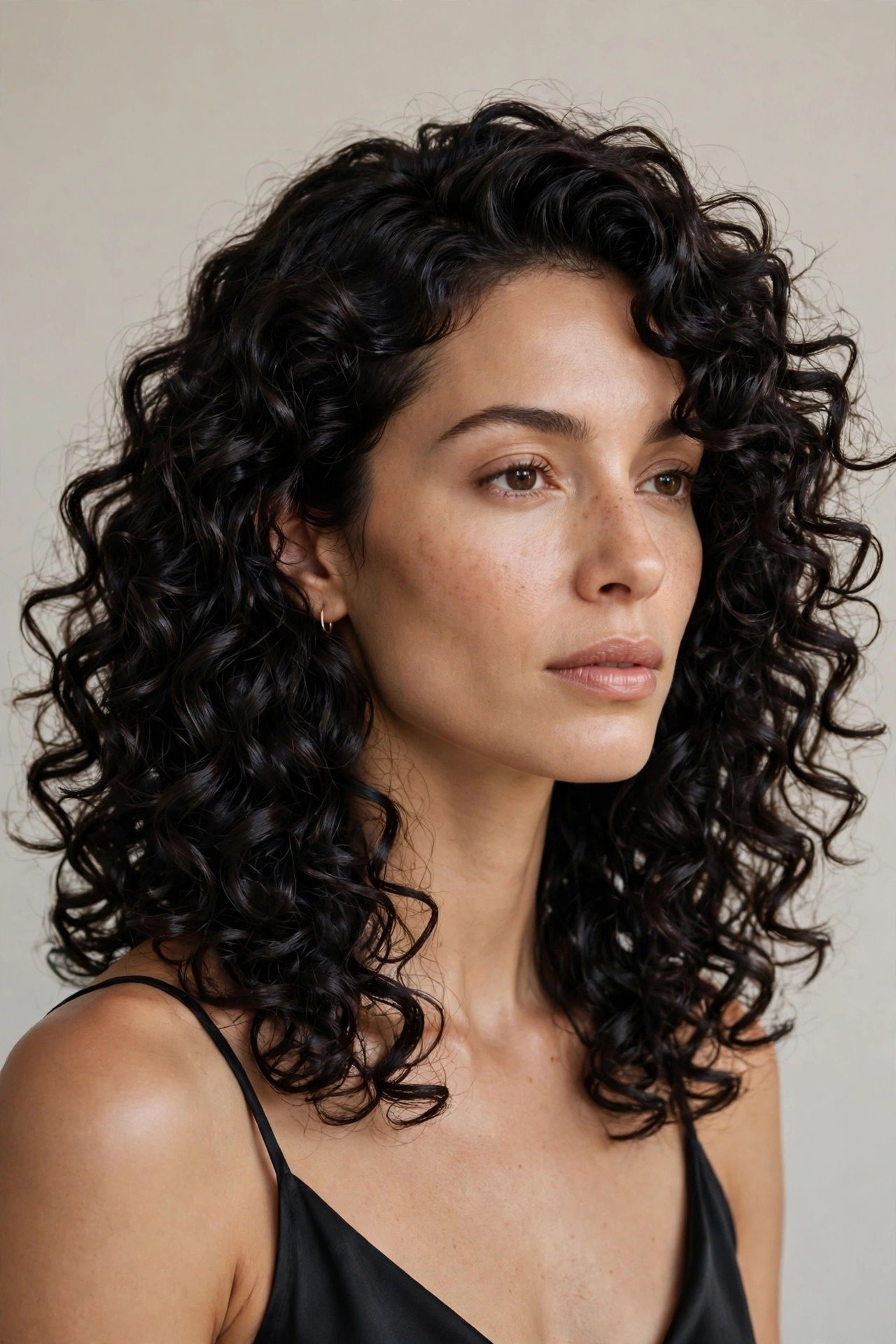
A curly collarbone lob keeps the same idea — hair ending at the collarbone — but engineered for curl patterns from 3A to 3C. The length is the sweet spot for curls: long enough for ringlets to form their full spiral, short enough that the curls do not get weighed down into a triangle. It is one of the most transformative curly cuts of 2026 because it gives curls a defined, bouncy shape without sacrificing a single ringlet of length.
Book a curl specialist and ask for a dry cut: the lob must be mapped curl by curl, with the shortest pieces landing at collarbone length when dry and shrinkage factored in. Request long, rounded layers through the back — never blunt shelves, which create ledges in curly hair — and ask for the interior to be shaped so the curls stack in a rounded silhouette from the side. For more layered inspiration at longer lengths, our waterfall layers guide shows how cascading layers work on every texture.
Style with a leave-in and curl-defining cream, diffuse upside down for volume, then pick out the roots for lift. The front curls can be finger-coiled to frame the face. Curly lobs hold their shape beautifully — a reshape every 10 to 12 weeks is plenty, since curls camouflage growth.
11. Collarbone Lob with Side Part

Moving the part deep to one side transforms the collarbone lob from pretty to powerful — the asymmetry makes the length read as a dramatic sweep, adds instant volume at the crown, and gives the whole haircut an editorial, off-duty-model energy. It is the easiest way to make a familiar cut feel new without touching the scissors, and it suits almost every face shape because the diagonal line breaks up width.
No cut change is needed for this one: any well-executed collarbone lob takes a deep side part beautifully. If you are getting the cut fresh and know you will wear it this way, mention it — your stylist can weight the layers slightly toward the heavy side so the sweep falls naturally. The face frame on the deep side should start at the cheekbone for maximum drama.
Blow-dry with the part placed deep while the hair is wet — parts trained dry never hold. Direct the heavy side across with a round brush, tucking the ends under at the collarbone, and let the lighter side fall close to the head. A strong-hold spray at the part keeps it locked through the day. Re-train the part for a week and it becomes second nature.
12. The Bouncy Blowout Collarbone Lob
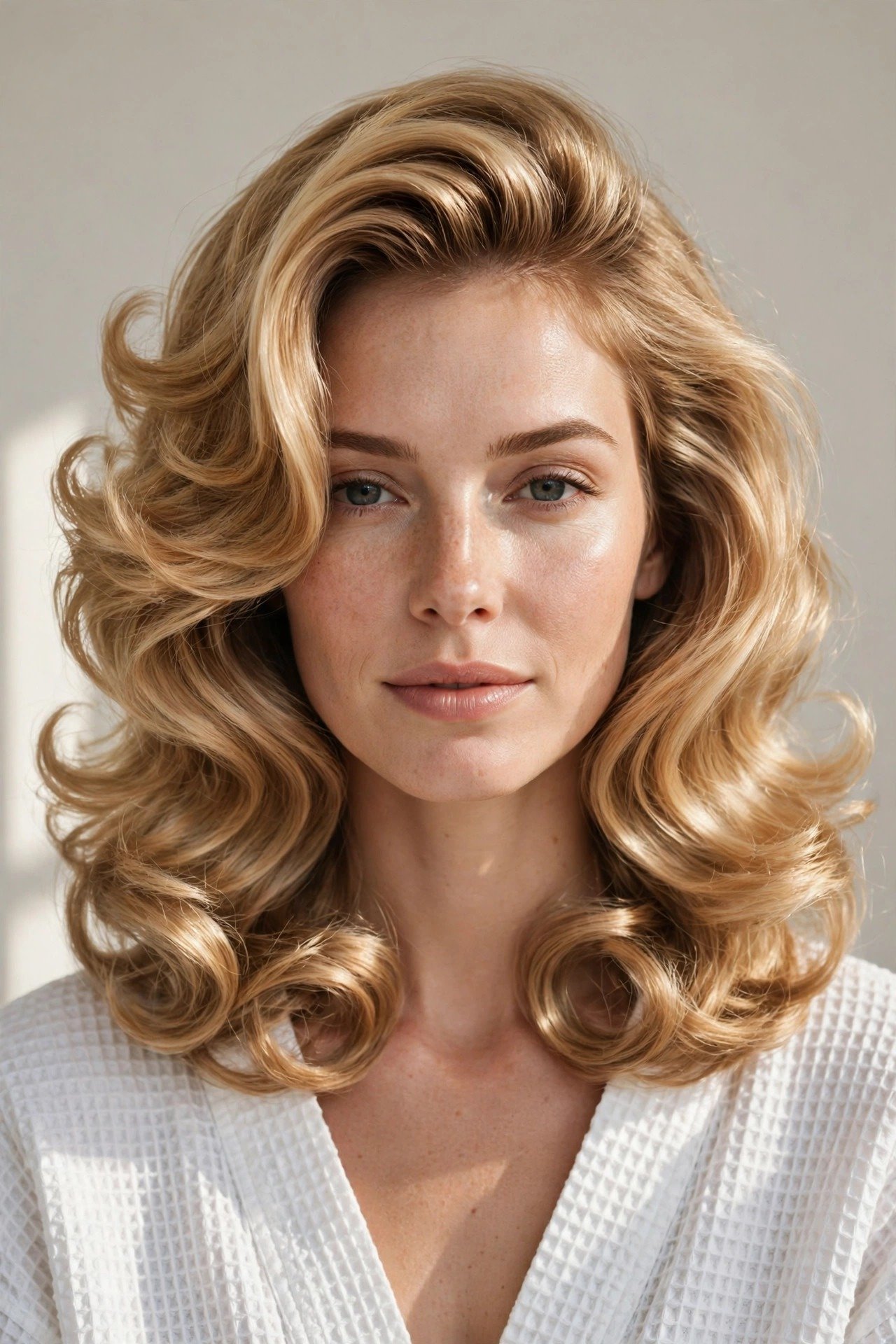
The bouncy blowout collarbone lob is the red-carpet version of the trend: big, voluminous curls and flipped ends, maximum shine, hair that moves like it has somewhere important to be. The collarbone length is ideal for a blowout because there is enough hair to hold a curl but not so much that the volume collapses under its own weight — the bounce stays all day.
Ask for a collarbone lob with long layers through the back and a face frame starting at the chin, cut so the ends flip and curl naturally when blow-dried. Request the ends be cut with a slight bevel under — that bevel is what lets the blowout curl sit instead of kicking out. A slightly stacked back adds the fullness that makes this version read as a true blowout rather than just a wavy lob.
Blow-dry with a large round brush, rolling each section under and holding the brush at the ends for ten seconds to set the curl — a light mist of flexible hairspray locks it without stiffness. Velcro rollers on the crown while you do your makeup add the salon volume. This length shows regrowth fastest, so book the shape every 6 to 8 weeks.
13. Collarbone Lob with Balayage
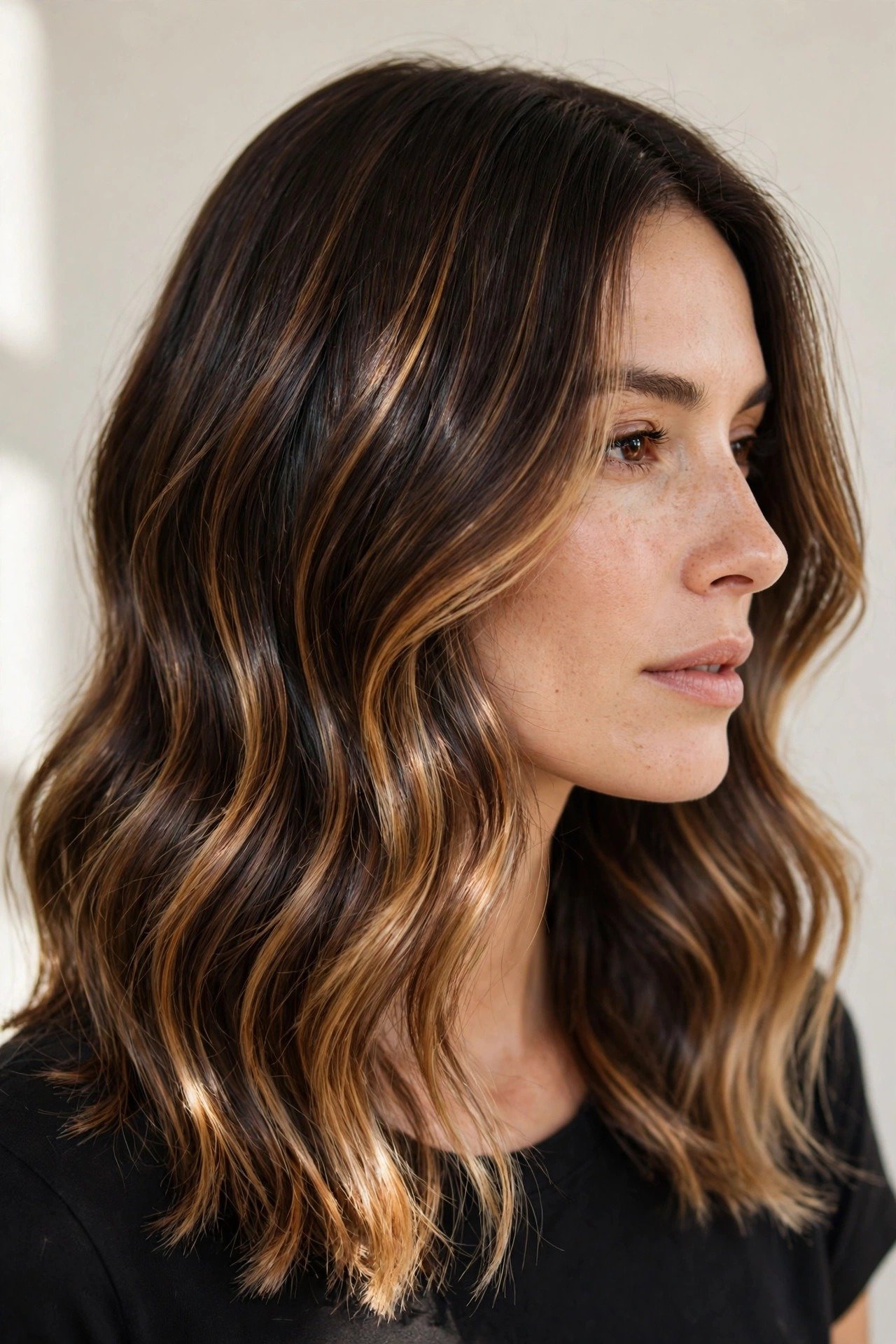
Balayage and the collarbone lob share a philosophy — soft, blended, grown-in-looking — so together they are seamless. Hand-painted lightness concentrated through the mid-lengths and ends makes the lob’s movement visible, as if the hair is lit from within, while the soft regrowth of balayage matches the cut’s graceful grow-out. It is the ultimate low-maintenance luxury pairing.
Ask your colourist for balayage with brightness focused on the ends and the face frame, keeping the roots close to your natural shade for that lived-in grow-out. The cut should be done after the colour, or by a stylist who plans both, so the lightest pieces land exactly at the collarbone perimeter. Keep the contrast soft — harsh balayage fights the lob’s blended ethos.
Style with the signature round-brush blowout to show off the dimension, and protect the investment: colour-safe shampoo, weekly masks and heat protectant every time. Balayage refreshes every 10 to 12 weeks, which syncs neatly with the lob’s trim schedule — book them together and save a trip.
14. Brunette Glossy Collarbone Lob
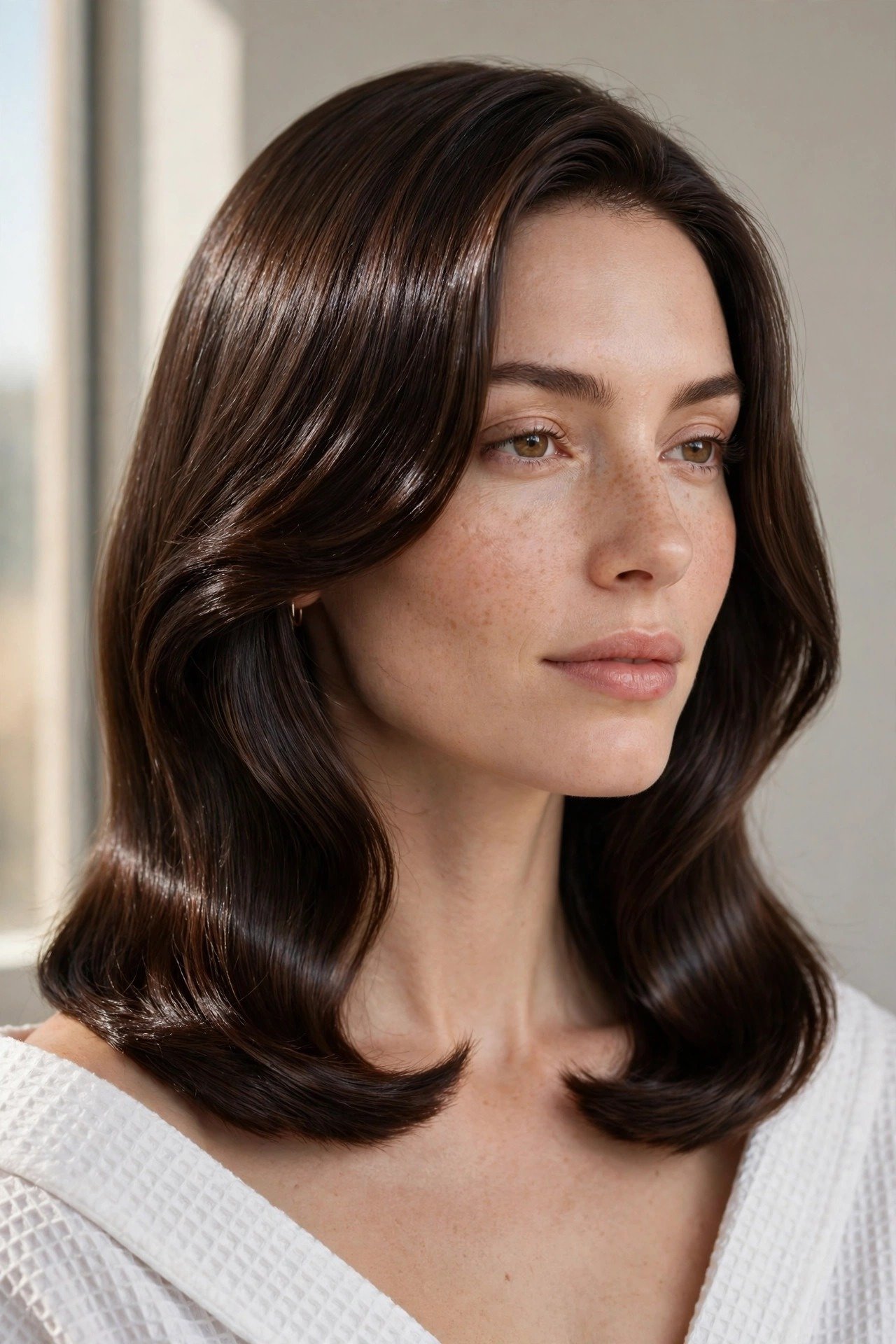
There is a reason the glossy brunette collarbone lob dominates salon Instagram: dark hair shows the lob’s architecture better than any other colour, and a mirror-shine blowout turns the silhouette into pure luxury. The clean collarbone line catches the light as it swings, creating that liquid, expensive movement that reads as healthy hair even from across the room. If your hair is naturally dark, this is your signature version.
Ask for the classic collarbone lob — blunt or lightly layered perimeter, face frame starting at the chin — and pair it with a clear gloss or demi-permanent refresh in your natural brunette shade to maximise shine. Request the ends be cut clean and blunt-ish so they reflect light in one sheet; wispy ends scatter light and dull the effect.
The blowout is everything: round brush, tension, cool-shot finish, then a shine serum pressed through the mid-lengths and ends. Sleep on silk to preserve the gloss, and refresh with a dry oil rather than washing daily. A gloss treatment every 6 weeks between cuts keeps brunettes luminous.
15. Blonde Dimensional Collarbone Lob
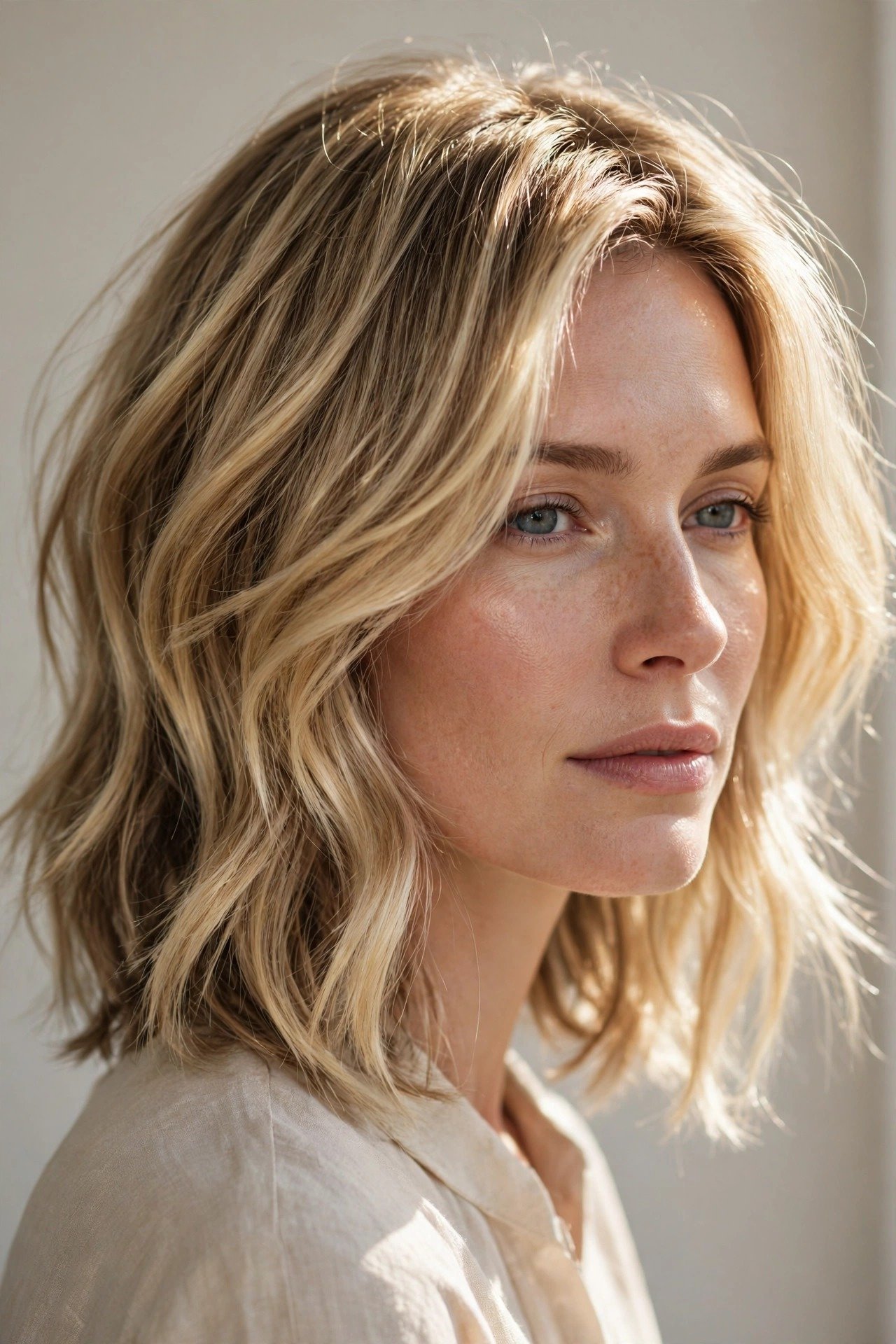
Blonde hair turns the collarbone lob into a study in light: every swing of the ends catches and reflects, so the silhouette looks almost sculpted. Dimensional blonde — a lived-in blend of highlights and lowlights rather than one flat shade — is the ideal partner, because the varying tones make the lob’s movement visible from every angle. This is the sunniest, most camera-friendly version of the cut.
Ask for the classic collarbone lob with the face frame starting at the chin, and have your colourist paint brightness concentrated along that frame — a technique sometimes called a “curve light” — with softer dimension through the back. Keep the ends healthy above all: blonde ends that are fried will flip outward and destroy the lob’s clean line, so bond-building treatments are part of the deal.
Blow out with a round brush for the signature bend, and finish with a purple-tinted glossing spray once a week to keep the blonde clean. Heat protectant is mandatory on every style. Dimensional blondes need a toner refresh every 6 to 8 weeks, timed with the face-frame trim for efficiency. For more bob-length ideas, our long layered bob guide shows how the curve works at every bob length.
16. Collarbone Lob for Round Faces
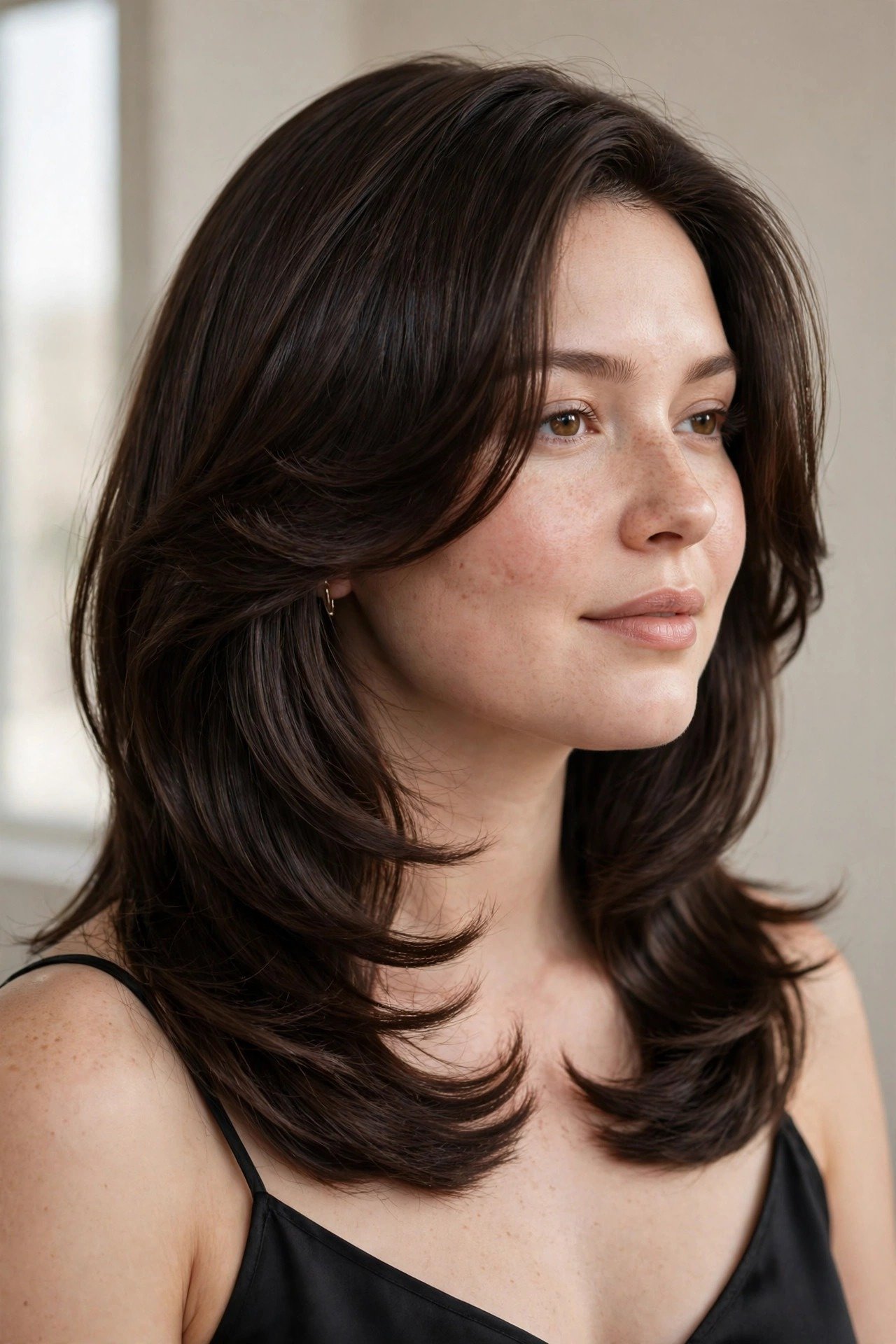
The collarbone lob is one of the most slimming haircuts a round face can wear, because the length does something clever: the ends sitting at the collarbone create long vertical lines that elongate, while the face frame draws the eye downward instead of outward. The key adjustment is keeping the lob at the collarbone or a touch longer, with the face frame starting no higher than the chin, so nothing adds width at the cheeks.
Tell your stylist your goal is elongation: ask for the face frame to start at chin level and flow long, a centre or slightly off-centre part to avoid emphasising width, and long layers through the back with no volume stacked at the sides. A little crown height — achieved with layers, not teasing — stretches the silhouette further.
Style with volume at the roots and the front pieces tucked under, not flipped out — outward flips widen a round face instantly. A deep side part on occasion adds asymmetry that slims. Keep the shape precise with a trim every 7 to 8 weeks, since a grown-out face frame starts adding cheek width.
17. Collarbone Lob for Square Faces
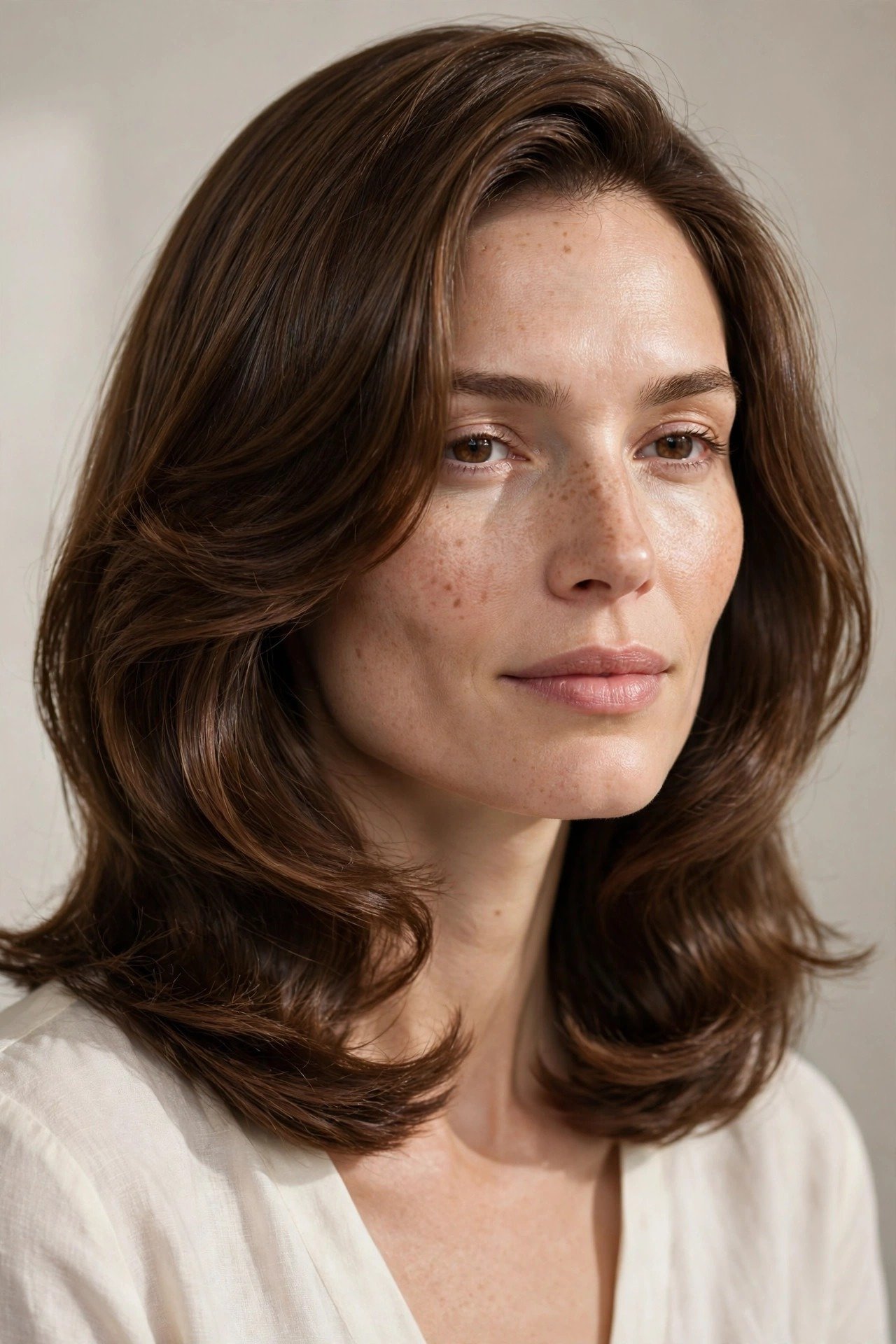
Square faces and the collarbone lob are a perfect pairing because the cut’s entire job at this length is softening: the sweeping, rounded ends drape over a strong jawline and visually round the corners, while the face frame draws attention to the centre of the face. It is the rare structured haircut that makes angular features look delicate.
Ask for the softest possible shape — the face frame should start at the cheekbone and sweep in a long, gradual arc rather than a sharp tuck, with wispy, textured ends on the front pieces so nothing looks severe. A side part helps enormously by breaking the symmetry that emphasises squareness. Keep the overall length at the collarbone or below to maintain that soft drape.
Blow-dry the front with a round brush, rolling under with a loose, open curve rather than a tight bend. Soft waves through the mid-lengths add to the softening effect — this is one face shape where the air-dried wavy version often beats the sleek one. Trim every 8 weeks to keep the shape soft and seamless.
18. Collarbone Lob for Oval Faces
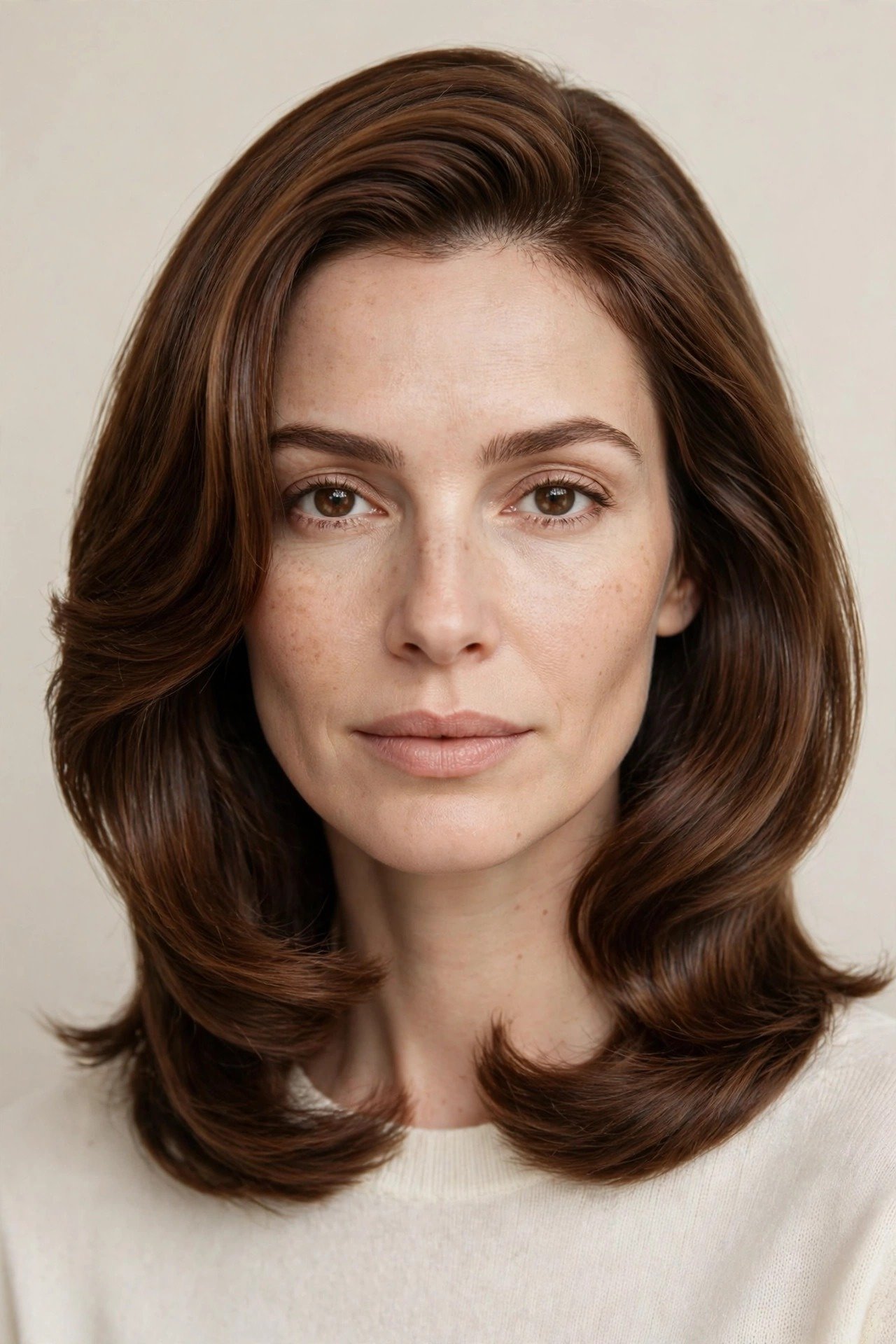
Oval faces can wear the collarbone lob exactly as intended, with no adjustments — the balanced proportions take the classic collarbone line beautifully. This is the face shape where stylists demo the textbook version: hair ending precisely at the collarbone, ends clean and swinging, front pieces framing the face in a soft arc. If you have an oval face, every variation in this guide is open to you.
Since no correction is needed, focus the consultation on lifestyle: choose your finish (blunt for polish, textured for ease, wavy for romance), your fringe situation, and your styling patience. Ask the stylist to show you the cut from the side profile in the mirror — on an oval face the lob should read as one smooth line from temple to collarbone.
Any styling method works, which is the luxury of this face shape: rotate between the round-brush blowout, the flat-iron bend and the air-dried wave to keep the cut feeling fresh. The textbook collarbone lob holds its shape for a full 8 to 10 weeks, making this the lowest-maintenance pairing of face and cut.
19. Collarbone Lob for Heart-Shaped Faces
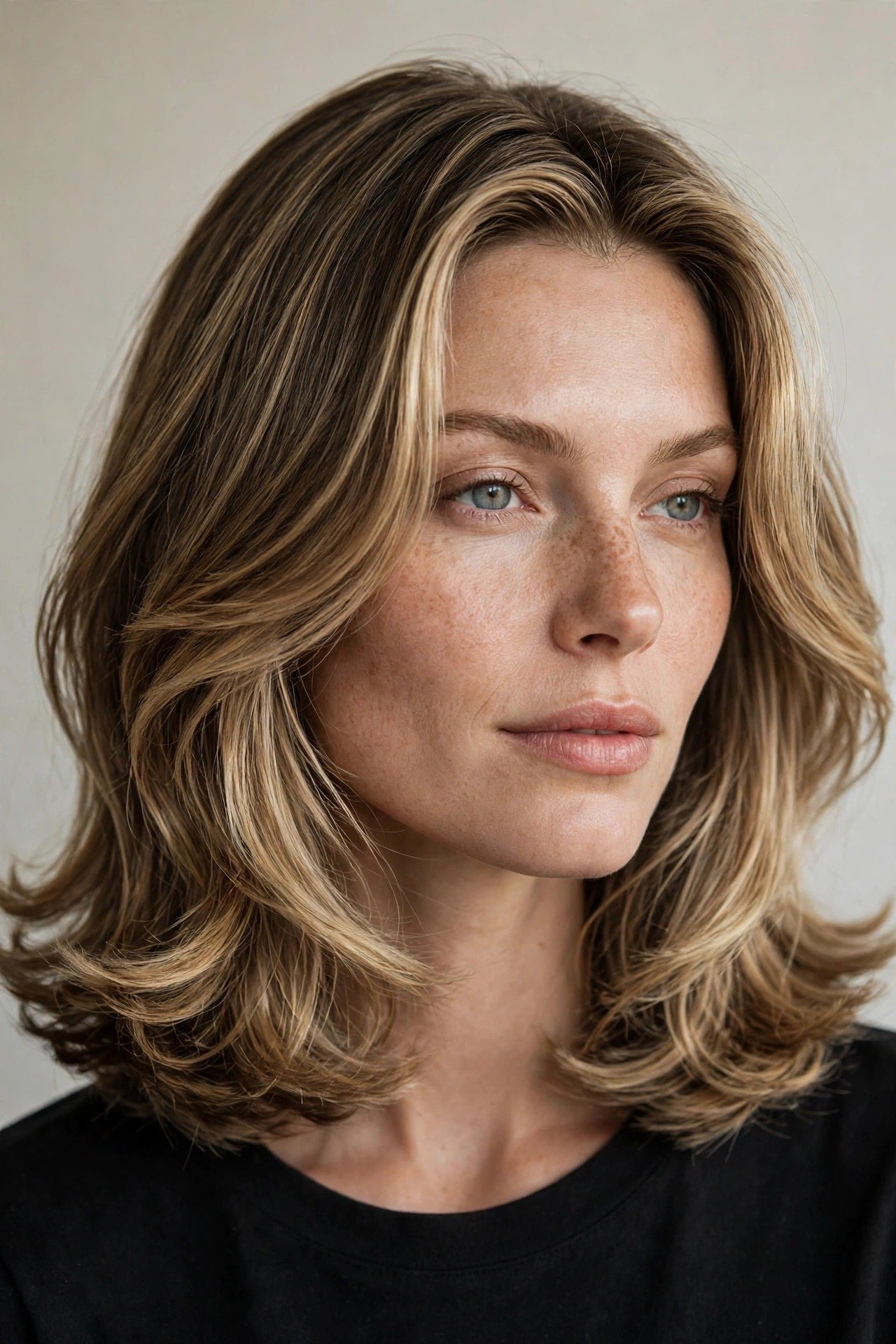
Heart-shaped faces — wider forehead, narrower chin — need the collarbone lob’s fullness placed low, and that is exactly where this cut puts it. The ends sitting at the collarbone add visual width where a heart face is narrowest, balancing the broader forehead beautifully. It is one of the most balancing haircuts available for this face shape in 2026.
Ask for the ends to carry their fullness through the jaw and chin — request the front pieces be cut fuller and slightly longer rather than wispy, with the bend under emphasised at the ends. A side part or curtain fringe helps by breaking up forehead width, and keeping the back length at the collarbone or below maintains the balancing volume low on the face.
Style with the round brush, concentrating the bend at the chin-to-collarbone zone — that is where the balancing fullness lives. Avoid slicking the front flat to the head, which emphasises the forehead. Trim the face frame every 7 weeks; the low fullness is the whole trick, so do not let it grow wispy.
20. Collarbone Lob with Wispy Fringe

A wispy fringe softens the collarbone lob’s clean line with something featherlight at the forehead — the combination is youthful, romantic and incredibly forgiving. The see-through fringe draws the eye to the eyes and cheekbones while the lob handles the jawline, so the whole face gets framed in one continuous, soft-focus effect. It suits long and oval faces best, adding the illusion of width where narrow faces need it.
Ask for a wispy, textured fringe that hits between the brows and the lashes, cut with point-cutting so it stays airy, blending at the temples into the lob’s chin-length face frame. The key phrase is “grows into the face frame” — you want the fringe to melt into the longer hair, not sit as a separate ledge. Keep the fringe piece-y rather than blunt for that modern softness.
Style the fringe with a small round brush or a quick pass of the flat iron, flicking it slightly under so it echoes the lob’s bend. Dry shampoo at the roots keeps wispy fringes from separating. Trim the fringe every 3 weeks — wispy bangs go from perfect to poking-your-eyes fast — while the lob shape holds for 8.
21. The Asymmetrical Collarbone Lob
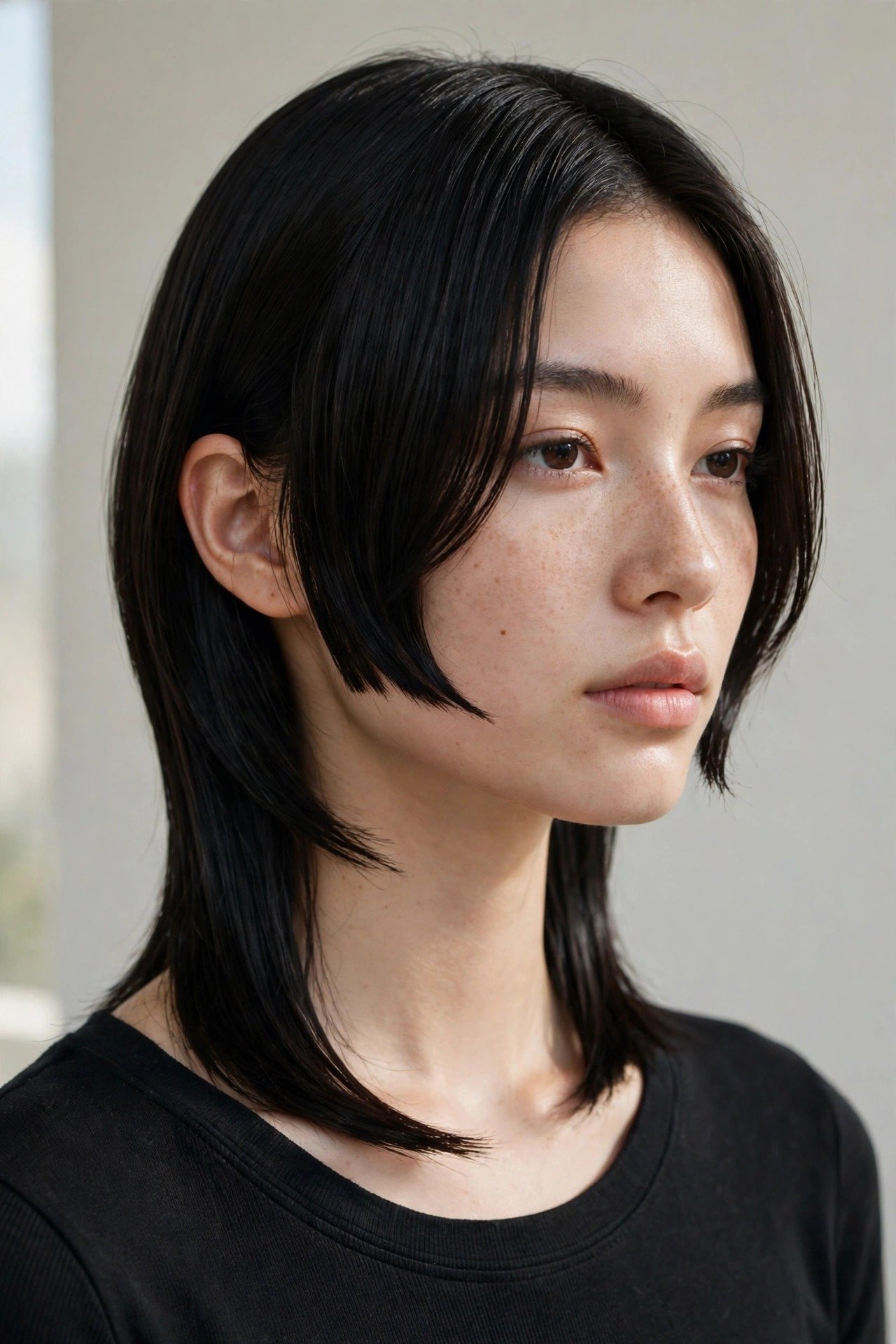
The asymmetrical collarbone lob is the boldest version on this list: one side cut to the collarbone, the other noticeably longer or shorter, creating a deliberate, fashion-forward imbalance. It is the haircut for women who want their hair to be the outfit — a conversation starter that still behaves like a lob, tying back and styling easily despite the drama.
Your script: decide the difference before the appointment — a subtle one-inch difference reads chic and wearable, while a two-inch-plus difference reads editorial and bold. Ask the stylist to keep the shorter side blunt and clean so the asymmetry looks intentional rather than accidental, and to cut the longer side with a soft bevel so it swings forward. The part should sit on the shorter side to show off the angle.
Style it sleek to show the geometry — a flat iron and shine serum are your friends — or add a wave to the longer side only for a high-low contrast. Asymmetry needs upkeep: the shorter side grows out of proportion fastest, so book a tidy every 5 to 6 weeks to keep the difference deliberate.
22. Collarbone Lob with Undercut Nape
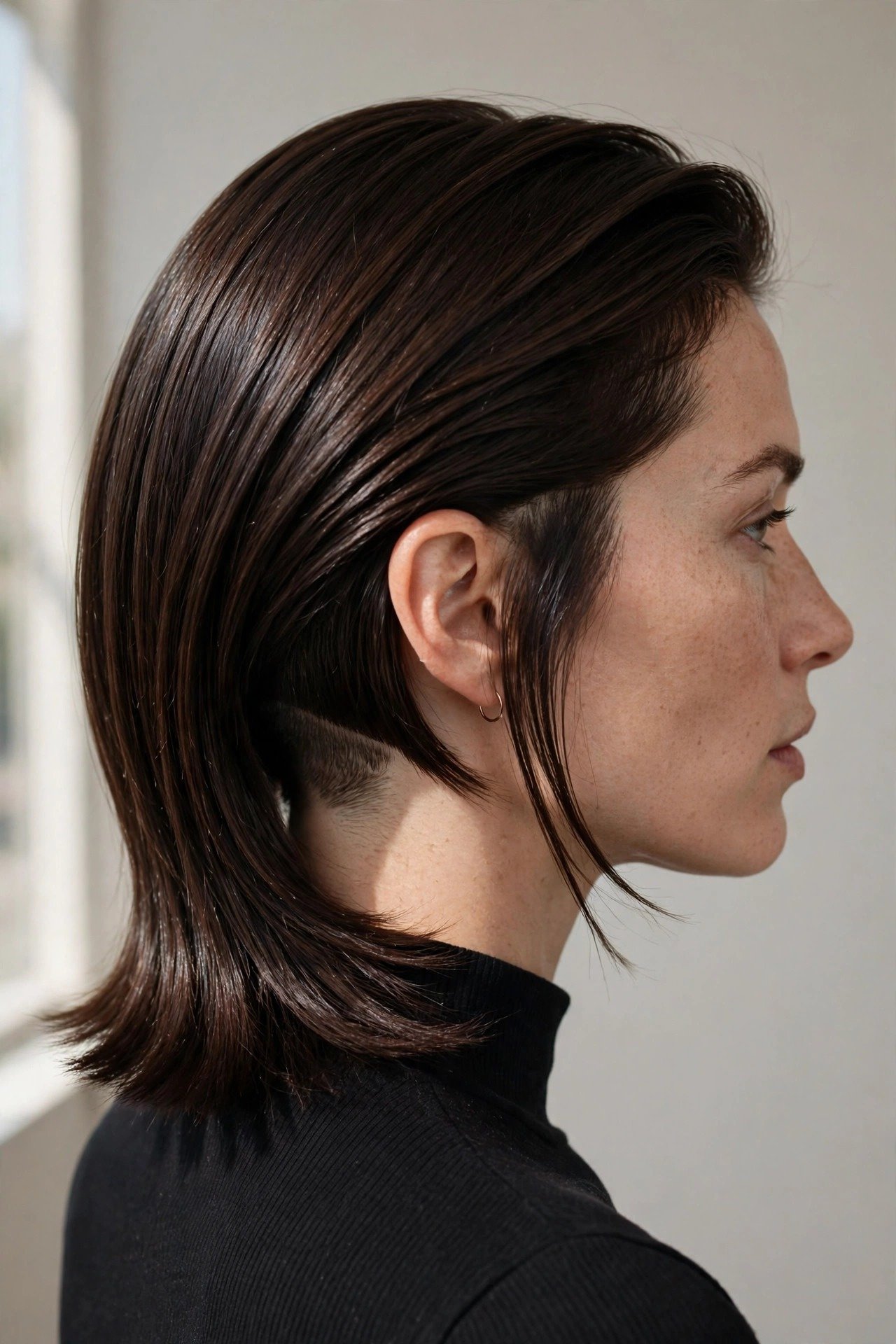
The undercut-nape collarbone lob is the secret-weapon version: from the front and sides it reads as a perfectly normal, polished lob, but lift the hair at the nape and there is a short, clean undercut hiding underneath. It removes bulk exactly where thick hair is heaviest, keeps the neck cool in summer, and gives you a hidden edge that only you know about — until you tie your hair up.
Ask for a discreet undercut at the nape — short but not shaved to the skin unless you want the full statement — with the collarbone lob cut over the top so it falls naturally and hides the undercut completely when worn down. This is a cut that demands a stylist who understands layering over an undercut, so bring reference photos and discuss how high the undercut should climb.
Wear it down for the classic lob look, or tie it up to flash the undercut — a low ponytail or messy bun shows it off beautifully. The undercut grows out faster than the lob, so book a nape tidy every 4 to 5 weeks while the lob itself follows the standard 8-week rhythm.
23. Collarbone Lob for Women Over 40
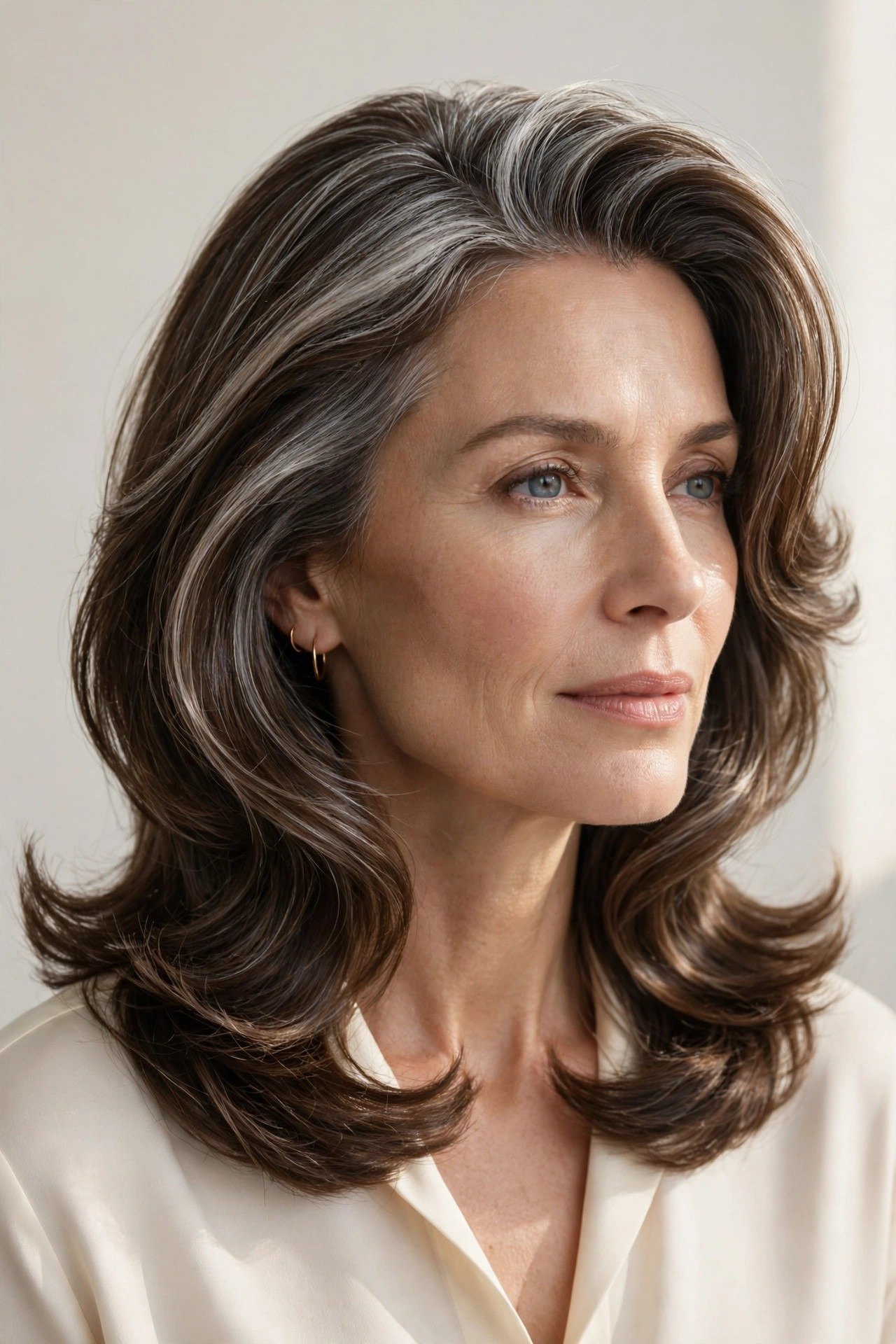
The collarbone lob is quietly one of the best haircuts for women over 40 and 50, because the length is a facelift in haircut form: it lifts the eye toward the cheekbones, softens the jawline and neck area, and adds the kind of movement that keeps hair from looking severe with age. It reads modern without trying too hard — the holy grail of mature haircuts.
Ask for the face frame to start at the cheekbone rather than the chin — a slightly higher frame lifts more — with soft, feathered ends rather than blunt lines, which can look harsh on mature features. Keep the length versatile: right at the collarbone works beautifully. Discuss colour too: soft dimension around the face brightens the complexion in a way one flat shade cannot.
The round-brush blowout is your best friend here — the lift at the roots plus the tucked ends takes years off the overall effect. A volumising mousse at the crown prevents the top from falling flat, which ages any cut. Maintain the face frame every 6 to 7 weeks; the lift is the point, so do not let it drop.
24. The French-Girl Collarbone Lob
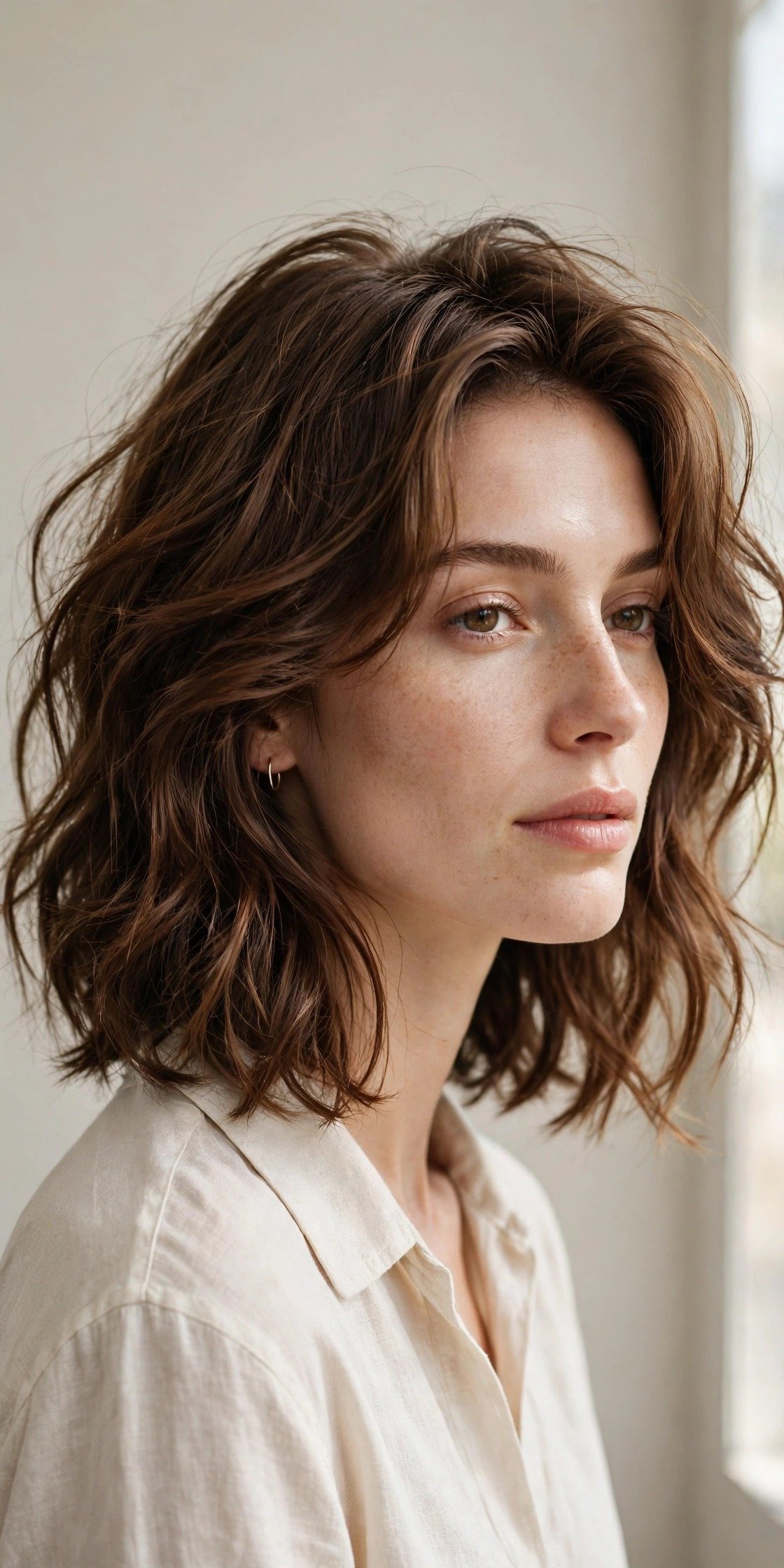
The French-girl collarbone lob is the art of looking like you did nothing — effortlessly tousled, slightly undone, collarbone-length hair with natural movement and a lived-in finish. It is the version that looks best with the least effort: the cut’s architecture does the styling for you, and a little product is all the hair needs to fall into that insouciant, Parisian shape.
Tell your stylist you want the undone version: ask for a collarbone lob with soft, texturised ends and a face frame that can be worn tucked or loose, cut slightly stronger than usual since air-drying softens everything. Request the perimeter be kept just a touch uneven — perfectly level ends look too “done” for this vibe. A leave-in cream combed through damp hair is the entire styling routine.
Wash, apply leave-in, scrunch the front pieces gently while damp, and leave it alone — touching creates frizz. A silk pillowcase preserves the shape overnight. French-girl lobs are forgiving growers; a reshape every 10 weeks keeps the shape present without fuss. For the layered take on this effortless energy, our C-cut layers guide shows the curved, face-framing alternative.
25. Collarbone Lob with Choppy Ends
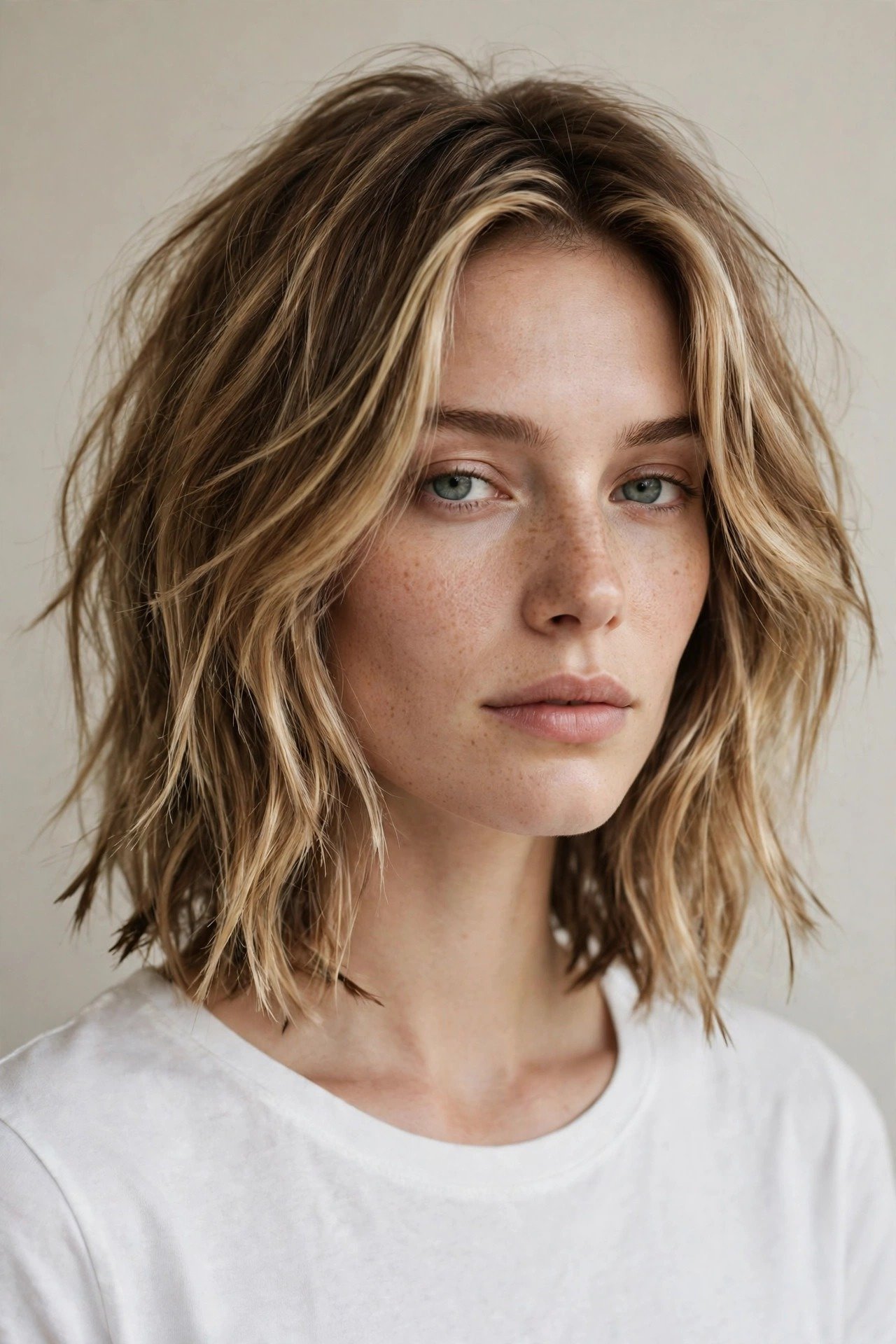
Choppy ends give the collarbone lob a rock-and-roll edge: the clean collarbone line is broken into piece-y, uneven texture that reads modern, youthful and a little bit rebellious. It is the choice for women who love the lob’s length but find the classic version too “done” — the choppy ends add attitude while the overall shape stays polished enough for work.
Ask for the classic collarbone lob, then have the stylist point-cut and texturise the ends aggressively — the contrast between the smooth lengths and the piece-y ends is the entire look. Keep the perimeter slightly uneven and undone, and ask for the face frame to be cut with the same choppy texture so the front and back match. Thick hair takes this best, since the choppiness removes weight as it adds texture.
Style with a salt spray or texture cream scrunched into damp hair, and either diffuse or air-dry — the ends should look piece-y, not polished. Smooth only the front pieces with the round brush for a high-low contrast. Textured ends need dusting every 8 weeks to avoid looking damaged rather than deliberate.
26. The Old-Money Collarbone Lob
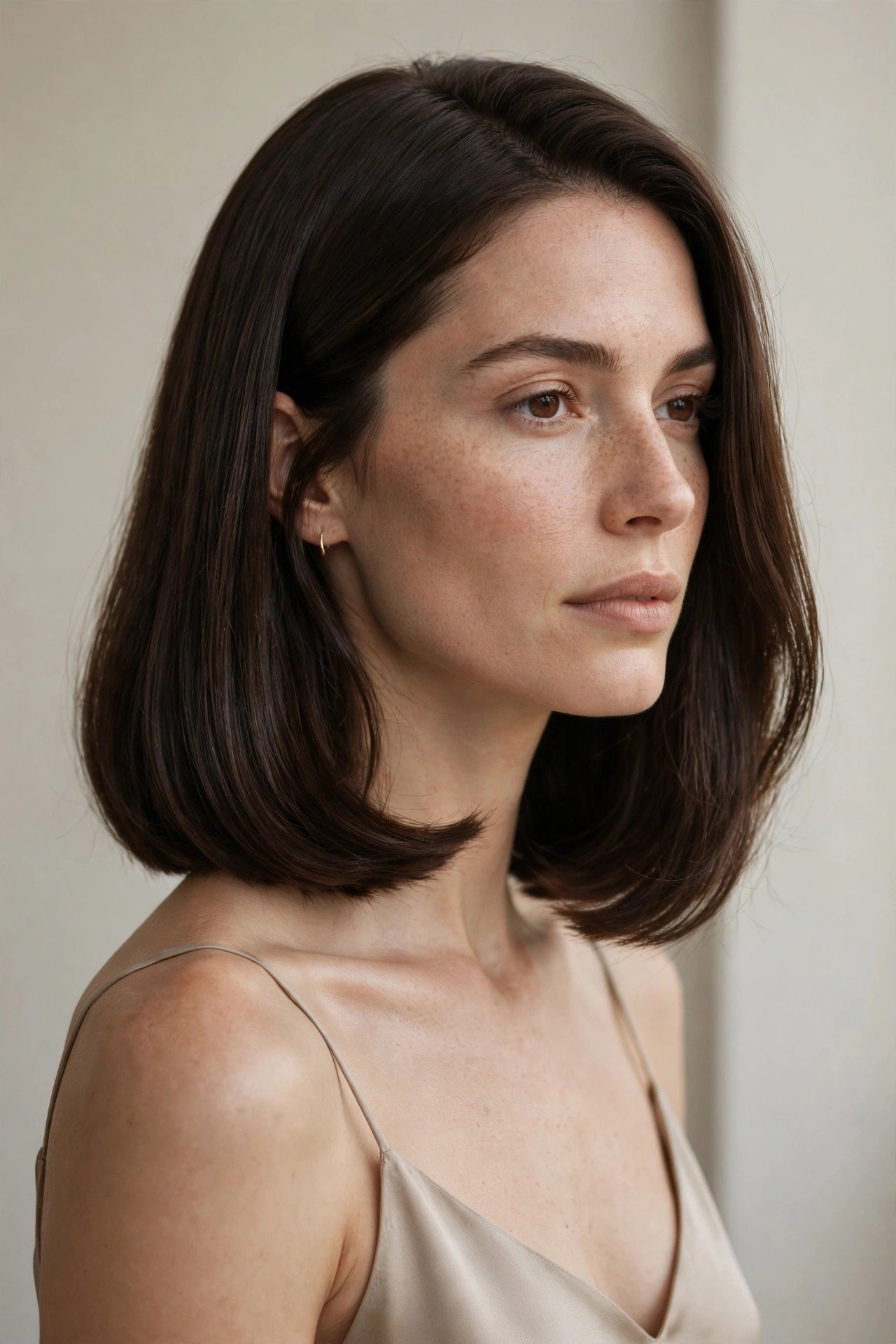
The old-money collarbone lob is quiet luxury in haircut form: polished, understated, smooth and expensive-looking without a single flashy detail. The length sits exactly at the collarbone, the ends are clean, the shine is mirror-like, and the whole effect whispers rather than shouts. It is the version for women whose personal brand is precision and understatement.
Ask for the classic collarbone lob with a clean, precise perimeter and a blunt or barely-layered finish, then have the stylist show you the sleek blowout: paddle brush, high tension, ends directed under. Request the layers be cut to lie flat — no texturising that encourages flicking. A clear gloss treatment is the secret weapon here; old-money hair is glossy hair.
Daily styling is a quick paddle-brush blow-dry or a flat-iron pass, finished with a smoothing serum — ten minutes once you have the motion down. A low ponytail on busy days still shows the clean line. Keep it sharp with a trim every 6 weeks; sleek, understated cuts show growth fastest, and the polish is the whole point.
27. Collarbone Lob with Deep Side Sweep

The deep side sweep takes the collarbone lob from pretty to powerful: a long fringe swept diagonally across the forehead and dissolving into the lob’s length creates one long, dramatic line. It is a stunning choice for heart-shaped and square faces, where the diagonal sweep breaks up strong lines, and for anyone who wants old-Hollywood polish with a 2026 silhouette.
Ask for the fringe to start at a deep side part and sweep to the opposite cheekbone, cut long enough to blend into the lob’s front pieces. The stylist should cut it so it can be worn tucked or sweeping — that means keeping the shortest piece at lip length, never shorter. The lob itself stays classic: collarbone length, clean ends, soft face frame.
Blow-dry the fringe with a round brush, directing it across the forehead and under at the ends so it continues the lob’s line. A light-hold spray keeps the sweep from falling flat by midday. Side-swept fringes need a trim every 4 weeks to keep the sweep precise; the rest of the cut follows the standard 8-week rhythm.
28. Air-Dried Effortless Collarbone Lob
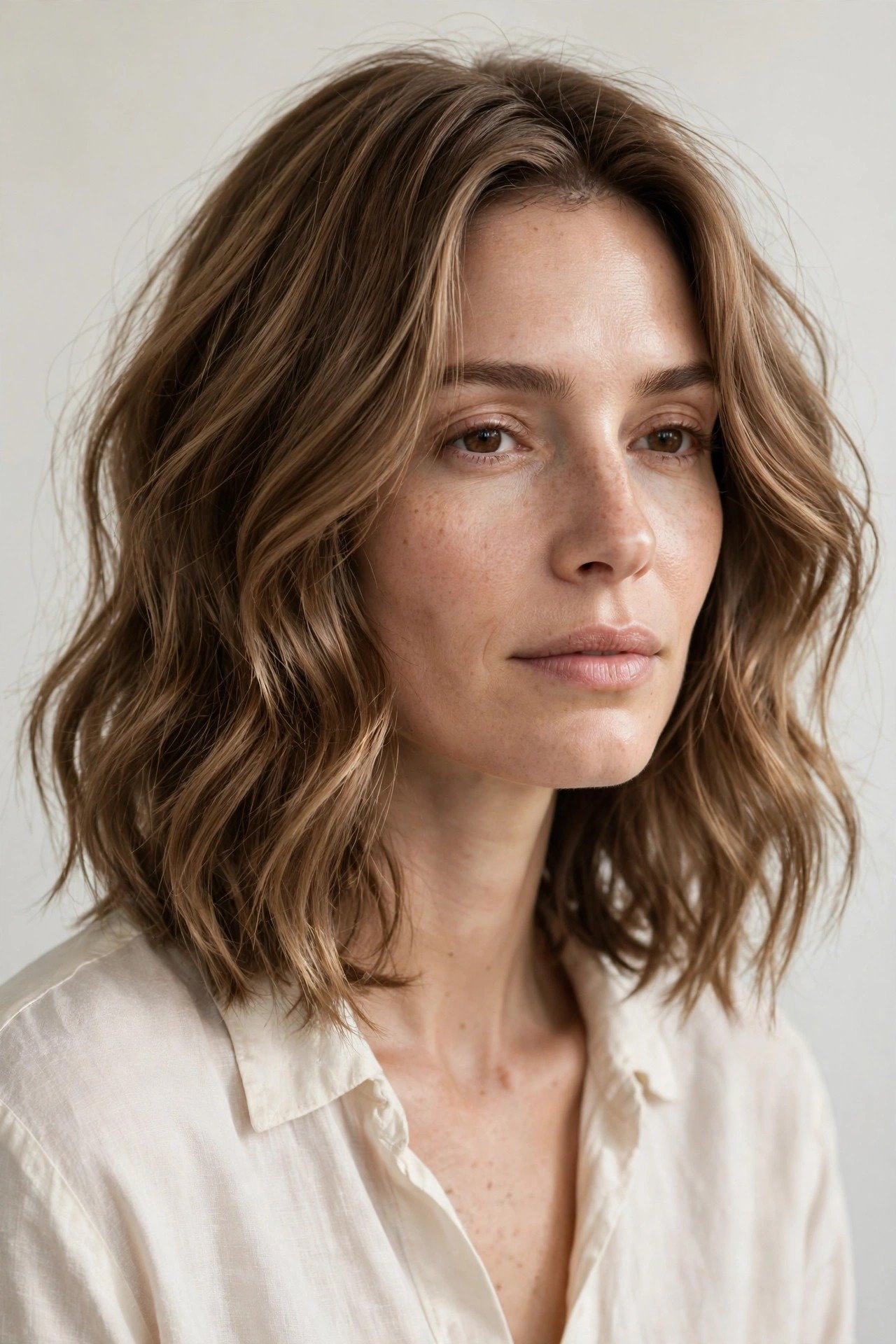
Not every collarbone lob needs a blowout — the air-dried version is the cool-girl take, all soft natural texture with the shape suggested rather than sculpted. The cut’s architecture still shows: the collarbone length falls into a gentle swing on its own, especially on hair with a little natural bend. This is the version for low-maintenance women, new mothers and anyone who has made peace with their natural texture.
Tell your stylist you plan to air-dry most days: ask for the ends to be cut slightly stronger than usual, since air-drying softens everything, and request texturised ends that will not flip outward as they dry. A leave-in cream combed through damp hair is the entire styling routine — the cut does the rest.
Wash, apply leave-in, gently scrunch the front pieces under with your fingers while damp to encourage the shape, and leave it alone — touching creates frizz. A silk pillowcase preserves the shape overnight. Air-dried lobs are forgiving growers; a reshape every 10 weeks keeps the line present without fuss.
29. Collarbone Lob for the Office
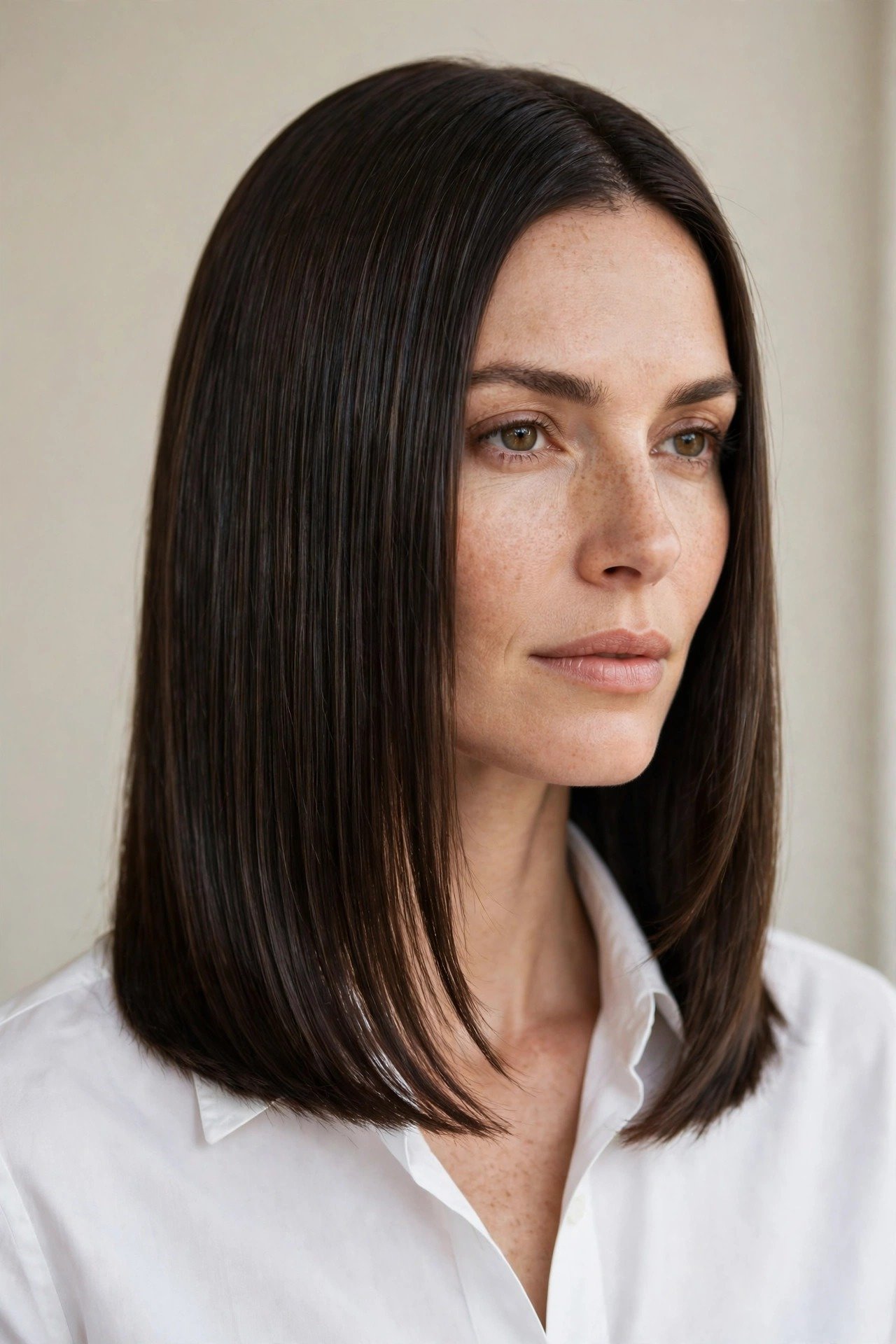
The boardroom collarbone lob: sleek, controlled and quietly expensive. This version keeps the signature length but styles it smooth and close, reading as polished rather than bouncy — ideal for corporate environments, client-facing roles and anyone whose personal brand is precision. The clean collarbone line still frames the face, just without the volume.
Ask for the classic collarbone lob with a clean, precise perimeter and a blunt finish, then have the stylist show you the sleek blowout: paddle brush, high tension, ends directed under. Request the layers be cut to lie flat — no texturising that encourages flicking. Shoulder length keeps it office-practical, and it pulls back into a neat low ponytail in seconds.
Daily styling is a quick paddle-brush blow-dry or a flat-iron pass, finished with a smoothing serum — ten minutes once you have the motion down. A low ponytail or tucked-behind-the-ears look on busy days still shows the clean line. Keep it sharp with a trim every 6 to 7 weeks; sleek cuts show growth fastest.
30. Bridal Collarbone Lob
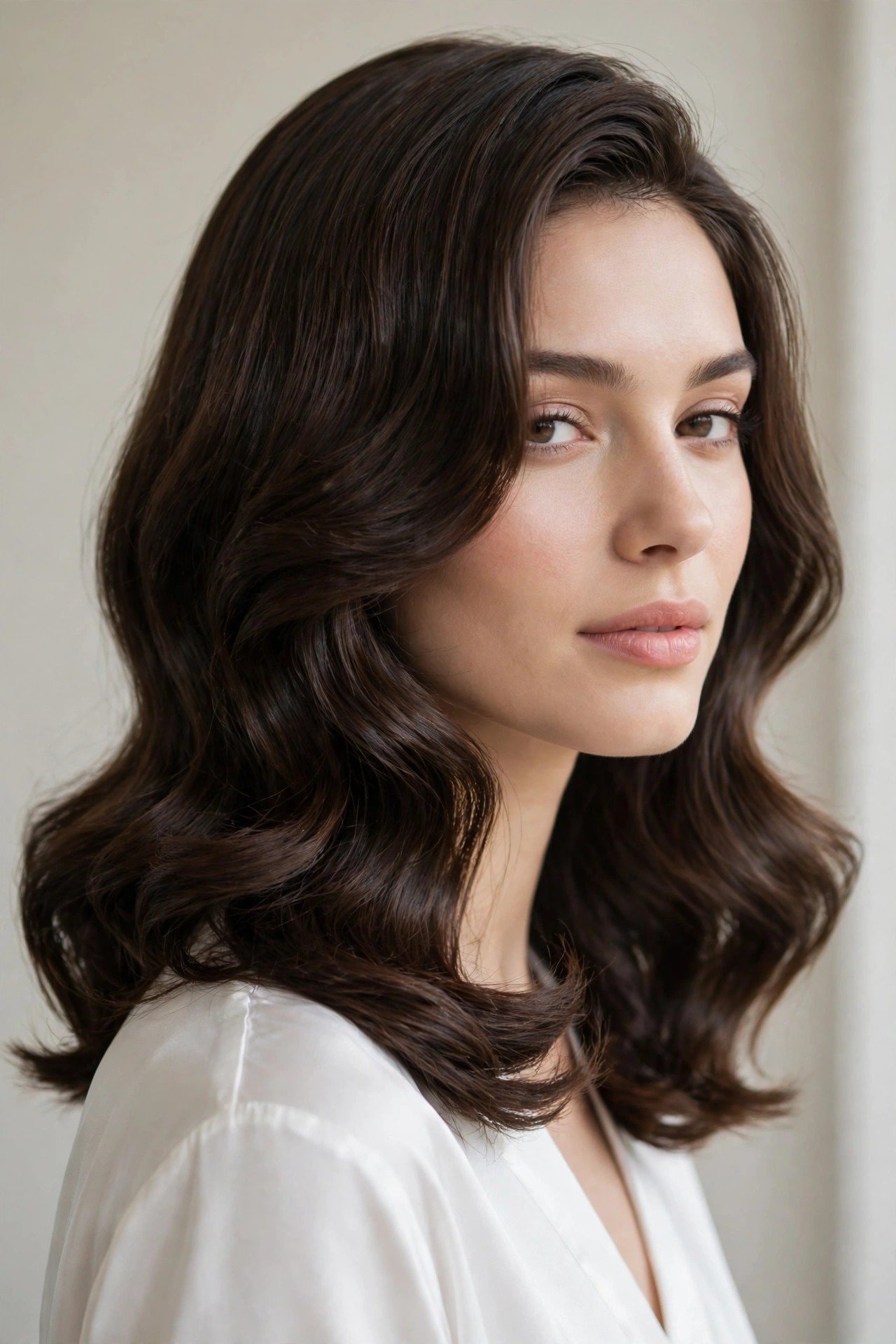
The collarbone lob might be the ultimate wedding-guest — and bridal — haircut of 2026, because the length photographs flawlessly from every angle while staying versatile for updos, half-up styles and flowing blowouts. The clean line acts as built-in polish around the face, which means even a simple style looks finished and romantic in photos.
If an event is on the calendar, ask for the lob two to three weeks beforehand so the shape settles — fresh ends can look too precise in photos. Request the front pieces long enough to sweep into an updo or half-up style without escaping: collarbone length is the sweet spot. Bring your event timeline to the consultation so the cut and any colour are timed perfectly.
For the day itself, a polished blowout with the front pieces defined is timeless; a half-up style with the curved pieces left out frames the face in photos beautifully. Trial your style a week before. After the event, the cut settles into its everyday version — no awkward grow-out from an occasion-only chop.
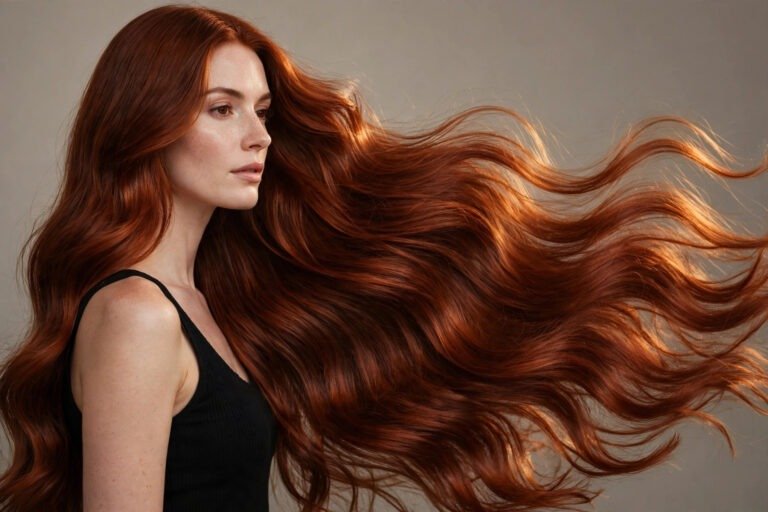
31. Collarbone Lob with Copper Tones
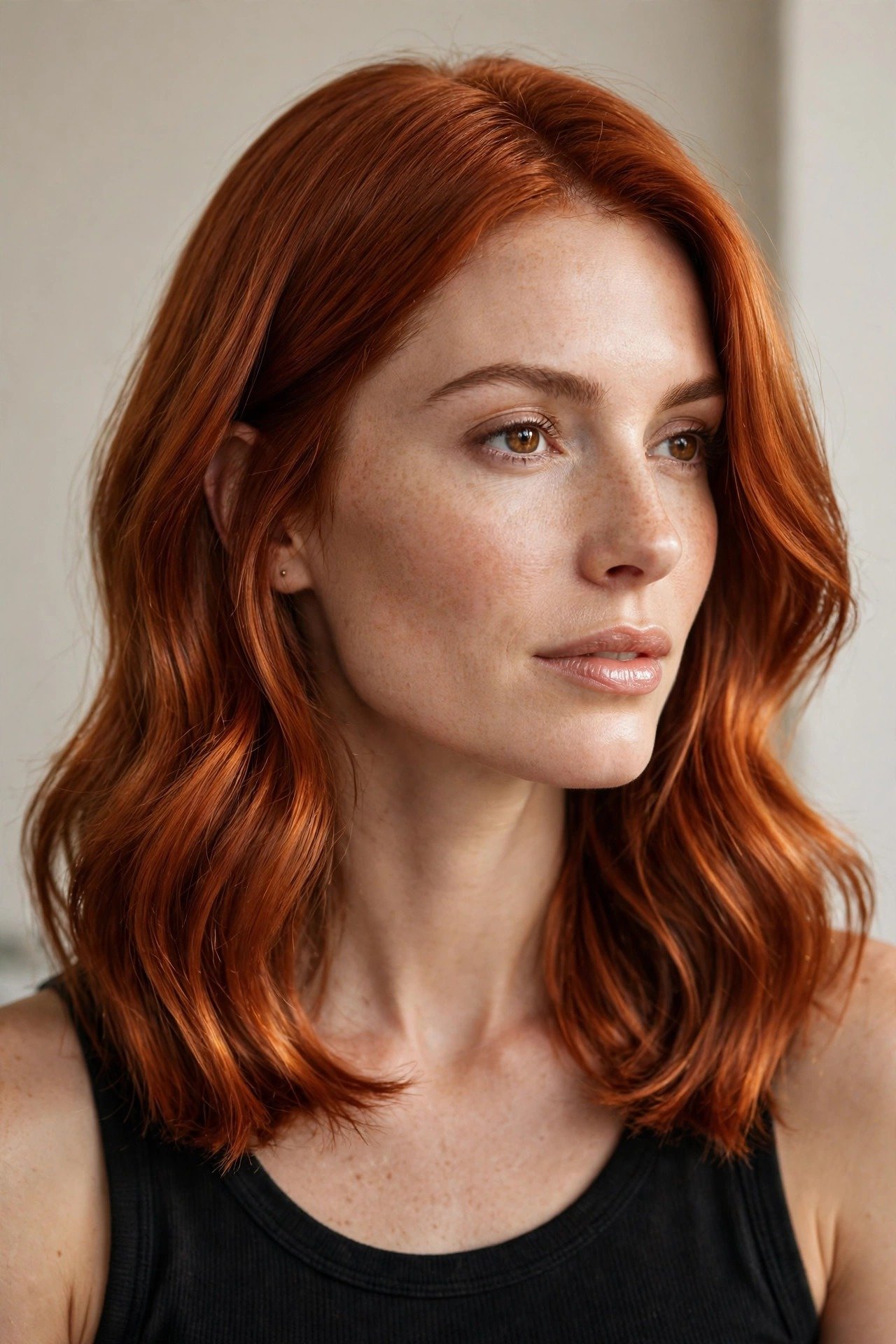
Copper is the colour story of 2026, and the collarbone lob is its perfect canvas: warm copper and auburn tones make the clean collarbone line glow, and the swing of the ends catches the light so the colour looks dimensional from every angle. It is the version for women who want their haircut and their colour to work as one statement.
Ask your colourist for a copper shade matched to your skin tone — soft apricot copper for fair skin, rich auburn copper for medium skin, deep burnt copper for dark skin — paired with the classic collarbone lob. Keep the colour rich and glossy above all: copper fades fastest of all the fashion shades, so colour-protecting care is part of the deal from day one.
Style as you would any collarbone lob, but add a colour-protecting heat protectant before every blowout and a weekly glossing mask — copper shows dullness first. Toner and gloss refreshes every 6 weeks keep the copper luminous; the cut itself follows the standard trim schedule.
32. The Signature Voluminous Collarbone Lob
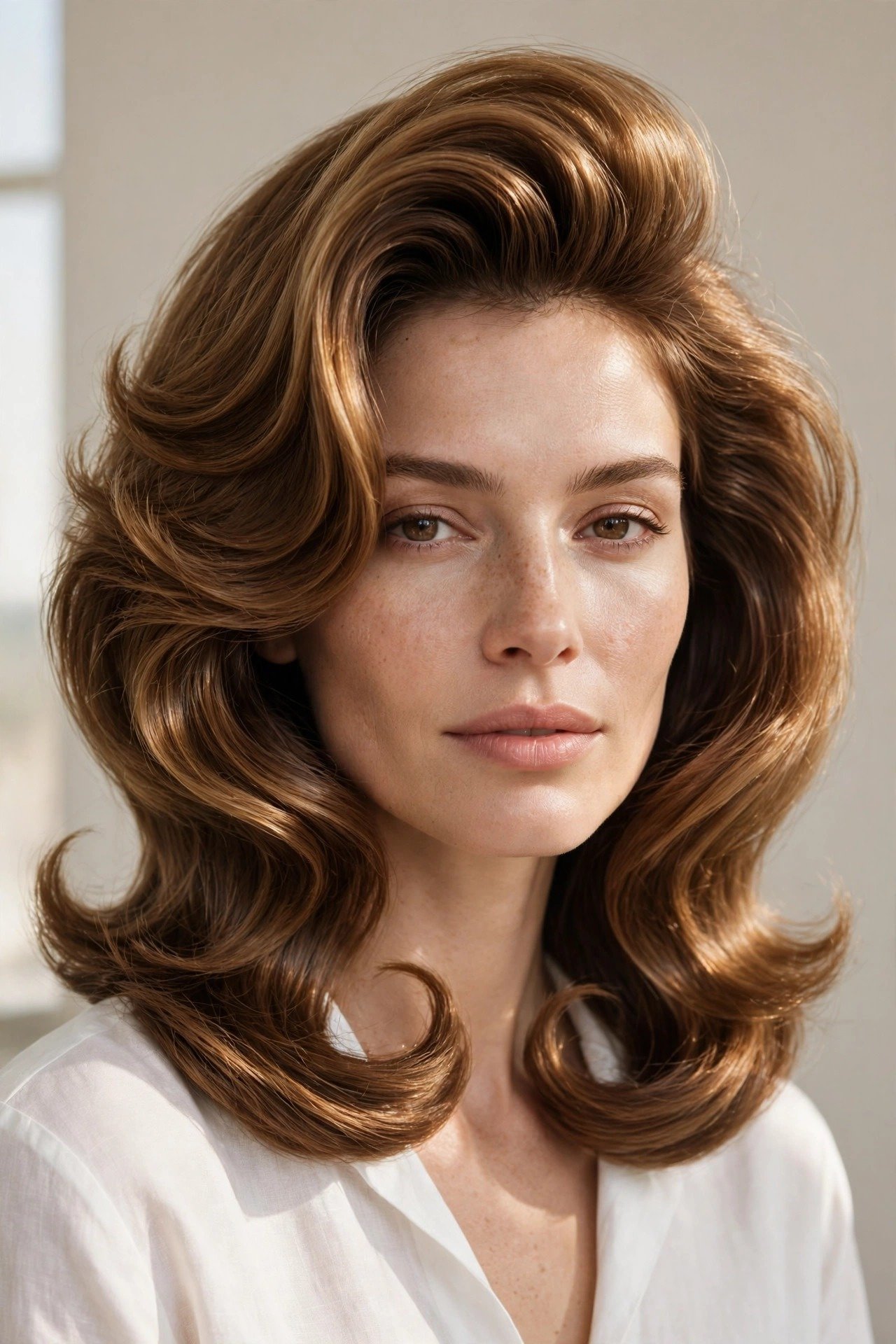
The signature voluminous collarbone lob is the red-carpet apotheosis of the trend — the full blowout treatment, with every end of the hair bent under in a continuous, glossy curve and maximum body at the crown. It is the finish that made the collarbone lob go truly viral: impossibly bouncy, mirror-shined, the hair equivalent of a supermodel strut. Save it for the days you want maximum impact.
Ask for the classic collarbone lob, ideally fresh — the voluminous finish shows best on a crisp shape with healthy ends. Tell your stylist you want the full blowout, not just the front pieces: every section rolled under, maximum tension, maximum shine. This is a salon-service finish, so book the blowout to learn the technique hands-on.
Recreate it at home with a large round brush and a powerful dryer: work in clean sections, roll each fully under, hold for ten seconds, cool-shot to set. Velcro rollers on the top sections while the rest cools add the red-carpet volume. Finish with a flexible-hold spray and a drop of shine serum. It takes twenty minutes and photographs like a million dollars.
How to Style a Collarbone Lob at Home
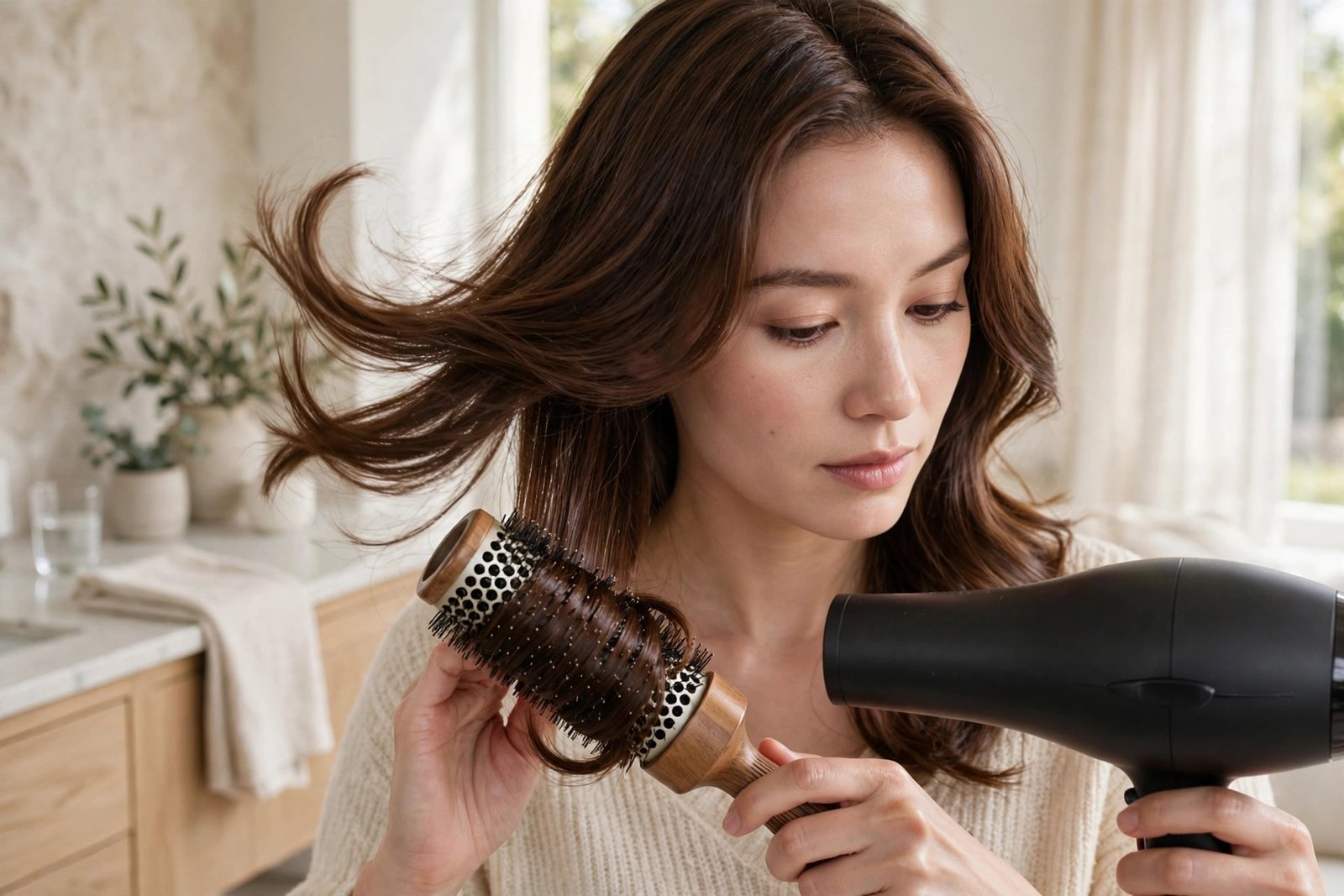
The collarbone lob earns its reputation as a low-effort haircut because the shape does half the styling — but the signature polished finish does need the right technique. Master the round-brush blowout once, and every version in this guide becomes a ten-minute routine. Here is the full method, plus the air-dry alternative for lazy days.
The blowout, step by step: start with towel-dried hair and apply heat protectant plus a volumising mousse at the roots. Rough-dry upside down or with your fingers until the hair is about 80 percent dry — never start round-brushing soaking hair, or you will be there all morning. Section the hair into four zones: crown, sides and back. Take the front face-framing sections first, since they define the look: place a medium round brush under a section at the roots, pull it forward and down with tension, and roll the brush under as you reach the ends, directing the dryer’s nozzle down the hair shaft. Hold the rolled brush at the ends for ten seconds, then hit it with the cool shot to set the bend — the cool shot is what locks the shape in place. Work through the sides and back the same way, always rolling under, always finishing with cool air. When every section is done, flip your head upside down, shake gently, and flip back for natural separation. Finish with a pea-sized drop of smoothing serum pressed through the mid-lengths and ends, and a light mist of flexible hairspray if you need hold.
The air-dry version: wash, apply leave-in cream and a little curl cream or mousse, then use your fingers to guide the front pieces under into their shape while damp — just twist them gently under and let them set that way. Scrunch the rest lightly, do not touch it again until fully dry, and break up any crunch with a drop of oil. The shape will be softer than the blowout version, but unmistakably present.
Product kit for collarbone lob success: a good heat protectant (non-negotiable with this much blow-drying), a volumising mousse for the roots, a smoothing serum for the ends, a flexible-hold hairspray, and dry shampoo for second-day lift at the crown. Tools: a medium round brush with a mix of bristles for grip, a paddle brush for rough-drying, and a dryer with a nozzle attachment and a true cool-shot button. Common mistakes to avoid: rolling the brush outward instead of under (that is a flip, not a bend), skipping the cool shot (the shape falls out by noon), and overloading product at the roots (it kills the lift the cut needs).
Frequently Asked Questions
What is a collarbone lob?
A collarbone lob is a long bob cut so the hair ends right at the collarbone, roughly shoulder length. The perimeter usually sits level or very slightly longer at the front, and it can be worn blunt for a sharp finish or softened with layers and texture for movement. It is longer than a chin-length bob and shorter than a long layered cut, which is why it is often called the perfect in-between length — long enough to tie back, short enough to feel light and swingy.
What is the difference between a lob and a collarbone lob?
A lob is any long bob, and it can end anywhere from the jaw to the shoulders. A collarbone lob is a specific lob length: the hair ends exactly at the collarbone. That one detail changes everything — the collarbone line frames the shoulders, creates a clean horizontal finish that photographs beautifully, and gives the hair enough length to swing while staying easy to style. A jaw-length lob reads short and structured; a collarbone lob reads like long hair with a plan.
Does the collarbone lob suit round faces?
Yes — it is one of the most flattering cuts for round faces, with the right adjustments. Keep the length at the collarbone or a touch longer, start the face frame at chin level rather than higher, choose a centre or off-centre part, and always style the ends tucked under rather than flipped out. The collarbone line creates vertical lines that elongate the face, while the longer back draws the eye downward. Avoid volume stacked at the cheeks, which adds width.
How do I ask my stylist for a collarbone lob?
Bring reference photos and use this script: “I want a collarbone lob — hair ending right at the collarbone, with a clean perimeter and a face frame starting at the chin.” Mention your styling routine honestly, flag concerns like thick hair needing weight removal or fine hair needing the baseline kept thick, and ask the stylist to check the length dry as well as wet, since wet hair hangs longer. A good stylist will also show you the quick round-brush technique before you leave.
Can I get a collarbone lob with curly hair?
Absolutely. The curly collarbone lob keeps the same idea — hair ending at the collarbone — mapped curl by curl on dry hair so shrinkage is accounted for. It prevents the triangle shape by lifting the silhouette at the cheekbones and letting ringlets fall in a rounded profile. Book a curl specialist, ask for a dry cut with long rounded layers, and style with leave-in plus curl cream diffused upside down.
How often does a collarbone lob need trimming?
Most collarbone lobs need the shape refreshed every 6 to 8 weeks and the full cut every 8 to 10 weeks. Fine hair and sleek styles show growth fastest and sit at the shorter end of that range; thick, wavy and curly hair can stretch to 10 to 12 weeks. Fringe pairings need their own rhythm — curtain bangs every 3 to 4 weeks, wispy fringes every 3. The good news is the grow-out is graceful: even an overdue collarbone lob looks like intentional long layers.
Will a collarbone lob make my thin hair look thinner?
Not if it is cut correctly — in fact the collarbone lob is one of the best cuts for fine hair. The blunt or lightly layered ends stack visually so they look thicker, while the collarbone length is short enough to hold volume at the roots. The rules are: keep interior layering minimal (one or two long layers is plenty), never thin the ends, keep the baseline blunt, and consider a blunt finish over a heavily textured one. Styled with root lift, a fine-hair collarbone lob looks twice as dense as one-length hair.
Can I wear a collarbone lob with bangs?
Yes, and the pairings are some of the prettiest versions of the cut. Curtain bangs melt directly into the lob for a continuous sculpting sweep; a wispy fringe adds softness at the forehead; long side-swept bangs create a dramatic diagonal that continues the lob’s line. The key is blending: the fringe should grow into the face frame, not sit as a separate ledge. Each fringe type has its own trim rhythm, so factor that into your maintenance plan.
Can I tie up a collarbone lob?
Yes — that is one of the biggest advantages of this length over a shorter bob. A collarbone lob pulls into a low ponytail, a messy bun, a half-up style or a low braid with ease, and the face-framing pieces can be left out to soften the look. Shorter pieces at the nape may need a pin or two, especially on the first few weeks after the cut, but as the lob grows even a centimetre, tying up becomes effortless.
Is the collarbone lob high maintenance day to day?
Surprisingly, no. The signature blowout takes ten to fifteen minutes once you learn the round-brush motion, and the air-dried version needs only leave-in cream and a finger-twist of the front pieces while damp. Second-day hair still shows the shape, and updos, ponytails and half-up styles all benefit from the length. Compared with precision bobs or pixies that need daily heat styling, the collarbone lob is firmly in the low-to-medium maintenance camp.
Conclusion
The collarbone lob earned its place as the defining haircut of 2026 the honest way: it flatters nearly every face, works on nearly every texture, photographs beautifully and asks for remarkably little in return. Whether you choose the classic blunt version, the effortless French-girl texture, the sleek professional polish or the full red-carpet blowout, you are getting a haircut with real intention — one that ends exactly where it should, at the collarbone, and frames your face on purpose rather than by accident.
Book the consultation, bring your reference photos, and use the stylist scripts in this guide to get exactly the version built for your hair. Then give yourself one week of round-brush practice — by day seven the blowout will feel like second nature, and you will understand why no other haircut is getting searched like this one right now.