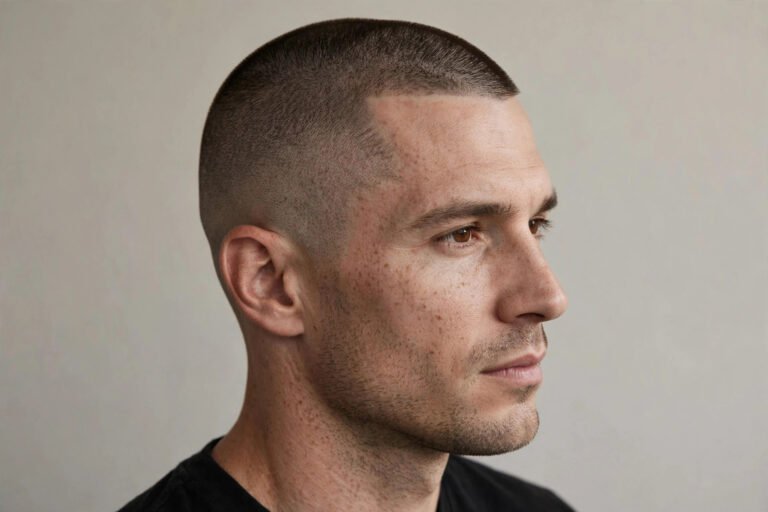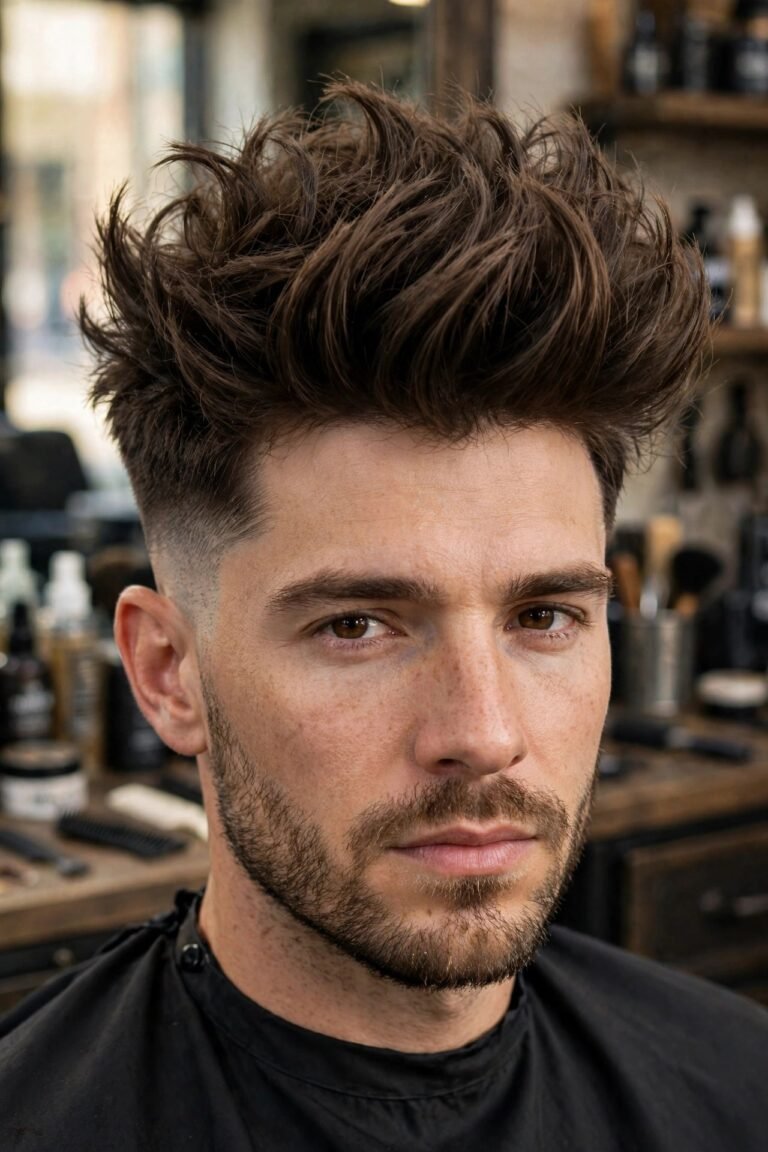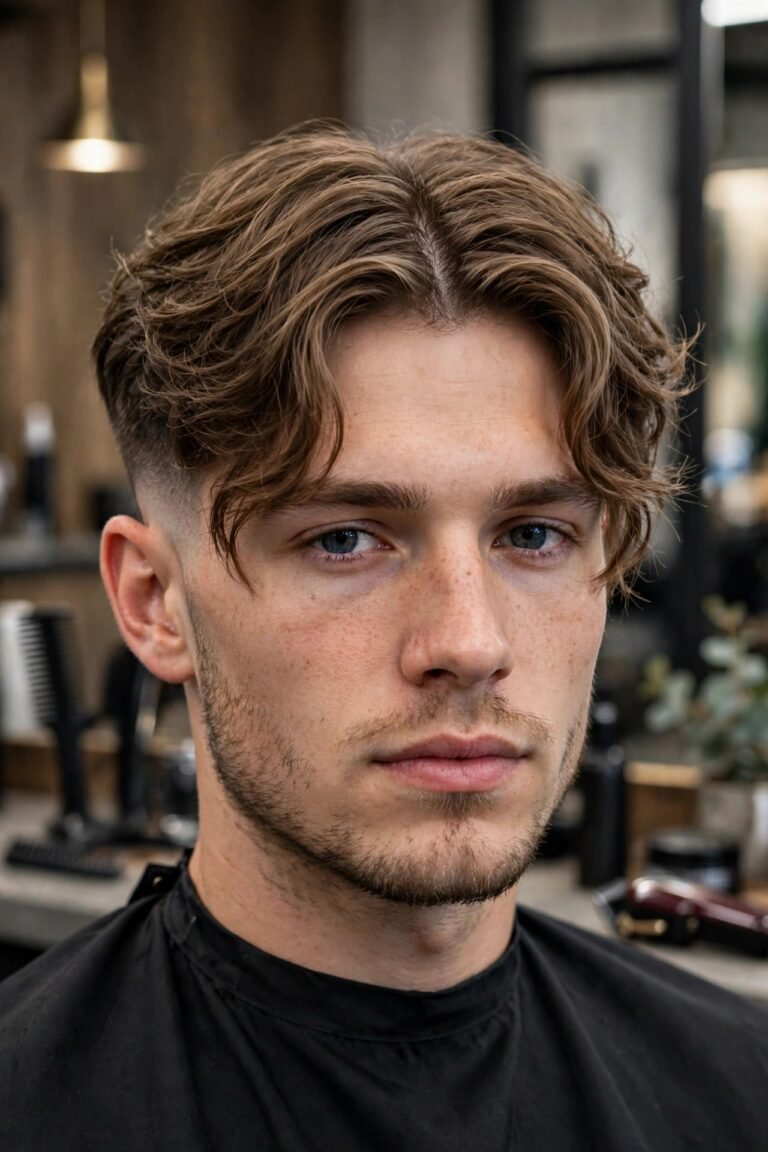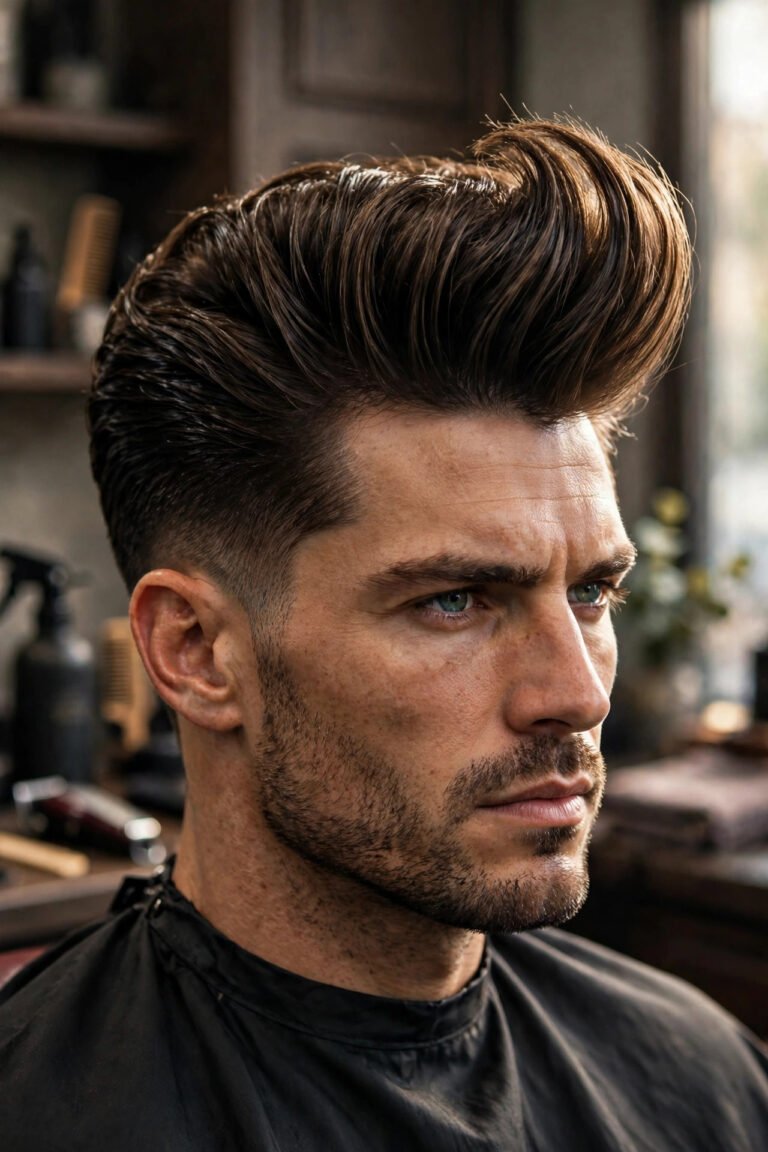
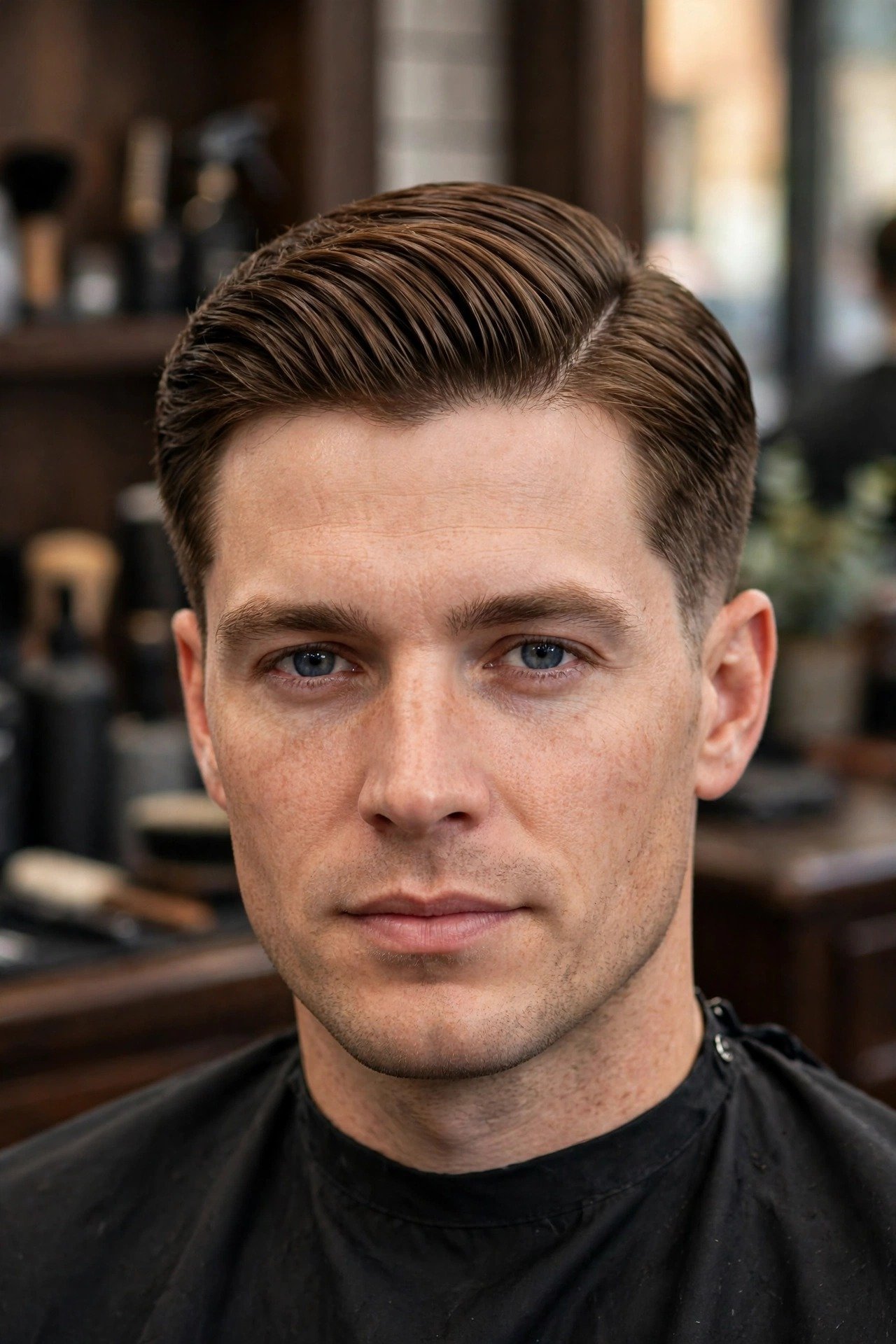
Ivy League Haircut Men 2026: 36 Smart, Classic Styles
The ivy league haircut men are asking for in 2026 is no longer a stiff, old-fashioned schoolboy cut. Modern barbers have refined it into a sharp, versatile style that keeps length on top for parting and texture while the sides stay neat and controlled. It suits office days, formal events and relaxed weekends without looking overdone. If you want a polished result that still feels natural, this guide explains how the cut works, who it flatters and how to choose the right variation for your hair. You will also find practical styling advice you can follow at home with confidence. That means less guesswork in the barber chair and fewer mornings spent fighting hair that simply will not sit properly.
What makes this haircut so reliable is balance. The top is long enough to brush to one side, sweep back or add light texture, yet short enough to dry quickly and hold its shape. The sides and back are tapered or faded cleanly, so the overall outline stays tidy for weeks. Unlike a very short crew cut, it gives you more styling freedom and a softer, more grown-up finish. In the 36 styles below, you will see options for thick, fine, wavy and curly hair, different face shapes and every level of upkeep. Each option explains who it suits, how to style it and how often it needs trimming. That practical detail helps you choose with confidence rather than copying a photograph blindly.
What Is an Ivy League Haircut for Men
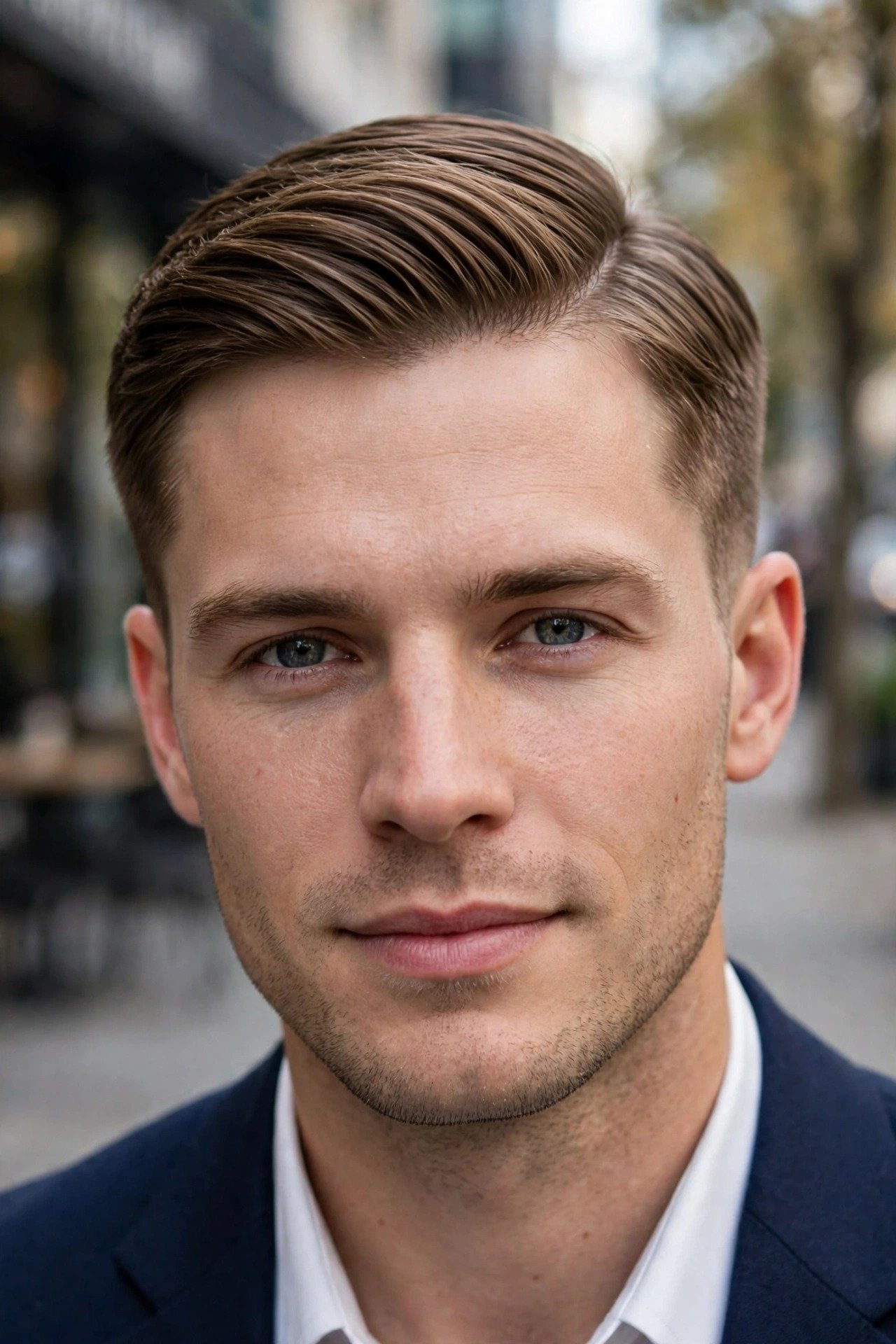
An Ivy League haircut is a longer, more styled version of a classic short back and sides. The hair on top is usually left between two and four inches, with enough length at the front to create a natural parting or a gentle sweep. The sides are tapered gradually rather than shaved aggressively, although modern versions often include a low or mid fade. The key detail is proportion: the top should look fuller than the sides, but the transition must remain smooth. A good barber will blend the lengths carefully so the cut grows out evenly and keeps its shape. That gradual blend is what separates a careful Ivy League from a rushed short cut with uneven sides.
The cut takes its name from the neat hairstyles worn by students at Ivy League universities in the United States. Those early versions were conservative, combed flat and parted precisely. Today’s interpretation is far more flexible. Barbers use point cutting, texture and softer edges to create movement, while clients can choose a matte, tousled or glossy finish. It still reads as smart and professional, which is why it remains a favourite for interviews, weddings and client-facing roles. At the same time, it avoids the severity of a buzz cut and feels more personal. It can look boardroom neat at nine in the morning and relaxed enough for dinner later that same evening.
To recognise a true Ivy League, look for three features. First, the top has visible length and direction. Second, the sides are shorter and neatly blended into the back. Third, the hairline looks clean but not overly sharp unless a defined edge is requested. The front may be brushed to the side, lifted slightly or left with a short fringe. If the top is too short to part, it becomes closer to a crew cut. If the top is much longer and disconnected, it moves towards a modern quiff or pompadour instead. Keeping that middle ground is exactly why the style feels smart without ever looking severe or overworked.
Why Ivy League Haircuts for Men Are Trending in 2026
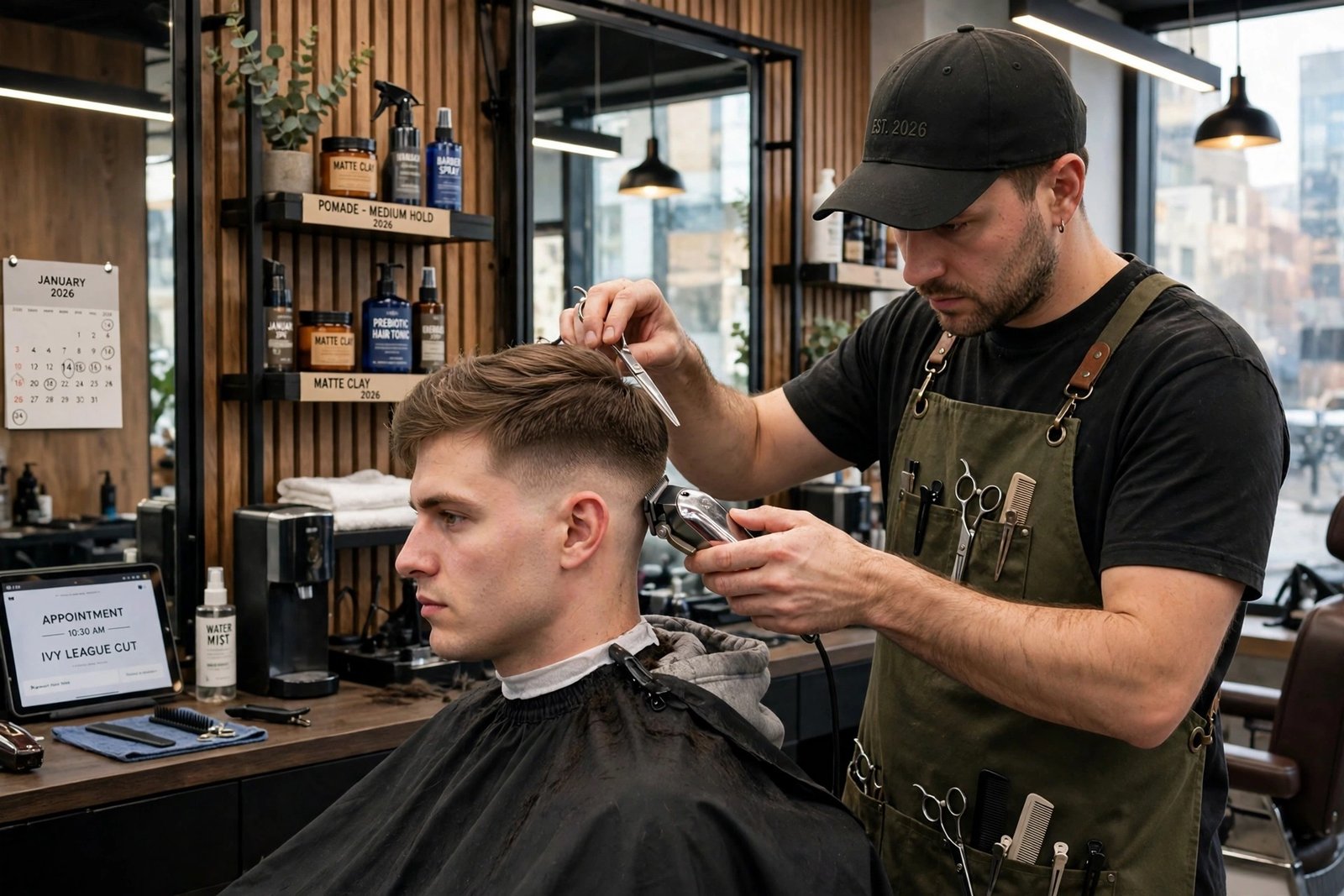
Ivy League haircuts are trending in 2026 because men want styles that look deliberate without demanding a long morning routine. Hybrid working, video calls and social events all reward a haircut that photographs well and stays tidy. This cut delivers that polished image in minutes. It also works across age groups, from students who want a clean profile to older men who prefer a refined, low-maintenance shape. Barbers are updating it with skin fades, textured tops and natural partings, so it feels current rather than nostalgic. That blend of tradition and freshness explains its renewed popularity. Men are choosing it because it solves real daily problems rather than chasing a short lived social media fad.
Another reason for the trend is versatility. With a small amount of product, the same cut can look formal for work or relaxed for the evening. A side sweep gives a classic finish, while a textured front creates a more casual mood. It pairs well with beards, glasses and different clothing styles. It also sits comfortably between other popular options: it has more length than a textured crop but less height than a full quiff. For men who are unsure which direction to take, the Ivy League offers a safe middle ground with plenty of character. It also grows out kindly, which matters when barber appointments have to fit around work, family and travel plans.
Social media and barbering content have also pushed the style forward. Short videos show how easily the top can be styled with a brush and a pea-sized amount of clay, which reassures men who dislike complicated routines. Trend round-ups such as trendy men haircuts highlight neat, wearable cuts that suit real life, and the Ivy League fits that brief perfectly. It is also forgiving as it grows, so appointments can be spaced further apart. For value, appearance and ease, few short styles compete with it this year. Few styles offer this much polish for such a short morning routine and such forgiving upkeep between appointments for most men.
1. Classic Ivy League with Soft Side Part
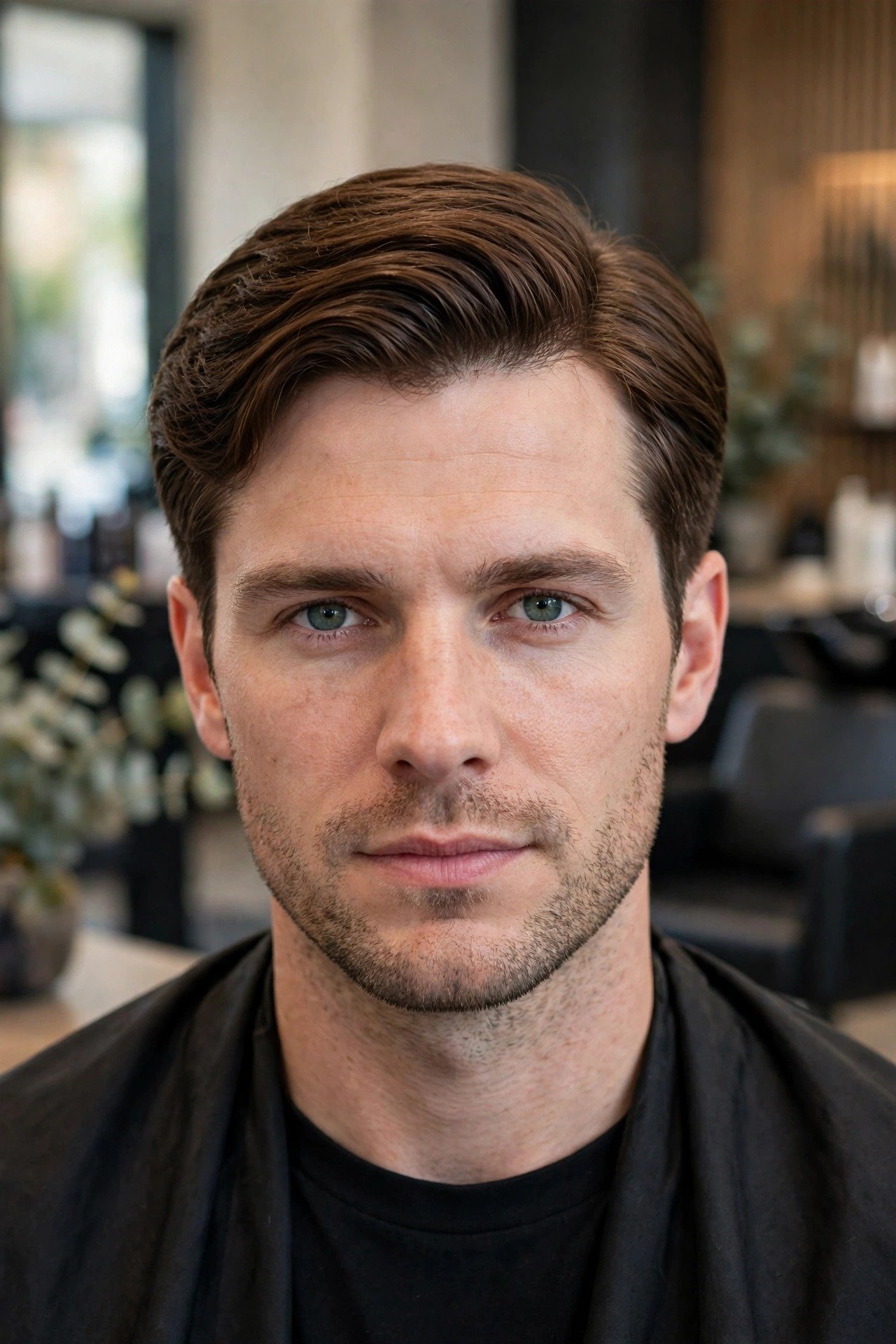
The classic version keeps the top smooth, controlled and parted gently to one side. It is the safest choice if you want a timeless result that suits almost any workplace. Ask your barber for a scissor cut on top with a gradual taper through the sides. The front should be long enough to lie flat without covering the forehead. This shape looks especially smart with straight or slightly wavy hair. It also grows out gracefully, so the outline stays neat between appointments.
Styling takes less than two minutes. Apply a light cream to damp hair, comb the parting into place and let it dry naturally. A soft part looks more modern than a harsh line, so avoid carving a deep groove with the comb. If you prefer a sharper outline, compare it with a side part haircut and decide how defined you want the division. Finish with a flexible spray only if your hair tends to fall forward during the day.
This style flatters oval, square and heart shaped faces because the side sweep adds balance without extra height. Men with fine hair benefit from the neat top, which can look fuller when combed across. Keep the sides short enough to maintain contrast, but not so short that the top looks disconnected. A trim every three to four weeks preserves the shape. It is ideal for formal occasions, interviews and everyday professional wear. It is also a sensible first Ivy League if you are moving away from longer hair and want control.
2. Ivy League with Low Taper Fade
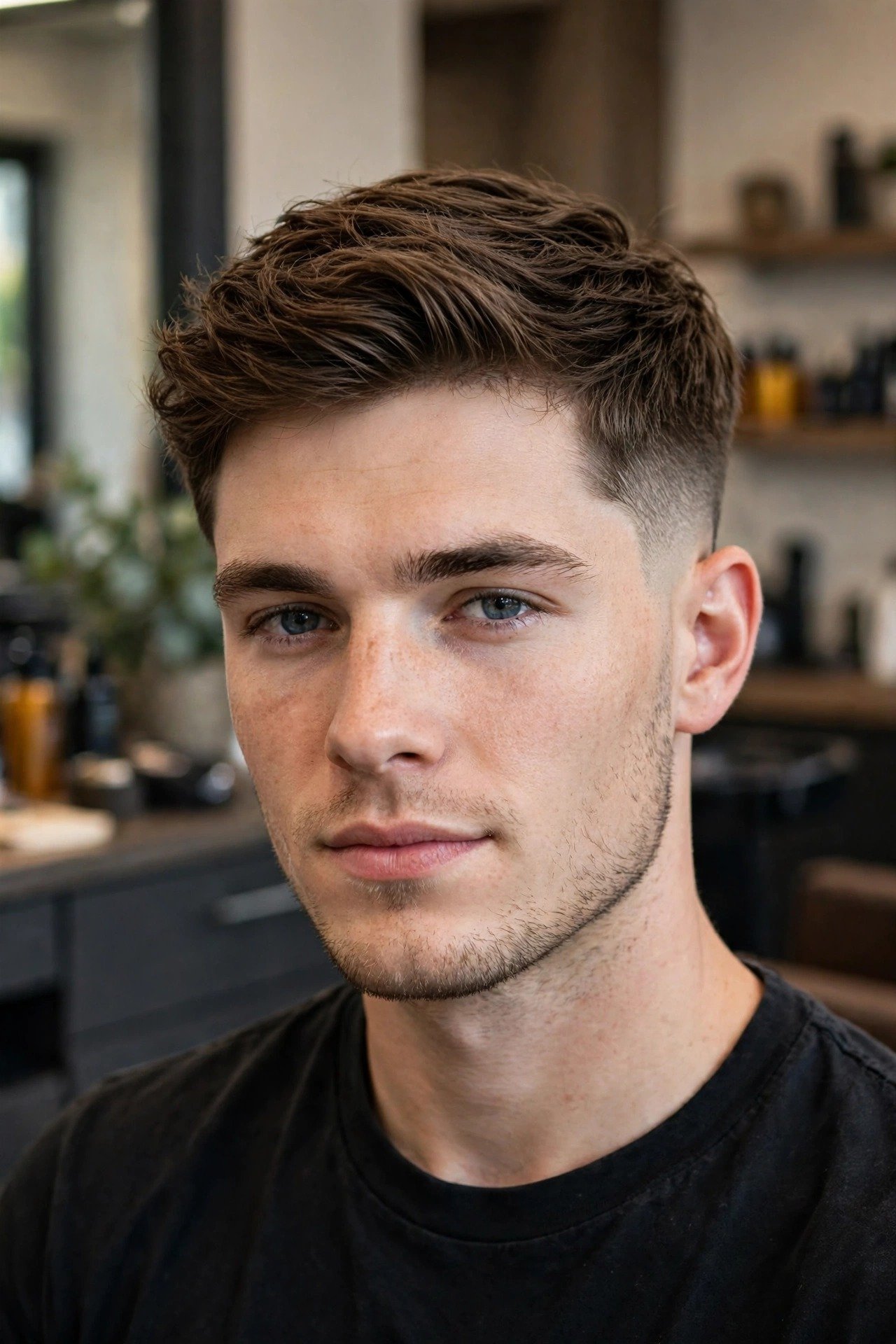
A low taper fade keeps the blend close to the ears and neckline, leaving more weight through the sides. This creates a subtle, polished finish that suits men who dislike high contrast. The top remains classic, with enough length for a side sweep or light texture. It works well in conservative workplaces because the fade is discreet. Your barber should keep the transition soft and avoid taking the taper too high. The result is clean, modern and easy to maintain.
To style it, towel dry the hair and work a matte paste through the top with your fingertips. Push the front slightly to one side rather than combing it flat. The low taper means the sides need little attention, which saves time on busy mornings. If your hair is thick, ask for internal texture so the top does not look heavy. A small amount of product is enough; too much will make the cut look greasy and weighed down.
This variation suits round and oval faces particularly well because the gentle taper adds structure without narrowing the head too much. It also helps men with a lower hairline, as the blend stays below the temple area. Book a tidy-up every two to three weeks to keep the neckline crisp. Between visits, the top can be brushed forward for a relaxed look. It is a dependable choice for smart casual and formal settings alike. Men who wear helmets or hats also appreciate how quickly the top settles back into place afterwards.
3. Textured Ivy League Crop
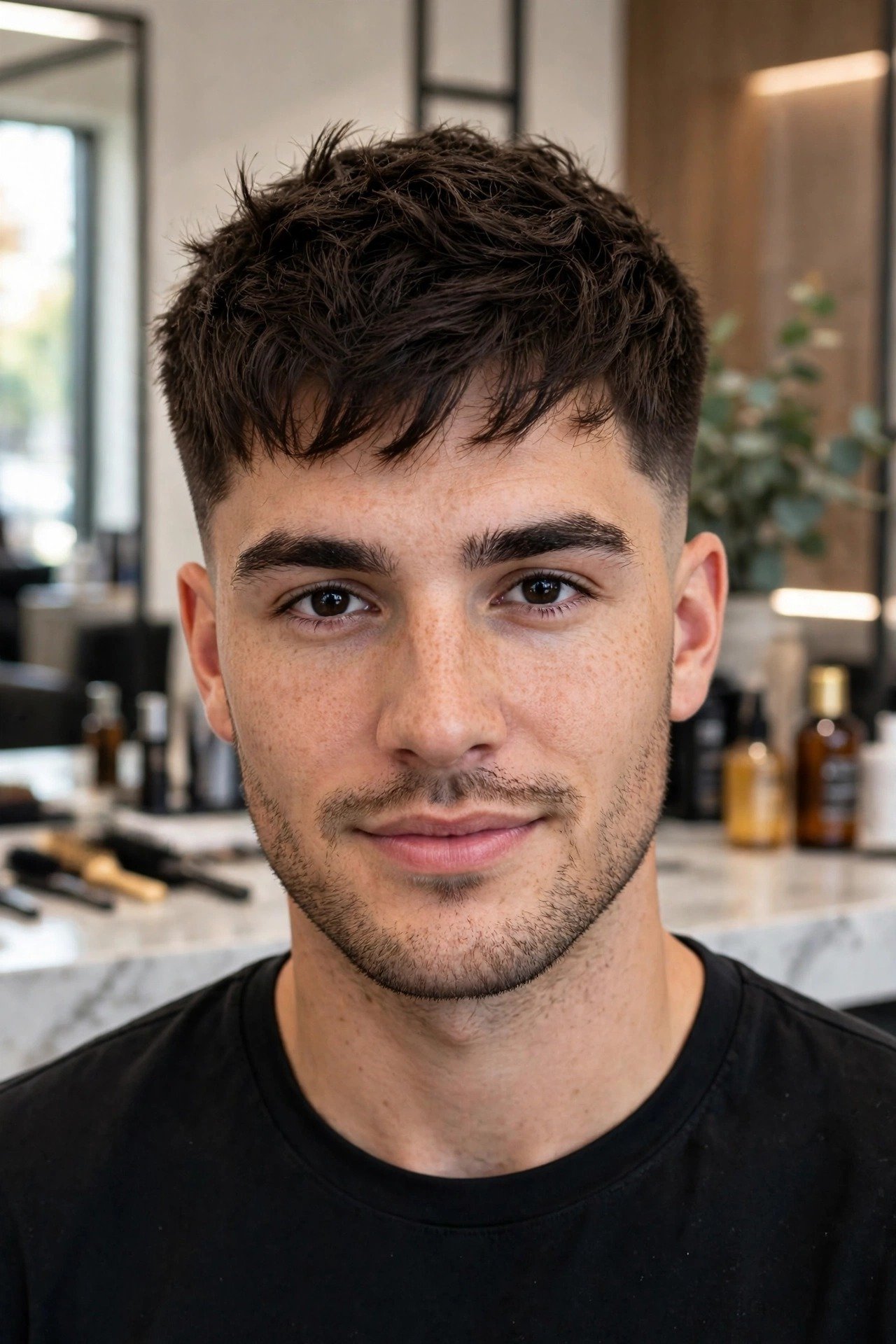
The textured version replaces a smooth comb-over with choppy, piecey movement on top. Barbers use point cutting and thinning techniques to remove bulk while keeping length. The front is usually worn slightly forward or swept diagonally. This gives the Ivy League a younger, more relaxed character. It suits men who want a smart outline but dislike a perfectly neat finish. The sides stay tapered so the overall shape remains tidy and professional despite the casual texture.
Styling is simple and forgiving. Rub a matte clay between your palms and work it through dry hair, lifting small sections with your fingers. Avoid a comb, as it will flatten the texture you want to show. If your hair is straight, a little sea salt spray before drying adds grip. Keep the product light so the hair still moves naturally. This finish works well for weekends, creative workplaces and men who prefer a low-effort routine.
Texture is especially helpful for thick hair because it prevents the top from looking like a solid block. It also adds interest to fine hair by creating separation and the impression of volume. Ask your barber to keep the fringe area soft rather than blunt. A trim every three weeks will stop the top becoming heavy. This style pairs nicely with stubble or a short beard for a balanced, contemporary look. It also hides minor imperfections in growth direction, because the texture is meant to look slightly irregular rather than perfectly combed into place every single morning.
4. Ivy League with Hard Part
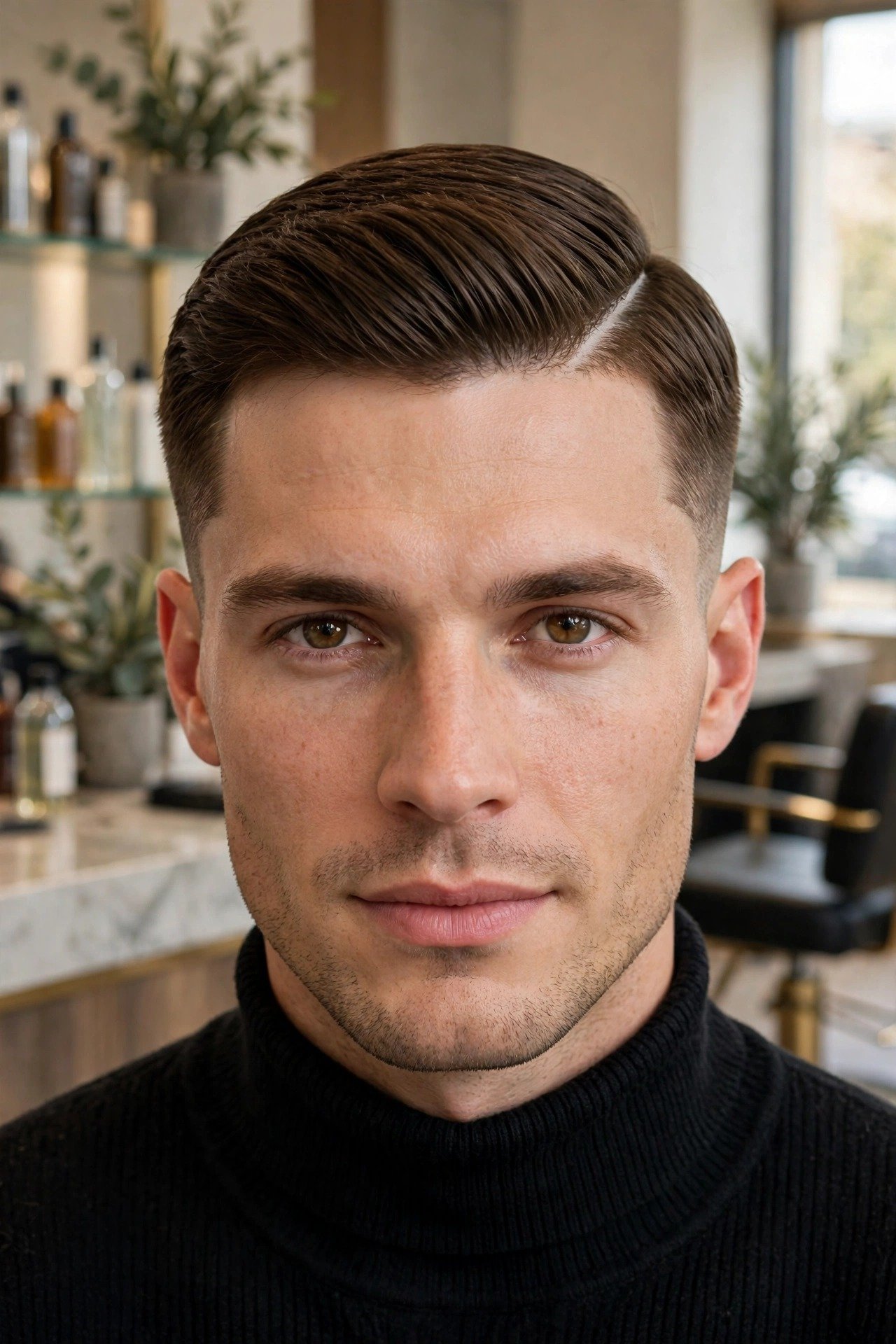
A hard part adds a shaved line along the parting, creating a bold and precise division. This detail gives the classic Ivy League a sharper, more architectural feel. It suits men who like their hairstyle to look intentional from every angle. The top is combed neatly to one side, while the sides are faded or tapered for contrast. Because the line is visible, the cut photographs particularly well. It is a strong option for formal events and professional portraits.
Maintenance is higher than with a soft part because the line softens as hair grows. Plan a barber visit every two weeks to keep the part crisp. At home, comb the hair along the line while it is damp and set it with a light pomade. Avoid heavy gel, which can make the top look stiff. If your scalp is sensitive, tell your barber so the line is created gently. The extra upkeep is worthwhile if you value precision.
This style flatters square and oval faces, where a straight parting reinforces clean lines. Men with very fine hair should keep the line narrow so it does not expose too much scalp. Thicker hair holds the division well and looks especially sharp. Keep the top length moderate; too much length will flop over the line. It is best avoided if you prefer to change your parting from day to day. If you like variety, choose the softer version instead and keep your options open for different occasions.
5. Ivy League for Thick Hair
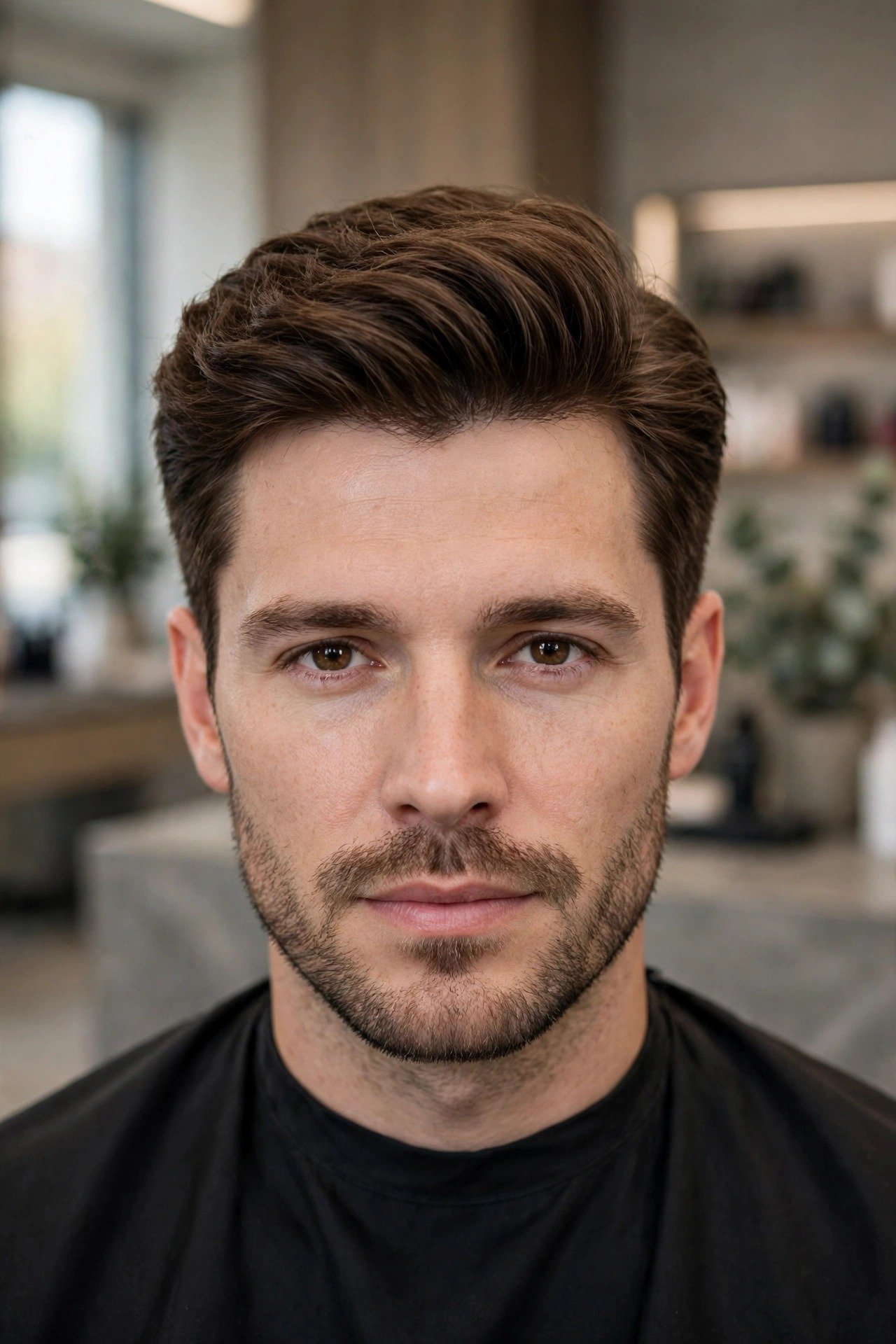
Thick hair can make an Ivy League look bulky if it is not managed correctly. The solution is careful internal layering and texture through the top. Your barber should remove weight from the mid-lengths while preserving the overall shape. The sides need a clean taper to stop the silhouette becoming too wide. When cut well, thick hair holds a side sweep beautifully and looks full without appearing heavy. This is one of the most flattering options for men with dense hair.
Use a matte paste rather than a shiny pomade, as shine can emphasise bulk. Apply product to dry hair and direct the front to one side with your fingers. Blow drying with a brush helps control stubborn sections that stick up. Avoid layering several products, which will weigh the hair down. If the top feels heavy after two weeks, a quick thinning session can restore movement. Regular trims every three weeks keep the shape balanced.
Thick hair suits both soft and hard partings, depending on the finish you prefer. A low or mid fade helps reduce width at the sides, which benefits round faces. Keep the fringe area textured so it does not form a thick shelf. This style looks strong with a trimmed beard because both have visual weight. With the right cutting technique, thick hair becomes an advantage rather than a problem. Bring a reference photograph so your barber can judge exactly how much weight to remove from the top without losing fullness.
6. Ivy League for Fine Hair
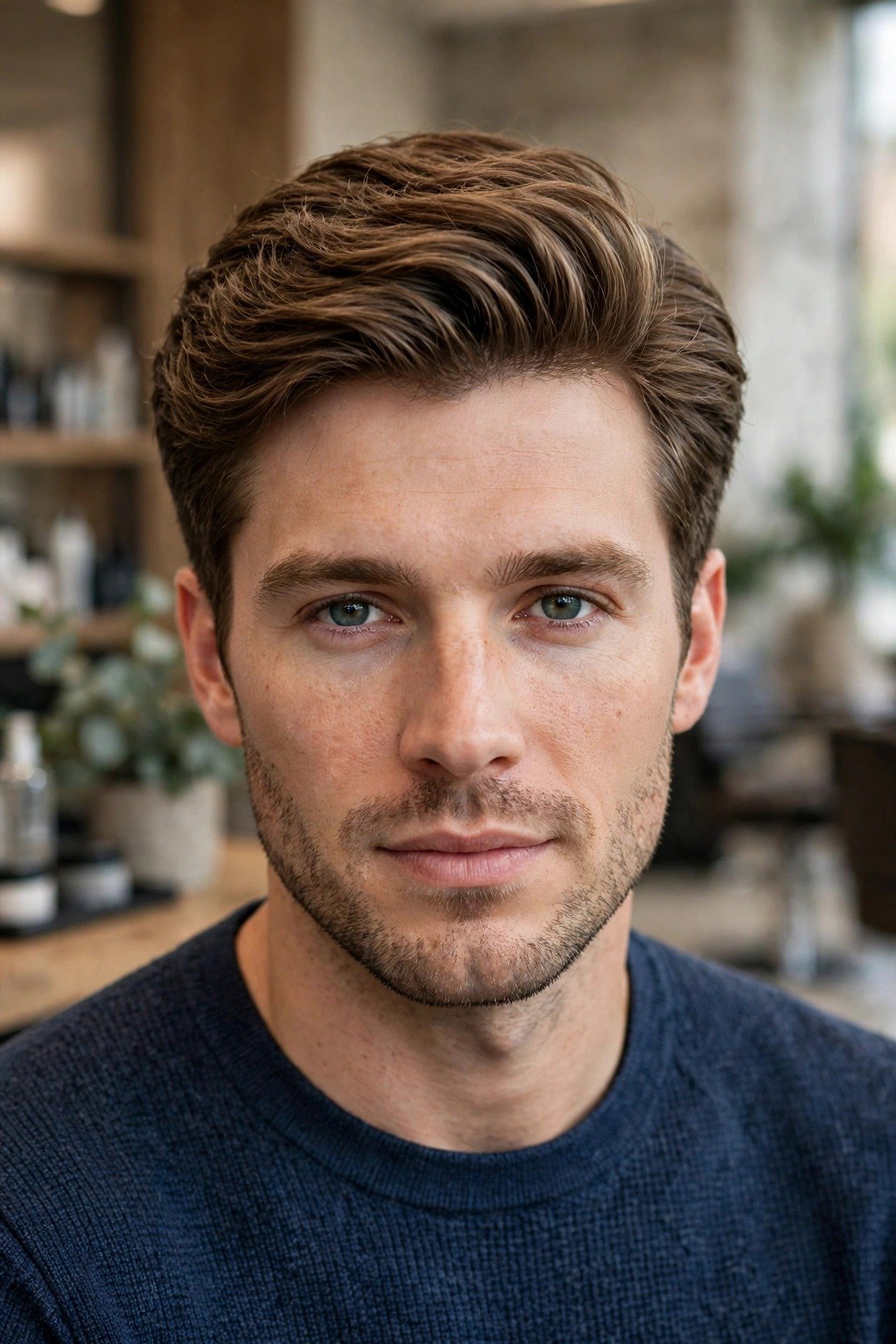
Fine hair needs a cut that creates the impression of density. An Ivy League achieves this by keeping the top slightly longer and the sides neatly tapered. The contrast makes the top appear fuller. Avoid excessive thinning, which can make fine hair look sparse. A soft side sweep works better than a severe parting because it covers the scalp more evenly. Your barber should use scissors for control and keep the edges soft and natural.
Styling should focus on lift without heaviness. Apply a volumising mousse or light clay to damp hair and blow dry upwards at the roots. Then sweep the front to one side with your fingers. Matte products are preferable because shine can reveal the scalp. Avoid heavy waxes and oils. A gentle finish will keep the hair looking thicker throughout the day. This routine takes only a few minutes and makes a noticeable difference.
This variation suits oval and heart shaped faces, where a neat top adds balance. Keep the sides short enough to maintain contrast, but avoid a very high fade that exposes the scalp. Regular trims prevent wispy ends from making the hair look thinner. If your hair is fine and straight, a slight fringe forward can also work well. The key is controlled length, light product and a barber who understands fine hair. A small amount of dry shampoo on second day hair can also refresh lift without adding heavy product or making the scalp feel coated.
7. Ivy League with Mid Skin Fade
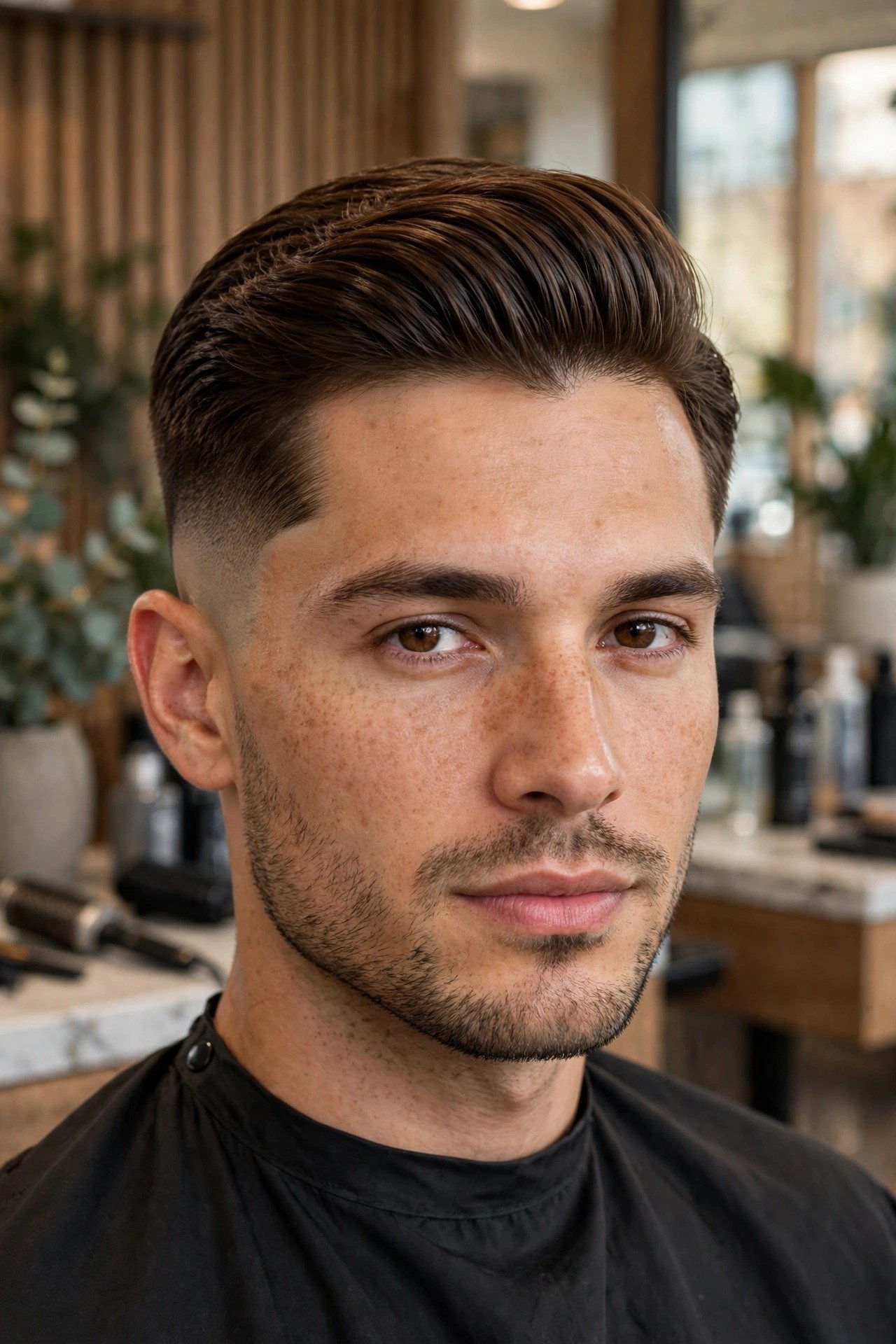
A mid skin fade introduces stronger contrast while keeping the top classic and wearable. The fade begins around the middle of the head and blends down to the skin. This creates a sharp profile that suits modern barbershop styling. The top should retain enough length for a side sweep or light texture. It is bolder than a taper but still professional enough for many workplaces. Men who enjoy a crisp outline often choose this version.
Styling the top remains straightforward. Use a matte clay for a natural finish or a light pomade for more polish. Comb or brush the hair to one side and allow the fade to provide the structure. The sides need no product, which keeps the routine quick. Because skin fades grow out visibly, book a refresh every ten to fourteen days. A little moisturiser on the faded area can prevent dryness and keep the skin comfortable.
This style suits square, oval and diamond faces because the fade emphasises the jaw and cheekbones. It can make round faces look slimmer by reducing width at the sides. Thick hair holds the contrast well, while fine hair needs a slightly softer blend. Keep the top proportionate so it does not look disconnected. It pairs well with a shaped beard and works for both formal and casual occasions. It also makes the neckline look exceptionally clean, which is often the detail people notice first from behind. Keep the fade height consistent at every visit so the silhouette stays balanced.
8. Ivy League with Natural Side Sweep

The natural side sweep avoids a defined parting and lets the hair fall diagonally across the forehead. It feels relaxed yet still looks groomed. This is ideal if you dislike precise lines or want a softer image. The top is cut with movement so it sweeps easily without heavy product. Sides are tapered cleanly to maintain the Ivy League outline. The result suits men who want a smart haircut that does not look overly styled.
To achieve the sweep, dry the hair in the direction you want it to lie. Use a small amount of light cream and guide the front with your fingers. Avoid combing a straight line into the hair. If your hair has a natural cowlick, work with it rather than against it. A brief blow dry can train stubborn sections. The finish should look effortless, as though the hair naturally falls that way.
This variation flatters most face shapes, particularly oval and heart shaped faces. It softens a strong forehead and balances angular features. Wavy hair often sweeps beautifully with minimal effort. Keep the front length moderate so it does not cover the eyebrows. Trims every three to four weeks maintain the flow. It is an excellent choice for men who move between formal meetings and relaxed social settings. It is forgiving on windy days too, because a few strands out of place still look natural. That ease is a large part of its appeal for busy men.
9. Ivy League for Round Faces
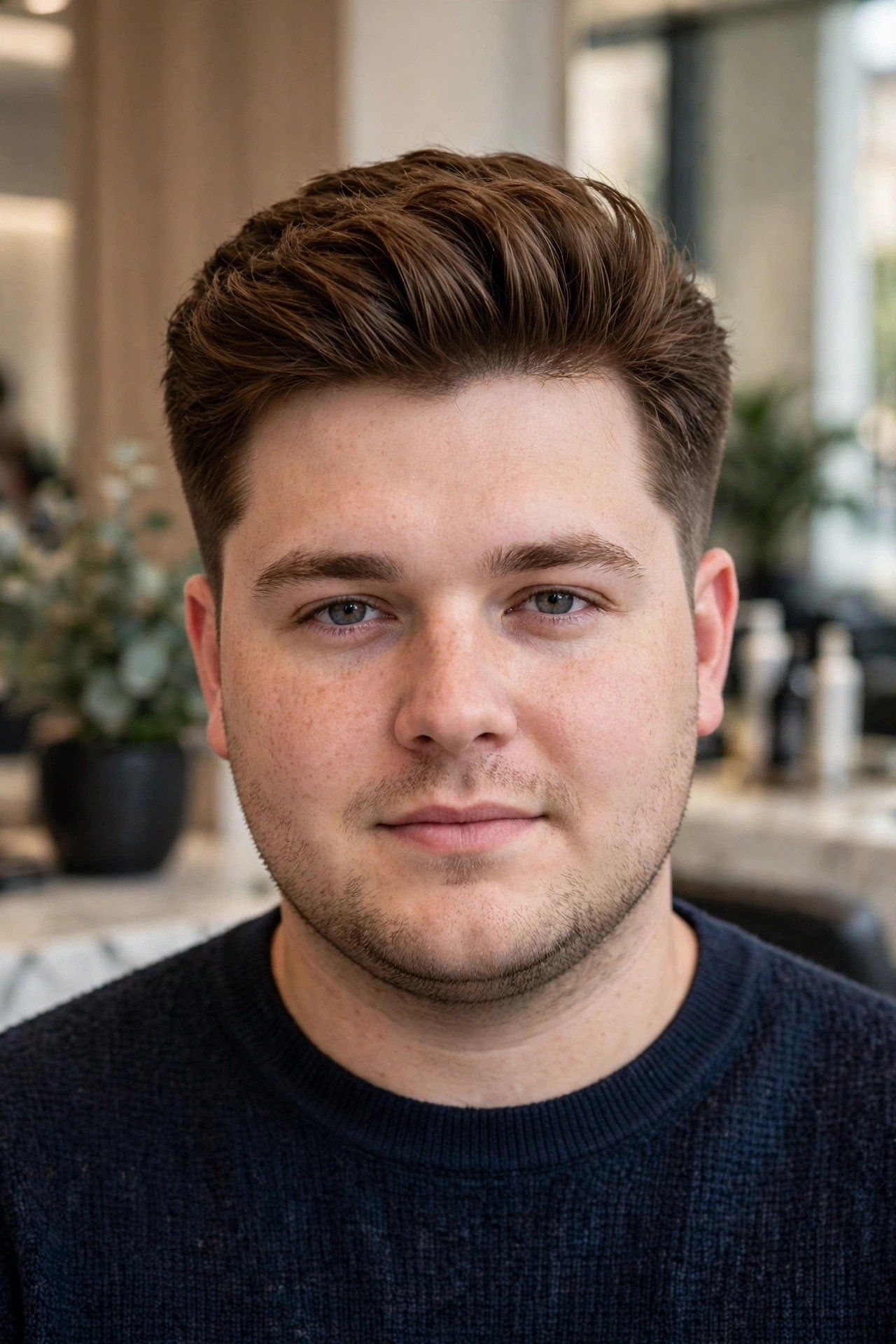
Round faces benefit from height on top and reduced width at the sides. An Ivy League with a slightly lifted front creates a longer, more balanced silhouette. Ask for a mid taper or fade to slim the sides. The top should be brushed up and to one side rather than flat across the forehead. Avoid heavy fringe that shortens the face. With the right proportions, this cut adds definition and makes features look sharper.
Styling should emphasise vertical movement. Blow dry the front upwards, then sweep it diagonally. A matte clay will hold the lift without shine. Keep the sides free of product so they stay flat and neat. If your hair is thick, texture on top prevents a bulky appearance. The goal is a clean outline with subtle height. This approach works well for photographs and video calls where facial balance matters.
A short beard or stubble can further define the jawline. Keep the neckline tidy to maintain a slim profile. Avoid very low tapers that leave too much width around the cheeks. Regular trims are important because growth at the sides quickly softens the effect. This style is practical, flattering and suitable for professional environments. It proves that a classic cut can be tailored precisely to face shape. Photographs taken from the front and side can help your barber judge the height correctly. Small adjustments here make a surprising difference to the final balance. Do not flatten the front with heavy product.
10. Ivy League for Square Faces
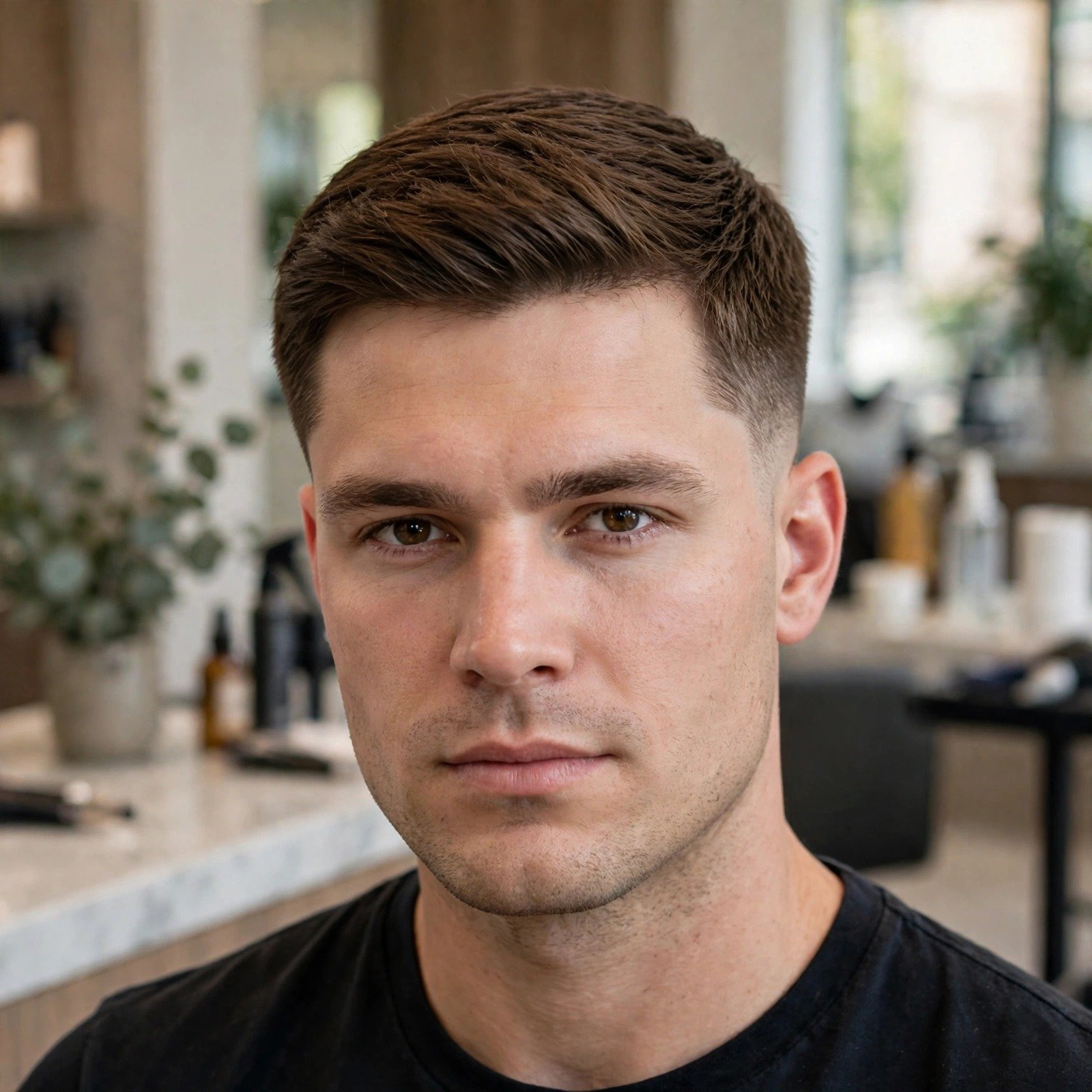
Square faces have a strong jaw and broad forehead, so the haircut should soften angles without hiding structure. A classic Ivy League with a soft side part works beautifully. The top adds a little height, while the taper keeps the sides controlled. Avoid extremely sharp lines that exaggerate squareness. A natural finish with light texture creates balance. This style looks confident and masculine while remaining refined enough for formal settings.
Style the top with a light cream and comb it gently to one side. Keep the front slightly lifted to avoid a flat, heavy look. Matte products suit this face shape because they prevent harsh shine. If your hair is thick, ask for subtle texture through the top. The sides should be tapered rather than aggressively faded. This combination maintains strength while adding polish and versatility.
Men with square faces can wear most Ivy League variations successfully. A hard part is possible, but a soft part usually looks more harmonious. Keep the hairline natural rather than overly squared. A trimmed beard should follow the jaw without adding excessive width. Trims every three weeks preserve the outline. This is a reliable choice for men who want a professional haircut with a strong, balanced profile. It also sits comfortably under formal hats and collars because the sides stay controlled. That practical neatness matters during long working days and travel. Choose it when you want strength without harshness. A soft parting keeps the whole look approachable in person.
11. Ivy League with Slight Quiff
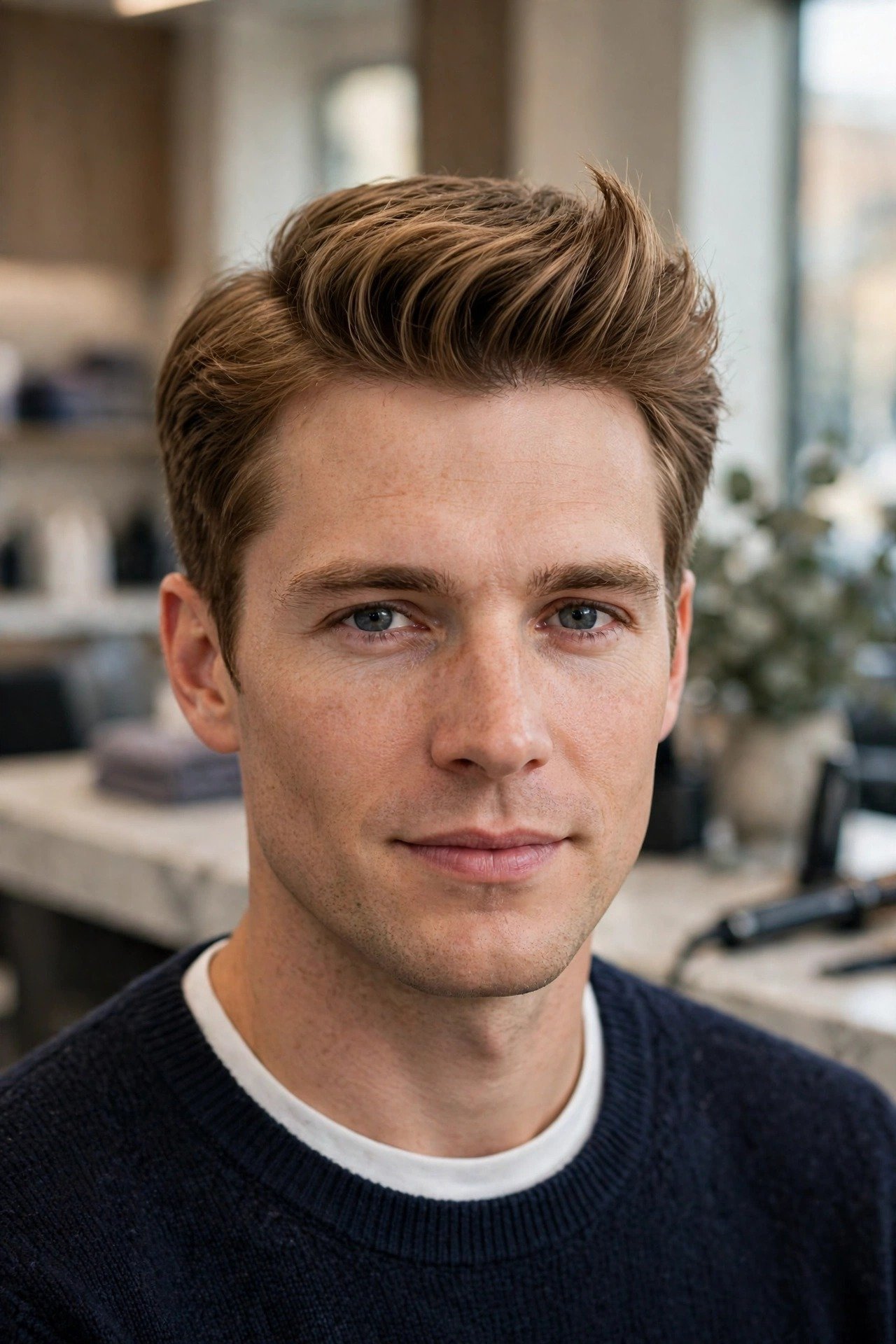
Adding a slight quiff gives the Ivy League more height and personality. The front is brushed up and back, while the rest of the top blends into the sides. It is less dramatic than a full quiff, making it suitable for workplaces. This variation suits men who want extra volume without committing to a high-maintenance style. The sides remain tapered or faded for a clean profile. The overall look is modern, confident and versatile.
To style it, blow dry the front upwards with a brush or your fingers. Apply a matte clay to hold the lift and sweep the hair slightly to one side. Avoid using too much product, which can collapse the quiff. A light spray can help on humid days. The routine takes a few minutes but creates a noticeably sharper finish. It works especially well before meetings, events and photographs.
This style flatters round and oval faces by adding height and length. Men with fine hair can use the lift to create the impression of fullness. Thick hair holds the quiff easily but may need texture to reduce weight. Keep the sides neat so the height does not look unbalanced. Regular trims prevent the front becoming too long and floppy. It is an ideal bridge between classic and contemporary styling. It photographs particularly well because the lifted front catches light and gives the face more presence. Keep the lift modest for conservative workplaces and stronger for social events.
12. Ivy League with Brushed Back Top
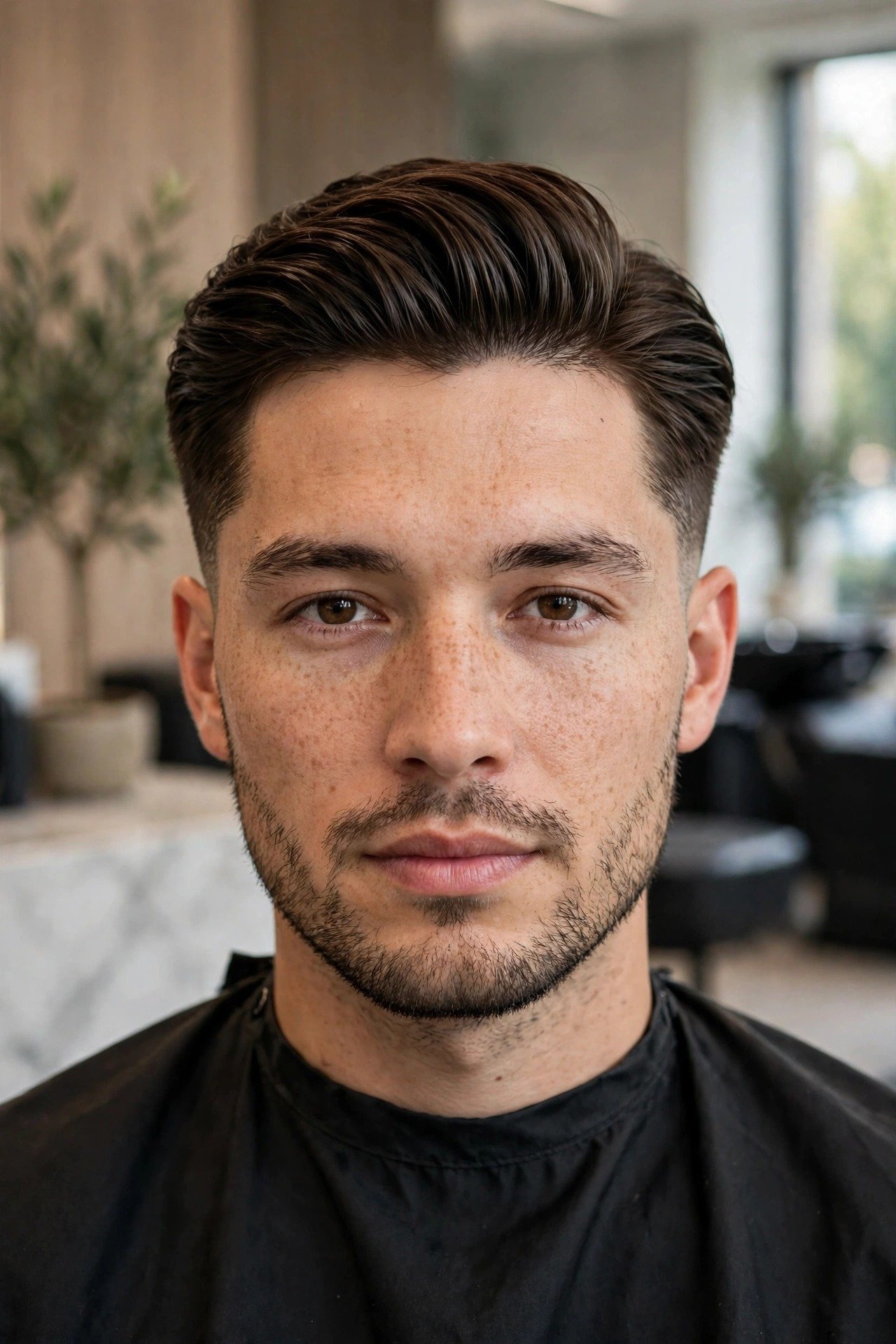
Brushing the top back creates a sleek, confident version of the Ivy League. The hair is directed away from the forehead, revealing the hairline and giving a clean profile. This suits men with a strong hairline and straight or wavy hair. The sides are tapered neatly so the focus remains on the smooth top. It looks particularly smart with formal clothing. The finish can be matte for a modern feel or lightly glossy for a classic touch.
Apply a light pomade or cream to damp hair and brush it back with a vent brush. Blow drying helps set the direction and prevents the hair falling forward. Avoid heavy gel, which can make the style look stiff and dated. If your hair is thick, a little texture through the top improves movement. The brushed back finish works well for evenings and formal occasions. It also keeps hair off the forehead during warmer weather.
This variation suits oval, square and diamond faces. Men with a receding hairline should consider a side sweep instead, as brushing back exposes the temples. Keep the top length sufficient to lie back without sticking up. Regular trims maintain the flow and prevent the sides becoming bulky. It pairs well with a clean shave or a short, shaped beard. The result is polished, masculine and timeless. It also keeps the forehead clear during exercise and warm weather, which many men appreciate. A brushed back top works best when the hairline is strong and even.
13. Ivy League for Wavy Hair

Wavy hair brings natural movement to the Ivy League, making it look relaxed and full. The key is to cut the top with enough length for the waves to form without becoming unruly. A soft side sweep works better than a rigid parting. Sides should be tapered to control width and keep the outline tidy. Your barber should cut wavy hair carefully, allowing for shrinkage as it dries. When done well, the waves become the feature of the style.
Styling wavy hair requires a light touch. Apply a curl cream or light matte paste to damp hair and let it dry naturally or with a diffuser. Avoid brushing dry waves, which creates frizz. Guide the front to one side with your fingers. A small amount of product defines the waves without making them stiff. This routine preserves texture while keeping the overall shape smart enough for work.
This style suits oval, square and heart shaped faces. Wavy hair can make round faces look wider, so keep the sides closer and add slight height. Regular trims prevent the top becoming heavy and losing shape. Avoid very short tops, which can make waves stick up awkwardly. With the right length, wavy hair offers volume and character that straight hair cannot easily match. On humid days, embrace the wave rather than fighting it with excessive heat. A little extra cream through the ends keeps the shape defined without stiffness. It is both practical and distinctive.
14. Ivy League for Curly Hair
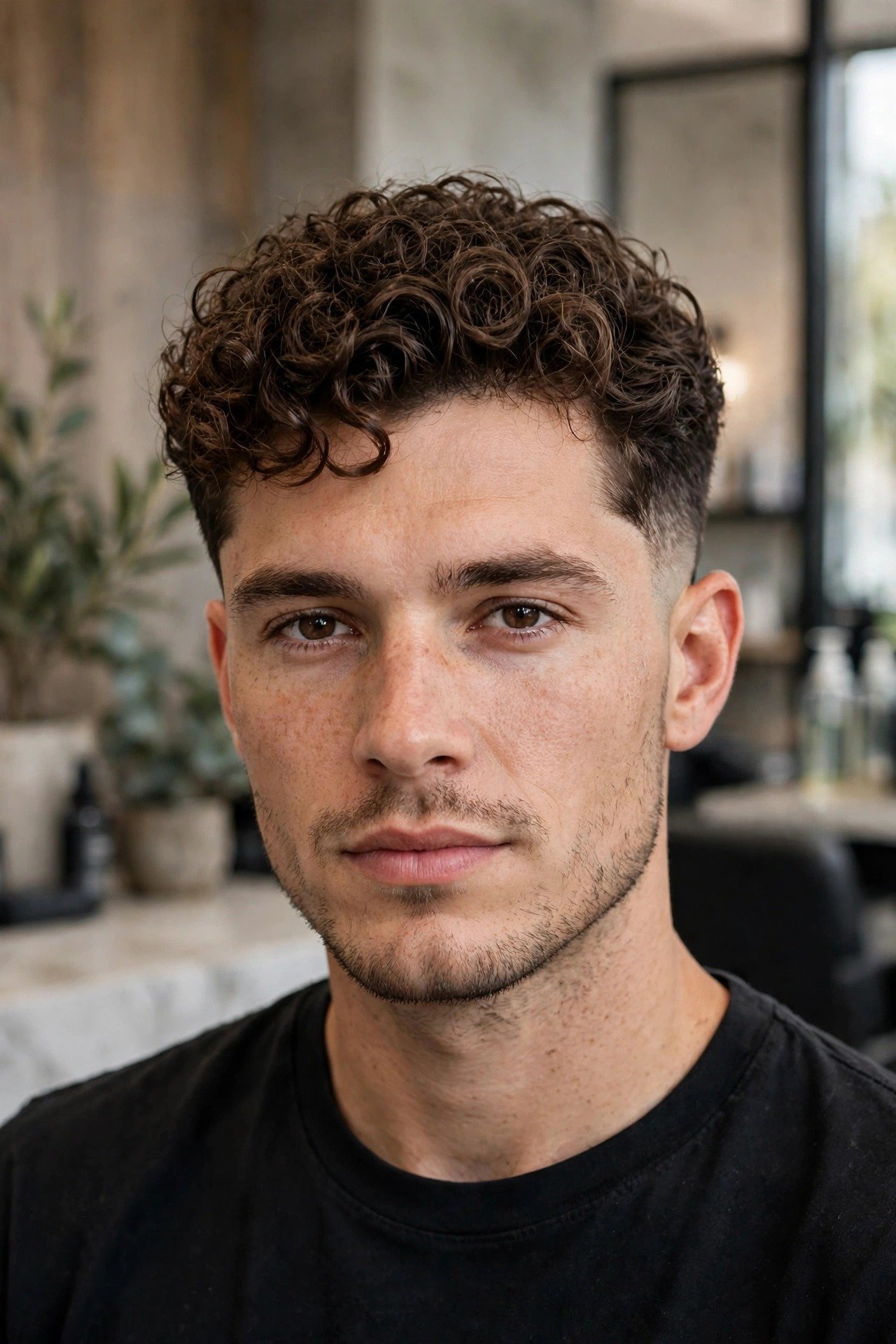
Curly hair can wear an Ivy League beautifully when the cut respects natural curl pattern. The top is left longer so curls can sit neatly, while the sides are tapered for contrast. A defined side direction helps organise the curls without flattening them. Your barber should cut curls dry or with care for shrinkage. Avoid excessive thinning, which can disrupt curl formation. The result is a smart outline with texture and personality on top.
Use a curl cream or light leave-in conditioner to define curls and control frizz. Apply product to damp hair and shape the top with your fingers. Let it air dry or use a diffuser on low heat. Avoid heavy waxes that weigh curls down. A matte finish usually looks more natural. Keep the sides moisturised if they are faded closely. This routine keeps curls healthy and the haircut looking intentional.
Curly Ivy League styles flatter oval, diamond and square faces. The volume on top balances strong features and adds height. Keep the taper clean so the curls do not look untidy. Trims every three to four weeks maintain shape and remove dry ends. Men with tight curls may prefer a slightly longer top for better control. This variation proves that classic cuts can work brilliantly with natural texture. A satin pillowcase or gentle overnight protection can reduce frizz and preserve definition. Healthy curls always make the final haircut look more expensive and intentional. Avoid touching curls while they dry.
15. Ivy League with High Taper
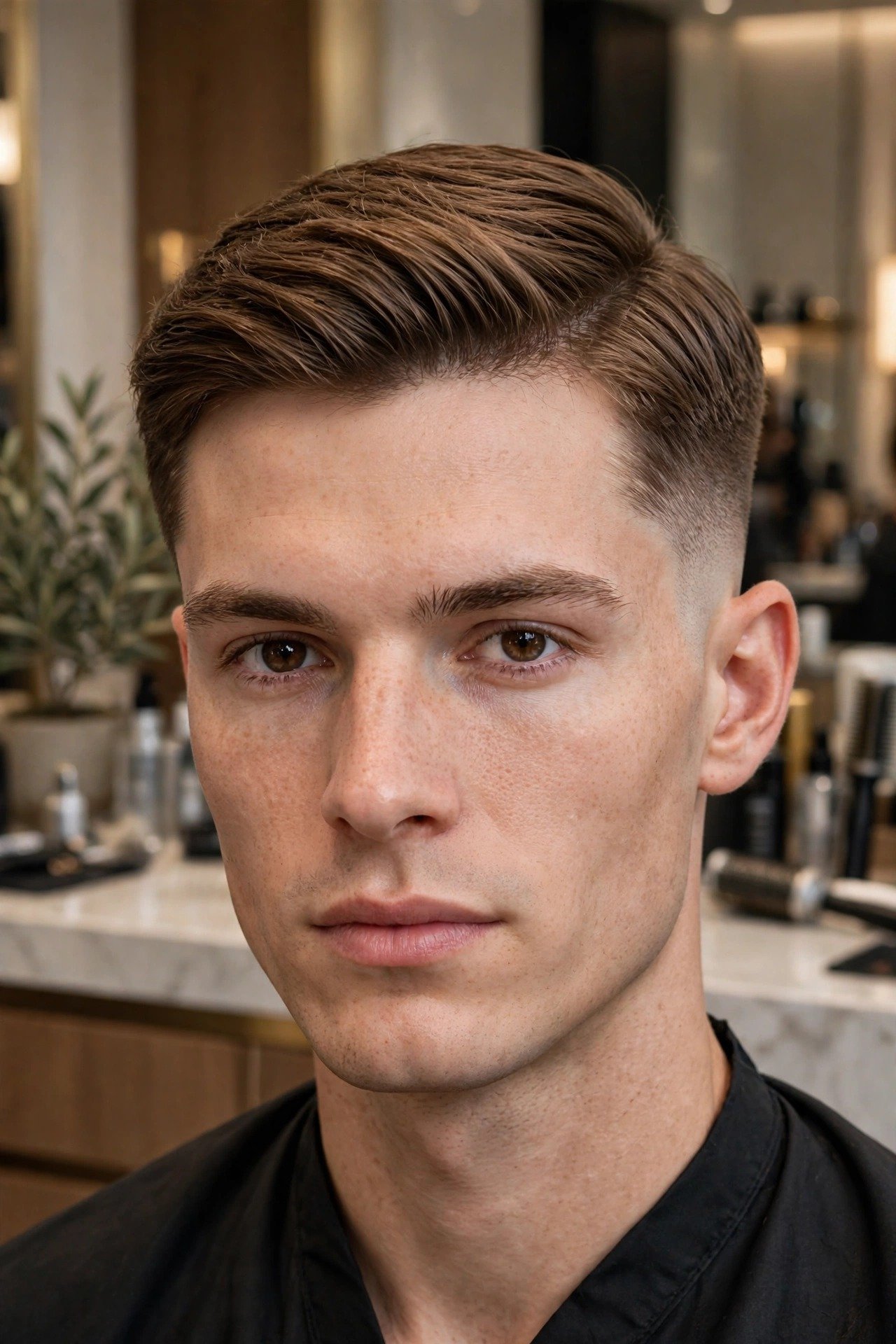
A high taper starts higher on the head, creating a cleaner and more defined silhouette. It leaves the top prominent while the sides appear closely cropped. This version suits men who like a sharp barbershop finish but want to retain classic length on top. The blend should be smooth, with no harsh steps. It works well with both side sweeps and textured tops. The higher taper also helps reduce bulk for thick hair.
Styling focuses entirely on the top. Use a matte clay to create a side sweep or light texture. The high taper keeps the sides flat, so no product is needed there. Because the taper is visible, regular maintenance is important. Book a tidy-up every two weeks to preserve the clean line. A little aftershave balm can soothe the skin after a close taper. The finish looks precise and modern.
High tapers suit round and oval faces by slimming the sides and adding structure. They can emphasise a strong jawline on square faces. Men with fine hair should keep the blend soft to avoid exposing the scalp too much. Keep the top proportionate; excessive length can look disconnected. This style pairs well with beards and formal clothing. It is a confident choice for men who value a crisp outline. It also pairs neatly with shaped sideburns, which sharpen the whole profile. Men who prefer a military neatness without a buzz cut often choose this height. Keep the blend smooth so the taper never looks harsh.
16. Ivy League with Temple Fade
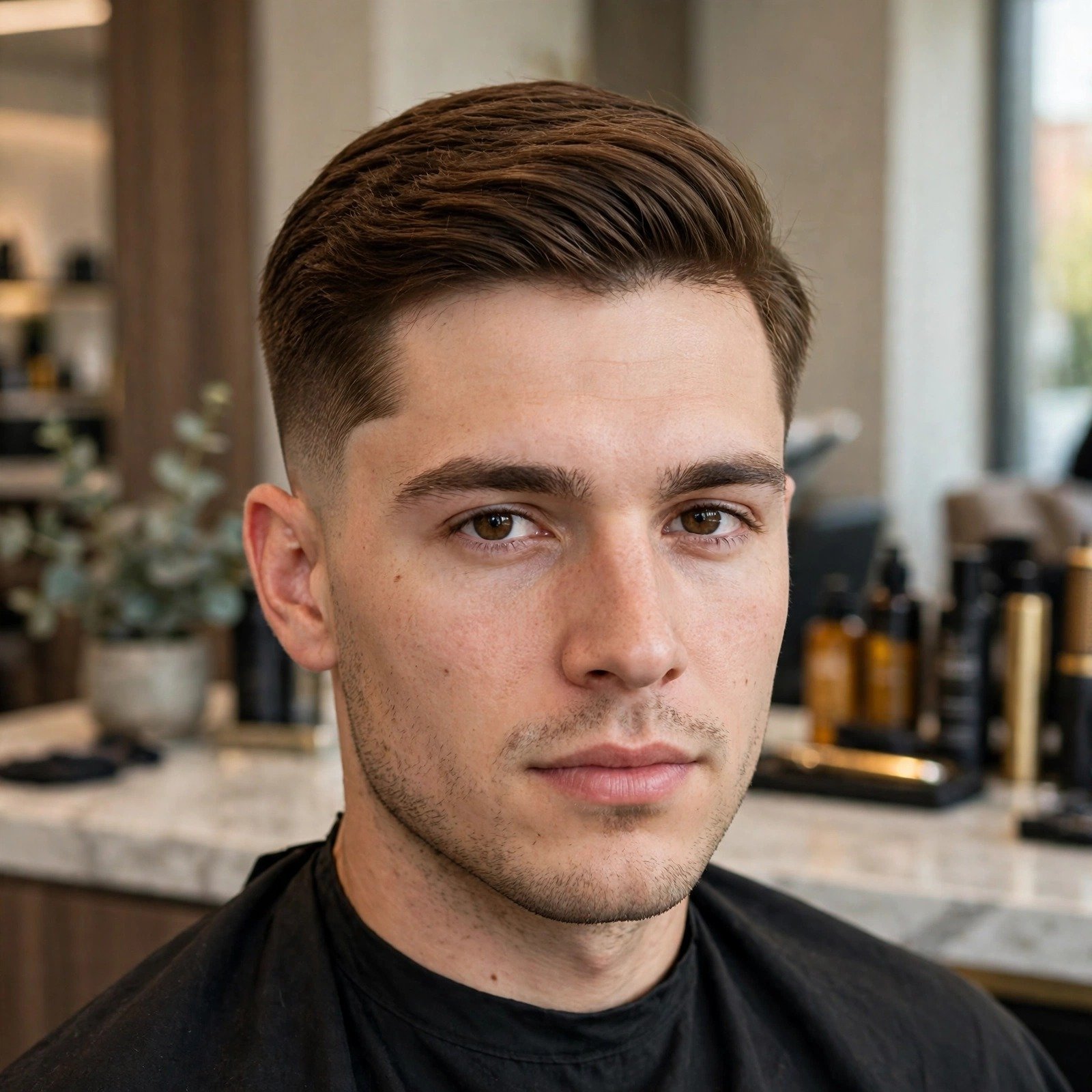
A temple fade concentrates the blend around the temples and sideburns, leaving the rest of the sides fuller. This creates a subtle, tailored detail that suits professional settings. The top remains classic, with a side sweep or natural parting. It is ideal if you want a fade effect without a dramatic contrast. Barbers often use it to sharpen the profile around the ears. The result looks neat, modern and understated.
Styling is quick because only the top needs attention. Apply a light cream and comb the hair to one side. The temple fade keeps the outline clean even as the top grows. Maintenance is easier than a full skin fade, with visits every three weeks usually sufficient. If you wear glasses, the faded temple area prevents hair catching on frames. This small detail improves both comfort and appearance.
Temple fades flatter most face shapes, particularly oval and square faces. They add definition without narrowing the head excessively. Men with receding temples should discuss placement with their barber to avoid emphasising recession. Keep the sideburns shaped to match the fade. This style works well with beards, as the fade can blend into facial hair. It is a refined option for men who prefer subtle barbering details. It is also a good stepping stone if you are considering a fuller fade later. The change is noticeable without feeling drastic. Many men keep this detail permanently once they try it. The temple area stays clean for longer between visits.
17. Ivy League for Receding Hairlines
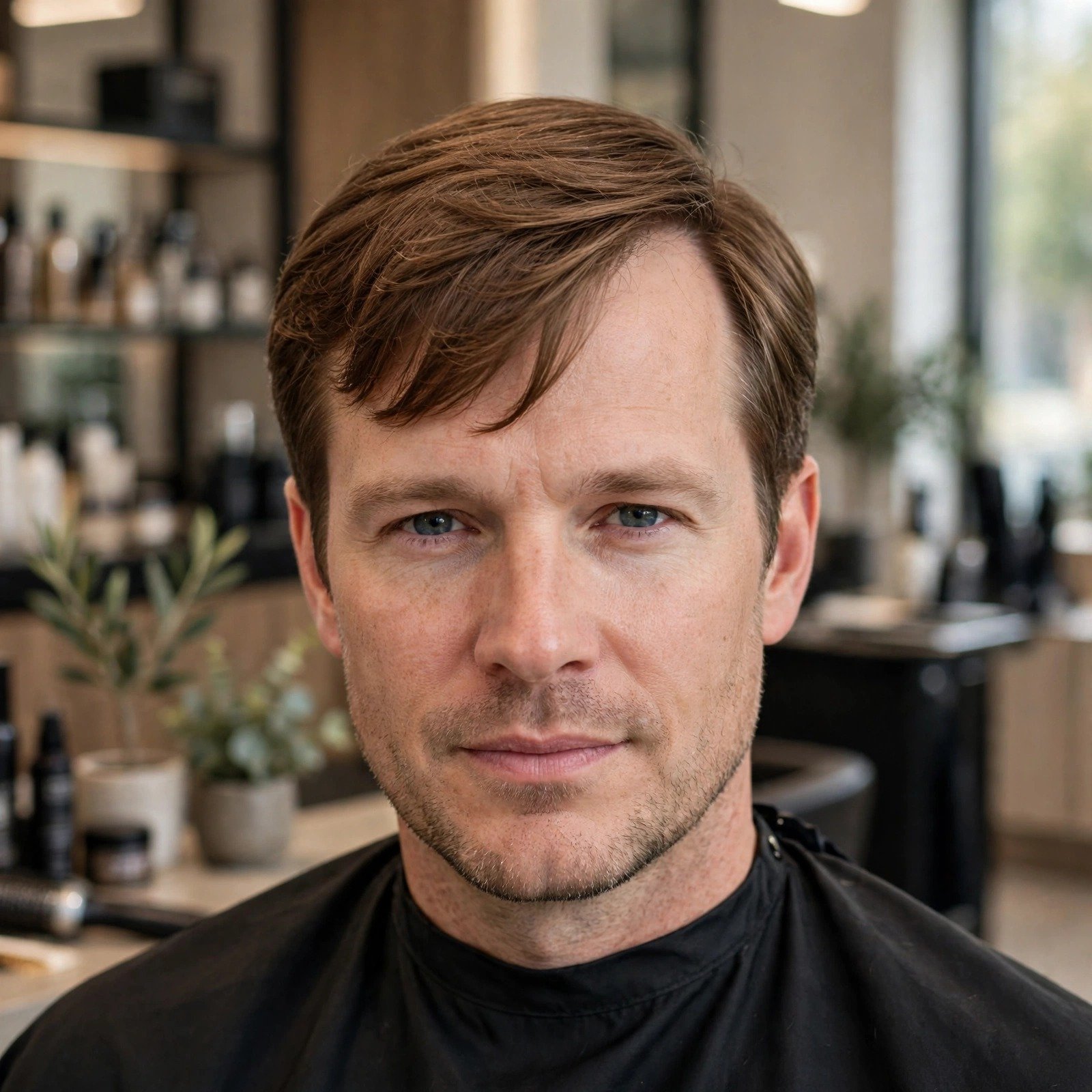
Men with a receding hairline can wear an Ivy League by directing the top forward and to one side. This covers the temples more effectively than brushing the hair back. Keep the front length moderate and textured so it does not look thin. Sides should be tapered to create contrast and draw attention to the fuller top. Avoid a hard part that exposes the scalp. A soft, natural finish usually looks most flattering and confident.
Style the hair forward first, then sweep it diagonally with your fingers. Use a matte product, as shine can highlight thinning areas. Blow drying at the roots adds lift and coverage. Avoid heavy pomades that separate the hair and reveal the scalp. A light spray can hold the shape without stiffness. The aim is controlled coverage that looks natural, not forced. This approach works well for daily professional wear.
This variation suits oval, square and heart shaped faces. Keep the hairline natural rather than trying to create a sharp straight edge. Regular trims prevent wispy growth at the temples. If recession is advanced, a shorter top with texture may look better than extra length. Discuss options honestly with your barber. A well-cut Ivy League can make thinning hair look fuller and more deliberate. Confidence matters here, so choose coverage that looks natural rather than forced. A slightly shorter fringe often looks thicker than longer strands stretched across the temples. Honest cutting always beats obvious concealment every time.
18. Ivy League with Fringe Forward
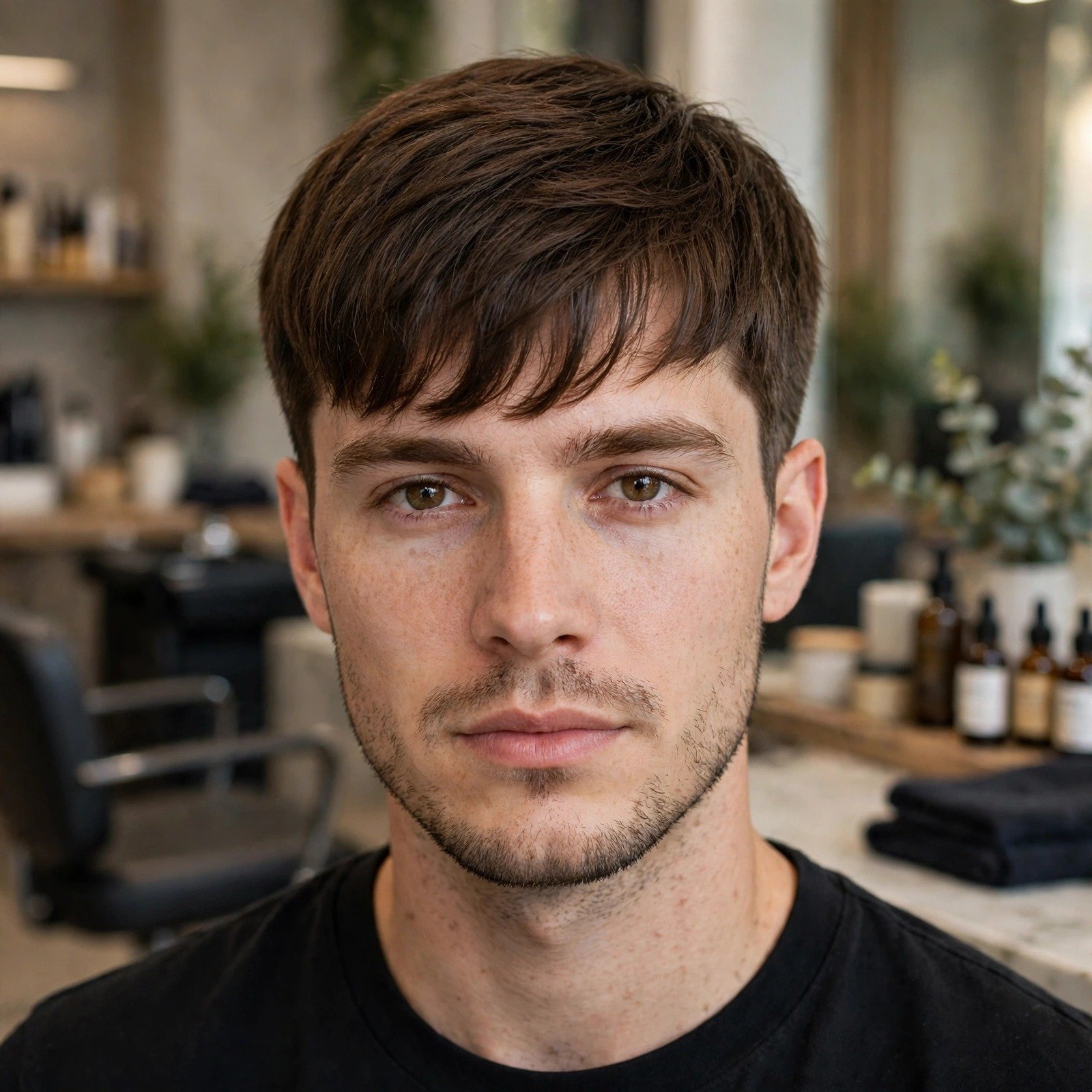
Wearing the fringe forward gives the Ivy League a youthful, casual twist. The front is brushed down and slightly to one side, while the sides remain tapered. This softens the forehead and creates a relaxed profile. It suits men who dislike partings or want to cover a high hairline. The fringe should be textured, not blunt, to keep the look modern. Length must be controlled so it sits above the eyebrows.
Styling is simple. Apply a matte paste to dry hair and push the fringe forward with your fingers. Add a slight diagonal direction to avoid a flat, heavy appearance. If your hair is straight, a little texture spray improves movement. Avoid combing the fringe straight down, which can look dated. The finish should feel natural and slightly tousled. It works well for casual workplaces and weekends.
Fringe forward styles flatter oval, heart shaped and longer faces by reducing forehead height. Round faces should keep the fringe light and add height at the crown. Fine hair benefits from the forward direction, which can look fuller. Trim the fringe every two to three weeks to prevent it covering the eyes. This variation offers a softer alternative to the classic side part while retaining a tidy outline. It also works well with glasses because the fringe sits above the frames when trimmed correctly. Keep the centre slightly lighter so the forehead does not look heavy. A diagonal direction keeps the finish modern and youthful.
19. Ivy League with Diagonal Parting
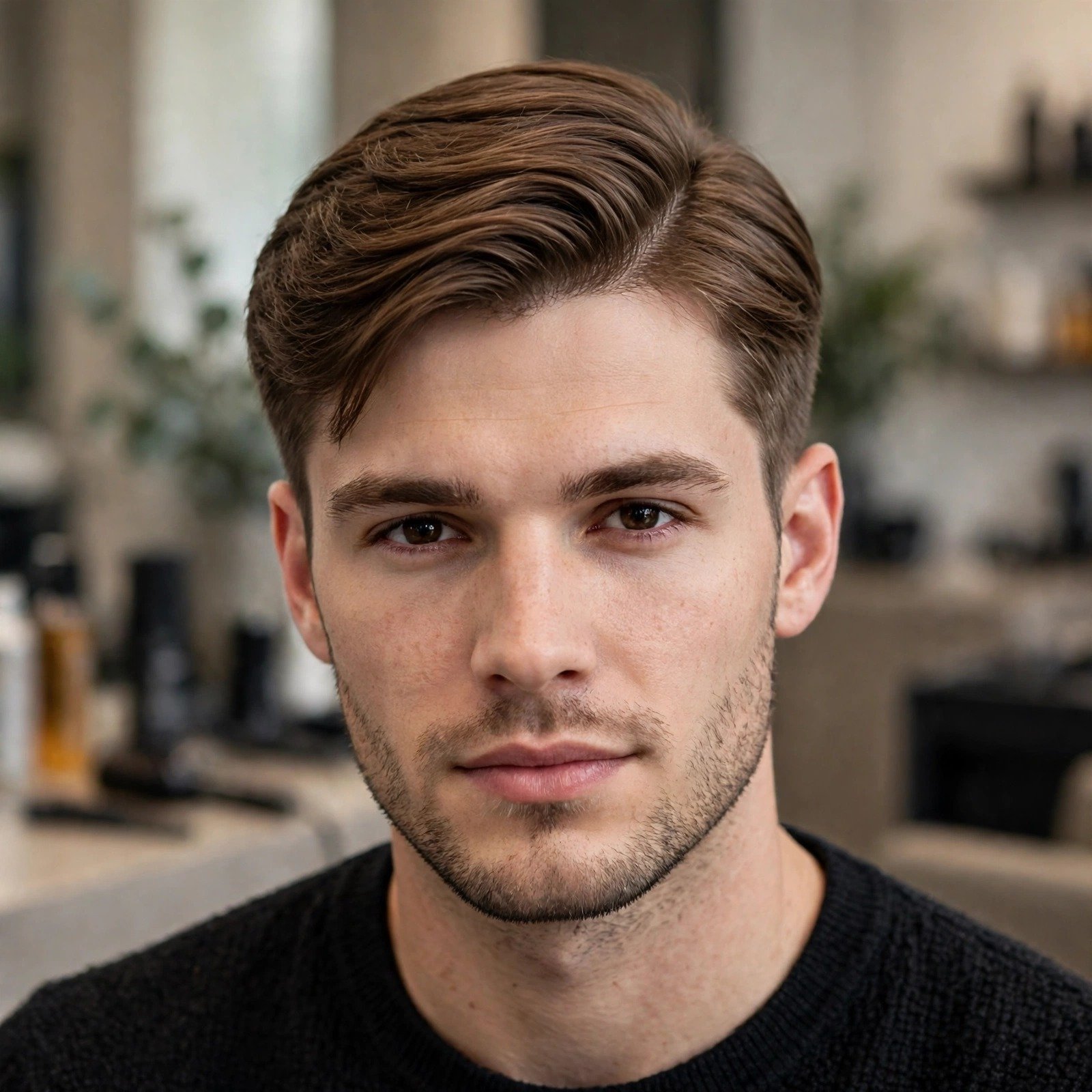
A diagonal parting angles across the head rather than running straight back. This creates movement and a more contemporary feel. The hair sweeps across the forehead in a natural arc. It suits men who find a traditional side part too formal. Sides are tapered cleanly to maintain the Ivy League structure. The diagonal line also helps balance asymmetrical features. It is a subtle change that makes the classic cut feel fresh.
To style it, comb the hair diagonally while damp and let it dry in that direction. Use a light cream to keep the sweep smooth without stiffness. Avoid creating a hard line; the parting should look soft. If your hair has a strong natural growth pattern, follow it to prevent the hair fighting back. A brief blow dry can set the angle. The result is polished but relaxed.
Diagonal partings flatter oval, round and heart shaped faces. The angled sweep adds width where needed and softens a high forehead. Wavy hair often falls into a diagonal naturally. Keep the front length sufficient to sweep without covering the eyes. Regular trims maintain the angle and prevent the shape becoming messy. This is an excellent option for men who want individuality within a classic framework. The diagonal also draws the eye across the face in a flattering way. It can soften a strong brow and make the forehead appear less dominant. Small changes in angle create noticeably different moods. Experiment gently before committing to a sharper line.
20. Ivy League for Oval Faces
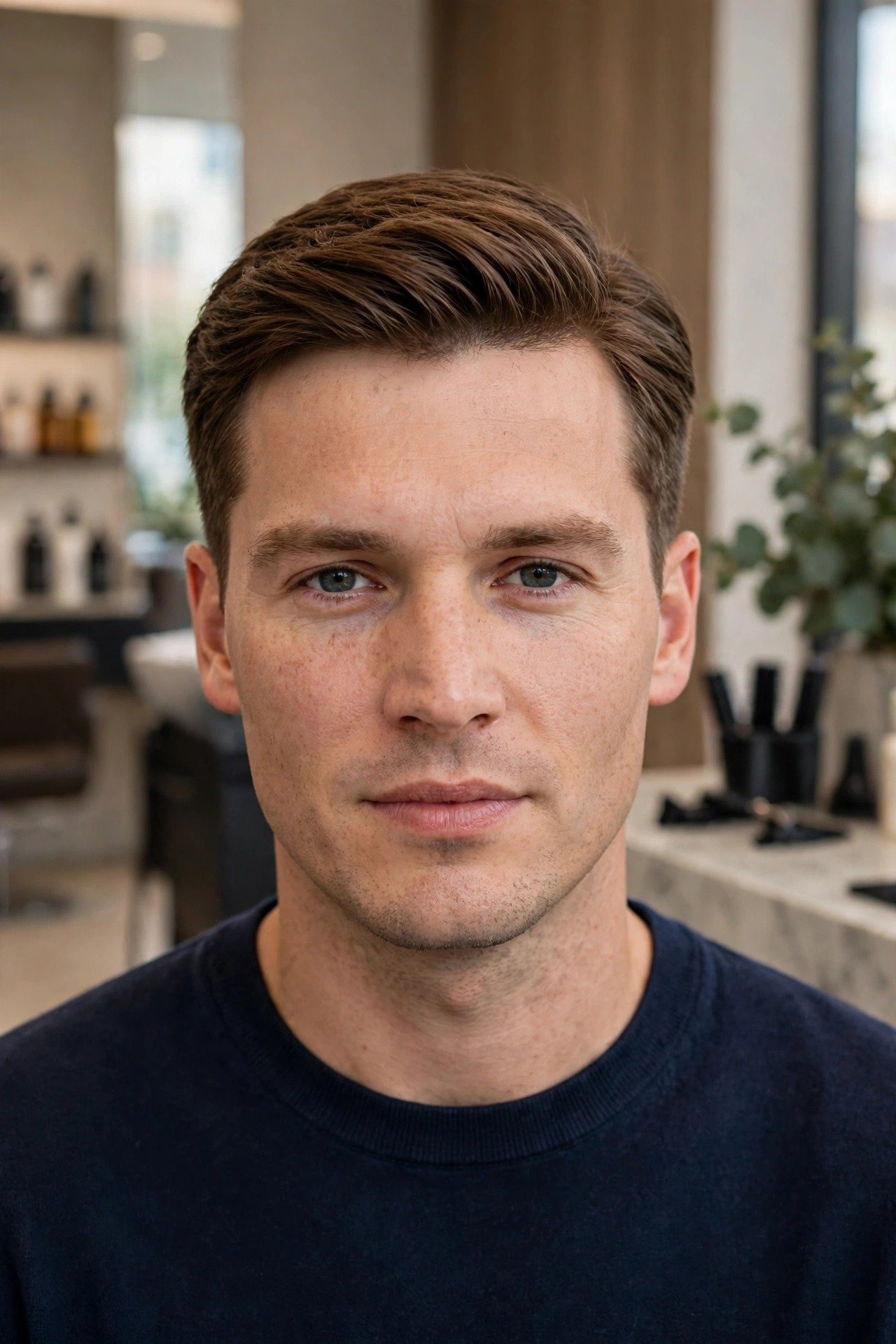
Oval faces are the most versatile for an Ivy League because their proportions are already balanced. Most variations work, from classic side parts to textured tops. The key is to avoid excessive height or width that disrupts natural symmetry. A moderate top length with tapered sides looks particularly harmonious. Men with oval faces can experiment with fades, quiffs and natural sweeps. This flexibility makes the Ivy League an easy recommendation.
Styling can change with the occasion. A smooth side part suits formal days, while texture creates a relaxed weekend look. Use light products so the hair retains movement. Keep the sides neat to preserve the balanced outline. If you wear a beard, shape it to complement the haircut rather than compete with it. Oval faces rarely need corrective cutting, so focus on hair texture and personal preference.
Choose the finish that matches your lifestyle and hair type. Thick hair may need texture, while fine hair benefits from lift at the roots. A trim every three to four weeks keeps proportions correct. Avoid very long tops that make the face look longer. With balanced features, small details such as parting direction make the biggest difference. This is the ideal face shape for exploring the full range of Ivy League styles. That freedom lets you change the finish with seasons and occasions. A sleeker sweep suits winter formality, while texture feels right in warmer months. Few face shapes enjoy this much choice without corrective cutting.
21. Ivy League for Diamond Faces
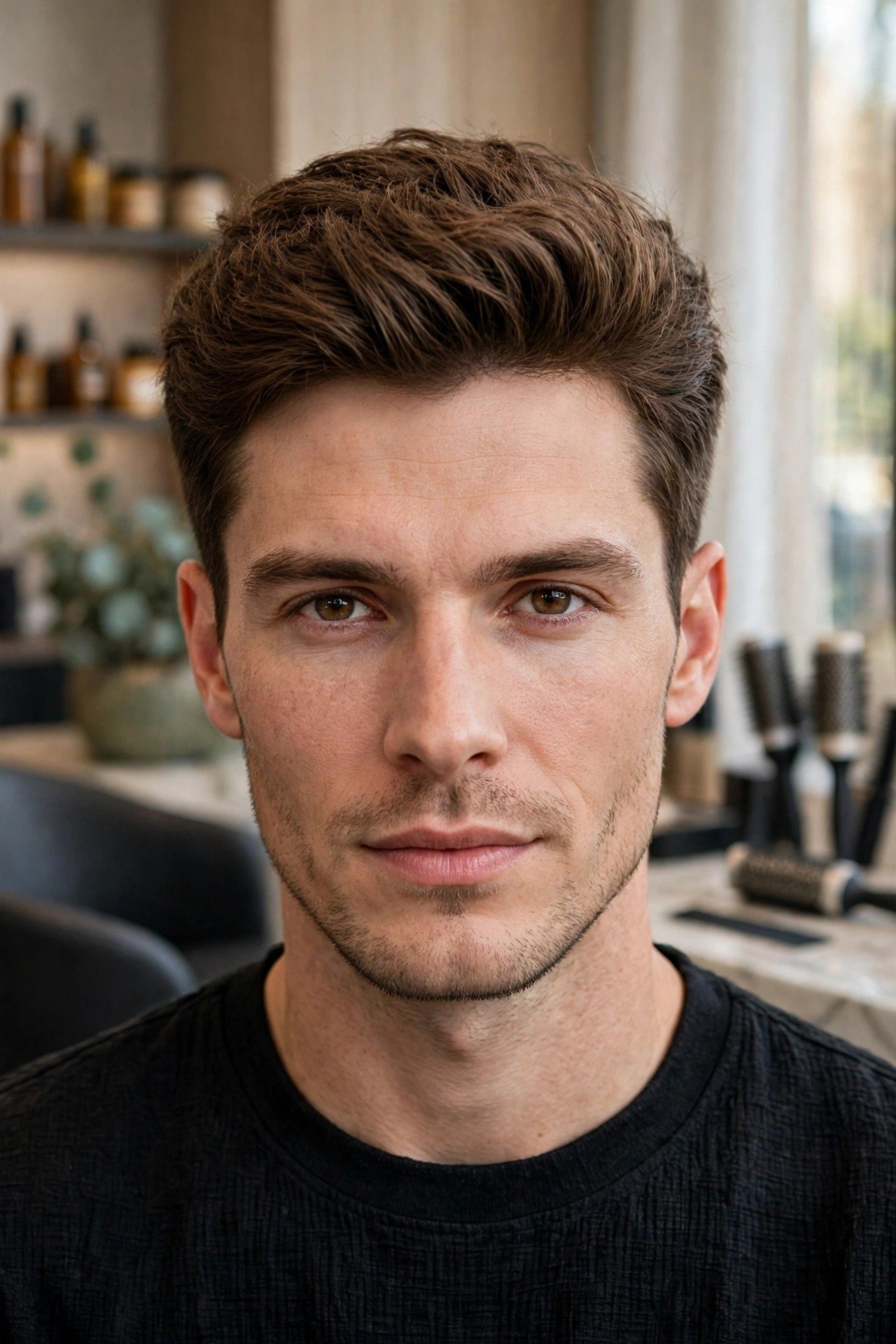
Diamond faces have wide cheekbones with a narrower forehead and jaw. An Ivy League with fuller top volume helps balance the forehead. Keep the sides tapered but not too short, as excessive contrast can emphasise cheek width. A soft side sweep adds width at the top and creates harmony. Texture through the front prevents a flat appearance. This tailored approach makes the classic cut particularly flattering for diamond shaped faces.
Style the top with a matte clay and lift the front slightly. Sweep the hair to one side to add fullness across the forehead. Avoid flattening the hair against the scalp. A light blow dry at the roots improves volume. Keep the sides smooth and controlled. The goal is balance: fuller on top, neat through the cheeks and tidy at the neckline. This creates a more even overall silhouette.
A short beard can add width to the jaw and improve balance. Keep the beard shaped rather than bulky. Avoid high skin fades that make cheekbones appear wider. Regular trims maintain the proportions. Men with diamond faces often look best with a natural hairline and soft edges. This style offers a refined, professional finish while addressing the specific needs of the face shape. Keep the fringe area soft so it does not create a hard horizontal line. A gentle sweep across the forehead is usually more flattering than a centre parting. Balance should guide every styling decision here. Your barber can check the balance from every angle.
22. Ivy League with Matte Texture
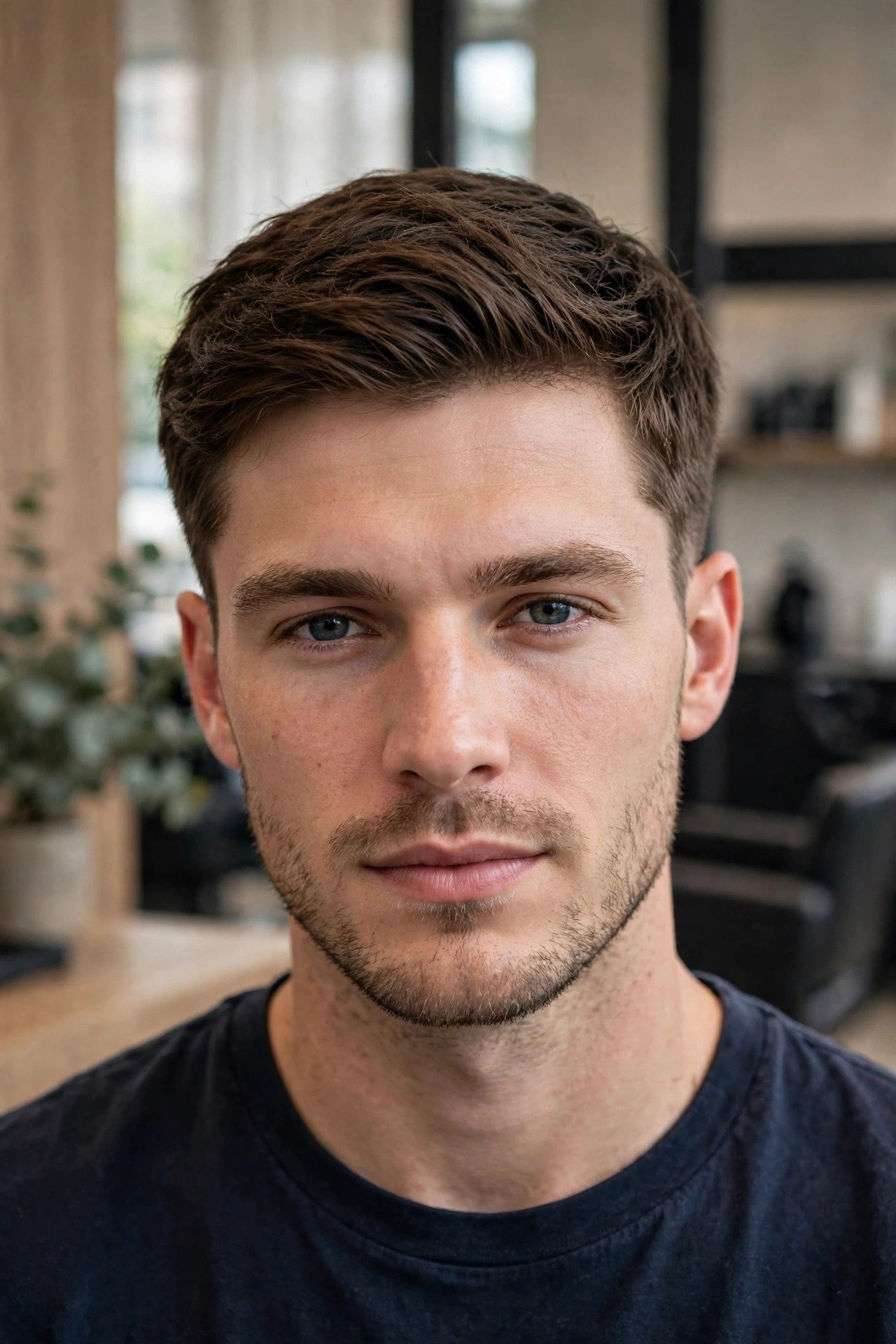
A matte finish removes shine and gives the Ivy League a modern, understated appearance. The top is textured so individual strands separate naturally. This suits men who dislike glossy or wet-look products. Sides are tapered for a clean outline that contrasts with the relaxed top. Matte texture works across hair types and ages. It is particularly effective in daylight and photographs because it avoids harsh reflections.
Use a matte clay or paste on dry hair. Work a small amount through the top with your fingertips and shape the front to one side. Avoid combing, which reduces texture. If your hair is fine, matte products can also create the impression of thickness. Keep the amount minimal to prevent a dusty appearance. The finish should look like well-groomed natural hair rather than heavily styled hair.
This variation flatters square, oval and round faces. The lack of shine softens strong features and looks contemporary. Thick hair benefits from texture that reduces bulk. Fine hair gains separation and volume. Trim every three weeks to refresh the texture and remove heavy ends. Matte styling pairs well with casual and smart casual clothing. It is one of the most wearable modern interpretations of the classic cut. It also hides early signs of regrowth better than glossy styles. The natural finish keeps attention on the shape rather than the product. That subtlety suits men who dislike obvious styling. It works from morning meetings to evening plans. A matte finish always looks current.
23. Ivy League with Glossy Finish
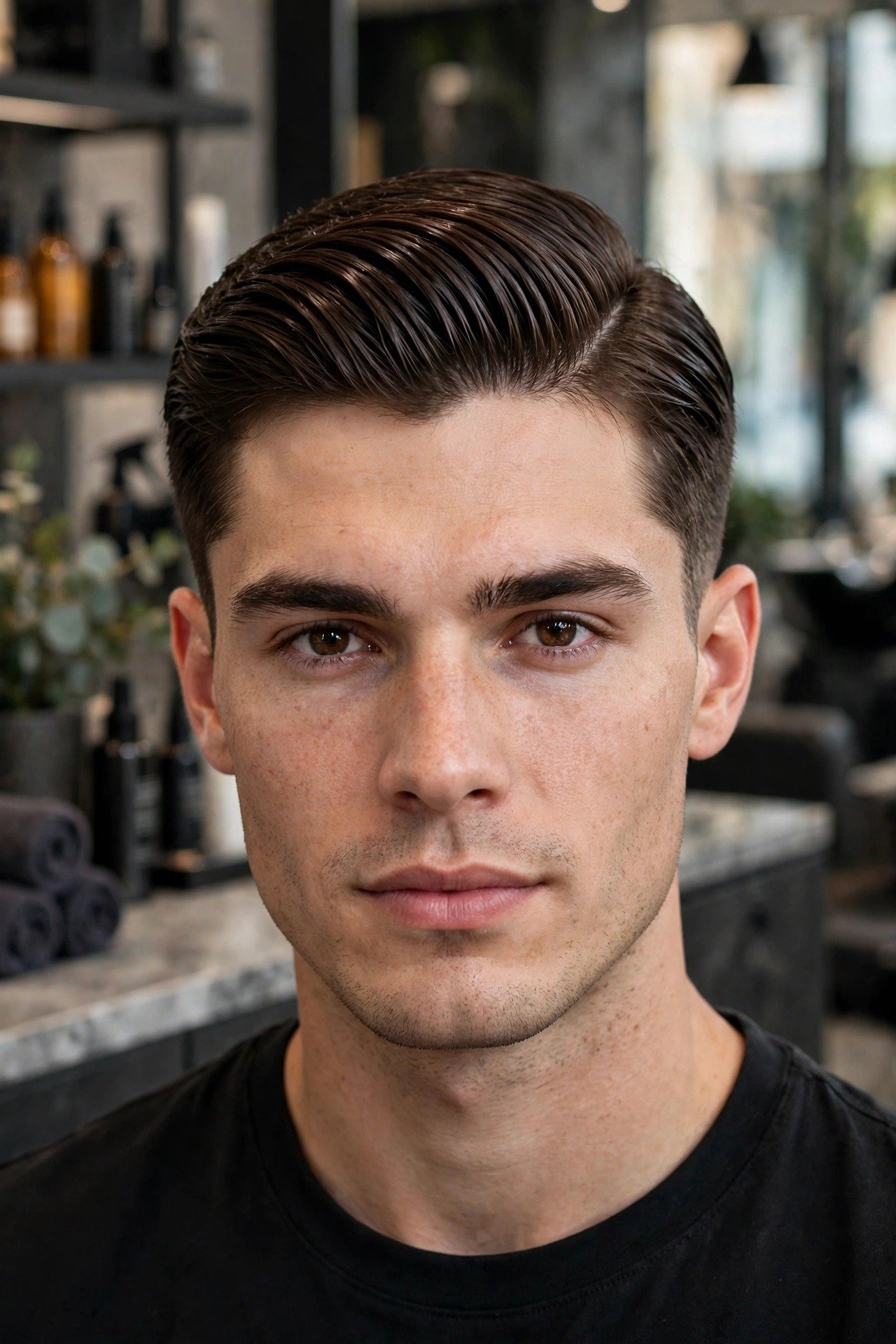
A glossy finish gives the Ivy League a sleek, traditional elegance. The top is combed smooth with a light pomade that adds shine without stiffness. This version suits formal occasions, evening events and men who enjoy a polished appearance. Sides are tapered neatly to complement the smooth top. The shine emphasises healthy hair and precise cutting. It is a timeless option that recalls the original Ivy League style.
Apply a water-based pomade to damp hair and comb the parting into place. Use enough product for shine but avoid a greasy appearance. A fine comb helps create a smooth surface. Blow drying lightly can set the shape before applying pomade. Water-based products wash out easily and are preferable for daily use. Keep the sides clean so the glossy top remains the focal point.
Glossy finishes suit straight and slightly wavy hair best. Men with very fine hair should use shine sparingly, as it can reveal the scalp. Square and oval faces look particularly sharp with this polished style. Keep the hairline tidy and the parting soft unless a hard part is desired. Regular trims prevent the top becoming heavy. This is an ideal choice for weddings, formal dinners and professional portraits. Healthy hair reflects light evenly, so conditioning matters for this finish. Keep the top smooth but never plastered flat against the scalp. A light sheen looks expensive, while excess shine looks greasy. Balance is everything with glossy styling. Choose water-based pomade for easy washing.
24. Ivy League for Older Men

Older men often suit an Ivy League because it looks dignified without appearing dated. The top retains enough length for a side sweep, while the sides are tapered neatly. Grey hair can look particularly distinguished with a clean outline. Avoid excessive height or sharp fades that may look out of place. A natural hairline and soft edges create a refined finish. This style works well with glasses and formal clothing.
Styling should be gentle and simple. Use a light cream to control the top without making it look stiff. Comb the hair to one side and allow it to dry naturally. Matte products often suit grey hair better than high shine. Keep the neckline tidy and the sideburns shaped. A trim every three to four weeks maintains a smart appearance. The routine is quick and comfortable for daily life.
This variation flatters most face shapes in older men, particularly oval and square faces. If hair is thinning, a forward sweep can improve coverage. Avoid very short sides that expose the scalp too much. A well-trimmed beard or clean shave both complement the cut. The Ivy League offers a respectful balance between classic grooming and modern neatness. It remains a dependable choice at any age. Grey hair often has a coarser texture, so a little conditioning helps it lie smoothly. Keep the finish matte and natural rather than overly shiny. A tidy neckline makes the whole appearance look cared for. Comfort should guide the final styling choice.
25. Ivy League for Young Professionals
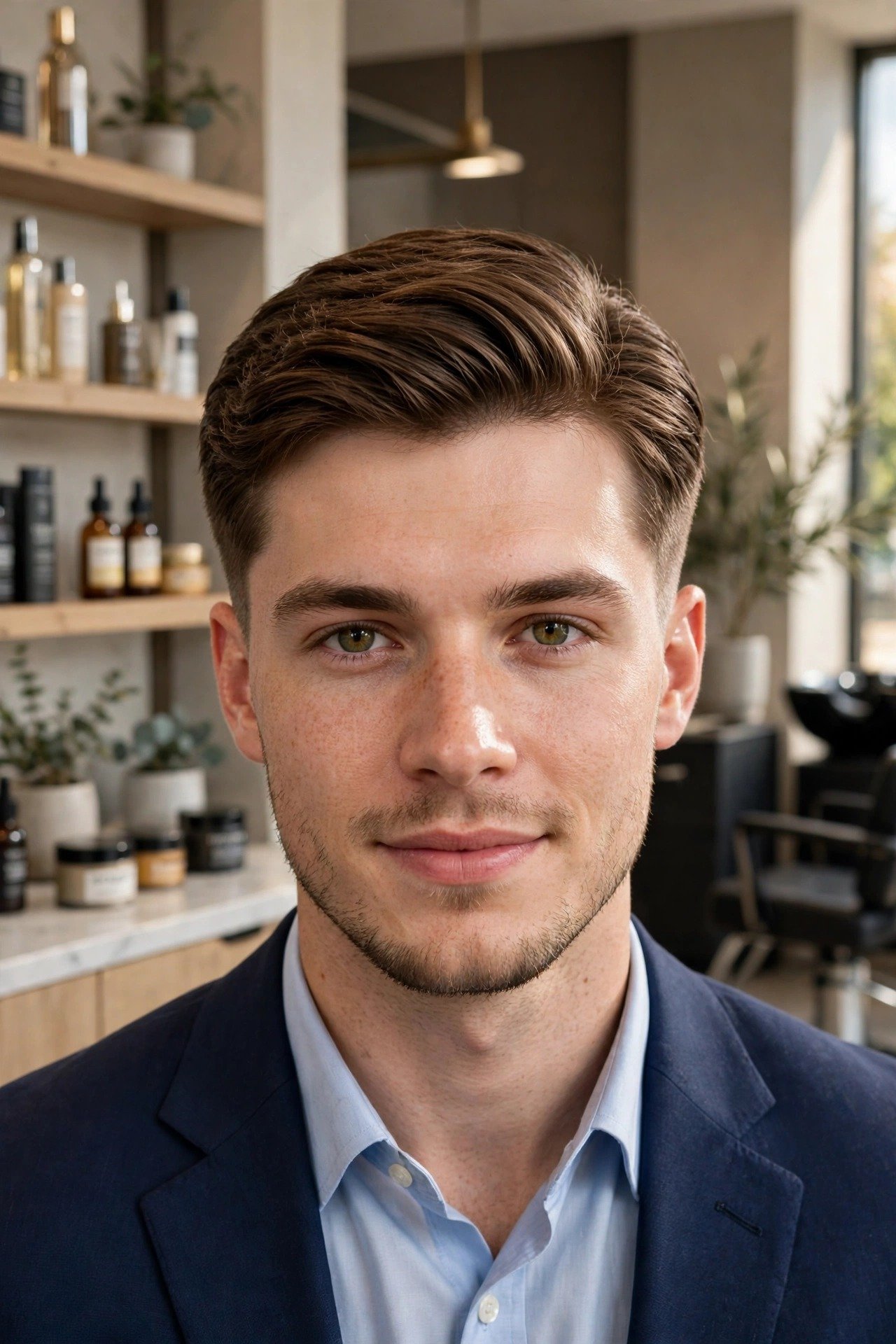
Young professionals need a haircut that looks credible in meetings and relaxed after work. The Ivy League delivers that balance. A neat side sweep with tapered sides creates a professional image without looking stiff. Slight texture keeps it youthful. This style suits graduates, office workers and men building a personal brand. It photographs well for profiles and video calls. The versatility makes it a practical investment for career-focused men.
In the morning, apply a light matte paste and sweep the top to one side. For evening events, add a little more texture or lift the front slightly. The same cut adapts easily. Keep the sides tidy with regular barber visits every three weeks. Avoid heavy gel, which can look dated in professional settings. A clean neckline and shaped sideburns complete the polished appearance. The routine fits easily into a busy schedule.
This variation suits oval, square and round faces with appropriate adjustments. Men with thick hair should ask for texture to avoid bulk. Fine hair benefits from root lift and matte products. Pair the cut with well-fitted clothing for a cohesive image. A short beard can add maturity if shaped carefully. The Ivy League helps young professionals look prepared, confident and approachable in any setting. It also reduces decision fatigue on busy mornings because the routine stays simple. Looking prepared should never require complicated styling or expensive products. A reliable haircut quietly supports confidence throughout the working week. That consistency is valuable early in a career.
26. Ivy League with Longer Top
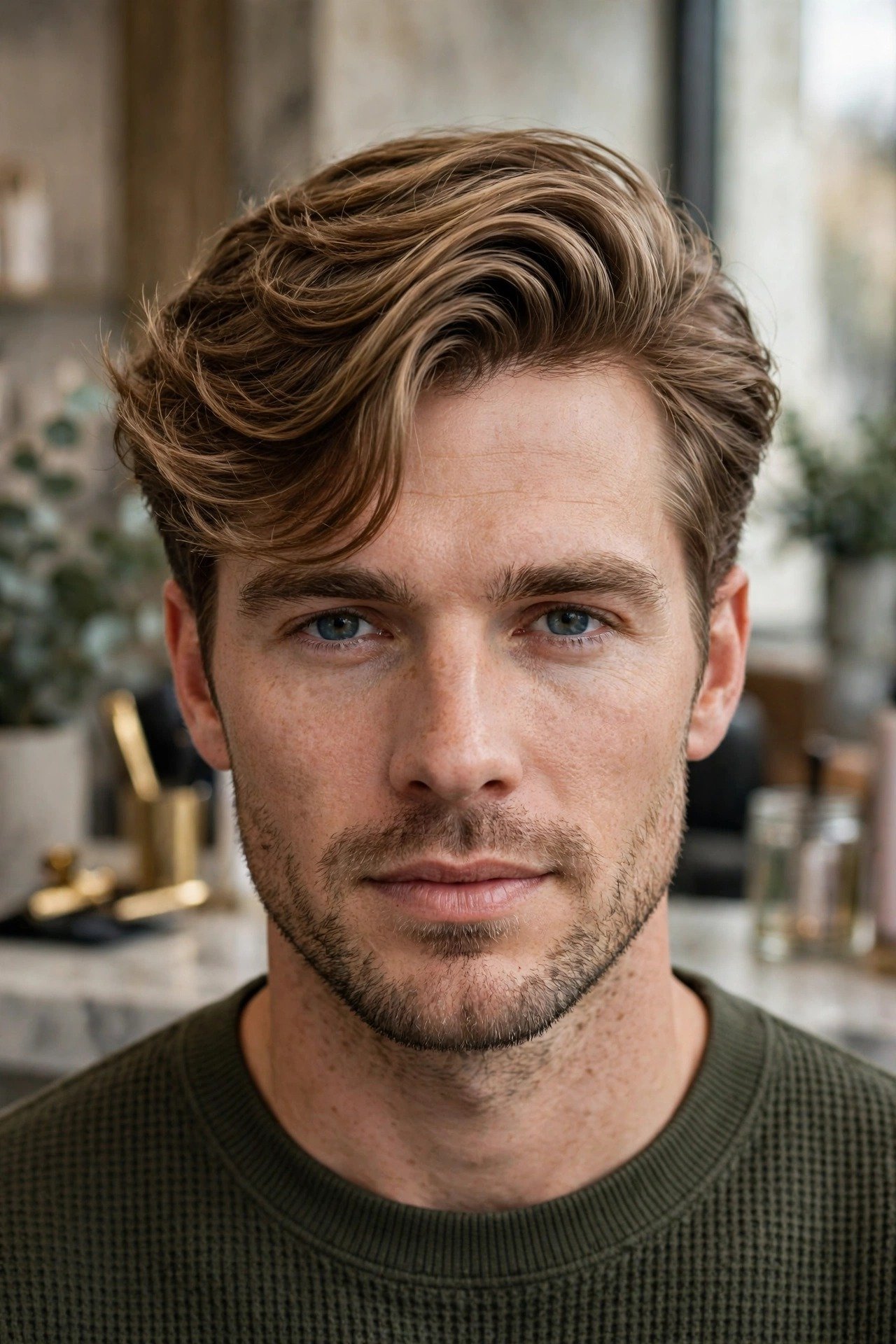
A longer top extends the Ivy League towards a more flowing, elegant style. The front may reach four inches or more, allowing a fuller sweep or gentle wave. Sides remain tapered to preserve contrast. This suits men who want more styling options, including brushing back or creating a soft quiff. Longer hair requires more control but offers greater versatility. It looks particularly good with wavy hair that needs length to form.
Styling takes a little longer. Blow dry the top in the desired direction and use a light cream or clay to hold it. Avoid heavy products that drag the hair down. A brush helps create a smooth sweep. On relaxed days, let the hair fall naturally with minimal product. Regular trims prevent split ends and keep the shape from becoming shapeless. The extra length rewards men who enjoy styling variety.
Longer tops flatter oval, diamond and heart shaped faces. Round faces should add height rather than width. Thick hair needs internal texture so the longer top does not look heavy. Fine hair may struggle to support extra length, so keep it moderate. This style suits formal occasions and men who prefer a softer image. It bridges classic barbering and longer contemporary hairstyles effectively. Longer hair also gives you options for weddings and formal photographs. You can sweep it back, part it deeply or wear it with gentle waves. That flexibility is the main reward for extra upkeep. Keep ends healthy so length looks intentional.
27. Ivy League with Shorter Top
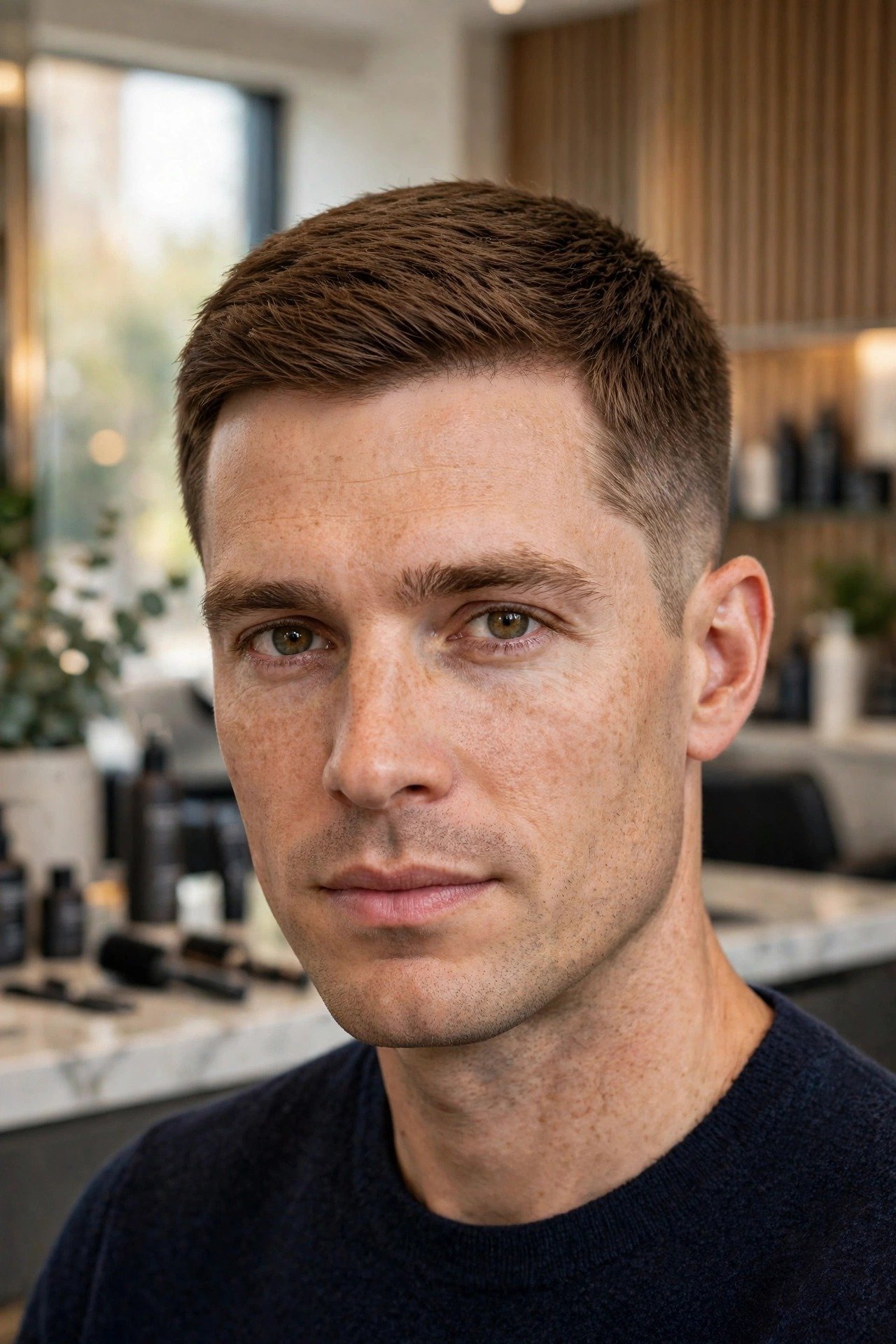
A shorter top keeps the Ivy League close to a crew cut while retaining a parting and direction. The top is usually one to two inches, making it very easy to maintain. This suits men with active lifestyles or those who prefer minimal styling. Sides are tapered or faded for a clean outline. The result is neat, masculine and practical. It is ideal for warmer weather and men who dislike product in their hair.
Styling requires almost no effort. A tiny amount of matte paste can define the front direction. Many men can simply brush the hair to one side after washing. The short top dries quickly and holds its shape throughout the day. Keep the sides tidy with trims every two to three weeks. Because there is less hair to hide imperfections, a precise cut matters. Ask your barber for a smooth blend and natural hairline.
Shorter tops suit square, oval and round faces. They emphasise facial structure and work well with beards. Fine hair can look fuller because there is less weight pulling it down. Avoid taking the top too short, or the Ivy League character is lost. This variation is excellent for sports, travel and busy routines. It offers classic neatness with maximum convenience and minimal daily effort. It also stays comfortable under helmets, caps and headphones. Shorter hair reduces heat and keeps the scalp feeling fresh. Men who train frequently often prefer this practical length. The shape returns quickly after washing and towel drying.
28. Ivy League with Natural Hairline
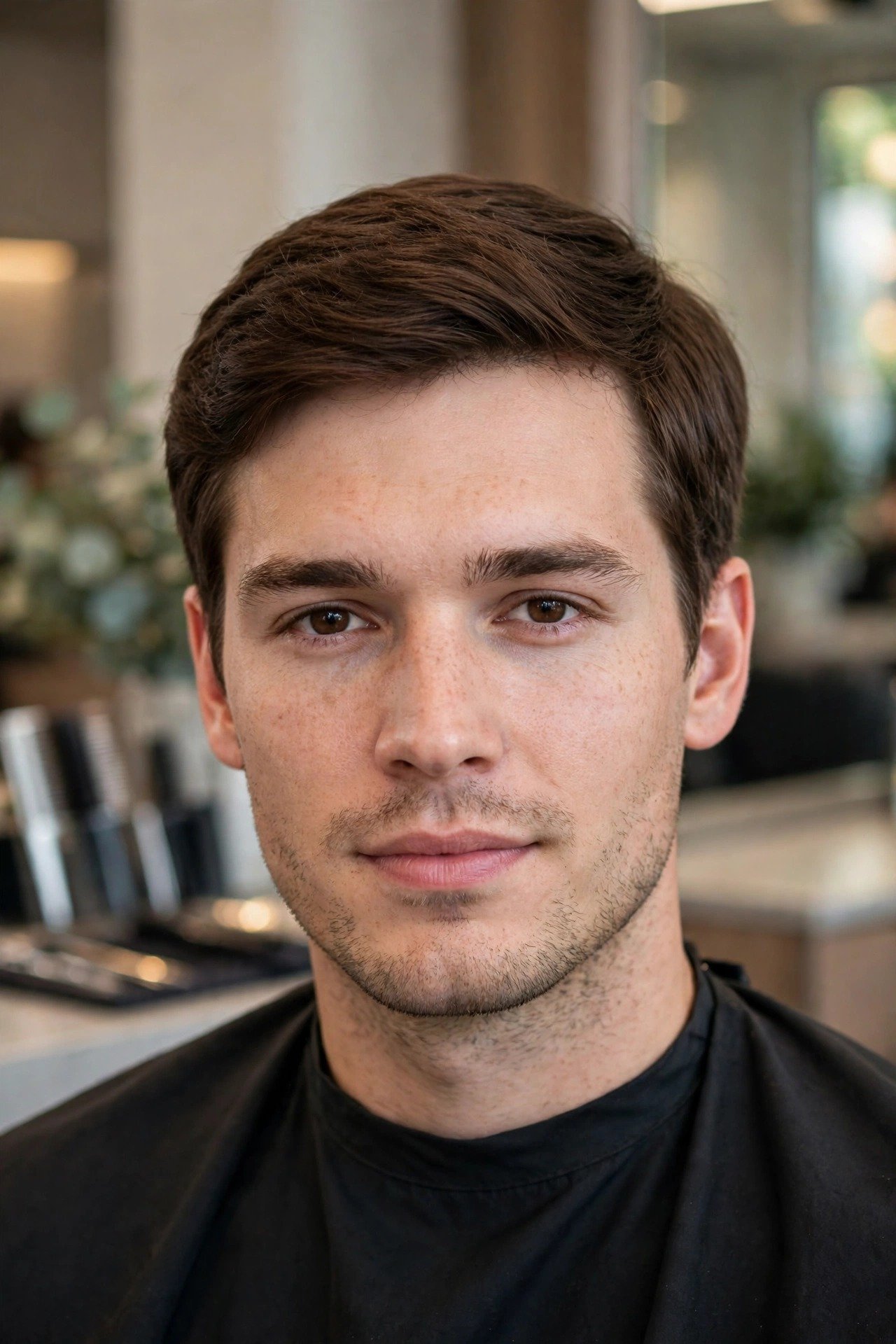
A natural hairline follows your existing growth rather than creating a sharp artificial edge. This gives the Ivy League a softer, more relaxed appearance. It suits men who prefer understated grooming or have an uneven hairline. The top is styled with a side sweep, while sides are tapered gently. Natural edges grow out more gracefully than sharp lines. This makes the style easier to maintain between barber visits.
Styling focuses on the top rather than the edges. Use a light cream and comb the hair into a soft parting. Avoid trying to force a straight hairline with product. A natural finish looks best with matte products. Keep the neckline tidy but not overly squared. This approach suits casual and professional settings alike. It also reduces irritation from frequent edge-ups with a razor.
Natural hairlines flatter most face shapes and hair types. They are particularly helpful for men with receding temples, as a sharp line can emphasise recession. Regular trims maintain the overall shape without constant edge work. Pair this style with light texture for a contemporary feel. It is a sensible choice for men who value comfort, authenticity and low maintenance. The result looks groomed without appearing overly barbered. Natural edges also suit men who dislike frequent razor work. The hairline softens gradually, so growth looks less obvious between appointments. That makes the style economical as well as comfortable. A natural finish never looks as though you are trying too hard.
29. Ivy League with Sharp Hairline
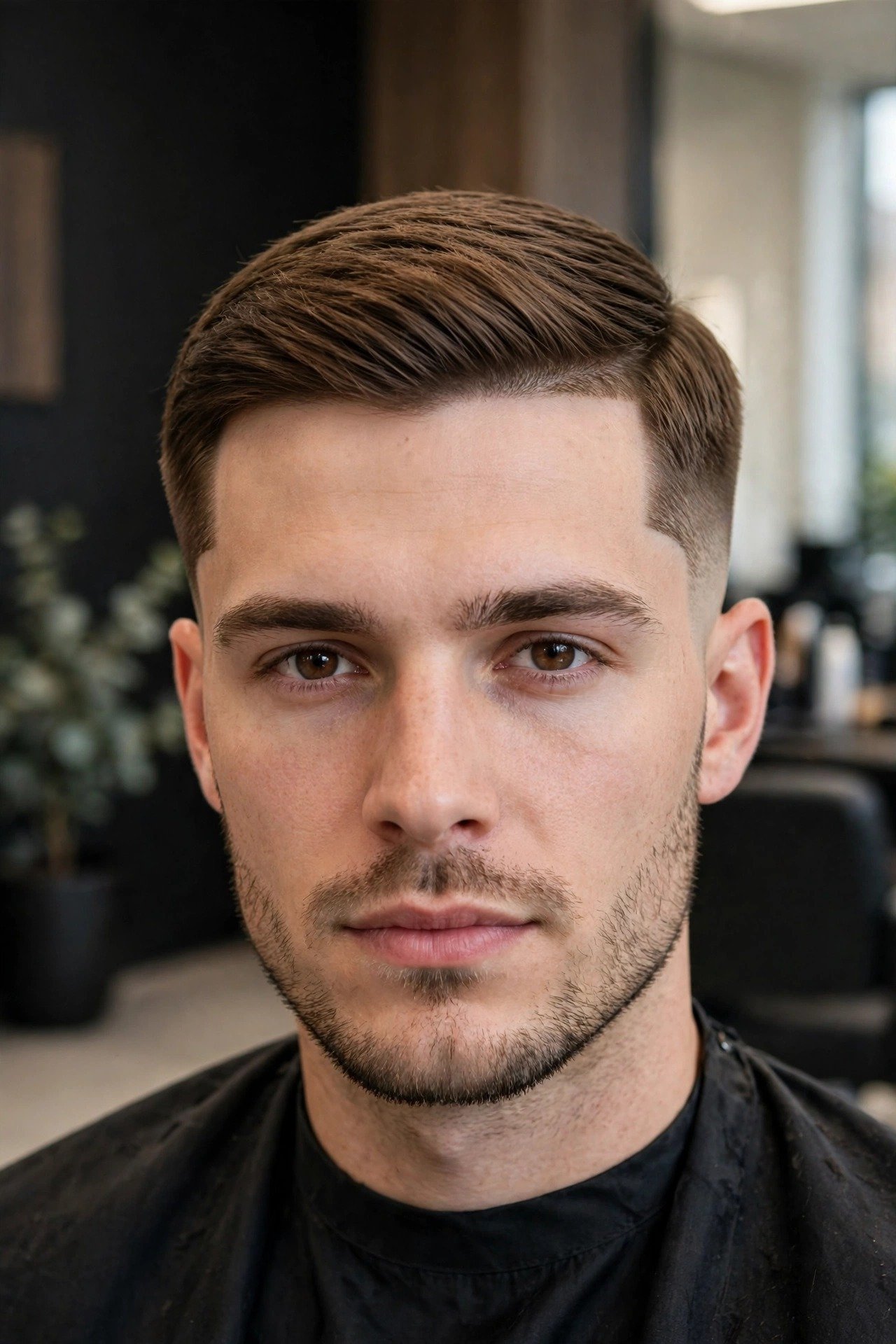
A sharp hairline uses precise edging to create clean lines around the forehead and temples. This gives the Ivy League a crisp, barbershop finish. It suits men who enjoy a defined outline and regular maintenance. The top is usually combed neatly to complement the sharp edges. Sides may be faded or tapered. The contrast between the precise hairline and smooth top looks particularly striking in photographs.
Maintenance requires barber visits every one to two weeks to keep edges crisp. At home, style the top with a light pomade or clay and keep the parting neat. Avoid letting the hairline grow out unevenly. Moisturise the skin after edging to prevent irritation. Sharp lines demand consistency, so consider your schedule before choosing this style. When maintained, it delivers one of the cleanest Ivy League finishes available.
Sharp hairlines suit square and oval faces with strong features. Men with sensitive skin or ingrown hairs may prefer softer edges. Keep the top length balanced so the hairline does not dominate the face. A shaped beard can mirror the precision of the hairline. This style works well for formal events and professional images. It is best for men who enjoy regular barber visits and a highly groomed appearance. Photographs reward this precision because the outline reads clearly from every angle. Keep the temples symmetrical and check both sides in the mirror. Small unevenness becomes obvious with sharp edges. Regular visits protect the crisp finish you chose.
30. Ivy League for Straight Hair
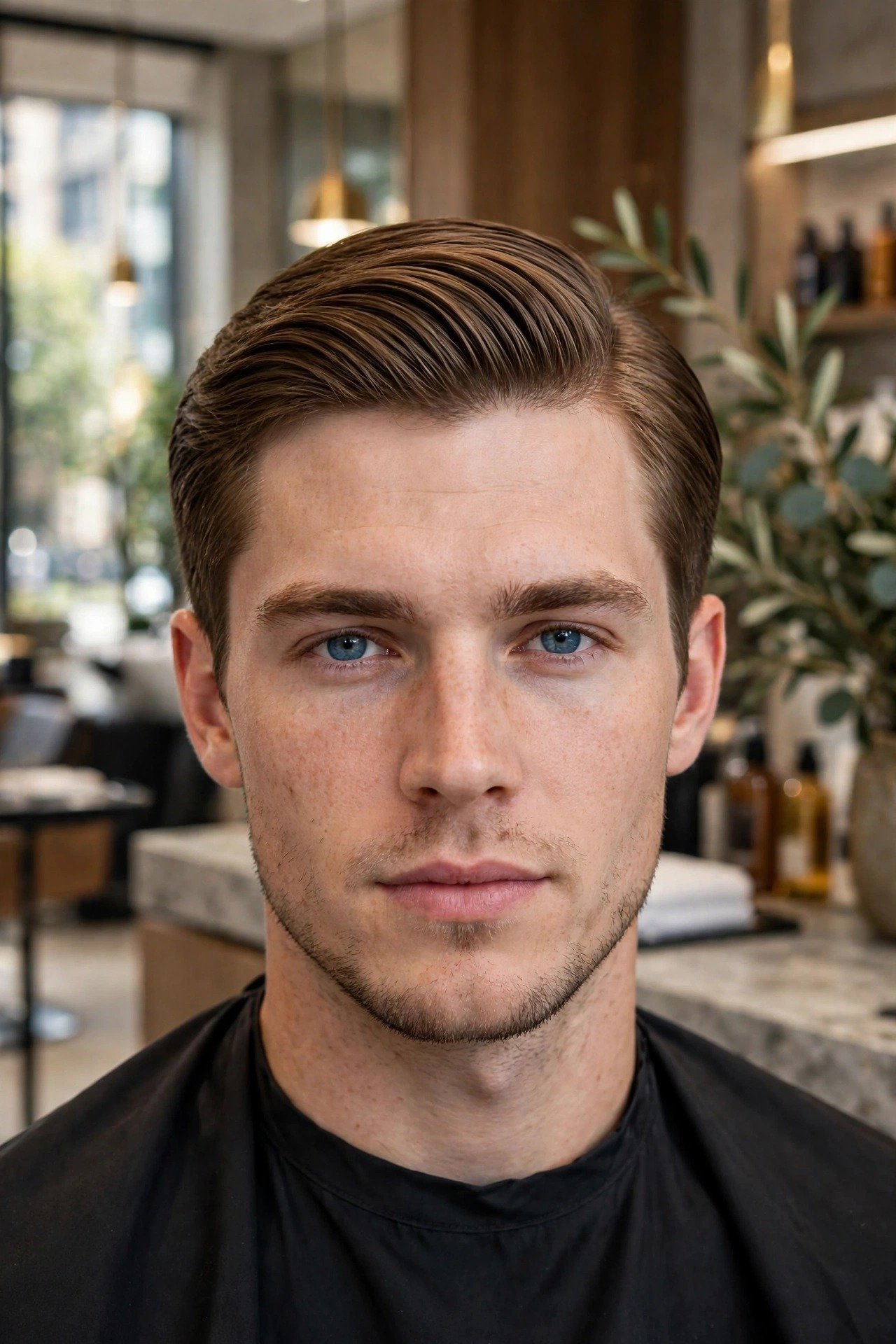
Straight hair shows the structure of an Ivy League clearly. The top lies smooth, partings look precise and the outline stays neat. This makes it ideal for classic side sweeps and glossy finishes. Your barber should cut with attention to growth direction so the hair falls naturally. Texture can be added if you prefer a matte, modern look. Straight hair is easy to style but may need help to create volume.
Use a light cream or pomade and comb the hair to one side. Blow drying at the roots adds lift if the hair lies too flat. Avoid heavy products that make straight hair look stringy. A matte clay creates separation for a textured finish. Keep the fringe area controlled so it does not fall into the eyes. Straight hair holds a parting well throughout the day with minimal product.
This variation suits oval, square and diamond faces. Men with fine straight hair should keep the top slightly longer for fullness. Thick straight hair may need thinning to prevent a heavy shelf. Regular trims maintain the smooth outline. Straight hair also works well with hard parts and brushed back styles. The Ivy League was practically designed for this hair type, making it a reliable and flattering choice. Straight hair also shows split ends clearly, so regular trims keep the surface smooth. A light conditioning routine improves shine and control. Keep the parting consistent to train the hair into place. Simplicity is the strength of this variation.
31. Ivy League with Drop Fade
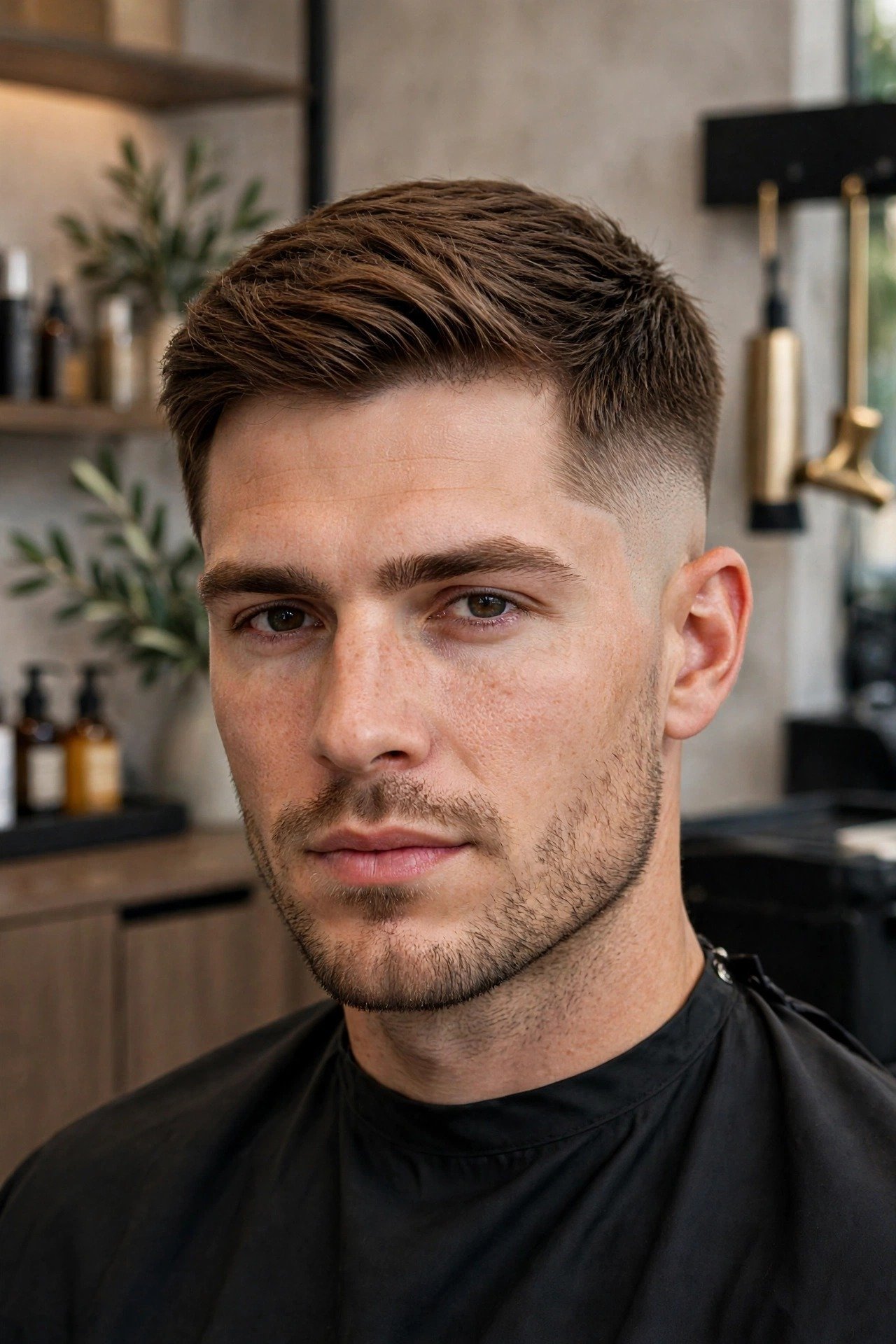
A drop fade curves down behind the ear, following the shape of the head. This creates a distinctive profile while keeping the top classic. It suits men who want a modern fade with a softer line than a straight mid fade. The top can be swept to the side or textured. The curved blend looks particularly good with beards. It adds barbershop character without making the overall style too aggressive for professional settings.
Style the top with a matte clay and direct the front to one side. The drop fade needs regular maintenance to preserve its curve. Book a refresh every two weeks. Keep the neckline clean so the fade shape remains visible. Avoid heavy products on the sides. A little skin care around the ears prevents dryness. The finish looks intentional from the side and back as well as the front.
Drop fades flatter oval, square and round faces. The curve softens strong angles and adds interest to the profile. Men with thick hair hold the contrast well. Fine hair needs a gentle blend to avoid harsh lines. Keep the top proportionate so the fade does not dominate. This style pairs well with shaped facial hair and contemporary clothing. It is a modern update to a timeless cut. The curved fade also looks excellent with a shaped beard. Keep the curve smooth and avoid taking it too low at the back. A balanced drop fade enhances the head shape beautifully. It rewards barbers who work with precision.
32. Ivy League with Burst Taper
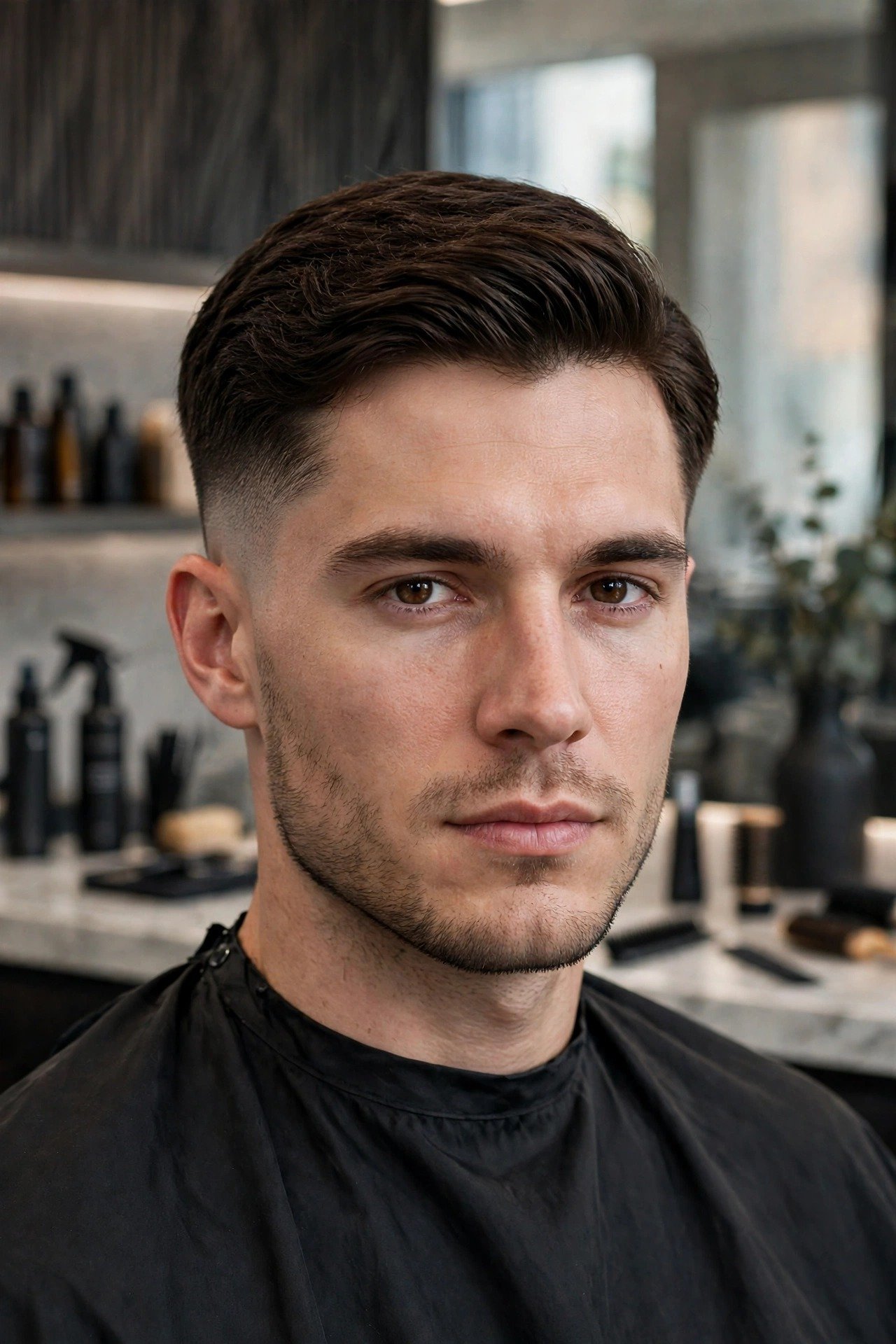
A burst taper fades in a semicircular shape around the ear, leaving more length elsewhere. This detail adds flair while preserving a classic top. It suits men who want a distinctive barbering feature without a full fade. The top remains suitable for a side sweep or light texture. Burst tapers work well with beards because the fade can connect smoothly. The result is creative yet still wearable for many workplaces.
Styling the top is unchanged: use a light matte product and sweep the hair to one side. The burst taper requires maintenance every two to three weeks to keep its shape. Keep the area around the ears clean and moisturised. If you wear glasses, the taper prevents hair interfering with frames. This detail is subtle from the front but noticeable from the side. It rewards men who appreciate precise barber work.
Burst tapers suit oval, diamond and square faces. They add definition around the ears and jaw. Men with round faces benefit from the reduced bulk near the cheeks. Keep the top balanced so the taper does not look isolated. A well-shaped beard enhances the effect. This variation is ideal for men who want individuality within a classic framework. It shows how small barbering details can transform a familiar haircut. From the front the style remains classic, which keeps it workplace friendly. From the side the burst taper adds personality and craft. That contrast is exactly why many men choose it. Keep both sides symmetrical for the best effect.
33. Ivy League for Heart Shaped Faces
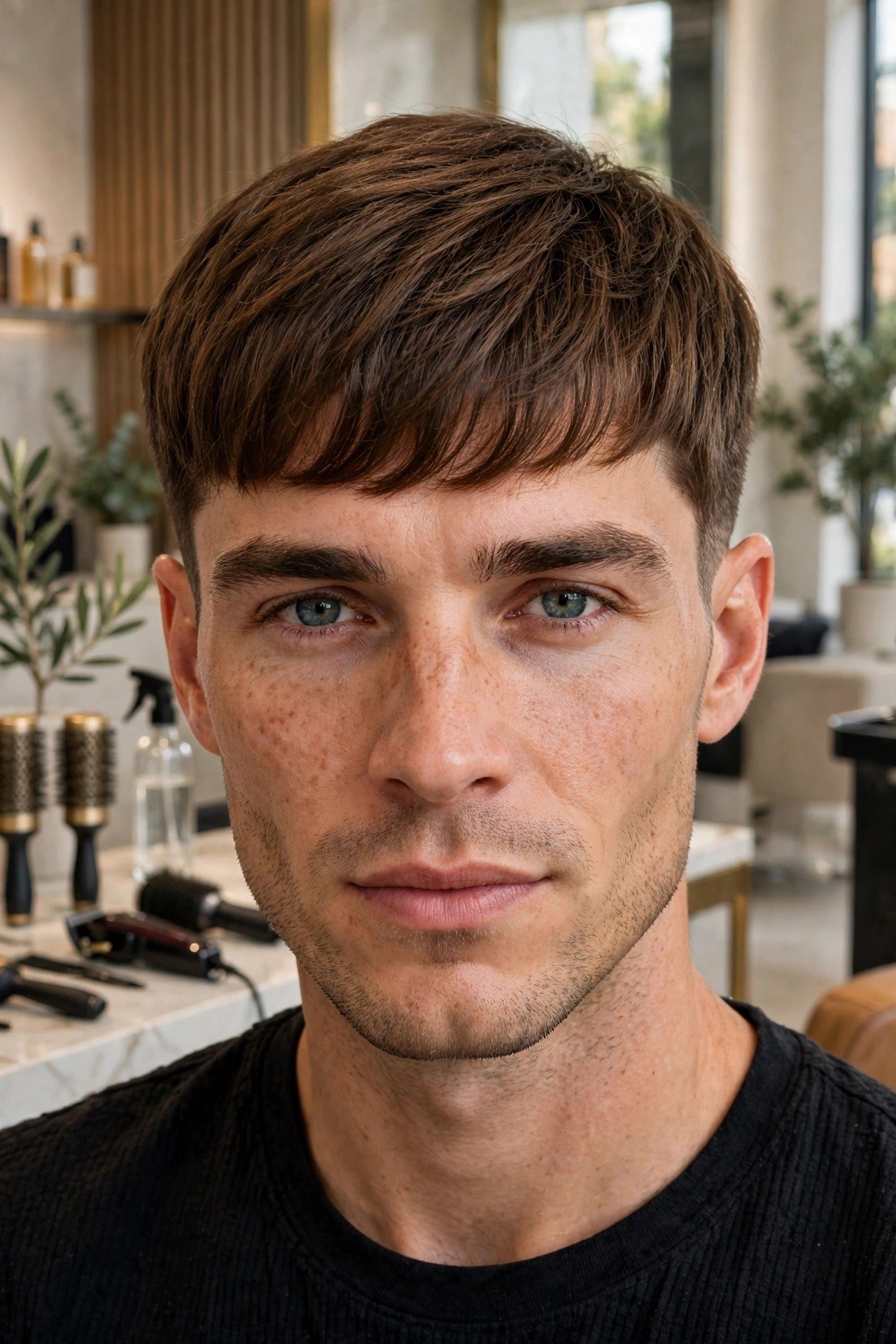
Heart shaped faces have a broader forehead and narrower chin. An Ivy League with a moderate top and soft fringe helps balance these proportions. Avoid excessive height, which can emphasise the forehead. A side sweep with light texture adds width control without bulk. Sides should be tapered gently rather than faded aggressively. This creates a harmonious silhouette that suits both formal and casual settings.
Style the hair to one side with a light cream. Keep the front slightly forward to soften the forehead. Matte products prevent harsh shine on the widest part of the face. Avoid brushing the hair straight back, which exposes the full forehead. A short beard can add width to the chin and improve balance. The overall goal is even proportions from forehead to jaw.
Regular trims keep the top from becoming too heavy. Men with heart shaped faces often suit natural hairlines and soft edges. Wavy hair can add helpful softness. Keep the sides neat but not overly short. This tailored Ivy League looks refined and professional. It demonstrates how adjusting length and direction can flatter a specific face shape while retaining classic character. A little volume at the chin area from facial hair can complete the balance. Keep the fringe light and avoid a heavy straight line across the forehead. Soft texture usually flatters this face shape best. Check the profile as well as the front view. Harmony matters more than sharpness here. Your barber should judge the proportions carefully before cutting.
34. Ivy League with Tousled Finish
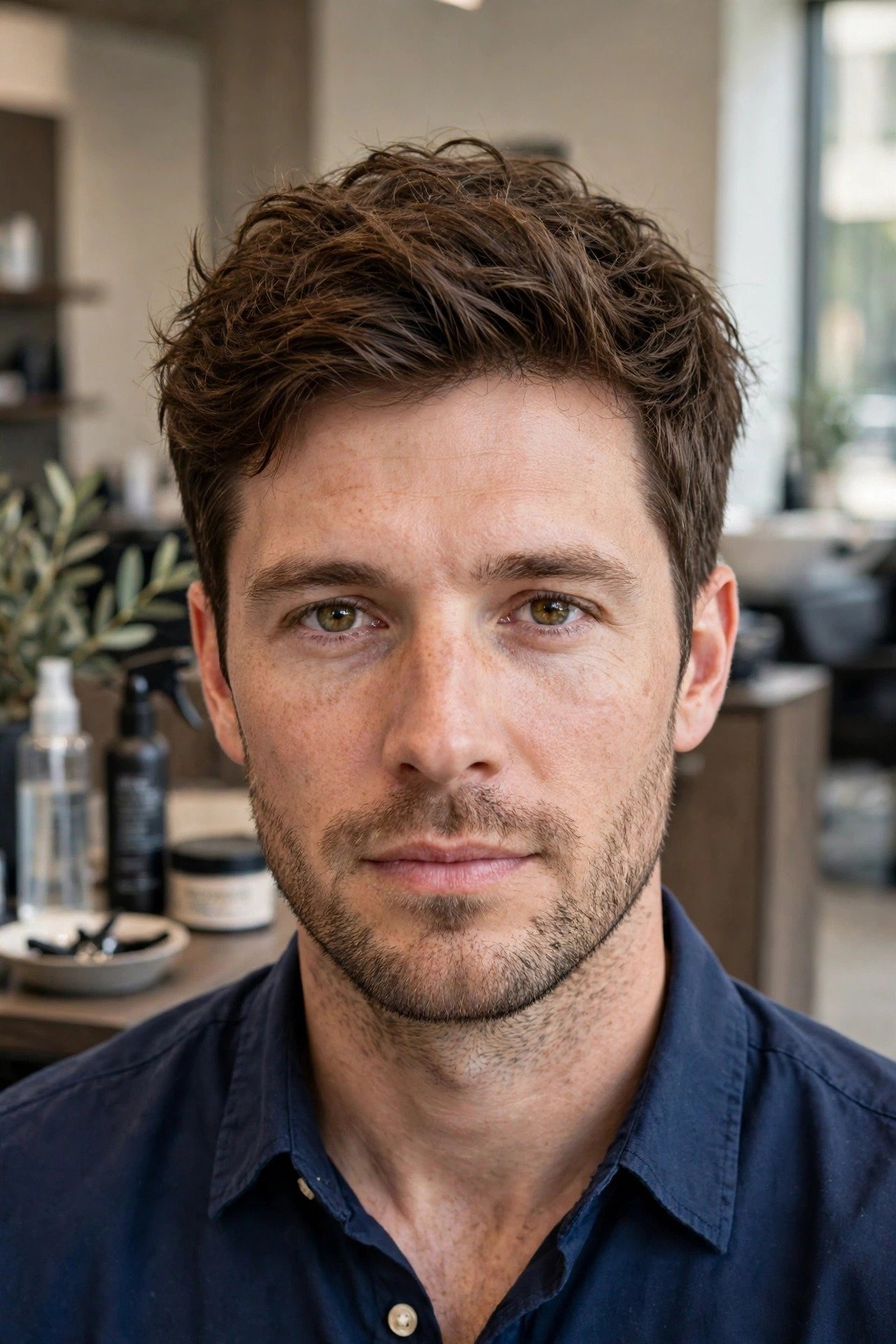
A tousled finish gives the Ivy League a relaxed, effortless character. The top is styled with irregular texture rather than a neat comb-over. Sides remain tapered so the overall shape stays tidy. This suits men who want a smart outline with a casual mood. It works particularly well for weekends, creative workplaces and social events. The tousled top adds youthfulness without sacrificing the classic structure of the cut.
Apply a matte clay to dry hair and lift sections with your fingers in different directions. Avoid a comb and do not aim for perfect symmetry. A little sea salt spray can enhance texture on straight hair. Keep the product light so the hair still moves. The finish should look deliberately undone, not messy. It takes only a minute and can be refreshed during the day with your fingers.
Tousled finishes flatter oval, square and heart shaped faces. Thick hair holds texture easily, while fine hair gains apparent volume. Keep the fringe soft and above the eyebrows. Regular trims prevent the top becoming shapeless. This style pairs well with stubble and casual clothing. It is ideal for men who dislike rigid styling but still want a groomed, modern haircut that looks intentional. It also refreshes easily during the day with a quick finger comb. Keep a small amount of product in reserve rather than applying too much at once. Tousled hair should still look clean around the ears. The tidy sides provide that essential contrast.
35. Ivy League with Classic Scissor Cut Sides
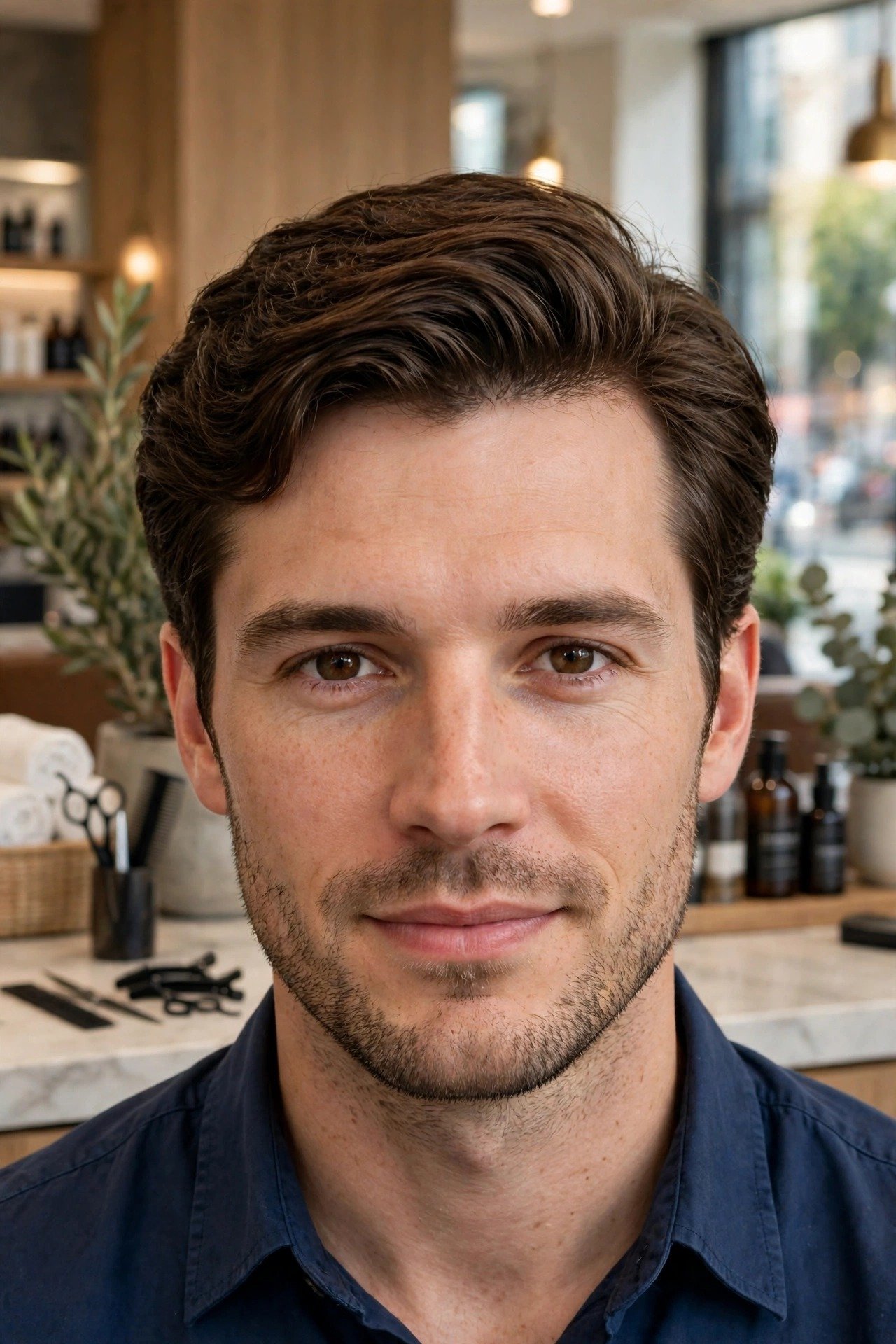
Scissor cut sides create a softer, more traditional Ivy League. Instead of clippers and fades, the barber shapes the sides with scissors for a natural blend. This suits men who prefer a conservative, timeless appearance. The top and sides connect smoothly without harsh contrast. It works well in formal workplaces and for older men. Scissor work also allows precise control for uneven growth patterns and cowlicks.
Styling is simple and traditional. Comb the top to one side with a light cream or pomade. The scissor cut sides lie naturally and need no product. Maintenance is easier than a fade, with trims every four weeks often sufficient. The softer outline grows out gracefully. Keep the neckline tidy for a polished finish. This approach suits men who value classic grooming over sharp barbershop contrasts.
Scissor cut sides flatter oval, square and heart shaped faces. They add softness to strong features and suit fine hair particularly well. Thick hair may need internal texture to prevent bulk. Avoid very short sides, which would lose the scissor cut effect. This style pairs beautifully with formal clothing and a clean shave. It is the most traditional interpretation of the Ivy League and remains elegant. Scissor work also suits men with sensitive scalps who dislike clippers. The softer sides feel comfortable and look natural as they grow. Traditional technique still has a place in modern barbering. Choose it when refinement matters more than contrast. It ages gracefully between appointments.
36. Ivy League with Modern Disconnected Blend
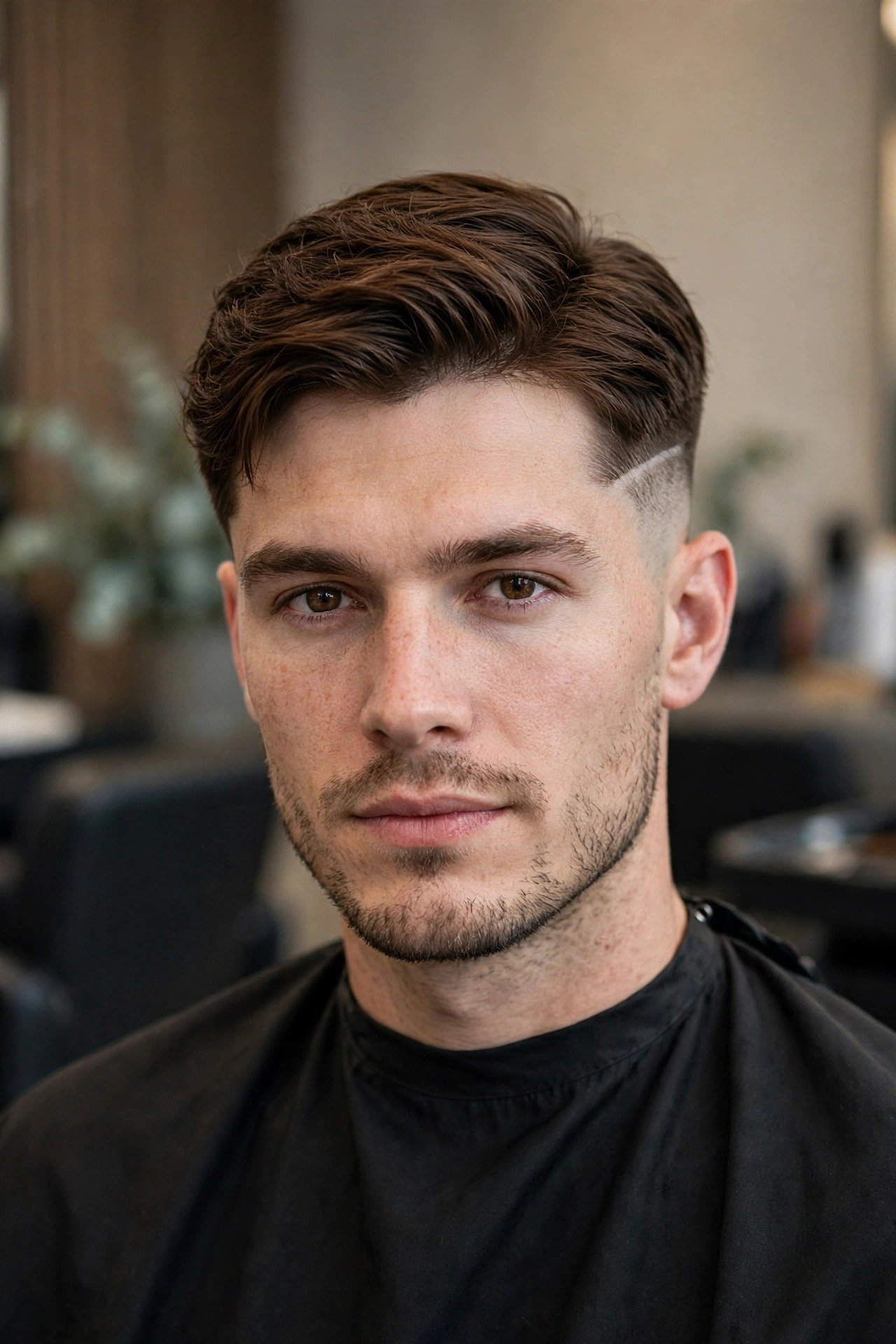
A disconnected blend creates a visible separation between the longer top and shorter sides. This gives the Ivy League a bold, contemporary edge. The top is worn with texture or a side sweep, while the sides are faded closely. It suits men who want a striking profile and enjoy modern barbering. The disconnection should be deliberate but not extreme, so the cut still reads as an Ivy League. It makes a strong style statement.
Style the top with a matte clay to emphasise texture and direction. The disconnected sides need regular fading to maintain contrast. Book barber visits every two weeks. Keep the top length controlled; excessive length can look unbalanced. A light spray helps hold the shape. This finish works well for social events and creative environments. It requires confidence and consistent maintenance to look its best.
Disconnected blends suit square, oval and diamond faces. They emphasise bone structure and create a sharp silhouette. Men with round faces should keep some height on top to balance the contrast. Fine hair may need a softer disconnection to avoid looking sparse. Pair the style with a shaped beard for cohesion. This is the most fashion-forward Ivy League variation, ideal for men who want classic length with modern attitude. Keep the disconnection clean so the style looks designed rather than unfinished. A strong top needs equally strong maintenance on the sides. This is a statement cut for men who enjoy barber culture. Wear it confidently and keep the outline sharp.
How to Style and Maintain an Ivy League Haircut at Home
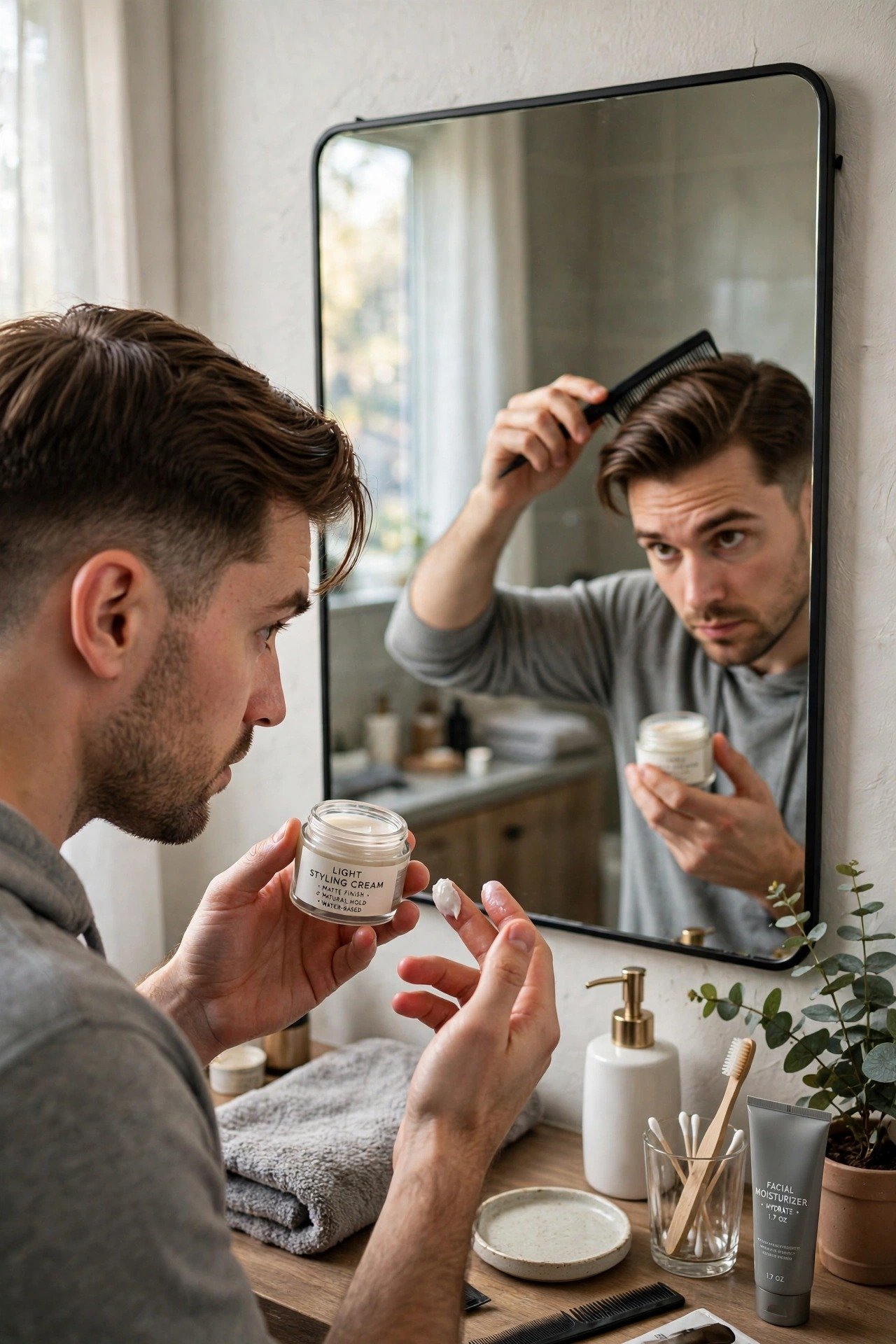
Start with clean, towel-dried hair and a small amount of product. For a classic side sweep, apply a light cream or water-based pomade and comb the hair into your parting while it is damp. For texture, use a matte clay on dry hair and shape the top with your fingers. Blow drying for one minute helps set direction and adds lift at the roots. Avoid heavy gel, which makes the cut look stiff and dated. The best Ivy League styling looks controlled but still natural, with movement rather than a solid, shiny shell. If the hair looks wet or separated into strings, you have used too much product and should start again.
Maintenance depends on the sides. Tapered versions usually need a trim every three to four weeks, while skin fades and hard parts need attention every one to two weeks. Ask your barber to keep the top length consistent and refresh texture before the hair becomes heavy. At home, keep the neckline tidy only if you are confident with clippers. Wash hair regularly but avoid overwashing, which can dry the scalp. Round-ups of trending men haircuts consistently favour manageable styles, and regular small trims keep this cut in that category. A photograph from your last good haircut also helps your barber repeat the shape accurately every single visit.
Choose products according to your hair type. Fine hair benefits from light matte clay and root lift, while thick hair needs stronger hold and texture to reduce bulk. Wavy and curly hair respond well to curl cream and gentle drying. Keep a comb for formal days and use fingers for relaxed texture. If the hair falls forward, a brief blow dry in the desired direction usually solves the problem. With a simple routine and regular barber visits, an Ivy League remains smart, comfortable and easy to wear every day. Consistency matters more than complicated technique, so keep the routine short enough that you will actually follow it.
Frequently Asked Questions
What is the difference between an Ivy League haircut and a crew cut?
An Ivy League has more length on top than a crew cut. The top is long enough to part, sweep to one side or brush back, usually between two and four inches. A crew cut is shorter and follows the shape of the head more closely. Both have tapered sides, but the Ivy League looks more styled and formal. Choose an Ivy League if you want versatility and a polished finish. Choose a crew cut if you prefer minimal styling and a very short, practical result.
How long should the top be for an Ivy League haircut?
Most Ivy League haircuts keep two to four inches on top. Shorter versions around one to two inches look closer to a crew cut but retain direction. Longer versions allow a fuller sweep, slight quiff or brushed back finish. Your hair type matters: thick hair can support more length, while fine hair often looks better with moderate length. Ask your barber to leave enough front length for your preferred parting. The top should be clearly longer than the sides while blending smoothly into them.
Does an Ivy League haircut suit every face shape?
Yes, with adjustments. Oval faces suit almost every variation. Round faces benefit from height on top and closer sides. Square faces look best with a soft parting that balances strong angles. Diamond and heart shaped faces need fuller top volume or a gentle fringe to create balance. Your barber can tailor the taper, parting and texture to your proportions. The classic structure is flexible, which is why it remains popular. Discuss your face shape openly before the cut begins for the best result.
Can men with curly or wavy hair wear an Ivy League?
Absolutely. Wavy hair adds natural movement and volume, while curly hair creates texture and character on top. The barber should allow for shrinkage and avoid excessive thinning that disrupts curl pattern. Keep the sides tapered for contrast and leave enough top length for curls to sit neatly. Use curl cream or light matte products rather than heavy wax. Air drying or a diffuser helps control frizz. With the right cutting technique, natural texture makes the Ivy League look distinctive and modern.
How often should I get an Ivy League haircut trimmed?
Most men need a trim every three to four weeks to maintain the shape. Skin fades, hard parts and sharp hairlines need refreshing every one to two weeks. Scissor cut sides and natural hairlines grow out more gracefully and can wait longer. Regular small trims prevent the top becoming heavy and the sides losing their taper. If the parting stops sitting correctly or the fringe covers your eyes, it is time for a barber visit. Consistent maintenance keeps the cut looking intentional.
What products work best for styling an Ivy League?
Light matte clay, cream and water-based pomade are the most useful products. Matte clay suits textured and natural finishes. Cream gives soft control for side sweeps. Water-based pomade adds shine for formal, glossy looks and washes out easily. Fine hair needs light products and root lift, while thick hair needs stronger hold. Use a pea-sized amount first and add more only if needed. Avoid heavy gel and oil, which can make the hair look stiff, greasy or weighed down.
Is an Ivy League haircut suitable for professional workplaces?
Yes, it is one of the most workplace-friendly short hairstyles. The neat sides and controlled top look polished in meetings, interviews and client-facing roles. A classic side part or soft sweep is safest for conservative environments. Fades and texture can still be professional if kept tidy. The cut also adapts easily for evenings by adding texture or lift. Its versatility and clean outline explain why professionals across age groups continue to choose it. It signals care without appearing overly fashion-driven.
Can an Ivy League help with a receding hairline?
It can, when styled correctly. Direct the top forward and to one side to improve coverage at the temples. Keep the front textured and use matte products, as shine can highlight thinning. Avoid brushing the hair straight back or using a hard part that exposes the scalp. A tapered side creates contrast and makes the top look fuller. Discuss your hairline honestly with your barber. A well-tailored Ivy League can make thinning hair appear denser and more deliberate.
What should I ask my barber for an Ivy League haircut?
Ask for length on top with tapered or faded sides, and specify your preferred parting and finish. Mention whether you want a soft part, hard part, texture, quiff or fringe forward. Bring a reference photograph that matches your hair type and face shape. Discuss how often you can visit for maintenance, as fades need more frequent care. Ask the barber to blend the top smoothly into the sides. Clear communication about length, texture and upkeep ensures the result suits your lifestyle.
How do I style an Ivy League at home quickly?
Towel dry your hair, apply a small amount of cream or clay and direct the top to one side. Use a comb for a formal finish or your fingers for texture. A one-minute blow dry sets the direction and adds lift. Keep product minimal so the hair still moves naturally. For a quiff effect, lift the front while drying. The whole routine should take two to three minutes. With regular trims, the haircut largely styles itself and stays neat throughout the day.
Conclusion
The Ivy League remains one of the smartest choices a man can make in 2026. It combines classic polish with modern flexibility, suits many hair types and face shapes, and requires only a simple daily routine. Whether you prefer a soft side part, textured top, fade or brushed back finish, there is a variation that fits your lifestyle. The key is choosing proportions that flatter your features and maintaining the shape with regular trims. A good barber and a small amount of the right product will do the rest. That reliability is rare in short hairstyles, and it is why barbers keep recommending this cut year after year to clients of every age.
Use the 36 styles in this guide as a starting point for your next barber visit. Consider your hair texture, face shape, workplace and how often you can maintain fades or sharp edges. Bring a reference image and explain the finish you want clearly. With the right variation, an Ivy League will keep you looking prepared for work, events and everyday life. It is timeless without being boring, neat without being severe and versatile enough to grow with your personal style. Choose the version that fits your hair honestly, maintain it properly, and it will repay you with confidence every morning. Few haircuts offer this balance of polish, comfort and versatility for such little daily effort.